Wildlife Care Center Fire Took Nearly 40 Animals in Hughson
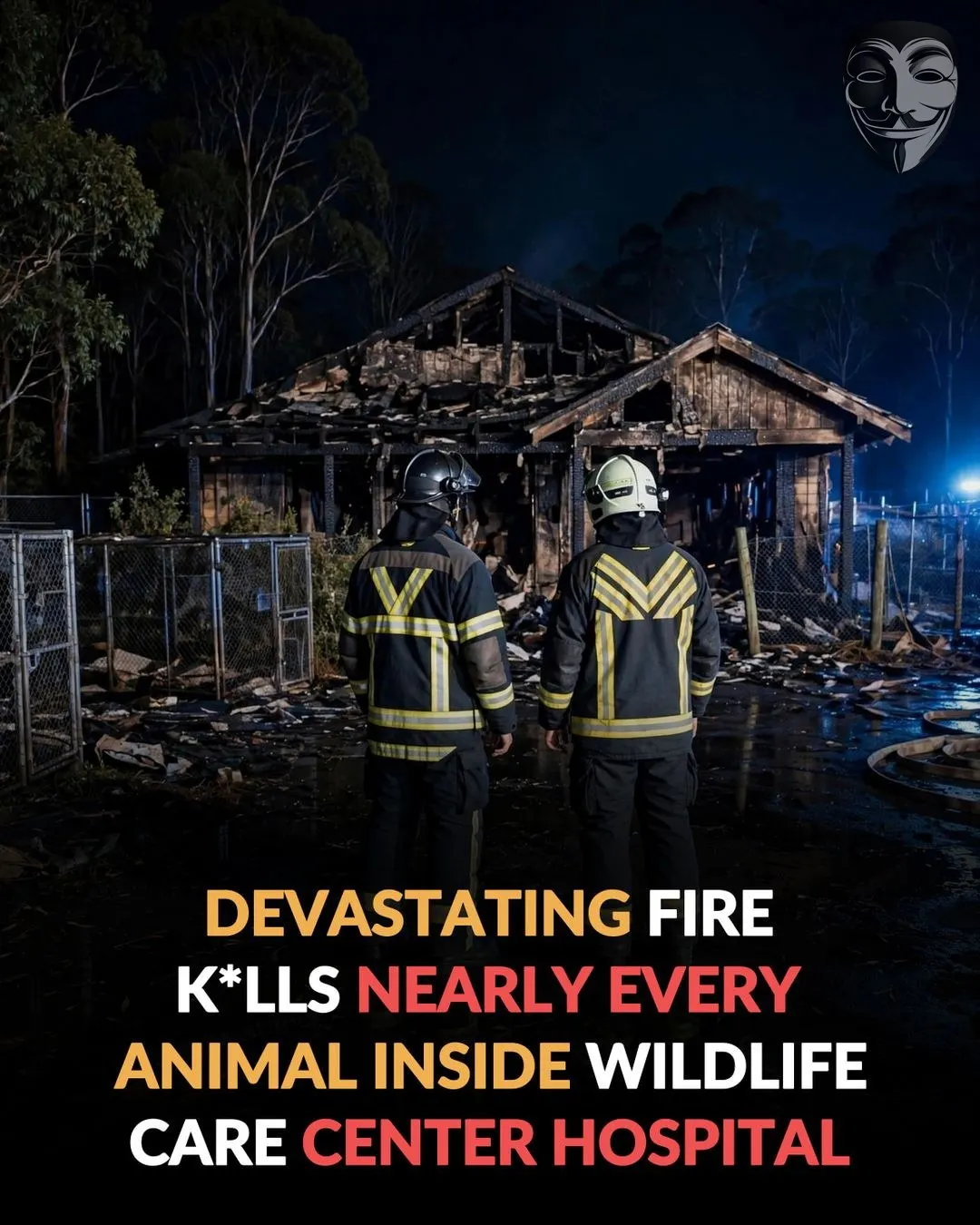
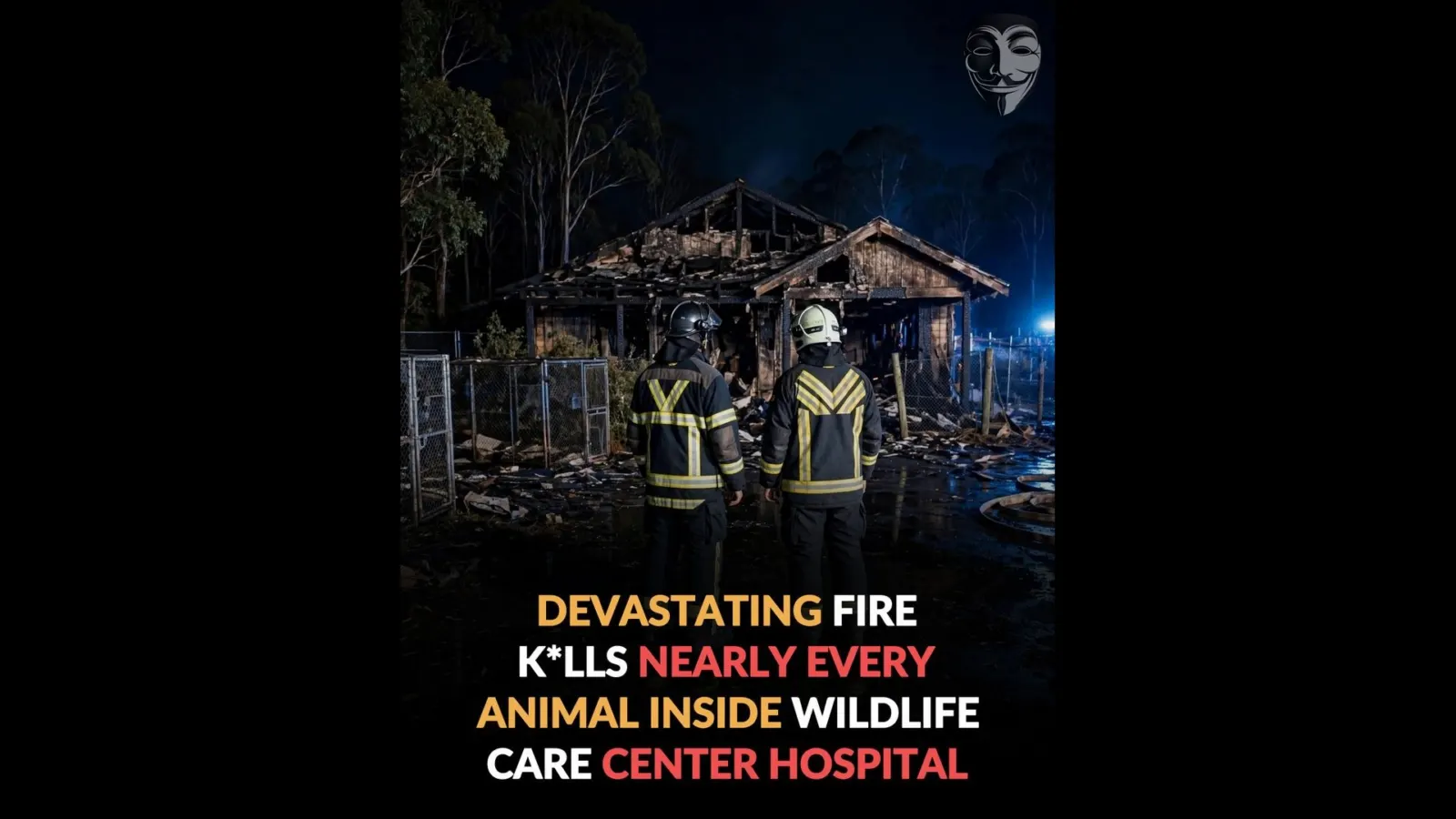
Wildlife care center staff in Hughson shared heartbreaking news on Wednesday evening, November 18, after a fire tore through the hospital building at the Stanislaus center and took nearly 40 animals. The blaze broke out after staff had left for the day, and by the time firefighters arrived the roof had already collapsed. No people were inside, but many of the animals lost were well known resident animals that visitors loved. In the slides ahead we look at the animals, the rescue, and the plan to rebuild.
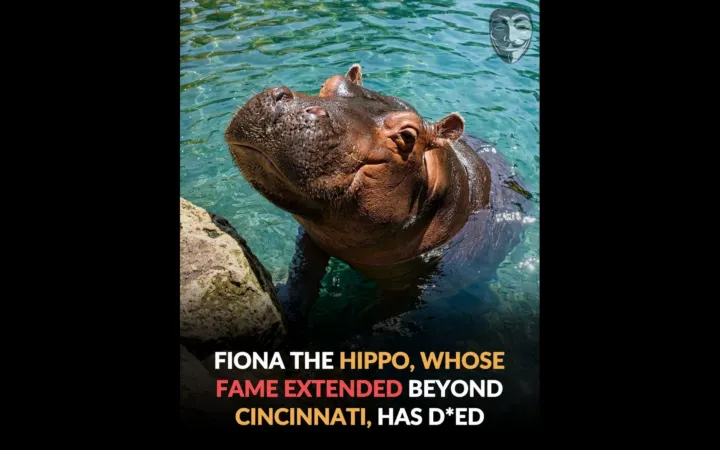
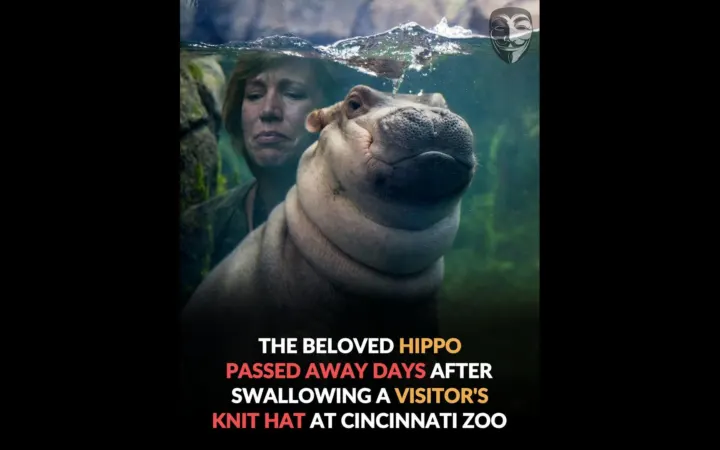
Two snakes and a turtle were pulled out alive, and about 100 animals in outdoor cages survived the night, which gives the wildlife care center team a reason to keep going. The center says it will rebuild a bigger hospital on the same site, so the work of caring for injured and orphaned wild animals can continue. For more stories about animals that beat the odds, read our report on a rare golden tiger named Ava and our story about Fiona the hippo.
References:
Fire Engineering: Fire K*lls Nearly All Animals at CA Hospital Building
Mogaz: At least 40 animals de*d in Stanislaus Wildlife Care Center fire in Hughson
Particle News: Fire Destroys Stanislaus Wildlife Care Center, Nearly 40 Animals K*lled
Los Angeles Times: Investigation underway after fire at wildlife center k*lls about 40 animals
A Wednesday Evening That Changed Everything
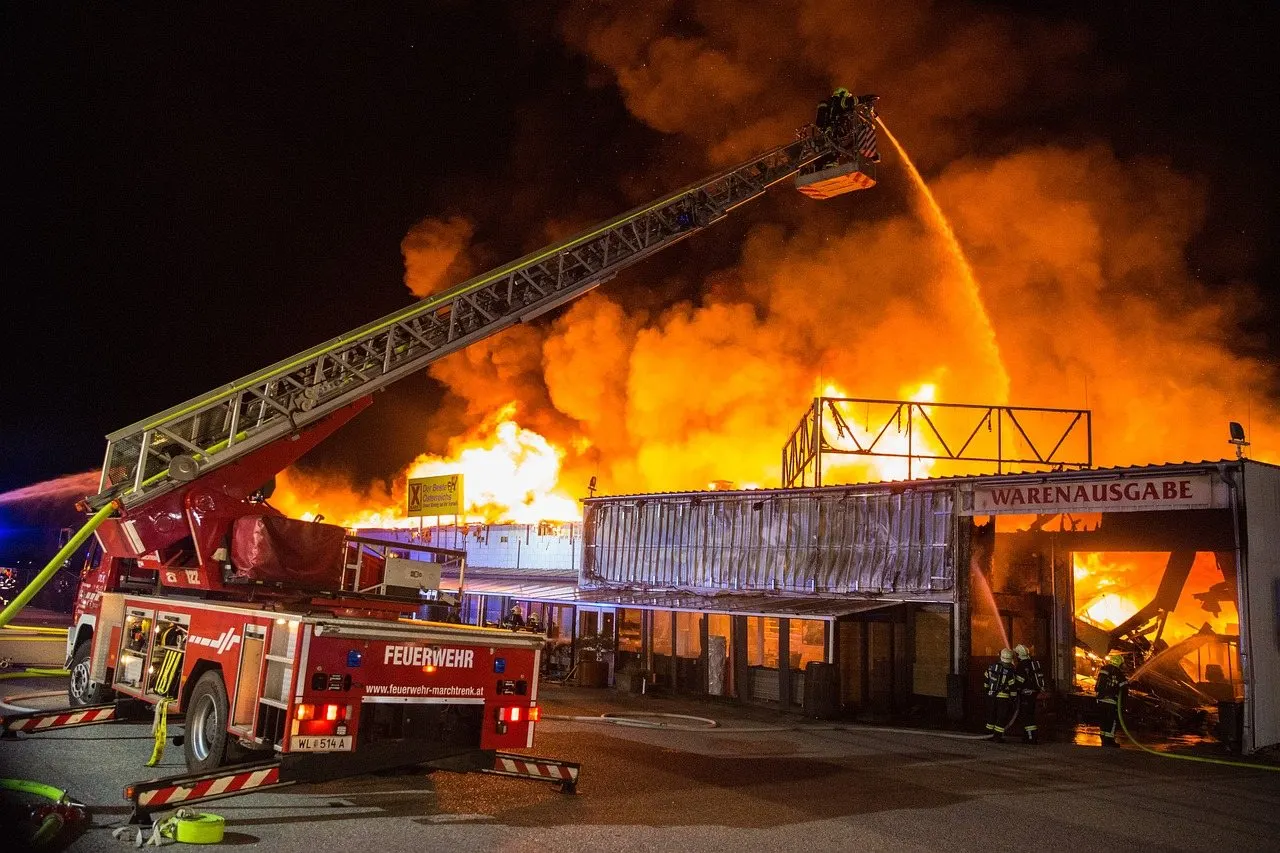
The fire broke out on Wednesday evening, November 18, at the Stanislaus Wildlife Care Center hospital building in Hughson. Staff had left around 4 p.m. because a storm had knocked out the power, so the building was empty when the flames began. That timing saved lives, since no people were inside when the fire started, but it also meant no one was there to spot the smoke early. By the time firefighters arrived, the roof had collapsed and the hospital was lost. Read about another animal we loved in the story of Harambe.
Hopper the Raven Lived 30 Years at the Wildlife Care Center
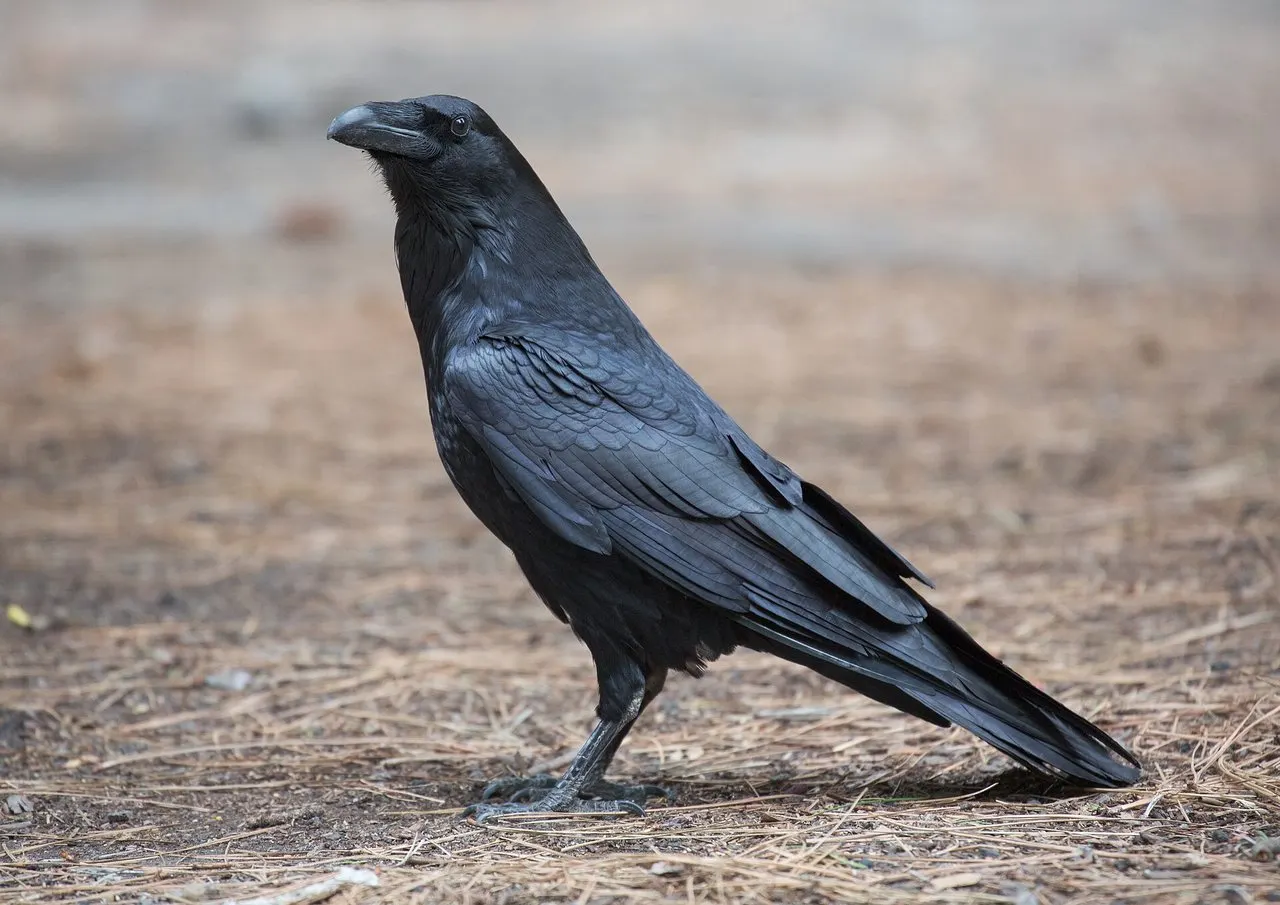
Hopper was a 30-year-old raven and one of the best known resident animals at the center. Ravens can live for decades in care, and Hopper had spent a long life being fed, watched over, and loved by staff and visitors. He was not just a passing patient. He was a permanent resident, a familiar face that people asked about when they visited. Losing an animal that old feels like losing a piece of the place itself. Learn about another rare animal in our report on a golden tiger named Ava.
Curley the Elderly Barn Owl
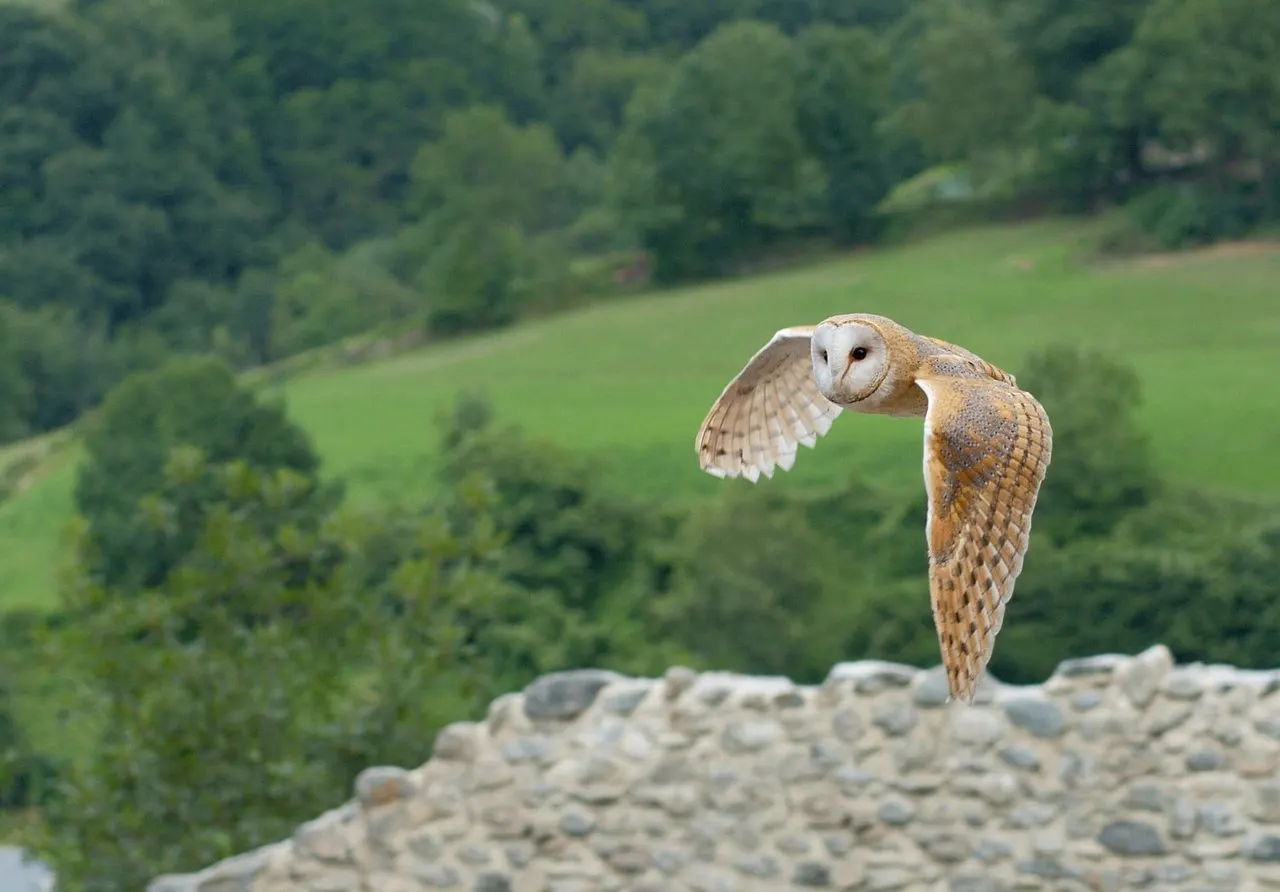
Curley was an elderly barn owl who lived at the center as a resident animal. Barn owls are quiet hunters with pale heart shaped faces, and older birds in care often cannot return to the wild. Curley had a safe home, regular meals, and people who knew his habits. Visitors loved to hear about him, and staff spoke of him with real affection. His loss shows why the fire hurt so much. These were not nameless animals. They were known and loved. Read about Fiona the hippo in our animal coverage.
Ariel and Boba the Two Squirrels
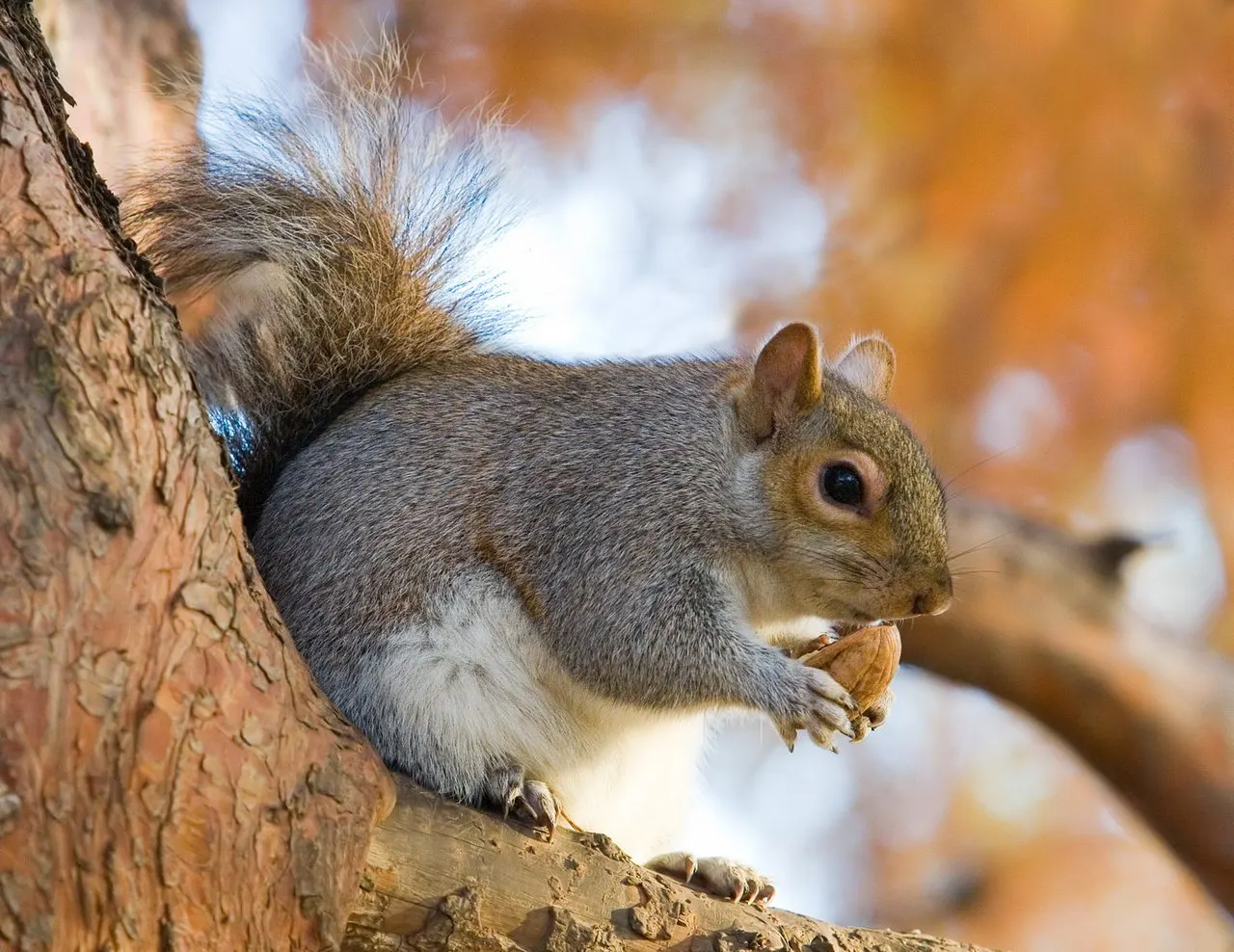
Ariel and Boba were two squirrels who lived at the center, and their names were known to staff and regular visitors. Squirrels in wildlife care are often orphans or animals hurt too badly to survive alone. They are small, quick, and full of life, and they win people over fast. Ariel and Boba were part of the daily life of the hospital building, and their loss is felt by everyone who fed and watched them. See the plan to end horse drawn carriages and read about a rare orange nurse shark in our other stories.
Benny the Rabbit
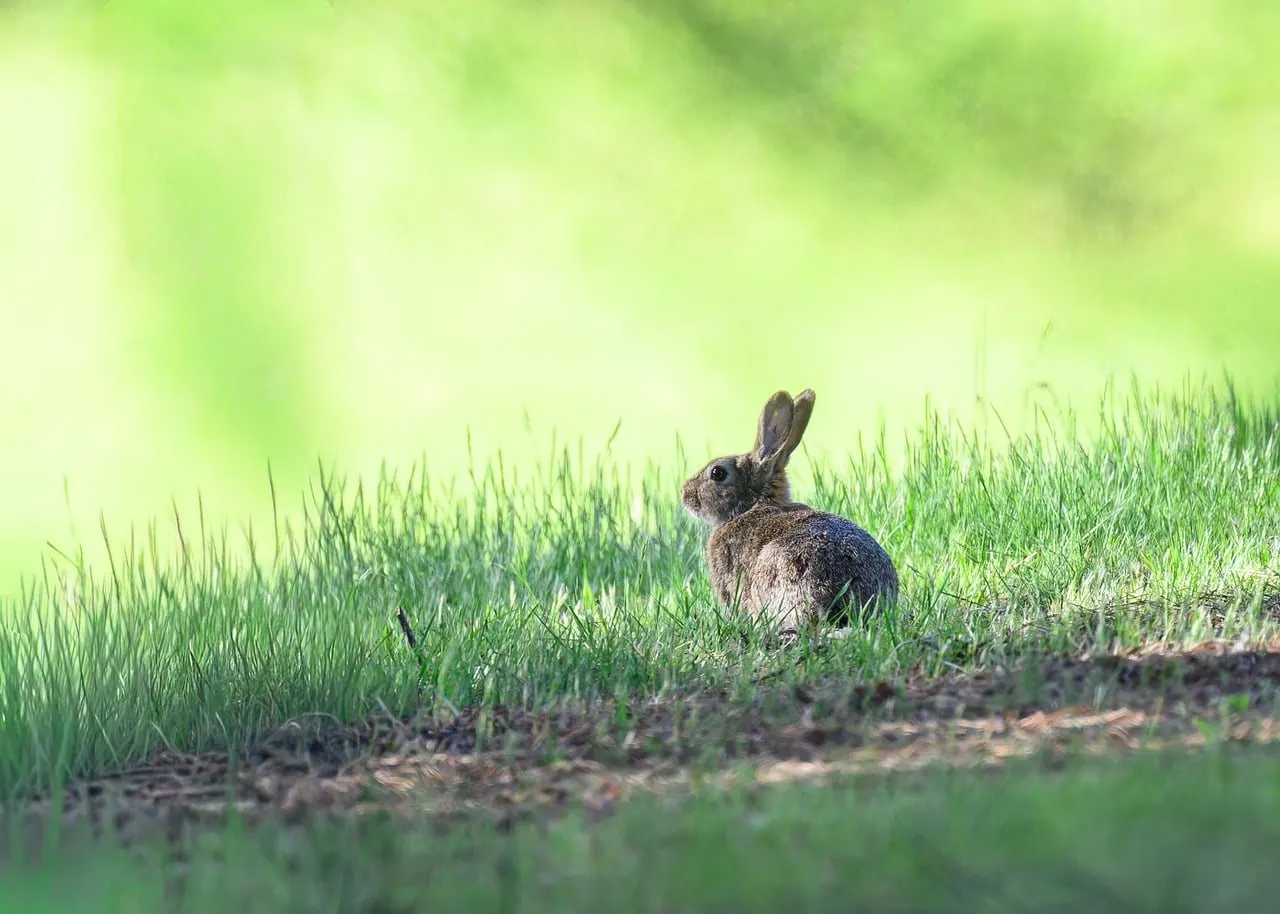
Benny was a rabbit who lived at the center, and he was one of the animals visitors remembered most. Rabbits are gentle, quiet animals, and a resident rabbit becomes a favorite fast, especially with children. Benny had a safe home, food, and people who checked on him every day. He was not a wild rabbit passing through for a short stay. He belonged there. His loss is one of the hardest parts of this story. Read about a rare golden tiger named Ava in our animal stories.
Doves, Opossums, a Fox and a Raccoon
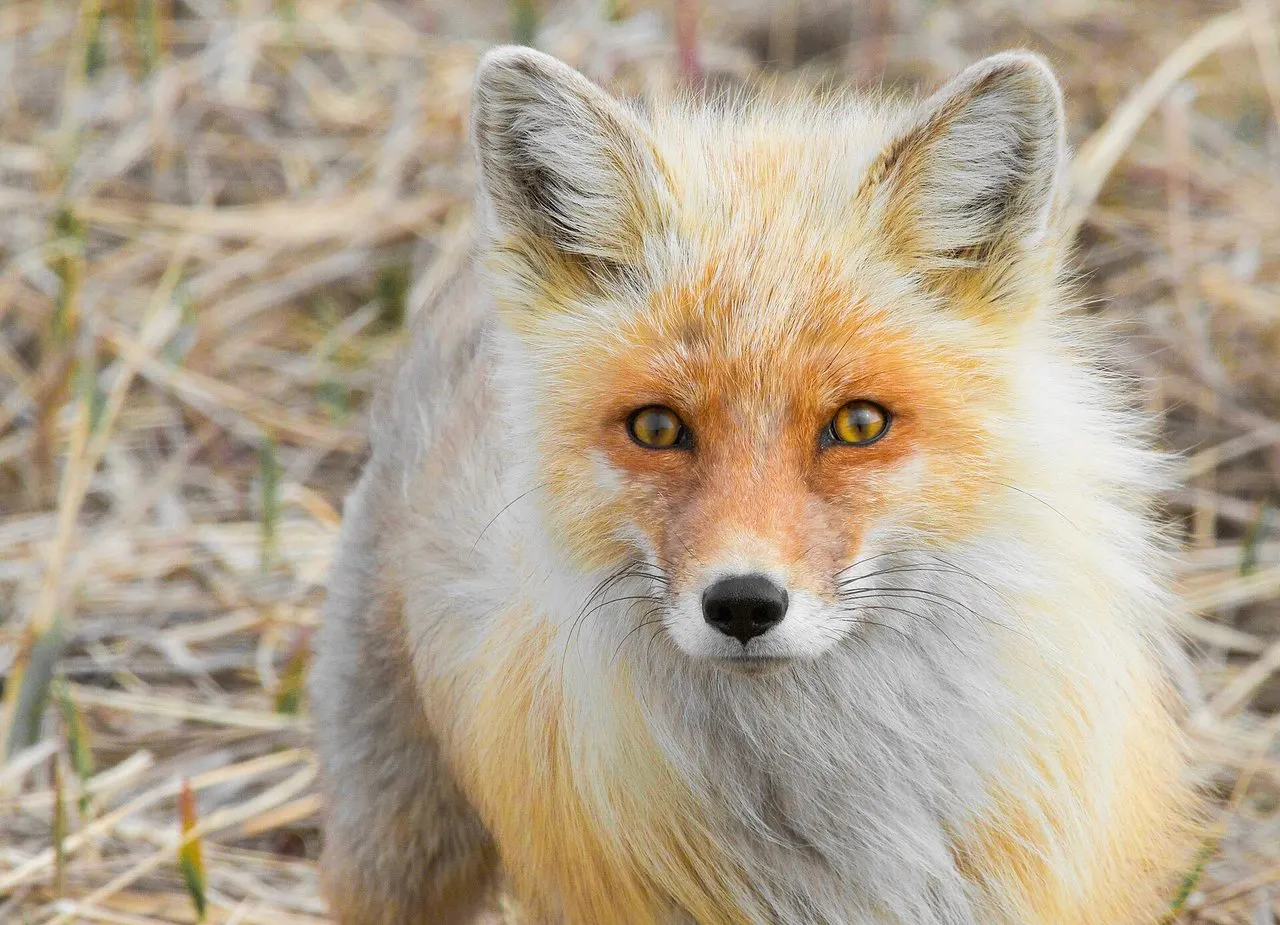
Along with the named animals, the fire took doves, opossums, a fox, and a raccoon. Each one had its own story, and each one was in the hospital for a reason. Some were hurt, some were orphaned, and some could never go back to the wild. Together they show how many kinds of animals pass through a wildlife hospital. A fox, a raccoon, and a dove may seem very different, but they all needed the same care. Read the story of Harambe for more animal news.
Two Snakes and a Turtle Were Pulled Out Alive
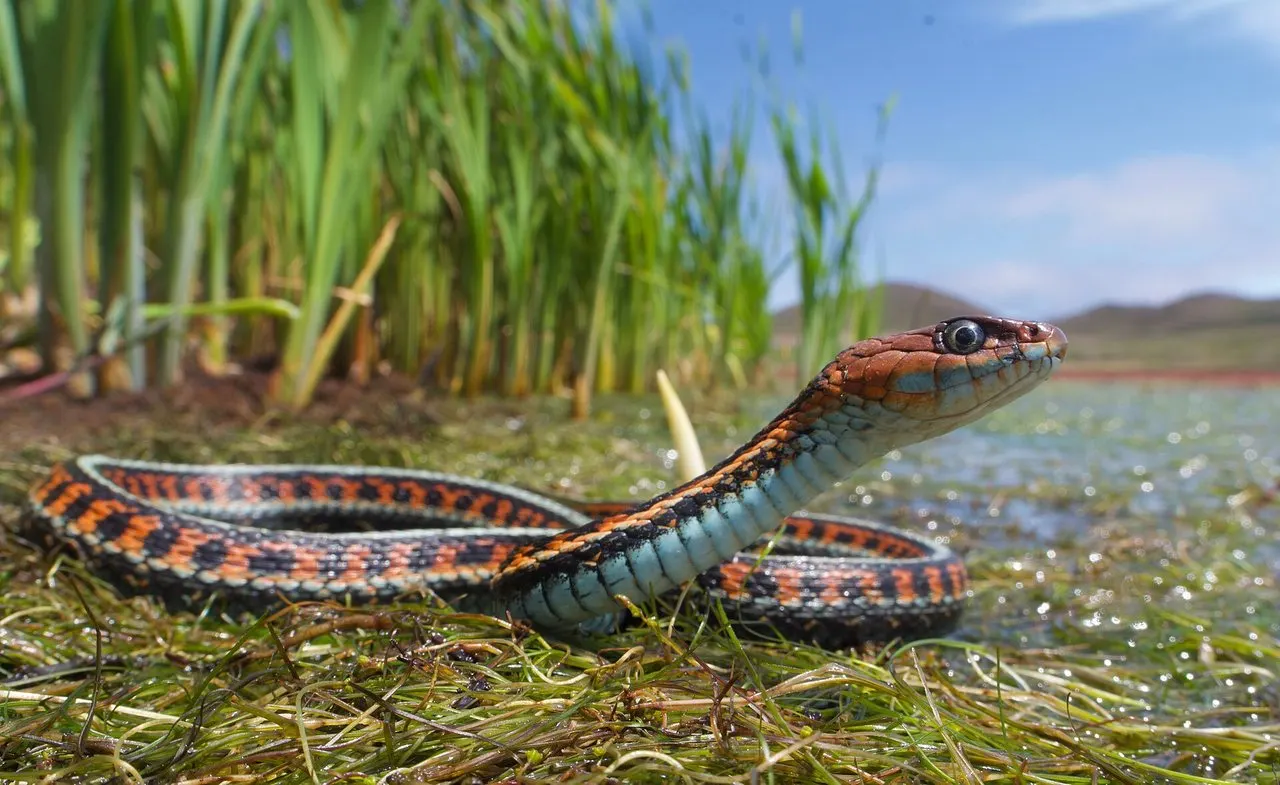
Two snakes and a turtle were pulled out alive, and their rescue is a small bright spot in a dark story. Reptiles move slowly and stay low, which may have helped them survive the smoke and heat. Staff and firefighters worked to get them out, and they are alive because someone reached them in time. Their survival matters because it shows that quick action can save lives even in a bad fire. Read about a rare orange nurse shark in our coverage.
Outdoor Cages at the Wildlife Care Center Kept Animals Safe
About 100 animals in outdoor cages survived the fire, because the flames stayed inside the hospital building. These animals were outside in their enclosures when the fire broke out, and the distance from the hospital saved them. It is a relief to know that so many animals made it through the night. They still need food, water, and care, and the center will keep looking after them while it rebuilds. Learn how much water data centers use and read about a recount decided by 330 votes in our other reports.
Firefighters Found the Roof Had Already Collapsed
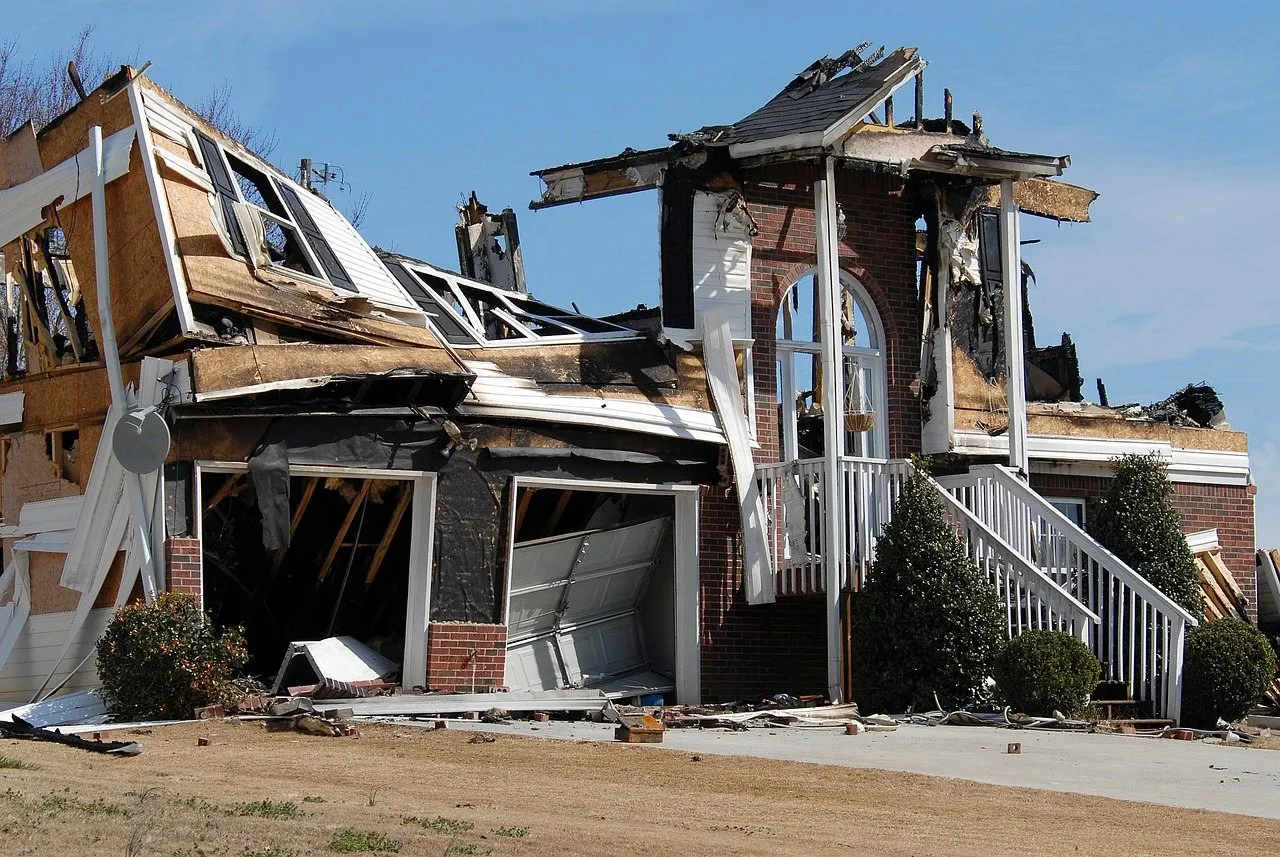
When firefighters arrived, the roof of the hospital building had already collapsed. A fallen roof makes a fire far more dangerous, and crews must work from outside while flames eat through what is left. The storm that night made the work harder, and the loss of power meant the building was dark. Firefighters did what they could, but the hospital was already gone. Their work kept the fire from spreading further. Read about a pub ban in Britain in our other stories.
The Storm That Knocked Out the Power

A storm had knocked out the power before the fire, and that is why staff left around 4 p.m. When the lights go out, a wildlife hospital cannot run its usual care, and staff must make hard choices about staying or going. The storm brought wind and rain, and it may have played a part in how the fire started. Investigators will look at the storm damage closely. Bad weather and fire are a dangerous mix. Read about the plan to close Rikers Island in our coverage.
Inside the Wildlife Care Center Hospital
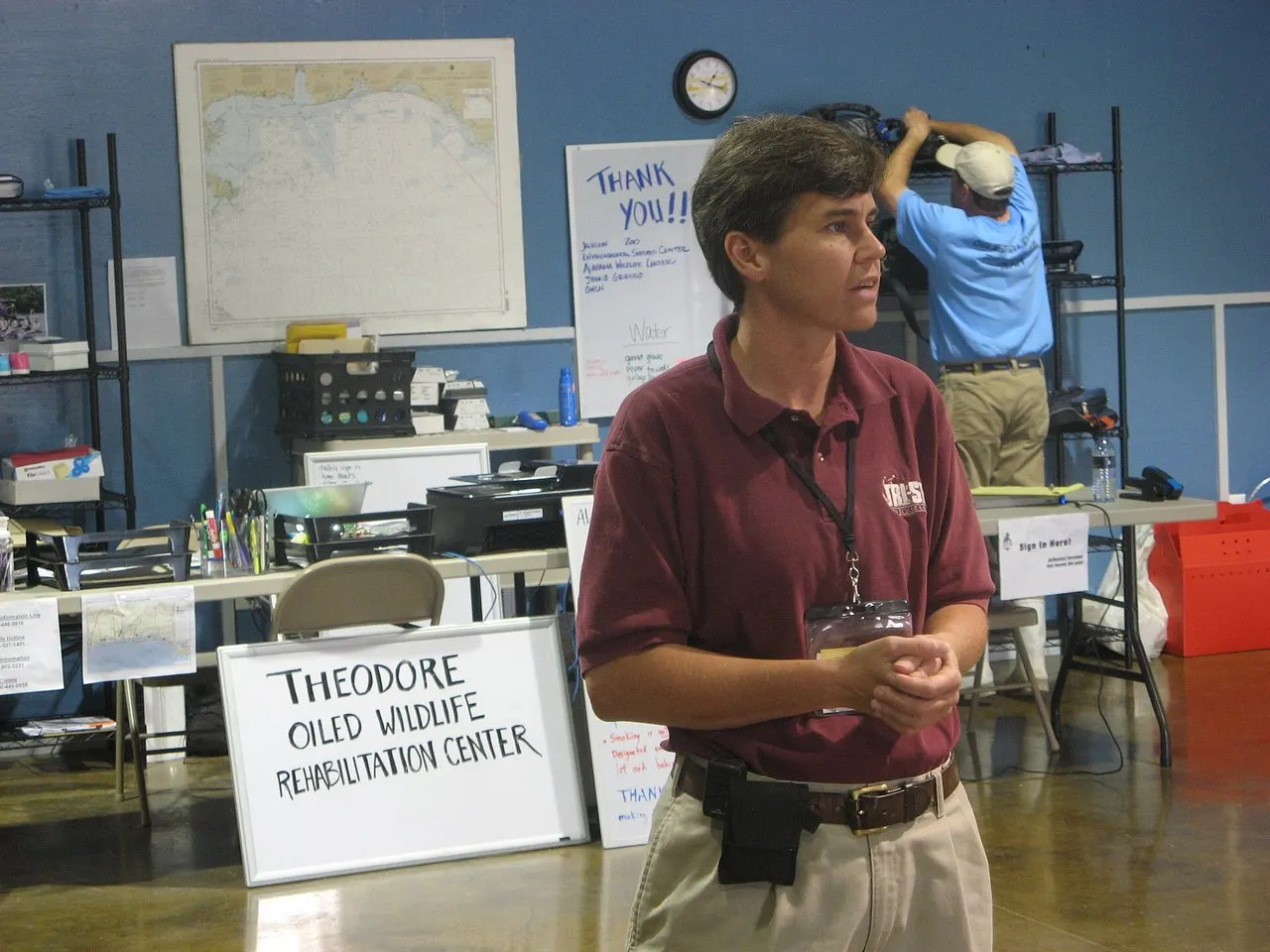
The hospital building was the heart of the center, where injured and sick wild animals were treated every day. It had rooms for exams, cages for recovery, and space for staff to feed and watch their patients. Wild animals arrive there hurt by cars, storms, and hunger, and the hospital gives them a second chance. Losing the building means losing the place where that healing happened. The center will rebuild it bigger and better. Read about a detention center that earned millions in our other stories.
An Investigation Is Now Underway
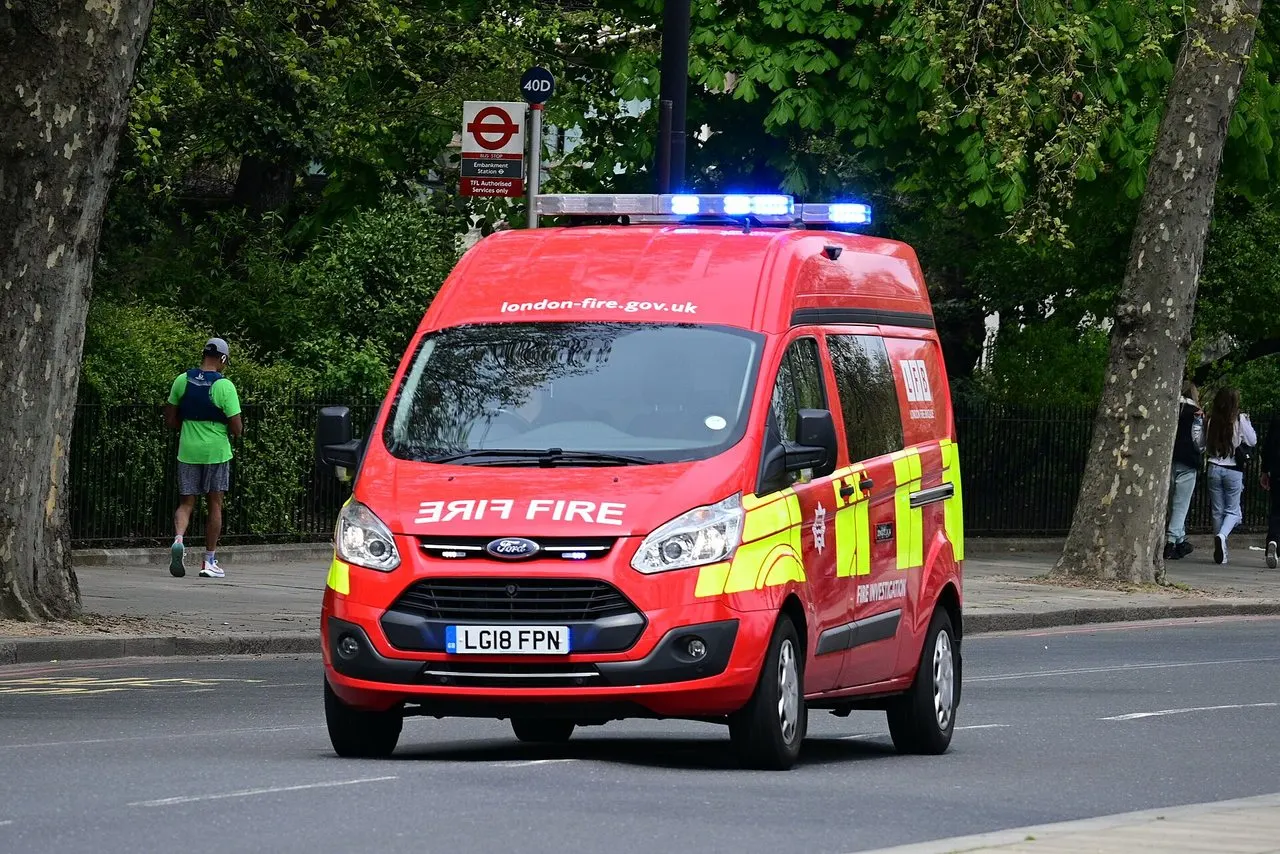
An investigation is now underway to find out how the fire started. Fire investigators will look at the wiring, the storm damage, and the state of the building when the power went out. They will talk to staff and firefighters and piece together the evening step by step. Finding the cause matters because it can stop the next fire. It also gives the center and the public clear answers about a painful night. Read about babies born with measles in our coverage.
The Community Rallies Around the Wildlife Care Center
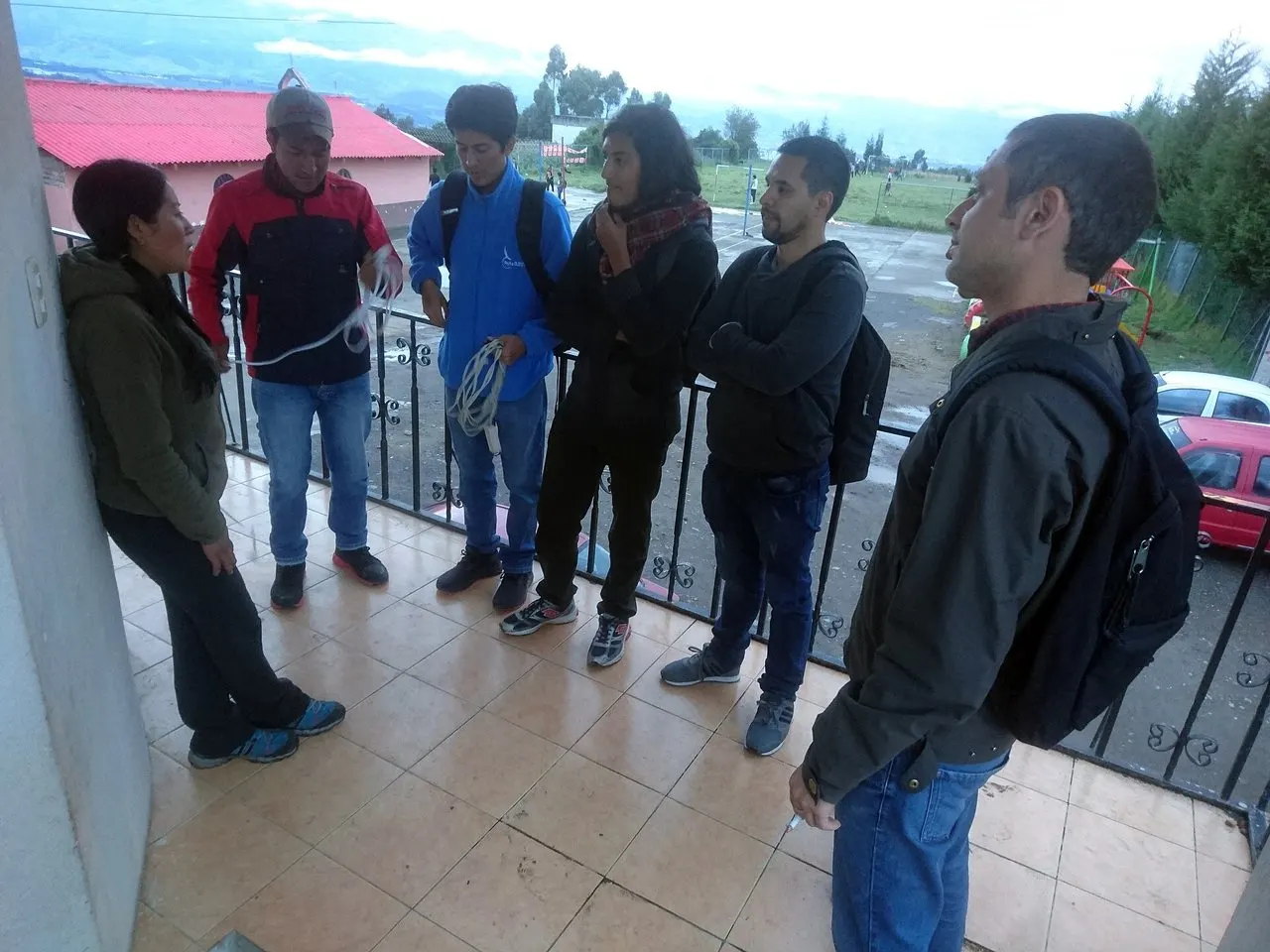
The community around Hughson has rallied around the wildlife care center since the news broke. Neighbors, visitors, and animal lovers have shared the story, sent messages of support, and asked how they can help. A small wildlife center runs on local love, and this fire has shown how many people care about it. That support will matter even more as the center plans its rebuild. Read about a border defense in Poland in our other reports.
A Bigger Wildlife Care Center Hospital Will Rise on the Same Site

The center says it will rebuild a bigger hospital on the same site, and that promise gives everyone hope. A bigger building means more room for patients, better care for the animals, and a safer home for the residents. Rebuilding takes time and money, but the center has a clear goal and a community behind it. The new hospital will stand where the old one did, and it will carry the memory of the animals lost. Read about a trip to China in our coverage.
Why the Wildlife Care Center Resident Animals Matter
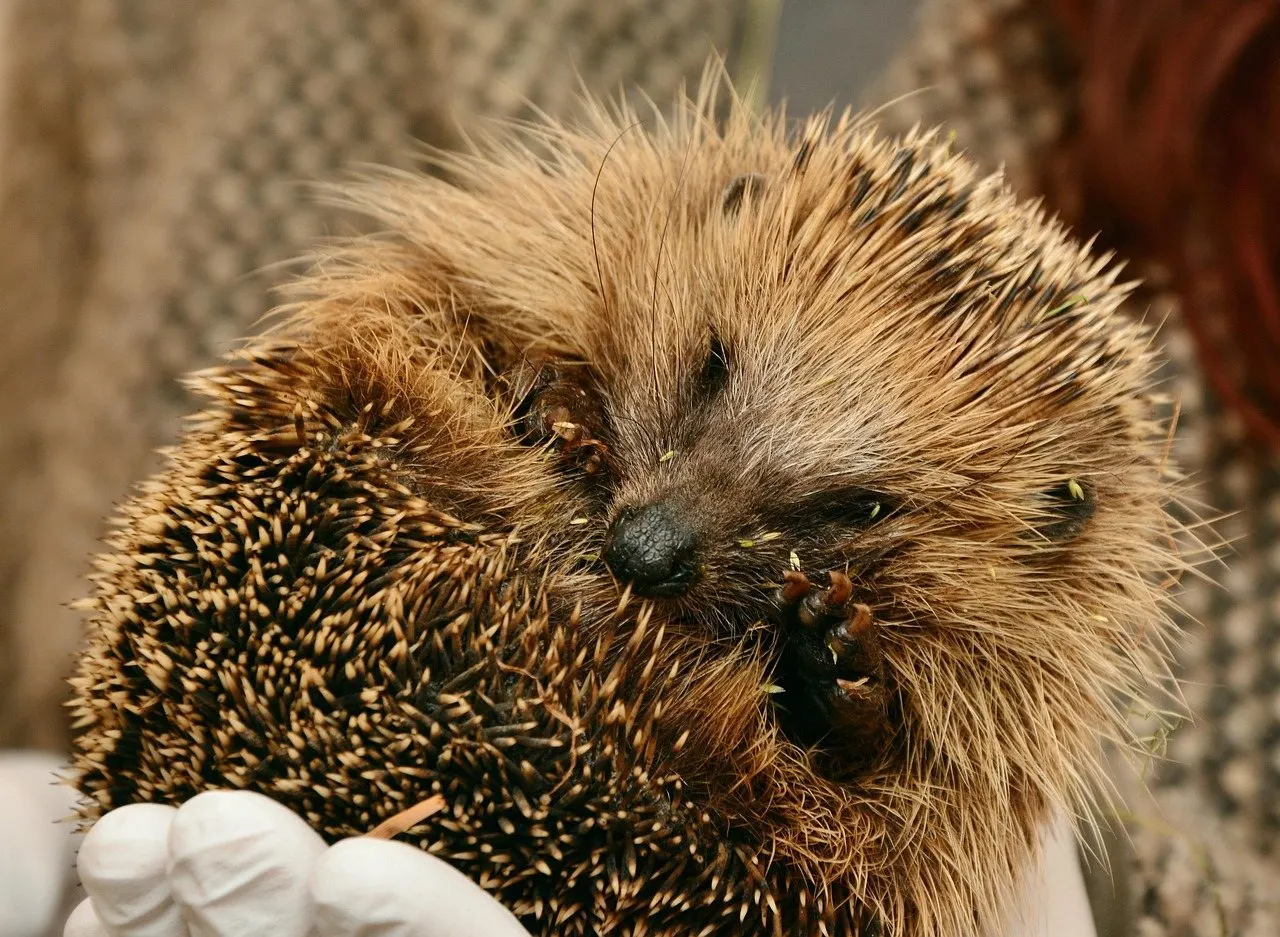
Resident animals are the heart of a wildlife center, because they stay when other animals are released. They cannot return to the wild, so the center becomes their home for life. Visitors learn from them, children fall in love with them, and staff know each one by name. Losing so many residents at once is like losing family. The center will honor them as it rebuilds, and their names will not be forgotten. Read about strikes on the Kerch Bridge in our other stories.
Ravens Are Among the Smartest Birds Alive
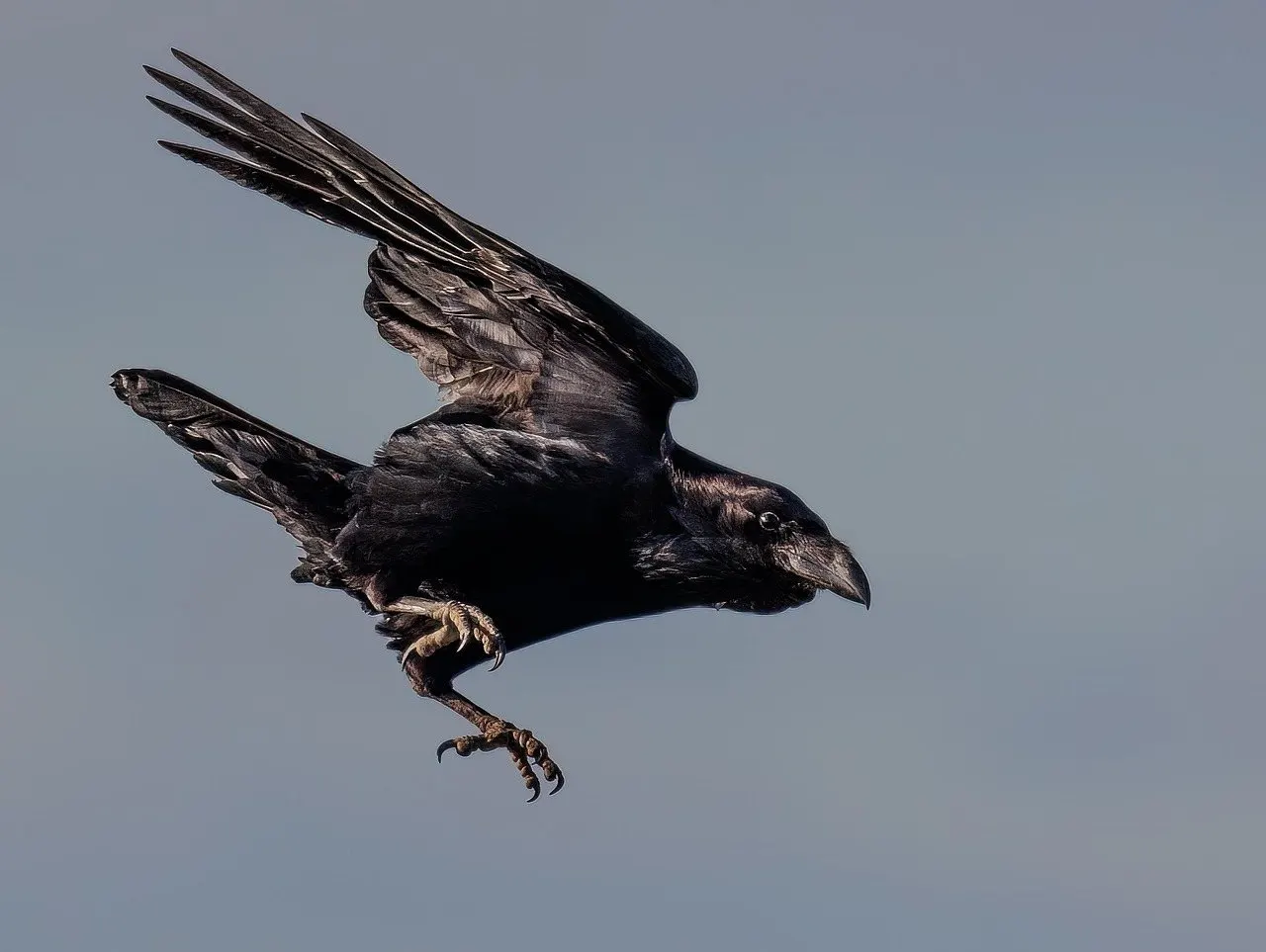
Ravens are among the smartest birds alive, and they can solve problems, use tools, and remember people for years. A raven can live for decades, and Hopper reached 30 years in care. Ravens play, mimic sounds, and form strong bonds with the people who feed them. That is why Hopper meant so much to the staff. He was not just a bird in a cage. He was a clever companion with a long memory. Read about fans thanking Sophie Cunningham in our coverage.
Barn Owls Hunt by Sound in the Dark
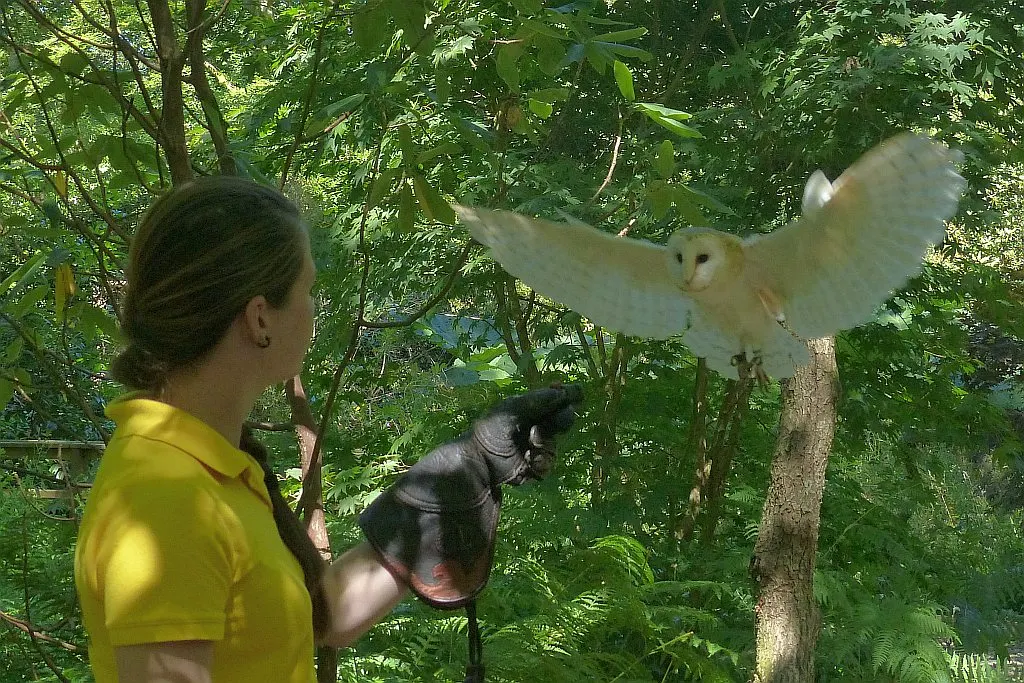
Barn owls hunt by sound in the dark, and their hearing is so sharp they can find a mouse under snow or grass. Their pale heart shaped faces help funnel sound to their ears, and they fly almost silently on soft wings. Curley was elderly, but he carried the same gifts as every barn owl. He was a quiet hunter who had earned a safe retirement in care. His story reminds us how special these night birds are. Read about Dave Bautista on women’s rights in our coverage.
Small Mammals Like Squirrels and Rabbits in Care
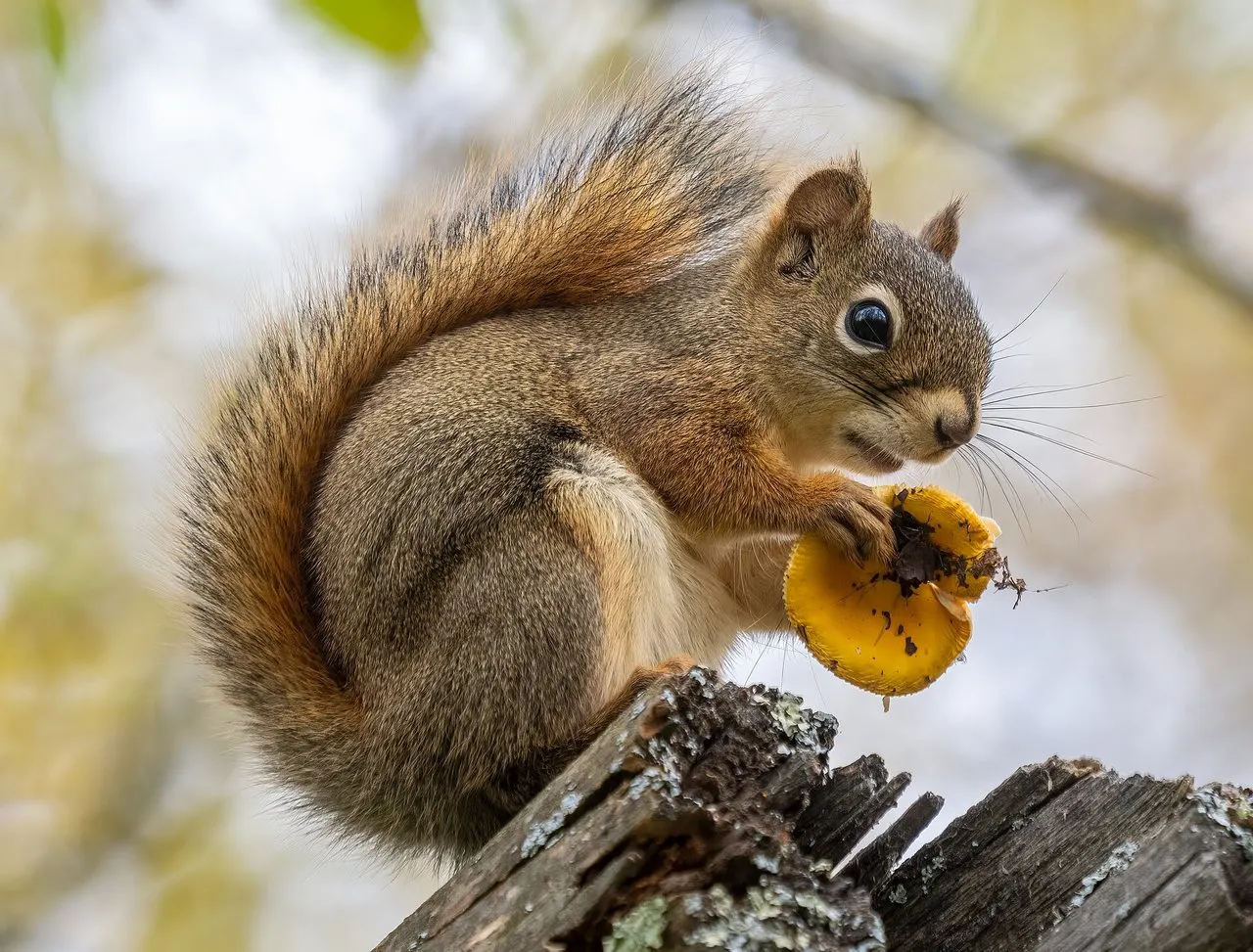
Squirrels and rabbits are common patients at wildlife centers, and they often arrive as orphans or after injuries. Squirrels bury nuts and remember where many of them are hidden, while rabbits rely on speed and sharp senses to stay safe. In care, they need quiet, warmth, and the right food. Ariel, Boba, and Benny were residents, not short term patients, and that is why staff knew them so well. Read about a call to have more babies in our other stories.
Snakes and Turtles Often Survive What Others Cannot
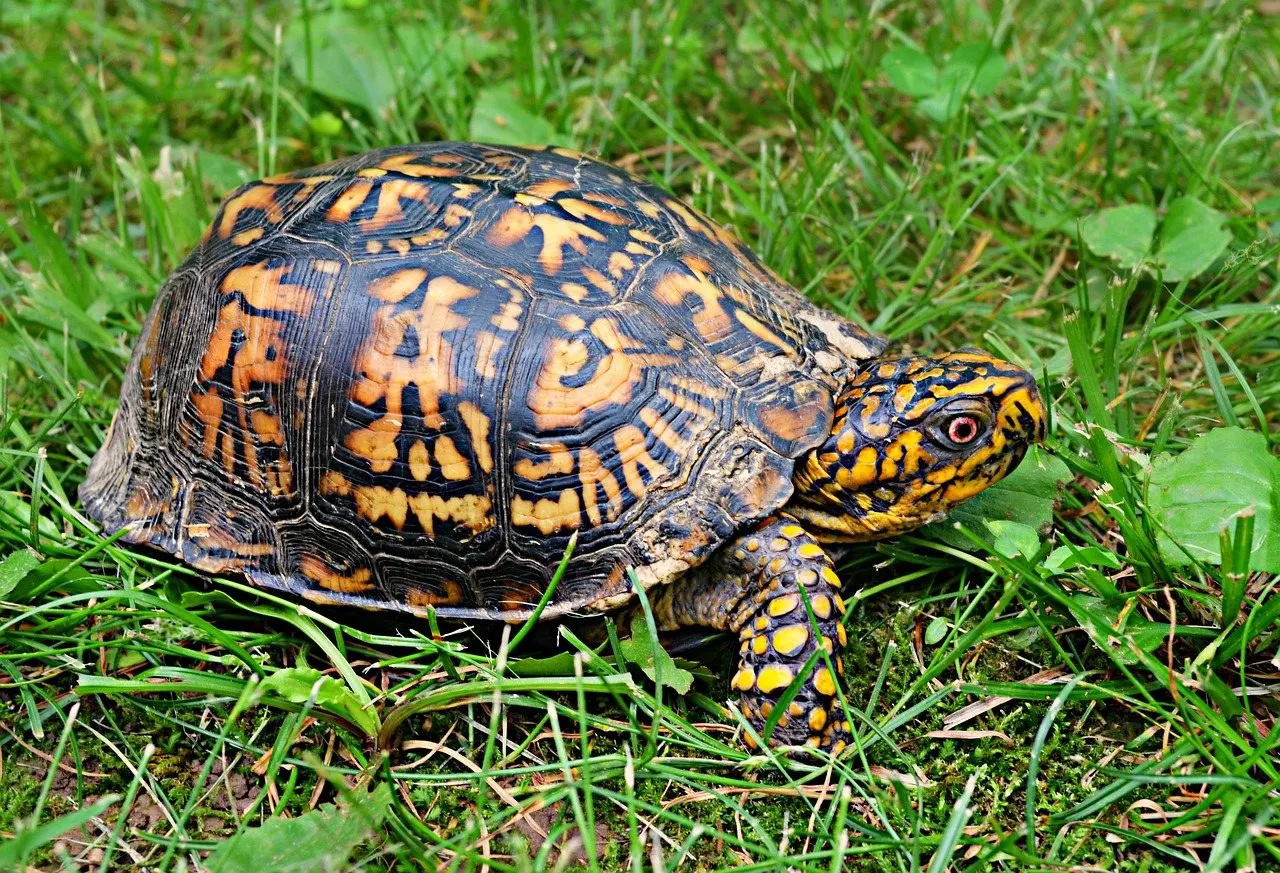
Snakes and turtles often survive what other animals cannot, because they move low and need little air. A turtle can pull into its shell, and a snake can slip into a cool corner and wait. That may be why two snakes and a turtle made it out of the hospital alive. Their rescue shows that even small and quiet animals deserve a fast rescue. They are now part of the story of hope that follows this fire. Read about a cancer treatment using sound waves in our coverage.
What the Fire Teaches About Safety at the Wildlife Care Center
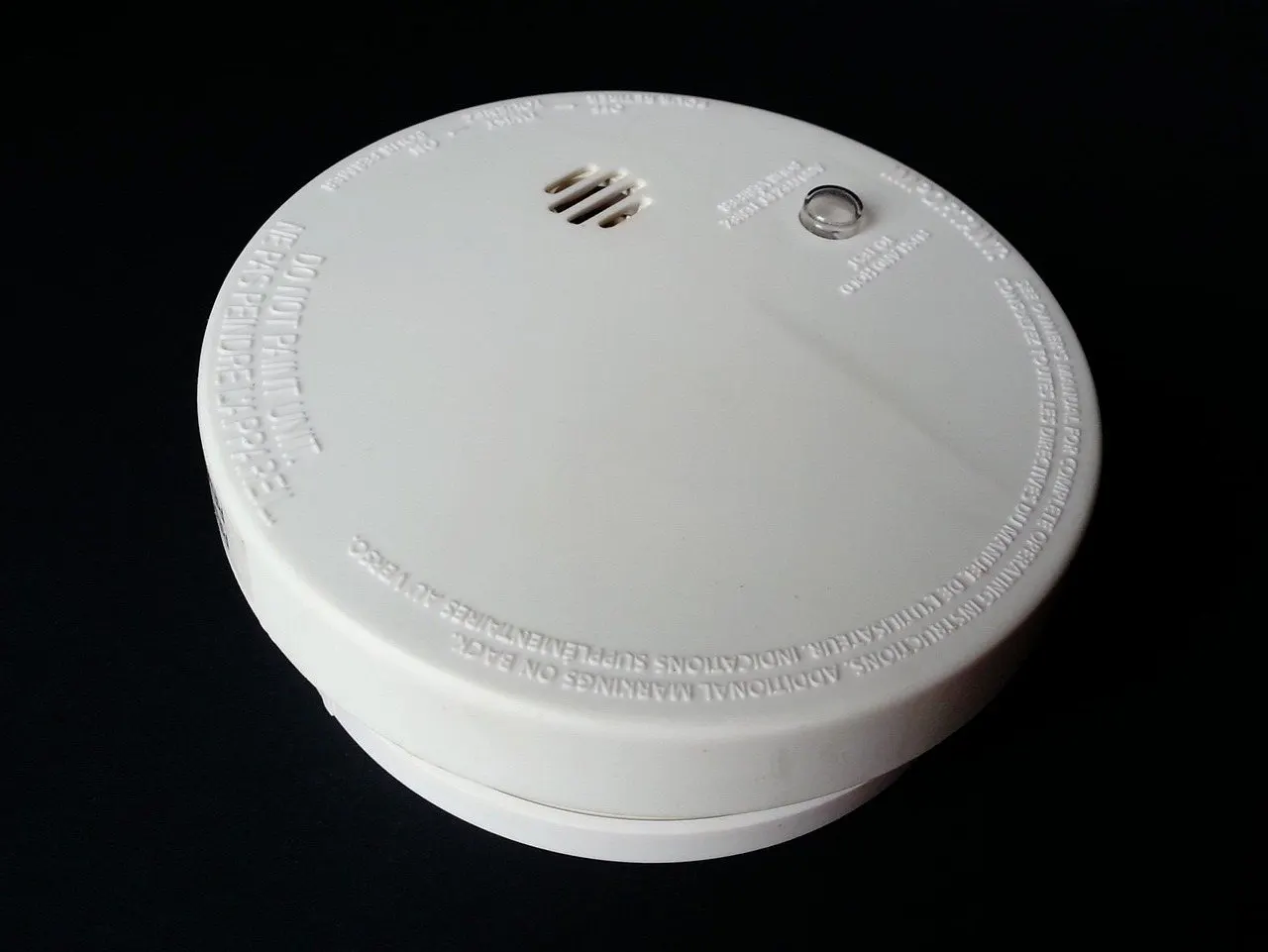
What happened in Hughson teaches every wildlife center to check its fire safety. Smoke alarms, clear exits, and a plan for moving animals fast can save lives when minutes matter. Power cuts make alarms and lights fail, so backup power and regular checks are vital. The wildlife care center fire is a sad lesson, but centers everywhere can learn from it. Safety work done now can protect animals for years to come. Read a warning from Liz Cheney and learn how much water data centers use in our other reports.
How Wildlife Centers Prepare for the Next Emergency
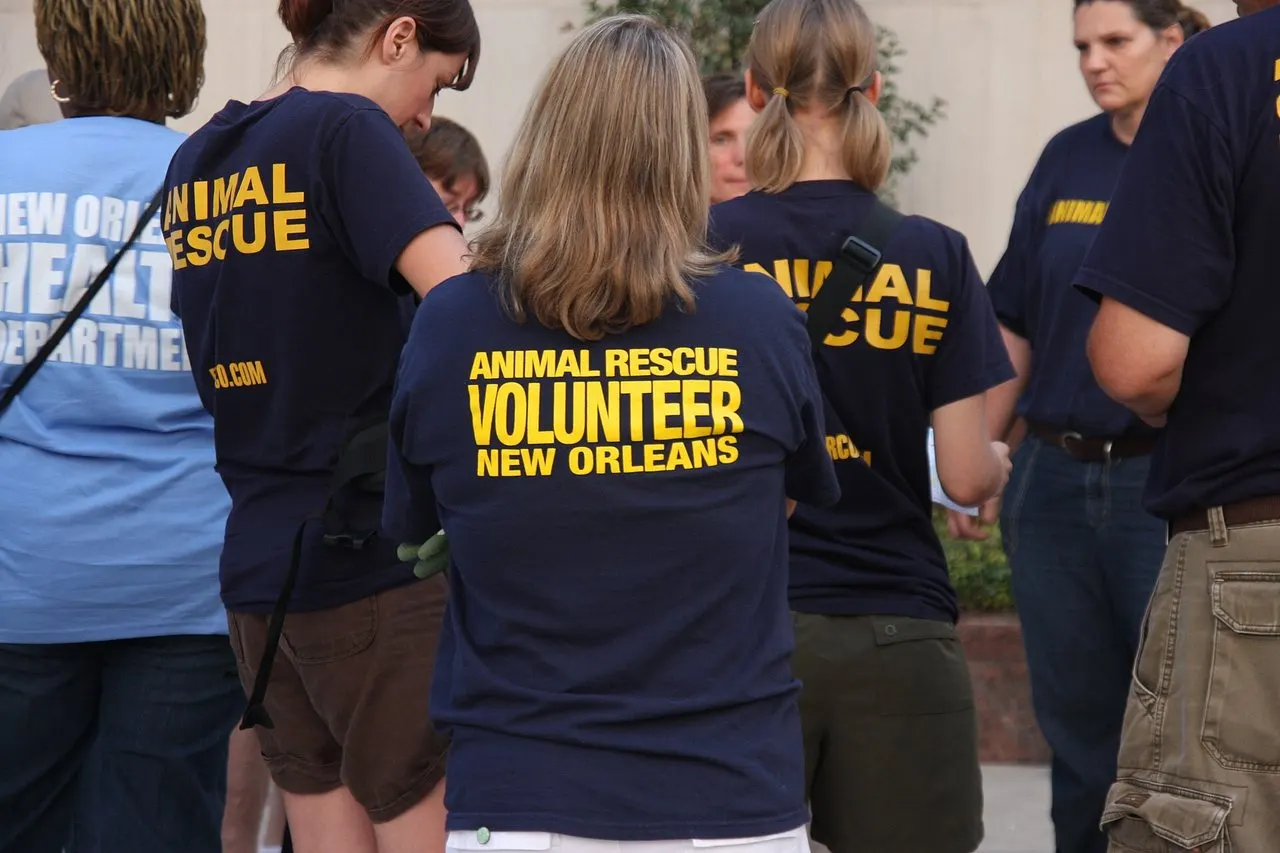
Wildlife centers can prepare for the next emergency by planning for fire, storms, and power cuts. They can keep carriers ready, map out animal moves, and train staff to act fast in the dark. Outdoor enclosures helped save about 100 animals in Hughson, and that lesson will shape new buildings. Good planning does not stop a fire, but it can keep animals alive until help arrives. Read about a recount decided by 330 votes in our other stories.
What Would You Say to the Wildlife Care Center Team
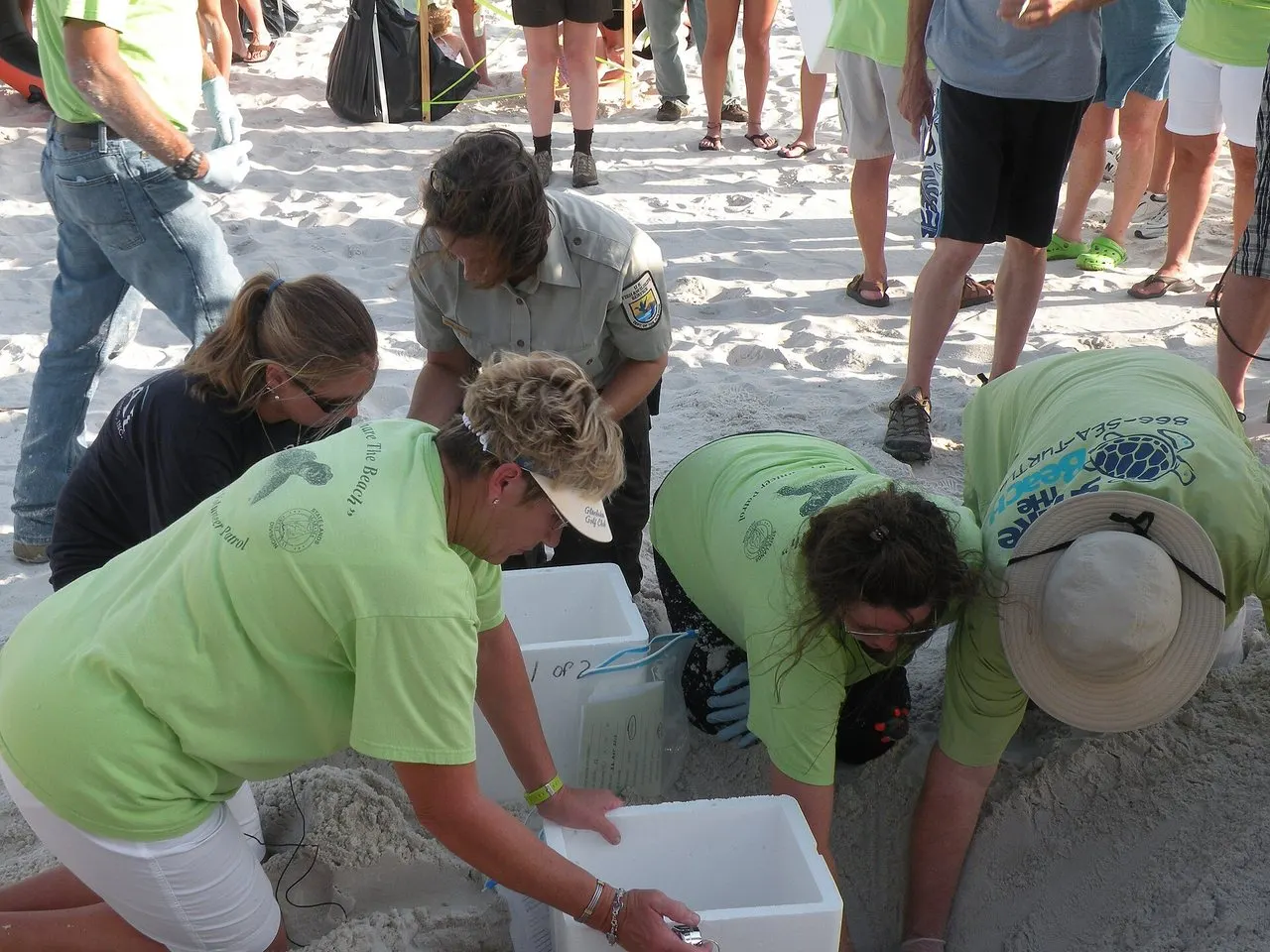
What would you say to the team at the wildlife care center as they rebuild after losing nearly 40 animals? Would you thank them for years of care, or tell them about a visit when you met Hopper, Curley, or Benny? The staff face a long road, and kind words from readers can lift them. Share your thoughts in the comments below, and tell us what the center means to you. Read about a robot that may wash dishes in our other stories.