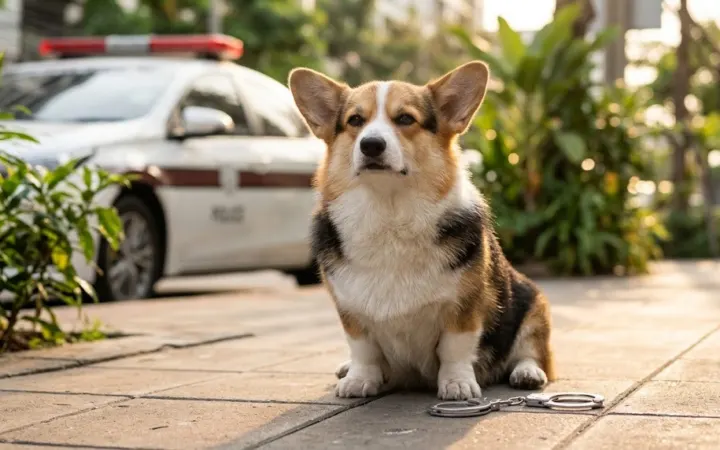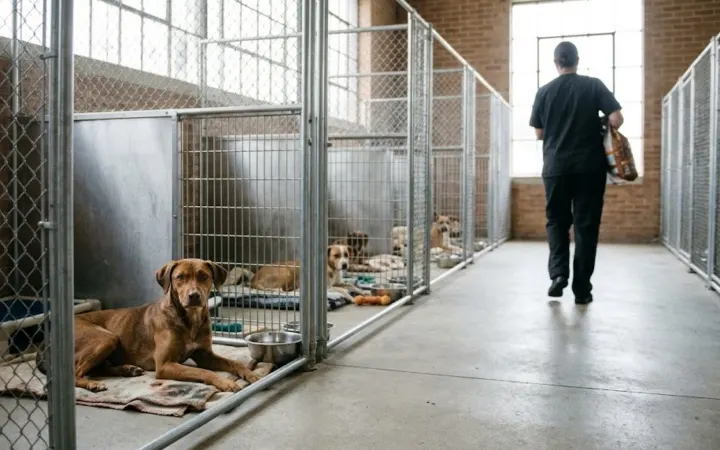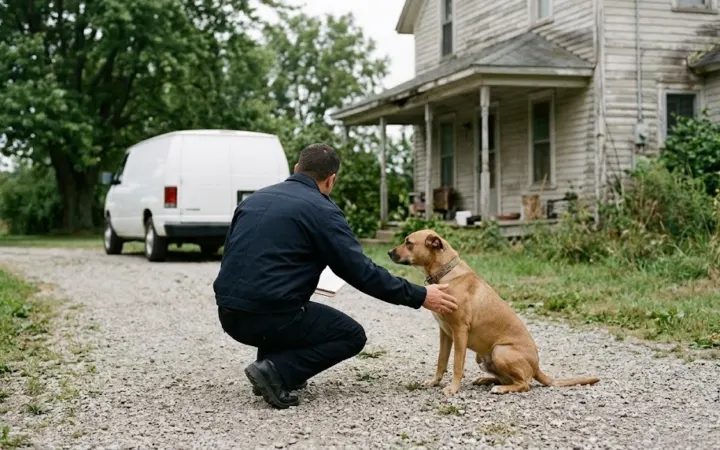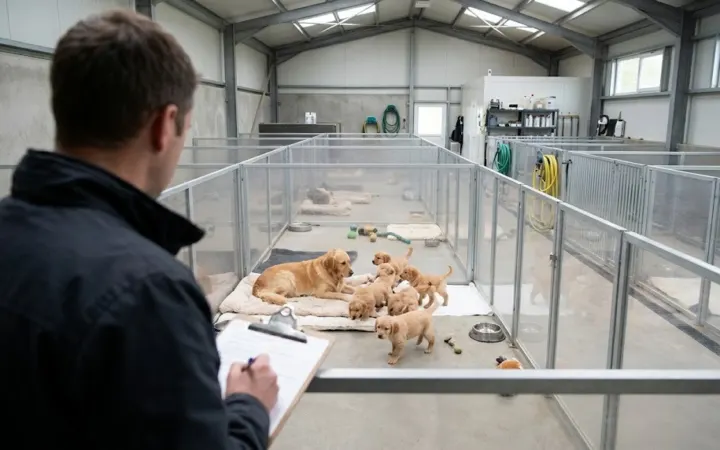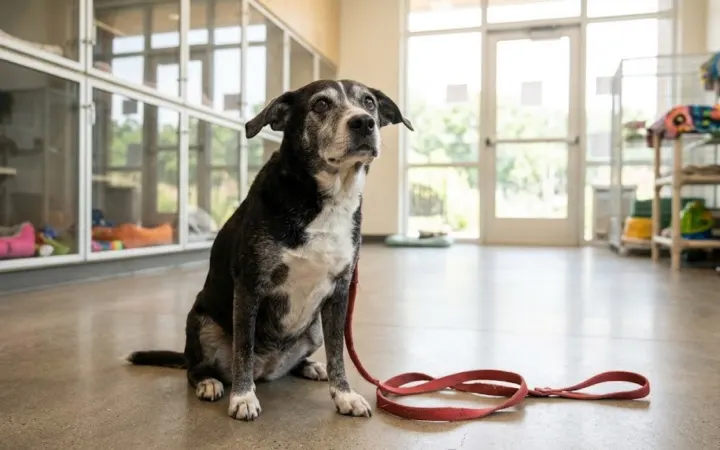
The Animal Welfare Act, enacted in 1966 and administered by USDA APHIS, is the main federal law setting animal care standards in the United States. It covers animals used in research, in exhibition or sold as pets at wholesale, through licensing and inspection, but excludes farm animals raised for agriculture.
What the Animal Welfare Act Leaves Out
The Animal Welfare Act, enacted in 1966 and administered by the USDA’s Animal and Plant Health Inspection Service, is the main federal law setting standards for animal care in the United States. Its requirements are laid out in Title 9 of the Code of Federal Regulations, Parts 1 through 3. The Act covers the transportation, purchase, sale, housing, care, handling and treatment of animals used in research, in exhibition, or sold as pets at the wholesale level. It works through licensing and registration: regulated businesses must hold a USDA licence and are subject to inspection.
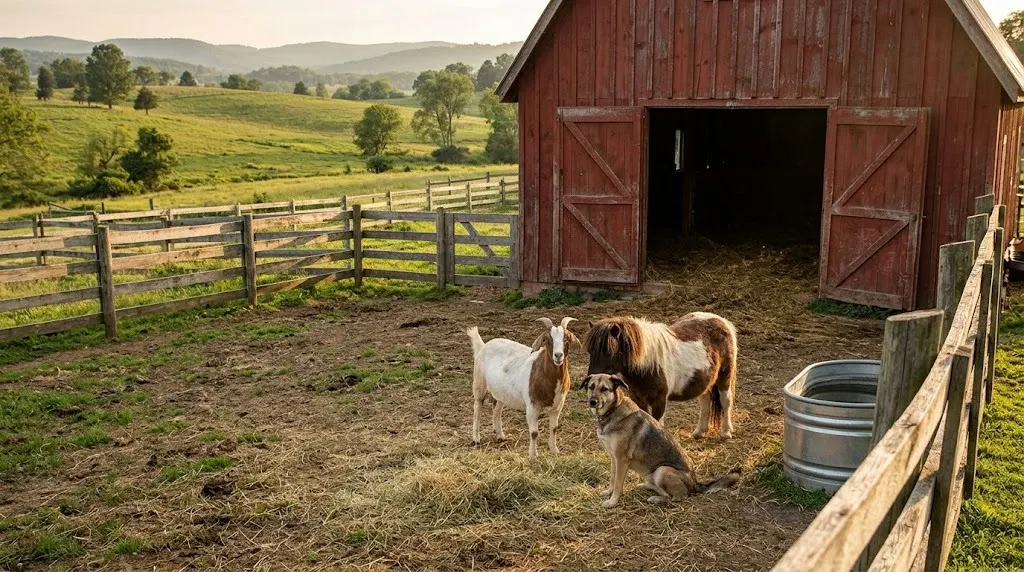
The exclusions matter as much as the coverage. The Act does not cover farm animals raised for agricultural purposes, which is why standards for livestock production fall largely to state law and industry programmes rather than to APHIS. Cold-blooded animals are outside its scope. Retail pet stores where buyers physically see the animal before purchase are exempt, as are small breeders under the four breeding-female threshold. The National Agricultural Library notes plainly that not all dog breeders are required to hold a licence.
Perhaps the most consequential limitation is that the Act sets minimum standards rather than optimal ones. It prescribes baseline requirements for housing, feeding, sanitation and veterinary care, and inspection findings are recorded against those baselines. A facility can operate lawfully while providing conditions that many members of the public would find inadequate. Inspection reports are published through the USDA Animal Care Public Search Tool, which allows anyone to check a licensee’s record.
Source: USDA National Agricultural Library