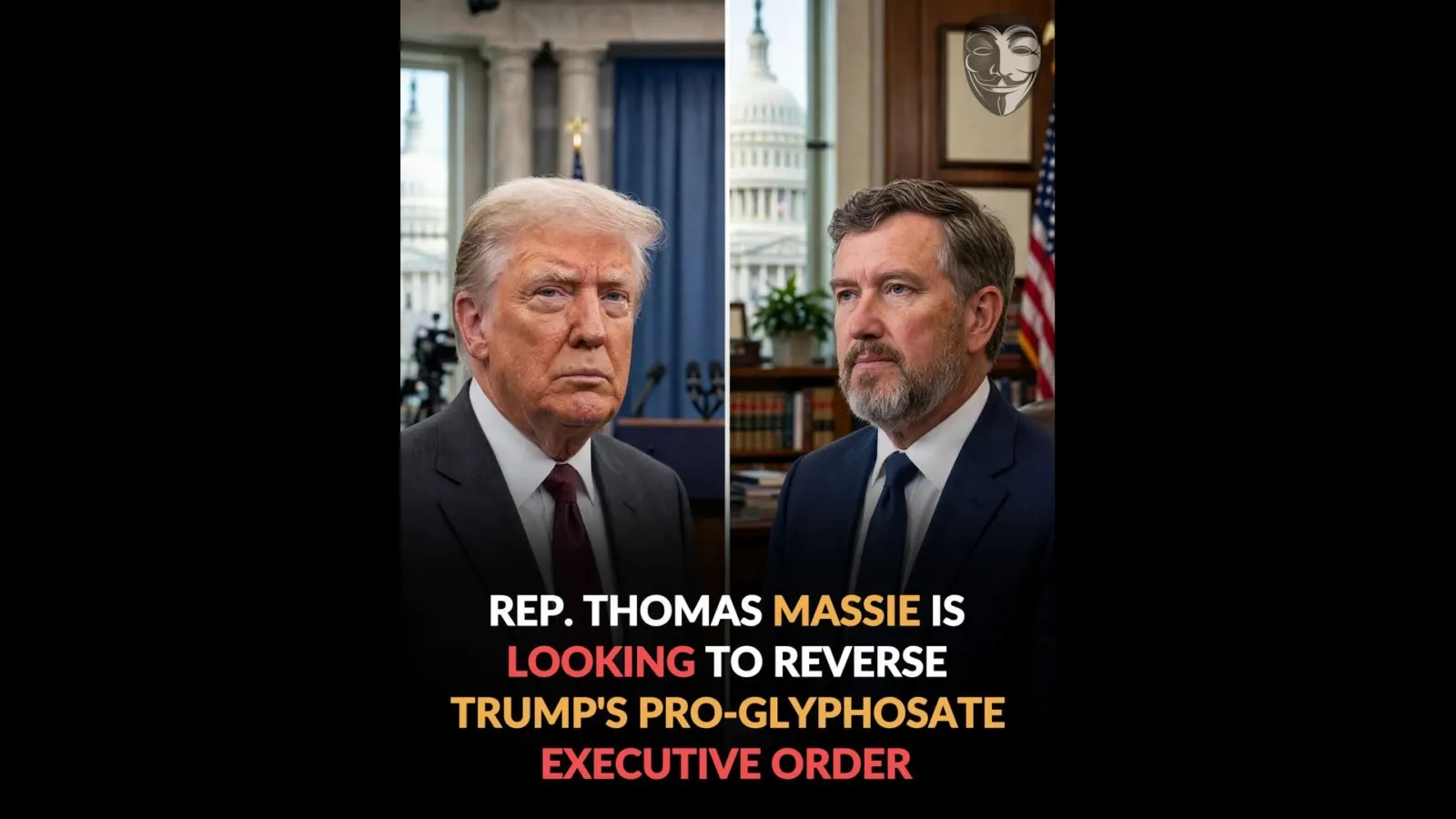
Glyphosate Lawsuit Immunity: Massie Takes on Trump’s Order
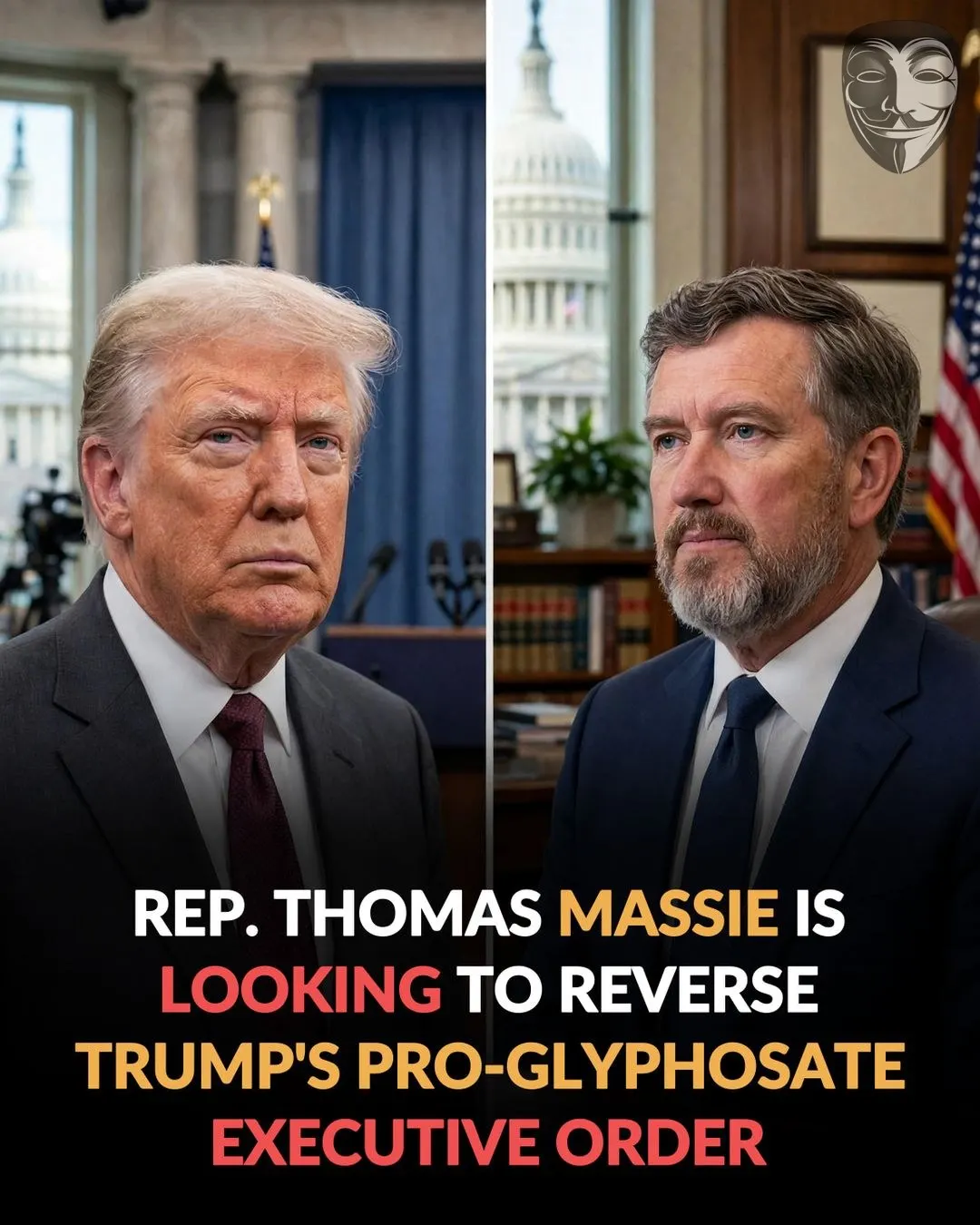
Glyphosate lawsuit immunity is the issue at the heart of a new fight in Washington. President Donald Trump signed an executive order on February 18, 2026, that called glyphosate and elemental phosphorus critical to national security and the United States food supply. The order invoked the Defense Production Act to support domestic production of both materials and gave manufacturers new federal protections from lawsuits. Two days later, Representative Thomas Massie, a Republican from Kentucky, introduced a bill to undo it.
Massie says chemical makers should stay accountable in court, and his bill would block federal money for carrying out the order while keeping the courthouse doors open for people who say they were harmed. The story has roots in thousands of lawsuits over Roundup, a glyphosate weed killer, and in a debate over the science behind it. Ahead we look at the order, the bill and the farmers caught in the middle. For more on the wider fight over farm chemicals, read our report on the push to ban toxic pesticides.
References:
North Bluegrass News: U.S. Rep. Thomas Massie Introduces H.R. 7601 in the House to Bar Federal Funding for a Glyphosate Related Executive Order
Legal Planet: More Pesticides Please
Pingree House: Pingree, Massie Introduce People Over Poison Act to Protect Americans Right to Hold Big Chemical Companies Accountable
Real Organic Project: Two Farmers in Congress, Across the Aisle
Trump Signs an Order Calling Glyphosate Critical
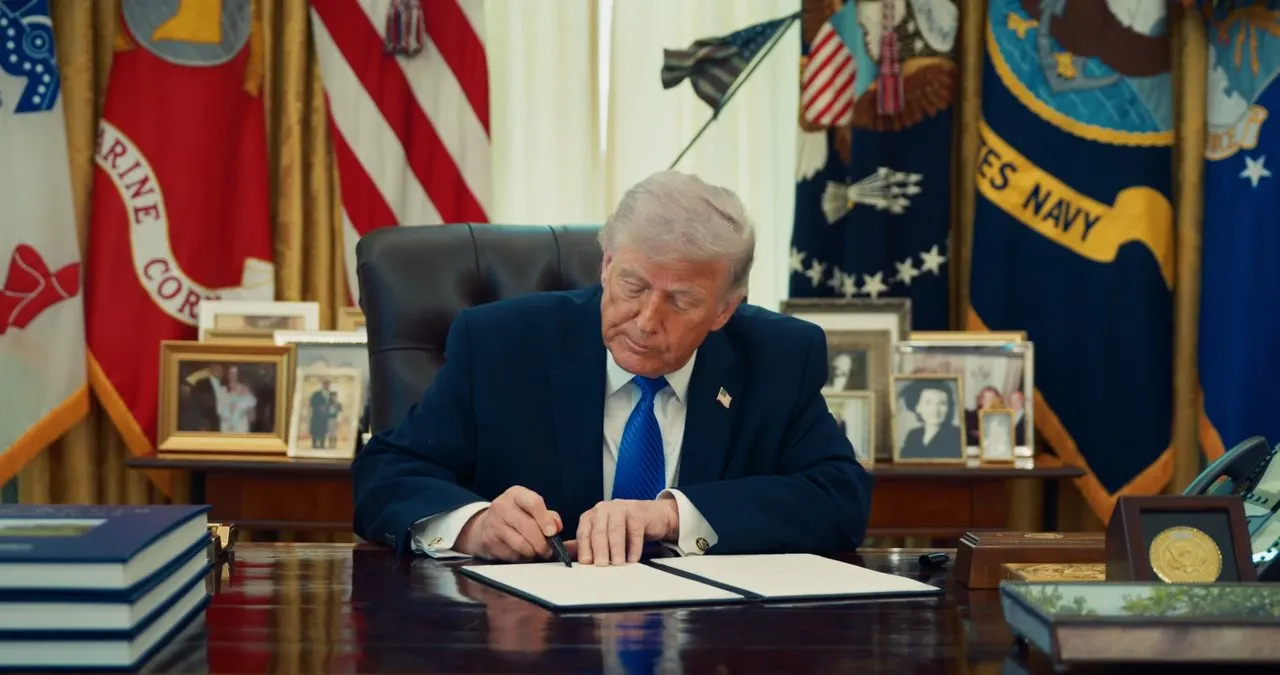
President Donald Trump signed the executive order on February 18, 2026, and its full title explains the goal in plain words: Promoting the National Defense by Ensuring an Adequate Supply of Elemental Phosphorus and Glyphosate-Based Herbicides. The order said both materials were critical to national security and the United States food supply. That language matters because it let the White House use wartime powers for a farm chemical. For a closer look at how Trump handles big overseas moments, read our report on his call with European leaders.
The Defense Production Act Steps In
The Defense Production Act is a wartime law from 1950 that lets the president push companies to make materials the country needs in a crisis. Trump invoked it for glyphosate and elemental phosphorus, which gave the federal government greater authority to support domestic production. The order also said it conferred all immunity provided for in section 707 of the Act, a line that critics say shields makers from lawsuits. Read the warning Liz Cheney gave her Republican colleagues for more on power and accountability in Washington.
What Glyphosate Is and Where It Is Used
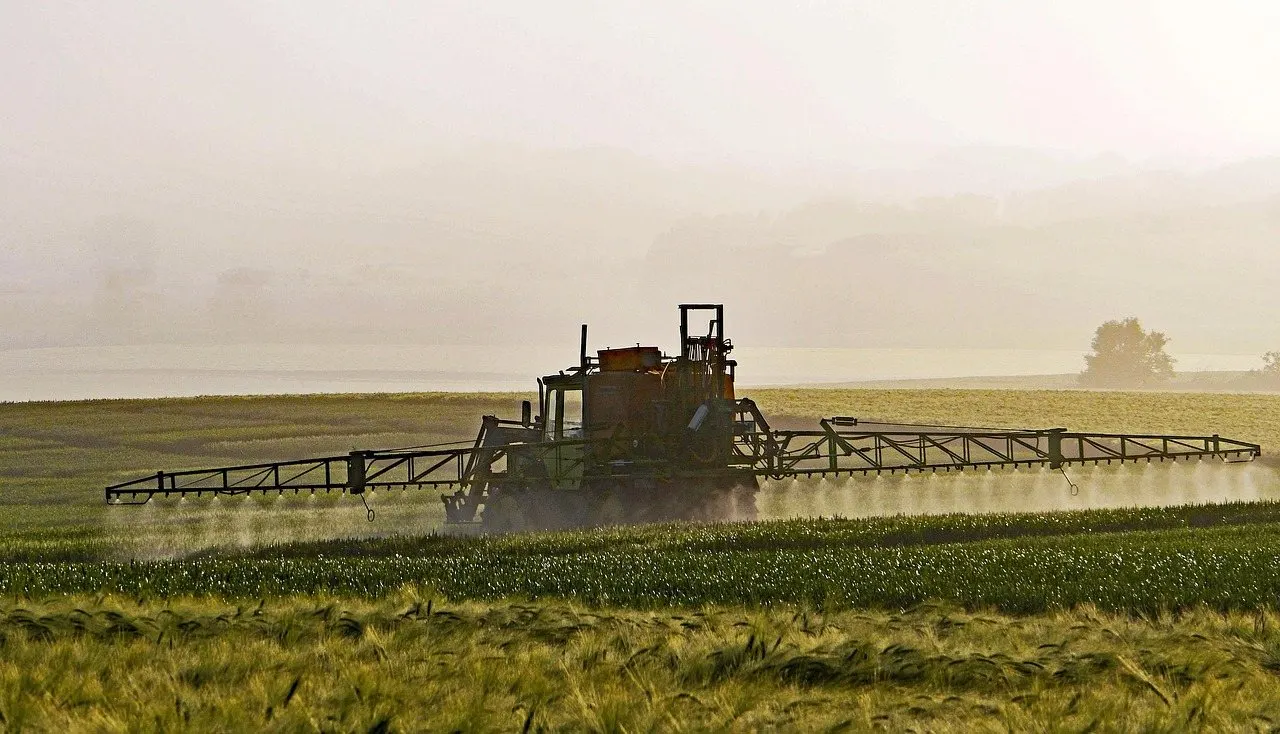
Glyphosate is the active ingredient in Roundup and many other weed killers, and it is one of the most widely used herbicides in the world. Farmers spray it on fields to clear weeds before planting and to keep crops clean as they grow. It is also used on lawns, roadsides and public land. Supporters say no other weed killer works as well at the same price. See our report on Trump’s Asia trip and its 17 billion dollars in deals.
Massie Introduces H.R. 7601 in the House

Two days after the order, on February 20, 2026, Representative Thomas Massie introduced H.R. 7601 in the House. Its short title is the No Immunity for Glyphosate Act. Massie, a Republican from Kentucky’s 4th Congressional District, sponsored the bill, and Representative Chellie Pingree, a Democrat from Maine, signed on as co-lead. Original cosponsors also included Lauren Boebert, Nancy Mace and Ro Khanna. The bill went to the House Committee on the Judiciary. Read how Senator Thom Tillis blocked a Trump nominee for more from Capitol Hill.
The Bill Takes Aim at Glyphosate Lawsuit Immunity

The No Immunity for Glyphosate Act does two big things. First, it prohibits the use of federal funds to implement the executive order, so agencies could not spend appropriated money to administer or enforce it. Second, it affirms that glyphosate manufacturers are not immune from civil liability, and it gives people harmed by exposure a clear path to sue makers, distributors and sellers in federal court. In short, the bill would end glyphosate lawsuit immunity. See Trump’s arrival in the Philippines for more of our coverage.
No Federal Money for the Executive Order
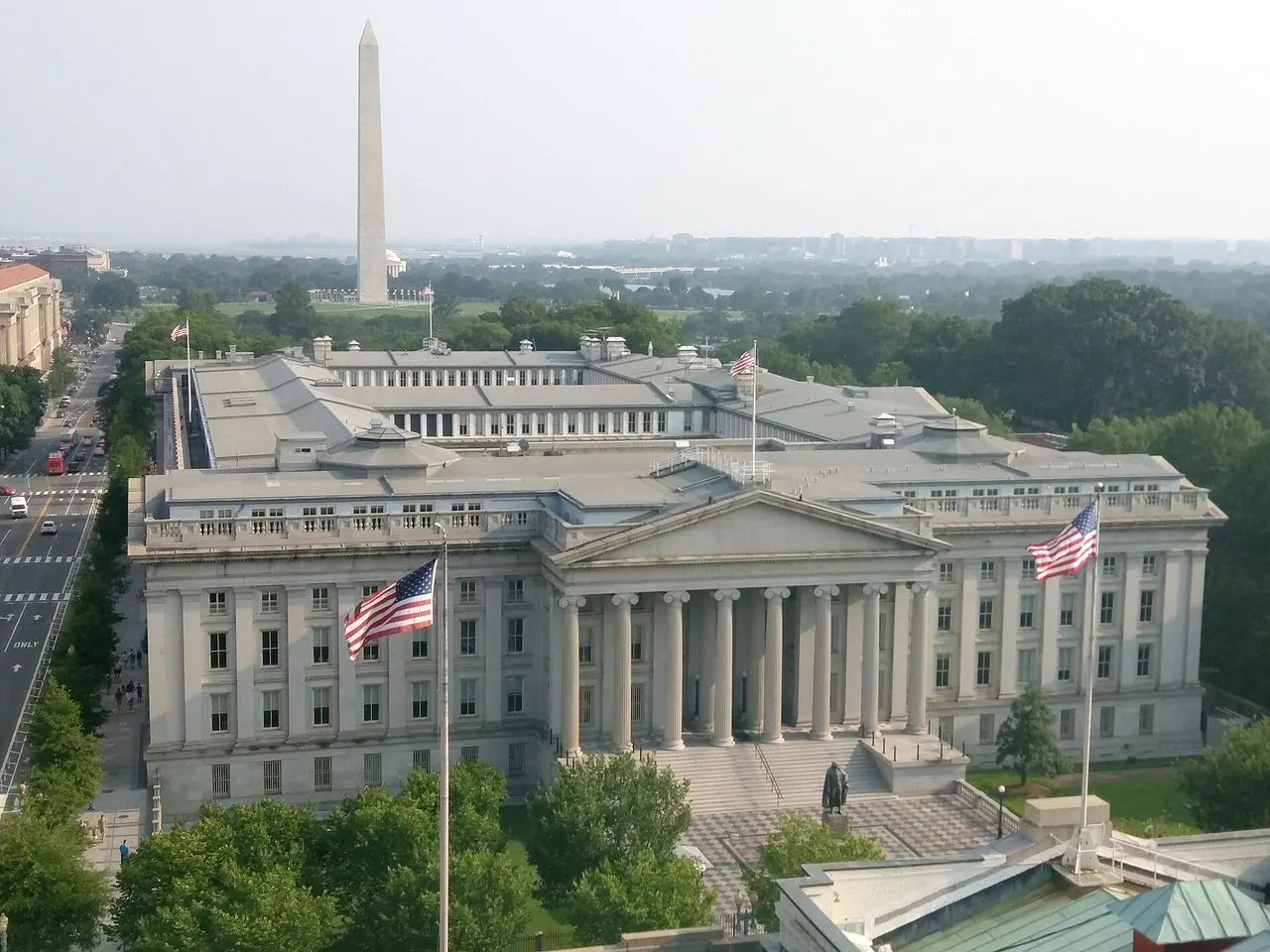
Cutting off federal money sounds technical, but it is the bill’s sharpest tool. Without funds, agencies cannot run the programs, contracts and support schemes that the order calls for, so the directive would lose its force even before a court ruled on it. Massie has used the power of the purse this way before, and supporters say it is the fastest way for Congress to check a president. Critics say it could slow farm supply chains. Read the fight over Democratic leadership for more on Congress flexing its power.
Glyphosate Lawsuit Immunity and Thousands of Claims
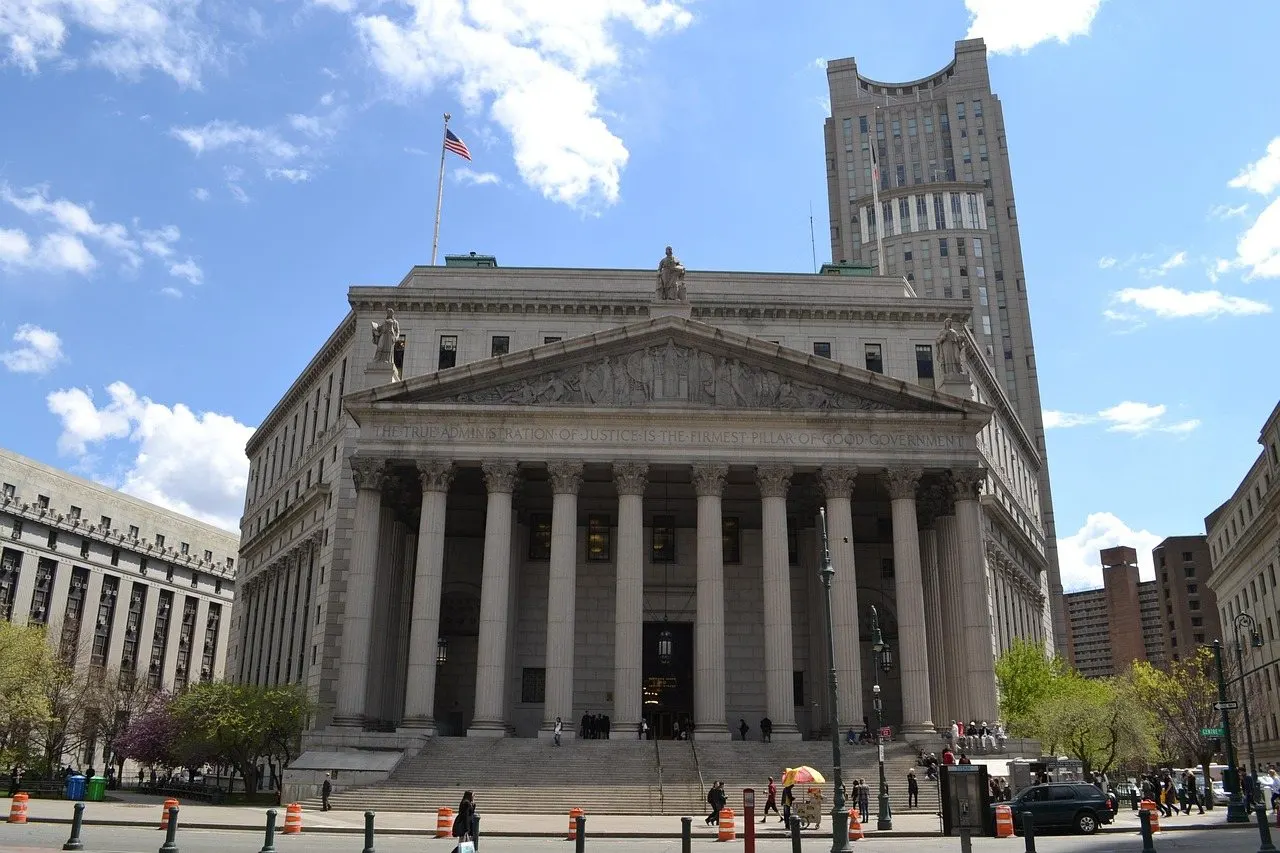
Glyphosate has been at the center of thousands of lawsuits, including claims from people who developed non-Hodgkin lymphoma after exposure to Roundup and other glyphosate based herbicides. Some juries have found manufacturers liable, and Bayer, which bought Monsanto in 2018, has paid more than 10 billion dollars in settlements tied to the weed killer. Tens of thousands of cases were still pending when the order arrived. That backlog is why the immunity question matters so much. See Trump’s briefing room return from China for more.
Juries Found Manufacturers Liable
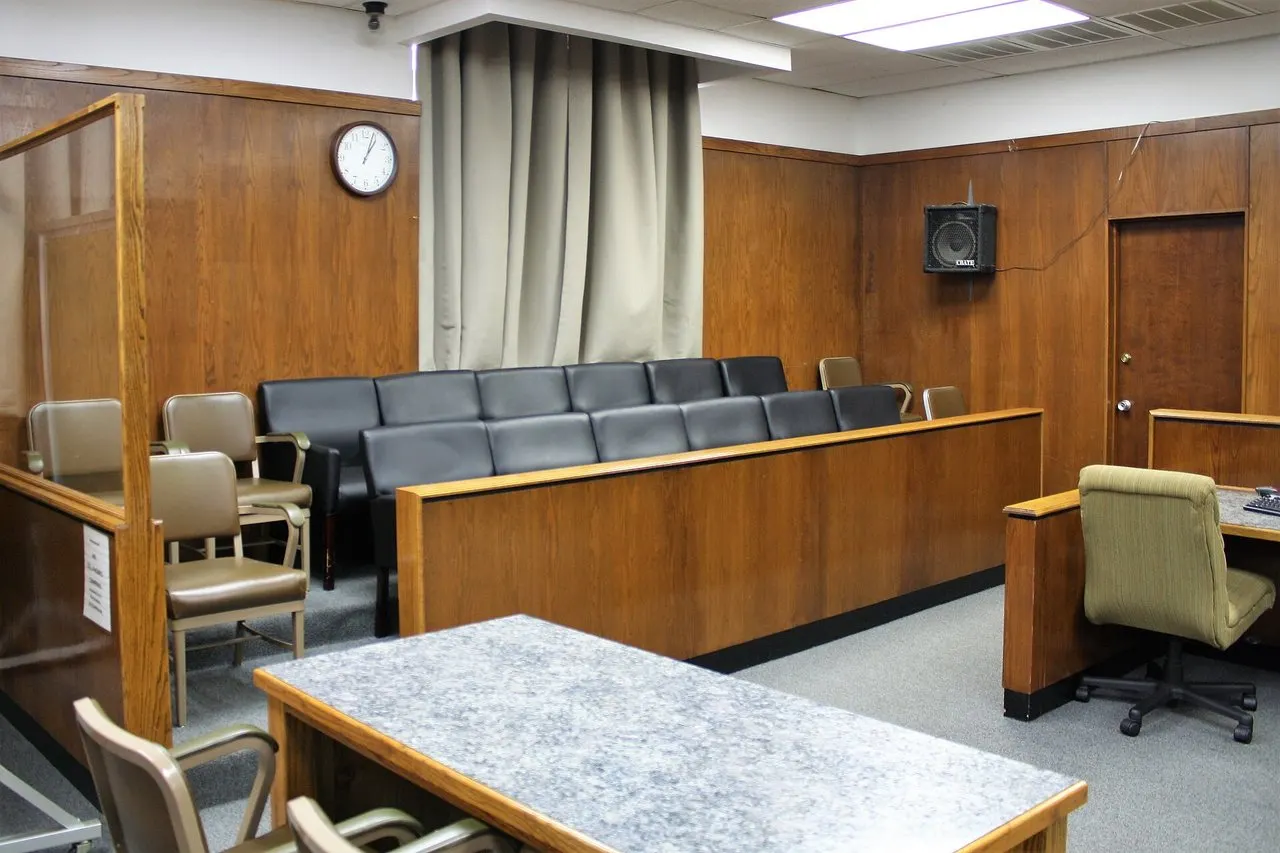
The first big verdicts against Monsanto came in 2018, when juries began siding with people who said Roundup caused their cancer. Since then, courtroom wins and settlements have piled up, and the company has paid billions to people harmed by the weed killer. The cases turned on whether Monsanto warned users clearly enough about the risks. The company has always said its product is safe when used as directed. Read Trump’s briefing room return from China for more on the courtroom battles.
The Ghostwritten Science Behind Approval

Monsanto, the creator of glyphosate, has been caught several times ghostwriting the science that got glyphosate approved, a subject our Facebook page reported on 15 years ago. Only in 2026 has that story become more widely known. The claim is that company staff wrote studies that were then published under the names of outside scientists, which made the chemical look safer than it was. Regulators relied on that research when they approved the product. Read the warning about Trump and national security for more on trust and power.
Why Glyphosate Lawsuit Immunity Divides Families
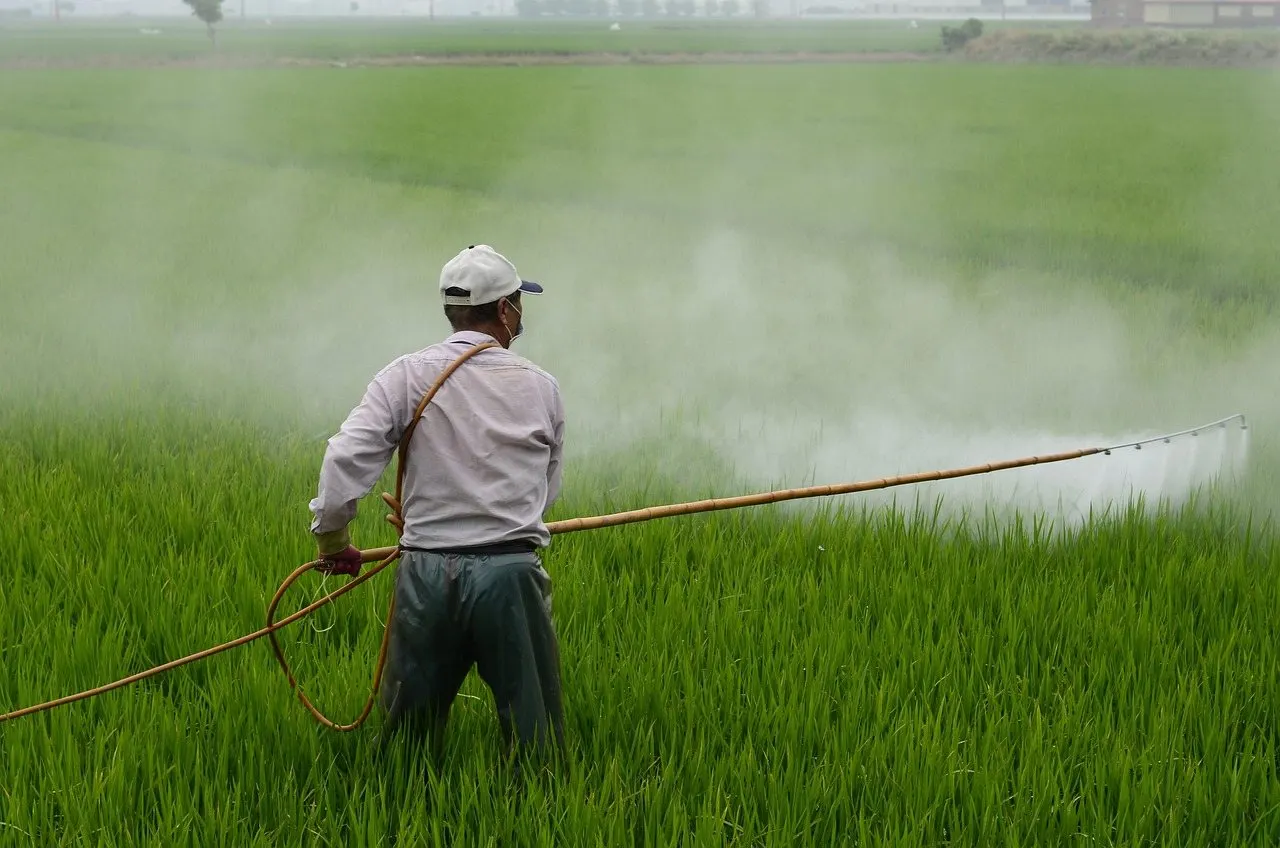
For families who believe a loved one got sick from Roundup, the immunity question is personal, not political. They want their day in court and a chance to seek compensation for medical bills, lost income and pain. For farm groups, the worry runs the other way: they fear losing the weed killer that keeps their fields clear and their costs down. Both sides say they are protecting ordinary people. That clash is why the bill has drawn attention far beyond Washington. See the Mar-a-Lago gala that kept Kash Patel from a hearing.
Food Security Is the Order’s Main Argument
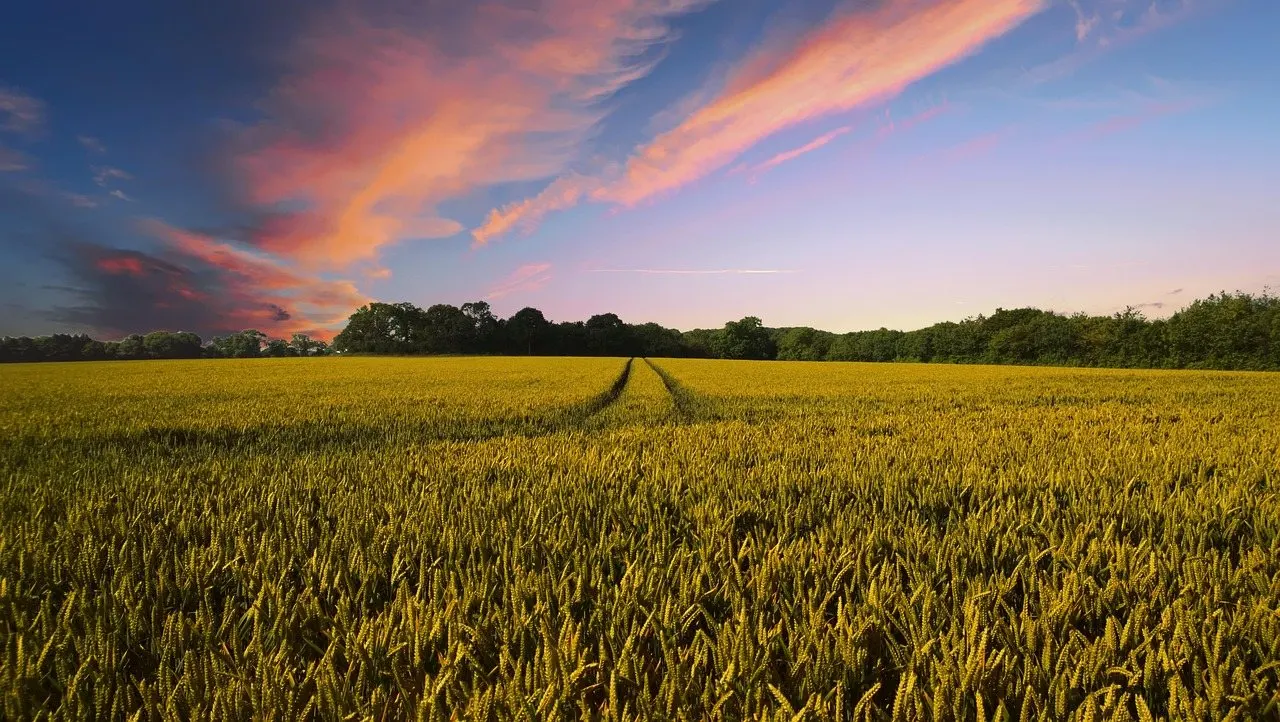
The executive order rests on a simple claim: America needs a steady supply of glyphosate and elemental phosphorus to keep its food supply safe. Without them, the argument goes, harvests would shrink, food prices would rise and the country would depend on foreign suppliers in a crisis. Supporters of the order say that risk is real and that farming needs every tool it has. Critics answer that food security should not mean shielding companies from lawsuits. Read the push to ban toxic pesticides for more.
Massie and Pingree Fight Glyphosate Lawsuit Immunity
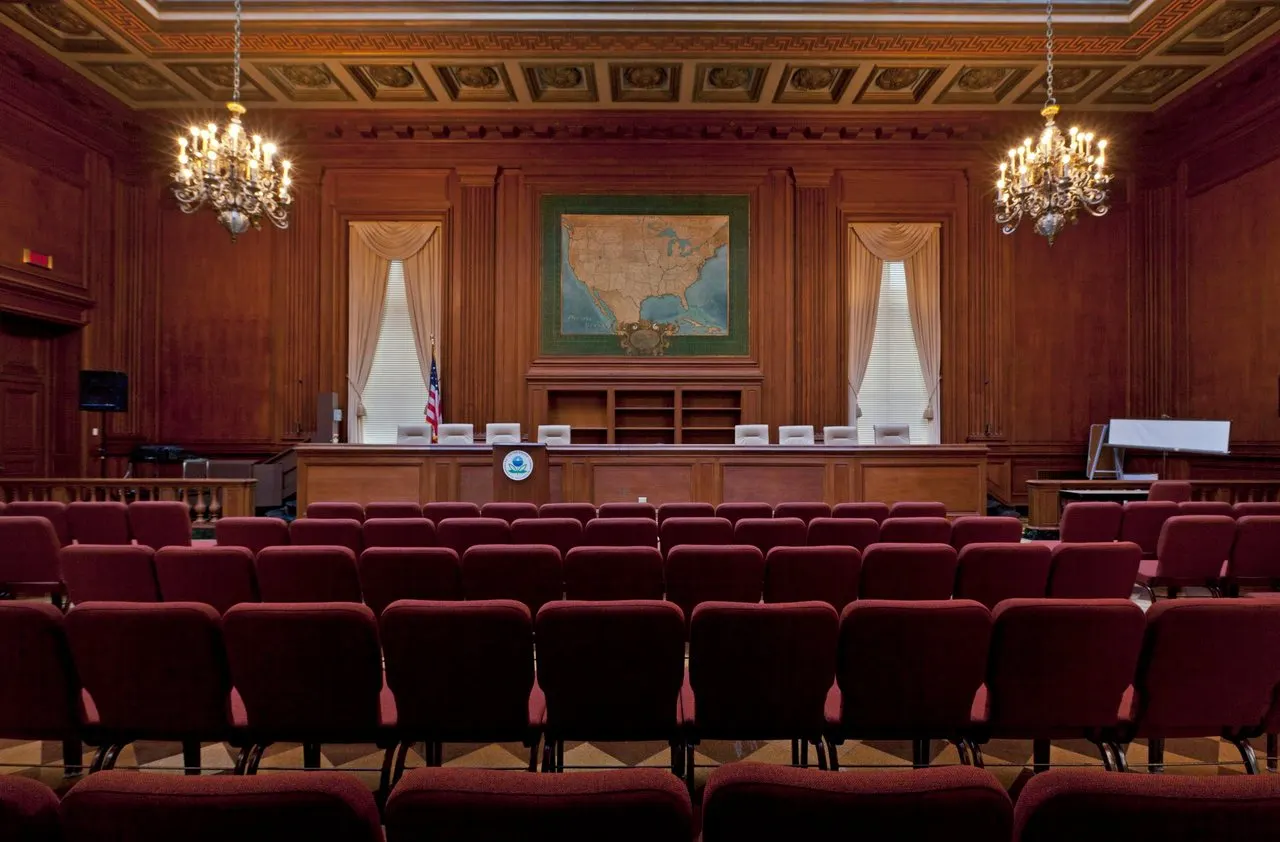
Massie and Pingree sit on opposite sides of the aisle, but they have worked together on farm issues for years. Pingree has been an organic farmer since the 1970s, and Massie raises grass finished beef cattle on his Kentucky farm. They teamed up on the PRIME Act for small meat processors and on raw milk bills, and now they lead the fight against glyphosate lawsuit immunity together. Their partnership shows that food and farming can cross party lines. Read the warning Liz Cheney gave her Republican colleagues.
Two Farmers in Congress, One Shared Cause
In September 2026 the two lawmakers sat down together on stage at Churchtown Dairy in Hudson, New York, for the Real Organic Project podcast, recorded live in front of a farming audience. Host Dave Chapman asked how a Kentucky Republican and a Maine Democrat came to work together, and both told stories from their own farms. They talked about the PRIME Act, the farm bill and the fight to stop pesticide makers winning legal immunity. The episode is called Two Farmers in Congress, Across the Aisle. See Trump’s arrival in the Philippines.
What Glyphosate Lawsuit Immunity Really Means

Immunity in this fight means a company cannot be sued, even if people say its product harmed them. The executive order used Defense Production Act powers to give makers of glyphosate and elemental phosphorus that kind of protection when they took part in federally backed production. Massie’s bill would take it away and say clearly that no federal law, contractor defense or preemption theory can shield these companies. Courts, not the White House, would decide who pays. Read Trump’s briefing room return from China.
Elemental Phosphorus Is in the Order Too

Glyphosate gets the headlines, but elemental phosphorus shares the order. Phosphorus is a key ingredient in fertilizer, and farmers spread it on fields to help crops grow. The United States imports much of its supply, which is why the order called it critical to national security. Massie’s bill covers both chemicals, so it would bar federal funds for the whole order and keep makers of both materials open to lawsuits. The pairing shows how wide the order reaches. See the fight over Democratic leadership.
Farmers Who Depend on the Weed Killer
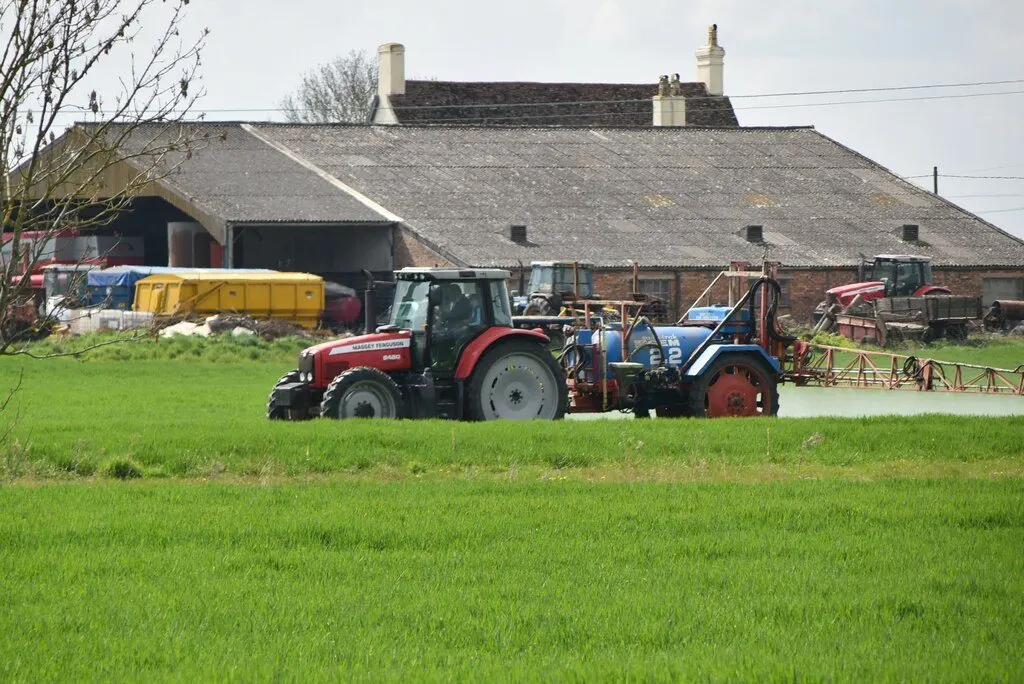
Many American farmers say they cannot farm at scale without glyphosate. They spray it to clear fields before planting, and they use crops bred to survive it, which lets them control weeds without plowing as much. Losing it would mean more labor, more fuel and lower yields, they say. That is why farm groups cheered the executive order when it promised a steady supply. But some farmers also grow organic crops and want fewer chemicals on the land. Read Trump’s trip to China and its 17 billion dollars in deals.
Supporters Say the Order Protects the Harvest
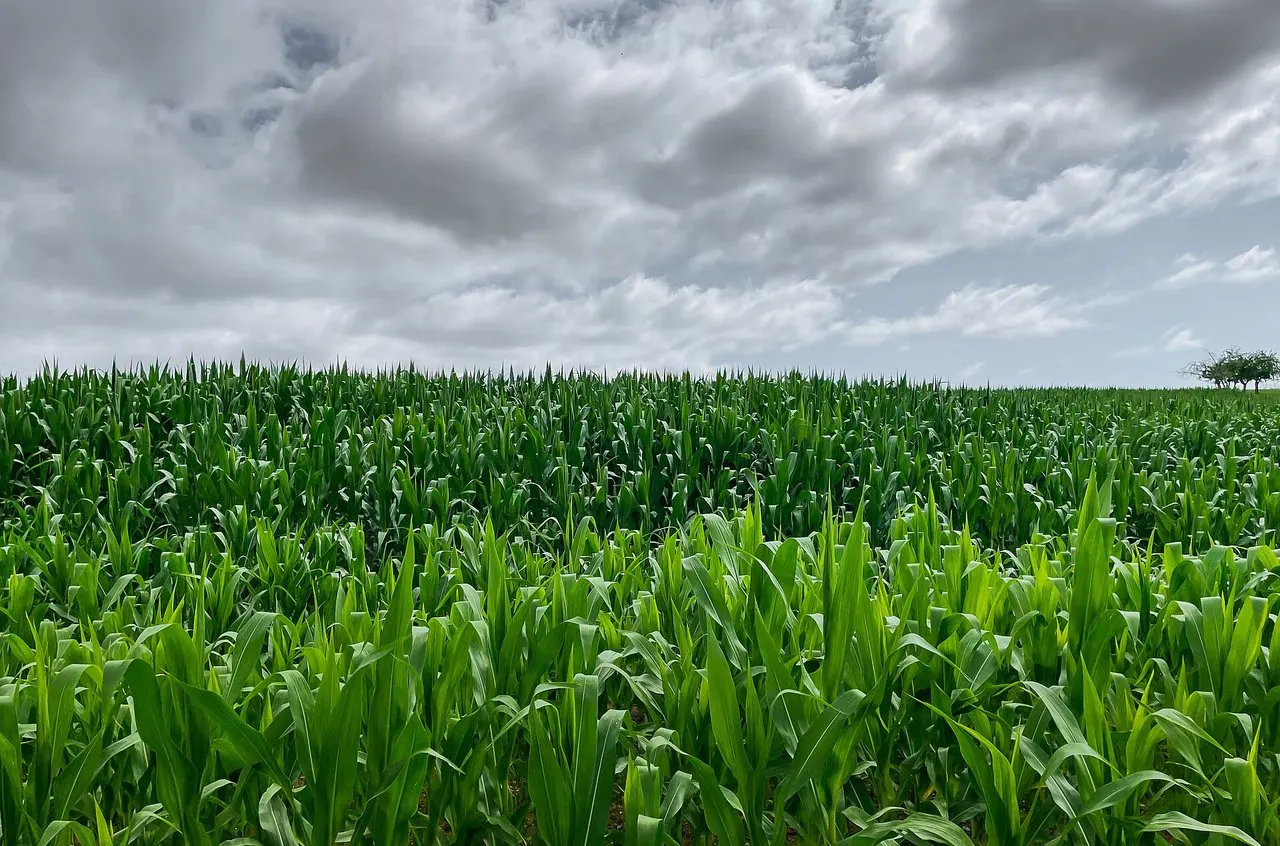
Supporters of the order say it is about keeping American farms running and American shelves full. They point to supply chain shocks and foreign rivals and say the country should make its own farm chemicals at home. From that view, the immunity is a side effect of asking companies to ramp up production fast for the national good. Massie and his allies answer that no company should trade a government contract for freedom from lawsuits. Read Trump’s Asia trip and its 17 billion dollars in deals.
Glyphosate Lawsuit Immunity Faces the House
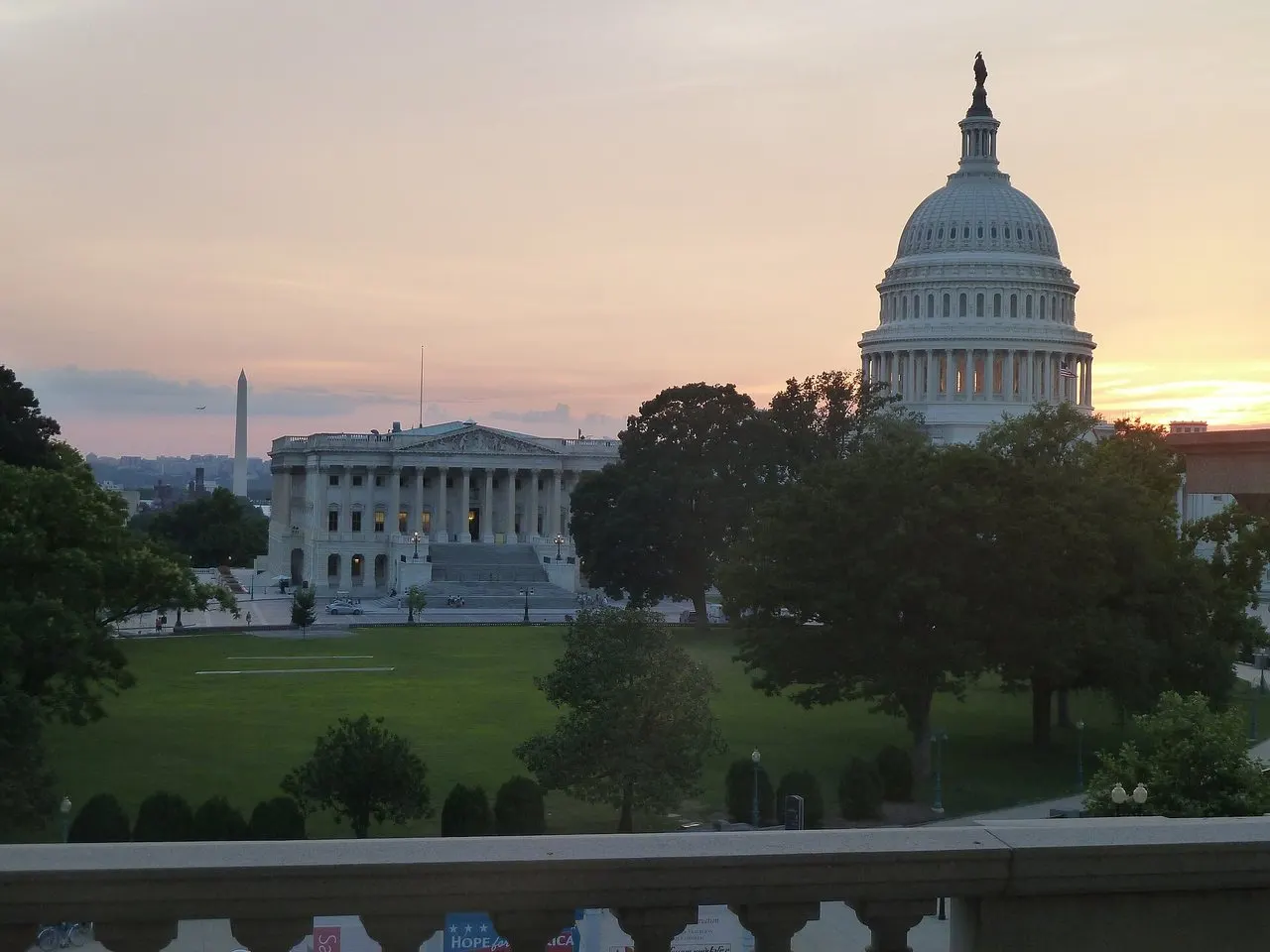
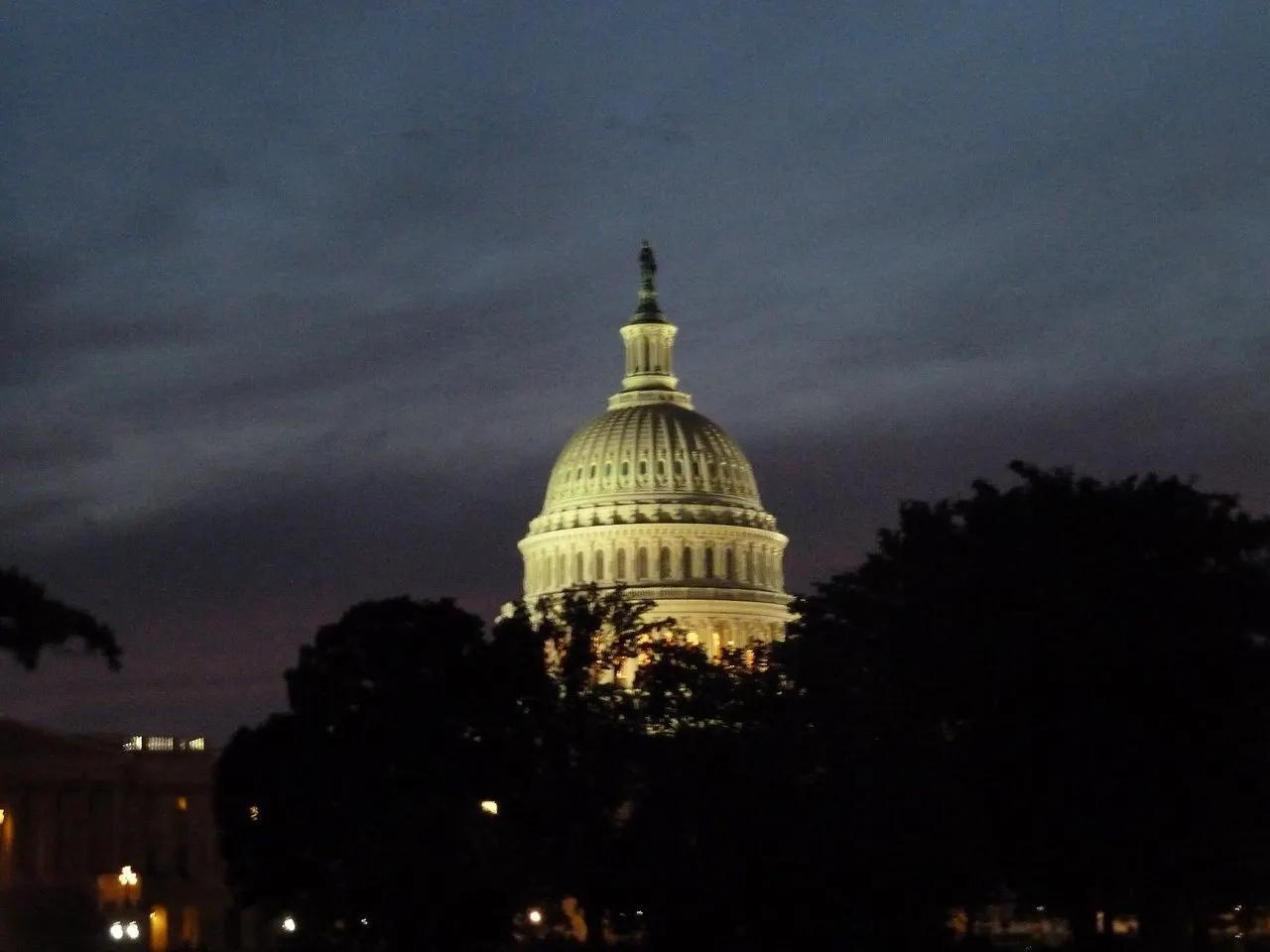
H.R. 7601 now sits with the House Committee on the Judiciary, which usually has to report a bill before the full chamber can take it up. As of late October 2026 it had 16 cosponsors, and a related Senate measure, S. 4425, arrived in April 2026. A House floor amendment already stripped pesticide immunity language from the farm bill with 207 Democrats and 73 Republicans voting in favor, which shows the votes may be there. Read how Senator Thom Tillis blocked a Trump nominee.
What Happens if Glyphosate Lawsuit Immunity Ends
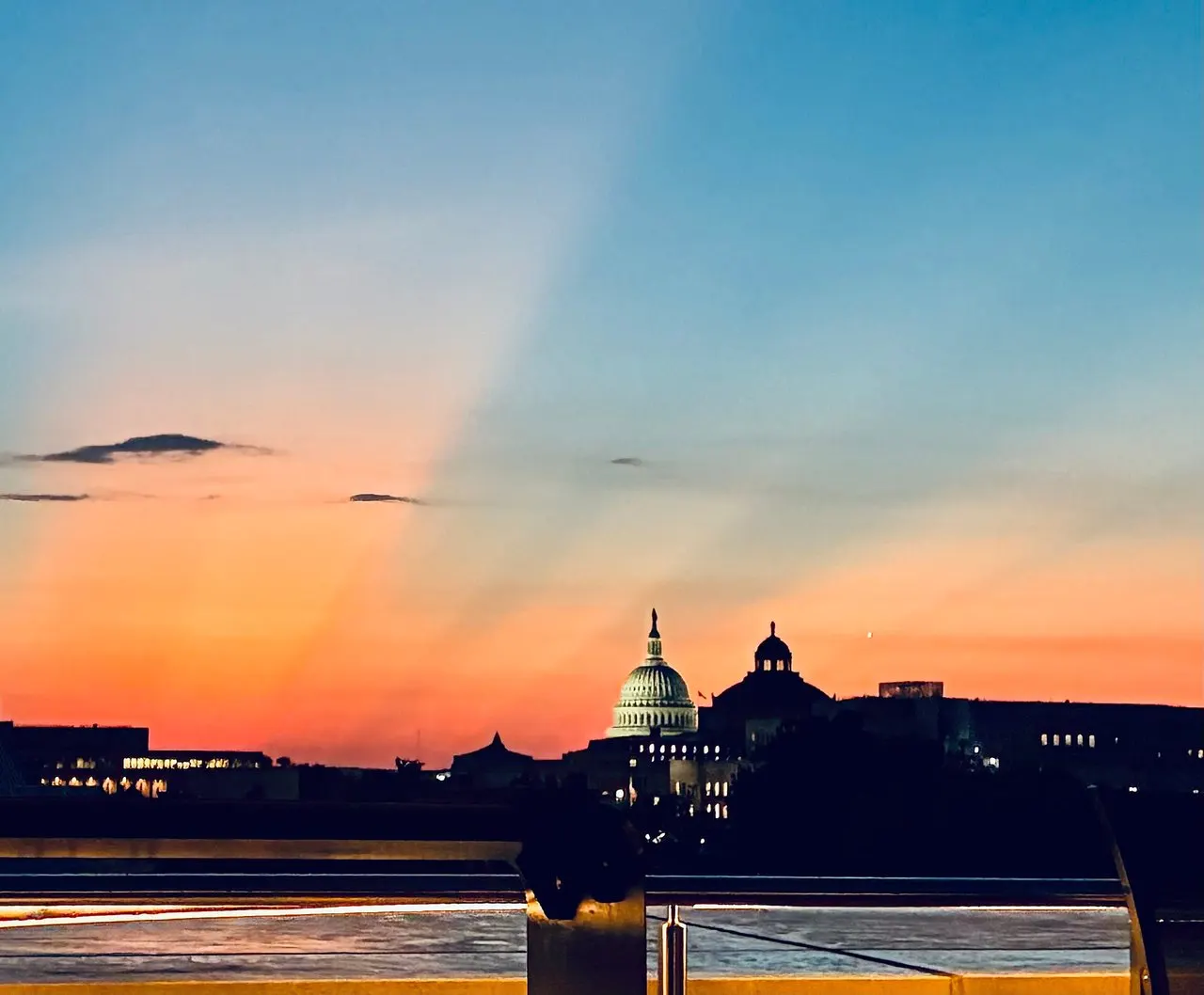
If the bill passes, the executive order would lose its funding and its legal shield. People harmed by glyphosate or elemental phosphorus could sue makers in federal court for medical costs, lost income, pain and suffering, and punitive damages, and state claims would stay alive too. Companies would face the same courts they faced before February 2026. Supporters say that is simple justice. Opponents warn of a new wave of lawsuits. See our report on Trump’s call with European leaders.
What Happens if the Bill Stalls
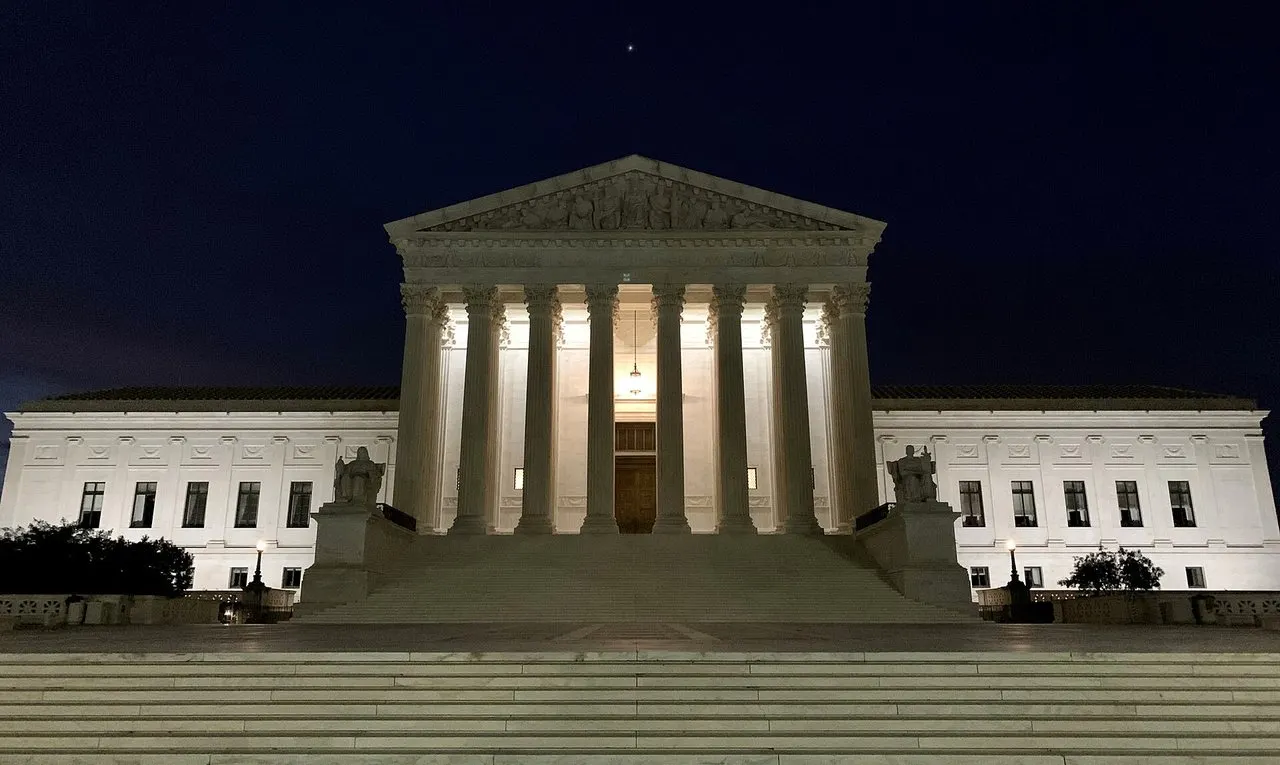
If H.R. 7601 stalls in committee, the executive order stays in force and its immunity protections stay with it. Lawsuits already filed could run into new federal defenses, and future claims would face a much harder road. Massie has said he will keep pushing, and his allies in farm and food safety groups are urging more members to sign on. The bill had seven months with no movement at one point, so patience may be needed. Read how Senator Thom Tillis blocked a Trump nominee.
The Courts Keep Hearing Roundup Cases
Even with the order in place, the courts are still busy. In June 2026 the Supreme Court ruled 7 to 2 in Monsanto v. Durnell that federal pesticide law blocks state failure to warn claims about labels the EPA approved without a cancer warning. Days later, Pingree and Massie introduced the People Over Poison Act, H.R. 9528, to reverse that ruling and restore the right to sue. The two fights are now running side by side. See the fight over Democratic leadership.
Roundup: From Farm Shelves to Courtrooms

Roundup reached American farms in the 1970s and grew into one of the most used weed killers on earth. For decades, farmers trusted the label and sprayed it across millions of acres. Then came the lawsuits, the jury verdicts and the billions in payouts, and the weed killer became a courtroom word as much as a farm word. Monsanto is now part of Bayer, which bought it in 2018, but the name still carries the whole story. Read Trump’s Asia trip and its 17 billion dollars in deals.
The Science Debate Is Far From Settled
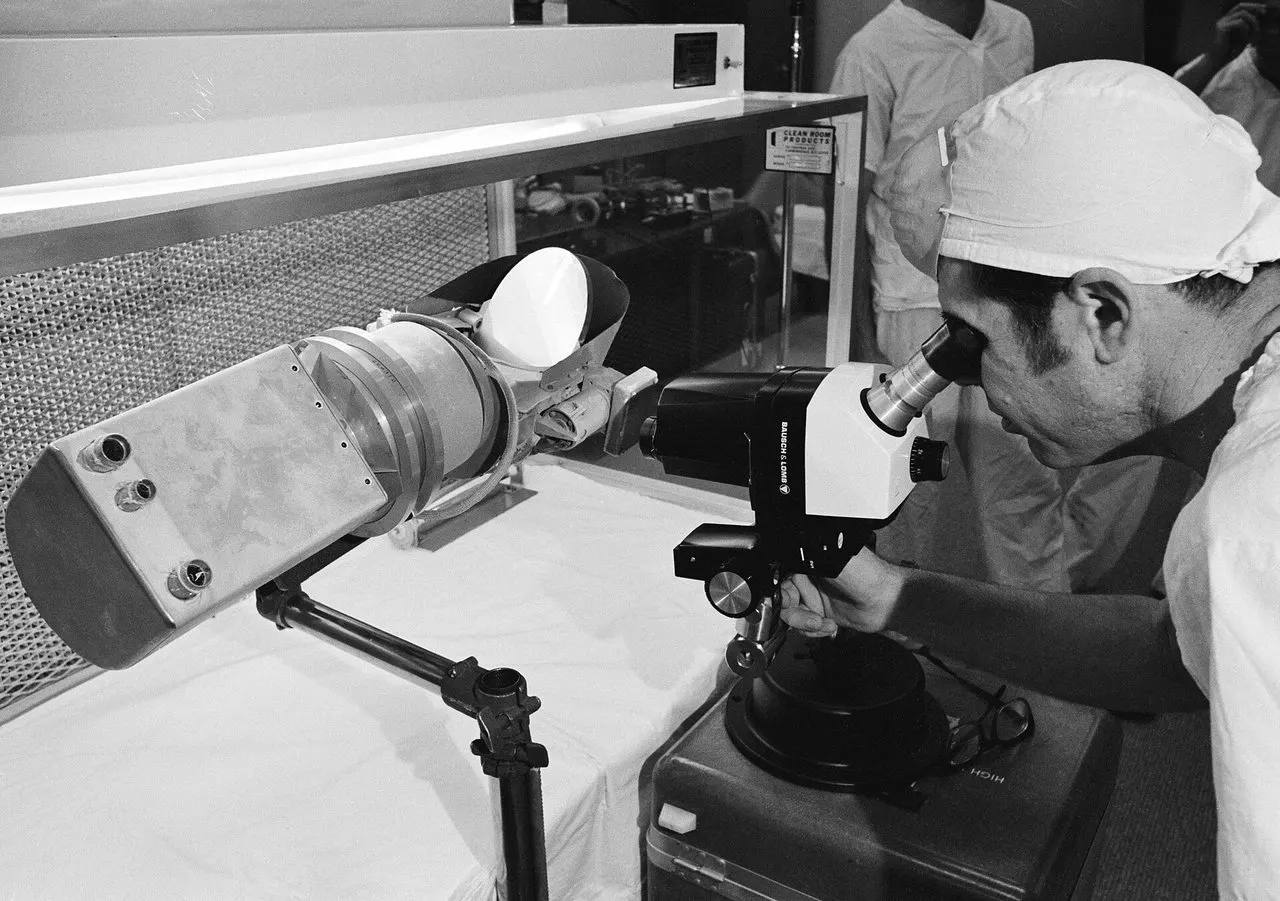
Scientists still argue over glyphosate. Regulators in the United States have said it is safe when used as directed, while the World Health Organization’s cancer research arm has called it probably carcinogenic to humans. The ghostwriting claims add to the doubt, because they raise questions about who wrote the studies regulators trusted. For readers, the lesson is to look at who funded the science, not just the headline. See Trump’s arrival in the Philippines.
The Bigger Fight Against Glyphosate Lawsuit Immunity
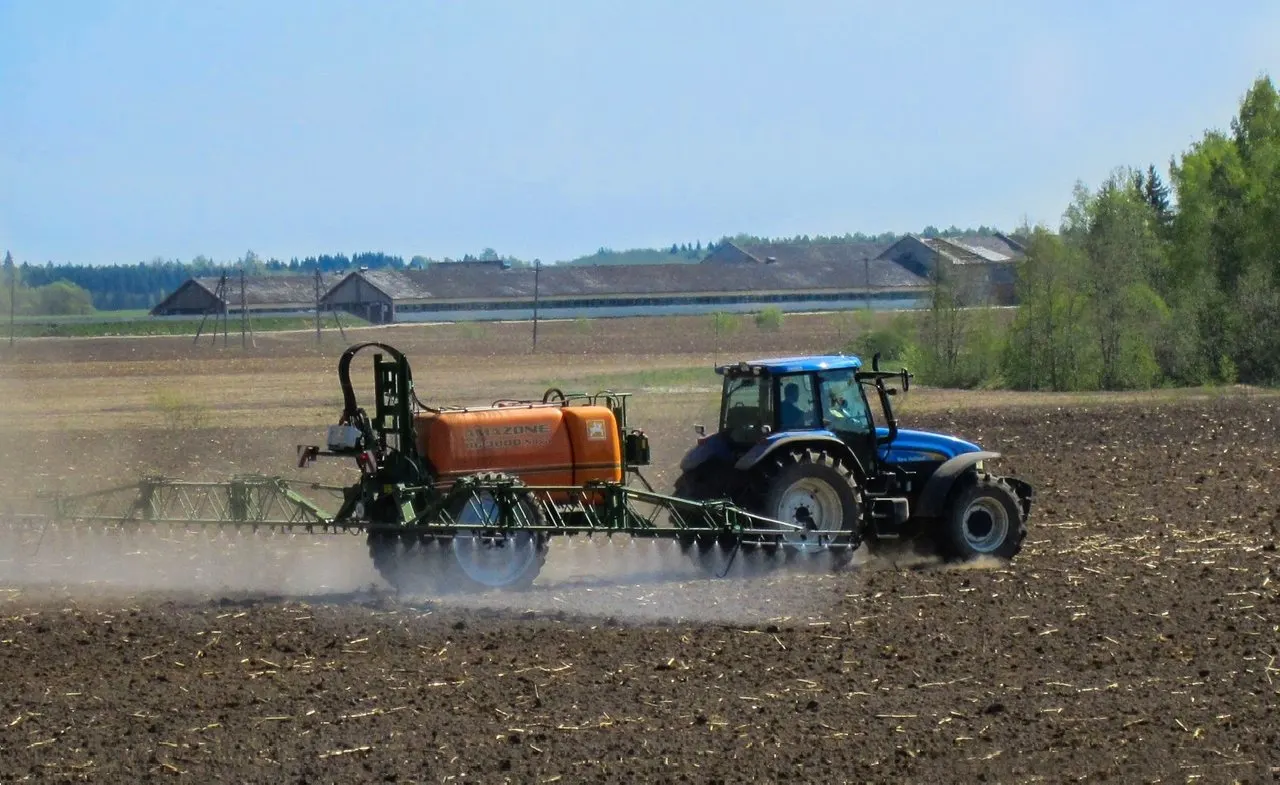
The glyphosate fight is part of a wider push over farm chemicals. Senator Abdul El-Sayed is pushing a federal bill to ban toxic pesticides from American food, and Pingree has a bill with Anna Paulina Luna to ban paraquat outright. Farm groups and food safety advocates are pressing Congress from several directions at once, and the glyphosate lawsuit immunity fight is the most visible battle of all. What happens here could shape the next farm bill. Read the push to ban toxic pesticides.
What to Watch in the Weeks Ahead
Watch the House Judiciary Committee first, since H.R. 7601 needs its approval to reach a floor vote. Watch the cosponsor list too, because every new name makes the bill harder to ignore. Watch the Senate, where S. 4425 waits, and watch the courts, where the People Over Poison Act and the Monsanto v. Durnell ruling are still playing out. The next hearing or vote could come at any time. See our report on Trump’s call with European leaders.
Should Glyphosate Lawsuit Immunity End? You Decide
Massie and Pingree have asked Congress a simple question: should a company that makes a weed killer be free from lawsuits when people say it harmed them, or should the courts stay open? The executive order says the chemical is too important to risk. The bill says no company is too important to answer in court. Now it is your turn. What do you think? Tell us in the comments. Read the warning Liz Cheney gave her Republican colleagues.