The Eyes of Hate Portrait That Froze a Moment in Geneva
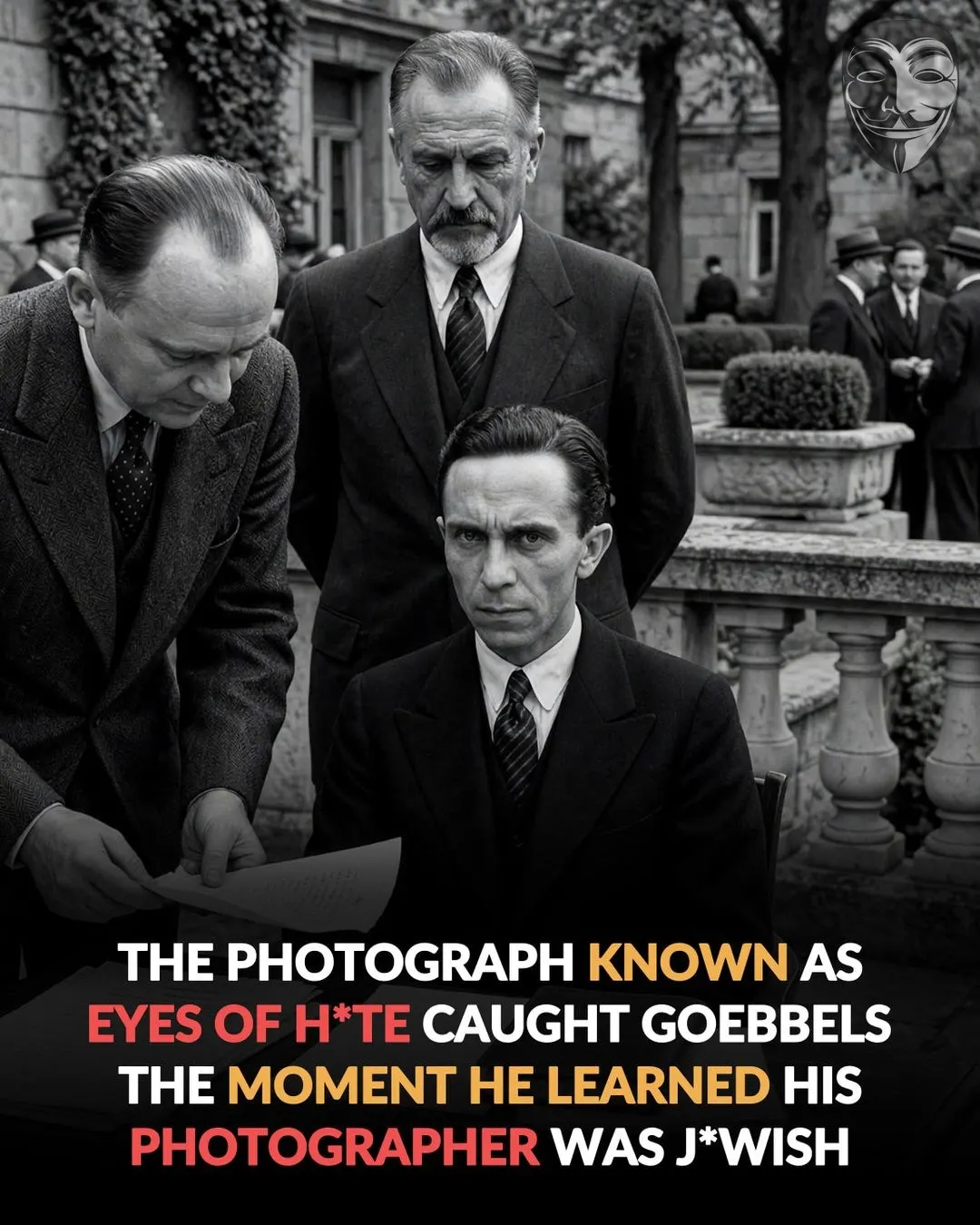
Eyes of Hate is the name given to a portrait taken in Geneva in September 1933, and it shows Nazi propaganda minister Joseph Goebbels staring straight into the camera with cold, open hostility. The photographer was Alfred Eisenstaedt, a German-born Jewish photographer working for LIFE magazine at a League of Nations meeting. Goebbels had smiled for the camera only moments before, relaxed and cheerful among the delegates on the hotel lawn. Then something changed, and the warm smile vanished in a single frame that the world has never forgotten.
In the slides ahead we follow the whole story, from the sunny lawn where Eisenstaedt first spotted Goebbels sitting alone at a folding table to the tense close-up that made history. We look at the photographer’s own account from his 1985 book, the debate among historians about what Goebbels really knew, and the long career that followed for the man behind the lens. For more on how leaders behave when the cameras turn toward them, read our report on a recent four day trip to China and our story about a famous family living far from the spotlight.
References:
PetaPixel: Eyes of Hate Seen in Portrait of Nazi Politician by Jewish Photographer
Rare Historical Photos: Eyes of Hate: A Candid Photo of Goebbels After Finding Out his Photographer was Jewish, 1933
Cornell University Library: Propaganda secretary Dr. Joseph Goebbels of Nazi Germany at the 14th League of Nations meeting at Geneva
International Photography Hall of Fame: HOF Inductee Alfred Eisenstaedt
Geneva in September 1933
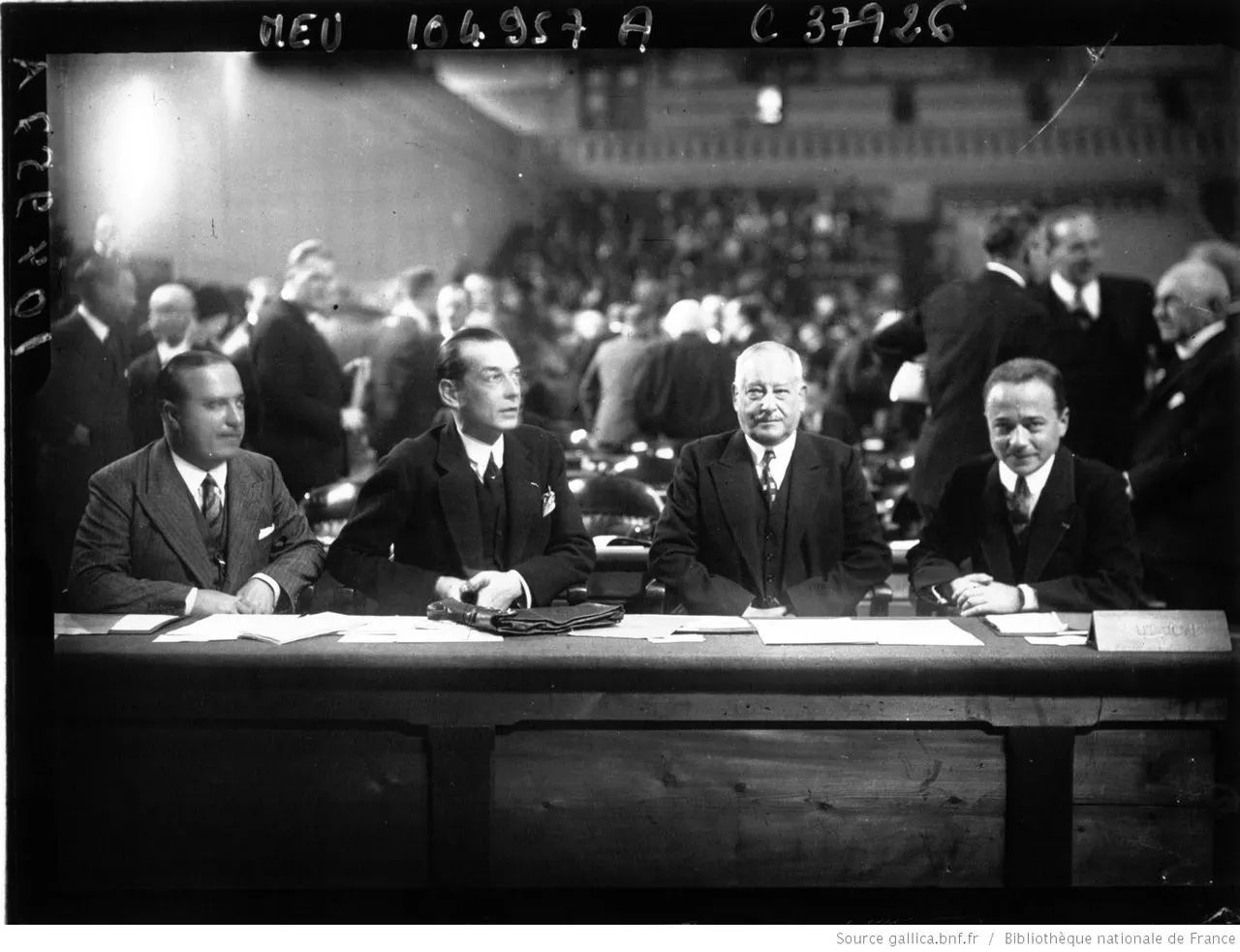
In September 1933 the League of Nations met in Geneva, and delegates from across Europe gathered to talk about peace. Germany had a new government, and its leaders wanted the world to see them as respectable statesmen. The meetings drew photographers, reporters and diplomats to the hotels. Alfred Eisenstaedt was there for LIFE magazine, watching for faces that would tell the story of the week. Read about leaders meeting today in our story on a tense handshake between presidents.
The Man Behind the Camera
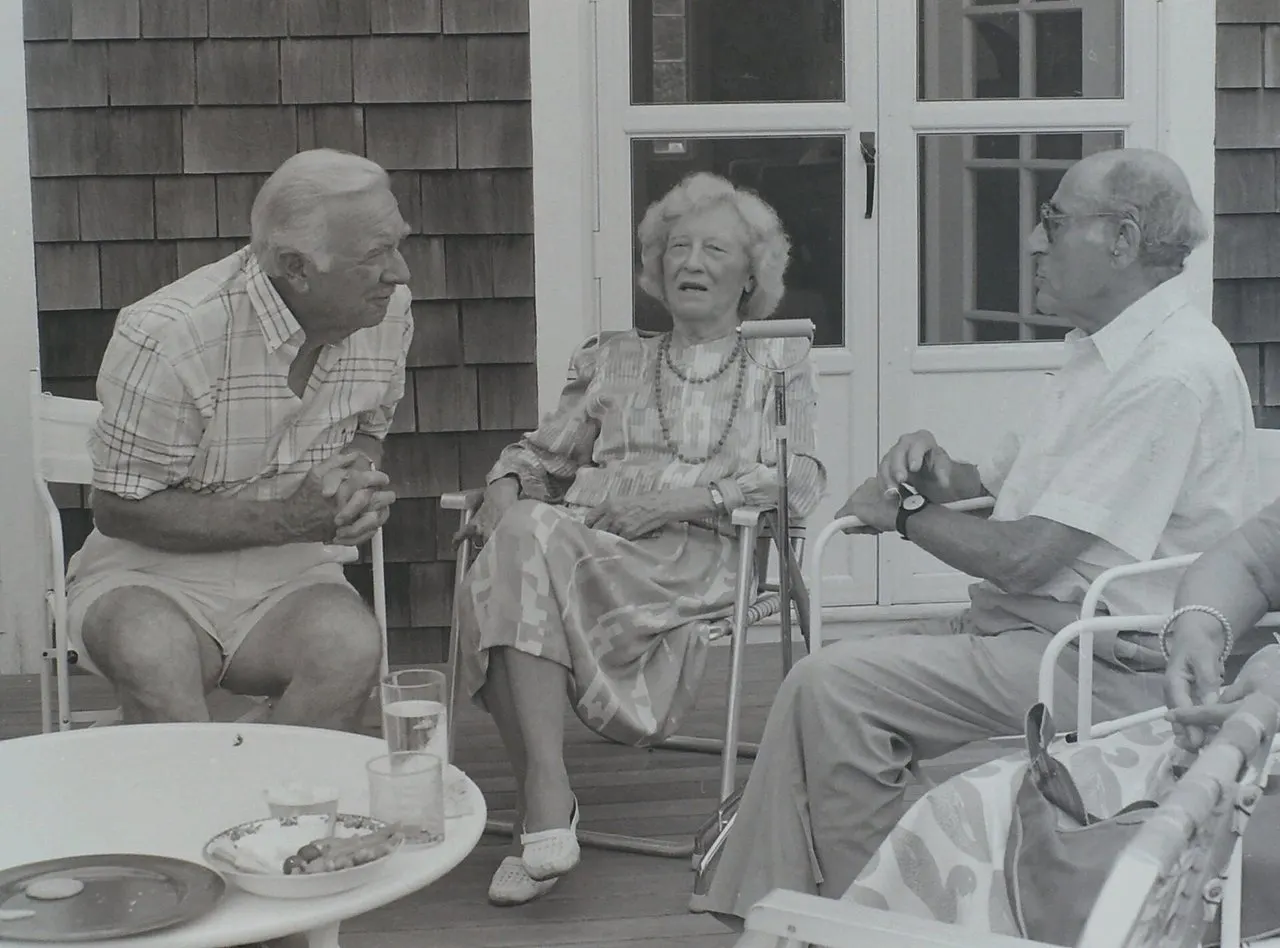
Alfred Eisenstaedt was born in 1898 in West Prussia, and he loved his camera from the day his uncle gave him one. He began his photographic career in Berlin in 1928, working for an agency that joined the Associated Press. He photographed writers, royalty and world leaders, and built a name across Europe. Eisenstaedt was a German-born Jew, a fact that mattered on that September day in Geneva. Learn how power shapes world news in our report on intelligence shared with Iran.
A Relaxed Minister at First
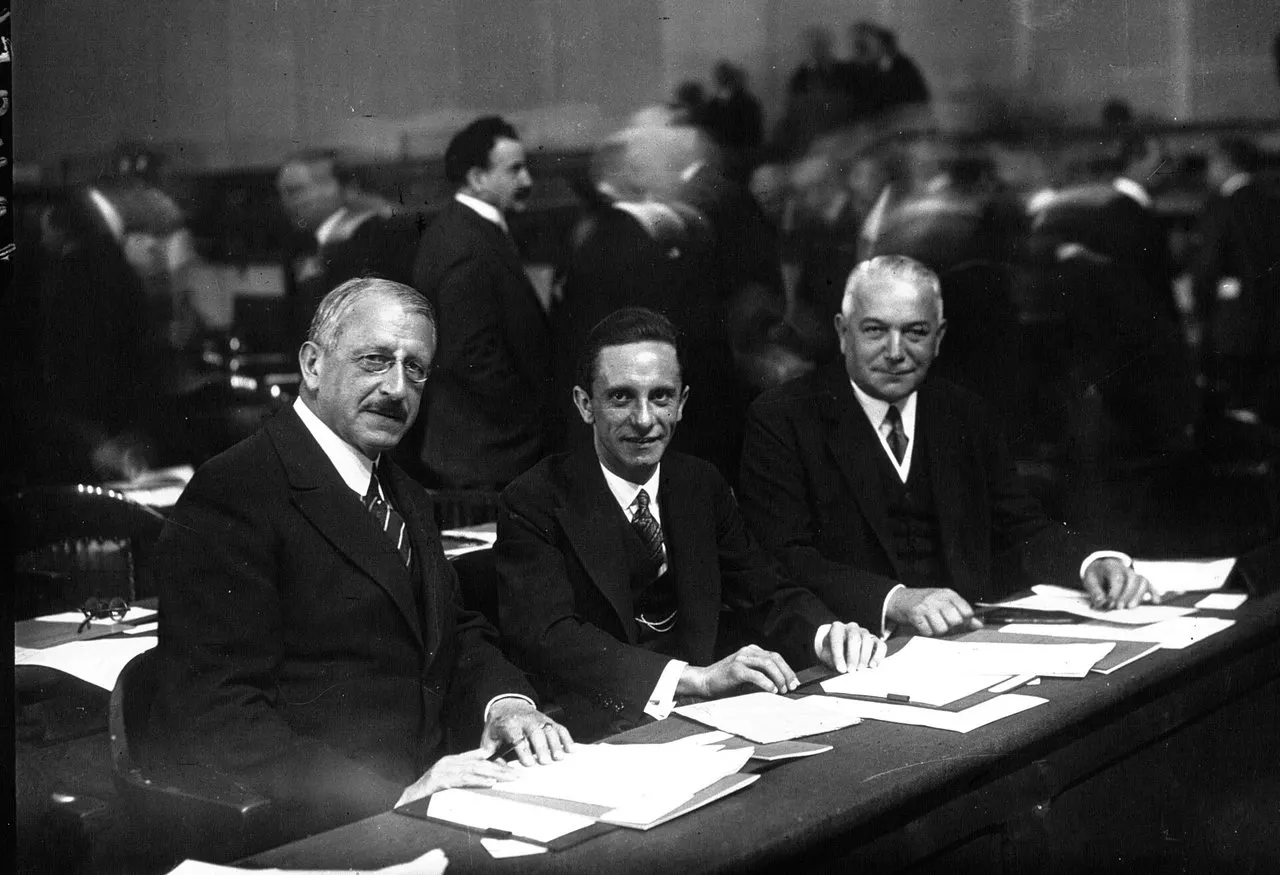
When Eisenstaedt first met Goebbels on the hotel lawn, the minister was relaxed and cheerful, smiling as the photographer worked among the delegates. Goebbels indulged him with a few photographs, showing a pleasant mood the world would soon forget. Nothing in those early frames hints at the cold stare to come. The minister seemed at ease, happy to pose for the press. See how leaders present themselves in public in our story on a recent four day trip to China.
The Moment the Eyes of Hate Appeared
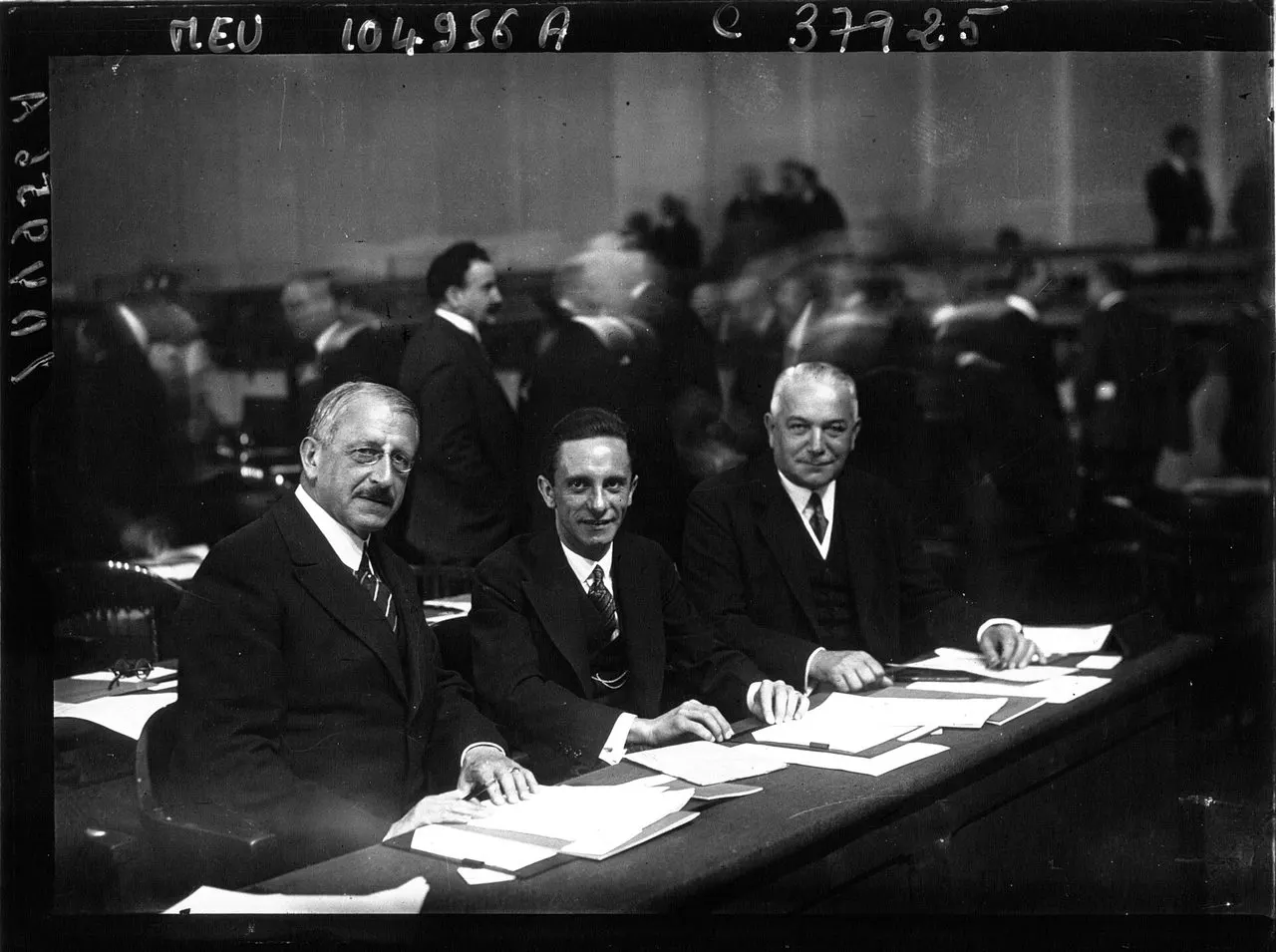
Then Goebbels learned that the man behind the camera was Jewish, and everything changed. The smile left his face, his eyes narrowed as he turned toward the lens with a cold, hard stare. Eisenstaedt kept shooting as Goebbels waited for him to wither, and the result was the frame the world now calls the Eyes of Hate. The change was so sharp that the two sets of pictures show two different men. Read about tense meetings between leaders in our story on a handshake watched by critics.
A Folding Table on the Hotel Lawn
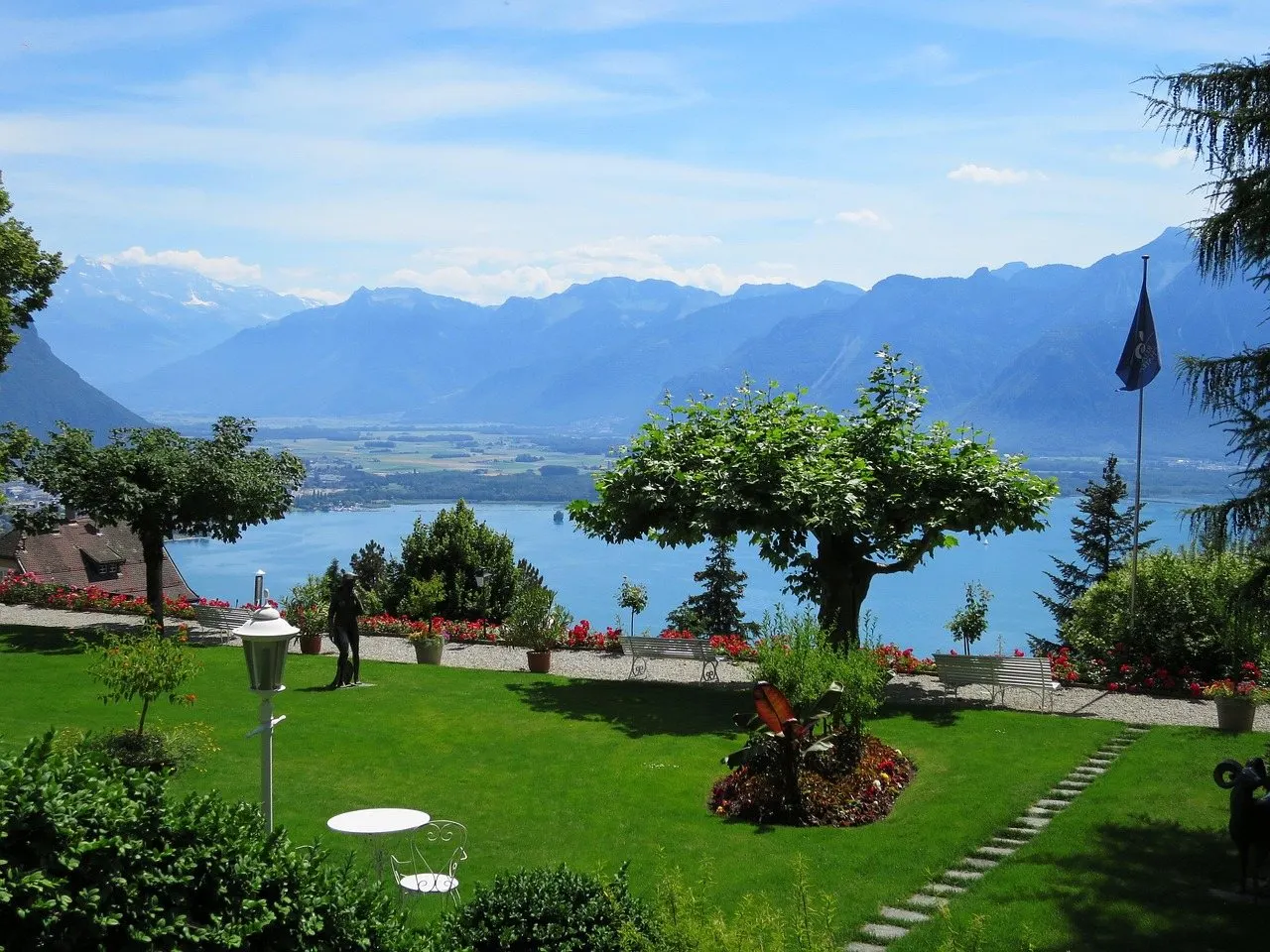
Eisenstaedt later wrote that he found Goebbels sitting alone at a folding table on the hotel lawn. He photographed him from a distance without his knowledge, and the picture suggested aloofness, a man apart from the crowd. The lawn was a quiet corner of a busy week, with delegates walking between meetings and photographers hunting for a telling moment. That small table became the stage for one of the most famous portraits ever made. See how leaders meet away from cameras in our report from a long flight to Beijing.
Surrounded by Aides and Bodyguards
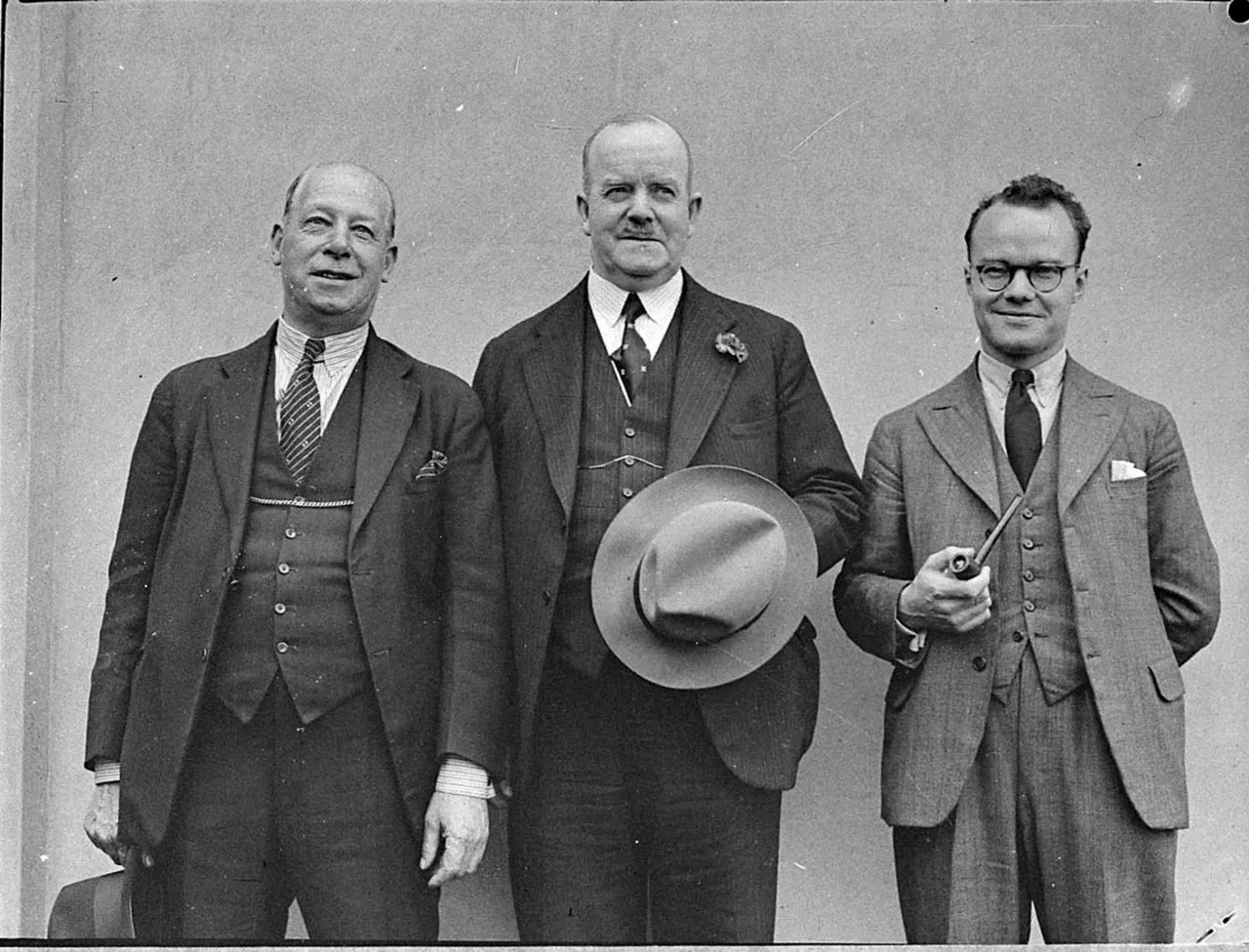
Later that day Eisenstaedt found Goebbels at the same table, but now the minister was surrounded by aides and bodyguards. Goebbels seemed so small while his bodyguards were huge, and the photographer walked up close to take his picture. It was horrible, he later said, because Goebbels looked up at him with an expression full of hate. The crowd around the minister only made the moment feel heavier, and the camera caught it all. Read about power and the people around it in our report on intelligence shared with Iran.
The Small Leica and the Eyes of Hate
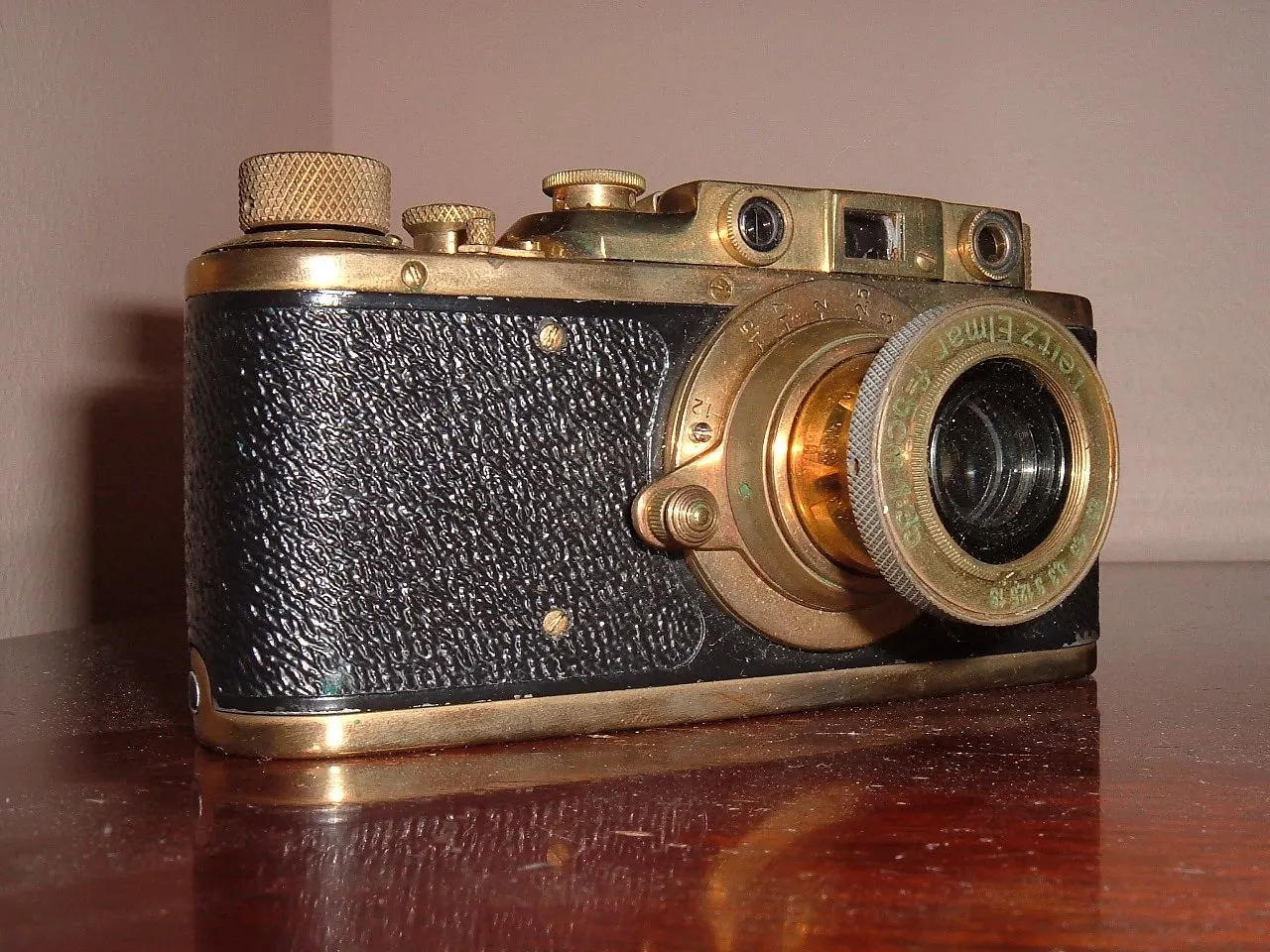
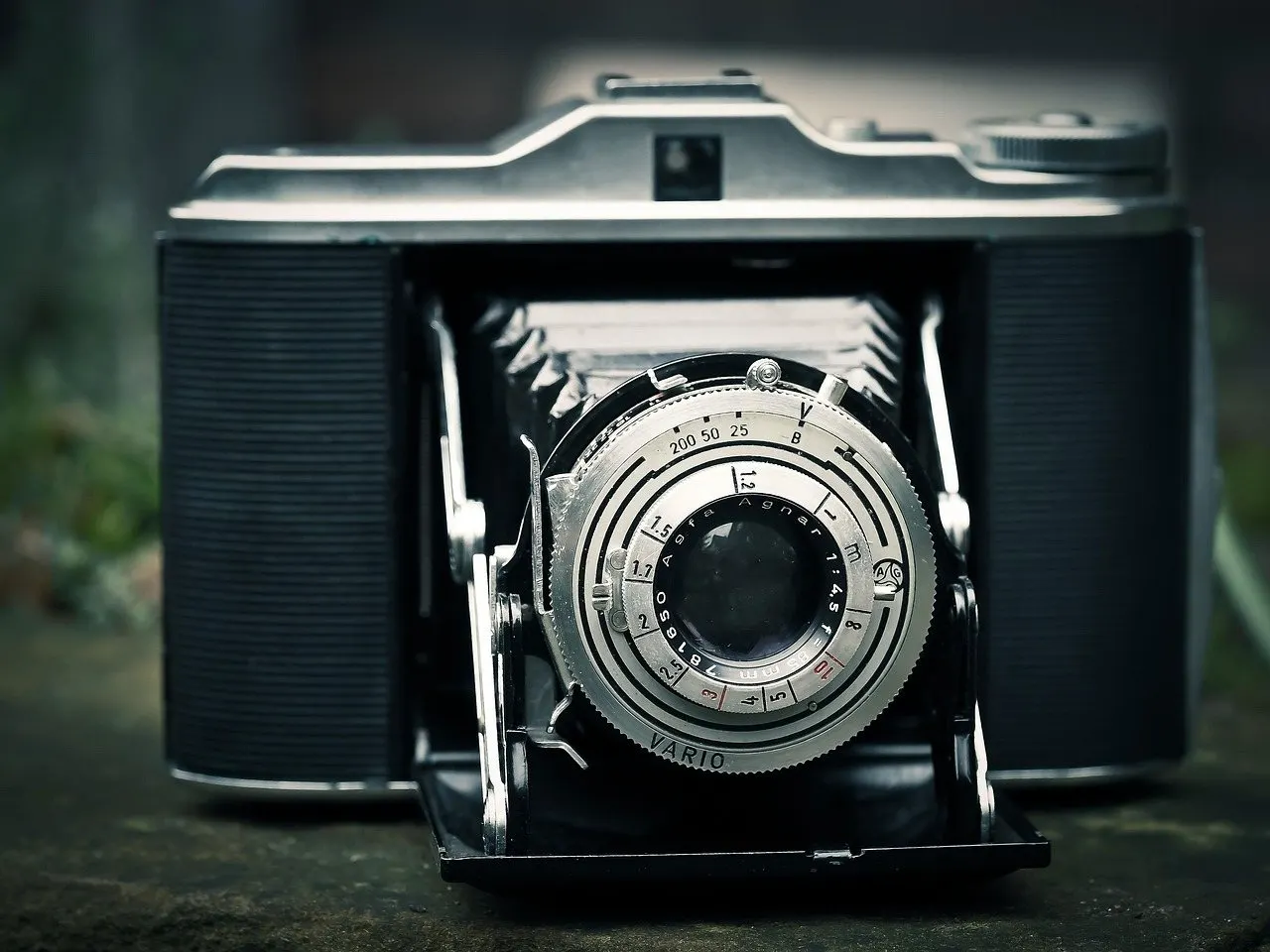
Eisenstaedt worked with a small Leica camera, a quiet tool that let him move close quietly. The Leica was light to carry and fast enough to catch a face the second it changed. Goebbels himself praised the small camera and once called it a weapon in the battle of ideas, a remark that shows his sense of the power of pictures. The Eyes of Hate portrait proves his point, since one small camera made one lasting image. Learn about tools that change the world in our story on a warm greeting.
Eisenstaedt Tells the Story Himself
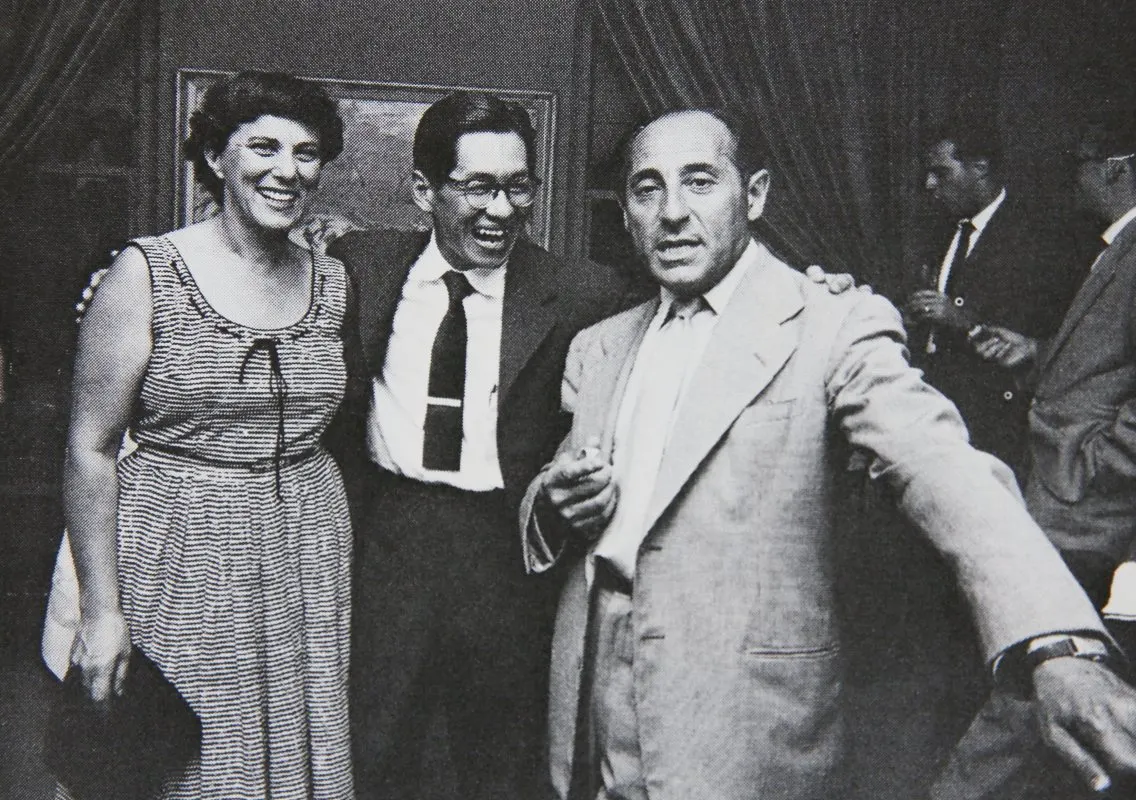
In his 1985 book, Eisenstaedt on Eisenstaedt, the photographer told the story of the Geneva portrait himself. He described the folding table, the aides, the bodyguards and the horrible moment Goebbels looked up at him. He wrote that nothing replaces close personal contact with a subject, no matter how unpleasant it may be. His account is the main source for what we know about that day. For more on people who speak up, read our report on phone calls to European leaders.
If I Have a Camera in My Hand, I Do Not Know Fear

Eisenstaedt left the world a great line about courage behind a camera. He looked at me with hateful eyes and waited for me to wither, he said. But I did not wither. If I have a camera in my hand, I do not know fear. Those words have been quoted since, because they explain why he kept working as a powerful man stared him down. The camera was his shield, and the picture was his answer. See people who stand their ground in our report on a meeting played for laughs.
Reading the Eyes of Hate Stare
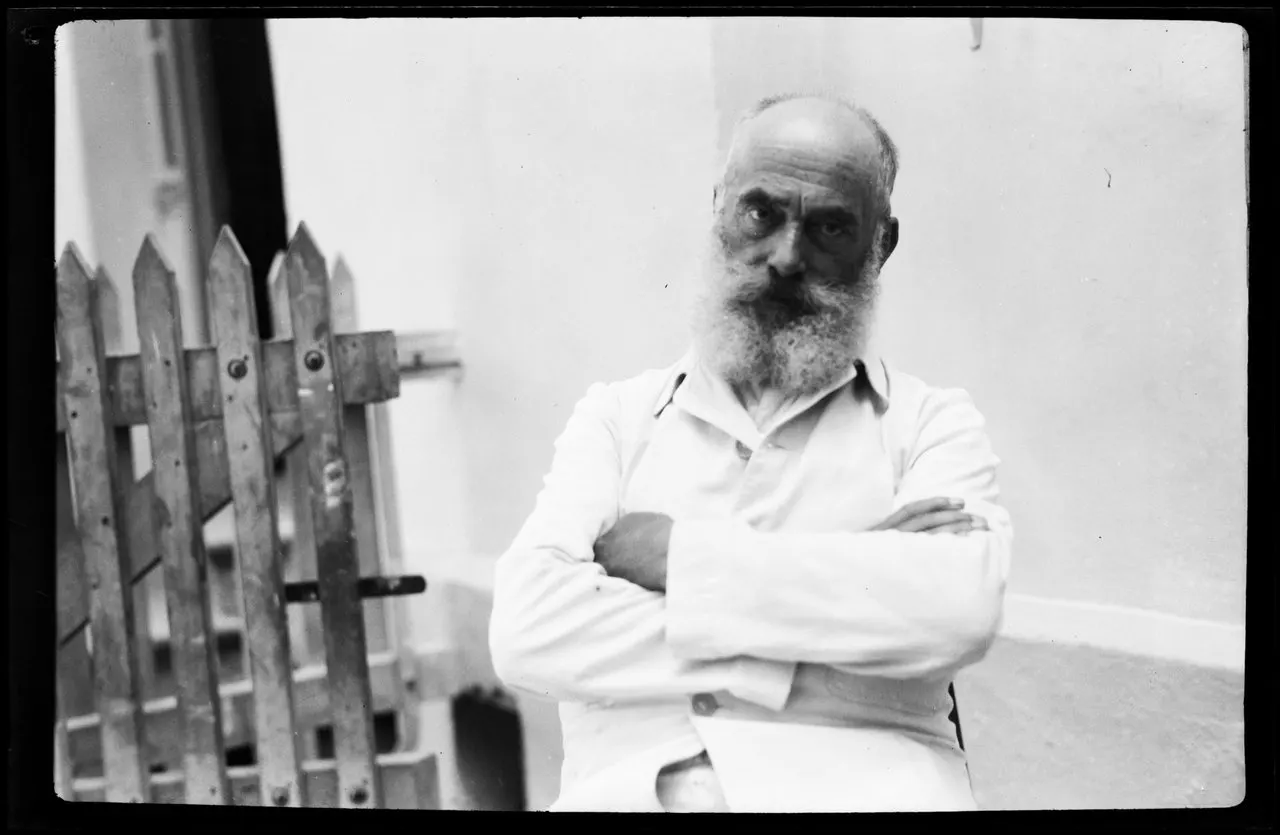
Look at the famous frame and you can see why it still unsettles people. Goebbels leans forward, his eyes fixed on the lens, his mouth set in a hard line. His tense posture gives off open hostility that needs no caption at all. The picture works because it is simple, one man and one stare, with nothing to hide. That is why it is still shared and studied ninety years later. See how one image can move people in our story on a warm visit.
The Eyes of Hate and the Question of What Really Happened
Historians still debate whether the change in Goebbels came in that exact moment, and the popular claim is disputed by some accounts. A photograph can show a face, but it cannot show what a person was thinking, and no one can prove from the picture alone what Goebbels had just learned. The doubt does not make the image weaker. It reminds us to be careful with the stories we attach to famous pictures. Learn how claims are checked today in our story on tough questions in Congress.
A Name That May Have Given Him Away

No one knows for sure how Goebbels found out that his photographer was Jewish, but one clue may have been the name itself. Eisenstaedt is a distinctly Jewish surname, and it is entirely possible that Goebbels was told the name and drew the easy conclusion from it. The photographer never said he announced his background on the lawn. The mystery is part of why the story still draws questions today. Read about names, identity and the law in our report on missing taxpayer money.
The Minister of Words and the Microphone
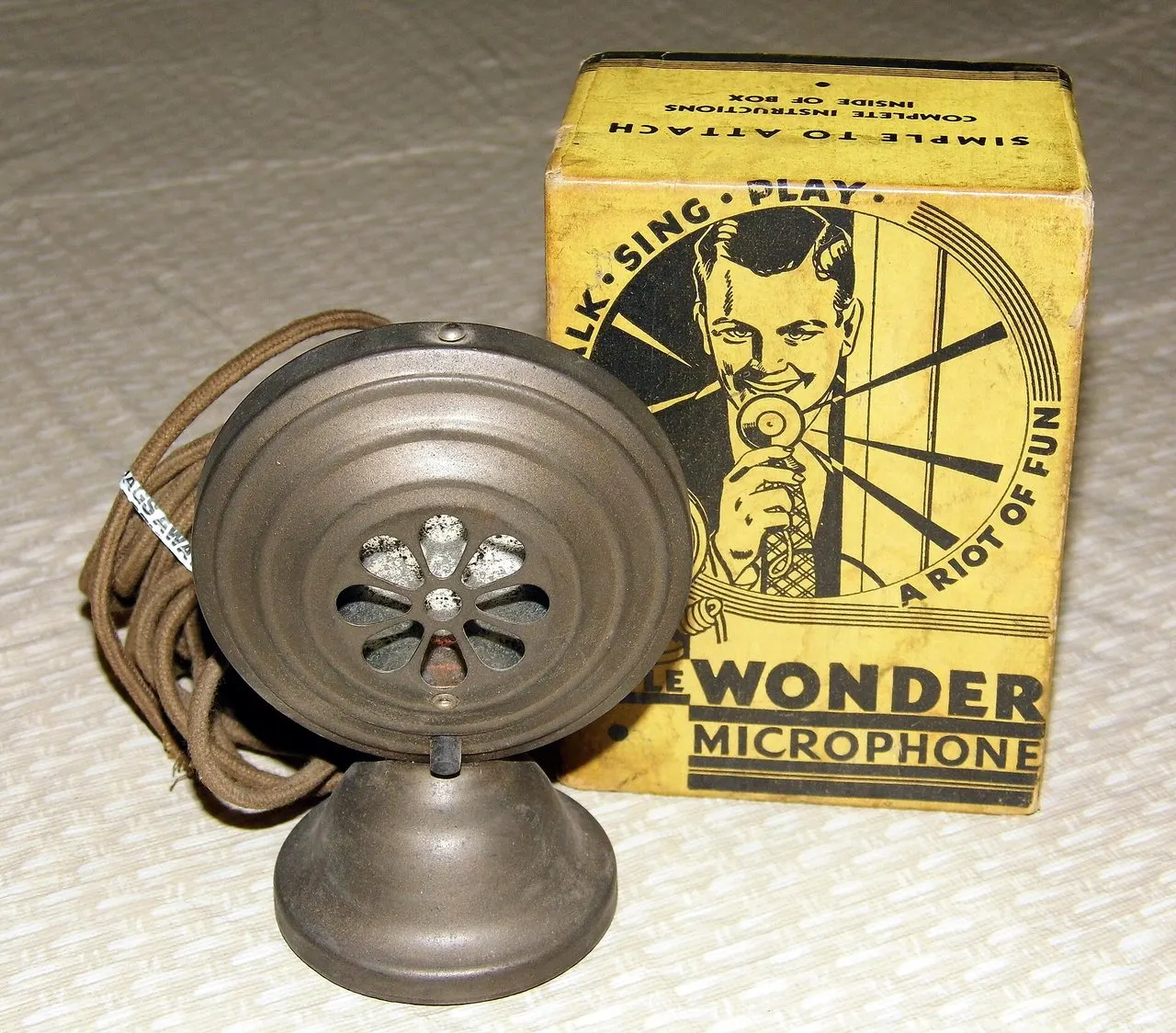
Goebbels was the Reich Minister for Popular Enlightenment and Propaganda, a job held since early 1933. His work was to shape what Germans heard and read, using radio, film and newspapers to spread the views of the government. Radio was new and powerful then, and one voice could reach millions of homes in a single evening. The portrait caught the man who ran that machine at a rare unguarded moment. Read more on leaders and the media in our story on a handshake watched by critics.
The League of Nations in the Eyes of Hate Era
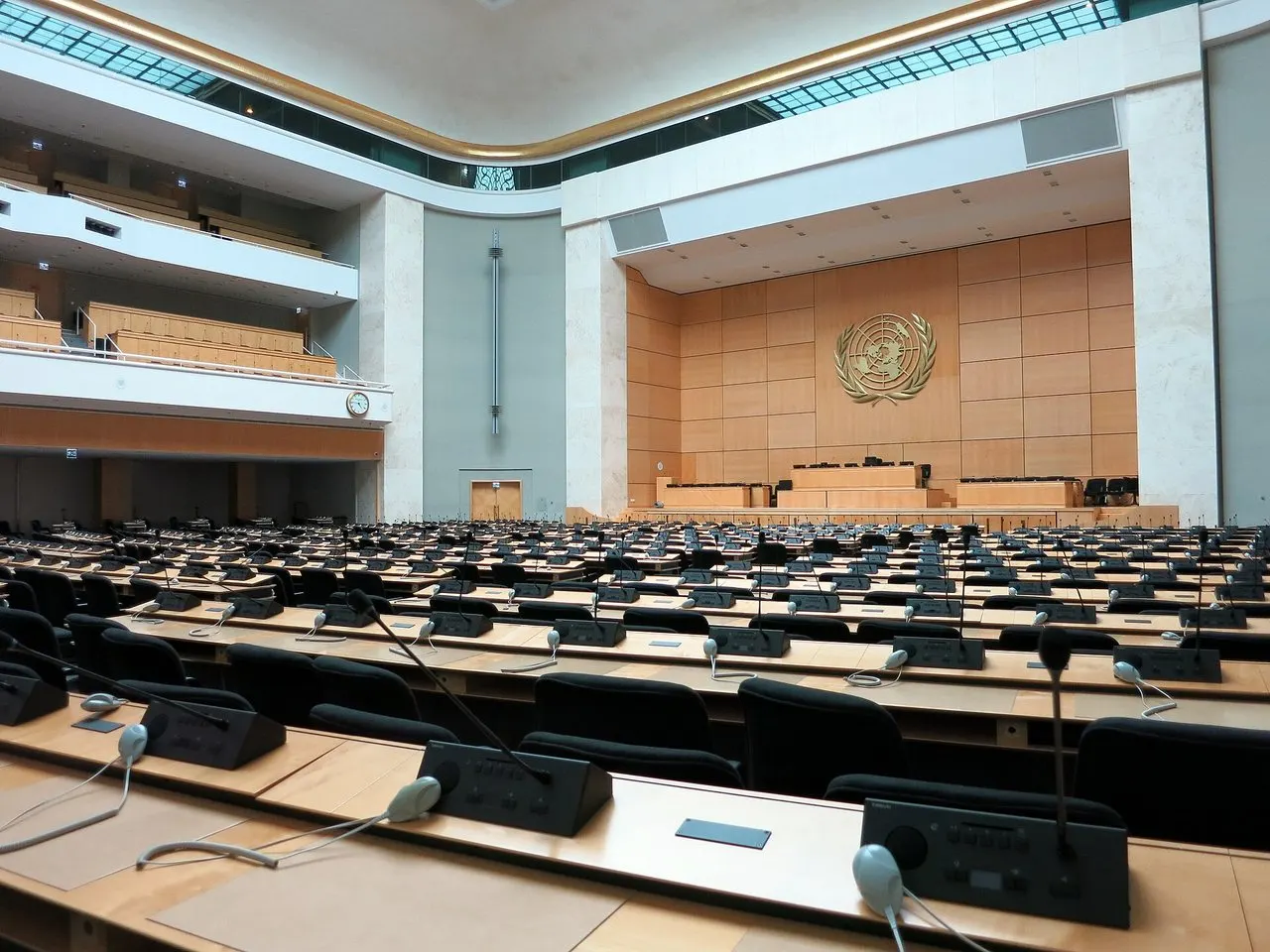
The League of Nations was founded after the First World War to keep peace between nations through talk instead of fighting. By 1933 it was already under strain, as aggressive governments tested its rules. The 14th meeting in Geneva brought those tensions into one room, with Germany’s new leaders beside the delegates of older democracies. Within weeks Germany would leave the League, and the dream of peace through talk faded. Read about summits in our story on a recent four day trip to China.
Berlin Before Geneva
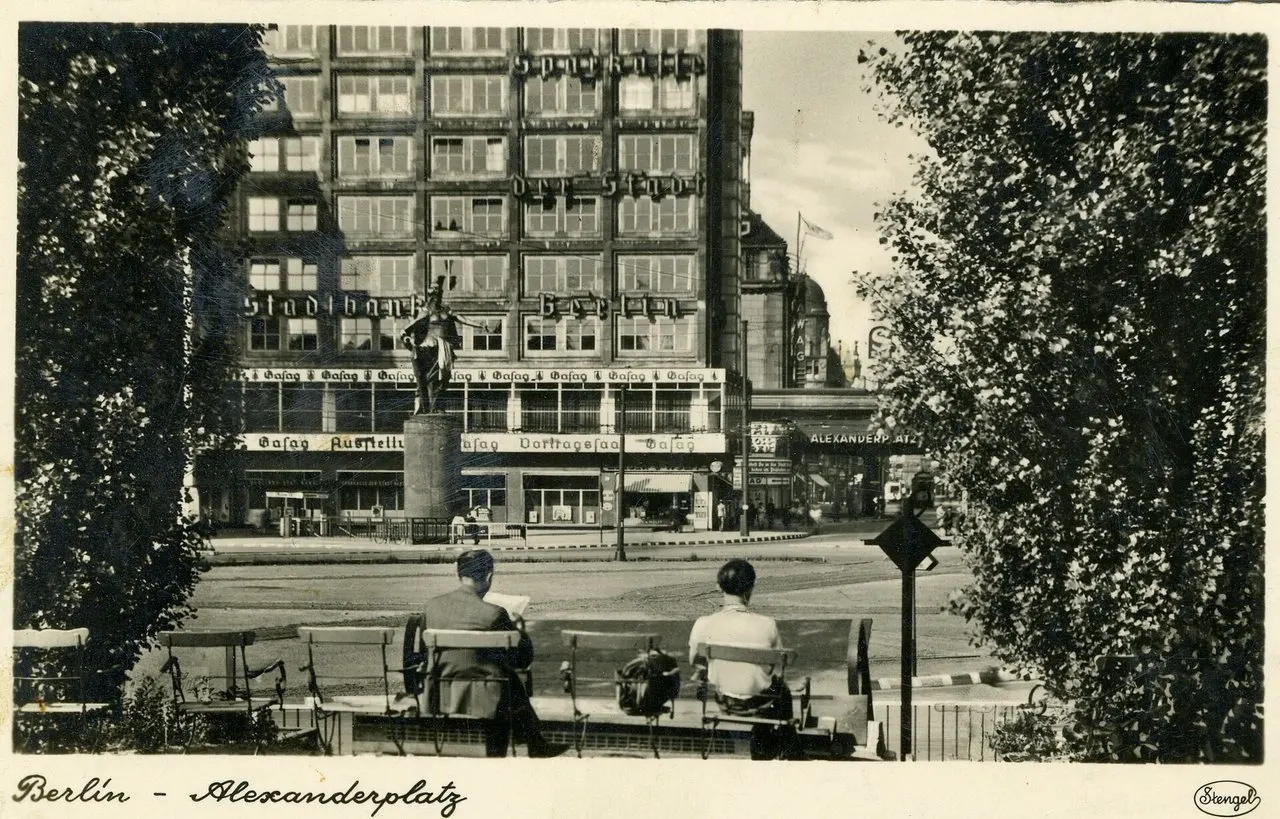
Before Geneva, Eisenstaedt had built his career in Berlin, a city of artists and political ferment. He photographed sitters, from writers to royalty, and learned to work fast and unnoticed. In 1933 he returned to Germany to document the rapid rise of the Nazi Party, a job that put him close to the people reshaping the country. The Geneva assignment was part of that work, and it gave him his most famous picture. Learn about dividing laws in our story on a law that bars people from office.
A New Life Across the Ocean
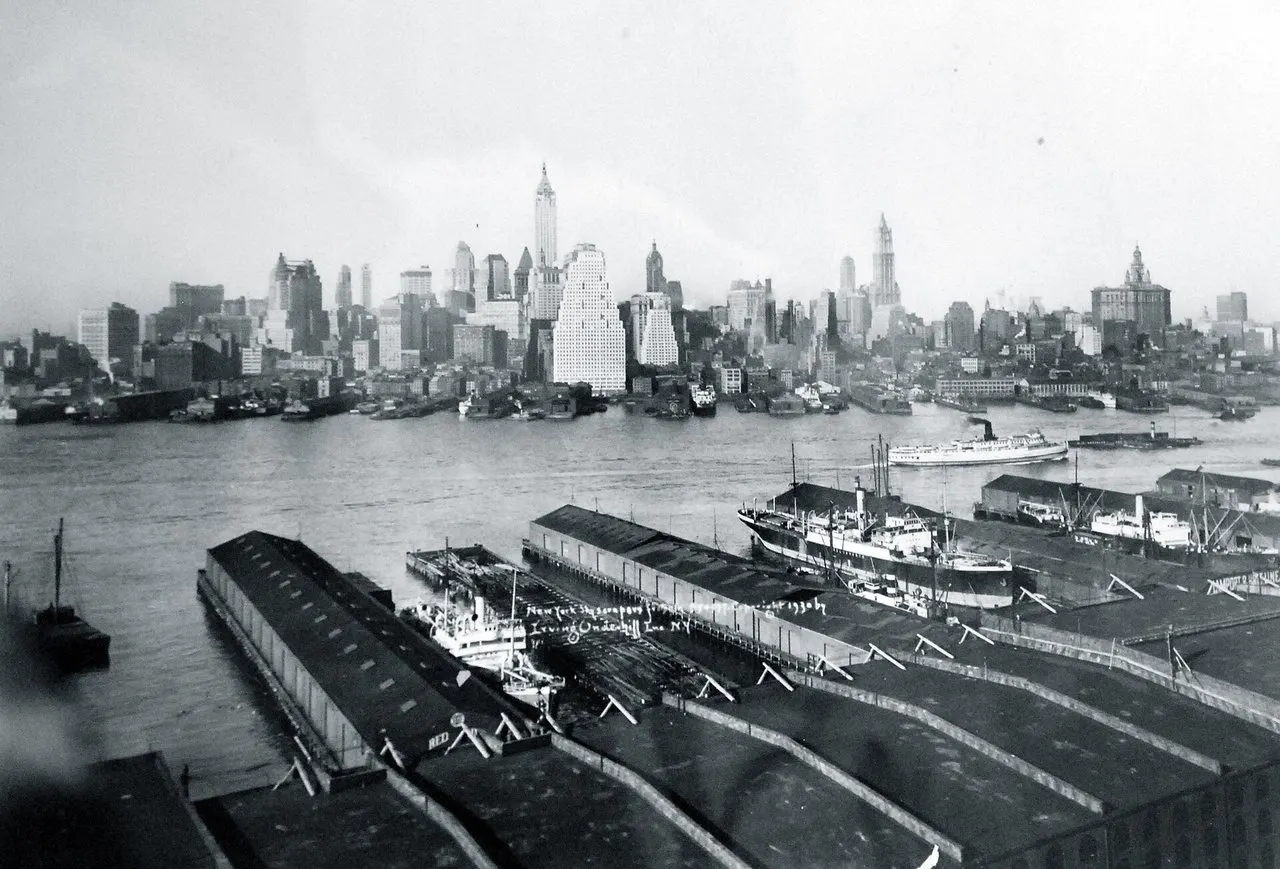
In 1935 Eisenstaedt moved to New York, leaving behind the country where he had been born. A year later he became one of the four founding photographers of LIFE magazine, and his pictures appeared on more than eighty covers over the next six decades. He photographed presidents, movie stars, artists and ordinary people with the same quiet eye. The boy from West Prussia had become one of the most trusted names in American photography. Read about new beginnings and hard choices in our report from a long flight to Beijing.
The Kiss That Came Twelve Years Later
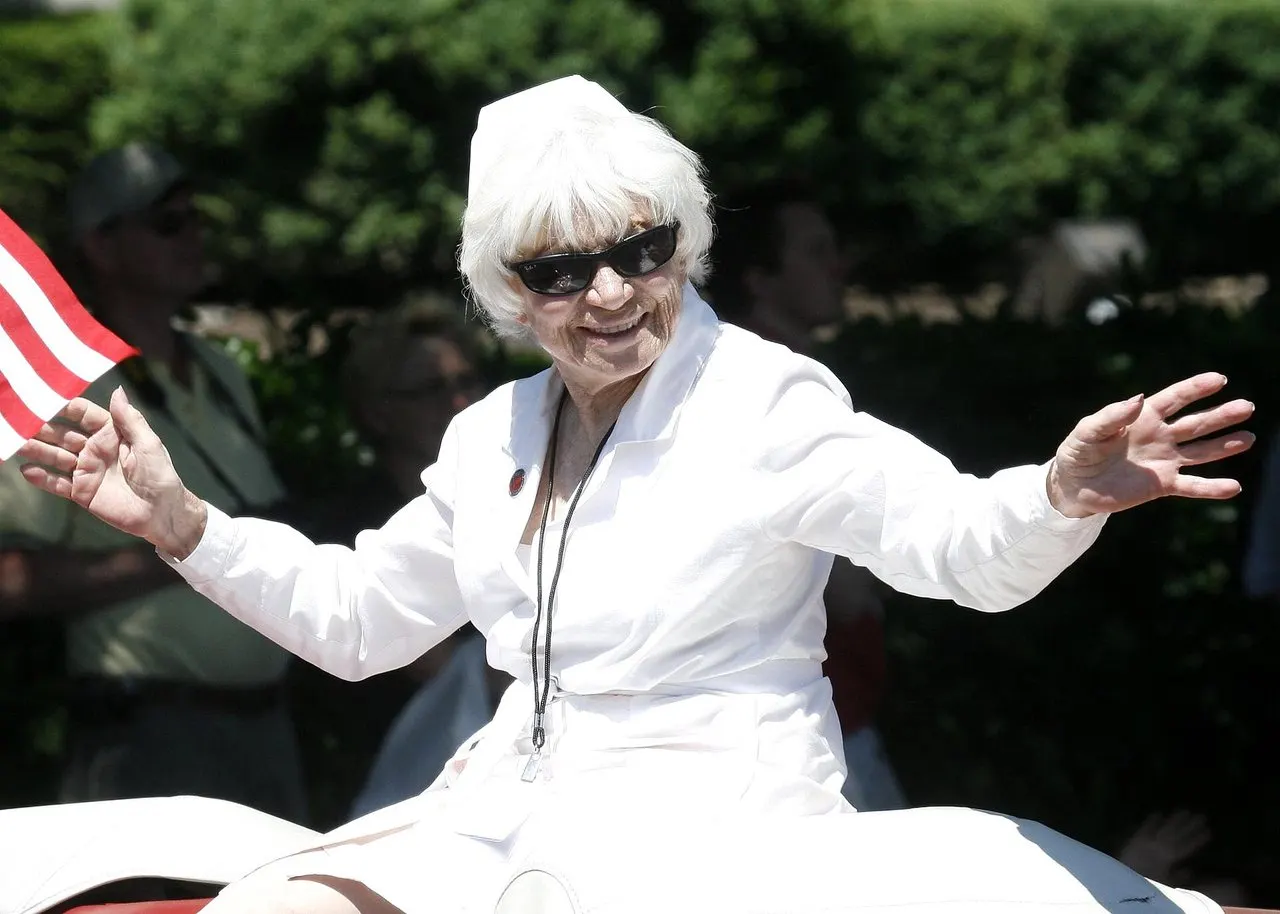
Eisenstaedt took a more famous picture twelve years after Geneva, on August 14, 1945, in Times Square. A sailor celebrating the war’s end grabbed a nurse and kissed her in the crowd, and Eisenstaedt caught it in a single frame. The picture came to be known as V-J Day in Times Square, and it is still one of the best known photographs anywhere. The nurse in the picture was later identified as Edith Shain. Read more on moments that go viral in our report on a meeting played for laughs.
The Eyes of Hate Photographer Enters the Hall of Fame
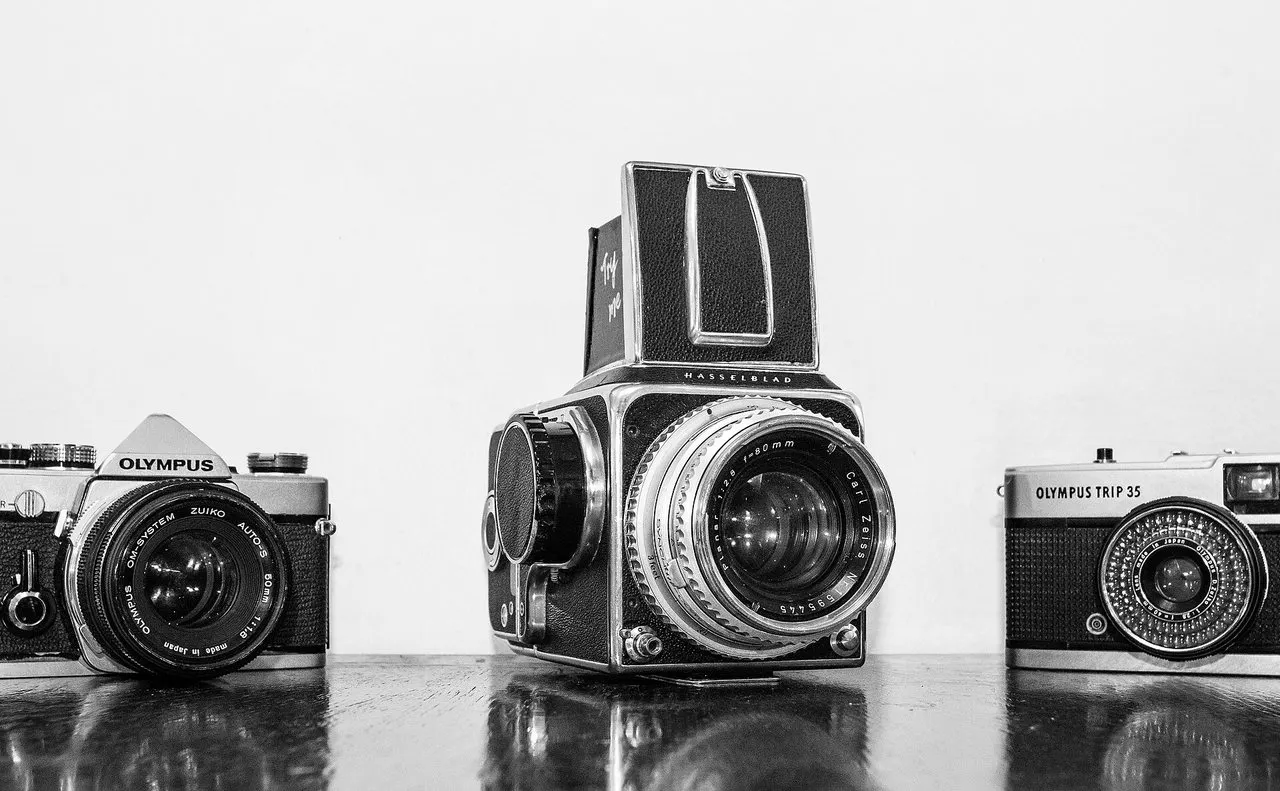
Eisenstaedt has been called the father of photojournalism, and his work earned him the National Medal of Arts in 1989. In 2020 he was inducted posthumously into the International Photography Hall of Fame, joining the greatest names in photography. The honor recognized a career from Berlin in the 1920s to New York in the 1990s, and work that shaped how the world sees itself. The Eyes of Hate portrait is a central part of that legacy. Read about money and fame in our report on missing taxpayer money.
The Print That Lives at Cornell
Cornell University Library holds a print of the Goebbels portrait, a gelatin silver print measuring 24.1 by 16.5 centimeters. The print was a gift of Gary Davis, class of 1976, and it is kept in the photography collections of the university. The catalog describes Goebbels seated outdoors, looking into the camera with total disdain as other men move around him. It is a quiet record of a loud moment in history. Read about people who ask hard questions in our story on tough questions in Congress.
Why the Eyes of Hate Still Stops Visitors
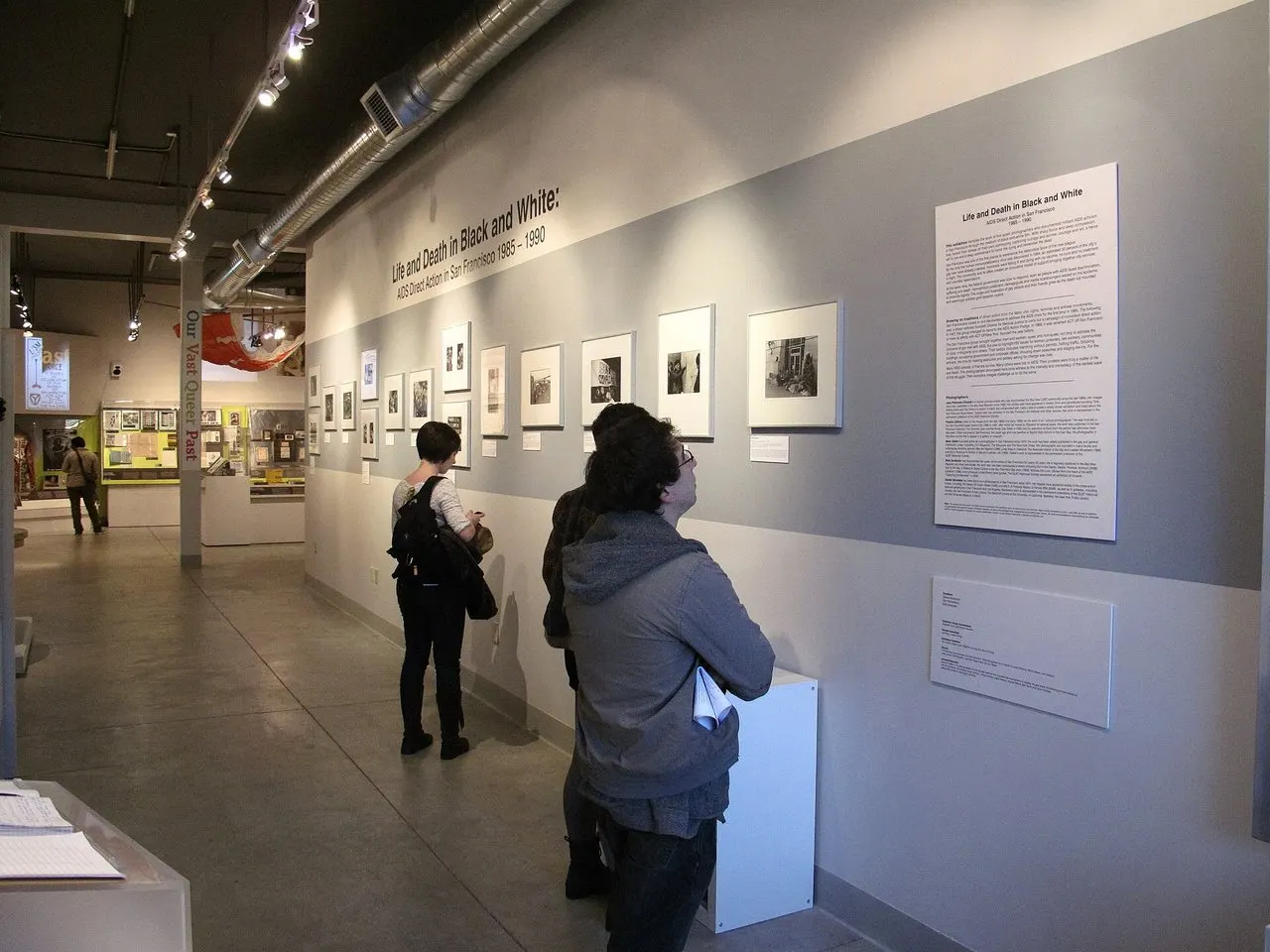
More than ninety years later, the portrait still stops people in their tracks at exhibitions and in books about photography. Visitors stand before it and talk about the stare, the moment and the man behind the camera. Teachers use it to show how a single picture can teach about propaganda, prejudice and courage all at once. The image has outlived the regime it captured, and that is part of its power. See how people gather around big stories in our story on a warm visit between old friends.
One Frame Can Define a Person
Goebbels appears in thousands of photographs, yet this is the one the world remembers. A single frame can fix a public figure in the memory of millions, for better or worse, and no speech or ceremony can undo it. Photographers know this, and so do the people they photograph. That is why the moment on the hotel lawn mattered so much, and why the picture still feels alive today. Read about reputations made in a moment in our story on a warm greeting between leaders.
The Candid Camera and Its Questions
Eisenstaedt believed in candid photography, the art of catching people as they really are, without posing or warning. His first picture of Goebbels was taken from a distance, without the minister knowing, and his second was taken up close in the open. Candid pictures can reveal truths that posed portraits hide, but they also raise questions about fairness and consent. The debate about when a photographer should step back is still alive today. Learn about the rules of modern life in our report on phone calls to European leaders.
What Historians Say About the Eyes of Hate Today

Today historians treat the portrait with care, and they warn against reading too much into a single face. The picture is a documented record of a real encounter at a real meeting, and the hostile expression is plain to see. What cannot be proved is the exact thought behind it, or the precise second when Goebbels learned the truth. The photo endures because it captures a feeling that the history books can only describe. For more on truth and power, read our report on intelligence shared with Iran.
What Do You See in the Eyes of Hate?
Eisenstaedt lived into old age, and he never stopped believing a camera could tell the truth. His portrait asks each of us a question with no easy answer. What do you see when you look into those eyes, and what does the picture teach us about hate, courage and one single frame? Share your thoughts in the comments, and tell us what you would have asked Eisenstaedt if you had stood on that lawn. Read more on speaking up in our story on a law that bars people from office.