Trump Calls Putin Friend in Front of the Cameras in Shenzhen
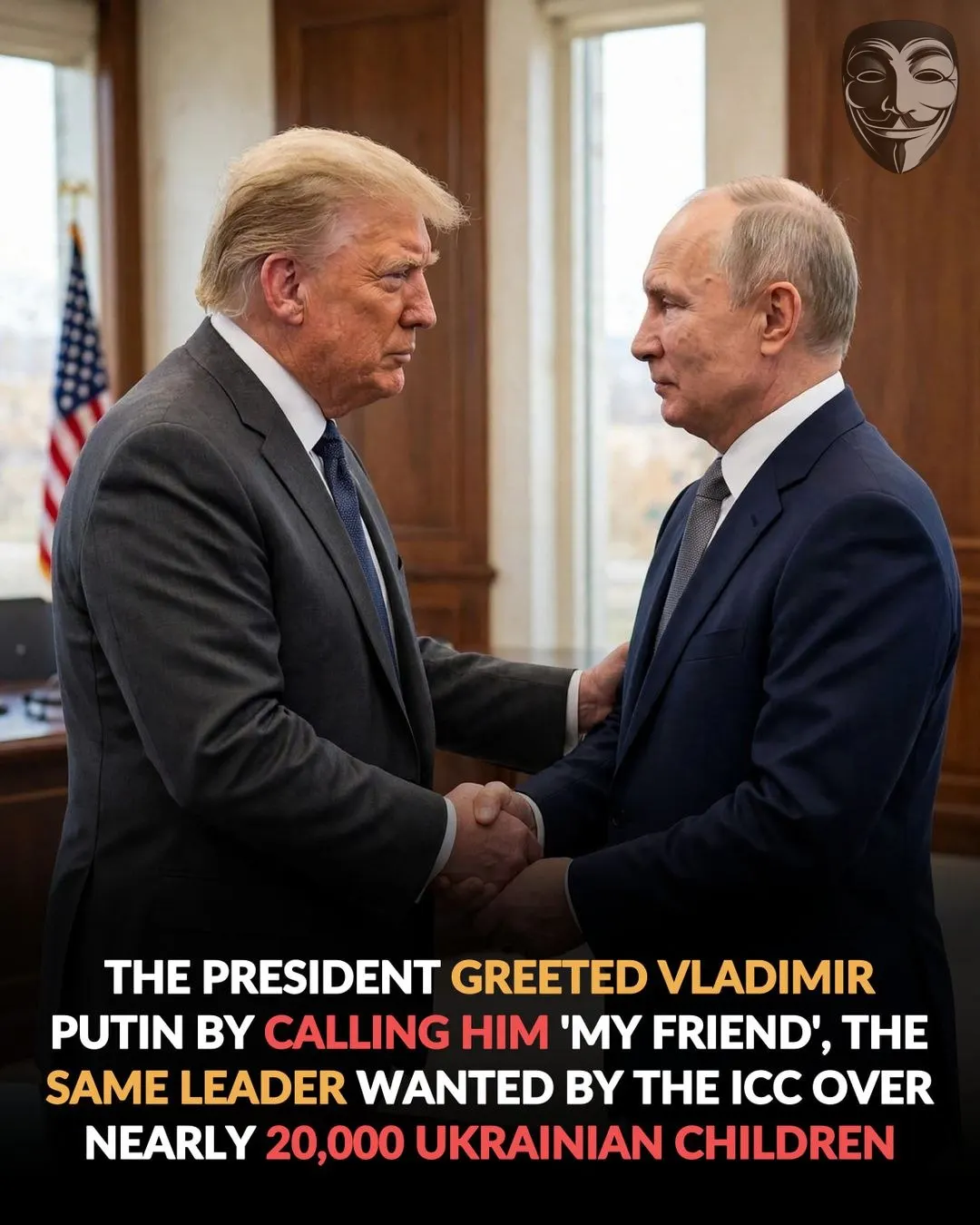
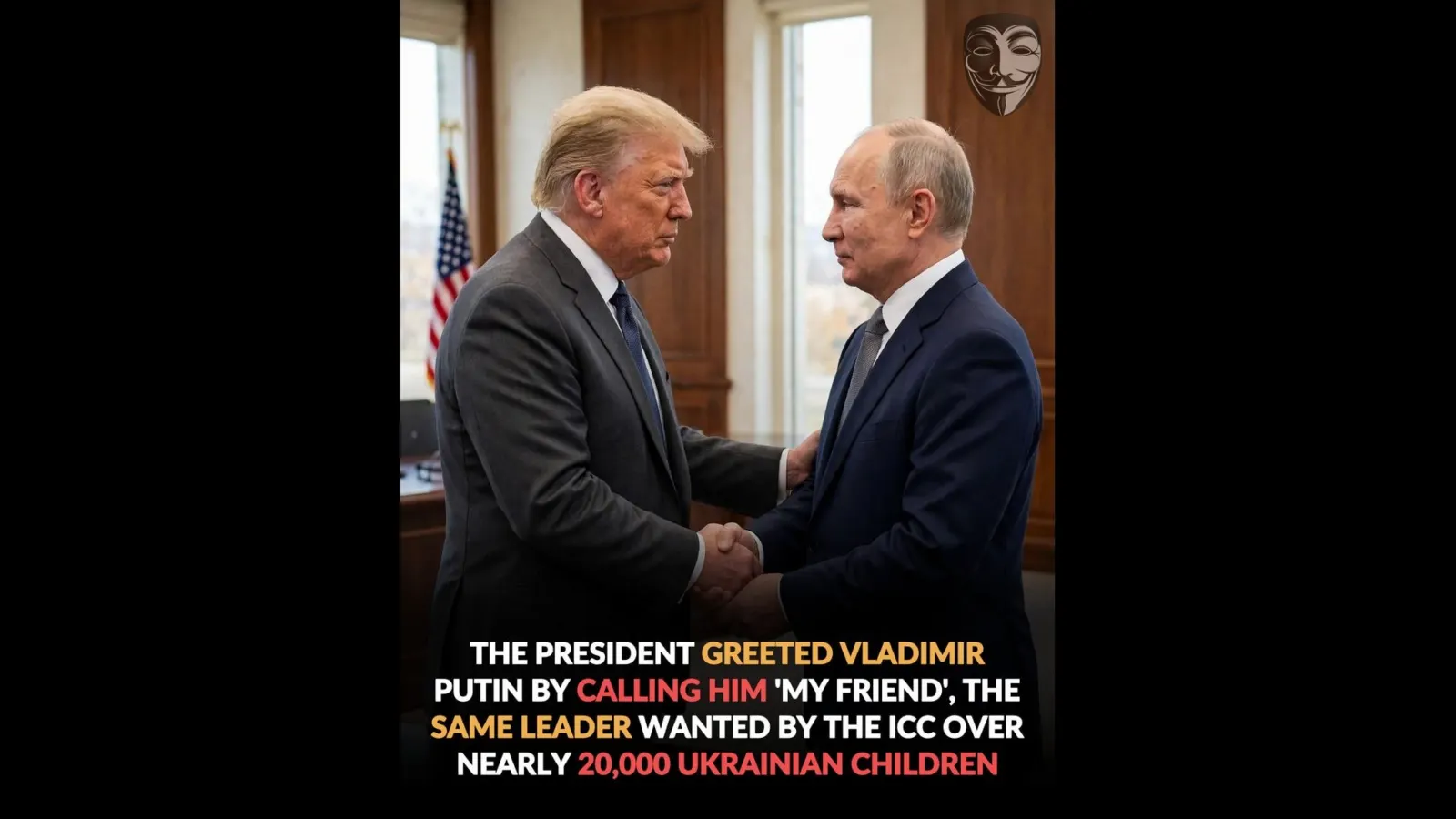
Trump calls Putin friend in front of the cameras in Shenzhen, and the words landed far beyond China. On November 19, 2026, President Donald Trump pointed at Vladimir Putin and said, "Who is he? He’s my friend," just hours before the two men sat down with Chinese President Xi Jinping for the first three way meeting of its kind. The greeting was warm, public and deliberate, and it came from a president who knew the whole world was watching.
The moment matters because of who Putin is. In 2023 the International Criminal Court issued an arrest warrant for Putin over the unlawful deportation of children from occupied Ukraine, and Kyiv says nearly 20,000 children have been taken. That is the man Trump greeted as a friend, on camera, in China. In the slides ahead we look at the greeting, the talks that followed and the reaction at home and abroad. Read more in our report on the handshake in China.
References:
BBC News: Trump Putin and Xi issue joint declaration on peace after talks in China
Newsweek: Trump calls Putin my friend at summit in Shenzhen China
CNN: Zelenskyy says calling Putin a friend is strange
Al Jazeera: Trump and Putin last met face to face in Alaska in August 2025
Trump Calls Putin Friend With a Handshake and a Smile
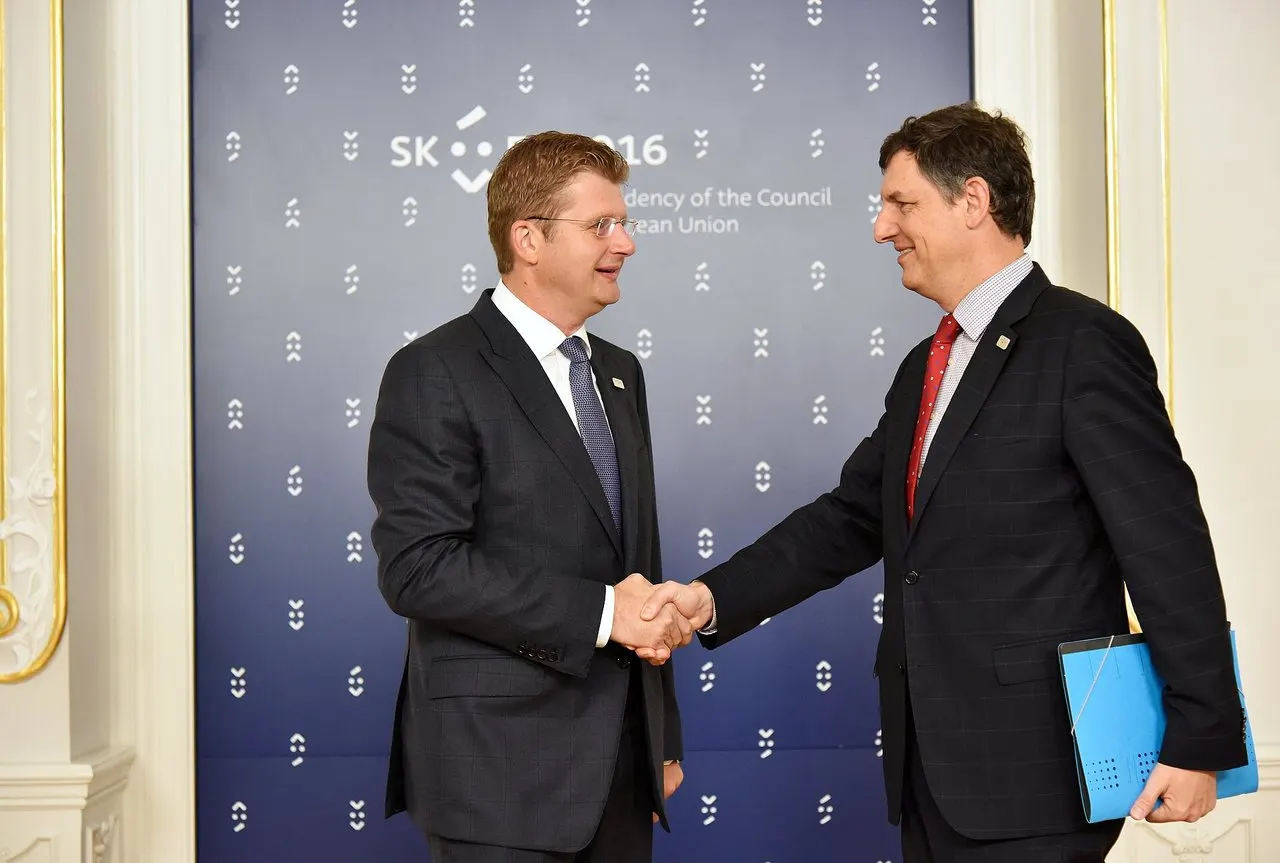
The greeting came with a handshake, a smile and a pointed finger. Trump looked at Putin, turned toward the cameras and asked, "Who is he?" Then he answered his own question with the words that set off the storm. It was not a quiet word between old acquaintances. It was a public embrace, offered in front of reporters and photographers. For a leader who has often praised strongmen, the warmth was familiar, but the setting made it land harder. See our story on the handshake in China.
Trump Calls Putin Friend Hours Before the Three Way Talks
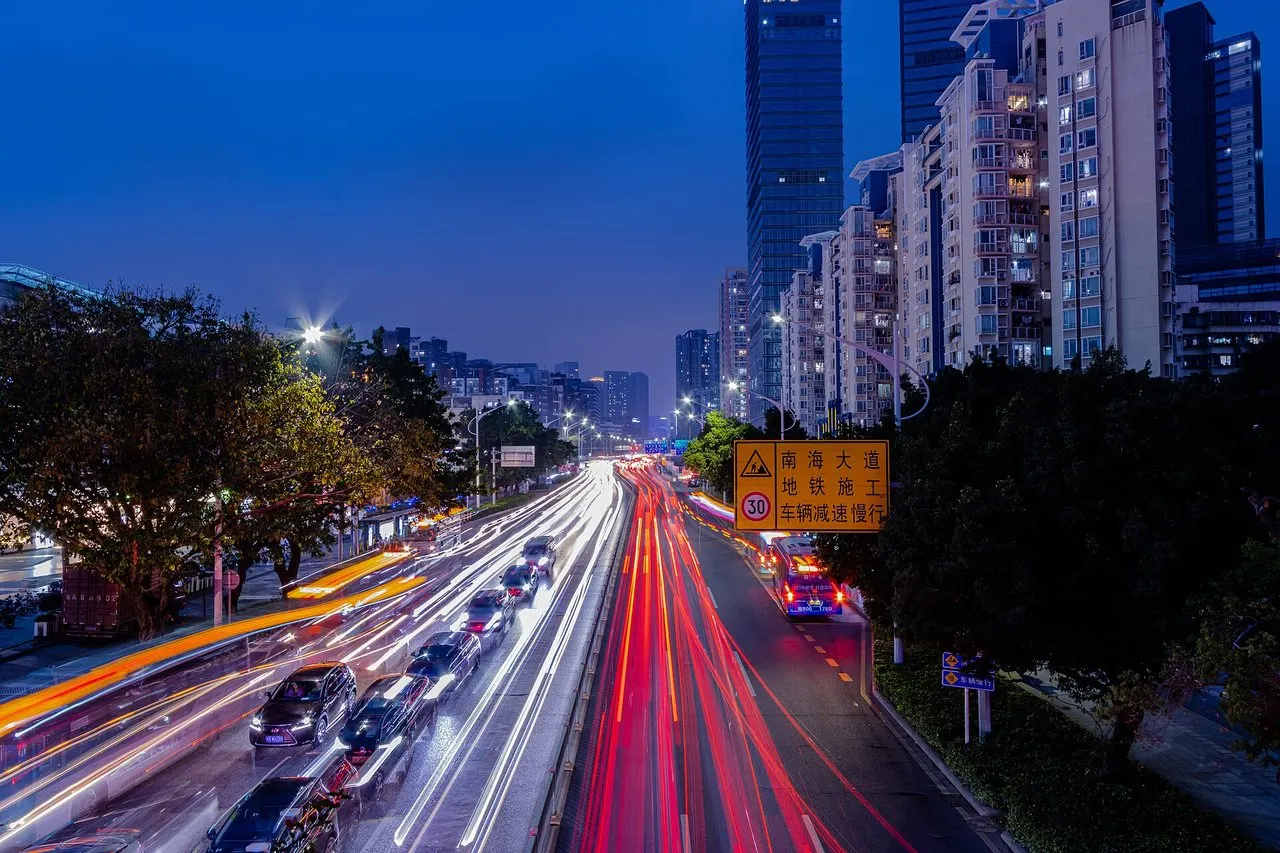
The greeting happened in Shenzhen, a fast growing city in southern China that Beijing chose for the stage. Trump arrived to a rare welcome, with Xi Jinping greeting him on the tarmac before the leaders met. The city is known for its towers, its tech firms and its busy ports, and it gave the summit a modern backdrop. By evening the three leaders were together in one room, something no American president had ever done with the leaders of Russia and China. Read about the tarmac greeting.
China Staged the Meeting and Xi Welcomed Trump First
China did more than host the meeting. Beijing staged it, chose the city and set the tone, presenting itself as the convener of great power diplomacy. Xi welcomed Trump first, then brought the three men together for talks on the sidelines of the Asia Pacific economic gathering. For Xi, the summit was a chance to show that China sits at the center of world affairs. For Trump, it was the start of a four day trip built around trade, talks and history. See the tarmac greeting.
Three Leaders, One Table, a First in Modern Diplomacy
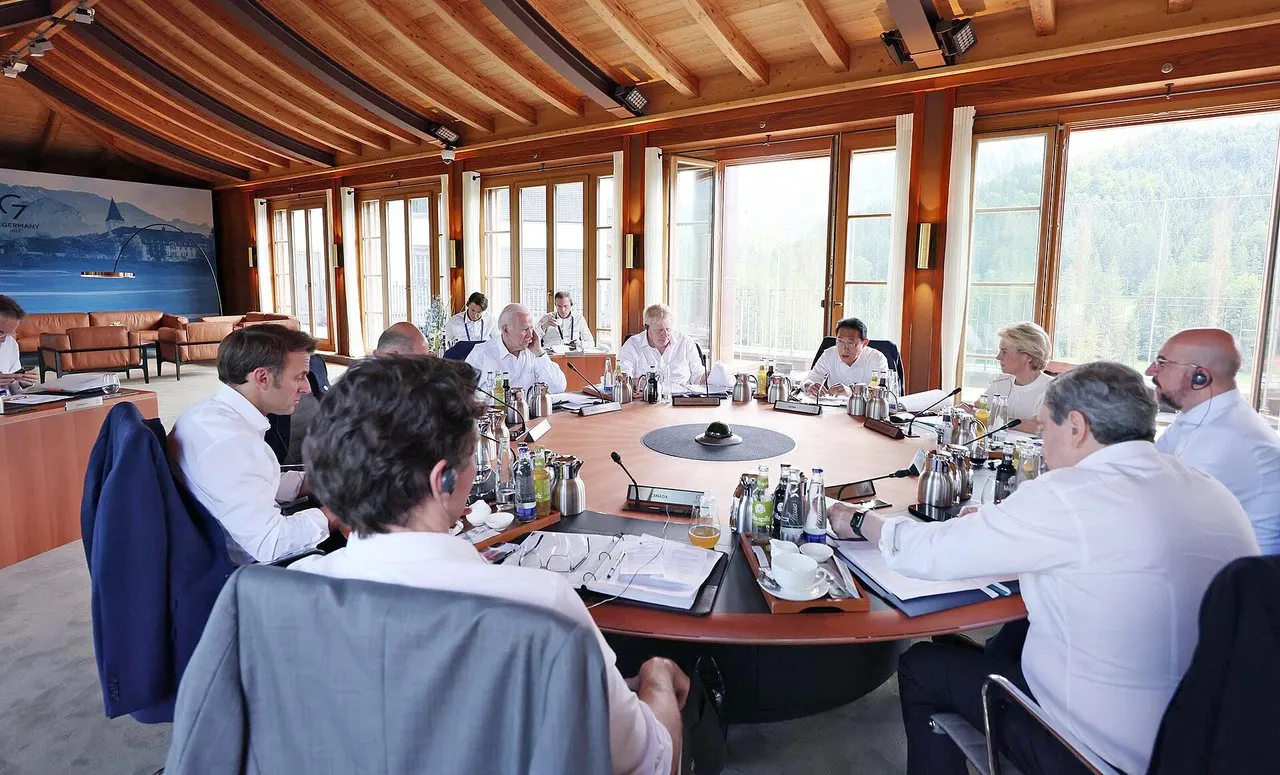
The meeting itself was a first. Never before had the presidents of the United States, Russia and China sat down together for three way talks while all three held power at the same time. The session lasted about 90 minutes and took place at Kylin Villa in Shenzhen. Trump called the gathering historic, saying the three countries were making history by meeting as one group. Cameras caught the three men around one table, an image the Kremlin had sought for years. Read the first meeting of its kind.
Trump Calls Putin Friend as the Leaders Issue a Peace Declaration
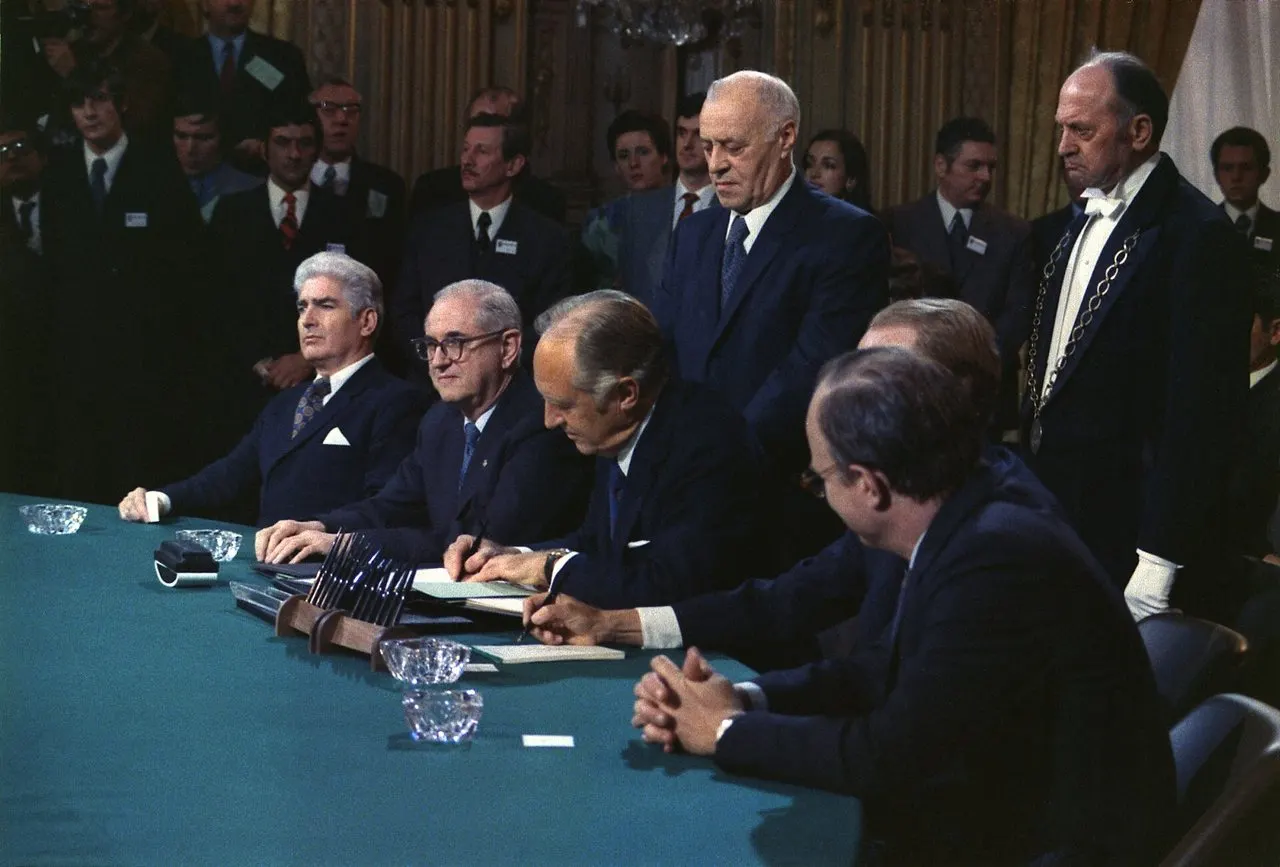
After 90 minutes the three leaders issued a joint declaration on peace. The text had four points and promised dialogue on reducing nuclear risks, reform at the United Nations and more production of refined petroleum products. It also pushed back on the International Criminal Court, saying the court must not abuse its jurisdiction. The words were broad and the promises were vague, but the paper itself was the main product of the day. See the joint peace declaration.
Nuclear War Must Never Be Fought, the Declaration Says
The strongest line in the declaration was about nuclear war. The three leaders said that nuclear war cannot be won and must never be fought, and they agreed to talk about reducing nuclear risks and stopping the spread of nuclear weapons. No limits on warheads were set and no treaty was signed, so the promise was only to keep talking. Still, the words mattered because all three countries hold large nuclear arsenals. Read the joint peace declaration.
Ukraine Was Not on the Agenda for the Talks

What the declaration did not say mattered just as much. It made no mention of Russia’s war in Ukraine, now in its fifth year, and it said nothing about the war with Iran. Ukraine was not even on the agenda for the talks, according to the White House, even though the war was the reason much of the world was watching. For Kyiv, the silence was the point. A peace paper that skips the biggest war in Europe is hard to take at face value. See the call to European leaders.
Trump Calls Putin Friend and Zelenskyy Calls That Strange
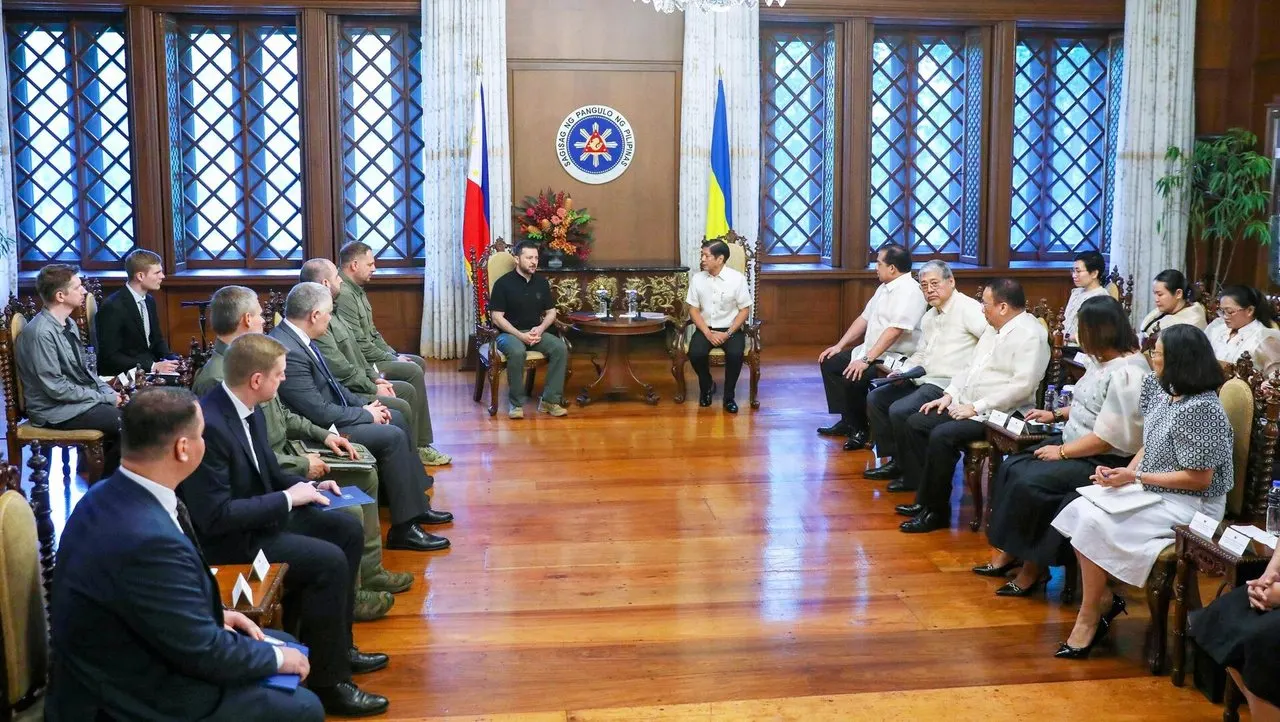
President Volodymyr Zelenskyy answered the greeting with disbelief. He said Putin is an aggressor, not a friend, and called the idea of such a friendship strange. He compared the warmth to being proud of a friendship with Hitler, a comparison that showed how deeply the words stung in Kyiv. Zelenskyy also warned that the meeting could become a platform for a deal made without Ukraine at the table. His country was left out of the room and out of the paper. Read the backlash over the warm welcome.
The Court in The Hague Issued Its Warrant in 2023
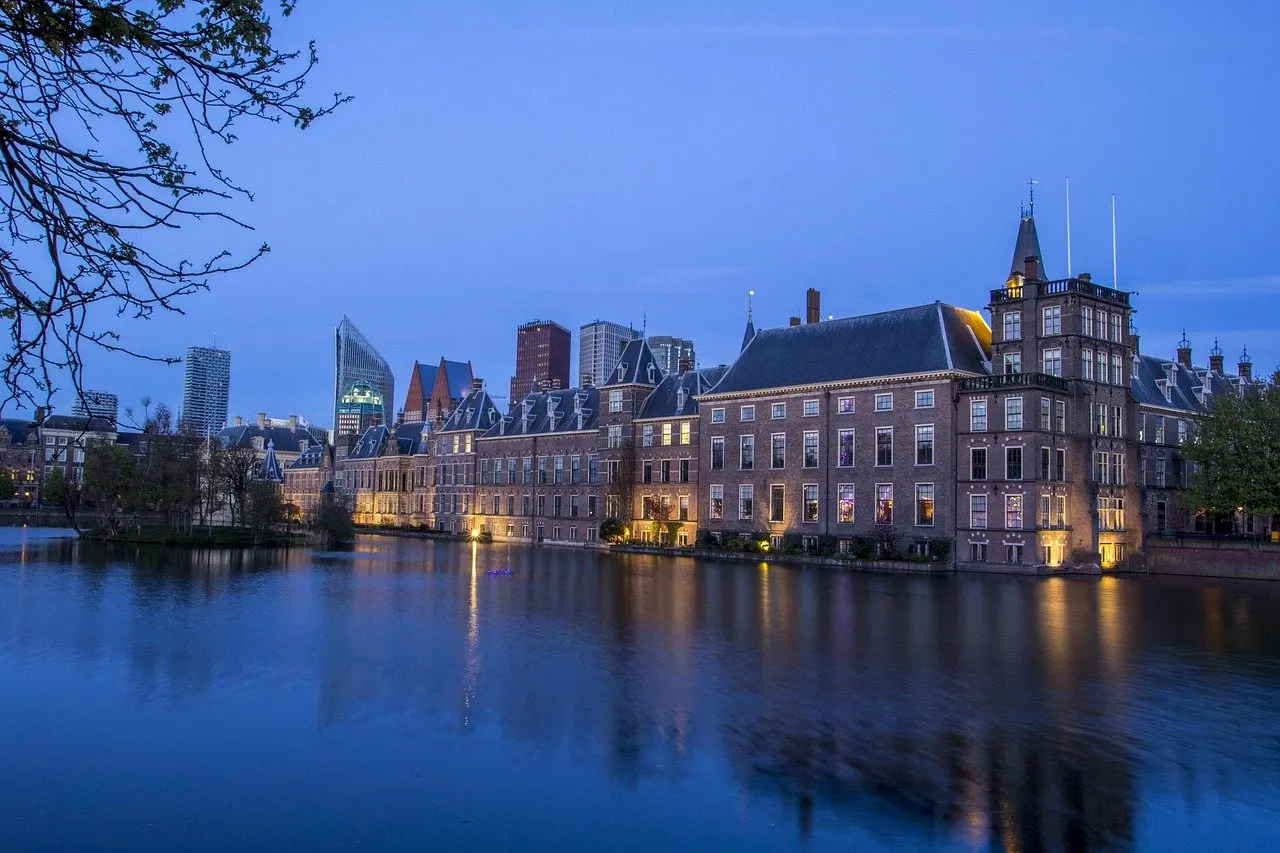
The warrant is the reason the greeting cut so deep. In 2023 the International Criminal Court in The Hague issued an arrest warrant for Vladimir Putin over the unlawful deportation of children from occupied Ukraine. The court said children were moved from occupied areas into Russia, a charge Moscow rejects. The warrant means Putin can be arrested if he travels to a country that accepts the court’s authority. It is also why the declaration’s attack on the court drew notice. See the joint peace declaration.
Kyiv Says Nearly 20,000 Children Have Been Taken
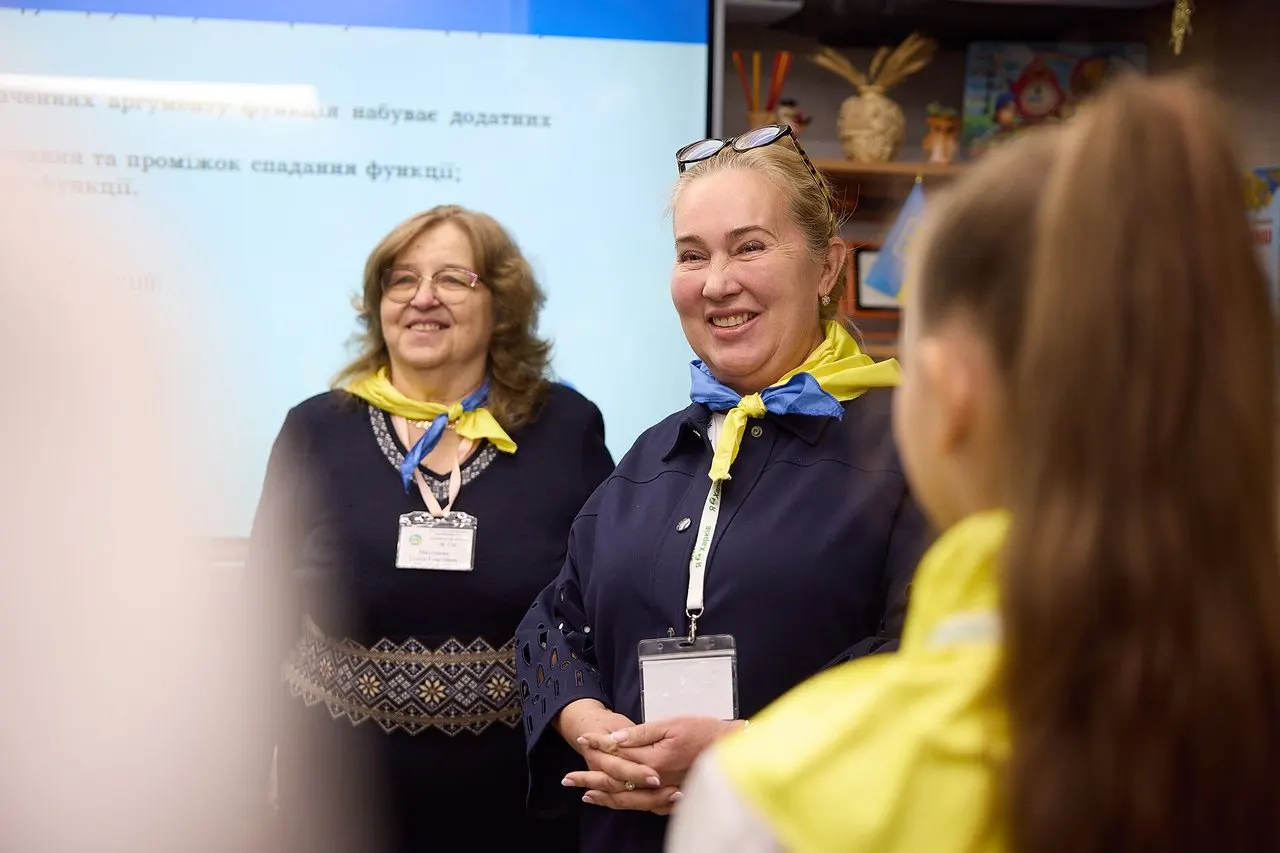
Kyiv says nearly 20,000 children have been taken from occupied Ukraine since the full scale invasion began. Many were placed in Russian camps, schools and homes, and some were put up for adoption, according to Ukrainian officials. The number is hard to verify from outside, but Ukraine has built its case child by child, with names, dates and places. For the families, each number is a son or a daughter, not a statistic. Read the bill to protect children.
Camps, Schools and Homes Far From Ukraine
Ukraine says the children were not simply moved. They were placed in camps, sent to schools far from home and settled with Russian families, sometimes under new names. Moscow says it was evacuating them for their safety and rejects the court’s authority entirely. The gap between the two accounts is the heart of the case. One side calls it a crime against children. The other calls it rescue. The truth will matter in court one day, if the children ever come home. See the bill to protect children.
Trump Calls Putin Friend While Moscow Rejects the Court
Moscow has never accepted the warrant. Russia rejects the authority of the International Criminal Court and says the judges have no power over its president. The declaration signed in Shenzhen echoed that view, saying the court and similar bodies must not abuse their jurisdiction. That line was a win for Putin, who has sought for years to be treated as a world leader beyond the reach of the court. A handshake and a kind word helped him get there. Read the report on Putin and Iran.
A UN Backed Commission Documented the Harm to Civilians
A commission of inquiry backed by the United Nations has documented sexual violence by Russian forces against Ukrainian civilians. The victims ranged in age from 4 to 82, according to the commission’s findings. The reports describe assaults in occupied areas and during detention, and they form part of a wider record of harm to civilians. These are not claims from one side only. They come from investigators working under a United Nations mandate. See the Armenia and Azerbaijan peace deal.
UN Monitors Counted Thousands of Civilians Lost
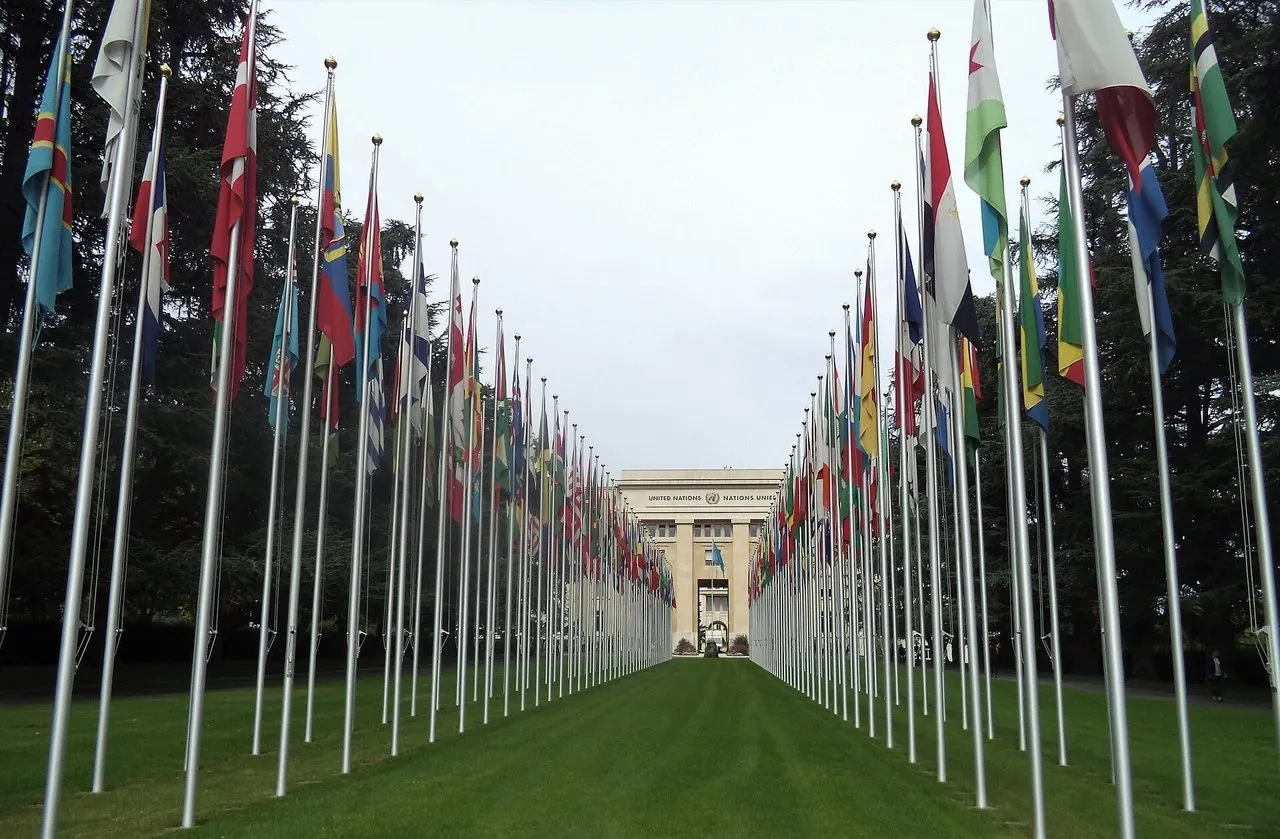
United Nations monitors have also documented thousands of civilians killed in Ukraine, including children. The toll kept rising even as the leaders talked about peace in Shenzhen. On the day of the summit, Russian drones were reported over Kyiv while Putin spoke of peace to reporters. The gap between the words in China and the war at home was hard to miss. Monitors count the dead one by one, and the list grows longer every week. Read the Armenia and Azerbaijan peace deal.
Trump Calls Putin Friend Months After the Alaska Meeting
The Shenzhen greeting was not the first time the two men had met. Trump and Putin last met face to face in Alaska in August 2025, more than a year before the China summit. That meeting also drew wide attention, and it set the pattern for the warm public style Trump uses with Putin. In Shenzhen the pattern held, only the stage was bigger and a third leader was in the room. The friendship, if that is the word, has now played out on two continents. See the four day trip and its deals.
The Greeting Drew Sharp Criticism Back in America
Back in the United States the greeting drew sharp criticism. Democrats said a president should not call a wanted leader a friend, and the reaction crossed party lines in the days that followed. Governor Josh Shapiro took Trump apart in a Philadelphia speech for bowing to Putin and betraying Ukraine. Others warned that the warmth handed Putin a gift he could not have won on the battlefield. The debate was fierce, and it is still going. Read Shapiro’s Philadelphia speech.
Trump Calls Putin Friend as Critics Push Back in Washington
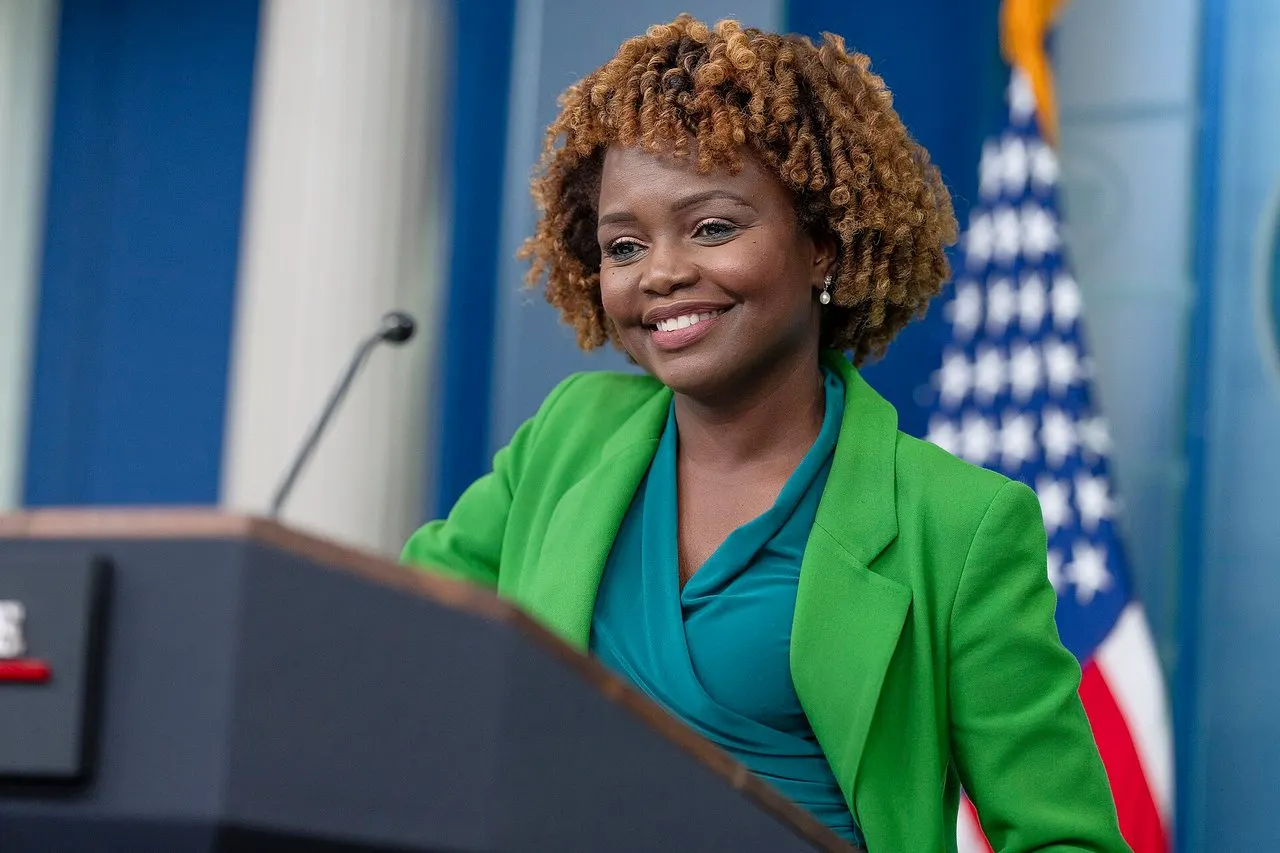
The White House faced hard questions as soon as the greeting aired. Reporters asked how a president could embrace a leader wanted by an international court, and Kaitlan Collins pressed the point on live television. The answers from the administration leaned on deal making, saying warmth was a tool, not a reward. Critics were not convinced, and the questions kept coming through the trip. The briefing room became the second stage for the story. See the question Kaitlan Collins asked.
A 15 Hour Flight Home After Four Days in China
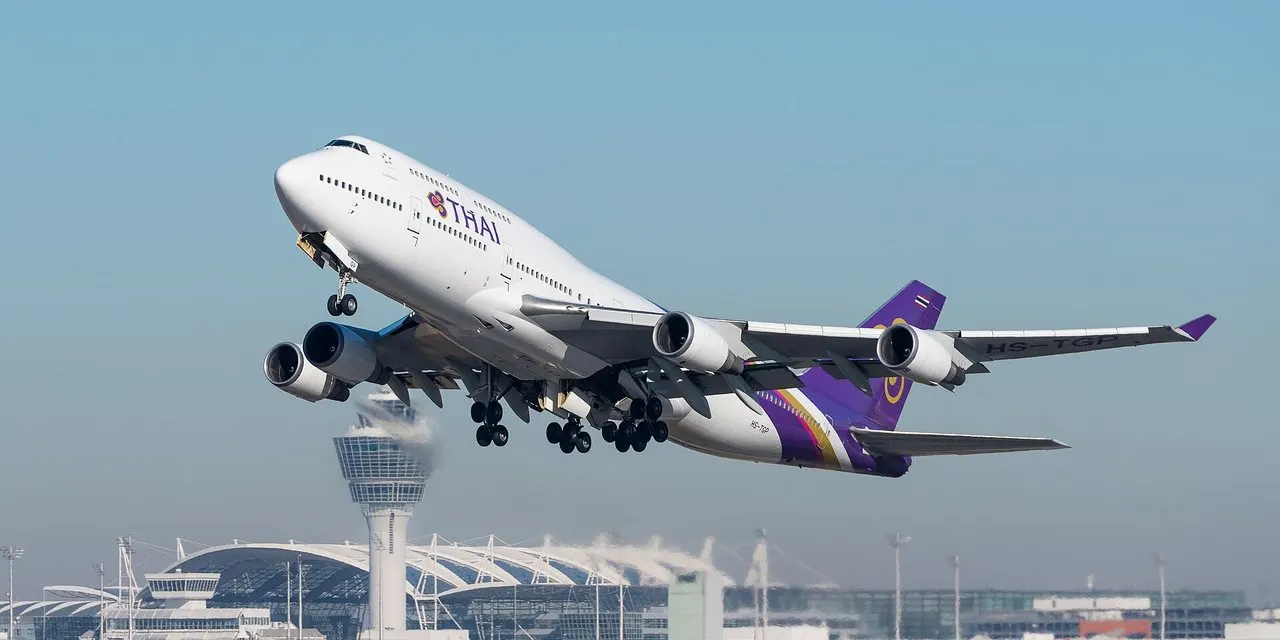
The trip home was long. Trump flew back to Washington after a four day visit to China, a journey of about 15 hours in the air. He left Shenzhen without taking questions from reporters, then announced a news conference at the White House for the next day. The flight gave the story time to grow, and by the time he landed the greeting was the talk of Washington. A long flight home is often when a trip’s real verdict arrives. Read the briefing room report.
Seventeen Billion Dollars in Deals Came With the Trip
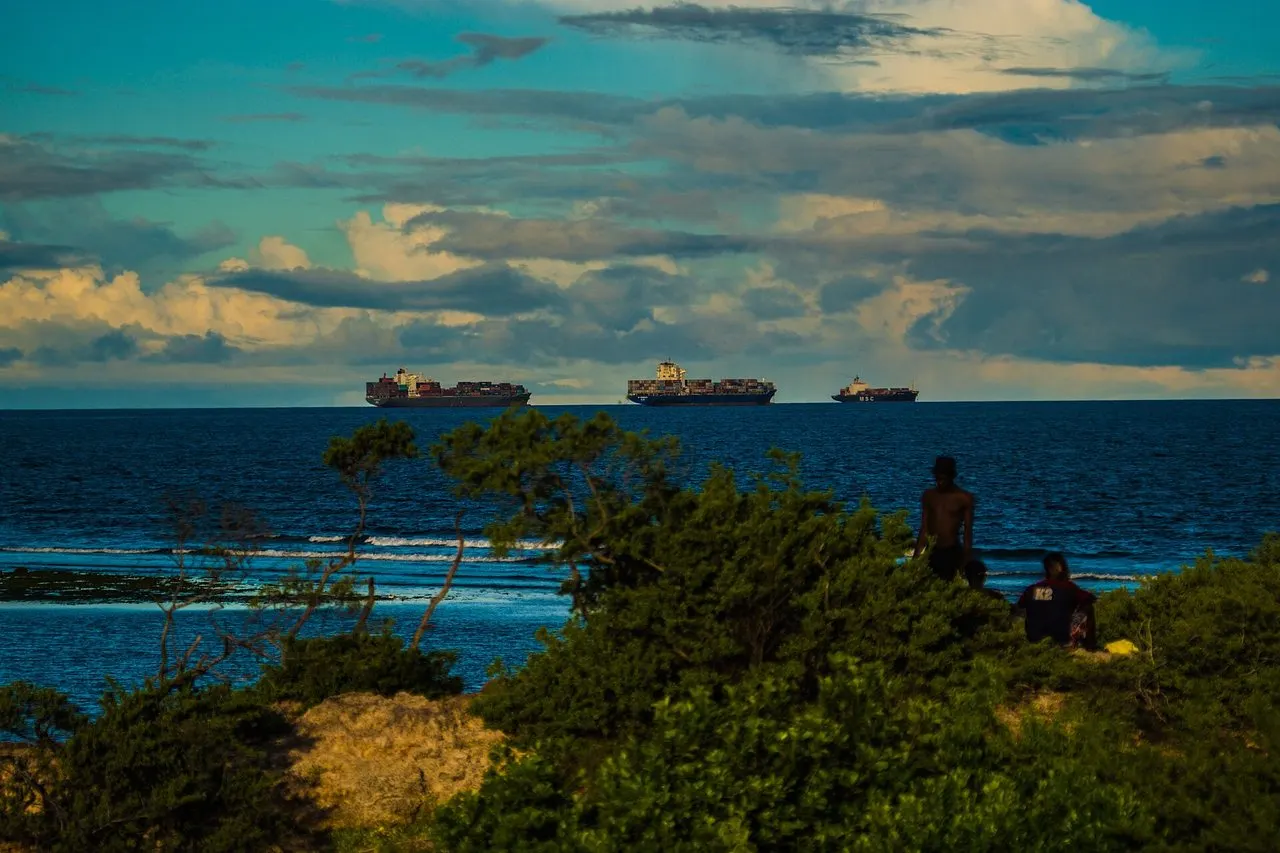
Trade was the other half of the trip. The four day visit produced about 17 billion dollars in deals, according to reports of the visit, and Trump presented the numbers as proof the trip had worked. Ships, ports and supply chains were part of the talks, and the leaders also promised more production of refined petroleum products. For Trump, the deals were the answer to every critic. For his critics, no deal could excuse the greeting. See the four day trip and its deals.
Trump Walked Into the Briefing Room to Report on the Trip
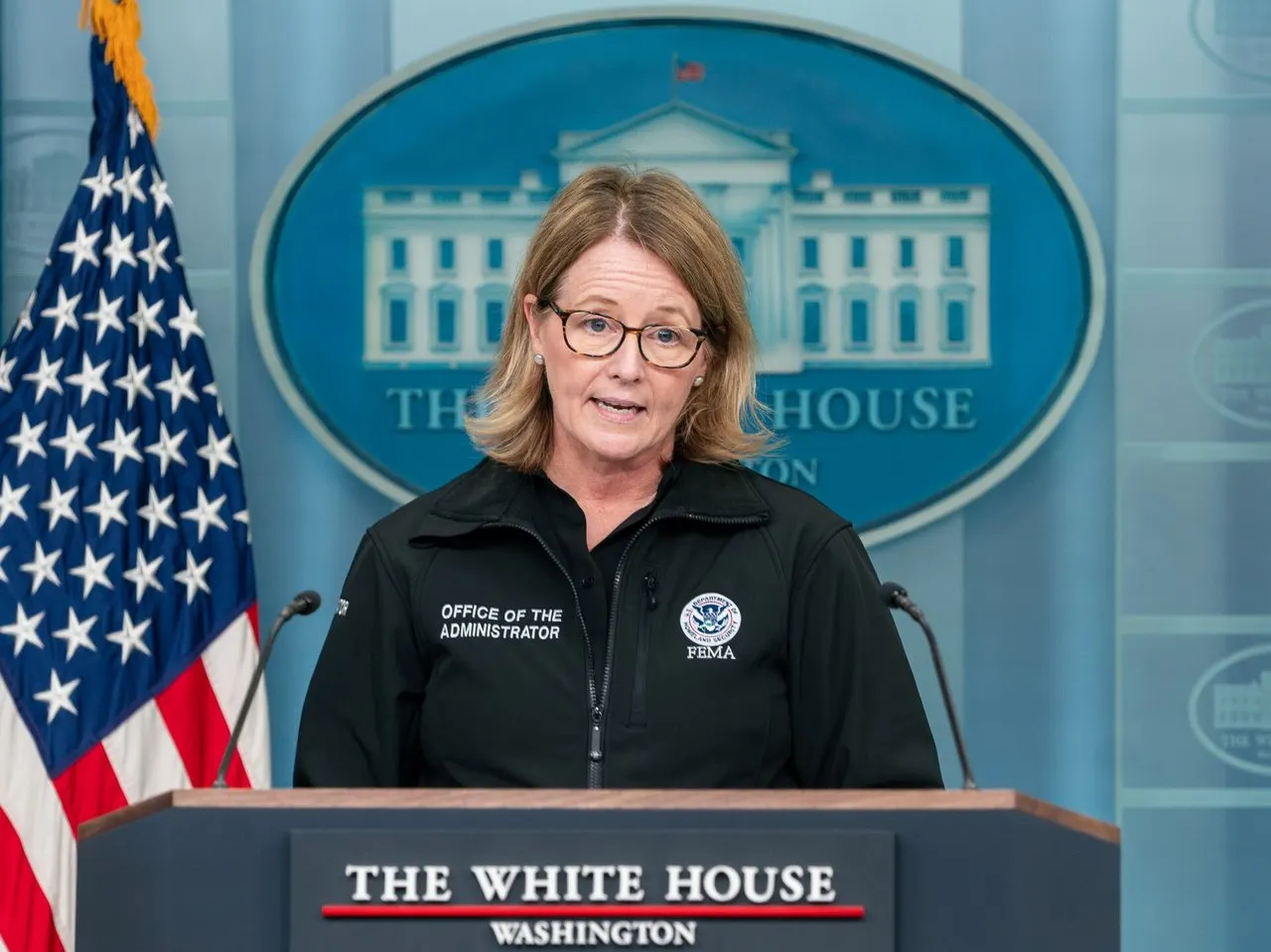
Trump walked into the White House briefing room after the long flight to report on the trip. He defended the summit as momentous and praised his fantastic relationships with Putin and Xi, saying those ties keep America safe. He said Putin genuinely wanted to end the war in Ukraine and insisted the warmth was a strength, not a weakness. The defense lasted more than an hour, and he took question after question. Read the briefing room report.
Trump Calls Putin Friend and Then Phones European Leaders
After the summit Trump called seven European leaders and urged them to stop backing Ukraine’s defense, according to Politico. The call came hours after the warm greeting in Shenzhen and it alarmed allies who had stood by Kyiv. European leaders held their own meeting in Berlin on the same day, in solidarity with Ukraine, while the three leaders talked in China. The contrast between the two rooms told the story of a splitting alliance. See the call to European leaders.
Kyiv Waits to See What the Handshake Will Bring
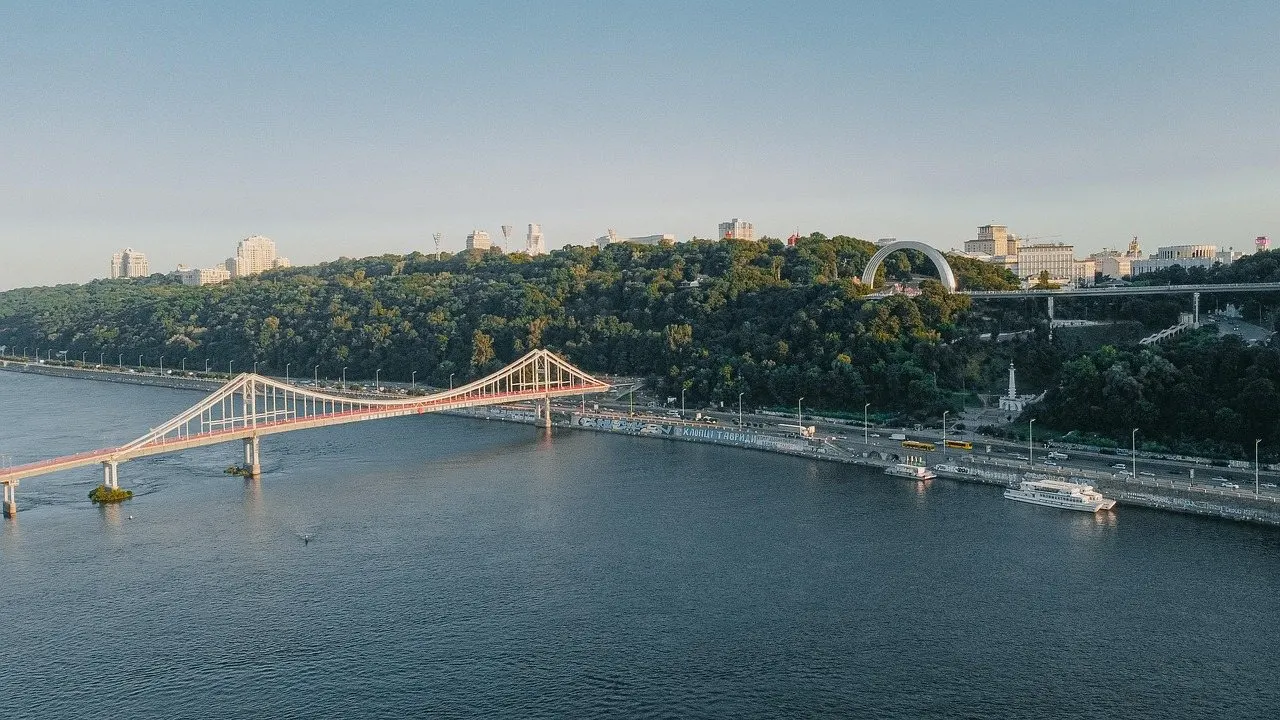
For Kyiv, the question now is what comes next. The handshake in Shenzhen changed nothing on the ground, where the war goes on and the drones still fly. Ukraine was not in the room and not in the declaration, and its leaders fear a deal made over their heads. Zelenskyy has warned that the summit could become a platform for such a deal. The coming weeks will show whether the greeting was a step toward peace or just a photo. Read the call to European leaders.
The Mothers Still Searching for Their Children
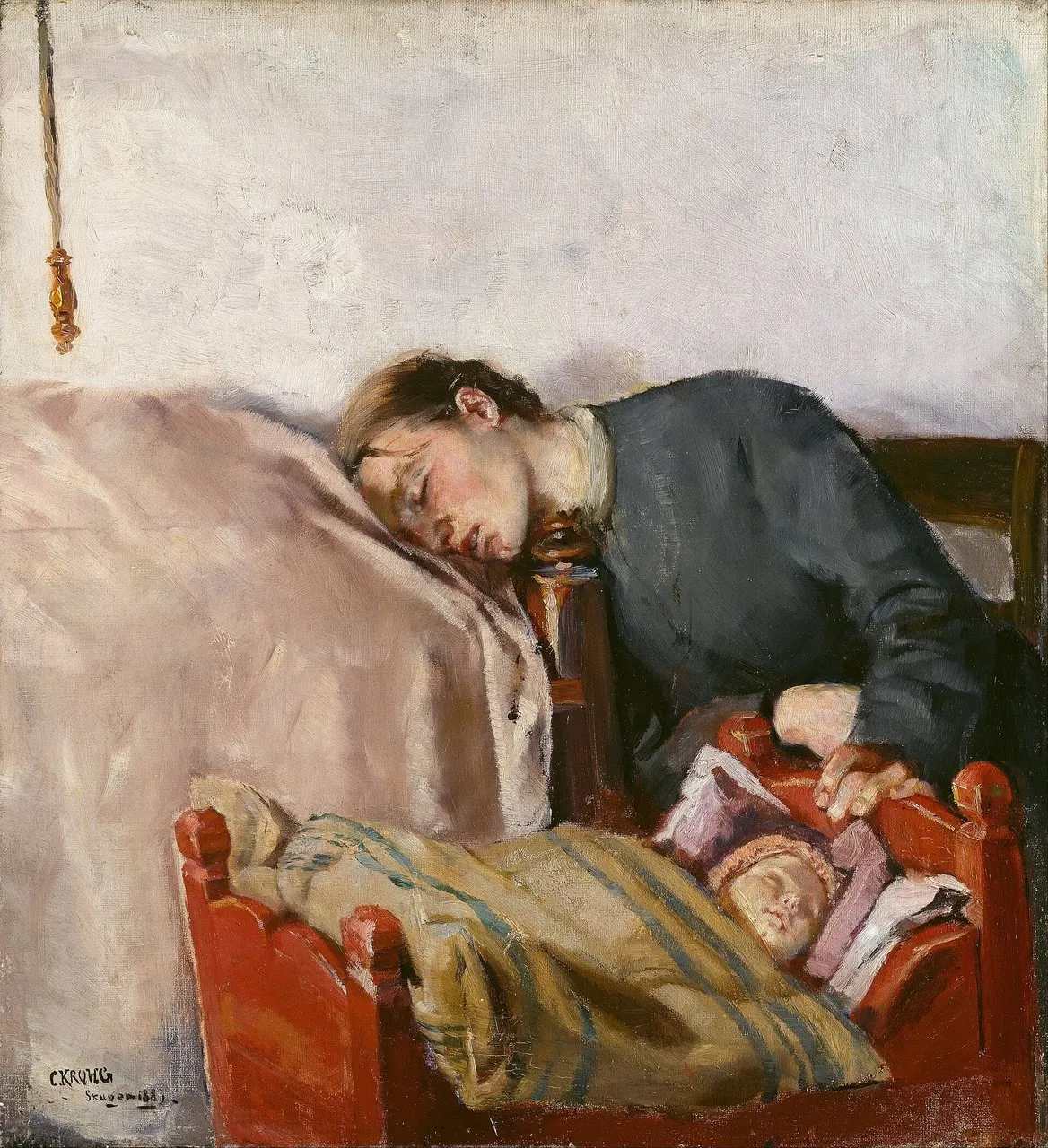
Behind the politics are the mothers still searching for their children. They wait for news, they call officials, and they hold on to the names and faces of sons and daughters taken far from home. A handshake in China will not bring a child back. A declaration that never mentions Ukraine will not either. What those mothers want is simple, and it has not changed. They want their children home, and they want someone to say the children’s names out loud. See the bill to protect children.
Why Trump Calls Putin Friend Still Matters
The moment will stay with us because it said so much in so few words. A president pointed at a wanted leader and called him a friend, on camera, hours before a first of its kind meeting with China. Supporters will call it smart diplomacy. Critics will call it a betrayal of the children still waiting to come home. History will judge which side was right, but the image is already fixed. It will follow this presidency. Read the report on Putin and Iran.
What Do You Think the President Should Have Said?
So what do you think the president should have said when he met Putin in Shenzhen? Should a handshake and a kind word be part of making a deal, or should some leaders never be called a friend? Tell us in the comments, and tell us what you would say to the mothers still waiting for their children. Your voice matters in this debate, and we read every comment. Read more in the four day trip and its deals.