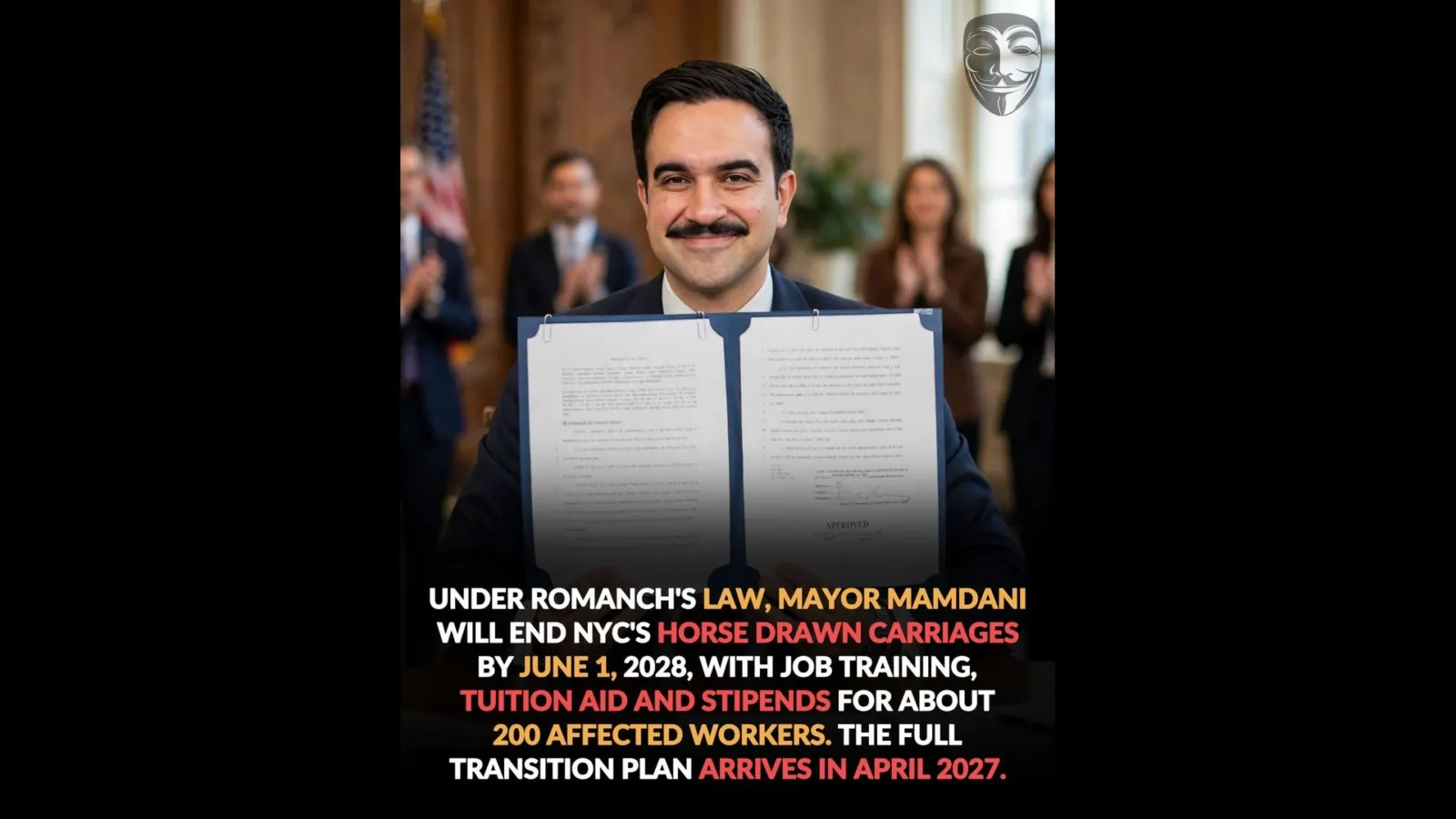
The Horse Carriage Ban Signed at City Hall
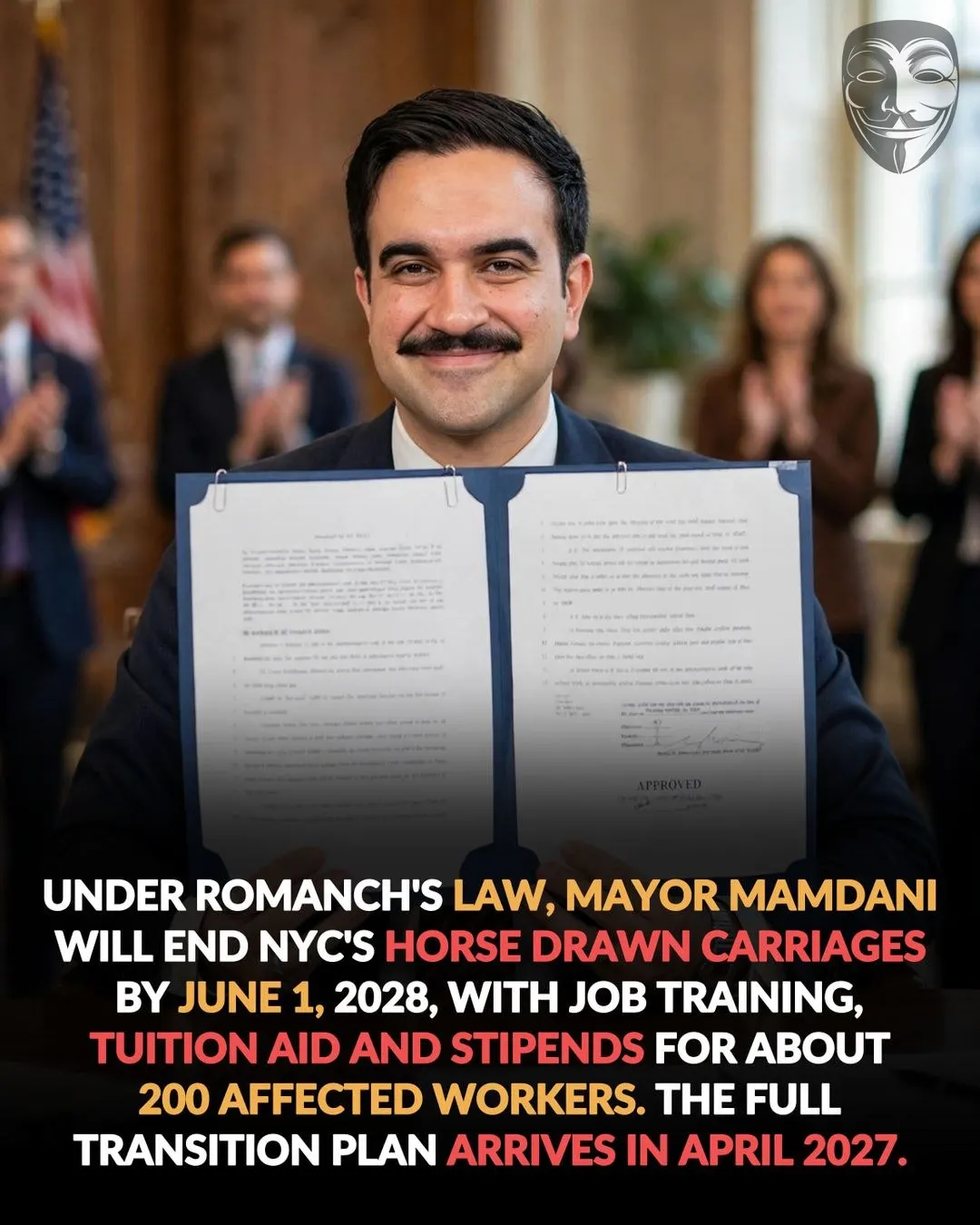
The horse carriage ban became law in New York City on November 19, 2026, when Mayor Zohran Mamdani signed Romanch’s Law at City Hall. The law is named after Romanch Mahajan, the 18 year old tourist who was killed in June when a horse bolted during a Central Park carriage ride. It stops the city from issuing new carriage licenses and requires horse drawn carriages to stop operating on city streets by June 1, 2028, closing an industry that has run in New York for about 150 years.
The city says about 200 drivers, stable hands and medallion owners will get help moving into new work, with medallion buybacks, stipends for job training and classes, career counseling, tuition aid and entrepreneurship support through a new program run with LaGuardia Community College. The full transition plan is expected in April 2027, and the city will also study electric carriages and pedal assist bikes as possible replacements in Central Park. For more on the mayor, read about the city grocery store plan.
References:
New York Post: Mamdani officially bans horse carriages, ending century-old Central Park tradition
USA Today: Mamdani bans iconic horse-drawn carriages in NYC
6sqft: Mamdani releases transition framework for horse-drawn carriage workers ahead of 2028 ban
NYC Mayor’s Office: After 150 Years, Mayor Mamdani Signs Landmark Legislation to End NYC’s Horse-Drawn Carriage Industry
A Signing Day at New York City Hall
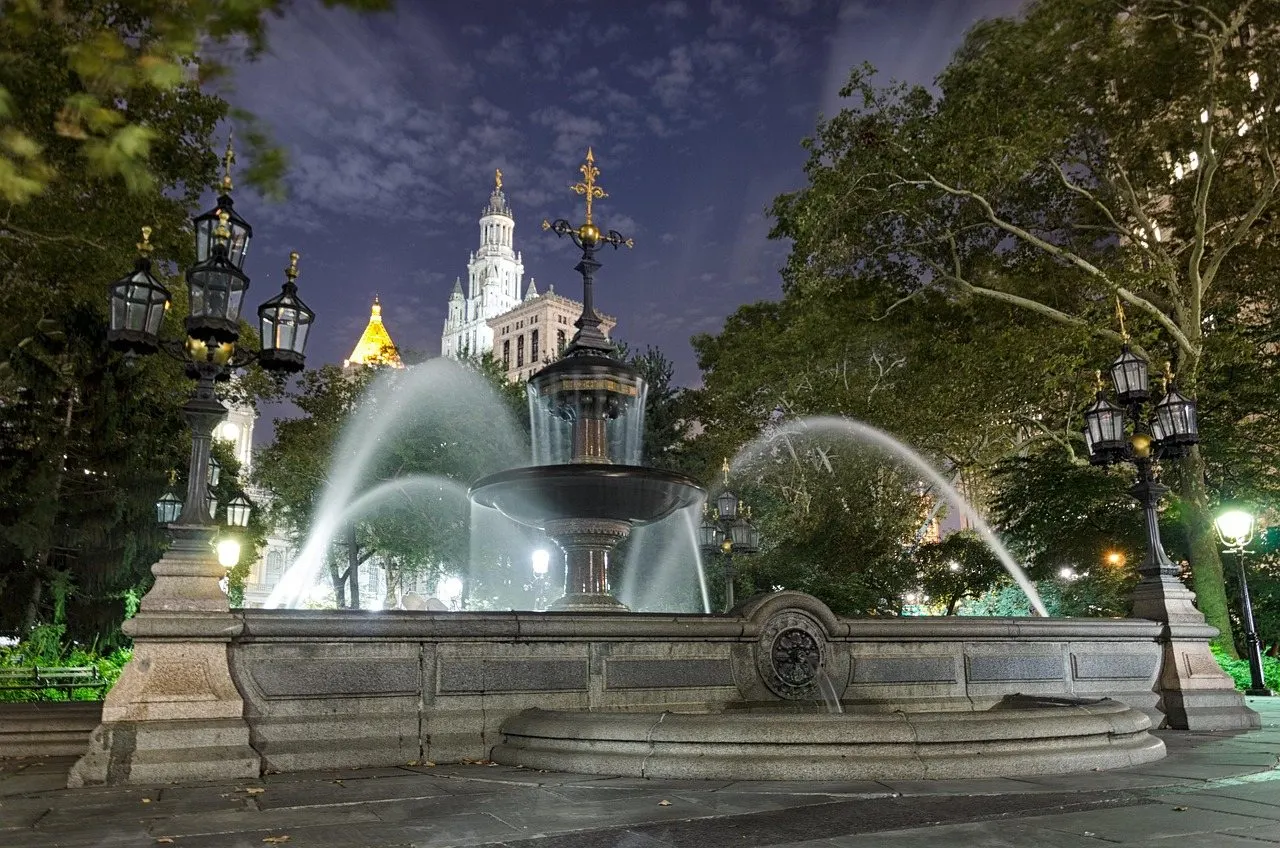
City Hall has seen many big signings, but this one closed a chapter that began long before cars filled the streets. On November 19, 2026, Mayor Zohran Mamdani put his name to Romanch’s Law in front of city officials and supporters. The room was full of people who had pushed for the change for years, and workers worried about their jobs. You can read about another city plan in our story on the plan to outlaw boiling live lobsters and about the delivery bill that could add up to five dollars per order.
A Tradition That Ran for About 150 Years
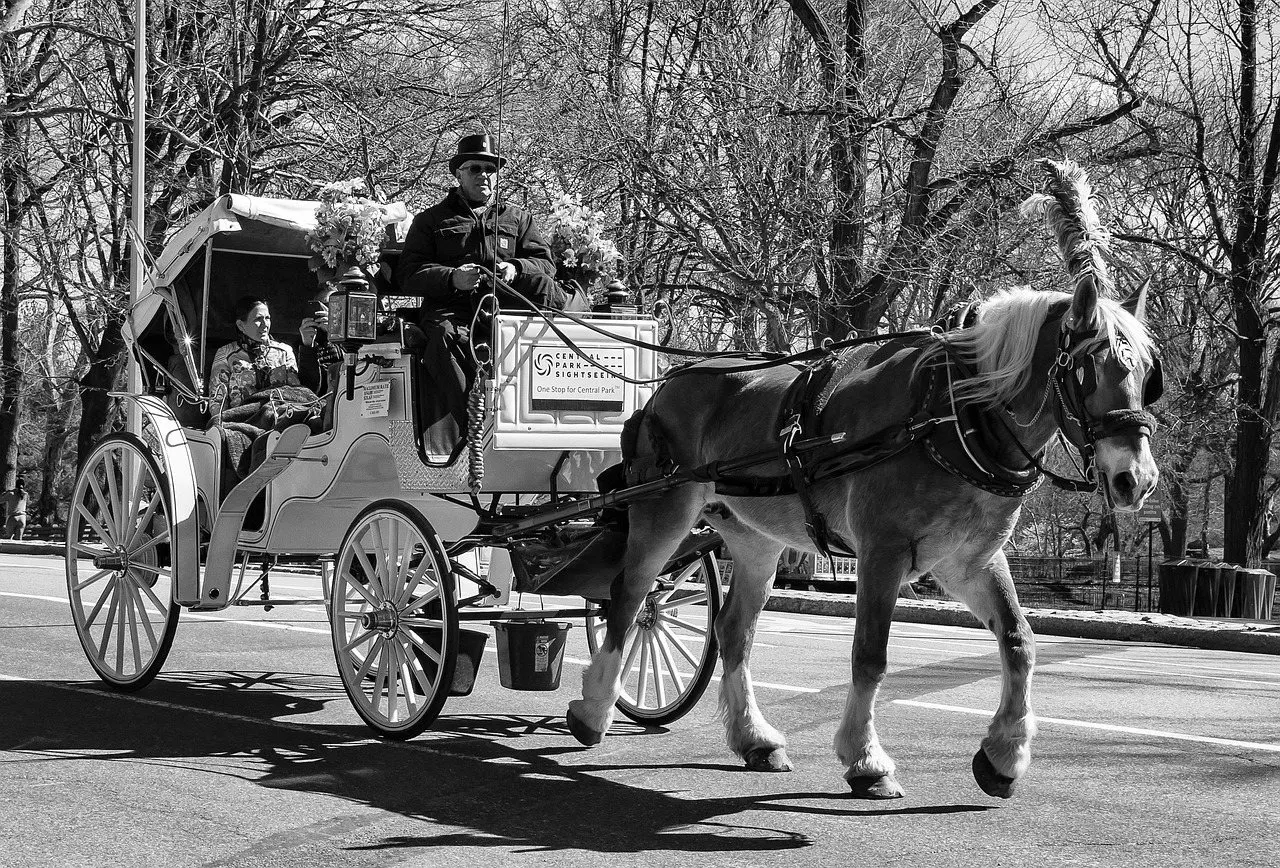
Horse drawn carriages have been part of New York life for about 150 years, carrying visitors around Central Park long before the subway and the taxi. For many tourists, a slow ride past the trees and the skyline was a classic New York memory. For others, the sight raised hard questions about animals working in busy traffic and summer heat. The new law does not erase that history, but it sets a clear end date for it. Read more about city change in the city grocery store plan.
The Horse Carriage Ban Sets a June 2028 End Date
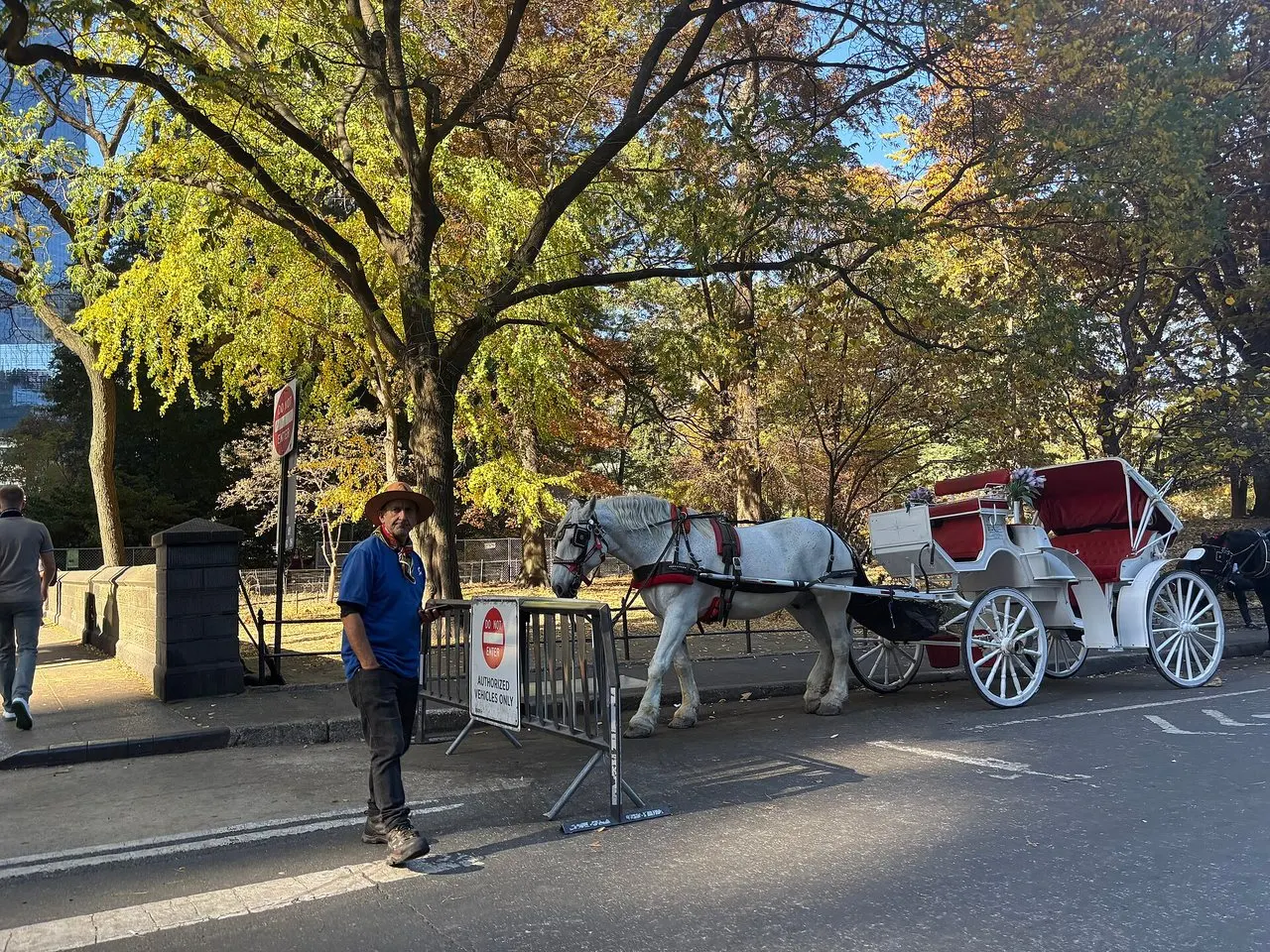
The date at the heart of the new law is June 1, 2028. By then, horse drawn carriages must stop operating on city streets, and the city will stop issuing new carriage licenses right away. The long lead time is meant to give workers and owners a chance to plan, train and find new work instead of facing a sudden stop. It also gives the city time to study what should replace the rides in Central Park. Learn about other long term plans in the handshake with Putin in China.
The Drivers Who Guided the Carriages
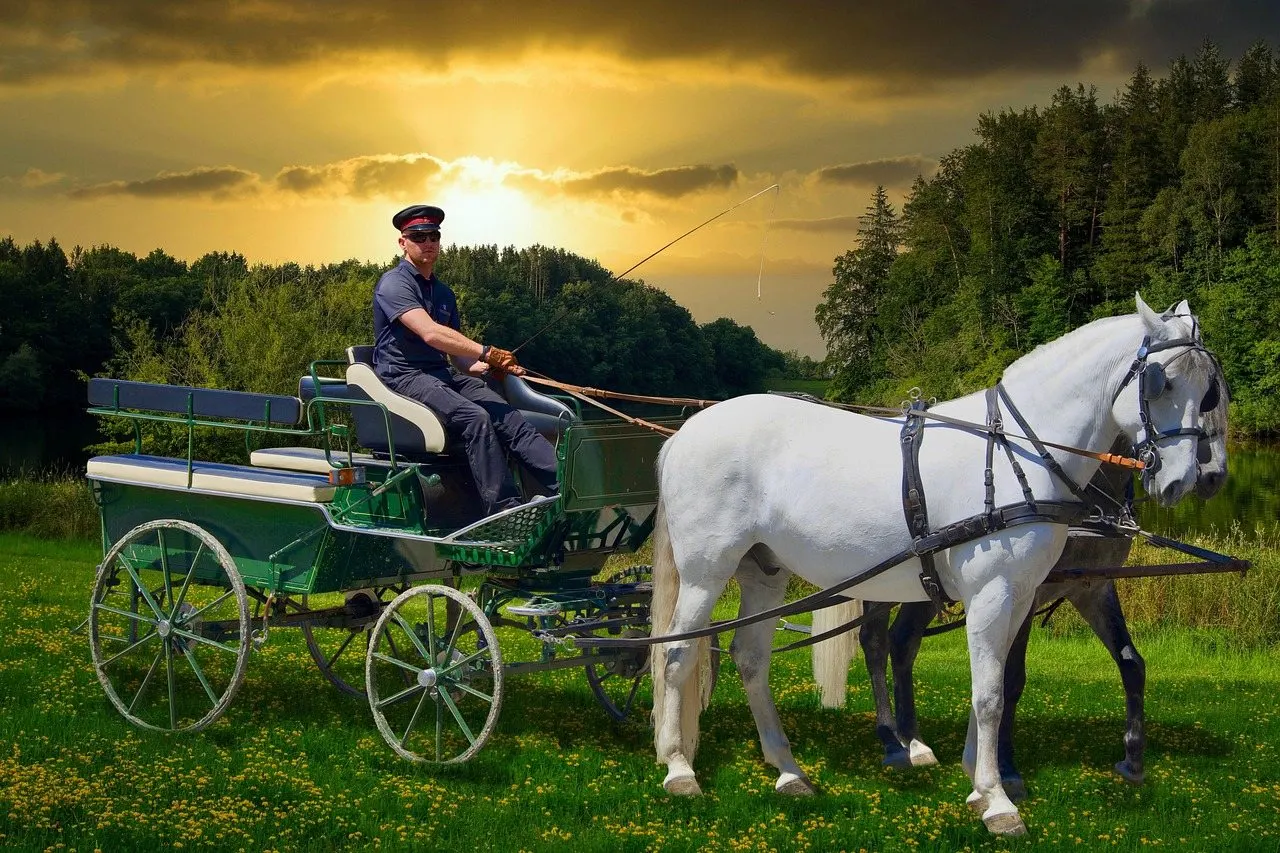
Behind every carriage was a driver who knew the horses, the routes and the rhythm of the park. Many drivers spent years learning how to handle a horse in traffic, talk with visitors and keep a steady pace through the crowds. For them, the carriage was a craft passed down through families. The city says about 200 drivers, stable hands and medallion owners will be affected, and their futures are now part of the plan. See how others face change in the packed meeting in Loganville.
Central Park South After the Horse Carriage Ban

Central Park South is where most carriage rides began, with horses waiting in line near the hotels and the busy street. Visitors would climb aboard for a loop through the park, past the pond and the trees. When the ban takes full effect, that familiar line of carriages will be gone from the curb. The park itself will stay open and busy, but the way people see it will change. Read about another famous place in the China trip with billions in deals.
The Stables Behind the Rides
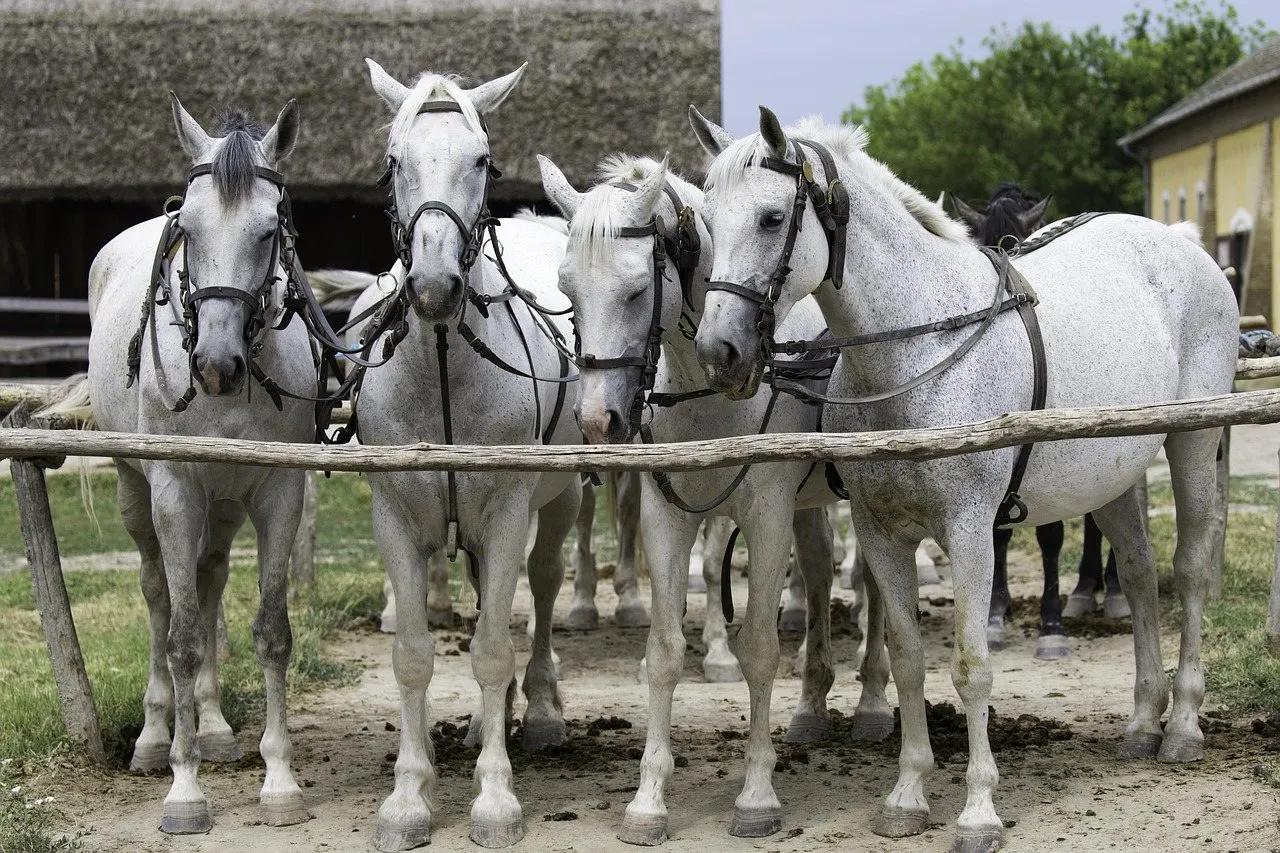
The horses did not live in the park. They lived in stables, mostly on the west side of Manhattan, where they were fed, groomed and rested between rides. Stable hands started early, mucking out stalls, checking hooves and getting each horse ready for the day. The stables were a small world of their own, with routines built over many years. What happens to those buildings and the people who worked in them is part of the transition ahead. Learn about workplaces in the debate over lawmakers in a vegetative state.
Inside the Stables Where Horses Rest
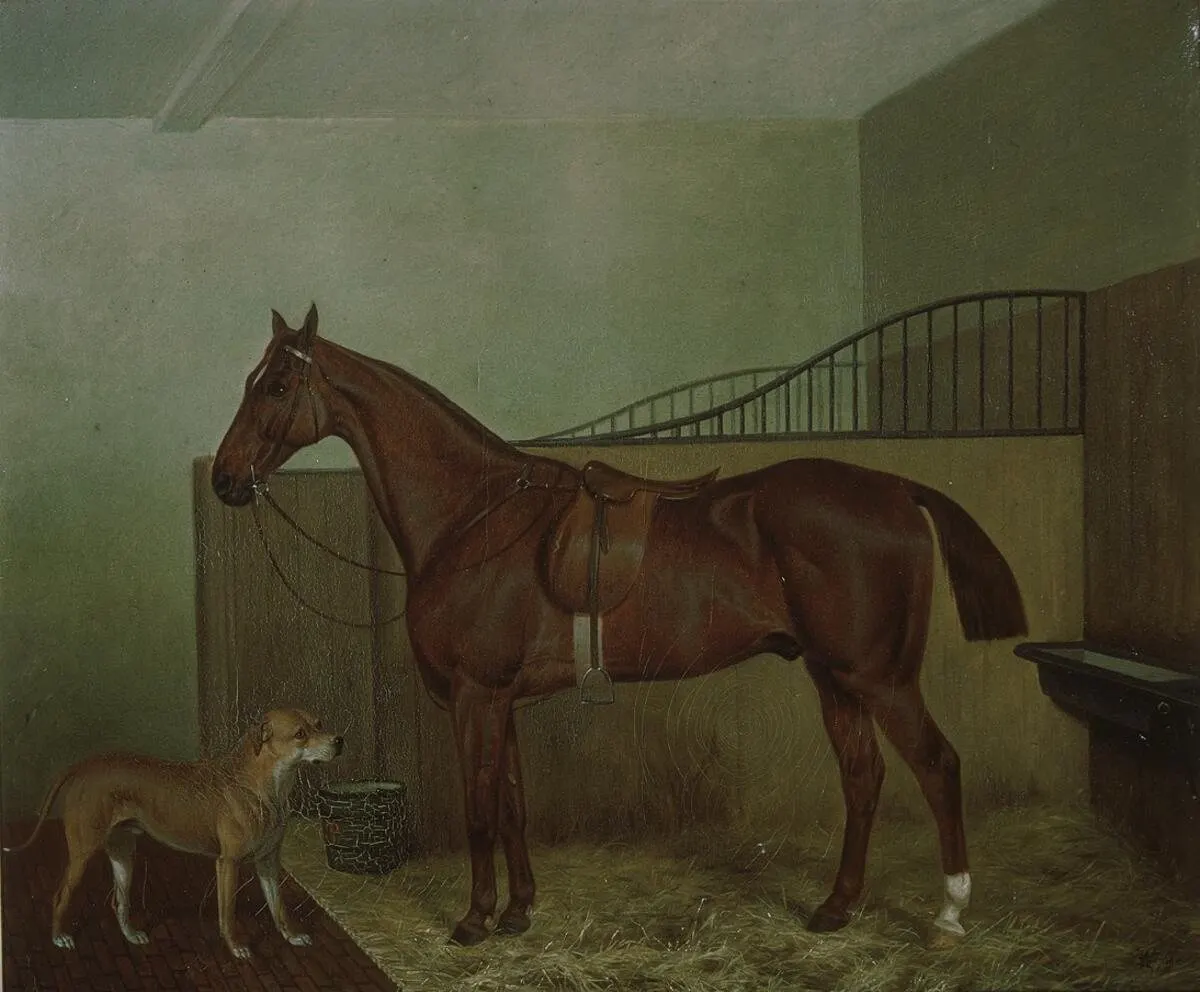
A stable is a working place, full of hay, tack, water buckets and the sound of horses shifting in their stalls. The horse carriage ban means these routines will slowly wind down over the next year and a half. Animal welfare groups have long asked for better rest and retirement plans for carriage horses. For now, the horses still need daily care, and the people who give it still show up each morning. Read about care and change in the joke about Washington spending.
The Horse Carriage Ban Brings Job Training Help

The most hopeful part of the new law may be the help for workers. The city promises stipends for job training and classes, so drivers and stable hands can learn new skills while still earning support. Training can open doors to work that lasts longer than the carriage trade, from driving other vehicles to working in tourism, hospitality or the trades. The key is making the classes easy to reach and fit around family life. See how others learn new skills in the trip home from Asia.
Classrooms Ready for a New Start
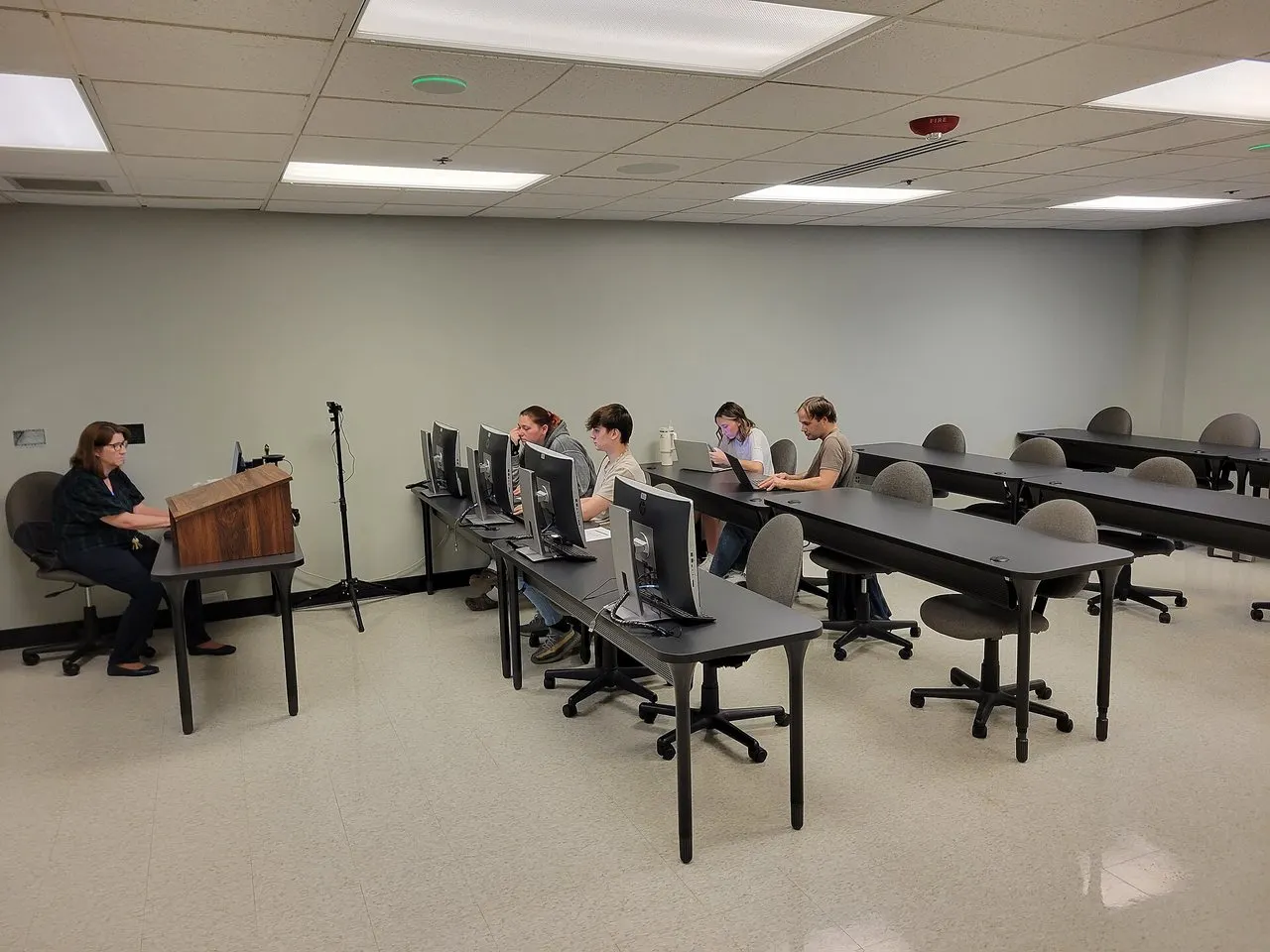
A classroom can feel like a fresh start for someone who has worked outdoors for years. The new program will run with LaGuardia Community College, which already teaches adults from many walks of life. Classes may cover job skills, reading and math, computers and how to apply for work. For older workers, going back to school can feel strange at first, but a good teacher and a clear goal make a real difference. Learn about learning in the strange vintage bakes that really work.
Career Counseling for Every Worker

Not every worker needs the same help, and that is where career counseling comes in. The horse carriage ban program promises one to one advice to help each person work out what they are good at and what jobs fit. A counselor can help with a resume, practice for interviews and point people toward openings they might not have found alone. For a driver who has spent a lifetime with horses, that kind of guidance can turn worry into a plan. Read about personal change in the city grocery store plan.
A Path Toward Small Business Ownership

Some carriage workers may want to run their own business instead of finding a new employer. The city promises entrepreneurship support, which could mean help with a business plan, licenses, loans and the basics of running a small shop or service. Starting a business is a big step, but many former drivers already know how to work hard, keep customers happy and manage a daily routine. Those skills travel well into other kinds of work. Learn about small business in the four year plan to expand Medicare.
The Horse Carriage Ban and LaGuardia Community College
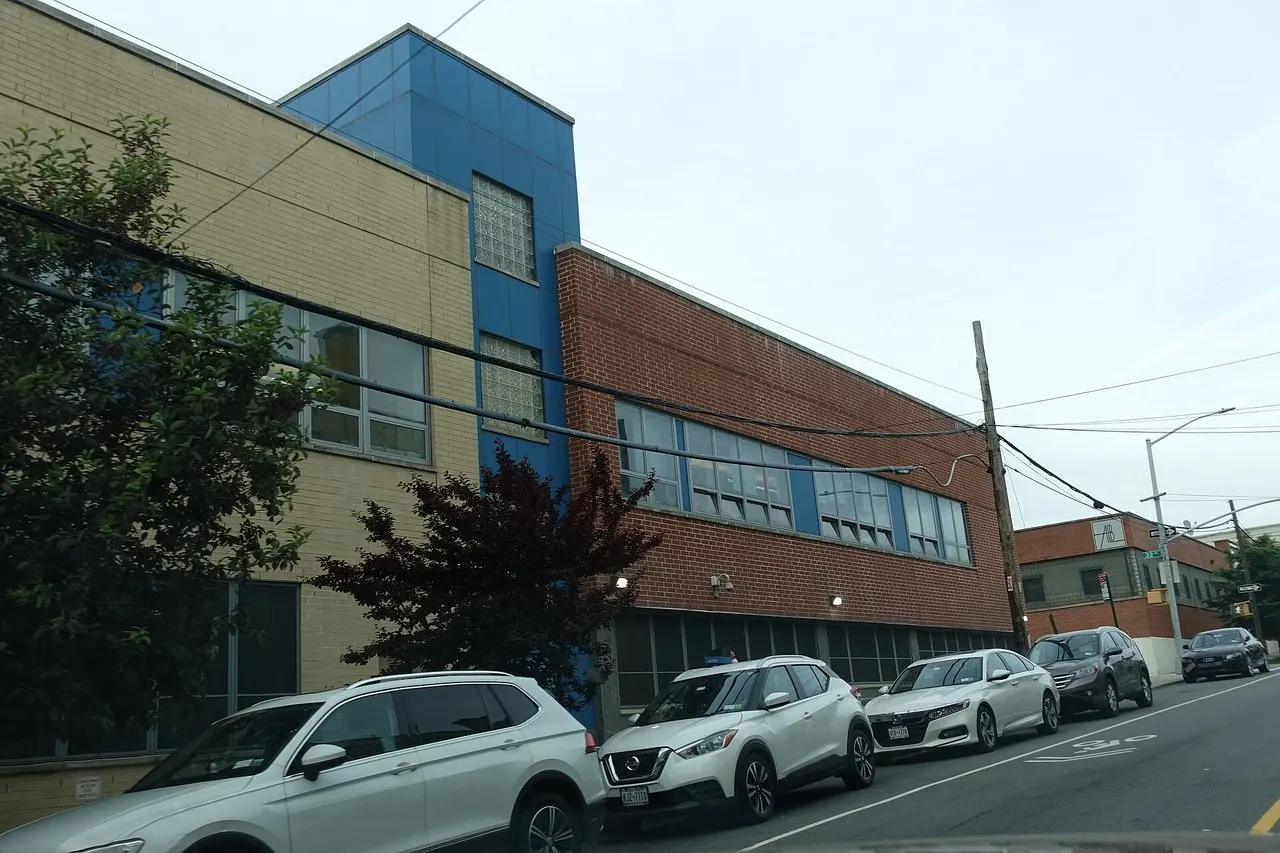
LaGuardia Community College in Queens will run the new program with the city, bringing its experience in teaching adult students. The college serves many New Yorkers who are changing careers, learning English or training for a first job. Its role in the carriage transition shows how a local college can sit at the center of a city plan. Workers will be able to study close to home, with teachers who know the needs of adult learners. Read about education in the bill on senator pay during shutdowns.
A City That Keeps Changing
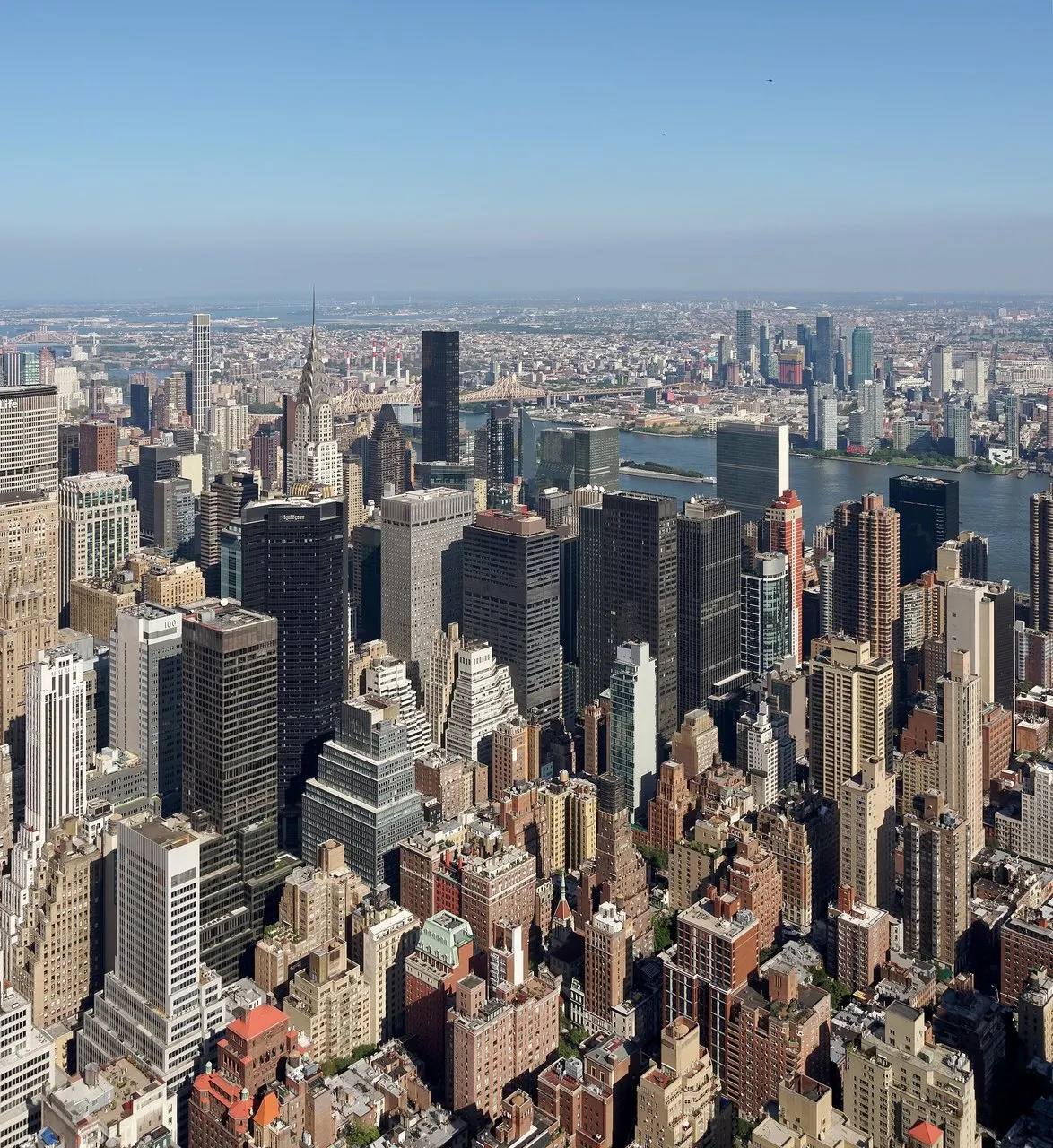
New York has always changed, from horse drawn streetcars to subways, taxis and ride share cars. Each change left some workers behind and helped others find new work. The horse carriage ban is the latest turn in that long story, and the city will be judged on how well it treats the people caught in the middle. A fair transition matters as much as the ban itself. Learn about big changes in the bill to stop using children as bait.
The Horse Carriage Ban Opens the Door to Electric Carriages
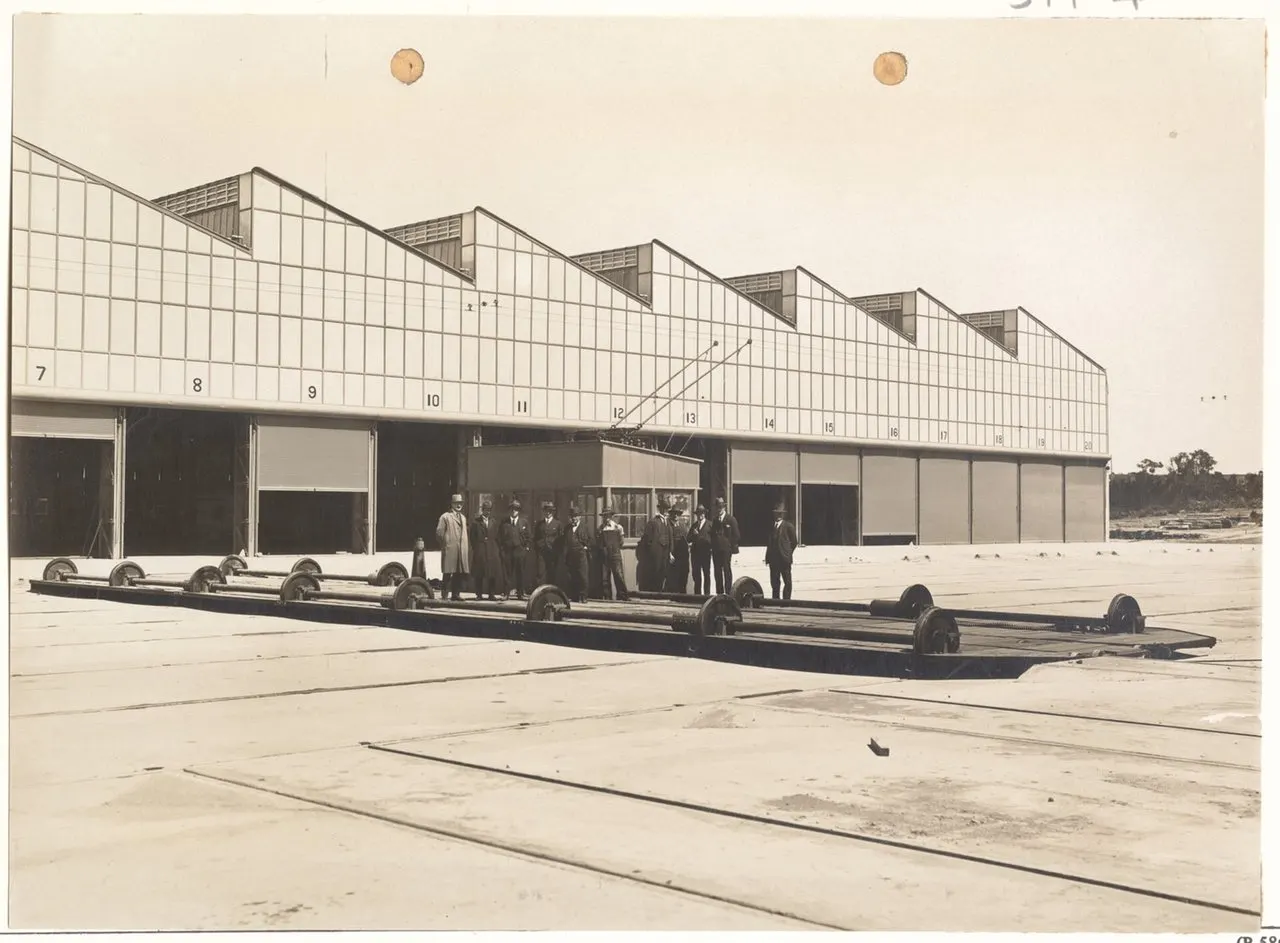
One idea the city will study is the electric carriage, a quiet vehicle that could give visitors a slow tour of the park without a horse. Early electric carriages date back more than a century, when battery powered vehicles shared the roads with horses. Modern versions could be cleaner and safer, but they would need rules, routes and drivers of their own. The study will weigh whether they fit the park and the people who love it. Read about new ideas in the return to Vice City after 13 years.
Pedal Assist Bikes as Another Option

Pedal assist bikes are the other option the city will study for Central Park. These bikes give the rider a small electric boost, which makes hills and long rides easier for people of all ages. They are already common in many cities, where visitors rent them for a quick tour or a family outing. The question is whether they can offer the same slow, guided charm as a carriage ride, or something new entirely. Learn about new transport in the briefing room visit after the long flight.
Central Park After the Horse Carriage Ban
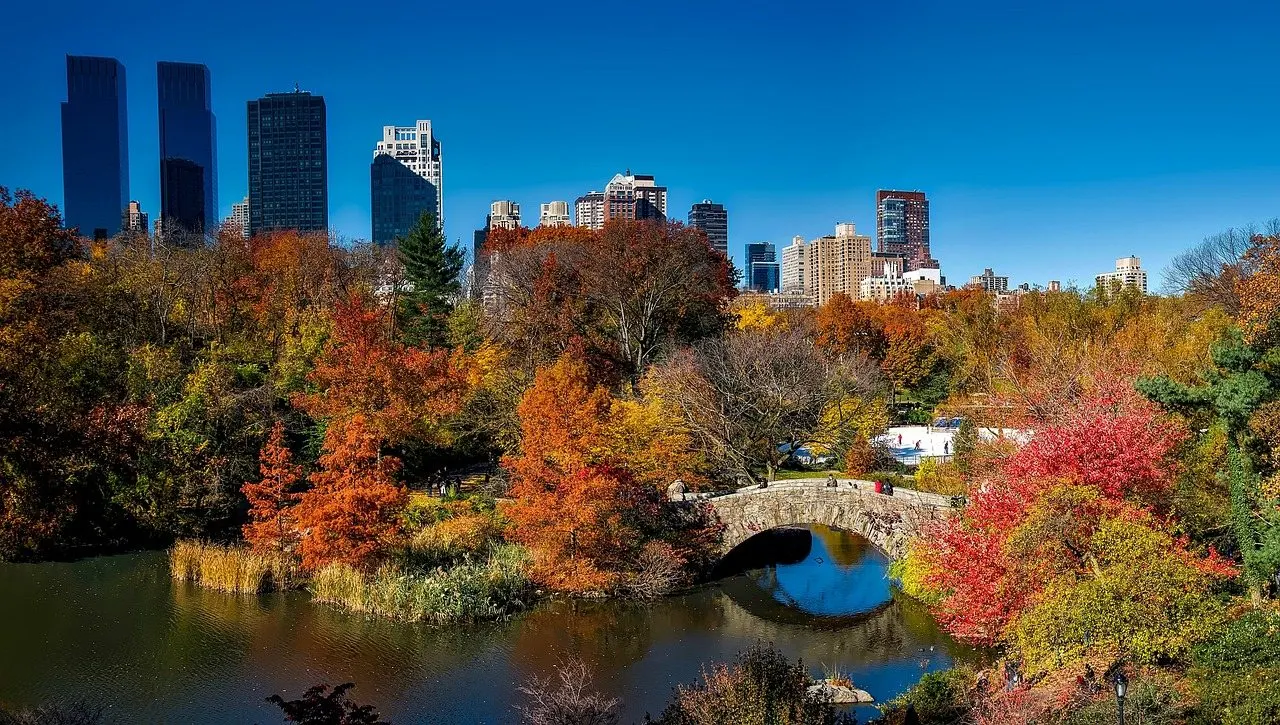
Central Park in autumn is one of the most loved sights in New York, with golden leaves, long paths and families out walking. The park will still be there after the carriages leave, and its trees, lakes and lawns will still draw millions of visitors each year. What changes is the sound and the pace of the southern end, where the horses once waited. Many New Yorkers will welcome the quiet, while others will miss a familiar sight. Read about the park in the story of Kevin Hart and fatherhood.
A Close Look at the Carriage Horses
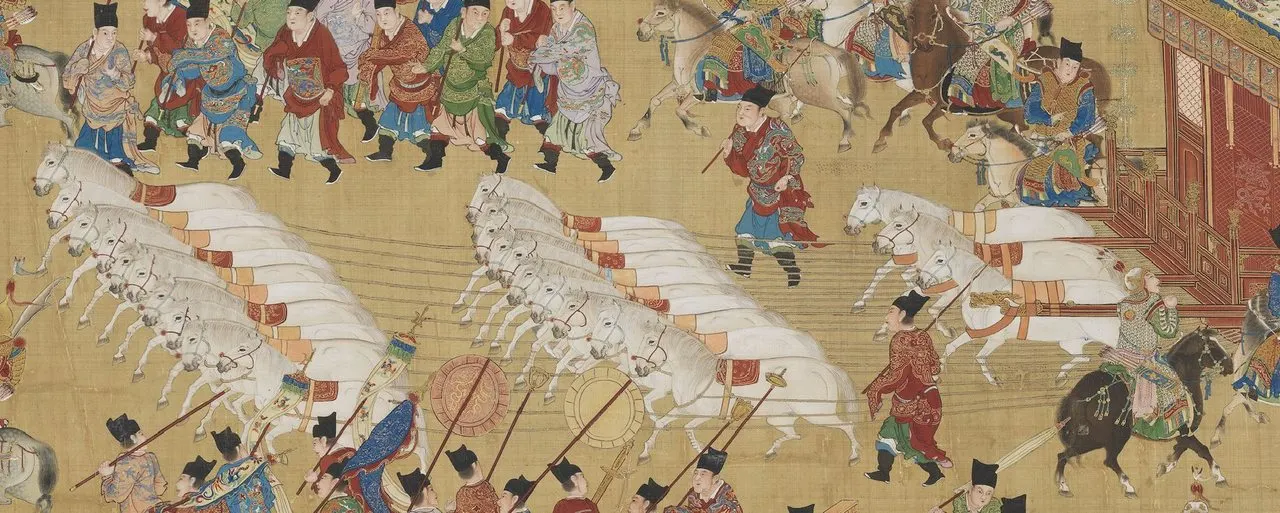
Carriage horses are strong, calm animals, trained to work in noise and crowds. A close look shows the blinkers that keep them focused ahead and the harness that spreads the load. Animal welfare groups have long worried about heat, long hours and the risk of a horse bolting in traffic, which is what happened in the crash that took Romanch Mahajan’s life. The horse carriage ban is meant to end those risks for good. Learn about animals in the plan to outlaw boiling live lobsters.
Where the Horse Carriage Ban Horses May Go Next
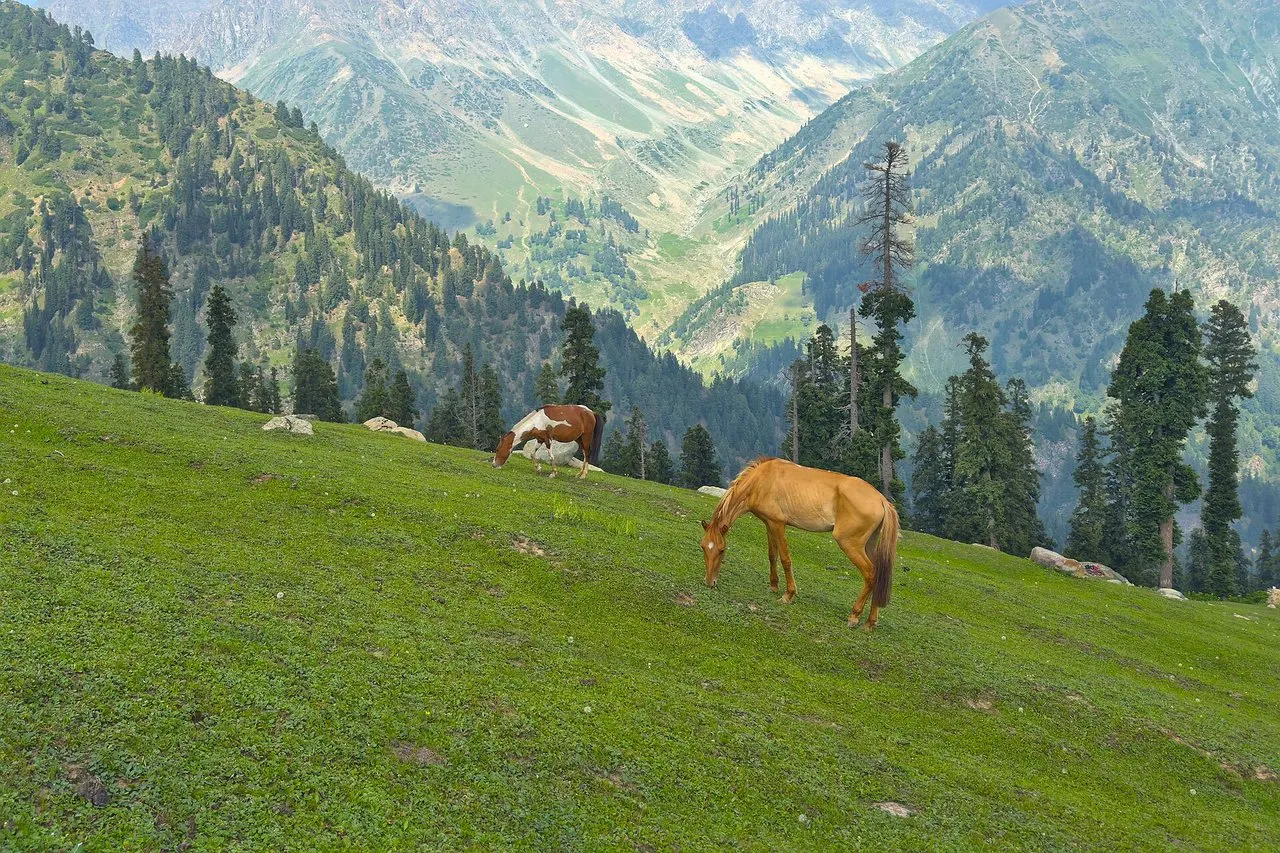
When the carriages stop, the horses will need new homes. Some may go to farms, sanctuaries or riding centers where they can graze in open fields and live out their days in peace. Horses that have worked in the city for years may need time to adjust to open space and a quieter routine. The city and welfare groups will need a clear plan for each horse, so none is left without care. Read about new beginnings in the China trip with billions in deals.
Carriages on City Streets for the Last Time
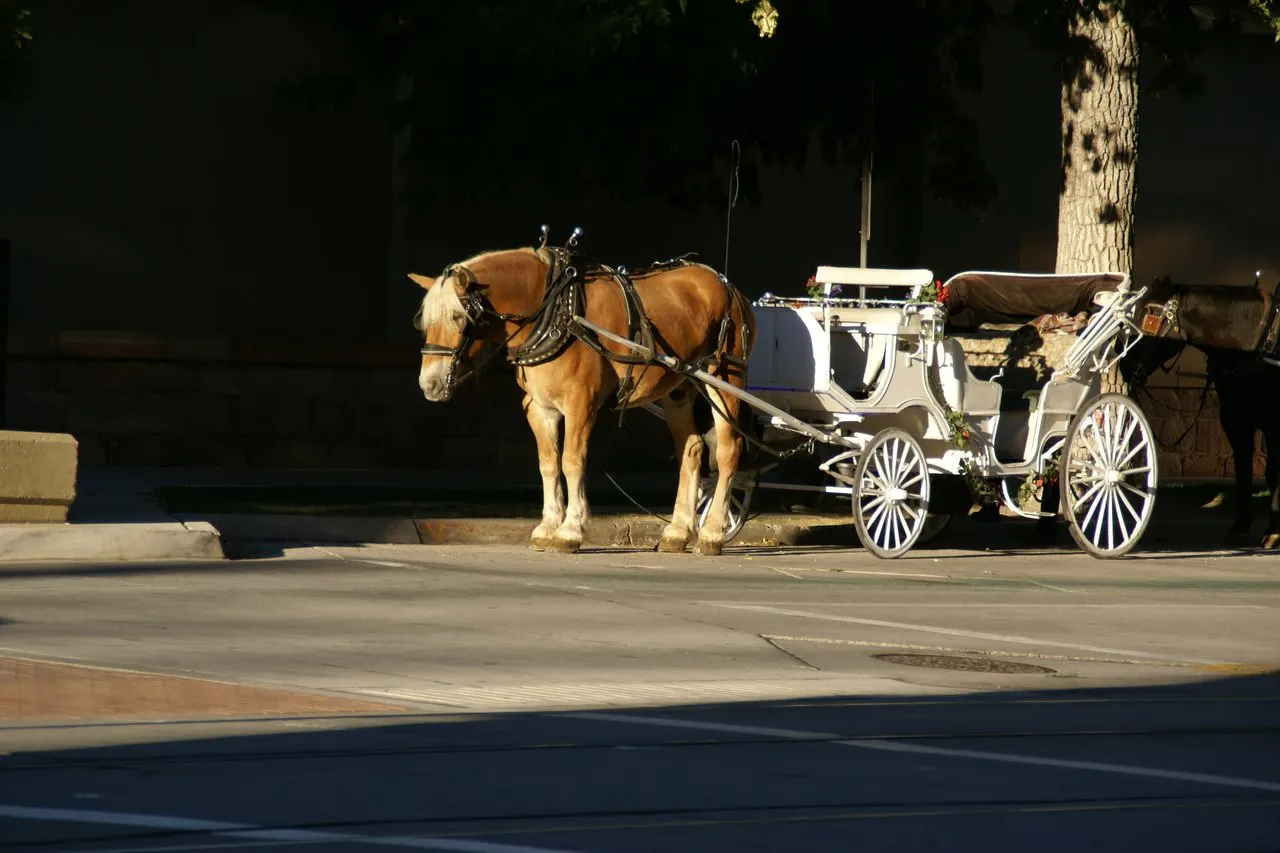
Until June 2028, carriages will still roll through the city streets, and visitors can still take a ride. For many tourists, it may be the last chance to see New York the old way, from the back of a slow carriage. For the drivers, each ride is now counted down toward a new life. The city hopes the long goodbye gives everyone time to adjust, and that the final rides are safe ones. Learn about farewells in the briefing room visit after the long flight.
Bethesda Fountain and the Park Ahead
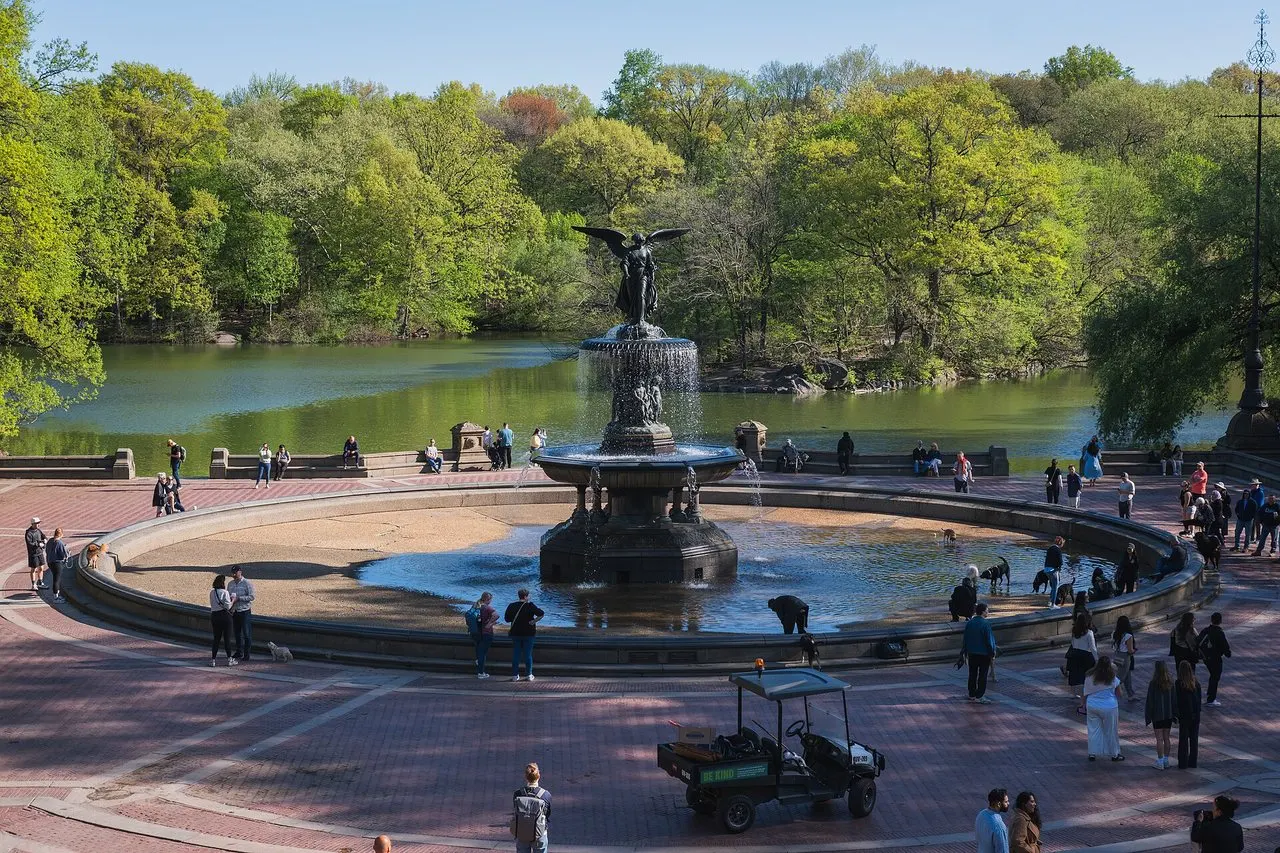
Bethesda Fountain sits at the heart of Central Park, where visitors gather to take photos, listen to music and watch the boats on the lake. Carriage rides once passed it on their way through the park, and it will still be there long after the horses are gone. The horse carriage ban changes how people arrive, but not why they come. The park belongs to everyone, and its future will be shaped by the people who use it. Read about shared spaces in the handshake with Putin in China.
The Horse Carriage Ban Leaves One Big Question
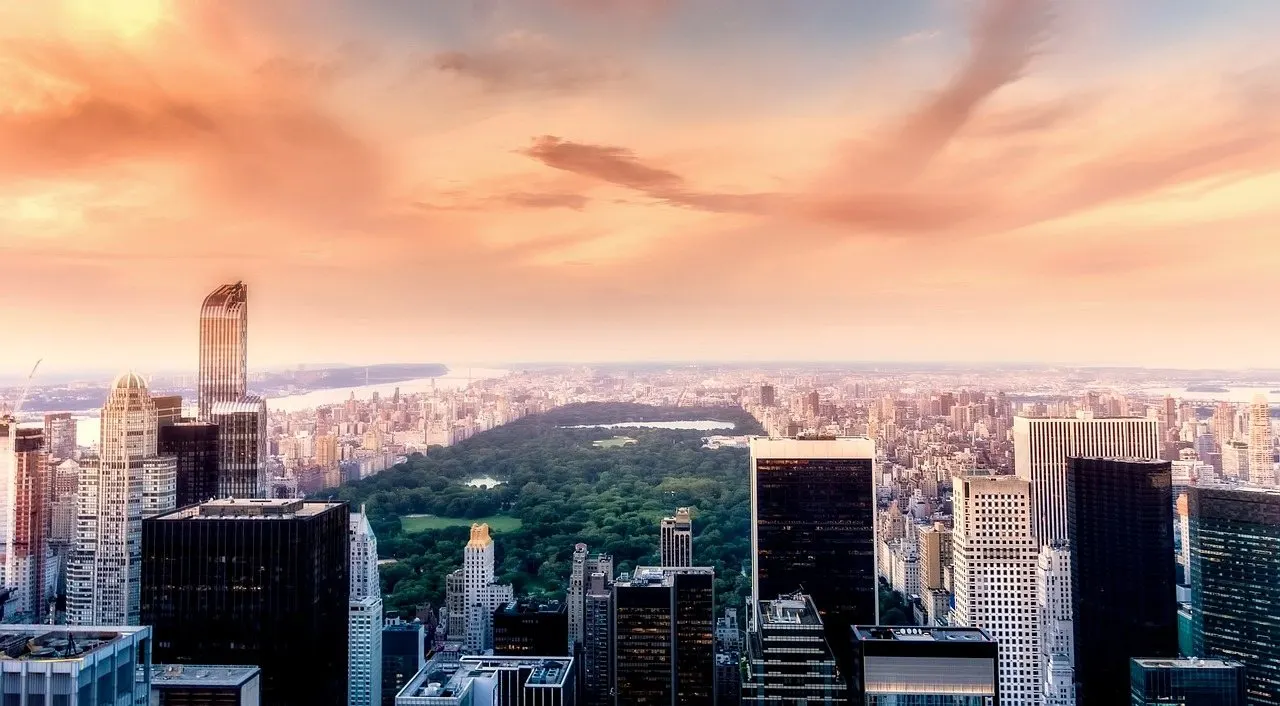
So what should come next for Central Park once the carriages are gone? Should the city bring in electric carriages, offer pedal assist bikes, or simply let walkers and cyclists have the paths to themselves? The full transition plan arrives in April 2027, and the city will want to hear from New Yorkers before then. What do you think is the best replacement for the horse drawn carriage? Share your thoughts in the comments below and keep reading the packed meeting in Loganville.