Tahlequah Orca Calf J65 Brings New Hope to His Pod
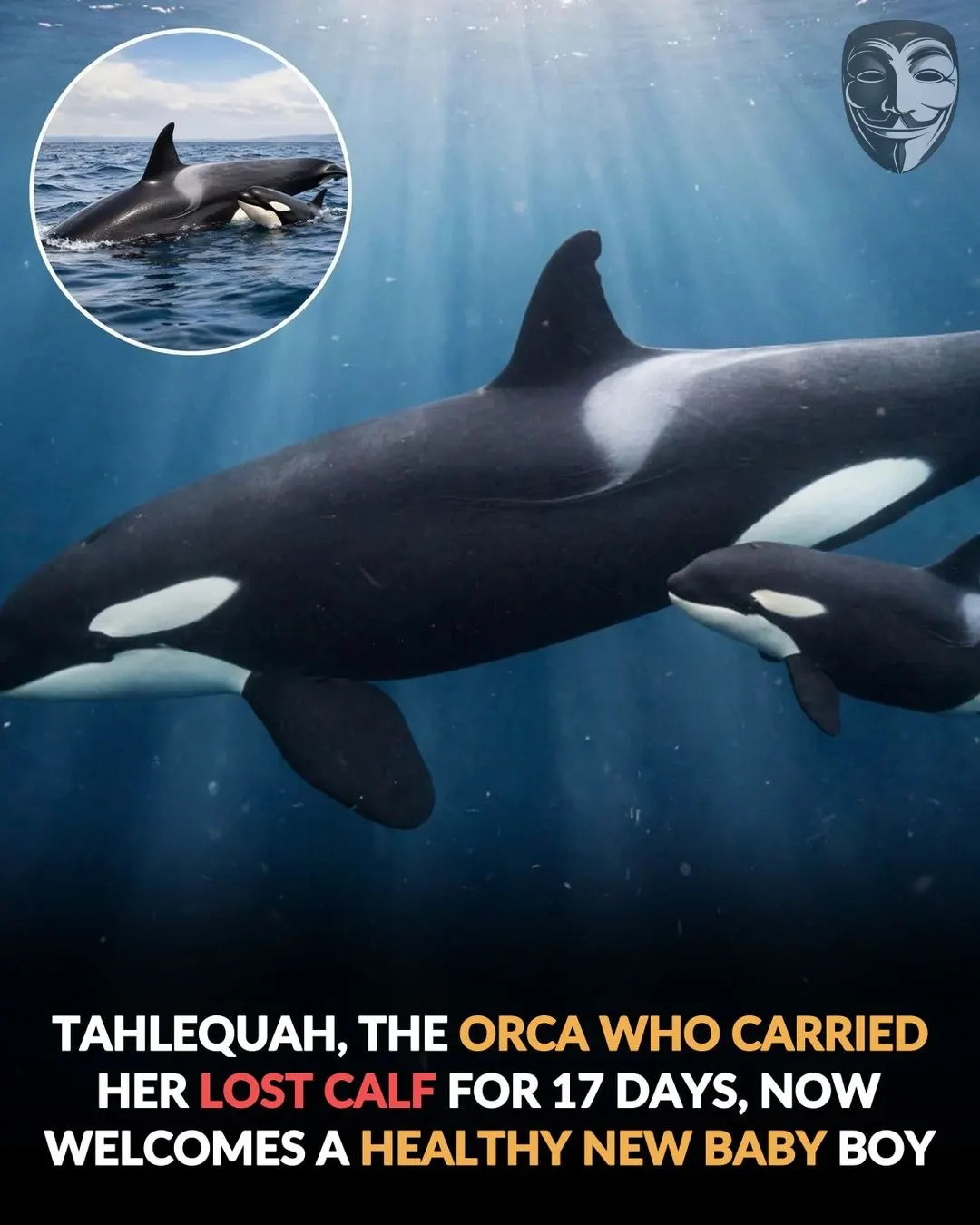
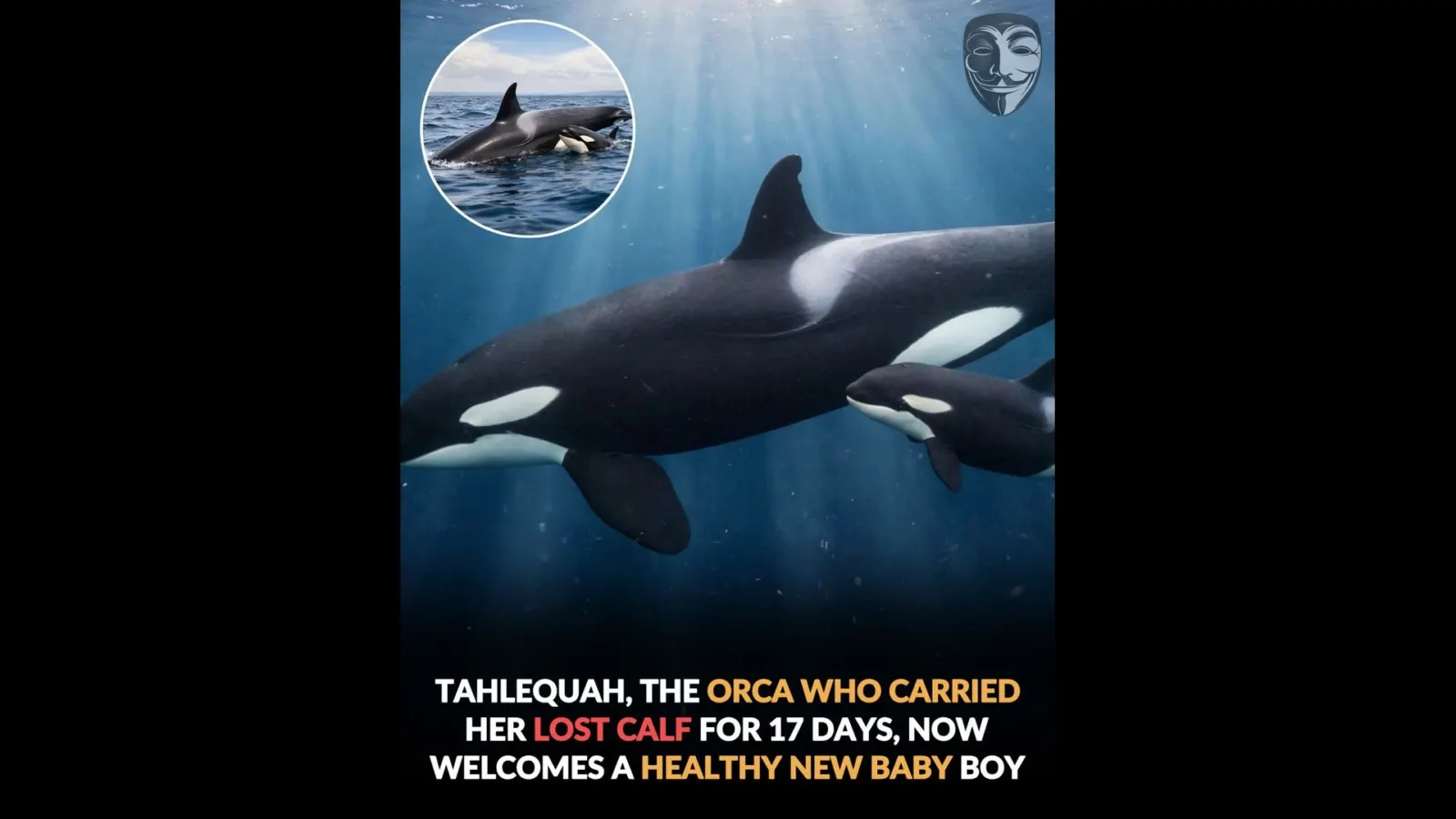
Tahlequah orca calf J65 is a tiny baby boy who arrived after years of loss, and his birth has given whale lovers a reason to hope again. Researchers from the Center for Whale Research spotted Tahlequah, known as J35, swimming with her newborn on October 19, 2026, and drone footage the next day confirmed the calf is a boy. The team said the calf, believed to be less than a week old, was swimming well, nursing and staying close to his mother, with no immediate sign of health trouble.
Tahlequah became known around the world in 2018 when she carried her dead calf for 17 days, and she lost another daughter, J61, in late 2024. The birth of J65 brings rare hope for the endangered Southern Resident orcas, a fragile community of just 76 whales, and researchers say the healthy calf is a welcome sign for the whole pod. In the slides ahead we follow the sighting and the long road that led here. For more on new arrivals, read about a grandmother welcoming a new baby boy.
References:
GreaterGood: Tahlequah, the Orca Who Carried Her Lost Calf for 17 Days, Welcomes a Healthy Baby Boy
Center for Whale Research: J35 Tahlequah Welcomes New Male Calf J65
KOMO News: New baby orca calf spotted swimming with Tahlequah
Canadian Press: Tahlequah the orca has a new calf, researchers confirm
Tahlequah Orca Calf Spotted Swimming With His Mother
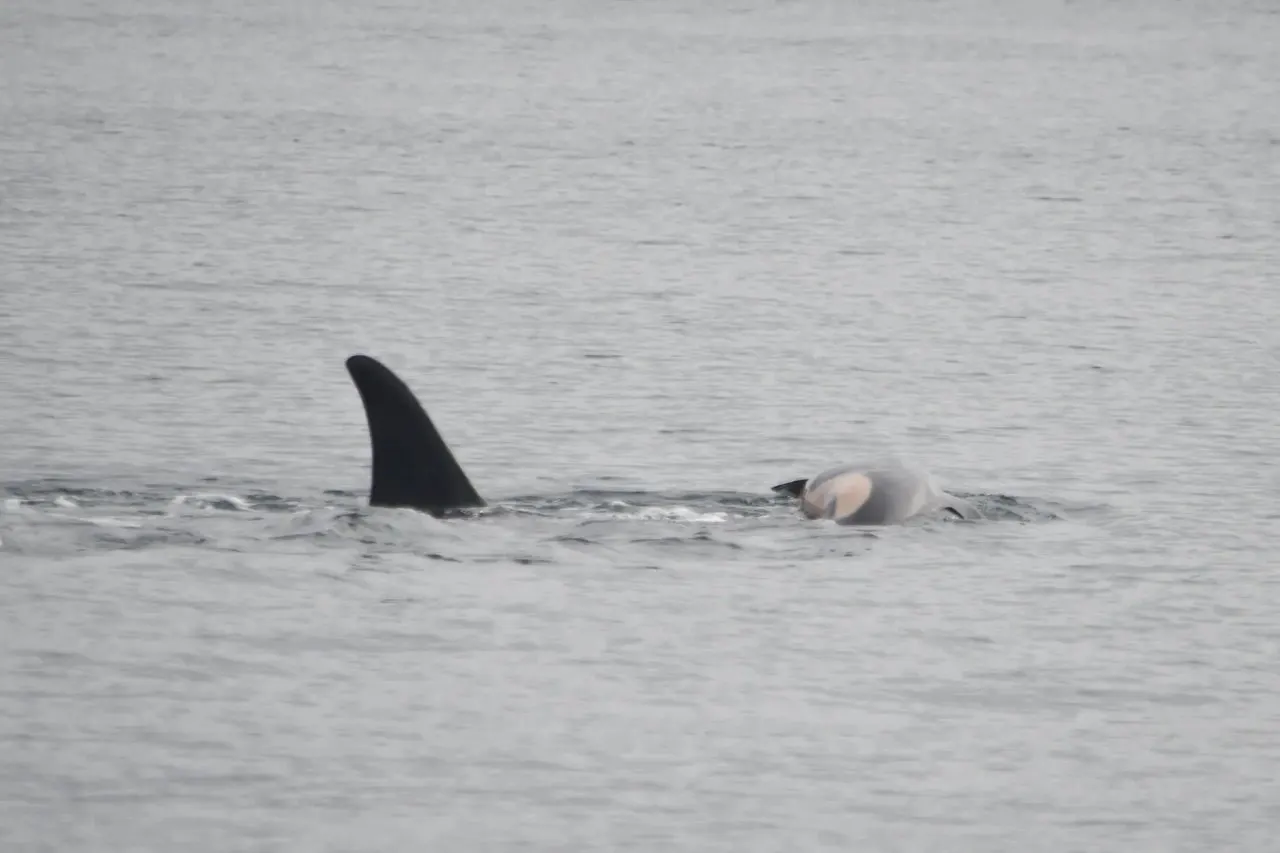
Researchers from the Center for Whale Research were out on the water on October 19, 2026, when they spotted Tahlequah swimming with a tiny newborn at her side. The calf stayed close to his mother as the pair moved through the waves, and the team knew at once that this was a sighting worth sharing. A new calf is always news for this small population, and this one carried extra meaning after everything Tahlequah had been through. You can read about a newborn meeting her mother for the first time.
Drone Footage Confirms the Tahlequah Orca Calf Is a Boy
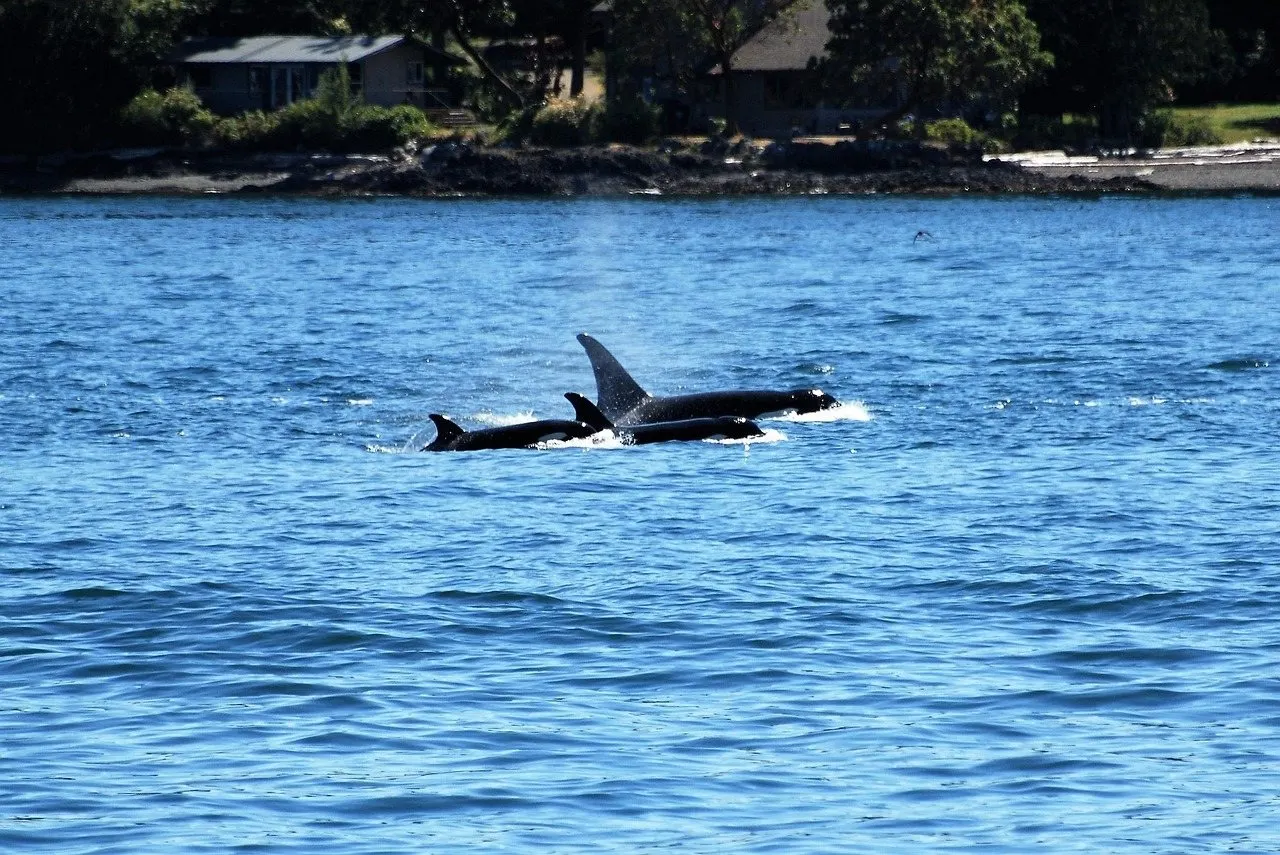
The next day, drone footage gave researchers a clear view from above and confirmed the newborn is a boy. Drones let the team watch the whales without getting too close, which matters when a mother is caring for a calf only days old. From the air they could see the calf swimming well and staying near Tahlequah, and they gave him the name J65. The footage turned a hopeful sighting into certain news. Read about a son saying goodbye to his father.
The Tahlequah Orca Calf Is Less Than a Week Old
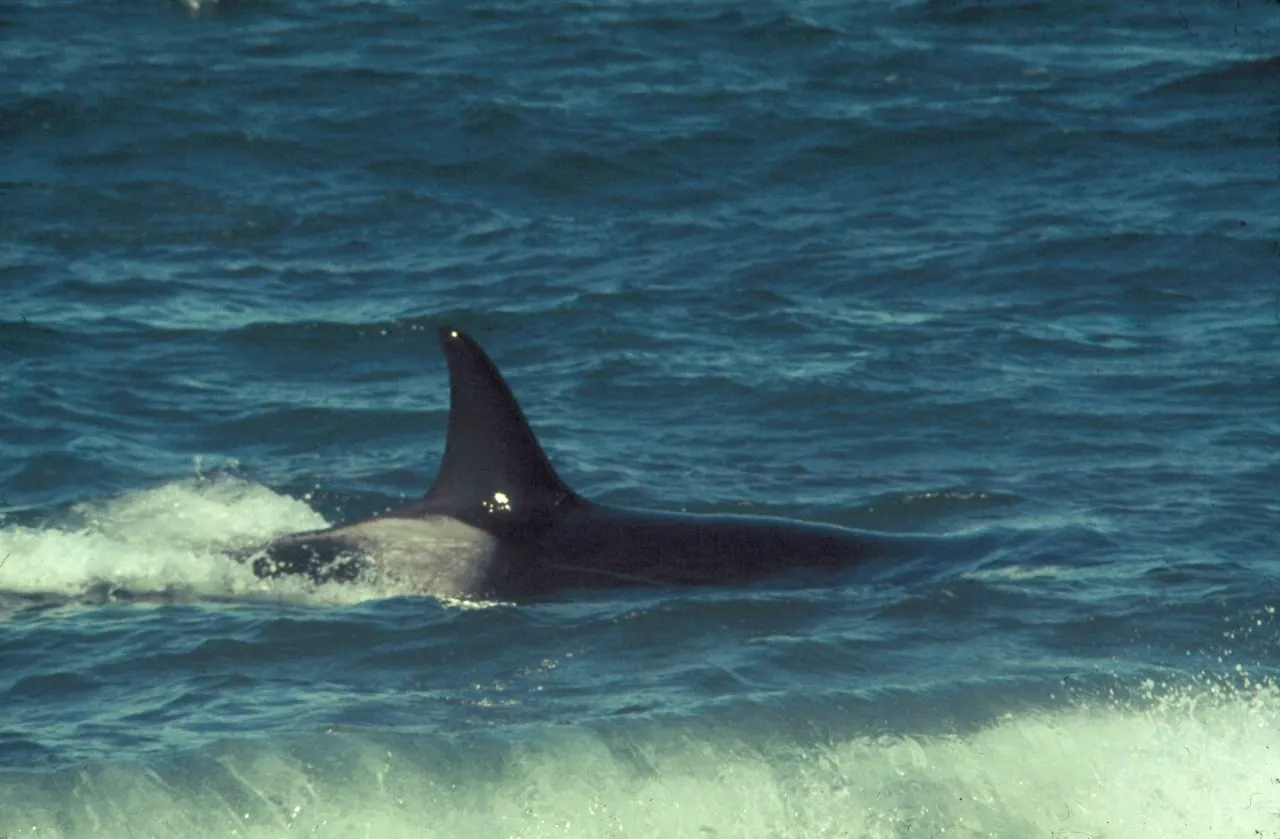
The team believed the calf was less than a week old when they first saw him, which makes his strong swimming even more remarkable. Newborn orcas must learn fast, since they need to keep up with the pod, surface to breathe and find their mother to nurse. J65 was doing all of that, and the researchers saw no immediate sign of health trouble. A healthy start is the best news a tiny whale can bring. See remarks that drew outrage across the country.
Who Is Tahlequah, Known as J35
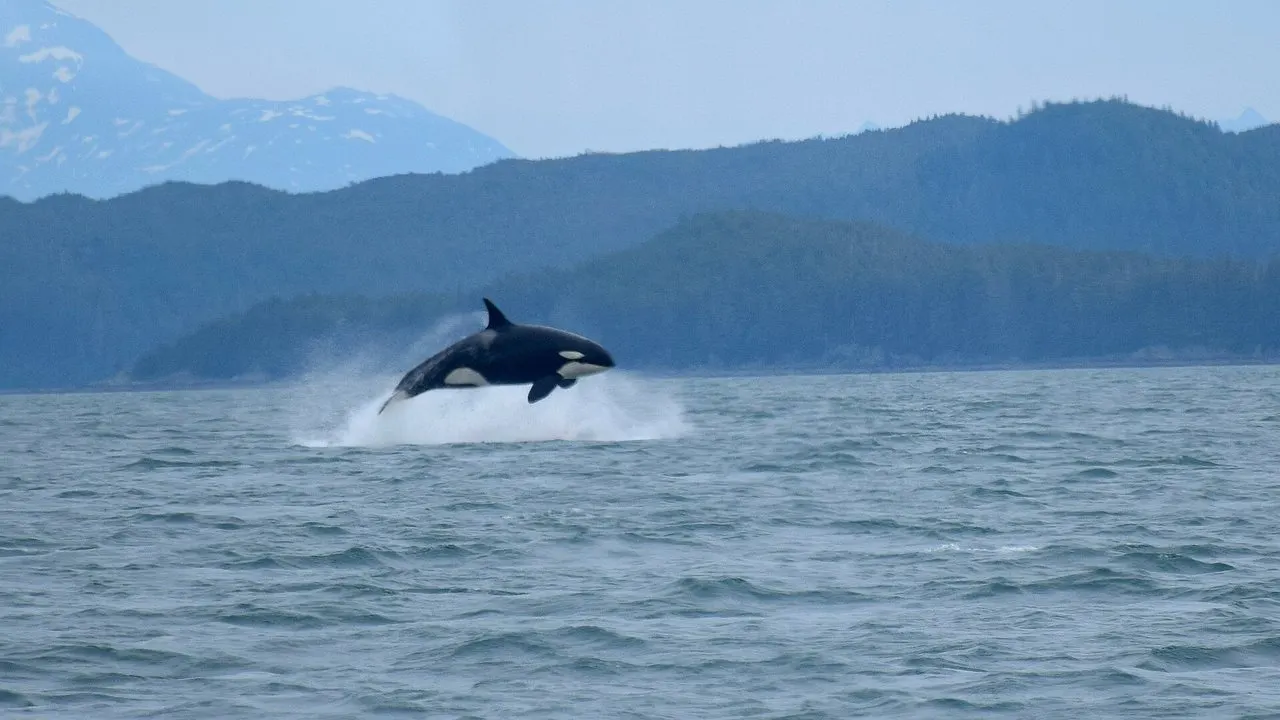
Tahlequah is the name the world knows, and researchers know her as J35, a member of the Southern Resident orcas. She has lived her whole life in the waters of the Pacific Northwest, traveling with her pod through the Salish Sea. Her story became famous in 2018, and since then people around the world have followed her with care. The new Tahlequah orca calf is the latest chapter in a life that has already moved millions. Read about a young woman splitting rent with roommates.
Seventeen Days That Broke the World’s Heart
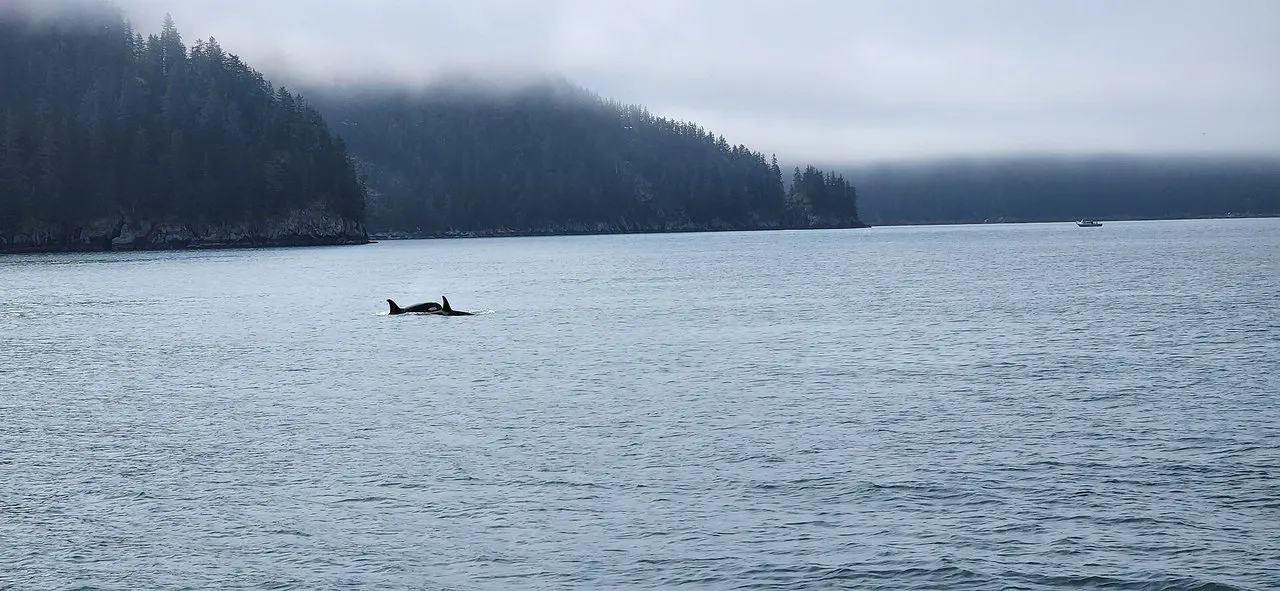
In 2018, Tahlequah lost a calf shortly after birth and then carried the small body for 17 days, pushing it through the water as she swam. People around the world watched and grieved with her, and the image of a mother who would not let go stayed with everyone who saw it. Scientists said the behavior showed the depth of the bond between a mother orca and her calf. It is a story that still moves people today. Read a wish for peace around the world.
A Story the Whole World Watched
News of Tahlequah traveled far beyond the Pacific Northwest in 2018, and people who had never seen a whale in the wild found themselves following her journey each day. The story touched something simple, which was a mother grieving in a way anyone could understand. Reporters, researchers and ordinary readers all waited to see what she would do next. Her story turned a distant whale into a familiar name. See an old Southern pie made with butter and eggs.
Another Loss in Late 2024
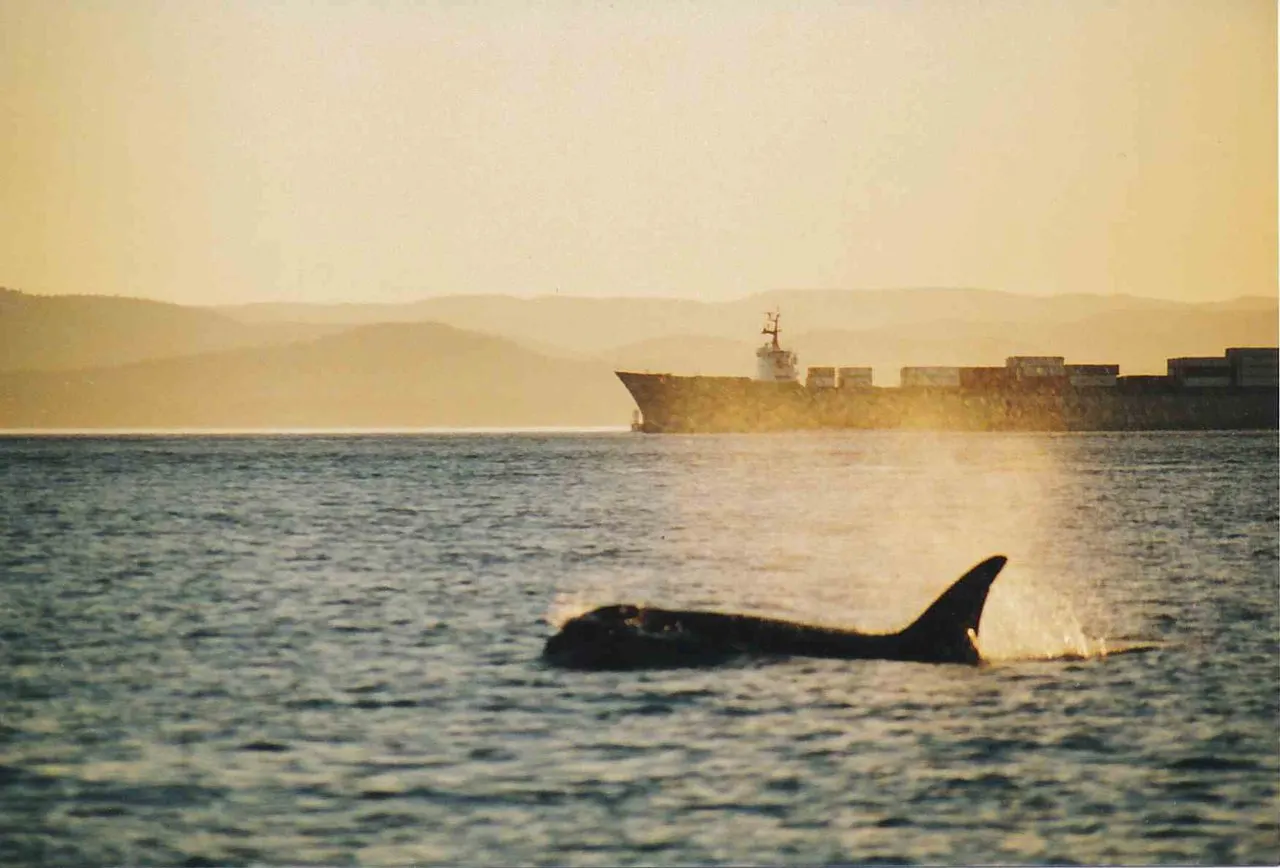
Tahlequah faced loss again in late 2024, when her daughter J61 died. The news was a heavy blow for the researchers who track this small population, and for the many people who had hoped her family would keep growing. Each loss matters more when a community counts only a few dozen animals, and every calf that survives is precious. The arrival of J65 comes after that hard chapter. Read an actor remembered for his long career.
A Fragile Community of 76 Whales Welcomes the Tahlequah Orca Calf
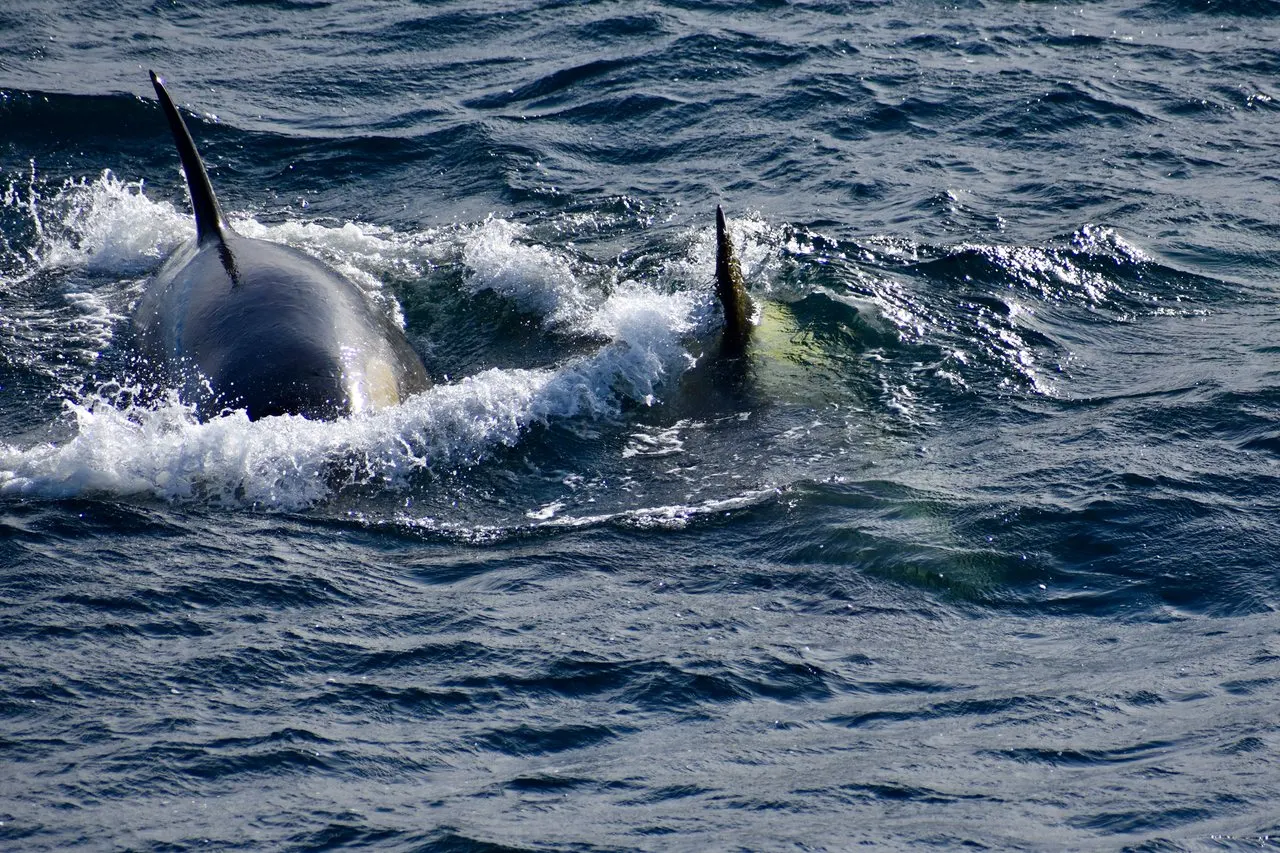
The Southern Resident orcas are a fragile community of just 76 whales, and every birth changes the future of the whole group. When numbers are that small, one healthy calf can lift the hopes of an entire population. The Tahlequah orca calf is more than a single baby, since his health reflects the health of his mother, his pod and the waters they share. That is why researchers greeted his arrival with such joy. See a return home after historic meetings.
Why the Tahlequah Orca Calf Matters So Much
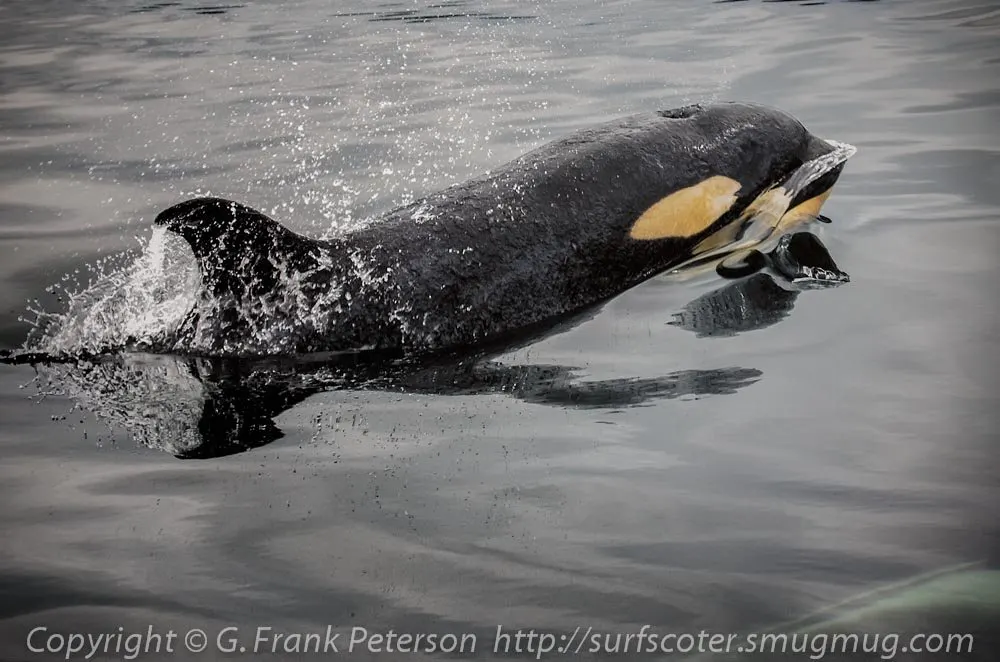
A baby orca is always a hopeful sign, but J65 matters even more because his population is endangered and small. Calves are the future of the pod, and each one that survives to adulthood can one day raise calves of its own. Researchers watch every newborn closely, since the first weeks tell them much about the health of the mother and the food in the sea. For now, the early signs for J65 look good. Read a player benched after his comments.
How Researchers Tell Orcas Apart
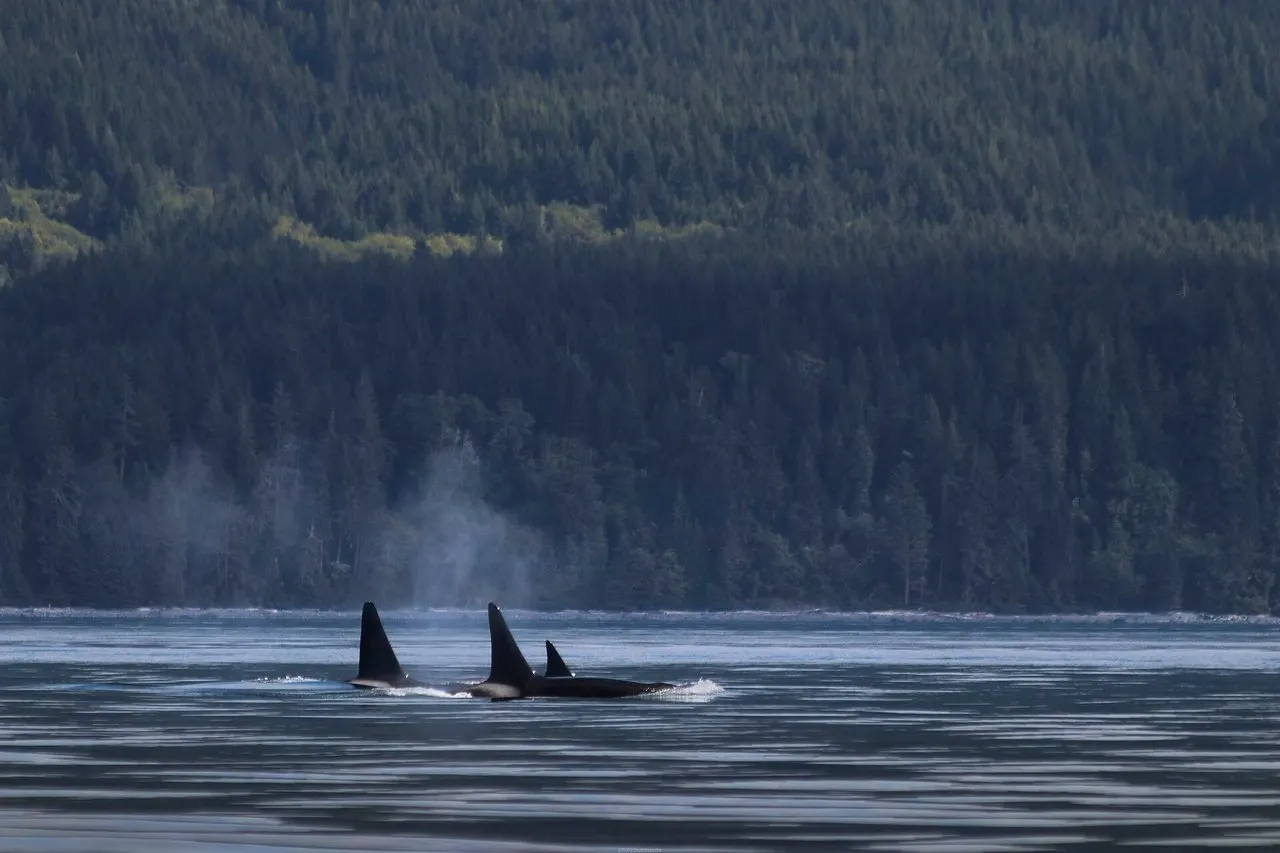
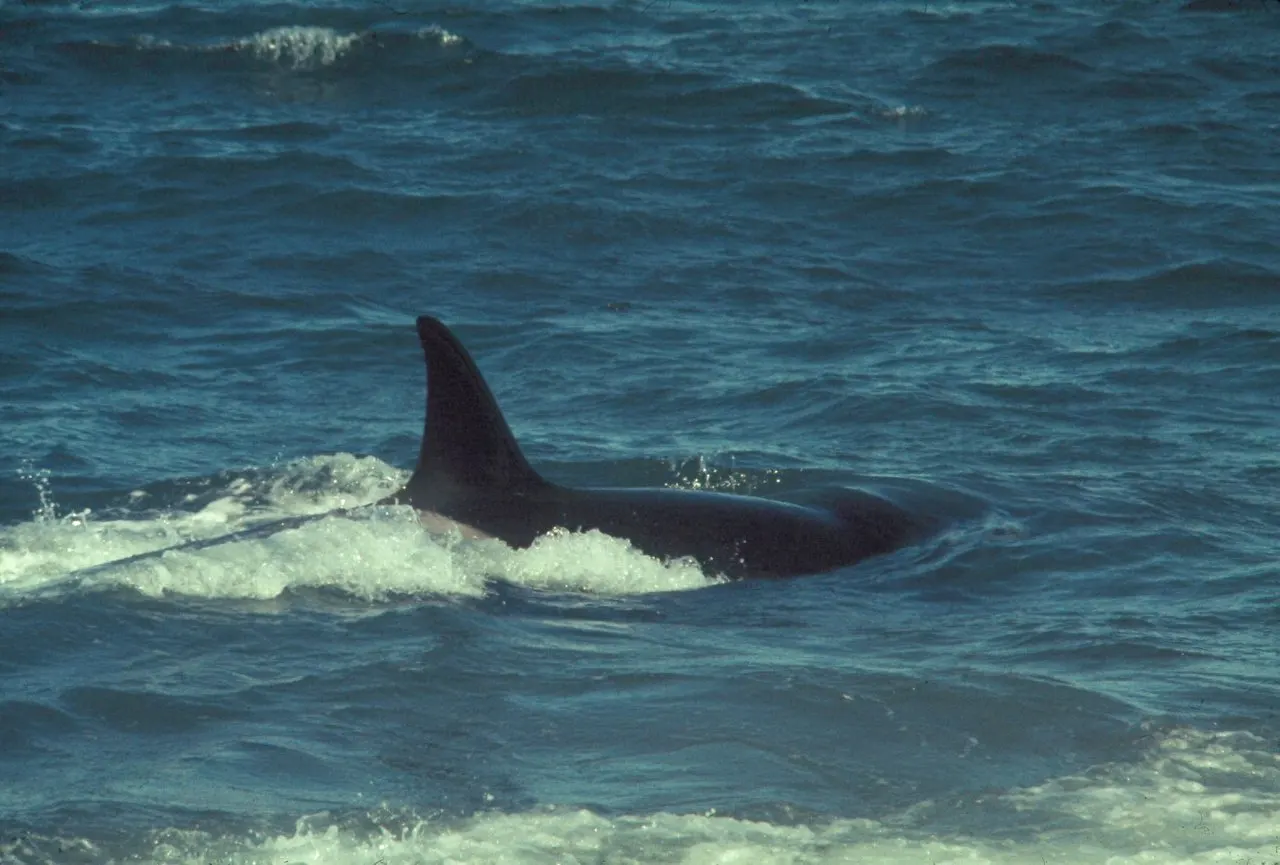
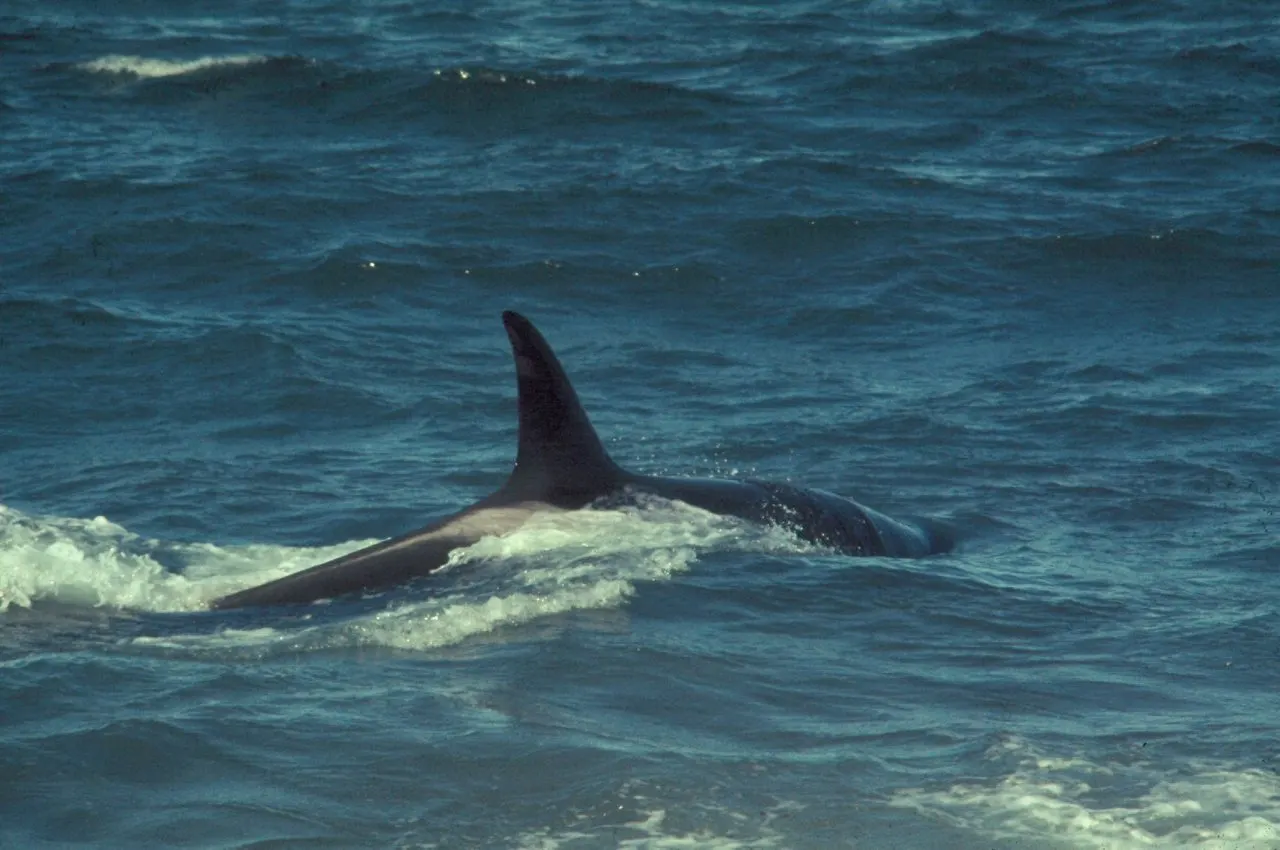
Every orca has a tall dorsal fin with its own shape, and a pale patch behind it called a saddle patch, and researchers use those marks like fingerprints. They keep photo catalogs of each whale, so they can recognize Tahlequah and her family year after year. That is how they knew at once that the whale with the newborn was J35. Careful records turn quick sightings into long life stories. See footage of everyday life in California.
The Center for Whale Research at Work
The Center for Whale Research has studied the Southern Resident orcas for many years, following the pods by boat and keeping careful notes on births, deaths and family ties. Their team was on the water when J65 was first seen, and their drone work the next day gave the world its first clear look at the calf. Long term study like this is how we learn what whales need to survive. Read a farewell at 86.
Life in the Salish Sea

The Salish Sea is the network of coastal waters around Washington State and British Columbia where the Southern Residents spend much of their lives. Its inlets, islands and deep channels give the whales room to hunt, rest and raise their young. The same waters draw boats, fishermen and tourists, so the whales share their home with many people. Protecting this sea means protecting the whales that live in it. See a teen whose magazine caught attention online.
What a Mother Orca Teaches Her Calf
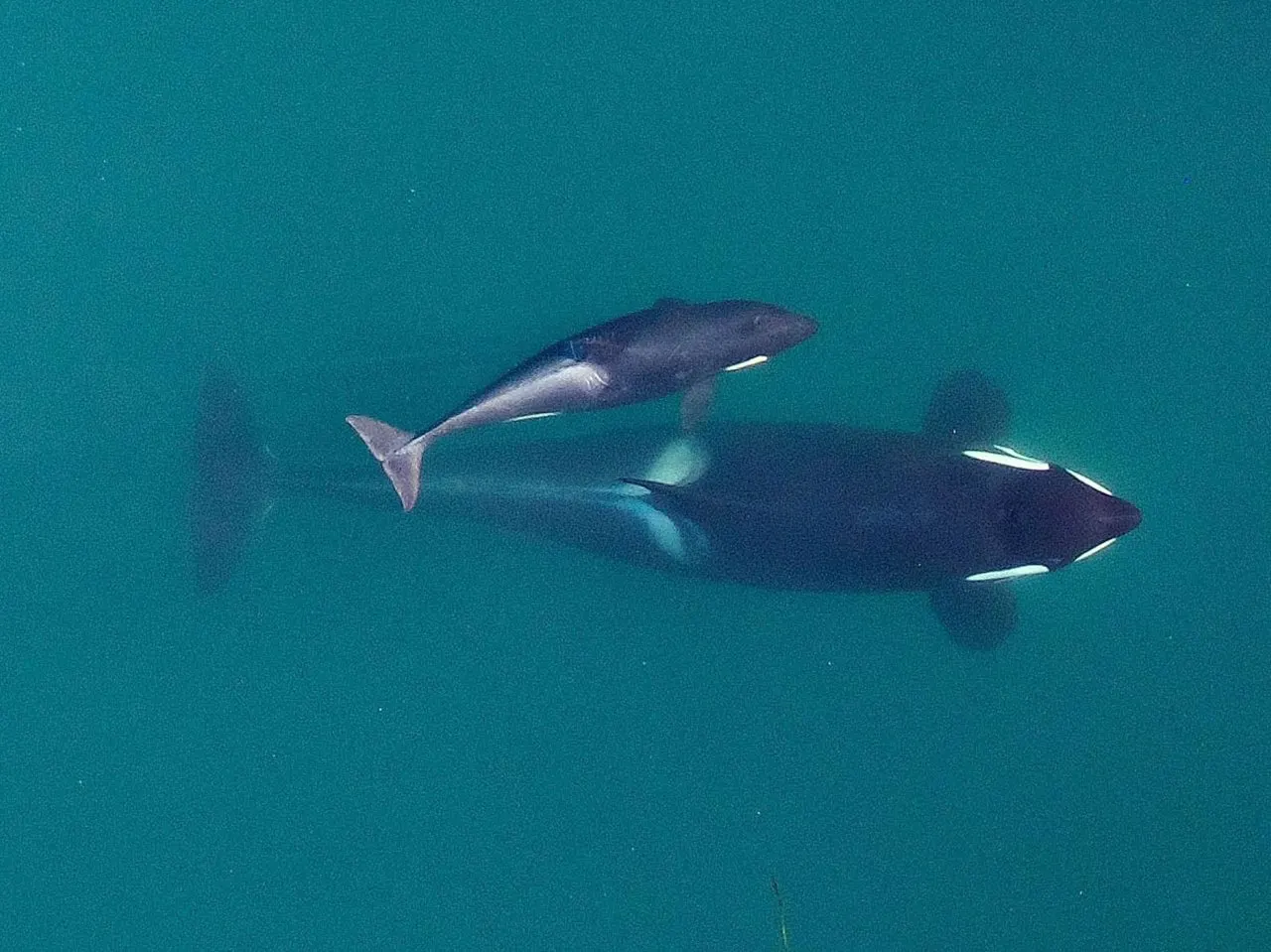
An orca mother is her calf’s first teacher, and the lessons begin at once. She shows him how to swim in her slipstream, where to find food and how to stay close to the pod. Calves watch and copy the adults around them for years, learning the calls and hunting skills of their family. Tahlequah has raised calves before, and that experience gives J65 a strong start in life. Read a wedding in Canada he never dreamed would happen.
Nursing and the First Weeks for the Tahlequah Orca Calf
In his first weeks, J65 will nurse often, staying tucked close to his mother as she swims. Nursing gives a newborn calf the rich milk and warmth it needs to grow fast in cold water. Researchers said the calf was already nursing well when they first saw him, which is one of the best signs a young whale can show. The next weeks will bring steady growth and new skills. See sound waves that break down tumors.
The Pod Gathers Around a Newborn
Orcas live in close family pods, and a newborn calf quickly becomes the center of attention. Other whales swim near the mother and calf, keeping watch and sharing the work of caring for the youngest member. This care is one reason calves can grow up in a world full of challenges. J65 was born into a family that knows how to look after its own. Read a new baby boy welcomed by his grandmother.
Salmon, the Food That Fuels the Pod
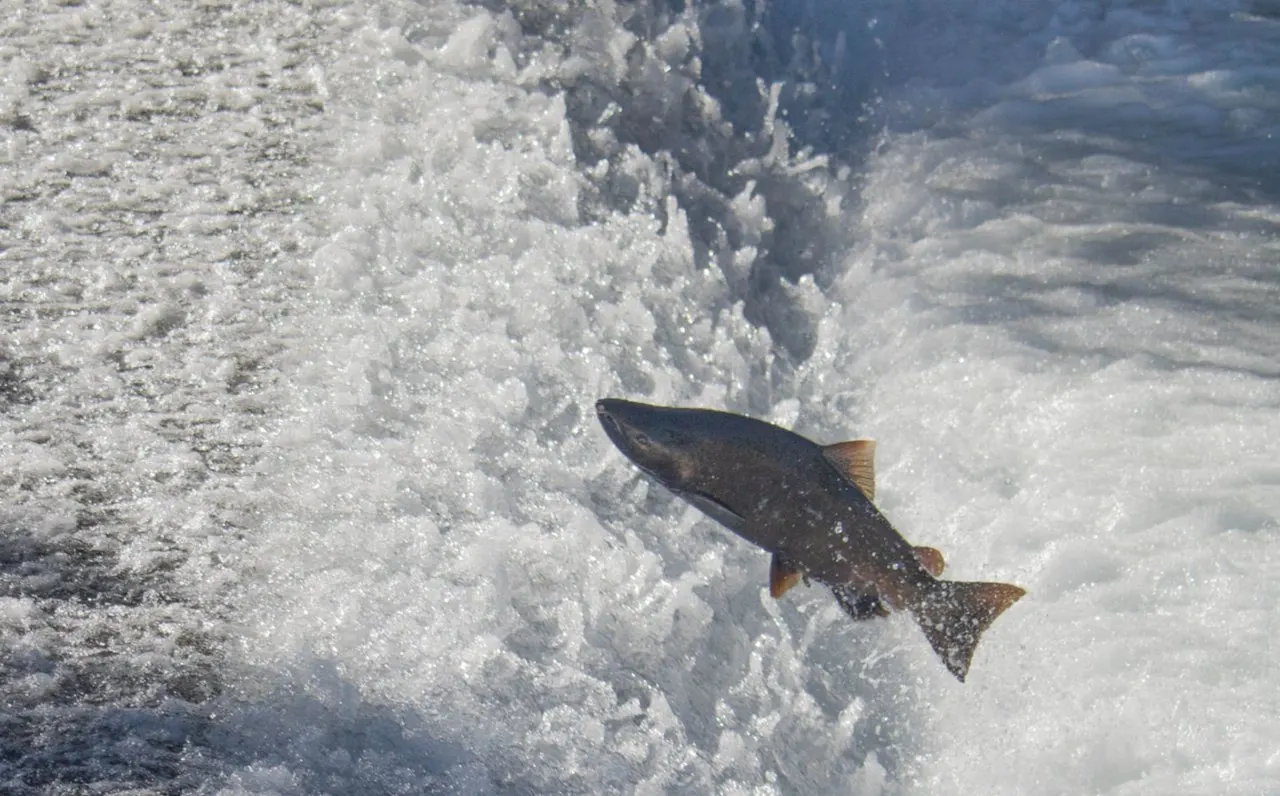
The Southern Residents depend on Chinook salmon, the largest and richest salmon in these waters, and a mother nursing a calf needs plenty of it. When salmon are plentiful, mothers stay strong and calves grow well. When the fish are scarce, the whole pod feels it, and mothers may struggle to feed their young. The fate of the whales is tied to the fate of the salmon runs. See a baby who was already unimpressed at her first hello.
The Noise That Makes Life Harder
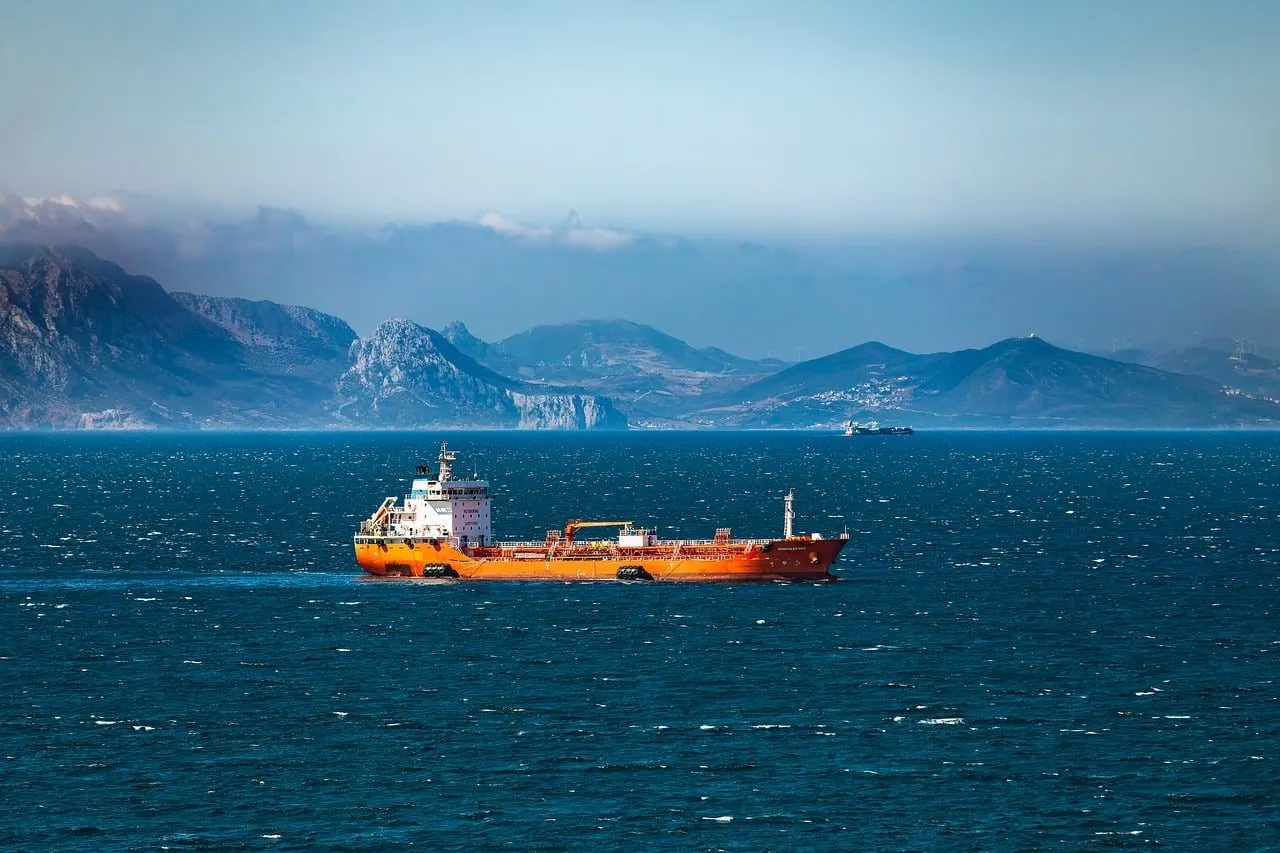
The Salish Sea is busy with boats, and the noise from engines and propellers can make life harder for whales that hunt by sound. Orcas use clicks and calls to find salmon and talk to each other, and loud water can drown out those signals. A mother with a newborn needs quiet water to keep track of her calf. Slowing down and keeping distance helps more than most people realize. Read a final hug between a father and son.
Pollution in the Water They Call Home
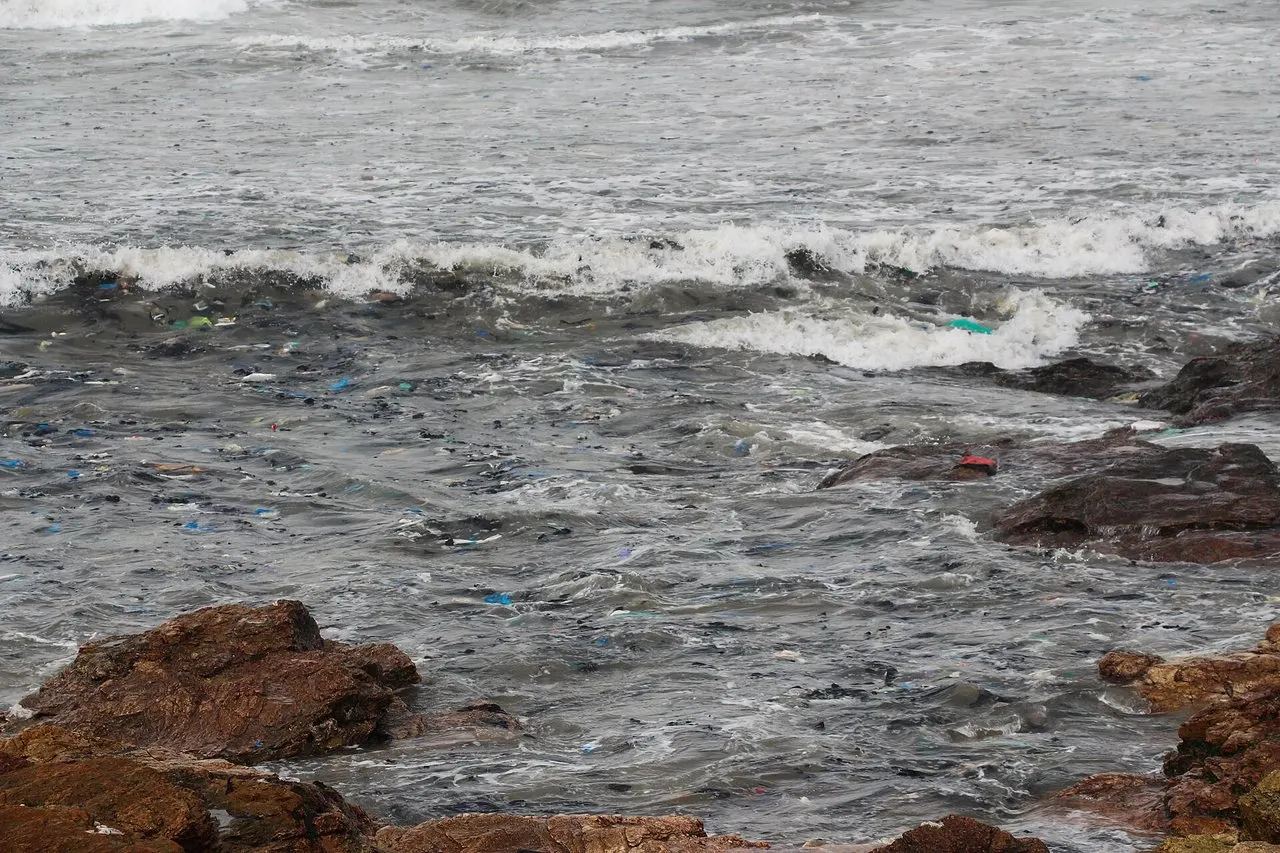
Pollution is a quiet threat for the Southern Residents, since harmful chemicals can build up in the bodies of long lived whales. Mothers can pass some of that burden to their calves through their milk, which makes clean water a matter of life and death for a newborn. Keeping sewage, runoff and waste out of the sea is one of the most basic ways to help. Every clean tide gives J65 a better start. See a debate that spread across America.
When the Salmon Run Thin

Salmon numbers have fallen over the years as rivers changed and fishing took its toll, and the whales have felt the loss at every meal. A thin salmon run means mothers must travel farther and work harder for less food, and calves pay the price. Restoring rivers and protecting the fish that remain is slow work, but it is the surest way to feed the pods. The hope is that better runs lie ahead. Read a daughter of the richest man living simply.
Hope Returns With the Tahlequah Orca Calf
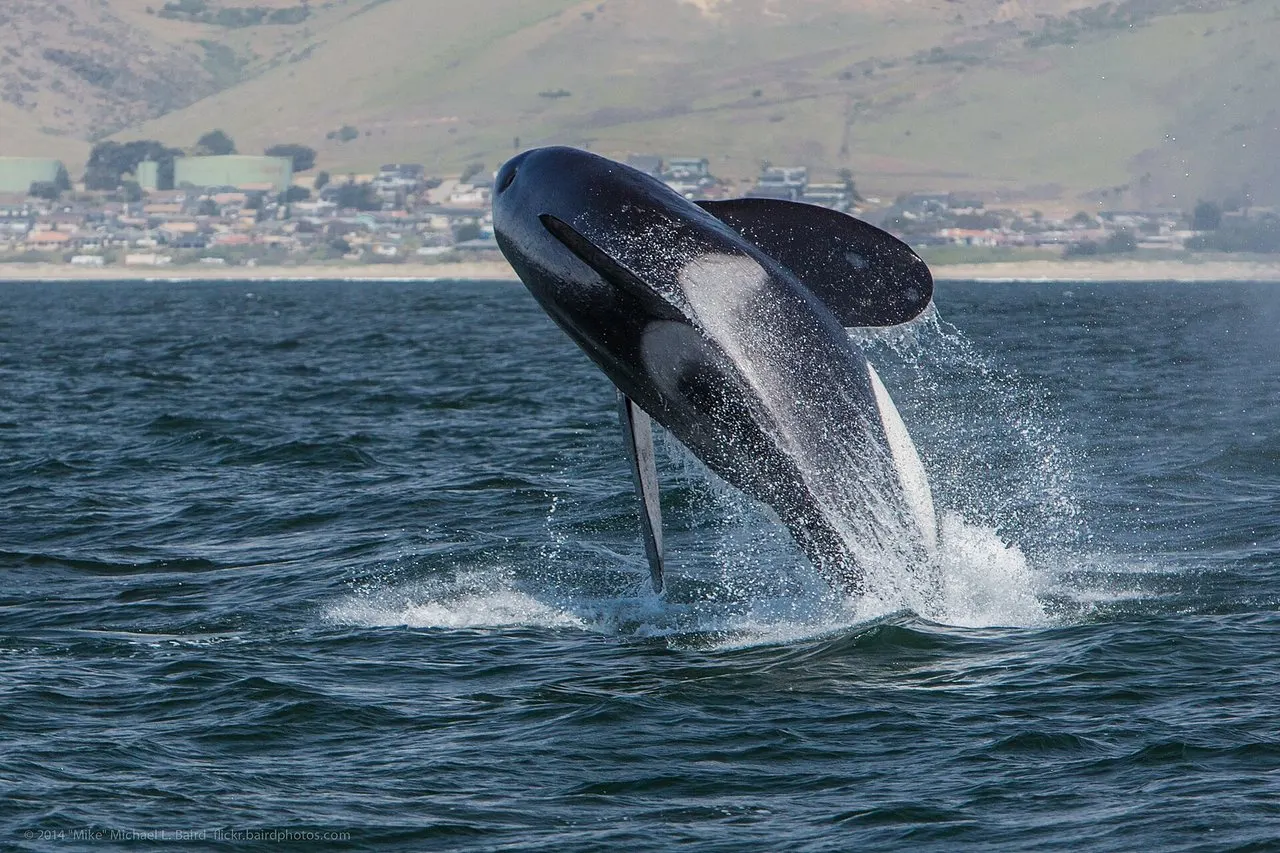
After the loss of J61 in late 2024, the birth of J65 feels like light after a long dark stretch. The Tahlequah orca calf is swimming well, nursing and staying close to his mother, and those simple facts are enough to lift the spirits of researchers and whale lovers alike. Hope in conservation often arrives one calf at a time, and this calf is a fine place to start. See a Thanksgiving wish for peace.
How the World Follows Whale News
Whale news travels fast now, and a sighting in the Salish Sea can reach phones around the world within hours. People follow the researchers, share the photos and wait for the next update on a calf like J65. That attention matters, since a public that cares about whales is more likely to protect the seas they live in. Tahlequah has taught the world to pay attention. Read Thanksgiving pies grandma made when the pecans were gone.
Learning to Hunt With the Pod
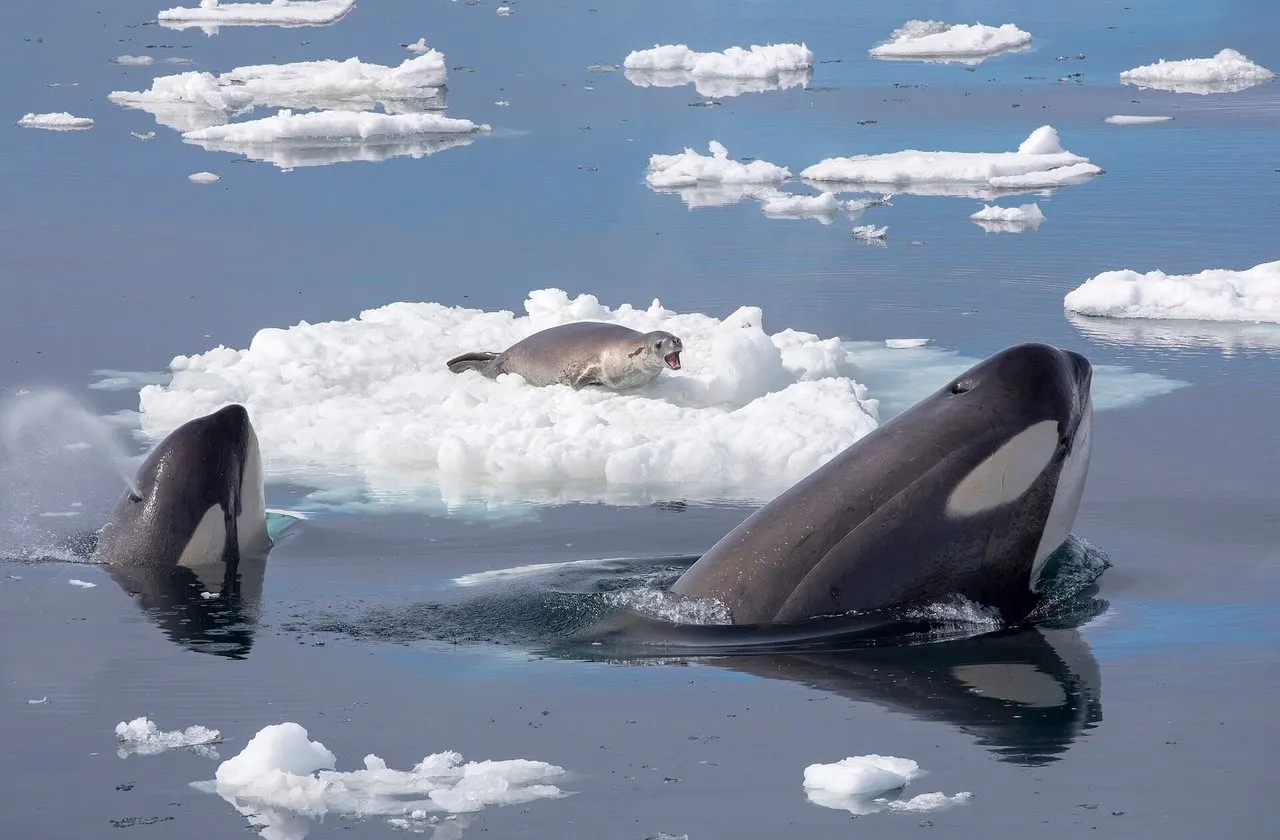
J65 will not hunt on his own for a long time, since young orcas learn by watching the adults around them. The pod works together to find salmon, herding fish and sharing the catch, and a calf picks up those skills slowly over years. Play is part of the lesson, as calves chase and splash beside their mothers. By the time he is grown, the sea will feel like home. See a life in film and television remembered at 66.
The Tahlequah Orca Calf Joins a Family That Stays Together
Orca families stay together for life, and calves grow up surrounded by mothers, grandmothers and siblings. The bonds run deep, and whales that are separated from their pods rarely do well on their own. J65 has been born into a family that travels, hunts and rests as one, and that closeness will shape his whole life. Family is the heart of orca life. Read a trip home after meetings in Asia.
What the Name J65 Means
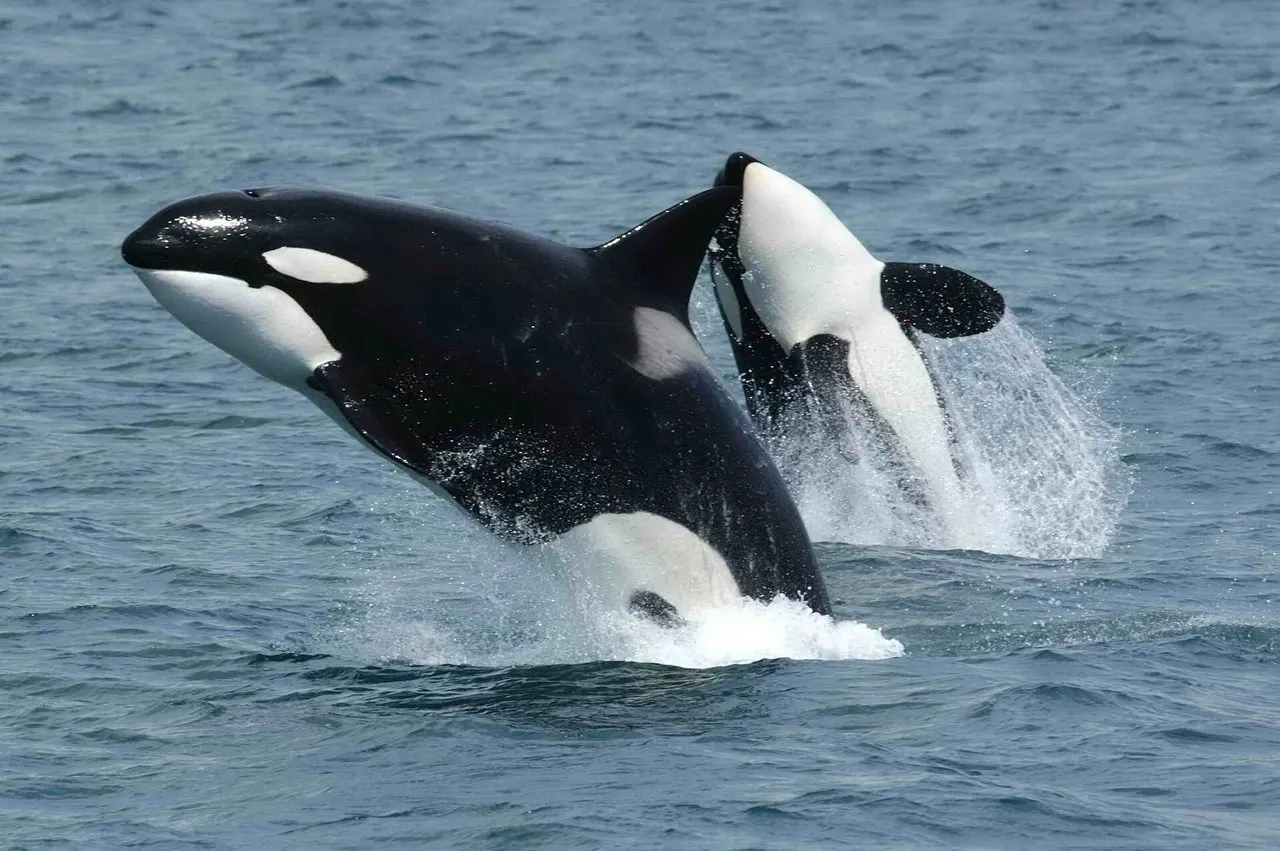
The name J65 is part of a simple system that researchers use to track the whales. The letter J marks the pod, and the number marks the whale, so each animal has a place in the record. Tahlequah is J35, her lost daughter was J61, and the new calf is J65. These plain labels hide lifetimes of travel, family and survival in the cold northern sea. See a comment that cost a player his place.
What Researchers Will Watch Next
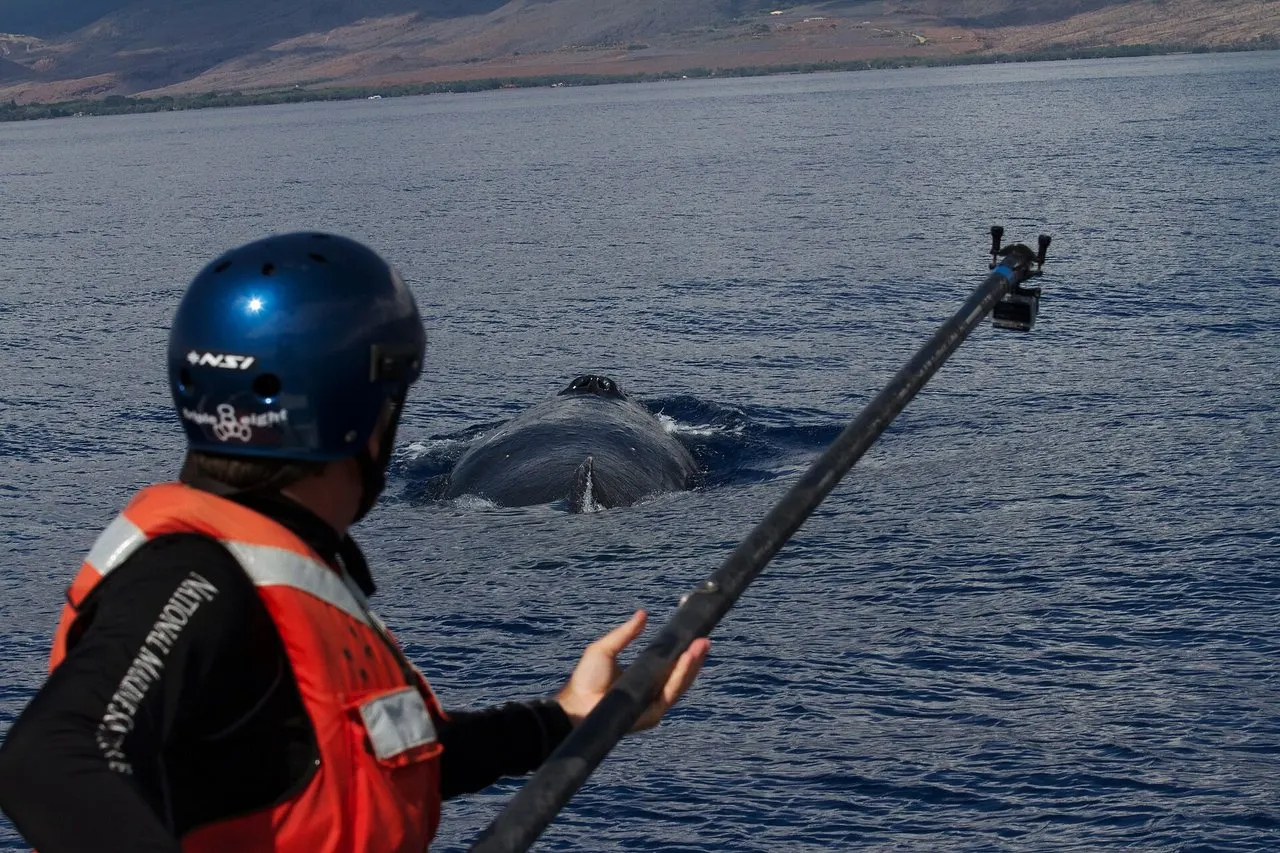
In the months ahead, researchers will watch J65 closely, checking that he keeps growing, nursing and keeping up with the pod. They will note his size, his health and how he moves with his mother, and they will share updates when they have news worth sharing. The first year is the hardest for any calf, so each good report will matter. For now, the signs point the right way. Read a joke that looked like real life.
Good News for a Species in Trouble

Good news is rare for endangered animals, which makes the birth of a healthy calf worth celebrating. Each new whale is a small step back from the edge, and each one gives researchers more reason to keep working for clean water, quiet seas and strong salmon runs. J65 cannot fix the problems his pod faces, but he can remind us why the work matters. Hope is a reason to keep going. See a life remembered in 28 facts.
The Tahlequah Orca Calf and the Mothers of His Pod
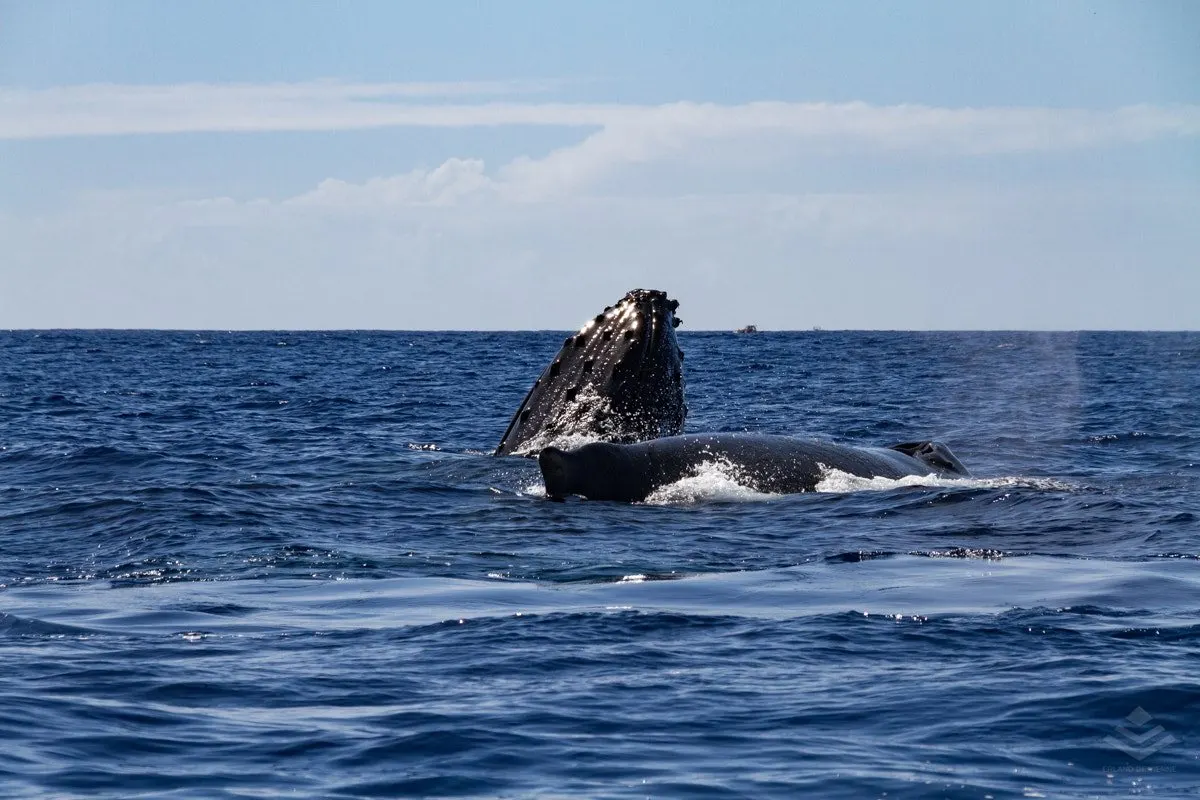
Tahlequah is not the only mother in the pod, and the older females help guide the young ones through their first years. Grandmothers and aunts share their knowledge of the sea, from the best hunting grounds to the safest paths through the waves. A calf like the Tahlequah orca calf grows up inside that web of care, learning from many teachers at once. That shared wisdom keeps the pod strong. Read a 3D printed magazine that went viral.
How to Help the Orcas
Anyone who loves the orcas can help, and the simplest steps start close to home. Keeping plastic out of the sea, supporting salmon restoration and giving whales space on the water all make a real difference. Whale watching boats that slow down and keep their distance let mothers and calves rest in peace. Small choices, repeated by many people, add up to a safer sea. See one month of marriage after a Canada wedding.
What Would You Ask About the Tahlequah Orca Calf
Tahlequah has lived through loss and hope, and now she swims with a healthy baby boy at her side. If you could sit with the researchers who watch this pod, what would you ask first? Would you want to know how J65 spends his days, or what the pod needs most to thrive? Share your thoughts in the comments and keep reading our stories about the animals that share our world. Tell us what a treatment developed by Michigan researchers make you think.