How to Wreck Public Services, Step by Step
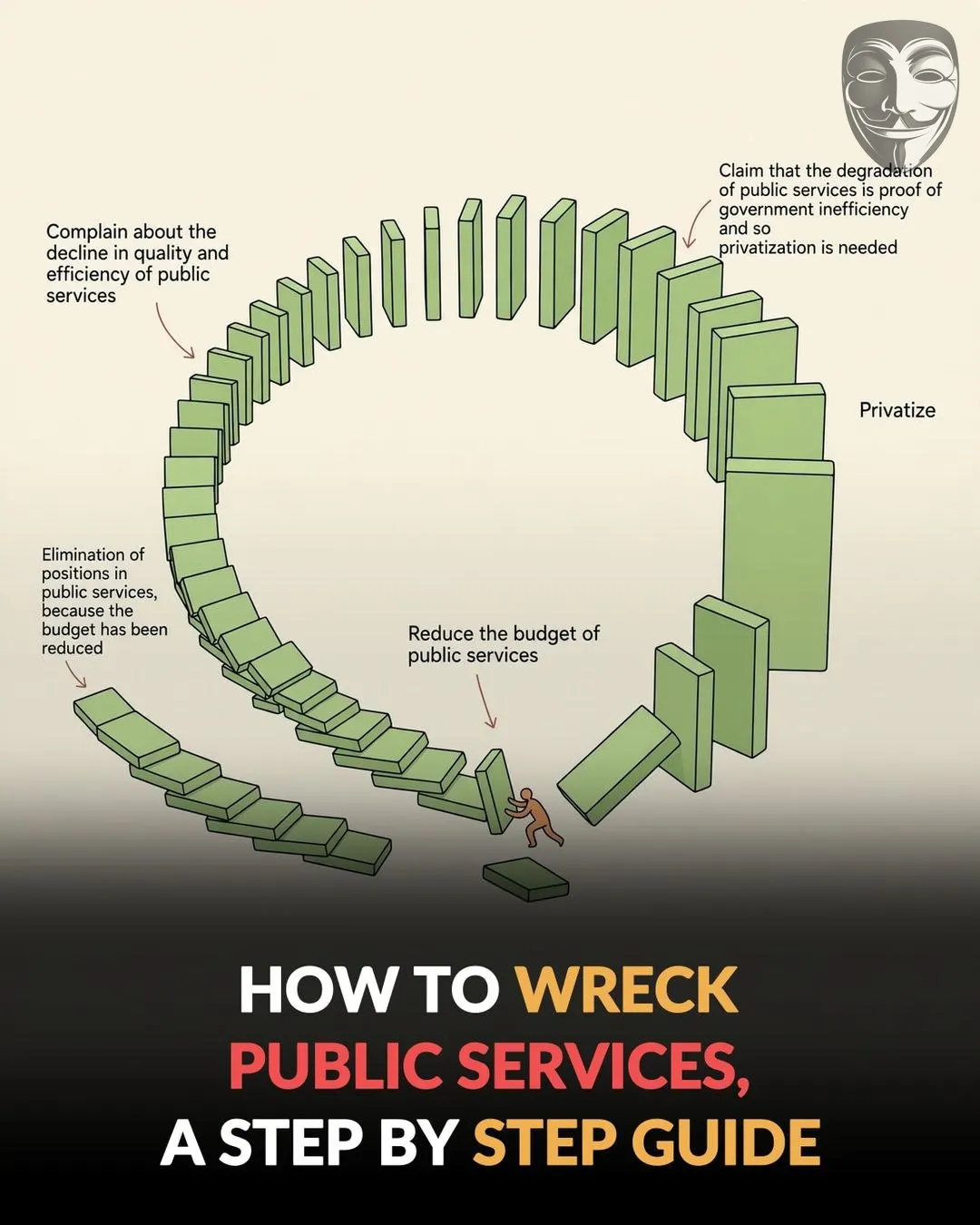
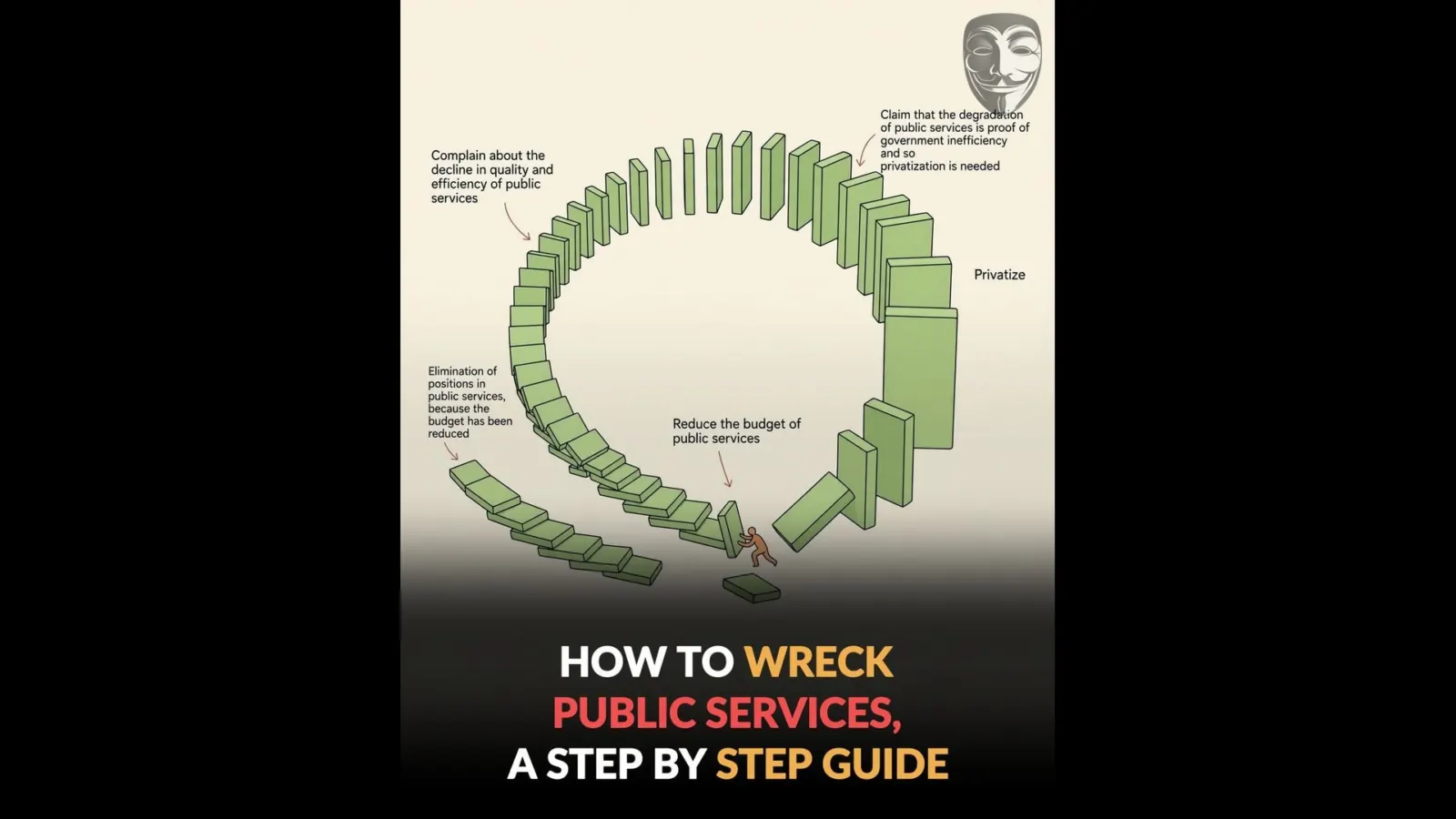
Public services are the shared backbone of daily life, and Robert Reich says they have been squeezed on purpose for nearly 50 years. The former Labor Secretary shared a simple domino diagram that lays out what he calls the GOP playbook. First comes a budget cut. Then come job cuts. Then leaders point at the weaker service and say it proves government cannot work. Reich calls the pattern a slow starve, not an accident, and his short caption asks readers a plain question. See the problem?
The idea at the heart of the diagram is known as starve the beast. It means cutting taxes to shrink revenue, which then forces cuts in spending on the things government does for everyone. Reich says the idea dates back to the Reagan era, and it is still argued over in budget fights today. In the slides ahead we follow each domino in order and look at who pays the price. For more on the politics in the news, read Musk says he is not MAGA.
References:
CNN: White House seeks massive increase in defense spending and looks to slash housing, social services and health care
The Conversation: How the tax bill opens wide a big back door to overhaul health care
Moneywise: Trump targets 9,400 TSA jobs in $1.5B cut
National Council of Nonprofits: Federal Budget Proposal Threatens Billions in Cuts to Nonprofits and Vital Services Across the U.S.
Robert Reich and the Domino Diagram

Robert Reich served as Labor Secretary, and he has spent years explaining how the economy treats working people. His domino diagram is simple on purpose, so anyone can see the pattern at a glance. One tile falls, then the next, then the next, until the whole row is down. That is the point. A single cut may look small, but each step makes the next one easier. Reich shared the image with a short caption that asked readers to see the problem for themselves. Read the split between Musk and MAGA.
What Starve the Beast Really Means

Starve the beast is a phrase from budget debates, and it describes a simple tactic. Cut taxes first, so the government collects less money. With less money coming in, leaders say spending must fall too. The cuts then land on the programs that help ordinary people every day. Supporters call it smaller government. Critics say it shrinks help for working families while wealth stays at the top. Reich uses the blunt phrase because it fits the pattern he sees. Read about billionaires who refuse to pay taxes.
Step One: Cut the Budget for Public Services
The first domino is the budget. Lawmakers cut funding for public services to save money. A smaller budget means fewer staff, shorter hours and older equipment. The service does not vanish overnight, so the cut looks harmless at first. But a library that opens fewer days, a clinic with fewer nurses, and a bus route that runs less often all add up. Reich says this quiet first step deserves the closest watch, because it sets up everything that follows. Read a film about child labor in cocoa.
Step Two: Cut Jobs in Public Services

Once the money is gone, the jobs go next. Empty posts stay empty, and whole teams are cut to meet the new budget. Fewer hands mean slower work, and the people who stay carry a heavier load. A school loses a teacher, a clinic loses a nurse, a depot loses a driver. The service is still there on paper, but it runs on a skeleton crew. Reich says this is the step where the damage starts to show in daily life. Read a senator questioned about a hearing.
Step Three: Complain the Service Got Worse
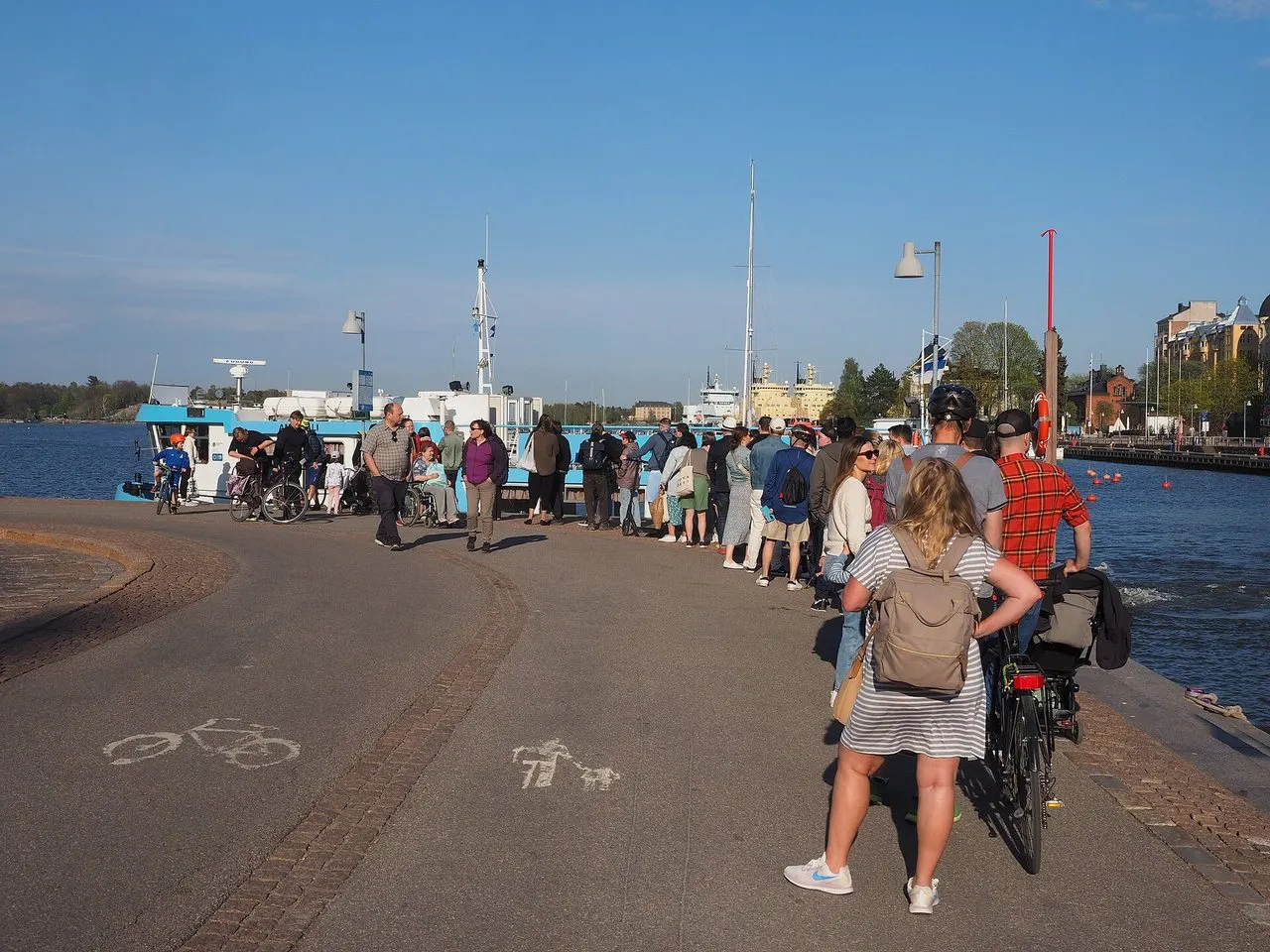
With fewer staff and less money, the service gets worse, and then the complaints begin. Waits grow longer, phones go unanswered, and repairs take weeks instead of days. The leaders who cut the budget now point at the delays and say the system is broken. Reich says this step is the trick at the center of the diagram. The cuts caused the decline, but it is talked about as if it came from nowhere. Read a judge pick who stumbled on the 22nd Amendment.
Step Four: Say Government Does Not Work

The next domino is the claim that government itself does not work. If a service is slow, the argument goes, then government can never run anything well. The budget cuts that caused the trouble are left out of the story. Reich says this claim turns a policy choice into a lesson about human nature. It tells the public to expect little from the institutions they pay for. Once people believe that, they stop asking for better service and start asking for less government instead. Read a warning borrowed from Pompey.
Step Five: Offer Privatization as the Fix

Privatization is offered as the fix. A private company takes over the service and promises to run it better and cheaper. The promise sounds simple, but the company must also make a profit. Fees can rise, staff can be paid less, and the parts of the service that lose money can be dropped. Reich argues that the public still pays, just in a different way. What was once a shared service becomes a business, and the people who need it most can be priced out. Read deportation planes that vanished from trackers.
Ordinary Families Feel Public Services Cuts First

Ordinary families feel the cuts first because they use these services every day. A parent waits longer at the clinic, a child sits in a fuller classroom, and a worker waits for a rarer bus. Rich families can pay for private care, private school, and a car. Working families cannot buy their way around a broken system. Reich says this gap is the heart of the story. The cuts are sold as fair, but the pain is not shared equally. Read a party celebrating a prison release.
While Families Struggle, the Rich Get Richer

While ordinary families wait in longer lines, the rich get richer. Tax cuts that shrink revenue often help people at the top the most, and they can then invest, buy property, and grow their wealth further. The same budget that cuts clinics and libraries can protect tax breaks for the wealthy. Reich says this is not a side effect but part of the pattern. Money moves up, help moves down, and the distance between the two grows wider with every round of cuts. Read a warning that Trump has undermined national security.
The Idea Dates Back to the Reagan Era
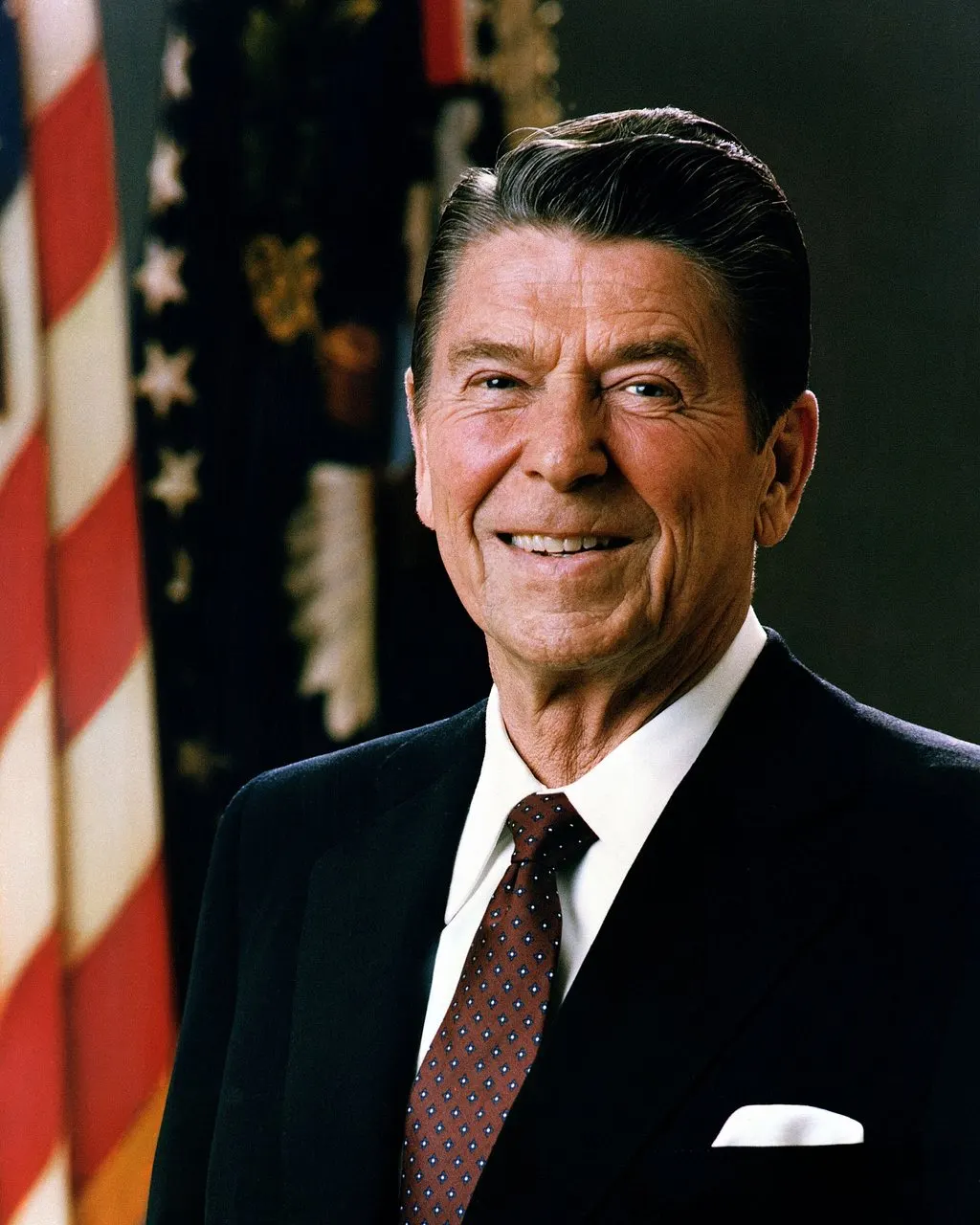
Starve the beast dates back to the Reagan era, when the idea took hold in politics. Leaders argued that cutting taxes would force government to shrink, since less money means less spending. The debate has never ended. Every budget fight since has carried some version of the same argument. Supporters say lower taxes free up money for growth, while critics say the cuts land hardest on people who need help most. Reich cites this history to show it is a long game, not a new one. Read one woman’s 1974 escape.
Cut Taxes, Shrink Revenue, Force Cuts
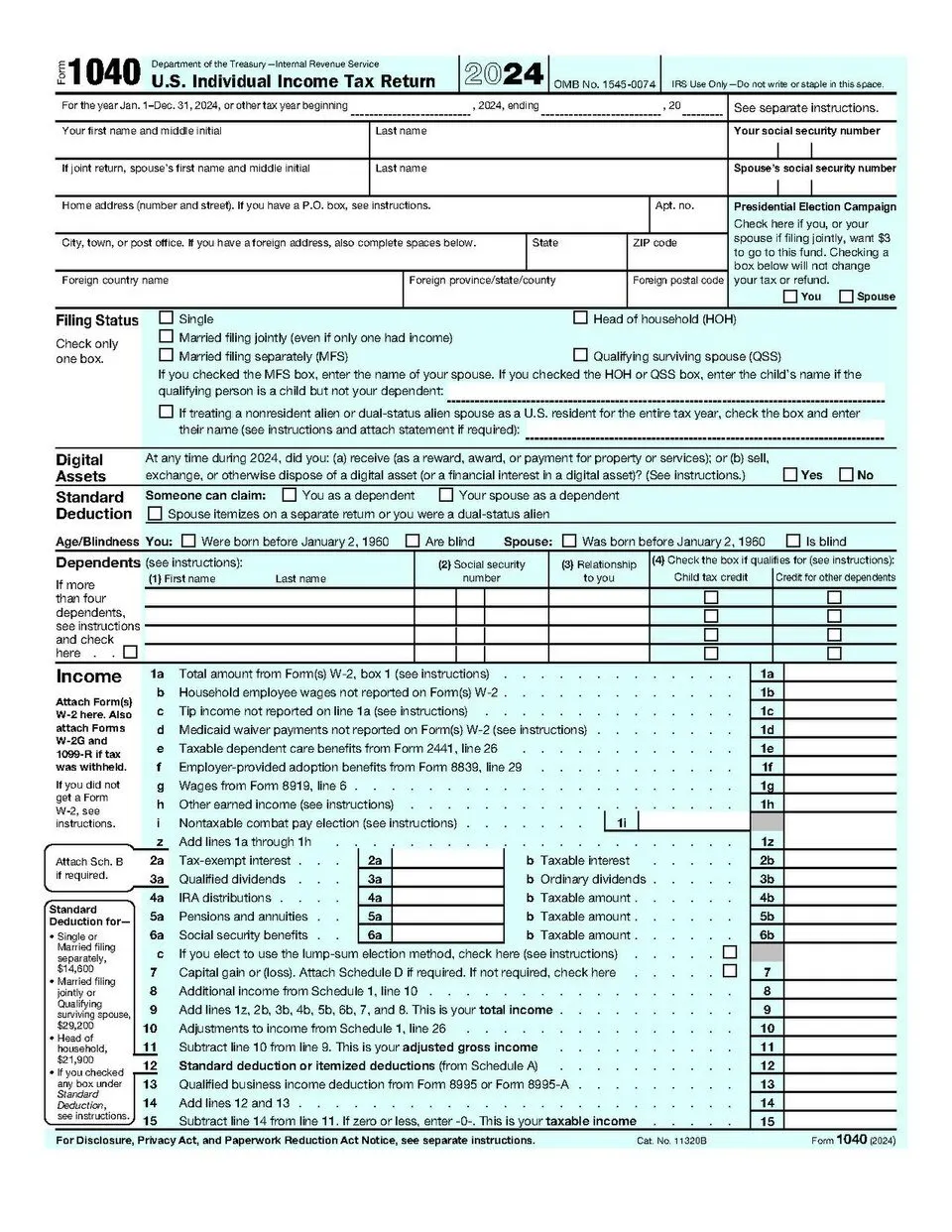
Taxes pay for the things a country shares, from roads to schools to clinics. When tax rates fall, the money coming in falls too, and lawmakers must choose what to cut. Reich says this is where the playbook starts, because a smaller pot of money makes every other cut easier to defend. The debate is not really about numbers on a form. It is about what a country owes the people who live in it, and who should carry the cost. Read what MAGA promised and what it delivered.
Defense Up, Public Services Down

CNN reports that the White House seeks a massive increase in defense spending while looking to slash housing, social services and health care. That contrast is the center of Reich’s point. Money is not simply gone. It is a choice about where it goes. A new jet can fly while a housing program waits and a clinic closes early. Reich says voters should ask who gains when one budget grows and another shrinks. The answer tells you whose needs count most. Read Taylor Swift’s return to the CMA Awards.
Housing Cuts Hit Public Services Hard

Housing is one of the first things on the chopping block, according to CNN, which reports the White House looks to slash housing along with social services and health care. A family that loses housing help can face higher rent, a longer search, or a move away from work and school. Housing is not a luxury. A stable home is where children study and parents rest. Cut that help, Reich argues, and the damage spreads into health, school, and work. Read a clash over Social Security.
Health Care Cuts and Public Services

Health care is also in the firing line. CNN reports the White House looks to slash health care, and families feel that cut fast. A clinic with fewer hours means a longer wait, and a longer wait can turn a small problem into a big one. Parents put off checkups, older people skip medicine, and workers miss shifts in waiting rooms. Reich says health is where a budget cut stops being a number and becomes a person. Read a president who appeared to close his eyes during a speech.
The Tax Bill’s Back Door to Health Care

The Conversation reports that the tax bill opens wide a big back door to overhaul health care. A tax bill can quietly reshape who gets care and what it costs. That is why Reich says to read past the headline on any budget bill. The fine print can carry changes that never appear in speeches. When health care is overhauled through the back door, patients find out only when a bill arrives or care is denied. Read Musk says he is not MAGA.
9,400 TSA Jobs in a $1.5B Cut

Moneywise reports that Trump targets 9,400 TSA jobs in a $1.5B cut. Those are the officers who screen bags and passengers at airports across the country. Fewer officers can mean longer lines, slower mornings, and more stress for travelers and staff alike. Reich’s diagram fits here step by step. Cut the jobs, watch the lines grow, then hear the claim that the system does not work. The people in the line pay the price for a cut they never voted on. Read the split between Musk and MAGA.
Nonprofits Warn Public Services Are at Risk
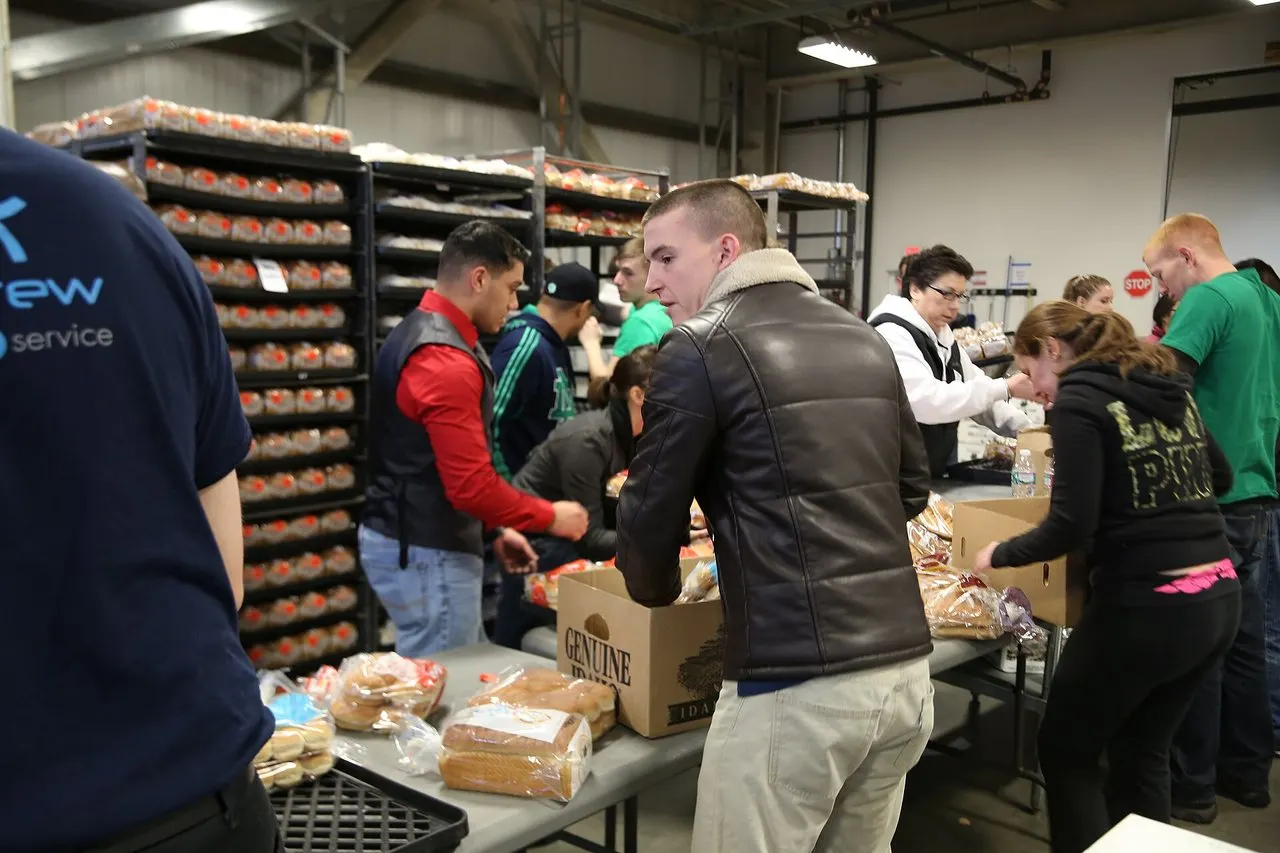
The National Council of Nonprofits warns that the federal budget proposal threatens billions in cuts to nonprofits and vital services across the country. Food banks, shelters, and care groups fill gaps that government leaves behind, and they run on tight budgets of their own. Cut their funding and the safety net frays twice over. Volunteers can do a lot, but they cannot replace a budget. Reich says the warning shows how far the cuts reach, beyond government offices and into every town. Read billionaires who refuse to pay taxes.
Public Services in the Classroom

Schools show the pattern in a way every parent can see. A budget cut means fewer teachers, bigger classes, and older books. Children still show up ready to learn, but the help around them thins out. A crowded classroom is harder to teach in, and a tired teacher has less time for each child. Reich says education is one of the clearest tests of the playbook. If the goal were strong schools, the money would follow the children. Read a film about child labor in cocoa.
Libraries Are Public Services Too
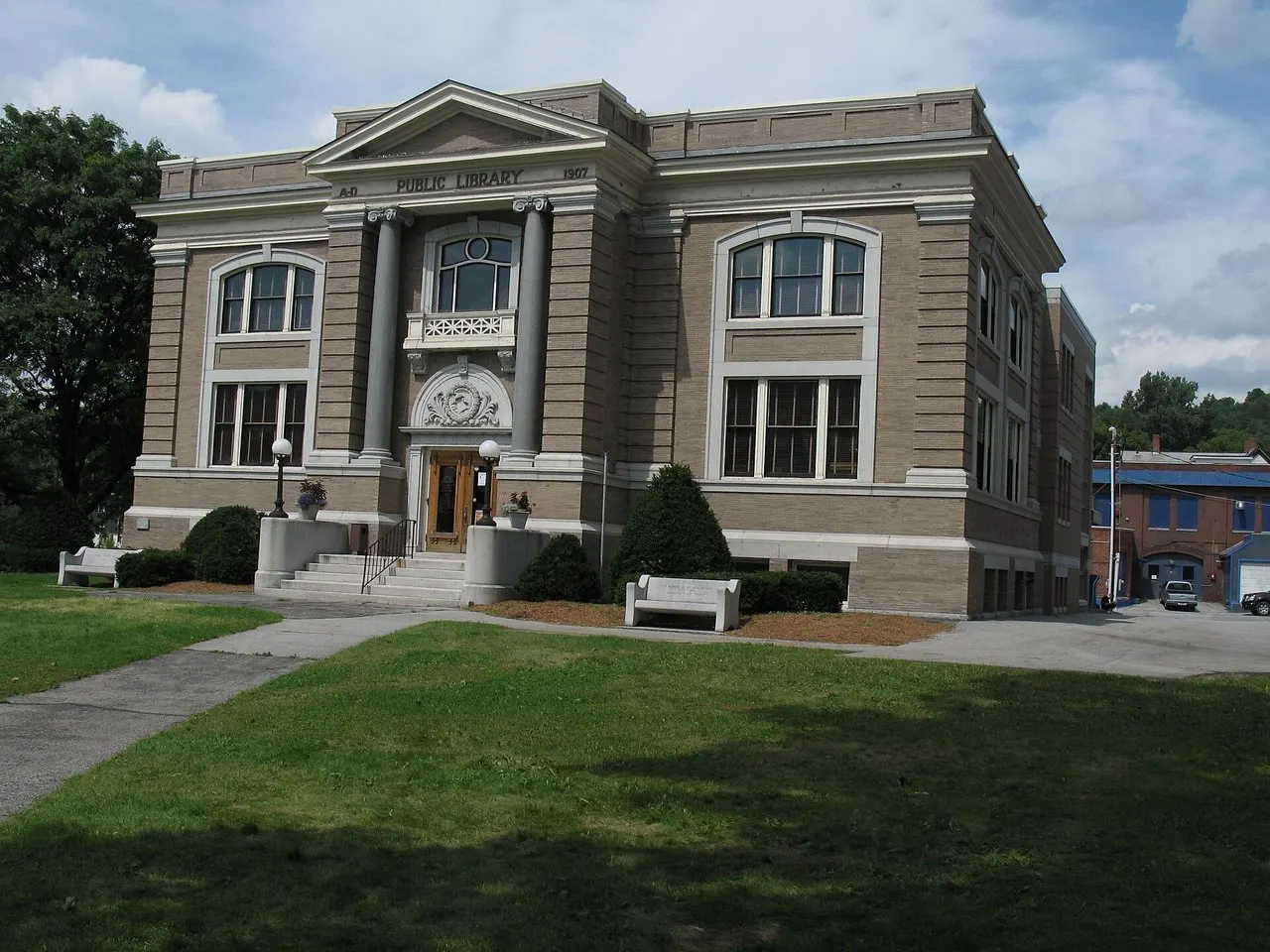
A library is more than a room full of books. It is a warm place to study, a computer for a job search, and story hour for small children. When hours are cut, the doors close earlier and the people who need it most lose their place to go. A town without a library loses a meeting point, not just novels. Reich’s pattern fits here too. Cut the hours, watch visits fall, then call the library a waste of money. Read a senator questioned about a hearing.
Parks Need Rangers, Not Just Views

National parks look wild and free, but they run on staff. Rangers guide visitors, keep trails safe, and protect the land. Cut the budget and trails wear down, restrooms close, and the wait at the gate grows. Zion draws crowds in every season, and a short staffed park feels it fast. Reich says a park tests the whole idea. The view is free, but keeping it open costs money someone must choose to spend. Read a judge pick who stumbled on the 22nd Amendment.
Buses That Come Less Often
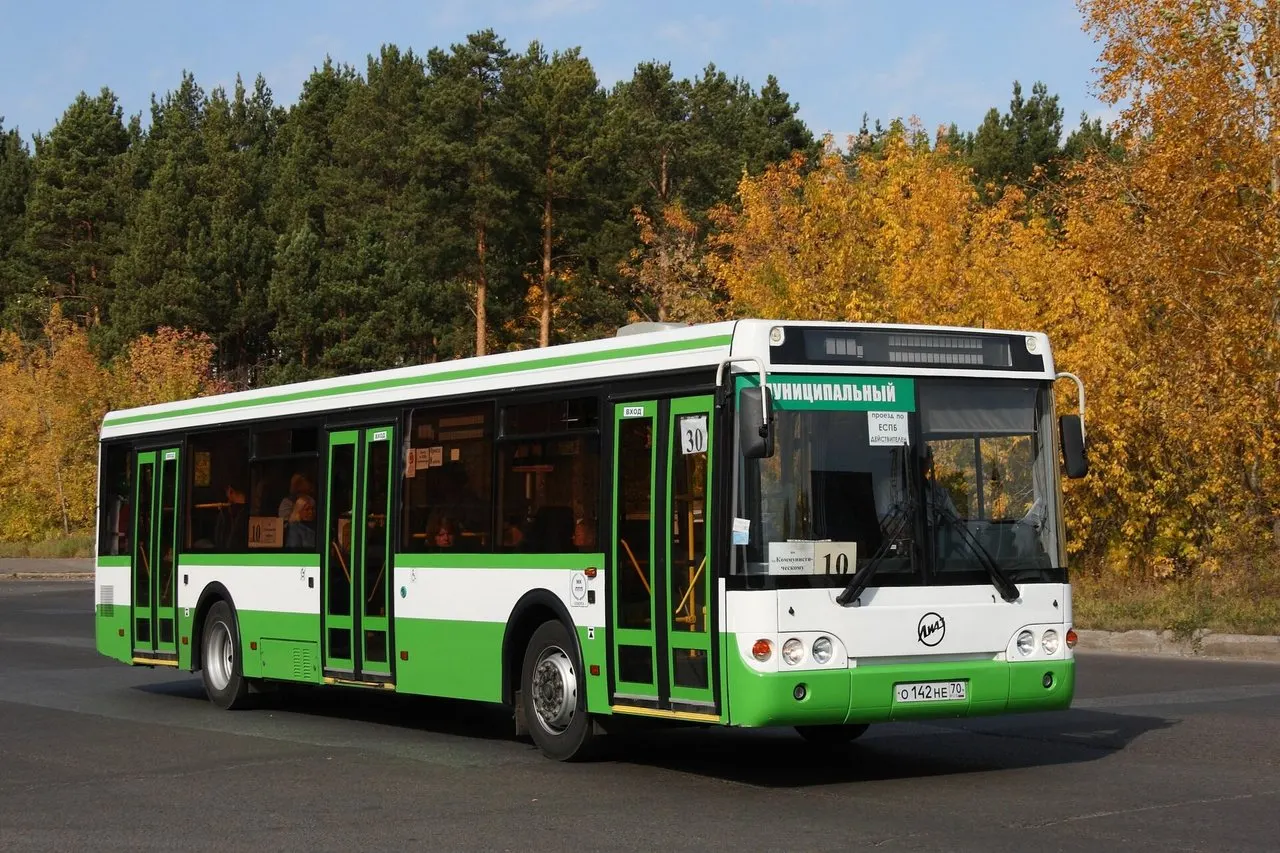
A bus that comes every ten minutes is a lifeline. A bus that comes every hour is a burden. Cuts to transit mean fewer routes, longer waits, and missed shifts for workers who cannot afford a car. Older people, students, and night workers feel it first. The bus still runs, so the cut can be called a saving, but the rider pays with time. Reich says transit shows how a small cut can steal hours from a week. Those hours are worth more than the money saved. Read a warning borrowed from Pompey.
The Clinic Visit That Takes All Day

Community clinics are where families get their basic care. A nurse checks blood pressure, a doctor looks at a cough, a parent gets advice without a big bill. When funding falls, appointments stretch out and the waiting room fills up. People put off care until a small worry becomes a crisis, which costs far more than a checkup. Reich says the clinic is where the playbook meets real life. The cut is a budget line, but the wait is a day in a life. Read deportation planes that vanished from trackers.
Roads and Bridges Do Not Fix Themselves

Roads and bridges need steady care, or they wear out fast. A small crack left alone becomes a pothole, and a pothole left alone becomes a rebuild. Crews who pave, patch, and inspect keep the whole system safe for drivers, cyclists, and walkers. Cut the road budget and the repairs slip a year, then two, then five. The bill only grows, and so does the risk. Reich says roads are a plain example of false savings. Pay a little now, or pay far more later. Read a party celebrating a prison release.
Clean Water Comes From Somewhere

Clean water comes from a tap because people test it, treat it, and fix the pipes. None of that happens by itself. A water system needs workers who check for leaks, labs that test samples, and crews who replace old pipes. Cut that funding and problems stay hidden until a pipe bursts or a test fails. Families cannot shop for another tap. Reich says water is the clearest case of all. The service is invisible when it works, and only failure makes the news. Read a warning that Trump has undermined national security.
Firefighters and Public Services on Call
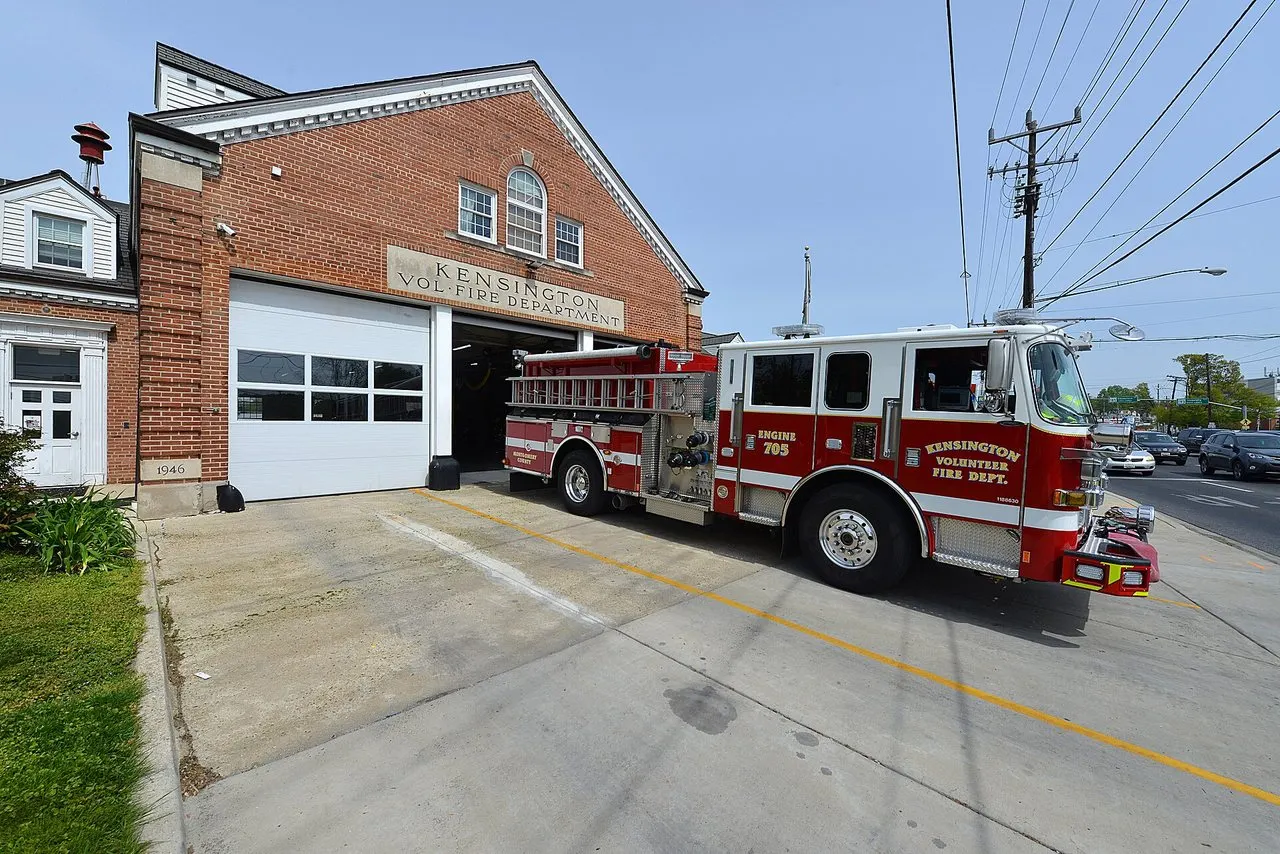
Firefighters are the service nobody wants to need and everyone wants close by. A crew that trains, drills, and waits is ready when a call comes in the night. Cut the budget and a station closes, a truck stays in the garage, or a crew answers with fewer hands. Response times grow, and in a fire, minutes decide everything. Reich says emergency help shows the stakes of the whole pattern. A slow fire truck is not a talking point. It is a family watching smoke rise. Read one woman’s 1974 escape.
Longer Waits in Everyday Life

The cuts show up as waiting. A line at the clinic, a line at the bus stop, a line on the phone. Each wait is small, but together they eat the week. A parent loses an hour, a worker loses a shift. Nobody calls a wait a budget cut, but that is what it is. Reich says the queue is the honest picture of the playbook. You can see the cost in the faces of the people standing in line. Read what MAGA promised and what it delivered.
Why Privatization Can Cost More

Privatization is sold as a saving, but it can cost more. A company must pay its workers, keep its offices, and still make a profit. The public pays the fees, and the profit leaves town. A service for everyone can turn into a service for those who can pay. Reich argues the fix is not a fix at all, but the last domino falling. When the public option is gone, there is no cheaper choice to go back to. Read Taylor Swift’s return to the CMA Awards.
How to Spot the Pattern

Reich says the pattern is easy to spot once you know it. Watch for a budget cut, then a job cut, then a complaint that the service got worse. Then listen for the claim that government cannot work, and the offer to sell the service off. Each step alone looks reasonable, but together they tell one story. The best defense is a simple question at each step. Who gains from this cut, and who waits longer because of it? Read a clash over Social Security.
What Do You See in Your Town?

Now look around you. Has a bus route changed near you? Has a library cut its hours, or a clinic made you wait? Reich’s diagram is simple, and so is the test. Look at the services you use, ask who cut them, and what came next. Tell us what you see in your town, and what you would ask the leaders who made those calls. Share your story in the comments and keep the conversation going. Read a president who appeared to close his eyes during a speech.