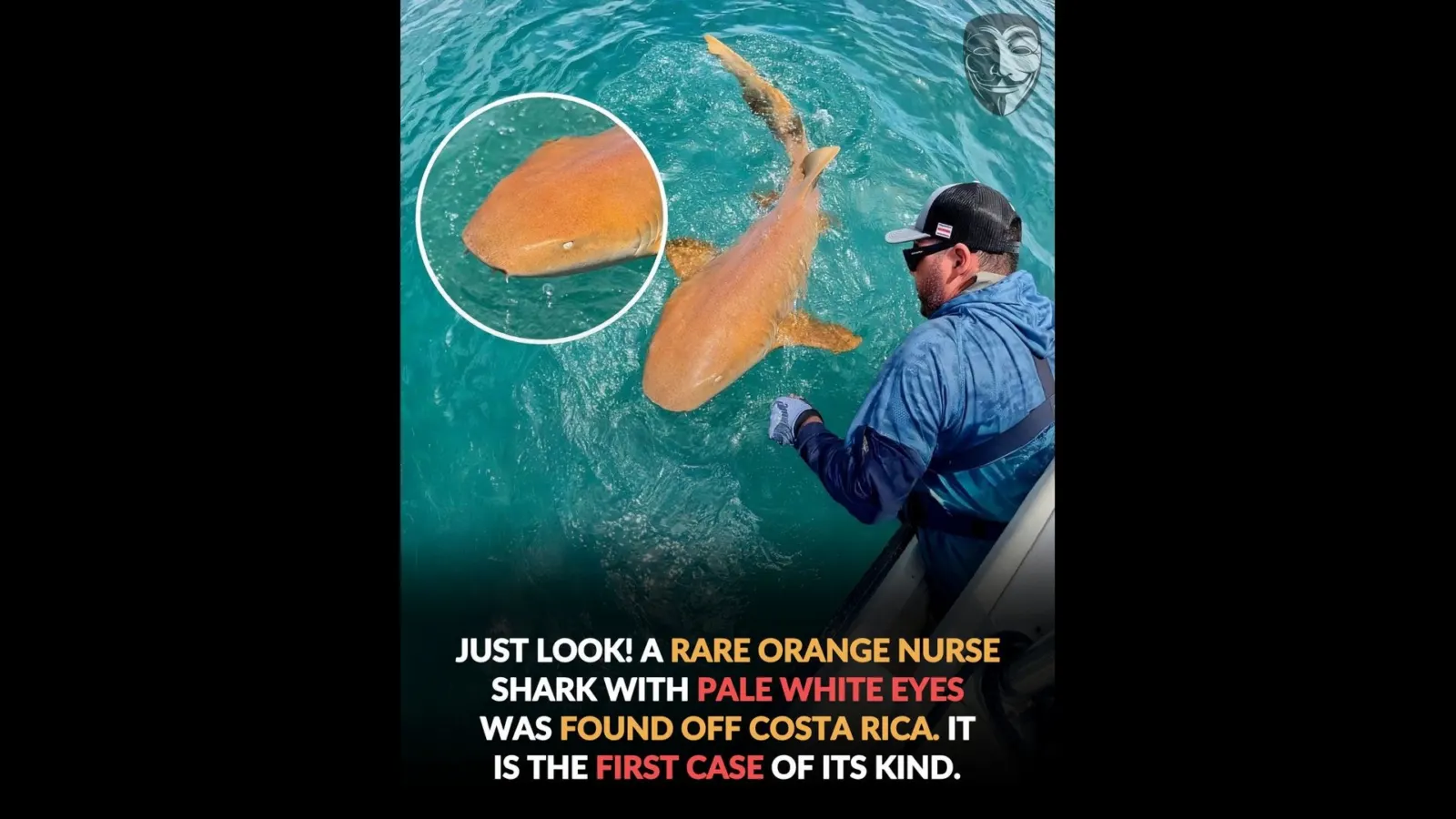
Orange Nurse Shark Found Off Costa Rica
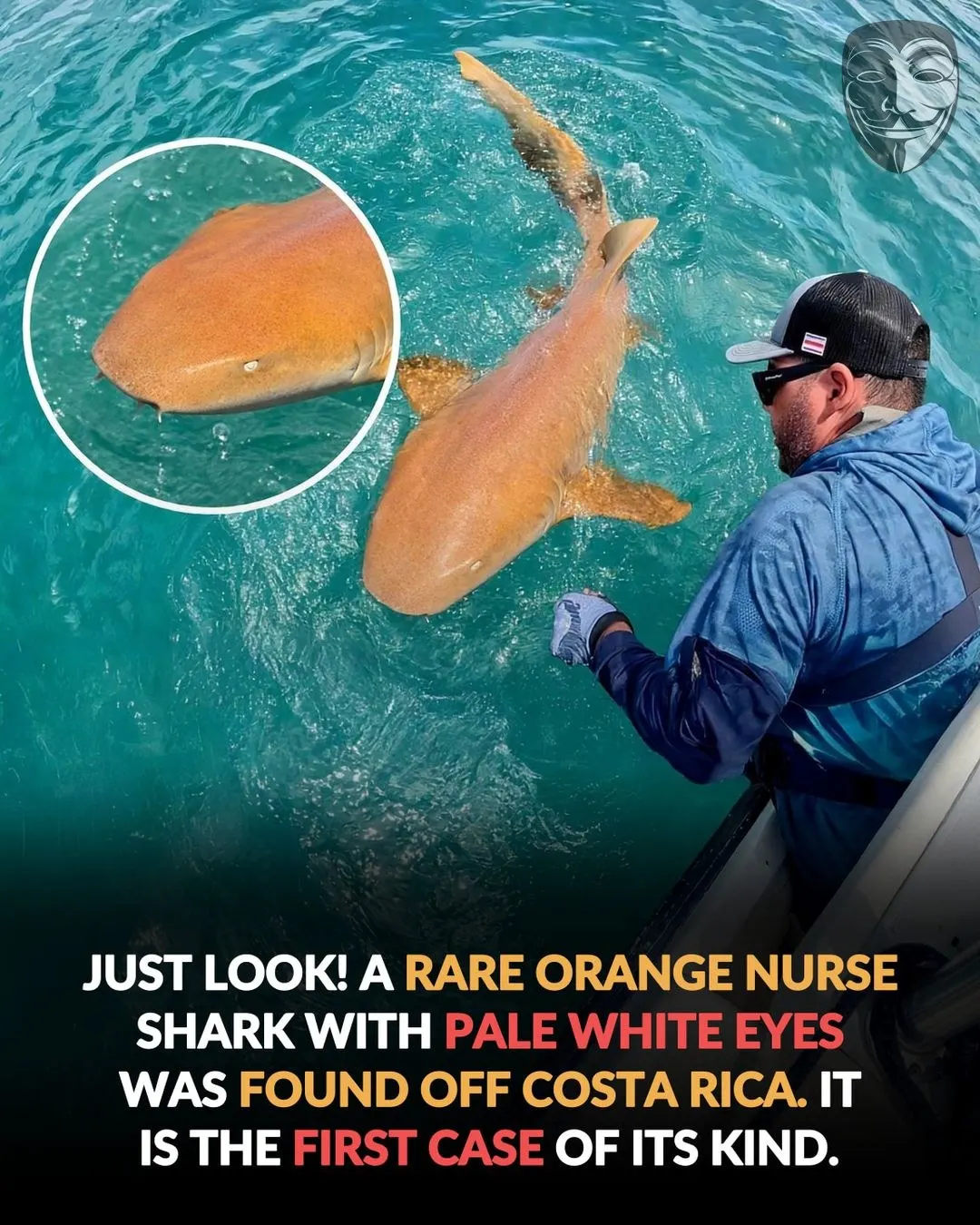
An orange nurse shark with ghostly white eyes surprised fishermen off the coast of Costa Rica in August 2024, and scientists later called it the first case of its kind ever recorded. The shark measured about two metres long, close to six and a half feet, and its whole body glowed a vivid yellow orange while its eyes looked almost completely white. The fishermen photographed the animal, removed the hook and released it alive near Tortuguero National Park. In the slides ahead we follow the catch, the science and the questions it raised about survival in the wild.
The story spread quickly because the animal looked more like a creature from a storybook than a real shark, and the original caption said it best when it called the shark a mythical creature. Scientists later described the find in the journal Marine Biodiversity as the first documented case of total xanthism in a nurse shark and the first such record from the Caribbean Sea. Readers who love rare animals may also enjoy our report on a golden tiger with a soft strawberry tint and our story about a shark that ate its tank mate in Seoul.
References:
StudyFinds: Fishermen Off Costa Rica Hooked An Orange Nurse Shark With White Eyes In 2025 Science Had Never Documented One Like It
Daily Galaxy: Orange Nurse Shark With White Eyes Documented off Costa Rica
Cosmo Herald: Rare Orange Nurse Shark With White Eyes Found Off Costa Rica
Cosmo Herald: Rare Orange Nurse Shark with White Eyes Found in Caribbean Waters
Fishermen Hooked the Orange Nurse Shark Near Tortuguero

In August 2024, sport fishermen near Tortuguero National Park on Costa Rica’s Caribbean coast felt a strong pull on a line set about 37 metres below the surface. When they brought the catch up, they saw a nurse shark about two metres long, close to six and a half feet, glowing a vivid yellow orange. The crew took photographs and worked fast to free the animal from the hook. For more on remarkable animals, read about the spacecraft that reached one light day from Earth.
An Orange Nurse Shark About Two Metres Long
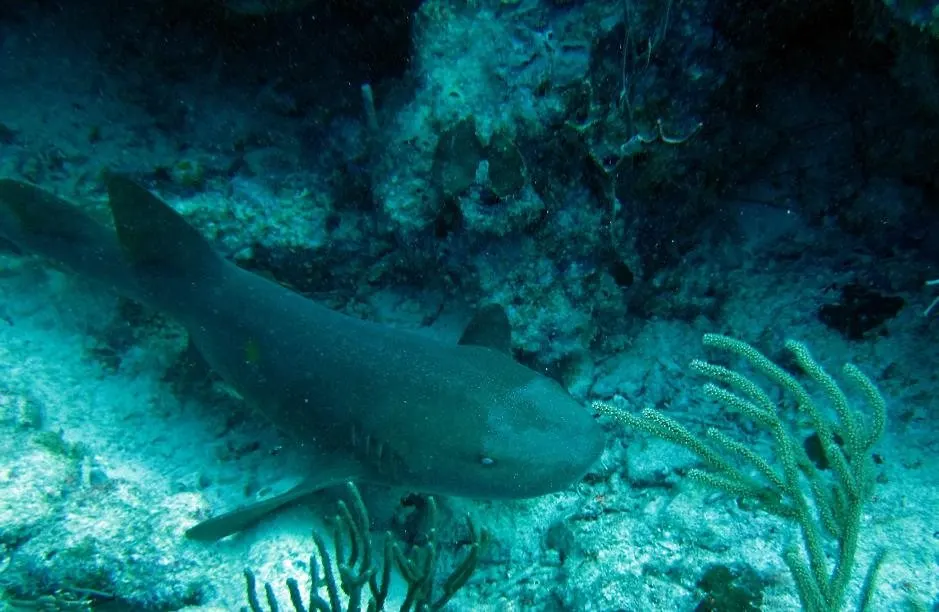
The orange nurse shark measured two metres long, close to six and a half feet, a solid size for an adult of its kind. Nurse sharks often grow to about two to three metres, so this animal sat within the normal range. Its length made the sight more striking, because a large shark in bright orange is hard to miss. The fishermen could see every detail as it came up beside the boat. For more on remarkable animals, read about a poodle whose birthday cake looked just like him.
Hooked About 37 Metres Below the Surface

The shark was hooked about 37 metres below the surface, where sunlight starts to fade and colours look muted. At that depth, most animals blend into the blue green gloom, but this shark stood out even before it reached the boat. The fishermen were sport fishing near Tortuguero National Park, a place known for rich marine life. The depth makes the find more interesting to scientists who study where nurse sharks spend time. For more on remarkable animals, read about a star shining in a glamorous mirror selfie.
A Bright Orange Nurse Shark That Glowed Like Fire
The whole body of the shark glowed a vivid yellow orange, a colour no one expects to see on a nurse shark. Normal nurse sharks are brown or grey, with skin that helps them blend into the sandy sea floor. This animal looked as if it had been dipped in bright paint, and the colour covered its body from head to tail. In sunlight near the surface, the orange would have looked even brighter. For more on remarkable animals, read about a quiet moment during a speech in Asia.
Ghostly White Eyes That Looked Almost Blank
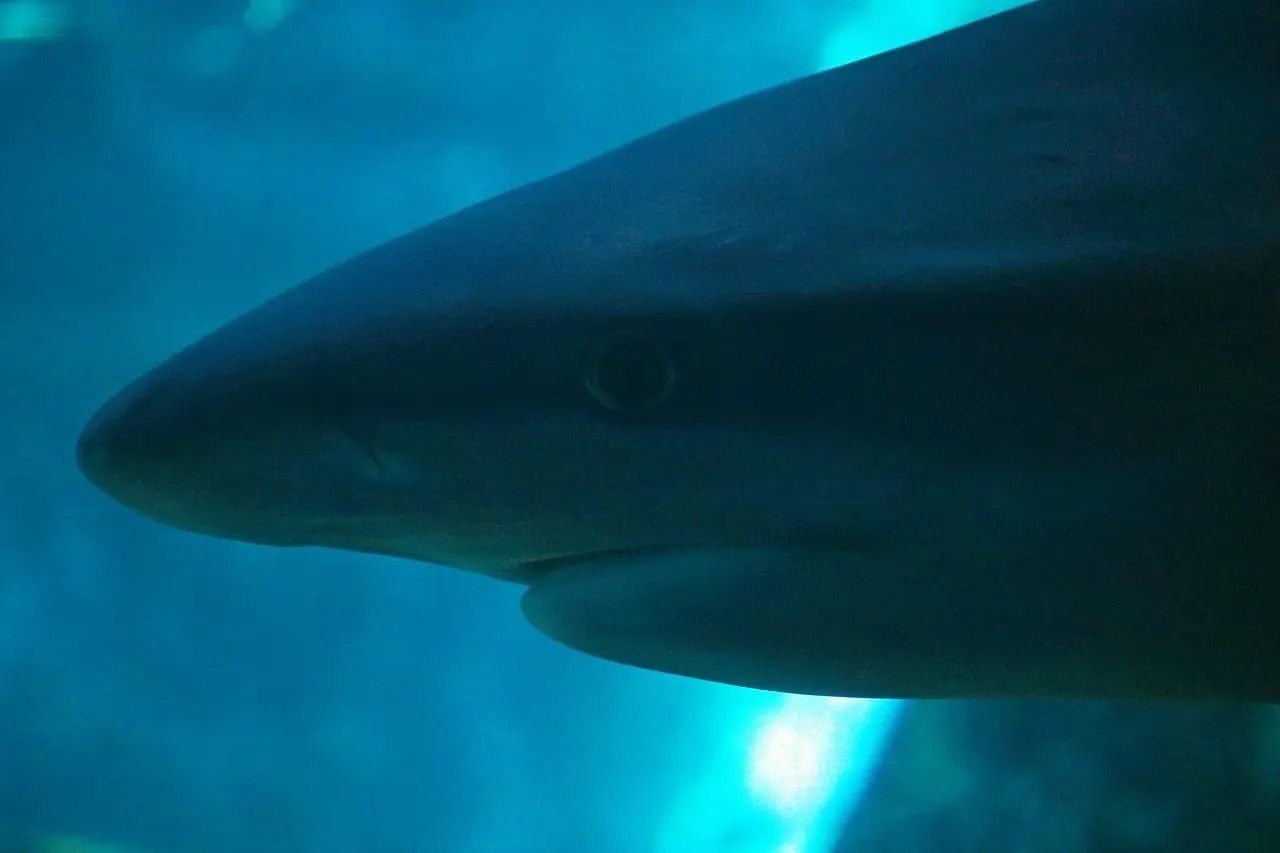
The shark’s eyes looked almost completely white, which gave the animal a ghostly stare that people found hard to forget. Normal shark eyes are dark, with a clear pupil that stands out against the rest of the eye. Here the pale eyes matched the strange colour of the skin and made the shark look otherworldly. The fishermen noticed the eyes right away, and the photographs show them clearly. For more on remarkable animals, read about a sharp warning before a meeting with world leaders.
What Xanthism Does to a Shark

Xanthism is a rare genetic condition that changes normal brown skin into a blazing golden hue. In this shark, the condition turned the whole body a vivid yellow orange, a colour that stands out in the sea. Scientists said the colour likely came from xanthism, and it is the first total xanthism ever documented in a nurse shark. The condition is rare in any animal, and in sharks it had never been seen like this before. For more on remarkable animals, read about hearty Kentucky dishes from a country legend.
Albinism and the White Eyes
Albinism is a condition that reduces pigment, the natural colouring in skin, hair and eyes. Scientists said the shark’s pale white eyes likely came from features of albinism working together with xanthism. The mix of the two conditions is called albino-xanthochromism, and it is very rare. The white eyes are what made the shark look so strange, because most animals with xanthism keep dark eyes. For more on remarkable animals, read about crunchy party favorites that vanish first.
The Orange Nurse Shark and the Rare Mix of Two Conditions
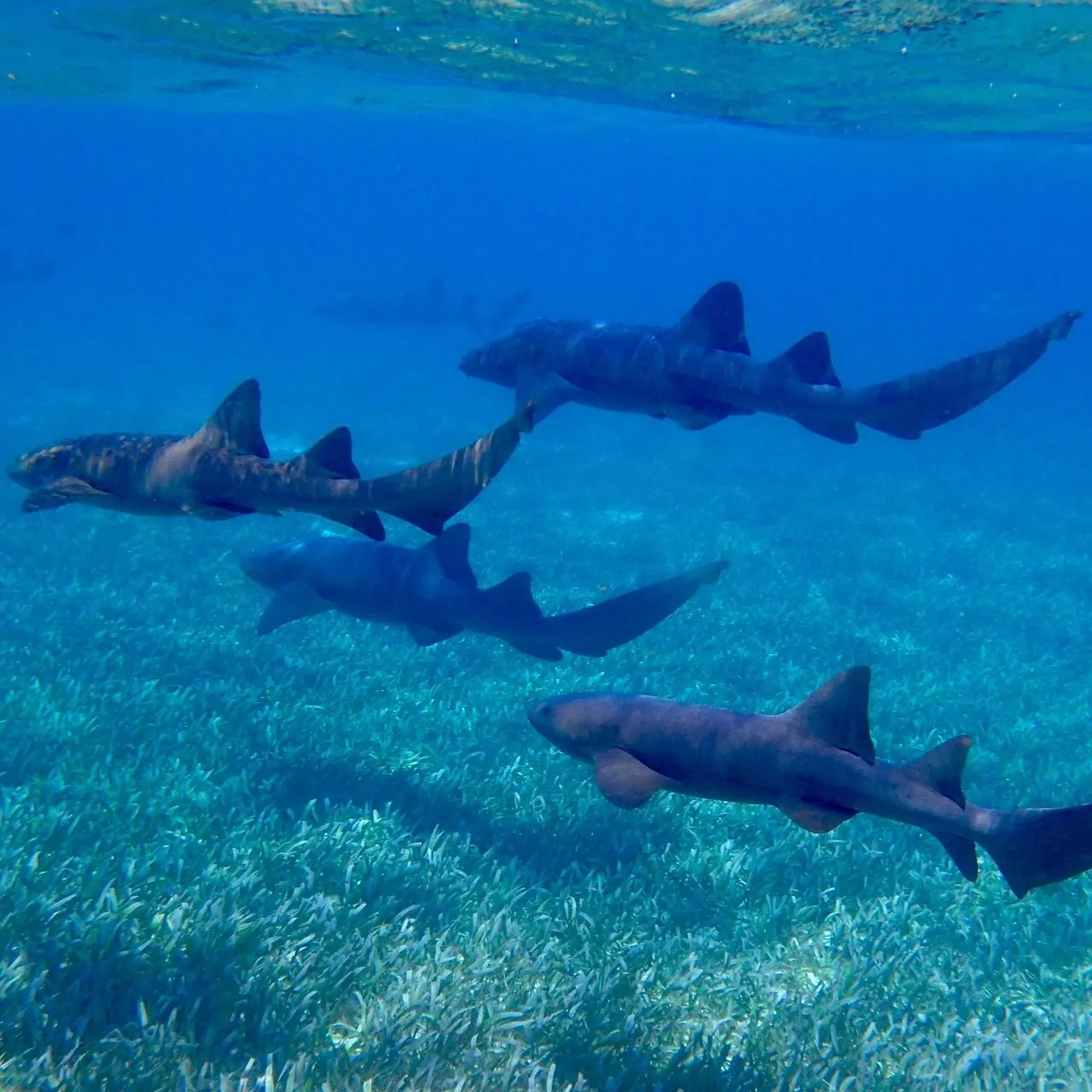
Scientists said the shark’s colour likely came from xanthism combined with albinism, a rare mix called albino-xanthochromism. The two conditions together explain both the bright orange body and the pale white eyes. Either condition alone is uncommon, and finding both in one wild shark is a first. The case gives researchers a new example of how genes can shape the way an animal looks. For more on remarkable animals, read about budget pie displays with real bakery charm.
The First Orange Nurse Shark Case Ever Recorded

Scientists later described the shark in the journal Marine Biodiversity as the first documented case of total xanthism in a nurse shark. That means no scientist had ever recorded a nurse shark with its whole body turned this colour before. The case was written up so other researchers could study it and compare it with future finds. A first record matters because it sets a baseline for what is possible in nature. For more on remarkable animals, read about an old rule about women and children first.
The First Orange Nurse Shark Record From the Caribbean Sea

The case was also the first such record from the Caribbean Sea, which makes it a landmark for the region. The Caribbean is home to many nurse sharks, yet none had ever been seen with this colour before. The record shows that rare genetic changes can appear anywhere, even in waters that scientists have watched for years. It also gives Caribbean researchers a reason to look more closely at the sharks in their own backyard. For more on remarkable animals, read about a golden tiger with a soft strawberry tint.
Published in the Journal Marine Biodiversity
The scientists described the shark in the journal Marine Biodiversity, where researchers share new findings about life in the sea. Publishing the case means other scientists can read the details, check the photographs and build on the work. The journal record also gives the find a firm date and a clear description, so it will not be lost or forgotten. Careful records like this are how science grows. For more on remarkable animals, read about the spacecraft that reached one light day from Earth.
The Orange Nurse Shark Is a Gentle Bottom Dweller
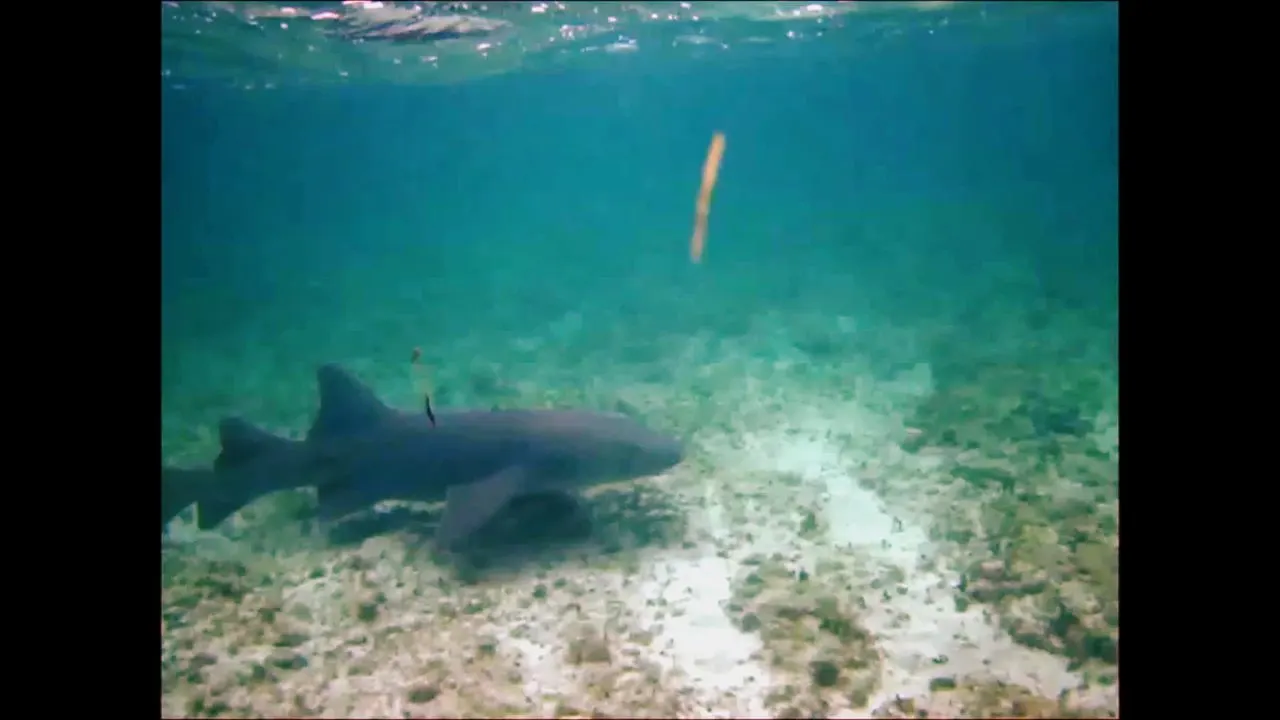
Nurse sharks are known as gentle bottom dwellers that spend much of their time resting on the sea floor. They are slow swimmers that feed on small fish, crabs and other creatures they find near the bottom. Unlike some sharks, they rarely bother people and often let divers swim close. This calm nature may have helped the orange shark, because it could rest and feed without drawing much attention to itself. For more on remarkable animals, read about a poodle whose birthday cake looked just like him.
Tortuguero National Park, a Wild Corner of Costa Rica
Tortuguero National Park sits on Costa Rica’s Caribbean coast, a wild place of canals, rainforest and black sand beaches. The park is famous for sea turtles that come ashore to nest, and its waters hold many kinds of fish and sharks. Sport fishermen work the waters near the park, where the sea drops off quickly and deep water sits close to shore. The park gives animals a safe home, and that may help rare ones survive. For more on remarkable animals, read about a star shining in a glamorous mirror selfie.
The Caribbean Coast of Costa Rica

Costa Rica’s Caribbean coast is a warm, green shoreline where rainforest meets the sea. The water is rich with life, from coral reefs to large fish, and fishing is part of daily life for many people there. The coast is less built up than the Pacific side, which leaves more room for wild animals. That wild coast is where the fishermen met the orange shark in August 2024. For more on remarkable animals, read about a quiet moment during a speech in Asia.
Photographed, Unhooked and Released Alive
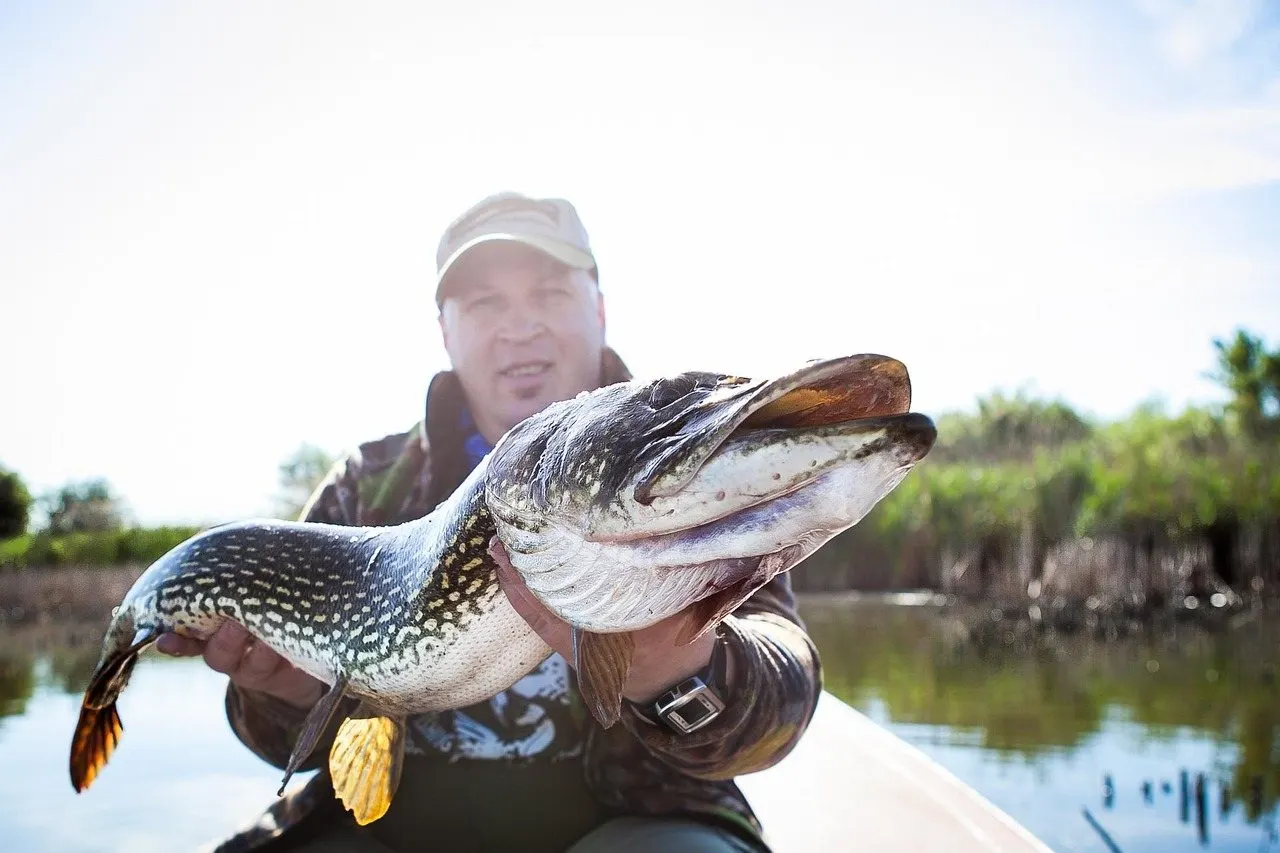
The fishermen photographed the shark, removed the hook and released it alive, which is the best ending a rare catch can have. Quick photos gave scientists the proof they needed, and a fast release gave the shark its best chance to swim away unharmed. Sport fishermen often release sharks they do not plan to keep, and careful handling makes a real difference. The shark swam off, and no one knows where it is now. For more on remarkable animals, read about a sharp warning before a meeting with world leaders.
An Orange Nurse Shark With No Place to Hide
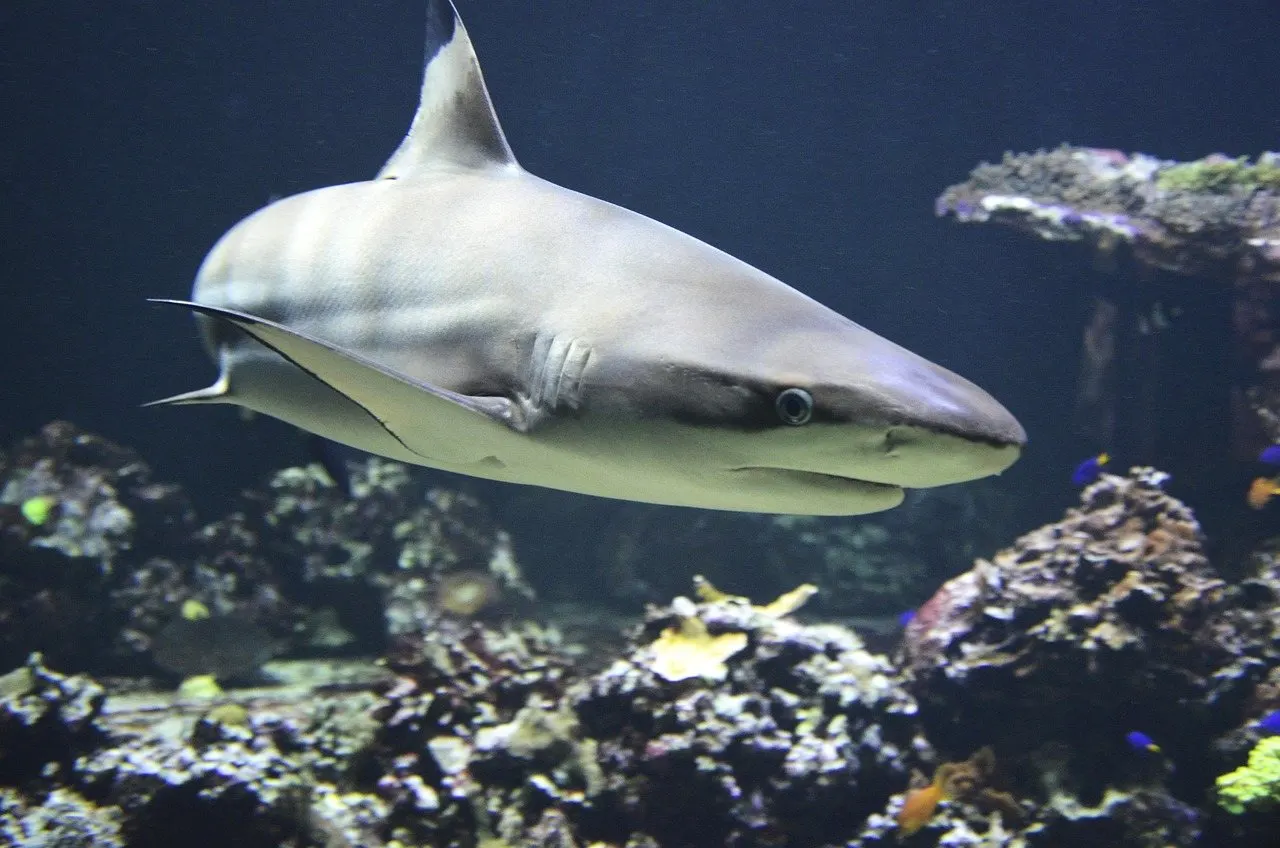
Normally, sharks rely on camouflage to survive, and a brown or grey body helps them blend into sand and rock. This shark had no camouflage at all, because bright orange stands out in the sea. A predator that cannot hide is easier for other hunters to spot, and prey can see it coming from far away. Yet this glowing shark somehow reached adulthood, defying every odd stacked against it. For more on remarkable animals, read about hearty Kentucky dishes from a country legend.
How Sharks Normally Hide in the Sea
Most sharks hide by matching the colour of the water and the sea floor around them. A dark back blends with deep water seen from above, while a pale belly blends with bright water seen from below. This trick, called countershading, helps sharks sneak up on prey and slip past bigger hunters. Nurse sharks add to this by resting on the sandy bottom, where their brown skin fades into the sand. For more on remarkable animals, read about crunchy party favorites that vanish first.
Why Bright Colour Is a Risk in the Wild
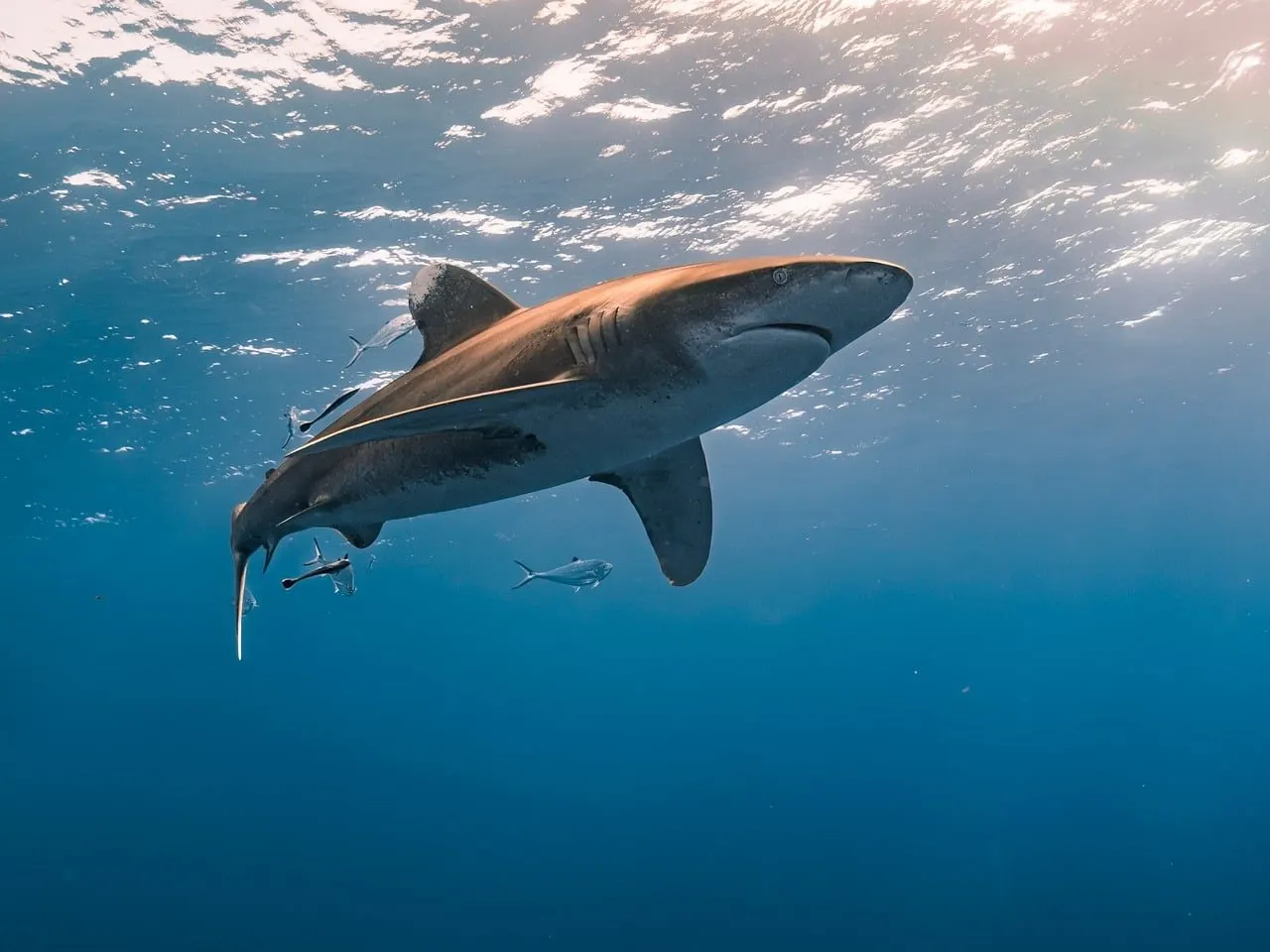
Bright colour is a risk in the wild because it draws the eye of anything looking for a meal. A glowing orange shark is easy to spot from above the water and from below, which should make hunting harder and hiding nearly impossible. Young sharks face many hunters, so most do not survive to adulthood without good camouflage. The fact that this shark grew up anyway is what makes scientists stop and think. For more on remarkable animals, read about budget pie displays with real bakery charm.
How the Orange Nurse Shark Beat the Odds
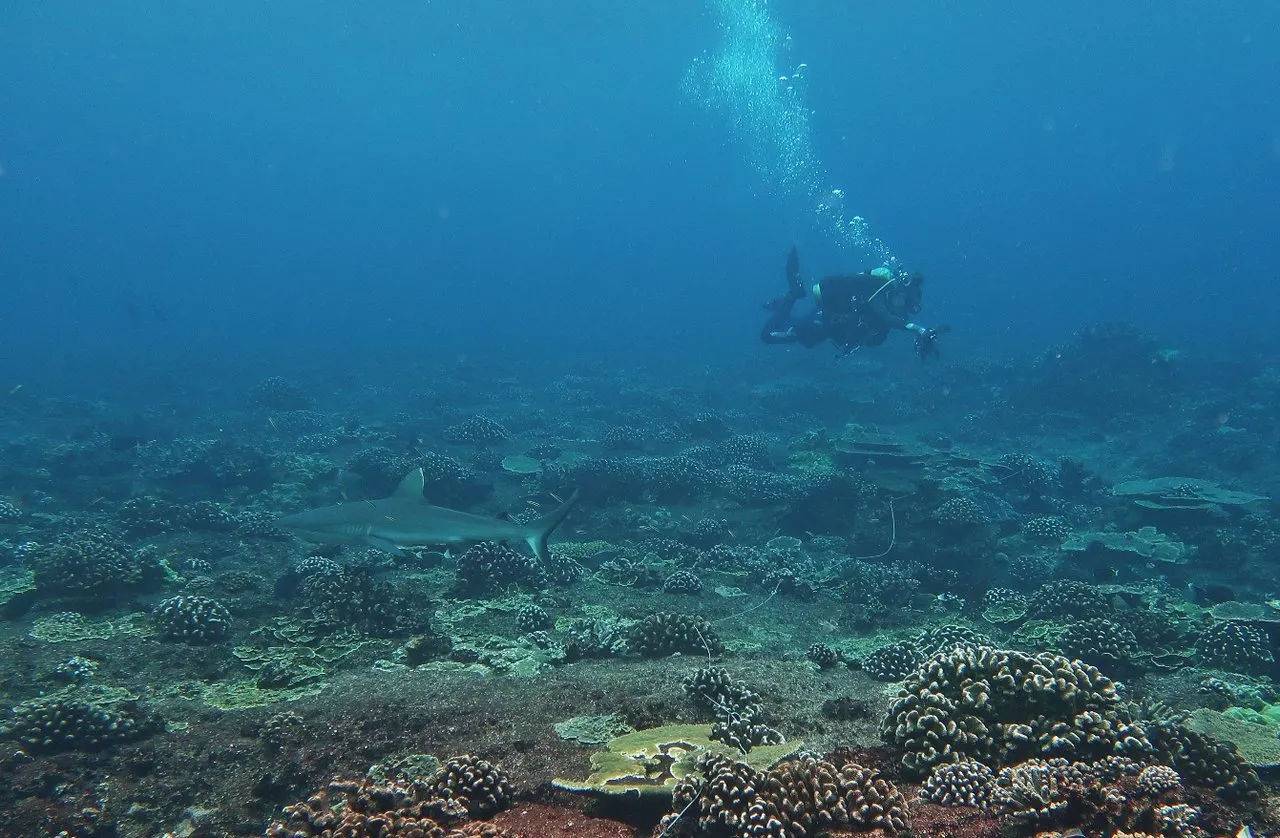
Experts say the discovery challenges what we thought we knew about survival in the wild. Somehow this shark found food, avoided bigger hunters and lived long enough to reach adulthood. Perhaps the waters near Tortuguero gave it shelter, or perhaps nurse sharks face fewer threats than other sharks once they grow large. Whatever the reason, the shark proved that nature does not always follow the rules we expect. For more on remarkable animals, read about an old rule about women and children first.
What Scientists Learned From One Orange Nurse Shark

One shark can teach scientists a lot, because a single case can open a whole new line of questions. This orange nurse shark showed that xanthism can appear in nurse sharks and that the Caribbean Sea holds surprises even for experts. Researchers will now watch for other brightly coloured sharks and compare notes with teams in other seas. A first record is often the start of a longer story. For more on remarkable animals, read about a golden tiger with a soft strawberry tint.
Other Animals With Rare Colours
Rare colours appear in other animals too, and each one tells a story about genes and survival. A golden tiger with pale fur stands out among its own kind, just as the orange shark stood out in the sea. White peacocks and black panthers show how a small change in genes can paint an animal in a new way. People love these animals because they remind us that nature still holds surprises. For more on remarkable animals, read about the spacecraft that reached one light day from Earth.
Sharks in the News Around the World
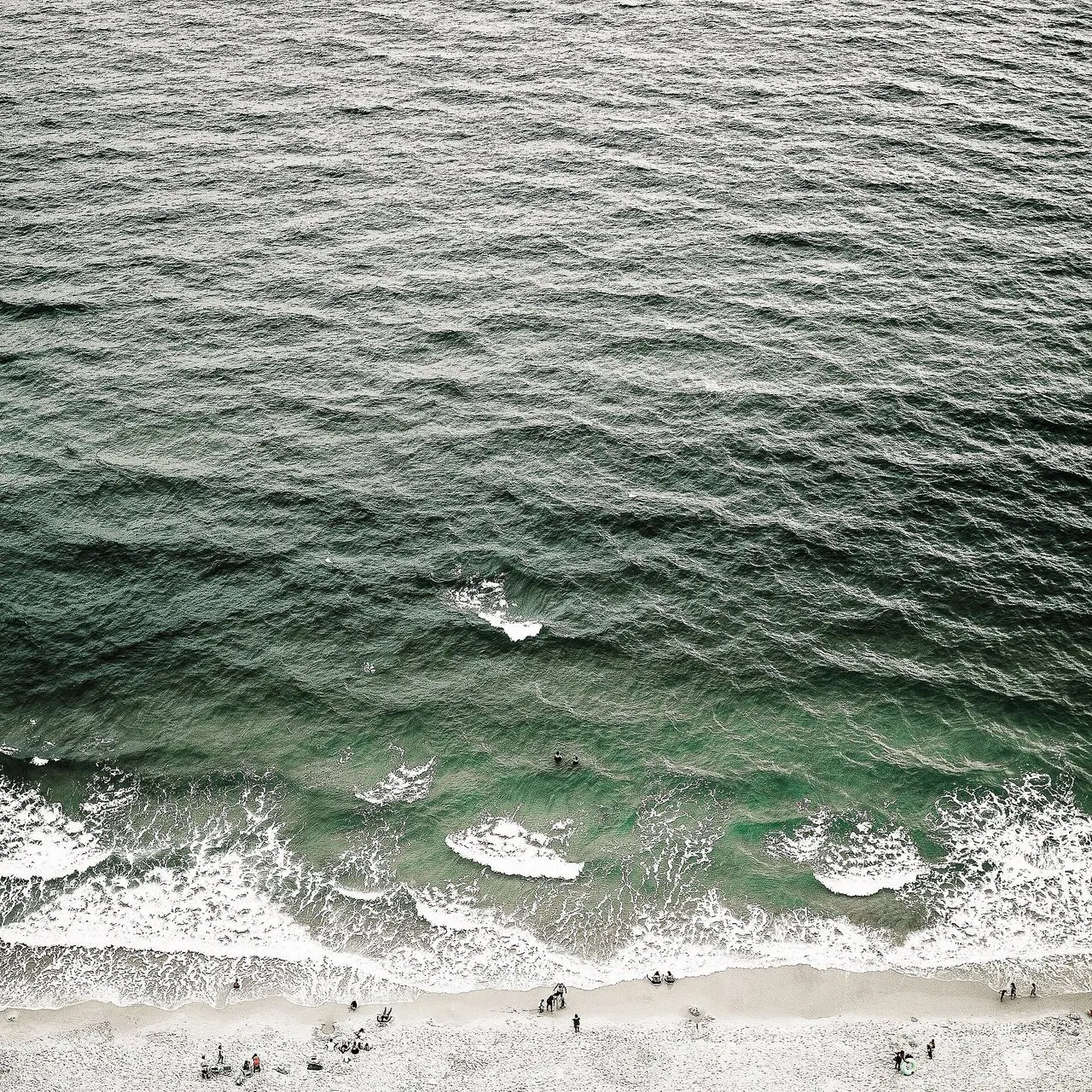
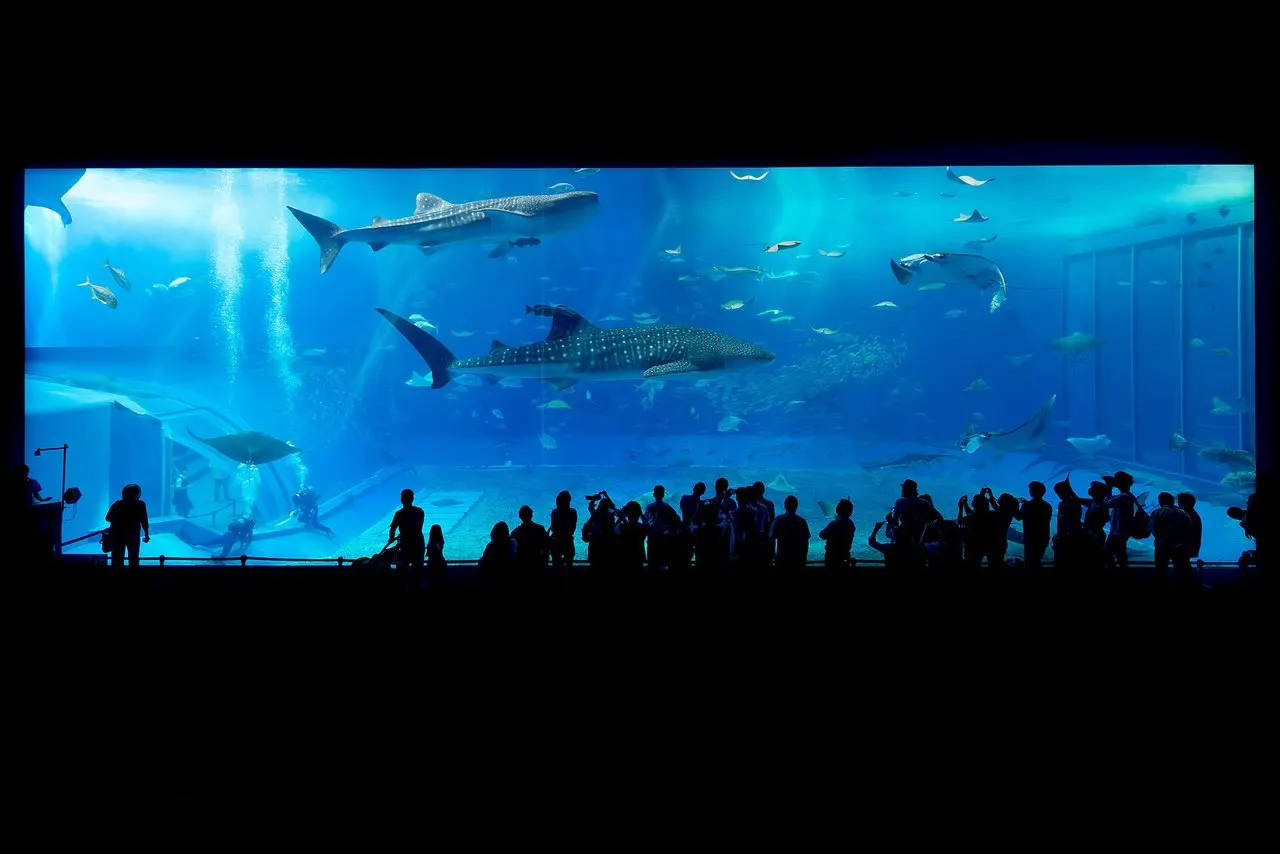
Sharks often make the news, and not always for the same reasons. Some stories tell of rare catches, while others tell of sharks in aquariums or sharks that surprise their keepers. Each story helps people learn that sharks are more varied than the fearsome image in films. The orange nurse shark joins a long list of sharks that have caught the public eye for something unusual. For more on remarkable animals, read about a poodle whose birthday cake looked just like him.
The Orange Nurse Shark Shows the Ocean Still Holds Mysteries
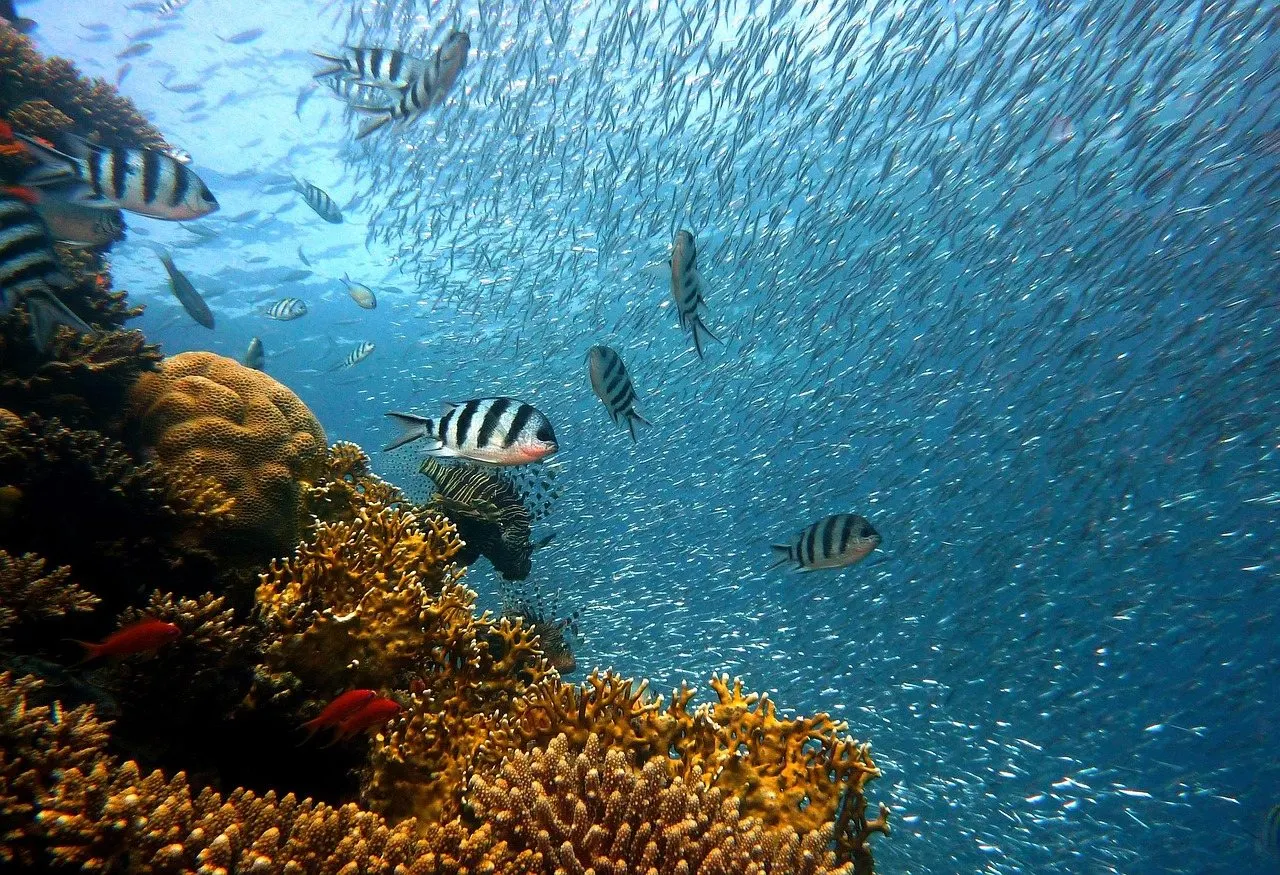
It is rare reminders like this that show us the ocean still hides mysteries we can barely imagine. The sea covers most of our planet, yet scientists have explored only a small part of it. New species turn up every year, and known animals keep surprising us with new colours, new habits and new homes. A predator that looks like fire is proof that the deep still keeps secrets. For more on remarkable animals, read about a star shining in a glamorous mirror selfie.
Why This Discovery Matters for Science

The discovery matters for science because it challenges old ideas about which animals can survive with bright colours. If an orange nurse shark can reach adulthood, then camouflage may matter less for nurse sharks than scientists thought. The case also shows the value of fishermen who report what they see, because science often starts with a photo from a boat. Every first record adds a piece to the puzzle of life in the sea. For more on remarkable animals, read about a quiet moment during a speech in Asia.
Protecting Nurse Sharks and Their Home
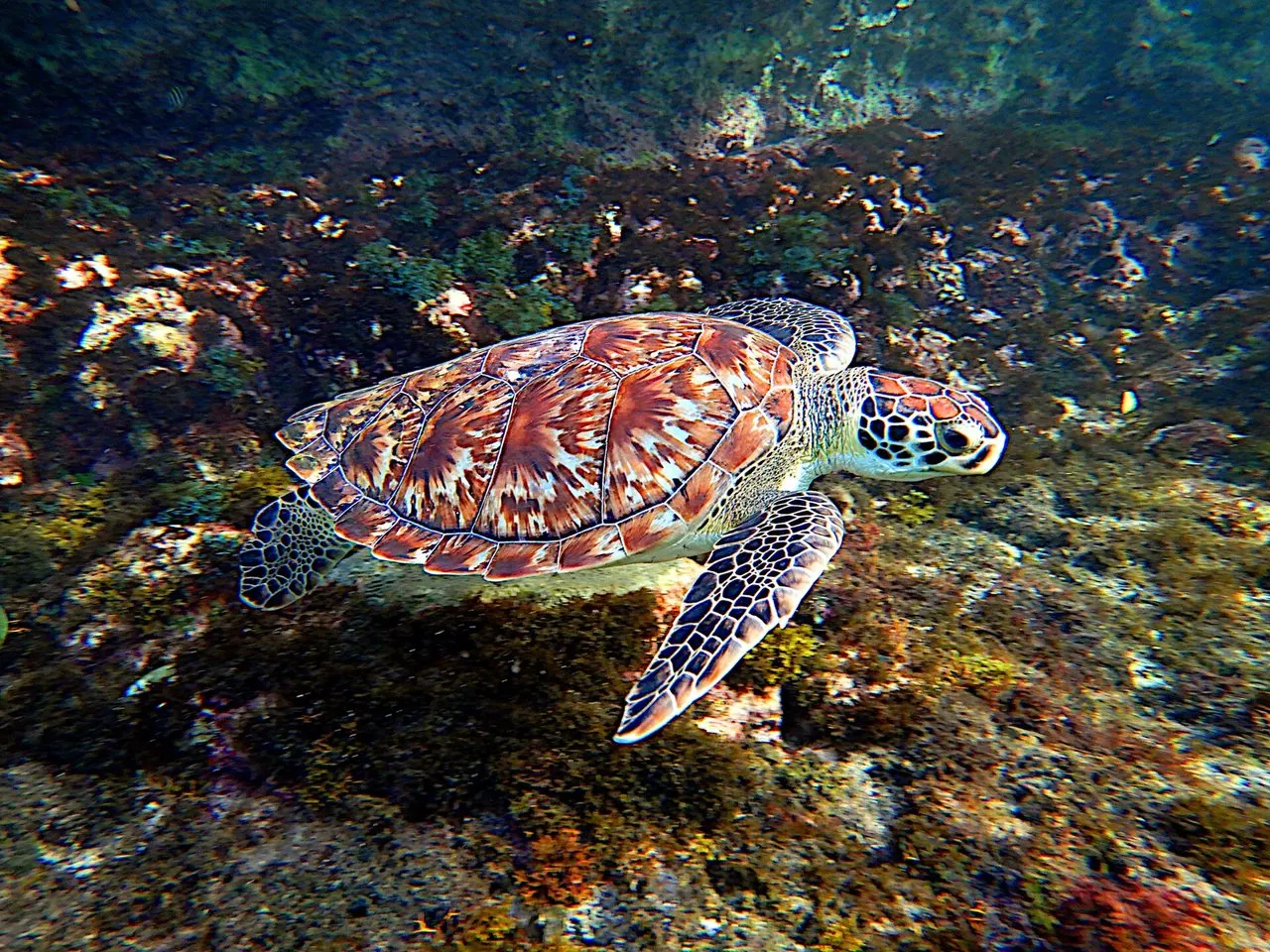
Nurse sharks are not seen as a threat to people, and many countries now protect them from heavy fishing. Safe waters give young sharks time to grow, and healthy reefs give them food and shelter. Tortuguero National Park is one of the places that helps, because its waters are watched and its wildlife is valued. Protecting places like this means more rare animals may survive long enough to be found. For more on remarkable animals, read about a sharp warning before a meeting with world leaders.
Costa Rica and Its Rich Marine Life
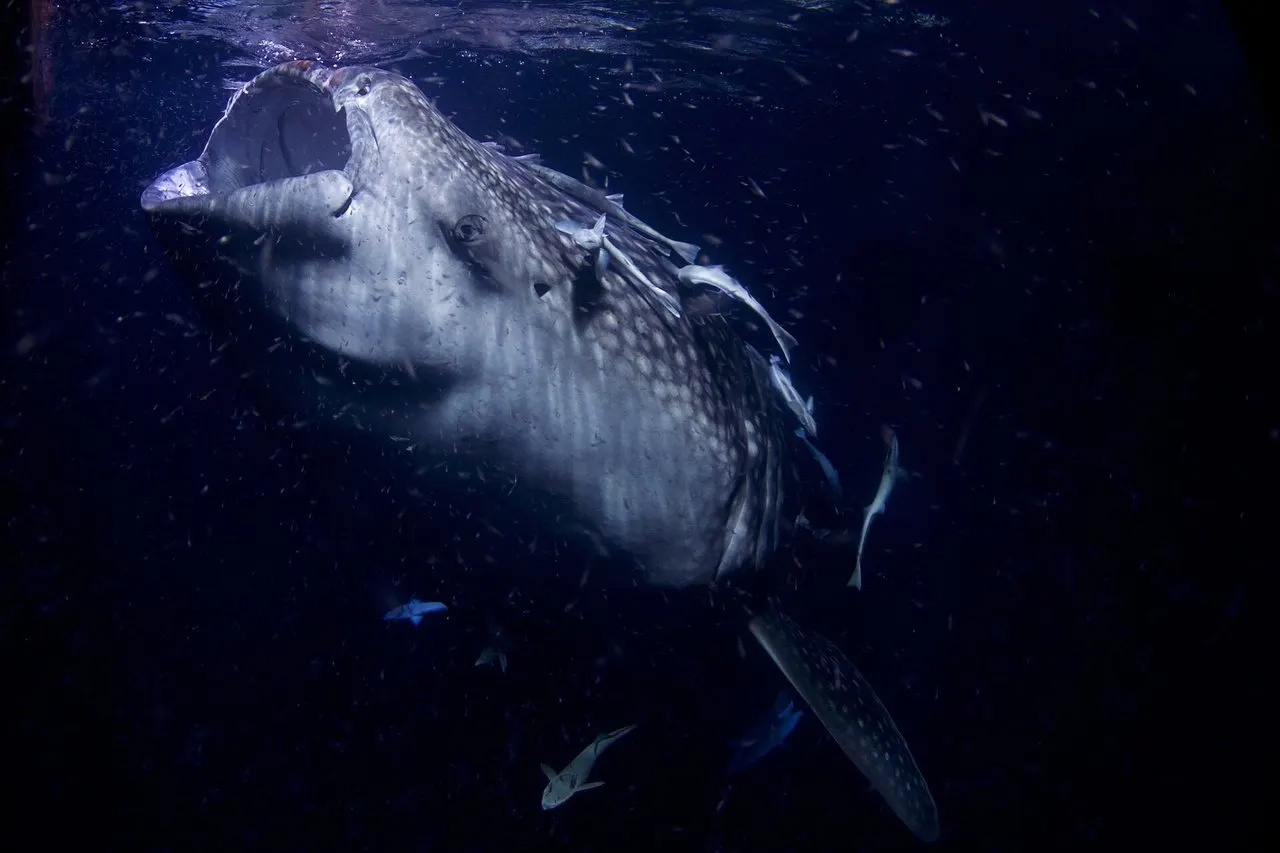
Costa Rica is famous for its wildlife on land, but its seas are just as rich. The Caribbean coast holds coral reefs, sea turtles, rays and many kinds of sharks. Warm water and strong currents bring food from the deep, which draws large animals close to shore. Fishermen, divers and scientists all share these waters, and each group adds to what we know about them. For more on remarkable animals, read about hearty Kentucky dishes from a country legend.
What Happens Next for the Research
Researchers will keep an eye out for other orange nurse sharks, and they will compare any new photos with the ones from August 2024. If more brightly coloured sharks turn up, scientists can learn whether the condition runs in one family of sharks or appears on its own. For now, the single shark stands as a first, and its photographs are the record that future work will build on. For more on remarkable animals, read about crunchy party favorites that vanish first.
What Would You Make of a Shark That Looks Like Fire

An orange nurse shark with white eyes sounds like something from a storybook, yet it is real, and it swam free after the photo. If you had been on that boat, what would you have thought when the bright orange shark came up beside you? Would you have believed your eyes, or reached for your camera first? Share your thoughts in the comments and tell us what you would ask the scientists who studied this rare shark. For more on remarkable animals, read about budget pie displays with real bakery charm.