The Trump Ukraine Call After the Shenzhen Meeting
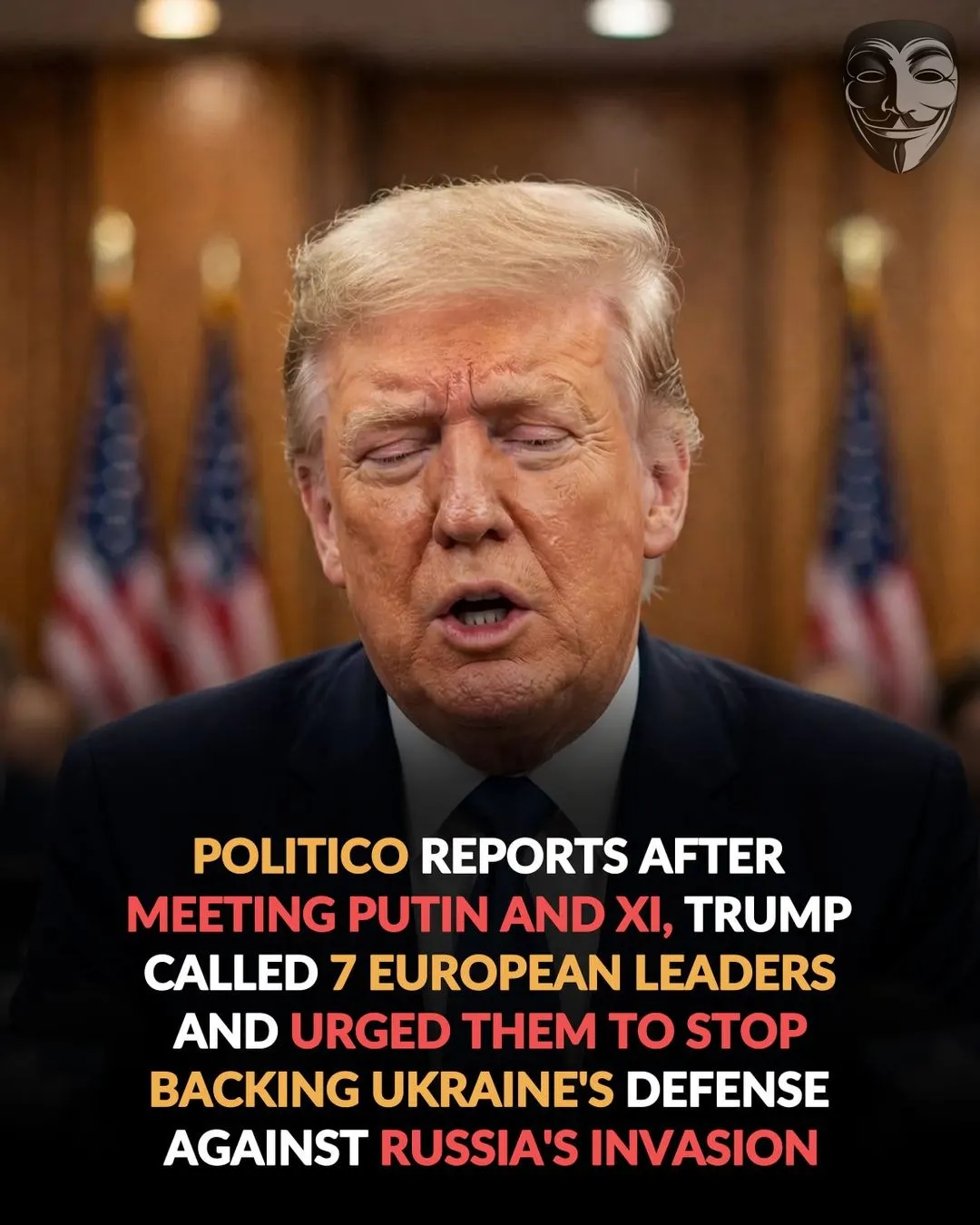
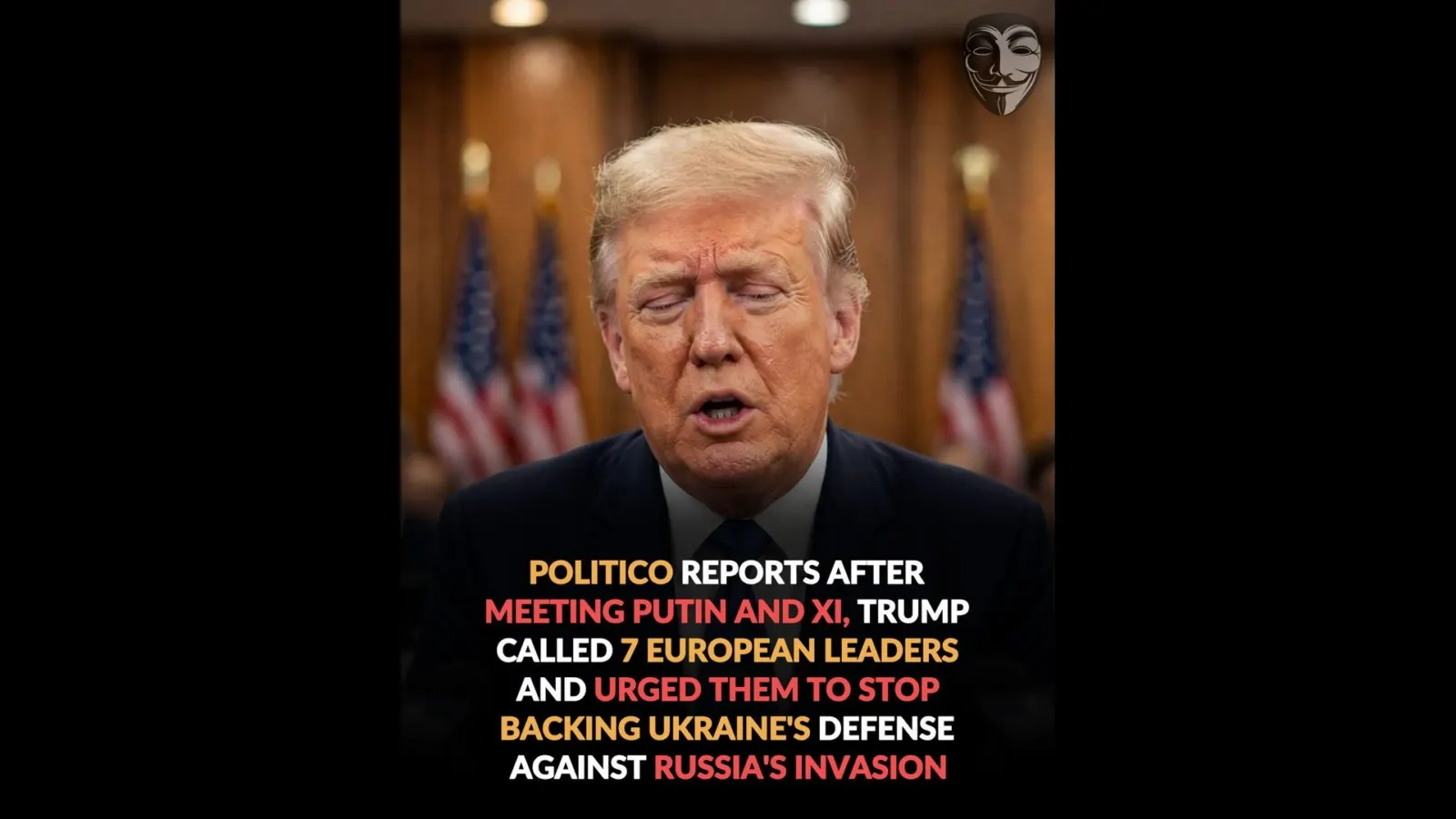
The Trump Ukraine call came right after a meeting in Shenzhen, China, where Donald Trump sat down with Vladimir Putin and Xi Jinping. According to a Politico report, Trump then called seven European leaders and urged them to stop supporting Ukraine. He told them that Putin was serious about peace and that continued support would only prolong the fighting. The call went to leaders gathered for a Coalition of the Willing summit in Berlin on November 19. It landed only hours after Trump had met Putin alone for about 35 to 40 minutes.
European leaders did not agree with the message. German Chancellor Friedrich Merz said support for Ukraine lets it negotiate from a position of strength, while Danish Prime Minister Mette Frederiksen warned that Putin would be emboldened if backing faded. Ukraine faces a financing gap of about 70 billion euros in 2027, and the European Commission has proposed lending Kyiv up to 45 billion euros through joint borrowing. The slides ahead look at the call, the pushback and the funding gap. For background on the trilateral meeting in Shenzhen.
References:
The Telegraph: Trump Presses Europe To Stop Funding Ukraine Conflict Officials Say
Daily Advent: Trump Tells Europe To Defund Ukraine Hours After Hailing His Friend Putin At Historic Summit
Inshorts: Trump Says He Urged Putin To Pull Back All Military Aggression Against Europe
Briefly: Trump Urges Putin To Pull Back Aggression In Europe As US Delays Troop Posture Review
The Trump Ukraine Call Came Hours After the Meeting
Trump phoned into the Coalition of the Willing summit in Berlin on November 19, only hours after his meeting with Putin and Xi in Shenzhen. The timing mattered because the leaders in Berlin were gathered to talk about support for Ukraine, and the call put a new question in front of them at once. Trump told them that Putin was serious about peace. He said their continued support would only prolong the fighting. Read more about the four day trip to China.
Seven Leaders Joined the Call From Berlin
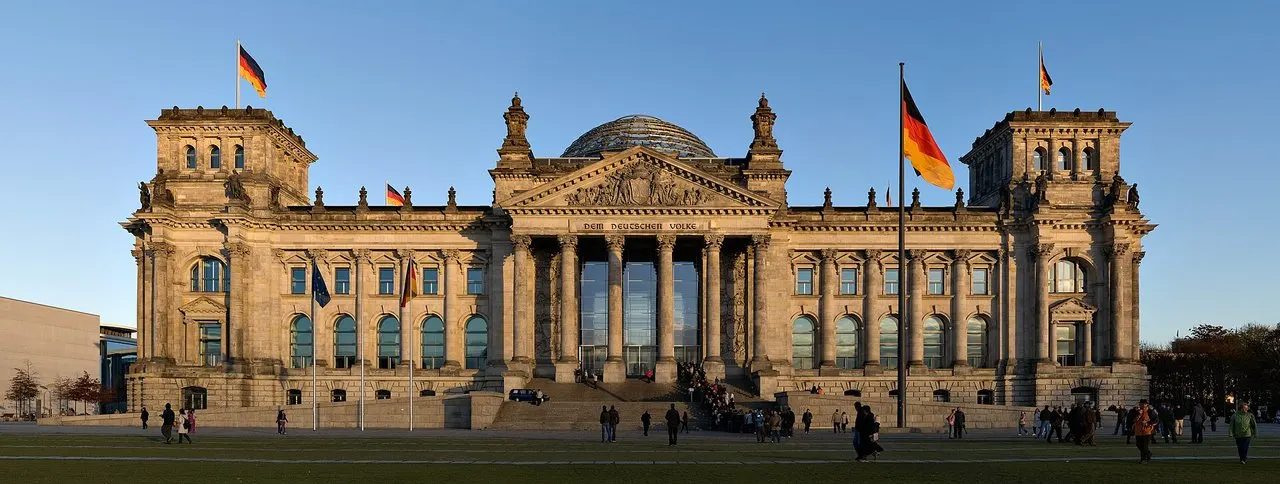
Seven European leaders heard the message directly from Trump during the summit in Berlin. The Coalition of the Willing brings together countries that support Ukraine, and the Berlin meeting was their chance to talk through next steps. A phone call from an American president in the middle of that meeting carried real weight. The leaders listened, and then they answered back with their own view. Read more about the warm greeting for Putin in China.
Putin Is Serious About Peace, Trump Said
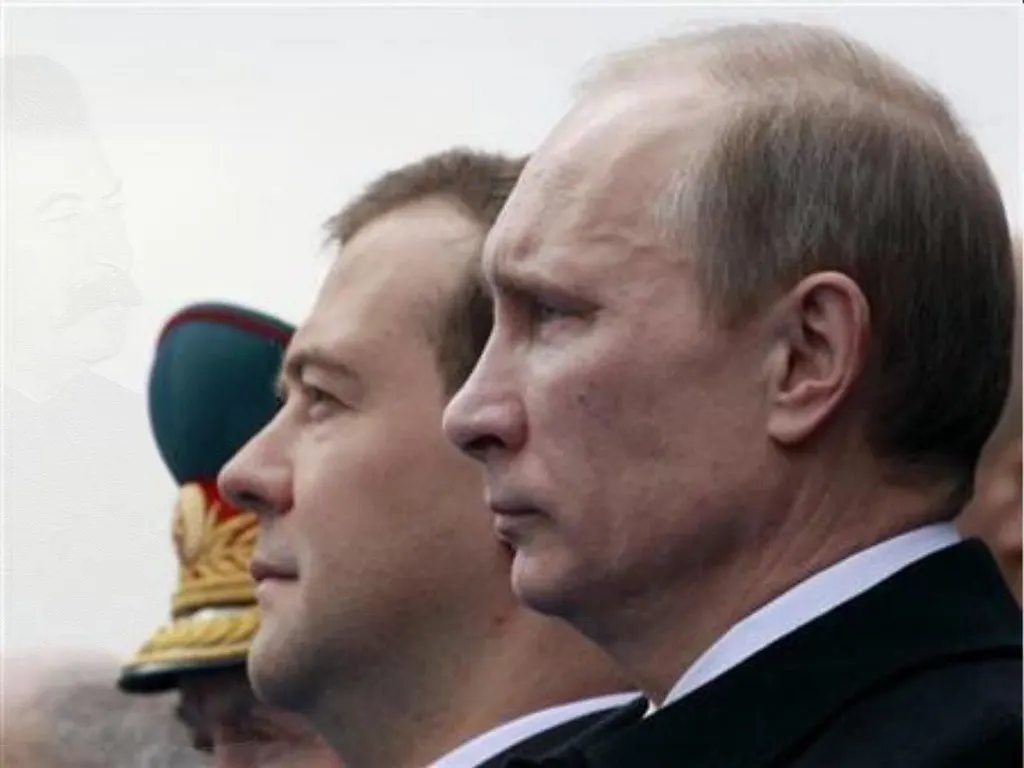
The heart of the message was simple. Trump told the European leaders that Putin was serious about peace, and he urged them to stop backing Ukraine. In his telling, continued support would only prolong the fighting and delay an end to it. That view put him at odds with leaders who see support as the way to reach a fair peace. The disagreement was open and direct. Read more about the nuclear talks at the summit.
Merz Pushed Back on the Trump Ukraine Call
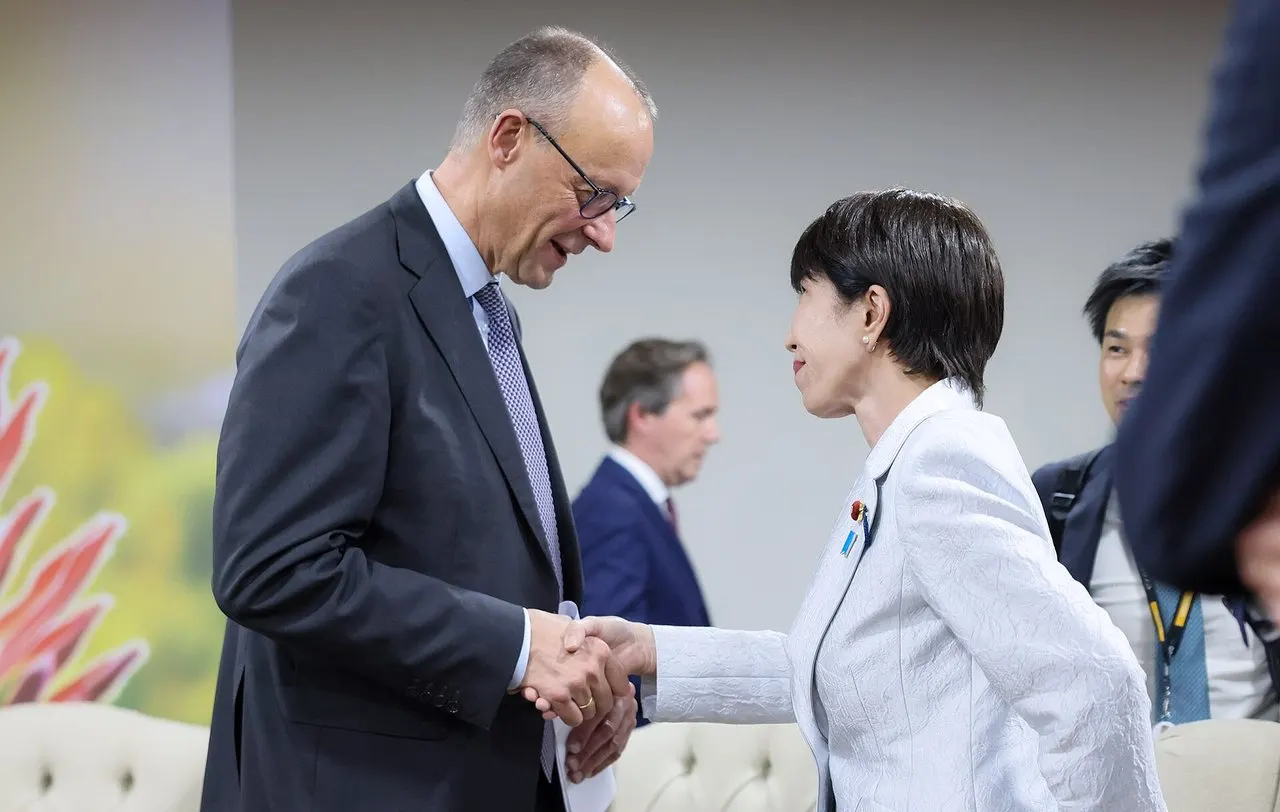
German Chancellor Friedrich Merz answered the call with a clear no. He said support for Ukraine lets it negotiate from a position of strength, and he did not accept the idea that backing away would bring peace sooner. Merz spoke for leaders who believe that pressure on Russia, not less of it, is what makes talks possible. His reply set the tone for the pushback that followed. Read more about the fight over profits linked to the Trump family.
Frederiksen Warned That Putin Would Feel Encouraged

Danish Prime Minister Mette Frederiksen warned that Putin would be emboldened if European support for Ukraine faded. Her point was plain. A leader who sees his rivals stepping back may take it as a sign to push further, not as a reason to stop. Frederiksen joined Merz in pushing back on the call. Together they made the case that backing Ukraine protects Europe too. Read more about the joint peace declaration.
Ukraine Faces a Huge Funding Gap in 2027

Behind the debate sits a hard number. Ukraine faces a financing gap of about 70 billion euros in 2027, and that gap has to be closed somehow if the country is to keep going. Money pays for weapons, for fuel, for salaries and for the daily work of a country under strain. Without it, choices get harder fast. The call from Trump landed right in the middle of that problem. Read more about the visit by Elon Musk to the summit.
The Trump Ukraine Call and the 45 Billion Euro Plan

The European Commission has proposed lending Kyiv up to 45 billion euros through joint borrowing. Joint borrowing means the member states raise the money together, which spreads the risk and can lower the cost. The plan would cover a large part of the gap Ukraine faces in 2027. It is still a proposal, and it needs agreement among European capitals. Read more about the summit where America stood at the top.
What Politico Reported About the Calls
The story rests on a report from Politico, which said Trump called seven European leaders after his meeting with Putin and Xi. Politico is a news outlet that covers politics in Washington and in Europe, and its report set off the debate. The Telegraph picked up the story with its own headline about Trump pressing Europe to stop funding the conflict. Other outlets followed within hours. Read more about the hour Trump spent praising Putin.
The Shenzhen Meeting Brought Three Leaders Together

The meeting in Shenzhen brought together Donald Trump, Vladimir Putin and Xi Jinping in one place. Shenzhen is a major city in China, and the meeting drew attention around the world because the three leaders rarely sit down together. Trump met Putin alone for about 35 to 40 minutes during the visit. The call to Europe came soon after. Read more about the face to face meeting in Shenzhen.
The Trump Ukraine Call Followed a Long Talk With Putin

Before the call to Europe, Trump met Putin alone for about 35 to 40 minutes. A one on one meeting of that length gives two leaders time to talk in detail, away from aides and cameras. Trump then phoned into the Berlin summit and passed on his view that Putin was serious about peace. The order of events shaped how European leaders heard the message. Read more about the backlash over the warm welcome for Putin.
The Telegraph Reported the Pressure on Europe

The Telegraph reported the story under the headline Trump Presses Europe To Stop Funding Ukraine Conflict Officials Say. The British paper framed the call as pressure on Europe to pull back its funding. That framing matched the core of the Politico report. Trump had urged the leaders to stop backing Ukraine, and the Telegraph made that demand the heart of its story. Read more about the moment Trump fell asleep at the summit table.
Daily Advent Covered the Call Within Hours

Daily Advent reported the story under the headline Trump Tells Europe To Defund Ukraine Hours After Hailing His Friend Putin At Historic Summit. The headline tied the call to the warm words Trump had used for Putin at the summit in Shenzhen. Readers saw two parts of one story. First came the friendly meeting, then came the call asking Europe to step back. Read more about the greeting on the tarmac in Shenzhen.
The Trump Ukraine Call in Two More Reports

Two more outlets carried the story with their own angles. Inshorts ran the headline Trump Says He Urged Putin To Pull Back All Military Aggression Against Europe. Briefly ran the headline Trump Urges Putin To Pull Back Aggression In Europe As US Delays Troop Posture Review. Both headlines show the other side of the call, with Trump also urging Putin to pull back. Read more about the trip home from Asia.
The Post That Started the Conversation

The original post put it plainly. It said Trump called seven European leaders after meeting Putin and Xi and urged them to stop supporting Ukraine because Putin is serious about peace. It added a blunt reply of its own. If Putin was serious about peace, the post said, all he has to do is leave Ukraine. The post called Trump a traitor to freedom and democracy. Read more about the handshake in China.
How the Coalition of the Willing Works
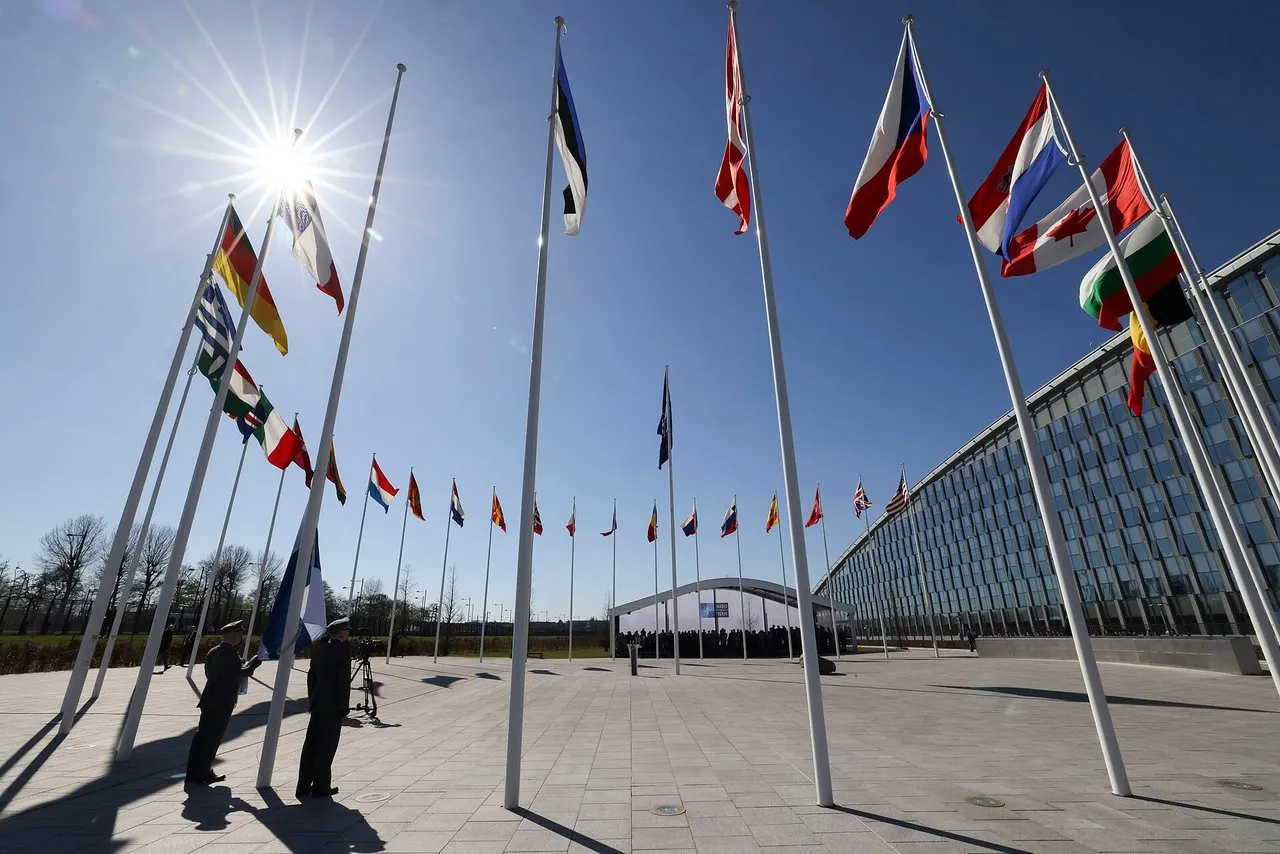
The Coalition of the Willing is a group of countries that have joined together to support Ukraine. The name covers allies who are ready to act together, even when not every country agrees on each step. Summits like the one in Berlin let their leaders compare notes and settle plans. Trump phoned into that summit, which is why his message reached so many leaders at once. Read more about the warning before the meeting with Xi and Putin.
The Trump Ukraine Call Tests European Unity

The call tested how united Europe really is on Ukraine. Leaders like Merz and Frederiksen pushed back at once, but the call still forced a debate about money, about resolve and about the future. Unity is easy to claim and harder to hold when a close ally asks for a change of course. The Berlin summit showed that the leaders were not ready to turn away. Read more about the peace summit in Shenzhen.
What Joint Borrowing Means in Plain Terms
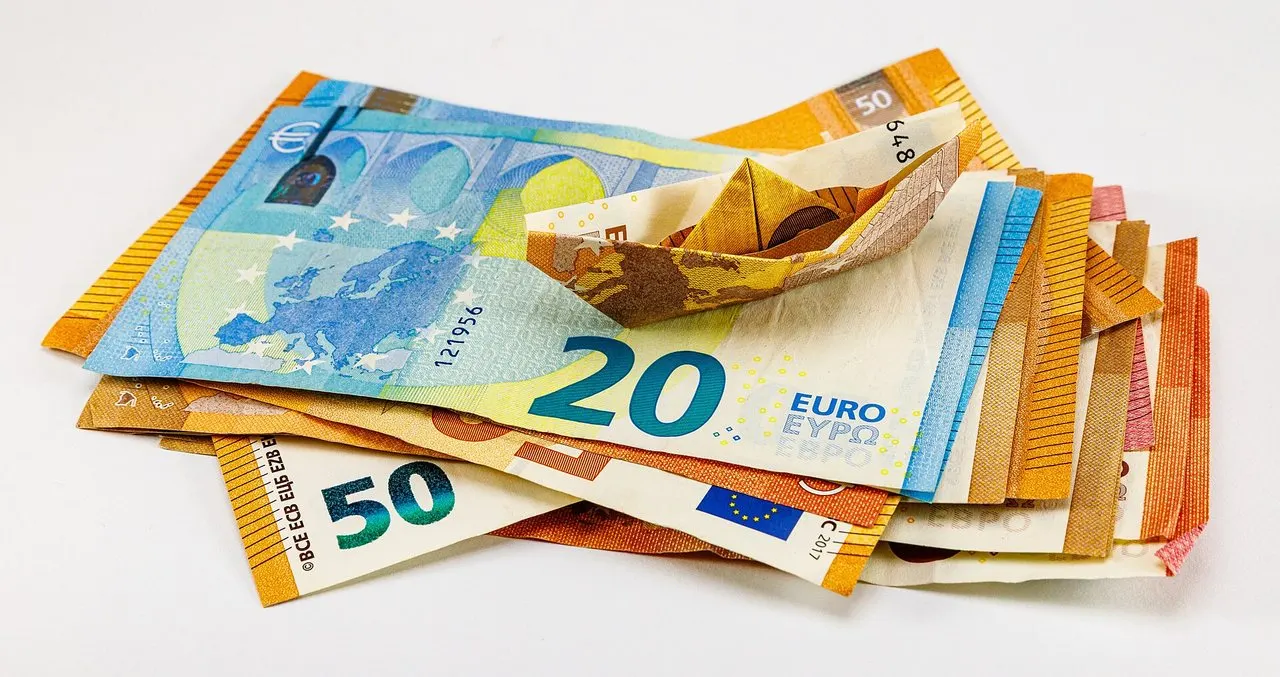
Joint borrowing sounds complex, but the idea is simple. Instead of one country borrowing alone, European states borrow together through the European Commission. That shared backing can make lenders more willing to offer money at better terms. The proposal to lend Kyiv up to 45 billion euros would use this method. It would still need the agreement of the countries involved. Read more about the trip back to Washington.
The 2027 Funding Gap Explained

The figure at the center of the debate is about 70 billion euros. That is the size of the financing gap Ukraine faces in 2027, the amount it needs beyond what it already has. A gap that large cannot be closed by one country alone, which is why the European Commission plan matters. The call from Trump asked leaders to question the support itself, not just the size of it. Read more about the public answer from Poland.
What Happens If Support Stops After the Trump Ukraine Call
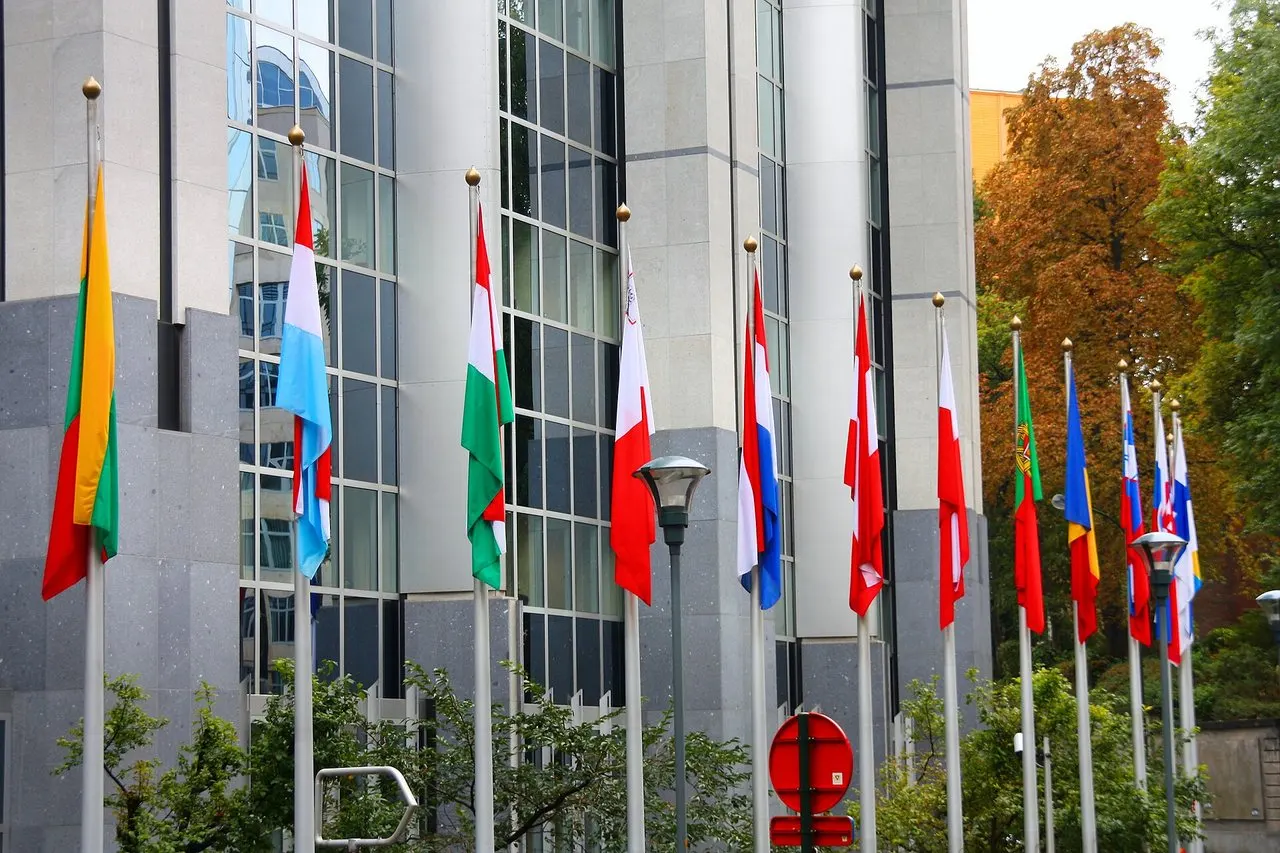
If European support stopped, Ukraine would face the funding gap with far less help. Money for defense, for public services and for keeping the country running would run short. Leaders like Merz argue that this would weaken Ukraine at the negotiating table, not strengthen it. That is why the pushback in Berlin was so firm. The choice is between backing away and holding the line. Read more about the deal on U.N. reform and nuclear risks.
Reactions From Critics Were Swift

Critics of the call were quick to speak up. The original post called Trump a traitor to freedom and democracy, and that anger was shared by many readers. Critics say that asking Europe to stop backing Ukraine rewards the side that started the fighting. They point to the simple argument in the post. If Putin wanted peace, he could leave Ukraine. Read more about the first ever meeting of the three leaders.
The Shenzhen Trip in Context

The Shenzhen meeting was part of a wider trip that put Trump in the same room as Putin and Xi. Meetings of this kind are rare, and they draw cameras from around the world. Leaders use them to talk trade, to talk security and to size each other up in person. The call to Europe came out of that setting, which is why the timing drew so much attention. Read more about the call for dialogue and engagement.
The Trump Ukraine Call and the Idea of Peace

Peace was the word at the center of the call. Trump said Putin was serious about peace, and he said support for Ukraine would only prolong the fighting. European leaders heard the same word very differently. For them, peace has to come from strength, and support is what gives Ukraine a fair chance at the table. The same word can carry two very different plans. Read more about the moment Trump called Putin his friend.
What European Leaders Said in Reply
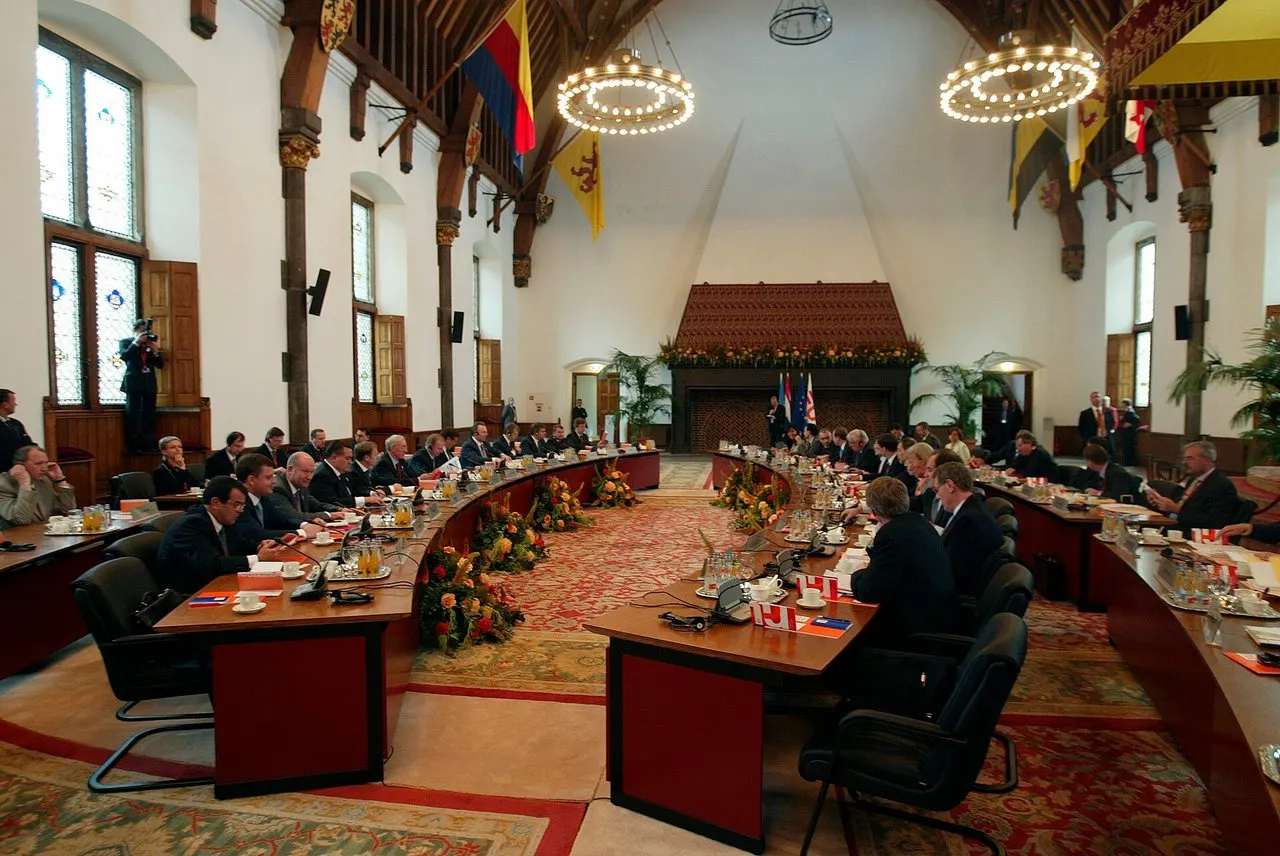
The reply from Europe was firm. Merz said support lets Ukraine negotiate from a position of strength. Frederiksen warned that Putin would be emboldened if backing faded. Neither leader agreed to step back. Their words showed a shared view that support is not the obstacle to peace. It is the path that makes a fair peace possible. Read more about the trilateral meeting in Shenzhen.
The Road Ahead for Kyiv Funding

The road ahead runs through the funding question. Ukraine needs about 70 billion euros in 2027, and the European Commission has proposed up to 45 billion euros in joint borrowing to help close the gap. That plan still needs agreement, and the call from Trump added a new argument to the debate. The months ahead will show whether Europe holds its course or changes it. Read more about the four day trip to China.
Why the Trump Ukraine Call Matters Now
This call matters because it came from an American president to seven European leaders at a moment of real choice. The funding gap, the Berlin summit and the Shenzhen meeting all came together in one week. The leaders pushed back, but the question Trump raised will not go away soon. Europe must now decide how far its support for Ukraine will go. Read more about the warm greeting for Putin in China.
What Do You Think Europe Should Do Next?

The leaders in Berlin pushed back, and the funding debate is still open. Do you think Europe should keep backing Ukraine, or is it time to change course? Should support stay strong so Ukraine can negotiate from strength, or should leaders look for a faster end to the fighting? Share your view in the comments below and tell us what you would say to the seven leaders. Read more about the nuclear talks at the summit.