Russian Missiles in Poland: What Happened on November 20
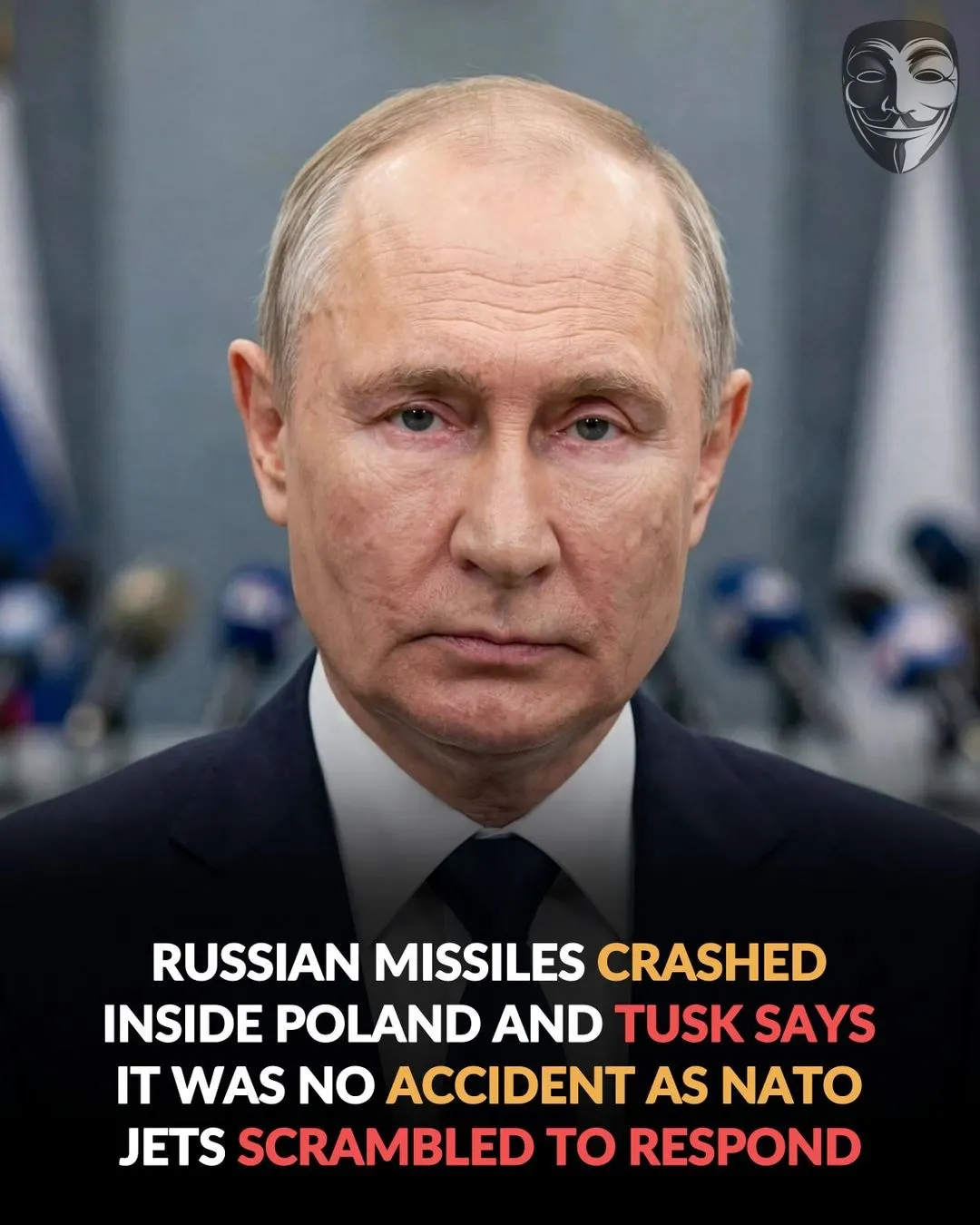
Russian missiles in Poland crossed the border early on Friday, November 20, and the news travelled fast around the world. Polish officials said three Russian objects entered Polish airspace during a huge Russian attack on Ukraine, and one of them was a Kh-101 cruise missile that came down in a field near Nowy Lipowiec. Nobody was hurt in Poland, and no damage was reported, but the moment still mattered because Poland is a member of NATO. The story raised hard questions about intent, safety, and how allies respond when weapons land inside their borders.
Prime Minister Donald Tusk called the incident an apparent intentional provocation, saying it does not look like an accident. He noted that one object fell close to the Koalicja 2026 military exercise in southeastern Poland, where troops from 11 countries are training for a possible peacekeeping mission in Ukraine. NATO scrambled fighter jets in response, and Poland is asking the alliance for more support on its eastern flank. The slides ahead tell each part of the story. More: how Poland’s prime minister answered in public.
References:
Associated Press: Russian missiles land in Poland, as Europe held military drills nearby. NATO calls it a violation
Reuters: Poland condemns Russian ‘provocation’ after three airspace violations
Helsinki Times: Poland accuses Russia of provocation after missiles and drone cross border
TBS News: Russian missiles hit Poland: What happened, and could Nato respond?
Three Objects Crossed the Border Early Friday
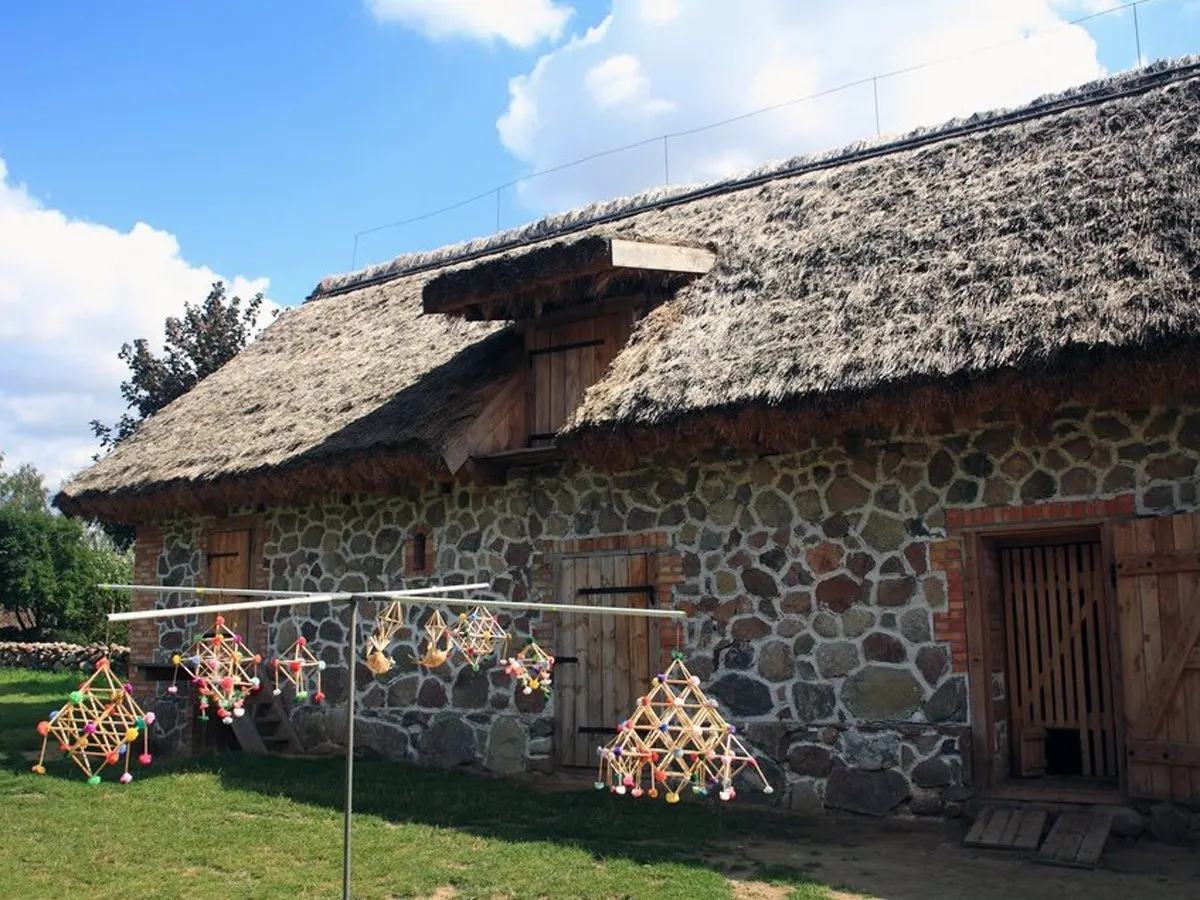
Polish officials confirmed that three Russian objects crossed into Polish airspace early on Friday, November 20. The objects arrived during a huge Russian attack on Ukraine, when the skies over the region were already full of drones and missiles. Officials in Warsaw moved quickly to confirm what had happened and to tell the public that nobody in Poland was hurt. The three objects fell in different places, which told investigators that this was not a single stray weapon. You can read about how Poland guarded its border.
Russian Missiles in Poland Fell Near Nowy Lipowiec

A Kh-101 cruise missile came down in a field near Nowy Lipowiec, about 50 kilometres from the Ukrainian border. The village sits in a quiet rural area, far from big cities, and the missile landed in open ground where it hurt nobody. Local people woke to news that a weapon had fallen close to their homes. Investigators visited the field first, because the wreckage could tell them where the missile came from and how it flew. Read about the backlash over the warm welcome for Putin.
A Second Object Fell Near Rudnik nad Sanem

A second suspected missile fell near Rudnik nad Sanem, a town in southeastern Poland close to the San River. Officials described it as a suspected missile, which means they were still checking exactly what it was when the first reports came out. The town is small and quiet, and the news must have felt strange to people who live far from any front line. Like the field near Nowy Lipowiec, the site gave investigators wreckage to study. See the Crimean Bridge strike.
A Drone Came Down Near Molodycz
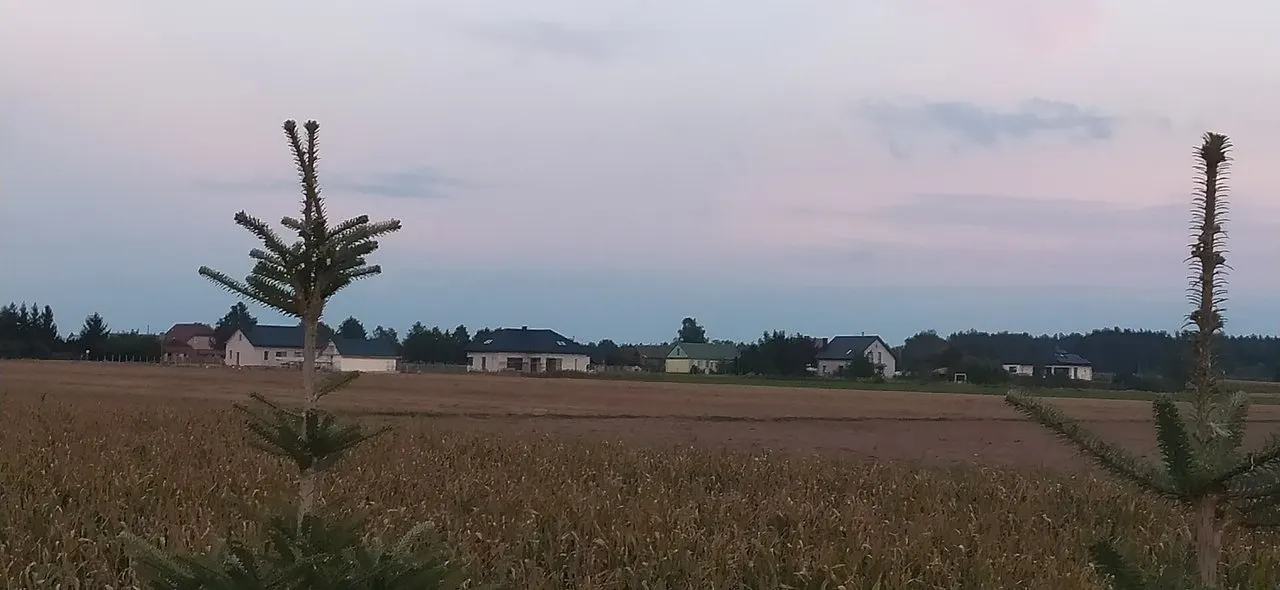
A jet-powered drone fell near Molodycz, the third of the three objects that crossed into Poland that morning. Drones have become a common part of the war in Ukraine, and they can fly long distances before they run out of fuel or are brought down. This one crossed the border and came down in Polish territory, which added a new worry for officials. A drone is smaller than a cruise missile, but it still carries risk when it falls from the sky. Learn about the greeting that drew sharp criticism.
Russian Missiles in Poland Were No Accident, Tusk Said

Prime Minister Donald Tusk said it does not look like an accident, and his words set the tone for the whole day. Tusk has led Poland through a tense period on its eastern border, and he spoke plainly about what he believed had happened. He called the incident an apparent intentional provocation, which means he believed Russia meant to send a message. His warning was quoted around the world within hours. For more on leaders and warnings, read Hillary Clinton’s warning before the meeting.
The Objects Fell Near the Koalicja 2026 Exercise
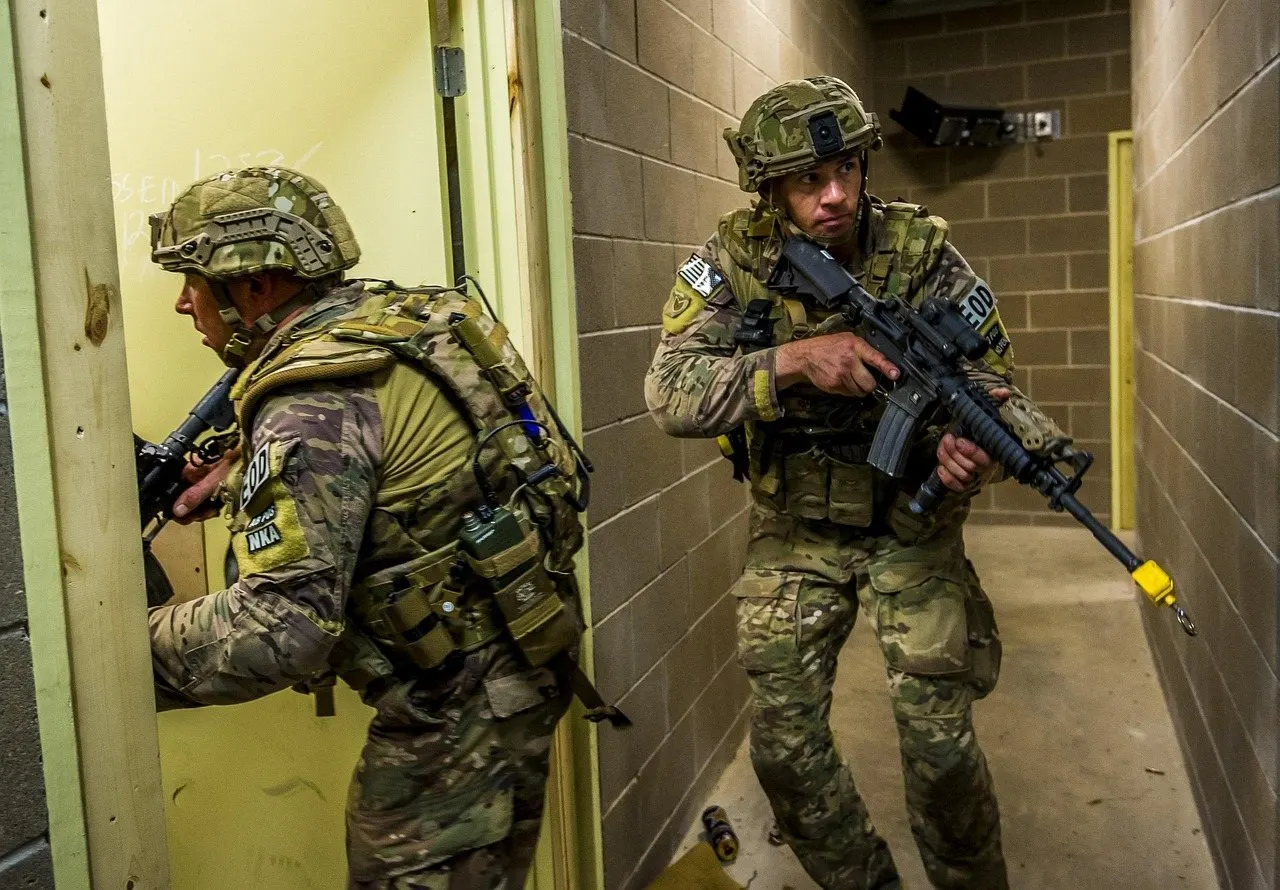
One object fell close to the Koalicja 2026 military exercise in southeastern Poland, and that detail made the story even more alarming. The exercise brings troops together to train for a possible peacekeeping mission in Ukraine, so it is a place where many soldiers gather. A weapon landing near such a gathering looks like a message aimed at the exercise itself. Tusk pointed to this closeness when he said the incident was no coincidence. Read about the trip through Asia.
Eleven Countries Are Training Together in Poland
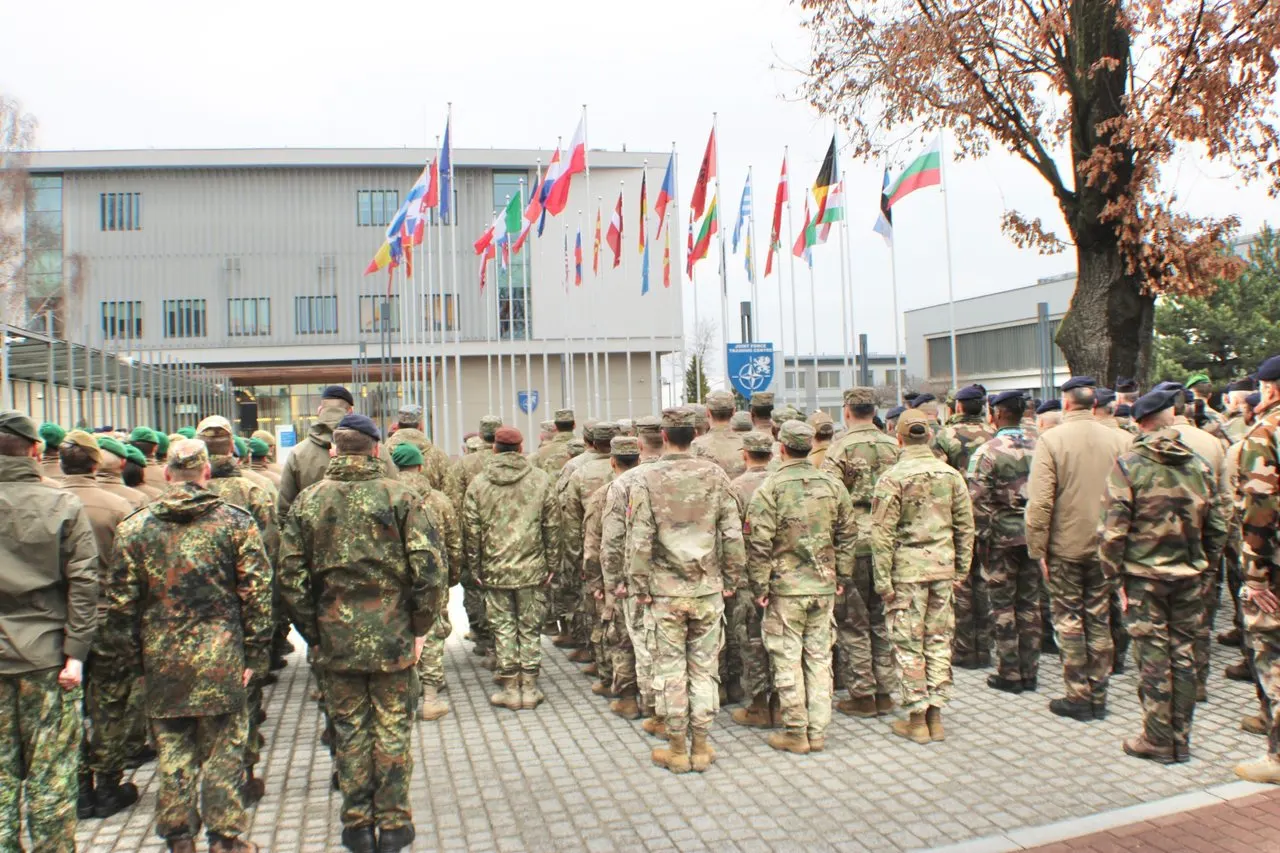
Troops from 11 countries are training together in southeastern Poland as part of the Koalicja 2026 exercise. They are preparing for a possible peacekeeping mission in Ukraine, which would be a hard and risky job if it ever happens. Training together helps soldiers from different nations learn to work as one team, share plans, and trust each other. The exercise shows that many countries are willing to stand with Ukraine. See the APEC moment with Xi Jinping.
Russian Missiles in Poland Brought NATO Jets Into the Sky

NATO scrambled fighter jets in response to the airspace violations, sending pilots into the sky to watch and guard the border. Scrambling jets is a standard step when unknown objects enter allied airspace, and it shows that the alliance takes every crossing seriously. The pilots flew patrols while officials on the ground worked out what had fallen and where. Their presence was both a practical step and a clear signal. For more on defence spending, read what America spends on health care.
What It Means When Jets Scramble
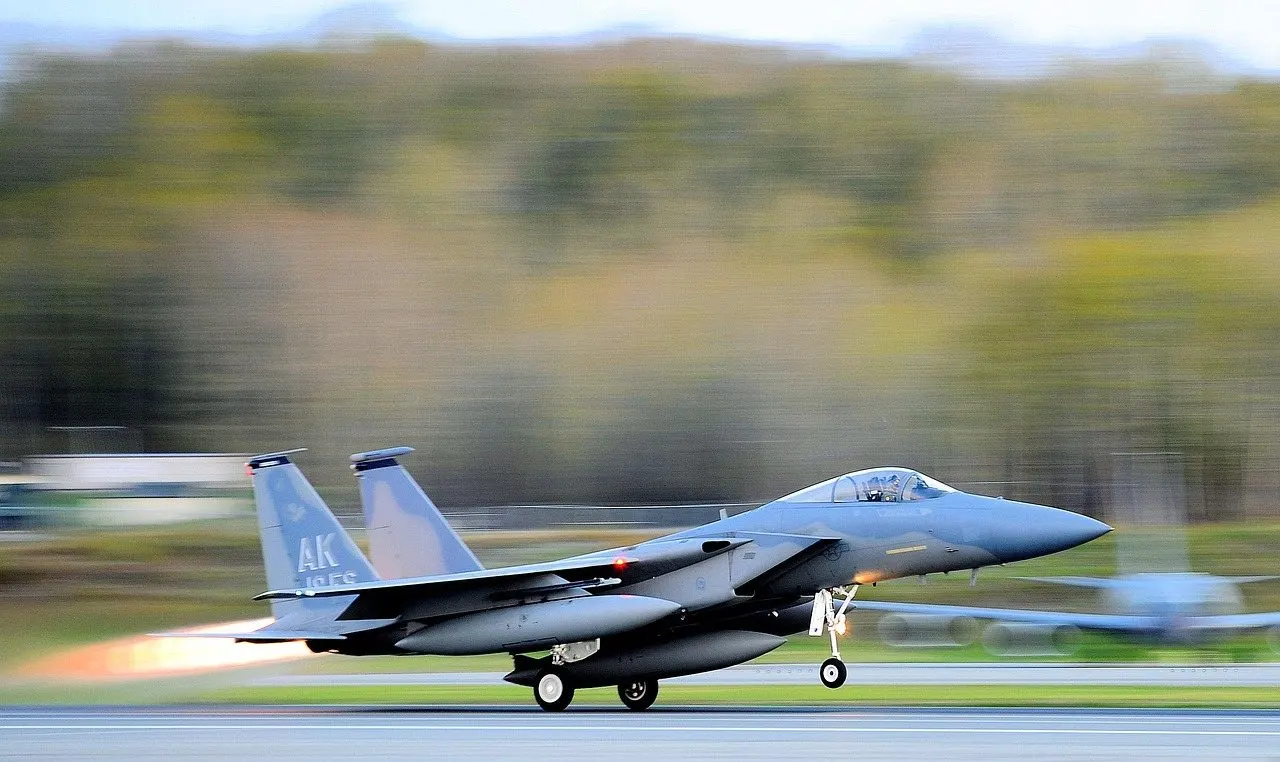
When jets scramble, pilots race to their aircraft and take off within minutes to meet a threat in the sky. NATO keeps jets on quick alert around the clock, so a scramble can happen at any hour of the day or night. The pilots check what is flying, watch it closely, and report back to commanders who decide what to do next. It is a routine part of guarding allied airspace, but each scramble is also a reminder that the job is real. Read the sketch that felt like real life.
What We Know About the Kh-101 Cruise Missile
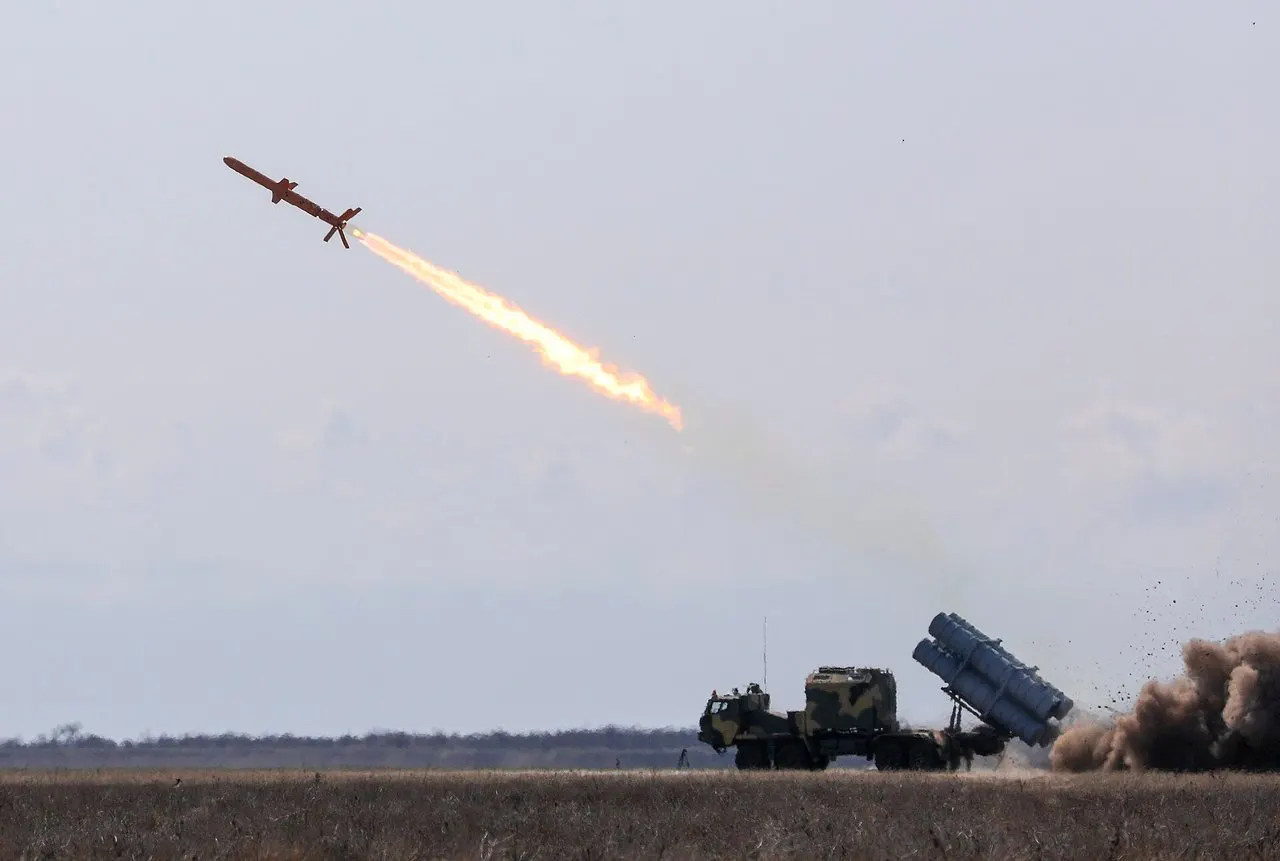
The Kh-101 is a Russian air-launched cruise missile, a weapon designed to fly long distances and strike targets far from the plane that released it. Cruise missiles fly low and follow a planned path, which can make them hard to spot and hard to stop. The one that fell near Nowy Lipowiec did not reach a target in Poland, and it hurt nobody when it came down. Its wreckage will help experts learn about its flight. Learn about how Poland’s prime minister answered in public.
The Jet Powered Drone in the Story
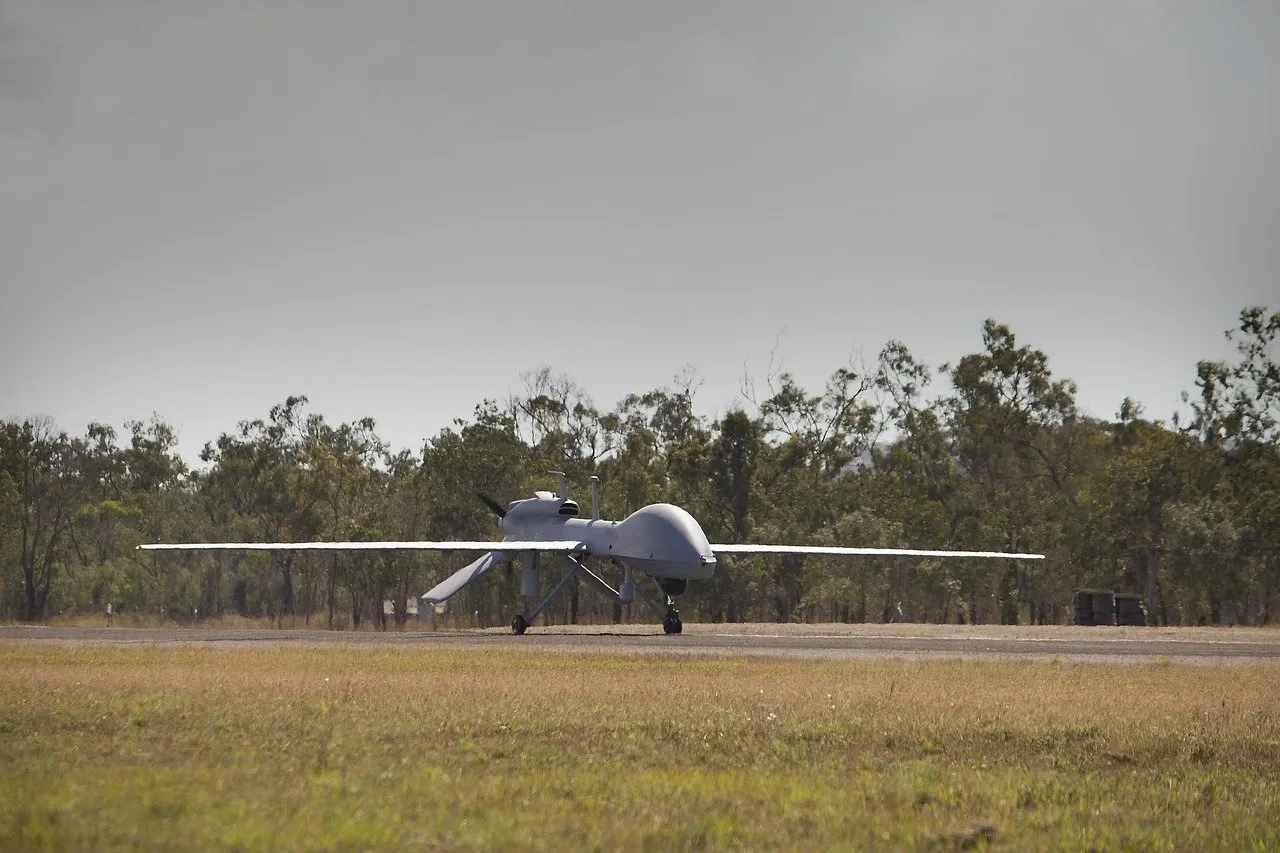
The third object was a jet-powered drone, a small unmanned aircraft that uses a jet engine to fly fast and far. Jet-powered drones are newer than the slow propeller drones seen early in the war, and they can cover long distances in a short time. This one crossed into Poland and came down near Molodycz, which showed that drones can now reach well beyond the front lines. Officials will study what is left of it. Read about the warm greeting during the conflict in Ukraine.
Fifty Kilometres From the Ukrainian Border
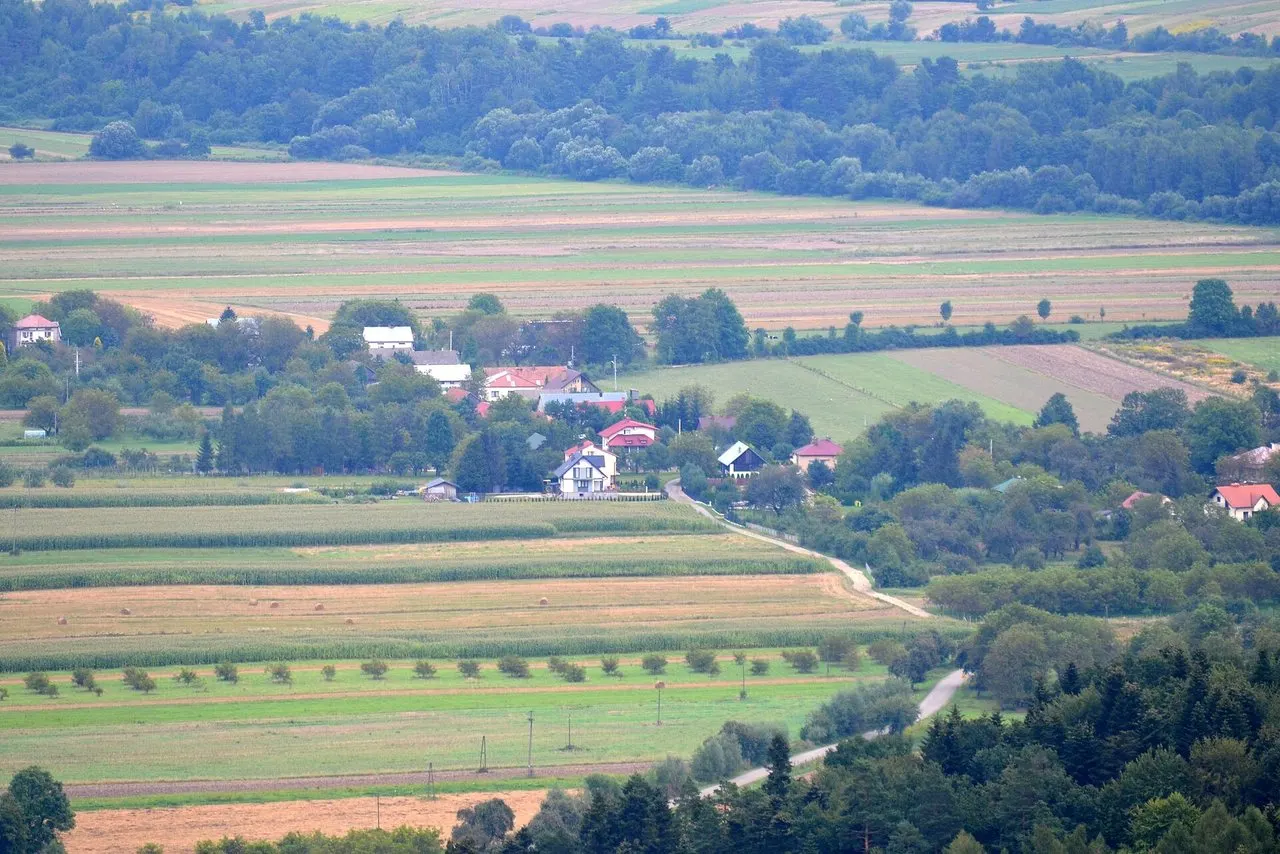
Nowy Lipowiec sits about 50 kilometres from the Ukrainian border, which is roughly 31 miles. That distance may sound large, but a cruise missile can cover it in minutes, and a drone can cross it without much trouble. The border between Poland and Ukraine runs through quiet farmland and small towns, and people on both sides live close to a war they did not choose. The crossing showed how near the fighting really is. See the backlash over the warm welcome for Putin.
Russian Missiles in Poland Tested Air Defence
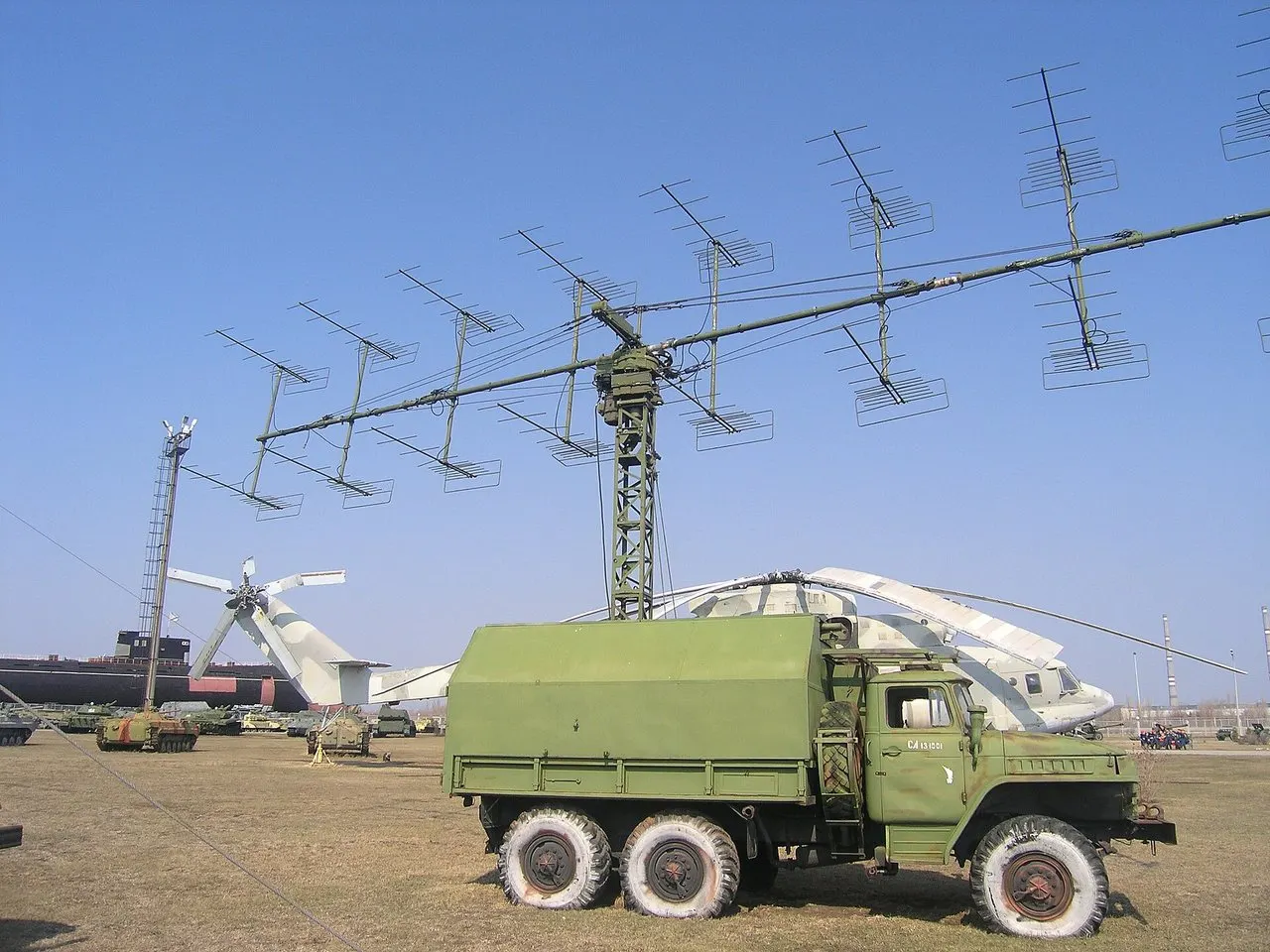
Air defence teams watch the sky with radar, and they must decide fast when an object crosses a border. Radar can track aircraft, missiles, and drones, but telling one kind of object from another takes skill and time. When three objects crossed at once during a huge attack, the teams had to sort real threats from the noise of a busy sky. Their work is mostly unseen, yet it guards millions of people. Read the day no one crossed the guarded border.
Kyiv and Ukraine Faced a Huge Night of Attacks
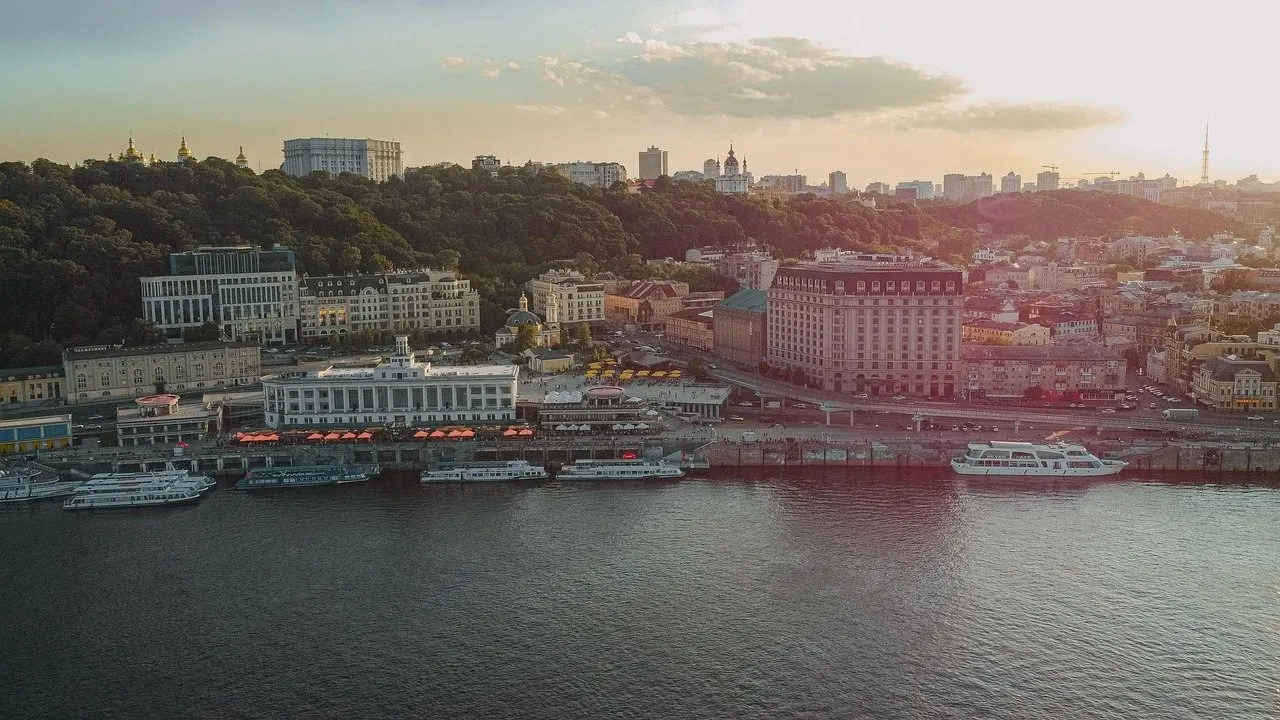
The same night, Russia fired more than 400 drones and over 110 missiles at Ukraine, one of the largest aerial attacks of the war. Cities across Ukraine heard air raid sirens as defenders tried to shoot down what they could. The scale of the attack filled the sky with danger, and some weapons got through. The objects that crossed into Poland were part of this wider assault. For more on leaders and summits, read the greeting that drew sharp criticism.
More Than 400 Drones and 110 Missiles
More than 400 drones and over 110 missiles in one night is a huge number, even by the standards of this war. Each drone and missile needs a crew, fuel, and a target, so an attack of this size takes long planning. Ukraine’s defenders worked through the night to bring down as many as they could, but no defence can stop everything. The numbers show how intense the fighting has become. See Hillary Clinton’s warning before the meeting.
At Least Eight People Were Killed in Ukraine
At least eight people were killed in Ukraine during the same night of attacks, a sad reminder that the numbers in war reports are real lives. Behind each number is a family, a home, and a community left to grieve. The people who died were far from the Polish border, but their loss is part of the same story. Poland’s officials spoke of the danger while Ukraine counted its dead. Read how Congress sees Russia and Canada.
Russian Missiles in Poland Led Poland to Ask NATO for More
Poland is asking the alliance for more support on its eastern flank, which is the long border that faces Russia and Belarus. More support could mean more troops, more air defence, and more patrols in the sky and on the ground. Poland has asked for help before, and each new incident adds weight to the request. Allies must now decide how much more they can send. For more on summits and promises, read the APEC moment with Xi Jinping.
Polish Soldiers Stand Watch on the Eastern Flank
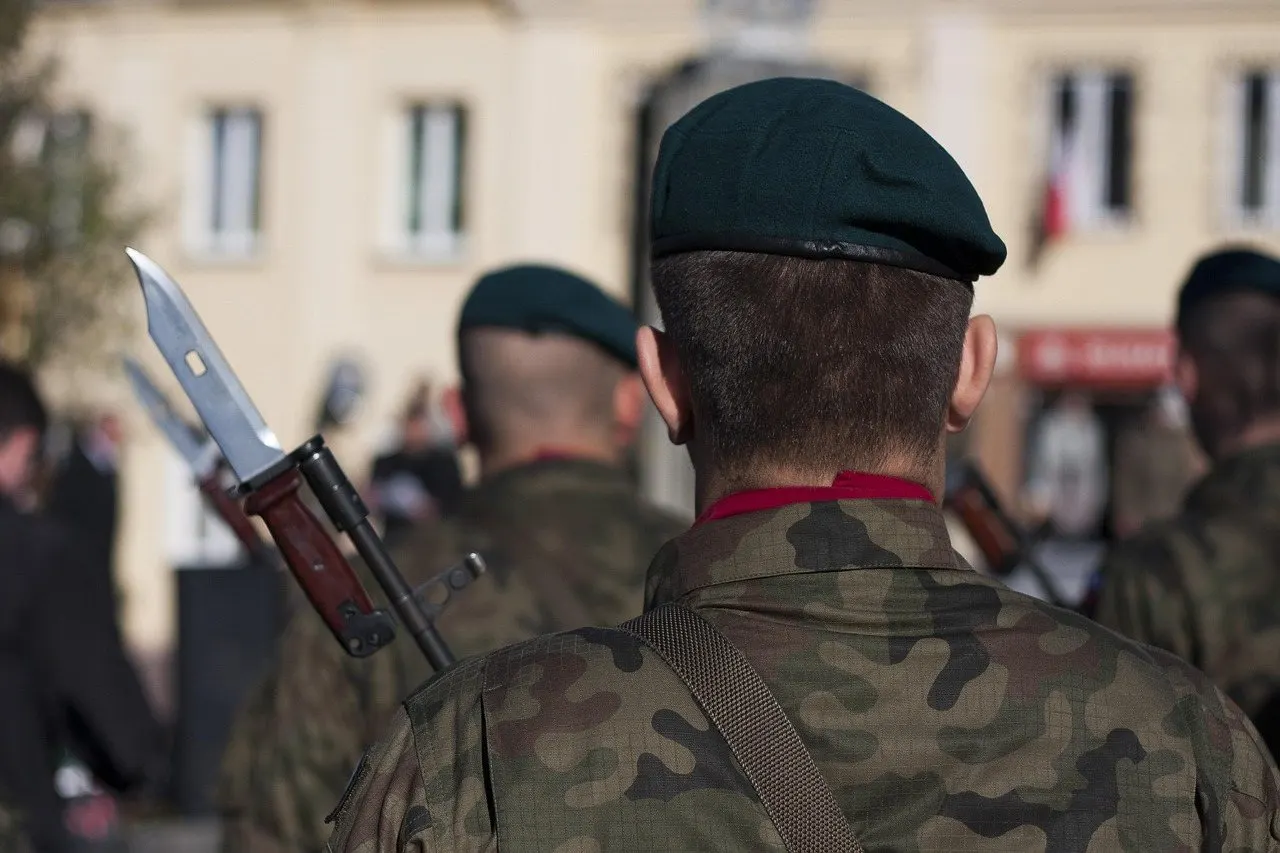
Polish soldiers stand watch along the eastern flank every day, in all weather and at all hours. Their job is to guard the border, watch the skies, and be ready if trouble comes. Many of them serve far from home, in small towns and quiet fields like the ones where the objects fell. Their presence reassures the people who live nearby. See promises kept in New York.
Life in the Quiet Fields of Southeastern Poland
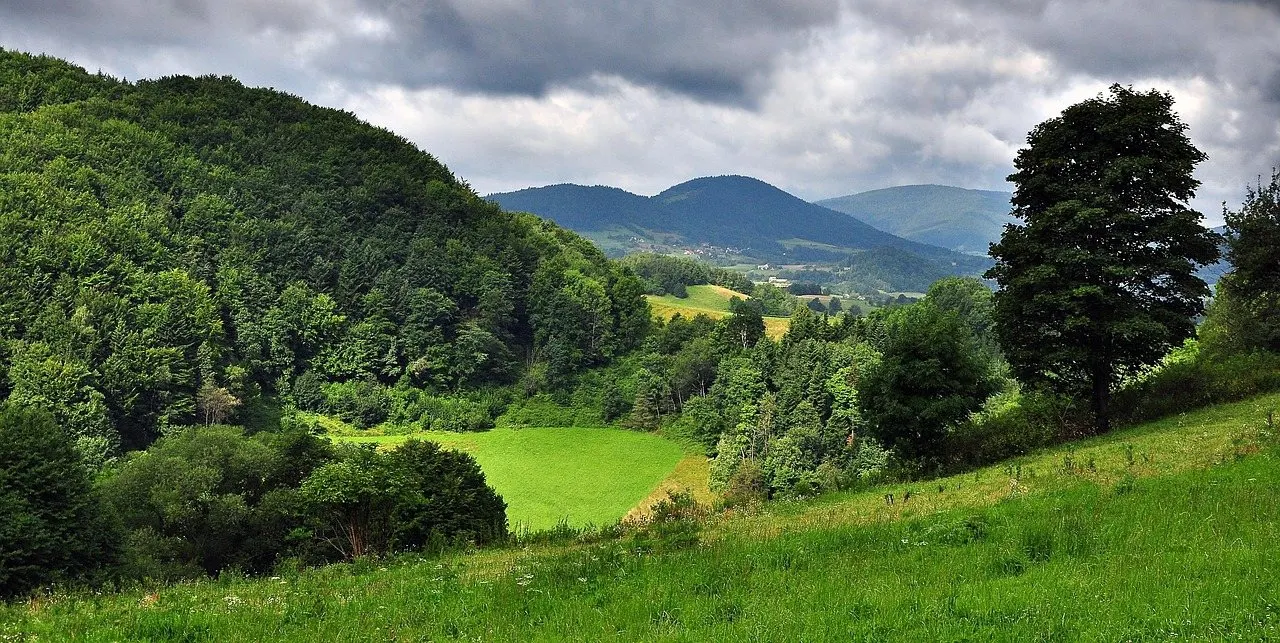
Southeastern Poland is a land of fields, forests, and small villages, where life moves at a slow and steady pace. Farmers work the land, families know their neighbours, and the war in Ukraine has felt close yet far away. The falling objects changed that feeling in a single morning, bringing the war to fields where people grow food and raise children. Life goes on, but the worry stays. Read the sketch that felt like real life.
Russian Missiles in Poland and Why the Eastern Flank Matters
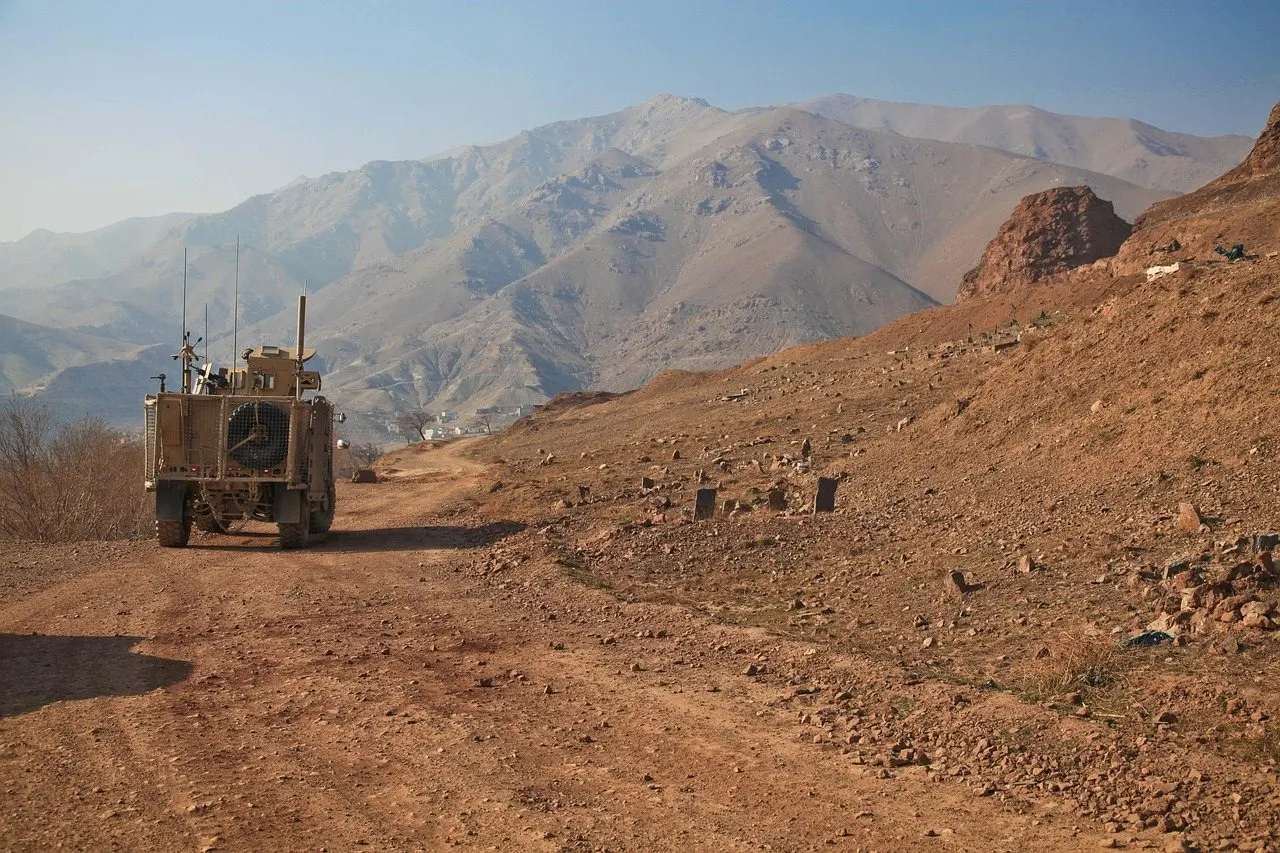
The eastern flank is NATO’s front line, the edge where the alliance meets Russia and Belarus. Countries along this edge, including Poland, carry the heaviest burden of guarding it. When weapons land there, the whole alliance pays attention, because an attack on one member concerns all of them. The flank matters to every NATO country, not just those who live on it. Learn about how Poland’s prime minister answered in public.
Russian Missiles in Poland and How Allies Share the Work
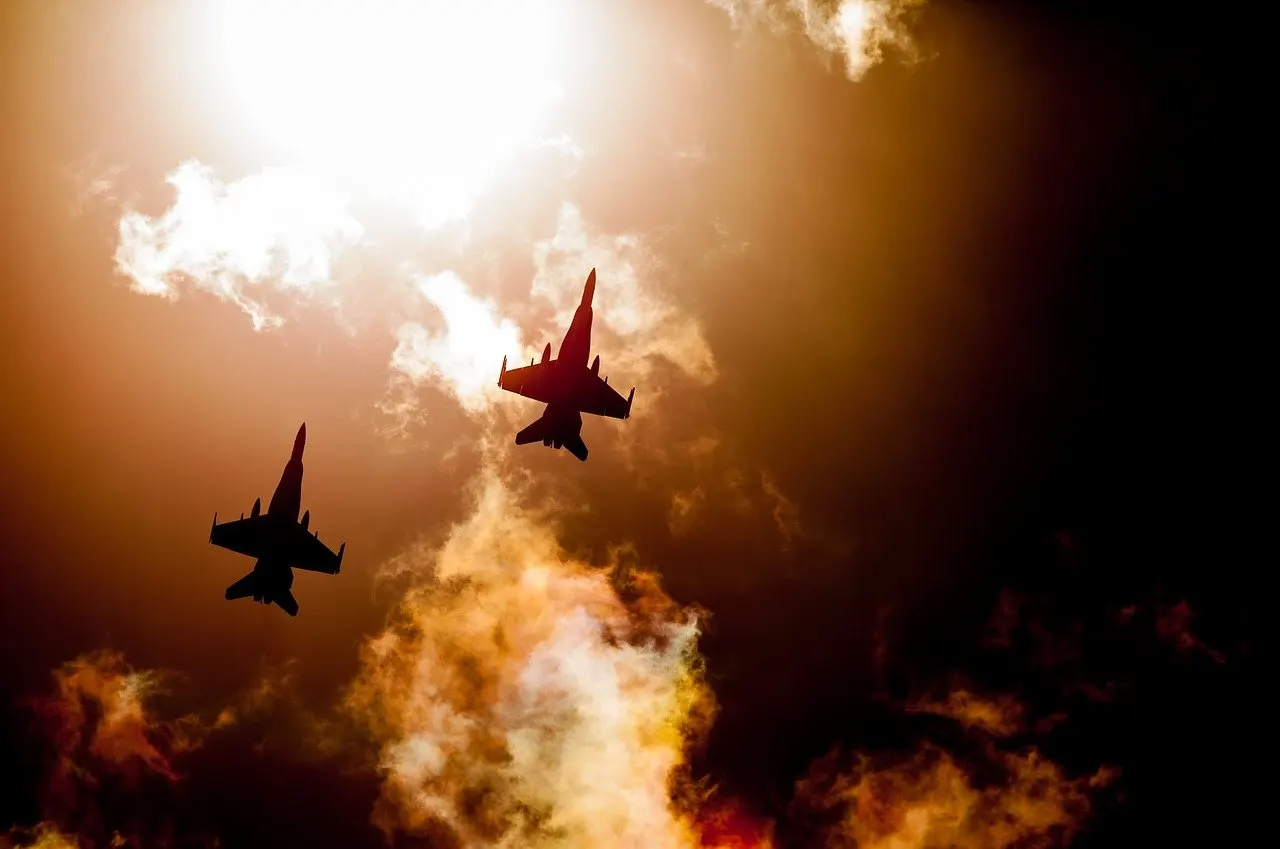
NATO works because its members share the work of defence, with each country adding troops, planes, or ships to the common effort. Jets from one country may patrol the skies over another, and soldiers from many nations train side by side. This sharing means no single country has to face a threat alone. The scramble over Poland was a clear example of that teamwork in action. Read how Poland guarded its border.
Russian Missiles in Poland and What Happens After a Crossing
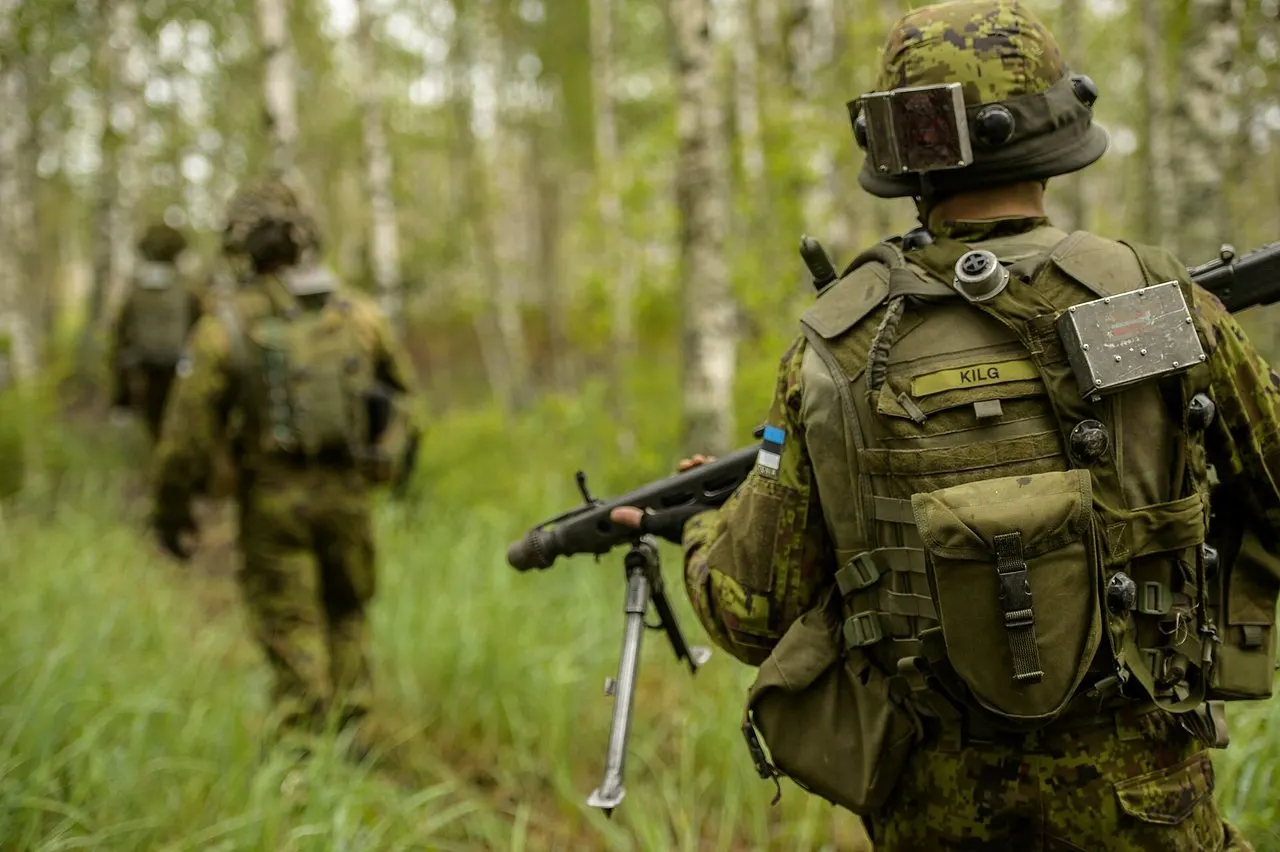
After objects cross a border, investigators collect the wreckage, study the flight paths, and share what they find with allies. Leaders meet, statements are made, and plans are checked to see what worked and what needs to change. The public waits for clear answers about what happened and why. These steps take time, but they matter for safety and for trust. See warnings about Russia and American security.
Russian Missiles in Poland and How Warsaw Responds

Warsaw is the capital of Poland, and it is where the government meets to decide how to answer a crisis. Officials there spoke to the public, contacted NATO allies, and asked for more support on the eastern flank. The city itself is far from the border, but the decisions made there affect every town near it. People in Warsaw followed the news as closely as anyone. Read about the Crimean Bridge strike.
Russian Missiles in Poland and What Investigators Will Look For
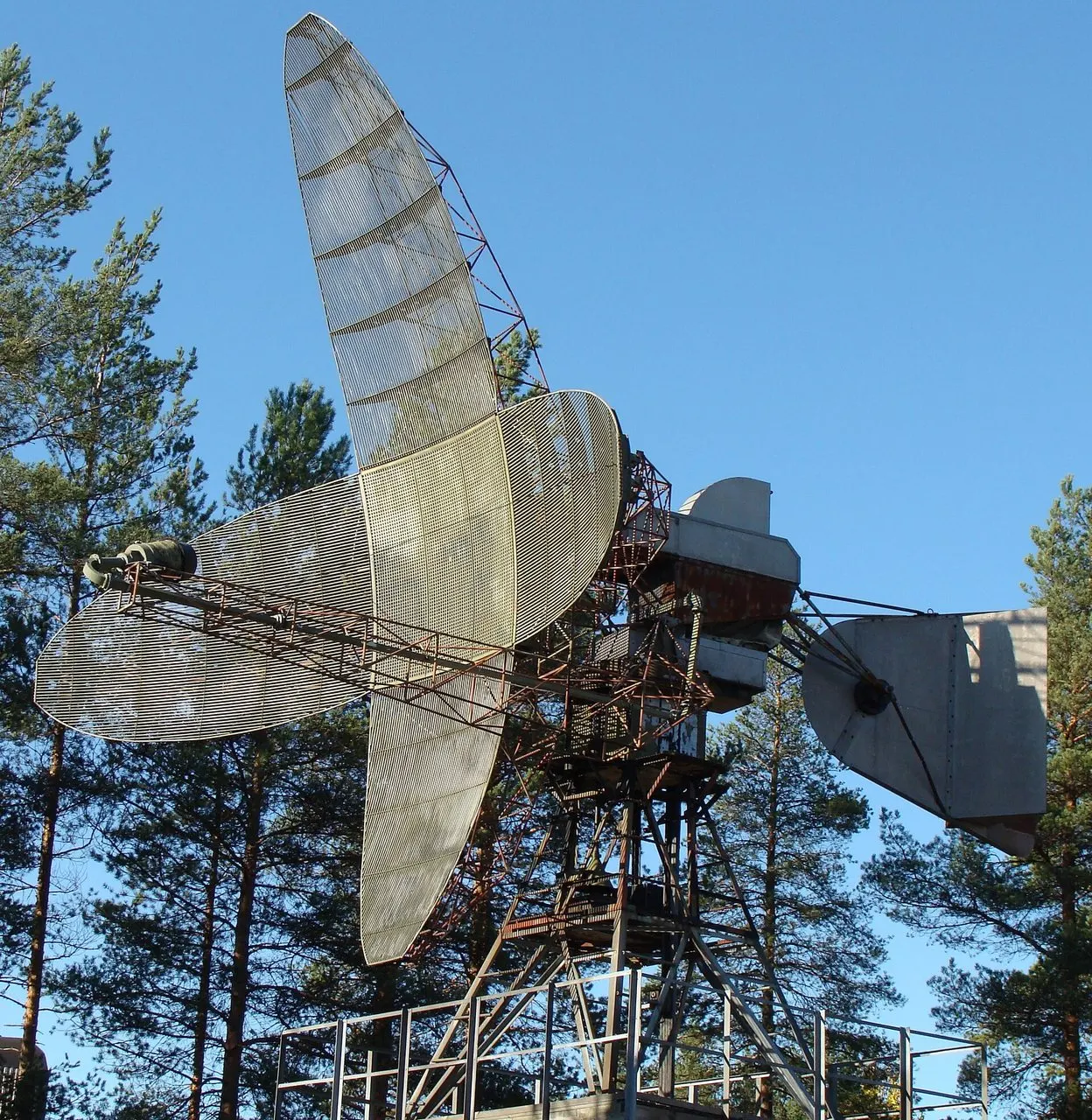
Investigators will look at where each object fell, how it flew, and what parts are left to study. Radar records, flight paths, and wreckage can show whether the objects were aimed at Poland or simply flew past their targets. The answers will shape what Poland and NATO do next. Until the work is done, officials will be careful about what they claim. Learn about the historic summit on nuclear weapons.
Russian Missiles in Poland: What Do You Think Should Happen Next?

The story is still unfolding, and the questions it raises have no easy answers. Should NATO send more jets and troops to Poland, or should allies focus on talks and diplomacy? Was this a deliberate message from Moscow, or a sign of how messy a huge attack can become? We want to hear what you think. Share your thoughts in the comments below, and keep reading Hillary Clinton’s warning before the meeting.