Putin Iran Intelligence and a Friendship That Shocked America
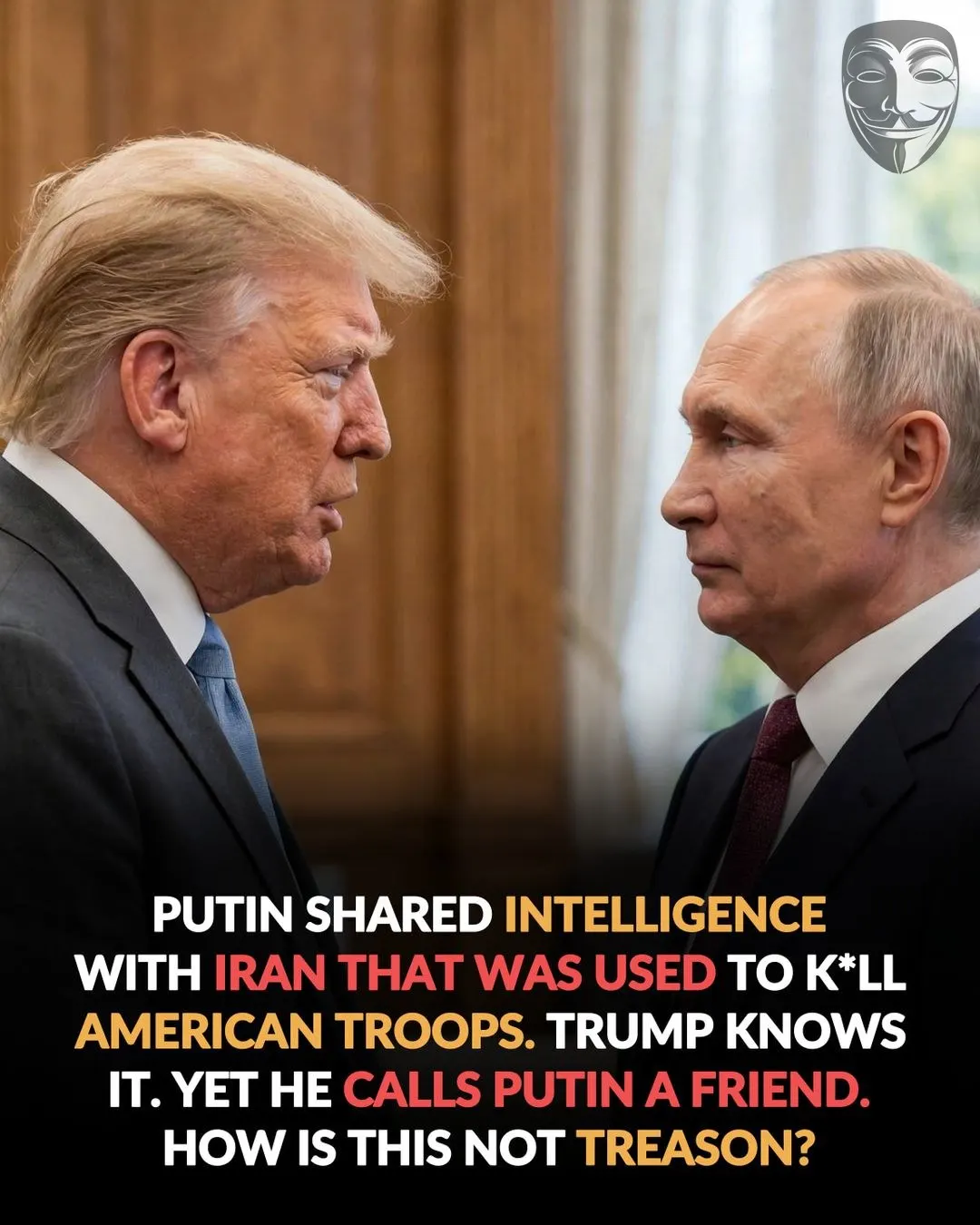
Putin Iran intelligence is at the center of a story that has left many Americans asking how a president can call Vladimir Putin a friend. On November 19, President Donald Trump greeted Putin in Shenzhen, China, pointing at the Russian leader and saying, Who is he? He is my friend, before the two leaders sat down with China’s Xi Jinping for a trilateral summit. Trump later posted a photo of their handshake on Truth Social with the caption My Friend, and he defended the warm words as a way to make a deal and stop the killing in Ukraine.
In the slides ahead we look at what officials have said about the intelligence shared with Iran, what happened to American troops in Kuwait, and how leaders at home and abroad answered the greeting in Shenzhen. The story draws only on the post and the reports linked here, and it keeps the focus on the facts as officials and news outlets have described them. For more on the meeting itself, read our report on trump Called Putin My Friend as the Two Leaders Shook and our piece on xi Jinping Personally Greeted Donald Trump on the Tarmac in.
References:
New York Post: Zelensky rips Trump for embracing Putin, comparing it to being friends with Hitler
Fox News: Zelenskyy compares Putin to Hitler as Trump pushes to end Ukraine conflict: ‘He’s an aggressor and a k*ller’
Newsmax: Trump Defends Calling Putin a Friend After Zelenskyy Rebuke
BBC: Trump, Putin and Xi historic meeting: Five key takeaways from US, Russia and China presidents trilateral summit
Who Is He? He Is My Friend
On November 19, President Donald Trump walked into a meeting in Shenzhen, China, and pointed at Vladimir Putin with a smile. The words that followed were simple and warm, and they were caught on camera for the whole world to see. The greeting was brief, but it carried a weight that went far beyond one room in China, because it came at a moment when American families were still grieving. See also trump Beamed at Putin and.
Putin Iran Intelligence and the Handshake the World Saw
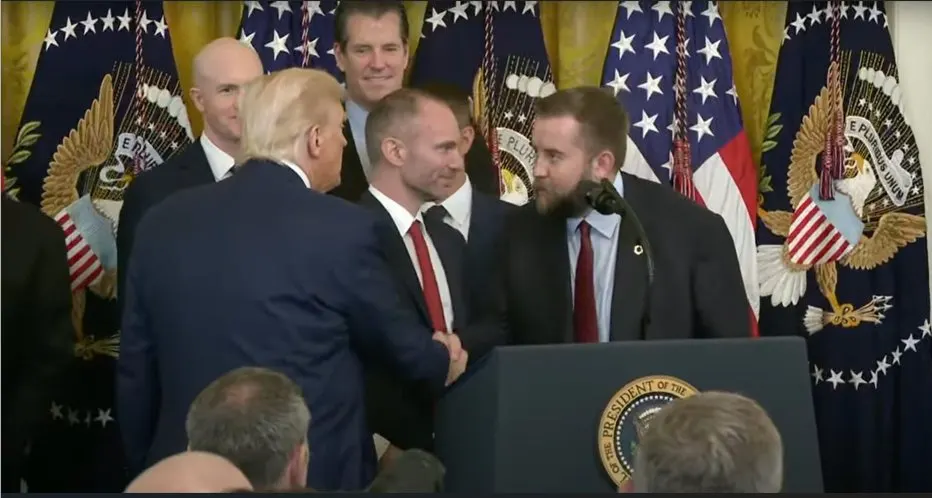
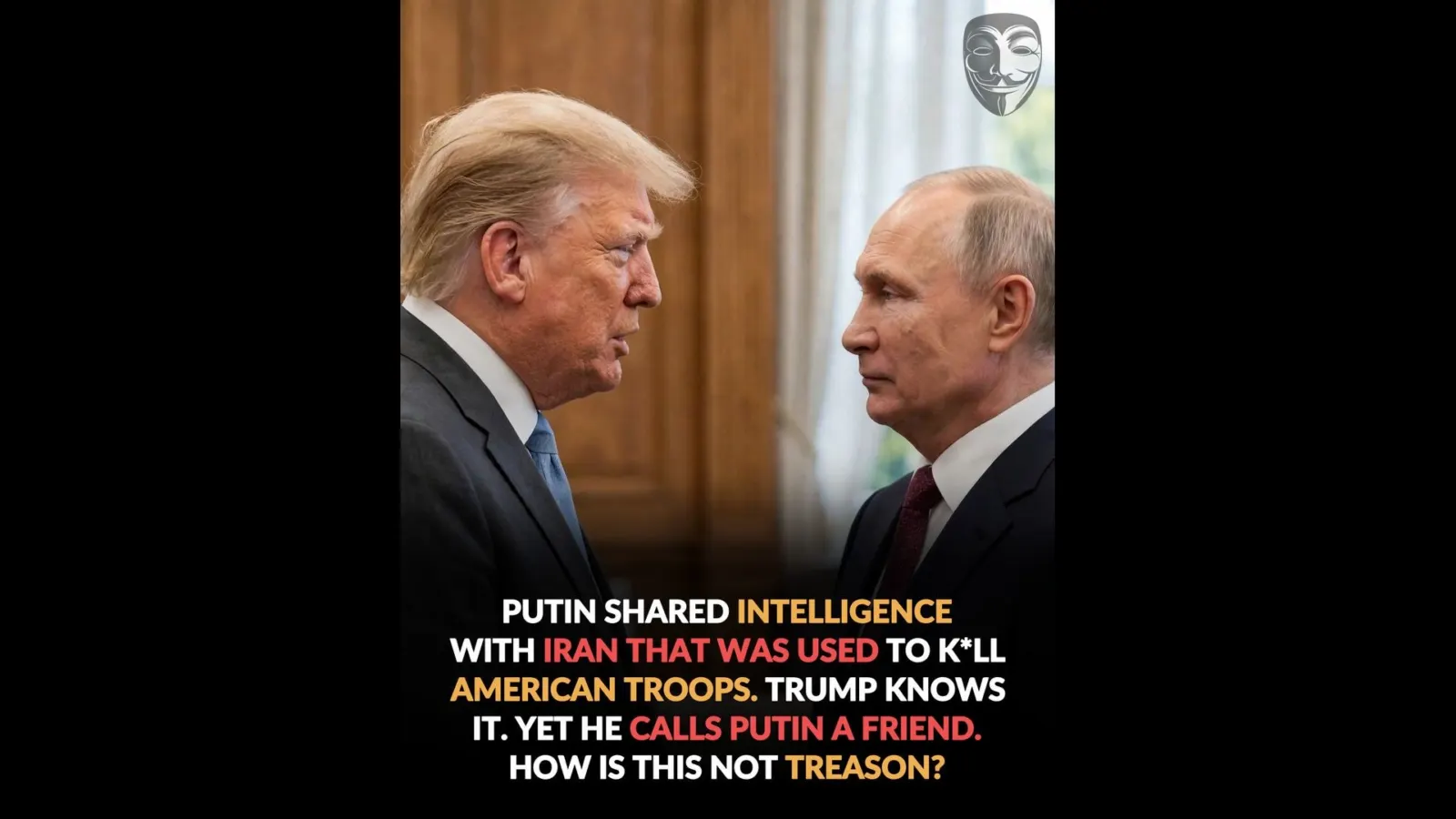
The handshake that followed the greeting was posted by Trump himself on Truth Social, with the short caption My Friend. A handshake between leaders is usually a small moment, but this one became a symbol of a relationship that critics say has gone too far. The photo showed two men smiling, and it spread quickly across the internet. For critics, it was proof that he would not hold Putin to account for what officials say Russia did. See also trump Says We Are Making.
Xi Jinping Hosts a Historic Meeting in Shenzhen
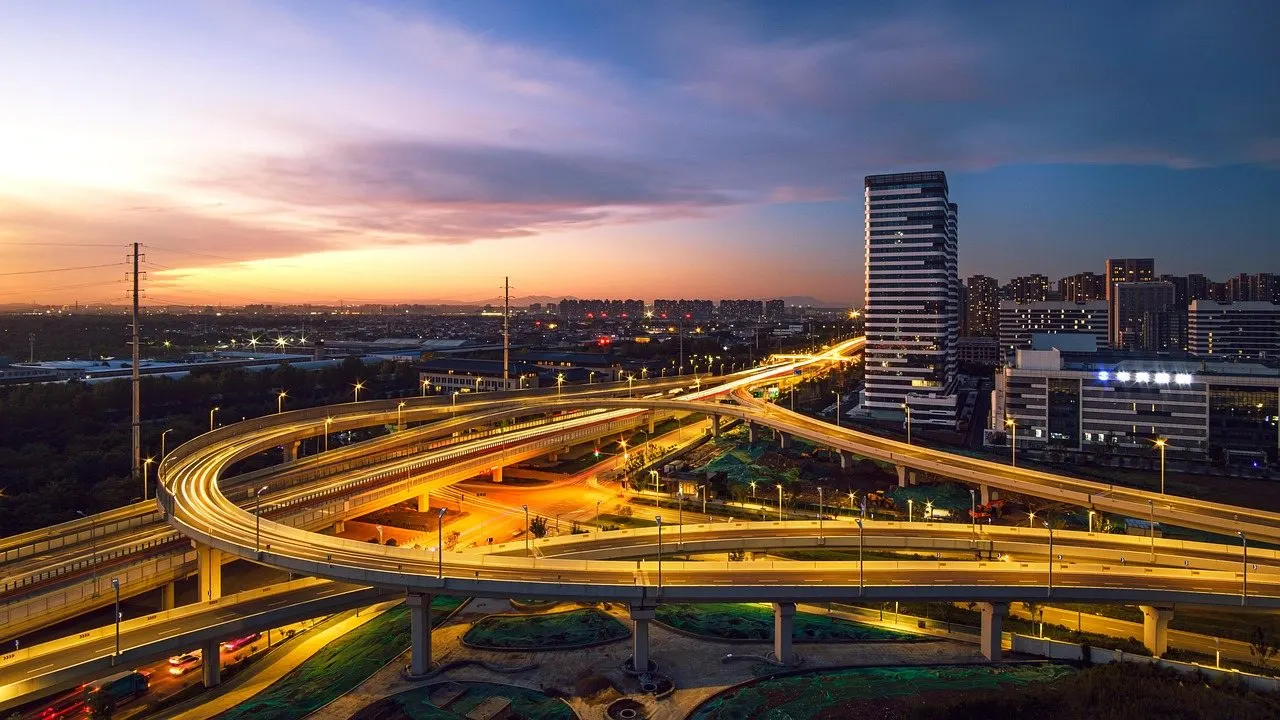
China’s Xi Jinping brought the three leaders together for a trilateral summit, the first of its kind, in the southern city of Shenzhen. The setting was chosen to show China’s growing role on the world stage, and the meeting drew cameras from every major news outlet. The city skyline behind them told its own story about a country that now hosts the meetings that once happened in Washington or Geneva. See also china, Russia and U.S. Leaders.
Zelenskyy Answers: He Is an Aggressor, and a Killer
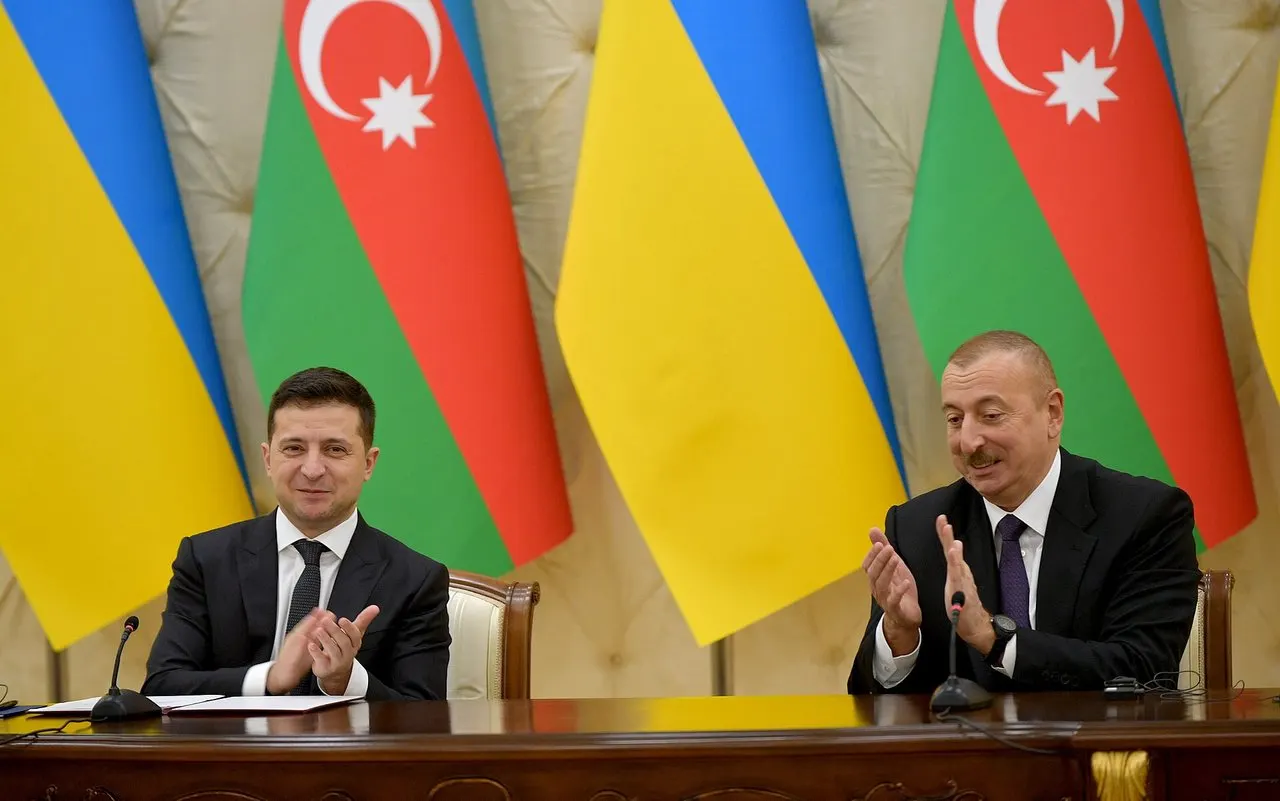
Ukrainian President Volodymyr Zelenskyy did not hide his feelings when he was asked about Trump’s words. He said that Putin is an aggressor, and a killer, and that he cannot be a friend. Zelenskyy has every reason to stay on Trump’s good side, because Ukraine depends on American help to defend itself. His answer cut through the polite language of diplomacy and reminded the world that for Ukraine, this is not a debate about manners. It is a matter of life and death. See also president Trump Returns Home From.
The Kremlin Says Putin Left in an Excellent Mood
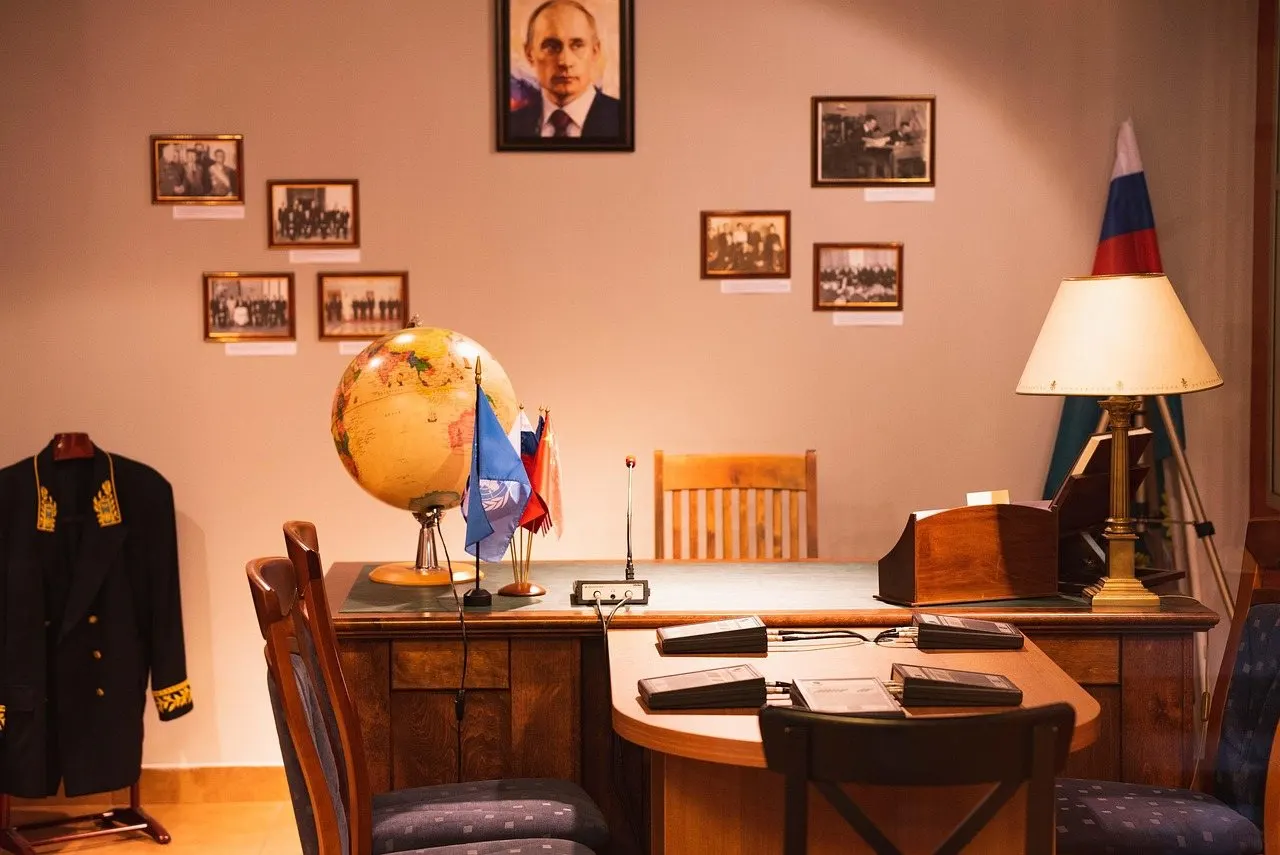
After the meeting, the Kremlin said that Putin left in an excellent mood. The words were short, but they carried a clear message. Putin had received the world stage photo opportunity he had wanted for years, and he had not given up a single thing to get it. He walked away with a smile and a handshake from the American president. For critics in Washington, the Kremlin’s happy report was the proof that the greeting had handed Putin exactly what he wanted. See also elon Musk Joins President Trump.
Putin Iran Intelligence and the Six Americans Lost in Kuwait
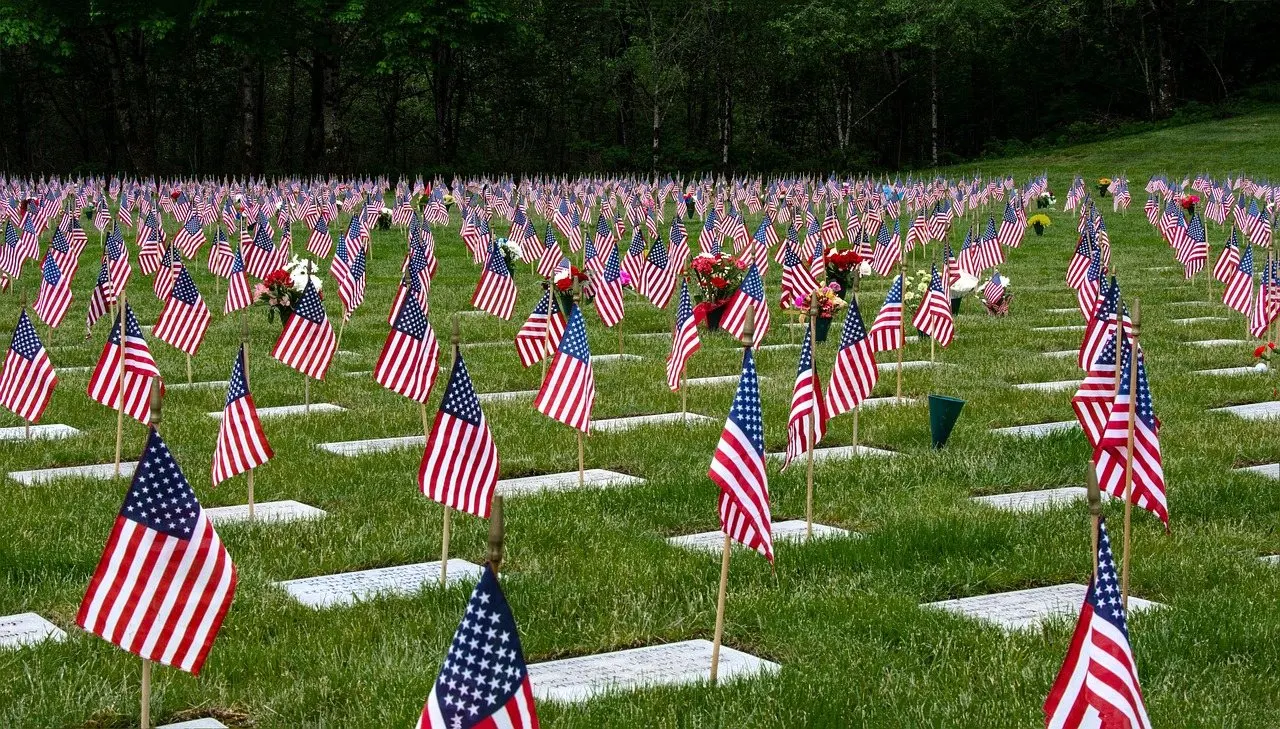
In March, an Iranian drone strike hit a makeshift operations center in Kuwait and killed six American service members, according to United States officials and news reports. The six men and women were serving far from home, doing the quiet work that keeps American forces safe. Their deaths were a shock to their families and to their units. Officials say the strike was possible because Russia had shared satellite intelligence with Iran, giving Tehran the locations of American ships, planes and soldiers across the region. See also xi Jinping Reportedly Moved Putin.
The Drone That Found Its Target
Drones have changed the way wars are fought, and the strike in Kuwait showed how deadly they can be when they are guided by good intelligence. Officials say the Iranian drone that hit the operations center was helped by the data Russia passed to Tehran. The technology itself is not new, but the combination of satellite tracking and drone weapons has made American bases in the region more exposed than they used to be. See also trump Called an Embarrassment for.
Putin Iran Intelligence: What American Officials Have Said
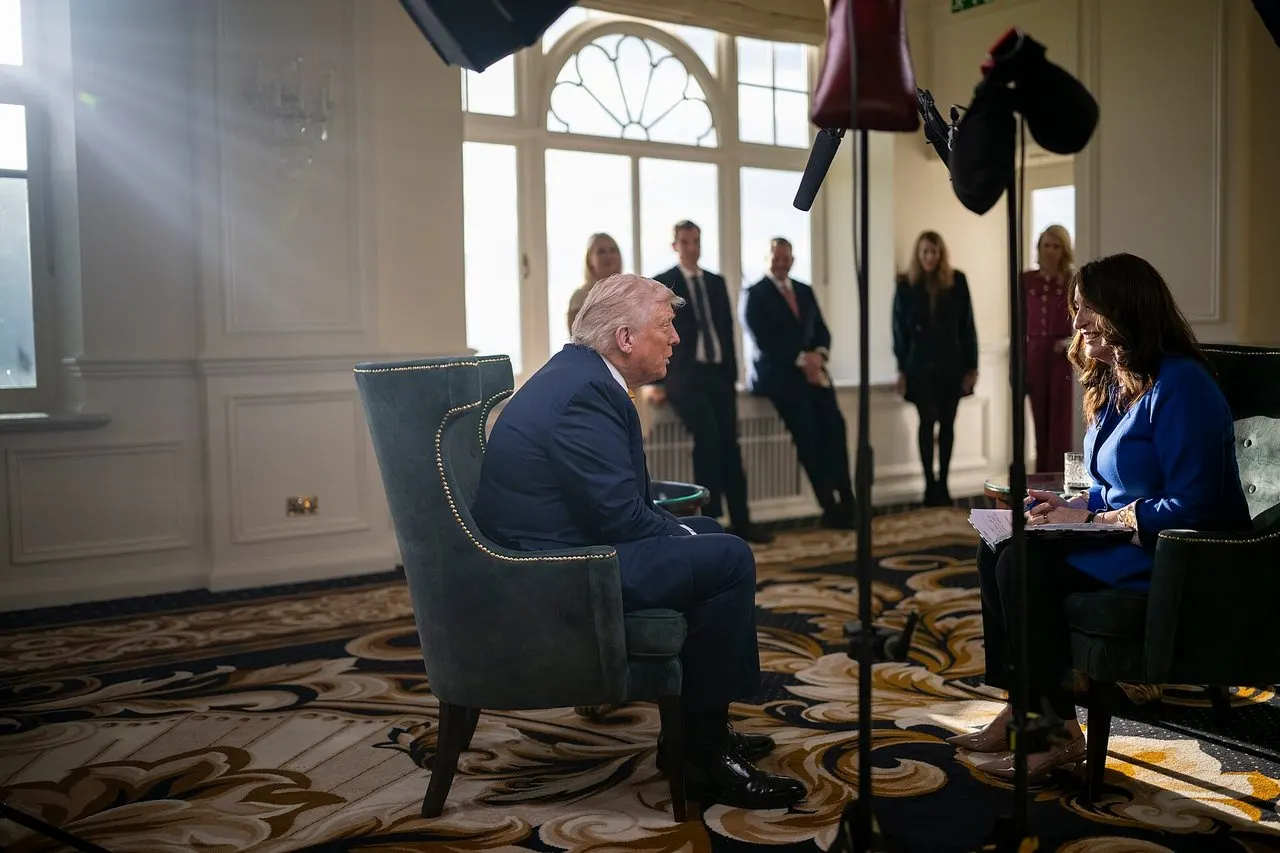
United States officials have said that Russia shared satellite intelligence with Iran, and that the information helped Tehran target American forces. The claim is serious, because it ties Moscow directly to the deaths of American troops. Officials have described the sharing as part of a closer partnership between Russia and Iran, one that grew stronger after the war in the region began in March. The White House has not denied the reports. Instead, the debate has turned to what the president knew, and when he knew it. See also putin Is Very Angry Over.
The Press Secretary Says It Did Not Really Matter
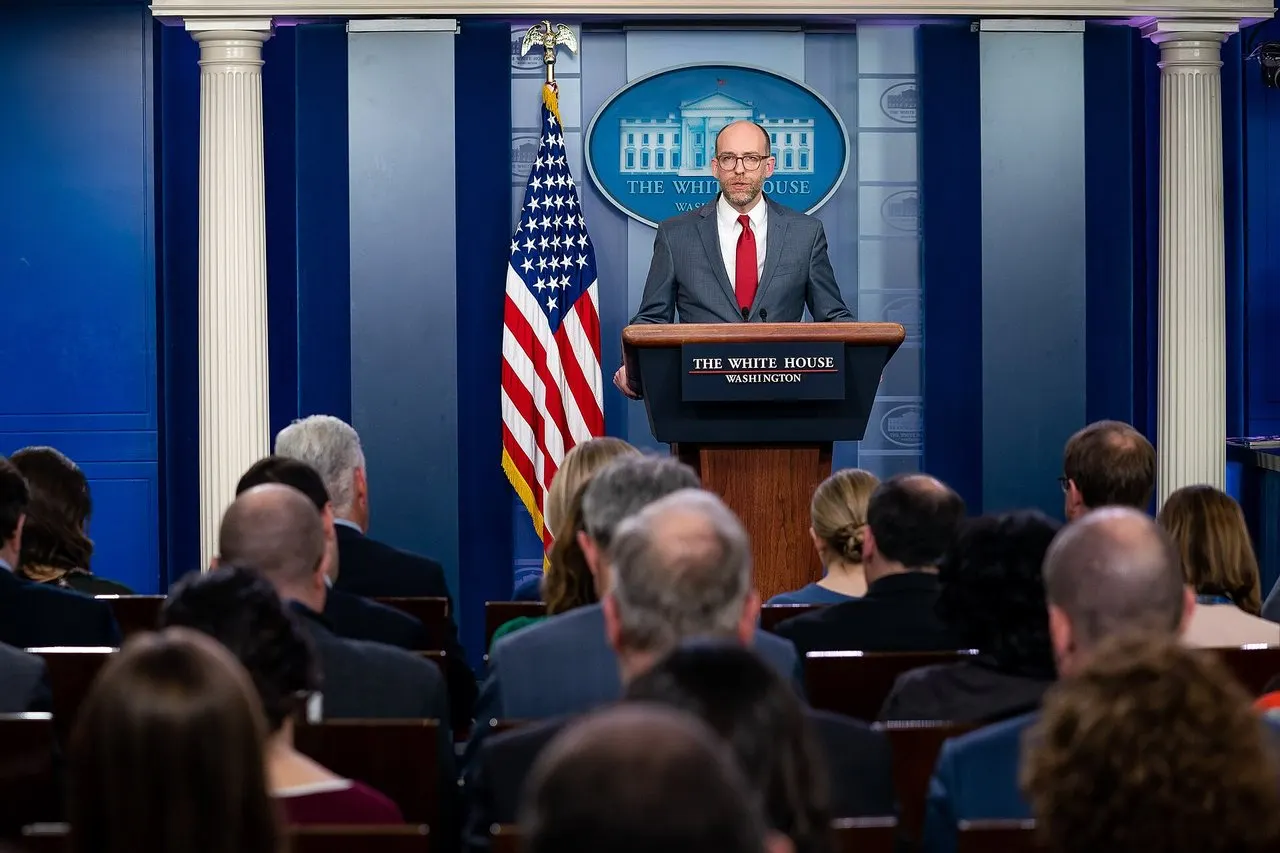
When reporters asked the White House about the reports, the press secretary said it did not really matter. The answer stunned critics, who said the deaths of six service members should matter more than anything. A press briefing is where the White House explains its choices to the public, and this answer left many questions open. If the intelligence sharing was real, why was the response so light? The briefing room has seen many hard questions, but few answers have drawn as much anger as this one. See also trump, Xi and Putin Meet.
Pete Hegseth Insists No One Was Put in Danger
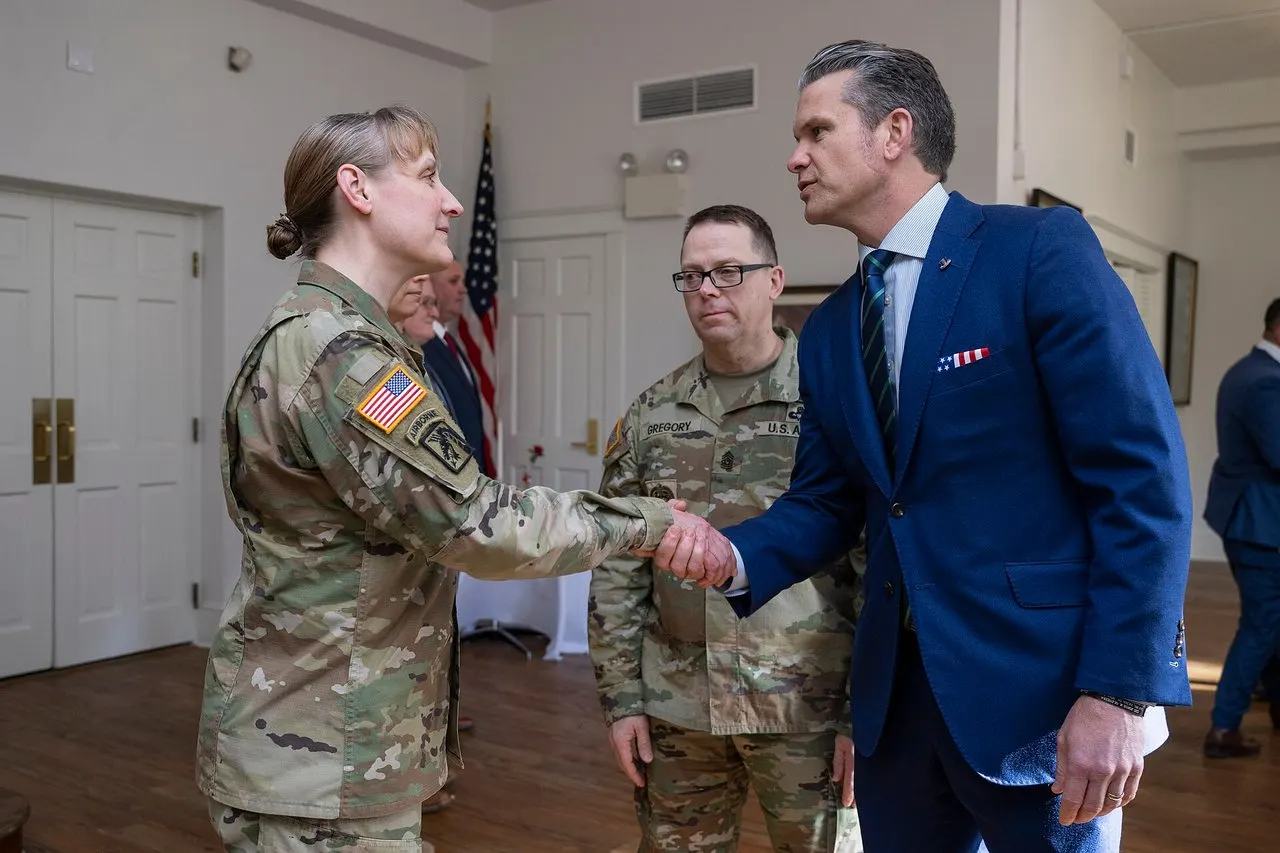
Defense Secretary Pete Hegseth went on 60 Minutes and insisted that no one was putting American troops in danger. His words were meant to calm the public, but they raised a new question. If the intelligence sharing was real, how could the troops be safe? Hegseth has defended the administration’s handling of the issue, and he has said the military takes force protection seriously. The interview put him at the center of a debate that has not gone away, and his answers are still being quoted. See also trump Flew to China to.
Trump Smiles Through the Criticism

Through all of it, Trump has kept smiling and kept defending the greeting. He told Fox News that Putin may be helping them a bit, and he made excuses for the Russian leader, saying Putin probably thinks America is helping Ukraine. The shrug and the smile have become part of the story. To his supporters, they show a president who will not be pushed around by the press. To his critics, they show a leader who will not face what officials say Russia did to American troops. See also after Trump Sidelined JD Vance.
Putin Iran Intelligence and the Families Left Behind
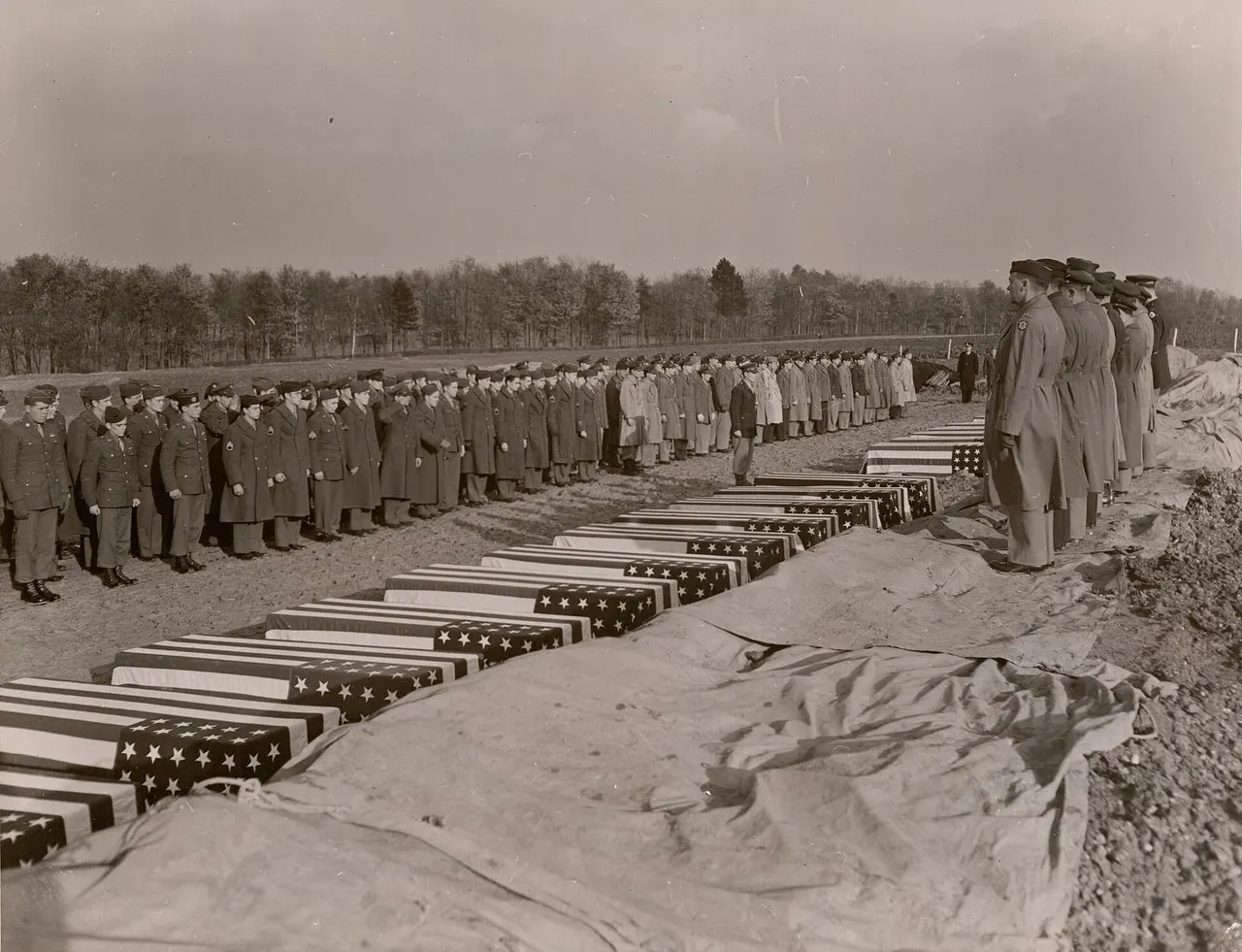
Six families buried their loved ones after the strike in Kuwait. Funerals with flag draped coffins are the hardest duty a military family can face, and each one leaves a hole that never fully closes. The families have asked few questions in public, but their loss sits at the heart of this story. When a president calls the leader who helped make it happen a friend, the words land differently for them. Their grief is the reason so many Americans are asking how this is not treason. See also ilhan Omar Came Here on.
Moscow Watches, and Waits
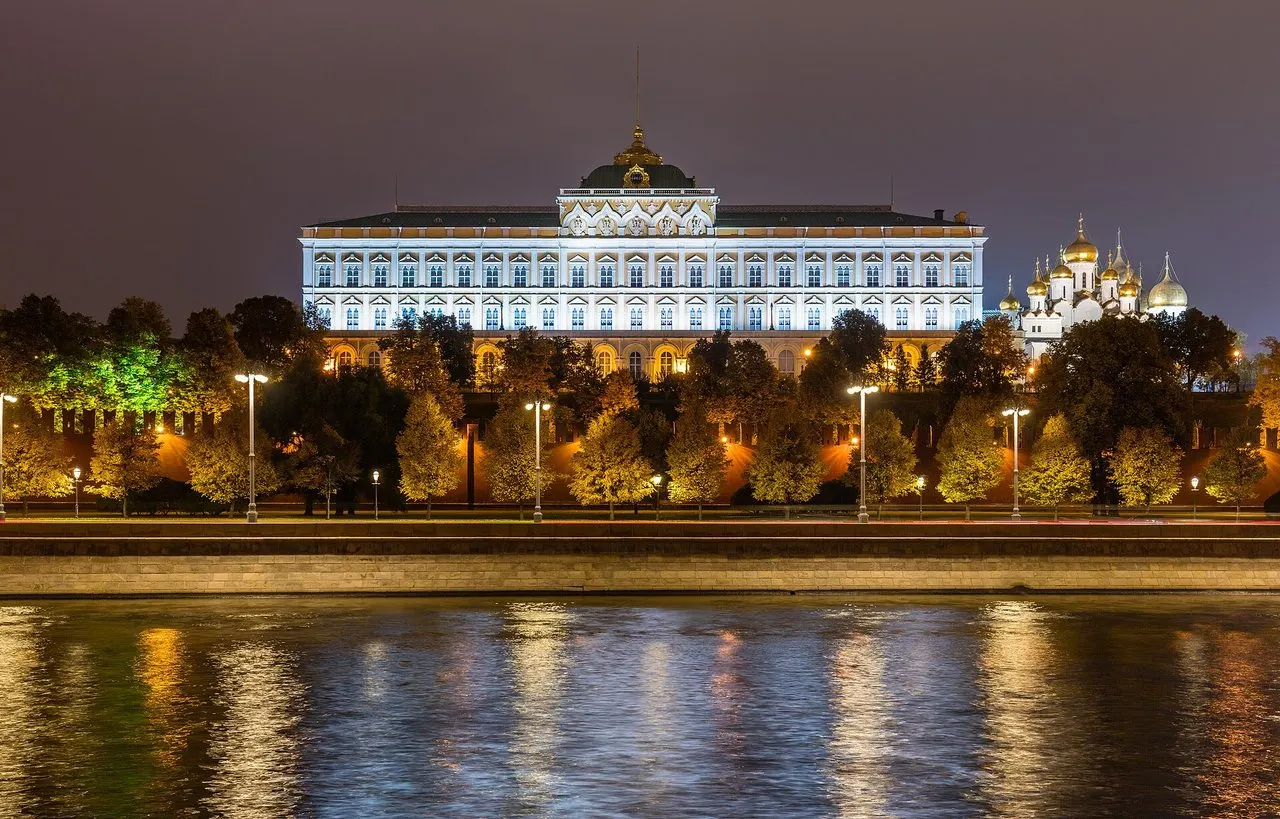
In Moscow, the Kremlin has watched the American debate with care. Putin has long sought to be treated as an equal by American presidents, and the Shenzhen greeting gave him that moment on camera. Russian state media played the handshake again and again, and the message at home was clear. Putin had stood beside the American president as a friend, not as an outcast. The Kremlin’s calm response has only added to the anger in Washington, where critics say Moscow is enjoying the show. See also trump, Xi and Putin Agree.
Putin Iran Intelligence and the Smile in the Room
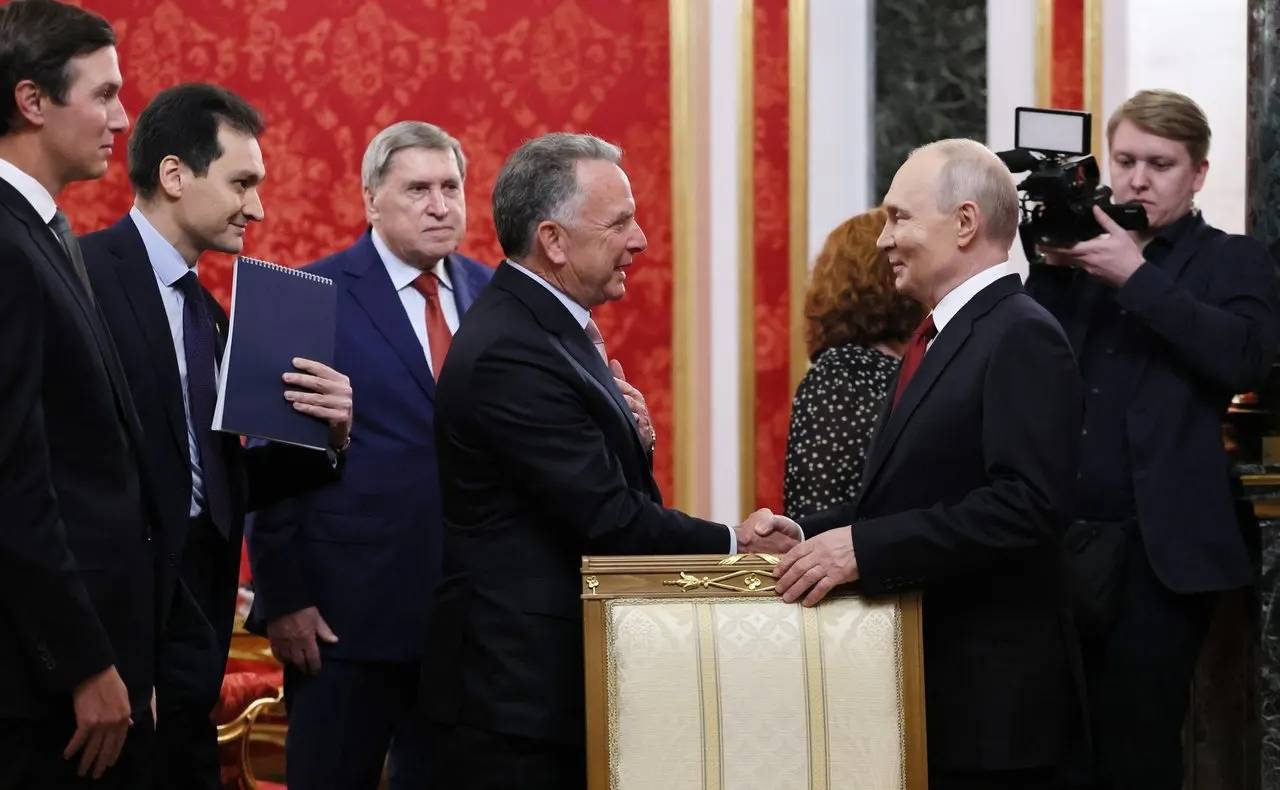
Putin was smiling when he met Trump in Shenzhen, and the smile has been read in many ways. Others see a man who knows he has given up nothing and gained a great deal. Putin has survived years of sanctions and criticism, and he has learned to use a friendly photo to his advantage. The smile in the room was not the story by itself, but it became the image that critics kept returning to as they asked what America had received in return. See also donald Trump Has Arrived in.
Shenzhen, the City That Hosted History
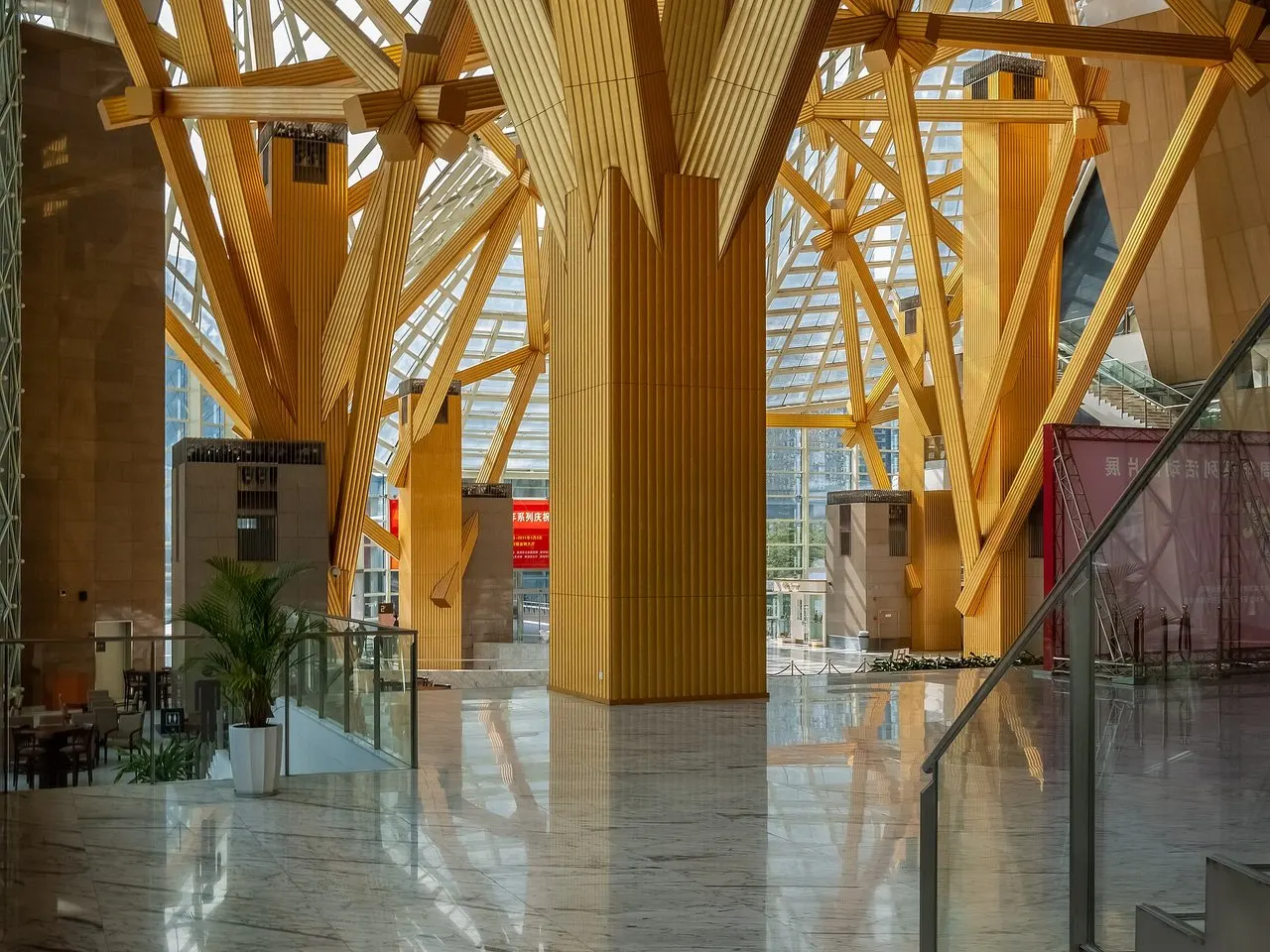
Shenzhen is a city of towers and wide roads, built in a single generation from a fishing town into a center of technology and trade. It was a fitting place for a meeting meant to show a new order in the world. The leaders met in halls that looked out over a skyline of glass and steel, far from the old capitals of Europe. For the rest of the world, the city became the backdrop to a greeting that is still being argued about. See also trump Called Putin My Friend.
Putin Iran Intelligence and the Satellites Above
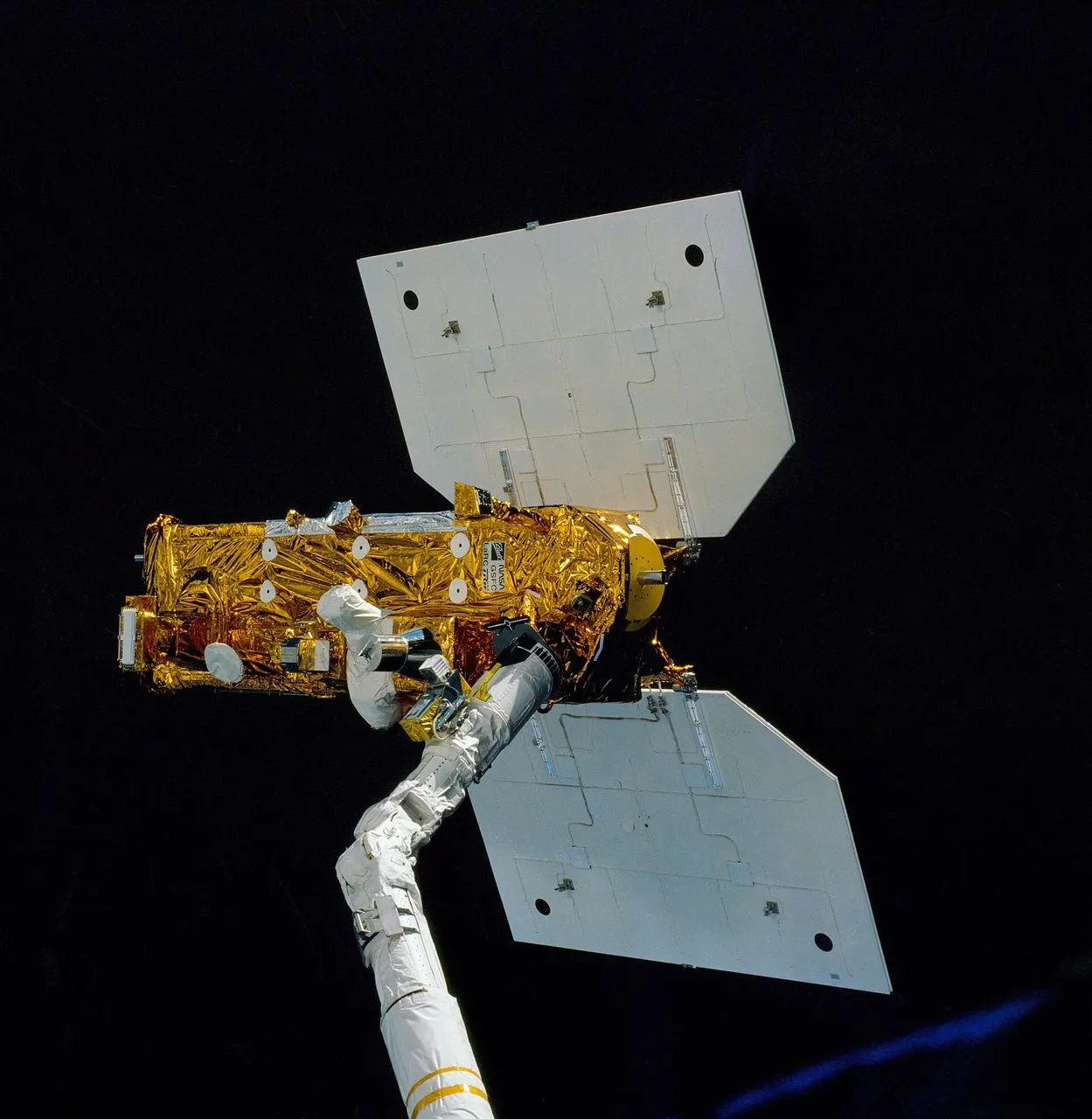
Satellites watch the earth every hour of every day, and the data they collect can show where ships sail, where planes sit, and where soldiers gather. Officials say Russia passed this kind of satellite intelligence to Iran, and that Tehran used it to find American forces. The sharing of such data is a serious step, because it turns a distant observer into a partner in targeting. The satellites themselves are silent, but the information they carry has now become part of a debate about loyalty and loss. See also trump Beamed at Putin and.
Putin Iran Intelligence and the Drones Over the Region
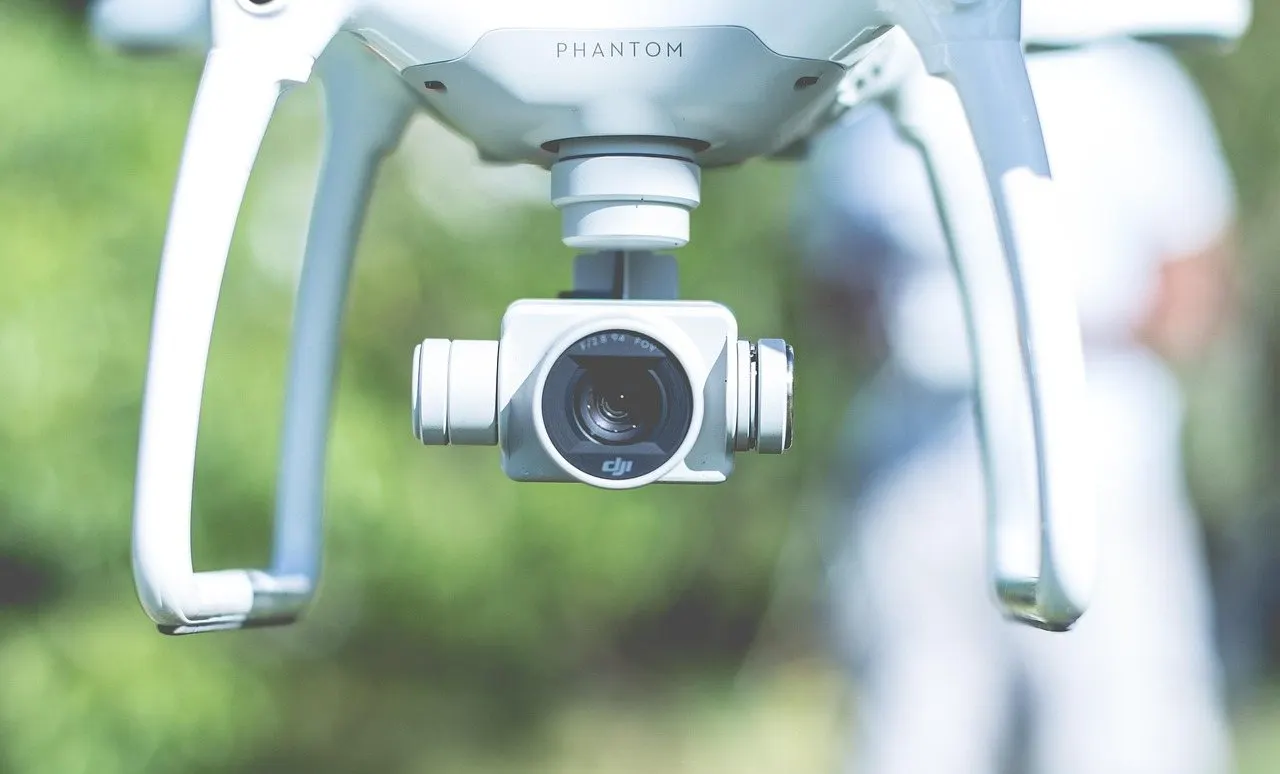
Iran has built a large fleet of drones, and with better targeting data those drones become far more dangerous. The Wall Street Journal later reported that Russia was also sending Iran improved drone technology, a step that deepened the partnership between the two countries. A drone that can find its target is a different weapon from one that cannot. American commanders in the region have watched this growth with worry, and the strike in Kuwait showed why their concern was real. See also trump Says We Are Making.
Putin Iran Intelligence and the Troops in the Middle East
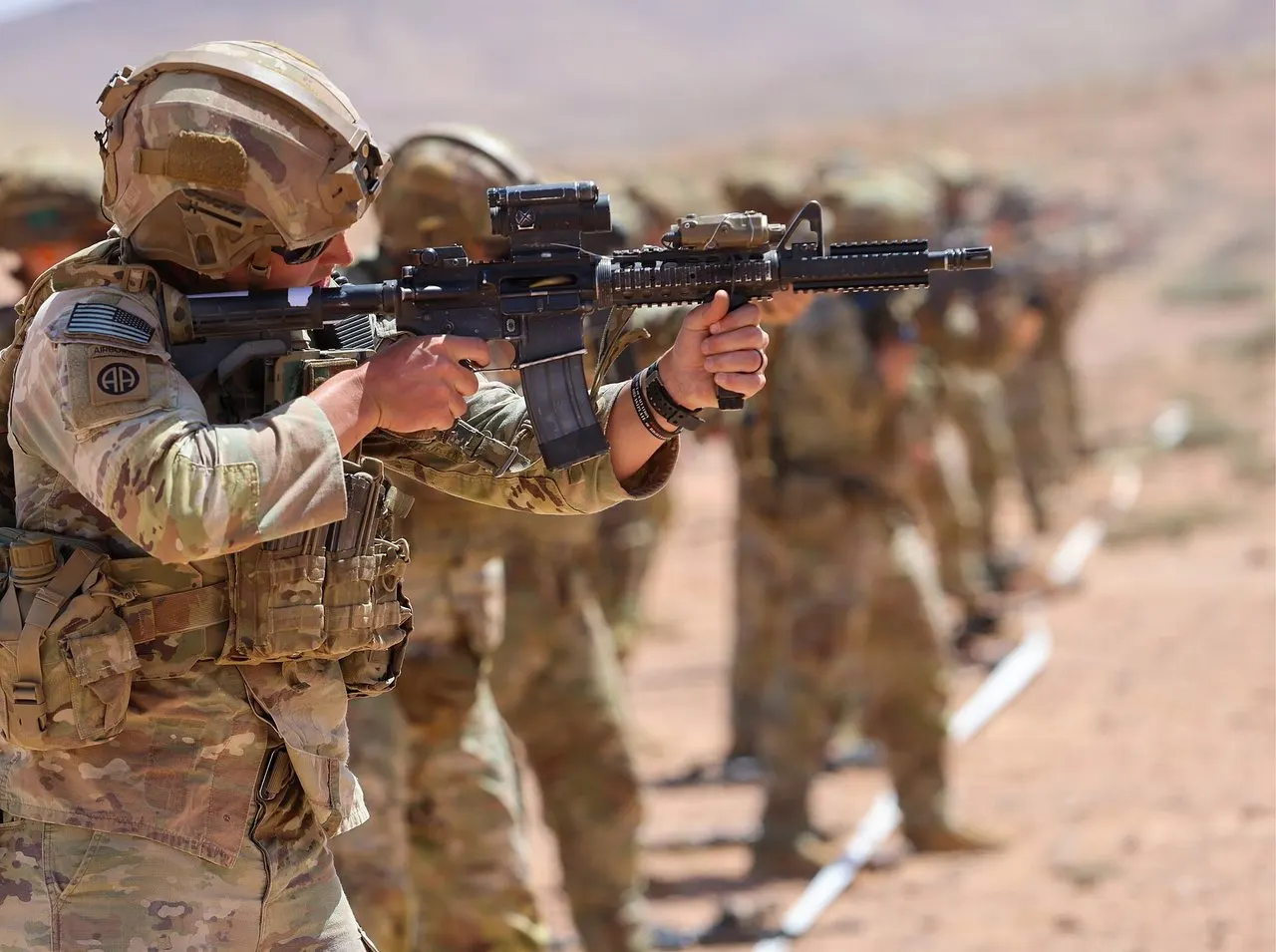
American soldiers serve across the Middle East, in bases that are often far from home and close to danger. Their work is mostly quiet, guarding, training, and watching, and it rarely makes the news. The strike in Kuwait changed that, because it showed how exposed those bases can be when an enemy knows where to look. The troops depend on their leaders to keep them safe, and they depend on their country to stand behind them. The debate in Washington is, at its heart, about that promise. See also china, Russia and U.S. Leaders.
Kyiv Watches the Summit With Dread
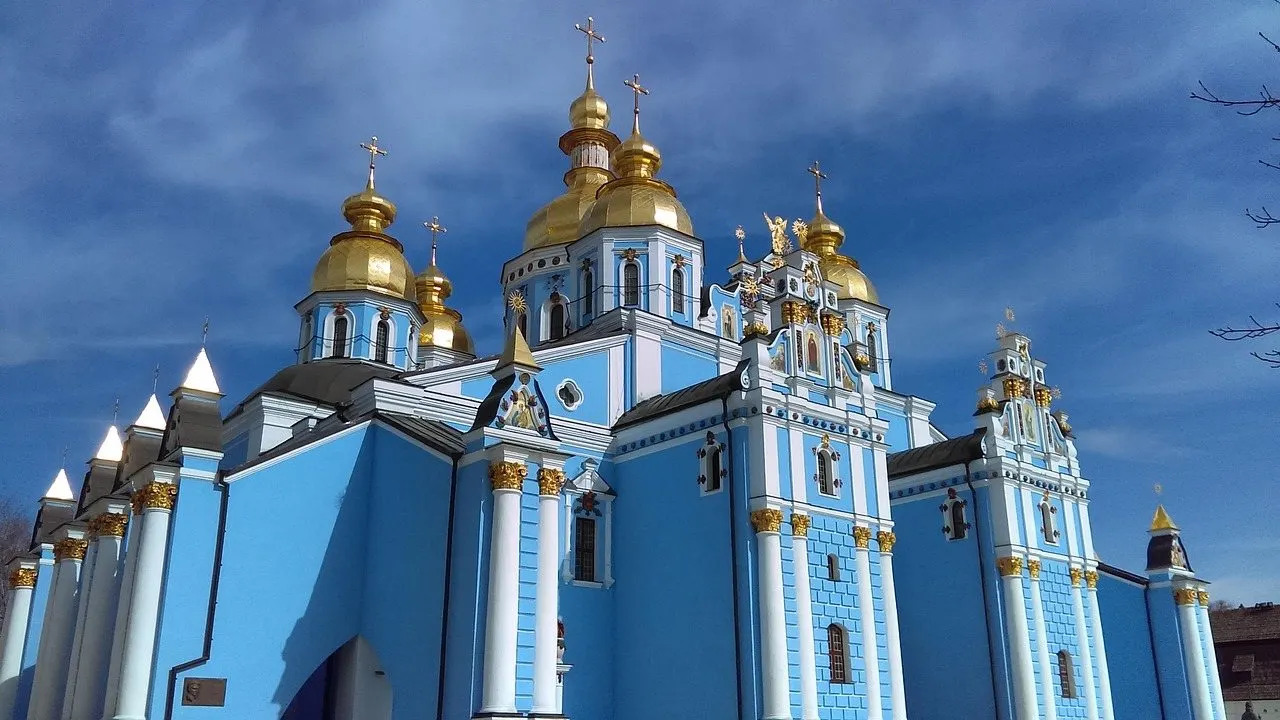
In Kyiv, the capital of Ukraine, leaders watched the Shenzhen meeting with dread. Ukraine has fought for years against a Russian invasion, and it depends on American support to keep going. When Trump called Putin his friend, many in Kyiv heard a warning that American backing might soften. Zelenskyy spoke for his country when he answered, but the fear in the capital went deeper than one quote. The city has lived under attack, and its people know what friendship with Putin has cost them. See also president Trump Returns Home From.
Putin Iran Intelligence and the Reaction in Washington
Back in Washington, the greeting drew sharp criticism from both parties and from former officials. Some called it a betrayal of every American in uniform. Others said it showed a president who puts personal warmth ahead of national interest. The Capitol has seen many fights over foreign policy, but this one touched a nerve because it involved the deaths of American troops. Lawmakers asked for briefings, and the public watched to see whether anyone in power would demand answers. See also elon Musk Joins President Trump.
Handshakes and the Language of Diplomacy
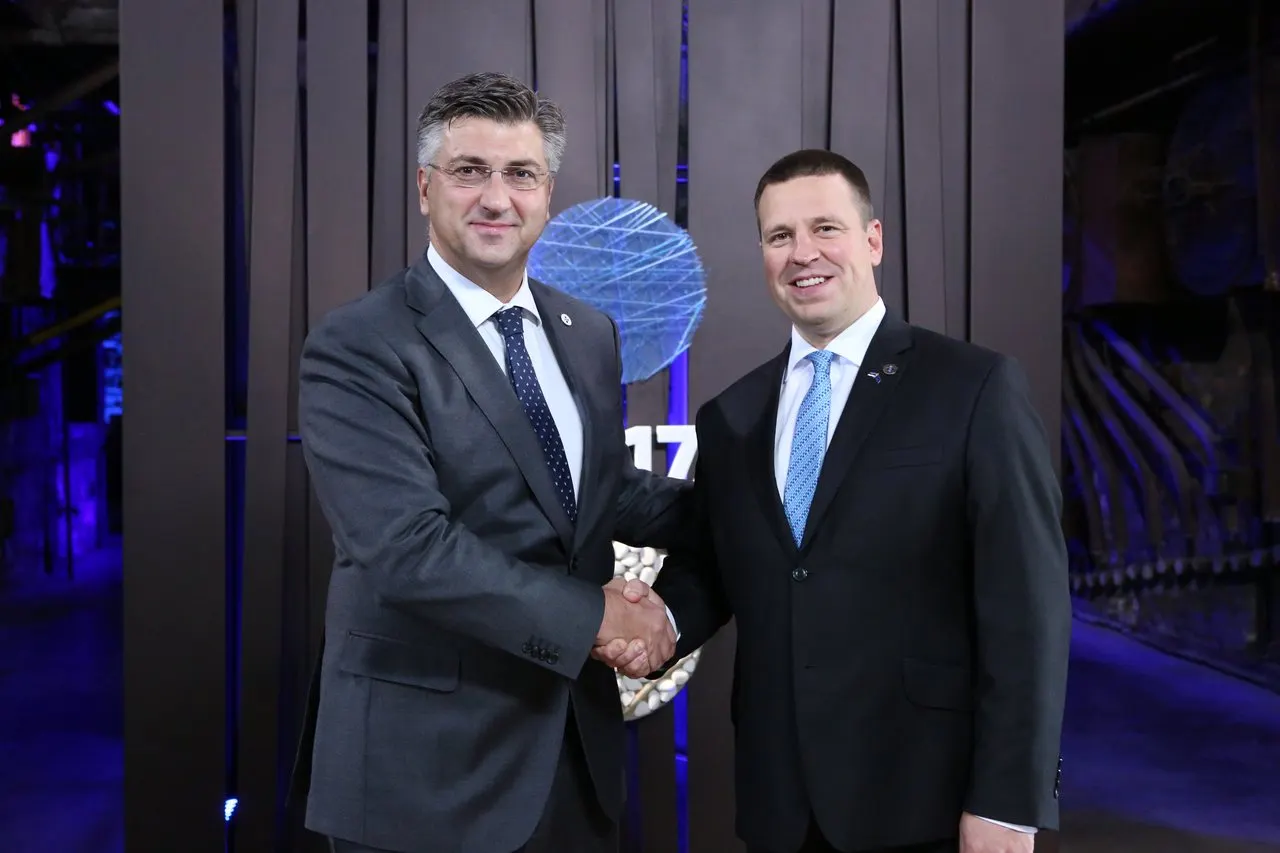
A handshake is the oldest language in diplomacy, and leaders use it to send messages without saying a word. A firm handshake can mean respect. A warm one can mean friendship. A long one can mean a deal is close. The handshake in Shenzhen was read by experts around the world, and most agreed it was warmer than the moment called for. In diplomacy, the camera catches what words hide, and this photo caught a president embracing a leader his own officials say helped kill American troops. See also xi Jinping Reportedly Moved Putin.
The Wider Asia Trip and the APEC Summit
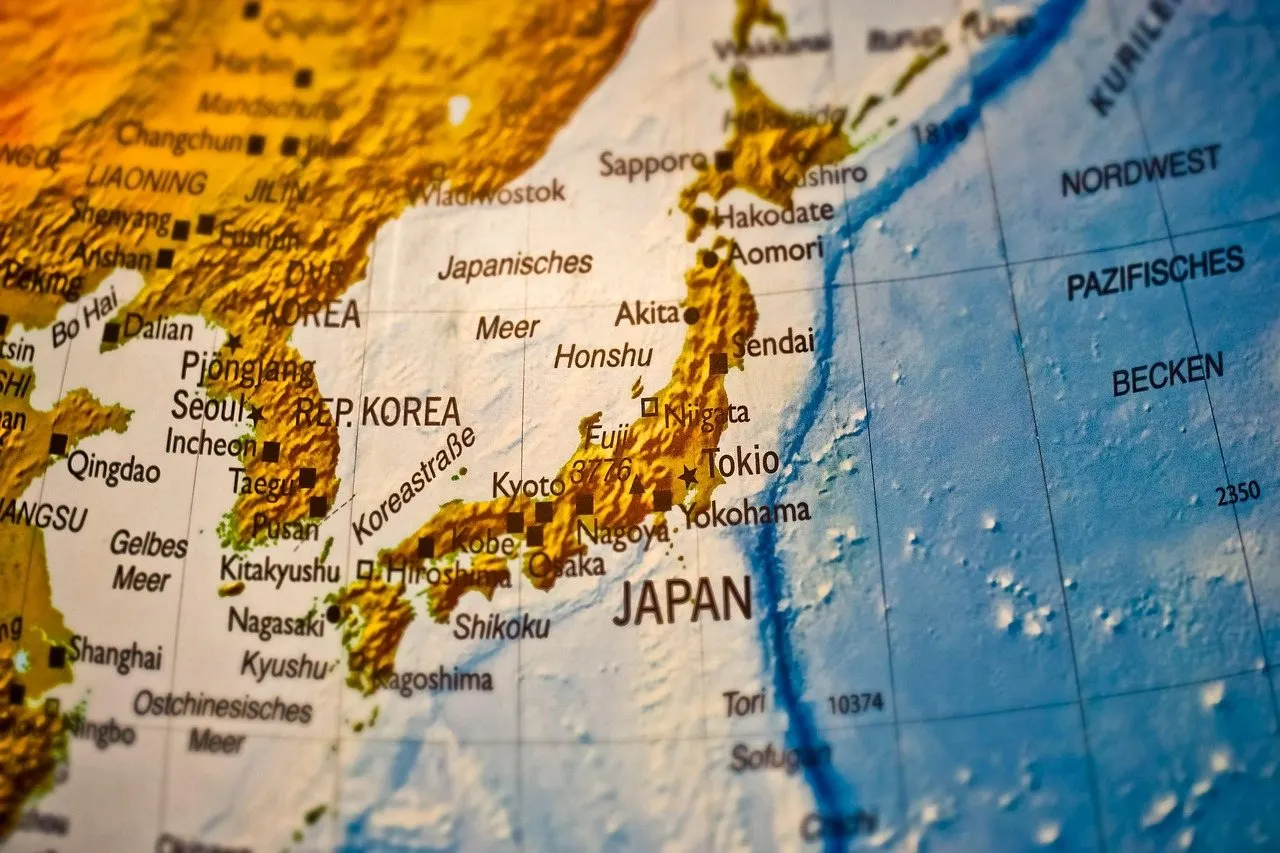
The Shenzhen meeting was part of a wider trip through Asia, where Trump also attended the APEC summit and met leaders from across the Pacific. The trip was meant to show American strength and to win trade deals for American workers. Instead, the greeting with Putin became the story that followed him home. Asia’s leaders watched closely, and many wondered what the warm words meant for their own dealings with Washington. The summit season ended, but the questions about Shenzhen did not. See also trump Called an Embarrassment for.
Trump Defends the Greeting to the Press
Trump has defended the greeting again and again, saying the warm words are a way to make a deal and stop the killing in Ukraine. He has said that talking to Putin is better than shouting at him, and that a deal needs trust on both sides. The argument is one he has made for years, and his supporters say it is common sense. His critics answer that trust must be earned, and that a leader who shares intelligence with Iran has not earned it. See also putin Is Very Angry Over.
Putin Iran Intelligence and a History of Warm Meetings
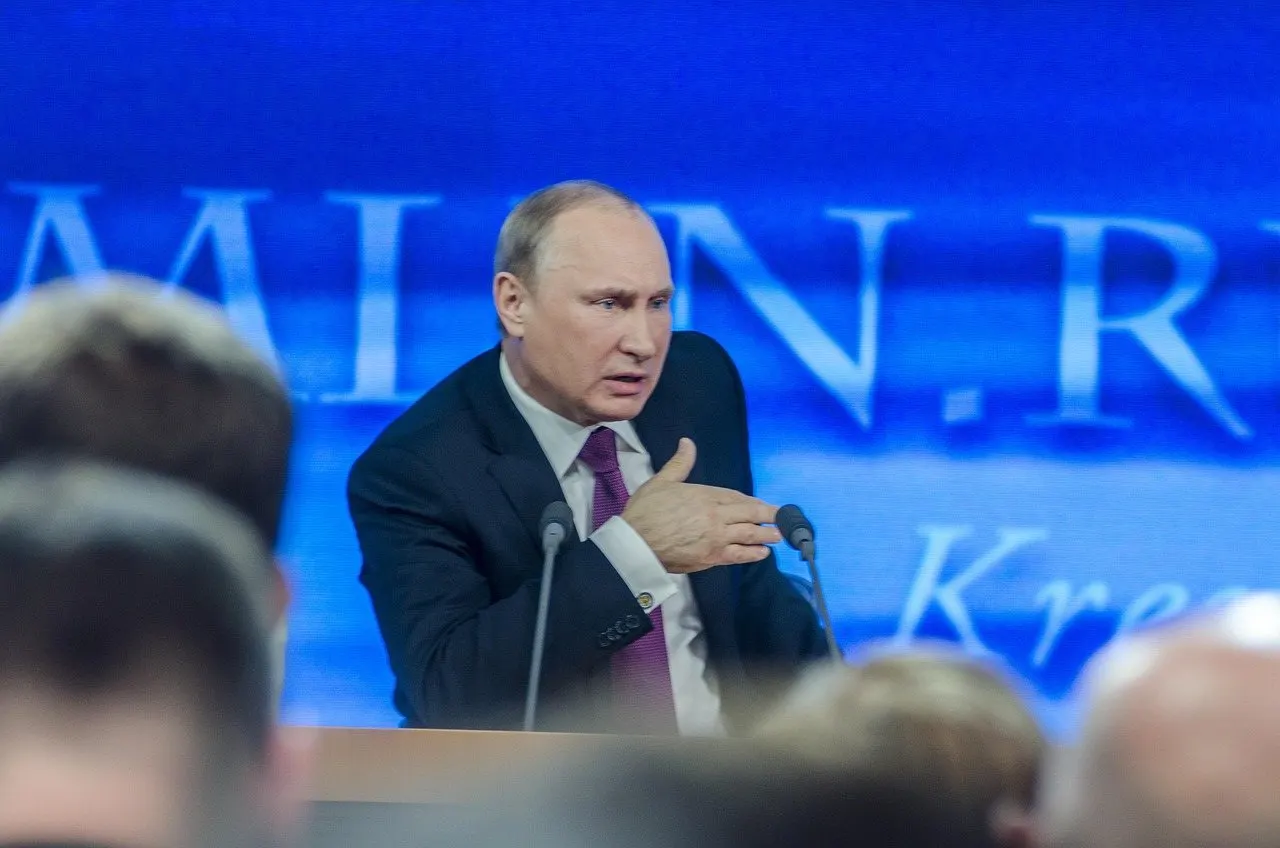
This was not the first warm meeting between Trump and Putin. The two men have met many times over the years, and each meeting has drawn the same mix of praise and alarm. Trump has often spoken well of Putin, calling him strong and smart, while critics have warned that the praise goes too far. The Shenzhen greeting was the latest chapter in a long story, but it was different, because it came after officials said Russia had helped Iran target American troops. See also trump, Xi and Putin Meet.
How the Story Reached the Public
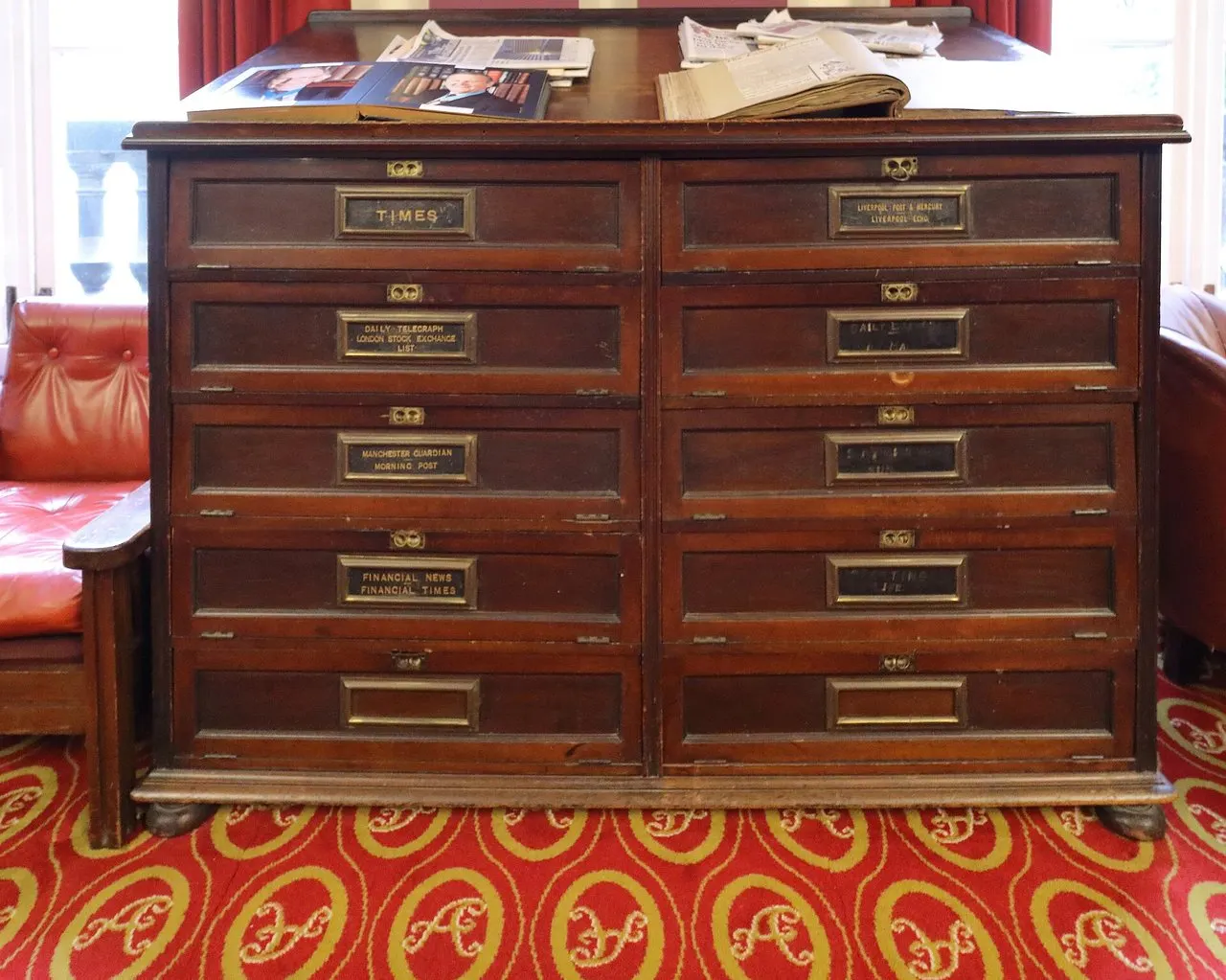
The story reached the public through newsrooms and front pages, carried by reporters who pieced together what officials had said. The New York Post, Fox News, Newsmax and the BBC each covered the greeting and the reaction, and their reports shaped how Americans understood it. A story like this moves fast, from a handshake in China to a headline at home in a single day. The newsroom is where the facts are checked, and this story shows why that work matters to everyone who reads it. See also trump Flew to China to.
Putin Iran Intelligence and the Allies Who Are Watching
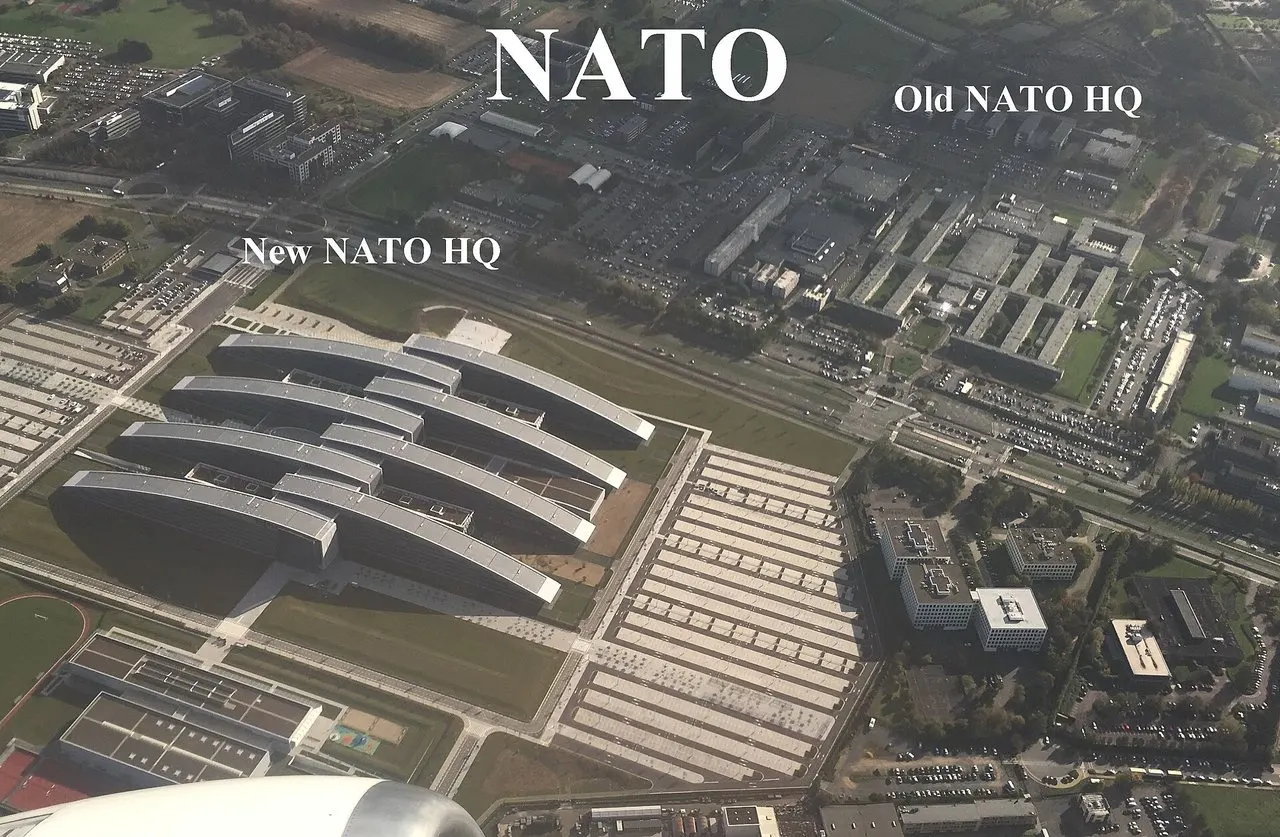
America’s allies watched the Shenzhen greeting with worry of their own. NATO partners in Europe depend on American leadership, and they have asked whether the warm words with Putin mean a softer line on Russia. Poland’s prime minister answered in public, saying, God protect us from such friends. The comment was sharp, but it spoke for many allies who fear that friendship with Putin comes at their expense. Alliances are built on trust, and trust is hard to rebuild once it is shaken. See also after Trump Sidelined JD Vance.
Flags, Families and the Cost at Home
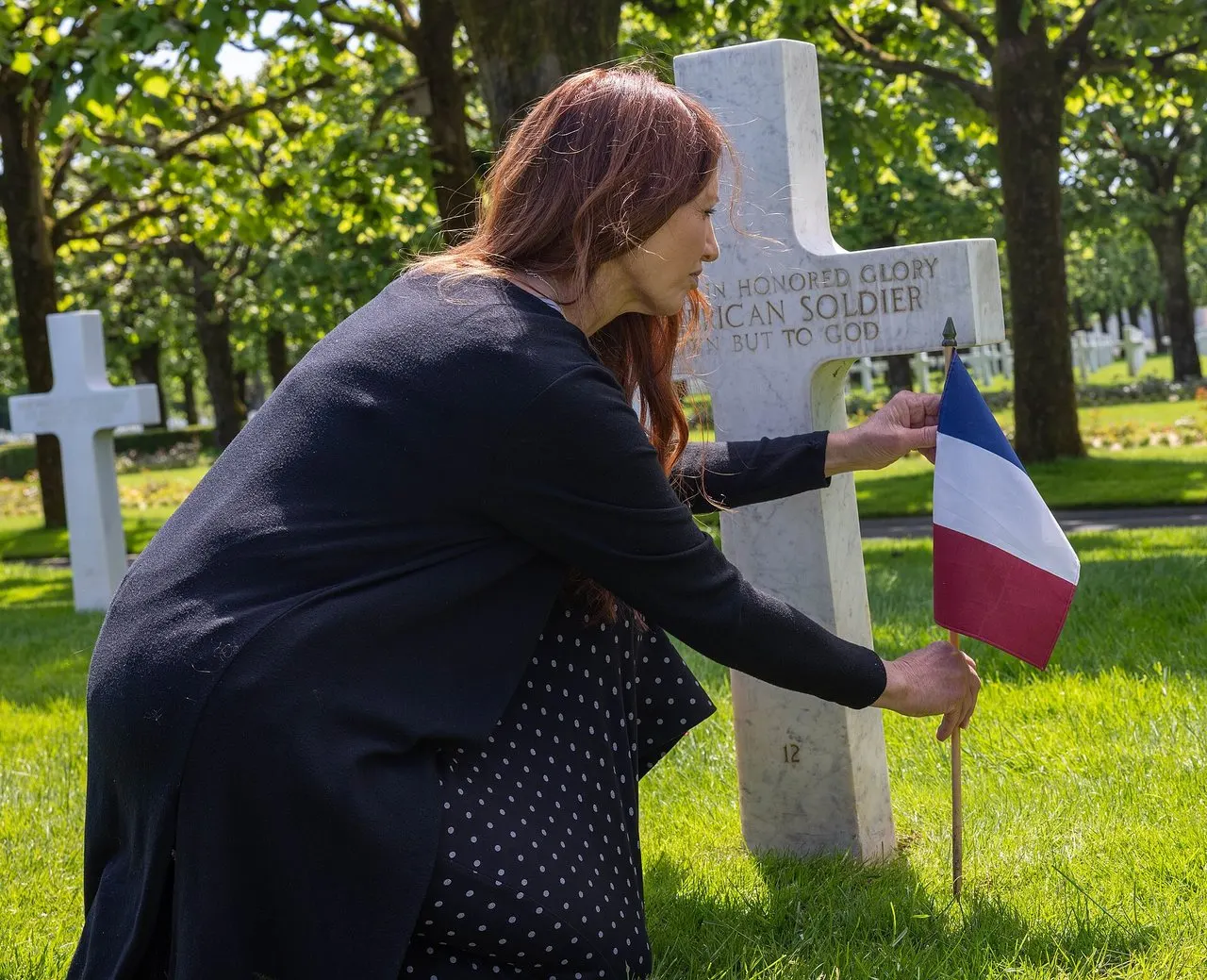
At home, the cost of the story is measured in flags and funerals, not in headlines. Six families buried their loved ones, and their grief is the quiet center of this debate. Military families know the risk of service, but they expect their leaders to honor the sacrifice. When a president smiles beside the man who helped make the loss happen, the image stays with them. The flag still flies over their homes, but the questions about loyalty and loss have not gone away. See also ilhan Omar Came Here on.
The White House and the Road Ahead

The White House now faces a road ahead that is full of hard choices. The administration must answer what it knew about the intelligence sharing, and what it plans to do about it. Congress is watching, allies are watching, and the families of the six service members are waiting. The greeting in Shenzhen cannot be undone, but the response to it can still be shaped. The next weeks will show whether the warm words were the start of a deal, or the start of a deeper problem. See also trump, Xi and Putin Agree.
What Do You Think About the Greeting?
Now we want to hear from you. Do you think a president should call Vladimir Putin a friend after officials said Russia shared intelligence with Iran? Or do you think warm words are the price of making a deal and stopping the killing? Share your thoughts in the comments below, and tell us what you would have said in Shenzhen. Your answer helps the rest of us understand a moment that is still hard to explain. See also donald Trump Has Arrived in.