
Private ICE Detention Earned GEO Group $254 Million Last Year

Private ICE detention earned GEO Group $254 million in profit last year, a figure that has set off a fresh fight in Washington over who should run immigration detention in America. The Florida-based company, one of the largest operators of detention centers for Immigration and Customs Enforcement, reported profit of about $254 million for 2025, up from roughly $32 million in 2024. Most of the jump came from one-time sales of property, not from daily detention work, but the headline number still stunned critics and supporters alike.
In response, Senator Cory Booker reintroduced the Dignity for Detained Immigrants Act on January 23, 2026, with Representatives LaMonica McIver and Rob Menendez, a bill that would end private, for-profit detention, stop the detention of families, and strengthen due process protections. A companion House bill from Jayapal and Smith would phase the facilities out over three years. Next we look at the numbers, starting with Read more in our report on the bill that would stop ICE from using children as bait.
References:
JBIZ News: Immigration Crackdown Lifts Private Pr*son Profits to Records
Newsweek: Democrats Introduce Bill to Phase Out Private ICE Detention Centers
Michigan Public: GEO Group Reports Record Profit as ICE Detention Expands
Common Dreams: Lawmakers Renew Push to End For Profit Immigrant Detention
GEO Group Profits Jumped From $32 Million to $254 Million

GEO Group reported about $254 million in profit for 2025, a huge jump from the roughly $32 million it made in 2024. The increase is close to eight times the earlier figure, and it came in a year when immigration detention grew fast across the country. Investors noticed right away, and the number quickly became a talking point in Washington. Read more in our report on how ICE deportation flights vanished from public trackers.
How ICE Became the Largest Federal Law Enforcement Agency

Immigration and Customs Enforcement, known as ICE, grew into the largest federal law enforcement agency in the country after Congress tripled its budget. The agency detains and removes people who are in the country without legal status, and it now holds tens of thousands of people in centers across the nation. That growth created huge demand for beds, guards, transport, and food services. Read more in our report on the fight in Congress over war powers.
Congress Tripled the ICE Budget

Congress gave ICE far more money this year, roughly tripling its budget as part of a wider push on immigration enforcement. A large share of that money went to detention capacity, including $45 billion set aside for beds through 2029. Private companies that run detention centers were among the first to benefit, since the government needed space fast and turned to firms that already had it. Read more in our report on the DHS secretary sidelined from television.
What Private ICE Detention Profits Really Include

The $254 million figure is real, but it needs context before anyone draws a firm conclusion. GEO Group said about $232 million of the profit came from a one-time gain on selling property, including the Lawton Correctional Facility in Oklahoma. Without that sale, the company put its adjusted profit at about $120 million, up from about $101 million the year before. Read more in our report on the UN vote on protections.
One-Time Property Sales Helped Lift the Total

Selling property can make one year look far better than the years around it, and that is what happened here. GEO Group sold buildings it no longer needed, including a large facility in Oklahoma, and booked a pretax gain of about $232 million. The cash was real, but it will not repeat next year unless the company sells more property, which is why analysts look past the headline number. Read more in our report on the trip to China with billions in deals.
Senator Cory Booker Reintroduced the Dignity for Detained Immigrants Act

Senator Cory Booker of New Jersey reintroduced the Dignity for Detained Immigrants Act on January 23, 2026, after touring Delaney Hall, a GEO Group center in Newark. He introduced the bill with Representatives LaMonica McIver and Rob Menendez, both from New Jersey. Booker has argued for years that the detention system needs deep reform, and this bill is his latest attempt to force the issue. Read more in our report on the debate over lawmakers in a vegetative state.
What the Bill Would End: Private, For-Profit Detention

The heart of the bill is simple: the federal government would stop using private, for-profit companies to detain immigrants. Supporters say profit has no place in deciding how people are held, and they argue that companies earn more when more people stay locked up longer. The bill would move detention back under direct government control, where supporters say care and safety should come before returns for shareholders. Read more in our report on Mitch McConnell leaving the Senate.
Private ICE Detention and the End of Family Detention

The bill would also stop the detention of families, a practice that has drawn sharp criticism for years. Parents and children held together in family centers face long waits in places built like jails, and advocates say the experience harms children. Ending family detention would mean families stay together in the community while their cases move forward, instead of waiting behind fences and locked doors. Read more in our report on Taylor Swift returning to the CMA Awards.
Stronger Due Process Protections for Detained Immigrants

Due process means the right to a fair hearing before the government takes away your freedom, and the bill would strengthen those protections for detained immigrants. Many people in detention now wait months for a court date, often without a lawyer. The bill would give people a better chance to present their case, challenge errors, and avoid being held for long stretches without a judge ever hearing their story. Read more in our report on Gen Z wishing for physical cash.
Representatives McIver and Menendez Joined the Senate Bill

Representatives LaMonica McIver and Rob Menendez joined Senator Booker in reintroducing the bill, giving it support from both the Senate and the House side of the New Jersey delegation. McIver and Menendez both represent districts in New Jersey, the state that hosts Delaney Hall, the large Newark detention center at the center of the debate. Their backing ties the bill directly to the communities living near these centers. Read more in our report on the influencer who died at 25.
A Companion House Bill Would Phase Out Private ICE Detention in Three Years
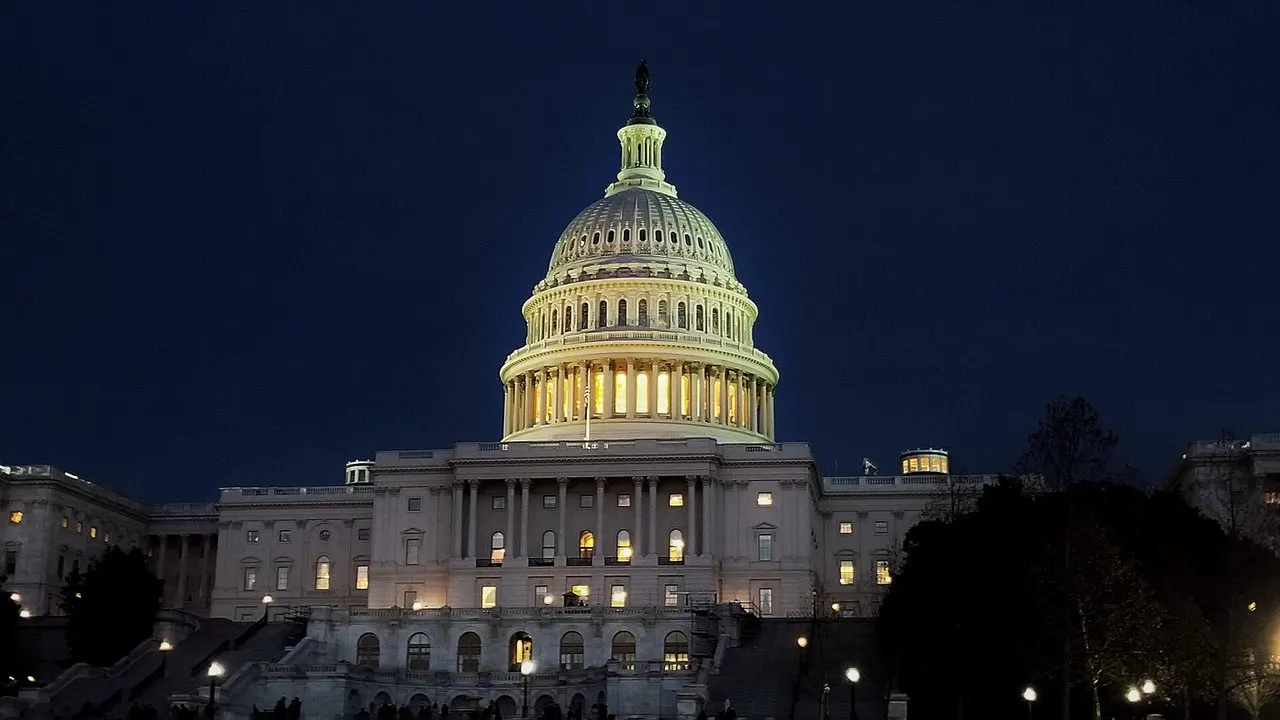
A companion bill in the House, led by Representatives Pramila Jayapal and Adam Smith, would take a slower path to the same goal. It would phase out private, for-profit detention centers over three years, giving the government time to build its own capacity and wind down contracts one by one. Supporters say a gradual end is more workable, while critics say three years is too long to wait. Read more in our report on the bill that would stop ICE from using children as bait.
Representatives Jayapal and Smith Lead the House Version

Representative Pramila Jayapal of Washington and Representative Adam Smith have pushed for years to end the use of for-profit detention. Jayapal has called detention without due process a stain on the country, and Smith has argued that the government should not pay companies to lock people up. Their House version gives the Senate bill a partner, so the idea now has a vehicle in both chambers of Congress. Read more in our report on how ICE deportation flights vanished from public trackers.
Private ICE Detention Centers Across the Country

GEO Group runs some of the largest detention centers in the country, including Delaney Hall in Newark, New Jersey, a 1,000-bed center that opened in May 2025, and the North Lake Processing Center in Baldwin, Michigan. Together with CoreCivic, the other big private operator, GEO Group dominates a system in which private firms run about 90 percent of all ICE detention beds. That reach is why one company’s earnings report can shake up a national debate. Read more in our report on the fight in Congress over war powers.
Who Runs the Largest ICE Detention Centers

The largest ICE detention centers are run by private companies under government contracts, not by federal officers directly. GEO Group and CoreCivic hire the guards, run the kitchens, and manage the daily routine inside the walls, while ICE sets the rules and pays the bills. Supporters of the system say private firms can build and staff centers faster than the government, while critics say the profit motive shapes every choice inside. Read more in our report on the DHS secretary sidelined from television.
How Private ICE Detention Works Day to Day

A typical day inside a detention center runs on a strict schedule of meals, counts, medical checks, and limited phone calls. Private companies are paid per person per day, so every bed filled is money earned, and every empty bed is money lost. That payment model is at the center of the debate, because critics say it rewards keeping centers full, while the companies say they simply follow the contracts they signed. Read more in our report on the UN vote on protections.
The Dignity for Detained Immigrants Act in Plain Words

The Dignity for Detained Immigrants Act is a short idea with a long name, and its core is easy to state. It would end private, for-profit detention, ban the detention of families, and give detained people stronger rights to a fair hearing. It would also push the government to use community-based programs instead of locked centers while cases are decided, a change supporters say is both kinder and cheaper. Read more in our report on the trip to China with billions in deals.
Why Supporters Say Private ICE Detention Must End

Supporters of the bill say the profit motive has no place in locking people up, and they point to the $254 million figure as proof that the system rewards the wrong thing. They argue that when a company earns more by holding more people, the incentive is to detain first and ask questions later. Ending for-profit detention, they say, would put human dignity ahead of shareholder returns for the first time in years. Read more in our report on the debate over lawmakers in a vegetative state.
What Critics of the Bill Say

Critics of the bill say private companies run detention centers more cheaply and flexibly than the government could on its own. They warn that ending the contracts in a hurry could leave ICE without enough beds, forcing the release of people awaiting removal. They also say the profit figure is misleading, since most of it came from one-time property sales, not from the daily work of running centers. Read more in our report on Mitch McConnell leaving the Senate.
Families and the Human Cost of Detention

Behind the numbers are families, including parents and children who spend months apart or together behind fences while their cases move slowly through the courts. Advocates say detention harms children, strains marriages, and leaves deep marks long after release. The bill would let more families wait in their communities, with check-ins and support, instead of living for months in centers built to hold people. Read more in our report on Taylor Swift returning to the CMA Awards.
Due Process and Private ICE Detention Under the Bill

Due process is the promise that the government cannot lock you up without a fair hearing, and the bill would make that promise stronger for detained immigrants. It would expand access to lawyers, speed up hearings, and limit how long people can be held without seeing a judge. Supporters say these steps would cut errors and shorten stays, while critics worry the changes would slow removals and raise costs for taxpayers. Read more in our report on Gen Z wishing for physical cash.
The Three-Year Phaseout Plan Explained

The House companion bill would not end for-profit detention overnight. Instead, it would wind the contracts down over three years, giving the government time to hire staff, open its own centers, and move people into community programs. Supporters say the slow path avoids chaos, while opponents of any delay say three more years of private detention is three years too many for the people inside. Read more in our report on the influencer who died at 25.
Private ICE Detention and the Debate Over Profits

The debate over profits is a debate over incentives, and the $254 million figure sits at the center of it. Supporters say the number shows detention has become a business, with returns that grow when more people are locked up. The companies answer that they are paid to provide a service the government asked for, and that their profits come from running centers well, not from keeping people longer. Read more in our report on the bill that would stop ICE from using children as bait.
How GEO Group Became a Detention Giant

GEO Group started as a small corrections firm and grew over four decades into one of the biggest private prison companies in the world. Its founder, George Zoley, has told investors the company was built for moments like this one, when the government needs detention space fast. In 2025 alone, the company signed new or expanded contracts expected to bring in up to $520 million in extra yearly revenue. Read more in our report on how ICE deportation flights vanished from public trackers.
The History of For-Profit Detention in America

For-profit detention is not new in America, and its roots go back decades to a time when states first hired private firms to run jails and prisons. The idea spread in the 1980s as prison populations grew and governments looked for cheaper ways to add beds. Immigration detention followed the same path, and today private firms run nearly all of it, a fact that surprises many people who assume the government runs its own centers. Read more in our report on the fight in Congress over war powers.
What Happens Next for the Bill in Congress

The bill now faces the long road that most bills face in Congress, starting with committee hearings and a search for votes. Democrats introduced it, but it would need wider support to pass, and the debate over detention is deeply split along party lines. For now, the bill is a statement of intent and a rallying point, not yet a law, and its fate will depend on the next election cycle. Read more in our report on the DHS secretary sidelined from television.
What Lawmakers Are Watching in Private ICE Detention
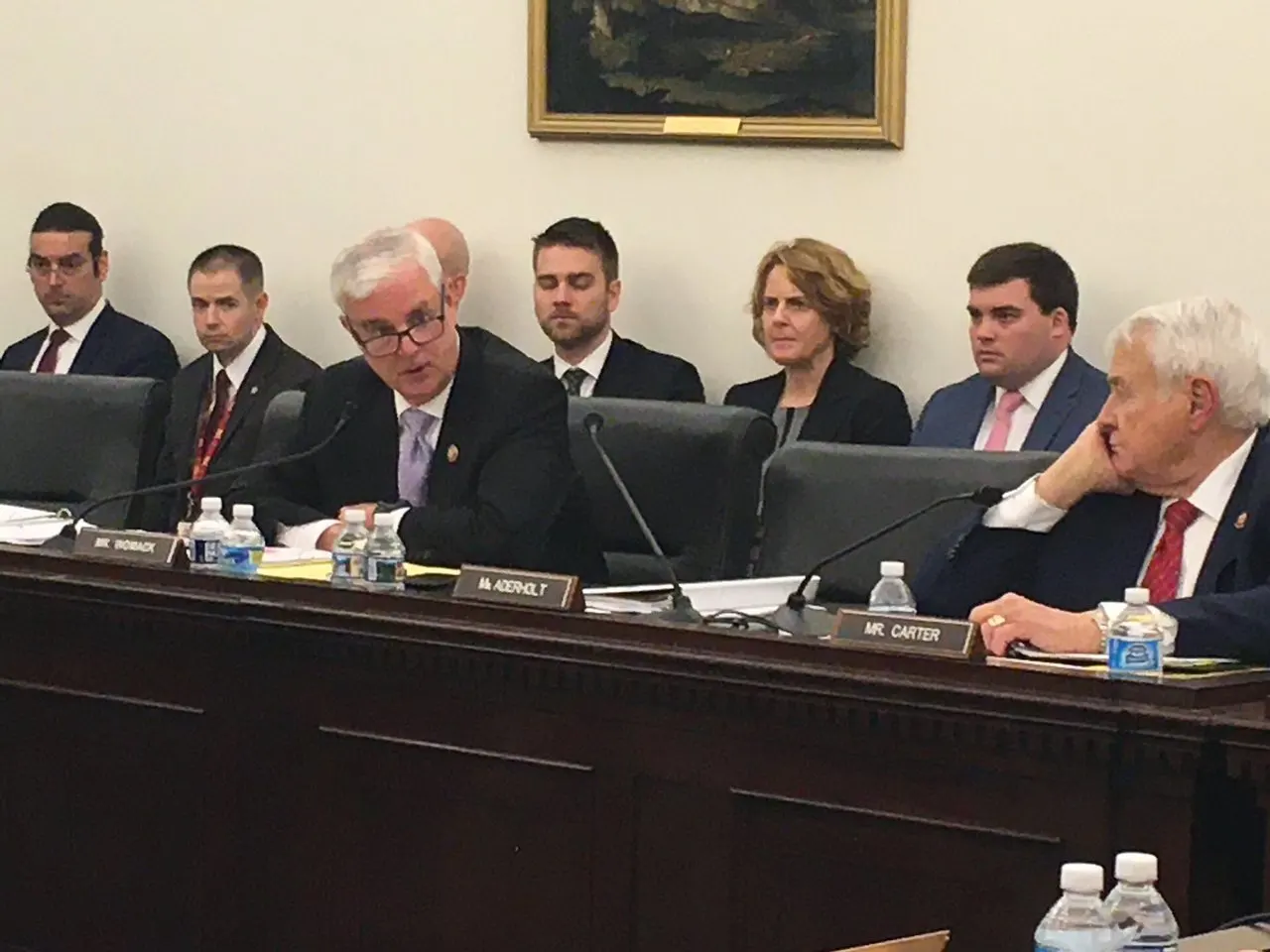
Lawmakers on both sides are watching the numbers closely, because GEO Group has told investors it expects about $3 billion in revenue in 2026. The company also added about 6,000 detention beds in 2025, lifting its ICE capacity from about 20,000 to about 26,000 beds. Those figures tell supporters the industry is still growing, and they tell opponents that the window to act is closing fast. Read more in our report on the UN vote on protections.
The Numbers Behind the $254 Million Year

The numbers behind the $254 million year tell a mixed story both sides now quote. Total revenue reached about $2.63 billion, and ICE work made up nearly half of it, about 48 percent. The adjusted profit of about $120 million grew about 19 percent from the year before, a solid gain, far smaller than the headline jump. Both figures are true, and which one matters depends on how you see the debate. Read more in our report on the trip to China with billions in deals.
Why This Fight Matters for Immigrants and Taxpayers

This fight matters because it touches taxpayers, immigrants, and the basic question of who should hold people awaiting a hearing. Taxpayers fund the contracts, immigrants live with the results, and voters will decide which vision wins. The bill may pass, stall, or return in a new form, but the argument over profit and detention is now part of every debate about immigration in America. Read more in our report on the debate over lawmakers in a vegetative state.
Do You Support Ending Private ICE Detention?

We have walked through 30 facts about a $254 million profit, a bill to end for-profit detention, and the people caught in the middle. Now we want to hear from you. Do you support ending for-profit detention, or do you think private companies should keep running these centers? Share your view in the comments, tell us why, and pass this story to a friend who follows the immigration debate. Read more in our report on Mitch McConnell leaving the Senate.