There is no single national agency that investigates animal cruelty in the United States, and jurisdiction depends on what happened and where. Most cases are handled at state level by local police, sheriffs or animal control officers, so a local call is almost always the right first step.
Where to Report Animal Cruelty First
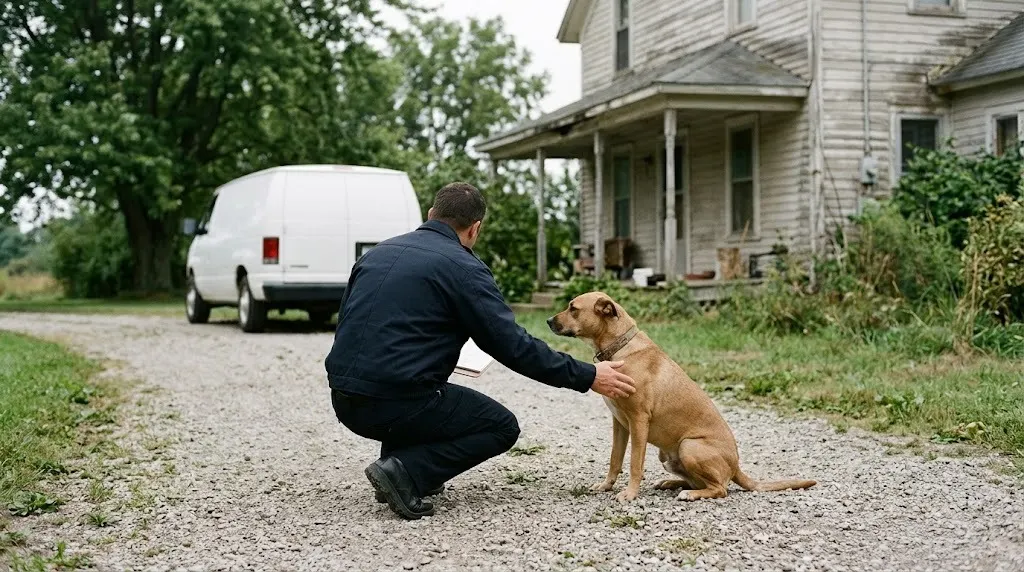
There is no single national agency that investigates animal cruelty in the United States, which is the main reason reporting often stalls. Jurisdiction depends on what happened and where. The overwhelming majority of cruelty cases are handled at state level, by local police, county sheriffs, or animal control officers, and in some states by humane officers with statutory investigative powers. A first call to local law enforcement or animal control is almost always the correct starting point, even when the conduct seems severe enough to warrant federal attention.
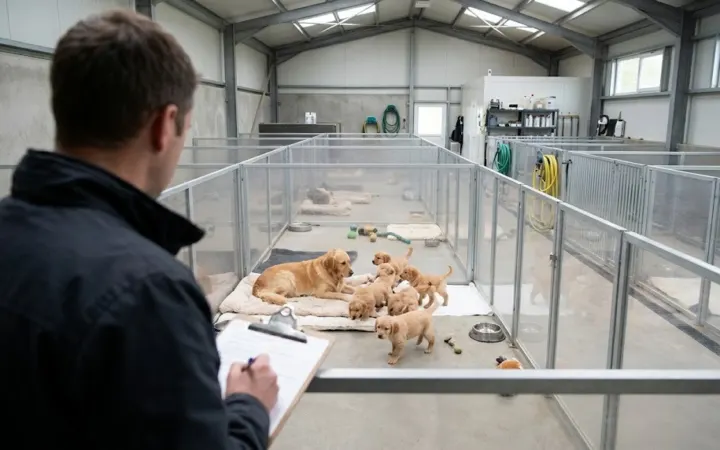
Federal involvement is the exception rather than the default. The USDA’s APHIS handles complaints concerning facilities regulated under the Animal Welfare Act, meaning licensed breeders, dealers, exhibitors, transporters and research facilities, and it operates an online Animal Welfare Complaint form for that purpose. Complaints about a licensed facility go there. Conduct that may fall under the PACT Act or the federal animal fighting statute is a matter for federal law enforcement, but as noted elsewhere in this series, federal jurisdiction requires a specific connection such as interstate commerce or federal property.
What makes a report actionable is specificity. Investigators consistently ask for the exact address, dates and times of observation, the number and description of animals, the conditions observed, and any photographs or video taken lawfully from public property. Vague reports of a neighbour who “seems cruel” rarely produce action. Requesting a case or complaint number at the time of reporting gives you something to follow up on, and creates a record that a report was made.
References:
– USDA APHIS Animal Welfare Complaint form, aphis.usda.gov
– USDA National Agricultural Library, Animal Welfare Act, nal.usda.gov
– 18 U.S.C. § 48 and 7 U.S.C. § 2156 for federal jurisdictional triggers
Source: USDA APHIS