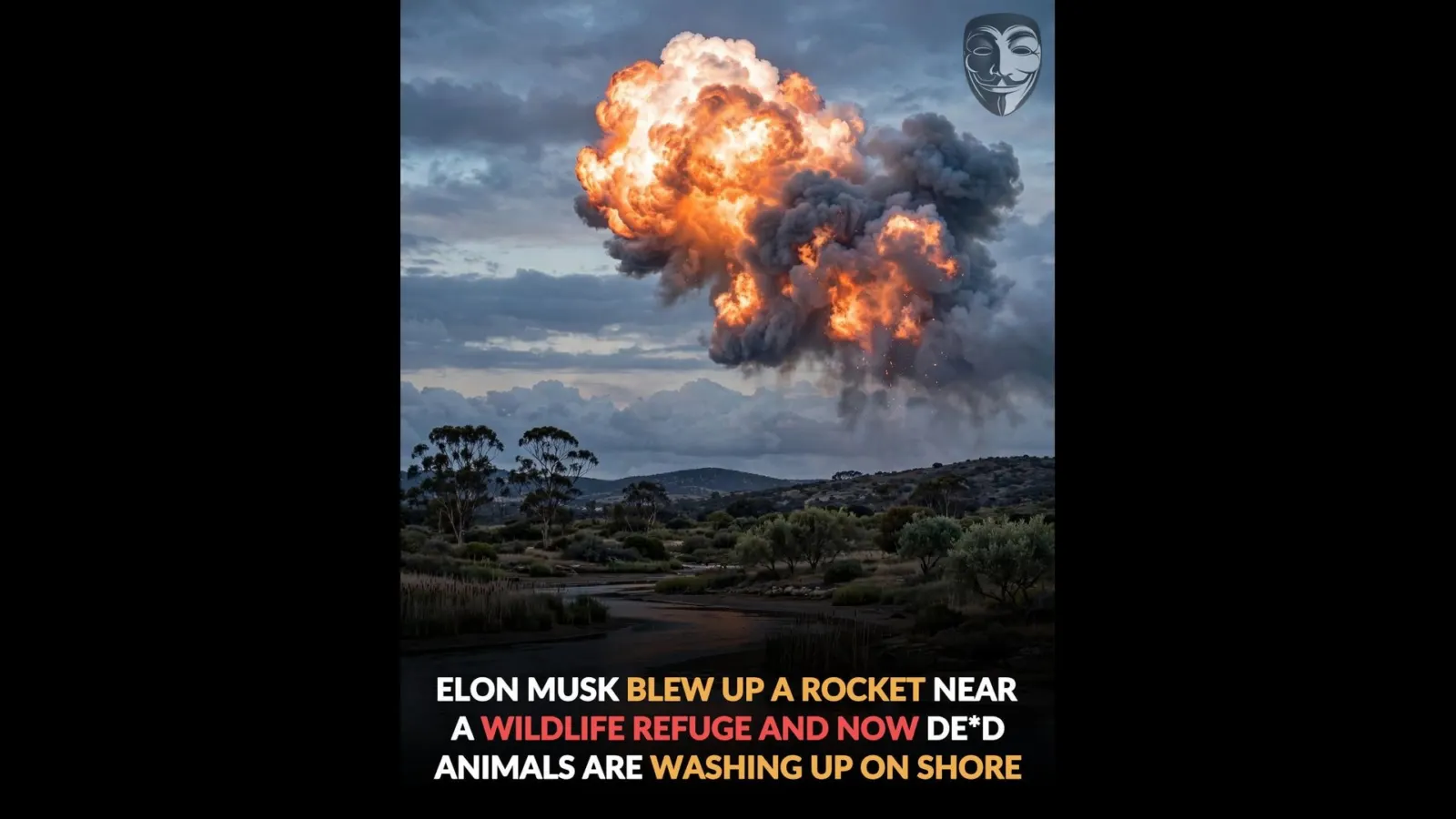
SpaceX Rocket Debris Found on a Mexican Beach
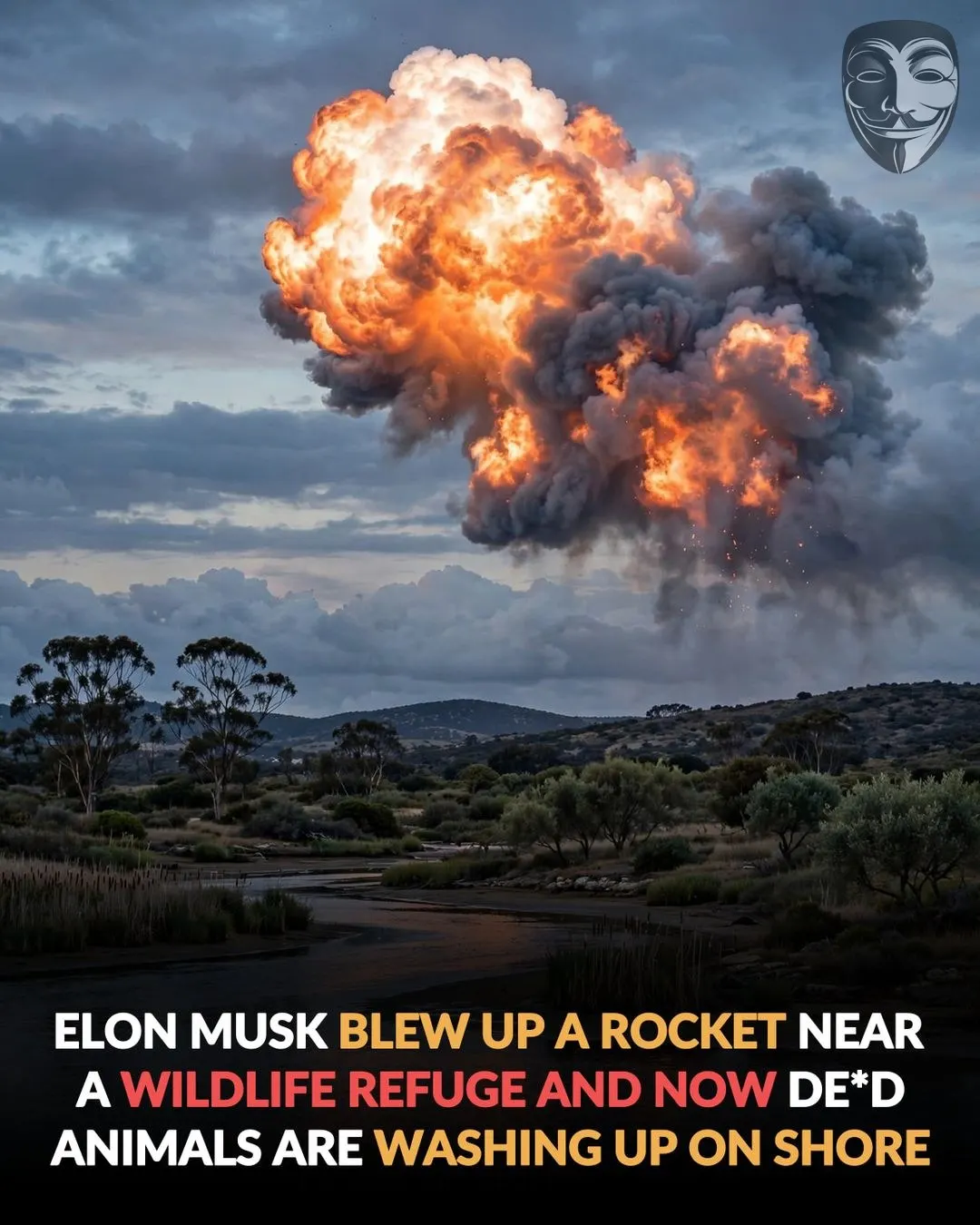
SpaceX rocket debris washed up on a beach in Mexico after a test flight went wrong over the Gulf of Mexico on November 13. The Super Heavy booster exploded high above the water after its engines shut down too early, and the planned catch was called off. Days later, volunteers walking Bagdad Beach near Matamoros found at least 1,500 suspected rocket fragments scattered across the sand. The beach sits just south of the Starbase launch site in Texas, close to the border between the two countries.
A dead dolphin and a sea turtle were found on the same shoreline, and specialists are now examining the turtle to learn what killed it, though no link to the debris has been found yet. Mexican officials asked SpaceX to take responsibility for the cleanup, while the company says its tests found no chemical, biological or toxicological risks. In the slides ahead, we walk through the flight, the beach search, and the questions that remain. Read our report on how one lawmaker warned SpaceX over its satellite work and our story about a court ruling on the Pacific seabed.
References:
The Texas Tribune: Mexico Demands SpaceX Clean Up Suspected Rocket Debris Washing Ashore Near Texas
FOX SA: South Texas SpaceX Launch Draws Mexican Government Scrutiny As Rocket Debris Washes Ashore
The Cooldown: At Least 1500 Suspected SpaceX Fragments Litter Beach As Officials Warn Public Not To Touch Them
Texas Public Radio: Safety Warnings Follow Arrival Of Suspected Rocket Fragments On Mexican Beach Near Texas
The Starship Test Flight That Went Wrong
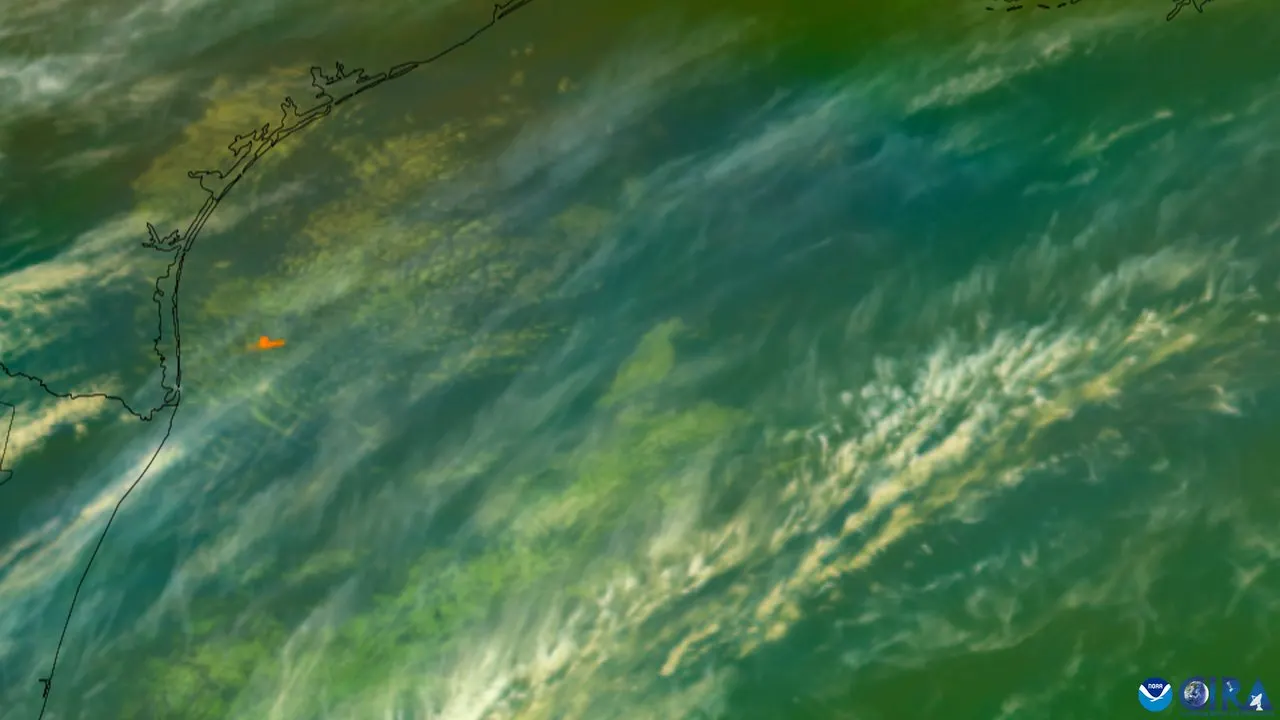
On November 13, the Starship test flight lifted off from Starbase in Texas with the Super Heavy booster pushing the rocket skyward. The flight was one more step in a test program that has already seen both triumphs and failures. This time, the plan called for the booster to return to the launch tower, where giant arms would catch it in midair. Engineers and fans watched the climb closely, and for a while the flight looked normal. Read about a record long flight on Air Force One.
Engines Shut Down Too Early
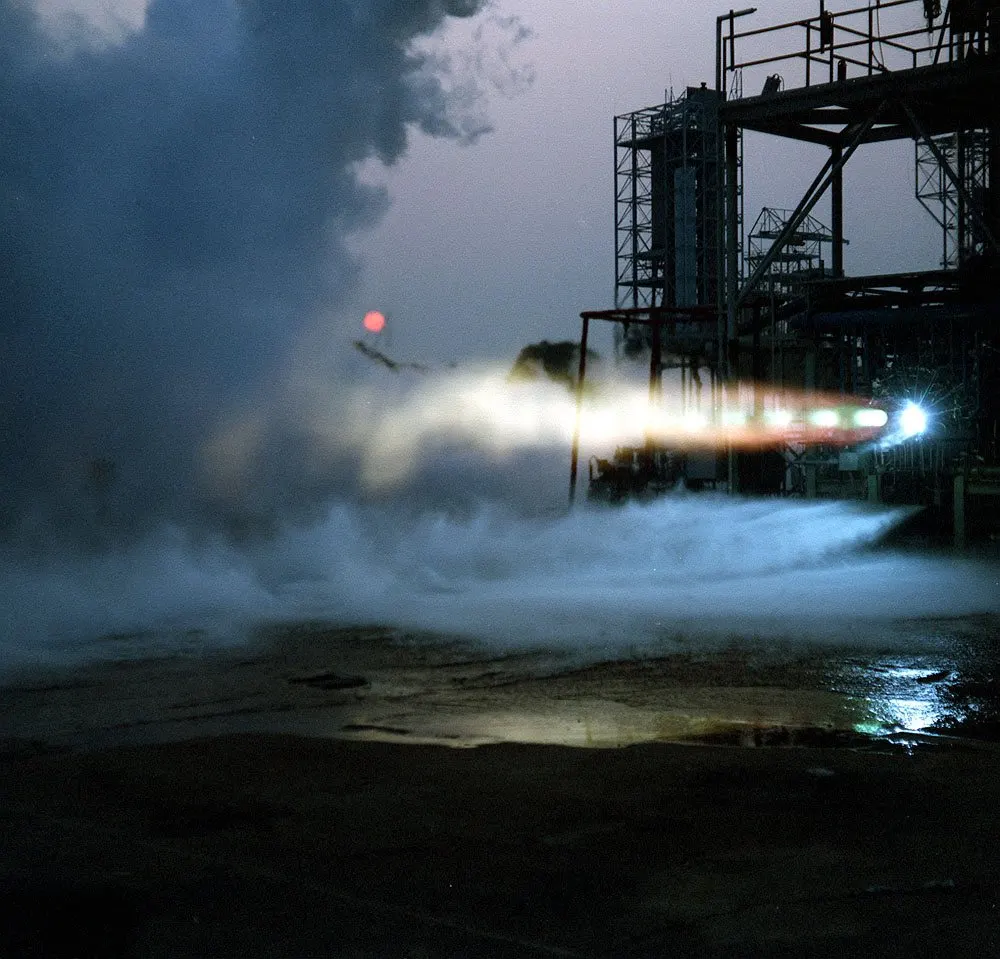
The trouble began when the booster engines shut down earlier than planned. A rocket the size of Starship depends on dozens of engines firing in perfect order, and even a small fault can change the whole flight. Flight controllers watched their screens as the numbers moved away from the plan. The team had trained for faults like this, and the rules are clear about when to stop a test and protect people on the ground. Learn more from a writer who warned about men and their toys.
The Planned Catch Was Called Off
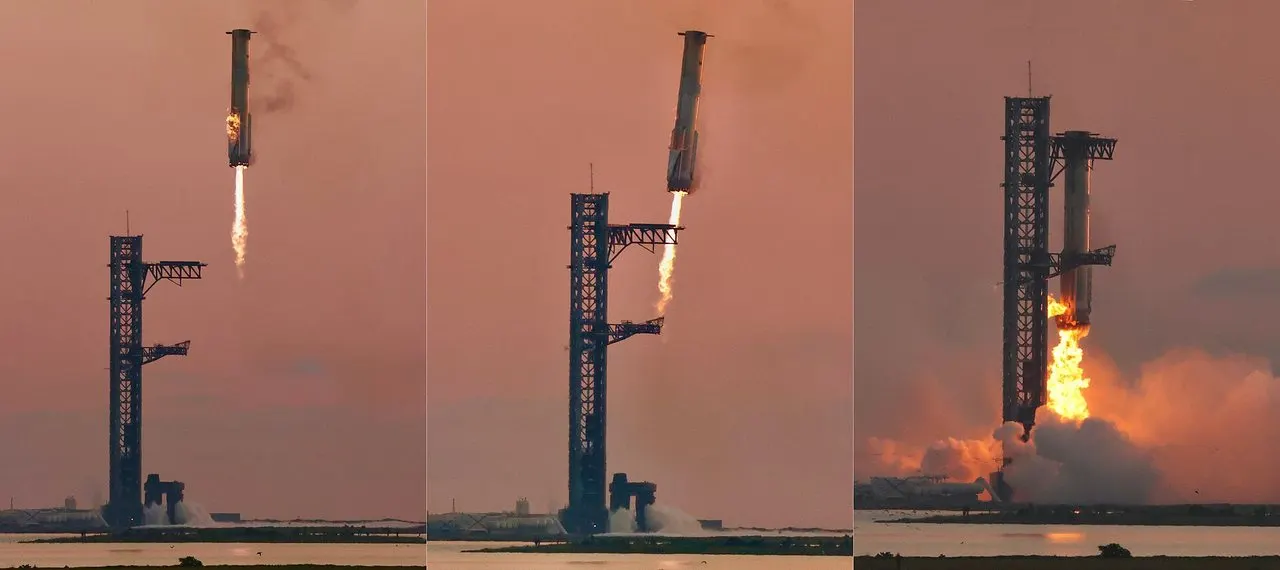
The booster was meant to fly back to the tower and be caught by the giant metal arms known as chopsticks. The move has worked before, and it is one of the boldest parts of the Starship program, saving the booster so it can fly again. This time, the call came to wave off the catch, and the booster kept flying out over the water instead. The decision put safety first, and it set the stage for what happened next. See the longest Air Force One flight.
SpaceX Rocket Debris Scattered Over the Gulf
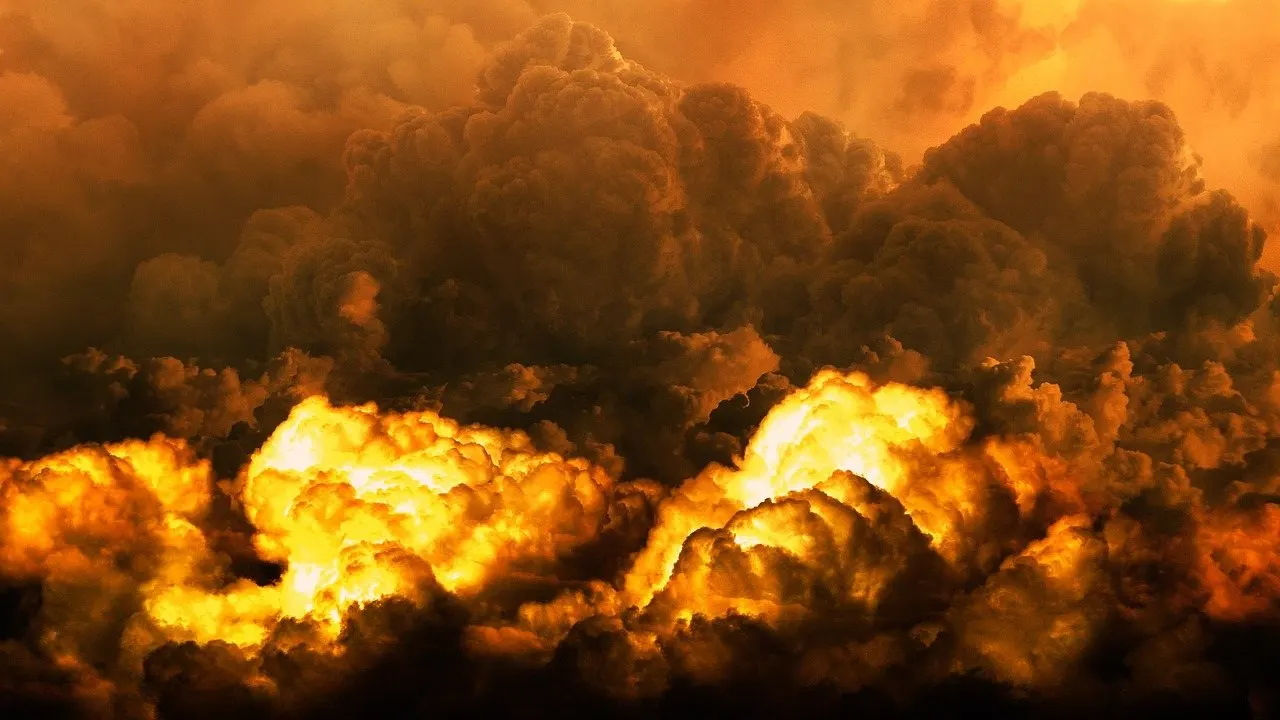
High over the Gulf of Mexico, the booster broke apart in a bright burst that lit the sky. Pieces of the huge machine fell toward the sea, and some of them drifted south with the wind and the currents. People along the coast could only watch and wonder where the fragments would land. The explosion ended the test flight, and it started a second story on the ground far below. Read about the sale of seabed near American Samoa.
SpaceX Rocket Debris Reached the Shoreline
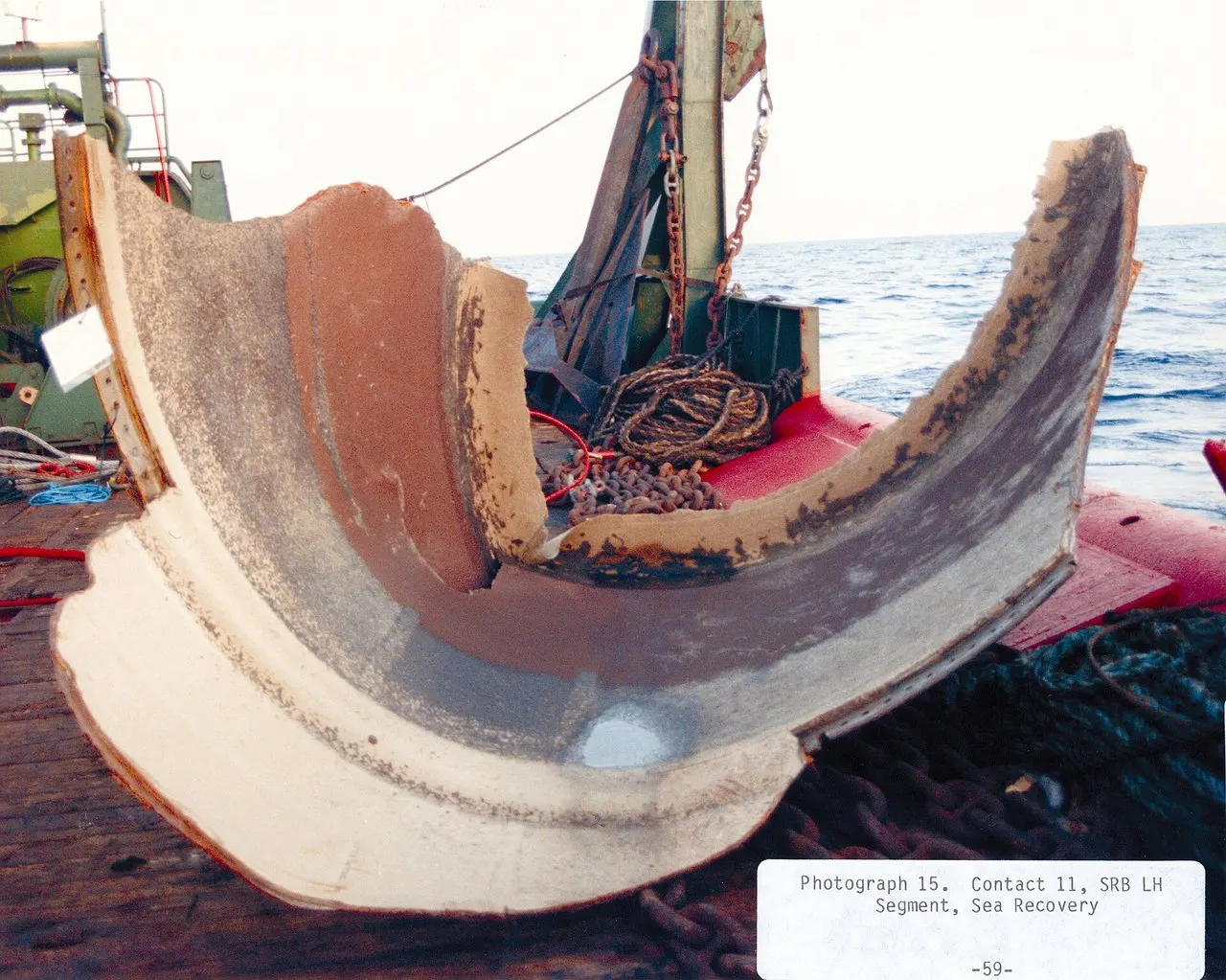
The sea carried the fragments toward the Mexican coast, and the first pieces turned up on Bagdad Beach near Matamoros. The beach is a long, quiet stretch of sand just south of the Texas border, and it is not the kind of place that often makes the news. Volunteers and local people soon found twisted metal and small parts spread along the shore. Each piece told the same story of a flight that ended in the sky. Learn about events at a Texas detention camp.
Volunteers Walked the Beach to Count the Pieces
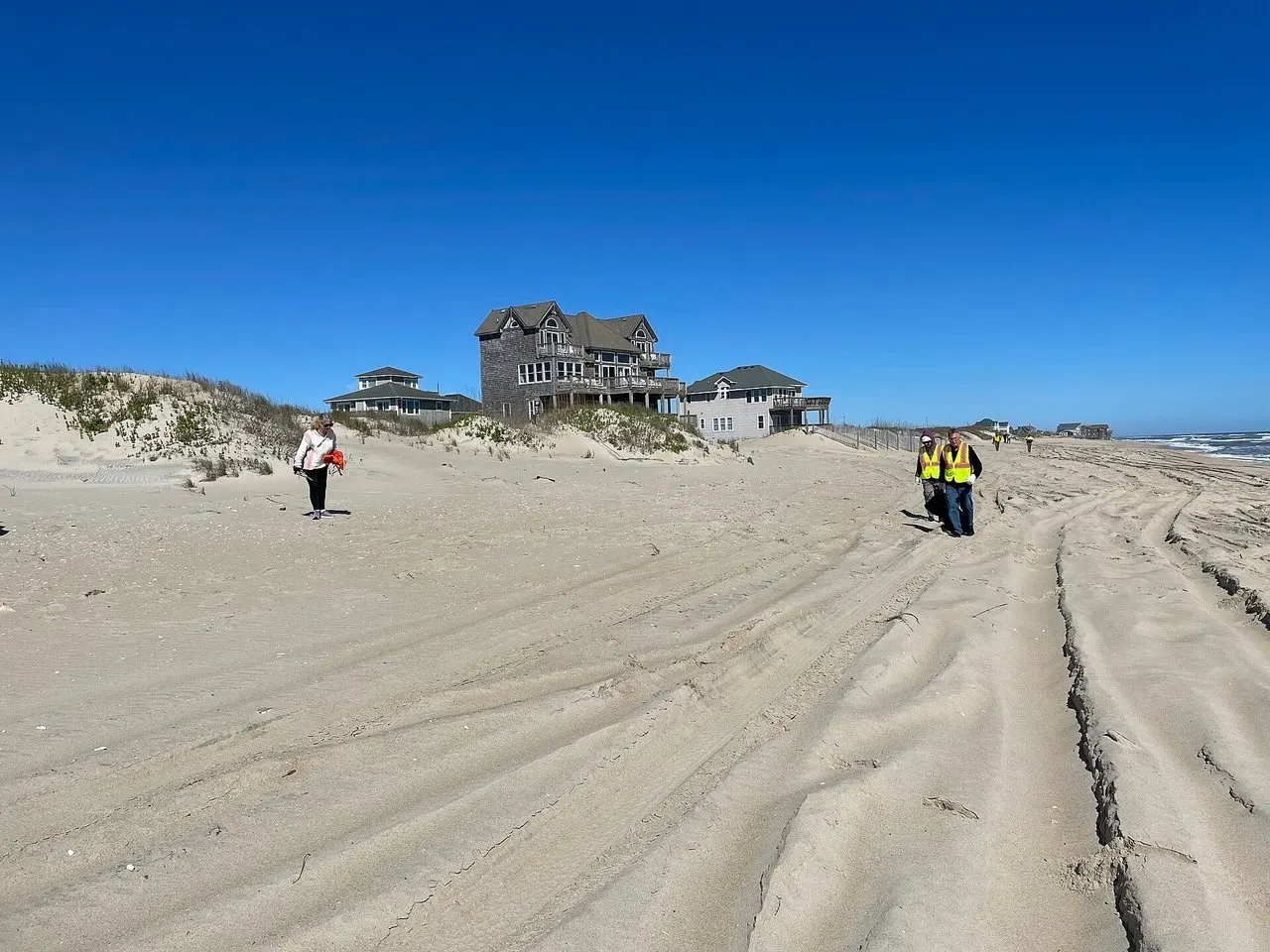
Volunteers set out along Bagdad Beach with bags and gloves, picking up each fragment they could find. The work was slow, because the pieces ranged from small shards to larger chunks of metal, and they were spread over a long stretch of sand. By the end of the search, the count had reached at least 1,500 suspected rocket fragments. The number surprised many people, and it showed how far the debris had spread. See a senator standing firm.
SpaceX Rocket Debris Counted at 1,500 Pieces
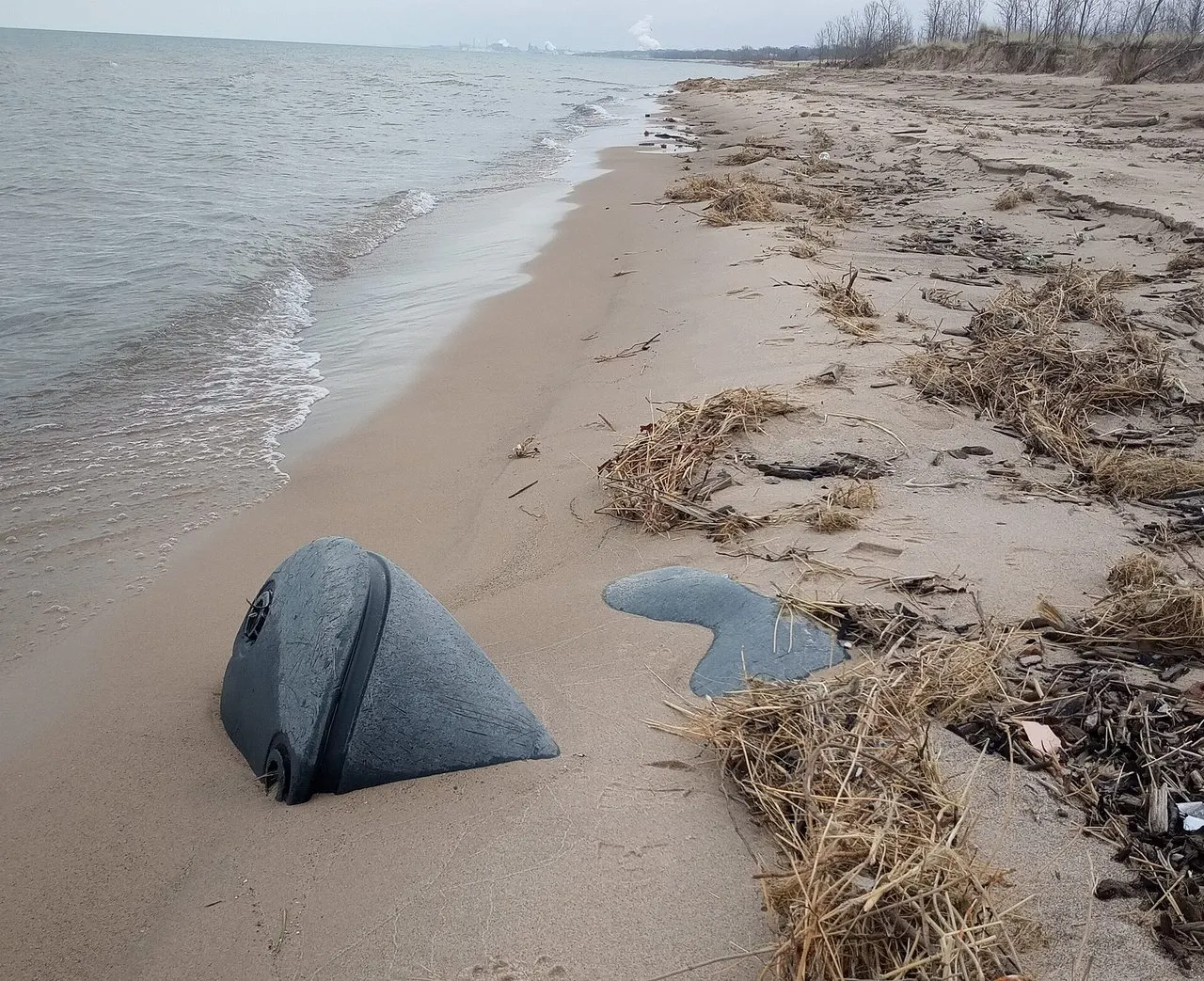
The count of at least 1,500 fragments gave the story its scale. Each fragment had to be logged and handled with care, because nobody could be sure at first what the pieces were made of or whether they were safe to touch. Officials warned the public not to pick up the debris and to report what they found instead. The warning mattered, because curious visitors might have carried pieces home. Read about what happened at a Texas ICE camp.
A Dolphin Was Found on the Same Shore
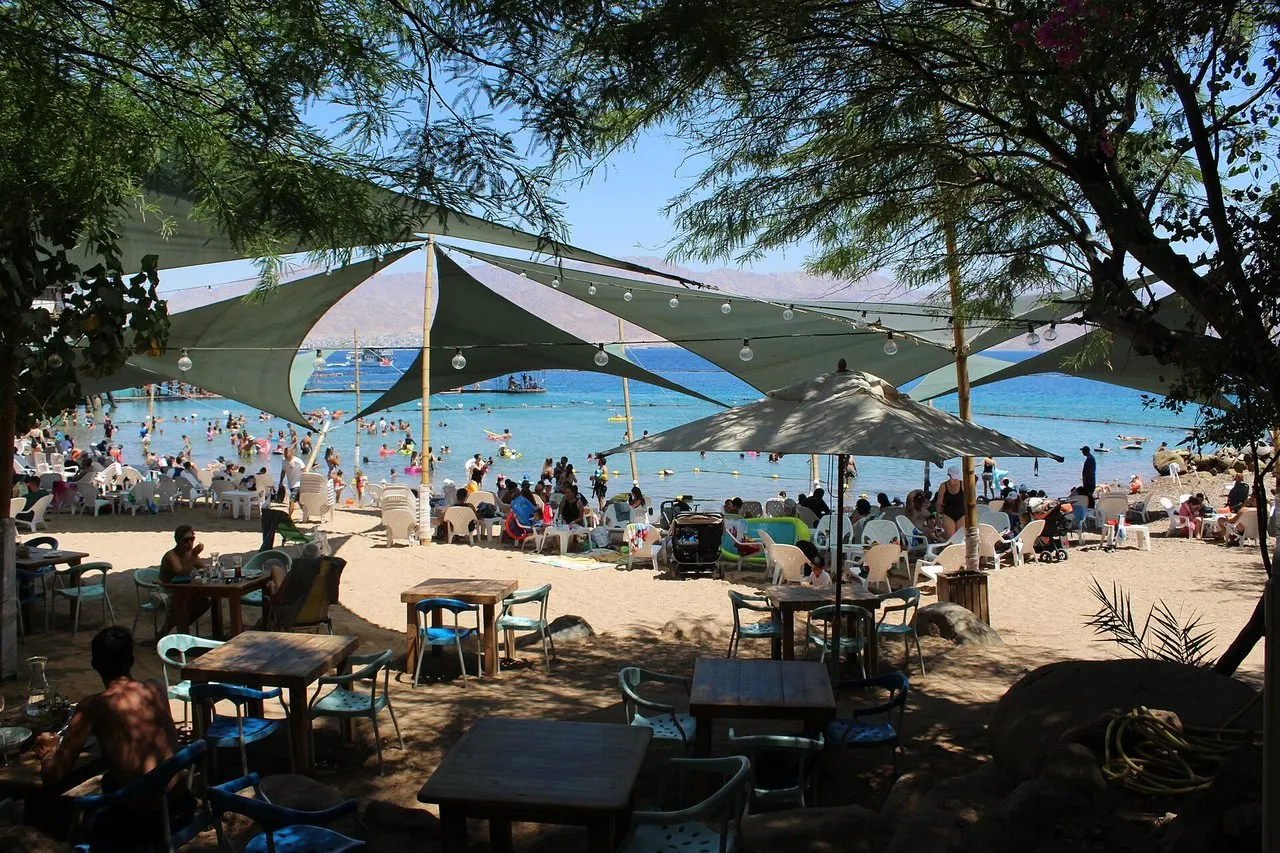
On the same shoreline, volunteers found a dead dolphin lying on the sand. The sight added a sad note to the search, because dolphins are a familiar and loved part of life in the Gulf of Mexico. Nobody could say at once what killed the animal, and experts warned against jumping to conclusions. The dolphin was one of two animals found that day, and both cases are still being looked into. Learn about the hippo Fiona and her life at the zoo.
A Sea Turtle Was Found Beside the Debris
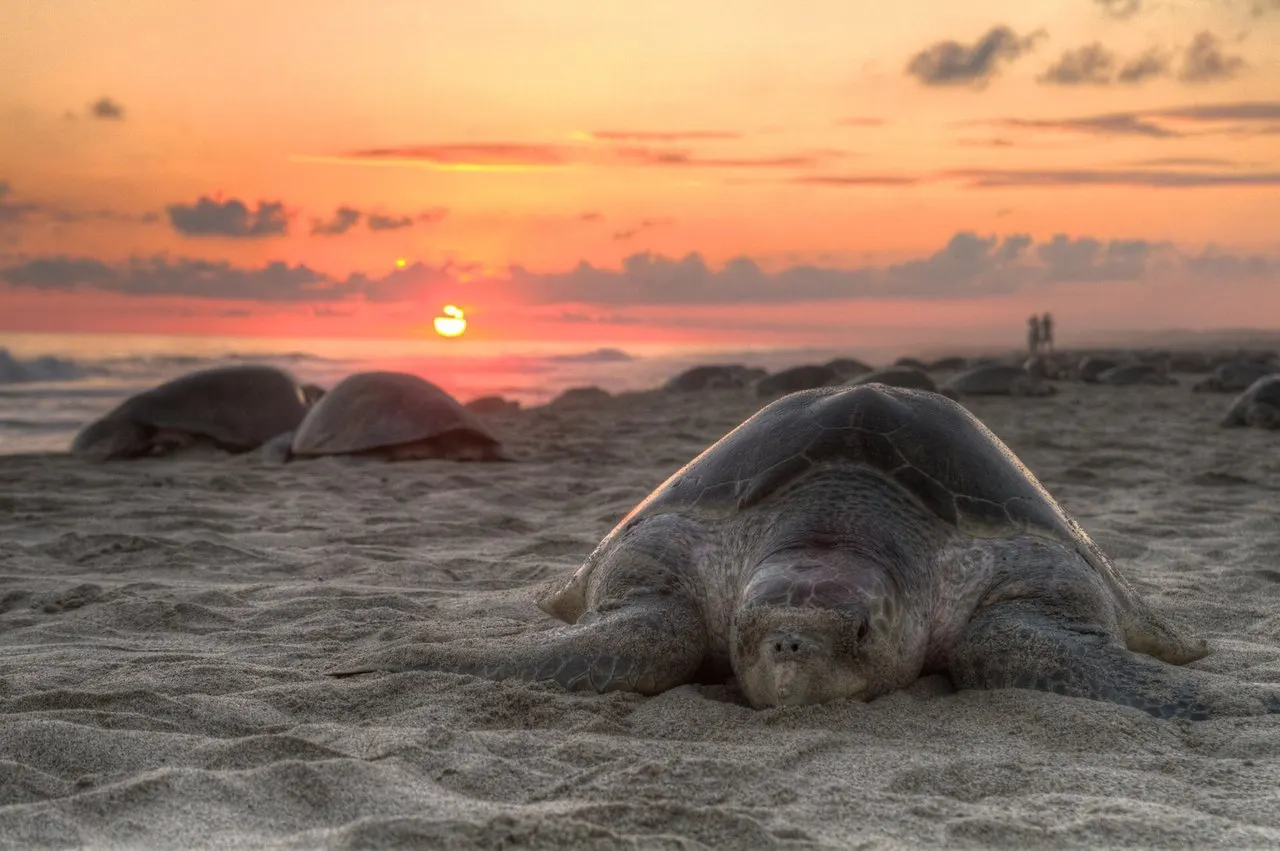
A sea turtle was also found on the beach, and its case drew the most care from the people on the scene. Turtles nest and feed along this coast, and several kinds are protected by law in both Mexico and the United States. The animal was taken to specialists, who began a careful check to learn what killed it. Until that work is done, no one can say whether the debris played any part. See a beloved hippo at Cincinnati Zoo.
Specialists Are Examining the Turtle
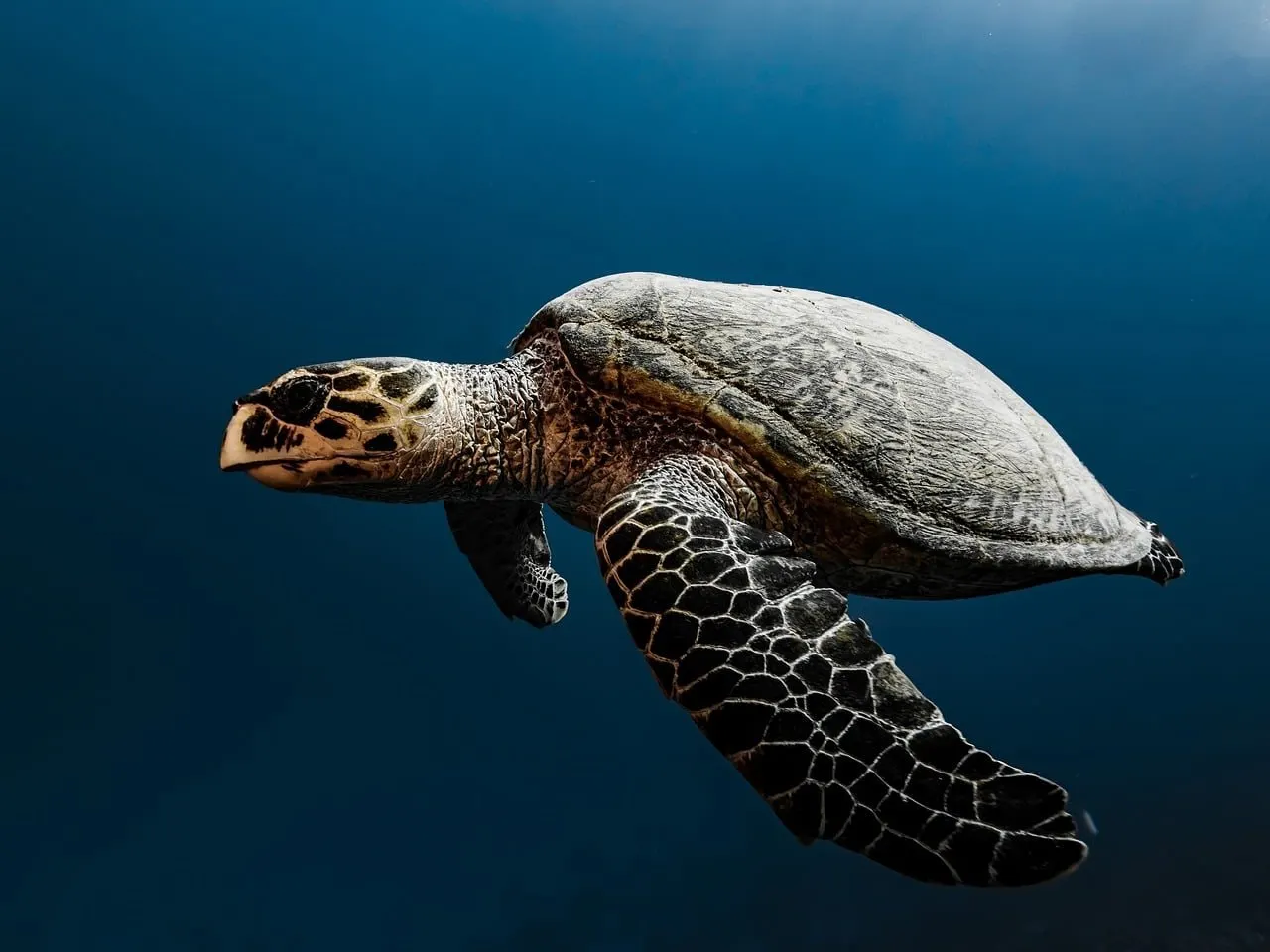
Specialists are now examining the turtle to learn what killed it, and their work will take time. A full check looks at the body, the organs and the samples taken from the animal, and each step must be done with care. The team will compare what they find with known causes of death in sea turtles, from illness and injury to pollution and fishing gear. Their answer will matter to everyone watching this story. Read about the keeper who cared for Fiona.
SpaceX Rocket Debris Tests Found No Toxic Risk
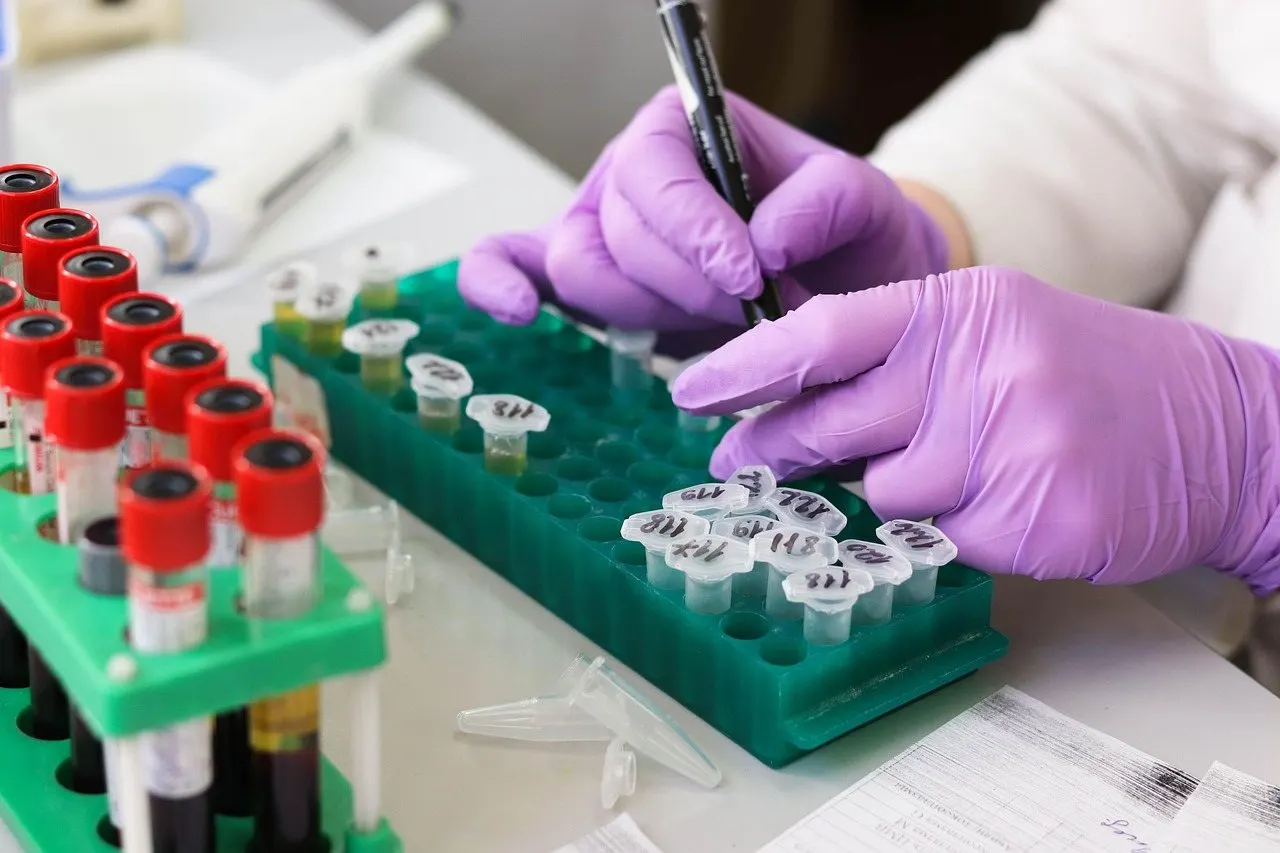
SpaceX says its tests found no chemical, biological or toxicological risks from the debris. The company ran checks on the fragments and the area around them, and it shared those results with officials on both sides of the border. The finding may calm some fears, though many people still want independent tests to confirm the results. For now, the official advice is to leave the debris alone and let the experts handle it. Learn from Ray Bradbury and his warning.
SpaceX Rocket Debris Brought a Demand From Mexico

Mexican officials have asked SpaceX to take responsibility for the cleanup of the debris on their beaches. The request puts the company on the spot, because the fragments landed in another country after a launch from Texas. Officials say the cleanup should be full and fast, and they want the company to cover the cost of the work. The talks between the two sides are still going on. See Fetterman and his stand on the shutdown.
Starbase Sits Just North of the Border
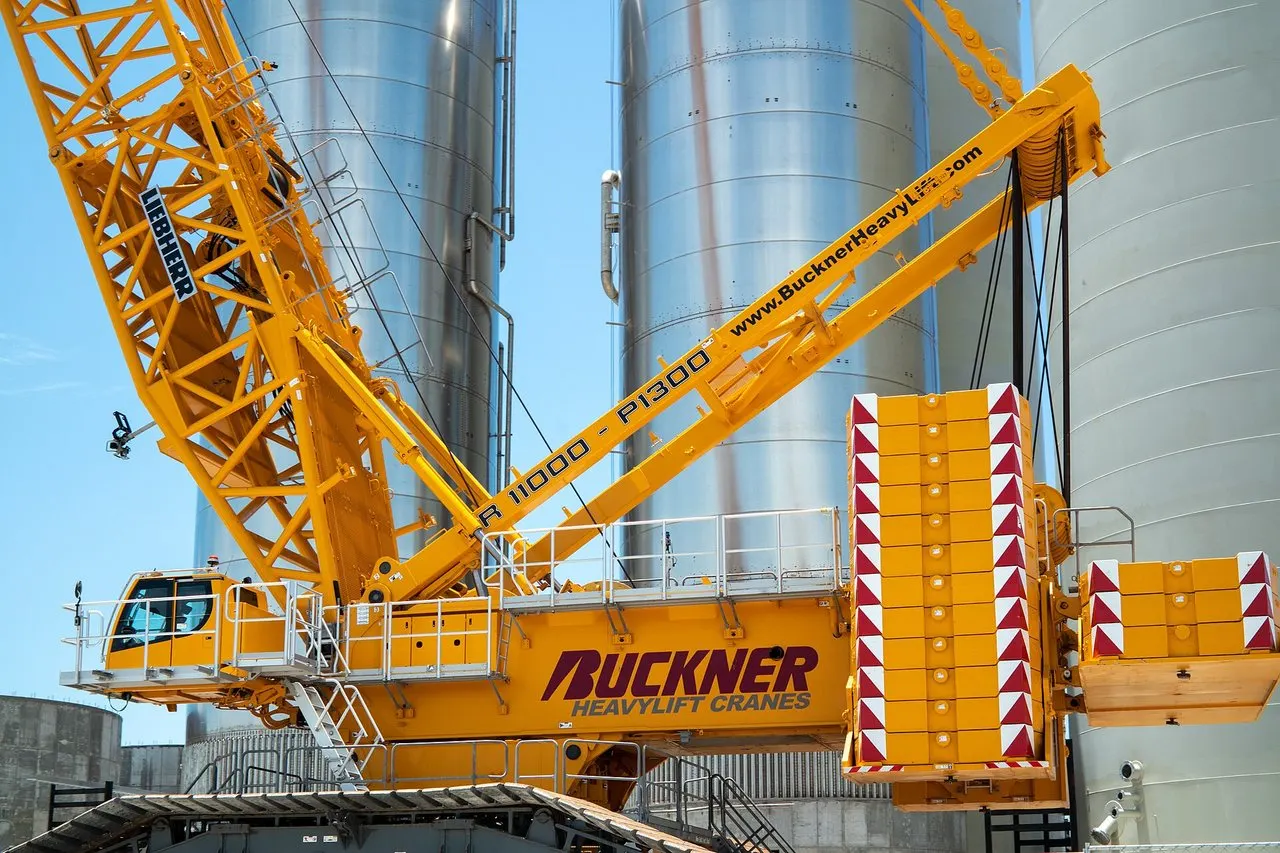
Starbase, the SpaceX launch site in Texas, sits on the Gulf coast near the city of Brownsville, only a short distance from the Mexican border. The site has grown fast in recent years, with a tall launch tower, huge tanks and new buildings rising on the flat coastal land. Rockets launched from here fly out over the Gulf, which is why SpaceX rocket debris from a failed flight can end up on a Mexican beach. Read about a 15 hour flight to Washington.
The Launch Tower and the Giant Arms
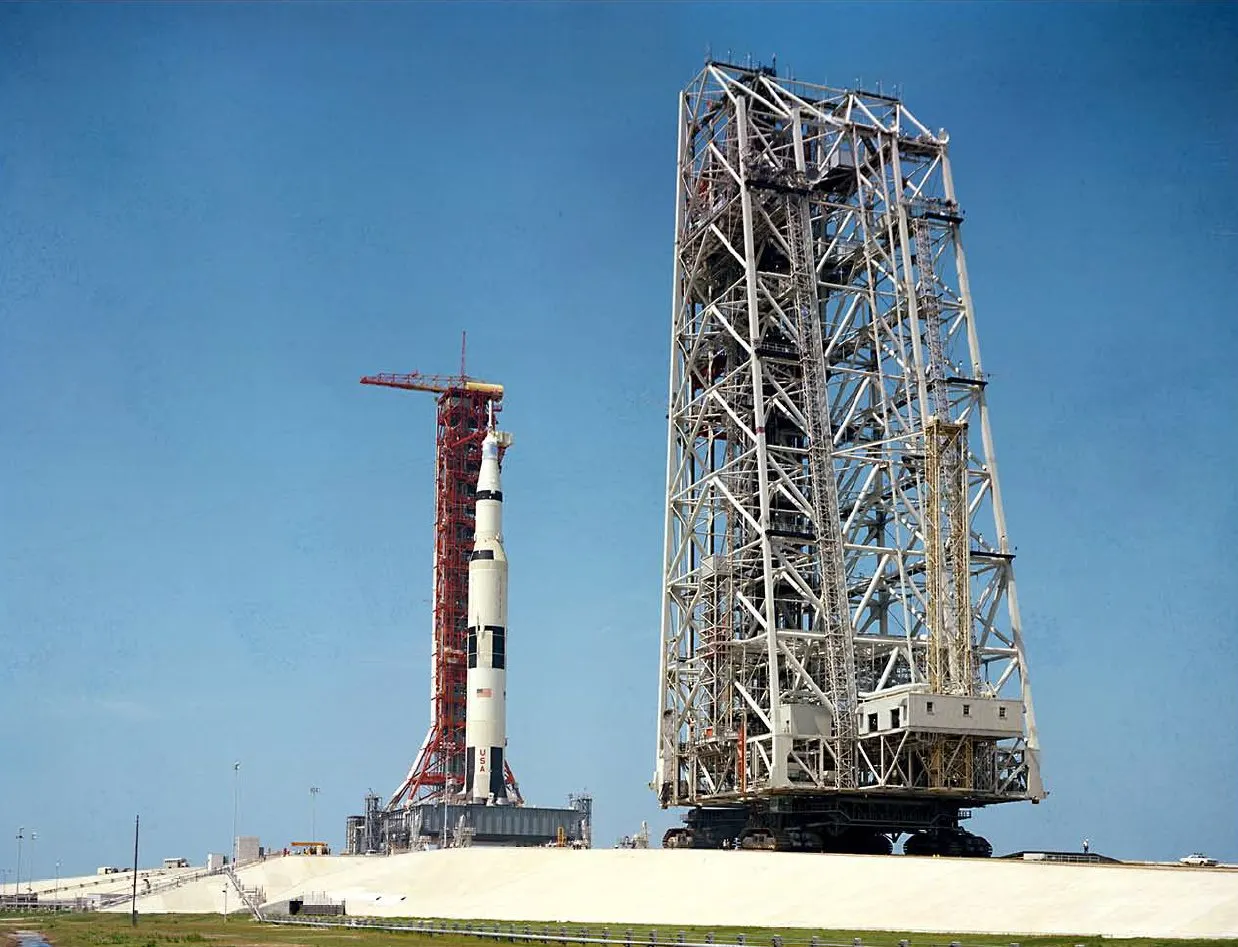
The launch tower at Starbase is one of the tallest structures on the Texas coast, and its giant arms are built to catch a returning booster in midair. The system is meant to make rockets reusable, so the same booster can fly again after a short check. The catch has worked on earlier flights, which is why the team planned to try it again on November 13. When the catch was called off, the booster had nowhere to go but out over the sea. Learn from a famous writer on technology.
SpaceX Rocket Debris Washed Up at Bagdad Beach
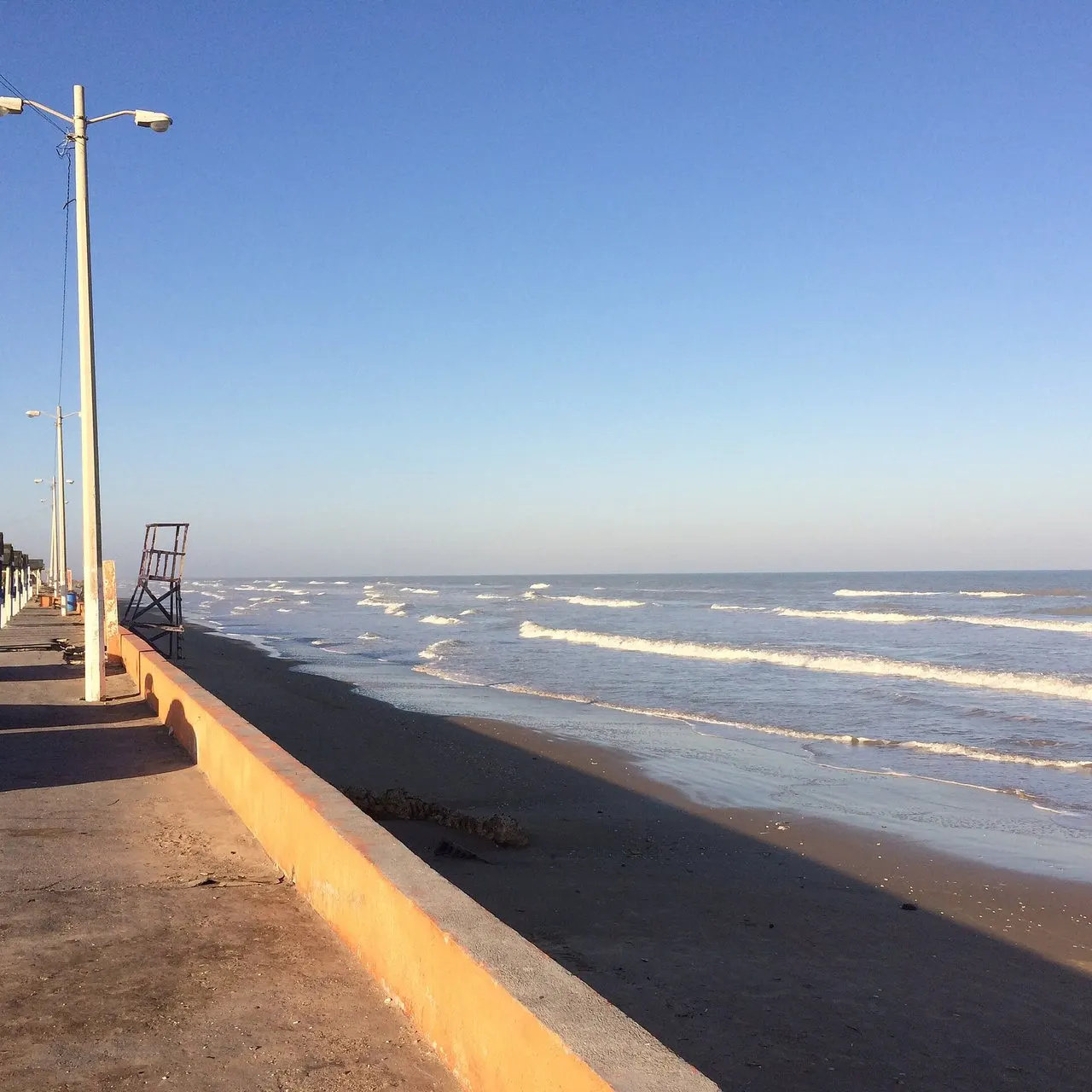
Bagdad Beach, known in Spanish as Playa Bagdad, is a long stretch of sand near Matamoros in the Mexican state of Tamaulipas. The beach is popular with local families, and it is also a nesting ground for sea turtles that come ashore to lay their eggs. The arrival of rocket fragments turned a quiet beach into a work site, with volunteers and officials walking the sand day after day. Read about the fight over a large detention center.
SpaceX Rocket Debris Comes With a Warning
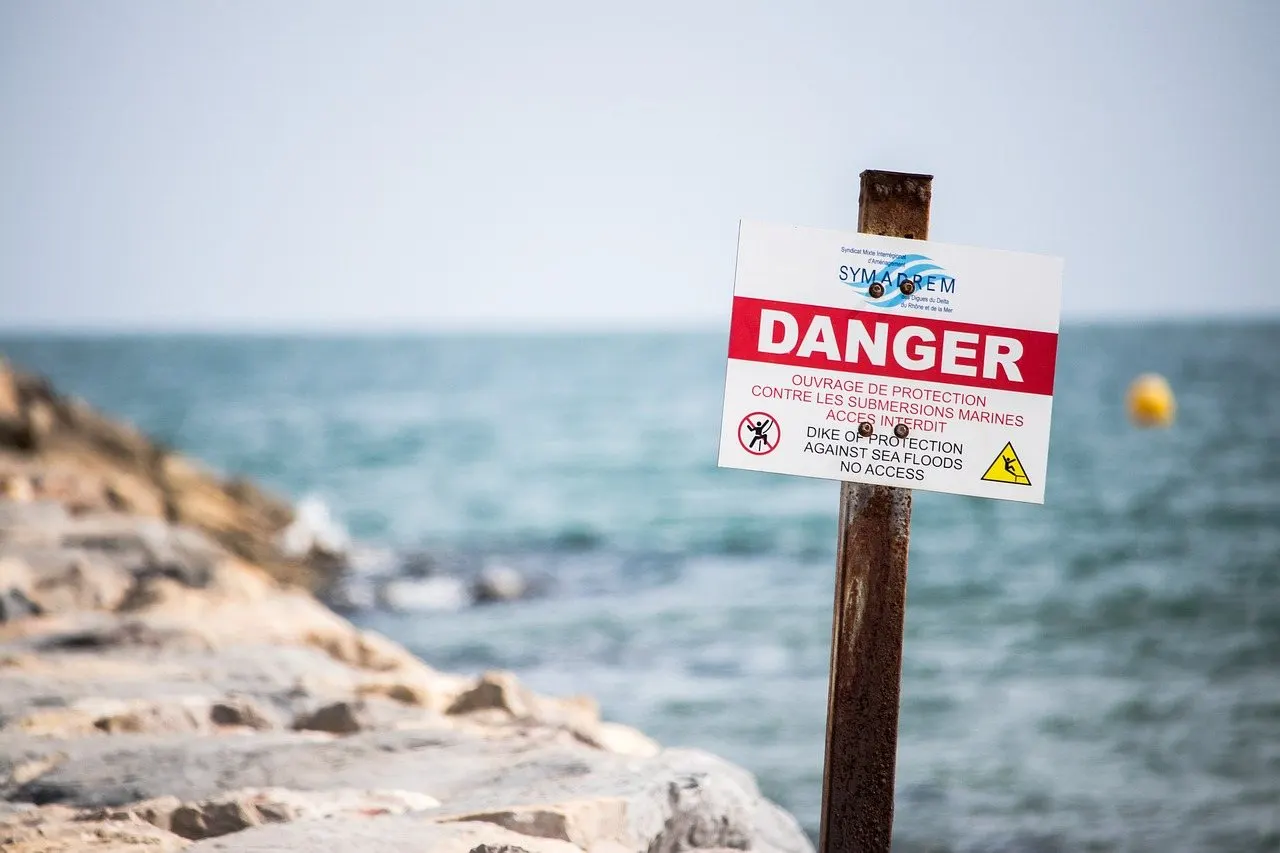
Officials warned the public not to touch the suspected rocket fragments on the beach. The pieces may look like harmless scrap, but they can have sharp edges, and nobody knows at first what chemicals or fuels may still be on them. The advice is simple: do not pick the pieces up, do not take them home, and tell the authorities where you saw them. The warning will stay in place until the beach is clear. See a reminder that better days lie ahead.
A Wildlife Refuge Lies Close to the Launch Site
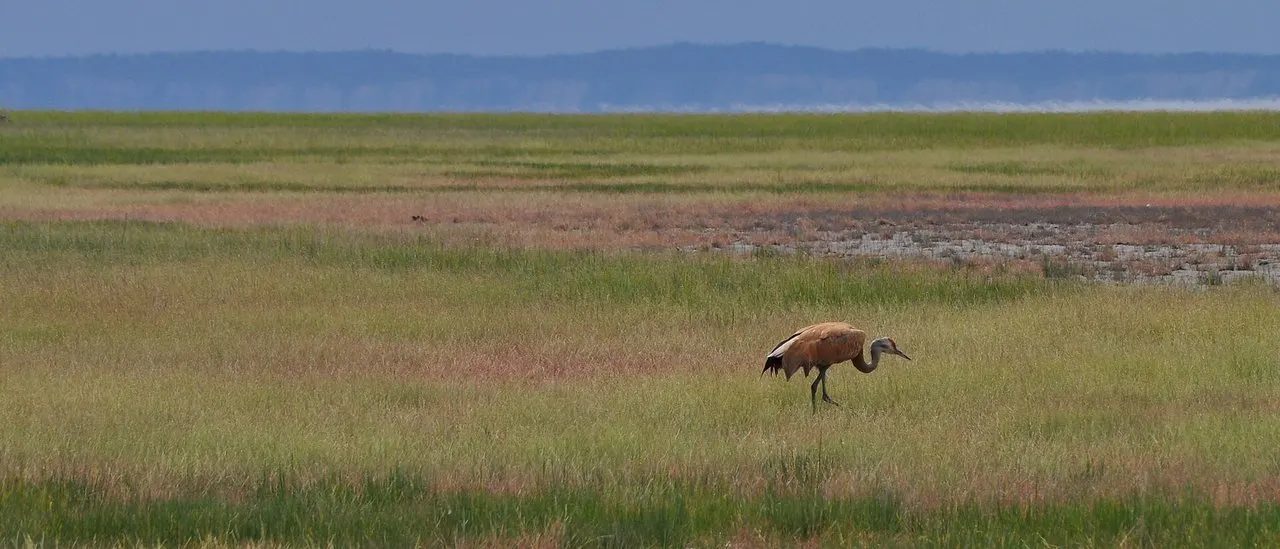
The coast near Starbase is home to a wildlife refuge, where birds, turtles and other animals live in the wetlands and along the shore. Refuges like this one protect the places where animals feed, rest and raise their young, and they are meant to stay quiet and safe. A rocket blast nearby raises clear questions about noise, debris and the risk to the animals that live there. The refuge will be watched closely in the weeks ahead. Learn about the night sky in late November.
The Gulf Shoreline Tells the Story
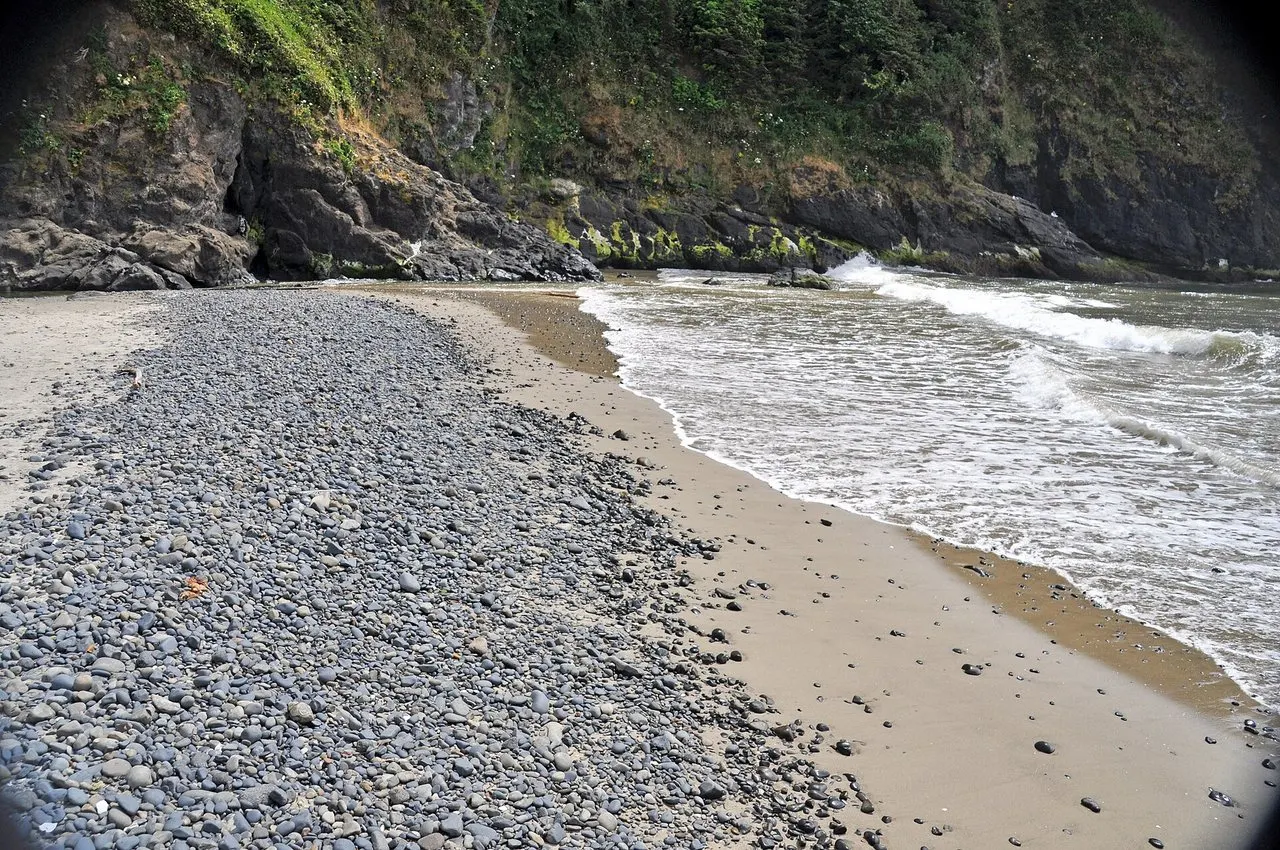
The Gulf of Mexico is a wide, warm sea, and its currents can carry floating objects a long way from where they fell. That is why pieces of a rocket that broke apart high in the sky could wash up days later on a beach in another country. The shoreline itself keeps a record of what the sea brings in, from shells and seaweed to the strange metal pieces that arrived this month. Read about a golden supermoon rising.
The Cleanup Will Take Time and Many Hands
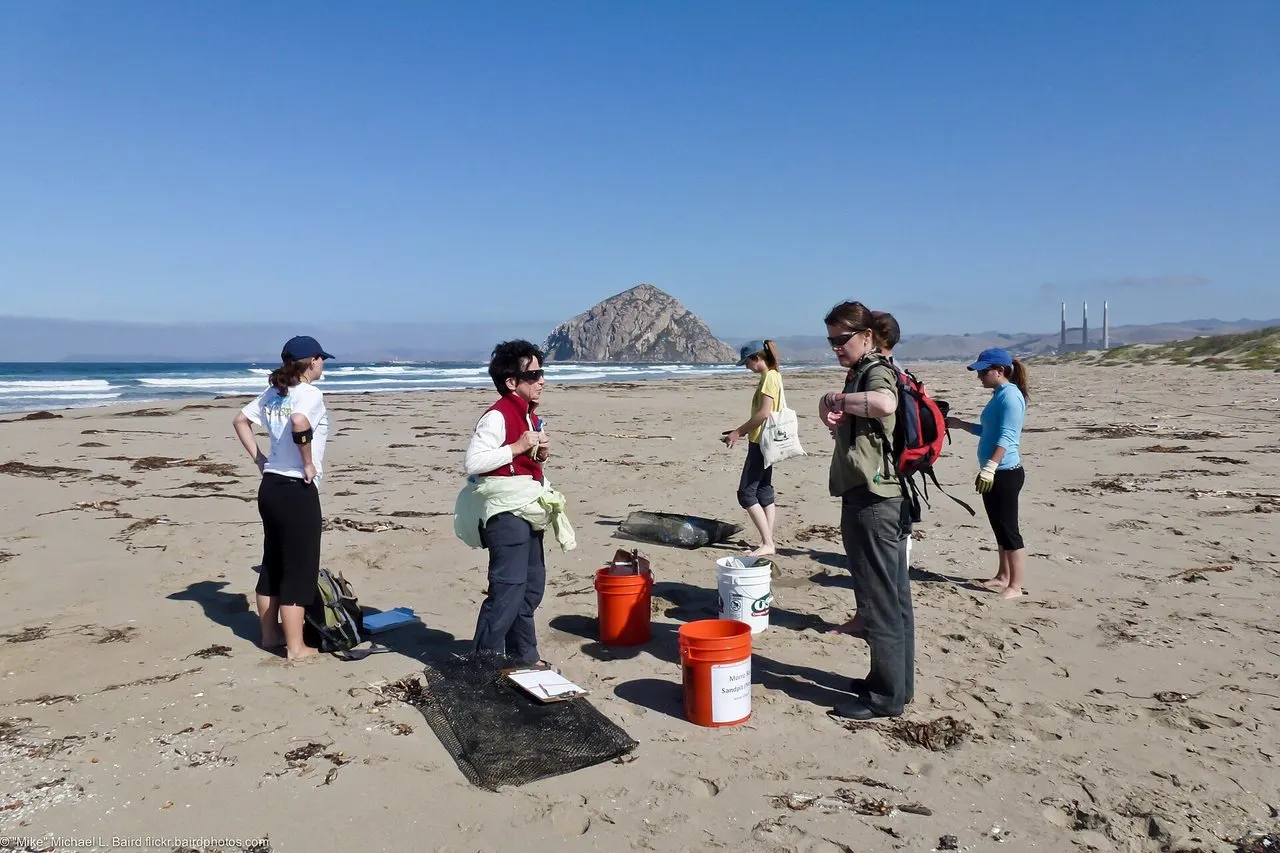
Cleaning up the SpaceX rocket debris will take time, and it will take many hands working along a long beach. Volunteers, local workers and officials will need to walk the sand again and again, because new pieces may keep washing in with the tide. The work also needs care, with gloves, bags and a safe place to store what is found. How fast the beach is cleared will depend on how much help arrives. See a private detention center in the news.
What Should Happen to the Beach Next?
The beach at Bagdad will need a cleanup, an answer on the turtle, and a plan so the next test flight does not end the same way. Many readers will want to know who pays for the cleanup and how the wildlife will be protected. What do you think should happen next? Should SpaceX pay for the full cleanup, and should launches near the refuge face tighter rules? Share your thoughts in the comments below, and tell us what you would ask the people in charge. Read a shrug that said a lot.