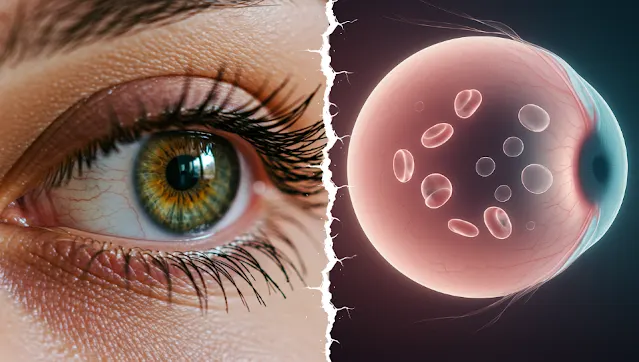
Scientists at Massachusetts Eye and Ear have developed CALEC, a stem cell blindness therapy that uses a patient’s own limbal eye stem cells to repair severe corneal injuries. Early results offer hope to people once told their blindness was permanent.
In a groundbreaking medical advance, scientists at Massachusetts Eye and Ear have developed a regenerative therapy using the patient’s own eye stem cells. This technique, called Cultivated Autologous Limbal Epithelial Cells (CALEC), is showing powerful early results, and it could change the future of eye care.
Understanding the Cornea and Limbal Stem Cells
The cornea is the transparent front layer of the eye. It plays a vital role in focusing light and protecting internal eye structures. Specialized limbal epithelial stem cells, located at the edge of the cornea, are responsible for healing and regeneration.
However, when these stem cells are destroyed, due to chemical burns, fire-related injuries, or severe trauma, the eye loses its ability to repair. The result: blurred vision, chronic pain, or even total blindness.
The CALEC Stem Cell Blindness Procedure: How It Works
The CALEC approach involves:
-
Harvesting a small sample of healthy stem cells from the patient’s unaffected eye.
-
Cultivating those cells in a laboratory environment over several weeks.
-
Transplanting the newly grown cells into the damaged cornea.
Once introduced, the stem cells trigger regeneration, allowing the eye to repair itself from within.
Because the cells come from the same patient, there’s no risk of immune rejection, making this treatment significantly safer than traditional corneal transplants.
Clinical Results: Hope in Action
In a recent clinical trial involving 14 patients, the results were nothing short of remarkable:
-
50% of participants had full corneal restoration within 3 months.
-
92% showed measurable healing.
-
Nearly 80% experienced significant vision recovery within a year.
Advertisement
Some patients who were legally blind regained the ability to perceive shapes, light, and even read large print.
These outcomes suggest that CALEC isn’t just a medical theory, it’s an active solution, already transforming lives.
A Safer Alternative to Corneal Transplants
Unlike traditional procedures that involve donor tissue, CALEC is autologousit uses the patient’s own cells. This offers several benefits:
-
Lower risk of infection and rejection
-
No need for lifelong immunosuppressants
-
Faster recovery times
-
Greater accessibility in regions with limited donor availability
This technique represents the shift toward personalized medicinetreating people using their own biology.
What’s Next in Vision Restoration?
While still in clinical trials, the success of CALEC is encouraging. Experts believe this treatment could soon become a standard option for those with limbal stem cell deficiency and other forms of corneal damage.
Future applications may include:
-
One-day outpatient procedures
-
Stem cell therapies for macular degeneration or retinal diseases
-
Regenerative techniques for burns, spinal cord injuries, and organ repair
The potential reaches far beyond the eye.
Why This Breakthrough Matters
This isn’t just a story about blindness. It’s a powerful example of how regenerative medicine is rewriting the rules of modern healthcare.
By using your own cells to heal your body, doctors are addressing the root of medical issues, not just the symptoms. It’s a model that could eventually be applied to many chronic or previously untreatable conditions.
Even if you’ve never experienced vision loss, this discovery impacts the future of healthcare for everyone.
Final Thoughts: A New Era of Healing
Throughout history, medical breakthroughs have reshaped our world, from antibiotics to organ transplants. CALEC may be one of those milestones.
It brings hope where there was once only loss. And it poses an exciting question:
If we can reverse blindness, what else can we fix?
This is more than a medical achievement, it’s a second chance at sight, at freedom, and at life.
Source: National Eye Institute