America Has Lost Its Measles Elimination Status
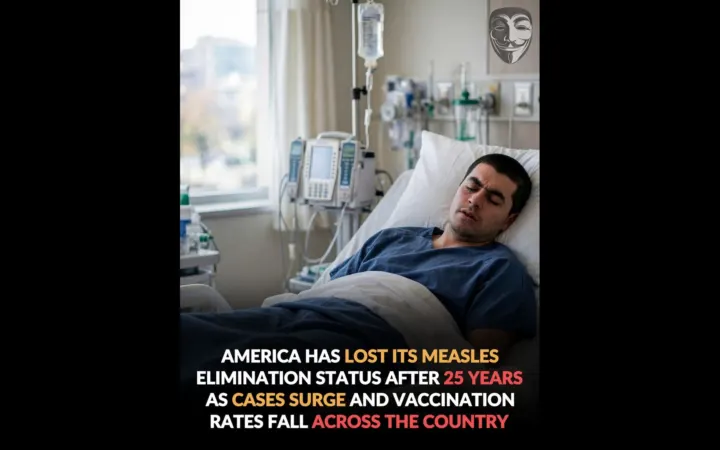
Measles elimination status has been lost in America for the first time in 26 years. The Pan American Health Organization confirmed on Tuesday that the United States no longer holds the designation it has carried since 2000. A country loses the status when one strain spreads without a break for a full year. The chain began on January 20, 2025. More than 5,400 Americans have caught measles in 2026, the most since 1991. One case in nine has ended in the hospital, and at least ten people have died.
Health Secretary Robert F. Kennedy Jr., a vaccine skeptic, now leads the department that must win the status back by stopping transmission for twelve months. His department said the designation is not what protects Americans, and added that vaccination does. Kindergarten MMR coverage has slipped to 92.4 percent, below the 95 percent level needed for herd immunity. In the slides ahead we look at how the status was lost and what it will take to win it back. The debate over his leadership echoes a question about removing a president and a health chief who fought her removal.
References:
Scientific American: U.S. Officially Loses Measles Elimination Status in a Body Blow to Public Health
Associated Press: Measles Is No Longer Considered Eliminated in the US and Mexico
Wall Street Journal: U.S. Loses Measles-Elimination Status as Historic Resurgence Sickens Thousands
USA Today: US Loses Measles-Free Status. Does That Mean Anything?
What Losing Measles Elimination Status Really Means

When a country holds the status, the virus is not spreading on its own inside its borders. Cases can still arrive from abroad, but they die out instead of starting chains that last. Losing the status means one chain kept going for more than a year, which tells health officials the virus found enough unvaccinated people to keep moving. It does not mean measles is everywhere, and the vaccine still works. The loss is a warning light, not a collapse. The same warning has shown up in a fight over closing a department and a debate over voting rules.
The Chain of Transmission That Started on January 20, 2025

A single chain of measles transmission began on January 20, 2025, and it never stopped. Health officials trace a chain by linking cases that share the same strain of the virus, and this one kept finding new people month after month. Measles spreads through the air when an infected person coughs or sneezes. Crowded places, travel and family gatherings give it fresh chances to move. Once a chain lasts a full year, the health agency takes the status away. The long spread recalls a plan to send in troops and a warning about liberties.
Measles Elimination Status Lost as Cases Pass 5,400

More than 5,400 Americans have caught measles in 2026, the most in a single year since 1991. Each case means a sick person, a family worried at home, and a round of calls to trace everyone who may have been exposed. Health departments in many states have spent months chasing contacts and checking vaccine records. The surge is the largest the country has seen in 35 years, and it arrived when fewer young children were fully vaccinated. The scale echoes a toddler hurt by more than 150 stings and a deal worth billions abroad.
Roughly 1 in 9 Cases Ended in the Hospital

One measles case in nine has ended in the hospital this year, a sign of how rough this illness can be. Measles is not a mild rash for everyone. It can bring high fever, coughing and red eyes, and it can lead to pneumonia, swelling of the brain and severe dehydration. Babies and people with weak immune systems face the highest risk. Hospitals have had to isolate patients and protect staff from a virus that spreads through the air. The strain on wards recalls a senator calling a president the most corrupt and a summit that ended without a deal.
At Least 10 People Have Died
At least ten people have died in this measles outbreak, state reports say. Behind that number are families who lost a loved one to a disease that a safe vaccine can prevent. Measles kills when it attacks the lungs or the brain, and it can also weaken the immune system after the rash fades, leaving the body open to other infections. Doctors say most of the people who died were not vaccinated, which is why health officials urge families to check their records. The grief recalls a clash over the air travel agency and a call for a fitness review.
The Measles Elimination Status Fight Now Falls to Robert F. Kennedy Jr.

The fight to win the status back now falls to Robert F. Kennedy Jr., the man who leads the Department of Health and Human Services. Kennedy built his public career questioning vaccines, and he has spent years telling parents to doubt the shots that doctors recommend. Now he runs the department that must stop measles from spreading for twelve straight months, the only way to win the status back. His critics say his past words helped create the gaps the virus is now using. The clash echoes a health chief who fought her removal and a question about removal.
The Safe Vaccine That Beat Measles Before
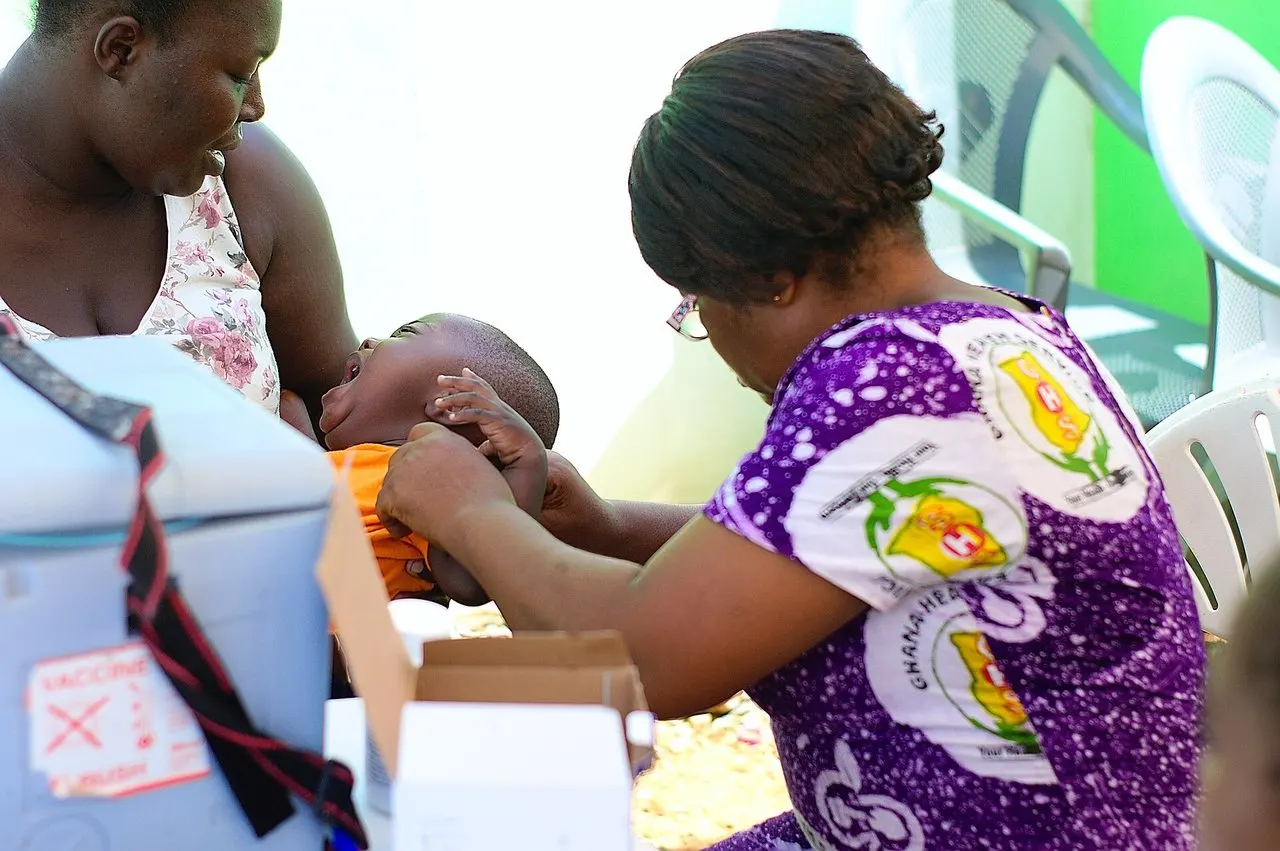
The vaccine that beat measles is safe, effective and has been used for decades. The MMR shot protects against measles, mumps and rubella, and two doses give about 97 percent protection. Before the vaccine arrived, measles infected millions of American children every year and killed hundreds. The shot turned a common childhood danger into a rare event, and it made the elimination status of 2000 possible. Doctors say the vaccine has one of the longest safety records in medicine. The trust it earned recalls a plan to shift control of schools and a plan to send troops into cities.
Measles Elimination Status at Risk as Kindergarten Coverage Slips to 92.4 Percent

Kindergarten MMR coverage has slipped to 92.4 percent, and the gap matters more than it sounds. The rate among kindergarten children has fallen below the 95 percent level experts say is needed for herd immunity. Herd immunity means enough people are protected that the virus cannot find a path from one person to the next. When coverage drops below that line, gaps open in classrooms and neighborhoods. A single unvaccinated child can start a chain that reaches many others. The slide in coverage recalls a debate over voter ID rules and a warning about liberties at risk.
The Department Says Vaccination Is What Protects Americans

The department says the elimination designation is not what protects Americans, and adds that vaccination does. The statement framed the loss as a label rather than a danger. Health experts agree that the shot is the real shield, and they also say the designation matters because it tracks whether the virus is spreading on its own. A country can have a strong vaccine and still lose the status if enough people skip it. The words drew a sharp reply from the post. The exchange recalls a summit without a deal and a toddler hurt by 150 stings.
The Cost of Doing Business Remark From January
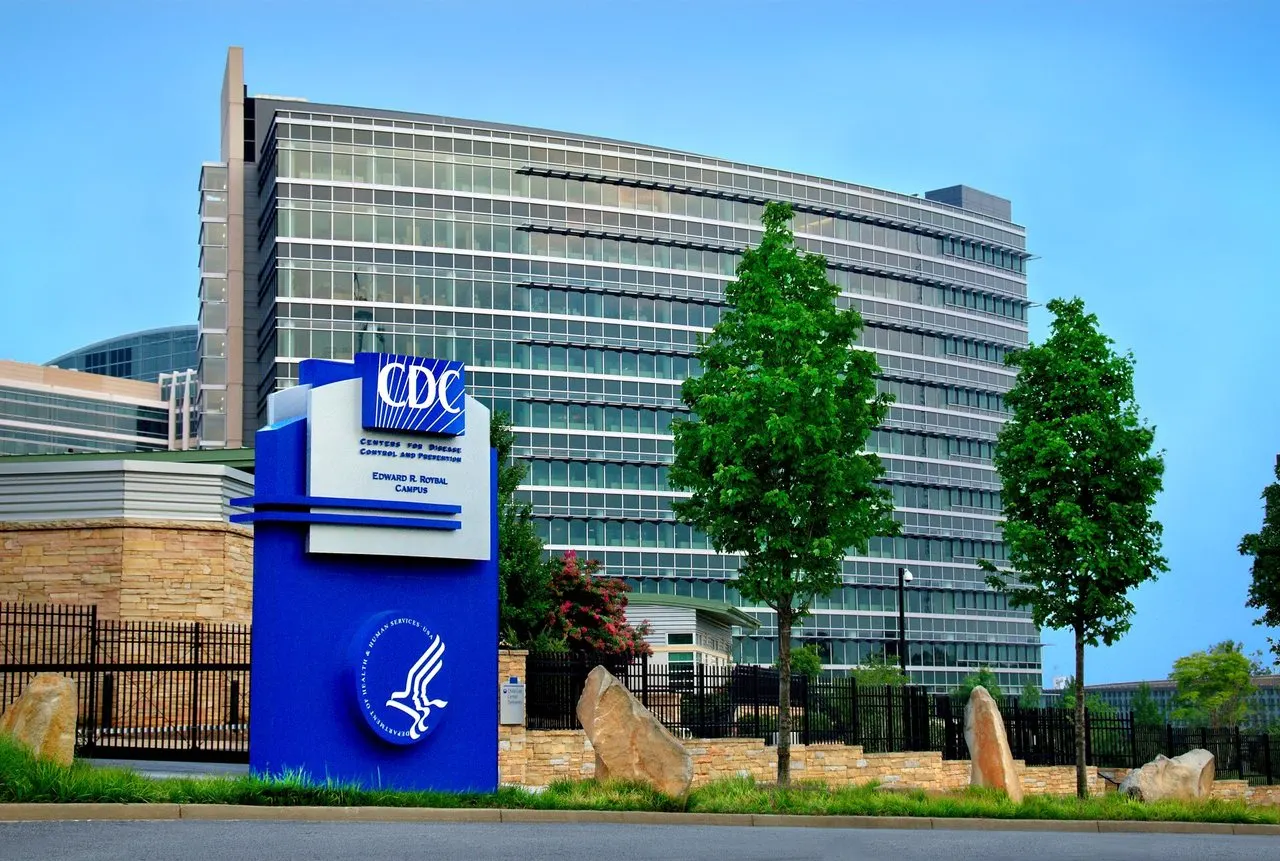
In January, a deputy director at the CDC brushed off losing the status as the cost of doing business. The remark came months before the Pan American Health Organization made the loss official. At the time, the chain of transmission was already months old, and cases were still climbing. Critics say the comment showed a department that had accepted failure before the fight was over. Supporters of the post say it proves the leadership never took the outbreak seriously. The remark recalls a deal worth billions abroad and a senator calling a president the most corrupt.
What It Takes to Win Back Measles Elimination Status

Winning the status back is simple to state and hard to do. The virus must stop spreading for twelve months, with no chain of transmission lasting through a full year. That means finding every case fast, tracing contacts, and vaccinating people nearby. Health departments must watch for cases from abroad and stop them before they start new chains. If the country holds the line for a year, the health agency can restore the status. The long road recalls a call for a fitness review of a president and a clash over the agency that runs air travel.
America Held Measles Elimination Status for 26 Years

America held the status for 26 years, a run that began in 2000. The status was declared after decades of vaccination drives, school checks and careful tracking of every case. For a generation of parents, measles became a disease from history books rather than a danger in the classroom. The 26-year run showed what a strong vaccine program can do when coverage stays high. Losing it now ends one of the longest public health winning streaks in American history. The long run recalls a health chief who disputed her own removal and a plan to shift control of schools.
How Measles Spreads and Why It Moves So Fast

Measles spreads through the air, and it is one of the most contagious viruses doctors know. When a person with measles coughs or sneezes, tiny drops can hang in the air for up to two hours. One sick person can infect many others if they have not been vaccinated, which is why a single case can turn into a chain so fast. The virus can also pass through touch and close contact. That speed is why health officials move quickly on every case. The speed recalls a plan to send in troops and a debate over voter ID.
Vaccination Campaigns Are the Way Back
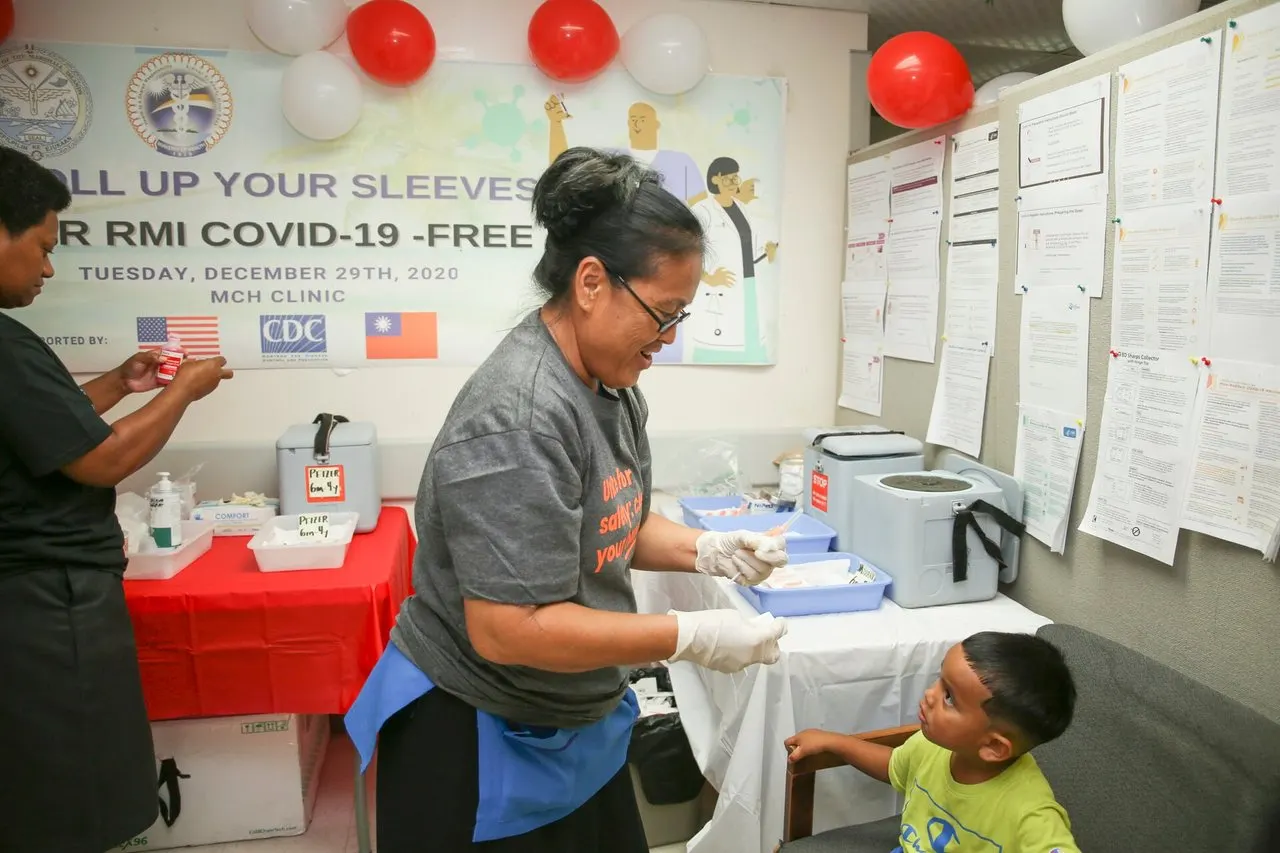
Vaccination campaigns are the way back, and health departments know how to run them. Catch-up clinics can reach children who missed a dose, school nurses can check records, and community drives can bring the shot to families far from a doctor. The MMR vaccine is free in many public programs, and a single visit can protect a child for life. Campaigns work best when trusted local voices explain the shot in plain words. The push to reach every child recalls a warning about liberties at risk and a summit that ended without a deal.
What Parents Should Check Right Now

Parents should check one thing right now, and it takes only a few minutes. Pull out your child vaccine record and look for two doses of the MMR shot, the first at about one year old and the second before school starts. If a dose is missing, call your pediatrician and book a visit, because the shot can be given at almost any age. If your child has a fever and a rash, keep them home and call the doctor before visiting. The simple check recalls a toddler hurt by more than 150 stings and a deal worth billions abroad.
The Calls for the Health Secretary to Go
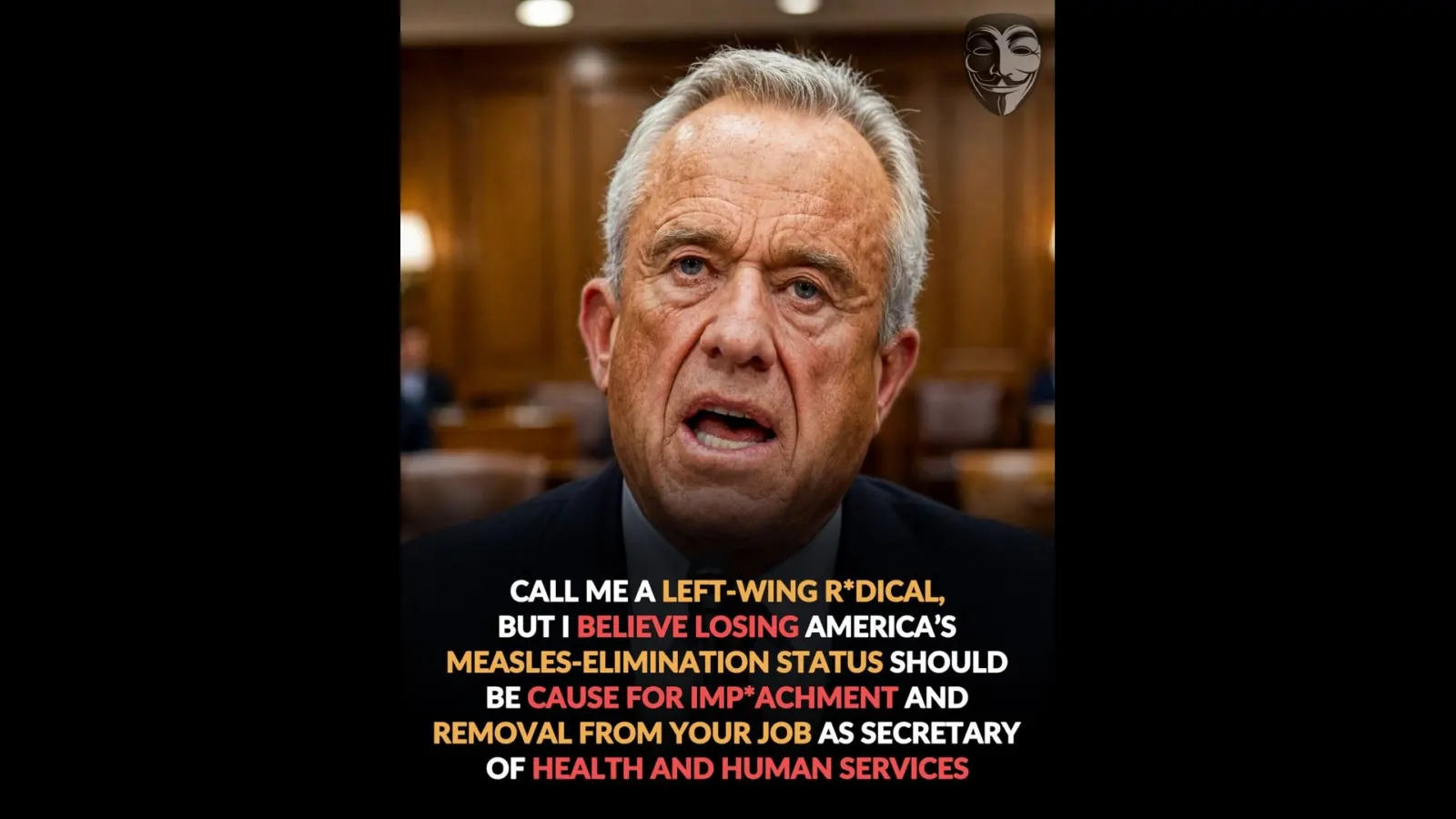
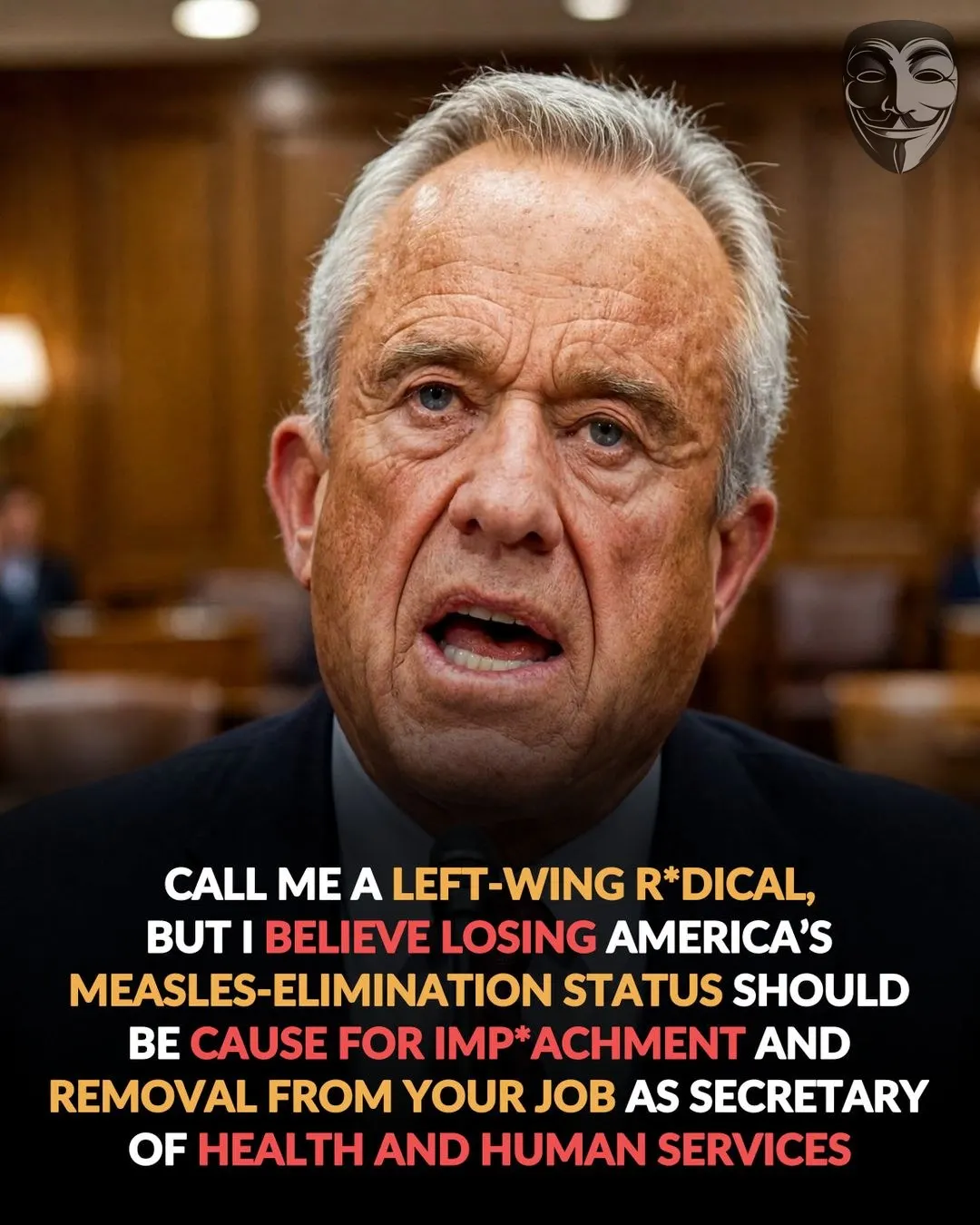
The post asks for no new plan. It calls for the health secretary to be fired, saying any other Cabinet secretary would already be out of a job. The call has become a rallying cry for critics who blame Kennedy, and it has drawn defenders who say the virus, not one man, is the cause. The debate runs through news shows, where the loss of the status is treated as a verdict on his leadership. The fight over his job echoes a question about removal from office and a senator calling a president the most corrupt.
Should Losing the Status Cost a Cabinet Secretary His Job

Should losing the status cost a Cabinet secretary his job, or is the fight about the virus? America lost a shield it held for 26 years, and more than 5,400 people have paid the price in illness and grief. The next year will show whether the country can stop the spread and win it back. What do you think should happen, and who should answer for it? Share your thoughts below, and tell us what you would do. The question recalls a call for a fitness review of a president and a clash over the agency that runs air travel.