
The Thomas Massie Amendment That Split the House

The Thomas Massie amendment would have cut all $3.3 billion in yearly United States military aid to Israel, and it split the House in a way few votes do. Representative Thomas Massie of Kentucky filed the measure as part of the fiscal 2027 State Department funding bill, and the House voted on it on July 15, 2026. The amendment failed by 104 votes to 314, but the count told a bigger story about where each party stands. For more on big Washington money fights, read our report on the $17 billion Philippines package.
Massie was the only Republican to vote for his own amendment, while House Democrats split almost evenly, with 103 voting yes, 98 voting no and 10 voting present. He argued the money should be spent at home, while House Minority Leader Hakeem Jeffries called the measure overly broad and former Speaker Nancy Pelosi, who voted for it, called it an unfortunate choice. In the slides ahead we look at the money, the vote and the voices on each side. See also our story on the bill to stop a president from pardoning himself.
References:
Reason: Thomas Massie Sparks a Democratic Civil Conflict Over Israel
Military: Massie Only One of 215 House Republicans to Vote to End $3.3B in Israeli Military Aid
Responsible Statecraft: Half of House Dems Vote to End US Aid to Israel
Fox News: House Democrats Fracture Badly Over Massie Amendment to Cut $3.3B in US Aid to Israel
Who Is Thomas Massie?

Thomas Massie is a Republican from Kentucky who has served in the House for more than a decade and built a name as one of the chamber’s most independent voices. He often breaks with his own party on spending bills, and he has a record of voting no on measures that most Republicans support. His colleagues know him as a lawmaker who reads the fine print and follows his own judgment. Read about another Washington outsider in our story on the viral video from the White House window and the plan to send the National Guard into Democratic led cities.
What the Thomas Massie Amendment Would Have Done

The proposal was simple and sweeping. It would have barred any funds in the fiscal 2027 State Department funding bill from being spent on Israel, cutting the Foreign Military Financing program by that exact amount. That would end the $3.3 billion in yearly military aid, while leaving about $500 million for missile defense untouched. The amendment was filed as part of H.R. 8595, the National Security, Department of State, and Related Programs Appropriations Act. Read our piece on Bernie Sanders calling Trump the most corrupt president and the FBI search of John Bolton’s home.
The $3.3 Billion at the Center of the Fight
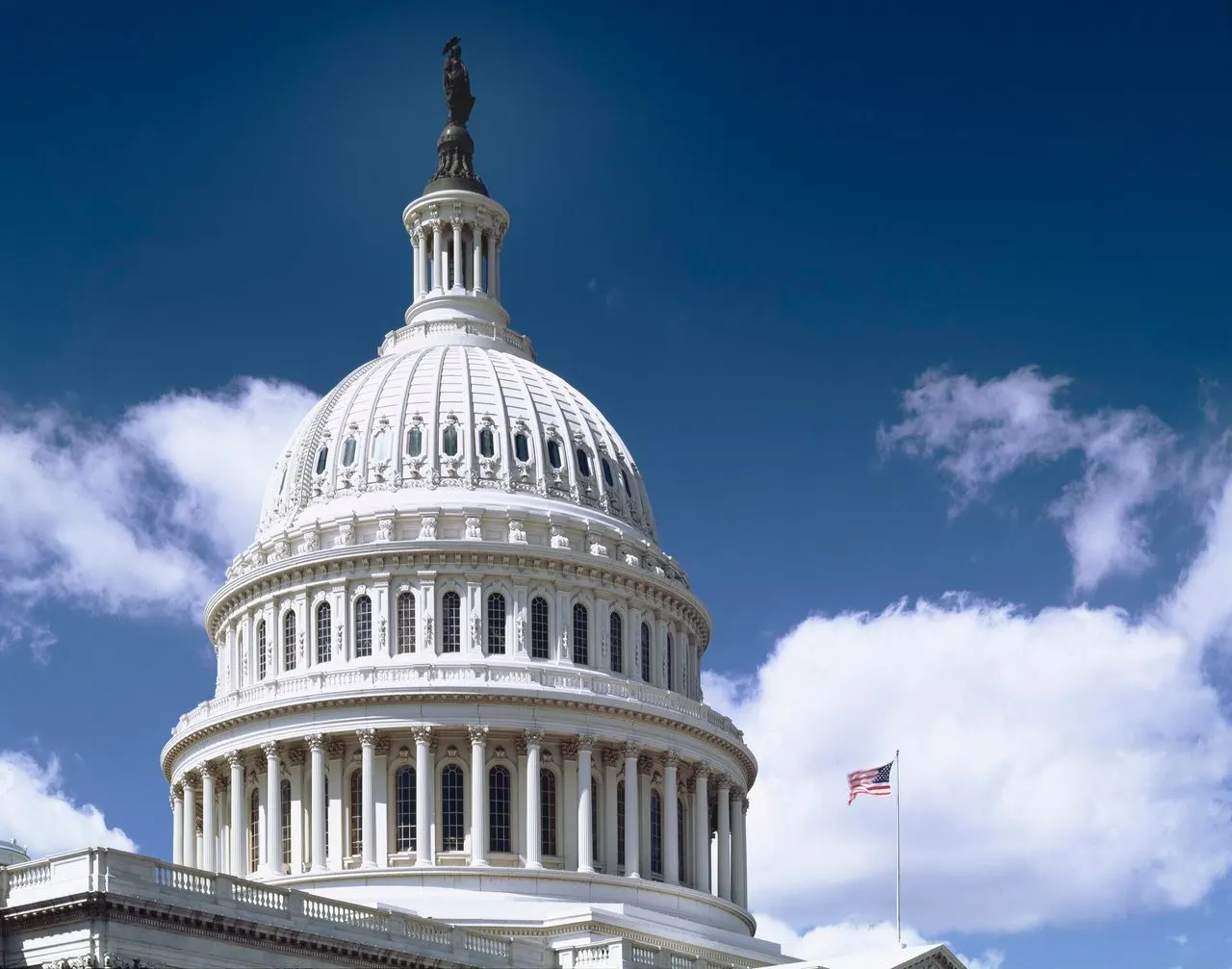
The number at the heart of the vote was $3.3 billion, the amount the United States sends to Israel each year in military aid under a long standing agreement. Supporters of the aid say it keeps a close ally strong in a dangerous region and supports jobs at home. Critics say the money could be better spent on needs inside the United States, from roads to border security. The figure rarely faces a direct vote. Read our report on the new Trump portrait in the West Wing and the review that ended 83 percent of USAID programs.
How Foreign Military Financing Works
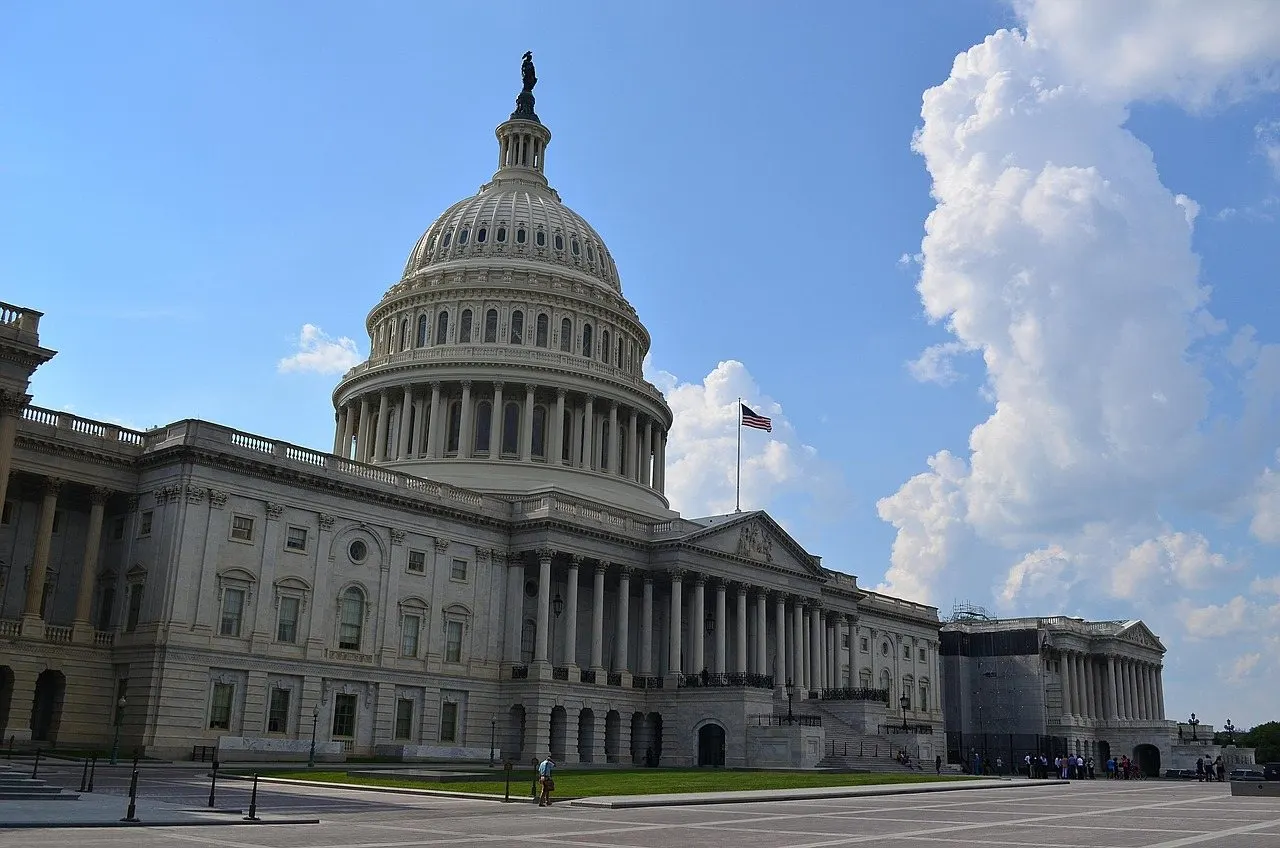
Foreign Military Financing is the main program the United States uses for military aid to allies, and it works like store credit. The money goes to the partner country, but it must be spent on American made weapons and defense equipment, so much of it flows back to American factories. Israel has long been its largest recipient, under a ten year understanding between the two governments. That is why the amendment targeted the program. Read our story on the Education Department job cuts and the 109 to 0 vote on the Greenland deal.
Iron Dome and the $500 Million Left Alone

One part of the aid was left out on purpose. The amendment would not have touched the roughly $500 million Israel gets each year for missile defense such as Iron Dome, which shoots down short range rockets. Massie drew that line himself, keeping the shield in place while cutting wider military aid. Supporters say missile defense saves civilian lives, while critics say even that money should be debated. The split shows it was aimed at offensive aid, not defense. Read our piece on Buttigieg and the FAA meltdown blame game and the question of impeachment before Christmas 2026.
The Thomas Massie Amendment Vote on July 15, 2026
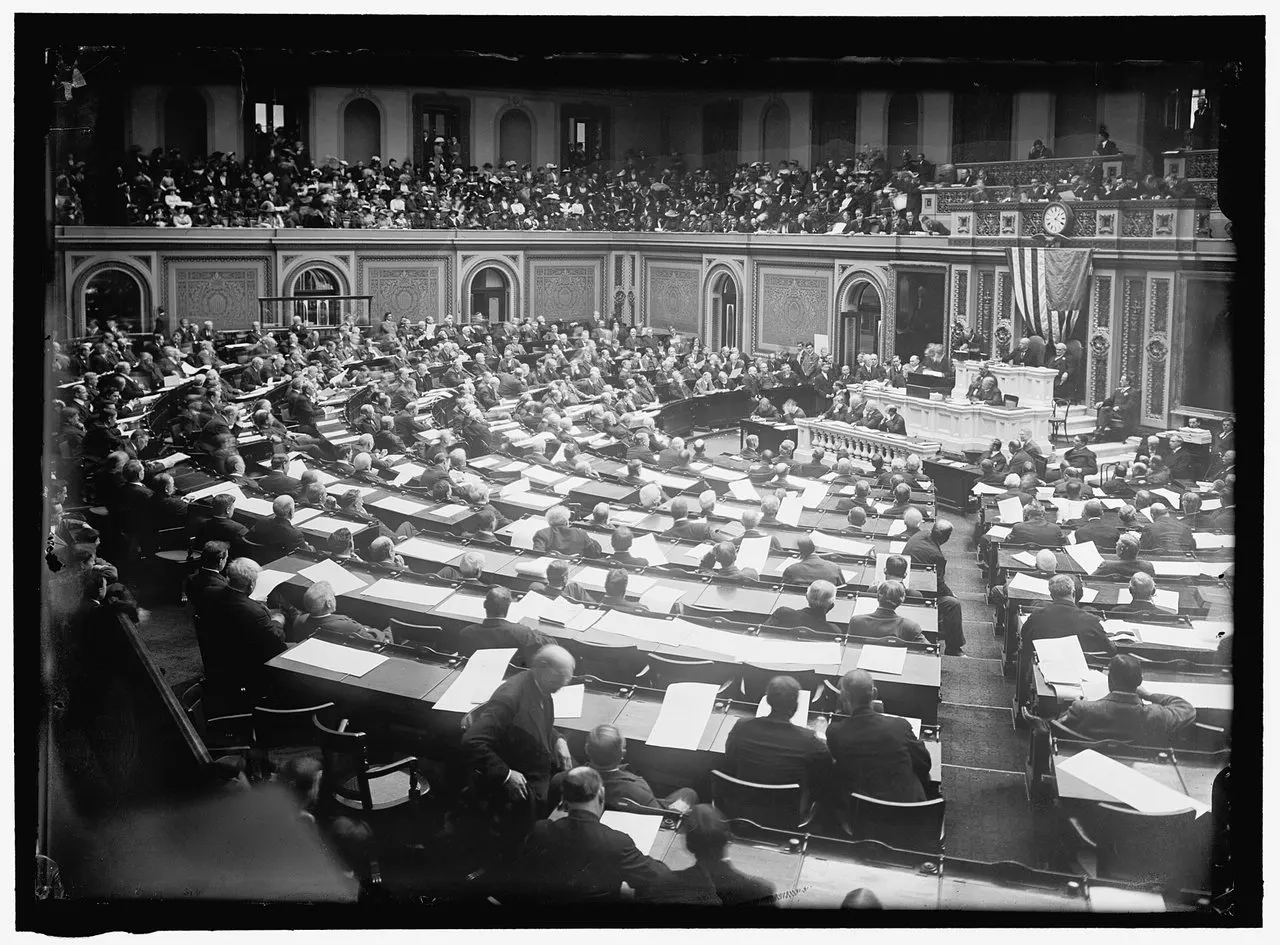
The House voted on July 15, 2026, and the result was not close. The amendment failed by 104 votes to 314, with most of the chamber against it. The count itself became the story, because it showed how the two parties lined up. A failed amendment rarely gets this much attention, but the Democratic split and the lonely Republican yes vote made this one different. The vote is now on the record for the fiscal 2027 funding bill. Read our story on the bill to let citizens detained by ICE sue and Obama warning about troops on domestic soil.
Massie Stood Alone Among Republicans

Of the 215 House Republicans, Massie was the only one to vote for his own amendment, a lonely stand outside his party. The rest of the Republican conference voted no, keeping the party line on aid to Israel intact. For a lawmaker who often votes his conscience, the result was familiar, but the scale was still striking. One yes vote out of 215 is a reminder that party unity usually wins on foreign aid. Read our report on Maxine Waters and the 25th Amendment review and the new census that would exclude immigrants.
Democrats Split Over the Thomas Massie Amendment
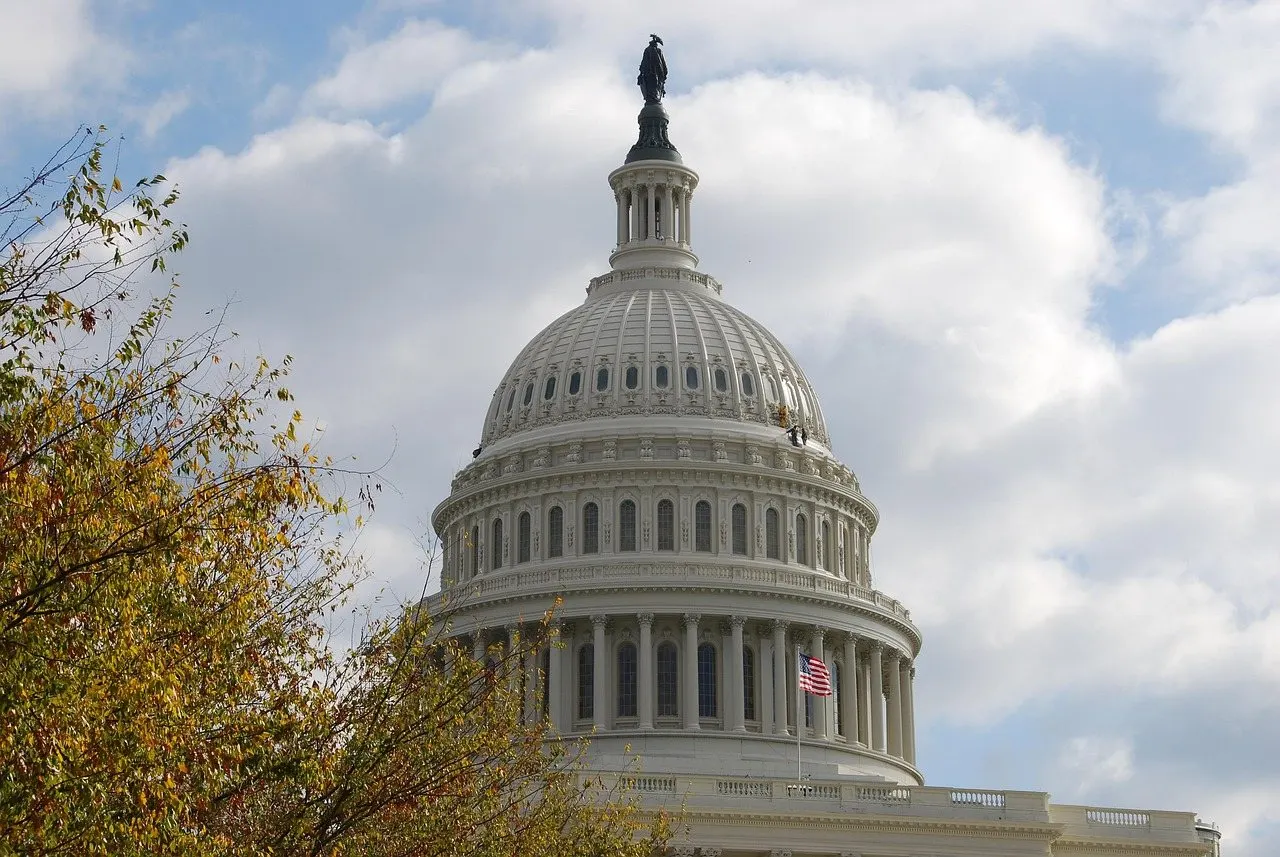
The Democratic vote was nearly even, with 103 Democrats voting yes, 98 voting no and 10 voting present. That split turned a failed amendment into a headline, exposing a real divide over military aid to Israel. The yes votes came from members who want the money spent at home, while the no votes came from members who back the alliance. The 10 present votes showed some members did not want to take either side. Read our story on the orders on the UN Human Rights Council and UNRWA and why Trump cannot close the Education Department alone.
What Massie Said on the House Floor
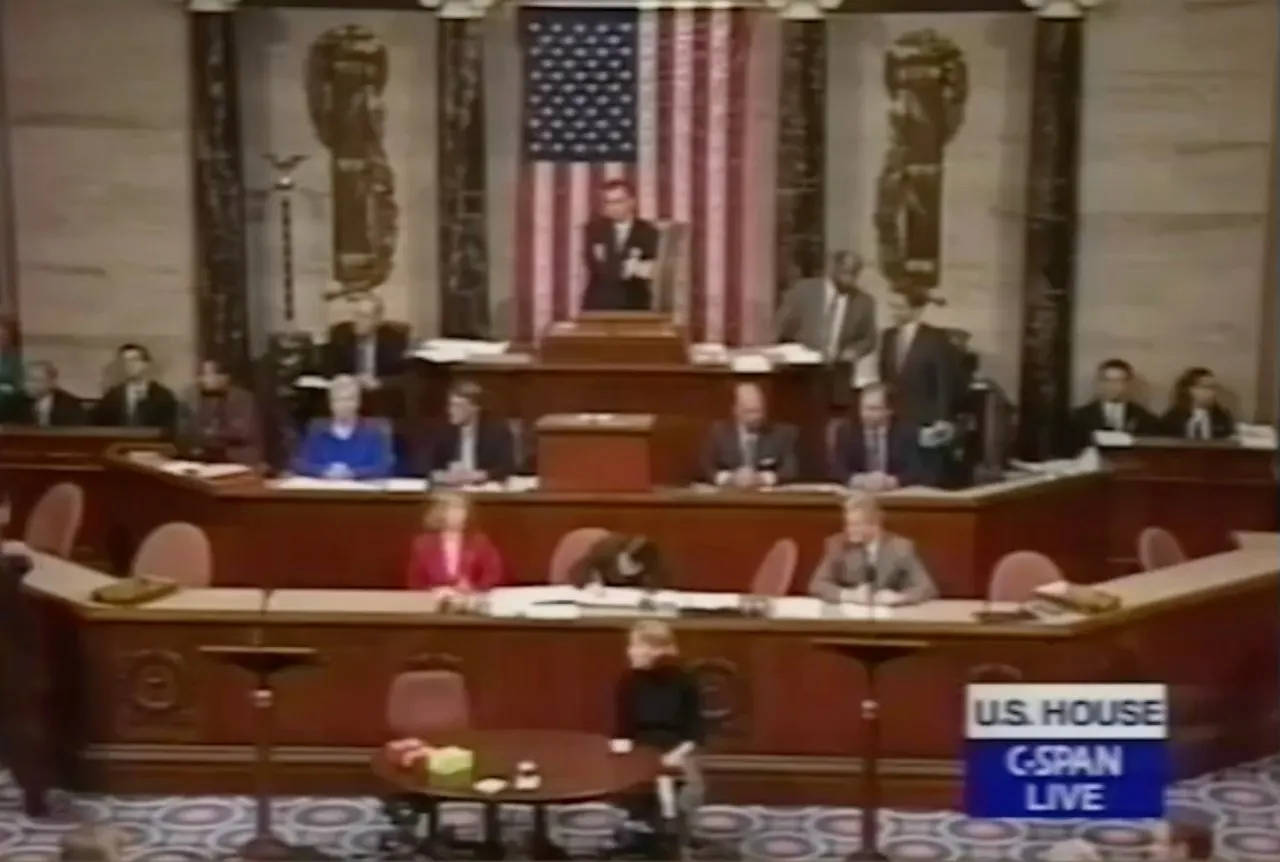
On the floor, Massie did not soften his words. He said Israel had for too long been the biggest welfare recipient of the United States, a line that drew attention beyond the chamber. His argument was simple: American tax dollars should fix problems at home first. The remark summed up a view held by a small group of lawmakers who want foreign aid cut. Whether voters agree will follow the debate for months. Read our report on the $17 billion Philippines package and the bill to stop a president from pardoning himself.
Massie Reacts After the Vote

After the vote, Massie posted on X to frame the loss as a different kind of win. He wrote that although the amendment did not pass, 104 House members voted for it, and that Americans want their tax dollars spent improving things here at home, not waging war and genocide. The post spread quickly among supporters who see the count as proof it is gaining ground. For Massie, the numbers mattered more than the loss. Read our story on the viral video from the White House window and the plan to send the National Guard into Democratic led cities.
Why Jeffries Called It Overly Broad
House Minority Leader Hakeem Jeffries opposed the measure for practical reasons. In a Dear Colleague letter, he told fellow Democrats that the amendment was overly broad and would hinder humanitarian aid, refugee resettlement and efforts to target groups like Hamas. His message aimed to hold his caucus together, but the count showed many Democrats disagreed. The letter showed how leaders try to steer a divided party. Read our piece on Bernie Sanders calling Trump the most corrupt president and the FBI search of John Bolton’s home.
Pelosi Voted Yes on the Thomas Massie Amendment

Former Speaker Nancy Pelosi was one of the Democrats who voted for the amendment, and her yes vote carried weight after years of supporting the alliance. She called the vote an unfortunate choice, a careful phrase that showed her unease. Her vote gave cover to other Democrats, and it showed the divide crossed the usual lines of seniority. Pelosi has rarely broken with her party on foreign policy. Read our report on the new Trump portrait in the West Wing and the review that ended 83 percent of USAID programs.
What a Present Vote Means

Ten Democrats voted present. A present vote means the member was there and chose not to vote yes or no, so it counts toward a quorum but not toward either side. Lawmakers use it when they agree with only parts of a measure, or want to avoid angering voters on either side. In a close split, present votes can signal a torn member, and ten of them showed how uneasy this vote made some Democrats. Read our story on the Education Department job cuts and the 109 to 0 vote on the Greenland deal.
How an Amendment Reaches the House Floor

An amendment like this does not appear out of thin air. A member files it as a change to a bill, here the fiscal 2027 State Department funding bill, and the House Rules Committee decides which amendments get a vote. On the floor, members debate it briefly and then vote, often within minutes. Most amendments fail, but the vote puts every member on the record, which is why Massie filed his. The process turns an idea into a public test. Read our piece on Buttigieg and the FAA meltdown blame game and the question of impeachment before Christmas 2026.
The Thomas Massie Amendment and the Bigger Aid Debate

This vote did not come from nowhere, because the debate over aid to Israel has been building for years. Some say the aid buys security for a close ally and supports American jobs, while others say it should stay home for roads, schools and the border. The headlines told the same story from different angles, with Reason calling it a Democratic civil conflict and Fox News a fracture. The vote gave that debate a number: 104 to 314. Read our story on the bill to let citizens detained by ICE sue and Obama warning about troops on domestic soil.
What Happens Next for the Funding Bill

The funding bill itself moves on, with or without the amendment. H.R. 8595, the National Security, Department of State, and Related Programs Appropriations Act, still needs the House and Senate to pass it, and the aid to Israel stays in the bill for now. The 104 yes votes give the idea a base, and the debate is likely to return when the bill reaches the Senate, where a similar proposal could be filed. Read our report on Maxine Waters and the 25th Amendment review and the new census that would exclude immigrants.
Do You Think the Thomas Massie Amendment Was Right?

The vote is over, but the question is still open. Should the United States keep sending $3.3 billion in military aid to Israel each year, or spend it at home? Massie and the 103 Democrats with him say it should stay home, while Jeffries and the no voters say the alliance is worth the cost. There is no easy answer, and the debate will keep coming back. What do you think? Tell us in the comments, and read our story on the orders on the UN Human Rights Council and UNRWA and why Trump cannot close the Education Department alone.