Texas ICE Cooperation Ends With Hinojosa
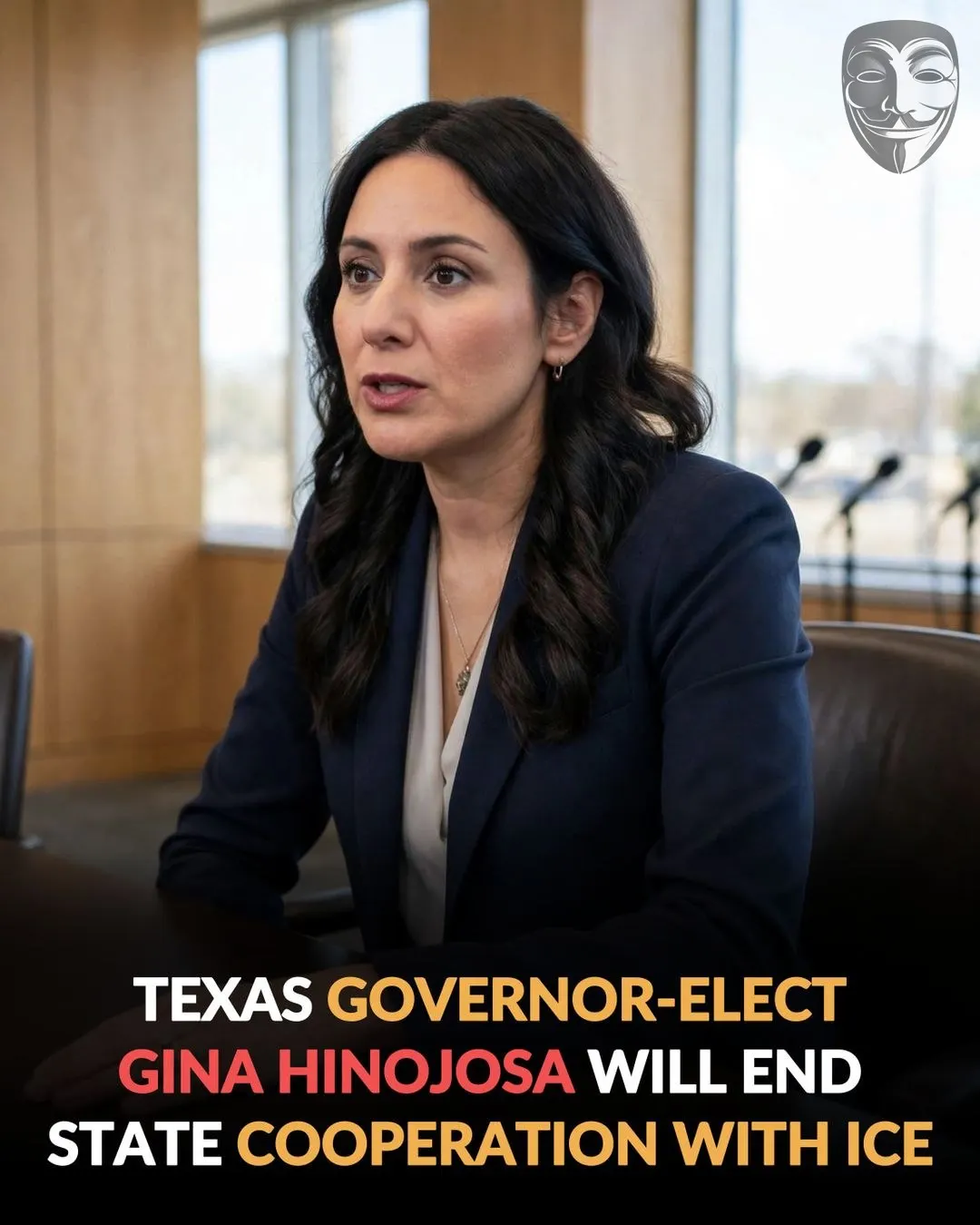
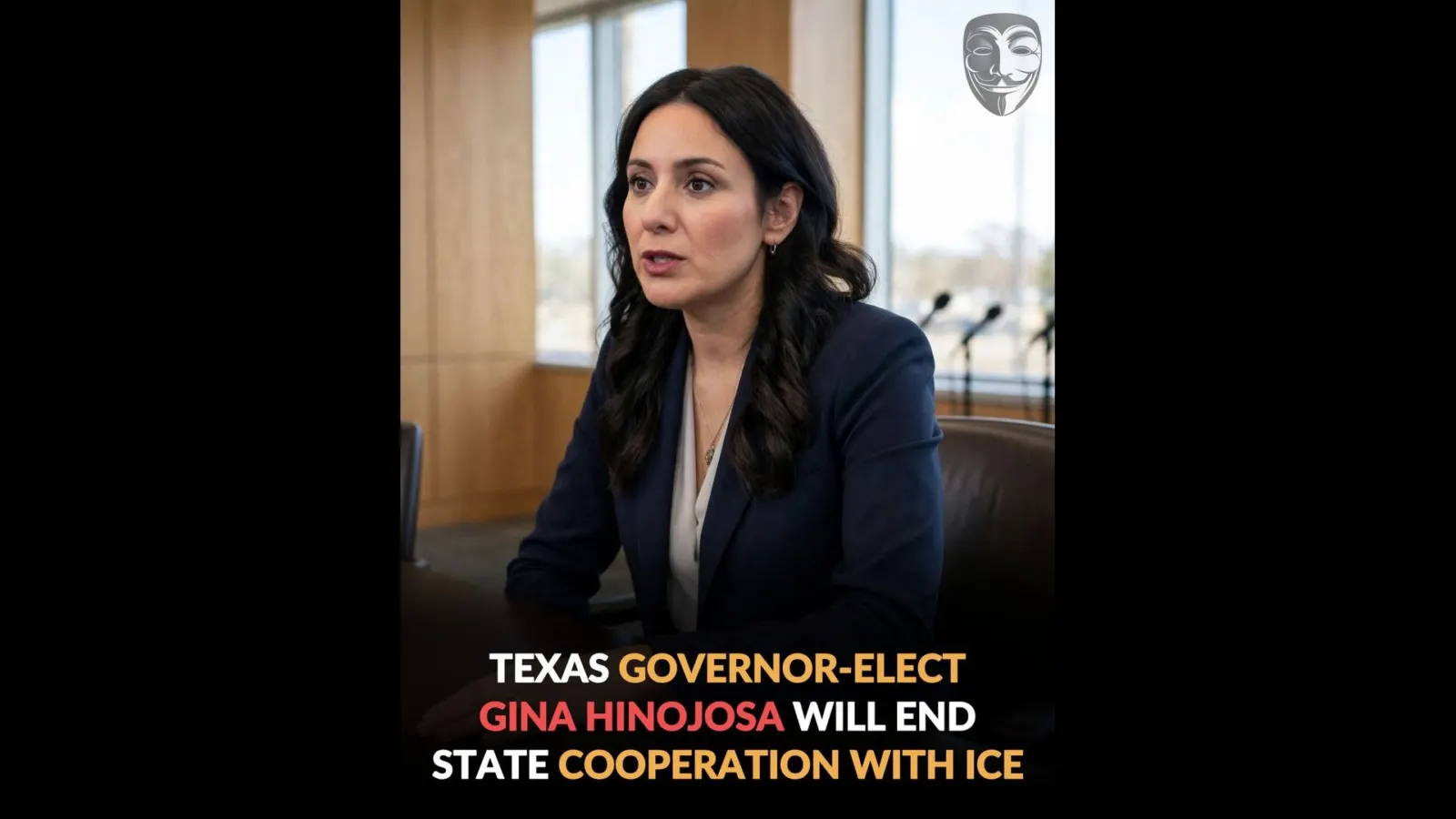
Texas ICE cooperation is coming to an end under Governor-elect Gina Hinojosa, who told Fox News that state help for federal immigration agents will stop once she takes office. Bret Baier asked her whether state cooperation with ICE ends when she becomes governor, and she answered yes. She said Americans have been harmed in the streets and the practice needs to end. Her answer marked a sharp break from years of close teamwork between Texas and federal agents. For more on the decision, read our earlier report on the governor elect.
Texas ICE cooperation has shaped the state for years, as troopers and local officers worked beside federal agents under Abbott. That era is ending now, because voters chose a governor who promises a new course. The slides ahead trace the Fox News interview, the order she plans to cancel, the 20 billion dollar border bill, and the cities that already moved. They also look at the plea from Washington and what comes next. The story is still unfolding, and Texas is watching every step.
References:
NOTICE News: Texas Next Governor Says She Will END State Cooperation with ICE
Department of Homeland Security: DHS Denounces Texas Officials for Allegedly Planning to End Cooperation with ICE
IQ Latino: Gina Hinojosa Agenda for Texas Economic Affordability Secure Borders and Limits on ICE Operations
Texas Tribune: Hinojosa Says ICE Operations Are Making Texas Less Safe
The Question Bret Baier Asked on Fox News
Bret Baier put the question to her on Fox News, and the setting made her answer hard to miss. He asked whether state cooperation with ICE ends once she takes office, and Hinojosa said yes. She did not soften the answer or ask for more time to think it over. She said Americans have been harmed in the streets and it needs to end. That exchange is now the clearest statement of what her time as governor will mean. Read our earlier report on the governor elect for more background.
Mowed Down in the Streets
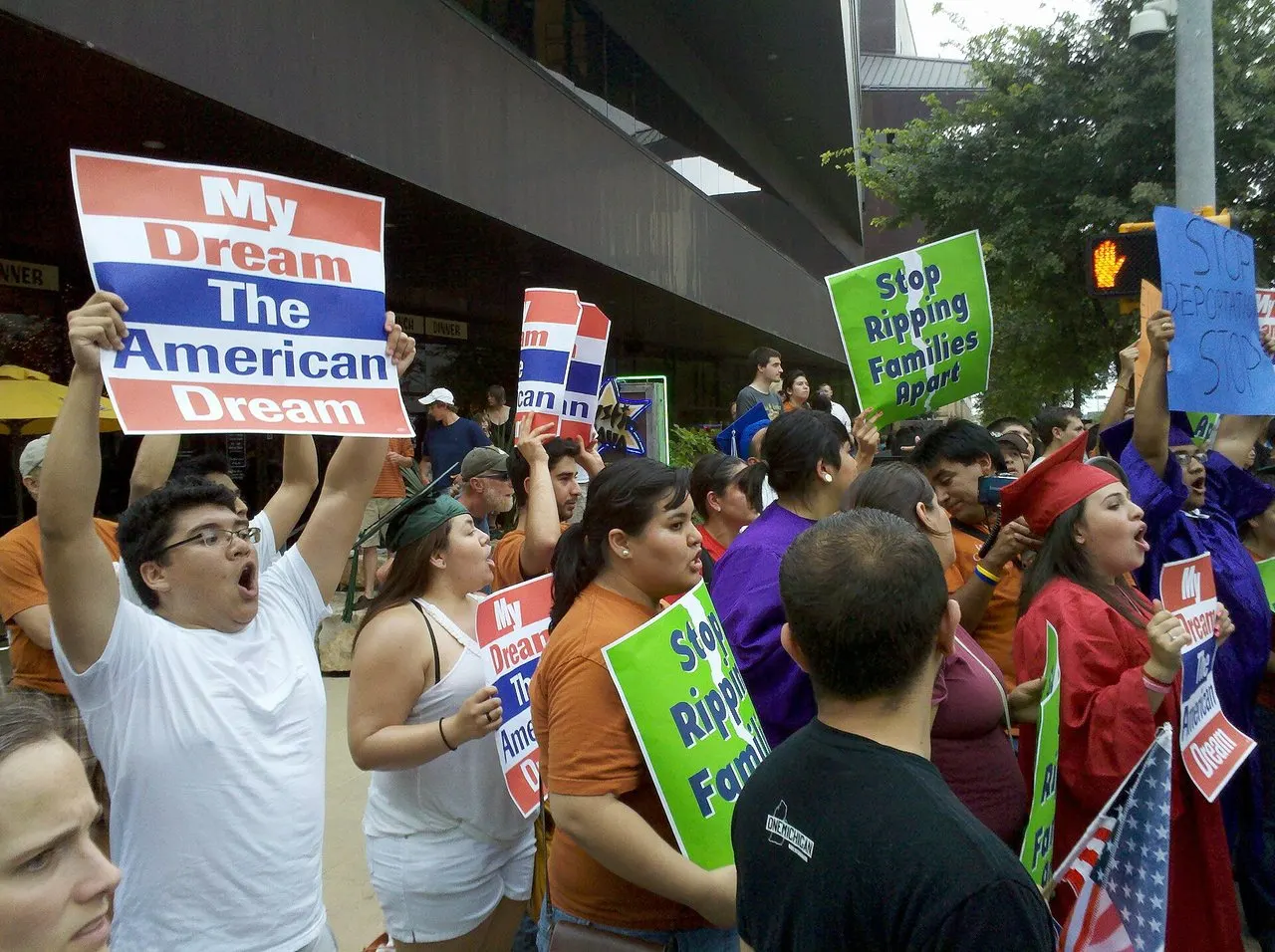
Hinojosa chose strong words when she described what she has seen, saying Americans have been mowed down in the streets. Texas ICE cooperation has put state troopers and local officers beside federal agents, and she says that teamwork has made Texas less safe. Her words point to street encounters that ended badly for ordinary people. Supporters say her plain language shows she understands the fear in many neighborhoods. Critics will ask for proof, but her message is clear. See our report on the detention center fight for the full picture.
Texas ICE Cooperation and the Order She Will Cancel
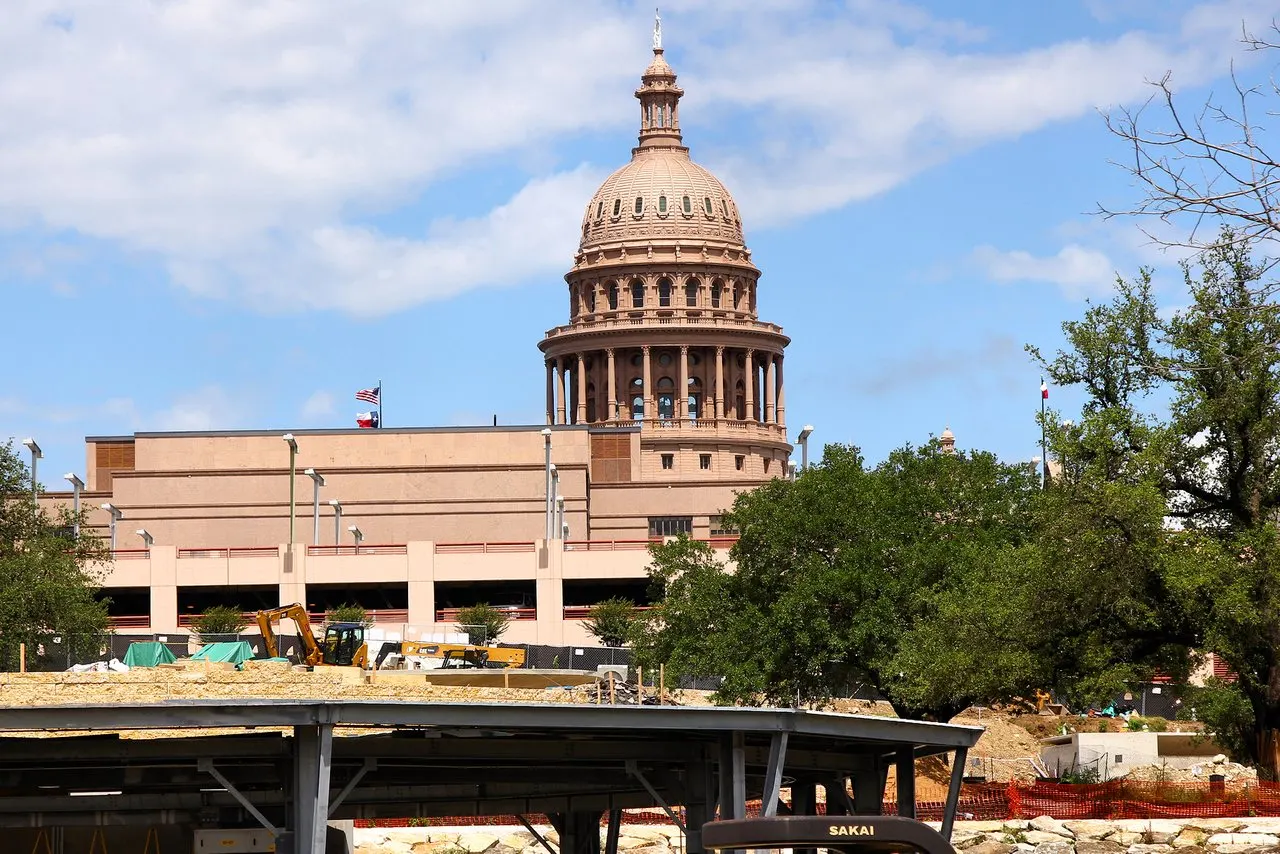
At the center of her plan is an order from Greg Abbott that forces state agencies to help federal immigration agents. Hinojosa says she will move to cancel that order as soon as she can. The order turned state workers into helpers for federal enforcement, and ending it would cut that link at the top. State agencies would no longer have a standing instruction to lend their staff and time. That single change would reshape how Texas government deals with immigration. Read the story of the airport display for more context.
New Rules for Masked Agents
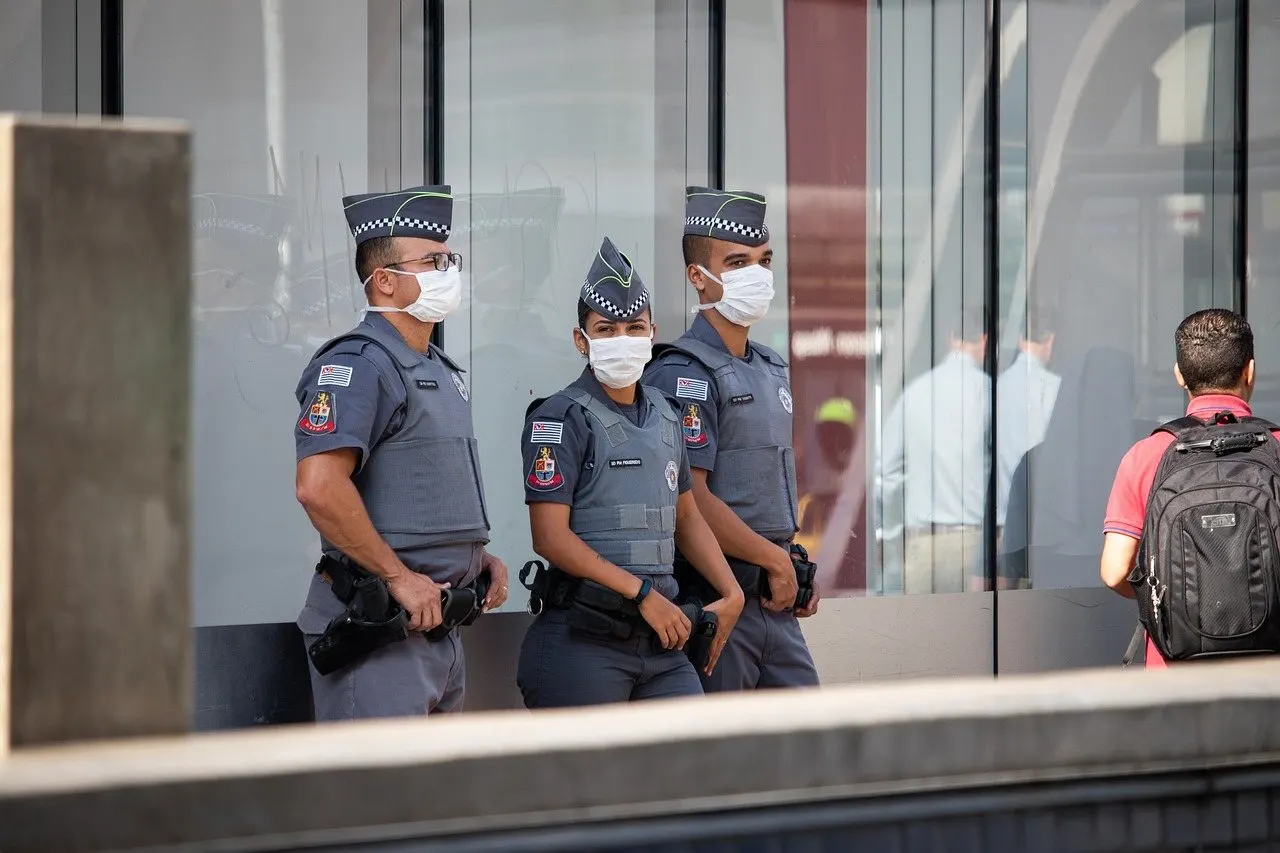
Hinojosa also wants rules to stop agents from hiding their faces behind masks during operations. She says people should be able to see who is acting in the name of the law. A mask hides identity and makes it hard for a person to ask who stopped them or why. Her plan would set clear limits on when agents can cover their faces while working in Texas. Supporters say open faces build trust, while federal officials may say masks protect agents. Read the story of the airport display for more.
Texas ICE Cooperation and the 20 Billion Dollar Bill

Texas taxpayers have spent 20 billion dollars on border security, and Hinojosa says Washington should pay for it. Texas ICE cooperation has cost the state, she argues, because Texas took on work that belongs to the federal government. The money went to troopers, fencing, and operations along the border. She is not asking for less border security, only for the bill to land in the right place. That argument could shape talks with Washington for years. See the Texas attorney general and his Starlink inquiry for more.
350 Agencies Signed Up With ICE

Since Trump took office, some 350 Texas law enforcement agencies have signed task force partnerships with ICE. Texas ICE cooperation grew agency by agency, as sheriffs and police chiefs joined federal teams. Each deal gave ICE more local help for arrests and holds. Hinojosa says that web of deals is part of what she plans to unwind. Ending it will take time, because each partnership is its own agreement. Read the Texas attorney general and his Starlink inquiry for more.
How Abbott Turned Texas Into a Partner
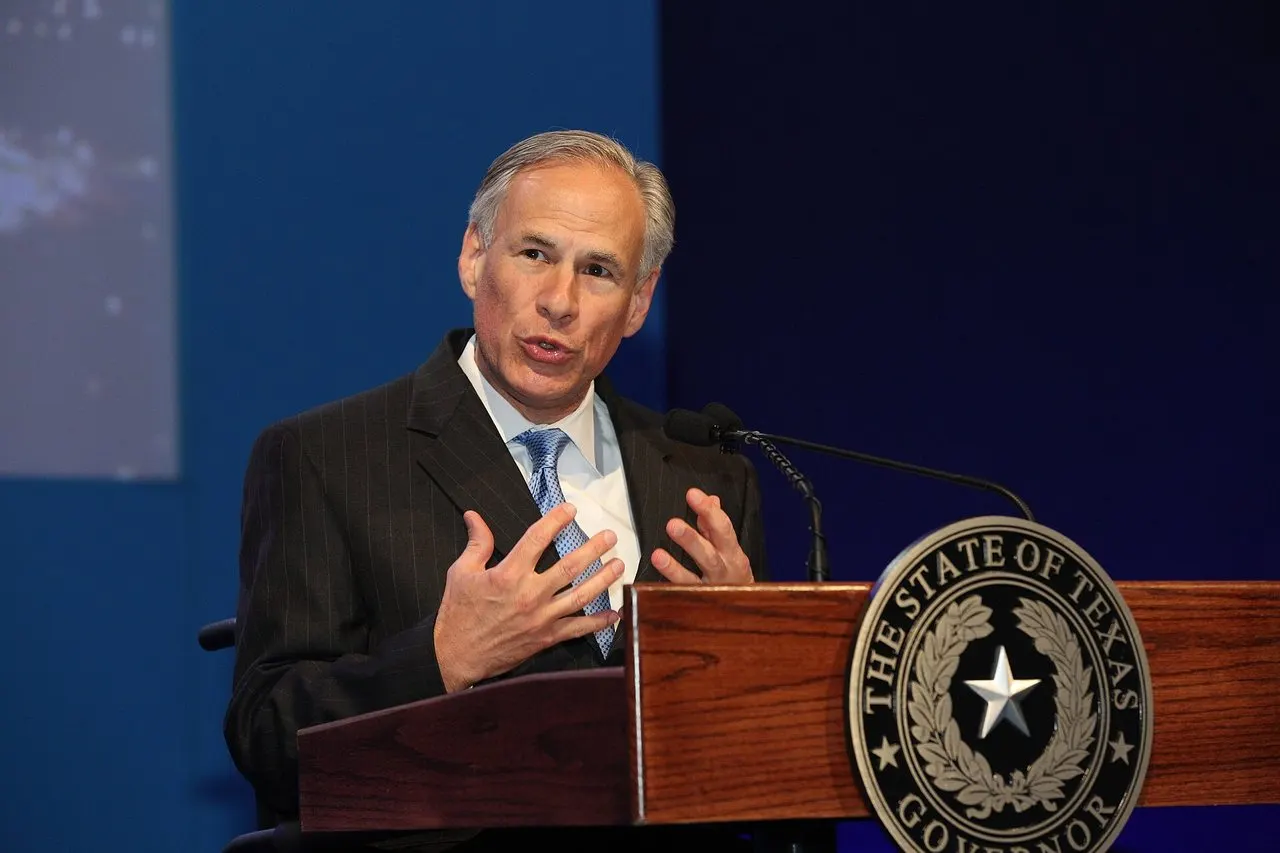
For years, Abbott turned Texas into Trump’s most loyal partner, with state troopers acting as extra muscle for ICE. He used state power to back federal enforcement at every turn. That close bond made Texas the model other states were urged to copy. Hinojosa says that era is over, and her win shows voters wanted a new direction. The change is not just about one order, but about the whole posture of the state. See our report on the detention center fight for more.
Texas ICE Cooperation Ends After Voters Fired Abbott

Then Texas voters fired Abbott, and the result changed everything about this story. Texas ICE cooperation was a hallmark of his time in office, and voters chose a governor who promises to end it. Elections turn on many issues, but Hinojosa made her position on ICE clear during the campaign. Her win gives her a mandate to act fast once she takes office. The vote also sent a message to other states watching Texas closely. Read our report on the detention center fight for more.
Houston Moves First to Limit Cooperation

Houston has already moved to limit police cooperation with ICE, and the city acted months before the election. Local leaders decided their officers should focus on city safety rather than federal immigration work. The move showed that big Texas cities were ready to set their own course. Hinojosa says she will not fight cities that take this step. That promise matters, because cities need room to protect trust with residents. See the debate over defense spending for more.
Texas ICE Cooperation Faces Limits in Austin

Austin has also moved to limit police cooperation with ICE, joining Houston in setting new limits. The capital city has long debated how its officers should work with federal agents. City leaders say local police do their best work when residents trust them enough to call for help. That trust fades when a call to police can lead to an immigration check. Hinojosa backs the city approach, and Austin leaders now have a governor on their side. Read the debate over defense spending for more.
San Antonio Joins the Shift

San Antonio is the third big city to move, and its decision completes a striking pattern across Texas. Texas ICE cooperation is now limited in Houston, Austin, and San Antonio, the three largest cities in the state. Together they cover millions of people who live and work in urban Texas. Their mayors acted even while Abbott was still in office. Now they have a governor who agrees with them. See the meeting of world leaders for more.
Texas ICE Cooperation and the 200 Million Dollar Threat

When Houston tried to limit cooperation back in April, Abbott threatened to yank nearly 200 million dollars in public safety grants from Texas cities. Hinojosa called that threat shameful, and her words drew a clear line. A governor using grant money as a lever can force cities to fall in line. She says that kind of pressure has no place in how Texas treats its own cities. Her stance turns a funding fight into a test of local freedom. Read the meeting of world leaders for more.
Mullin Asks Her to Keep Cooperating
Trump’s Homeland Security Secretary Markwayne Mullin is already pleading with her to keep cooperating. He wants Texas to stay in the federal fold, and his public appeal shows how much Washington values the state. Texas is the largest partner ICE has, and losing it would change enforcement across the country. Mullin knows that, and Hinojosa knows it too. Her answer so far is no, and she shows no sign of bending. See the senator who would refuse to fund a shutdown for more.
Texas ICE Cooperation Ends but Border Security Stays

Before critics start shouting about open borders, Hinojosa has an answer ready. She is pushing for more border security, not less, and she wants Washington to pay for it. Her case is simple: the border is a federal job, so the federal government should fund it. Texas spent 20 billion dollars doing work that was never truly its own. That money could have gone to schools, roads, and health care at home. Read the senator who would refuse to fund a shutdown for more.
What State Help for ICE Really Means
State help for ICE works through task force deals, shared jails, and officers who join federal teams. A sheriff who signs up can hold a person for ICE after a local arrest. A trooper can pass along names and tips from a traffic stop. These small links add up to a large system that touches many lives. Hinojosa plans to pull those links apart one by one. The work will be slow, but each ended deal weakens the web. See the push for a third impeachment for more.
Texas ICE Cooperation and the Cities She Will Not Fight
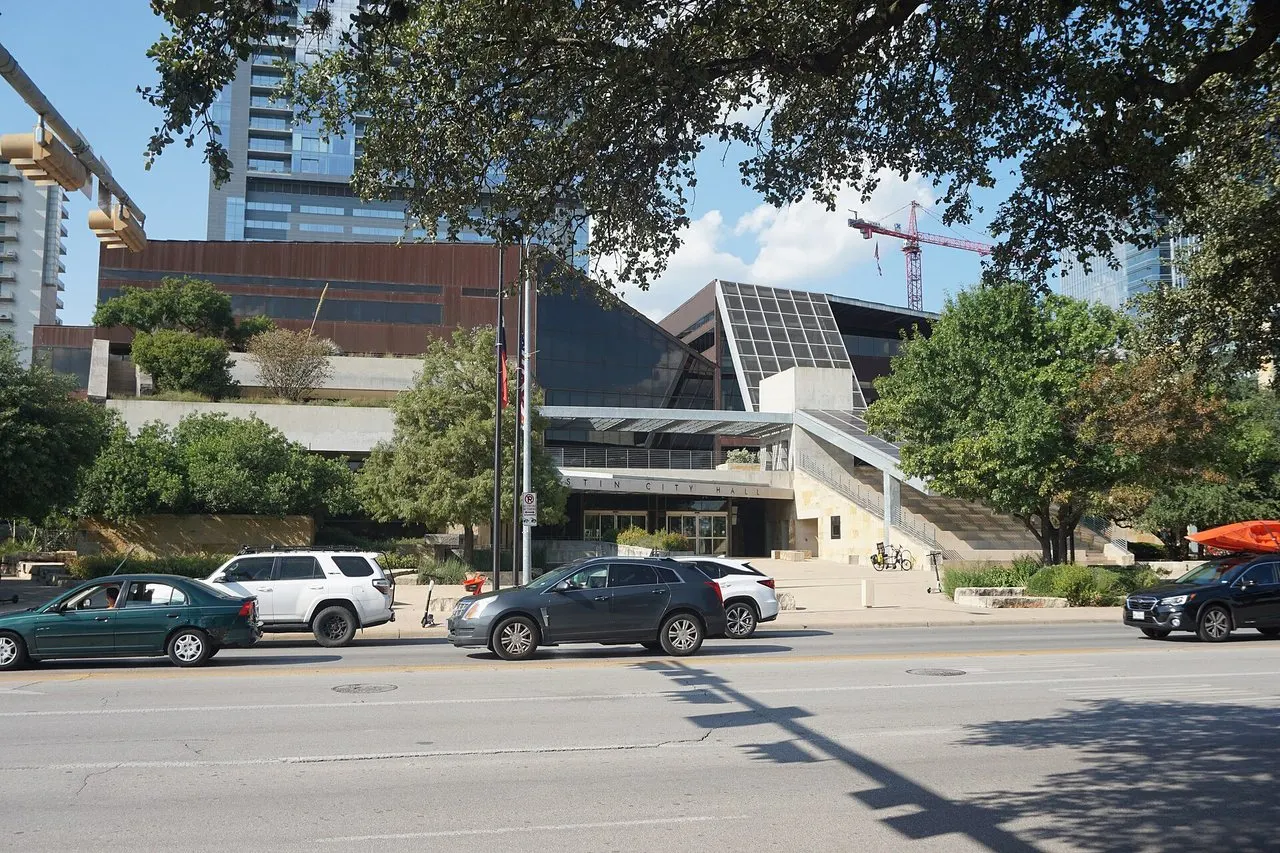
Hinojosa says she will not fight cities that limit police cooperation with ICE, and that promise sets her apart from Abbott. Cities that act on their own will find a governor who backs them, not one who threatens their funds. That changes the math for mayors who feared losing grants. Houston, Austin, and San Antonio can now plan without looking over their shoulders. More cities may follow once the threat of punishment is gone. Read the push for a third impeachment for more.
Why She Says ICE Makes Texas Less Safe

The Texas Tribune reports that Hinojosa says ICE operations are making Texas less safe, and that claim sits at the heart of her case. When people fear that a call for help could lead to detention, they stop calling. Crimes go unreported, witnesses stay silent, and whole neighborhoods pull back. Police chiefs say trust is the most useful tool they have. Hinojosa argues that ending state help for ICE will rebuild that trust. See the warning from Liz Cheney for more.
Texas ICE Cooperation and What Happens on Day One
On her first days in office, Hinojosa plans to move fast and cancel the Abbott order that forces state agencies to help federal agents. She will also push for rules on masked agents and open talks with Washington about the border bill. Her team will need to sort out which deals end first and how to tell agencies to stop. The first orders will set the tone for her whole term. Texans will watch closely to see if the promises turn into action. Read the speech that took on Trump for more.
A Long History of State and Federal Teamwork
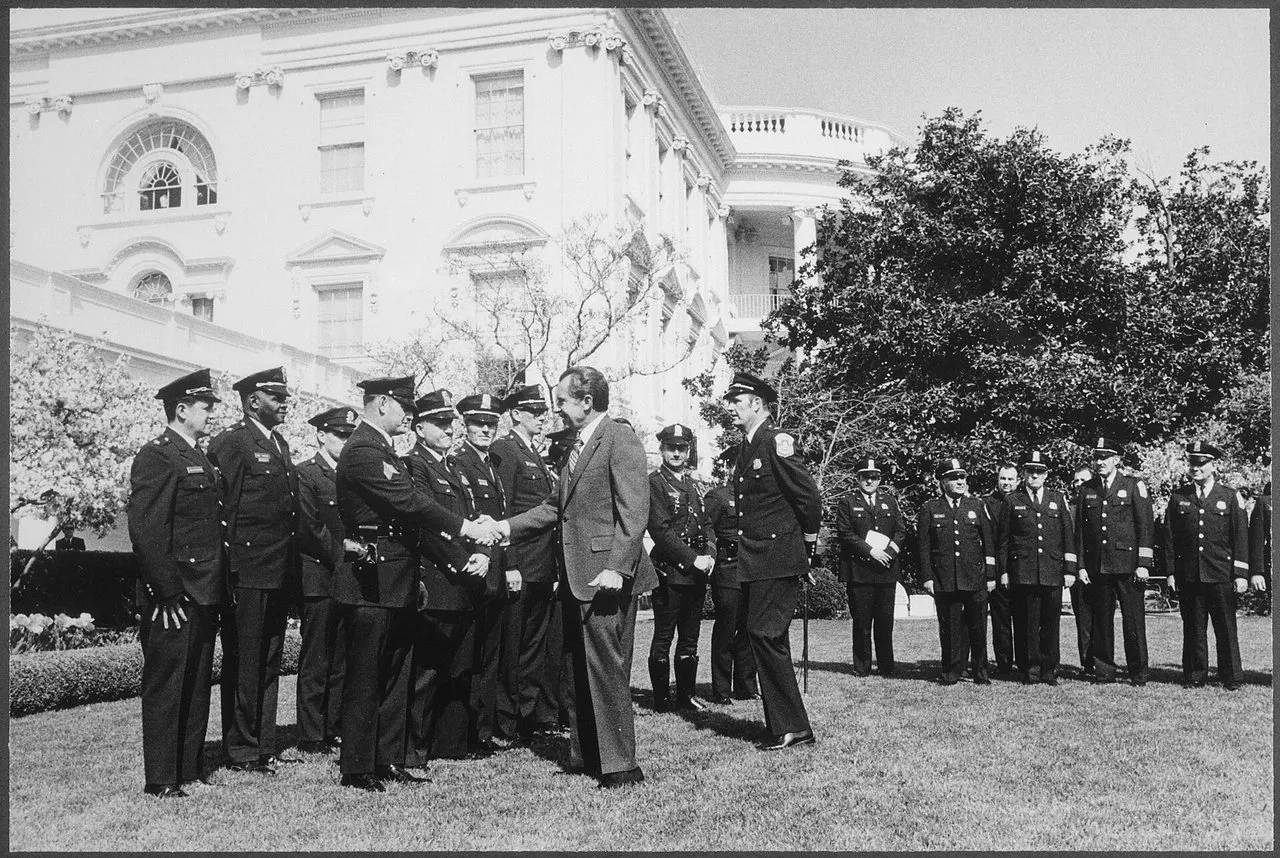
State and federal teamwork on law enforcement has a long history in America, and presidents have often leaned on local police. The question has always been where help ends and control begins. Texas under Abbott went further than most states, and Hinojosa now plans to pull back. Her decision may become a model for other states that want the same limits. What happens in Texas will be studied far beyond its borders. See the silent shrug in Berlin for more.
Texas ICE Cooperation: What Should Happen Next

Texas ICE cooperation is ending, but the debate in Texas is just beginning. Hinojosa has made her promise, the cities have made their moves, and Washington has made its plea. Now it falls to Texans to say what they want their state to be. Do you think ending state help for ICE will make Texas safer, or do you worry it will go too far? Share your thoughts in the comments below and tell us where you stand. Read the split over Musk and MAGA for more.