Transgender Day of Remembrance Honors the Lives Lost
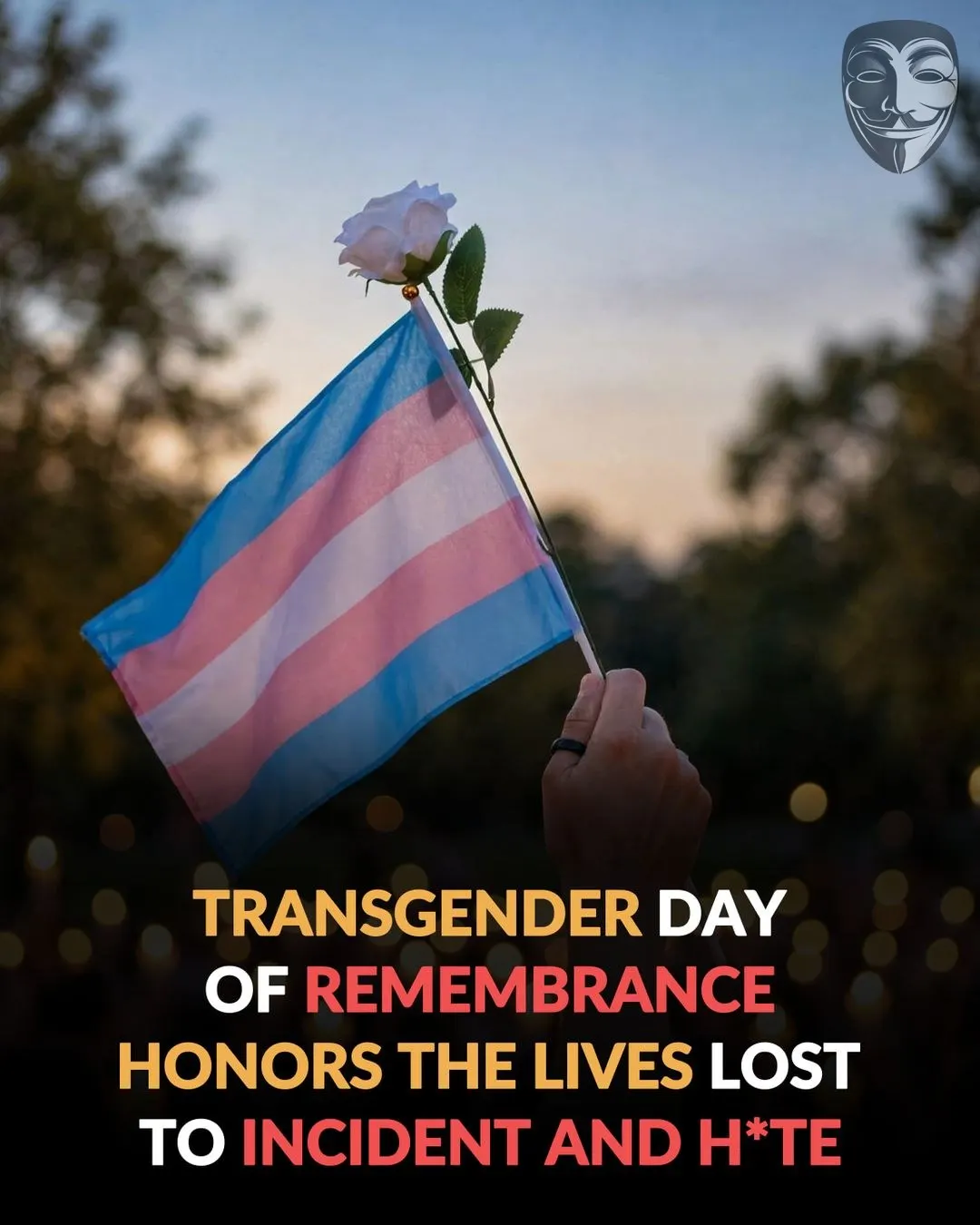
Transgender Day of Remembrance, observed every November 20, honors transgender people whose lives were lost to violence and prejudice. Communities gather at vigils, light candles and read aloud the names of those lost, so each person is remembered as a name, not a number. The day began in 1999, when advocate Gwendolyn Ann Smith organized a vigil for Rita Hester, a Black transgender woman murdered in Allston, Massachusetts, in 1998. This year, the TGEU Trans Murder Monitoring report counted 273 transgender and gender diverse people murdered between October 2025 and September 2026, about one murder every 32 hours.
In the slides ahead, we look at how the day began, why vigils matter, and what the latest report tells us about a world that still needs this day. The names read aloud each November remind us that behind every number in a report is a real person who was loved, and the candles lit at vigils keep that memory alive. For more on lives that shaped their communities, read our report on a survivor who turned one honk into a story of strength and our story about a community that stood up for a child in need.
References:
TGEU: Trans Murder Monitoring 2026 shows that every 32 hours, a trans person was murdered
The Trevor Project: Honoring Transgender Day of Remembrance 2026
The Wild Hunt: Transgender Day of Remembrance 2026
Queer People News: A Murder Reported Every 32 Hours Frames Trans Day of Remembrance
A Day Set Aside to Remember

Every year, November 20 gives communities a quiet day to stop and remember transgender people who are no longer here. The day is not a celebration, and it is not a parade. It is a time for candles, soft voices and names spoken with care. People come together in churches, community centers and public squares to share grief and to show that no life should be forgotten. The simple act of gathering says that every person matters. Read about how one community found strength in faith.
November 20 Marks Transgender Day of Remembrance Every Year

November 20 falls late in the year, when the nights come early and candles shine brighter in the dark. That timing fits a day of quiet thought and remembrance. The date never moves, so families and friends know when to gather and how to plan. Year after year, the same date brings the same simple promise, that the names will be spoken again. Keeping a fixed date helps new people find the vigils and join in. Read the day marked with a full list of facts.
The Story Began in Allston, Massachusetts
Rita Hester was a Black transgender woman who lived in Allston, a neighborhood in Boston, Massachusetts. She was murdered in 1998, and her death shook the people who knew her. Friends and neighbors wanted the world to remember her as a person, not as a headline that would soon fade. Her story became the reason a new day of remembrance was born. One life, lost too soon, gave a whole movement its start. Read about a journey of faith that changed one man’s life.
Gwendolyn Ann Smith Organized the First Vigil
In 1999, advocate Gwendolyn Ann Smith organized a vigil to honor Rita Hester and to remember all transgender people lost to violence. She believed that saying the names aloud was a way to fight back against being forgotten. That first small gathering grew into a day observed in cities around the world. One person’s care and courage turned grief into a lasting tradition. Read the full list of facts about the day.
Names Are Read Aloud, One by One

At vigils, volunteers take turns reading the names of those lost in the past year. Each name is spoken slowly, with a pause after it, so the room can hold the weight of one life. Some names are known to everyone present, and some belong to people no one in the room ever met. Reading them aloud says that every name counts. Read about how faith helped one woman rise stronger each day.
The 2026 Report Behind Transgender Day of Remembrance
The TGEU Trans Murder Monitoring report for 2026 counted 273 transgender and gender diverse people murdered between October 2025 and September 2026. The number comes from reports gathered around the world, and the true total may be higher, since many cases are never reported. Behind the figure are 273 lives, each with family and friends who still grieve. Read about why public data matters for every community.
One Life Lost About Every 32 Hours

The report works out to about one reported murder every 32 hours. That means that while most of us go through a normal day and night, another family somewhere is learning terrible news. The steady pace of the number is what makes it so hard to hear. It turns a yearly total into something we can feel in our own week. Read the full 22 facts to remember.
Vigils Mark Transgender Day of Remembrance Around the World
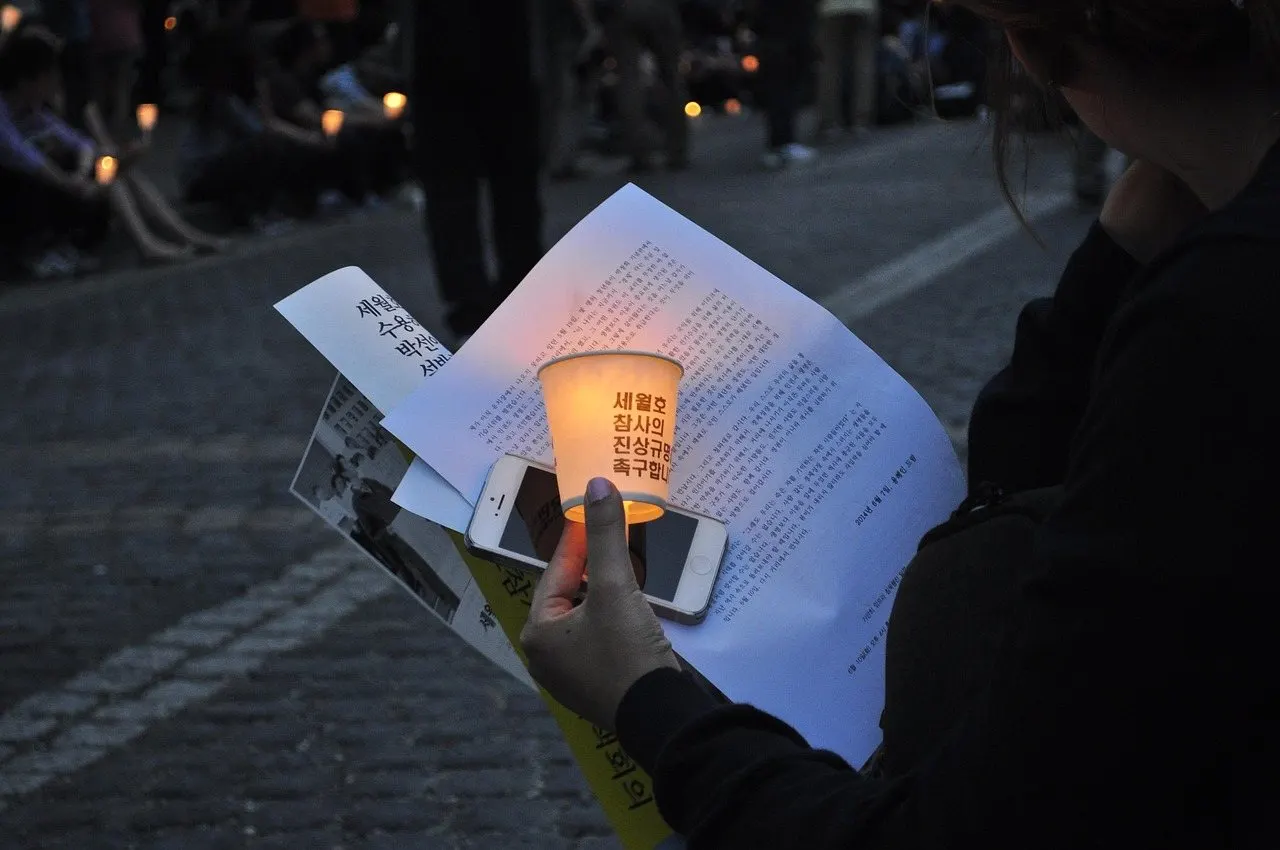
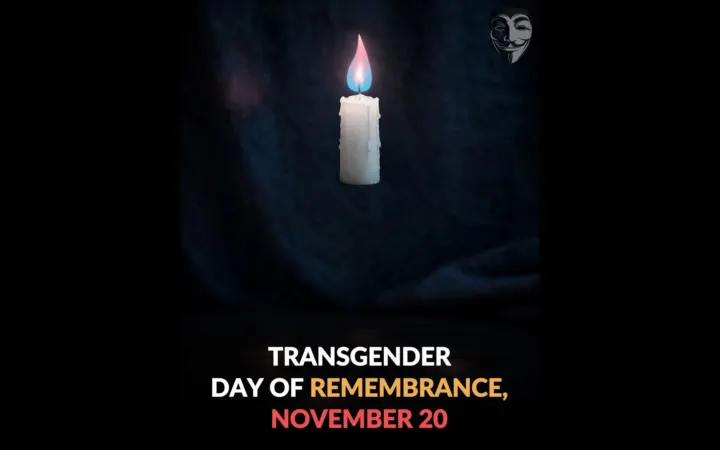
From small towns to big cities, people gather on November 20 to light candles and stand together in the dark. Some vigils fill a church hall, and some fill a public square. The faces change from place to place, but the candles look the same everywhere. That shared light connects strangers across borders and time zones. Read the 2026 facts behind the day.
Candles Carry the Light of Memory
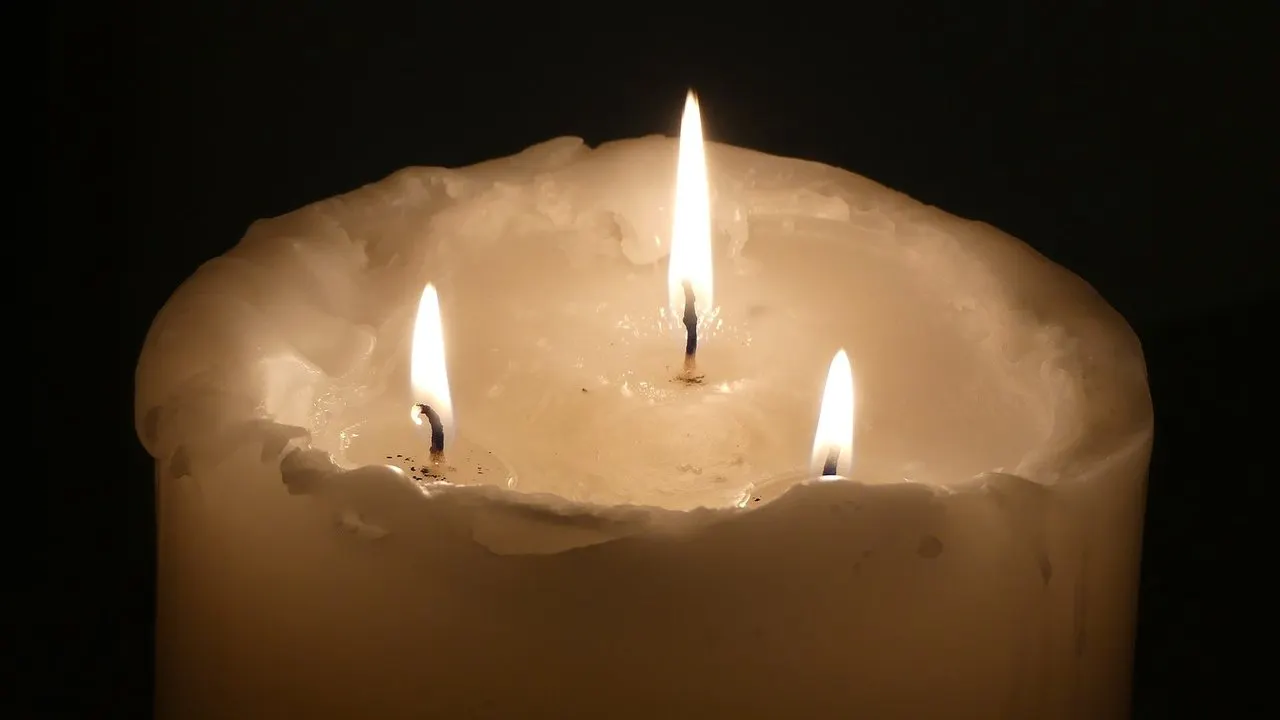
A candle is small, and its flame is easy to shelter in cupped hands. That is part of why vigils use them. One flame can light another, and soon a whole crowd is glowing in the dark. The light stands for a life that mattered and a memory that will not go out. When the wind blows, people shield the flames together. Read about how generosity brightened Christmas for two families.
The Transgender Flag Flies at Vigils
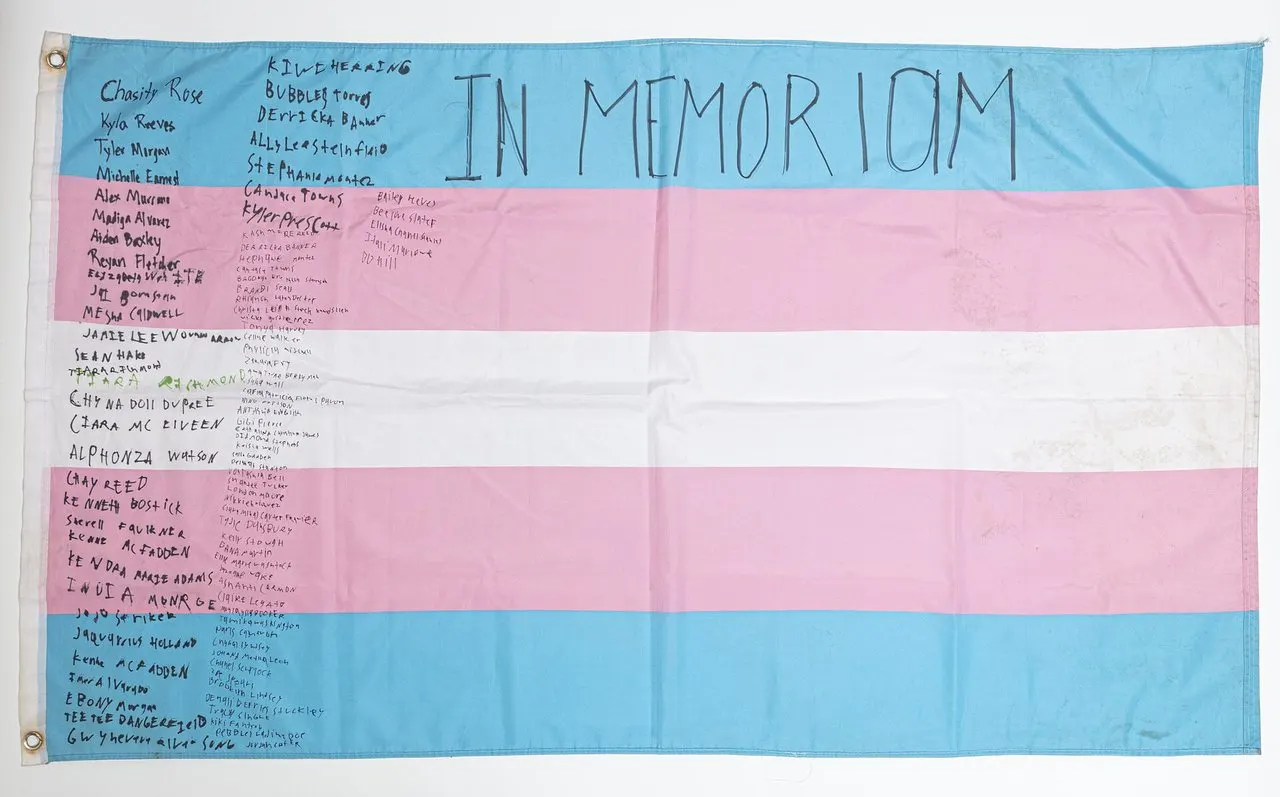
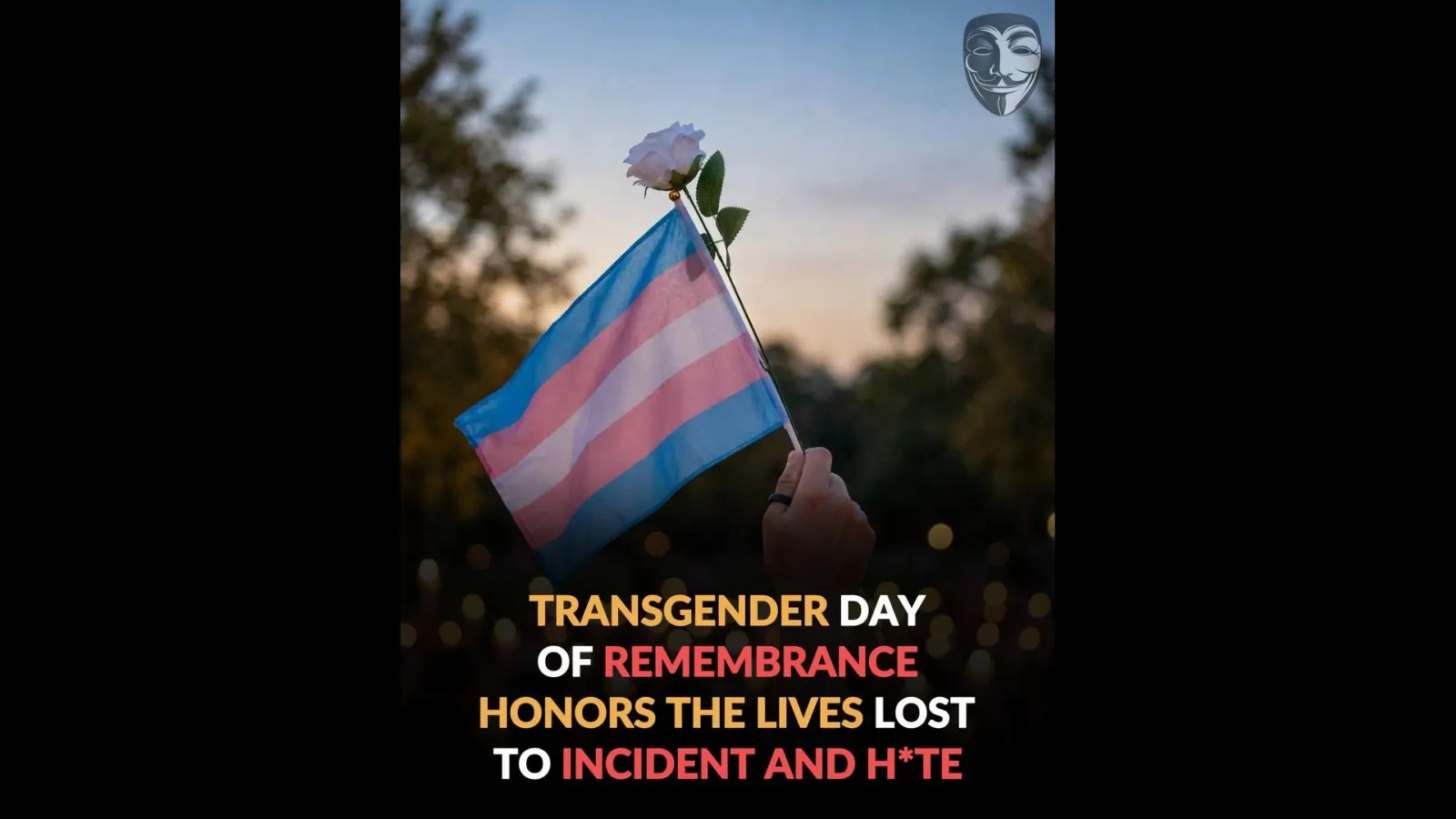
The transgender pride flag, with its light blue, pink and white stripes, often appears at vigils and marches. The colors were chosen to stand for the community, and the flag has become a sign of pride and belonging. At a vigil, it flies beside the candles as a reminder that the people being remembered were loved for who they were. Read about a gift of billions given with quiet grace.
Transgender Day of Remembrance Brings People Together
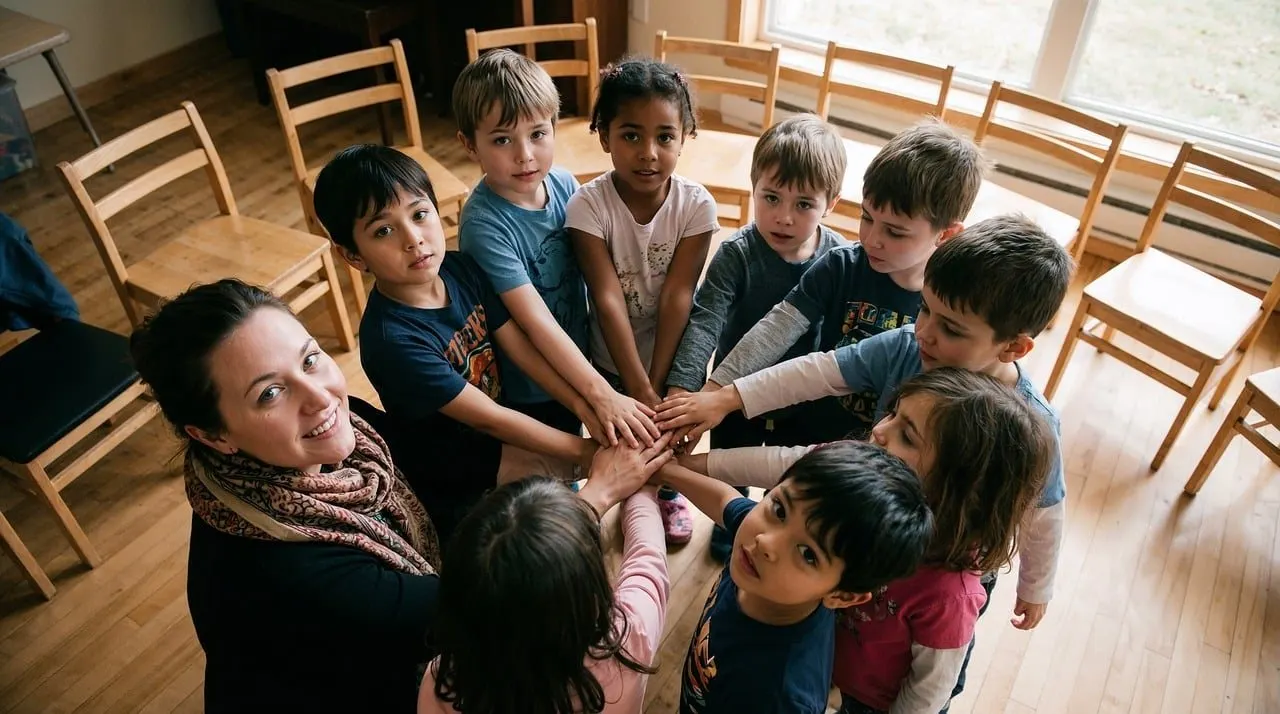
Grief can feel lonely, but vigils turn it into something shared. Strangers stand shoulder to shoulder, hold candles and listen to names they may not know. In that shared silence, people find comfort in knowing they are not alone. Support groups, friends and families all have a place in the circle. Many say the evening stays with them long after the candles go out. Read about a journey of faith and change.
Families and Friends Gather to Remember
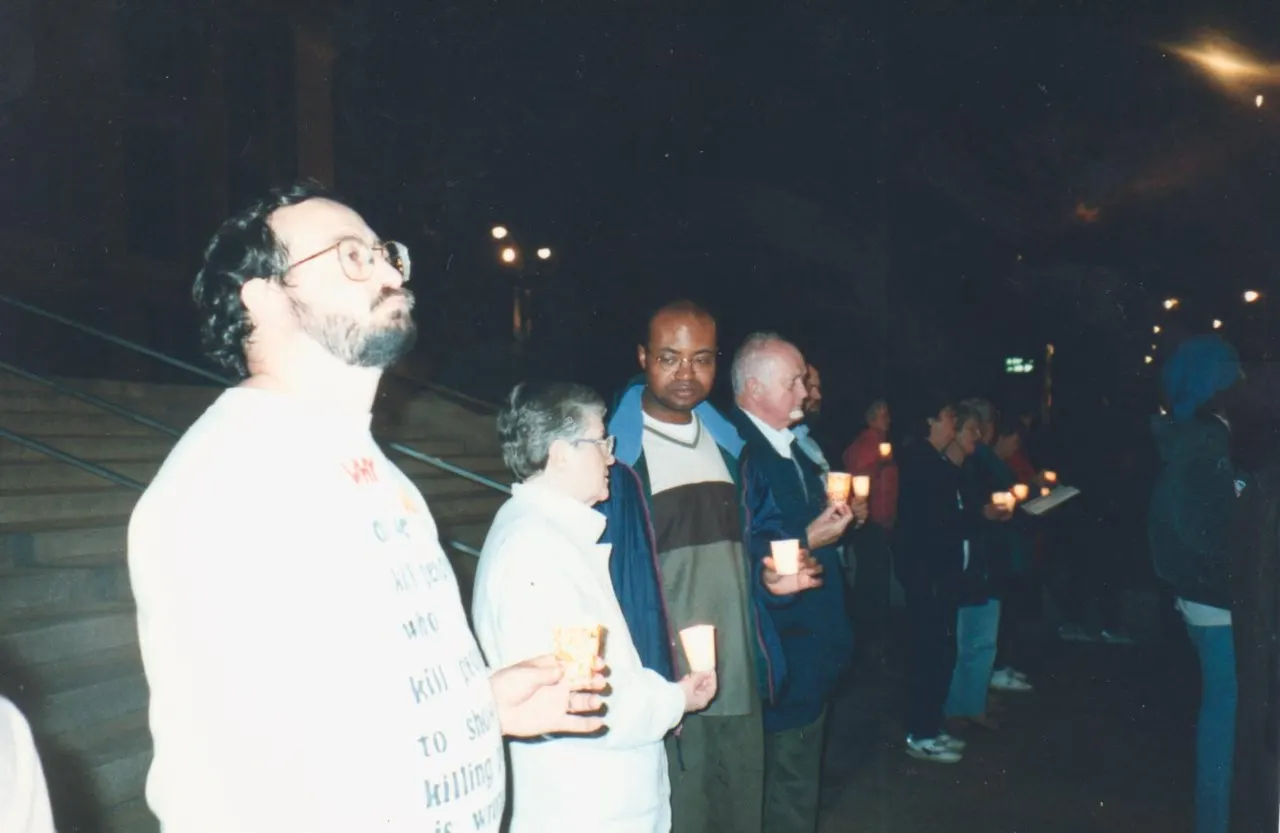
Behind every name read at a vigil is a family that still misses someone at the dinner table. Friends remember birthdays, jokes and plans that will never happen. Gathering on November 20 gives that grief a place to go and people who understand it. No one should have to carry such a loss alone. Read about children who needed the world to listen.
Remembered as Names, Not Numbers
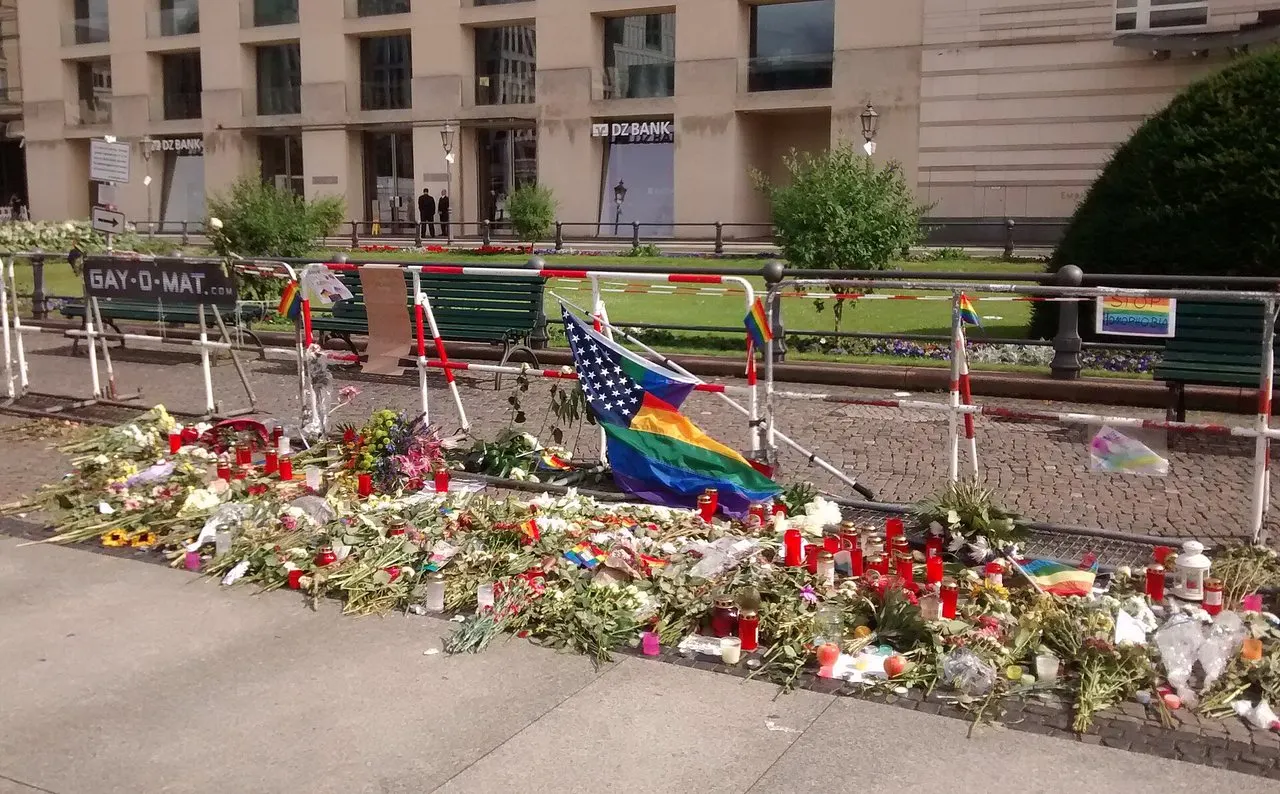
Reports count the dead in numbers, but vigils count them in names. A number can feel cold, while a name brings back a face, a voice and a laugh. That is why the reading of names sits at the heart of the day. Each name is a promise that the person will not be reduced to a figure in a report. Read the 2026 facts behind the day.
The Rainbow Flag Stands for Pride and Hope
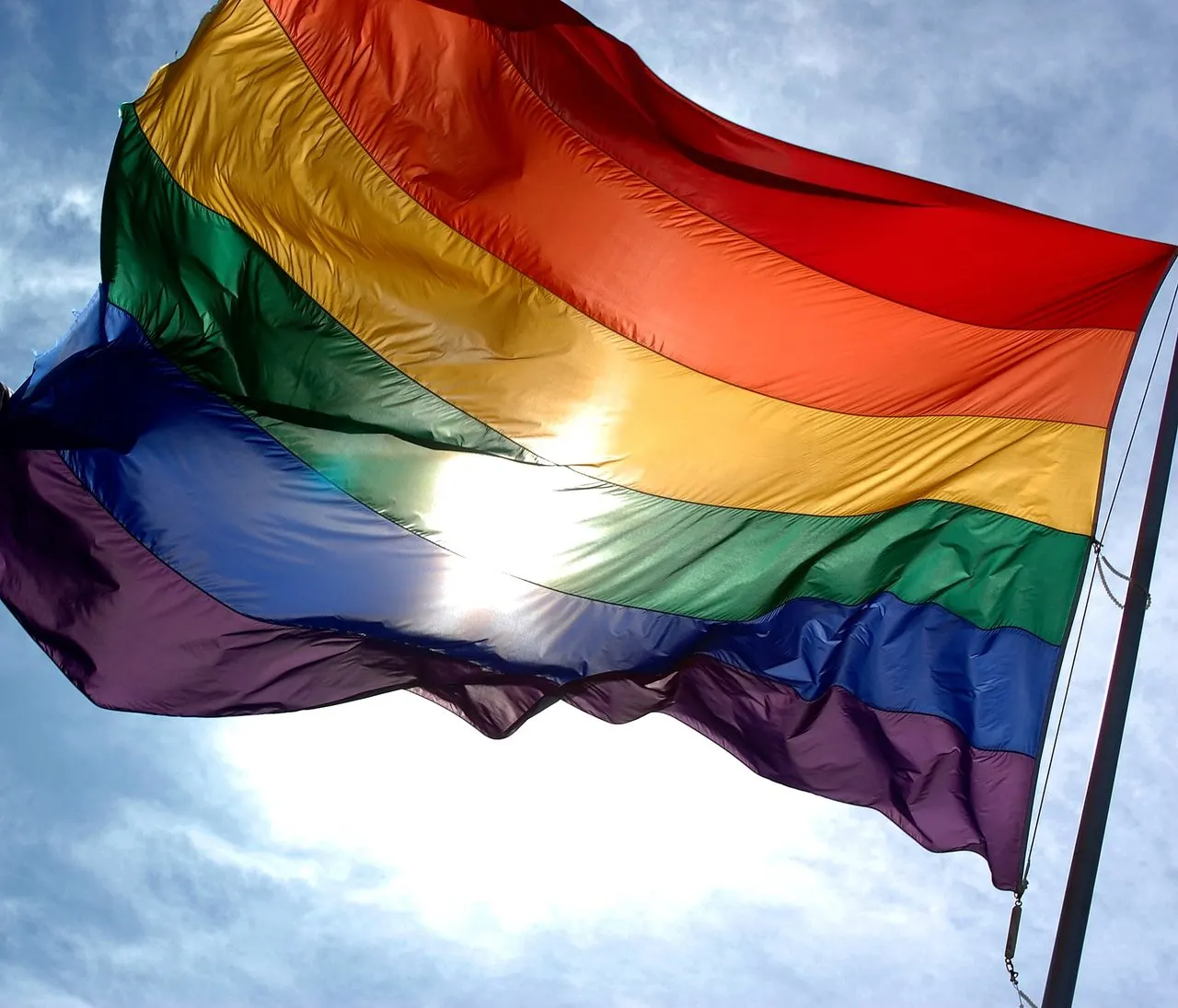
The rainbow flag has flown for decades as a sign of pride, and it often waves above vigils and marches. Its colors stand for life, healing and hope, and they remind the crowd that pride and grief can live side by side. A flag in the sky says that the community is here and will not hide. Read about a family still waiting for answers about their child.
Allston Remembers Rita Hester
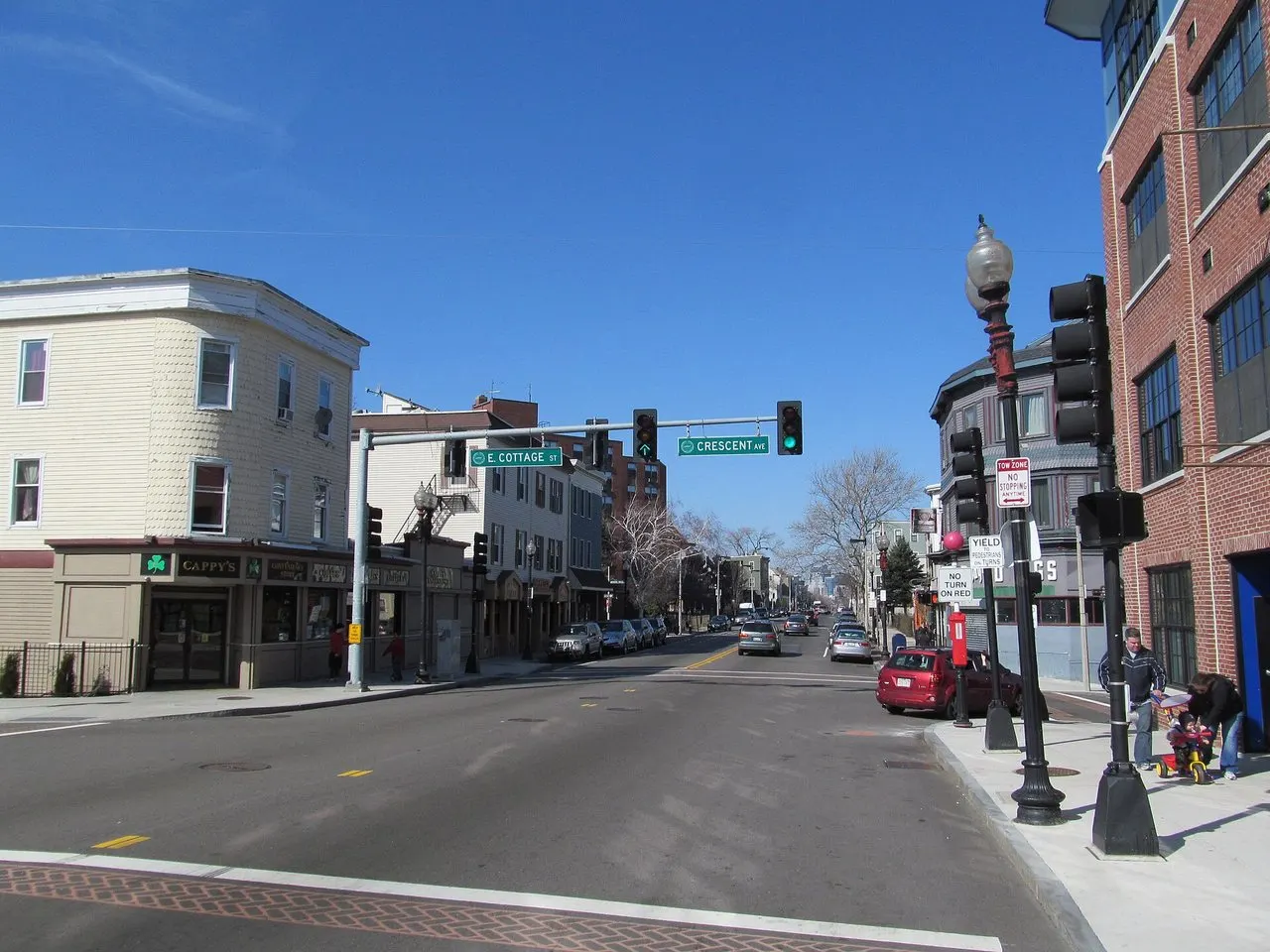
Allston is a lively Boston neighborhood of students, artists and families, and it is where Rita Hester lived. Her murder in 1998 shocked the local community and led to the first vigil a year later. Today, people in Boston and far beyond still speak her name each November. One neighborhood’s loss became the world’s day of remembrance. Read about a case that asked hard questions about justice.
Marches Carry the Message Into the Streets
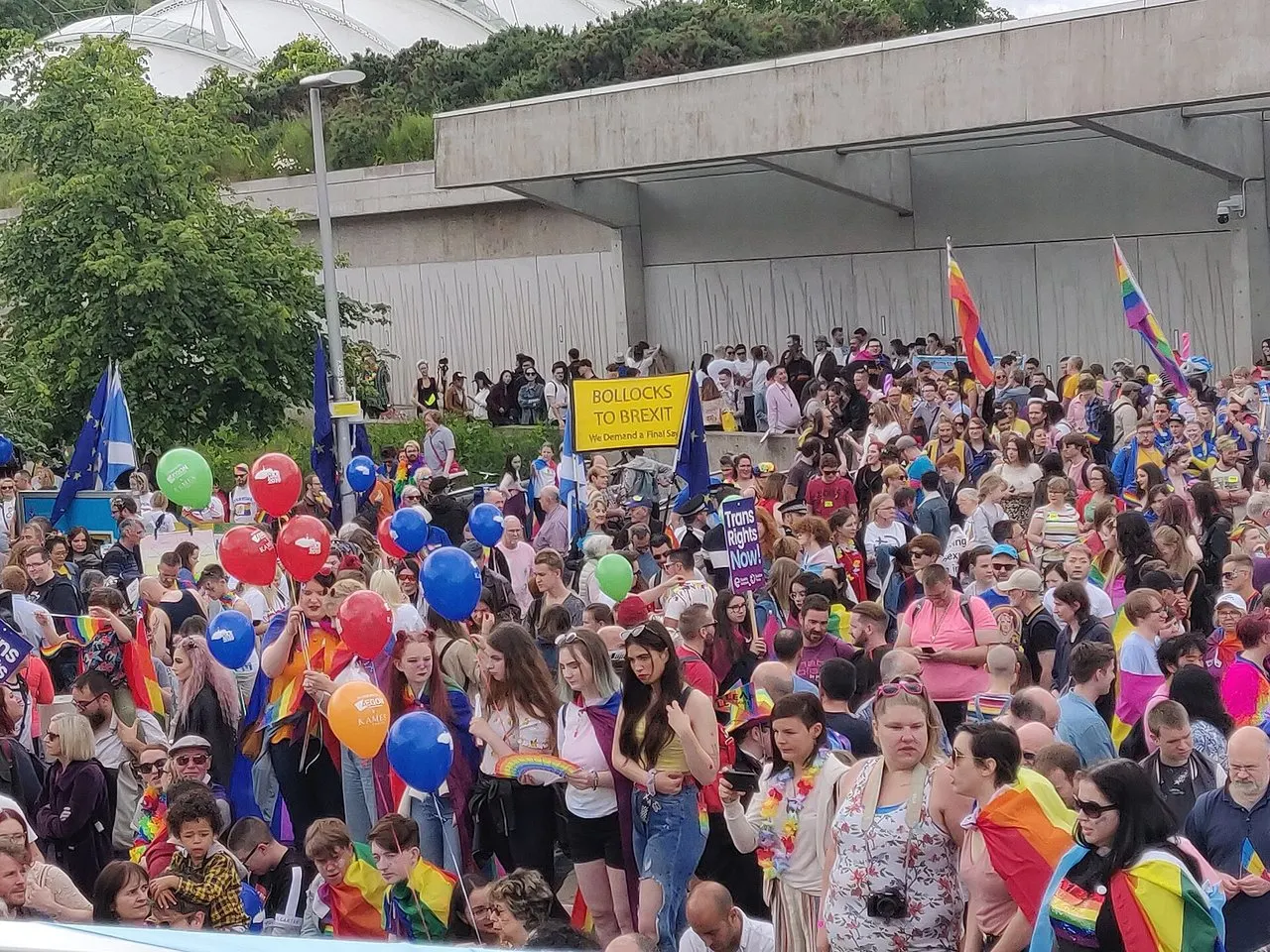
After the candles come the marches, where crowds walk together through city streets with flags and signs. Marching turns private grief into a public call for safety and respect. The sound of many feet moving together says that the community will keep showing up. Each step honors the names that were read the night before. Read about how one teen’s quick thinking saved lives.
Pride Parades Celebrate Lives Lived Openly
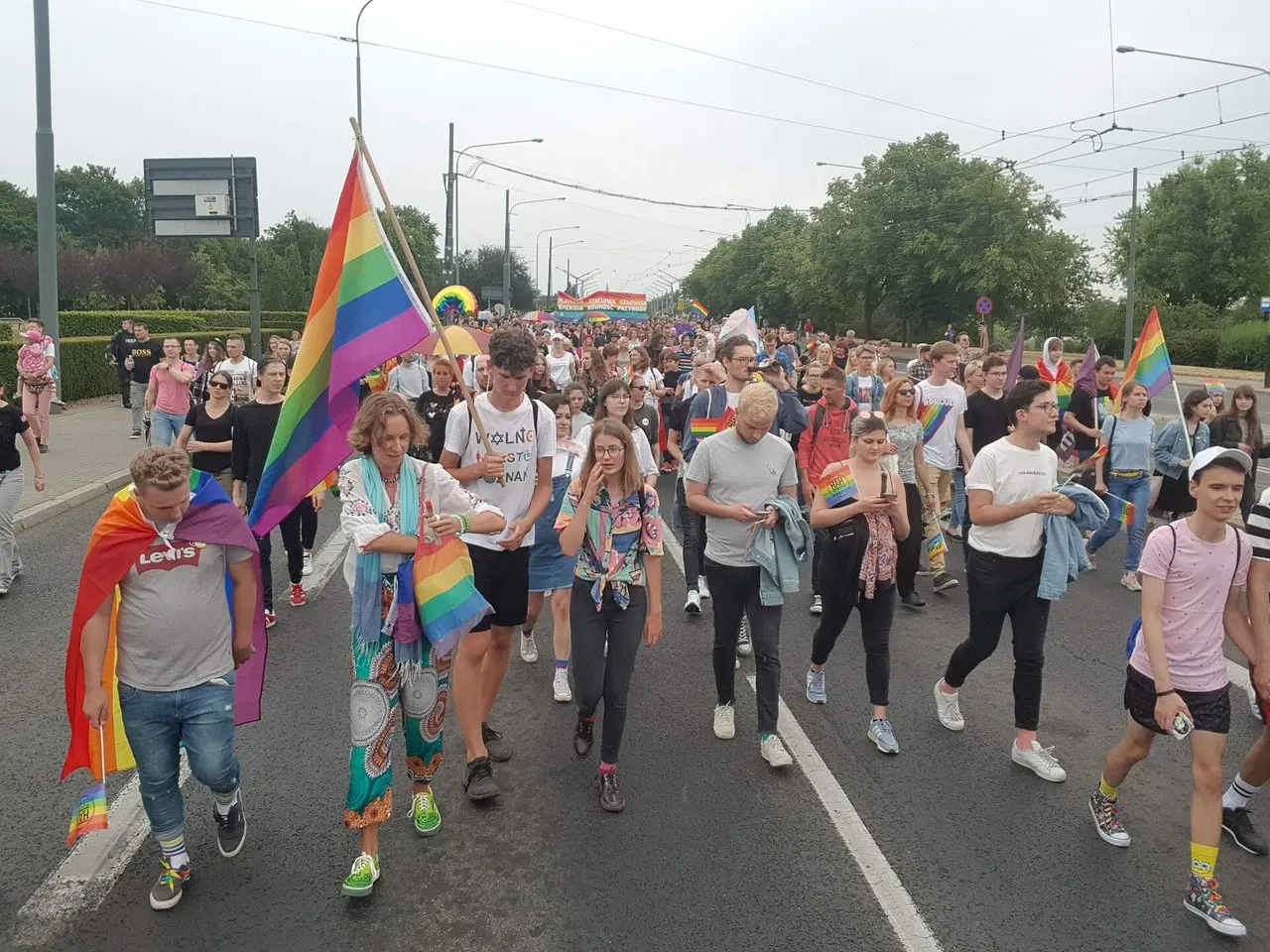
Pride parades fill the streets with color, music and dancing, and they celebrate people living openly as themselves. That joy matters on a day of remembrance too, because it honors the lives that were lived fully and freely. A parade says that being yourself is worth celebrating. Crowds cheer, wave flags and walk together, and the sound of music fills the air. Read about how one man explained where he stands.
Transgender Day of Remembrance Offers Comfort and Support
Support can take many forms, from a friend who listens to a group that meets every week. For transgender people and their families, knowing that help exists can make a hard day easier. The Trevor Project is one of the groups that stands with young people in crisis. Reaching out is a sign of strength, not weakness. Read about how faith helped one woman rise stronger each day.
How You Can Honor Transgender Day of Remembrance
You do not need to organize a vigil to take part. You can light a candle at home, learn the names of those lost, or share a kind word with a transgender neighbor. Small acts of respect add up, and they show that the community is watching and cares. Teaching children kindness is another quiet way to help. Read about a journey of faith and change.
Allies Stand Beside Transgender Neighbors
Allies are friends, family members, coworkers and neighbors who stand up for transgender people. They show up at vigils, speak out against cruelty and make room for others to be themselves. Being an ally does not take special skill, only a willingness to listen and to care. Every ally makes the community a little safer. Read about a trip that put America back in the spotlight.
White Flowers Mark Quiet Memorials
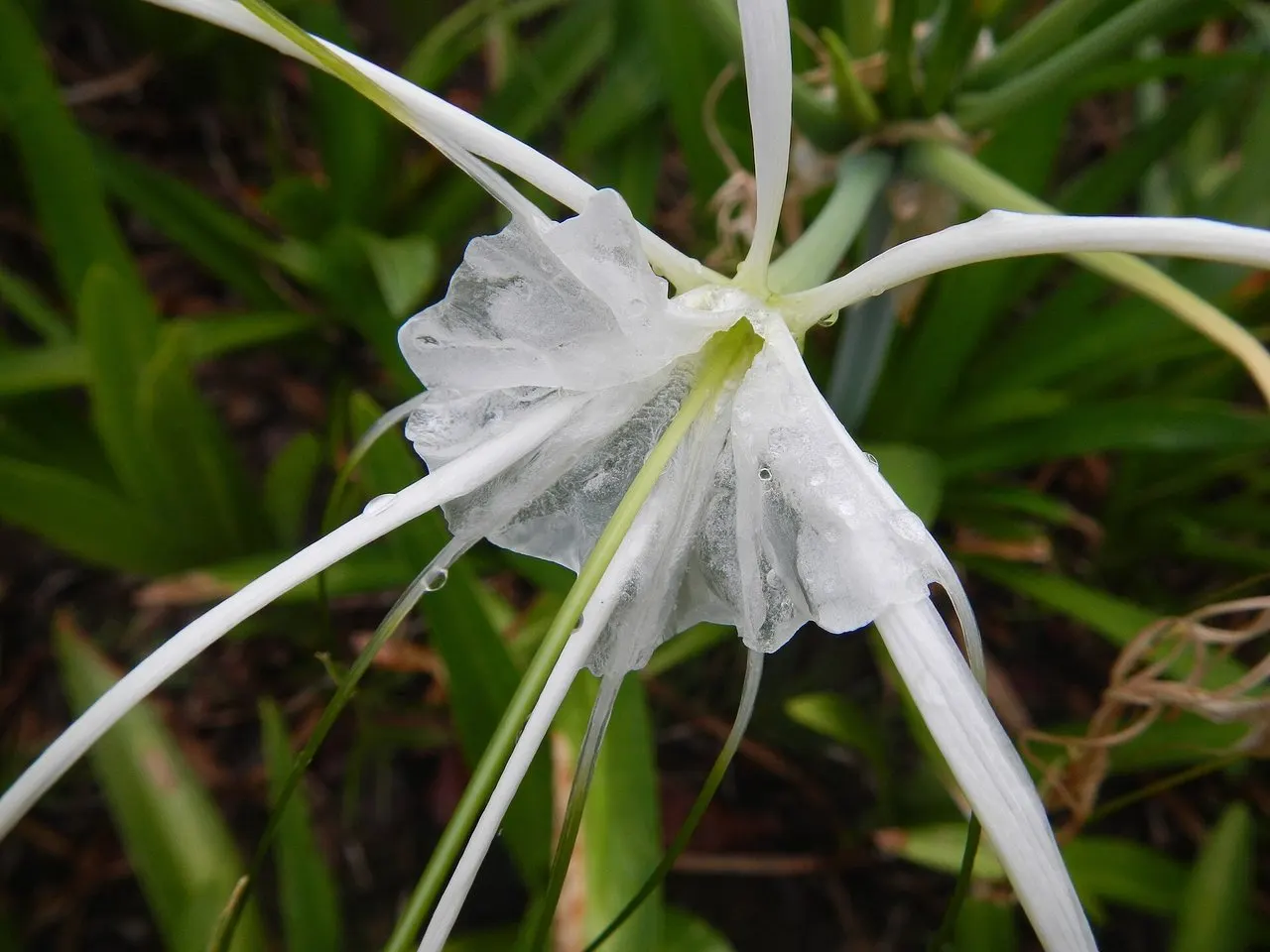
White flowers often appear at memorials, laid gently beside candles and notes. Their quiet color suits a day of grief, and they need no words to say that someone is missed. People leave them at vigils, on doorsteps and at the places where lives were lost. A single flower can carry a whole message of love. Read about how one gorilla’s photo touched the world.
The World Marks Transgender Day of Remembrance

The day is observed far beyond the United States, in cities across Europe, Latin America, Asia and beyond. Each place adds its own customs, songs and prayers, but the candles and the names stay the same. That global reach shows that the need for safety and respect knows no borders. Read about a gift of billions given with quiet grace.
Night Vigils Glow Across the Globe
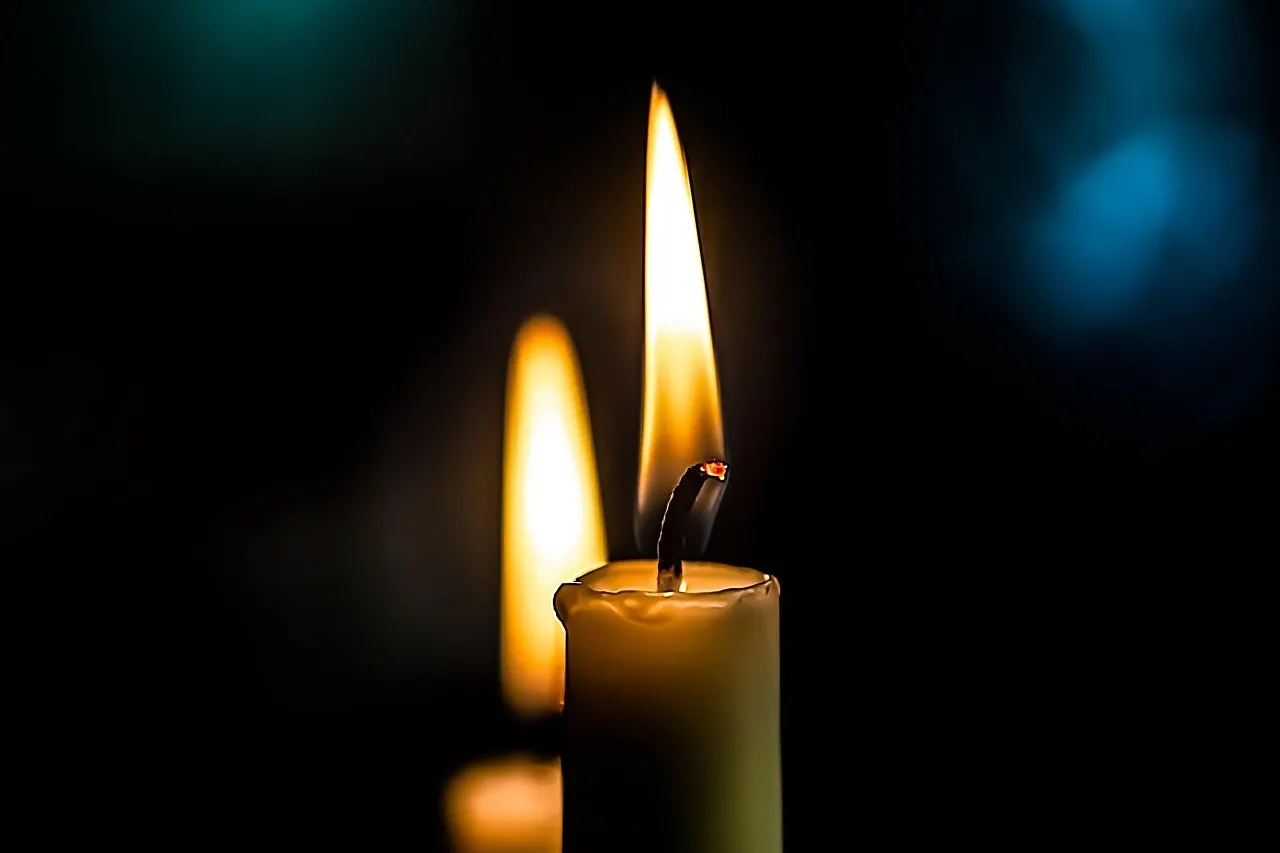
As night falls on November 20, vigils begin in one time zone after another, like a wave of light moving around the planet. In each city, candles are lit, names are read and silence is shared. By the time the last vigil ends, the day has circled the whole world. The same candles, the same names and the same quiet promise link every gathering. Read about a police search that gripped a whole neighborhood.
Hope Rises With Every Sunrise

After a night of candles, the sunrise brings a new day and a quiet kind of hope. Hope does not erase grief, but it gives people a reason to keep working for a safer world. Each year, the day ends with a promise to do better, to protect the living and to honor the dead. Read about how a forest loses ground every year.
A Quiet Moment to Reflect
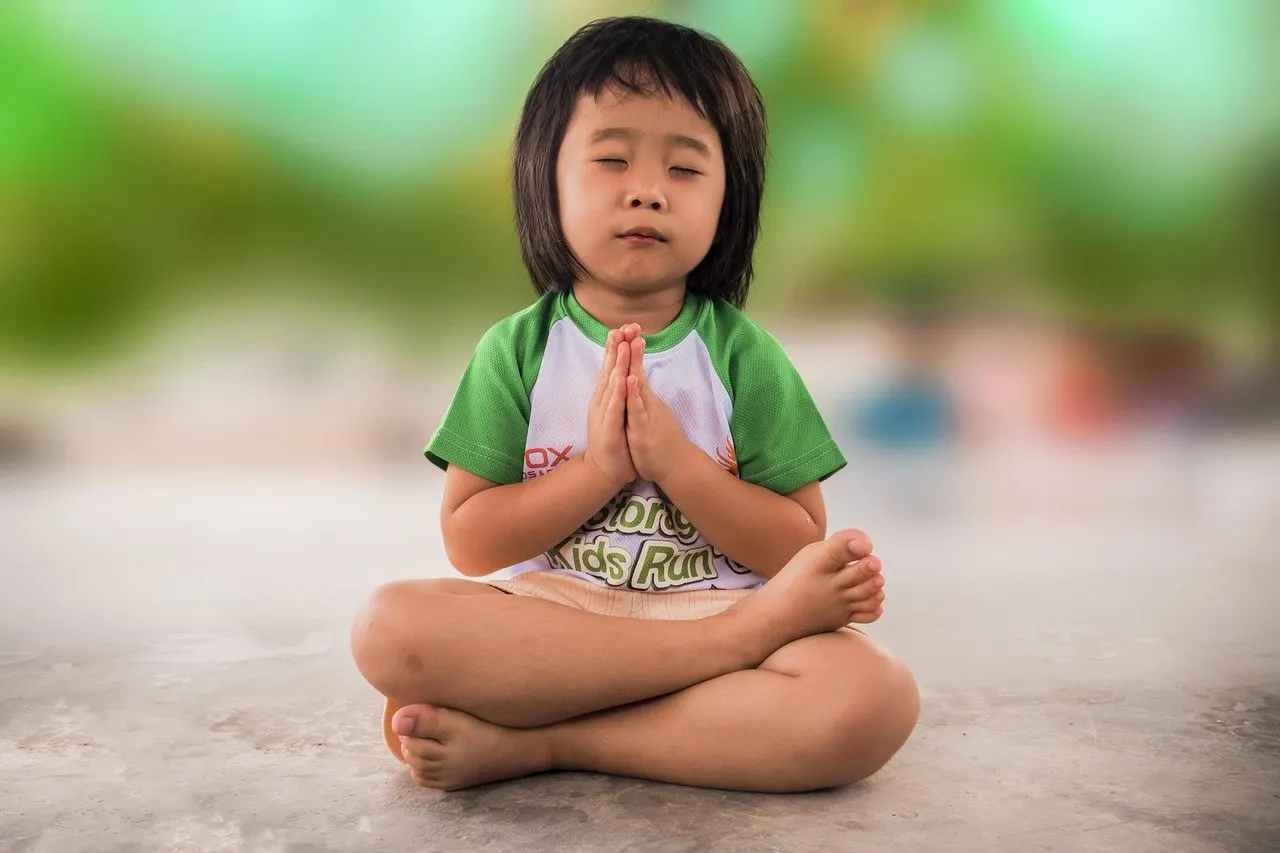
Between the speeches and the songs, vigils always leave room for silence. In that quiet, people think about the names they heard and the lives behind them. Reflection turns a public event into something personal, and it lets each person carry the memory home. Silence can say what words cannot. Some close their eyes, some bow their heads, and all of them hold the moment close. Read about a warning every gamer should hear.
Transgender Day of Remembrance Keeps Every Name Alive
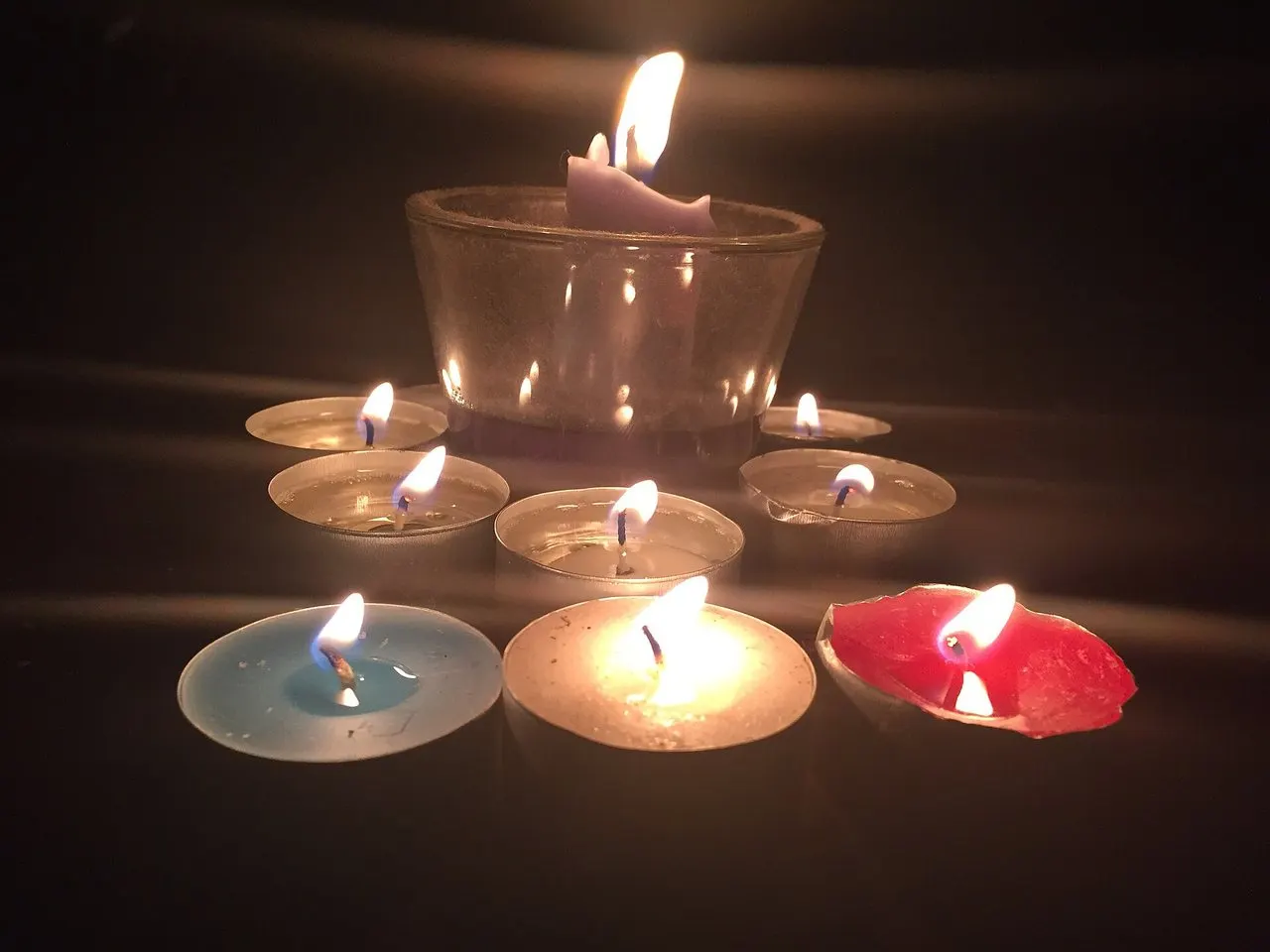
Saying a name aloud keeps it alive in the world. That is the heart of the day, and the reason people return every November 20. The names read this year will be read again next year, and new names will join them. Memory is a duty, and the community carries it together. Read about a moment at a world summit that drew every eye.
What Will You Do on Transgender Day of Remembrance?
Now you have walked through 28 facts about this day of remembrance, from the first vigil in 1999 to the candles glowing around the world. The names, the numbers and the stories all point to one simple question. What will you do to remember, and how will you help the living? Share your thoughts in the comments below. Read about a warning over posts about a young star.