Zelenskyy Defies Trump and Keeps Ukraine in the Fight
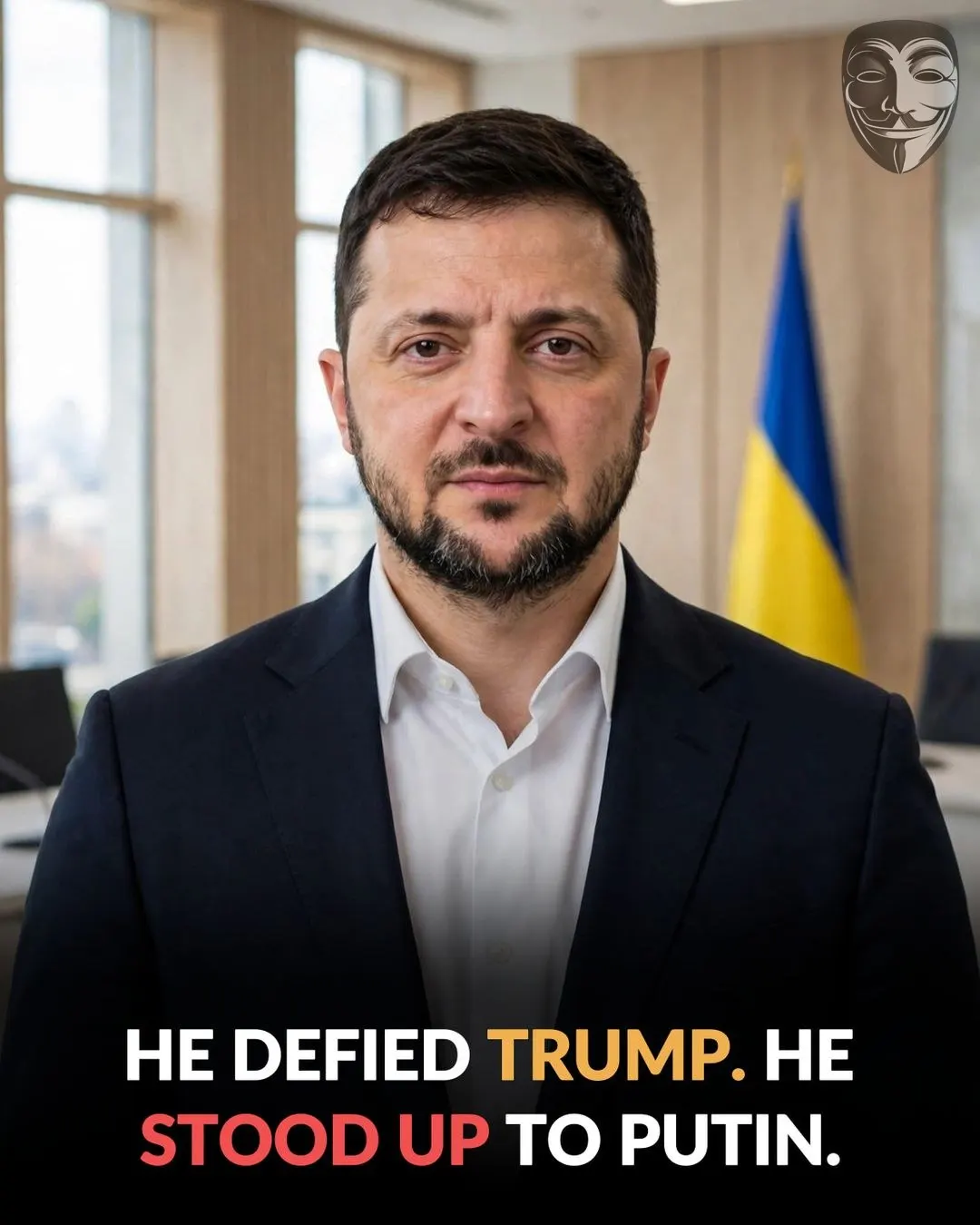
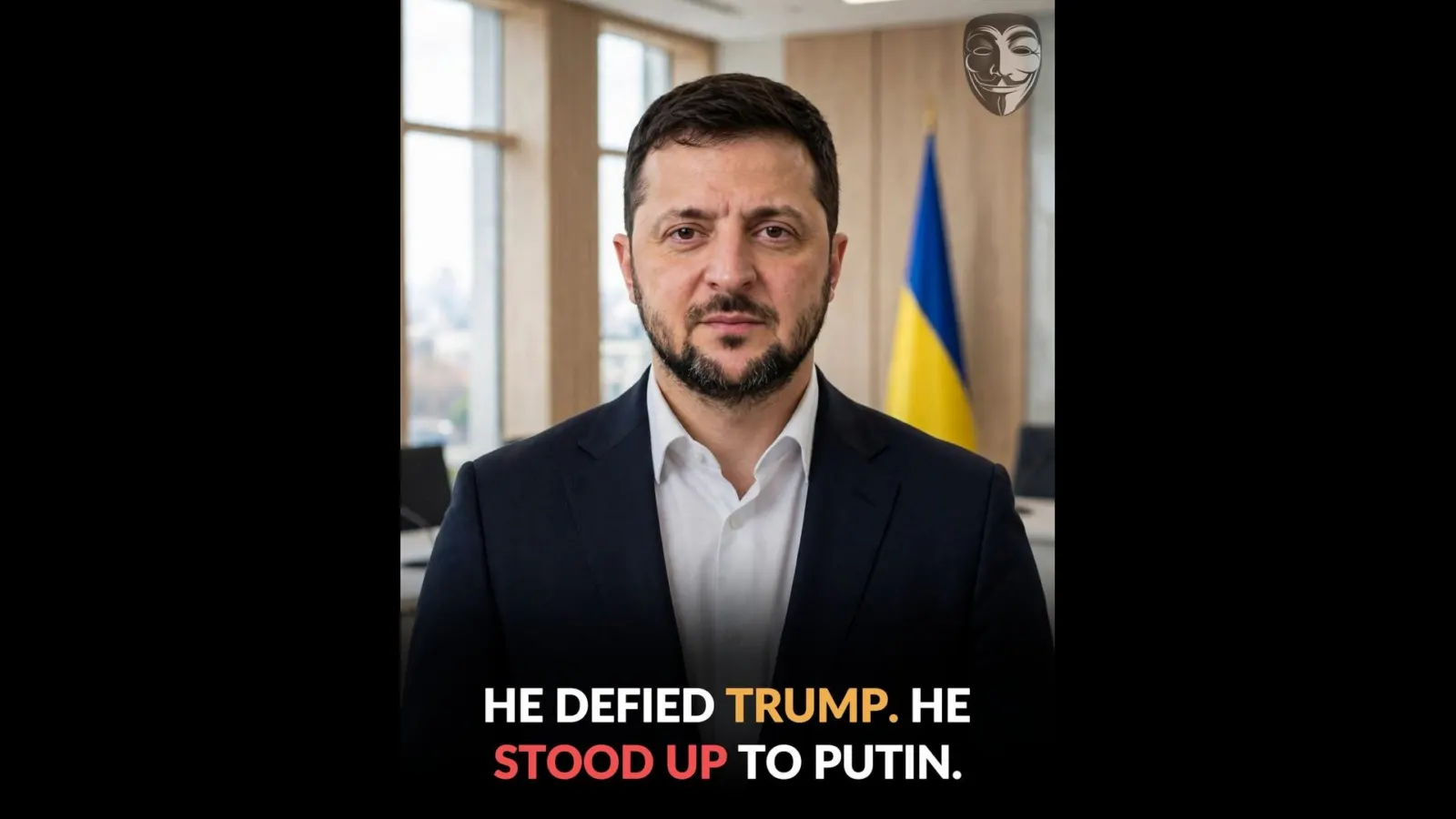
Zelenskyy defies Trump as Ukraine keeps striking Russian oil refineries, even while Washington presses Kyiv to make concessions and rethink its military strategy. Volodymyr Zelenskyy has faced pressure from two directions at once, with Vladimir Putin continuing the conflict against Ukraine and Donald Trump pushing for a deal. But the Ukrainian leader has refused to back down, and his forces keep taking the fight deep into Russian territory. That resolve echoes the silent shrug in Berlin.
One clear example is the campaign against Russian oil refineries, which Kyiv says cuts the revenue behind the Kremlin effort. On November 13, Ukrainian forces reported striking the Lukoil refinery in Volgograd, the ninth Russian refinery hit since the start of the month, even as Washington explored wider diplomatic talks with Moscow. Zelenskyy says Ukraine will keep defending itself and building its own tools rather than accept a peace that rewards aggression. The refinery campaign is also the subject of our report on the Kerch Bridge strikes.
References:
Reuters: Four killed in Ukrainian drone strike on industrial zone in Russias Volgograd official says
Bloomberg: Ukraine Hits 9th Russian Oil Refinery Since Start of Nov
Associated Press: Ukraine abandons truce and Attacks Russian oil refinery as Zelenskyy says he feels betrayed by Trump
BBN Times: Zelenskyy Defies Trump and Restarts Refinery Strikes The Block Is Out Were Done
A President Caught Between Two Powers
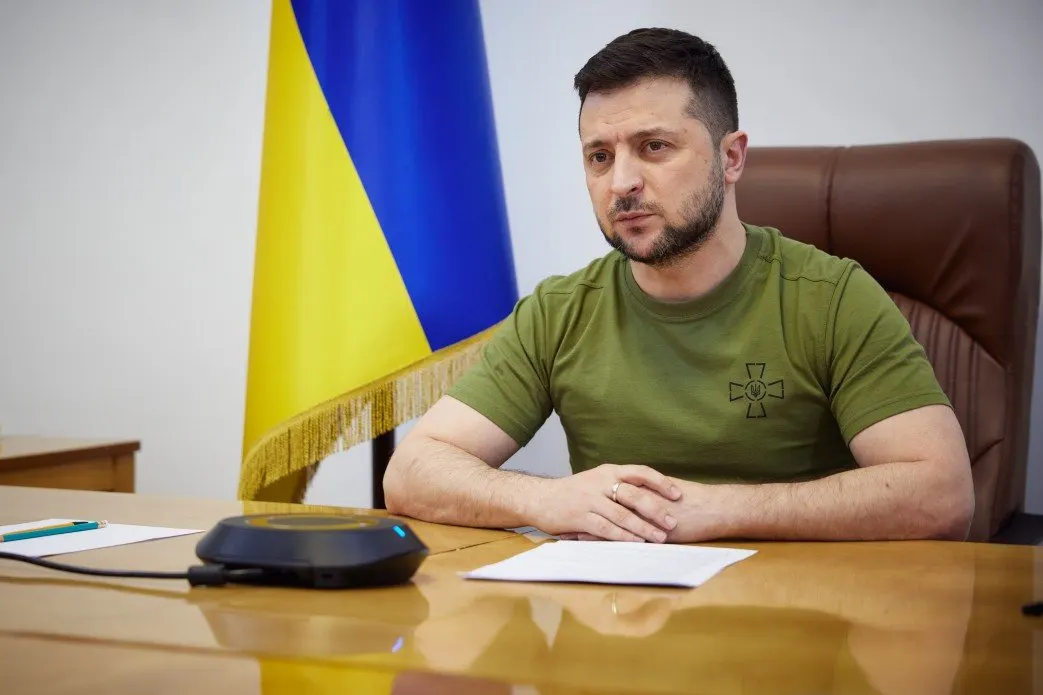
Volodymyr Zelenskyy leads a country caught between two powerful men with very different aims. Vladimir Putin continues the conflict against Ukraine, sending missiles and drones at Ukrainian cities and energy sites. At the same time, Donald Trump and his administration have pressed Kyiv to make concessions and rethink its military strategy. Zelenskyy has refused to give in to either side, and that refusal has shaped every choice his government makes. See how Governor Shapiro took Trump apart over Ukraine and read the report on Putin sharing intelligence with Iran.
Zelenskyy Defies Trump as Washington Pushes for Concessions
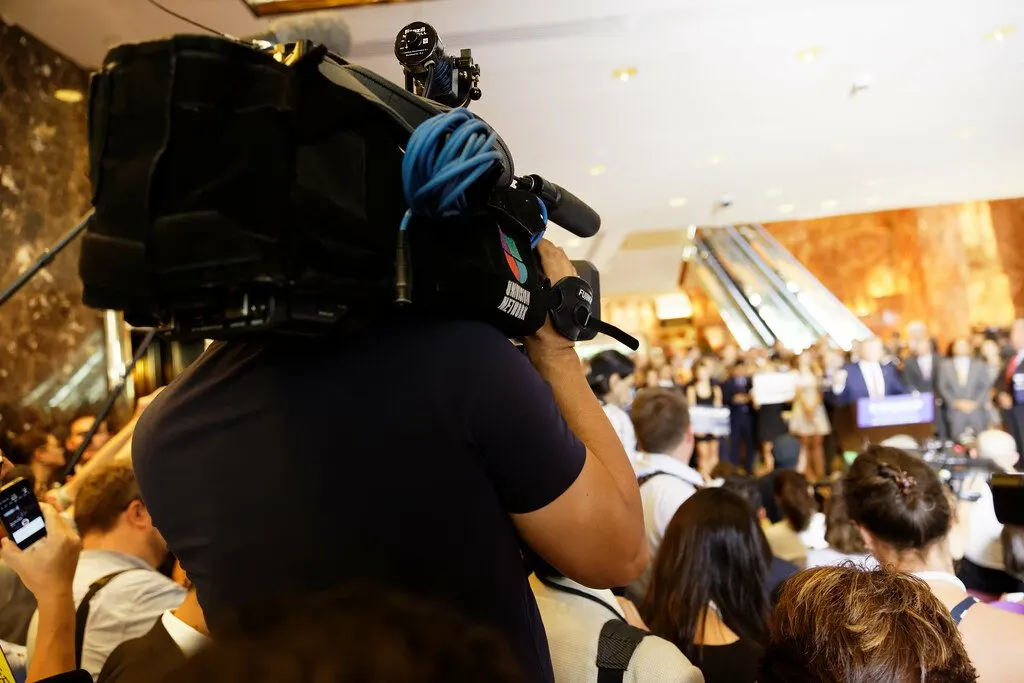
Donald Trump has made it clear that he wants the fighting in Ukraine to end quickly, and his team has pushed Kyiv to accept terms that many Ukrainians see as too costly. The pressure has come in public comments and private talks, with American officials urging Zelenskyy to rethink how the war is fought. But the Ukrainian president has held his ground, saying his country cannot be expected to restrain itself while Russia keeps attacking its cities. That tension runs through the handshake between Trump and Putin in China.
Putin Keeps the Pressure on Ukraine
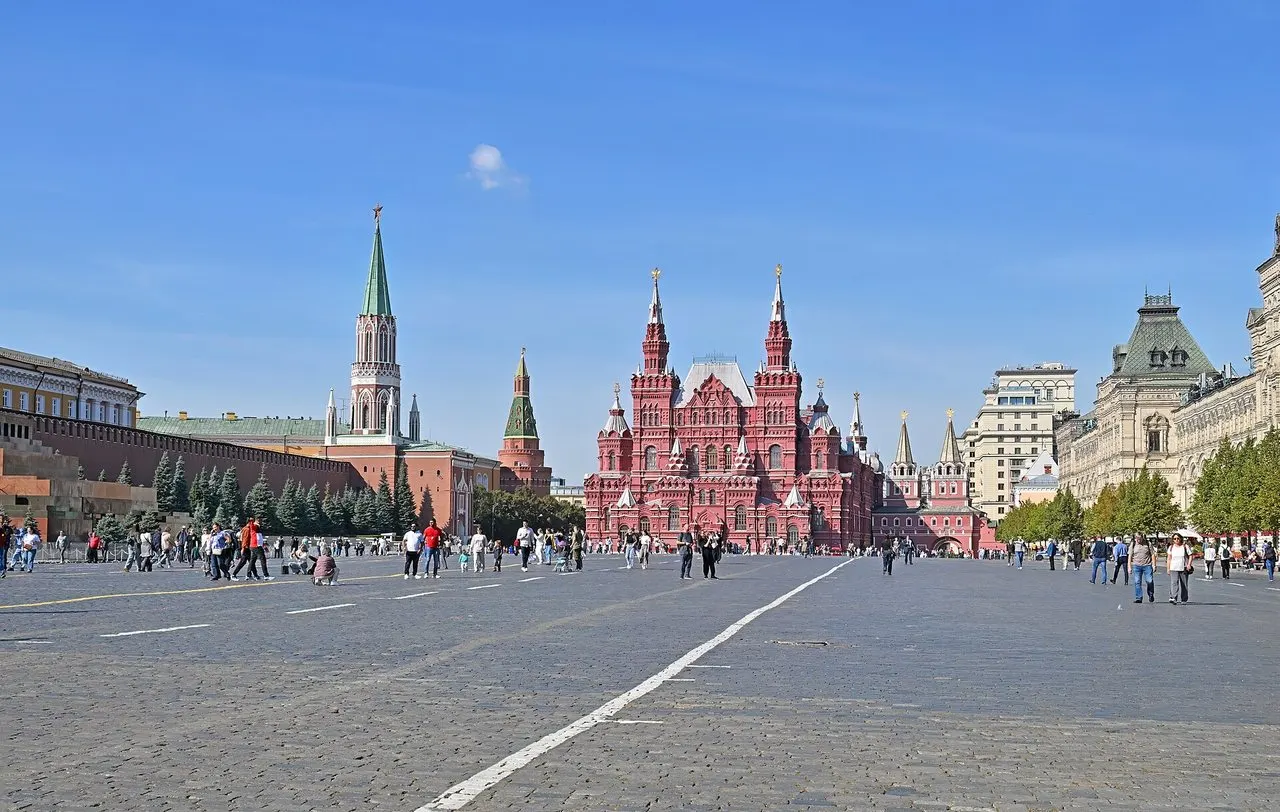
Vladimir Putin started this conflict and has kept it going for years, even as the costs mount for both sides. His forces continue to strike Ukrainian cities and power plants, trying to wear the country down. Putin has also kept talking to Washington, hoping for a deal that leaves Russia with gains. For Zelenskyy, that is the other half of the squeeze, a leader who will not stop and a partner who wants a quick deal. The pattern is clear in the report on Putin sharing intelligence with Iran.
Zelenskyy Defies Trump by Keeping the Refinery Strikes Going
The refinery campaign is the clearest sign of how Ukraine answers pressure with action. Kyiv says each strike cuts the money that pays for the Kremlin effort, hitting the fuel and funds behind the front lines. The targets are far from the border, deep inside Russia, and reaching them takes long range drones and careful planning. Washington has asked Ukraine to stop, but Zelenskyy has kept the campaign going. More on the pattern appears in our report on the Kerch Bridge strikes.
Zelenskyy Defies Trump After the Volgograd Strike
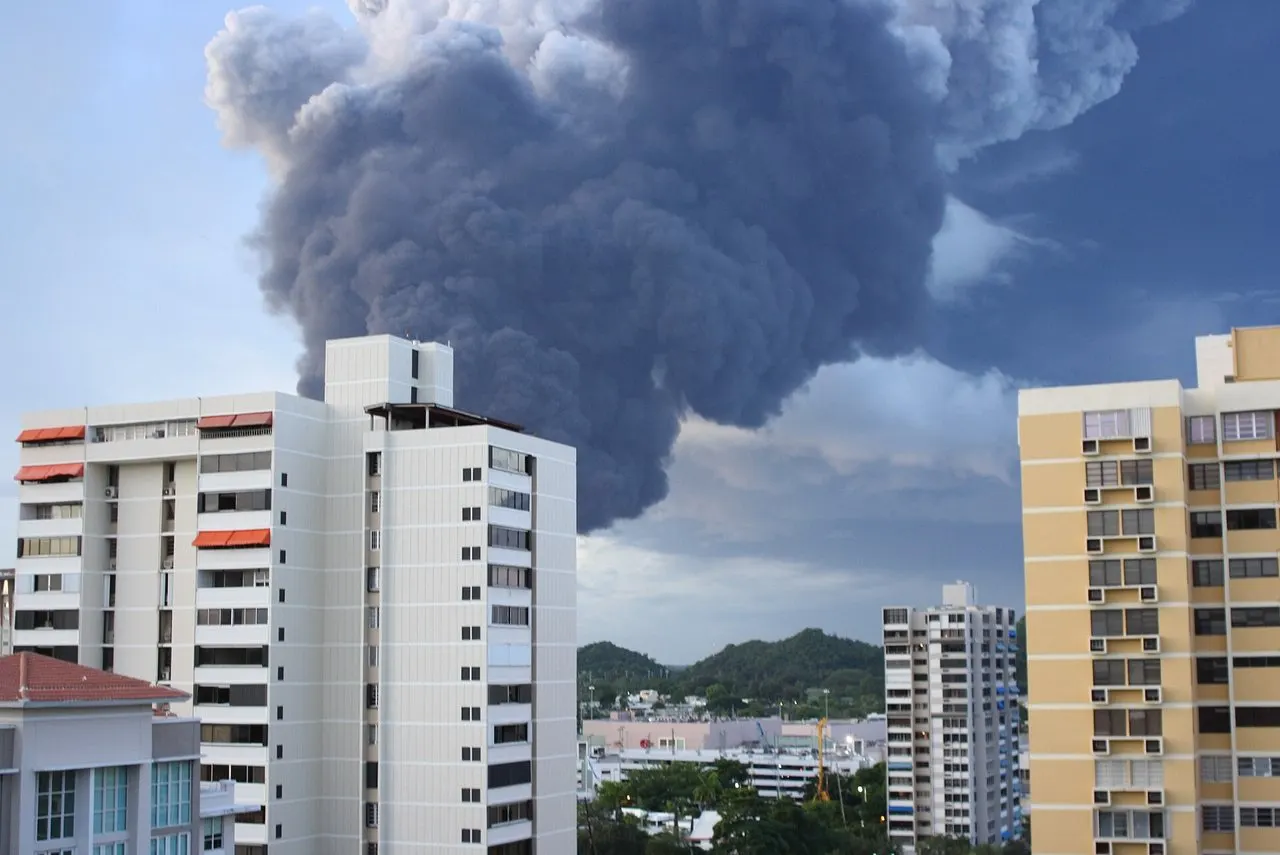
On November 13, Ukrainian forces reported striking the Lukoil refinery in Volgograd, a large plant on the Volga river. Reuters reported that four people were killed in a Ukrainian drone strike on an industrial zone in the city, showing how the campaign reaches into Russian towns as well as its oil sites. It was the ninth Russian refinery hit since the start of the month, a pace that has surprised many watchers. That resolve echoes the silent shrug in Berlin.
Nine Refineries Hit Since the Start of November
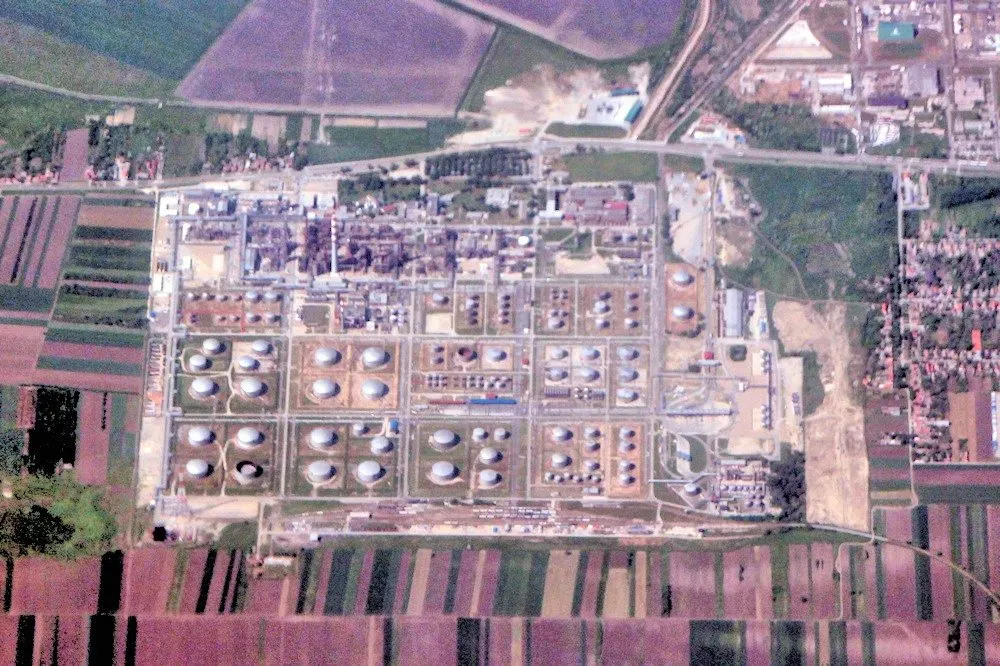
Nine refineries in less than two weeks is a remarkable pace, and Bloomberg noted that the Volgograd strike was the ninth since the start of November. Each hit takes a plant offline for repairs and forces Russia to move fuel and crews to cover the gap. The campaign shows how Ukraine uses long range strikes to reach targets that once seemed safe. It also shows why the refineries matter so much to both sides. The scale is laid out in the trip that brought Trump, Xi and Putin together.
Cutting the Revenue Behind the Kremlin Effort
Oil pays for much of what Russia does in this conflict, from fuel for tanks to money for the state budget. Kyiv says that cutting refinery output cuts the revenue behind the Kremlin effort, and that is why the plants are now prime targets. A refinery that cannot process crude cannot supply the front, and repairs take time and skilled workers. The logic is simple, even if the strikes are hard to carry out. The cost of fuel is also felt at home in the clash over gas prices.
Zelenskyy Defies Trump While Washington Talks to Moscow
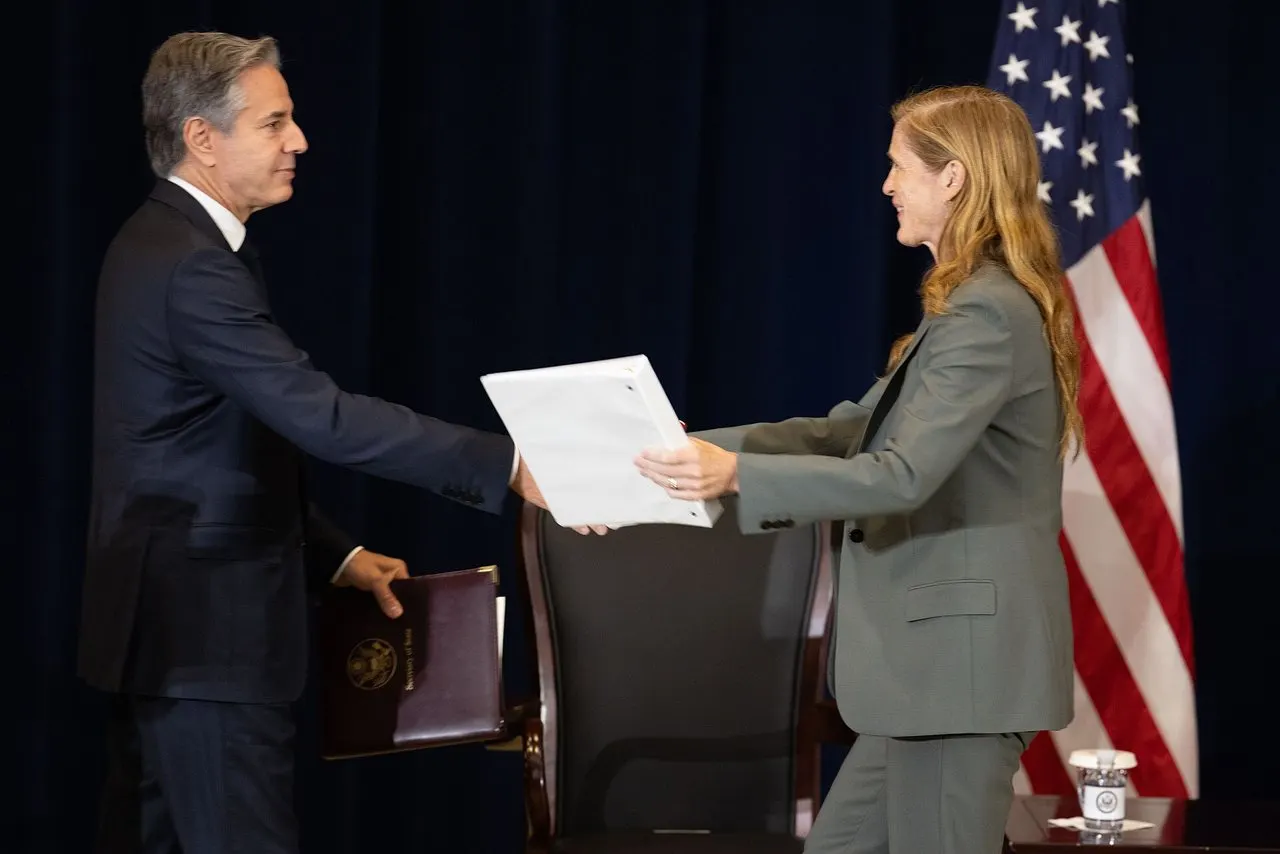
While the strikes went on, Washington explored wider diplomatic talks with Moscow, looking for a way to end the fighting. American officials have spoken with Russian counterparts about terms, even as Ukraine warns that any deal must not reward aggression. That gap between Washington and Kyiv is where the tension lives, with one side seeking a quick settlement and the other seeking a fair one. The diplomacy is tracked in Trump reporting from the briefing room after his long flight.
The Lukoil Deal in the Background
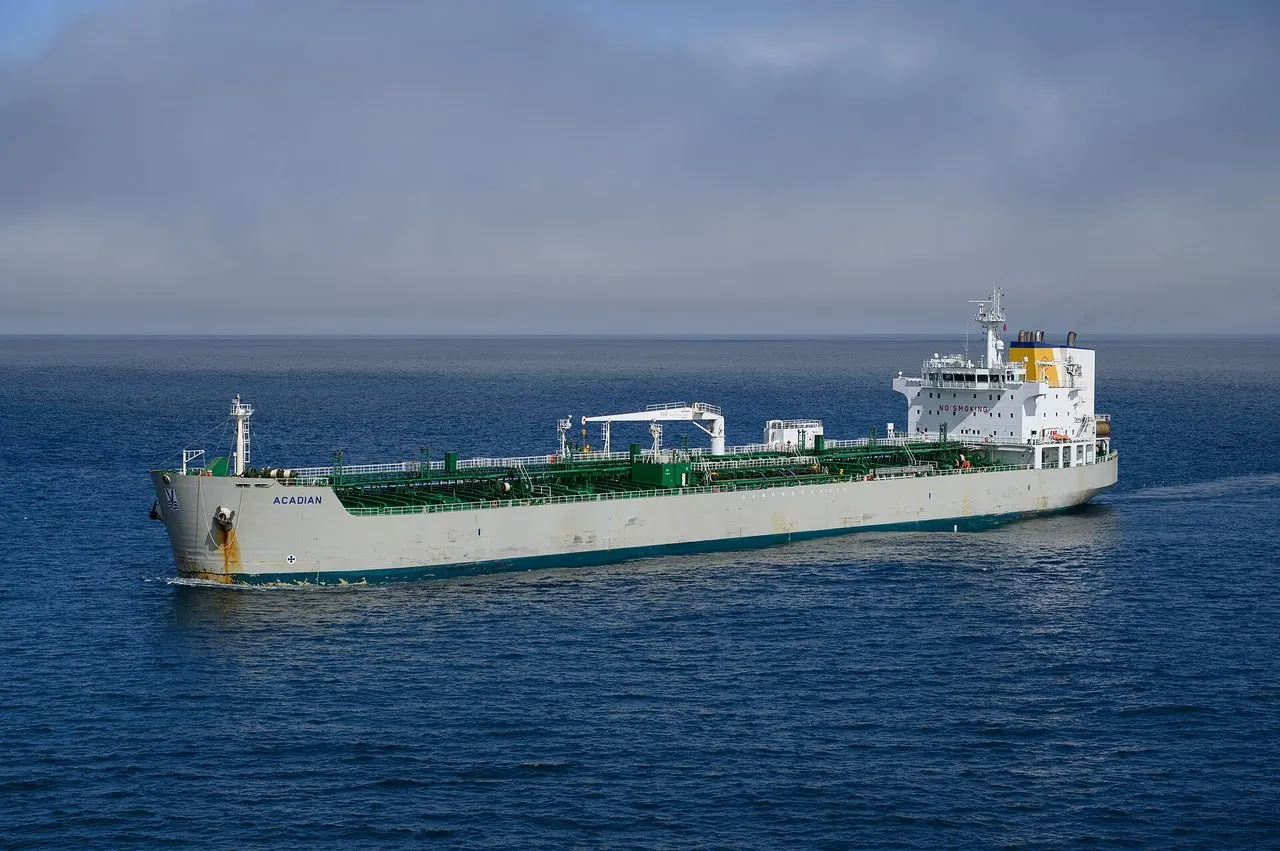
Behind the diplomacy sits a business story that Reuters reported in October. Talks around a proposed multibillion dollar deal involving Lukoil international oil assets had become part of the wider United States and Russia negotiations. The proposal involved business interests connected to people close to American negotiators Jared Kushner and Steve Witkoff. It is a reminder that oil, money and politics are tangled together here. The money trail also runs through the push to recover profits from the Trump family.
Kushner and Witkoff in the Middle of the Talks
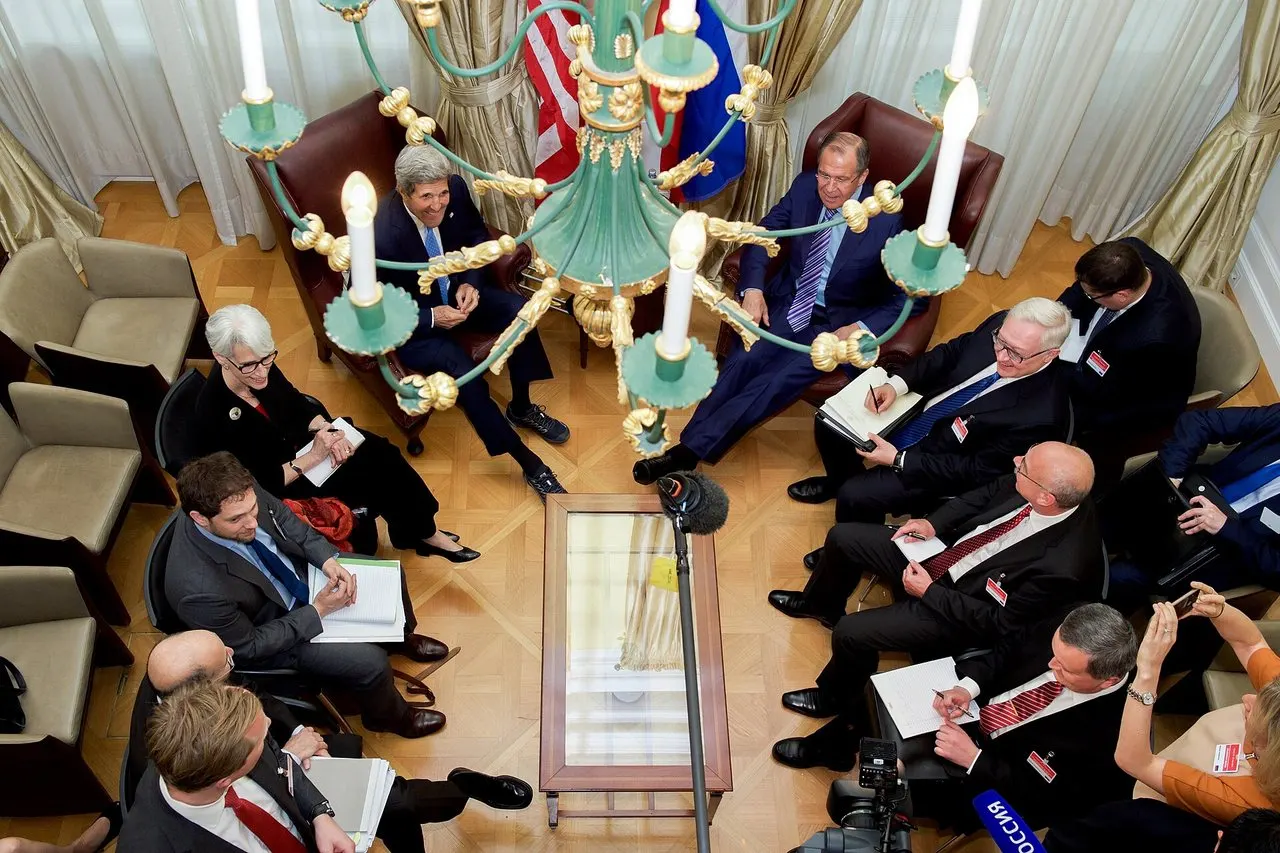
Jared Kushner and Steve Witkoff are the two American negotiators named in the reports around the Lukoil talks. Both men are close to Trump, and both have been part of the effort to find a deal with Moscow. Their names show how personal the diplomacy has become, with a small circle of trusted figures carrying the talks. For Kyiv, that raises a worry that Ukraine could be left out of decisions about its own future. The small circle theme appears in the first trilateral summit in Shenzhen.
Zelenskyy Defies Trump and Backs Homegrown Weapons

Zelenskyy says Ukraine will keep defending itself and building its own tools rather than accept a peace that rewards aggression. That means more drones, more long range weapons and more of the kit that lets Ukraine strike back on its own terms. The message is aimed at both Moscow and Washington, telling each side that Kyiv will not simply wait for others to decide its fate. Building at home also means Ukraine depends less on outside help. The same spirit shows in the story of a drone medical evacuation in Ukraine.
Drones Reach Deep Into Russian Territory

The drones that hit the refineries fly far beyond the front lines, crossing hundreds of miles to reach their targets. Ukraine has built a fleet of long range drones that can strike oil plants, depots and airfields deep inside Russia. Each mission needs good intelligence, careful timing and a crew that can guide the drone home or accept losing it. The campaign has become a signature of this phase of the conflict. The drone story continues in the first drone medical evacuation.
Zelenskyy Defies Trump and Rejects a Bad Peace

A peace that rewards aggression is the one thing Zelenskyy says Ukraine will not accept. Giving up land or dropping the fight while Russia keeps its gains would tell every aggressor that force pays, and Kyiv will not sign such a deal. That stance has put him at odds with those in Washington who want a fast settlement. But for Ukrainians who have lost homes and loved ones, the principle is not abstract. It is the line that Zelenskyy held with a silent shrug in Berlin.
Ukrainian Cities Still Face Attacks Every Night

Ukrainian cities still face attacks through the night, with drones and missiles aimed at homes, hospitals and power stations. Families in Kyiv and other cities spend nights in shelters, listening for the sirens and waiting for the all clear. The damage is real, and it is why Zelenskyy says Ukraine cannot be expected to restrain itself while Russia keeps hitting civilian areas. The human cost is the backdrop to every decision in this story. It is also why Kaitlan Collins pressed Trump on Putin and why how Obama greeted Putin at a summit.
Energy Infrastructure on Both Sides of the Fight
Energy is a target on both sides of this conflict. Russia strikes Ukrainian power plants to leave cities cold and dark, while Ukraine strikes Russian refineries to cut the fuel and money behind the attacks. Both sides know that energy keeps a country running, from hospitals to trains to heating in winter. The duel over power and oil may decide how long each side can keep going. The price of energy also shapes the clash over gas prices.
Zelenskyy Defies Trump as the Kremlin Counts the Cost
Every refinery that goes offline costs Moscow money, crews and time. Repairs need parts, workers and weeks, and a plant that cannot run cannot earn. Over months, those losses add up, squeezing the budget that pays for the conflict. The Kremlin has tried to play down the damage, but the pace of the strikes tells its own story. The cost is the theme of the report on Putin sharing intelligence with Iran.
Allies in Europe Watch Every Move
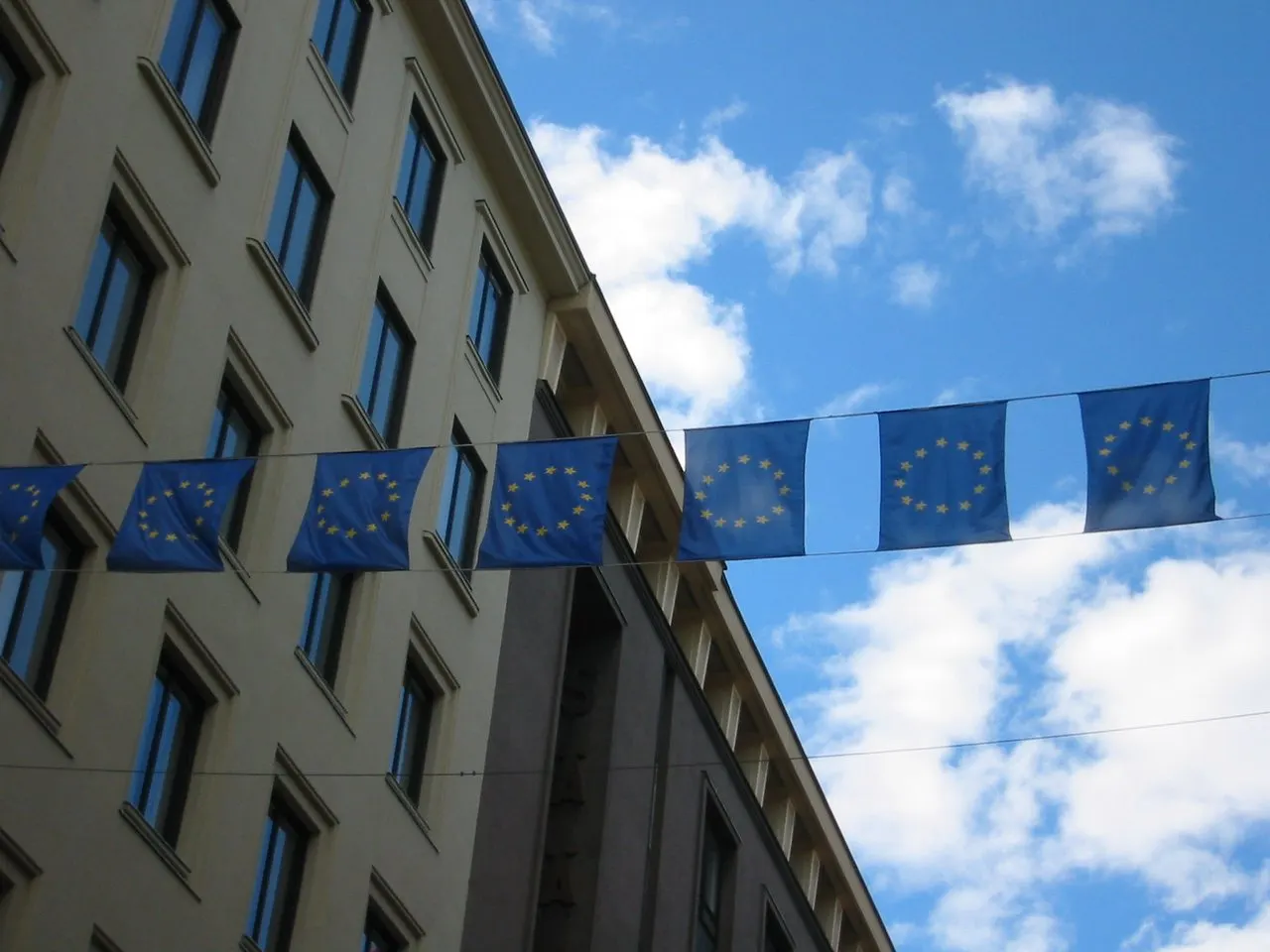
European allies watch every move in this story, because the outcome shapes their own security. Leaders in Brussels, Paris and Berlin have backed Ukraine with money and weapons, and they worry that a rushed deal could leave Russia stronger. They also watch Washington closely, since American choices set the tone for the whole alliance. For now, Europe keeps its support steady while the talks go on. The allied view appears in the tarmac greeting in Shenzhen.
The View From the Front Lines
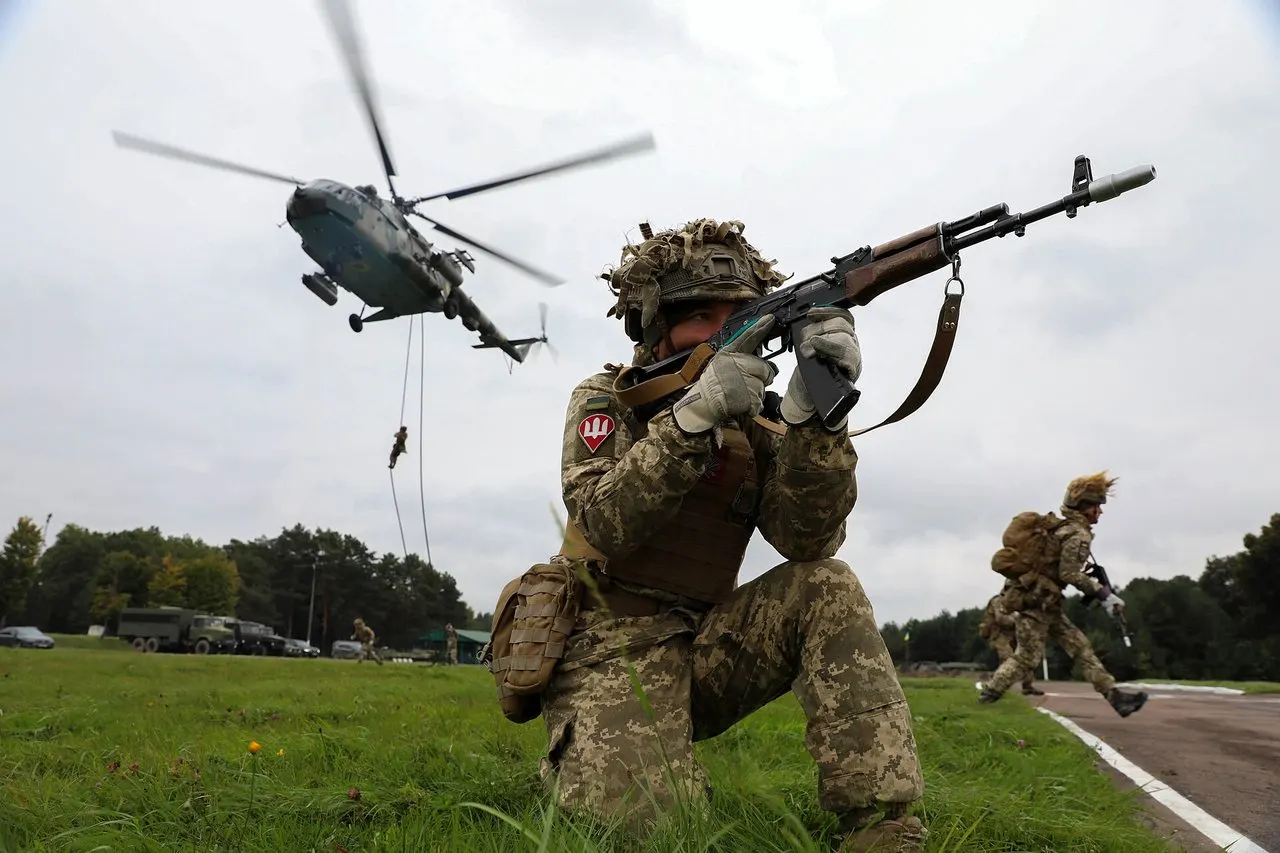
On the front lines, Ukrainian soldiers hold ground in trenches and towns that have been fought over for years. They face drones, artillery and infantry attacks, and they rely on the drones and supplies that come from behind the lines. Their courage is the reason Kyiv can still bargain from strength, and their losses are the reason the country wants a fair peace. The soldiers deserve to be remembered in the warning Liz Cheney gave her colleagues.
How the Story Reached the World
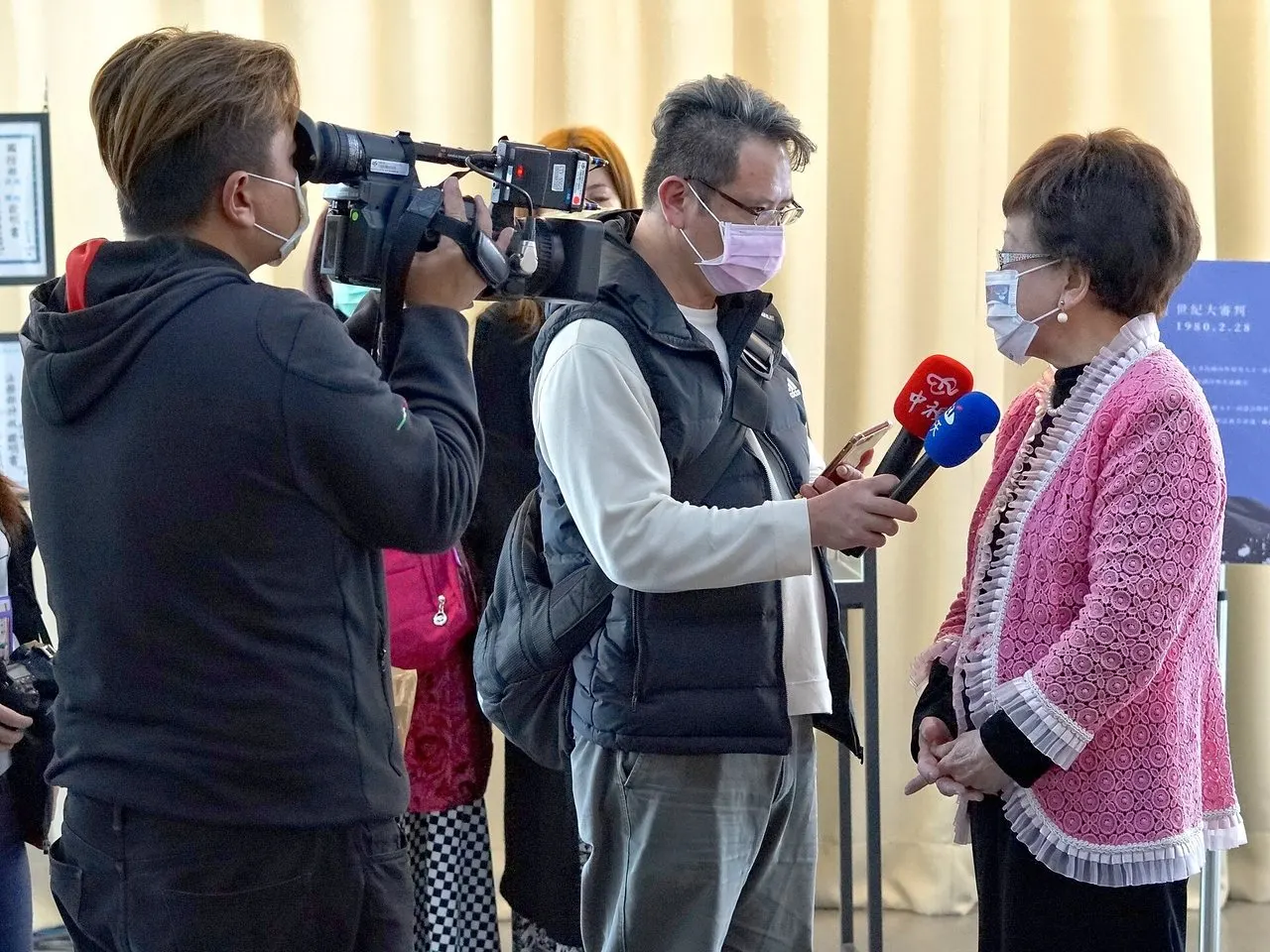
This story reached the world through newsrooms that track every strike and every statement. Reuters, Bloomberg and the Associated Press have all reported on the refinery campaign, giving readers the numbers and the names behind the headlines. Their reporting lets the public judge what is happening instead of taking any one side at its word. Good reporting is the backbone of this article. The coverage continues in Trump reporting from the briefing room after his long flight.
Zelenskyy Defies Trump and the Campaign Goes On
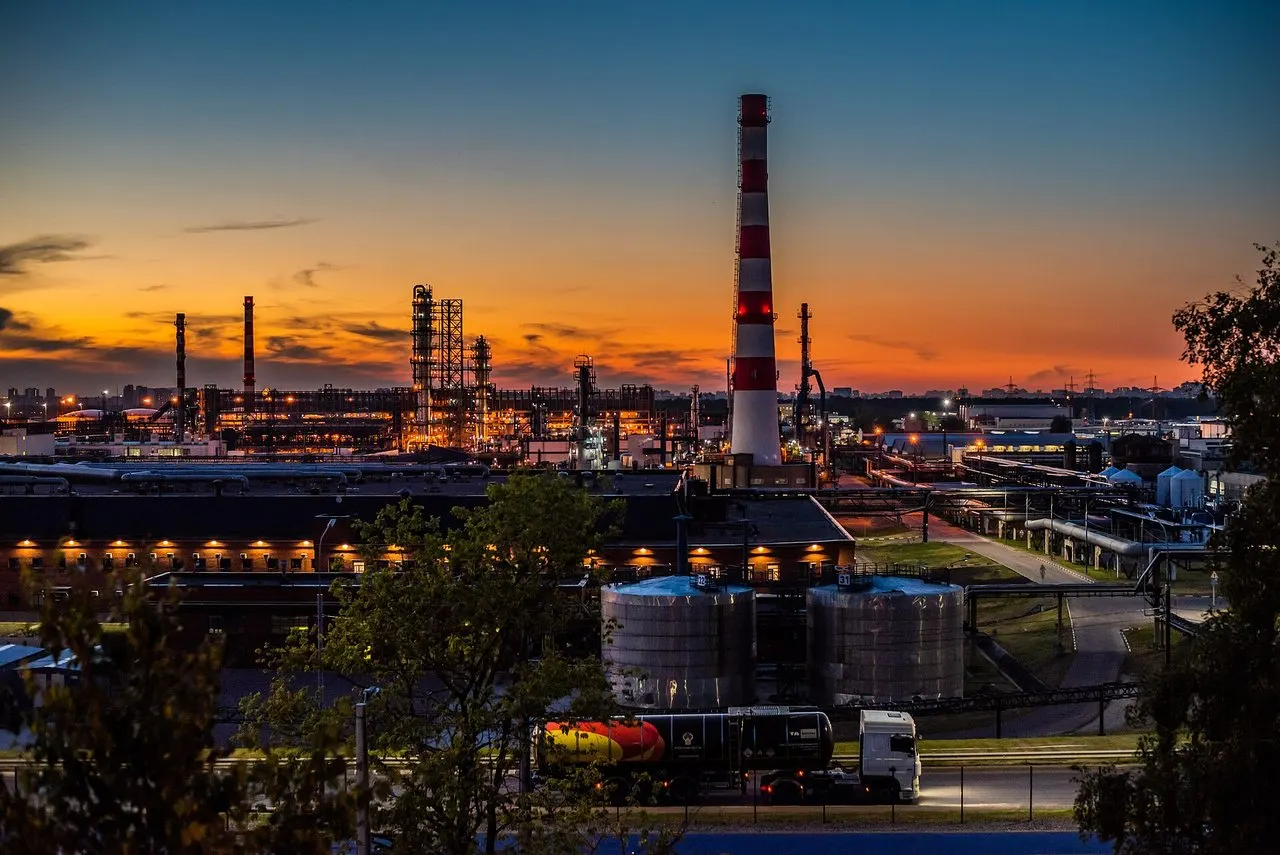
The campaign goes on, with Ukraine showing no sign of stopping the strikes. Each new hit adds to the pressure on Moscow and to the tension with Washington, and each one tests how far Kyiv can go on its own. The refineries will stay at the center of this story for as long as the fighting lasts. What happens next depends on choices made in Kyiv, Moscow and Washington. The road ahead is mapped in the handshake between Trump and Putin in China.
What Comes Next for Ukraine

What comes next for Ukraine will be decided in the weeks ahead, as talks continue and strikes go on. Kyiv wants security guarantees that last, not promises that fade when the news moves on. Washington wants an end to the fighting, and Moscow wants to keep what it has taken. Those three aims do not fit together easily, and the gap between them is where the danger lies. The hopes for peace are summed up in Melania Trump wishing for peace.
What Would You Do in Zelenskyy’s Place

If you were in Zelenskyy’s place, what would you do next? Would you keep striking the refineries, even if it angered Washington, or would you pause the campaign to give the talks a chance? Would you trust a deal that leaves Russia with gains, or hold out for terms that feel fair? There is no easy answer, and that is why this story matters. Share your thoughts in the comments below, and keep reading the deals from the Asia trip.