Alice Guo Life Sentence Shocks the Philippines
Alice Guo life sentence was handed down on November 20, 2025, when the Pasig Regional Trial Court Branch 167 found the dismissed mayor of Bamban, Tarlac, guilty of qualified human trafficking. The court sentenced her to life in prison and ordered her to pay a fine of P2 million. The case grew out of a June 2024 raid on a Pogo hub inside the Baofu compound in her town, where officers rescued more than 800 Filipino and foreign workers. The ruling made headlines across the country, much like a young man who chose assisted dying that also drew wide attention.
Guo was convicted with seven co-accused for organizing the trafficking network, and the court ordered the Baofu compound forfeited to the government. She is set to be transferred to the Correctional Institution for Women in Mandaluyong City, while she still faces other cases, including graft and money laundering, which she has denied. In the slides ahead we look at the raid, the trial, the sentence and what comes next for everyone involved, and you can also read a fraud case with hundreds of charges for another story that gripped readers this year.
References:
BusinessMirror: Guo, 7 others g*ilty, meted out life terms
BusinessWorld: Ex-Philippine Mayor Alice Guo gets life sentence for human tr*fficking
Malaya Business Insight: Alice Guo meted life sentence for human tr*fficking
Balita: Landmark ruling: Alice Guo conviction first under organizing tr*fficking
The Verdict Came Down on November 20, 2025
On November 20, 2025, the Pasig Regional Trial Court Branch 167 delivered its verdict in a case that had gripped the Philippines for more than a year. The court found dismissed Bamban mayor Alice Guo guilty of qualified human trafficking and sentenced her to life imprisonment. Court watchers noted that the ruling landed like a fight over a detention center, a story that also kept the public watching, and the decision quickly spread across newsrooms, much as a singer saying goodbye to his father did when it first broke.
Alice Guo Life Sentence Ends a Long Trial

The trial of Alice Guo drew attention because she was once the mayor of the very town where the raided compound stood. Prosecutors said the Pogo hub inside the Baofu compound was used to run a trafficking network, and the court agreed that Guo helped organize it. Readers who follow court dramas may also recall a silent shrug in Berlin, while a father spending time with his kids shows how one moment can define a public figure.
What Qualified Human Trafficking Means

Qualified human trafficking is a serious crime under Philippine law, and it covers recruiting, moving or harboring people for exploitation. In this case the court found that Guo and her co-accused organized a network, which raised the crime to its most serious form. The law treats this as a crime with no bail and a life term, a point that legal experts stress in reports like a calm family life, and that victims groups echo in stories such as a judge ordering a teenager freed.
The June 2024 Raid That Started It All

The case began with a raid in June 2024, when authorities searched a Pogo hub inside the Baofu compound in Bamban, Tarlac. Officers moved through the buildings and found signs of a large operation running behind closed doors. When the gates opened, the scale of what was inside surprised even seasoned officers. The operation resembled the kind of coordinated effort described in a rare shark found off Costa Rica, and it reminded many readers of homemade yard trees, where a single day changed many lives.
Alice Guo Life Sentence Follows Rescue of 800 Workers

During the June 2024 raid, authorities rescued more than 800 Filipino and foreign workers from the Baofu compound. Many of them had been living and working inside the hub under harsh conditions, far from their homes and families. The number 800 showed the size of the operation and why the court treated the case as a large scale trafficking network. The rescue echoed the spirit of an actress remembered at 84, and it also brought to mind a lawmaker questioned over a jet trip, a story about people helping strangers in need.
Seven Co-Accused Were Convicted With Her
Guo was not convicted alone. The court found seven co-accused guilty with her for organizing the trafficking network, a finding that placed her at the center of a group rather than acting on her own. Each of the seven also received a life sentence, which showed how the court viewed their shared roles in running the operation. Court cases with many defendants often draw wide interest, as seen in a teammate remembered by James Yap, and they raise hard questions like those in a fight over health care costs.
A Fine of P2 Million Was Ordered

Along with the life sentence, the court ordered Guo to pay a fine of P2 million. Two million pesos is a large sum, and it reflects how seriously the court viewed the crime and the scale of the network. The money does not undo the harm done to the workers, but it is part of the penalty the law sets for this offense. Money and the law often meet in stories like a scoring star from 1980 to 2026, and fines are a familiar part of cases such as a courtesy meeting in Davao City.
Alice Guo Life Sentence Includes Losing the Compound
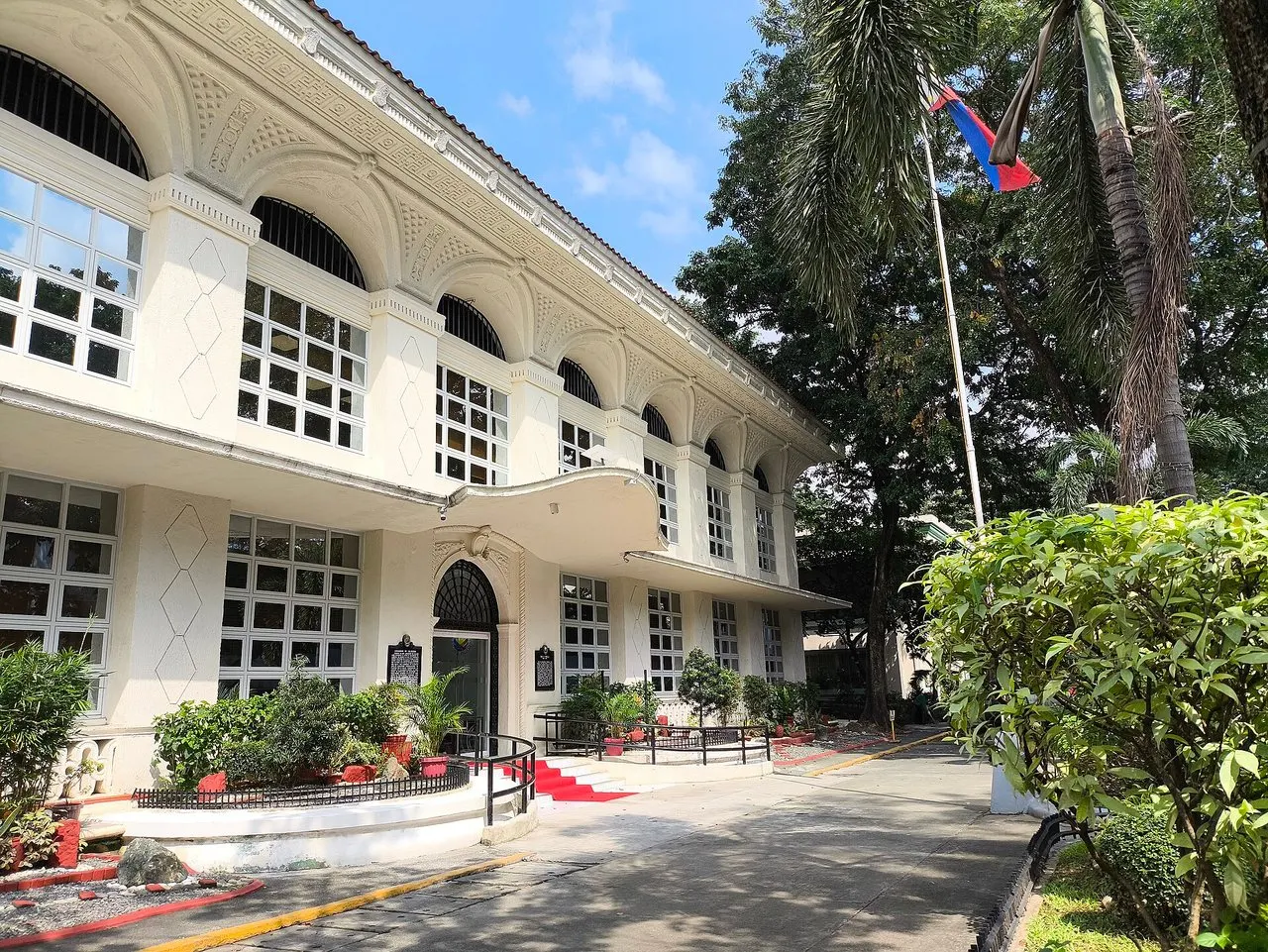
The court also ordered the Baofu compound forfeited to the government, which means the property used for the trafficking hub now belongs to the state. The compound in Bamban was the heart of the operation, so losing it was a major part of the sentence. Officials will now decide what happens to the site. Property at the center of a case also features in healthcare spending in the United States, while a first lady with a small staff shows how places can shape a story.
Transfer to the Correctional Institution for Women

Guo is set to be transferred to the Correctional Institution for Women in Mandaluyong City, the facility where women serving long sentences are held in the Philippines. The move follows the standard process after a conviction, once the court papers are complete and the transfer order is ready. For Guo, the transfer marks the start of her sentence in earnest. Stories about life behind bars often draw readers, as does an actor and an unusual dinner in Spain, and the human side of such moves appears in a plan to end horse drawn carriages.
Who Is Alice Guo, the Dismissed Mayor

Before the verdict, Alice Guo was known as the mayor of Bamban, a small town in Tarlac province in the Philippines. She was later dismissed from office as questions grew about her background and her links to the Pogo hub in her town. Her rise from local official to the center of a national case surprised many people in Bamban. Local leaders often become national figures overnight, a theme also seen in a young man who chose assisted dying, and their stories can turn in unexpected ways, as in a fraud case with hundreds of charges.
Alice Guo Life Sentence Puts Bamban in the Spotlight

Bamban is a municipality in Tarlac province, north of Manila, and it was not a place most Filipinos talked about before this case. After the verdict, Bamban became linked in the public mind with the Pogo hub and the trafficking case. Small towns rarely expect this kind of attention, and the case has left a mark on how people see the place. Towns thrust into the news also appear in a fight over a detention center, and their residents often live with the attention for years, as shown in a singer saying goodbye to his father.
What Is a Pogo Hub

A Pogo is a Philippine offshore gaming operator, a company licensed to run online gambling for customers outside the Philippines. A Pogo hub is a site where many such workers and offices are gathered in one place, often inside a walled compound. The Baofu compound was one such hub, and the court found that criminal activity ran inside it. The wider debate over these hubs continues, much like the debate in a silent shrug in Berlin, and it touches daily life in ways seen in a father spending time with his kids.
From Raid to Verdict in Seventeen Months
The road from the June 2024 raid to the November 2025 verdict took about seventeen months. In that time, investigators built the case, prosecutors filed charges, and the court heard evidence from both sides. Trials of this size move slowly because many witnesses must speak and many documents must be checked. The workers rescued in the raid waited through it all for a decision. The pace of justice is a common theme in long cases, including a calm family life, and it tests everyone involved, as readers of a judge ordering a teenager freed will know.
Alice Guo Life Sentence Means Life Behind Bars

A life sentence in the Philippines means the convicted person spends the rest of their natural life in prison. The sentence does not include the death penalty, which the country abolished, so life in prison is now the heaviest punishment available. For Guo, it means her future will be lived inside the correctional system. The weight of such a sentence is hard to grasp, a feeling captured in a rare shark found off Costa Rica, and it changes a family forever, as shown in homemade yard trees.
The Pasig Court That Heard the Case

The case was heard in Pasig City, part of Metro Manila, by Regional Trial Court Branch 167. Regional trial courts handle serious criminal cases in the Philippines, and their judges decide both guilt and sentence. The choice of court followed where the case was filed, and Branch 167 carried it from the first hearing to the final verdict. Courts in busy cities handle many heavy cases, a reality reflected in an actress remembered at 84, and their rulings often set the tone for others, as in a lawmaker questioned over a jet trip.
Care for the Rescued Workers Continues

The more than 800 workers rescued from the Baofu compound needed help after the raid, and that help did not end when the court gave its verdict. Many survivors of trafficking need shelter, medical care, counseling and help returning home or finding work. Their recovery is the quiet part of the story, away from the courtroom. The work of helpers deserves attention, like the kindness in a teammate remembered by James Yap, and it reminds us that recovery takes time, as shown in a fight over health care costs.
Alice Guo Life Sentence and the P2 Million Fine

The P2 million fine ordered with the sentence is one part of a penalty that also includes losing the compound and spending life in prison. Courts set fines to punish the offender and to show that crime carries a cost beyond jail time. The sum will be collected under the rules that govern court fines in the Philippines. Money at the heart of a case also appears in a scoring star from 1980 to 2026, and the cost of wrongdoing is a theme in a courtesy meeting in Davao City.
What Forfeiture Means for the Compound

When a court orders property forfeited, the state takes ownership of it and the former owner loses all rights to it. The Baofu compound, once the site of the Pogo hub, will now be handled by the government, which may seal it, sell it or put it to public use. It is a common step in large trafficking and drug cases. The fate of a seized property often draws public interest, as in healthcare spending in the United States, and it can reshape a neighborhood, as seen in a first lady with a small staff.
Inside the Correctional Institution for Women

The Correctional Institution for Women in Mandaluyong City is the main prison for women convicted of serious crimes in the Philippines. It houses women serving long terms, including life sentences, in dormitories with strict daily routines. Inmates take part in work, education and religious programs, and they receive visits from family under set rules. Life there is far from the public life Guo once led, a change also seen in an actor and an unusual dinner in Spain, and it is a world few outsiders know, as a plan to end horse drawn carriages suggests.
Alice Guo Life Sentence Is Not Her Only Case

Even with this verdict, Guo still faces other cases, including graft and money laundering, which she has denied. Graft cases deal with claims that a public official misused office for gain, while money laundering cases deal with hiding money that came from crime. A conviction in one case does not decide the others, so Guo will keep appearing in court. Facing several cases at once is a heavy burden, a theme in a young man who chose assisted dying, and it can stretch on for years, as readers of a fraud case with hundreds of charges know.
Graft Cases Explained in Simple Terms

Graft is a charge that a public official used their position to gain money or favor in a dishonest way. The cases often turn on documents, contracts and bank records that show where money went. Guo has denied the graft claims against her, and those cases will be decided on their own evidence. Public trust is at the heart of graft trials, a point made in a fight over a detention center, and the stakes for officials are high, as shown in a singer saying goodbye to his father.
Money Laundering Cases Explained in Simple Terms

Money laundering means taking money earned from crime and moving it through banks, businesses or property so it looks legal. In the Philippines, the Anti Money Laundering Council helps trace such funds, and courts can freeze accounts while a case is heard. Guo has denied the money laundering claims against her, and the case will turn on financial records. Following the money is a classic part of crime stories, like a silent shrug in Berlin, and it often decides the outcome, as in a father spending time with his kids.
Alice Guo Life Sentence Marks a First

One report called the ruling a landmark, saying the conviction was the first under the law on organizing trafficking. That matters because it shows the courts are willing to use the organizing charge against people who run a network, not only against those who carry out single acts. For the workers rescued in Bamban, the first also carries a personal meaning. Firsts often make history, a feeling captured in a calm family life, and they can change how a law is used, as seen in a judge ordering a teenager freed.
What Happens Next for Guo

After a conviction, the defense can ask a higher court to review the ruling, a step known as an appeal. An appeal does not start the trial over, but asks judges to check whether the law was applied correctly. Guo can also keep fighting her other cases while the appeal moves forward. The process can take a long time, and the sentence stands unless a higher court changes it. The next chapter is therefore still unwritten, a feeling familiar to readers of a rare shark found off Costa Rica, and it will be watched closely, much like homemade yard trees.
The Wider Crackdown on Pogo Hubs

The Guo case sits inside a wider crackdown on Pogo hubs across the Philippines. The government moved to close the hubs after reports linked them to scams, illegal detention and trafficking, and many sites have since been shut down. Workers, both Filipino and foreign, were affected by the closures, and officials say the goal is to end the crimes tied to the industry. Big policy changes often divide opinion, a theme in an actress remembered at 84, and they reshape whole towns, as shown in a lawmaker questioned over a jet trip.
What Do You Think of the Verdict

Was the punishment right for the scale of the network, and what should happen to the Baofu compound now that the state owns it? What support should the rescued workers receive, and how should the country handle the other cases she still faces? We want to hear what you think, so share your views in the comments below and tell us which part of this story stayed with you. You may also enjoy a teammate remembered by James Yap, two more stories our readers have been talking about.