The Confederate Statue Debate Started With One Question
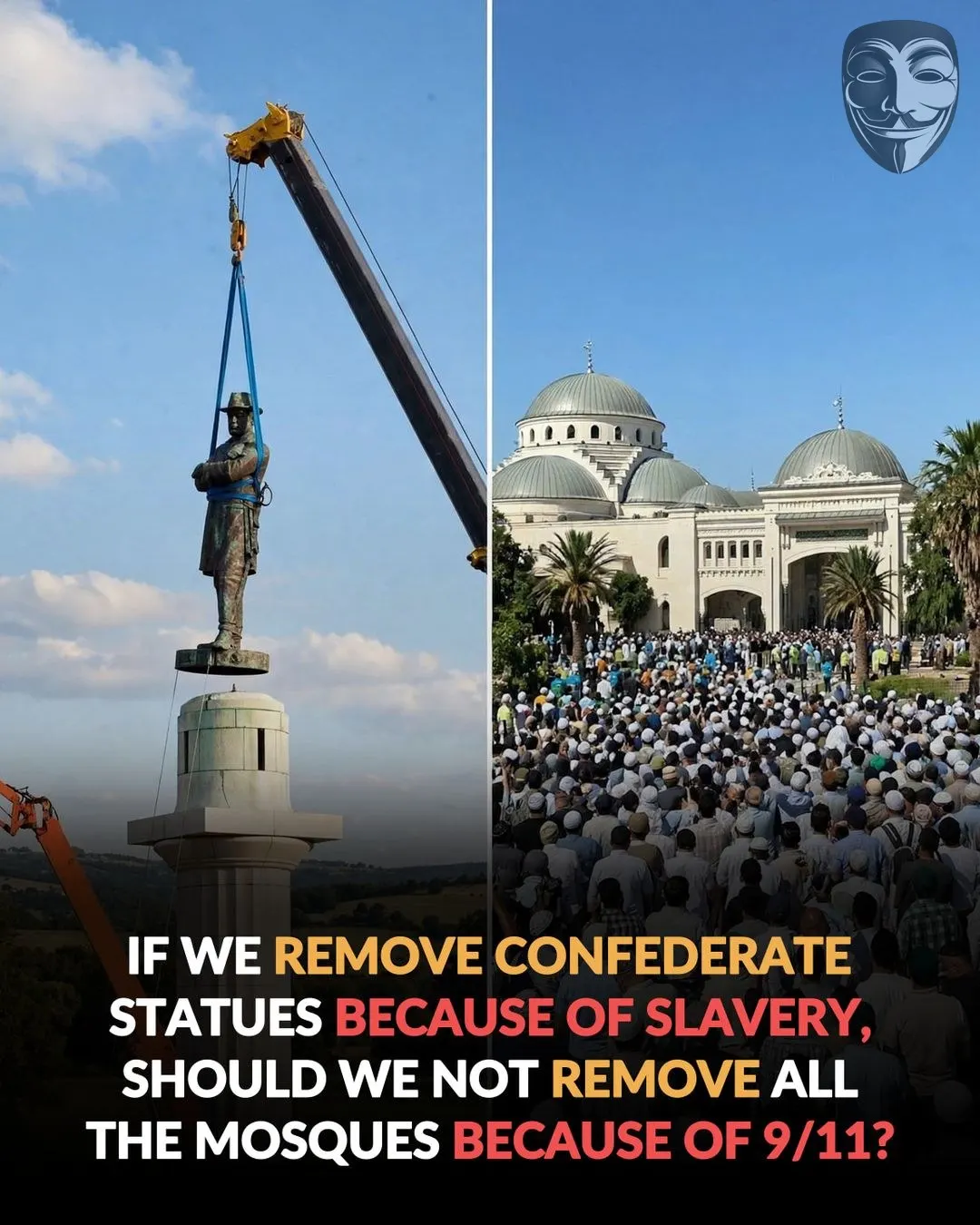
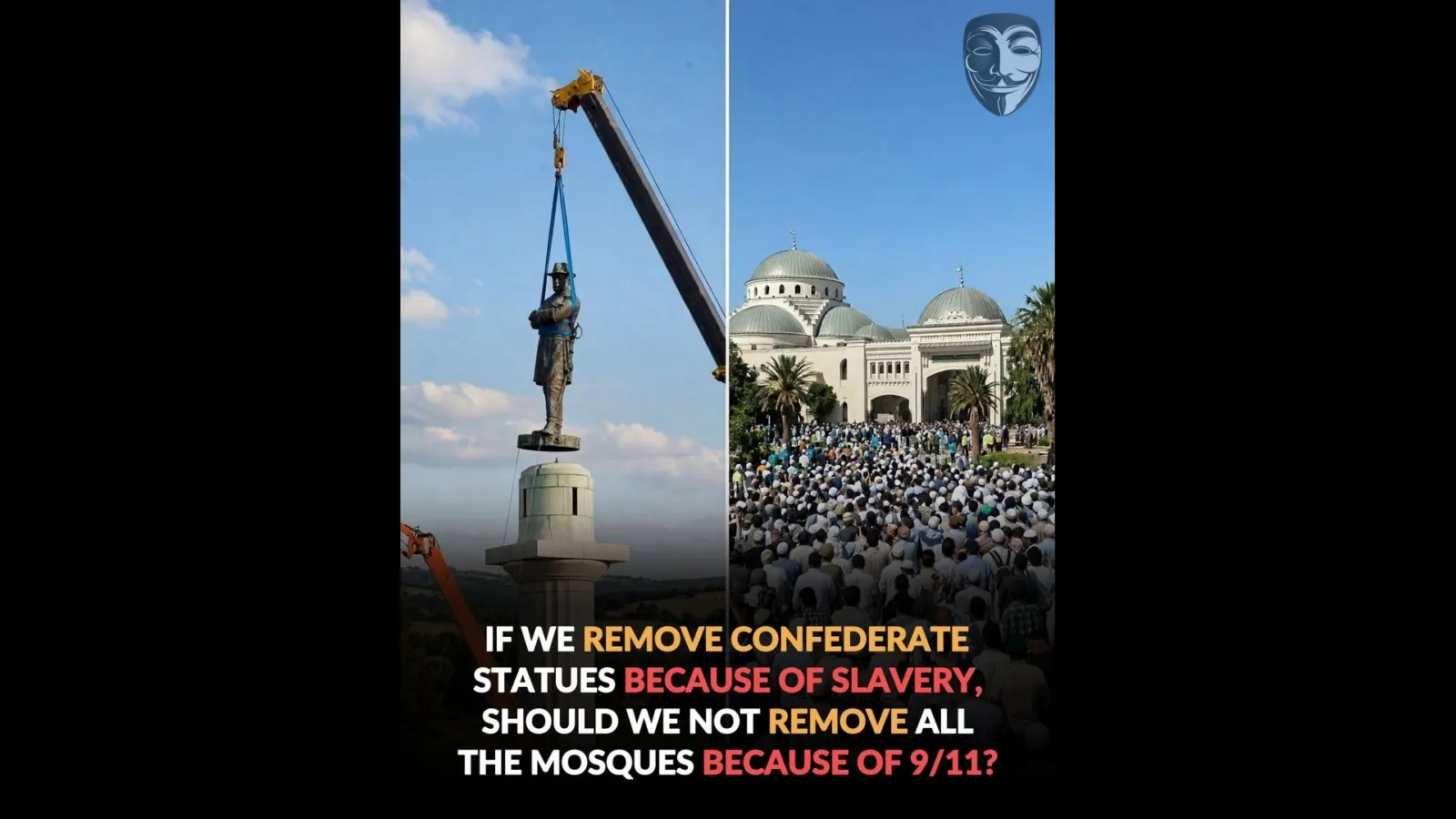
The Confederate statue debate started with one question posted beside two photos, and it spread because it touched a nerve many Americans already felt. One photo showed a crane lifting a Confederate statue off its pedestal, while the other showed a large crowd gathered outside a mosque. The post asked why statues tied to slavery were taken down while mosques stayed standing after the attacks of September 11, 2001. Nobody in the post called for mosques to be torn down. The point was the double standard, and the quiet that followed the question said a great deal.
In the slides ahead, we look at what really happened to Confederate monuments, what the numbers show, and why this question keeps coming back. More than 300 Confederate monuments have been taken down since 2020, and the debate is still live in Richmond, in Georgia, and in Baltimore. For more on how political moments turn into national arguments, read our story on a viral moment at the Pentagon 9/11 ceremony.
References:
Smithsonian Magazine: The U.S. Removed Over 160 Confederate Symbols in 2020, but Hundreds Remain
WHRO: Richmond grapples with legacy of Confederate statues amid Trump DEI orders
Now Georgia: Bill backed by Confederate monument defenders knocked down in the Georgia House
Baltimore Chronicle: Baltimore Confederate Statues: City Rejects Park Offer
Two Photos Side by Side in the Confederate Statue Debate
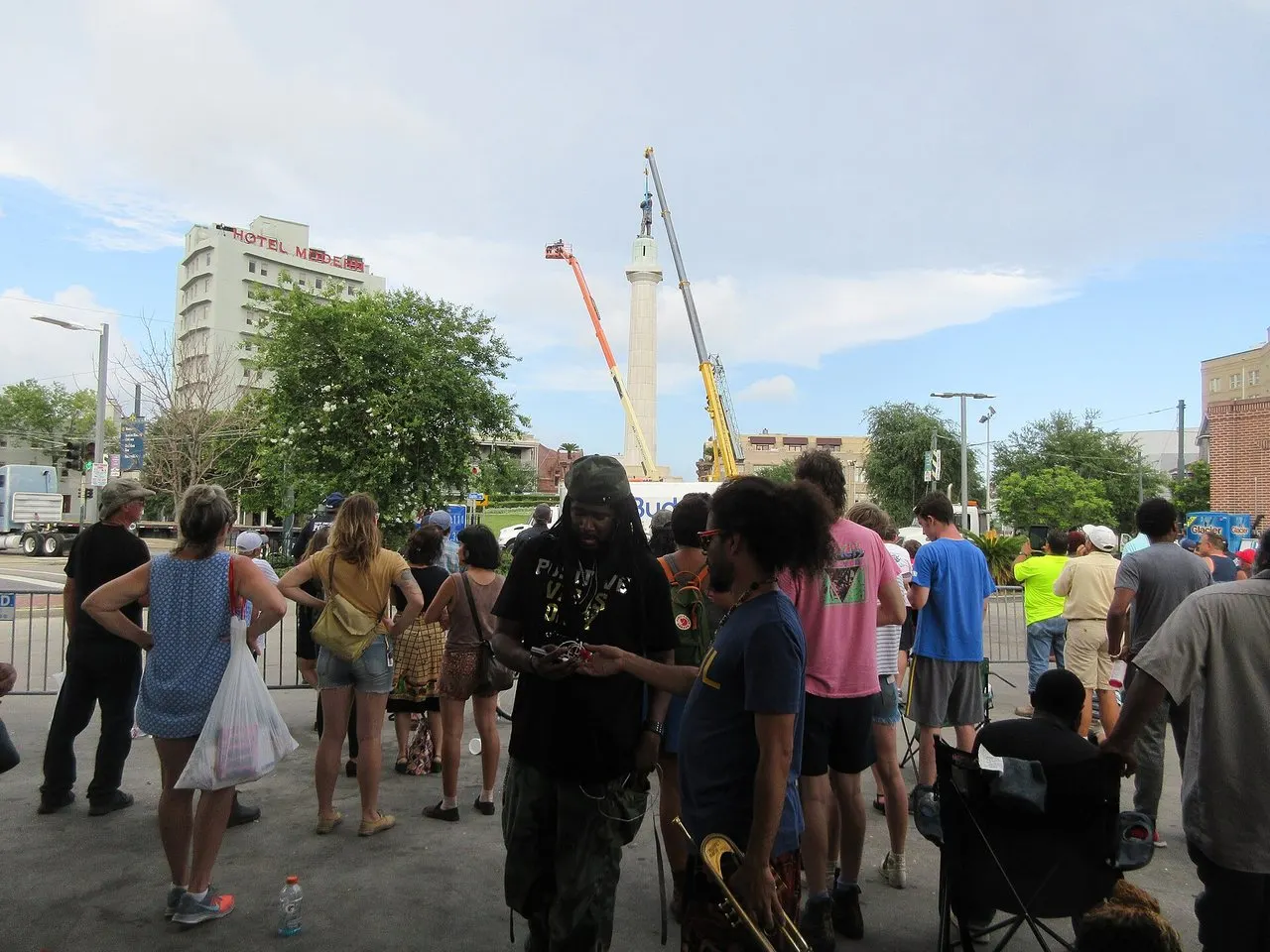
The post worked because it used two photos that told the story in seconds. On one side, a crane lifted a Confederate statue from its pedestal, the kind of scene that became familiar in American cities after 2020. On the other side, a large crowd stood outside a mosque, calm and gathered for prayer. Put together, the images asked a question that words alone could not carry as far. For more on moments that spread fast, see the Pentagon ceremony moment.
What the Crane Was Lifting
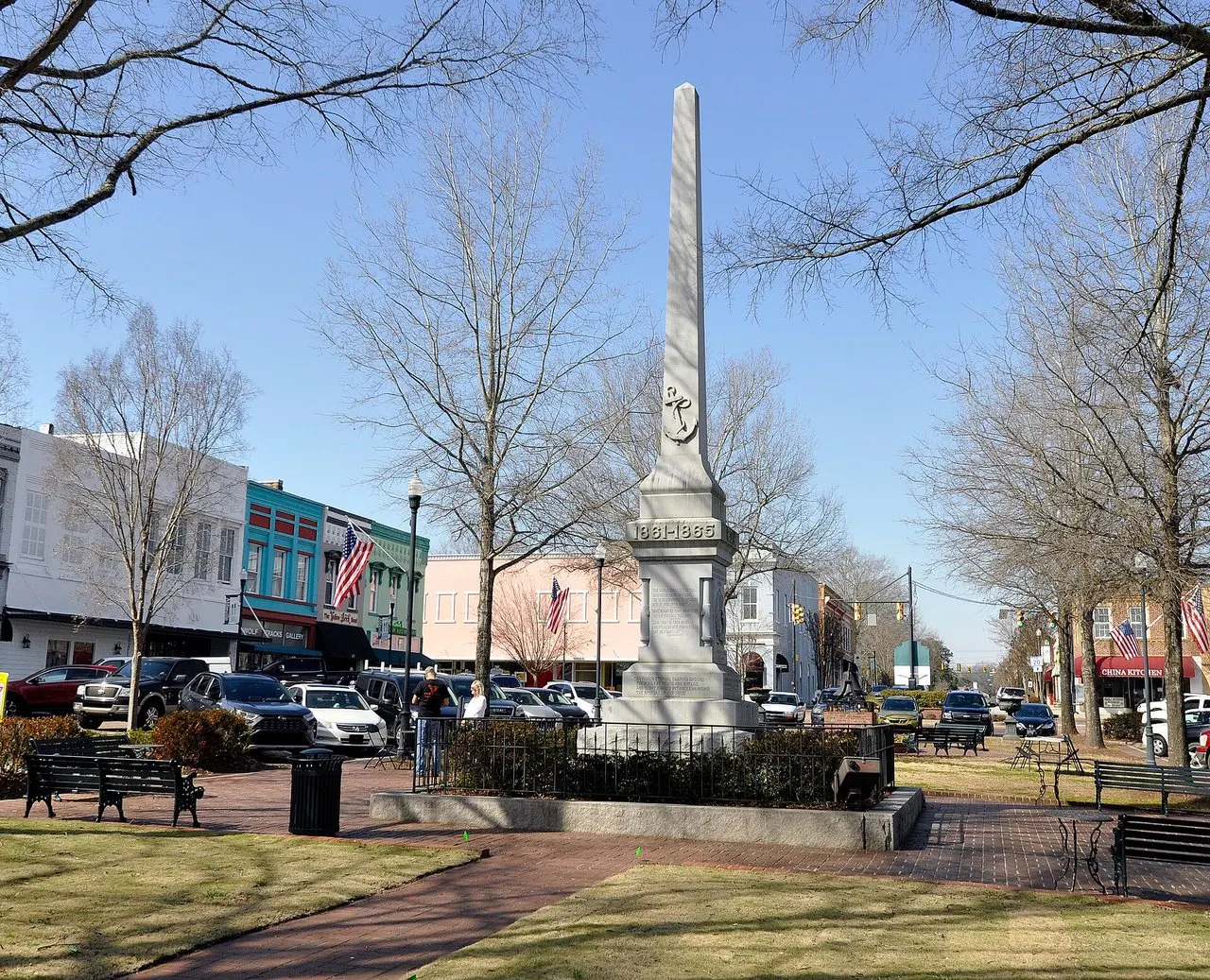
The statue in the first photo was one of hundreds of Confederate monuments that stood in town squares, courthouse lawns, and parks across the South for more than a century. Most of them were raised decades after the Civil War ended in 1865, often in the late 1800s and early 1900s, as memorials to soldiers and leaders of the Confederacy. For supporters, they honored heritage and the men who fought. For critics, they honored a cause built on slavery. Read about other symbols that divide opinion in a debate over hiring rules.
What the Crowd Outside the Mosque Was Doing
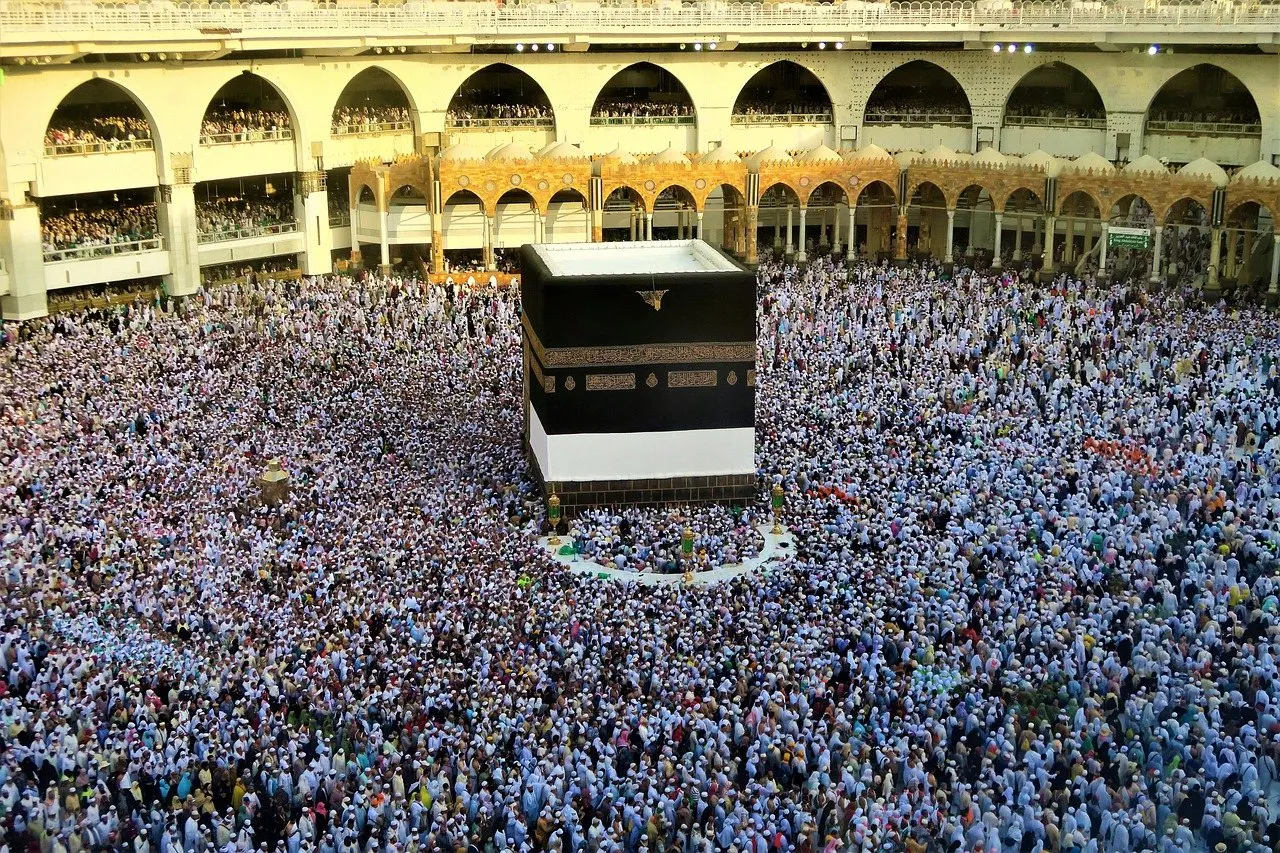
The crowd in the second photo was gathered for prayer, the everyday purpose of a mosque. Mosques are houses of worship where Muslims gather five times a day, and Friday crowds grow large for the weekly prayer. The post never claimed the people in the photo did anything wrong, and it never called for their mosque to be touched. The crowd was there to show what stayed standing, not to blame anyone. Learn more about faith in American life in a study about the future of faith in America.
The Confederate Statue Debate Is About a Double Standard

The page behind the post was clear, and the original caption said it twice. Nobody is actually calling for mosques to be demolished. The point is the double standard, history gets erased when it offends the right people. The post argues for one rule for some Americans and another rule for the rest. Either we judge the past by one standard, or the removals were never about the past at all. That is the claim at the heart of this debate. See other fairness debates in a recent briefing on air travel.
More Than 300 Monuments Have Come Down Since 2020
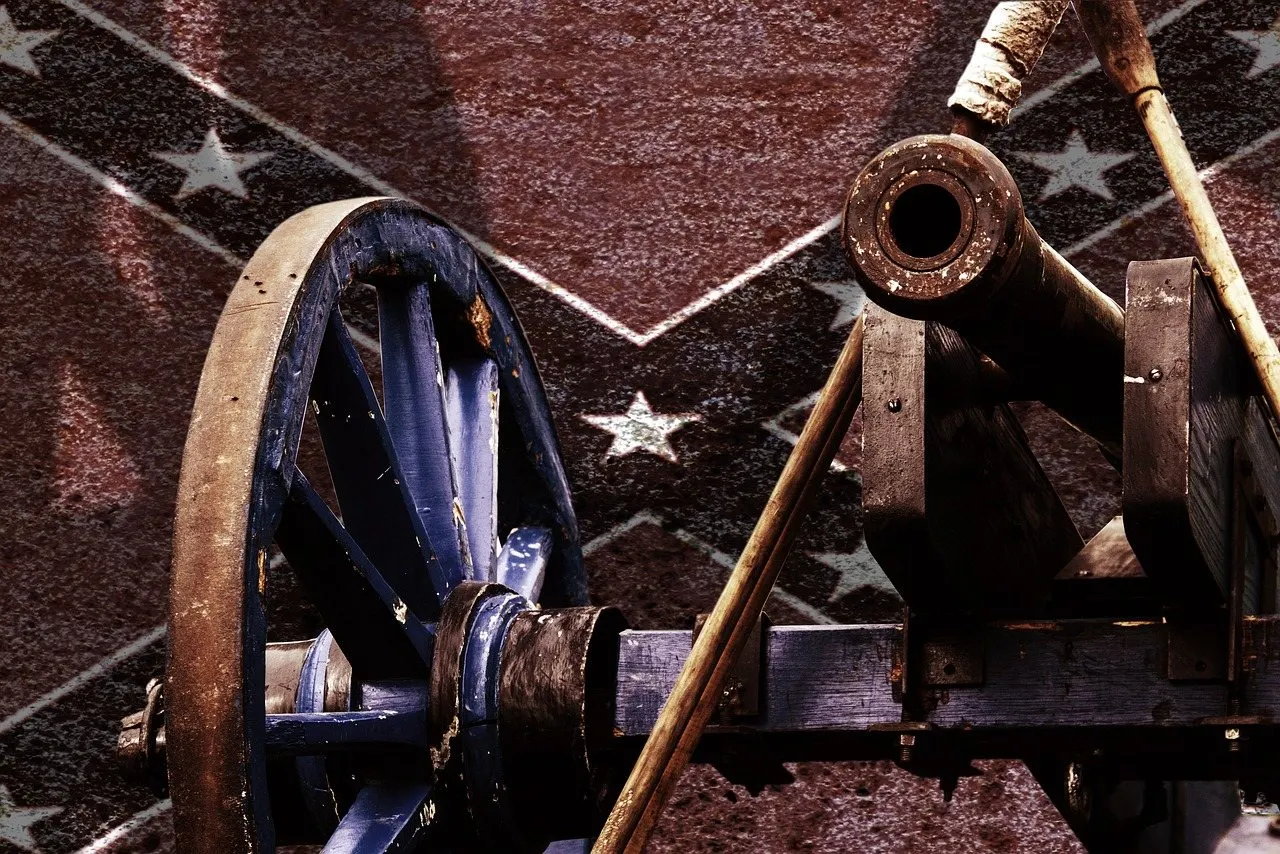
The statue removals in the post are real and well documented. More than 300 Confederate monuments have been taken down since 2020, according to the Southern Poverty Law Center, a group that has tracked these symbols for years. The removals happened in cities large and small, from courthouse lawns to college campuses, and many came after protests and long public fights. Some statues were moved to museums or storage, while others were taken down in the middle of the night. Read more about fast-moving national stories in a historic trip across Asia.
One Year Changed Everything: 168 Symbols in 2020
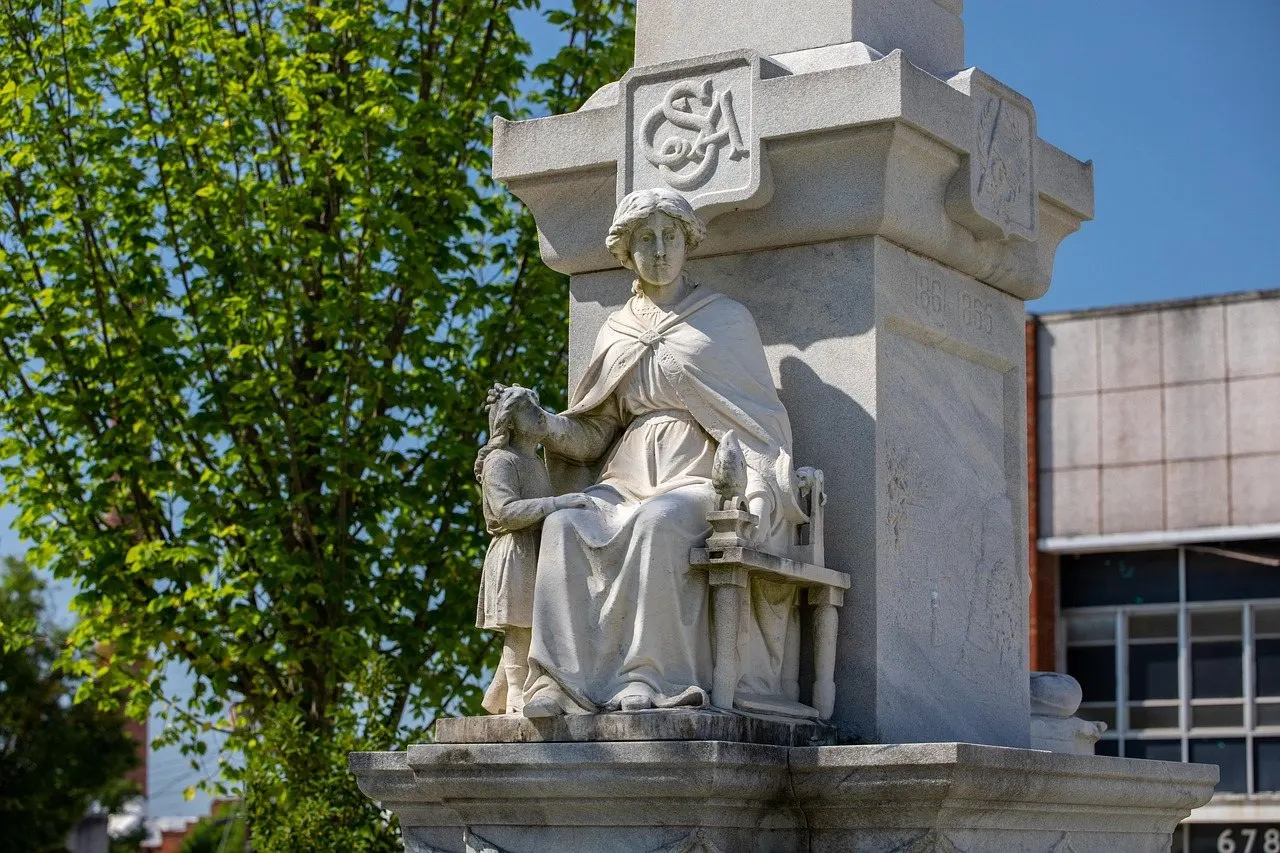
The year 2020 did more than any other to change the map of Confederate symbols in America. In that single year, 168 Confederate symbols were removed or renamed, according to the Southern Poverty Law Center. Protests after the death of George Floyd pushed city councils to act, and statues that had stood for generations came down in a matter of weeks. The pace surprised even people who had campaigned for removal for years. For more on years that changed the country, read a call for Americans to have more babies.
What the Smithsonian Count Says About the Confederate Statue Debate
Smithsonian Magazine reported that the United States removed over 160 Confederate symbols in 2020, but hundreds remain. That gap matters, because it shows the work of removal was large and still unfinished. Hundreds of monuments, school names, and other symbols tied to the Confederacy are still standing in public places across the country. Supporters of removal say the job is half done, while defenders say the remaining statues should stay. See how numbers shape other debates in a question about what data centers should share.
Richmond Is Still Grappling With the Legacy
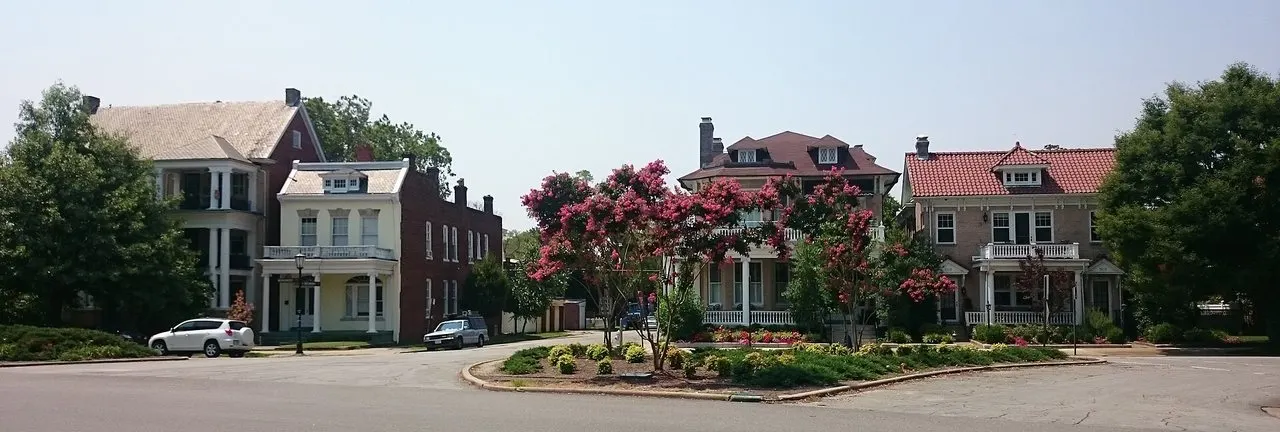
Richmond, Virginia, was once the capital of the Confederacy, and its Monument Avenue held some of the most famous Confederate statues in America. WHRO reports that the city is still grappling with the legacy of those statues amid new federal orders on diversity programs. The grand statues are gone from the avenue, but the empty pedestals and the debate about what replaces them remain. Richmond shows that taking a statue down is only the first step. Read more about cities at the center of national debates in an arrival in the Philippines.
A Georgia Bill Backed by Monument Defenders Failed
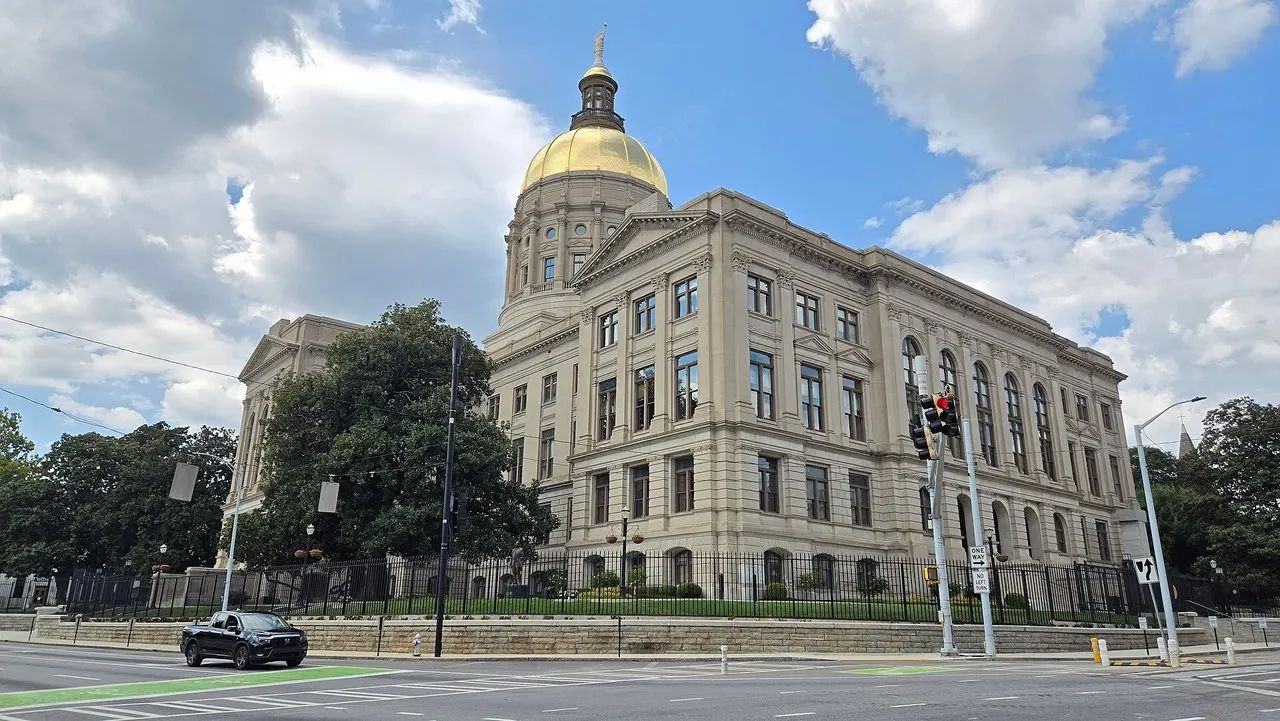
In Georgia, a bill backed by defenders of Confederate monuments was knocked down in the Georgia House, according to Now Georgia. The bill would have made it harder to remove monuments, and its defeat showed that even in the Deep South, lawmakers are split on the question. Supporters of the bill said the monuments protect history. Opponents said the state should not force cities to keep symbols they no longer want. For more on close votes and hard calls, read questions in a congressional hearing.
Baltimore Said No to a Park Offer

Baltimore has its own chapter in this story. The Baltimore Chronicle reports that the city rejected a park offer tied to its Confederate statues, turning down a deal to move the monuments to a new home. The statues had already been removed from public land in the city, and the offer raised fresh questions about who should pay to keep them and where they belong. Baltimore’s answer was to walk away from the deal. Read about other local fights in a bill to shut a facility down.
Trump Orders a Review as the Confederate Statue Debate Grows
The debate is still live at the highest level of government. President Donald Trump has ordered a review of monuments removed since 2020, a move that could shape whether some statues return to public land. Supporters of the review say the removals went too far and too fast, and that history should not be decided by a single summer of protests. Critics say a review is a step toward bringing back symbols that cities chose to remove. For more on the president’s recent moves, see a warm greeting in China.
The Defense Department Looks at Arlington
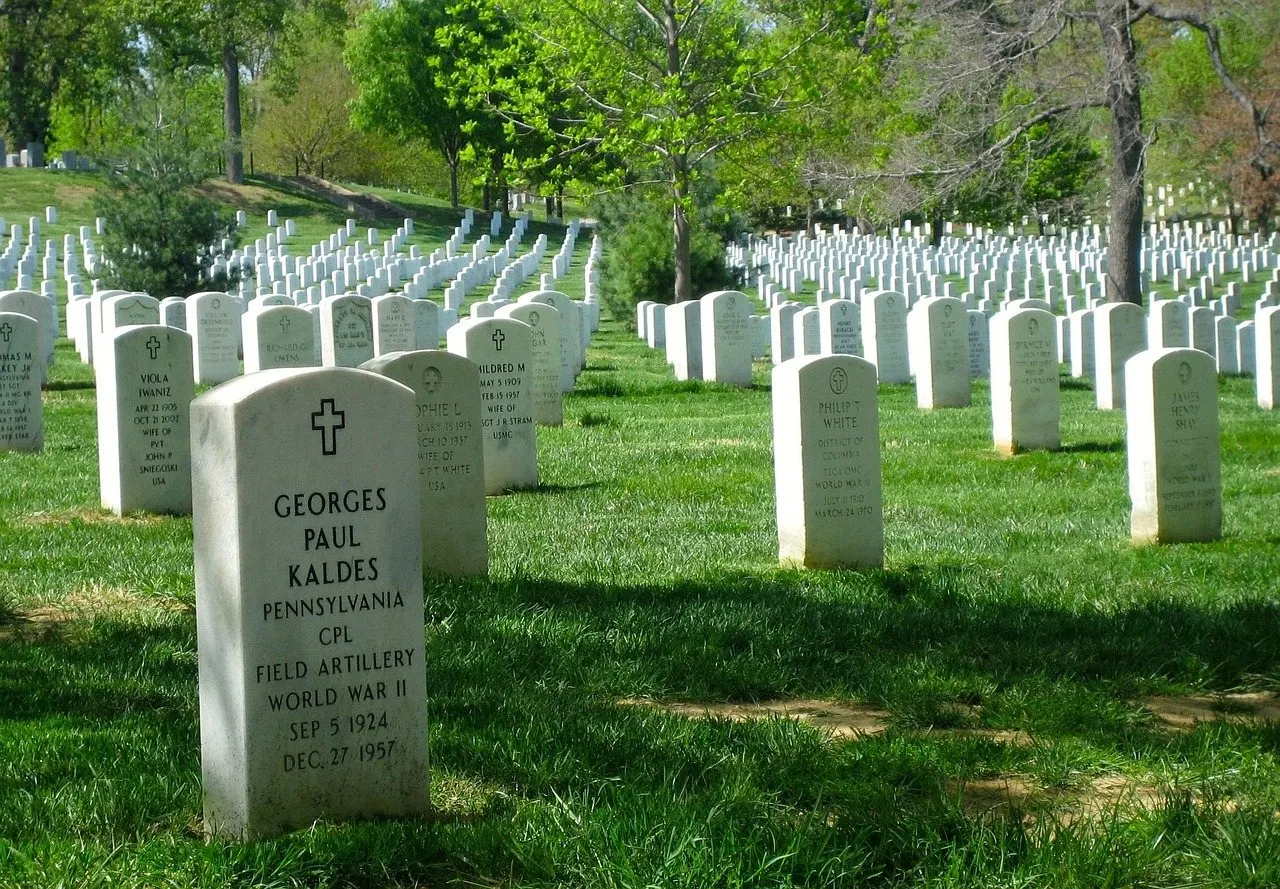
The Defense Department is moving to restore the Confederate Memorial at Arlington National Cemetery, one of the most visited burial grounds in the country. The memorial has stood among the graves of American soldiers for generations, and its future became a question when the wider removal effort reached the cemetery. Restoring it would mark a clear turn from the removals of the past few years. Supporters call it a correction, while critics call it a reversal. Read about other decisions from Washington in a former congresswoman’s warning.
Why the Statues Went Up in the First Place
To understand the fight, it helps to know when most Confederate statues were built. The Civil War ended in 1865, but most monuments went up decades later, in the late 1800s and early 1900s, when groups across the South raised money to honor Confederate soldiers. Many were placed in front of courthouses and town halls, where everyone would see them. Historians say the statues were also a message about who held power in those towns. Learn more about history that still shapes today in a summit that brought three countries together.
How a Statue Comes Down in the Confederate Statue Debate
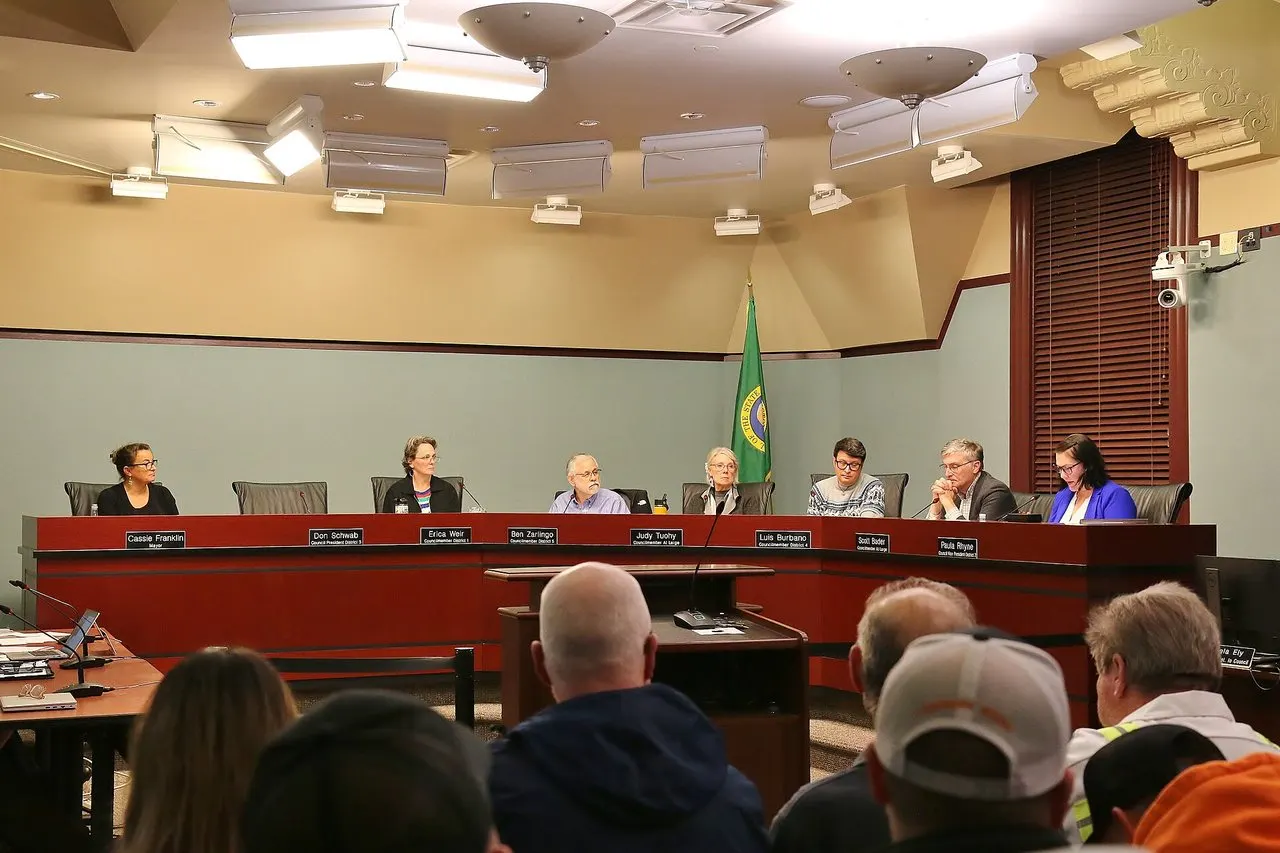
A statue rarely comes down overnight, even when the decision feels sudden. In most cities, the process starts with a vote by a city council or a county board, often after months of public meetings and packed hearings. Crews then arrive with cranes and trucks, sometimes at dawn, to lift the statue from its pedestal and carry it away. Some statues go to museums, some go to storage, and some wait years for a final home. For more on how public decisions get made, read a report from the briefing room.
Mosques Are Houses of Worship, Not Monuments

The other half of the post’s comparison matters. A mosque is a living house of worship, used every day by families who pray, study, and gather there. It is not a monument to a person or a cause, and it does not honor a war or a leader. In the United States, houses of worship are protected by the First Amendment. That protection is why the post never called for a single mosque to be touched. The question was about statues, not about faith. Read more in a report on a changing America.
What Happened on September 11, 2001
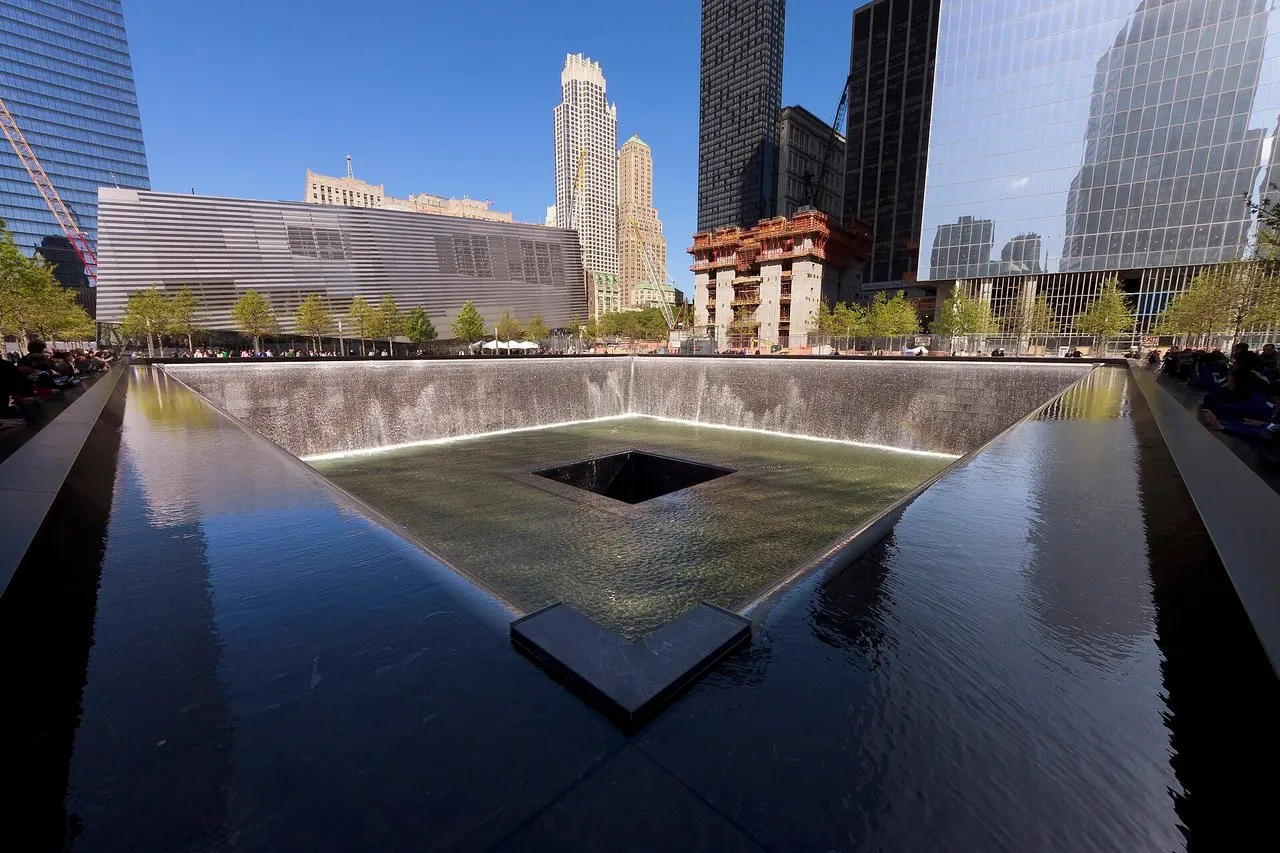
The post points back to September 11, 2001, a morning that changed America. On that day, terrorists hijacked four planes and crashed them into the World Trade Center, the Pentagon, and a field in Pennsylvania. Nearly 3,000 people were killed, and the country went to war in the years that followed. Mosques in America had nothing to do with the attacks, and Muslim Americans were among the victims and the first responders. For more on that day, see a post that compared a ceremony to a nursing home scene.
Why the Question Lands in the Confederate Statue Debate
The question lands because it names a feeling many people have but rarely say out loud. When a statue that stood for a century can be lifted away in a morning, people start to wonder which parts of the past are safe and which are not. The post gives that worry a simple shape, two photos and one line. Readers who feel the rules change with the politics will nod at it, even if they disagree about statues. See other questions that split the country in a speech about dishonor that outlasts a presidency.
Why the Comparison Troubles Others
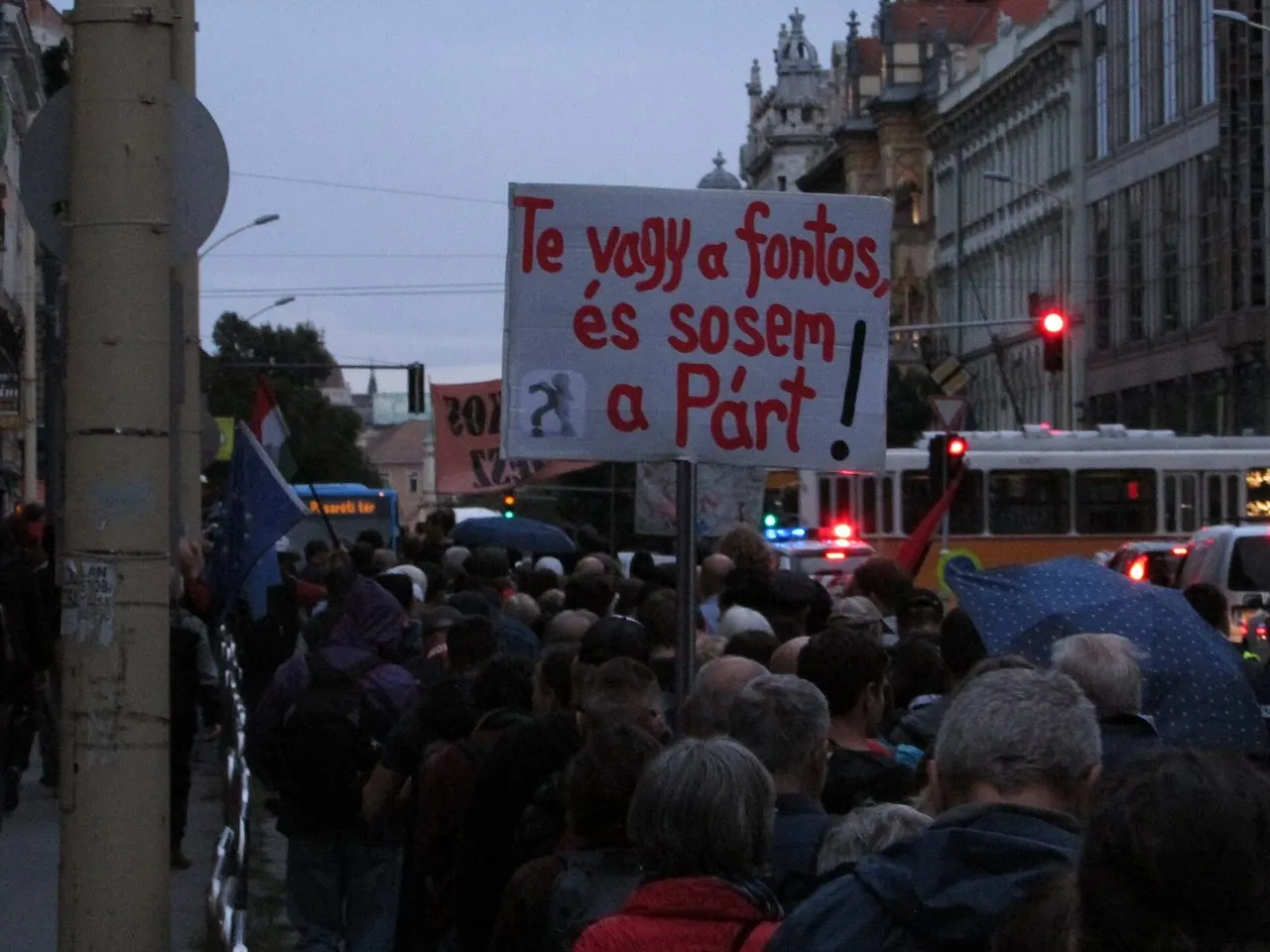
Not everyone accepts the comparison, and the objections are worth hearing. Critics say a statue honoring leaders who fought to keep slavery is not the same as a house of worship used by living families. They say statues are public honors chosen by a government, while mosques are private places of faith protected by law. They also say the post skips over the pain that Confederate symbols cause to Black Americans whose ancestors were enslaved. Read more on arguments that divide the country in a meeting that raised questions.
One Standard or Two in the Confederate Statue Debate
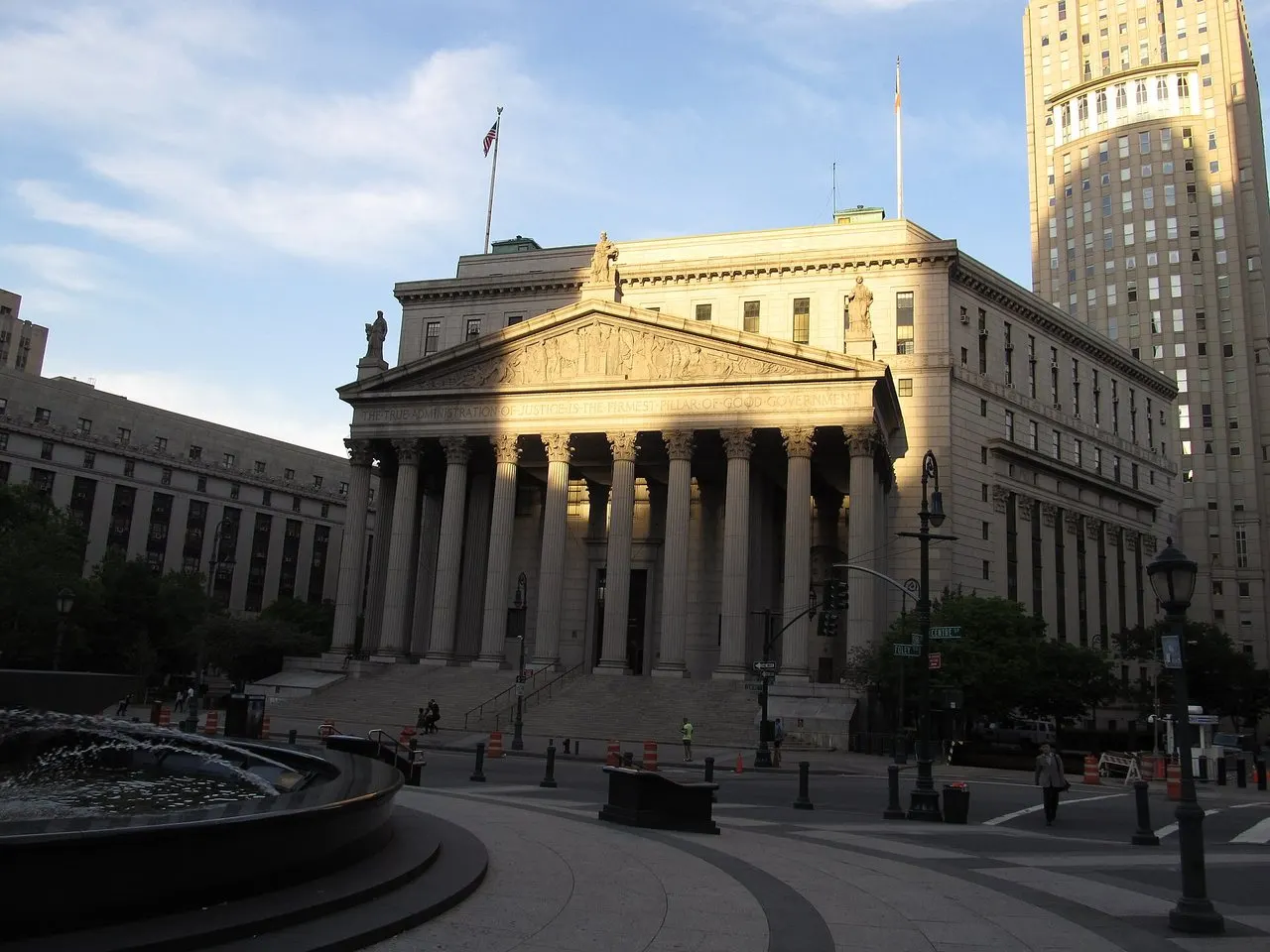
The post ends with a challenge that is hard to walk away from. Either we judge the past by one standard, or the removals were never about the past at all. That line is the heart of the argument, and it asks readers to pick a side. Supporters say one standard would protect every part of history, even the parts that hurt. Critics say one standard is exactly what removal delivers, because a public square should not honor a cause built on slavery. For more, read a debate over water and power use.
What the First Amendment Says About Symbols and Faith
The law treats statues and mosques very differently, and that difference shapes the whole debate. The First Amendment protects the free exercise of religion, so the government cannot tear down a mosque. Statues on public land are another matter, because a city chooses what it honors in its own squares. Courts have said governments can decide which monuments stand on public property. That legal gap is why the post’s question is moral rather than legal. Read more in a greeting that called a leader ‘my friend’.
What Happens Next in the Confederate Statue Debate
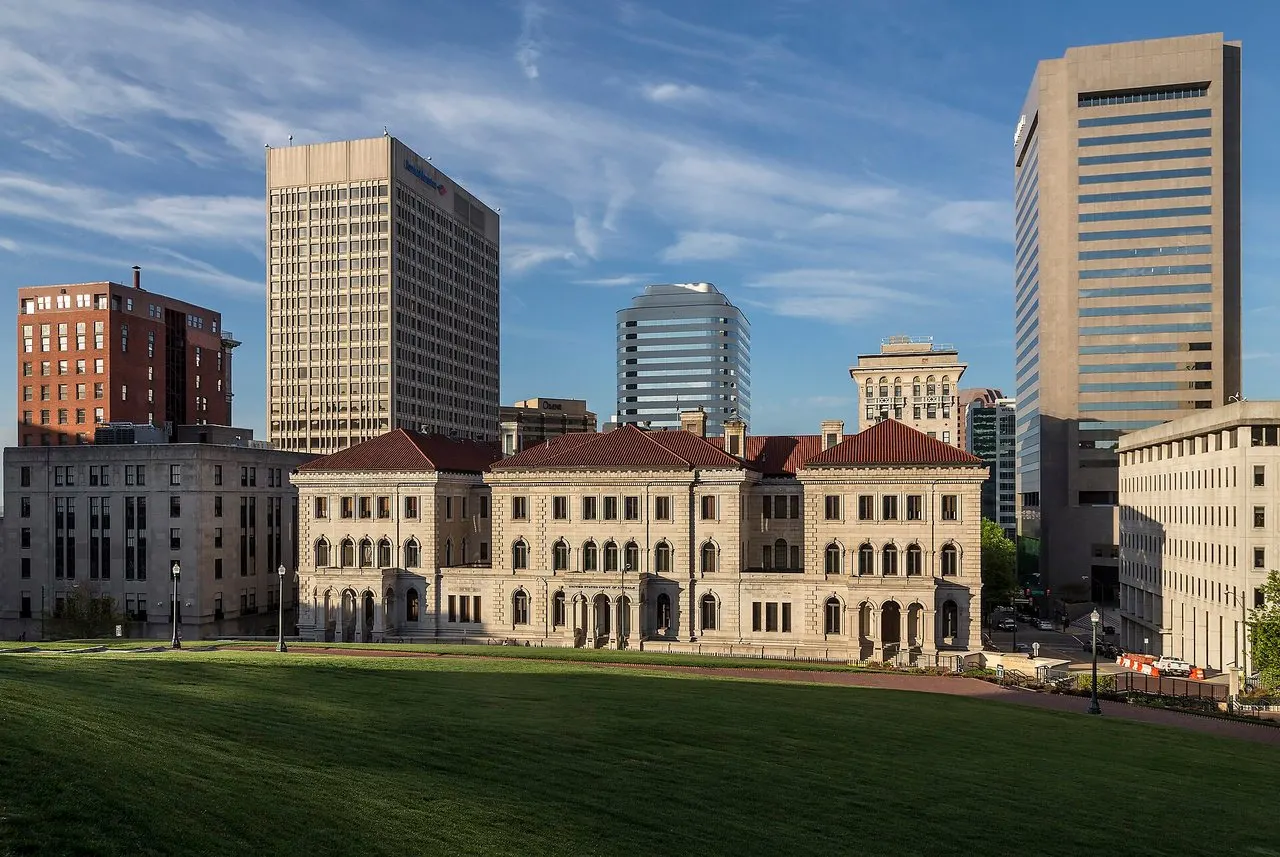
The next chapter is already being written. The review ordered by President Trump could lead to some statues returning, while cities that removed them may fight to keep them down. Richmond is still deciding what should replace the empty pedestals on Monument Avenue, and Georgia and Baltimore are still working through their own answers. Museums, storage yards, and town squares all hold pieces of the story. Follow other stories still unfolding in a China trip with big deals.
How to Talk About History Without Erasing It

There may be a middle path that both sides can accept, and it starts with telling the full story. Museums can display a removed statue with a plaque that explains who built it, when, and why, so visitors learn the history instead of walking past it. Schools can teach the Civil War with the voices of the enslaved as well as the generals. A statue in storage can still teach, if the story around it is honest. For more on learning from the past, read a new break for older taxpayers.
What Do You Think of the Confederate Statue Debate?

We have looked at the photos, the numbers, the cities, and the law, and now the question belongs to you. Do you think statues should be judged by the same standard as every other part of the past, or is there a real difference between a monument and a mosque? Should removed statues go to museums, stay in storage, or return to public squares? Tell us what you think in the comments below, and share this story with someone who sees it differently. For more, read a detention center that earned millions.