Palestinian Self-Determination Wins Backing From 162 Countries
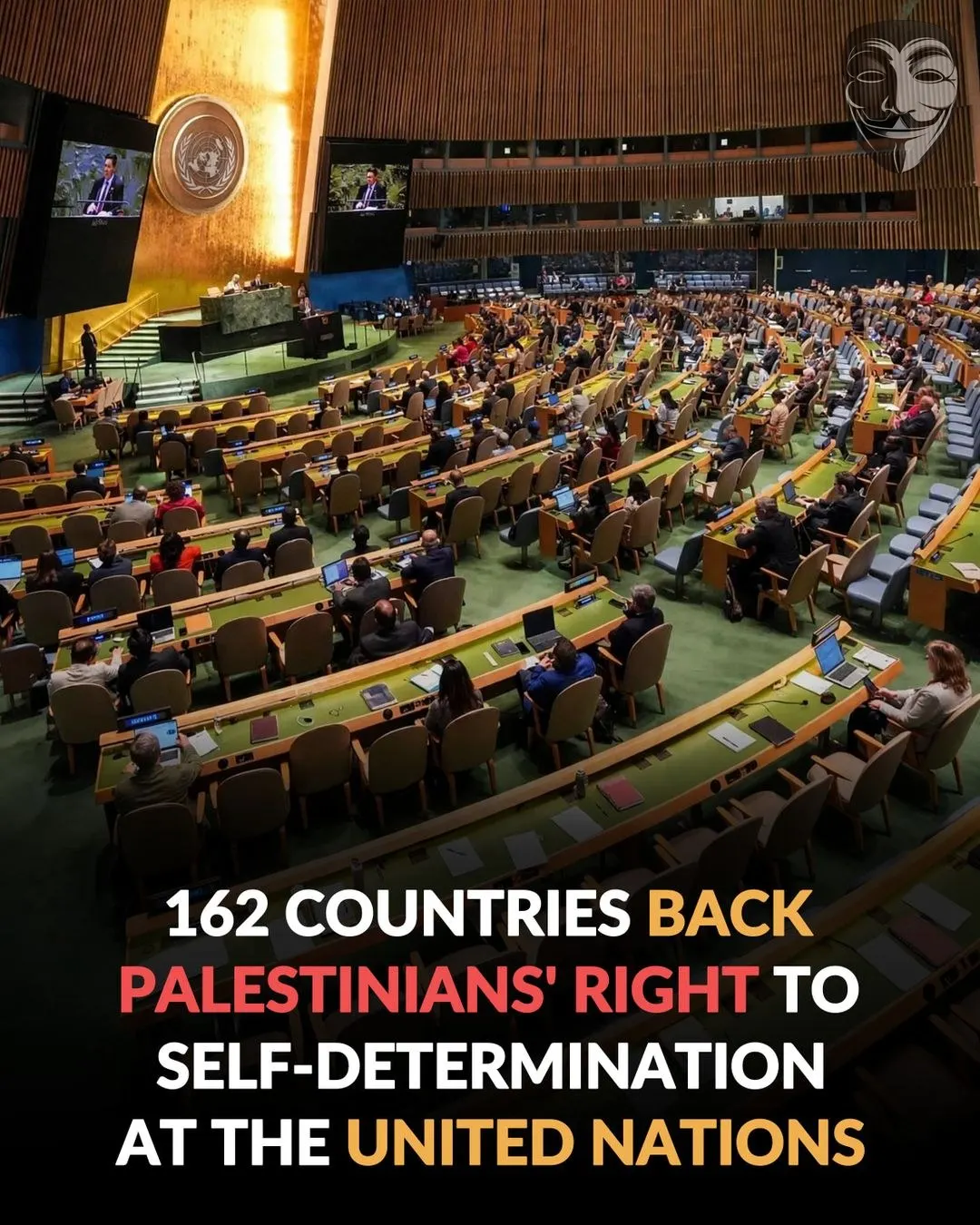
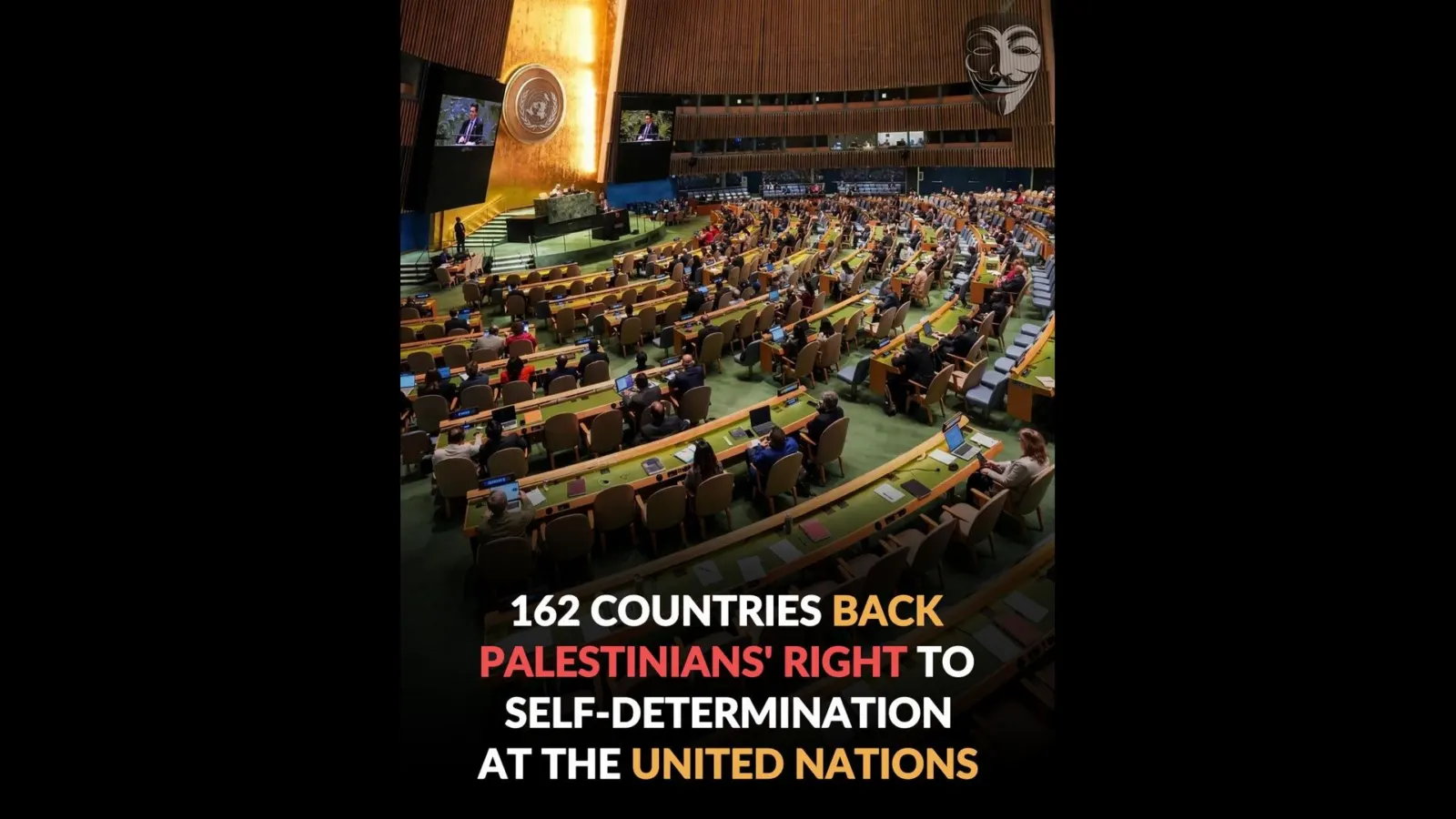
Palestinian self-determination won a big show of support at the United Nations on Thursday, when 162 countries voted in favour of a draft resolution affirming the right of the Palestinian people to self-determination and independence. The vote took place in the General Assembly Third Committee, which deals with human rights and humanitarian affairs. Eight countries voted against the draft, and eight more abstained. Egypt submitted this year’s draft on behalf of the Organization of Islamic Cooperation. The result showed how broad the backing is, and it sets up a final vote in the full General Assembly.
In the slides ahead we look at who voted yes, who voted no, and what the numbers mean for the months ahead. The countries in favour included Canada, Australia, all European Union member states and most countries in South America, Asia and Africa. The eight no votes came from the United States, Israel, Argentina, Paraguay, Micronesia, Nauru, Papua New Guinea and Palau. For more on votes at the world body, read our report on another vote at the United Nations and our story on a Senate vote on war powers.
References:
Middle East Monitor: 162 Countries Back Palestinians Right To Self Determination At UN
Addis Standard: UN Committee Adopts Palestinian Self Determination Resolution With 162 Votes Eight Against
Al Shorouk: UN Adopts Resolution Affirming Palestinians Right To Self Determination
The Turkiye Times: UN Committee Adopts Turkiye Backed Palestine Resolution With 162 Votes
162 Votes for Palestinian Self-Determination
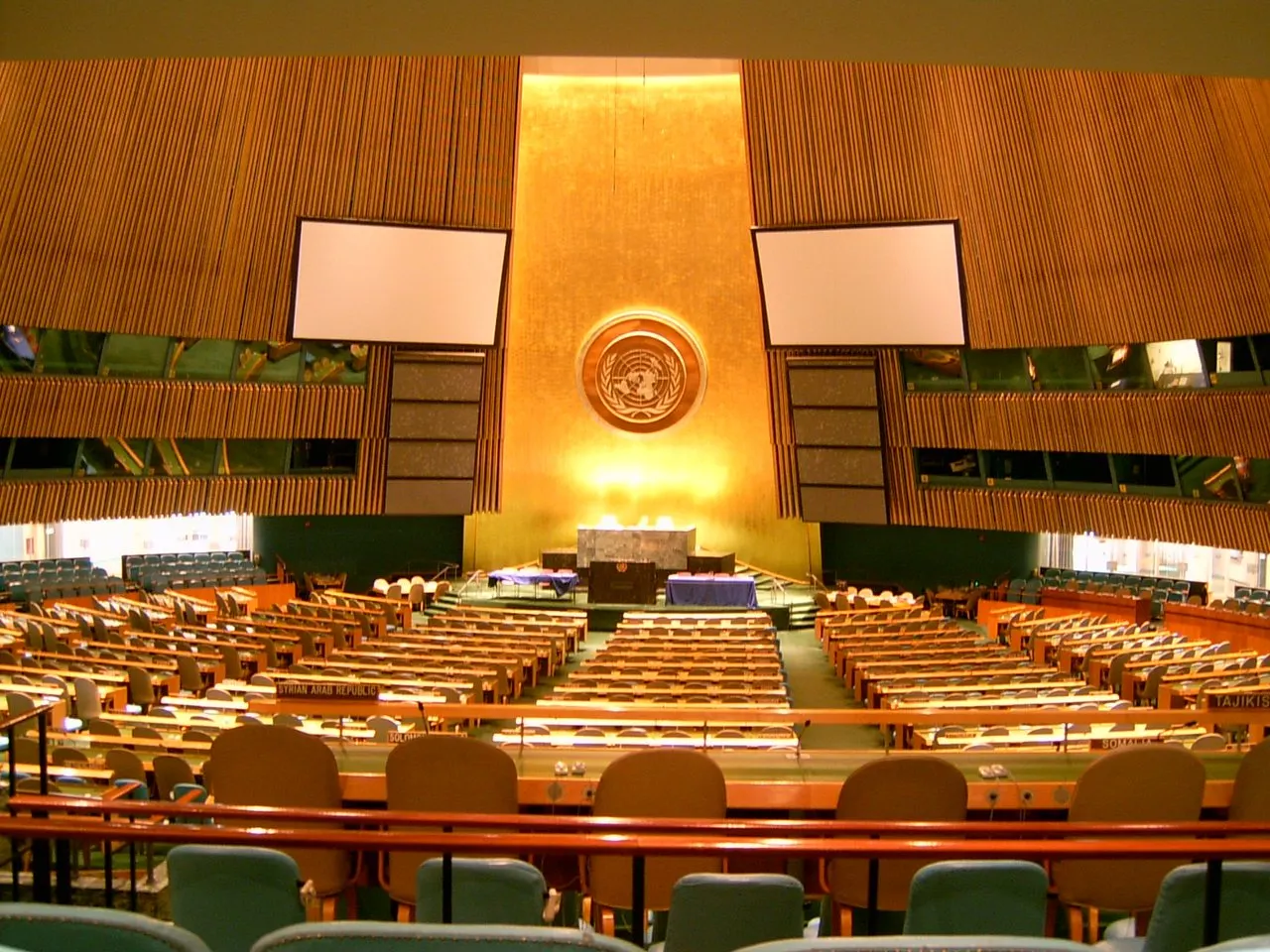
The headline number from Thursday is 162, the countries that voted in favour. That is a large share of the United Nations membership, and it shows that support for the text stretches across regions and political groups. Eight countries voted against, and eight abstained, so the yes votes outnumbered the no votes by more than twenty to one. The margin matters because it sends a clear signal before the draft reaches the full General Assembly. Read about a call to European leaders for more on how big votes play out.
What the Third Committee Does
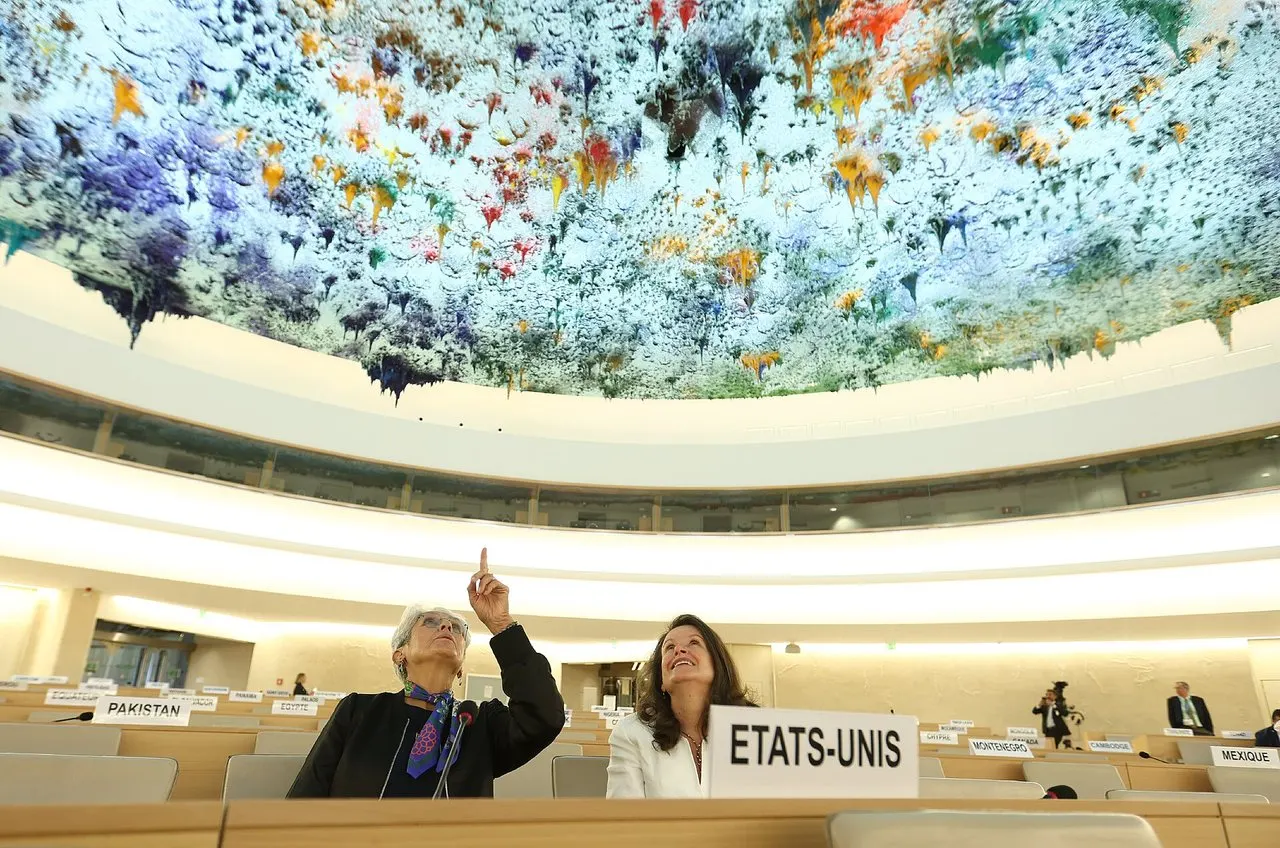
The vote took place in the Third Committee of the General Assembly, the part of the United Nations that handles human rights and humanitarian affairs. Committees do the detailed work before a text goes to the full hall, and this one takes up social and rights questions each year. That is why the annual resolution on self-determination lands here first. The committee’s vote is a draft step, not the final word, but it shapes the debate that follows. See how America voted at the UN for more on United Nations votes.
Egypt Put the Draft Forward
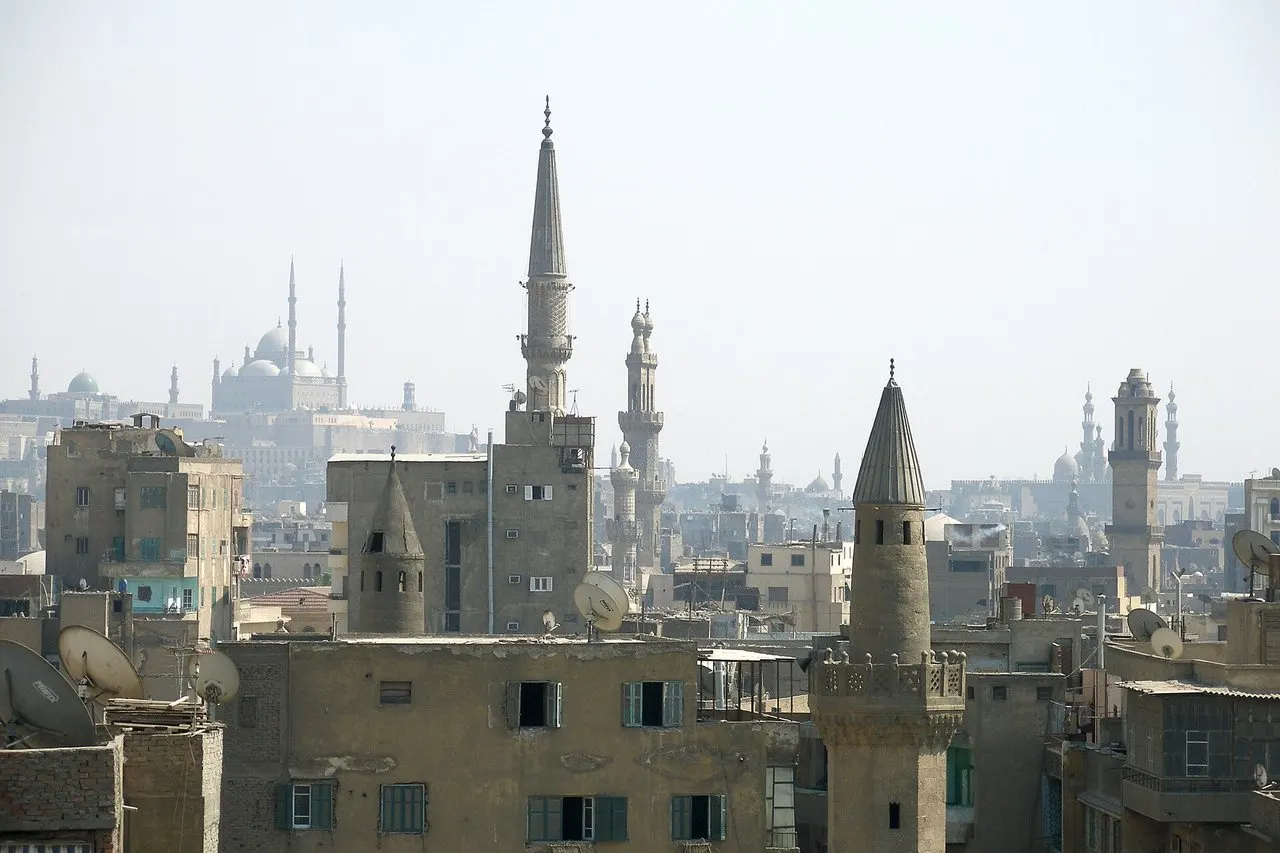
Egypt submitted this year’s draft, acting on behalf of the Organization of Islamic Cooperation. In United Nations practice, one country often tables a text for a whole group, which gives the draft a broad base of sponsors from the start. Egypt has long played a central role in regional diplomacy, and its name on the draft signals that the text carries weight with a large bloc of states. The draft then goes through the committee debate and vote like any other text. Read about a speech in Lagos for more on diplomacy in action.
Palestinian Self-Determination and the Organization of Islamic Cooperation
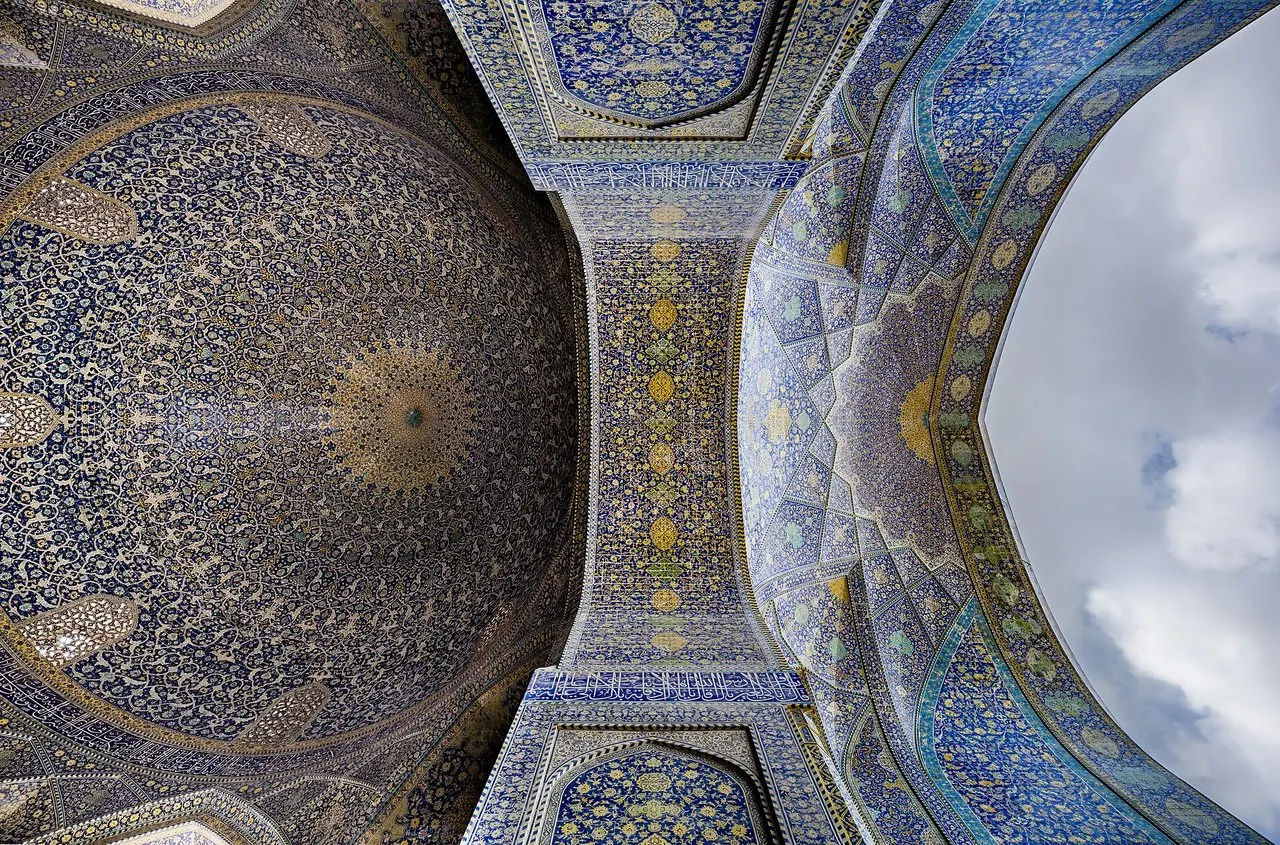
The Organization of Islamic Cooperation is a group of 57 member states that often speaks together at the United Nations, and Egypt tabled the draft in its name. When a large group stands behind a text, the vote becomes a test of how far that group’s view reaches beyond its own members. This time the answer was far, with 162 yes votes from every region. The result shows that the cause of Palestinian self-determination draws support well past the group’s own ranks. Learn about a first at the UN for more on group diplomacy.
Canada Voted in Favour

Canada was among the countries that voted in favour of the draft, joining a broad group of supporters from every part of the world. Canada often votes with other Western democracies on human rights questions at the United Nations, and this vote was no exception. Its yes vote sat alongside the votes of Australia and all European Union member states, which made the Western backing for the text hard to miss. The pattern showed that support crossed old divides. See Carney facing Putin at APEC for more on Canada on the world stage.
Australia Joined the Majority
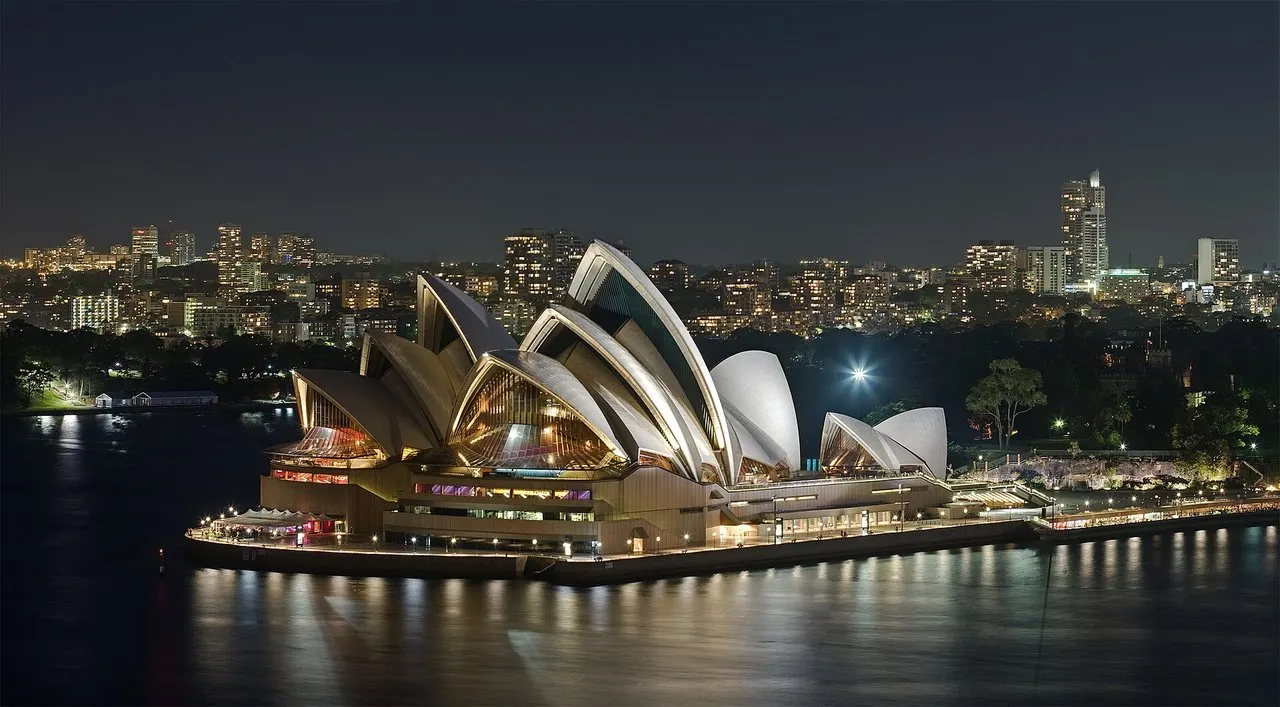
Australia also voted in favour, adding its voice to the 162 countries that backed the draft. Australia sits in the Asia Pacific region, and its yes vote lined up with most of its neighbours in Asia and the Pacific. The vote showed that the text drew support from countries far from the Middle East as well as from those close to it. That wide spread is part of why the result drew so much attention. Read about a four day trip to China for more on the region.
Every European Union Member State Said Yes

All European Union member states voted in favour of the draft, a striking show of unity from a bloc that does not always speak with one voice. Europe’s yes votes joined those of Canada and Australia, and together they gave the text strong backing from Western countries. That matters because European states often weigh such resolutions with care, and a united yes sends a firm message. The bloc’s support helped push the total to 162. See a report on the Ukraine call for more on European and city politics.
Palestinian Self-Determination Won Support Across South America
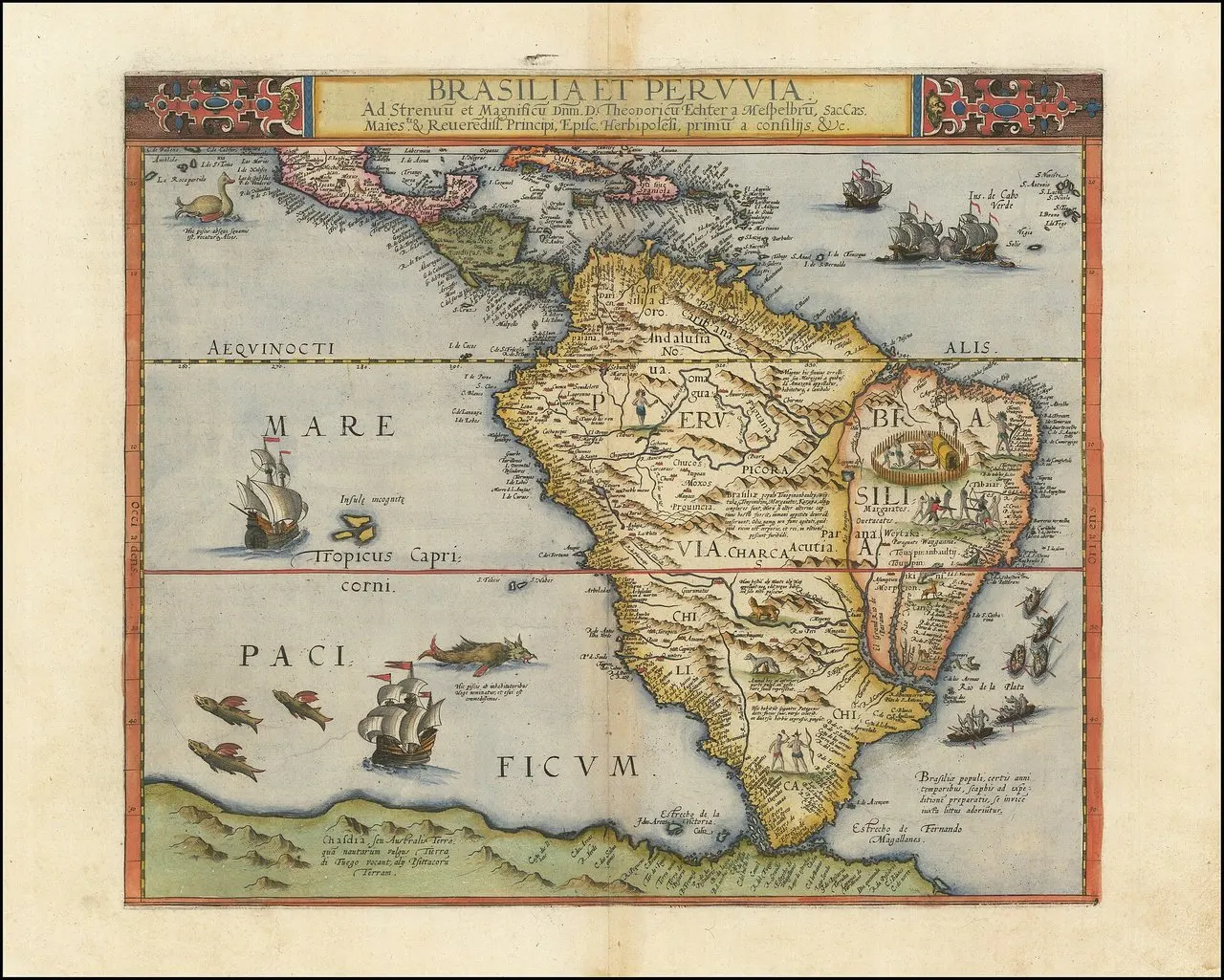
Most countries in South America voted in favour, adding the region’s voice to the 162. South American states have often backed resolutions on self-determination, and this vote followed that pattern. Their yes votes sat beside the votes of Canada, Australia and Europe, which made the support feel truly global. From the north of the continent to the south, the region largely spoke with one voice on this text. Read about Lumumba on Africa rising for more on how regions vote.
Asia and Africa Largely Backed the Resolution
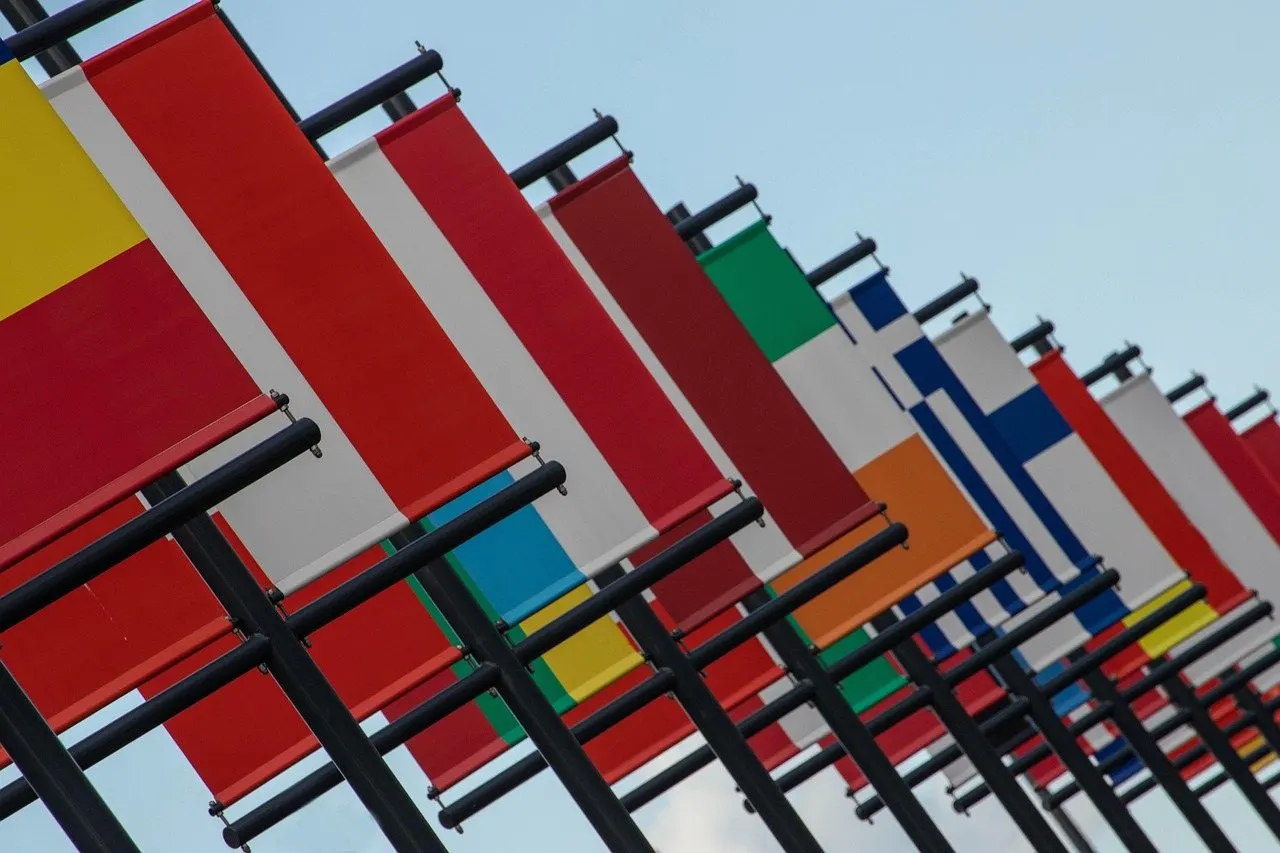
Most countries in Asia and Africa voted in favour, and their support gave the draft its huge total. Asia and Africa hold most of the world’s people and most of the United Nations membership, so their backing carries real weight in any vote. The yes votes from these two regions joined the votes from the Americas and Europe, which left the no votes in a small minority. That spread across continents is what made 162 possible. Learn about a warning to Republicans for more on global questions.
The United States Voted Against
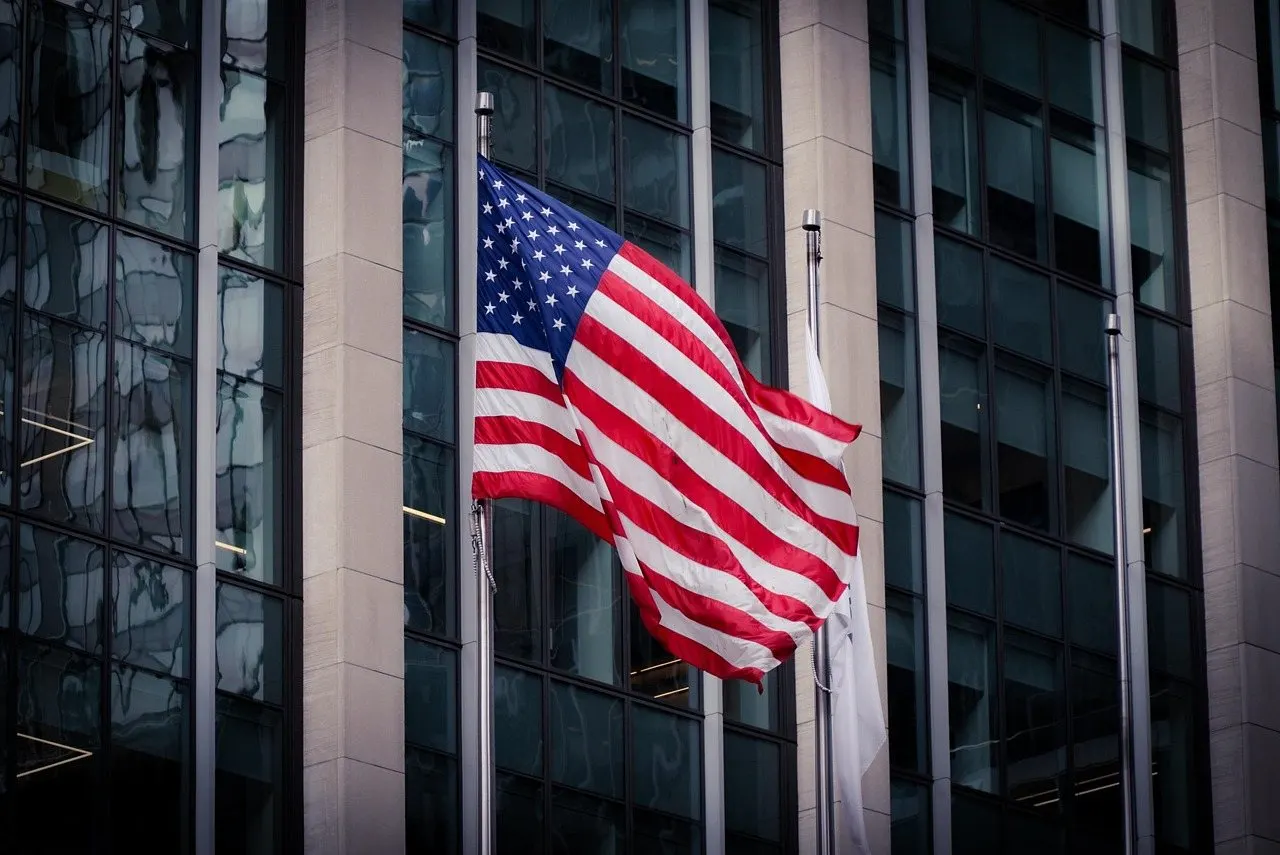
The United States was one of the eight countries that voted against the draft, the most closely watched no vote in the hall. Washington often stands apart from the majority on resolutions about the Palestinians, and this vote followed that long pattern. Its no vote sat beside the votes of Israel, Argentina and Paraguay, and four small Pacific island nations. The gap between the United States and most of its allies was one of the clearest stories of the day. Read about the vote on military action for more on Washington politics.
Israel Was Among the Eight No Votes
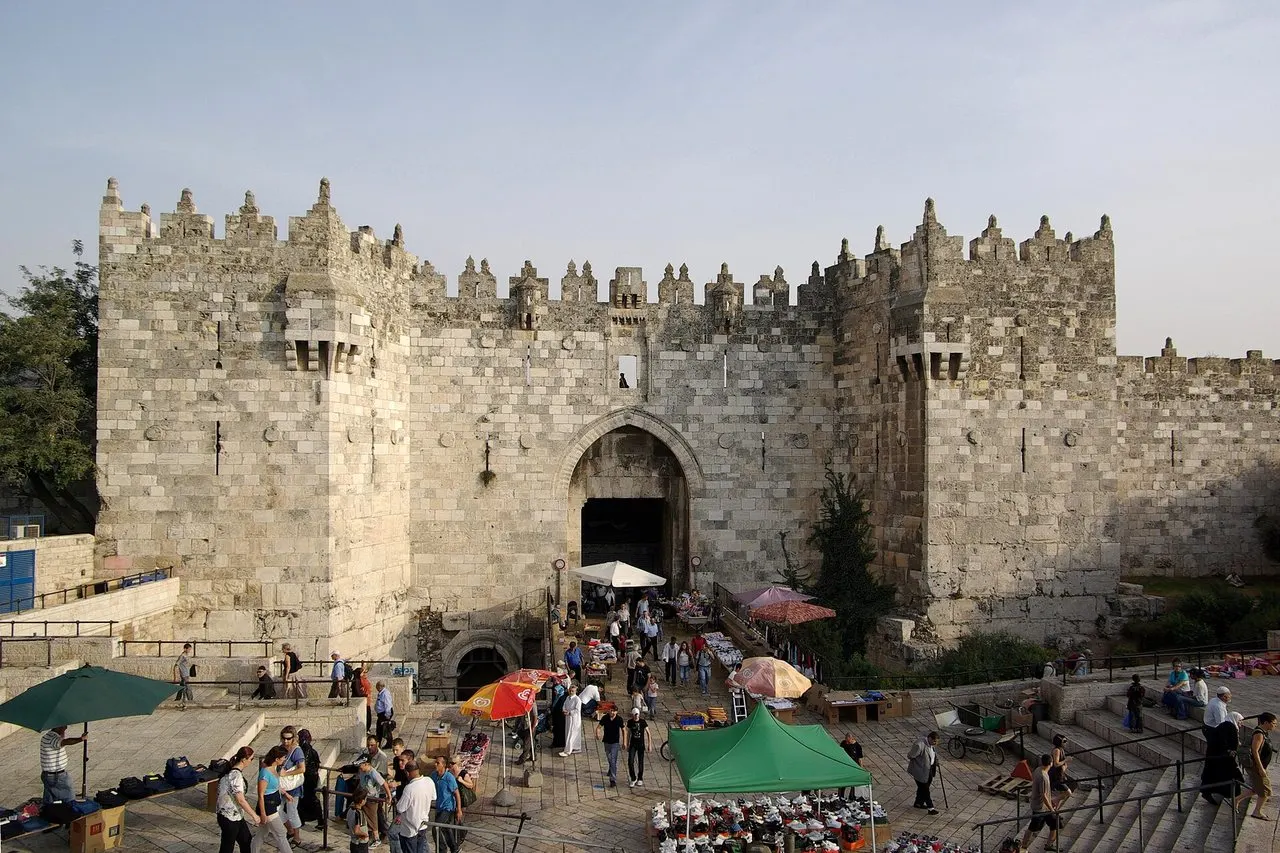
Israel also voted against the draft, as it has done on similar resolutions in past years. For Israel, a text affirming the Palestinian people’s right to self-determination and independence touches on the core of a long dispute, and its delegation made its opposition clear in the committee. The no vote placed Israel with the United States and six other countries, against a majority of 162. That split is part of why the vote drew wide coverage. See a resolution in the Senate for more on high stakes votes.
Argentina and Paraguay Voted No
Argentina and Paraguay were the two South American countries that voted against the draft, standing apart from most of their neighbours on the continent. Their no votes showed that South America was not fully united, even though most of the region backed the text. Argentina’s vote drew attention because the country has shifted its foreign policy in recent years, while Paraguay has long kept close ties with Israel and the United States. Together they made up a quarter of the no votes. Read about the two Americas for more on the region.
Four Small Pacific Nations Voted Against
Micronesia, Nauru, Papua New Guinea and Palau made up the other four no votes, all of them small island nations in the Pacific. These countries often vote with the United States at the United Nations, and this ballot was no different. Their combined populations are tiny next to the countries that voted yes, yet each state holds one equal vote in the General Assembly. That rule gives small nations a voice as loud as any great power. Learn about data centers and water use for more on small players with big roles.
Eight Countries Chose to Abstain
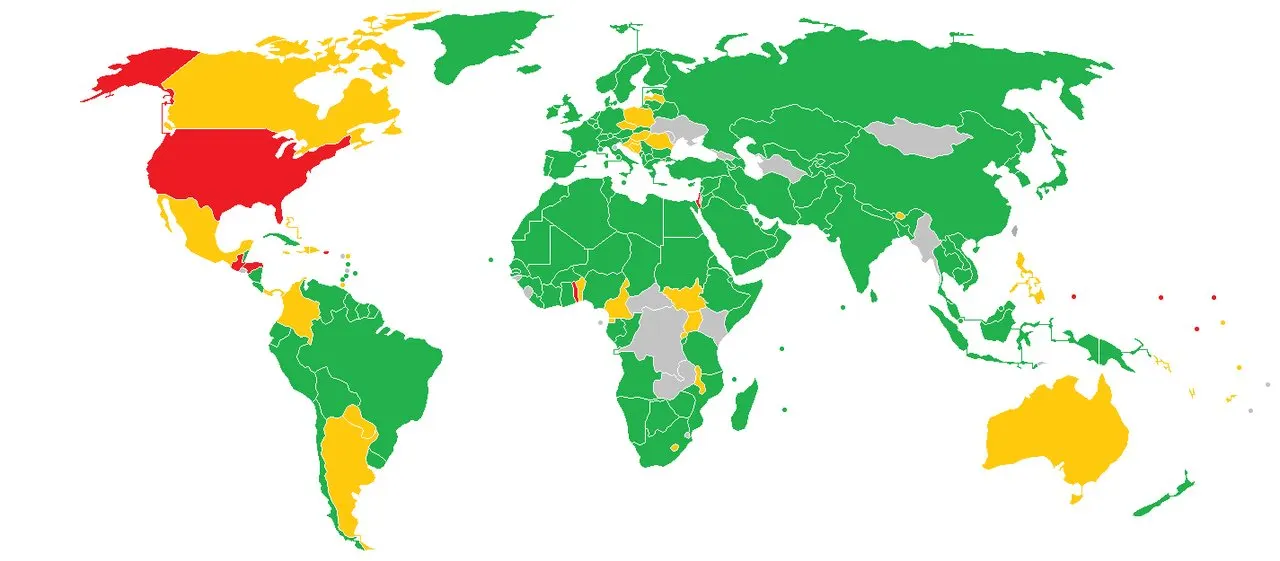
Eight countries abstained, which means they did not vote yes or no. An abstention is a middle path, and countries choose it when they do not want to back a text but also do not want to oppose it in public. The eight abstentions joined the eight no votes, but the 162 yes votes still carried the day by a wide margin. The names of the abstaining countries were not listed in the reports, yet the small number tells its own story. See a warning to Republicans for more on tough choices.
What Palestinian Self-Determination Means
Self-determination is the idea that a people has the right to decide its own political future, including the right to form its own state. The principle sits in the Charter of the United Nations, and it has guided decolonization and the birth of many new countries since 1945. For the Palestinian people, the draft resolution affirms that right in plain terms and links it to independence. That is why the vote carries meaning far beyond the numbers in the hall. Read about Mamdani ending horse carriages for more on rights and rules.
Next Stop: the Full General Assembly
The draft will now go to the full General Assembly for final adoption, where all member states vote on the text together. The committee vote is only the first step, and the full hall is where the resolution becomes final. Supporters hope the broad backing of 162 will hold in the larger vote, and they expect the same wide coalition to show up again. The final adoption would give the text the full weight of the Assembly. Learn about deals made in China for more on what comes next.
Palestinian Self-Determination and the Hope for a State
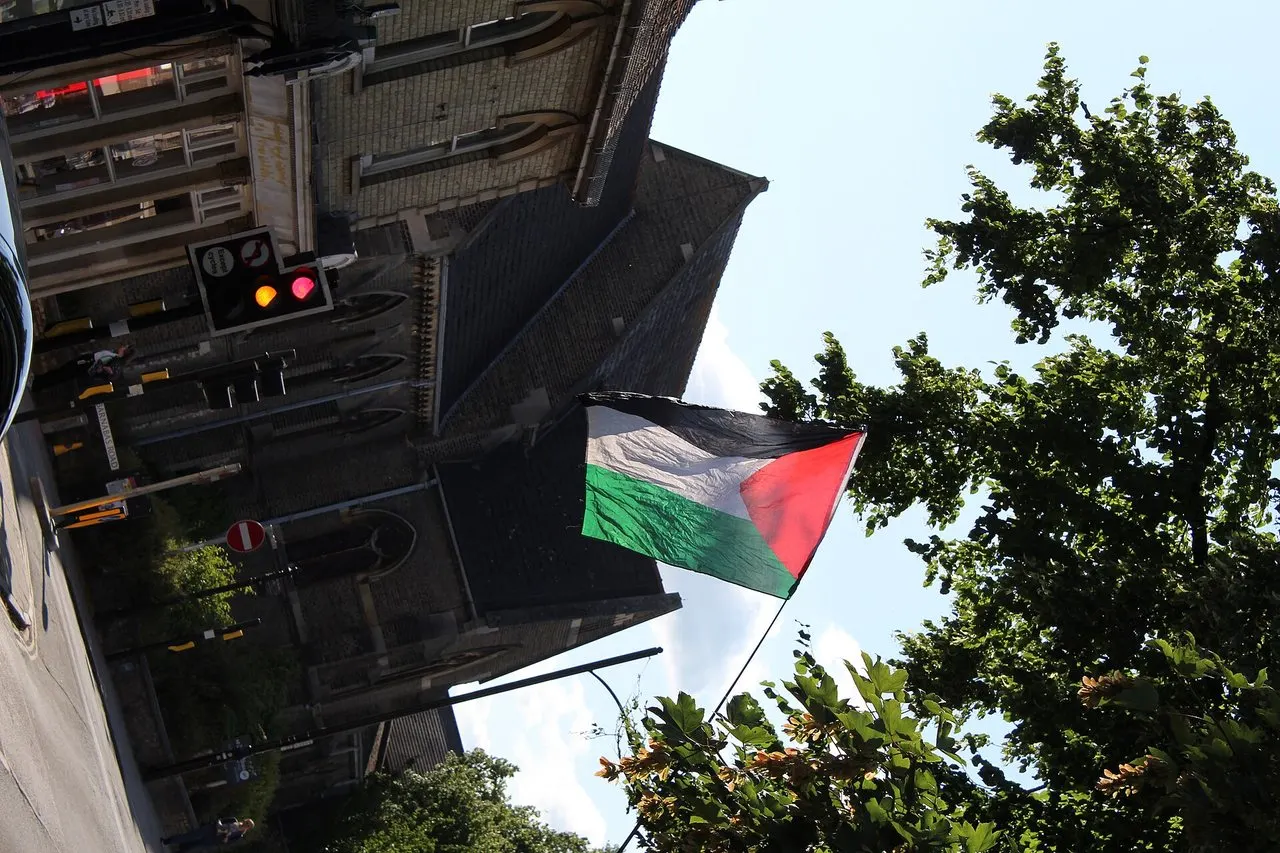
Supporters hope the broad backing will add weight to calls for an independent Palestinian state and an end to the occupation. A vote of 162 is a political signal, not a law, because General Assembly resolutions do not bind member states the way Security Council decisions do. Even so, the number gives supporters a strong talking point in the debates ahead. They will point to it whenever the question of a Palestinian state comes up. Read about a call for Africa to rise for more on hope and history.
The Same Vote Comes Back Every Year
The committee votes on this annual resolution each year, so Thursday was not the first time the question came up and it will not be the last. The yearly rhythm gives the world a regular measure of where countries stand, and the numbers can shift a little from year to year. This year the total of 162 showed a wide consensus that held firm. Next year the draft will return, and the count will be watched just as closely. See Obama at the summit for more on stories that return each year.
Palestinian Self-Determination: Why This Vote Matters
The vote matters because it shows where the world stands, even when the text itself changes little on the ground. For supporters, 162 yes votes prove that the call for an independent Palestinian state has wide backing. For the countries that voted no, the result shows how isolated their position has become. For readers, the numbers offer a clear snapshot of a long debate that is still far from over. Learn about how much water data centers use for more on numbers that matter.
What Do You Think About Palestinian Self-Determination?
The committee has spoken with 162 yes votes, and now the draft heads to the full General Assembly for its final vote. The question now turns to readers: what did you make of the result, and what do you think should happen next? Do you believe the broad backing will move the debate forward, or will the split stay where it is? Share your thoughts in the comments below, and tell us which part of the story struck you most. Read about one word, two maps while you think it over.