UN Women Vote: America Abstained as Women Vowed to Build the Matriarchy
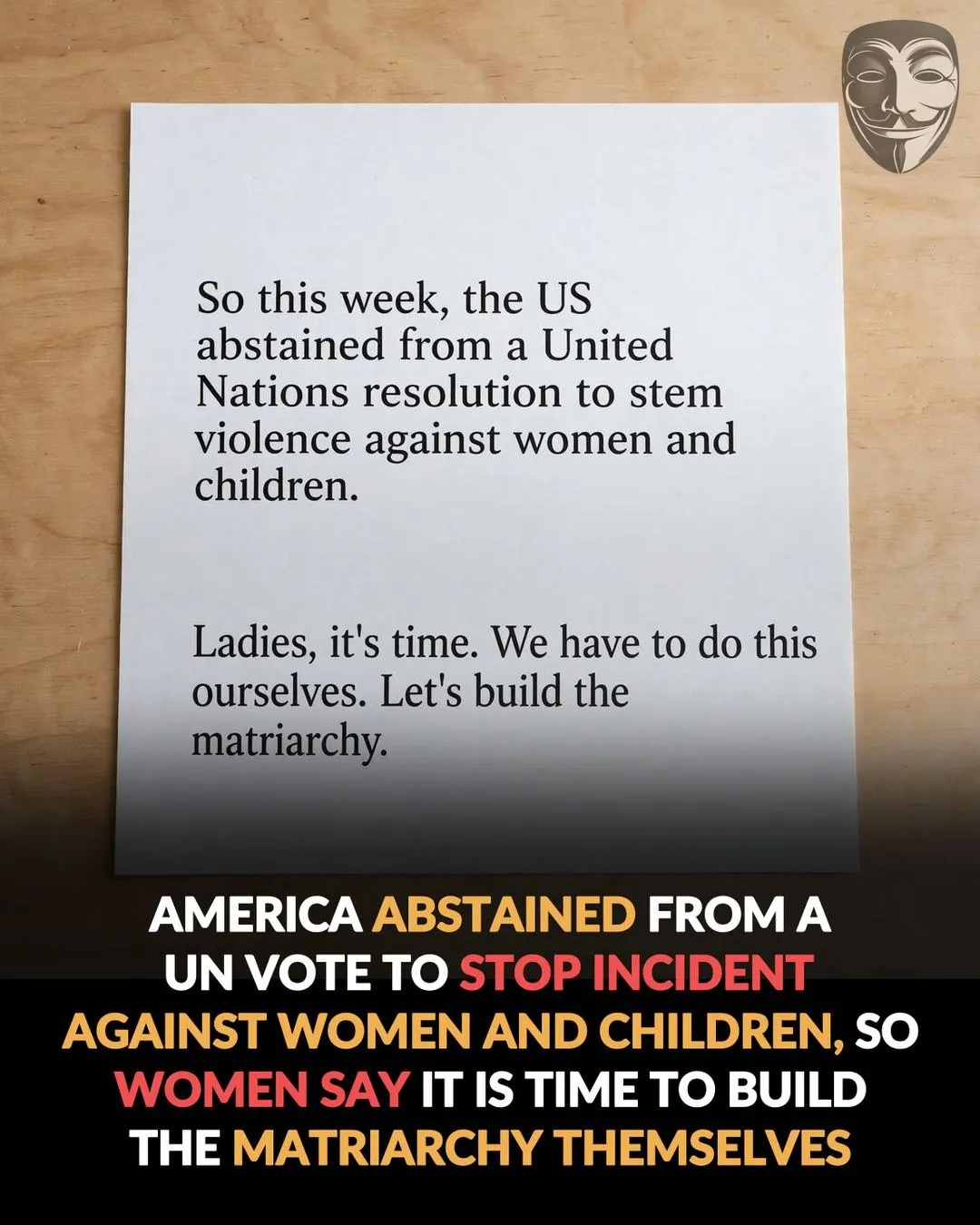
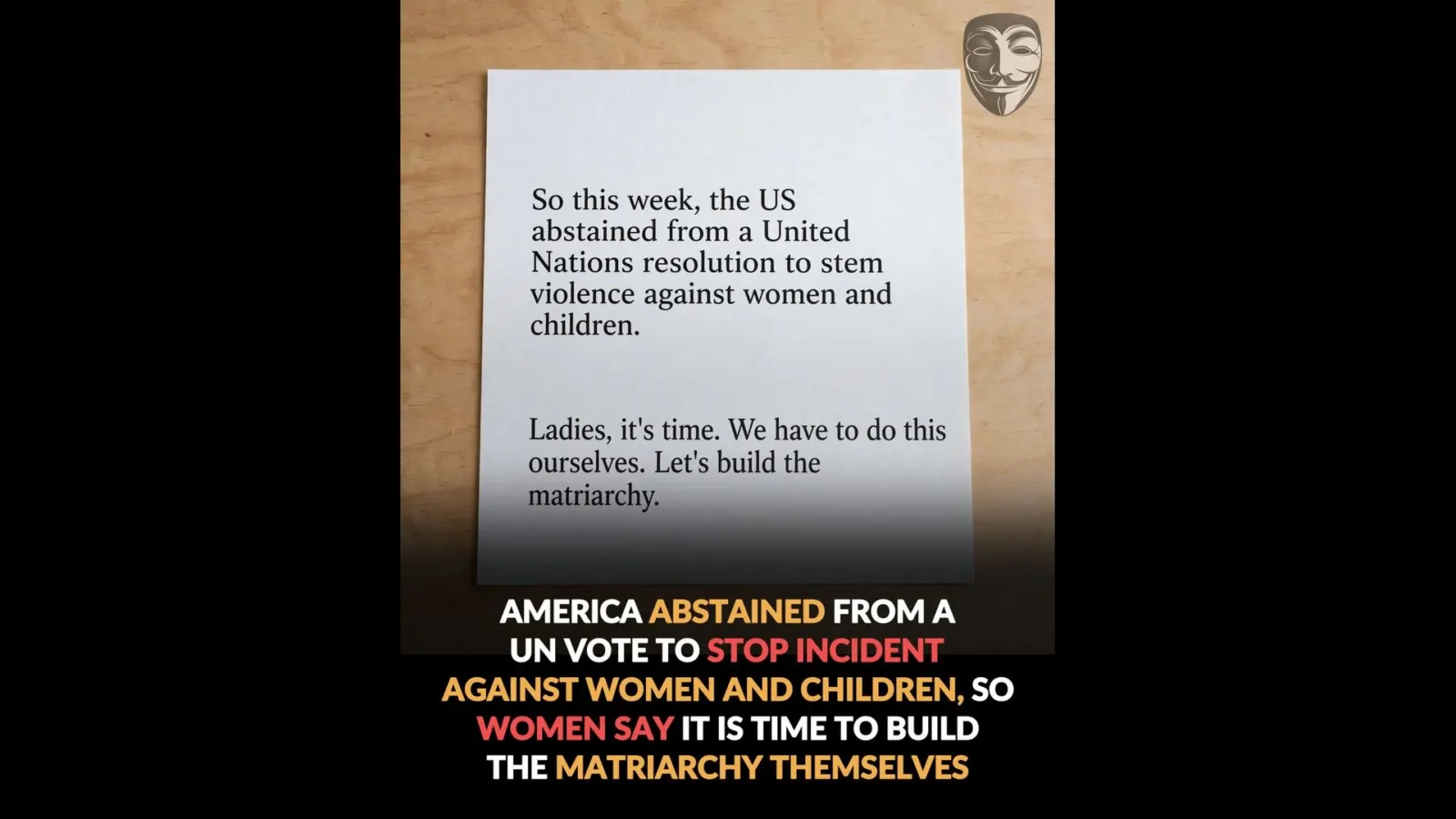
The UN women vote on November 17 put the United States on the spot in front of the whole world. The UN General Assembly Third Committee was voting on a resolution to intensify efforts to prevent and eliminate all forms of violence against women and girls, with a focus on gender related killings. When the votes were counted, 175 countries had voted yes, Somalia had voted no, and the United States had abstained. The result shocked many readers, and it set off a wave of anger online.
In the slides ahead we look at what the resolution asked for, why Washington said no, and what women are saying now. The author of the post says women can no longer wait for others to act, and calls on women to build the matriarchy themselves. That line struck a chord with readers who feel the promises have run out. For more on how America has voted at the UN before, read our report on the first time America voted to remove protections at the UN and our story on the women who marched on Parliament in 1910.
References:
Jezebel: ‘No Int’l Right to Abortion’: U.S. Abstains From U.N. Resolution to Address Incident Against Women & Girls
Washington Times: U.S. abstains on U.N. resolution on incident against women, citing abortion clauses
Res Publica: 175 countries vote against femicide. The US abstains, side by side with Russia and Belarus
Snopes: Did US join Russia in abstaining from vote on UN resolution to protect women and girls?
The UN Women Vote: 175 Nations Said Yes
On November 17, the UN General Assembly Third Committee voted on a resolution to intensify efforts to prevent and eliminate all forms of violence against women and girls, with a focus on gender related killings. The count was clear: 175 countries voted yes, Somalia voted no, and the United States abstained alongside Russia, Belarus, Argentina, Cameroon and Burkina Faso. Supporters called the near unanimous result a strong message. Read how the Senate handled a different high stakes vote in our report on the Iran war powers vote and how the House chose its leader in our story on Hakeem Jeffries.
What the Resolution Asked Countries to Do
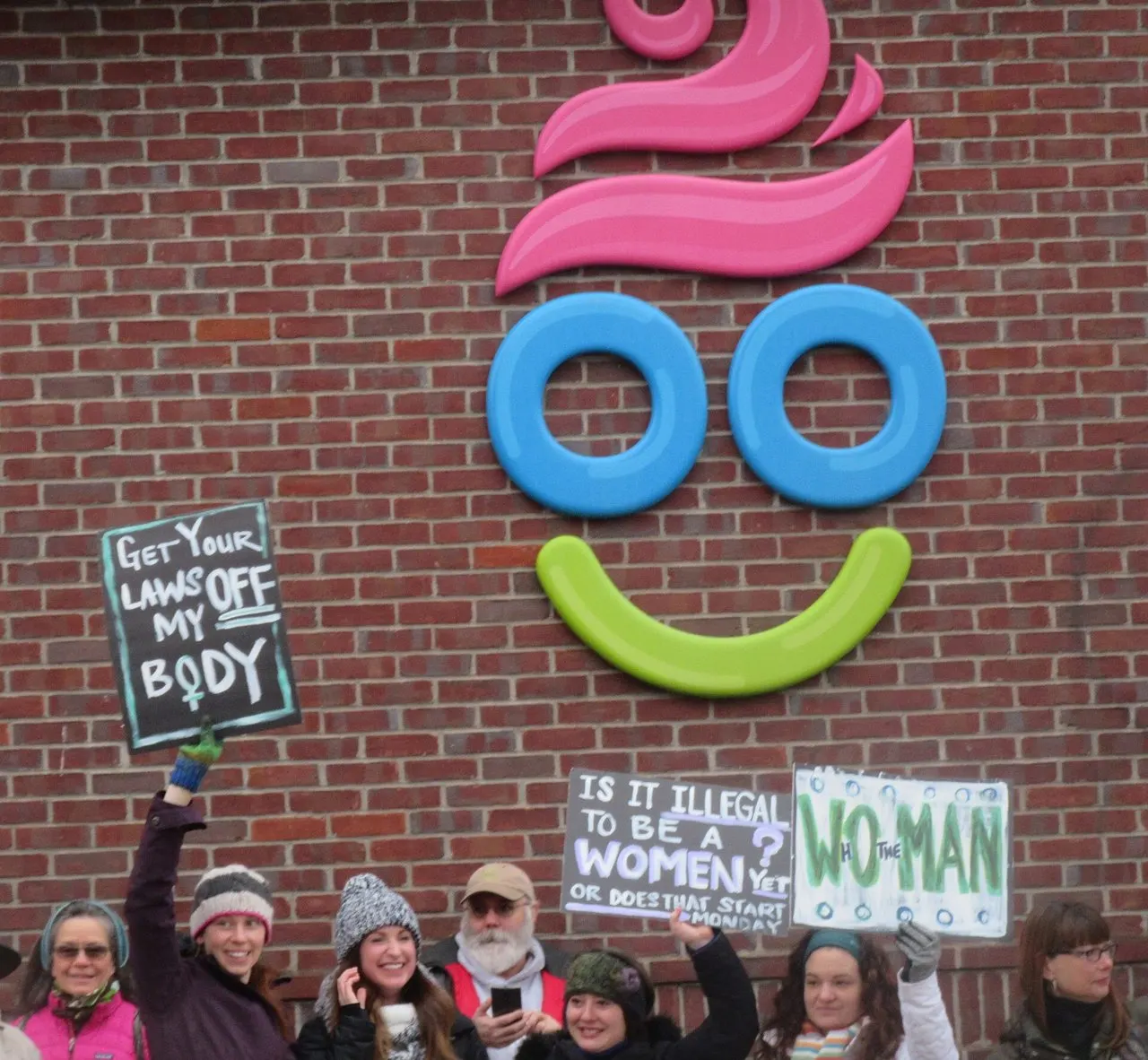
The resolution called on countries to intensify efforts to prevent and eliminate all forms of violence against women and girls, with special attention to gender related killings. It asked governments to act faster, protect victims better, and hold attackers to account. Supporters said the words mattered because they set a shared standard that every nation could be judged against. Few expected a fight over it. Read about women standing up and being thanked for it.
Why Washington Said It Could Not Support the Text

The US mission said it could not support the text because of references to sexual and reproductive health and safe abortion, saying there is no international right to abortion. That position put Washington at odds with most of its allies in the room, who backed the resolution. The mission said the abortion clauses were the problem, not the goal of protecting women. Critics said the objection missed the point of a text about safety. Read about another clash over values in our report on Marjorie Taylor Greene and gas prices.
The UN Women Vote Left America Beside Russia and Belarus
The United States abstained alongside Russia, Belarus, Argentina, Cameroon and Burkina Faso, a lineup that drew instant attention online. Commenters noted that Washington rarely finds itself on the same side as Moscow in a UN vote, and the image stuck. The other abstainers had their own reasons, but the grouping became the story for many readers. It raised hard questions about where America stands on women’s safety. See how leaders face off in our story on Carney confronting Putin.
Almost 50,000 Women Were Killed by Partners or Family in 2024
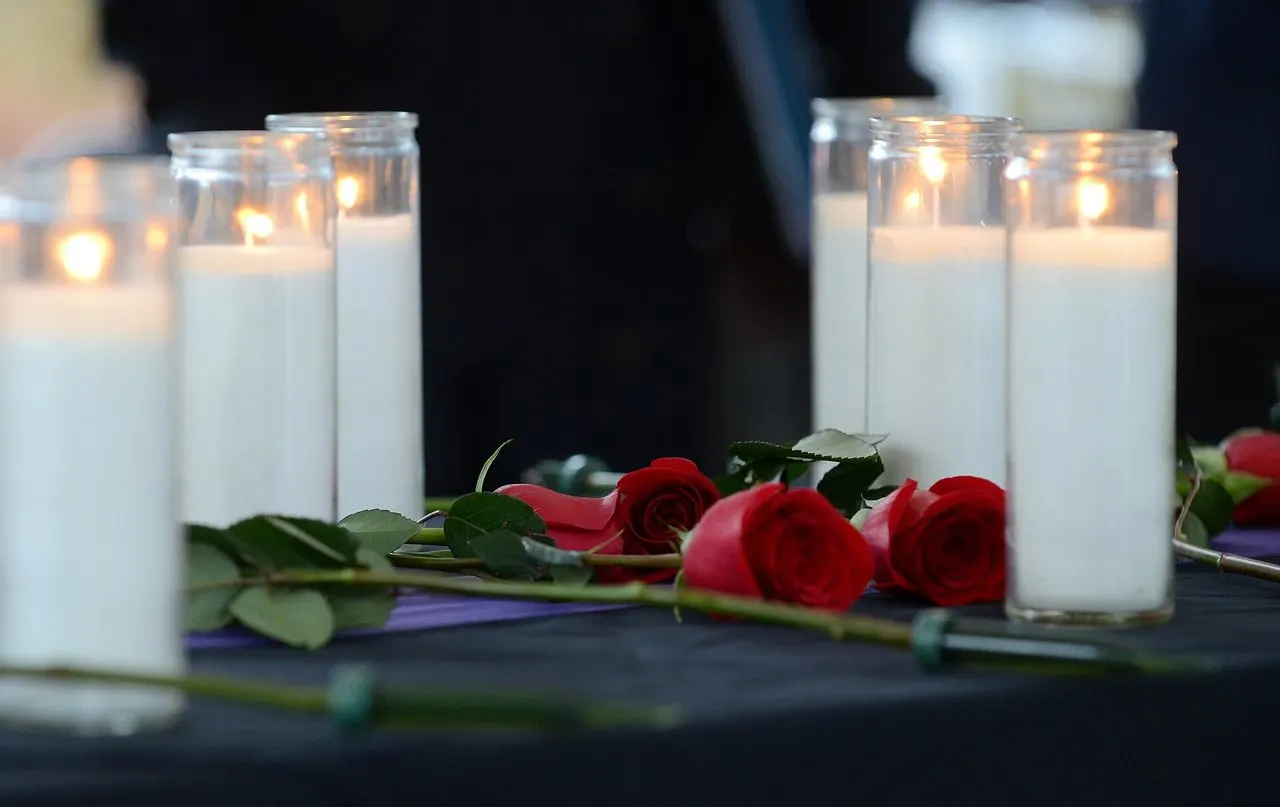
A UN report said almost 50,000 women and girls were killed by partners or family members in 2024, a number that gives the resolution its urgency. Behind each case is a home that should have been safe and a warning sign that was missed. Advocates say most of these deaths could have been stopped with earlier help and stronger laws. The figure is the reason supporters call this vote a matter of life and death. For hope in hard times, read our story on better days ahead.
What Gender Related Killings Mean
Gender related killings, often called femicide, mean women and girls killed because they are female, most often by a partner or a family member. The resolution put this pattern at the center of its text, asking countries to track it, name it and act against it. Experts say naming the pattern helps police and courts see cases that once looked like private tragedies. The vote was meant to push every country to treat it as a public crisis. Read about a court ruling that named a wrong in our report on the Rohingya ruling.
Women Have Marched for Safety Before
Women have marched for safety and the vote for more than a century, and the fight has always met resistance. On November 18, 1910, about 300 women marched on Parliament seeking the right to vote and faced six hours of police brutality, a day later called Black Friday. Their courage helped change Britain, and their story still inspires marchers today. The women of 1910 did not wait for permission, and neither do the women posting now. Read our full story on the 1910 march.
After the UN Women Vote, Women Say Build the Matriarchy
The author of the post says women can no longer wait for others to act, calling on women to build the matriarchy themselves. The line landed because many readers share the feeling that promises from governments keep arriving too late. Building the matriarchy, in the post’s words, means women leading, women deciding and women protecting each other. It is a call to stop asking and start building. Read about women who lead in our story on Keisha Lance Bottoms.
Women Leading in Parliaments Around the World
Women now sit in parliaments and lead governments in many countries, and their numbers keep growing. Research often finds that when women hold office, laws on safety, health and family get more attention. The post’s call for a matriarchy speaks to that idea: put women in charge of the choices that shape women’s lives. Change is slow, but each election adds more women to the room. See how rivals sat down together in our story on the trilateral summit and how leaders report back after long trips abroad in our report on the China trip.
The UN Women Vote Went Through the Third Committee
The vote took place in the UN General Assembly’s Third Committee, the body that handles social, humanitarian and human rights issues. Committees do the detailed work before a text goes to the full General Assembly, and their votes often signal how the wider body will act. The Third Committee passed the resolution with a wide margin, and only a handful of states stood aside. That is why the abstention drew so much notice. Learn about big meetings in our story on the Shenzhen summit.
How a UN Resolution Works
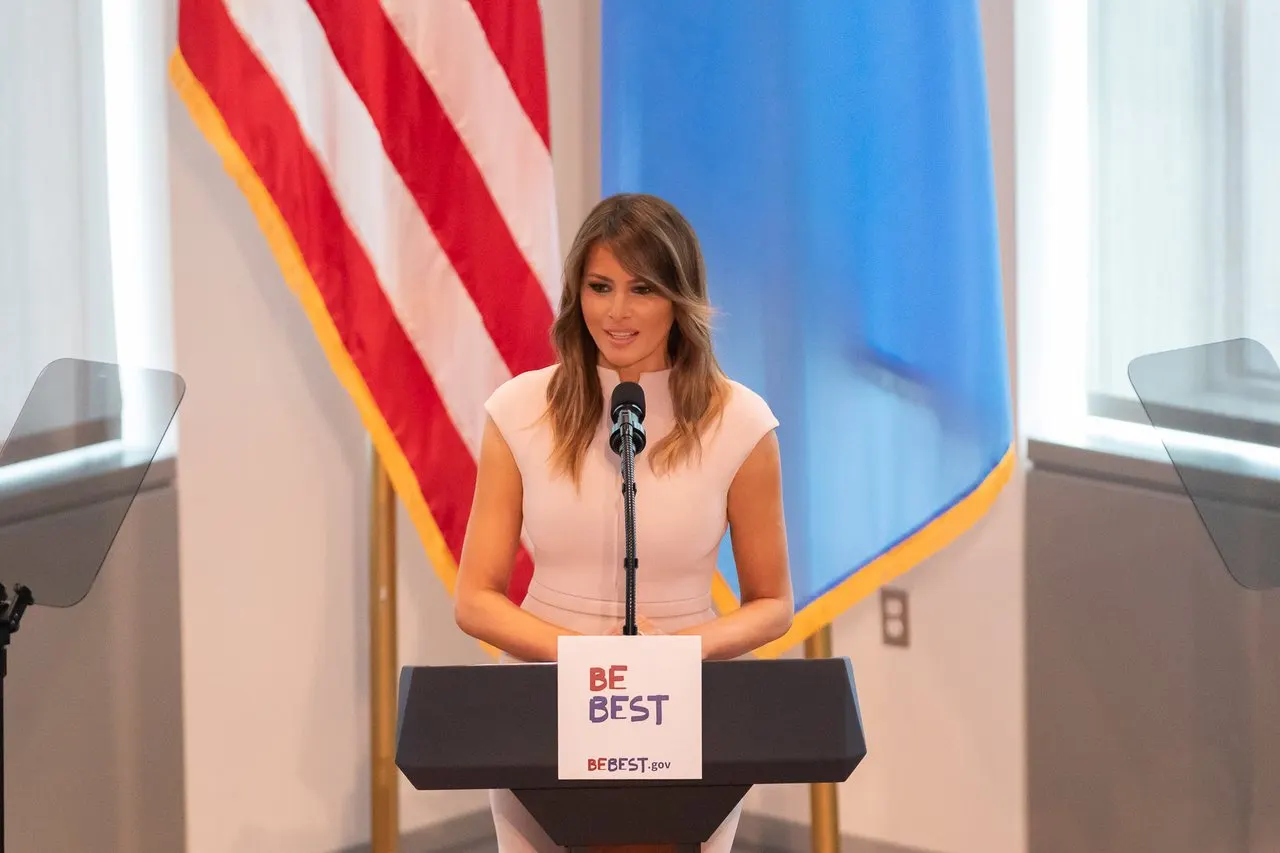
A UN General Assembly resolution is not a law, but it carries weight because it shows where the world stands. Governments use these texts to shape their own laws, and campaigners use them to hold leaders to their word. When 175 countries vote yes, the message is hard to ignore, even for states that abstain. The resolution now moves toward the full Assembly, where it is expected to pass again. Read about another vote that tested leaders in our report on the UN LGBTQ vote.
The Abortion Clause at the Heart of the Objection
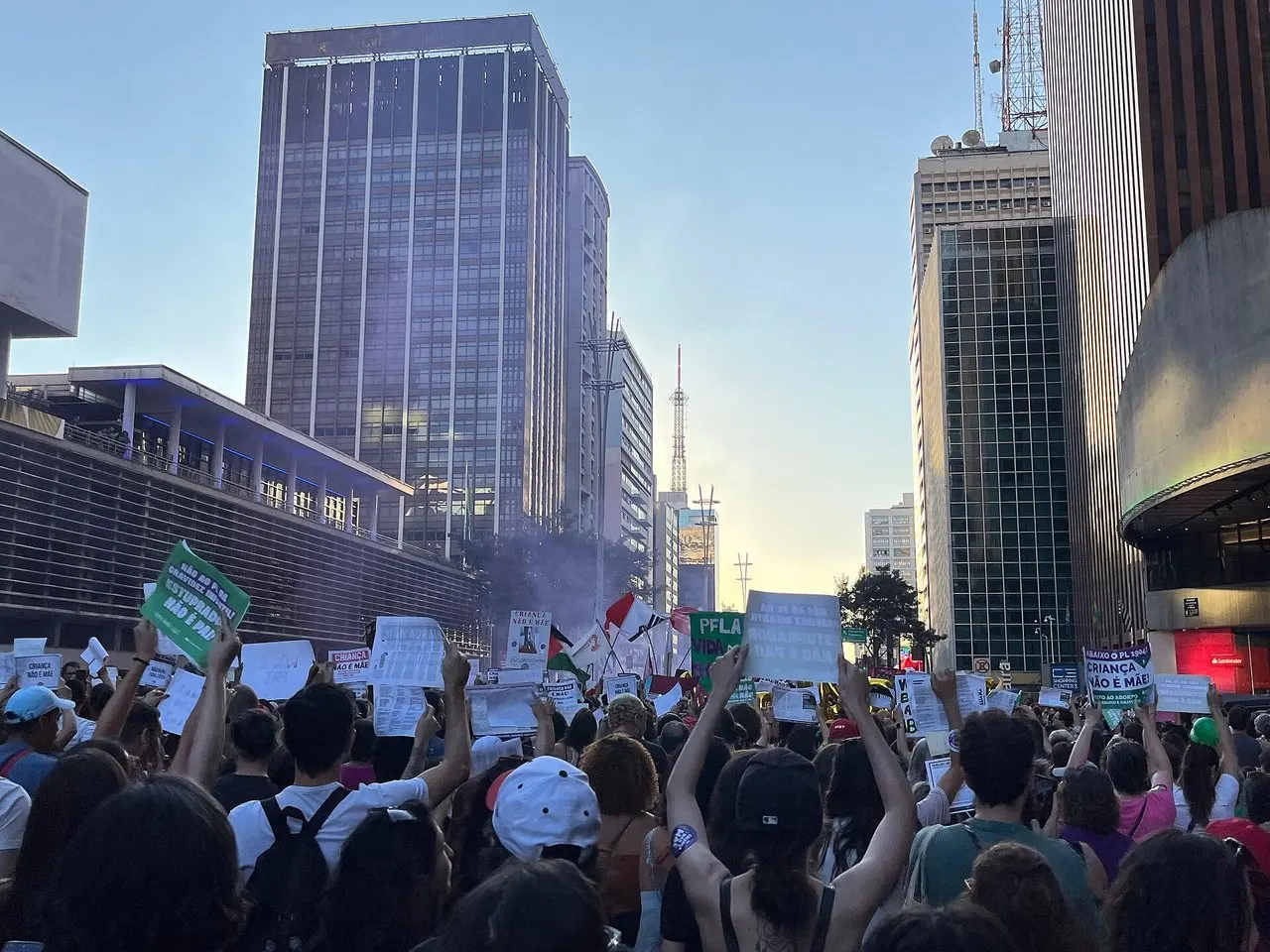
The US mission pointed to references to sexual and reproductive health and safe abortion as the reason it could not back the text. Washington said there is no international right to abortion, a position the current administration has repeated at the UN. Supporters of the resolution said the clauses were about health care, not about forcing any country to change its laws. The clash shows how one issue can stall a text about safety. Read about other policy clashes in our story on Greene and gas prices.
Russia and Belarus Stood Aside Too
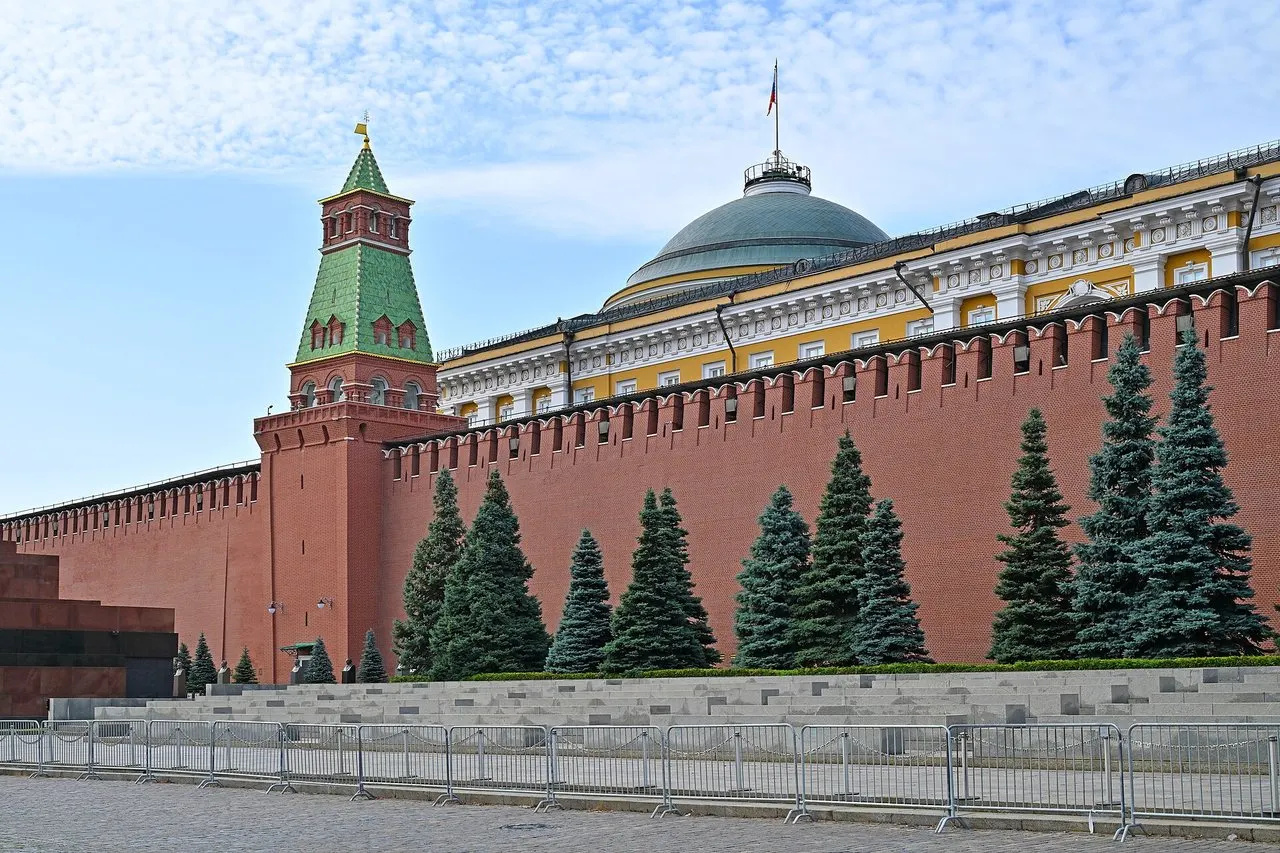
Russia and Belarus also abstained, a choice that fits their record of resisting UN texts on rights and gender. Both countries have pushed back against language on equality in past sessions, and their abstention surprised few diplomats. What surprised readers was seeing the United States beside them, since Washington usually votes with its European allies on such texts. The lineup became a talking point within hours. See how Trump and Putin have met in our story on the summit greeting.
Argentina, Cameroon and Burkina Faso Also Abstained

Argentina, Cameroon and Burkina Faso joined the small group of abstainers, each with its own politics behind the choice. Argentina’s government has taken a skeptical line on gender language at the UN, while Cameroon and Burkina Faso often abstain on texts they see as clashing with local norms. Their votes drew less attention than Washington’s, but they show how divided the debate can be. The rest of the world voted yes. Read about leaders under pressure in our report on Trump and the dictators joke.
Somalia Cast the Only No Vote
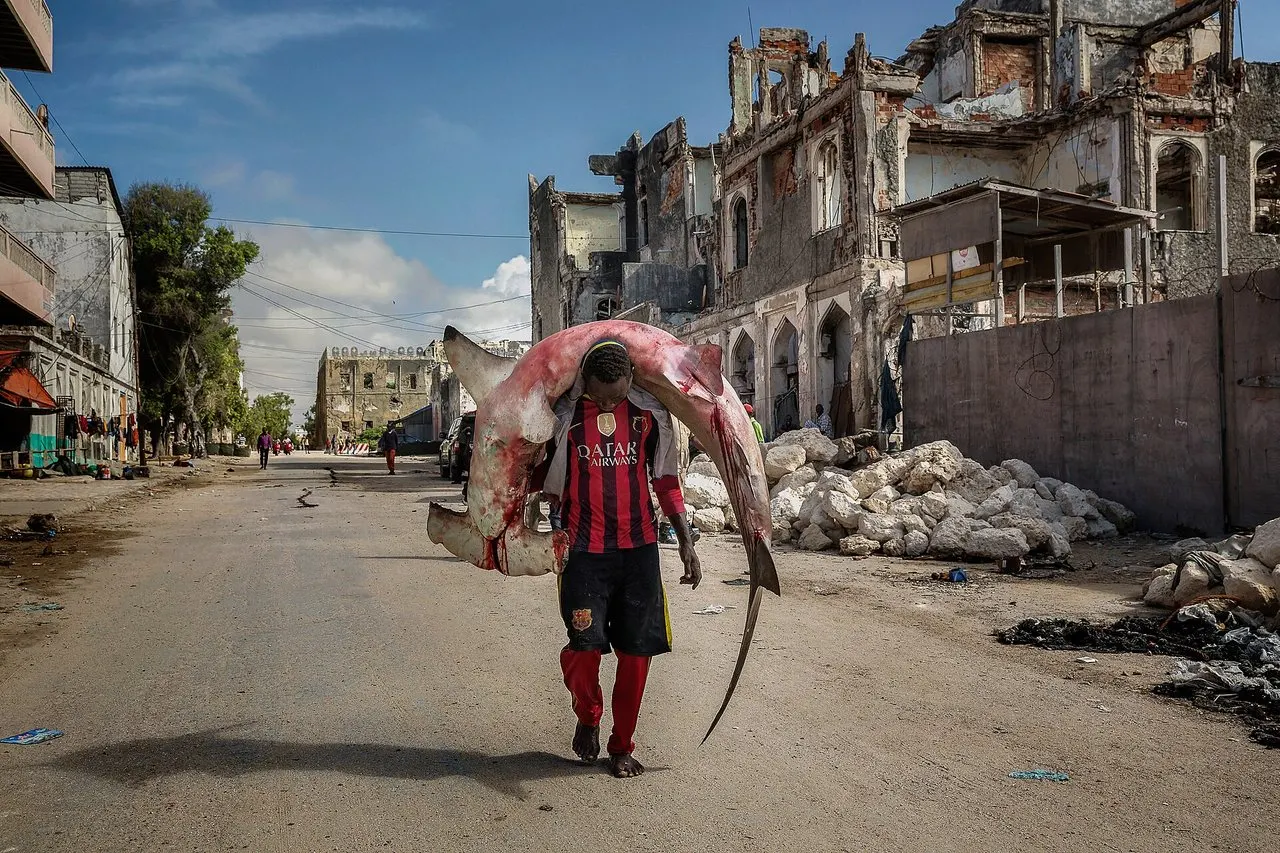
Somalia cast the only no vote, standing alone against a text that 175 countries backed. A single no vote in the Third Committee rarely changes the outcome, but it puts a spotlight on the country that cast it. Diplomats said the vote reflected Somalia’s stance on the text’s language rather than on the goal of protecting women. Even so, the contrast with the near unanimous yes vote was stark. Learn about a country that stood firm in our story on Poland.
The UN Women Vote Was Almost Unanimous
With 175 yes votes, the resolution won backing from nearly every country in the room, from small island states to large powers. That kind of margin is rare on a text that touches on contested issues, and supporters said it proved the world agrees on protecting women and girls. The result now goes to the full General Assembly, where a similar margin is expected. The near unanimity is the part supporters want remembered. Read about another moment when leaders split in our story on the Jeffries vote.
What Happens Next for the Resolution

After the Third Committee, the resolution moves to the full UN General Assembly for a final vote, where all 193 member states can take part. If it passes there, as expected, it will stand as the Assembly’s call to intensify efforts against violence toward women and girls. Governments will then be expected to report on what they have done. Campaigners will watch closely to see who follows through. See how big decisions move in our story on the Shenzhen peace summit.
The UN Women Vote Sparked a Wider Call for Women-Led Change
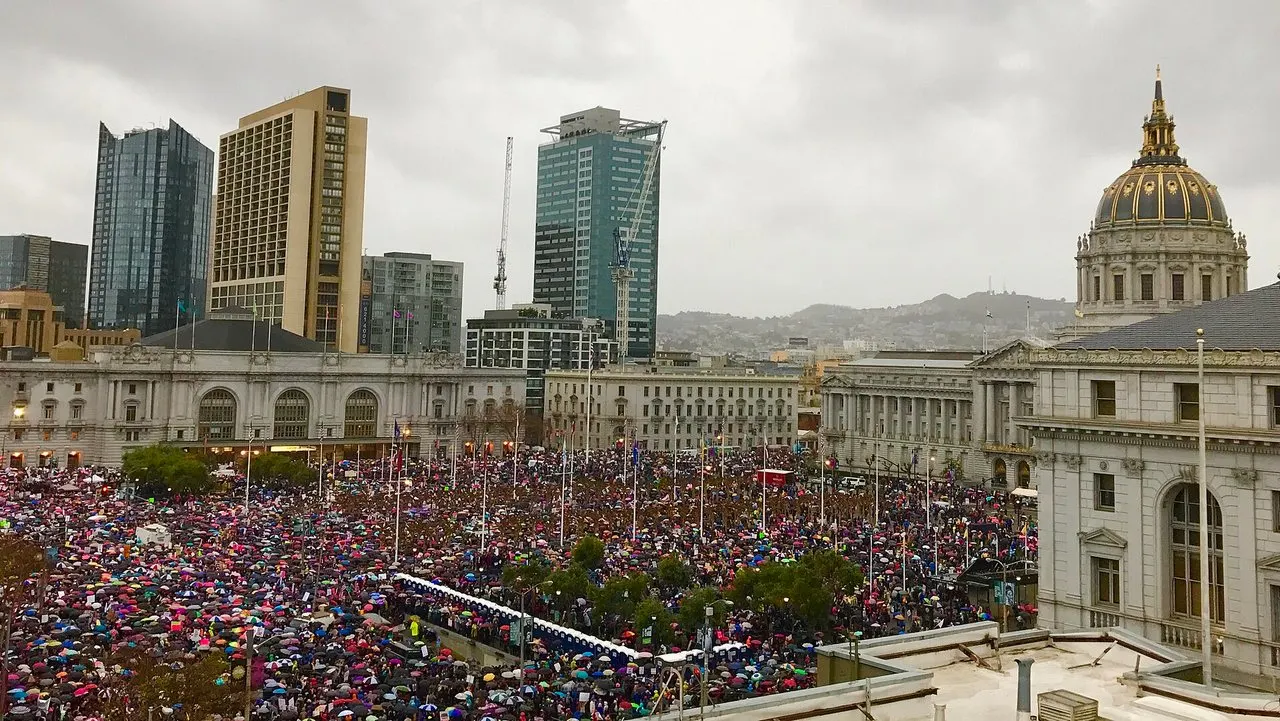
The post’s call to build the matriarchy has spread beyond the vote itself, with readers sharing stories of women who lead in their own towns, workplaces and families. Many say the idea is simple: when women decide, women’s safety gets treated as urgent. The post does not name a party or a program, only a direction, and that openness is part of its pull. It asks women to trust each other first. Read about women who inspire in our story on Sophie Cunningham.
Why the Post Struck a Chord Online
The post struck a chord because it put a plain fact next to a bold call to action: America abstained, so women will build the matriarchy themselves. Readers shared it with comments about their own mothers, sisters and daughters, and about promises that never arrived. Social media often turns a UN vote into a distant headline, but this one felt personal to many women. The shares kept coming through the day. For stories that lift the mood, read our piece on better days ahead.
The Numbers Behind the Story
The numbers tell the story in short form: 175 countries voted yes, one voted no, and six abstained, including the United States. Almost 50,000 women and girls were killed by partners or family members in 2024, according to a UN report. The resolution now heads to the full Assembly with wide support. These are the facts the post rests on, and they are the reason the debate will not fade soon. Read about another UN vote by the numbers in our report on the UN LGBTQ vote.
What Would You Build If Women Led?
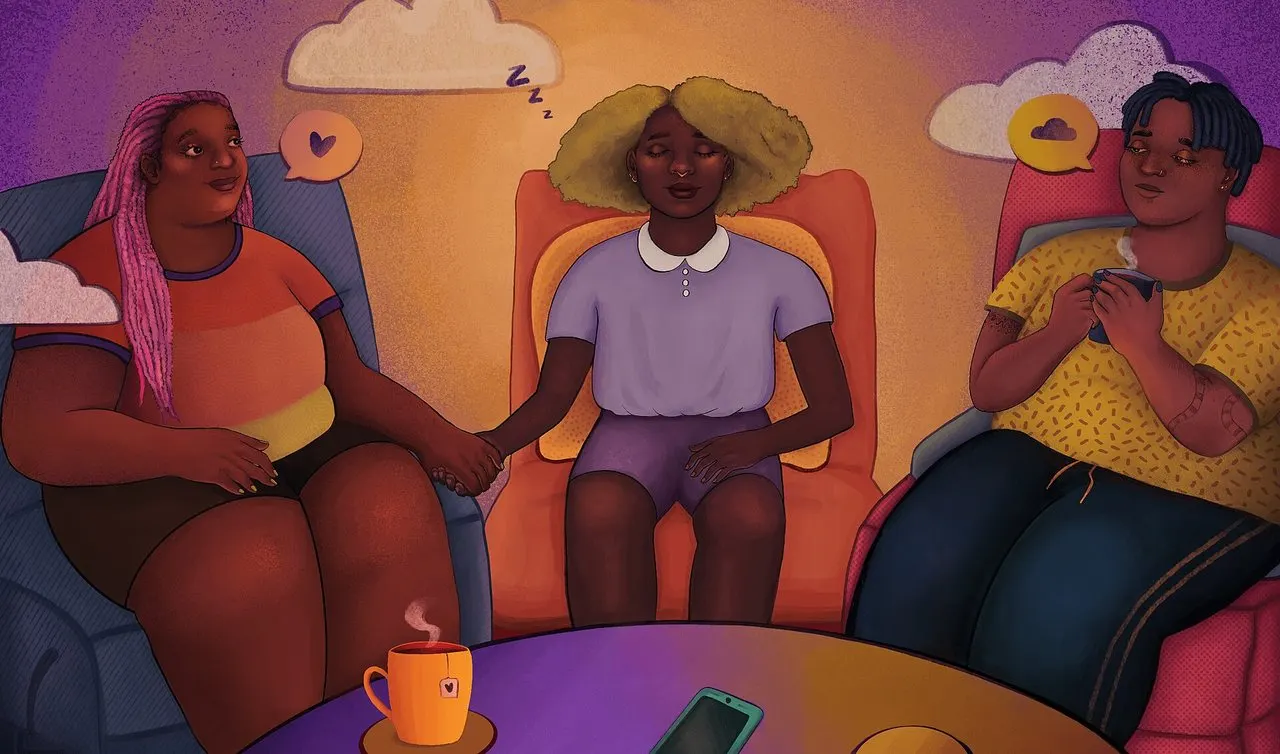
If women built the matriarchy themselves, what would change first in your town, your workplace or your home? Would safety come first, or pay, or health care, or something else entirely? The post asks women to stop waiting and start building, and now the question is yours. Share your answer in the comments and tell us what you would build first. Keep reading our story on the women of 1910.