Rubio 2028 poll Puts Marco Rubio Ahead of JD Vance
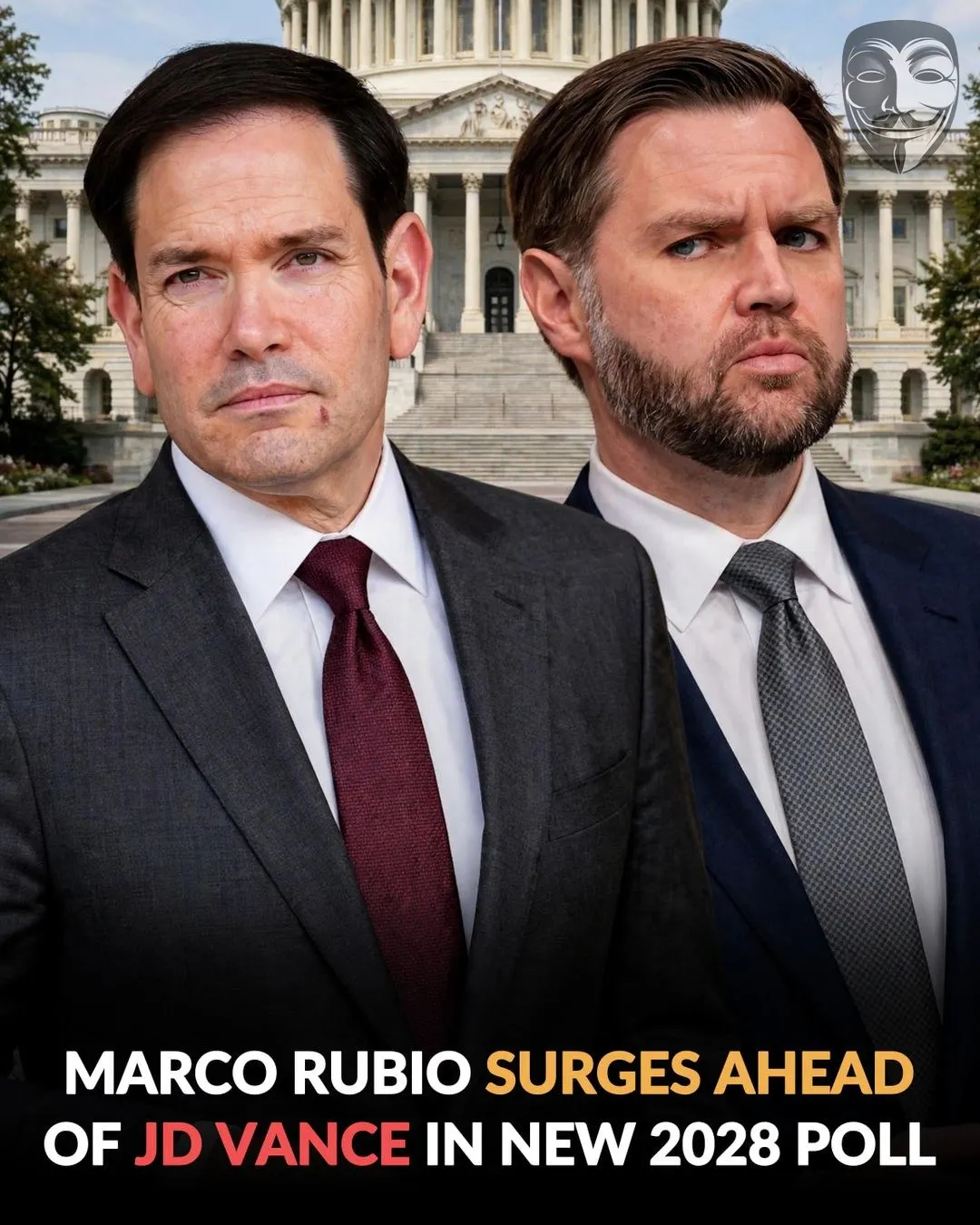
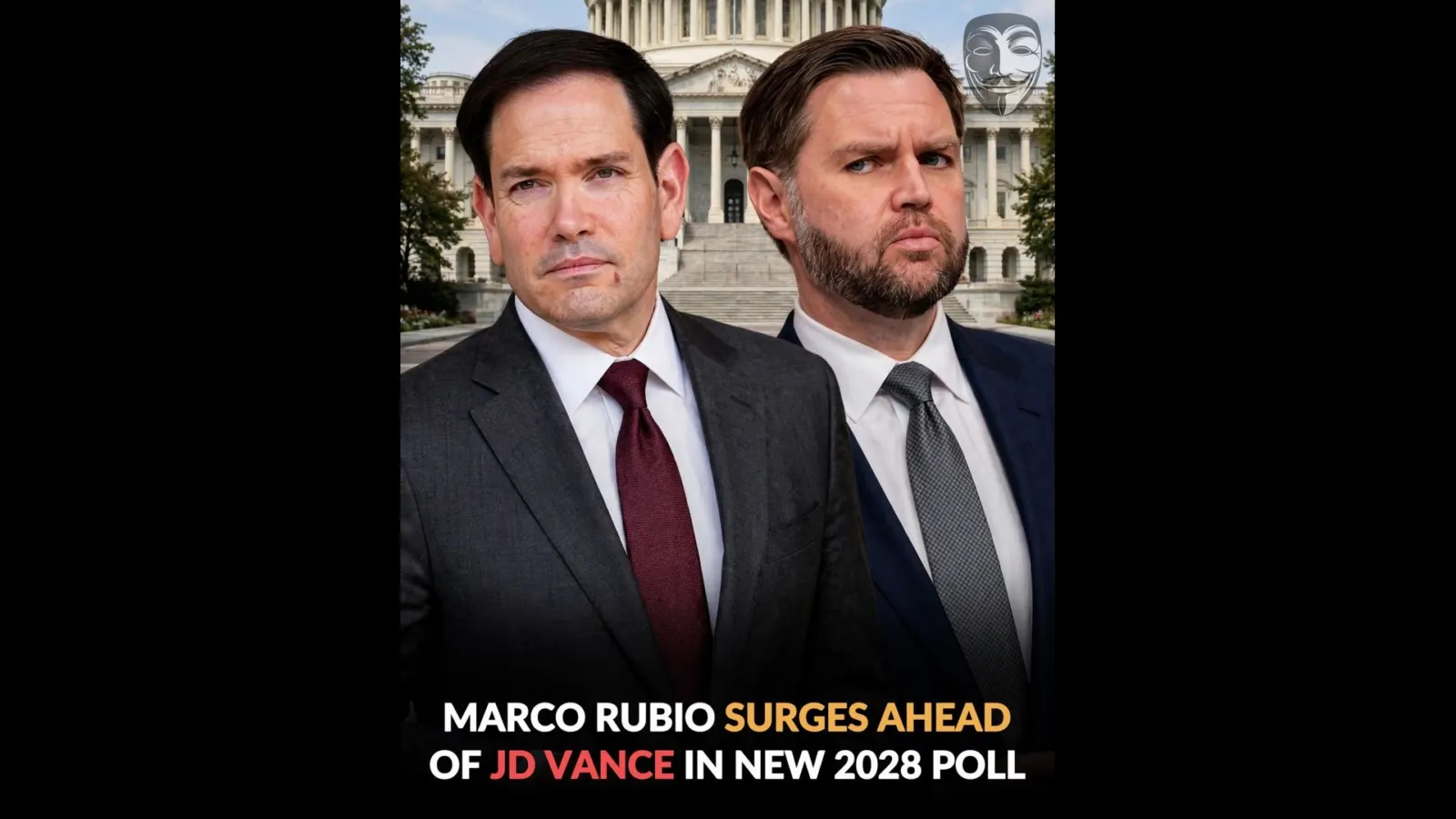
Rubio 2028 poll numbers give Secretary of State Marco Rubio a clear early lead in the race for the Republican presidential nomination in 2028. A new Emerson College national poll conducted November 14 to 16 puts Rubio at 44 percent among Republican primary voters who picked from a list of contenders, while Vice President JD Vance stands at 24 percent. Florida Governor Ron DeSantis follows at 9 percent, with Donald Trump Jr. at 6 percent. The gap of 20 points is the headline of the survey, and it sets up a contest for the party to watch.
Even without a list in front of them, voters still named Rubio first, backing him at 36 percent compared with 20 percent for Vance. The numbers mark a sharp reversal from a year ago, when Vance led Rubio 54 percent to 6 percent in the same open ended format, though other recent polls still show Vance ahead, so the race to lead the party after President Trump remains wide open. Ahead we look at the numbers and the people. For more on this race, read our report on the new Rubio lead.
References:
Emerson College Polling: National Poll Rubio Leads 2028 GOP Nomination Contest Ossoff Rises Among Democrats
Fox News: Marco Rubio Surges Past JD Vance To Lead 2028 Republican Primary Race Poll
Conservative Institute: Rubio Jumps Ahead Of Vance In Early 2028 GOP Primary Poll
Matzav: Rubio Surges Vance Slides New 2028 GOP Poll Shows Secretary Of State Opening Commanding Lead Over Vice President
Rubio 2028 poll: Rubio at 44 Percent, Vance at 24
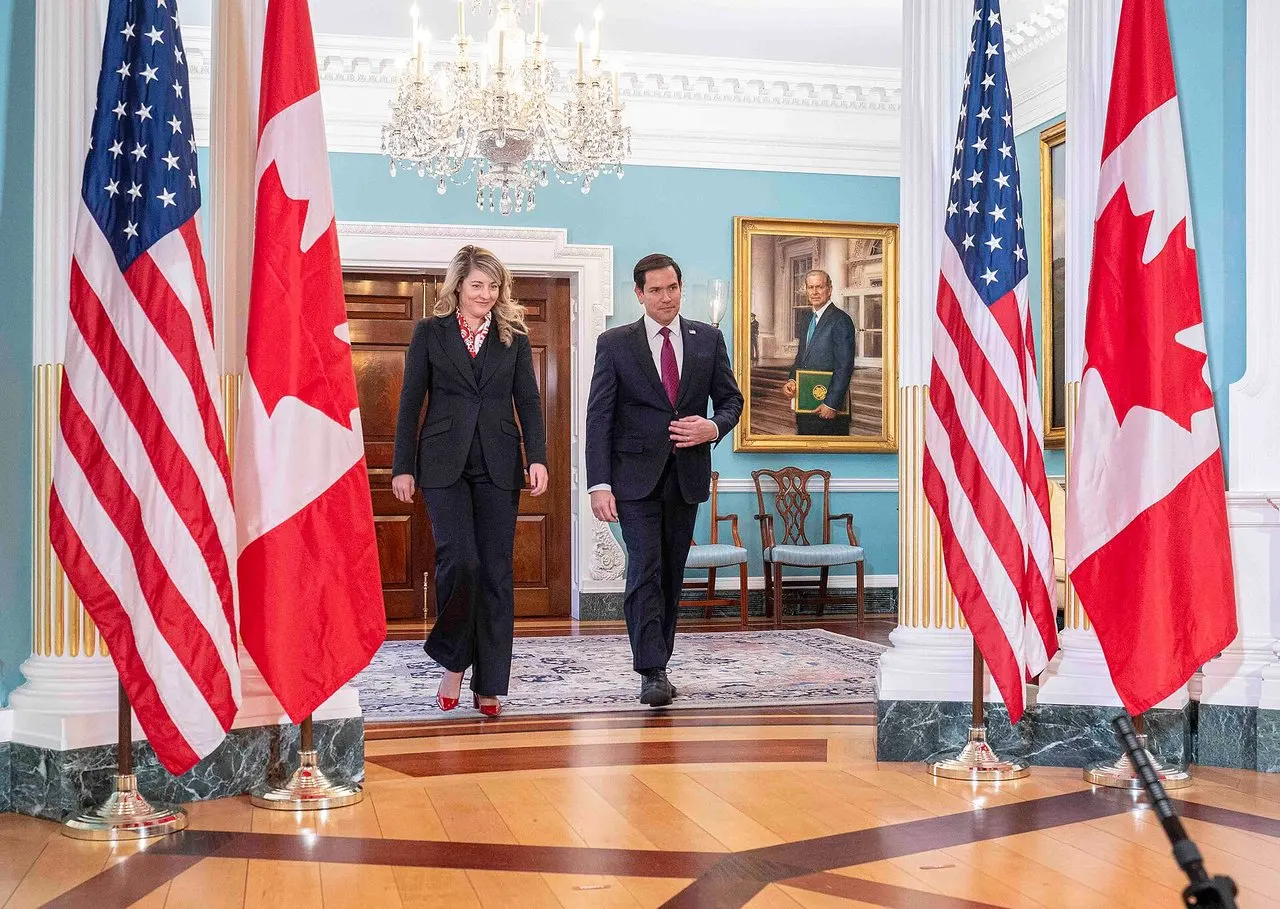
In the Rubio 2028 poll, Rubio takes 44 percent of Republican primary voters who chose from a list of contenders, while Vance takes 24 percent. That is a gap of 20 points, a wide margin at this early stage of a race that is still years from voting day. A lead that large gives Rubio a clear claim to front runner status, even though early polls often shift as voters learn more. For more on the numbers, read our report on the new Rubio lead.
A 20 Point Lead in the Rubio 2028 poll

A lead of 20 points is hard to miss in any poll, and it is the number that most people will remember from this survey. Rubio stands at 44 percent and Vance at 24 percent, so Rubio holds nearly twice the support of his closest rival. In a crowded field, a gap that wide can shape how donors, volunteers and voters see the race. It can also push other candidates to rethink their plans. See our story on the Rubio lead for more on how early leads shape a campaign.
Ron DeSantis Follows at 9 Percent
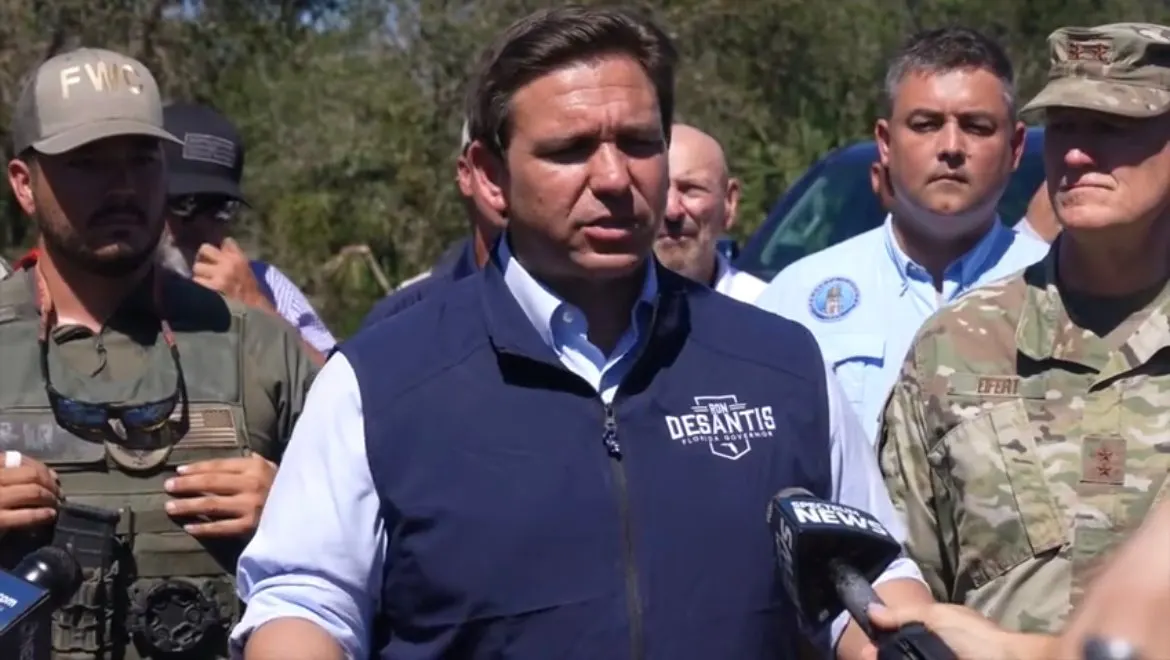
Florida Governor Ron DeSantis follows the two leaders at 9 percent in the poll, well behind Rubio at 44 percent and Vance at 24 percent. DeSantis ran for president in 2024 and remains a well known name among Republican voters, so his place in third is worth watching. A strong showing in his home state of Florida could matter later, but for now he trails by a wide margin. Read our story on Mississippi’s new senator for more on politics in the South.
Donald Trump Jr. Sits at 6 Percent
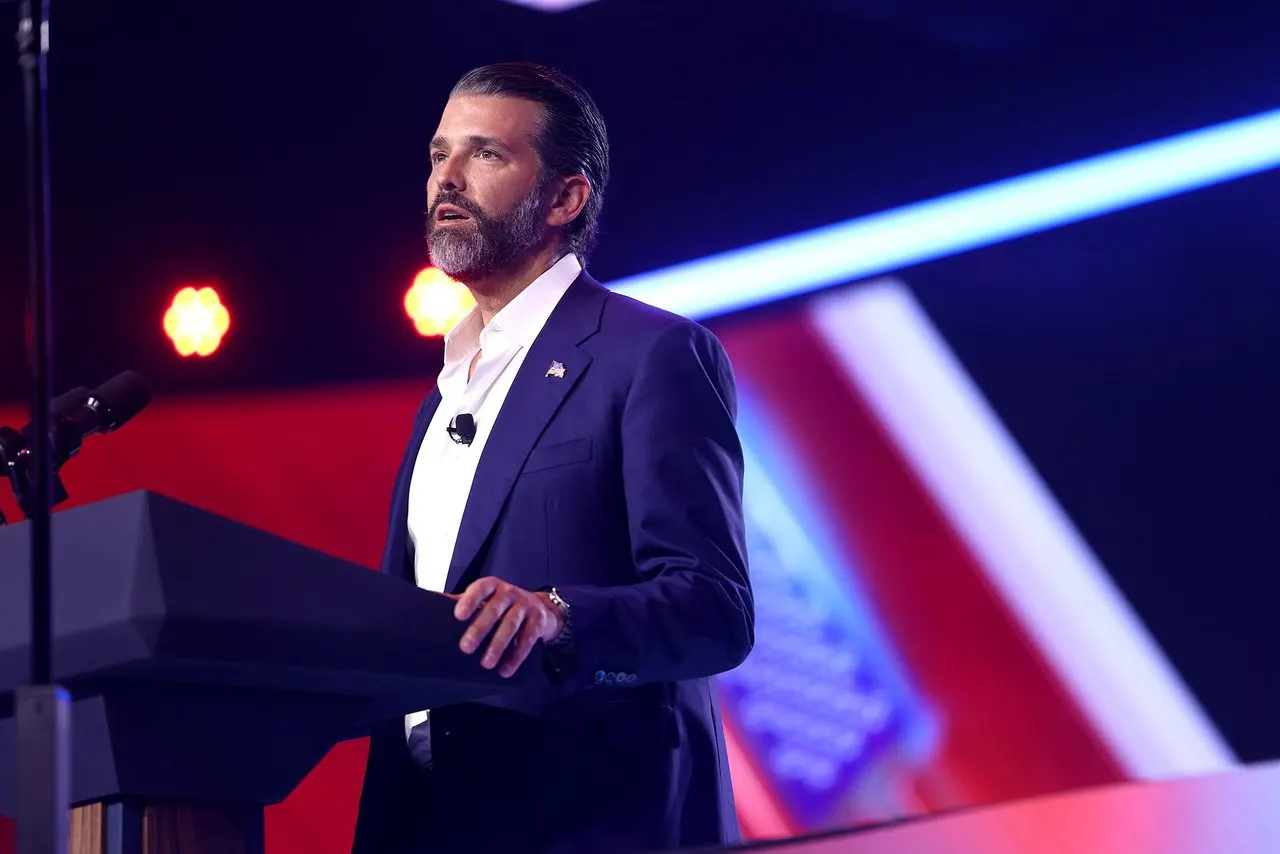
Donald Trump Jr. sits at 6 percent in the survey, a small share next to Rubio at 44 percent and Vance at 24 percent. As the son of President Trump, he carries one of the most famous names in American politics, and his supporters often praise his plain speaking style. A score of 6 percent still puts him in the mix, but he would need a big move to join the top two. See our story on Trump’s arrival in the Philippines.
Voters Name Rubio First in the Rubio 2028 poll
Even without a list in front of them, voters still named Rubio first, backing him at 36 percent compared with 20 percent for Vance. That matters because an open ended question tests which name comes to mind first, with no hints at all. Rubio winning that test as well as the listed test shows his lead is not just a quirk of the question. Voters are thinking of him on their own. Read our story on Rubio’s recent remarks.
A Sharp Reversal From a Year Ago in the Rubio 2028 poll
The numbers mark a sharp reversal from a year ago, when Vance led Rubio 54 percent to 6 percent in the same open ended format. A swing of that size is rare, and it shows how fast a race can change when roles change and voters take a fresh look. A year ago Vance was the fresh face of the ticket, while Rubio was a senator. Today their jobs are reversed in the public eye. See our report on the reaction to Rubio’s remarks.
What the List Question Shows in the Rubio 2028 poll
Polls ask the question two ways for a reason. With a list, voters pick from names they are shown, and Rubio wins 44 percent to 24 percent. Without a list, voters must recall a name themselves, and Rubio still wins 36 percent to 20 percent. When both ways point the same way, the result is harder to dismiss as a trick of wording. It suggests a real shift in how Republican voters see the two men. Read our story on Trump’s long flight home.
The Rubio 2028 poll Was Taken November 14 to 16

This survey comes from Emerson College, a national poll conducted November 14 to 16. Emerson College Polling runs surveys across the country and reports results for races at every level, from local contests to the White House. A national poll of Republican primary voters asks people across many states, not just one region, so it gives a broad view of the party. The dates matter too, since a poll is a snapshot of one moment in time. See our story on the deals from the China trip.
Other Recent Polls Still Show Vance Ahead in the Rubio 2028 poll
Even so, other recent polls still show Vance ahead, so the race to lead the party after President Trump remains wide open. One survey never settles a contest, and different polls can disagree when they ask different people or use different methods. Vance holds the job of vice president, which keeps him in the news every day, and that kind of visibility can move numbers fast. The next round of polls will tell us more. Read our report on Trump’s trip home from Asia.
The Race to Lead the Party Remains Wide Open in the Rubio 2028 poll
In the Rubio 2028 poll Rubio leads, yet Vance leads in other recent surveys, so the race to lead the party after President Trump remains wide open. No one has won a single vote yet, and the first primaries are still far away. Candidates will spend the next years raising money, hiring staff, visiting states and making their case to voters. A wide open race means surprises are likely, and small moments can shift the standings. See our story on Liz Cheney’s warning for more on the party’s future.
Who Is Marco Rubio
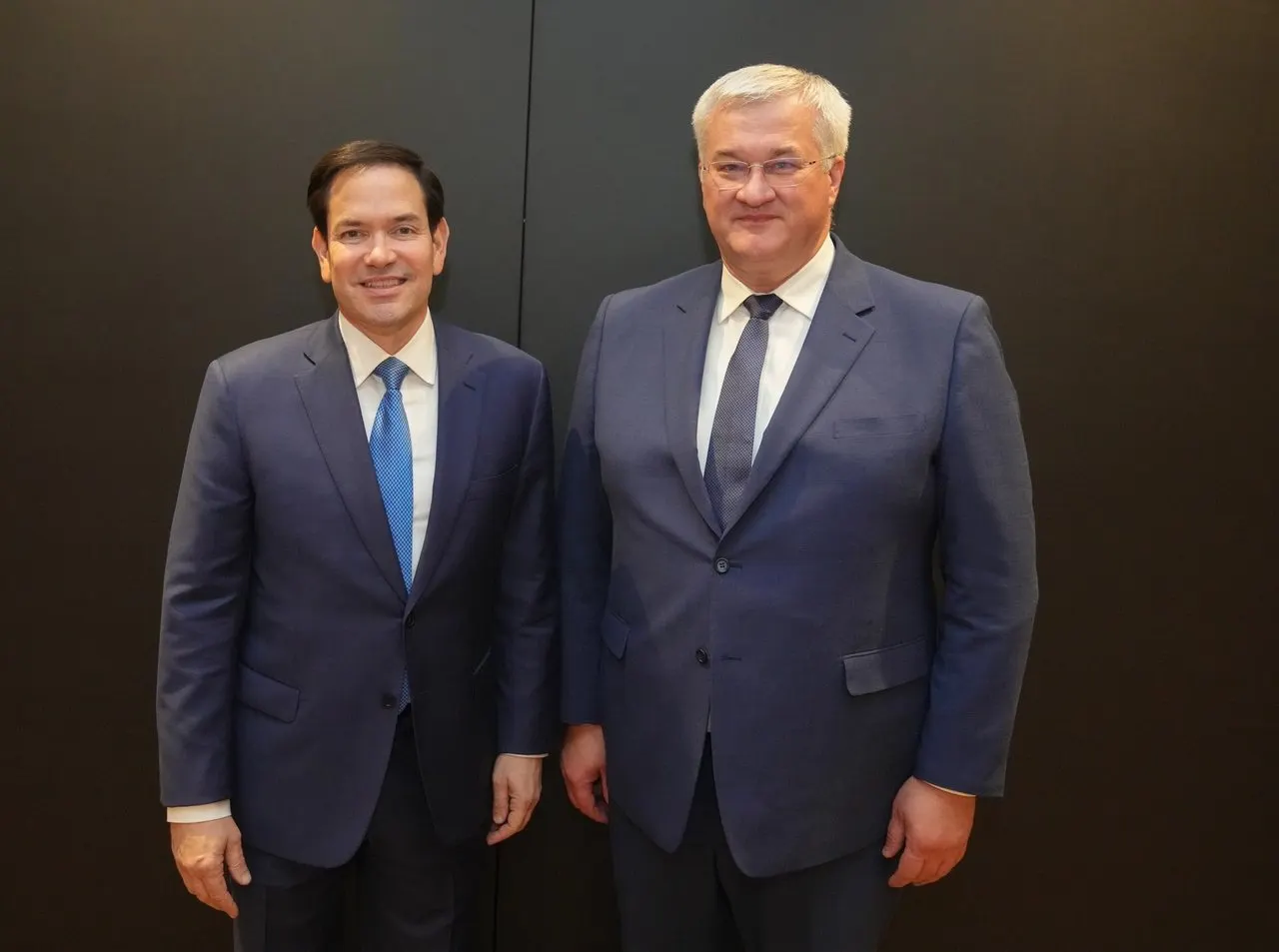
Marco Rubio is the Secretary of State, the top diplomat in President Trump’s administration, and the man now leading this poll at 44 percent. Before that he served as a senator from Florida, where he built a name as a voice on foreign policy and national security. Rubio has run for president before, in 2016, so he knows what a national campaign demands. That experience may help explain why voters reach for his name first. See our report on Trump’s briefing room return.
Who Is JD Vance

JD Vance is the Vice President of the United States, the second in command in President Trump’s administration, and he stands at 24 percent in this poll. Before that he served as a senator from Ohio, and he wrote a best selling memoir about his youth. Vance is younger than most past vice presidents, and his rise has been fast. His job keeps him at the center of the news, which cuts both ways. Read our story on the deals from the China trip.
What a Secretary of State Does Every Day
The Secretary of State is the country’s top diplomat, the official who speaks for the United States to other governments around the world. The job means long flights, late night calls and hard talks with allies and rivals alike. A secretary of state who does the job well can become a familiar and trusted face at home too. Rubio’s daily work puts him on television and in headlines, and that visibility can lift a candidate in early polls. See our report on Trump’s trip home from Asia.
What a Vice President Does Every Day
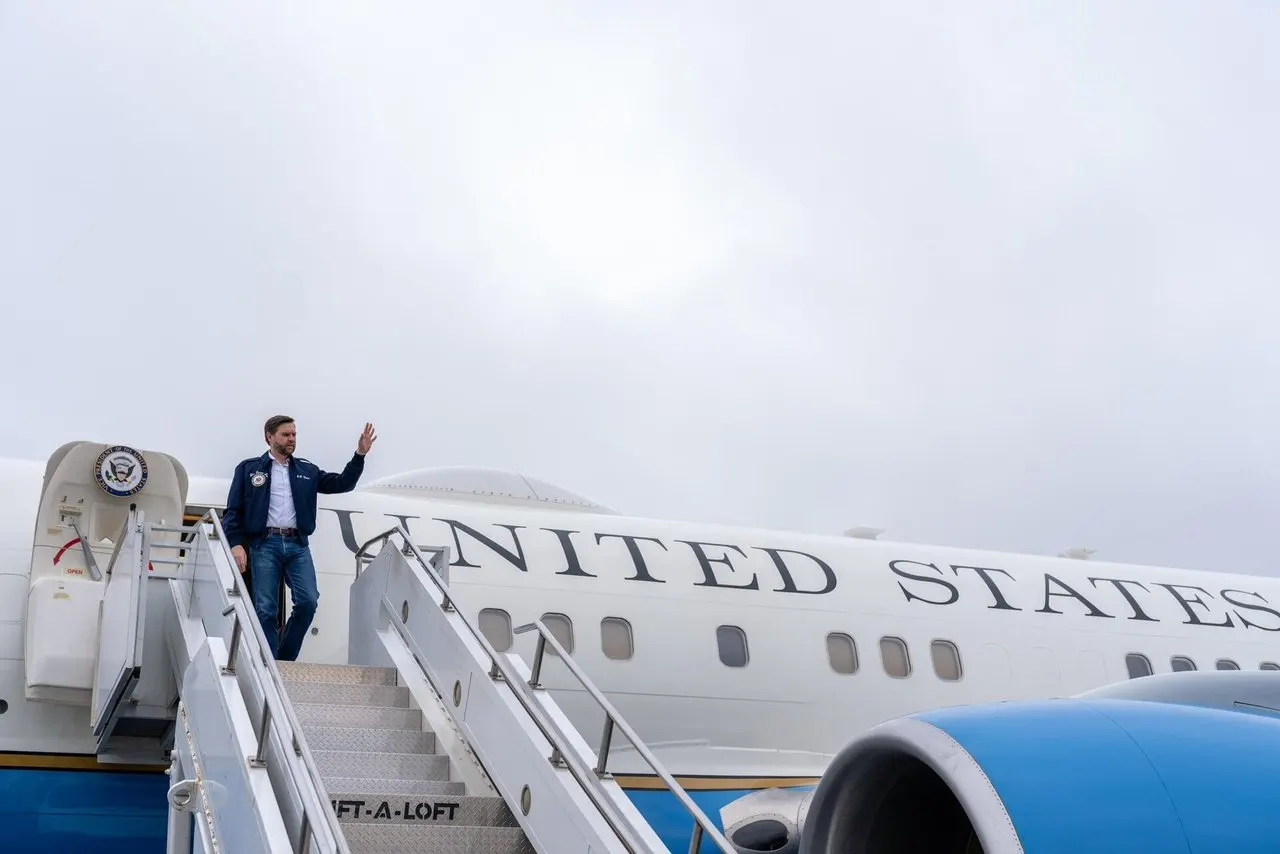
The Vice President is the second highest office in the country, a heartbeat from the presidency and a key voice in the administration. The job mixes ceremony with real power, from presiding over the Senate to casting tie breaking votes and standing in for the president abroad. Many vice presidents have gone on to seek the top job, and voters often judge them on how they handle the role. Vance now carries that test every day. Read our story on a warning to Republican colleagues.
Ron DeSantis and the Florida Factor
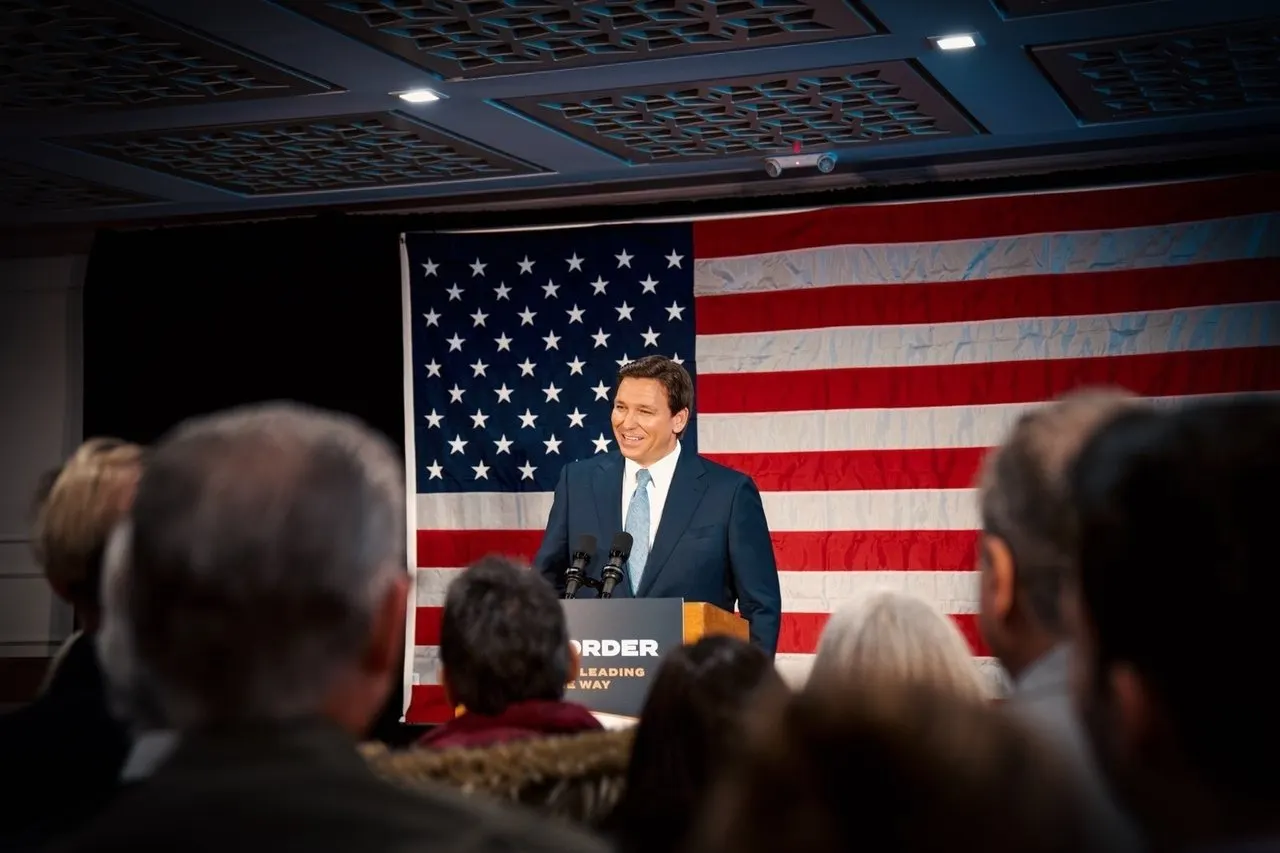
Ron DeSantis is the governor of Florida, one of the largest states in the country, and he polls at 9 percent in this survey. Florida is a big and diverse state, with retirees, young families and fast growing cities, and winning it matters in any Republican race. DeSantis has led the state through storms and growth, and his record there is well known to voters. But a home state edge only helps if it turns into votes elsewhere too. See our report on Byron Donalds making history.
Donald Trump Jr. and the Trump Name
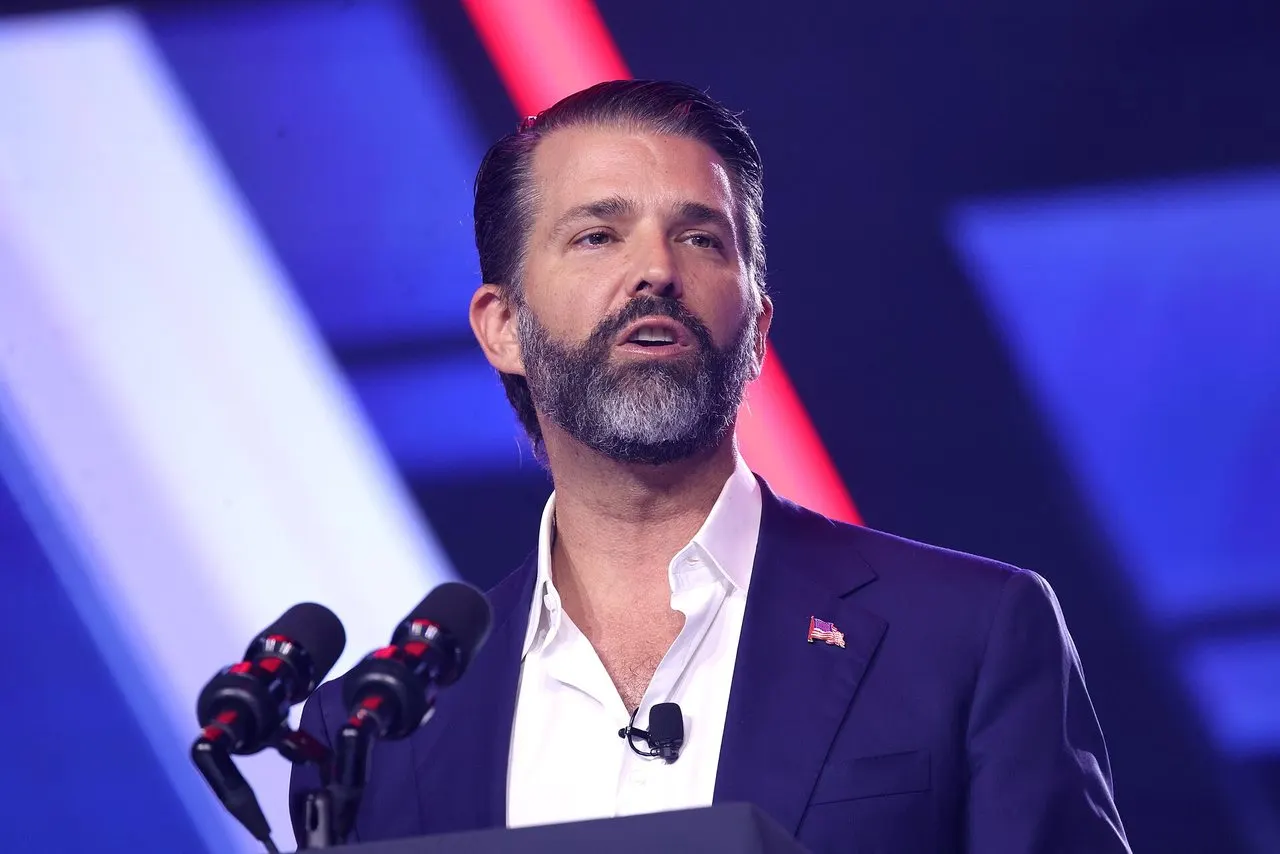
Donald Trump Jr. is the eldest son of President Trump, and he polls at 6 percent in this survey. He is a familiar voice to the party’s base, often speaking at rallies and online, where his plain style wins praise from supporters. The Trump name is the most powerful brand in Republican politics, and it opens doors that few others can open. Still, a famous name alone does not win a nomination, as the numbers here show. Read our report on the flags in Manila.
How National Primary Polls Work, and the Rubio 2028 poll
A national primary poll starts with a sample of voters, people chosen to stand in for Republican primary voters. Pollsters call or message them, ask who they would pick, and then weigh the answers to match the party as a whole. The Rubio 2028 poll used a list of names for one question and no list for another, which tests how firm the support is. Good polls are careful, but every poll carries some uncertainty. See our report on Trump’s call to European leaders.
What Polls Can Tell Us in the Rubio 2028 poll

Polls can tell us where a race stands today, but they cannot tell us where it will end. This poll shows Rubio ahead right now, yet early polls often move as candidates campaign, debate and face new events. A poll is a snapshot, not a forecast, and it reflects the people who answered on those days in November. Voters change their minds, and new names can enter the race at any time. Read our story on the inquiry into a former press secretary.
The Road After President Trump
President Trump cannot run again after this term, so the party must pick a new leader for 2028. That is why this poll draws so much attention, even though voting day is years away. The next nominee will shape the party’s message, its coalition and its future, and many Republicans are already weighing who can best carry the torch. Rubio and Vance are the two names at the front of that debate today. See our report on a senator blocking a nominee.
Florida Is Rubio’s Home Base
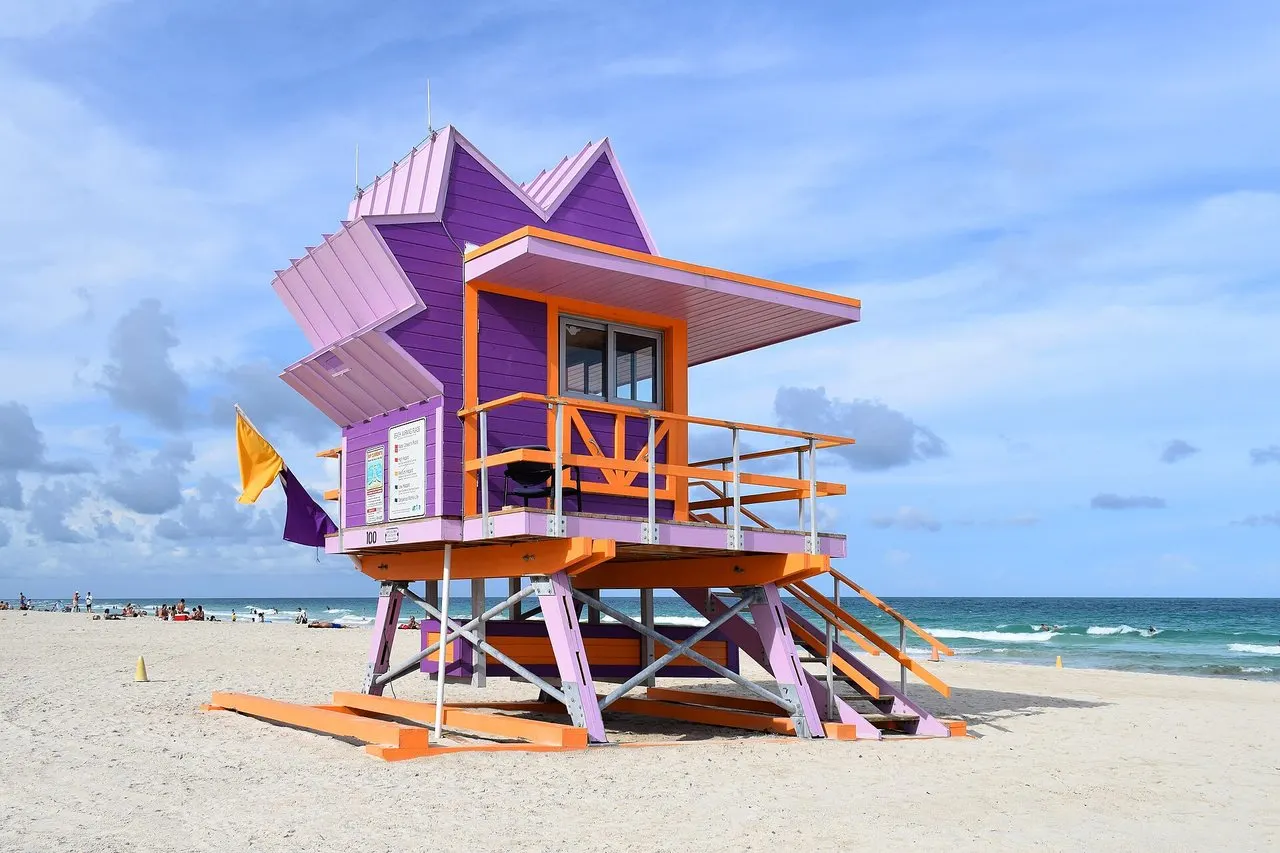
Florida is Rubio’s home base, the state he represented in the Senate and the place where his political career took shape. Florida has grown fast, adding new residents and new voters every year, and its politics often point to where the country is heading. A candidate who is strong at home starts with a base of donors, volunteers and local leaders. Rubio’s 44 percent shows that his national appeal now reaches well beyond Florida too. Read our report on Florida’s first Black governor.
Ohio Is Vance’s Home Base
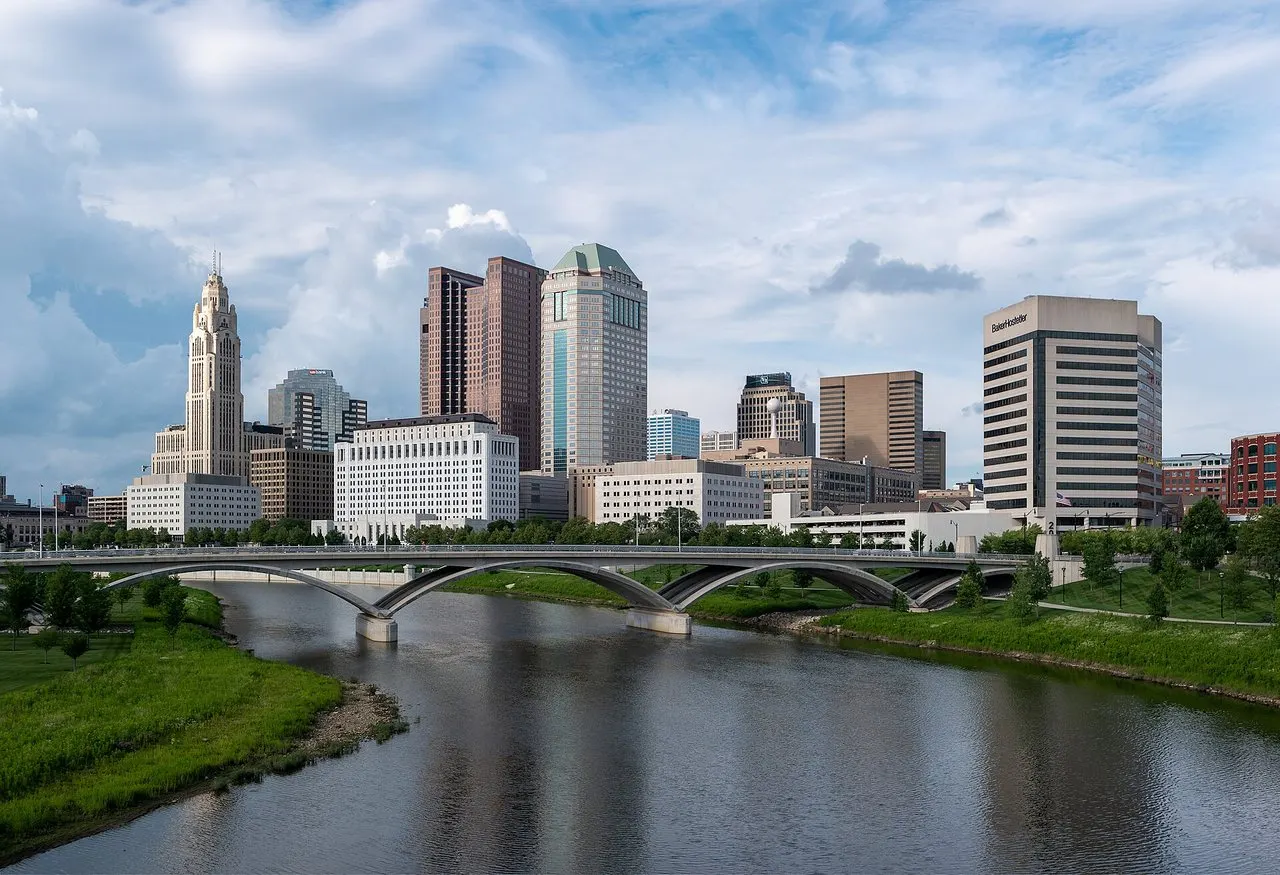
Ohio is Vance’s home base, the state he represented in the Senate before becoming vice president. Ohio has long been a bellwether, a state that often mirrors the mood of the wider country, and its mix of cities, suburbs and small towns makes it a useful test for any candidate. Vance’s roots there run deep, from his childhood to his memoir about the region. His 20 percent in the open ended question shows voters still think of him first in many places. See our report on the flags in Manila.
Why Early Polls Move So Much in the Rubio 2028 poll
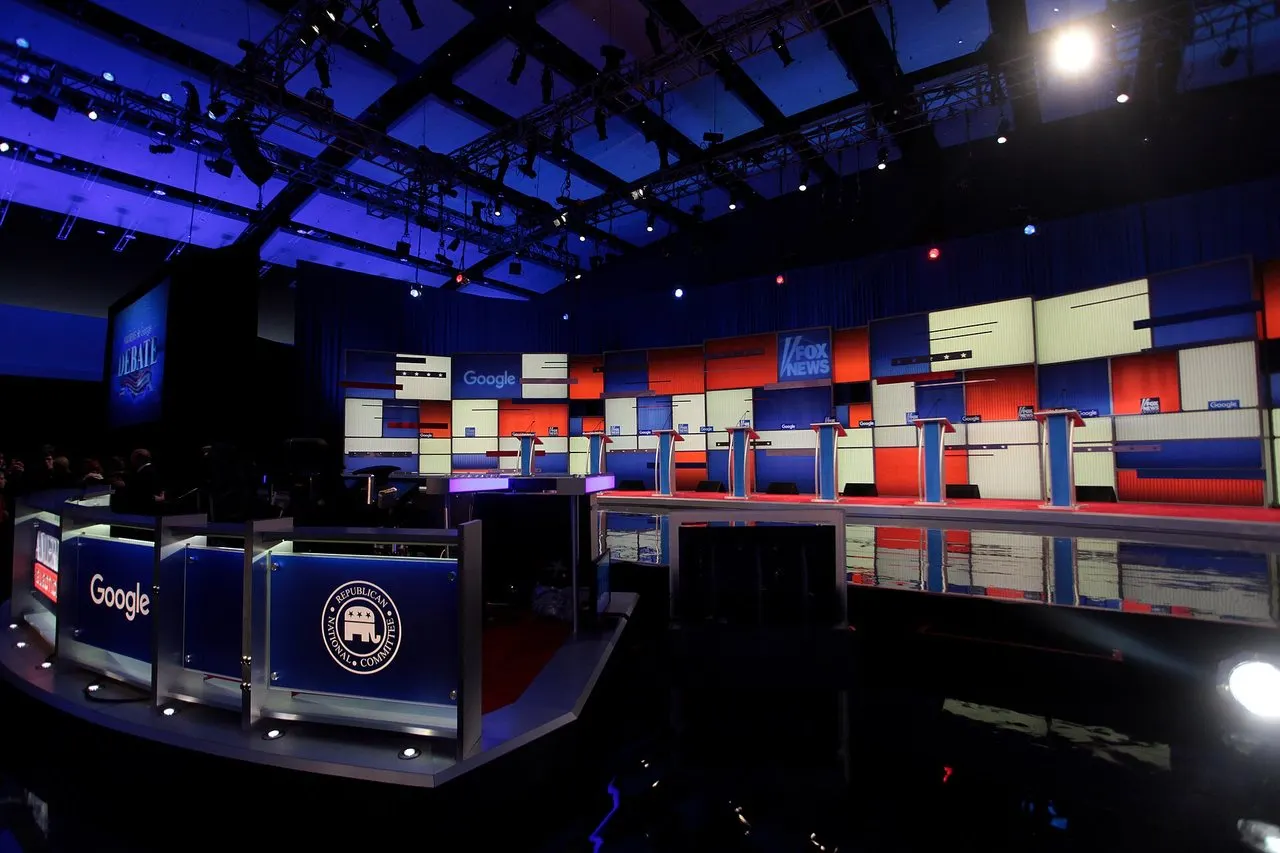
Early polls move because voters are still learning. Here Rubio leads by 20 points, but a single debate, a big speech or a new event can shift those numbers in a week. Candidates who are little known today can surge once voters see them up close, while front runners can fade if they stumble. That is why campaigns treat early leads with care, enjoying the good news while planning for the long road ahead. Read our story on a House race decided by 330 votes.
What the Candidates Do Next After a Big Poll
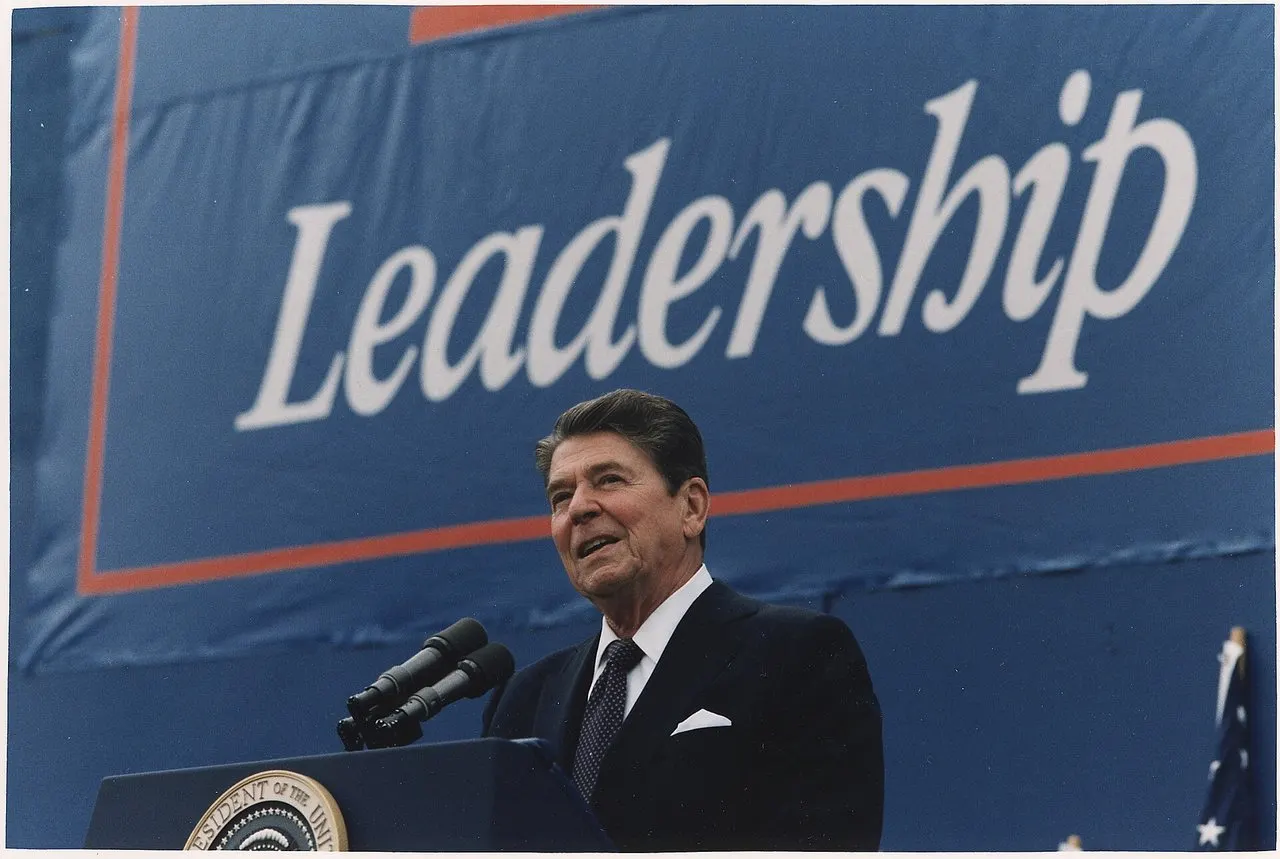
After a poll like this, the candidates get to work. The leader tries to hold the lead, raising money, hiring staff and visiting the early states where the first votes will be cast. The challenger looks for a way to close the gap, with sharper speeches, new ads and fresh ideas. Both men will spend the coming months making their case to the voters who will decide the nomination. See our report on a senator blocking a nominee.
How the Republican Primary Picks a Nominee
The Republican primary picks its nominee through a long series of state contests, with primaries and caucuses held across the country. Voters in each state choose delegates, and those delegates gather at the national convention to pick the party’s candidate. Winning early states can build momentum, but the race often runs for months before a winner is clear. A national poll is only one guide to that long road. Read our story on the inquiry into a former press secretary.
The 2028 Calendar Is Still a Long Way Off
The 2028 calendar is still a long way off, and much can change before the first votes are cast. Candidates have years to campaign, and voters have years to make up their minds. In the meantime, polls like this one give a first look at how the race might take shape, and they give supporters a reason to cheer or to work harder. The real contest begins when the campaigning starts in earnest. See our story on Mississippi’s new senator.
What to Watch in the Next Rubio 2028 poll
In the next poll, watch whether Rubio holds his 44 percent and whether Vance closes the 20 point gap. Watch DeSantis too, to see if he climbs from 9 percent, and watch Trump Jr. to see if his 6 percent grows. New polls will come often, and the trend across many polls matters more than any single survey. If Rubio keeps leading in poll after poll, his front runner status will harden into fact. Read our report on Shapiro’s speech on Ukraine.
Why This Early Poll Still Matters
An early poll matters because it shapes the story of the race. Donors look at polls before they write checks, volunteers look at them before they sign up, and the news covers the leader more than the rest. Rubio’s lead in this survey gives him momentum, while Vance’s team will look for the next chance to change the picture. The numbers today are not the final word, but they set the terms of the debate. See our story on the FBI director skipping a hearing.
Who Do You Think Leads the Race for 2028?
So who do you think leads the race for 2028? Is Rubio’s 20 point lead the start of a long run at the front, or will Vance close the gap as the campaign heats up? Could DeSantis climb from 9 percent, or could Trump Jr. surprise everyone from 6 percent? The polls will keep coming, and the voters will have the final say. Share your thoughts in the comments below and tell us who you would pick today. Read our report on the push to recover Trump family profits.