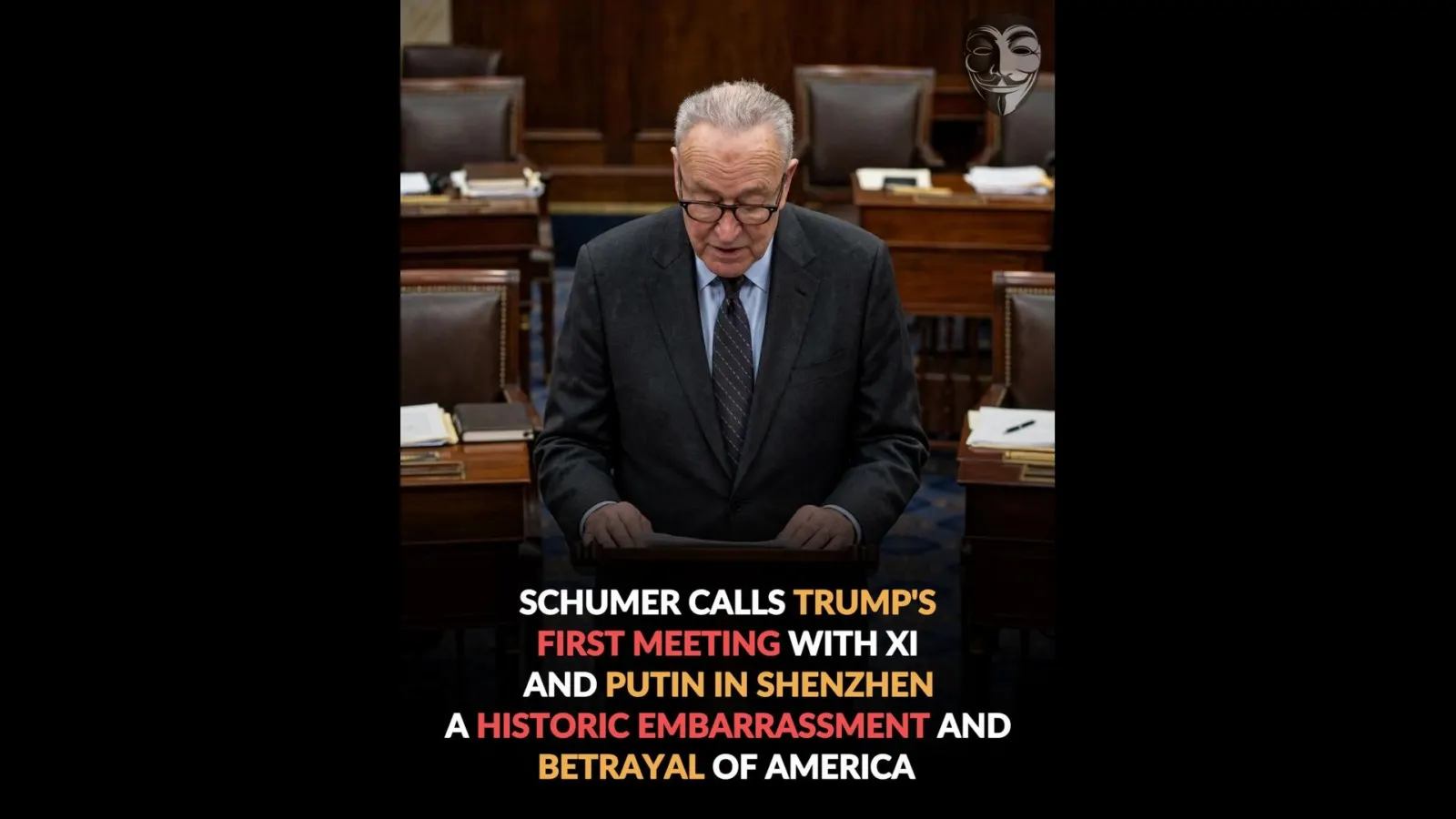
Schumer Shenzhen Meeting Draws Fire on the Senate Floor
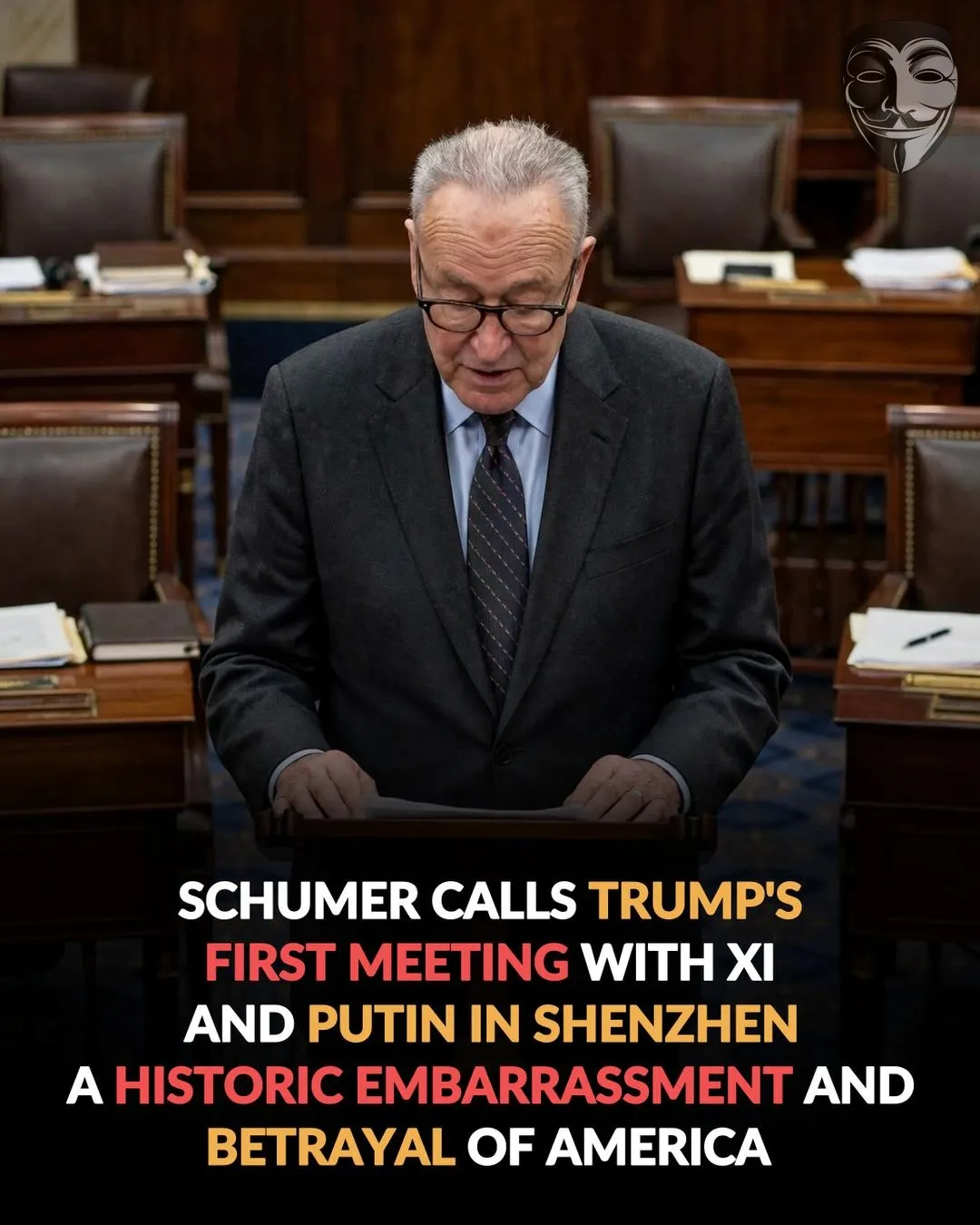
The Schumer Shenzhen meeting row began when Senate Minority Leader Chuck Schumer took to the Senate floor on Thursday to denounce President Trump’s first meeting with Xi Jinping and Vladimir Putin in Shenzhen. Schumer called the meeting a historic embarrassment and a betrayal of the United States, and he said Trump bowed to adversaries for a photo op. He pointed to Trump greeting Putin, who is waging conflict in Ukraine, by calling him my friend. You can read how Trump called Putin my friend in Shenzhen before the talks began.
The three leaders met for about 90 minutes and issued a joint declaration reaffirming that a nuclear conflict cannot be won and must never be fought, along with pledges on UN reform and stable fuel supplies. Trump rated the talks a 12 out of 10, while Schumer said America would have been far better off if Trump had just stayed home. In the slides ahead we look at the speech, the greeting, the declaration and the debate that followed. For the full background, see our report on the joint peace declaration from Shenzhen.
References:
Reuters: Trump Xi and Putin release peace declaration from unprecedented summit
News9: Sen Lankford on Trump friendly embrace of Putin
The Independent: Trump branded embarrassment for America over warm reception for his friend Putin
European Council on Foreign Relations: From declaration to feasibility America China Russia and the future of N*clear talks
Schumer Takes the Senate Floor on Thursday
Senate Minority Leader Chuck Schumer chose the Senate floor for his attack, and the setting gave his words extra weight. Senators use floor speeches to speak to the whole country, not just to each other, and the cameras carry every line to the evening news. Schumer said Trump bowed to adversaries for a photo op, and he called the meeting a historic embarrassment. His tone was sharp from the start, and he kept returning to the same point. Read our report on the peace summit in Shenzhen.
The Schumer Shenzhen Meeting Turns on Two Words
The sharpest line in Schumer’s speech was about two small words. Trump greeted Putin, the leader who is waging conflict in Ukraine, by calling him my friend, and Schumer repeated the phrase to make it sting. He said Putin is decimating the lives of Ukrainian citizens, abducting children and threatening America, so a warm greeting looked like a gift to an adversary. The words my friend became the heart of the row. See how Trump called Putin my friend at the summit and why critics questioned the warm greeting.
Ninety Minutes Around One Table
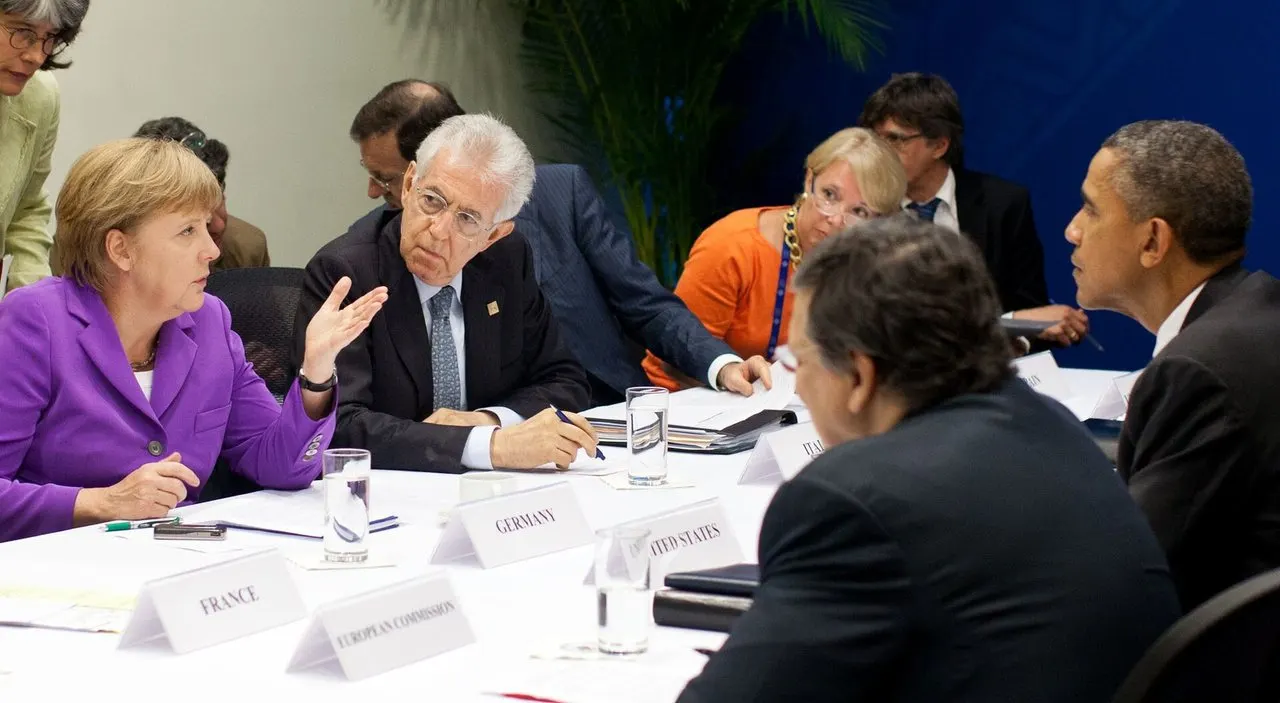
The three leaders sat down together for about 90 minutes, a short time for a meeting of this size. Summits of this kind usually take months of planning, with aides settling the agenda long before the leaders arrive. Ninety minutes is enough for opening remarks, a frank exchange and a short statement, but not for detailed talks on hard issues. The leaders still found time to agree on a joint declaration. Read about the first ever meeting of the three leaders.
The Schumer Shenzhen Meeting and the Peace Declaration

The joint declaration was the main paper result of the Schumer Shenzhen meeting, and its best known line said a nuclear conflict cannot be won and must never be fought. The three leaders also pledged to work on UN reform and to keep fuel supplies stable, two promises that matter to countries far beyond the summit room. Declarations like this set a tone, even when the hard work comes later. Our report on the peace declaration from the unprecedented summit has the full story.
Trump Rates the Talks a 12 Out of 10
Trump gave his own verdict on the meeting, and it could not have been higher. He rated the talks a 12 out of 10, a score that went past the top of the scale and told the world he was pleased with how it went. Presidents often praise their own summits, since a good headline at home is part of the prize. But the high score also gave his critics a fresh target, and Schumer used it the same day. See our story on Trump saying the summit made history.
America Would Have Been Better Off if Trump Stayed Home
Schumer closed his case with a line that was easy to remember. He said America would have been far better off if Trump had just stayed home, a claim that turned the whole trip into a waste of time in his telling. The line summed up his view that the meeting gave Putin and Xi a gift and gave America nothing in return. It also set up the fight over who gains from talking to rivals. Read how Trump left China after the historic trip.
The Schumer Shenzhen Meeting as a Photo Op
Schumer kept calling the meeting nothing but a glorified photo op and a gift to Putin and Xi. The charge is a familiar one in politics, since a handshake picture can be worth more than a signed page. A photo of three leaders smiling together tells voters that rivals can talk, and it tells rivals that America is willing to meet them halfway. Schumer said Trump loved nothing more than bowing down for that picture. See the group photo that drew attention in Shenzhen.
Putin and the Conflict in Ukraine

Schumer put Ukraine at the center of his attack, and he did not soften his words about Putin. He called Putin the dictator who is decimating the lives of Ukrainian citizens, abducting children and threatening America. For Schumer, shaking the hand of a leader doing those things was the heart of the embarrassment. The conflict in Ukraine has shaped how many Americans judge any meeting with Putin. Read the speech that took Trump apart over Ukraine.
Xi Jinping at the Table
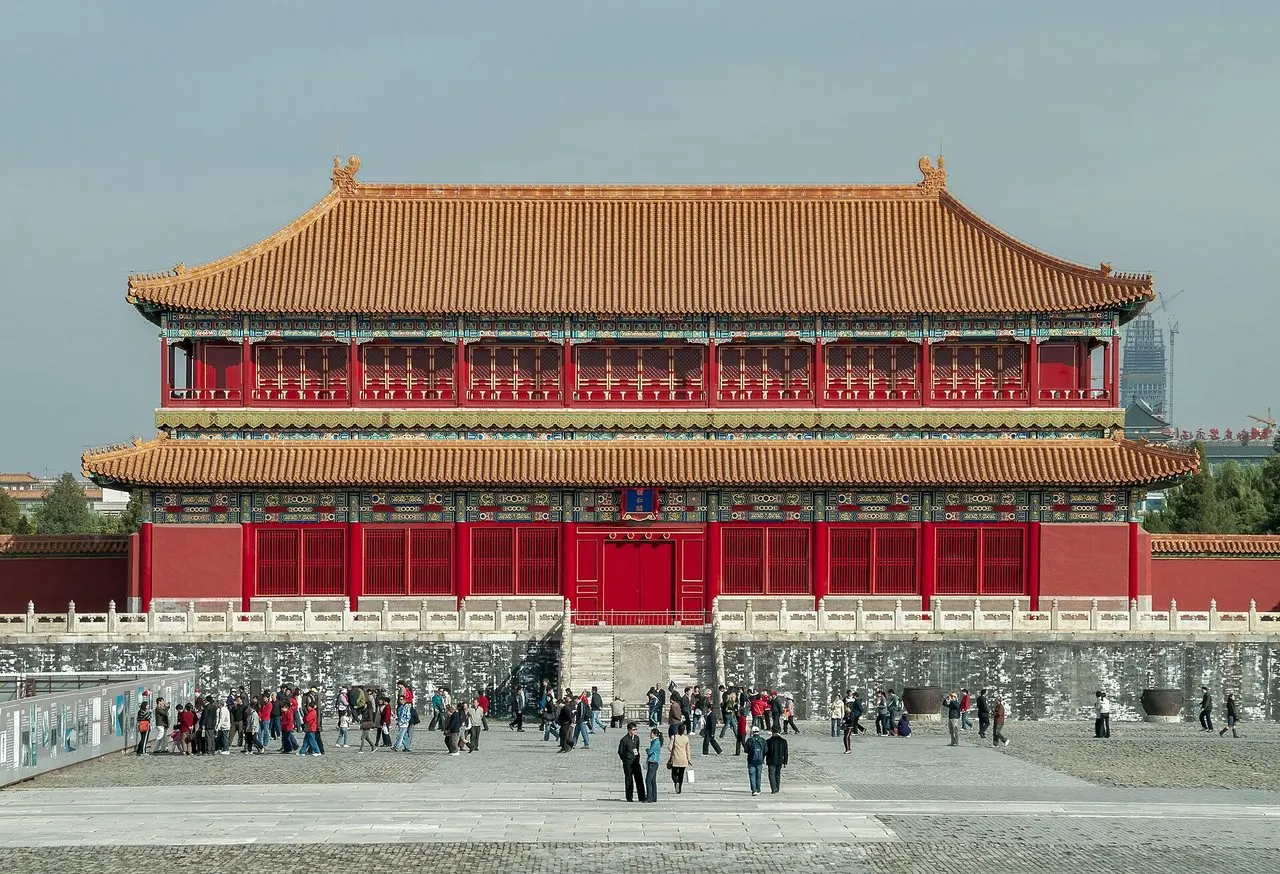
Xi Jinping was the third leader in the room, and his presence made the meeting a first. Trump had never sat down with Xi and Putin together before, and China hosted the talks in Shenzhen. Xi leads a country that is a rival and a trading partner at the same time, so every meeting with him carries weight in Washington. Schumer said Xi had Trump eating out of the palm of his hand all day. Read about Xi greeting Trump on the tarmac in Shenzhen.
The Schumer Shenzhen Meeting in a City Built for Summits
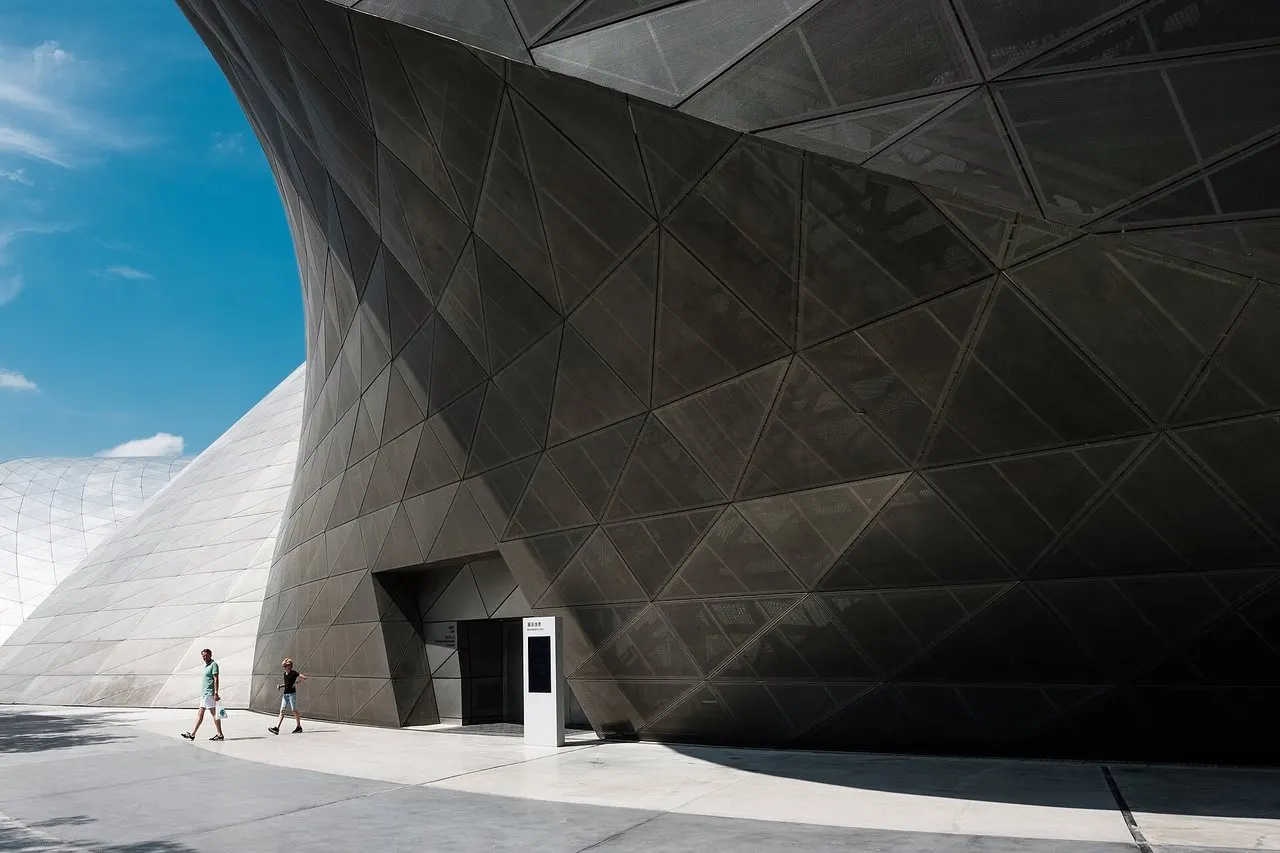
Shenzhen was a fitting stage for the Schumer Shenzhen meeting, since the city is known for trade, technology and fast growth. The leaders met there during a wider trip that also covered the APEC summit, and the setting gave the talks a modern backdrop. Shenzhen sits close to Hong Kong and has grown from a small town into a huge city in a few decades. Hosting three leaders there put the city in front of the world. See how Trump left China after four days of talks.
The Other Side of the Story
The original post behind this story took the opposite view, and it is worth hearing in full. It said Democrats spent years treating every Trump handshake as treason, while their own presidents rolled out red carpets and posed for pictures with the same men. The post called the rule simple. If a Democrat does it, it is statesmanship, and if Trump does it, it is betrayal. That claim is the heart of the counterattack. Read the backlash over the warm welcome for Putin.
Obama and the Red Carpets
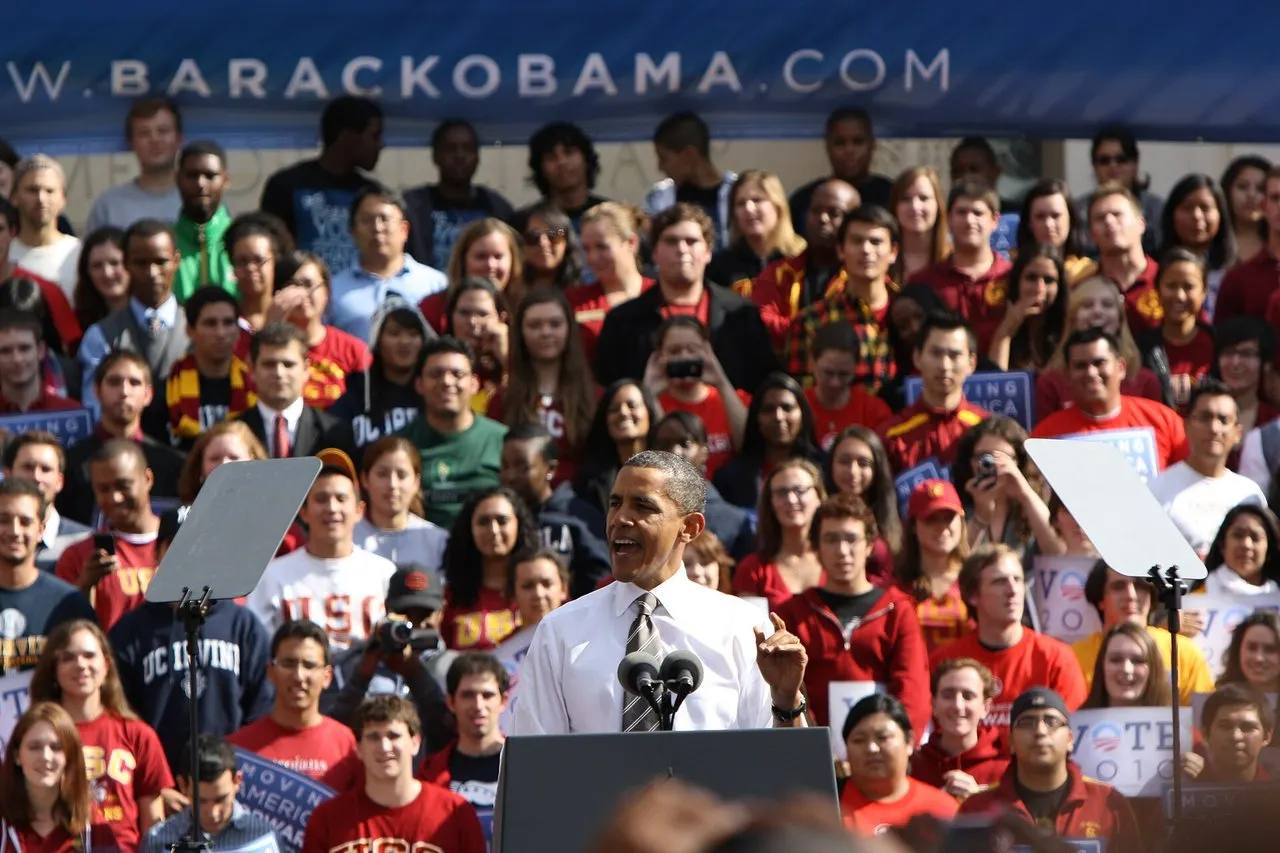
The post pointed back to the Obama years to make its case. It said Obama bowed to foreign leaders and let China run roughshod over the South China Sea, while his party still called Trump weak for talking to the same countries. Obama met many world leaders in his eight years in office, and those meetings were often praised as smart diplomacy. The post said the standard changed when Trump took the same step. Read the interview where Michelle Obama praised Barack.
The Schumer Shenzhen Meeting and the Biden Years
The post also looked at the Biden years for its next example. It said Biden’s team called Putin a killer one week and then begged him for oil the next, a swing that showed how fast the tone can change. Biden met Putin too, and his team kept talking to Moscow even as the conflict in Ukraine went on. The post said Democrats negotiated with dictators the moment they held the White House. See the briefing room report after the long flight from China.
One Rule for Democrats, Another for Trump
The post summed up its charge in a single line that readers will remember. The rule is simple. If a Democrat does it, it is statesmanship, and if Trump does it, it is betrayal. Supporters of the post say past presidents met the same leaders without being called traitors, and they ask why Trump is judged by a different standard. Critics say the situations are not the same, and the debate goes on. Read the warm greeting that drew fire in Shenzhen.
What a Trilateral Summit Really Means
A trilateral summit brings three countries to one table, and that is rarer than a meeting between two. With two leaders, the talks can stay simple, but a third leader adds new interests and new tradeoffs. The United States, China and Russia are three of the most powerful countries in the world, so a joint meeting of their leaders is a major event by itself. The Shenzhen talks were the first of their kind. Read about the first ever trilateral summit in history.
The Schumer Shenzhen Meeting and the Nuclear Promise
The line that a nuclear conflict cannot be won and must never be fought has a long history. Leaders have used words close to these since the Cold War, when the United States and the Soviet Union first said the same thing in a joint statement. The idea is simple. No country can win a nuclear conflict, so no country should start one. Putting those words in a joint declaration gives them fresh force. Read the future of nuclear talks after the declaration.
UN Reform and Stable Fuel Supplies
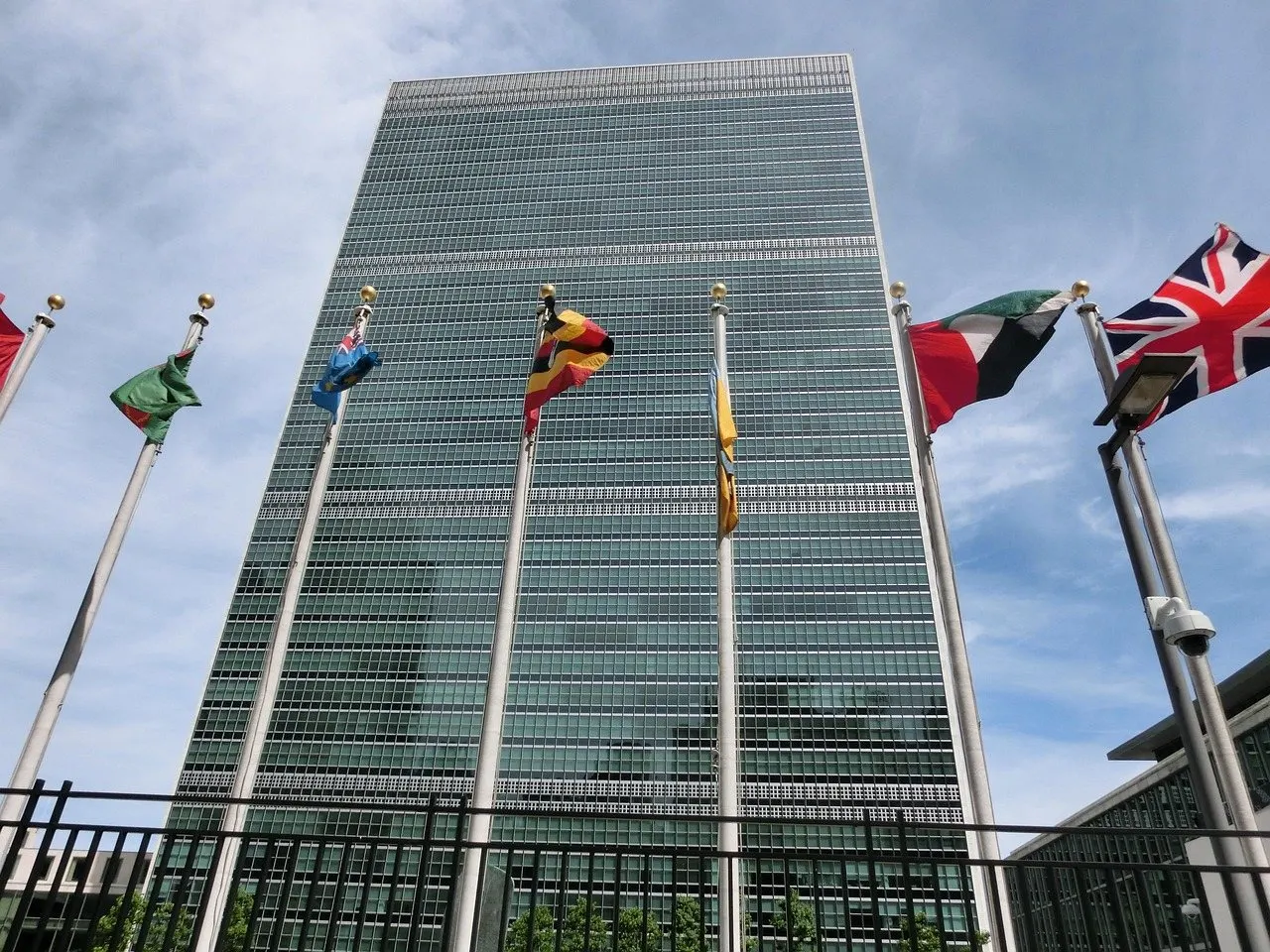
The declaration also carried two pledges that got less attention than the nuclear line. The leaders promised to work on UN reform, which means changing how the United Nations makes decisions so it can act faster. They also promised stable fuel supplies, which matter to every country that buys oil and gas. Both pledges are broad, and the hard part will be turning them into real steps. Read our report on the meeting that produced the declaration.
Why Fuel Supplies Made the Agenda
Fuel is never far from any big summit, since oil and gas prices touch every home and every business. When supplies are stable, prices stay steady and countries can plan ahead. When supplies shake, prices jump and leaders feel the pressure at home. The pledge on stable fuel supplies was a promise to keep that pressure down. It also showed that the talks were about daily life, not just grand statements. Read the Asia deals that covered energy and trade.
The Schumer Shenzhen Meeting and the Power of a Floor Speech
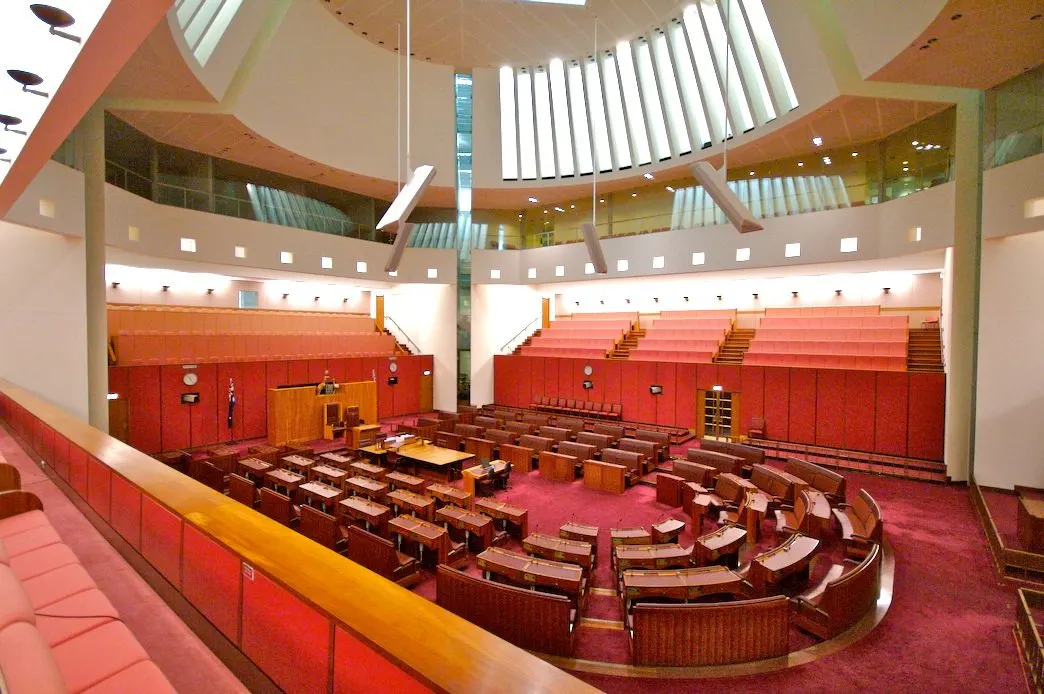
A Senate floor speech is one of the oldest tools in American politics, and Schumer used it well. Senators speak on the floor to set the terms of a debate, to rally their party and to reach voters through the news. The speech does not change a law by itself, but it can change what the country talks about for days. Schumer’s speech did that, and the row is still going. Read about the Senate speech that took Trump apart.
How Presidents Grade Their Own Summits
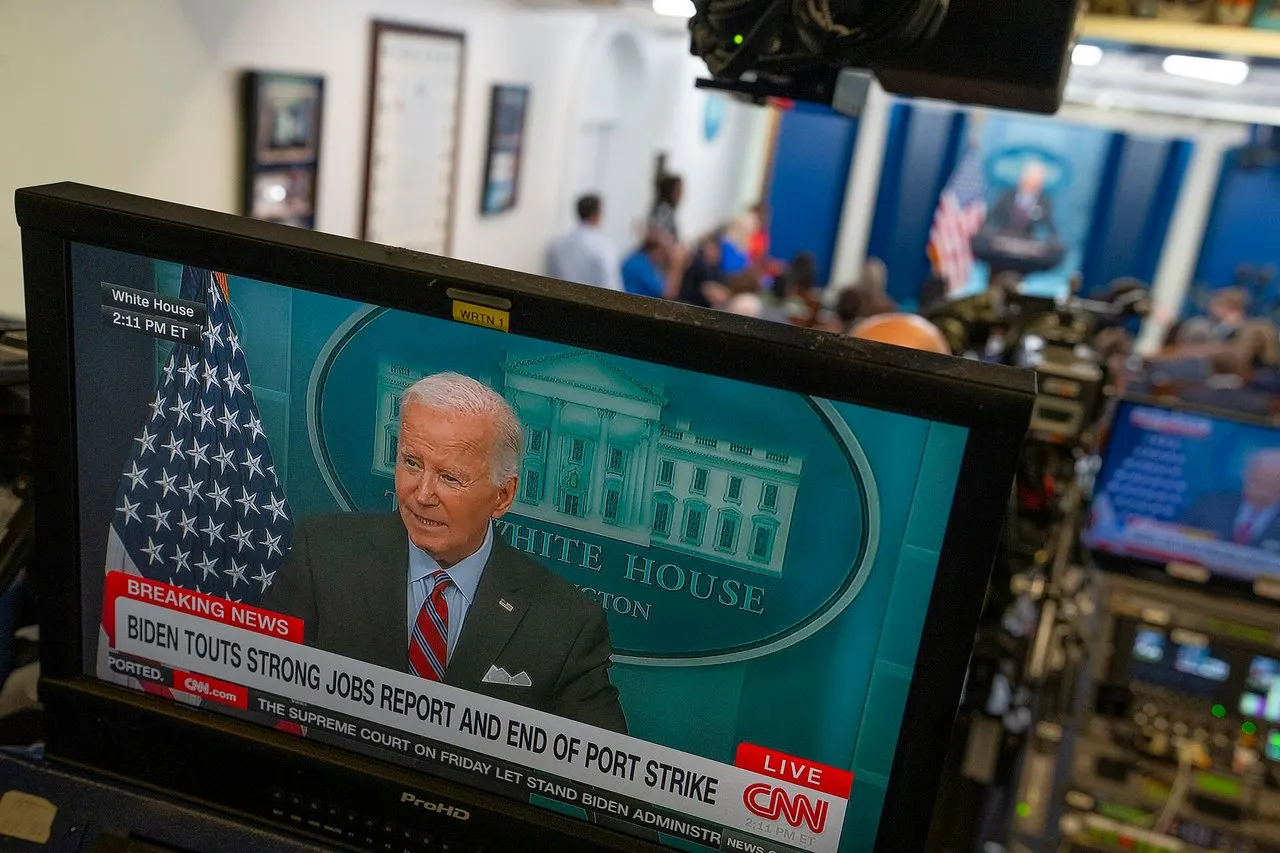
Trump is not the first president to give his own summit a top score, and he will not be the last. Leaders often come home from talks abroad and tell voters the trip was a triumph, since a strong story at home is part of the job. The score of 12 out of 10 was unusual only in how far past the top it went. Critics heard pride, while supporters heard confidence. See Trump walking into the briefing room after the long flight from China.
The Job of the Senate Minority Leader
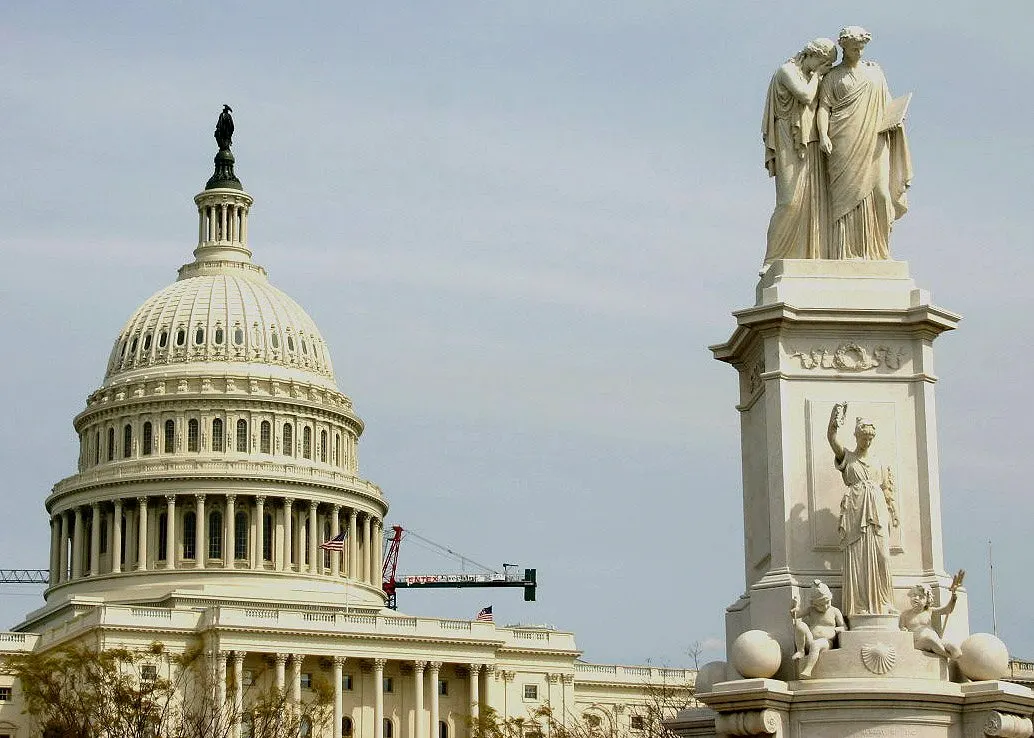
As Senate Minority Leader, Schumer speaks for the Democrats in the Senate, and attacking the president is a core part of that job. The minority leader sets the tone for the opposition, picks the fights that matter and gives the party a single voice. Schumer has held the role for years, and he knows how to turn one speech into days of coverage. The Shenzhen speech was a clear example. Read the vote that made Hakeem Jeffries speaker.
The Schumer Shenzhen Meeting and the Case for Talking
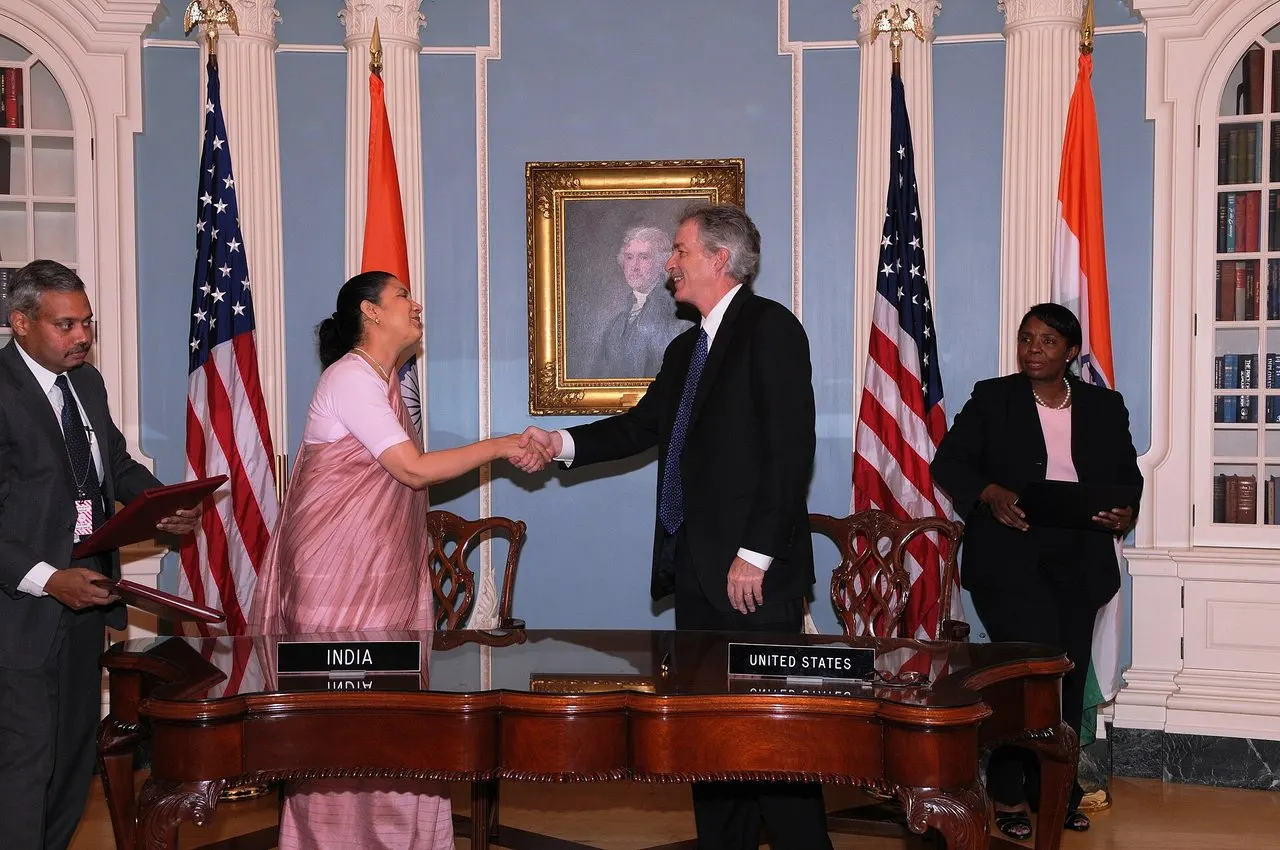
Supporters of the meeting say talking to rivals is not weakness, and they point to a long record of summits that eased tension. Presidents have met leaders they distrust for decades, from Cold War summits to recent talks in Asia. The case for talking is simple. A meeting can open a channel, test a rival’s aims and lower the chance of a mistake. The case against it is that a smile can look like approval. Read the first ever trilateral summit.
The Long Flight Home

After the talks ended, Trump left China on Air Force One, and the flight home became a story of its own. Reporters said the White House took their phones on the plane, a move that was called very unusual. Nobody outside the plane knew where it was headed for a time, and the mystery fed a fresh round of questions. The trip ended as it began, with the world watching every step. Read the flight where reporters lost their phones.
How the Story Spread
The row did not stay on the Senate floor, and it spread fast through newsrooms and social media. Clips of the speech ran on television, and posts about the my friend greeting drew replies from both sides. The references behind this article show how the story was covered, from Reuters to The Independent. Each outlet picked the line that fit its readers best. By the next morning, the speech was the talk of Washington, and both parties were already shaping their own version of the day. Read the report on Trump falling asleep at APEC.
The Schumer Shenzhen Meeting Took Months to Arrange
Meetings like this one do not happen by chance, and aides work for months to set them up. Teams agree on the place, the time, the seating and the words of any joint statement before the leaders ever shake hands. Every detail is checked, since a small slip can become the story. The Shenzhen meeting followed that pattern, with planning that began long before the leaders landed. Read the tarmac greeting that opened the visit.
Why Shenzhen Was in the Spotlight

Shenzhen is one of the fastest growing cities in China, and it is known for electronics, trade and tall towers. The city grew from a fishing town into a huge hub in less than fifty years, and it now hosts global firms and major events. Holding a summit there showed off that rise to the world. The night skyline, with its bright towers, gave the talks a striking backdrop. Read the APEC moments from the Shenzhen trip.
What to Watch Next
The declaration is only the start, and the next test is whether the pledges turn into action. Watch for follow up talks on nuclear issues, for any change at the United Nations and for signs that fuel supplies stay steady. Watch too for the next round of speeches in Washington, since Schumer and his critics will keep arguing over the trip. The story is far from over. Read the future of nuclear talks after Shenzhen.
The Schumer Shenzhen Meeting: What Do You Think?
The Schumer Shenzhen meeting left Washington split, and the split is the story. Was Schumer right to call the talks a historic embarrassment, or was he wrong to attack a meeting that produced a peace declaration? Did the greeting cross a line, or was it just good manners between leaders? There is no single answer, and readers see it in very different ways. Tell us what you think in the comments below. Read the first ever trilateral summit.