Tillis Blocks Cyber Nominee After a Hearing That Stunned the Senate
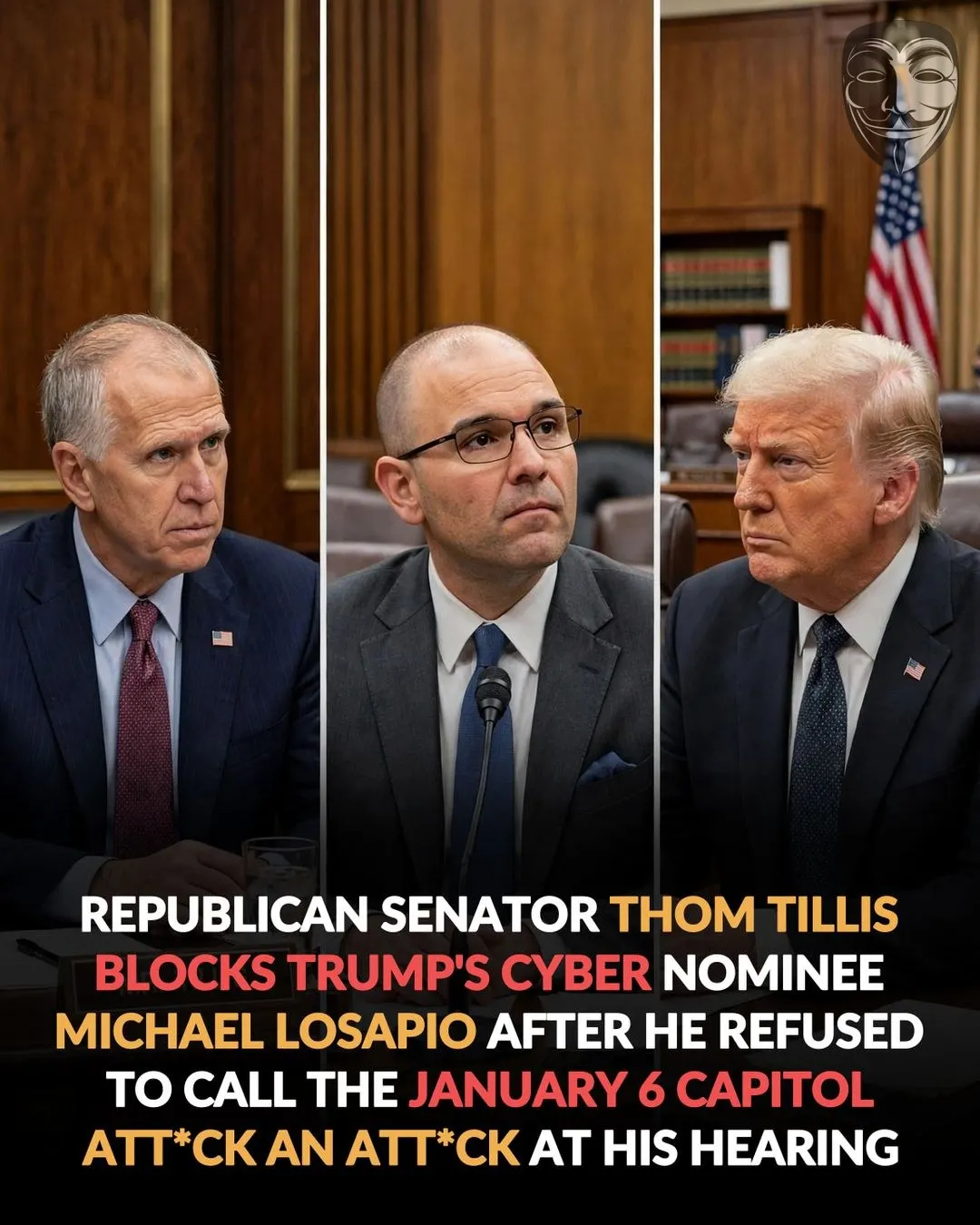
Tillis blocks cyber nominee Michael LoSapio after a Senate hearing that left both parties stunned. Senator Thom Tillis of North Carolina moved to block the nomination after LoSapio refused to call the events of January 6, 2021, at the Capitol an attack. Senator Richard Blumenthal asked the question directly, and LoSapio first said he did not know, then said he did not believe it was an attack. He also declined to say who won the 2020 presidential election.
Tillis has treated downplaying January 6 as a red line for Trump nominees, and he said the question was not open for debate. He called it binary and said he had no time for someone who could not acknowledge what happened. Senator Ron Wyden announced he would place a hold on LoSapio, the information security officer at Palantir. With the session running out of time, the bipartisan opposition may leave the pick stranded. Read our report on a senator who blocked another Trump pick and our story about a hearing where a senator pressed a witness on a tough question.
References:
Nextgov FCW: Wyden, Tillis plan holds on Trump’s CISA nominee after Jan. 6 remarks
Democracy Docket: Trump’s pick for key election security post denies Jan. 6 was ‘att*ck’ on U.S. Capitol
Washington Examiner: Tillis holds up Trump cybersecurity nomination over Jan. 6 denial amid wave of outages
Newsmax: Sen. Tillis Moves to Derail Trump Pick Over Jan. 6 Comments
The Question That Started It All
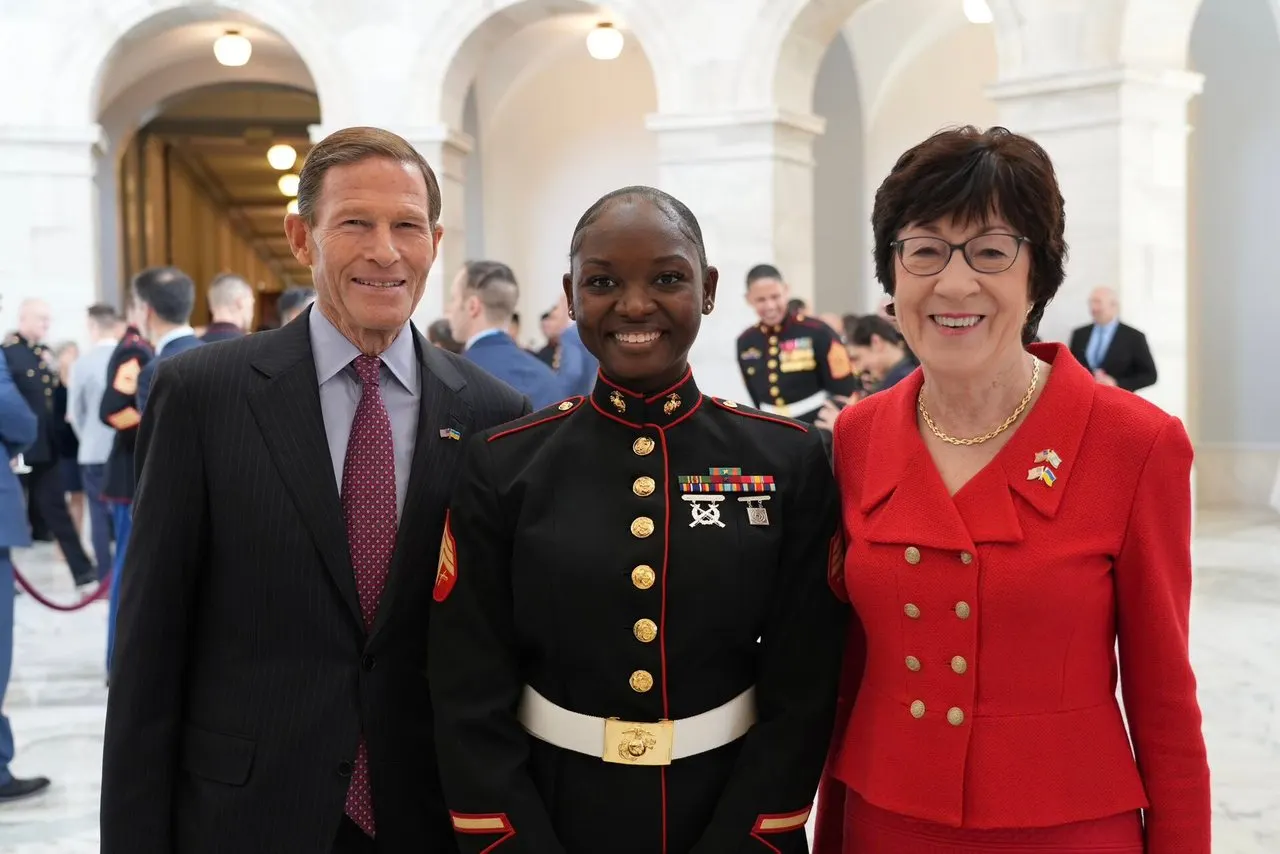
Senator Richard Blumenthal put the question to Michael LoSapio during the confirmation hearing. He asked whether the events at the Capitol on January 6, 2021, were an attack. It was a simple question, and it went to the heart of the job LoSapio wanted. The nominee would lead the agency that guards election systems and critical infrastructure. Blumenthal waited for an answer. The reply that came back would set off a chain of events. Read our report on a judge pick who stumbled over the 22nd Amendment and our story about another nominee who would not answer a direct question.
A One-Word Answer That Changed Everything
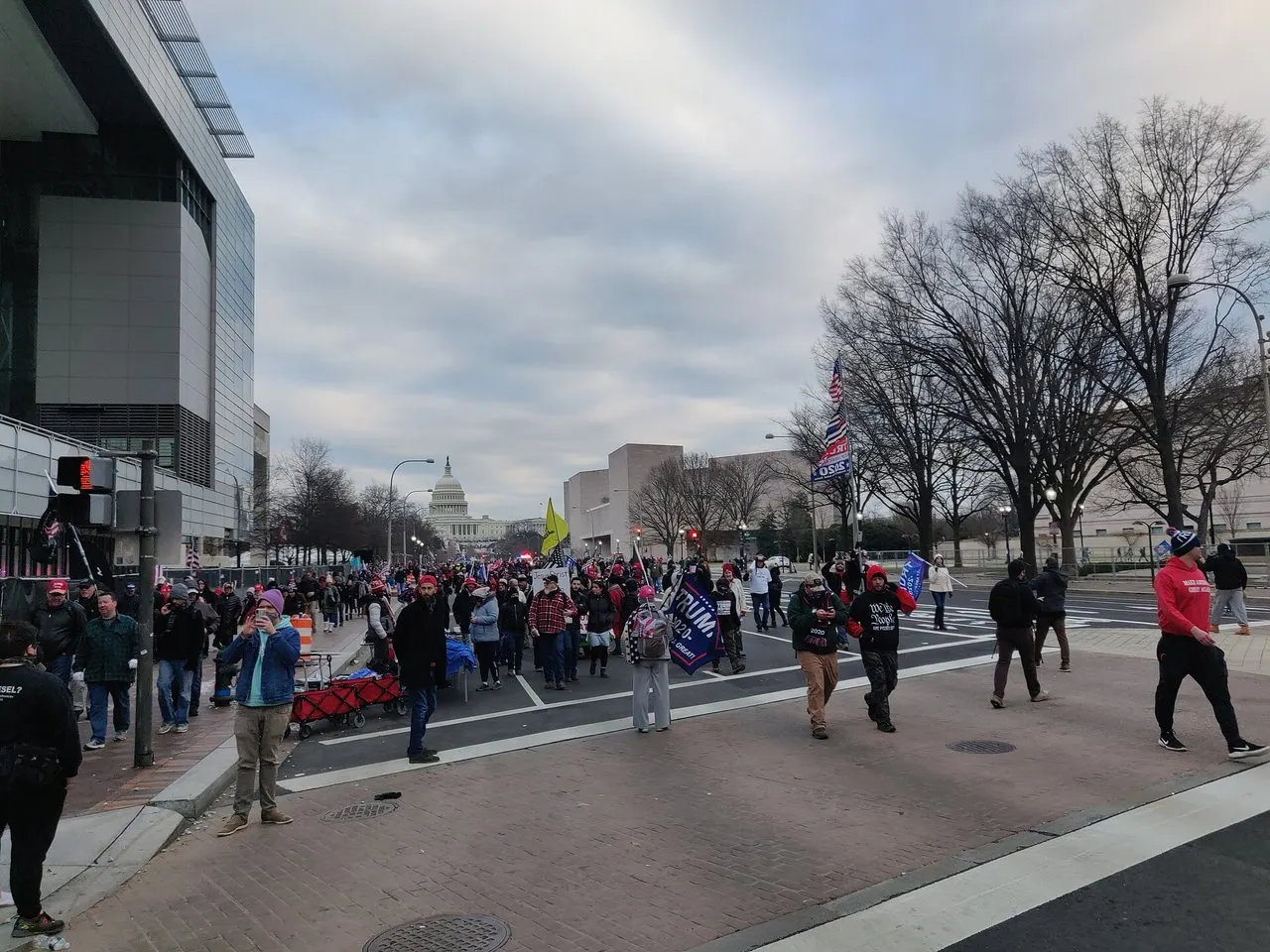
When the question came, Michael LoSapio did not give the answer senators expected. He first said he did not know whether the events at the Capitol on January 6, 2021, were an attack. Pressed again, he then said he did not believe it was an attack. The words landed hard. For a man seeking to lead the agency that guards election infrastructure, the answer raised doubts. Senators took note. Read our report on an FBI director who skipped a hearing on national security and our story about a bill that would stop senators getting paid during a shutdown.
Why Tillis Blocks Cyber Nominee Over a Red Line
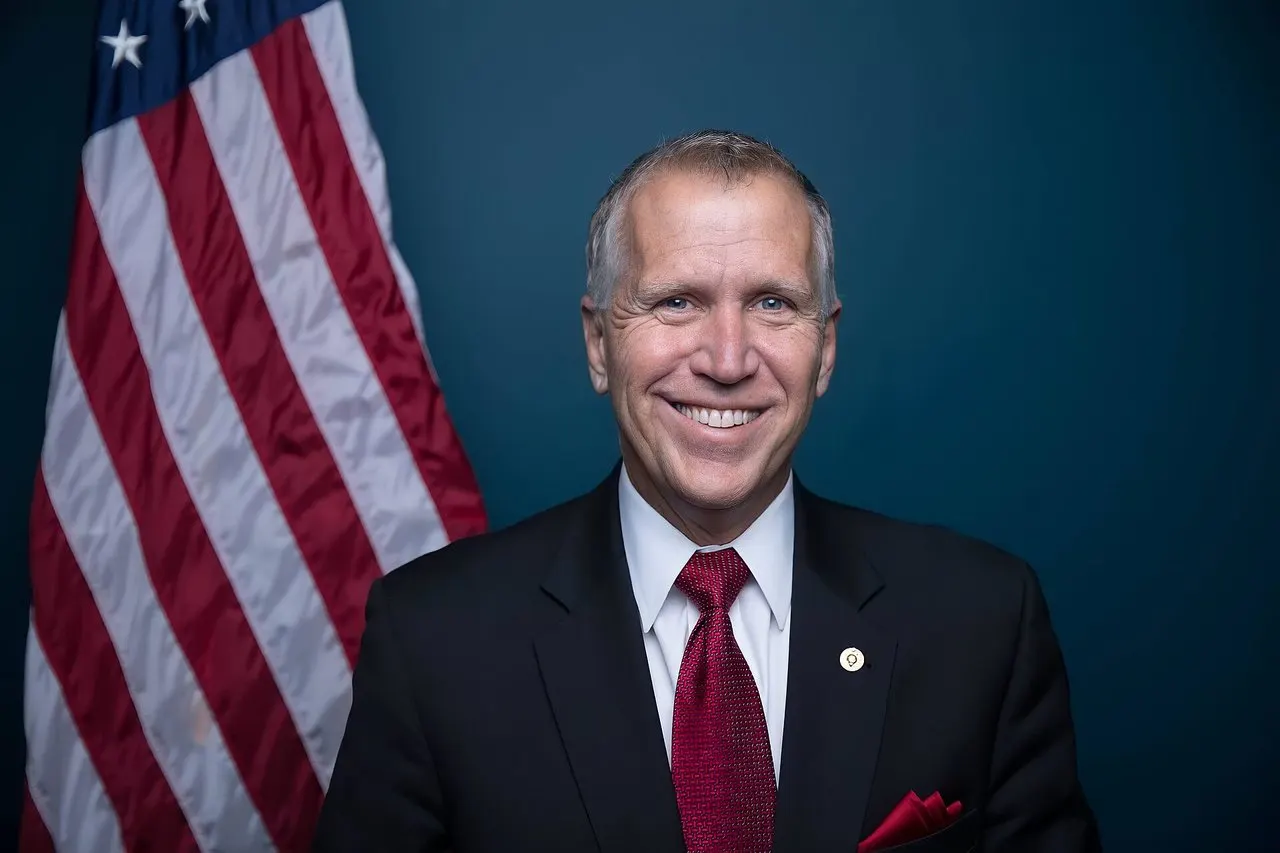
Senator Thom Tillis has drawn a line on this issue. He has vowed to oppose nominees who downplay the violence of January 6, and he treats the question as settled history. When he heard the answer at the hearing, he did not hesitate. Tillis said the question was binary and that he had no time for someone who could not acknowledge what happened. For Tillis, the refusal was enough to act, and act he did. Read our report on a debate over when lawmakers should resign and our story about a historic vote that made Hakeem Jeffries speaker.
How Tillis Blocks Cyber Nominee With a Senate Hold
Tillis moved to block LoSapio from being included in a year-end package of nominations. A hold tells Senate leaders that a nomination should not move forward without a fight. It does not kill a nomination on its own, but it slows the process and forces the Senate to spend floor time to break it. With the calendar crowded at the end of the session, that delay can be enough to strand a pick. Read our report on a warning that Trump has undermined national security and our story about what the MAGA agenda promised and what it delivered.
Wyden Joins the Block
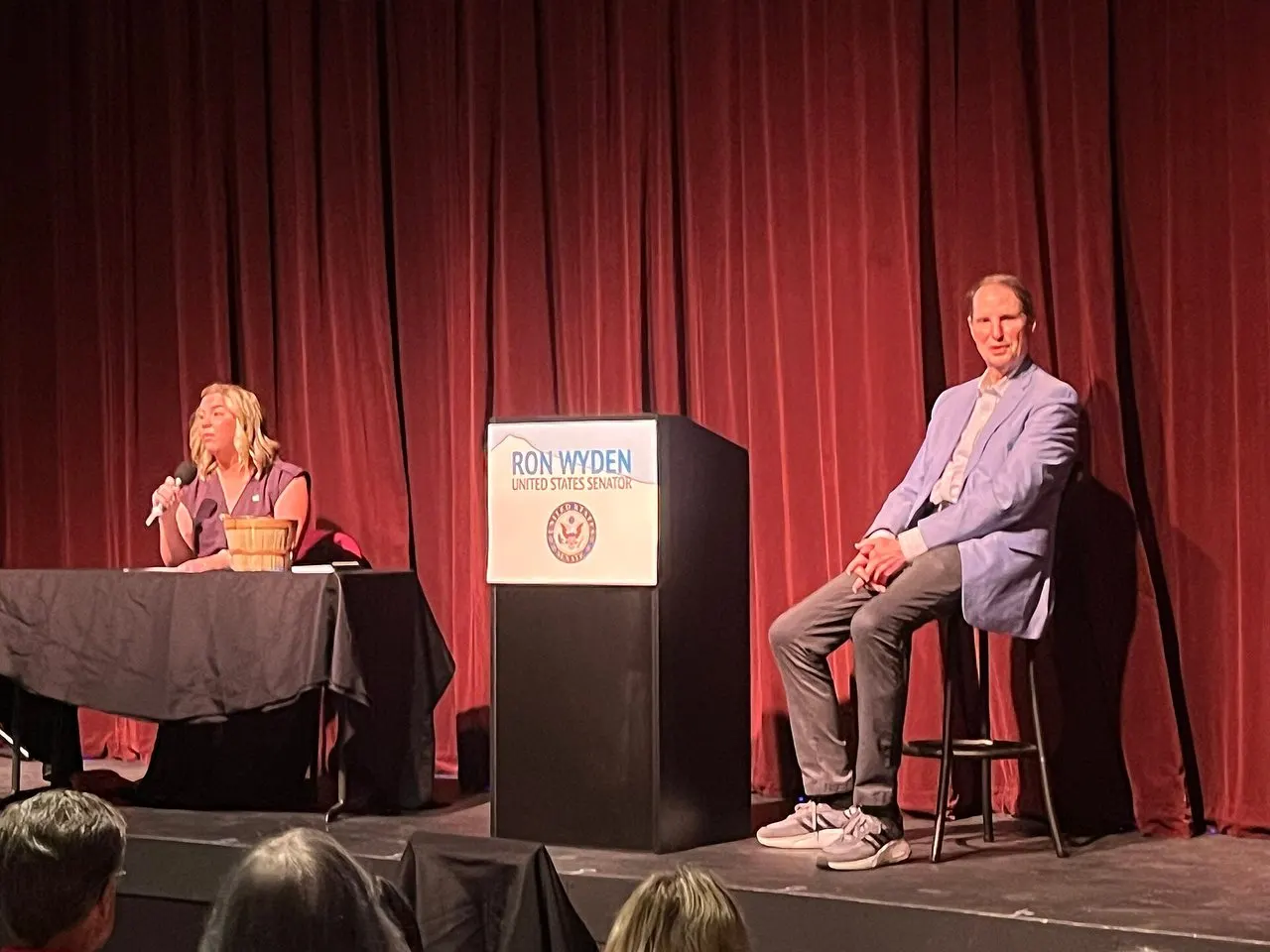
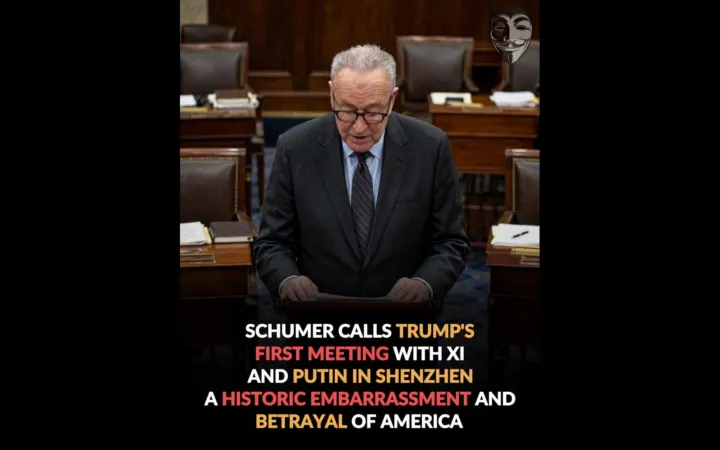
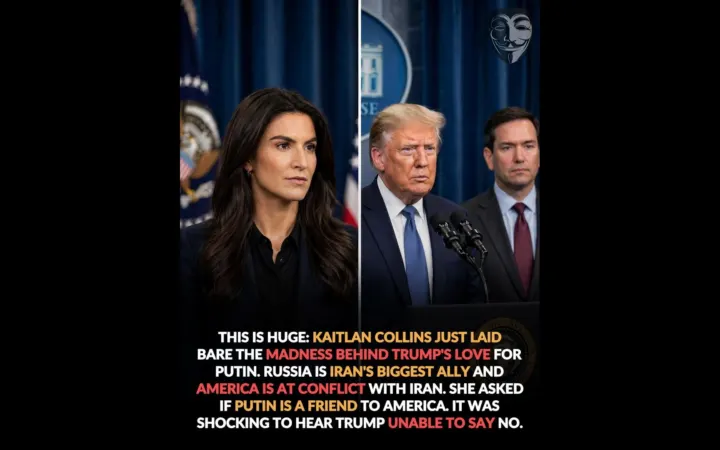
Democratic Senator Ron Wyden of Oregon soon joined the effort. He announced that he would also place a hold on the nomination. Wyden’s move turned a Republican objection into a bipartisan one, which is rare in a divided Senate. Two holds from opposite parties send a clear signal to the White House. The nominee now faces opposition from both sides of the aisle, and that makes his path much harder. Read our report on a historic trip to China with billions in deals and our story about a trip home from Asia after meetings with Xi and Putin.
Who Is Michael LoSapio
Michael LoSapio is the chief information security officer at Palantir, a technology company known for its data software. In that role he has worked on the security of large computer systems. President Donald Trump picked him to lead the Cybersecurity and Infrastructure Security Agency, known as CISA. The job would put him in charge of guarding the systems that keep the country running. It is one of the most sensitive posts in government. Read our report on a UN vote that removed protections and our story about a witness who admitted he never read the report.
What CISA Actually Does
CISA sits inside the Department of Homeland Security and watches over the nation’s critical infrastructure. Its teams help protect power grids, water systems, hospitals and government networks from hackers. The agency also works with state and local officials to keep election systems safe. When a cyber threat appears, CISA shares warnings and advice across the country. The director sets the tone for all of that vital work. Read our report on a race decided by just 330 votes and our story about a debate over banning Sharia law.
Tillis Blocks Cyber Nominee as Election Security Takes Center Stage

The job matters most because CISA helps protect American elections. The agency works with election officials in every state to check voting systems and guard them from outside interference. A director who will not say who won the last presidential election raises a basic question of trust. Election workers need a leader who accepts the results they help produce. That is why the hearing answer mattered so much to the Senate. Read our report on a fight over millions in legal fees and our story about two very different maps of America.
The Second Question He Would Not Answer
LoSapio was also asked about the 2020 presidential election. He declined to say who won the popular vote. The dodge troubled senators because the agency he would lead is responsible for protecting election infrastructure. A CISA director must be able to speak plainly about election results. His silence on the question added to the doubts raised by the January 6 exchange. Together, the two answers shaped the hearing. Read our report on promises on rent and free childcare and our story about a workplace where leave was approved without a single question.
How a Confirmation Hearing Works
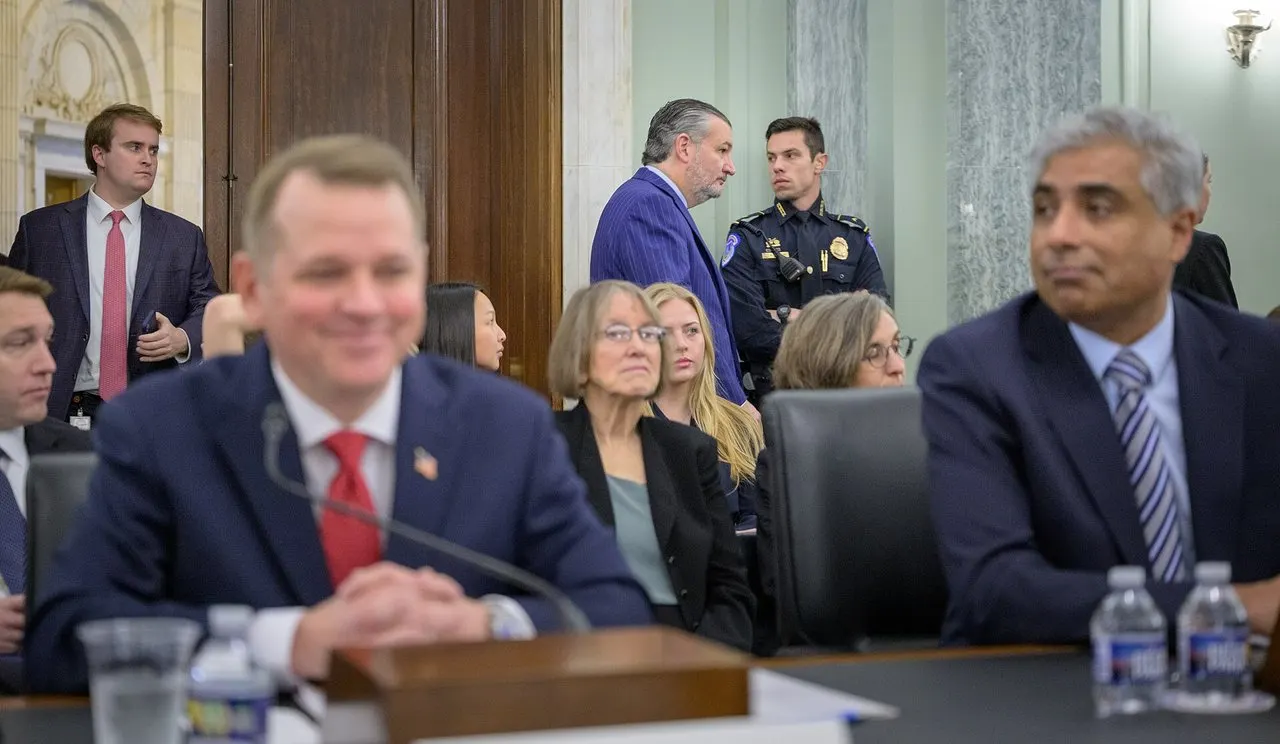
A confirmation hearing is the Senate’s chance to test a nominee before a vote. Senators from the committee ask about the record, the views and the judgment of the person chosen. The nominee answers under oath, and the answers become part of the public record. A weak performance can sink a nomination before it ever reaches the floor. That is what happened here. The hearing room became the place where the nomination stalled. Read our report on a senator who blocked another Trump pick and our story about a hearing where a senator pressed a witness on a tough question.
The Year-End Package Now in Doubt

Tillis moved to keep LoSapio out of a year-end package of nominations. Such packages let the Senate confirm many nominees at once, quickly and with little debate. Being left out of the package means the nomination must find another path to the floor. With the session running out of time, that path is narrow. The clock has become as much an opponent as any senator in the chamber. Read our report on a judge pick who stumbled over the 22nd Amendment and our story about another nominee who would not answer a direct question.
Tillis Blocks Cyber Nominee From His North Carolina Base

Tillis represents North Carolina in the Senate, and his stand carries weight back home. Voters in his state have watched him take firm positions on January 6 before. He has said he will not support nominees who downplay what happened that day. His decision to block a nominee from his own party’s president shows how firm that line is. It is a stand that crosses party loyalty in a clear way. Read our report on an FBI director who skipped a hearing on national security and our story about a bill that would stop senators getting paid during a shutdown.
What Happened on January 6, 2021

On January 6, 2021, a crowd stormed the United States Capitol while Congress met to count electoral votes. Lawmakers were rushed to safety, and the building was breached. The events of that day shocked the country and led to a wave of arrests and trials. Years on, the day remains a dividing line in American politics. How a nominee talks about it still matters a great deal in the Senate. Read our report on a debate over when lawmakers should resign and our story about a historic vote that made Hakeem Jeffries speaker.
The Capitol at Night
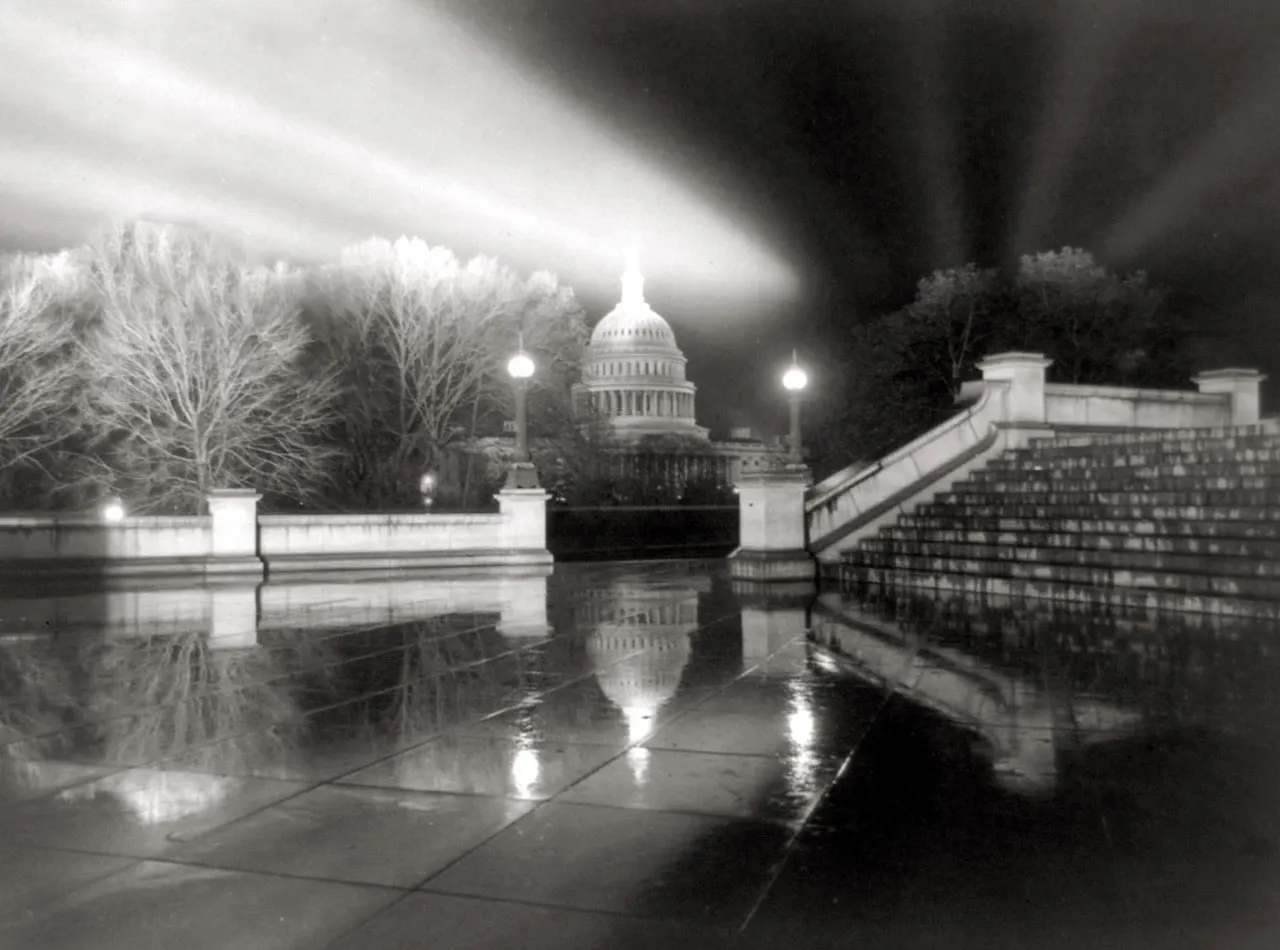
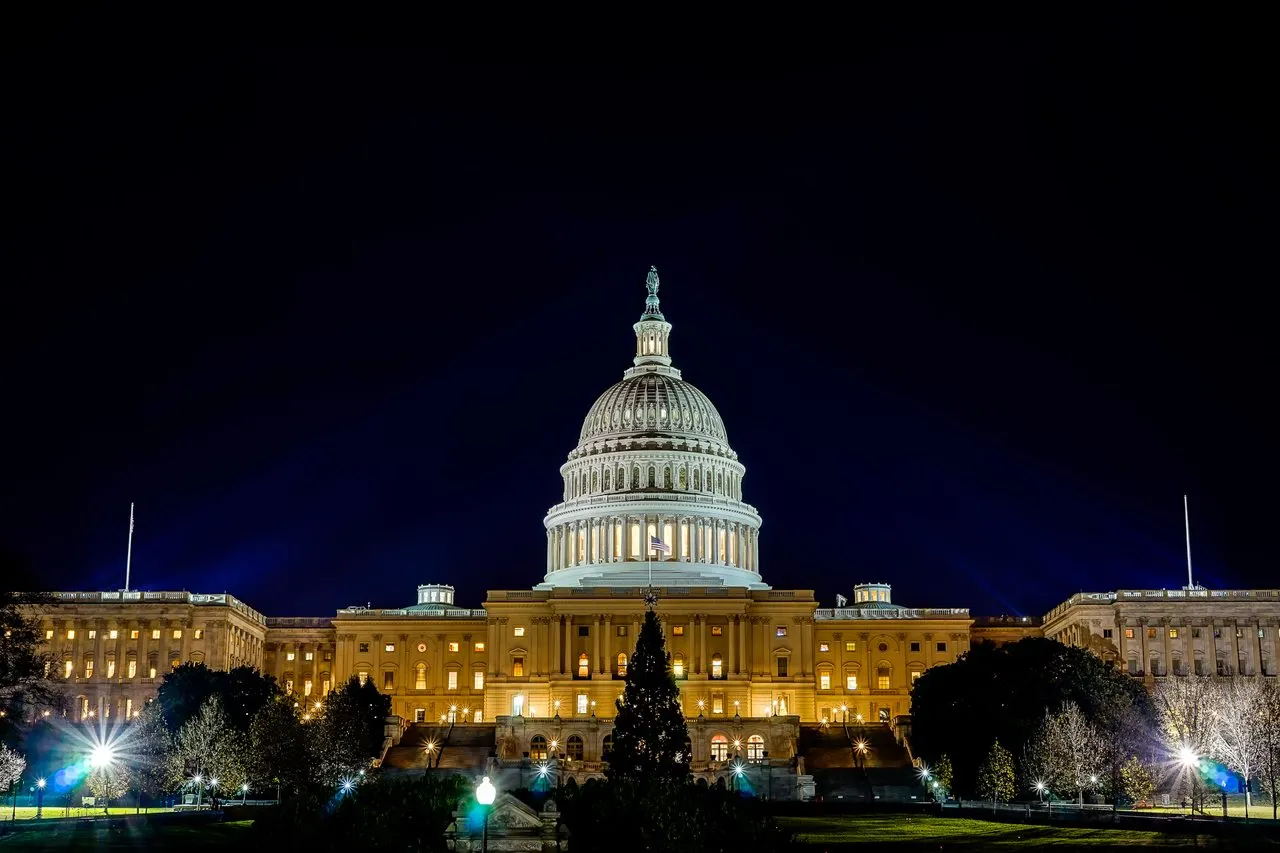
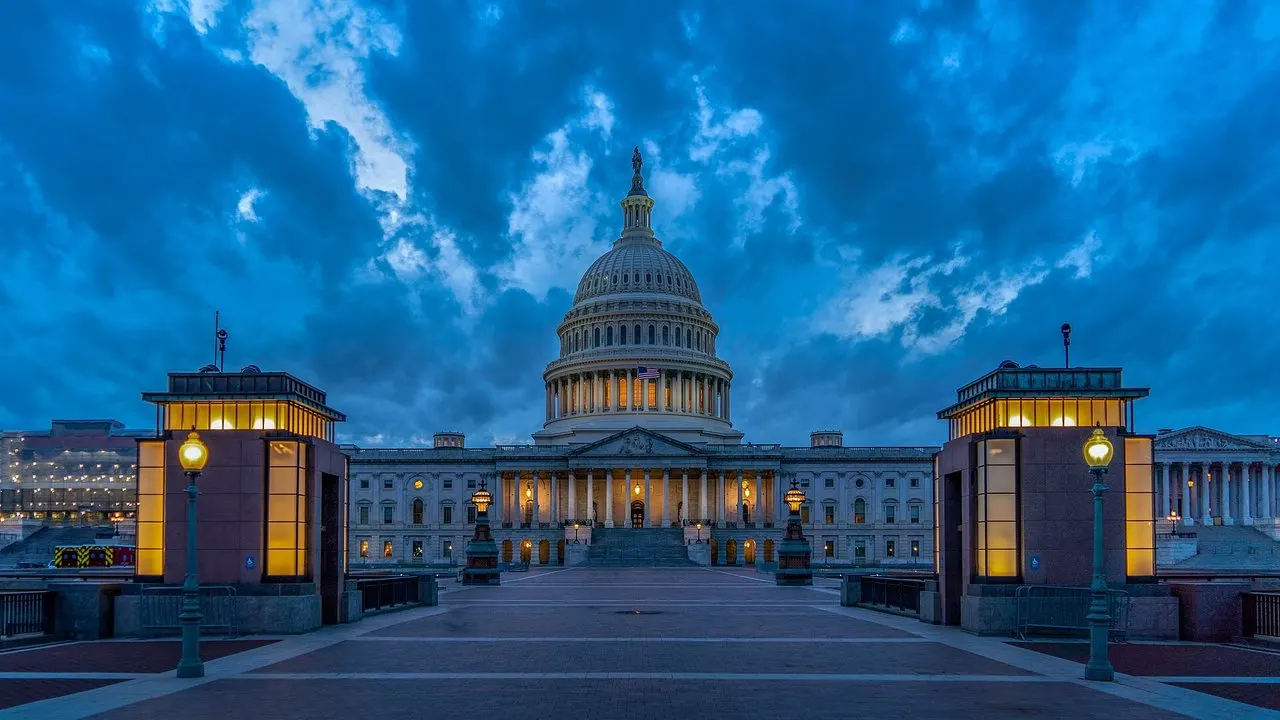
The Capitol stands at the center of American democracy, and its dome is known around the world. On January 6, 2021, it became the scene of violence that the whole country watched live on television. Today the building is both a workplace for Congress and a symbol of the nation. Its halls hold the memory of that day. Senators who work there do not forget what they saw and heard. Read our report on a warning that Trump has undermined national security and our story about what the MAGA agenda promised and what it delivered.
Inside the Homeland Security Committee
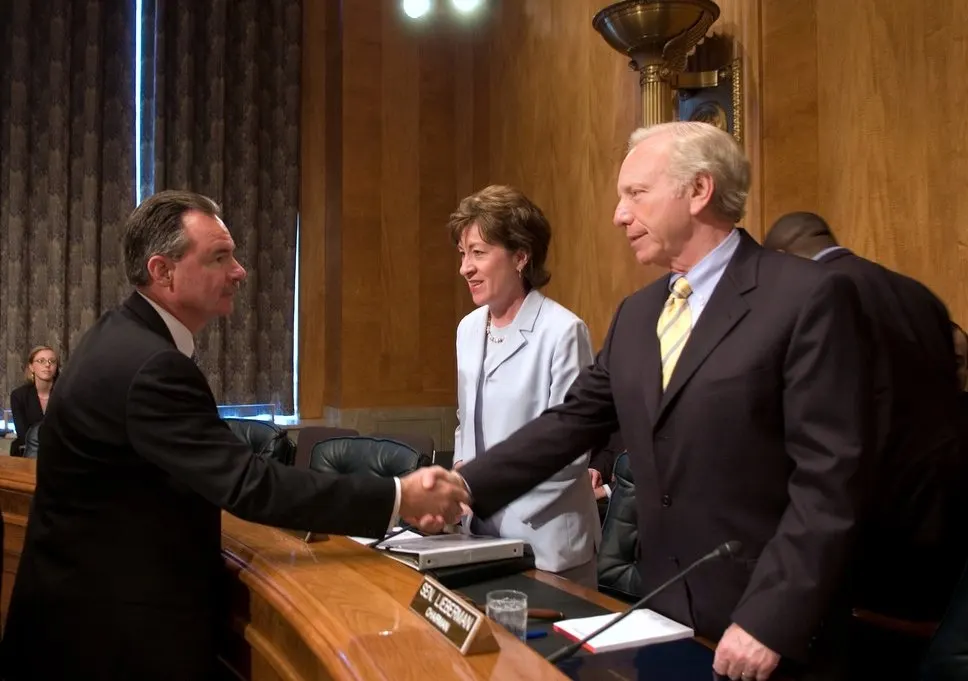
The Senate Homeland Security Committee held the hearing where it all happened. The committee oversees the Department of Homeland Security and the agencies under it, including CISA. Its members come from both parties and ask tough questions of every nominee who comes before them. Blumenthal’s question was direct and fair. The answer it drew changed the course of the nomination in a single afternoon. Read our report on a historic trip to China with billions in deals and our story about a trip home from Asia after meetings with Xi and Putin.
Tillis Blocks Cyber Nominee by Using a Simple Senate Rule

A single senator can slow a nomination to a crawl. The Senate runs on consent, and a hold forces leaders to spend floor time they may not have. That is why a hold from one senator matters, and why two holds matter even more. The process gives a lone voice real power when the calendar is tight. Tillis used that power with care, and the nomination felt the effect at once. Read our report on a UN vote that removed protections and our story about a witness who admitted he never read the report.
Tillis Blocks Cyber Nominee With Help From Across the Aisle

It is rare for a Republican and a Democrat to block the same nominee for the same reason. Tillis and Wyden come from different parties and different parts of the country. Yet both reached the same conclusion after the hearing. Bipartisan opposition is hard for the White House to ignore. It tells the president that the problem is not politics but the nominee himself and his answers. Read our report on a race decided by just 330 votes and our story about a debate over banning Sharia law.
Other Nominees Who Faced Tough Hearings
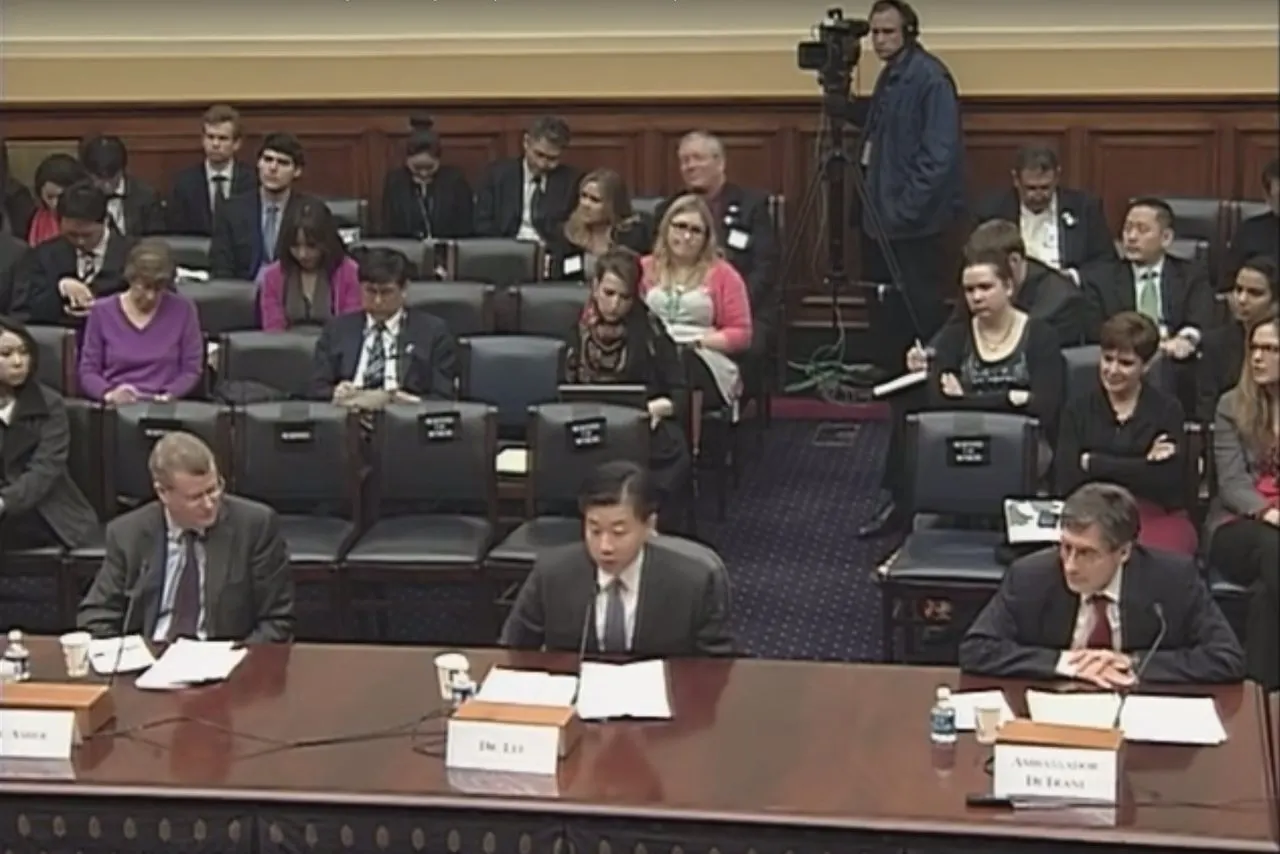
Tillis has said before that he will oppose nominees who downplay the violence of January 6. He treats the question as a red line, not a matter of opinion. Other nominees have also faced hard questions in Senate hearings, and some have stumbled on basic facts. The Senate has a long habit of testing people in public before a vote. LoSapio is the latest to feel the weight of that test. Read our report on a fight over millions in legal fees and our story about two very different maps of America.
Palantir and the Man Behind the Pick

Palantir is a technology company that builds software for data analysis, used by governments and large firms. LoSapio’s role there put him in charge of information security. The White House saw that background as good preparation for CISA. Critics of the pick say a corporate security job is not the same as leading a public agency. The hearing gave senators a chance to judge that gap for themselves. Read our report on promises on rent and free childcare and our story about a workplace where leave was approved without a single question.
The Cyber Threats CISA Must Fight
Cyber threats grow every year, and the agency LoSapio would lead must stay ahead of them. Hackers target power grids, hospitals, banks and election offices. A single breach can shut down services that millions of people rely on every day. A CISA director must spot danger early and act fast. The job needs a leader who is trusted by both parties and by the states. Read our report on a senator who blocked another Trump pick and our story about a hearing where a senator pressed a witness on a tough question.
Tillis Blocks Cyber Nominee as the Vote Needs Protection

Protecting the vote is one of CISA’s most public jobs. The agency checks voting machines, trains election workers and shares threat warnings with the states. Voters need to trust that their ballots are counted fairly. A director who dodges questions about who won an election cannot build that trust. That is why the hearing answers struck such a nerve in the Senate. Read our report on a judge pick who stumbled over the 22nd Amendment and our story about another nominee who would not answer a direct question.
Time Is Running Out
The Senate session is running out of time, and the calendar is now the nominee’s biggest enemy. Year-end packages move fast, and a nomination left out of one has few paths forward. Leaders must choose where to spend their remaining hours. A contested nomination costs time they may not want to spend. With each passing day, the chances for this pick grow smaller and smaller. Read our report on an FBI director who skipped a hearing on national security and our story about a bill that would stop senators getting paid during a shutdown.
Tillis Blocks Cyber Nominee and the Choice Ahead
The White House now faces a choice. It can stand by LoSapio and spend floor time to break the holds, or it can pick a new nominee. Standing by a blocked pick is costly, and it risks a public defeat on the Senate floor. Picking a new name means starting the process over from the start. Either way, the hearing has changed the shape of the fight. The next move belongs to the president. Read our report on a debate over when lawmakers should resign and our story about a historic vote that made Hakeem Jeffries speaker.
How the Story Was Covered

News outlets across the country picked up the story within hours of the hearing. Reports noted the rare sight of a Republican senator blocking a Trump nominee, and the bipartisan nature of the holds. The hearing exchange was quoted in full in several accounts of the day. The story spread because it broke the usual pattern of party loyalty. Readers followed it closely as a sign of the times in Washington. Read our report on a warning that Trump has undermined national security and our story about what the MAGA agenda promised and what it delivered.
Tillis Blocks Cyber Nominee and the Bigger Picture
The episode says something larger about the Senate today. A single hearing answer can still stop a powerful nomination in its tracks. Party loyalty has limits, and January 6 remains one of them for some senators. The events of that day still shape who can lead the agencies that guard the nation. This nomination is now part of that longer story, and it will be remembered. Read our report on a historic trip to China with billions in deals and our story about a trip home from Asia after meetings with Xi and Putin.
What Do You Think Should Happen Next
Now it is your turn to weigh in on this story. Should the Senate confirm a nominee who will not call January 6 an attack, or was Tillis right to draw the line? Should a CISA director have to answer plainly about who won the last election? Tell us what you think in the comments below. Share this story with someone who follows the news from Washington and the Senate. Read our report on a UN vote that removed protections and our story about a witness who admitted he never read the report.