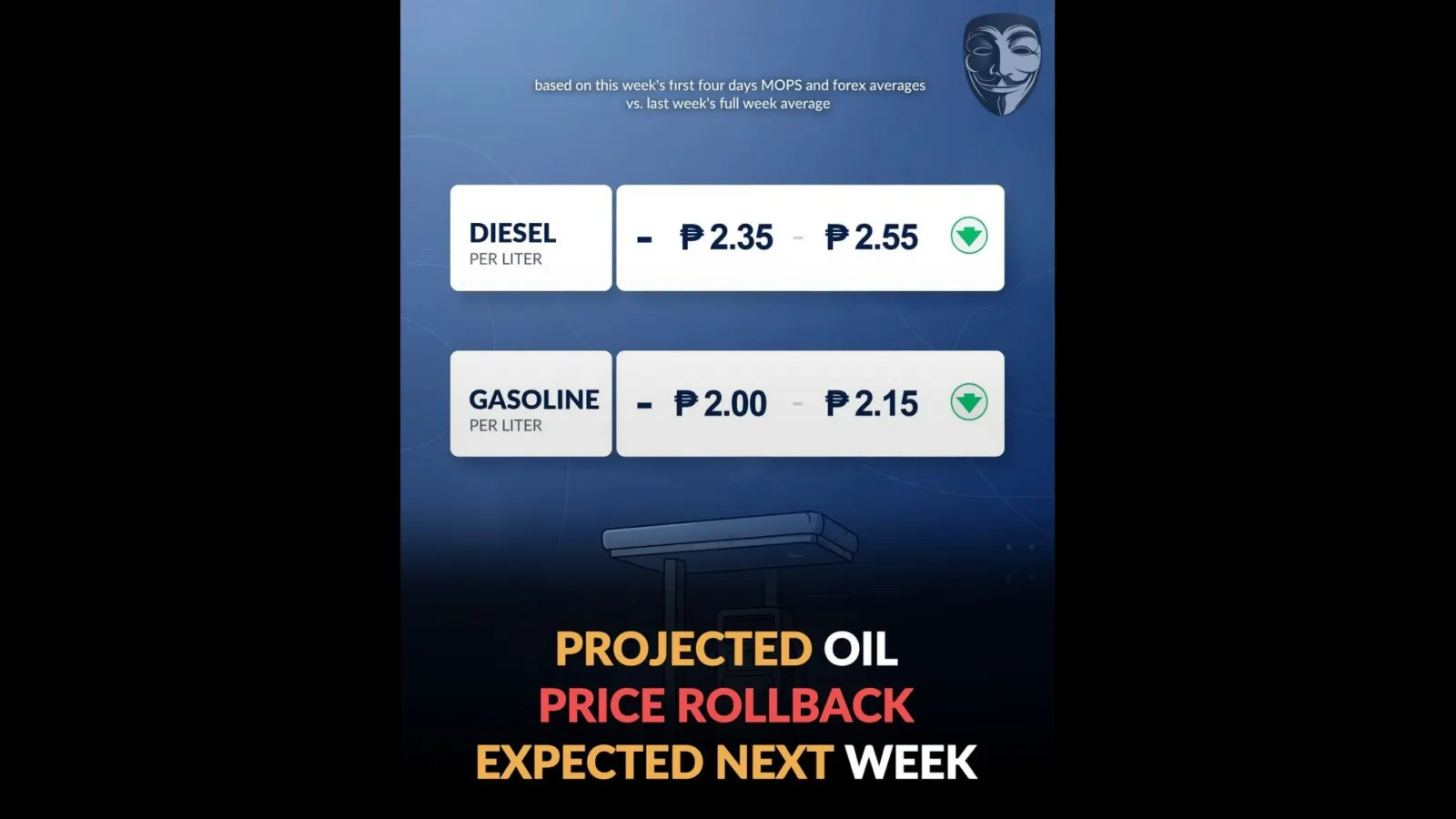
Projected Oil Price Rollback Expected Next Week
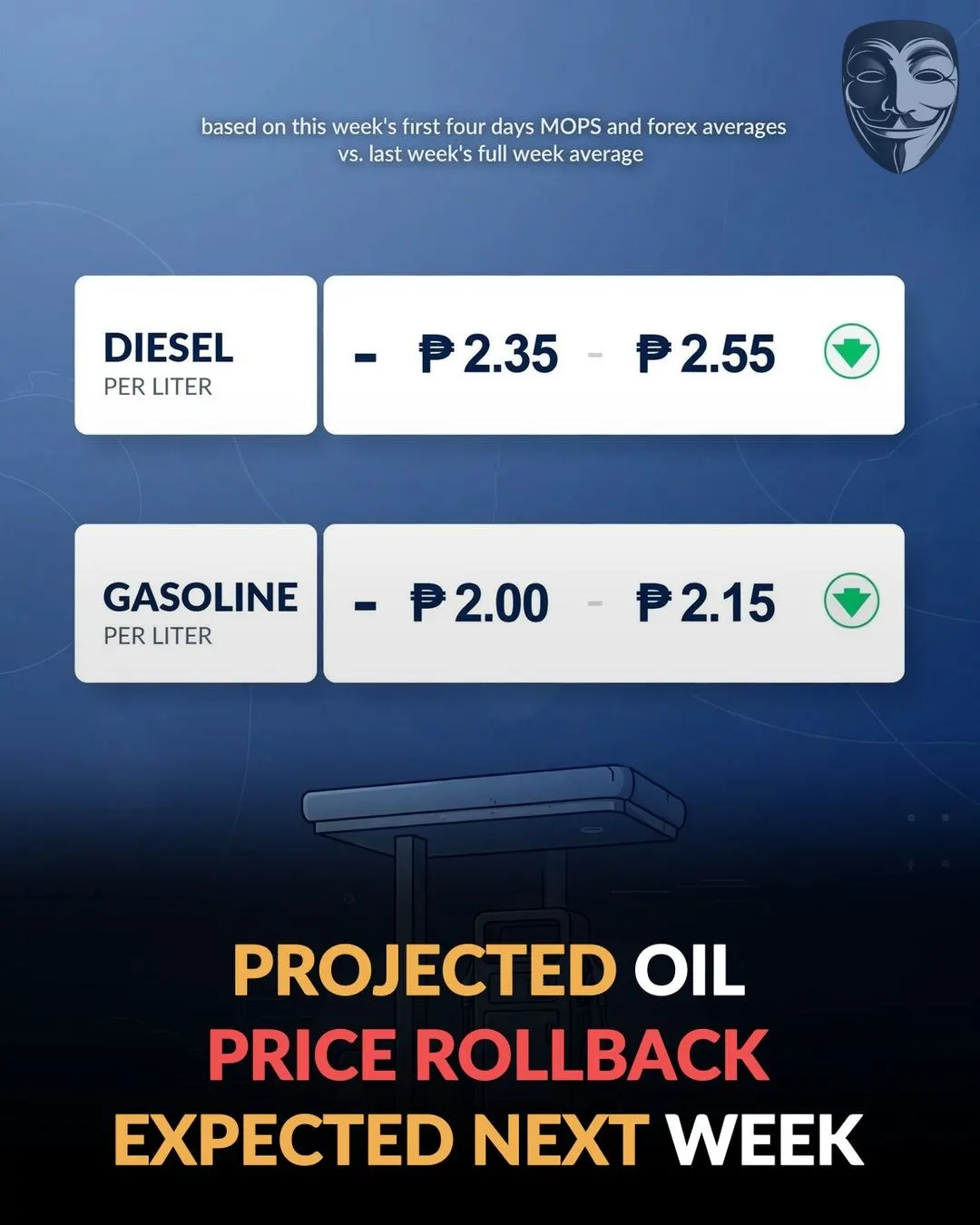
An oil price rollback is projected for next week in the Philippines, and it should bring relief to motorists who have watched pump prices closely. Industry estimates based on the first four days of Mean of Platts Singapore trading point to diesel falling by 2.35 to 2.55 pesos per liter and gasoline by 2.00 to 2.15 pesos per liter. Jetti Petroleum president Leo Bellas said the drop comes from expectations of a global supply surplus and weaker demand. Read more about a historic trip through Asia.
If confirmed, the cut would mark the third straight week of lower fuel prices, following the November 17 rollback that took 1.50 pesos off gasoline and 3.80 pesos off diesel per liter. Oil companies will announce the final amounts on Monday, November 23, with the new prices taking effect on Tuesday, November 24. In the slides ahead we look at what the numbers mean for drivers, commuters and small businesses across the country. You may also like a sweet proposal story from Paris.
References:
Manila Bulletin: Fuel prices set for third straight rollback
Philippine News Agency: Oil firms roll back fuel prices for 3rd straight week
BusinessWorld: Another oil price cut due this week
Energy News PH: Third straight weekly fuel rollback seen Tuesday
Oil Price Rollback Means Big Diesel Savings
Diesel is set for the bigger cut next week, with estimates pointing to a drop of 2.35 to 2.55 pesos per liter. That matters a lot in the Philippines, where diesel powers most jeepneys, buses, trucks and delivery vans. A cut of this size lowers the daily cost of moving people and goods across towns and cities. For drivers who fill up every day, even a two peso saving per liter adds up fast over a week of trips. Read more about party snacks that vanish first.
Gasoline Joins the Oil Price Rollback
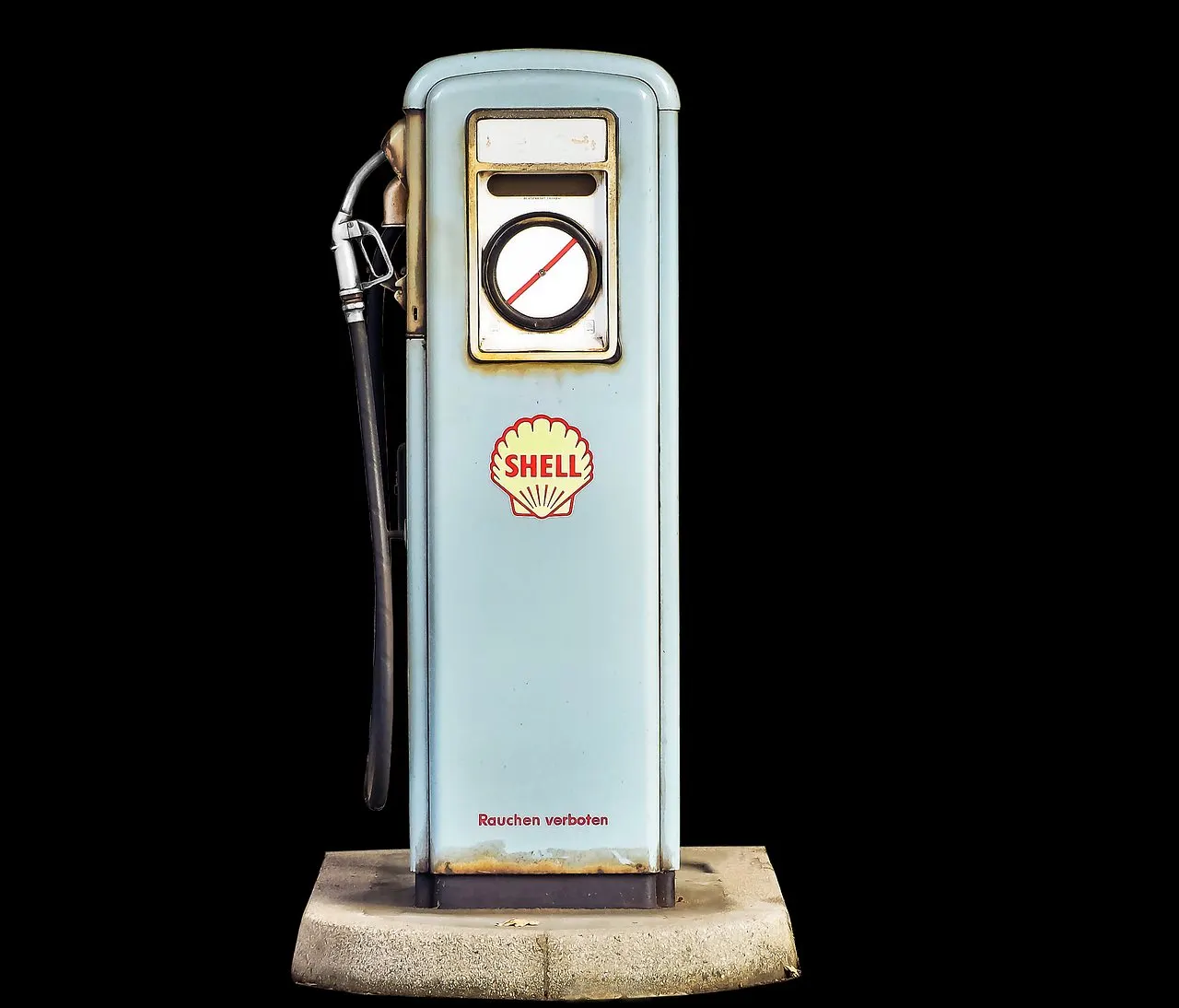
Gasoline is also set to fall, with estimates pointing to a drop of 2.00 to 2.15 pesos per liter. Private cars and motorcycles run mostly on gasoline, so millions of Filipino families should feel this one at the pump. A full tank will cost a little less, and the weekly fuel budget will stretch a little further. It is the kind of small saving that makes the daily drive to work and school a bit easier. Read more about a recent high profile visit to Manila.
How Singapore Trading Sets the Price
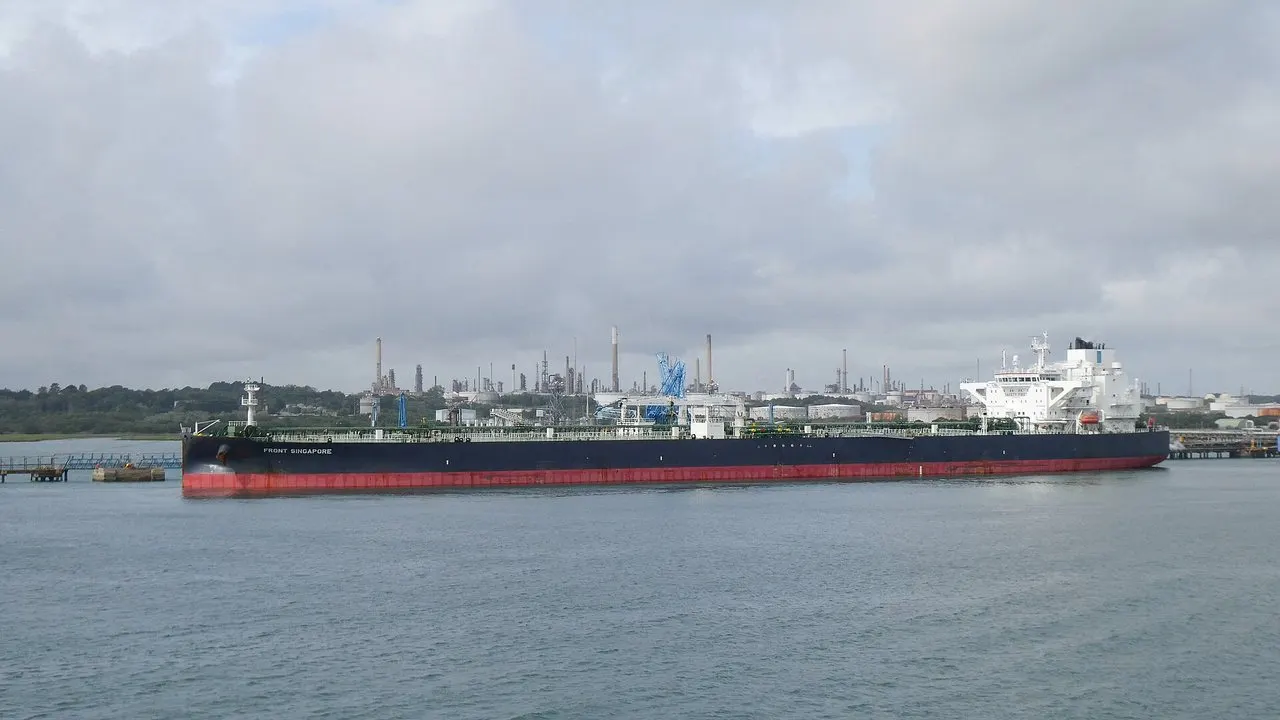
The estimates come from the first four days of Mean of Platts Singapore trading, the benchmark that tracks refined fuel prices in Asia. Traders watch these numbers closely because Singapore is one of the biggest refining hubs in the region. When the benchmark falls for several days in a row, it usually means pump prices in the Philippines will follow. Four days of trading gave the industry a clear early read on next week. Read more about a trip that covered several Asian capitals.
What Jetti Petroleum Sees in the Market
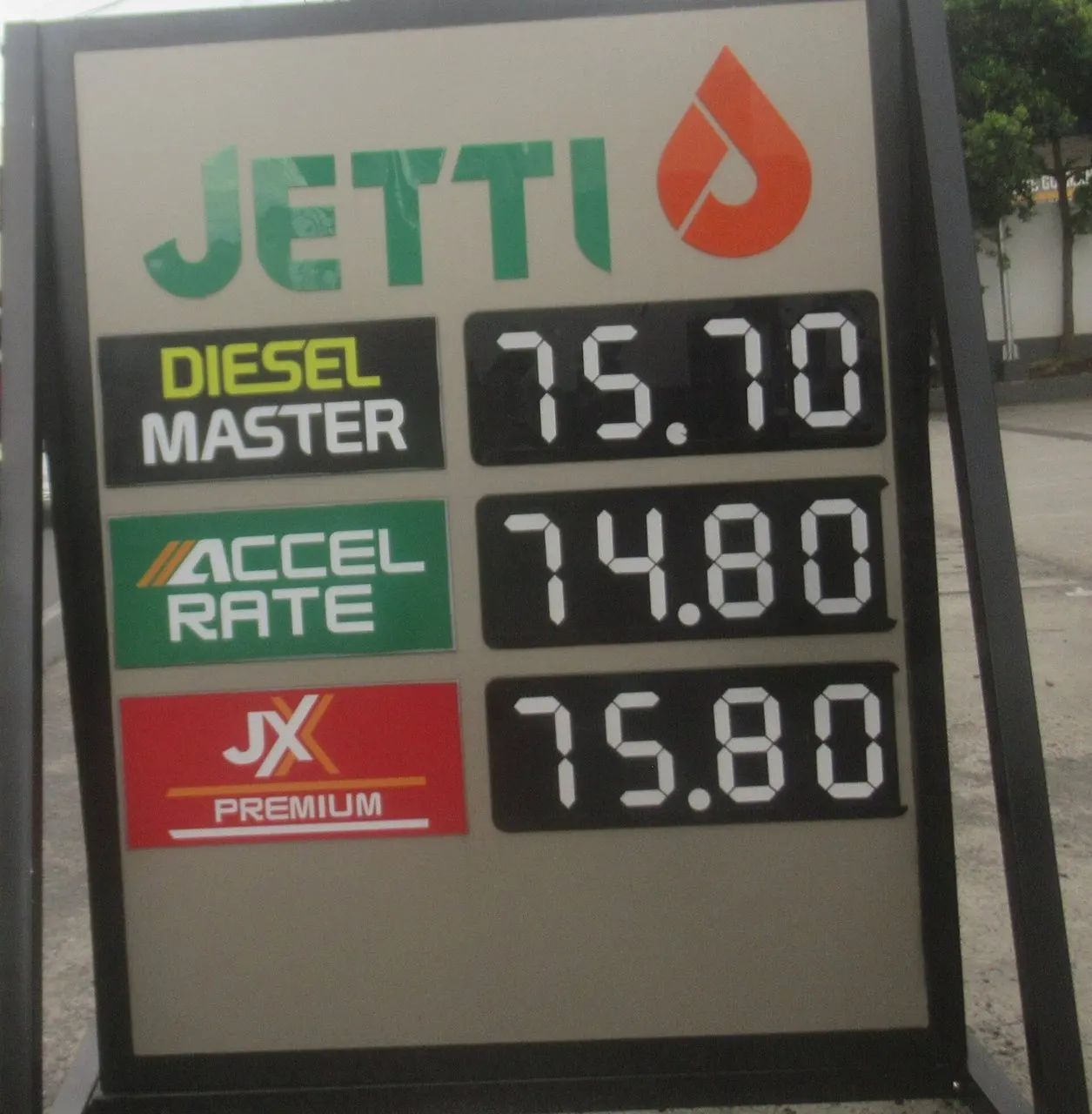
Jetti Petroleum president Leo Bellas shared the estimates and explained what is driving them. He pointed to expectations of a global supply surplus and weaker demand as the main reasons for the projected drop. Bellas speaks for one of the growing independent fuel brands in the country, and his early estimates are watched by motorists every week. His read of the market has become a regular signal before the Monday announcements. Read more about a historic win in Florida.
Too Much Oil and Not Enough Demand
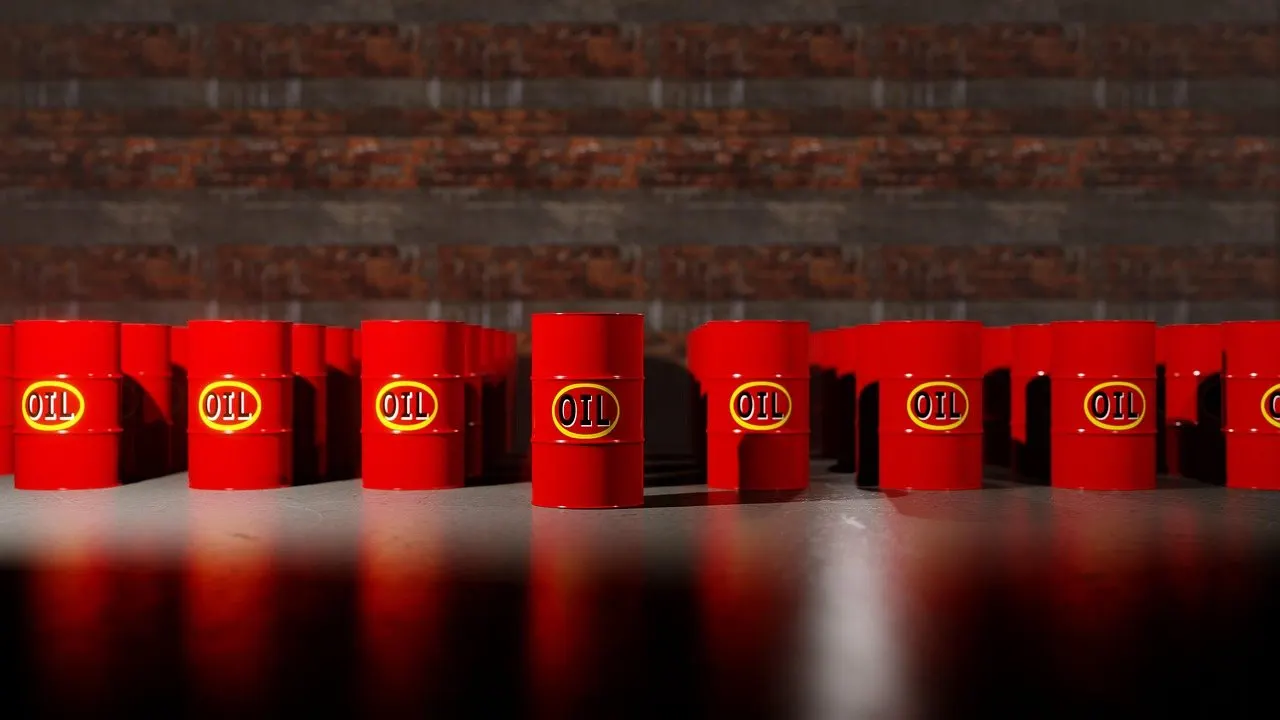
A global supply surplus means the world is producing more oil than it is using right now. When supply grows faster than demand, prices tend to fall, and that is what traders are seeing in the market. Refineries have plenty of crude to work with, and stockpiles in many countries are comfortable. That surplus is the biggest reason fuel prices in the Philippines are now heading down for a third week. Read more about holiday loaves that look fancy but start simple.
Why Weaker Demand Pushes Prices Down

Weaker demand is the other half of the story. When factories slow down, travel cools and economies grow more slowly, people and businesses use less fuel. Lower demand takes pressure off prices, and oil markets react quickly to that shift. The combination of soft demand and ample supply is pushing the price of refined fuel down across Asia. Motorists in the Philippines are now seeing the benefit at the pump. Read more about strange vintage bakes that really work.
Oil Price Rollback Relief for a Third Straight Week
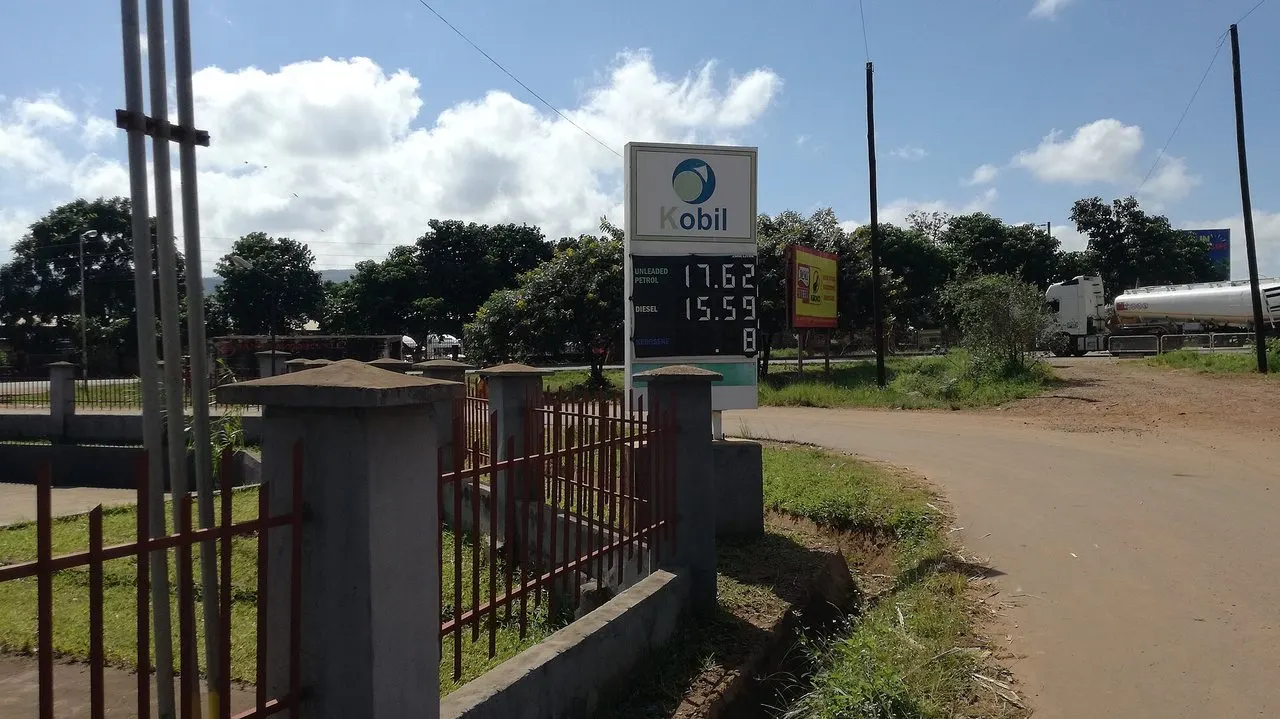
If the projected cut is confirmed, it will be the third straight week of lower fuel prices in the Philippines. Three weeks of cuts in a row is a rare run of good news for motorists who are used to prices moving up. Each week has brought a little more relief, and the savings are starting to add up for regular drivers. A steady run like this also helps small businesses plan their weekly costs with more confidence. Read more about neutral Christmas looks with pampas and wicker.
The Last Oil Price Rollback Set the Stage
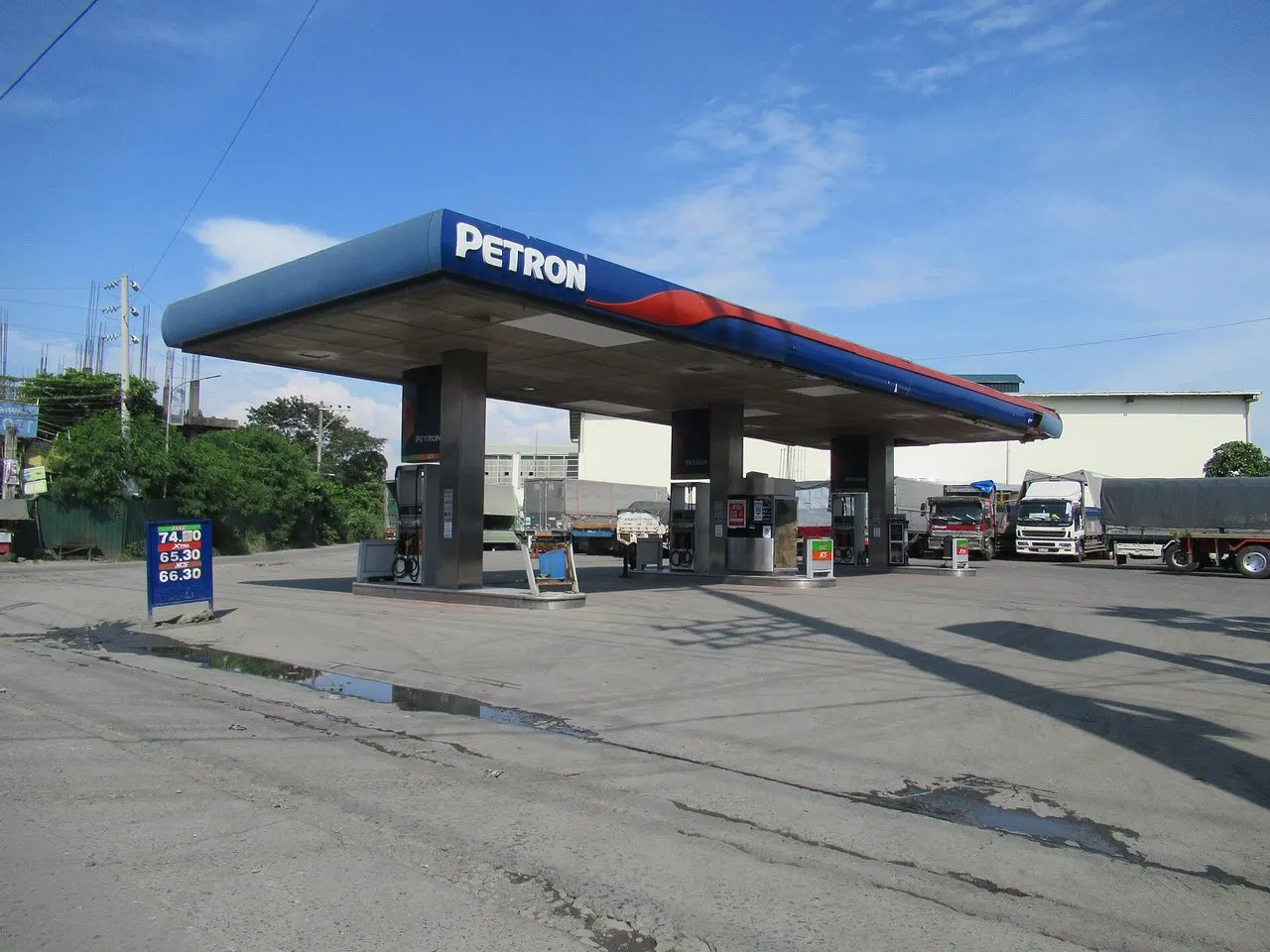
The run of cuts began with the rollback on November 17, which took 1.50 pesos off gasoline and 3.80 pesos off diesel per liter. That was a big move, and diesel drivers felt it the most. The following week brought another cut, and now a third one is projected. Together, the three weeks show a clear turn in the market after months in which prices often climbed. For now, the direction is down. Read more about a briefing that stirred debate in Washington.
Monday Brings the Final Oil Price Rollback Numbers

Oil companies will announce the final amounts on Monday, November 23, so motorists will know the exact figures before the new prices take effect. The Monday announcement is a weekly routine in the Philippines, and drivers often check the news that morning. The final numbers can shift a little from the early estimates, so the announcement is the moment to watch. Until then, the projected range is the best guide. Read more about a historic win in Mississippi.
Tuesday Is Oil Price Rollback Day at the Pump
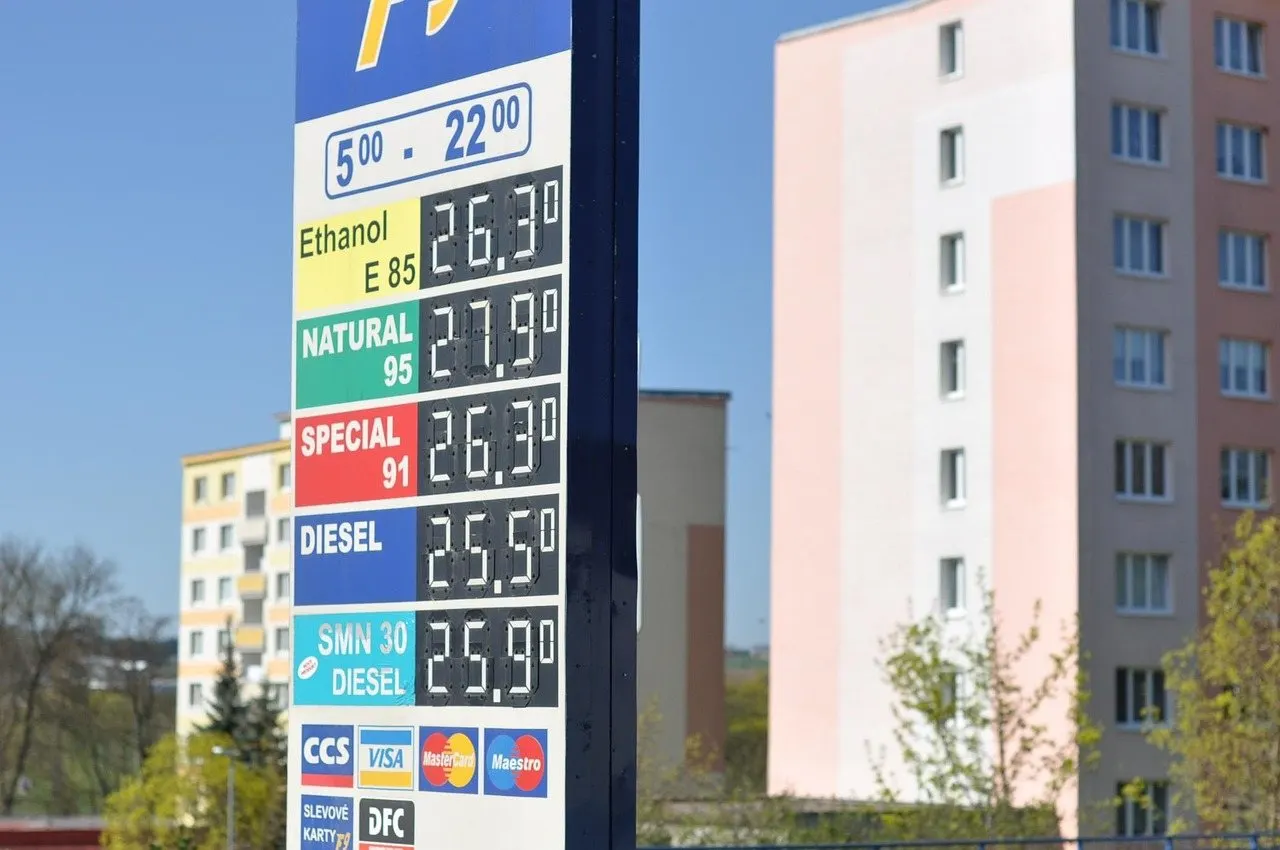
The new prices will take effect on Tuesday, November 24, which is the usual day for weekly fuel price changes. Stations across the country will post the new prices that morning, and drivers who can wait will save by filling up from Tuesday. Many motorists plan their fill ups around this weekly change. A Tuesday cut feels like a small win to start the week, and this one should be no different. Read more about a historic trip through Asia.
What the Oil Price Rollback Means for Drivers
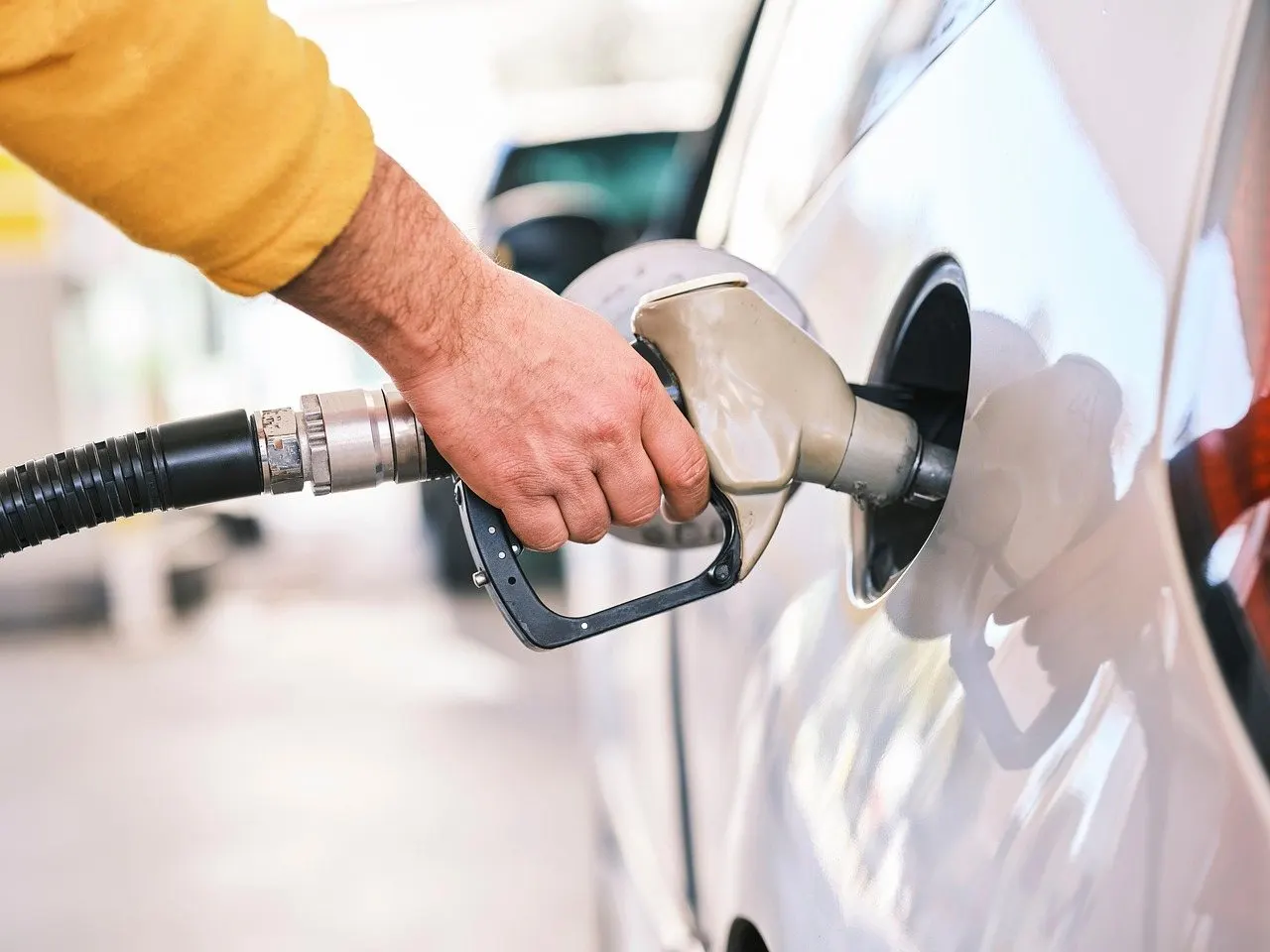
For everyday drivers, the projected cut means a cheaper week on the road. A car that uses a full tank each week could save more than a hundred pesos, and that money can go to groceries or school costs instead. Motorcycle riders, who fill up more often in smaller amounts, will also notice the difference. Small savings like this matter most to families who count every peso in their budget. Read more about party snacks that vanish first.
Jeepneys, Buses and the Daily Commute

Jeepneys and buses run on diesel, so the projected diesel cut is good news for commuters too. When fuel costs fall, operators face less pressure to raise fares, and passengers keep more of their daily pay. Millions of Filipinos ride jeepneys and buses to work, school and the market each day. Cheaper diesel helps keep those daily trips affordable for everyone who depends on public transport. Read more about a recent high profile visit to Manila.
Delivery Riders Feel Every Peso

Delivery riders and small shop owners feel fuel prices in a direct way, because every trip eats into their earnings. A rider who covers many kilometers a day spends a large share of income on gasoline. A cut of two pesos per liter means more of each delivery fee stays in the rider’s pocket. For small businesses that deliver food and goods, cheaper fuel can also help keep prices steady for customers. Read more about a trip that covered several Asian capitals.
How Pump Prices Are Set Each Week
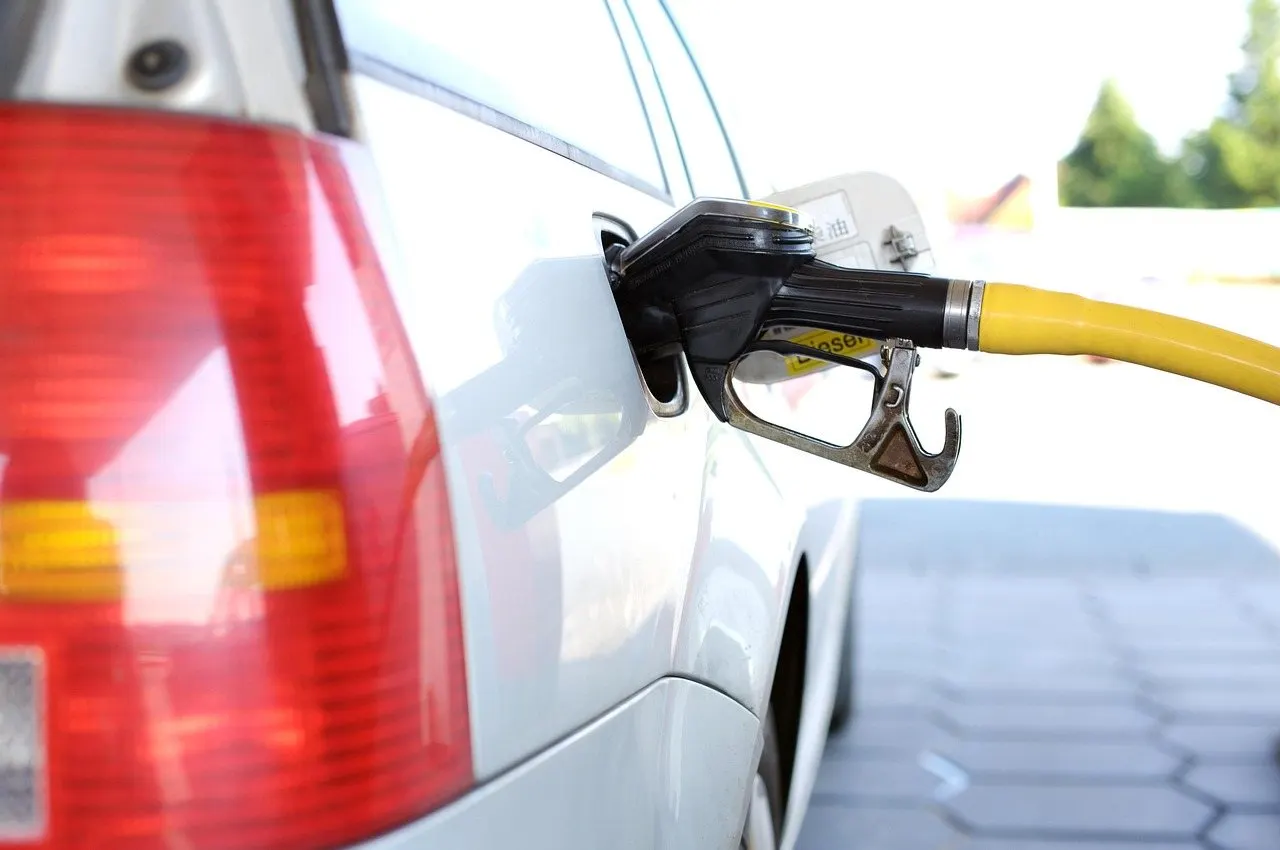
Pump prices in the Philippines change every week, usually on a Tuesday, and they follow the movement of world oil prices and the peso. Oil companies look at the Mean of Platts Singapore benchmark and the exchange rate, then set new prices for the week. The government watches the process, and the Department of Energy shares updates with the public. This weekly rhythm keeps prices in step with the global market. Read more about a historic win in Florida.
Mean of Platts Singapore in Plain Words
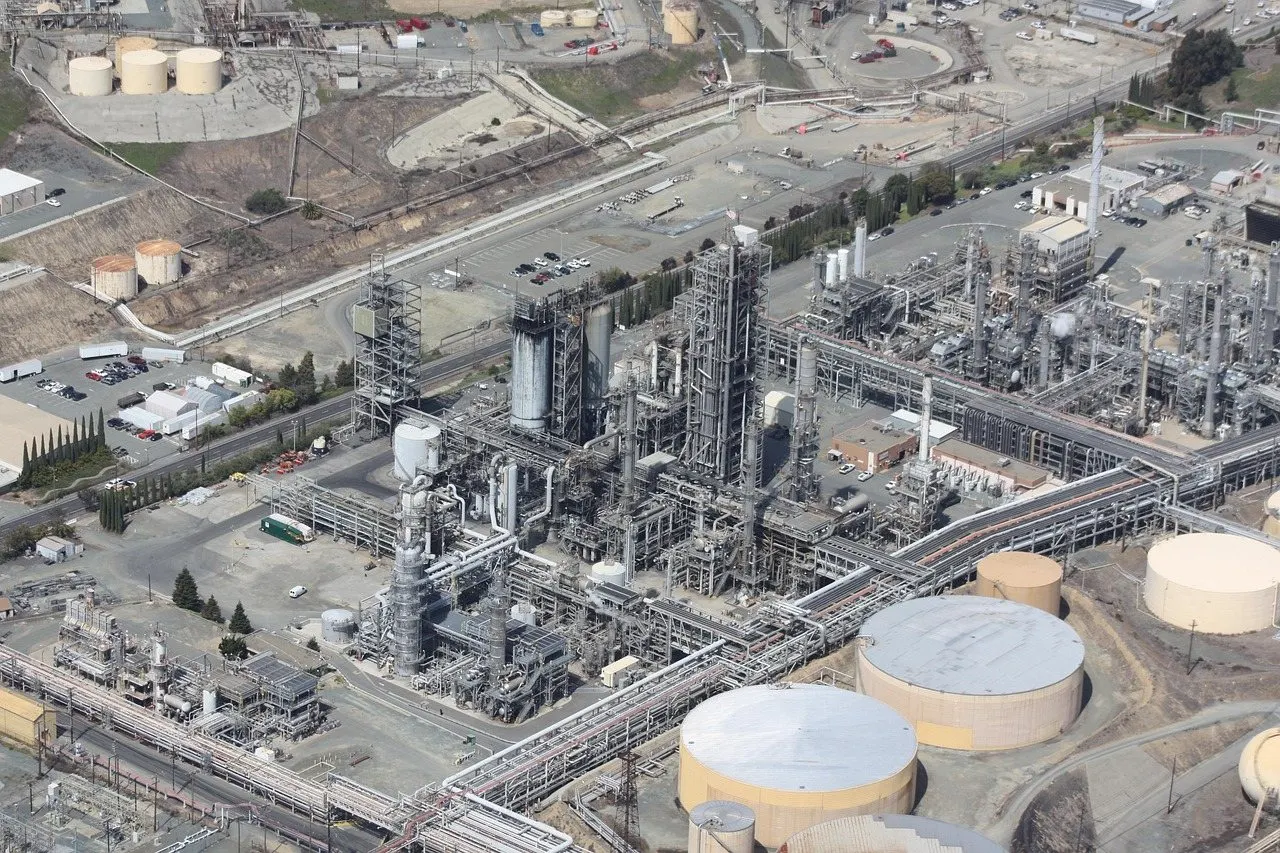
Mean of Platts Singapore is a price benchmark published by S and P Global, and it tracks what refined fuels like gasoline and diesel sell for in the Singapore market. Because the Philippines imports most of its fuel, local prices follow this benchmark closely. When the Singapore price falls for four straight trading days, Philippine importers pay less, and that saving can reach the pump. It is the main reason the industry could project next week cut so early. Read more about holiday loaves that look fancy but start simple.
Tankers, Imports and the Peso
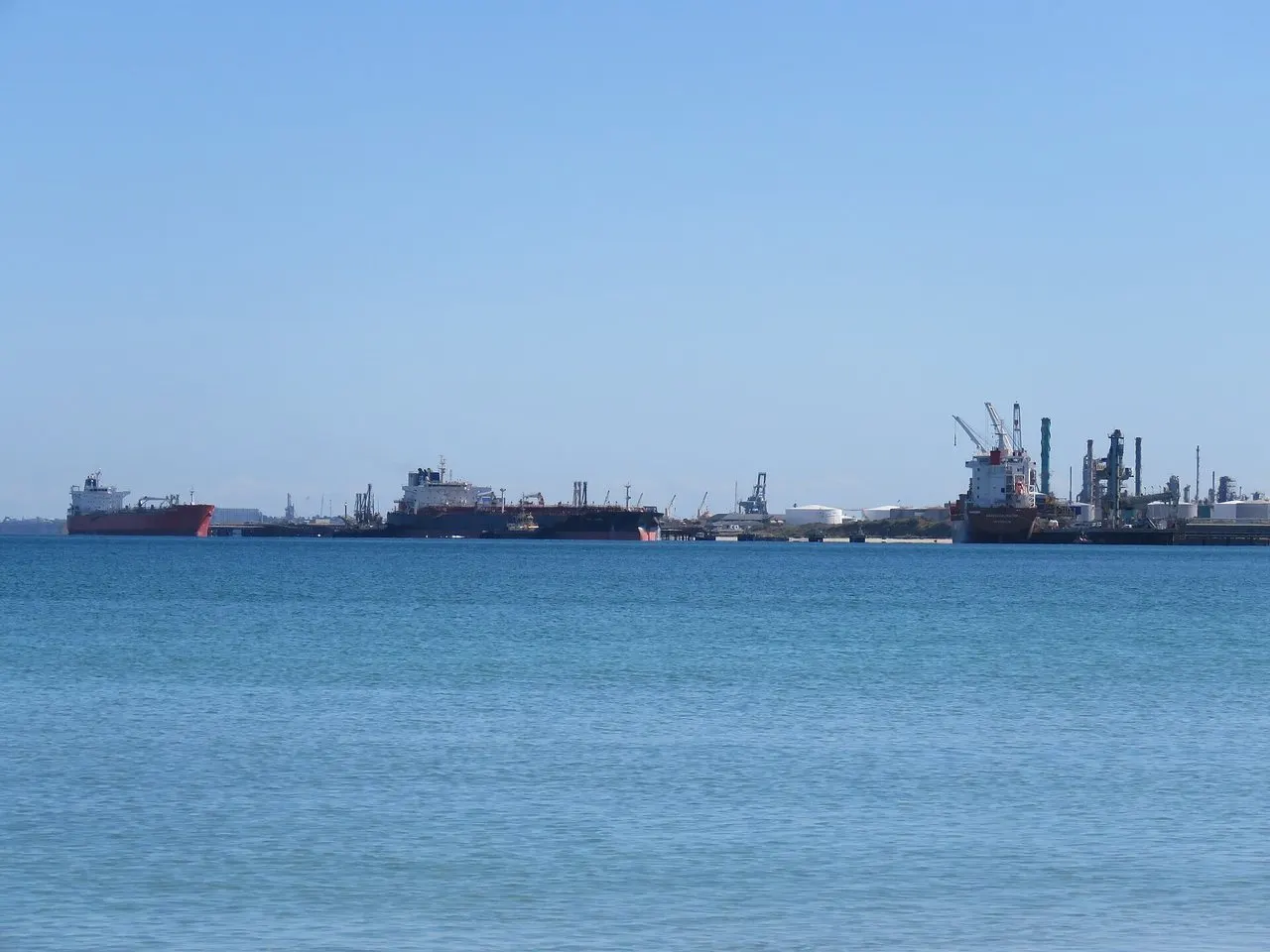
The Philippines imports nearly all of the oil it uses, so the country depends on tankers that carry crude and refined fuel across the sea. The cost of those imports depends on world prices, shipping costs and the value of the peso against the dollar. When the peso is steady and world prices fall, the saving shows up at local pumps. That is why global market news matters so much to Filipino drivers. Read more about strange vintage bakes that really work.
What Makes Up the Price at the Pump
The price at the pump is made up of several parts, and the cost of the fuel itself is only one of them. Taxes, the cost of shipping and storage, and the service station margin all add to the final price. That is why a drop in world oil prices does not always mean the same size drop at the pump. Still, when the world price falls by a good amount, as it has now, drivers can expect real relief. Read more about neutral Christmas looks with pampas and wicker.
The Pattern of Cuts So Far

The pattern of cuts tells its own story. The November 17 rollback took 1.50 pesos off gasoline and 3.80 off diesel, and the week after brought another cut. Now a third cut is projected for the week of November 24. Three cuts in a row suggest the market has turned after a period of high prices. Drivers will be watching to see if the run of good news lasts into December. Read more about a briefing that stirred debate in Washington.
Simple Ways to Stretch a Liter of Fuel
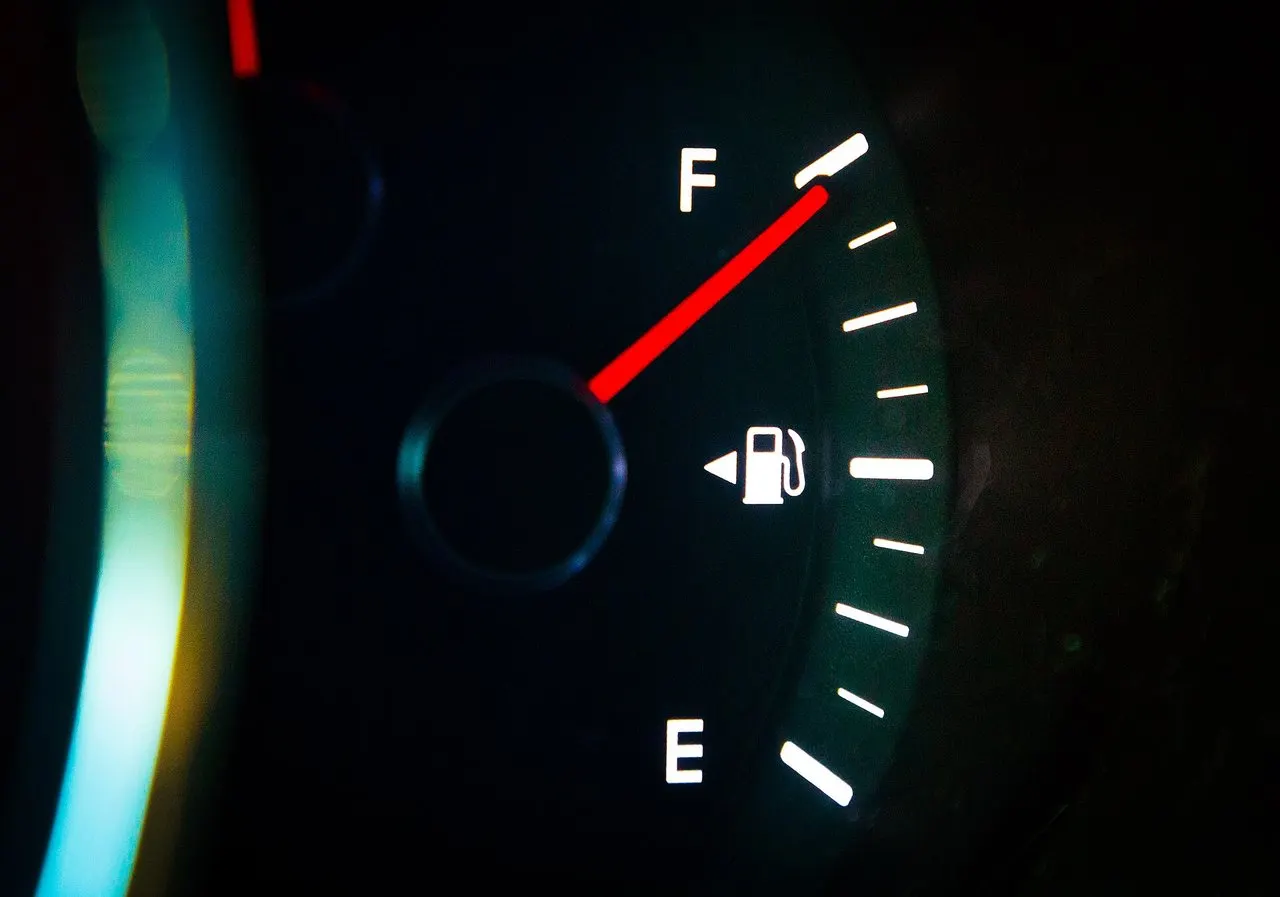
Drivers can stretch the saving further with a few simple habits. Keeping tires at the right pressure, driving at a steady speed and avoiding hard braking all help a car use less fuel. Turning off the engine during long waits and keeping the car light also make a difference. Small habits add up over a month of driving, and they work even better when pump prices are falling. Read more about a historic win in Mississippi.
Diesel or Gasoline, Who Saves More
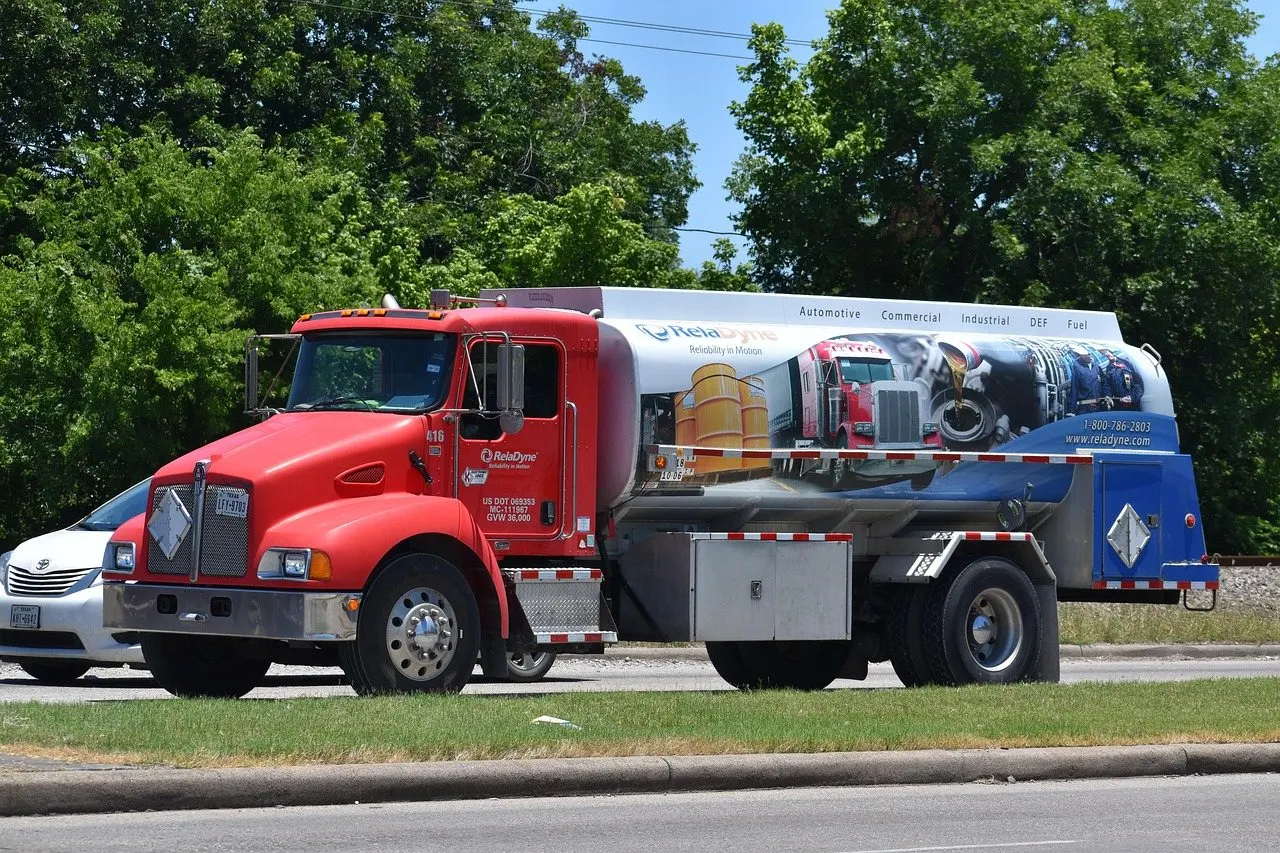
Diesel and gasoline drivers will both save next week, but diesel users look set to save a little more per liter. That is good news for jeepney drivers, truckers and bus operators, who buy diesel in large amounts every day. Gasoline users, including car owners and motorcycle riders, will save a bit less per liter but still feel the cut. Both fuels moving down together is the best result for families. Read more about a historic trip through Asia.
Tuesday Morning and the Oil Price Rollback
Tuesday morning is when the new prices appear at stations across the country, and drivers who waited will see the lower numbers on the price boards. The cut takes effect for the whole week, so there is no rush to fill up at dawn. A calm fill up later in the day buys fuel at the same new price. For many drivers, Tuesday will be the cheapest day to top up the tank. Read more about party snacks that vanish first.
Planning the Family Budget Around Fuel

Fuel is one of the biggest weekly costs for many Filipino families, along with food and transport fares. When pump prices fall for three weeks in a row, the family budget gets a little breathing room. The money saved can cover a few extra groceries, a school supply or a jeepney fare. Planning the week around the Tuesday price change is a simple way to make the saving count. Read more about a recent high profile visit to Manila.
The Global Story Behind the Oil Price Rollback
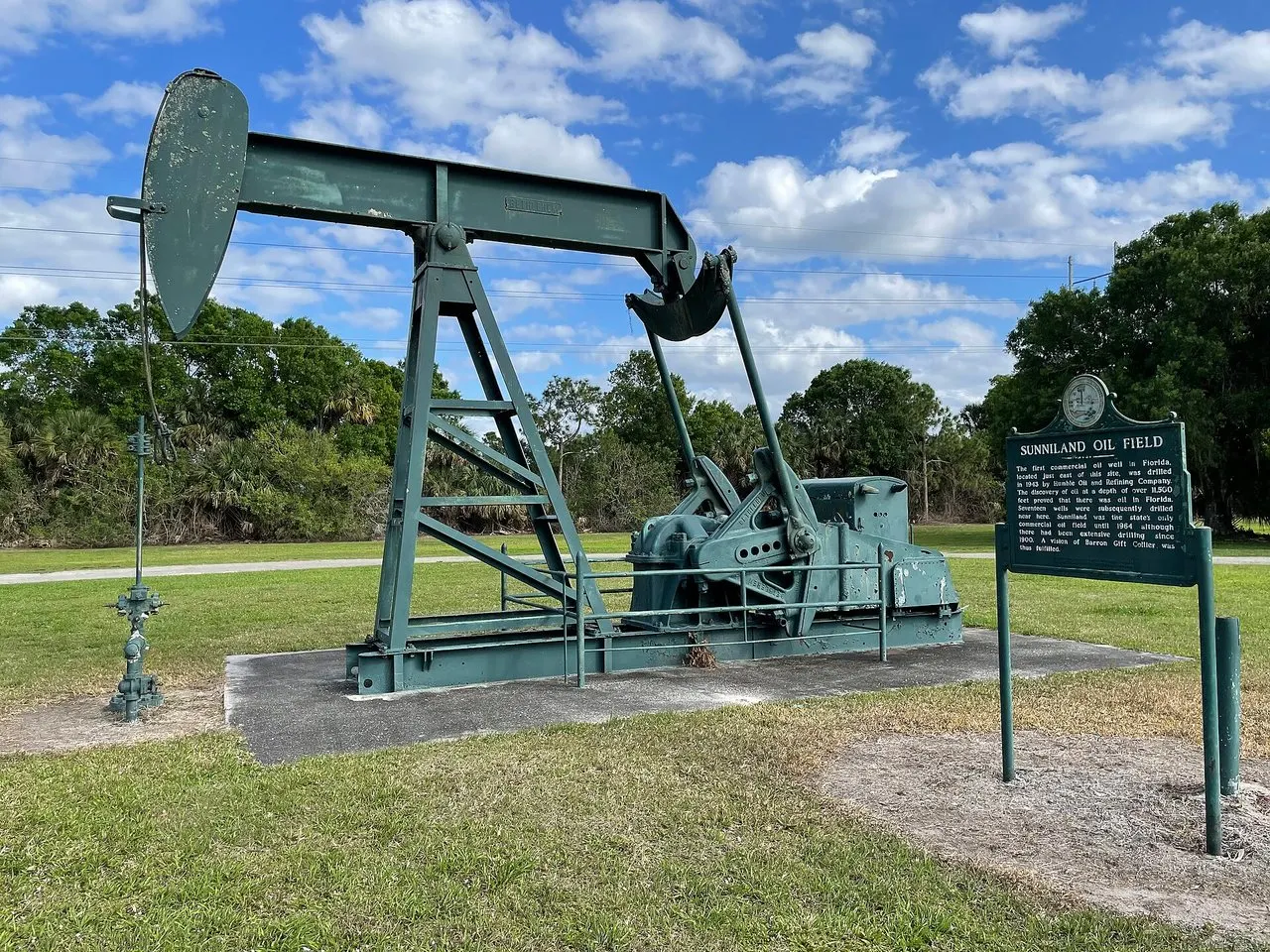
The bigger story behind the projected cut is the global oil market, where supply is growing faster than demand. Big producers are pumping more oil, and softer demand in many countries means there is plenty to go around. When that happens, the price of crude and refined fuel falls around the world. The Philippines, as an importer, feels that global shift at every gas station. Read more about a trip that covered several Asian capitals.
What Oil Producers Decide Next

Oil producing countries watch the same market and decide how much to pump each month. When they keep output high, prices tend to fall, and when they cut output, prices can rise again. These decisions are made at meetings that traders follow closely. For now, the market expects supply to stay ample, which is why the outlook for fuel prices looks friendly to drivers. Read more about a historic win in Florida.
Traffic, Demand and the Weeks Ahead

Traffic and travel patterns also shape fuel demand. When roads are busy and more people are on the move, demand for gasoline and diesel rises. Holiday travel and the run up to Christmas usually bring more cars onto the road in the Philippines. Even so, weak demand in the wider world is keeping prices down for now. Drivers can enjoy the lower prices while the trend lasts. Read more about holiday loaves that look fancy but start simple.
If the Oil Price Rollback Streak Ends
Price cuts do not last forever, and the market can turn back up if supply tightens or demand recovers. A new disruption, a change in output or a stronger economy could push prices higher again. That is why the current run of three cuts is worth enjoying while it lasts. Motorists who save a little now will be glad they did if prices climb later. Read more about strange vintage bakes that really work.
How to Keep Track of Weekly Changes

Keeping track of weekly fuel changes is easy once you know the routine. Oil companies announce the final amounts every Monday, and the new prices take effect on Tuesday morning. News sites and the Department of Energy share the figures, and many drivers check them before filling up. Following the Monday announcement helps you plan the cheapest day to buy fuel each week. Read more about neutral Christmas looks with pampas and wicker.
What Will You Do With the Savings
Three weeks of lower fuel prices is a welcome change, and the projected cut for next week keeps the good news going. Diesel and gasoline are both set to fall again, and families, commuters and small businesses all stand to gain. How will you use the saving from cheaper fuel this week? Share your answer in the comments and tell us where the lower prices help you most. Read more about a briefing that stirred debate in Washington.