Carney Confronts Putin at the APEC Summit in Shenzhen
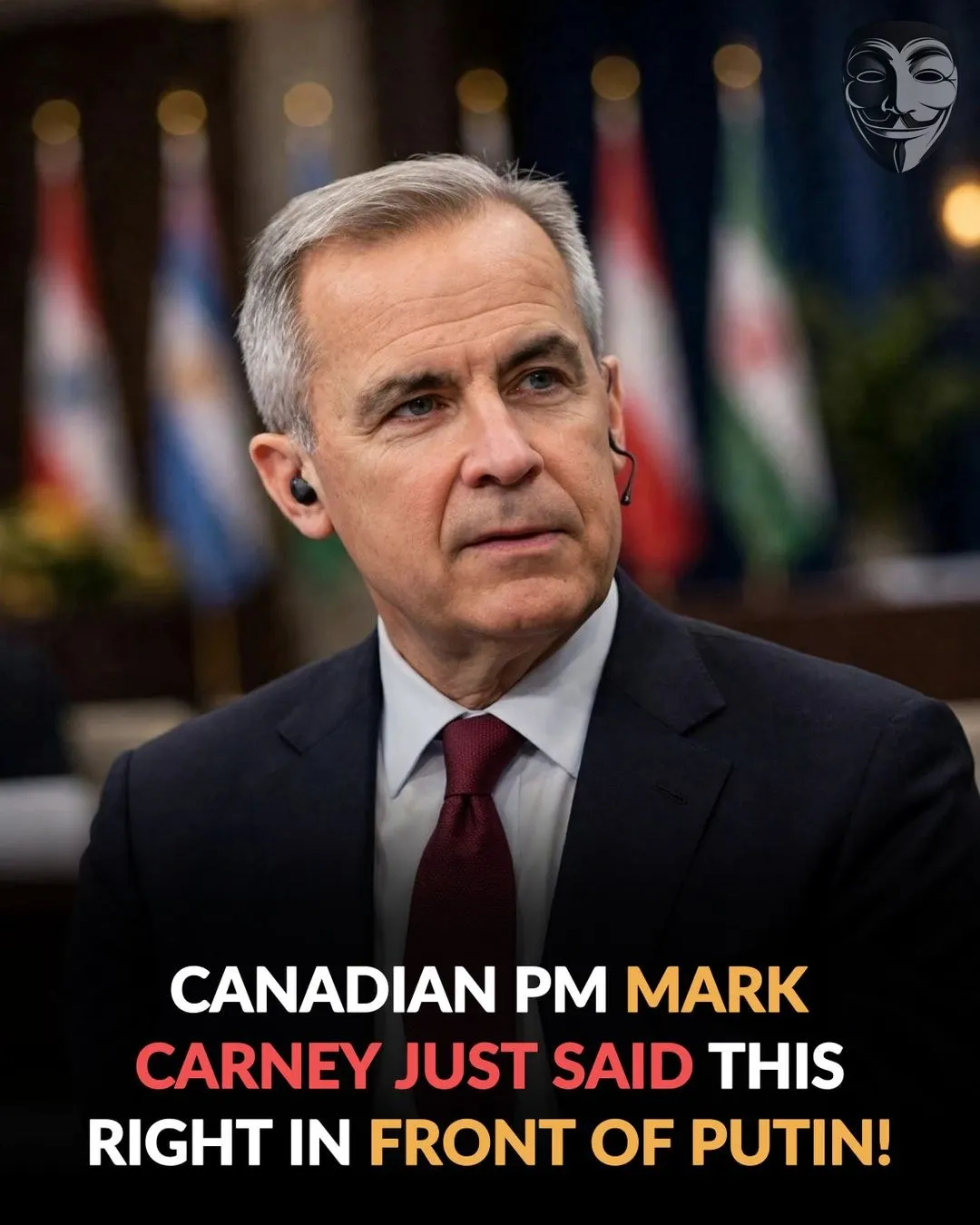
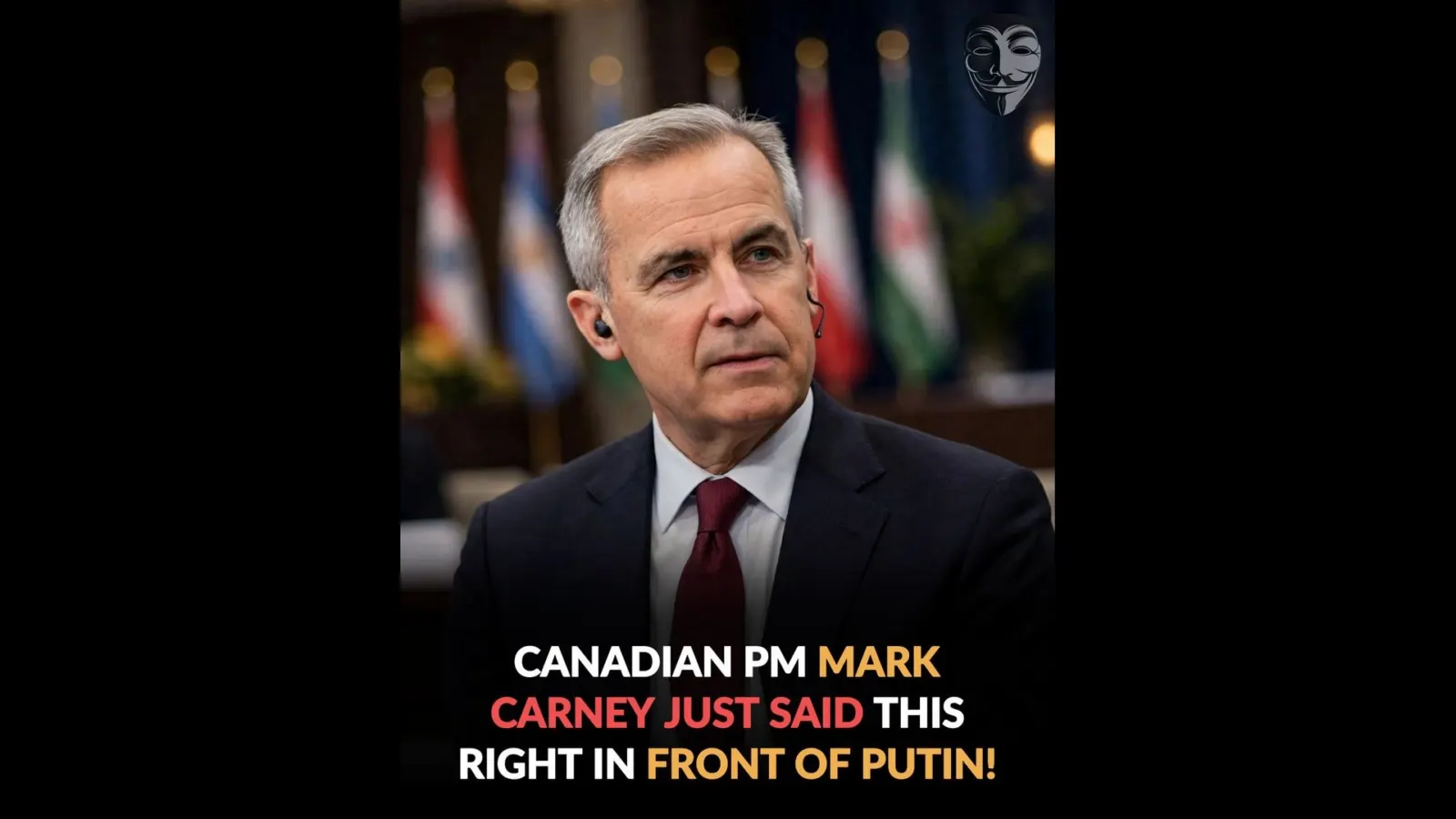
Carney confronts putin at the APEC summit in Shenzhen, and the room went quiet as the Canadian prime minister spoke. Carney used his speech on Thursday to condemn Russia’s illegal invasion of Ukraine while Russian President Vladimir Putin sat in the room listening. According to prepared remarks shared by his office, Carney said sustained prosperity depends on a stable international environment. The conflict in Ukraine keeps having serious economic effects across Asia and the Pacific and beyond, and Carney put that cost at the center of his message.
In the slides ahead we look at the speech, the sanctions, the hockey line, and the 2014 moment Carney praised. The story drew wide attention because a leader rarely speaks this plainly with the other leader sitting a few feet away. For background on the warm greeting that opened the summit, read our report on Trump calling Putin his friend in Shenzhen and our story on the handshake that drew questions. The moment showed how one speech can set the tone for a whole summit.
References:
CBC News: With Putin in the room, Carney condemns Russia’s illegal invasion of Ukraine
Apex News: Canada’s Carney calls out Russia’s brutal invasion of Ukraine to Putin’s face
Turkville: MARK CARNEY: ‘GEOPOLITICAL CRISES, INCLUDING RUSSIA’S ILLEGAL INVASION OF UKRAINE, CONTINUE TO HAVE SERIOUS ECONOMIC CONSEQUENCES.’
Trari: Carney tells Putin to ask his hockey players about sanctions
Shenzhen Welcomes Leaders for the APEC Summit

Shenzhen welcomed world leaders for the APEC summit, a meeting of economies from around the Pacific Rim. The city in southern China is known for trade, technology, and fast growth, and it gave the summit a stage. Leaders arrived through the week for talks on trade, growth, and the rules that keep economies working together. For a look at the arrivals, see our story on Xi greeting Trump on the tarmac in Shenzhen and our report on the leaders who met on 19 November 2026. The setting mattered because the host city shapes the mood of every meeting held there.
Carney Takes the Podium on Thursday
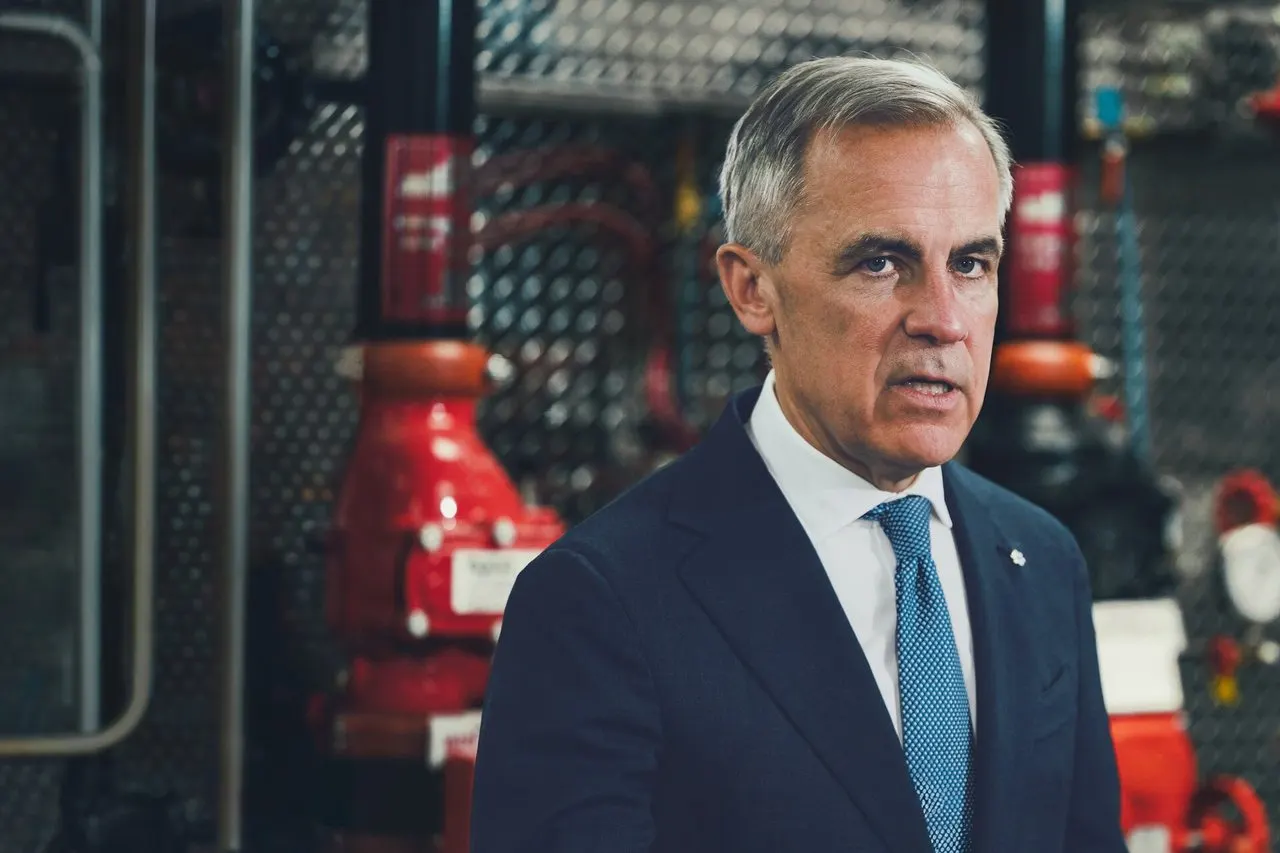
Mark Carney rose to speak at the APEC summit on Thursday, with leaders from across the Pacific seated around the room. As Canada’s prime minister, he used prepared remarks shared by his office to set out a clear message. He spoke about prosperity, stability, and the cost of conflict, and he did not soften his words. You can read about the summit mood in our report on Trump telling Putin how great he is. Carney’s turn at the podium became the moment people remembered most.
Putin Listens From His Seat in the Room
Vladimir Putin sat in the room as Carney spoke, listening to a speech that named Russia’s invasion of Ukraine directly. The Russian president heard Carney say the conflict keeps having serious economic effects far beyond Europe. Moments like this are rare, because leaders often save their hardest words for news conferences back home. For more on the greeting that opened the summit, read our story on Trump beaming at Putin. The room stayed still while Carney kept speaking in a calm and steady voice.
Carney Confronts Putin on Ukraine
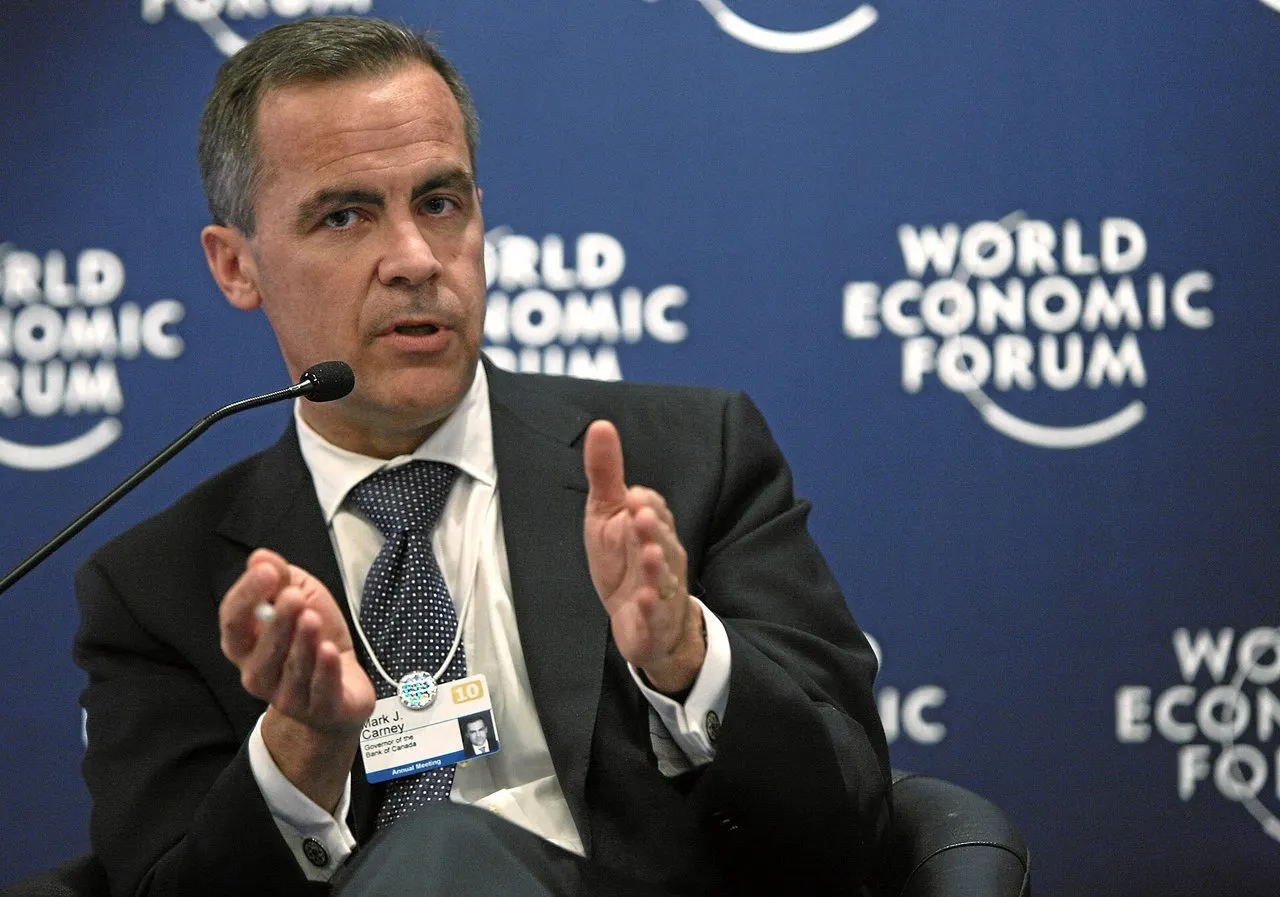
Carney confronts putin in plain language, and that is what made the speech stand out. He condemned Russia’s illegal invasion of Ukraine and tied it to the daily lives of people across Asia and the Pacific. Trade suffers when shipping is disrupted, prices rise when energy is uncertain, and families feel the strain far from any front line. See how the summit unfolded in our story on the handshake that drew questions. Carney’s point was simple, and he made it with Putin sitting right there.
Why Prosperity Needs a Stable World
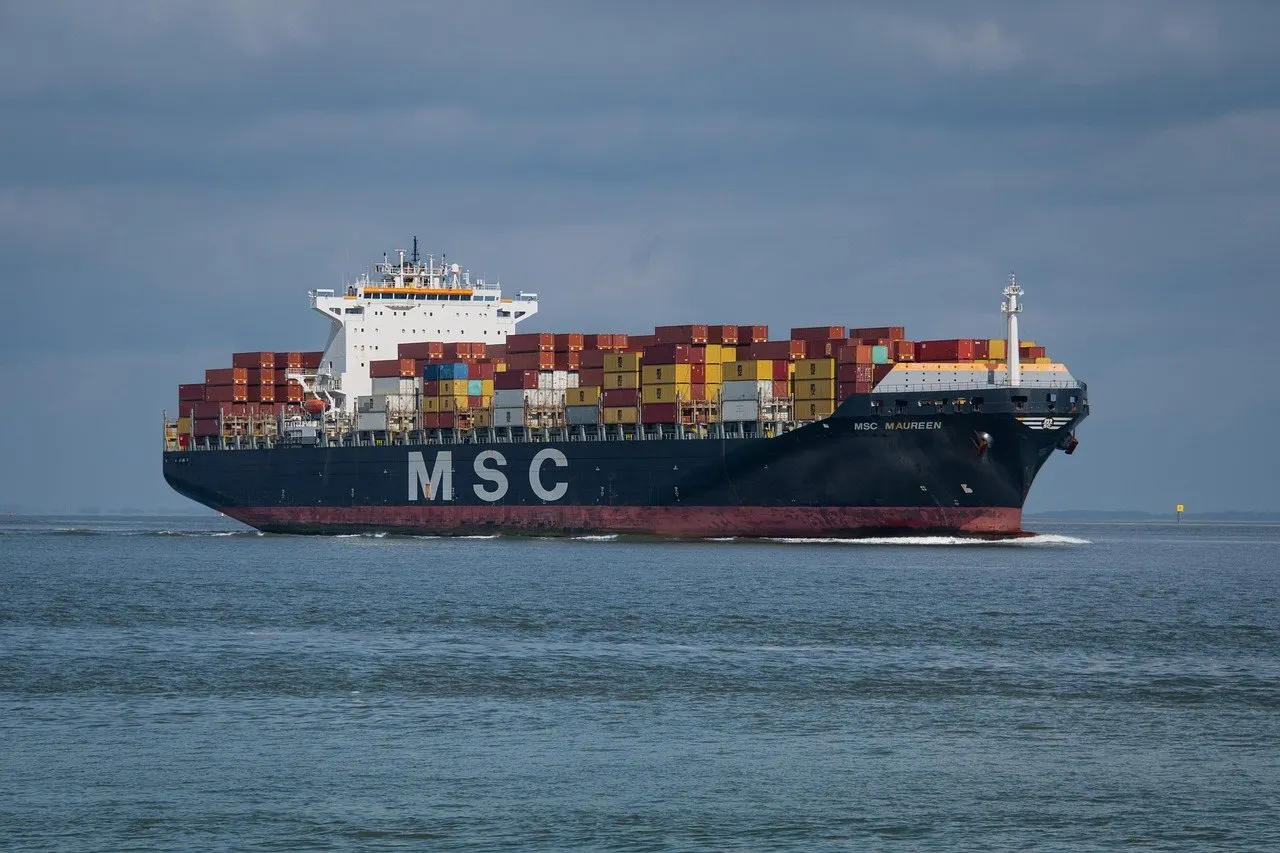
Carney said sustained prosperity depends on a stable international environment, and that idea runs through his whole speech. Businesses need steady rules to trade, invest, and hire, and families need prices they can plan around. When a major conflict shakes those rules, the effects reach ports, markets, and shops on the other side of the world. Read about the deals made at the summit in our report on the trip that brought 17 billion dollars in deals. Stability is not an abstract idea, and Carney tied it to real life.
Carney Confronts Putin and the Economic Stakes
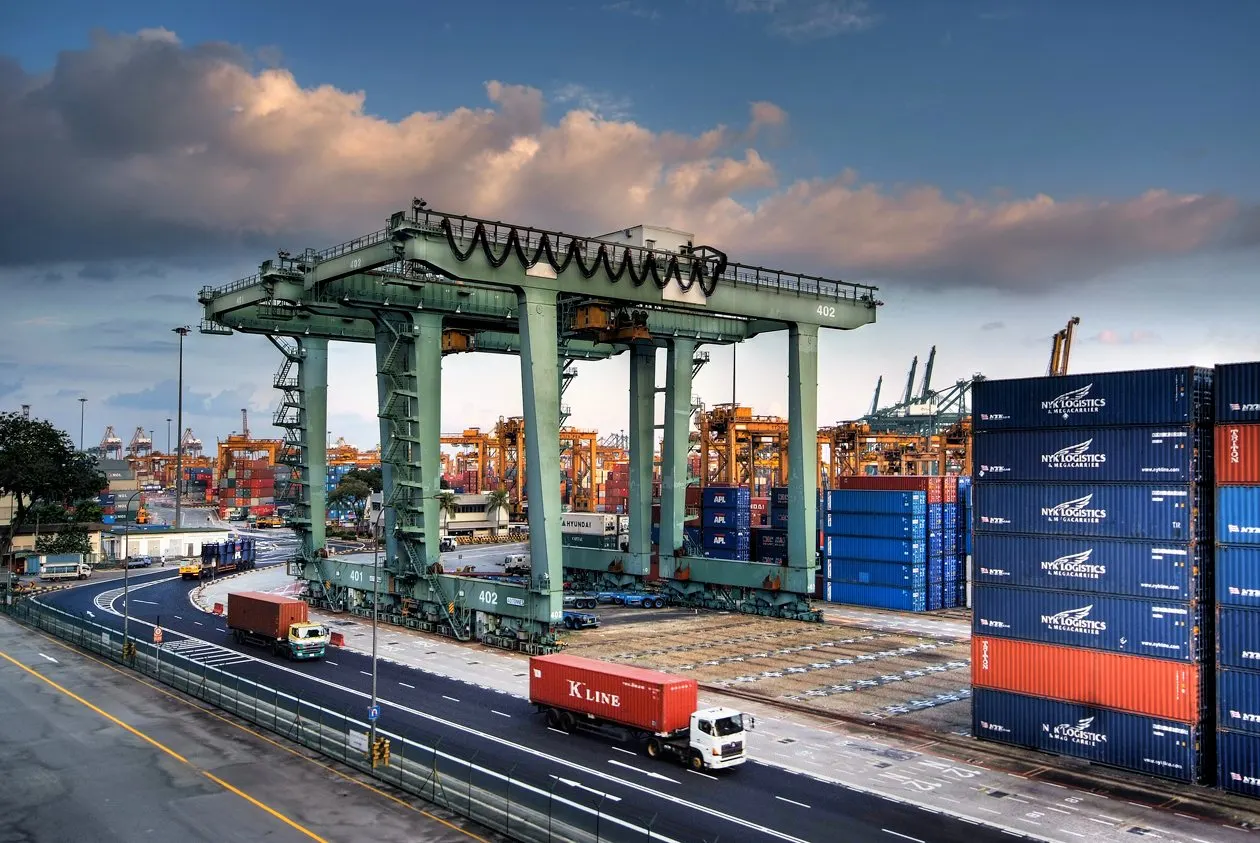
He put the cost of the conflict at the heart of his case. Carney said the conflict in Ukraine keeps having serious economic effects across Asia and the Pacific and beyond. That means higher costs for shipping, energy, and food in places far from the fighting. For more on the trip around the summit, see our story on Trump returning home from Asia. Leaders listen closely when a speech connects a distant conflict to the price of everyday goods.
Reliable Partners and the Rules That Bind Them
Carney said conflicts like Putin’s show why reliable partners matter so much, and he linked that to respect for international law. Countries that keep their word, respect borders, and settle disputes by rules give others the trust to trade and work together. When those rules break down, every partner has to guess what comes next. Learn more from the joint peace declaration signed in Shenzhen. Carney’s message was that trust is built by conduct, and conduct is judged by the whole world.
Carney Confronts Putin Over Sanctions
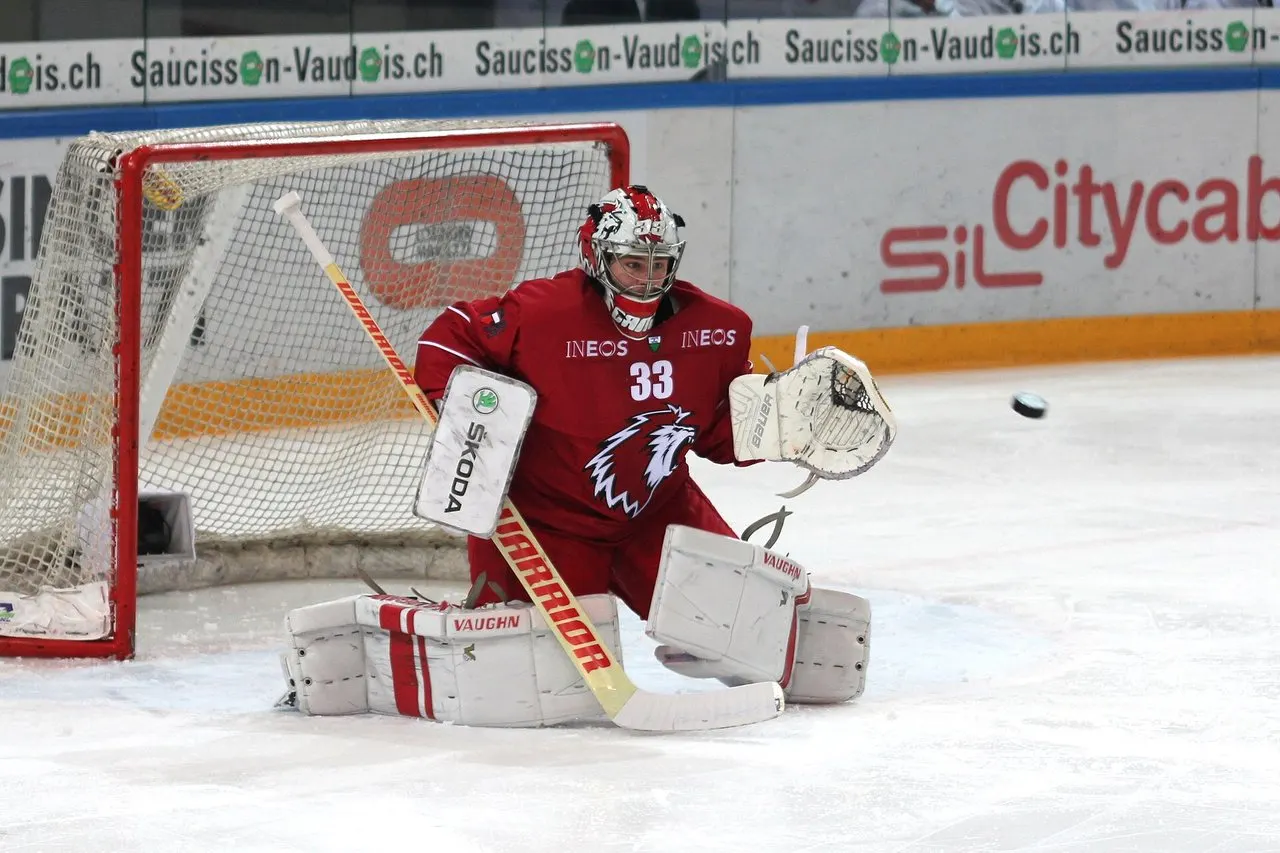
He pushed back hard on the idea that sanctions no longer matter. A day earlier, he told reporters the sanctions are very real and biting and will keep growing while the conflict goes on. Sanctions limit trade, freeze assets, and raise the cost of doing business for a country under them. Read about the pressure on Russia in our report on the warning about working for Russia. Carney’s words showed that sanctions remain a live tool, not a thing of the past.
Harper Told Putin to Leave Ukraine in 2014
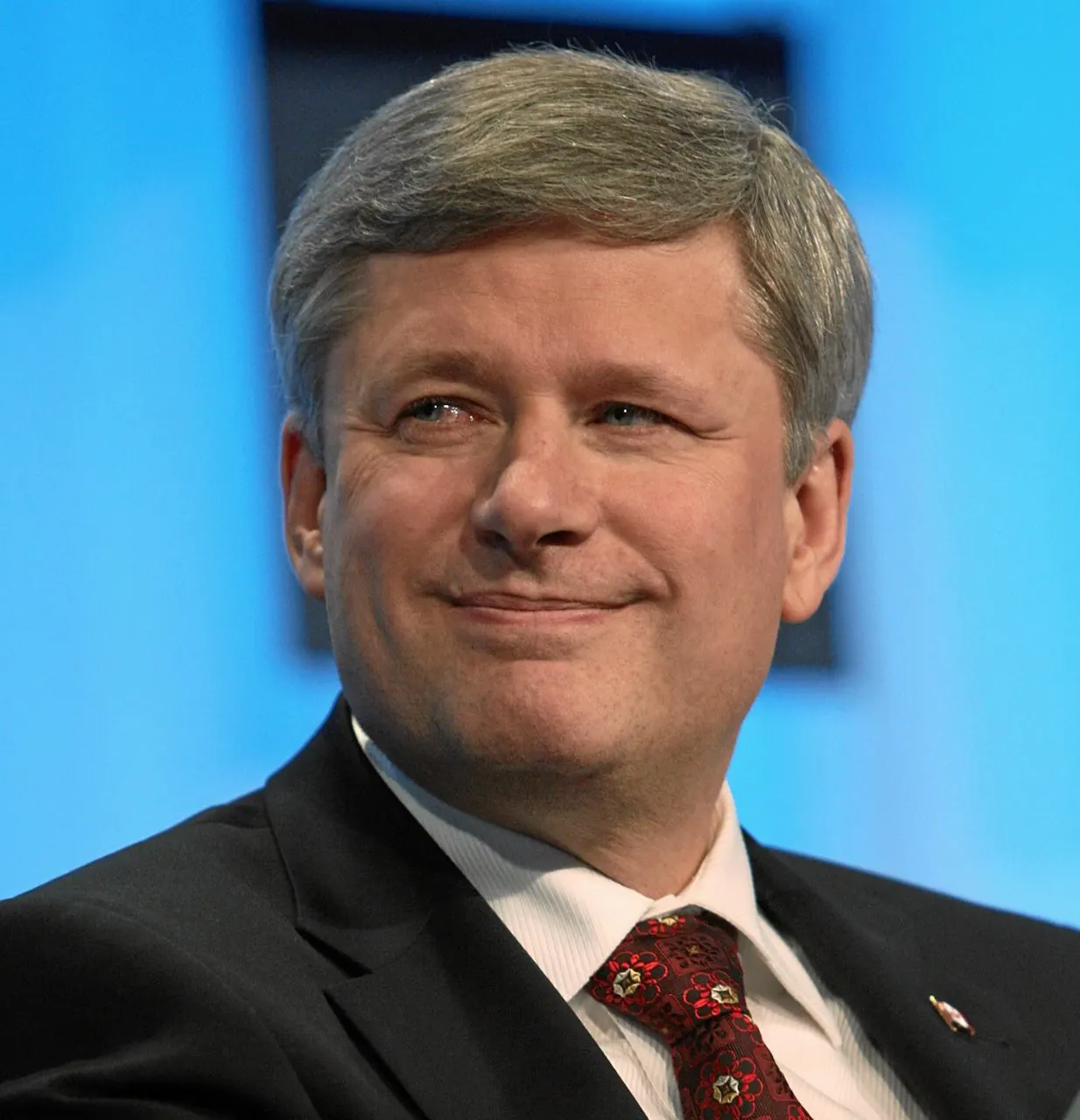
Carney praised former prime minister Stephen Harper, who told Putin face to face in 2014 to leave Ukraine. Harper led Canada from 2006 to 2015, and his blunt words to Putin became a remembered moment of his time in office. Carney said he would speak just as plainly if he got the chance, and his APEC speech kept that promise. See how leaders answer each other in public in our story on the Polish prime minister answering Trump. A message, delivered in person, carries weight that a statement never can.
Why Carney Confronts Putin So Plainly
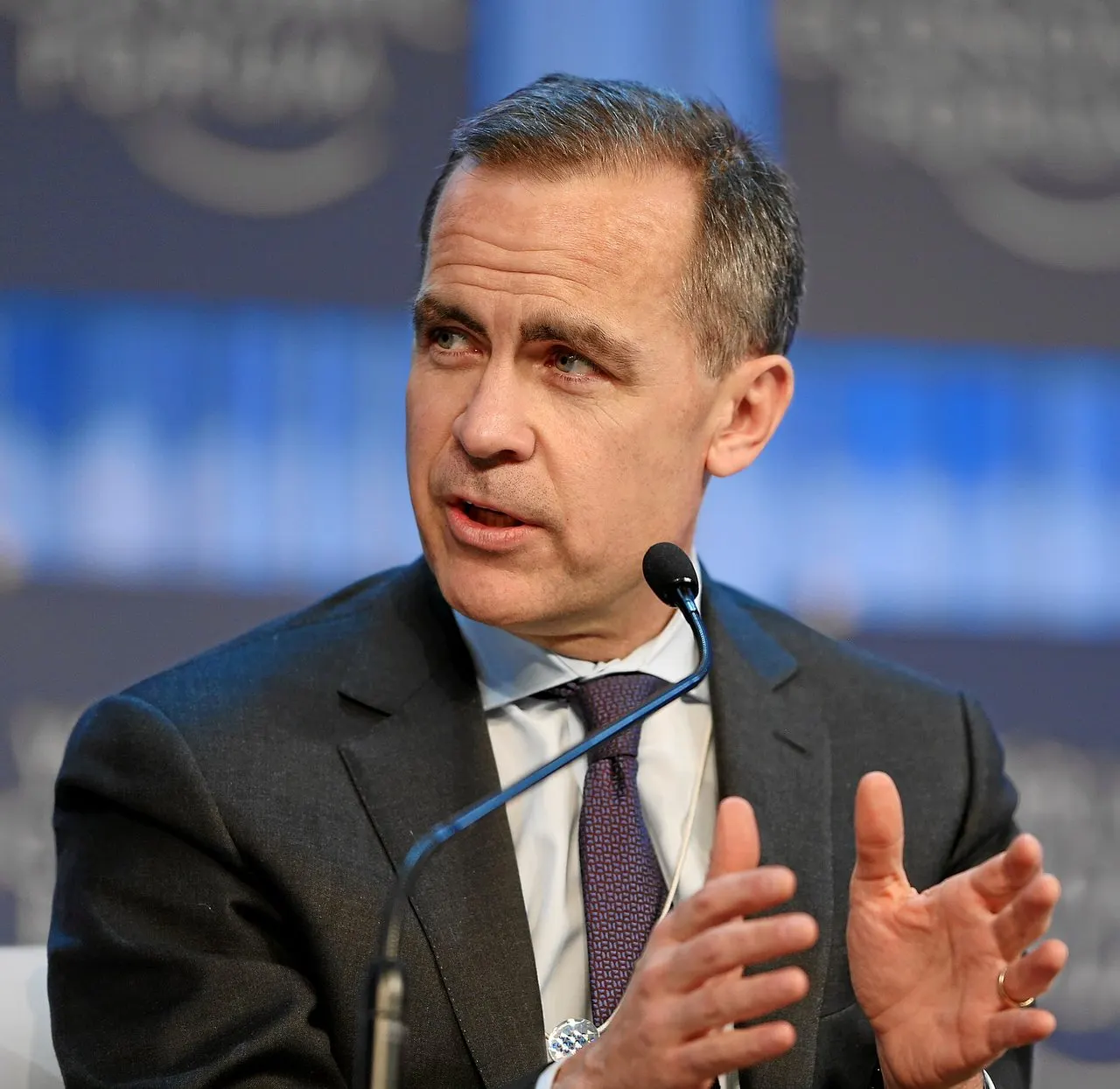
Why he speaks so plainly comes down to a simple belief about leadership. He told the room that reliable partners respect international law and territorial integrity, and he acted on those words with Putin listening. Plain speaking leaves no room for doubt about where a country stands, and it tells allies they can count on Canada. Read about the meeting behind the speeches in our report on Trump calling Putin his friend. Carney chose the direct route, and the room heard every word.
What APEC Is and Why It Meets
APEC brings together 21 member economies from around the Pacific Rim, including Canada, China, Russia, and the United States. The group meets each year to talk about trade, growth, and shared rules for business across borders. Leaders use the summit to hold meetings on the sidelines, and those side meetings often matter as much as the main sessions. For more on the arrivals, see our story on the tarmac greeting in Shenzhen. APEC gives leaders a rare chance to speak to each other face to face.
Shenzhen, the Host City Built on Trade

Shenzhen is a major city in southern China, built on trade, factories, and technology. It grew from a small market town into one of the world’s busiest centers for electronics and shipping in a single generation. Hosting APEC put the city at the center of world news for a week. Take a look at the summit scenes in our report on the group photo in Shenzhen. The city’s rise mirrors the rise of trade across the Pacific, and Carney’s speech spoke directly to that shared future.
Canada Speaks Up on the World Stage
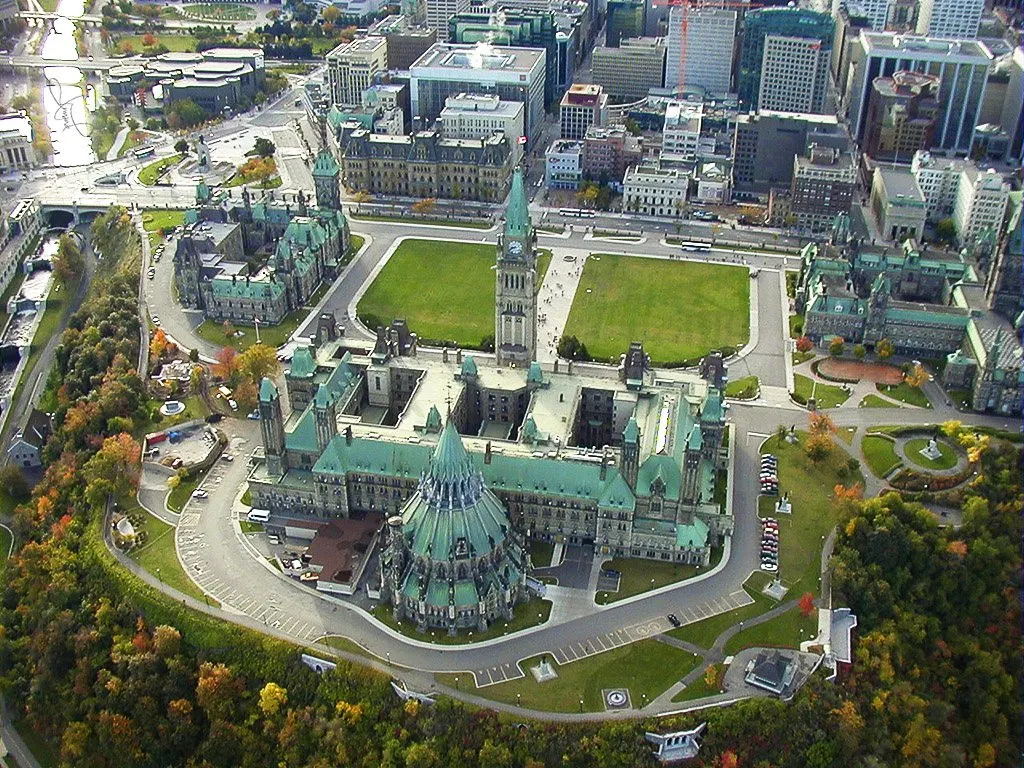
Canada’s voice carries weight at summits like APEC because the country trades with partners on every shore of the Pacific. Ottawa sends its prime minister to speak for Canadian workers, businesses, and families who depend on open and fair trade. Carney used that platform to defend rules that protect smaller countries as well as large ones. Read about the Canada question in our story on Trump treating Canada like an enemy. A clear Canadian voice reminds the room that middle powers can shape the debate.
Carney Confronts Putin and Defends Territorial Integrity
He defended territorial integrity, the idea that borders cannot be changed by force. He said reliable partners respect international law, and that respect starts with leaving other countries alone. When a larger country seizes land from a smaller one, every small country has reason to worry. Learn more from the anger over the Crimean bridge strike. Carney’s stand was not only about Ukraine, and he framed it as a rule that protects every nation in the room.
The Power of Speaking Plainly
The power of speaking plainly is that nobody has to guess what you mean. Carney chose short, direct words at the summit, and his message traveled around the world within hours. Leaders often hide behind careful language, but a clear sentence can set the tone for a whole meeting. Read about other summit moments in our report on Trump falling asleep at the table. Plain words also invite plain answers, and that is why they can be risky as well as strong.
The Day Before Carney Confronts Putin
The day before the speech, he had already pushed back on Putin’s claim about sanctions. Speaking to reporters, he said the sanctions are very real and biting and will keep growing while the conflict goes on. That set the stage for the speech, because nobody in the room could doubt where Canada stood. For more on the unusual scenes of the trip, see our story on the phones taken on Air Force One. Carney arrived at the podium with his position already clear to everyone.
Readers Praised the Plain Speaking
Readers praised the plain speaking, and the post drew strong reactions online. Many said it was good to see a leader stand up in the room instead of saving tough words. The original caption praised a strong leader who is not afraid to stand up, and drew a sharp contrast with leaders who praise strongmen. See how the summit was covered in our report on Trump closing his eyes during a speech. A speech like this spreads fast, and people judge it by its tone as much as its words.
Carney Confronts Putin on the Sanctions Claim
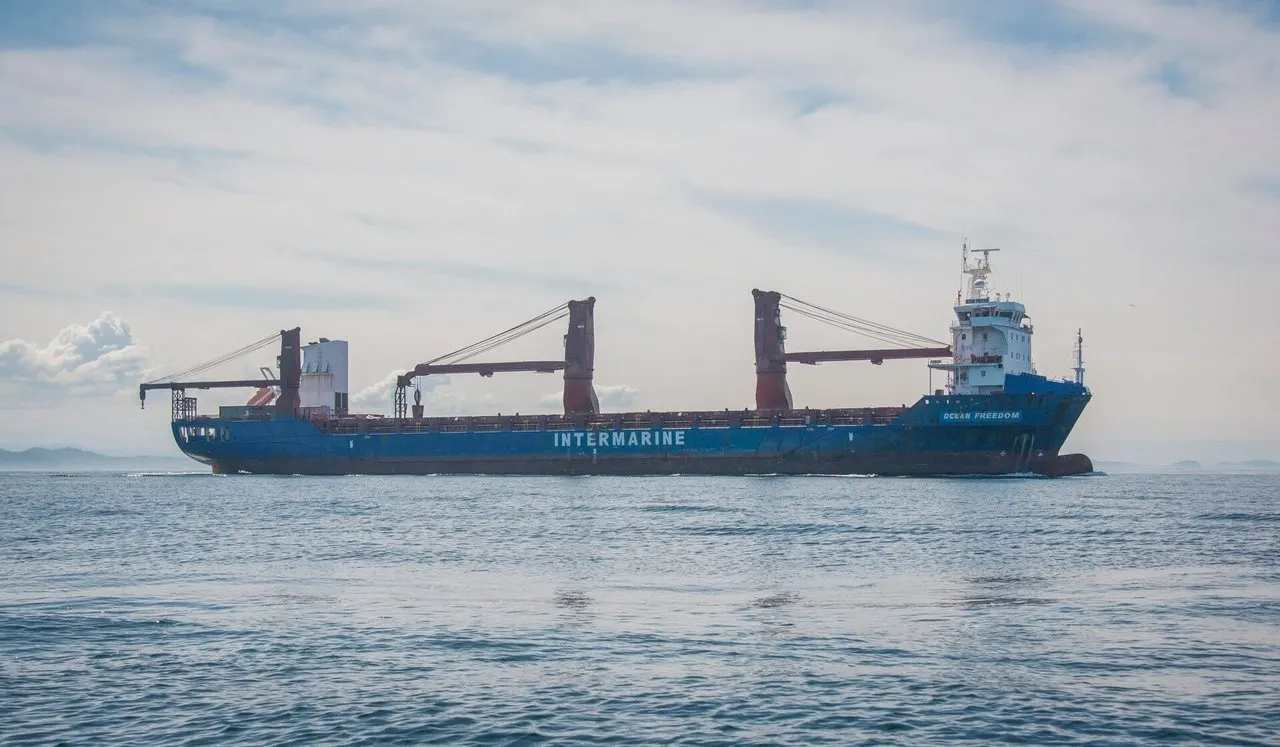
He answered the claim that sanctions are a thing of the past twice. First he told reporters the sanctions are very real and biting, then he raised the cost of the conflict again in his summit speech. Sanctions work by squeezing trade and finance over time, and leaders who dismiss them often want others to believe they have failed. Read about the deals around the summit in our report on the economic deals for American workers. Carney’s answer was that sanctions grow while the conflict goes on.
Ask His Hockey Players About Sanctions
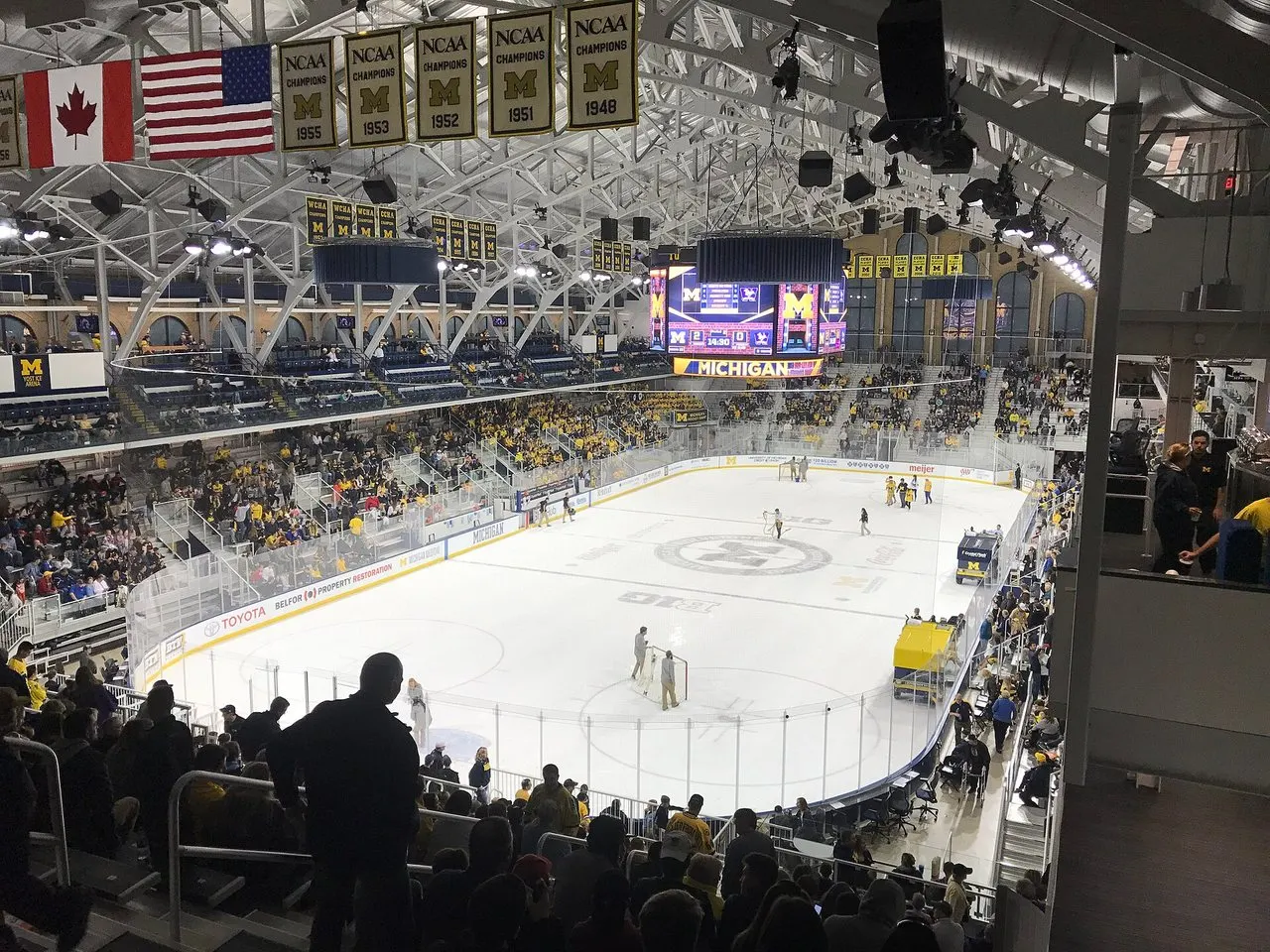
Ask his hockey players about sanctions became the sharpest line of the week. Carney told Putin to ask his hockey players, a line that linked the sanctions to Russian athletes who feel their effects. Hockey matters in both Canada and Russia, and players who cannot compete or travel notice the cost first. See the summit scenes in our report on the group photo in Shenzhen. A joke can carry a serious point, and this one landed because everyone in the room knew exactly what it meant.
Carney Confronts Putin as Prime Minister
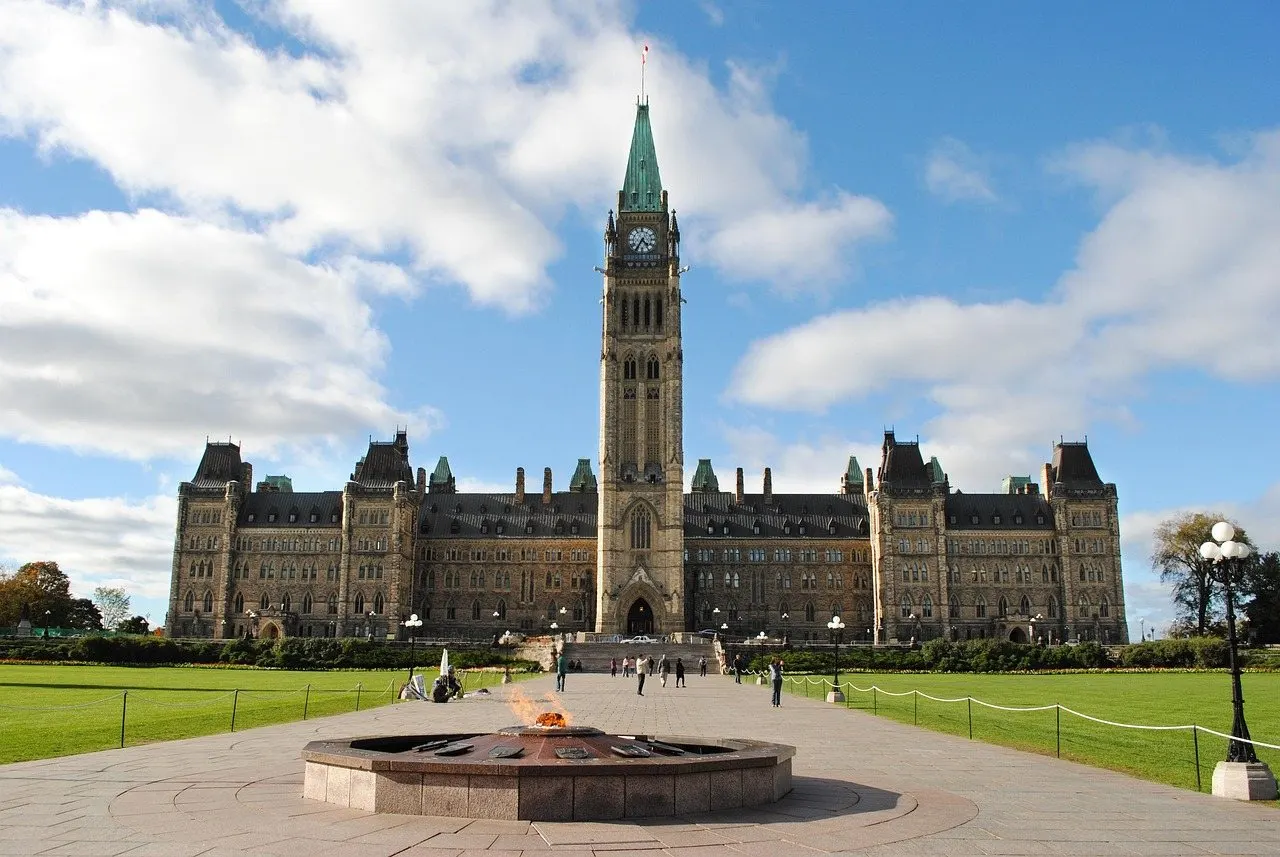
He speaks as prime minister, and the role gives his words extra weight. He leads Canada’s government and speaks for the country at summits, in trade talks, and in meetings with other leaders. Before politics, he led the Bank of Canada and the Bank of England, so he knows how markets and trade respond to conflict. Read about the Canada question in our story on Trump treating Canada like an enemy. A prime minister’s words become his country’s position, and Carney chose his with care.
International Law Matters to Everyone
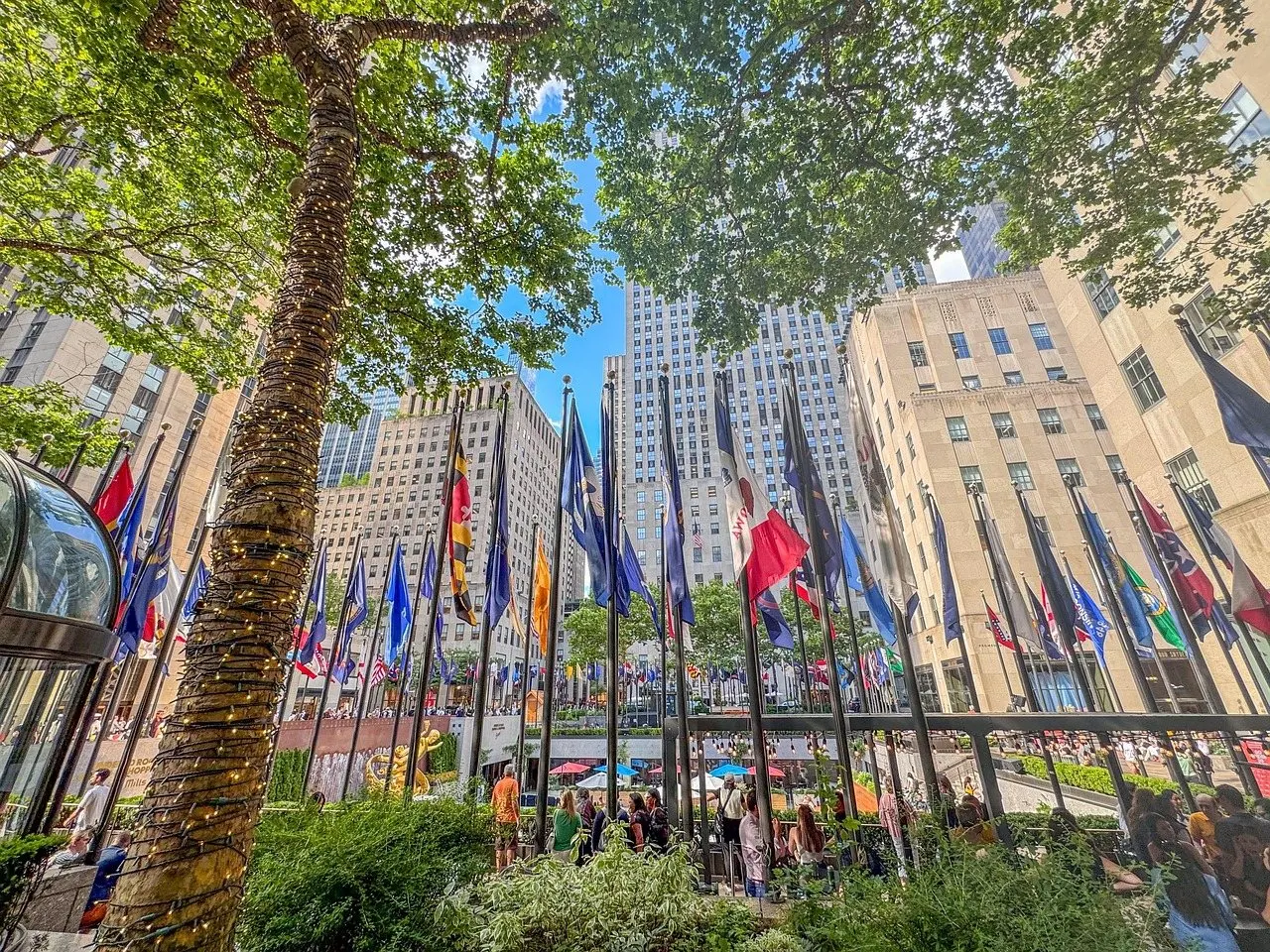
International law matters to everyone because it sets the rules that keep countries safe. Treaties and the United Nations Charter say borders must be respected and disputes must be settled without force. When those rules are broken, trust falls, trade suffers, and smaller countries feel the danger first. Learn more from the call to eliminate nuclear weapons. Carney’s speech rested on this idea, and he asked the room to judge every country by whether it keeps the rules.
Carney Confronts Putin and the Cost to Trade
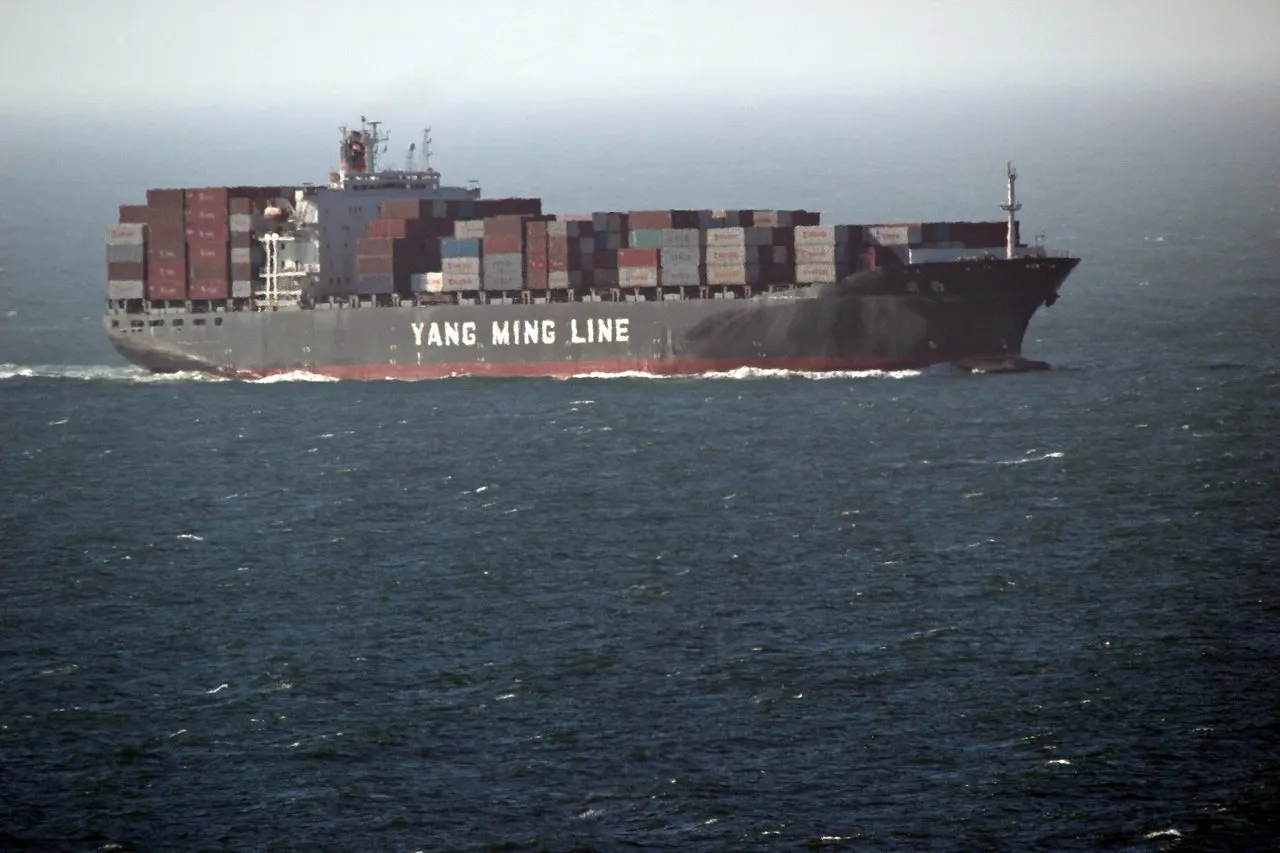
He warned that the effects reach far beyond Europe. Ships, ports, and markets across Asia and the Pacific feel the strain when a major conflict disrupts supply. Prices rise, deliveries slow, and businesses hold back on plans they would otherwise make. For more on the trip, see our story on Trump returning home from Asia. Prosperity depends on calm seas and open routes, and Carney tied that calm to respect for the law.
What Happens After the Speech
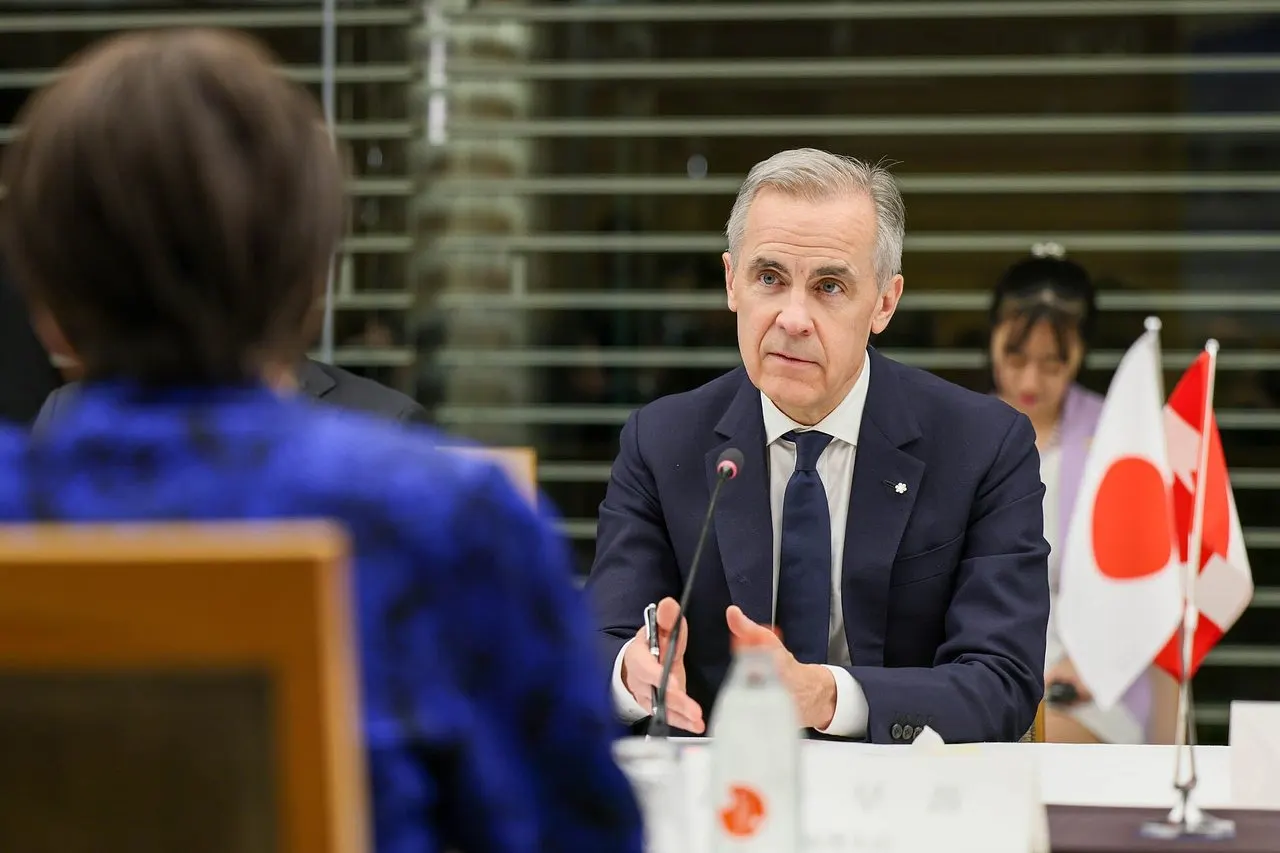
What happens after the speech depends on what leaders do next. Carney’s words will be quoted, debated, and tested against the actions Canada takes in the weeks ahead. Sanctions may grow, talks may resume, or the conflict may grind on, and each path carries its own cost. Read about the meeting at the center of the summit in our report on the first trilateral summit in history. A speech can open a door, but only follow through can walk through it.
What Do You Think of How Carney Confronts Putin?
What do you think of how carney confronts putin? Was plain speaking in the room the right call, or should leaders save hard words for private talks? Share your view in the comments and tell us what you would have said if you had the microphone. Keep reading our story on Trump beaming at Putin. Your voice matters in this debate, and we read every comment, so join the conversation below and let us know where you stand.