The Nuclear Weapons Ban Xi Jinping Urged in Shenzhen
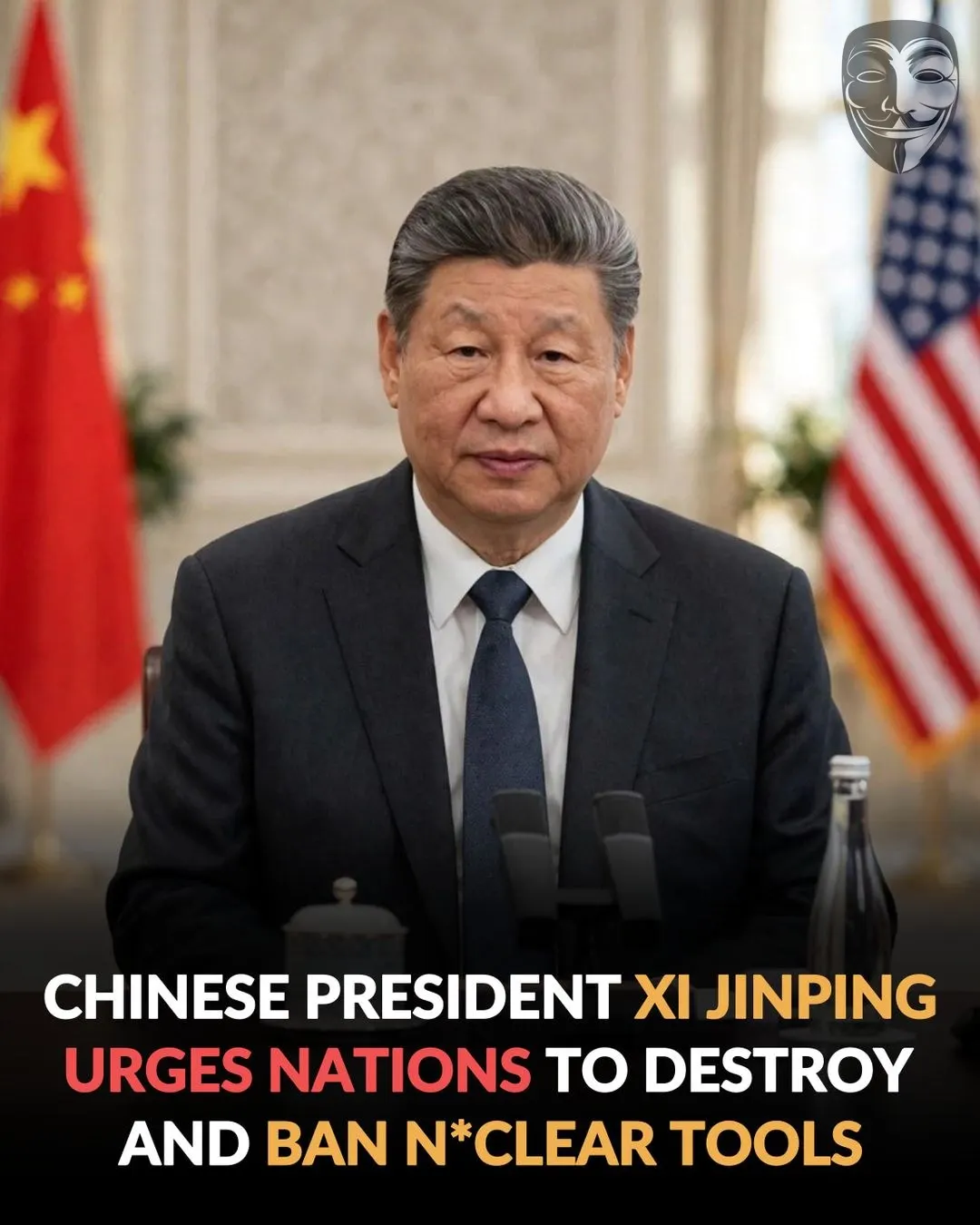
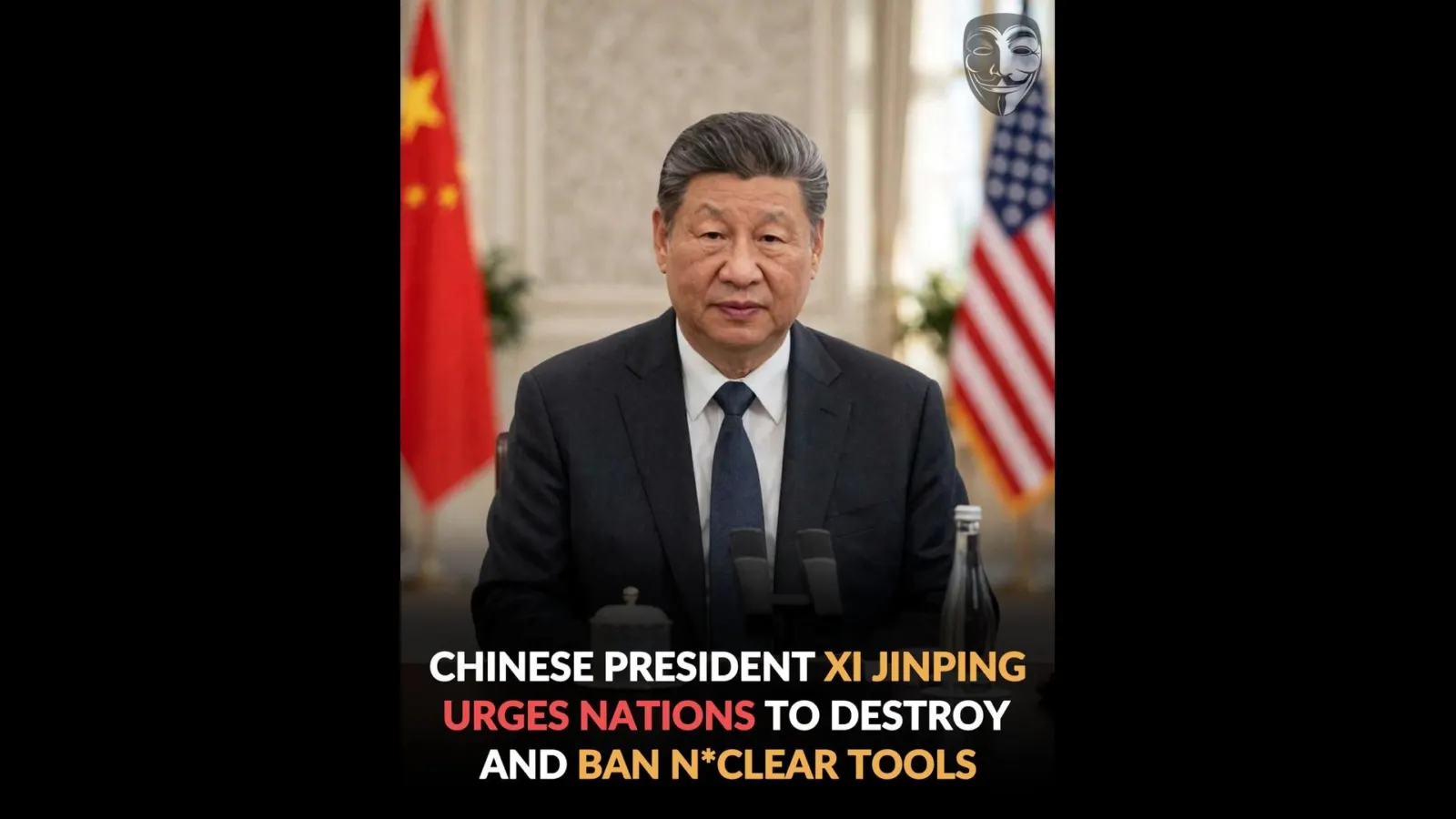
The nuclear weapons ban that Xi Jinping urged in Shenzhen on November 19 brought three of the most powerful leaders in the world to one table for the first time. Chinese President Xi Jinping met United States President Donald Trump and Russian President Vladimir Putin for their first trilateral talks, and he called nuclear weapons a sword of Damocles hanging over humanity. He said the weapons should be comprehensively banned and completely destroyed, with the ultimate goal of a world free of nuclear arms. Readers can follow the joint peace declaration from Shenzhen in our earlier coverage.
The three leaders agreed that a nuclear conflict cannot be won and must never be fought, and they promised dialogue on reducing nuclear risks and preventing the spread of these weapons. Yet they announced no binding cuts to their arsenals, and the New START treaty that once limited American and Russian strategic weapons expired in February 2026, leaving the last limit gone. The United States and Russia hold the overwhelming majority of the world stockpile, while China keeps a smaller arsenal that keeps growing. See how the three leaders shook hands before the talks for more from the summit.
References:
Source: Xi Jinping Calls for Complete Ban and Destruction of N*clear Tools, With Ultimate Goal of N*clear-Free World
Source: Trump, Xi and Putin pledge to reform UN and boost oil production
Source: Trump Bats For Reduction, Xi Calls For Complete Ban As N*clear Tools Highlight Trilateral Meet
Source: Xi Jinping called for a ban on and the elimination of N*clear tools
Three Leaders, One Table in Shenzhen
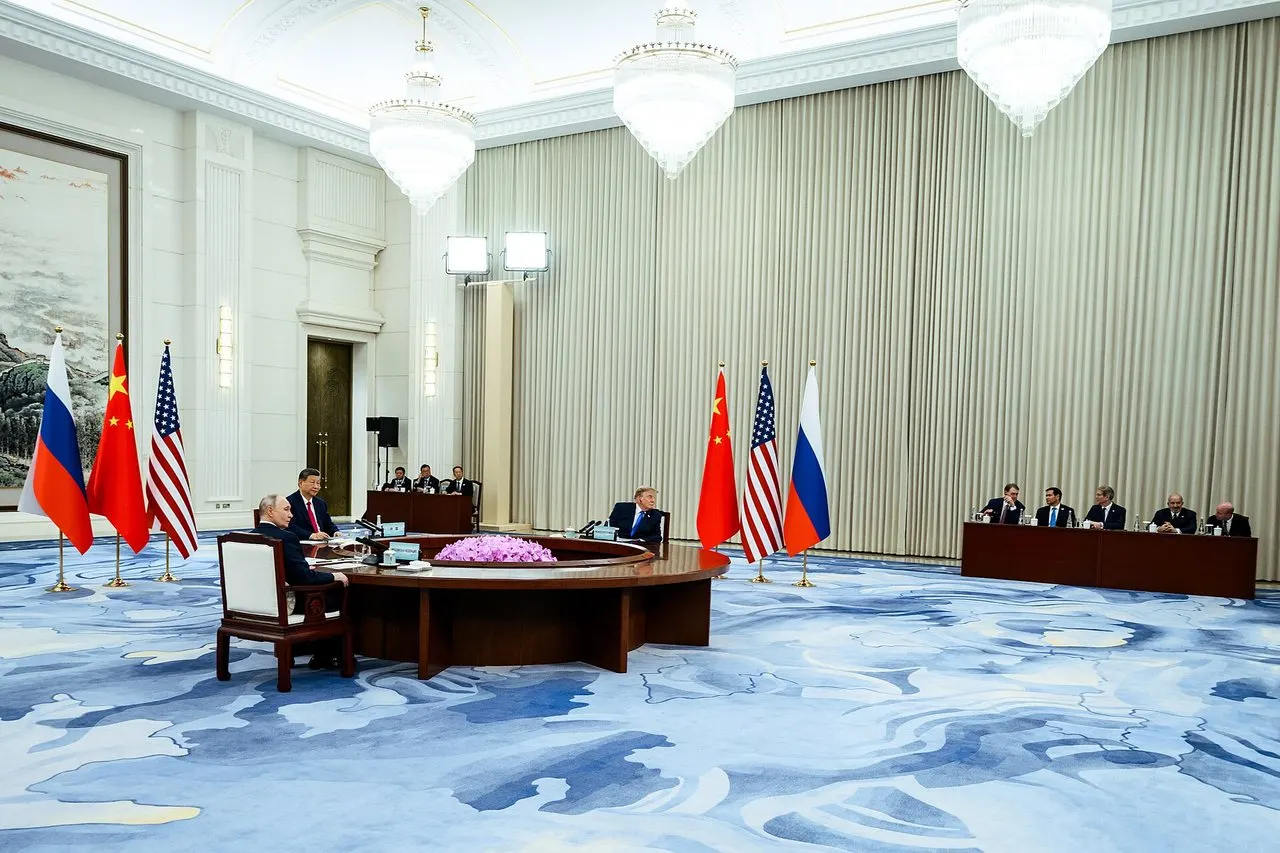
For the first time ever, the leaders of China, the United States and Russia sat down together for trilateral talks in Shenzhen on November 19. Xi Jinping hosted Donald Trump and Vladimir Putin in the southern Chinese city, and the meeting drew cameras from around the world. The three men lead nations that hold nearly all of the nuclear weapons on Earth, so every word they shared carried weight far beyond the room. Learn more about the peace declaration they signed together and read how the historic meeting came together in our summit coverage.
The Arsenals Behind the Nuclear Weapons Ban Call
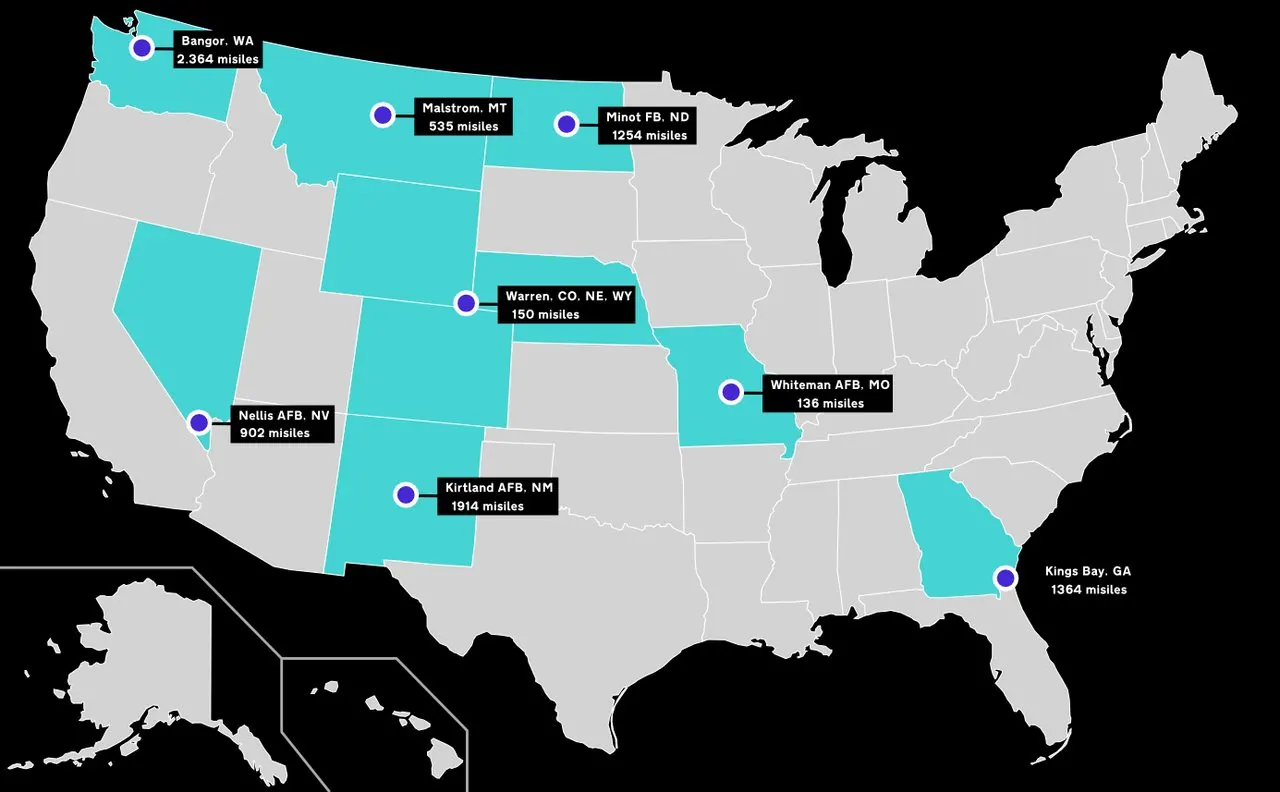
The call for a nuclear weapons ban only makes sense when you look at the size of the arsenals involved. The United States and Russia still possess the overwhelming majority of the nuclear weapons in the world, while China maintains a considerably smaller arsenal, although its nuclear capabilities have been expanding. That imbalance shapes every talk about limits, because each side watches the others closely. No leader wants to give up strength while rivals keep theirs. Read what the three leaders agreed about cutting nuclear risks in our coverage.
A Sword of Damocles Over Humanity
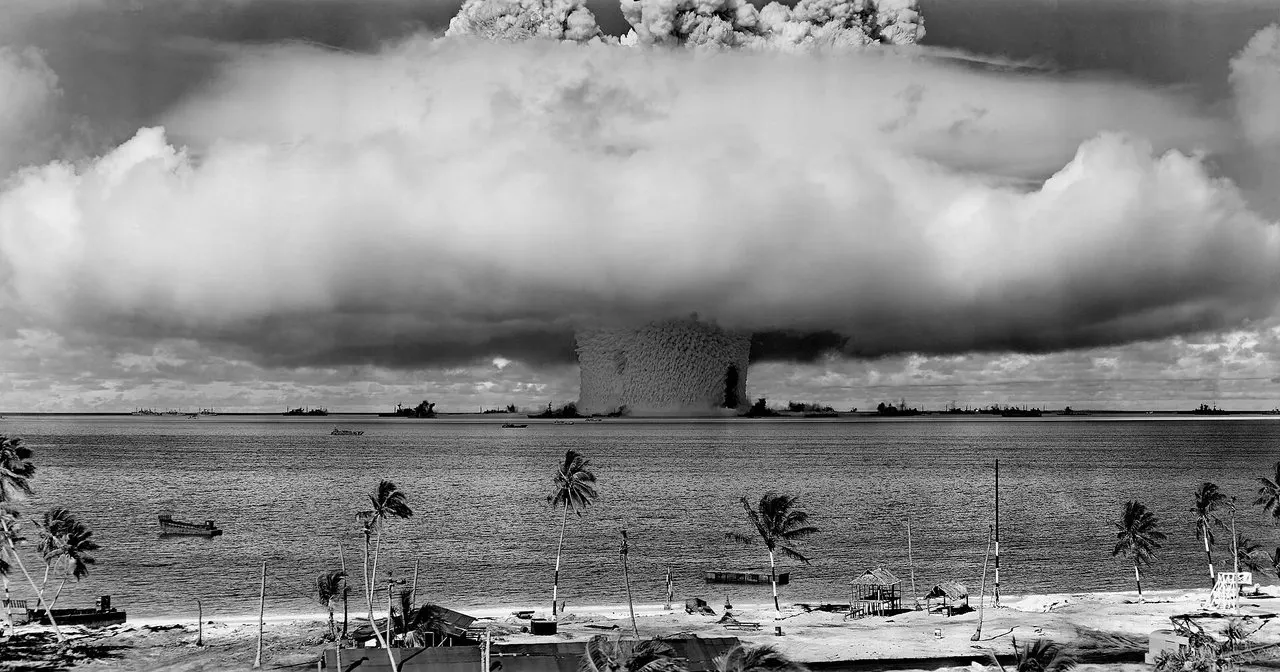
Xi Jinping reached for an old image when he described nuclear weapons as a sword of Damocles hanging over humanity. The story tells of a sword held above a throne by a single hair, a warning that comfort can end in an instant. The picture fits a world where one mistake or one misread signal could bring terrible harm. That is why Xi said the weapons must be comprehensively banned and completely destroyed. See the full story of the Shenzhen summit for the details of the day.
Why a Nuclear Weapons Ban Needs More Than a Handshake
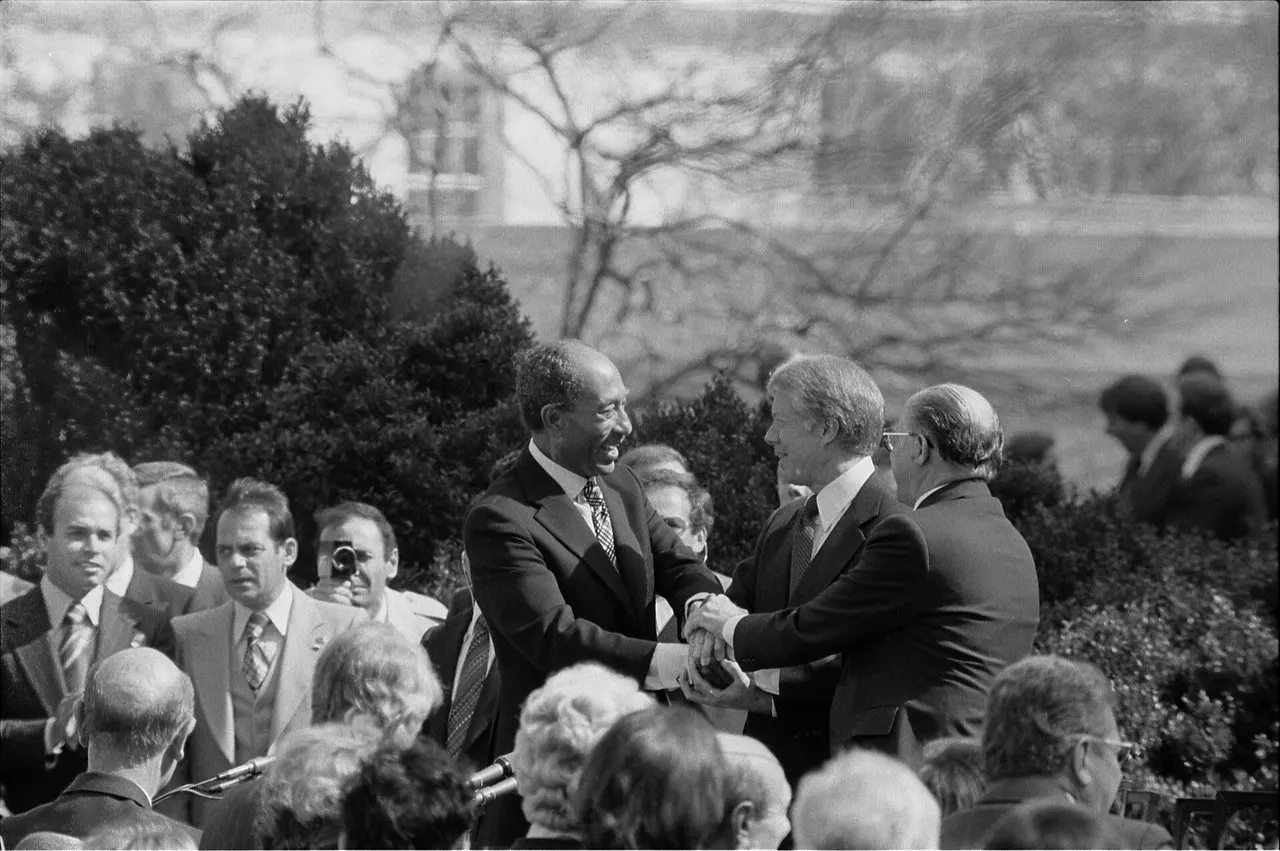
A handshake can open a door, but it cannot remove a single weapon. The leaders in Shenzhen promised dialogue on reducing nuclear risks and preventing the spread of nuclear weapons, yet they announced no binding cuts to their arsenals. History shows that real limits only come from written deals with clear rules and checks. The joint declaration was a promise to keep talking, not a promise to disarm. Read the warm greeting between Trump and Putin in our summit coverage.
Beneath the Sea, the Silent Arsenals
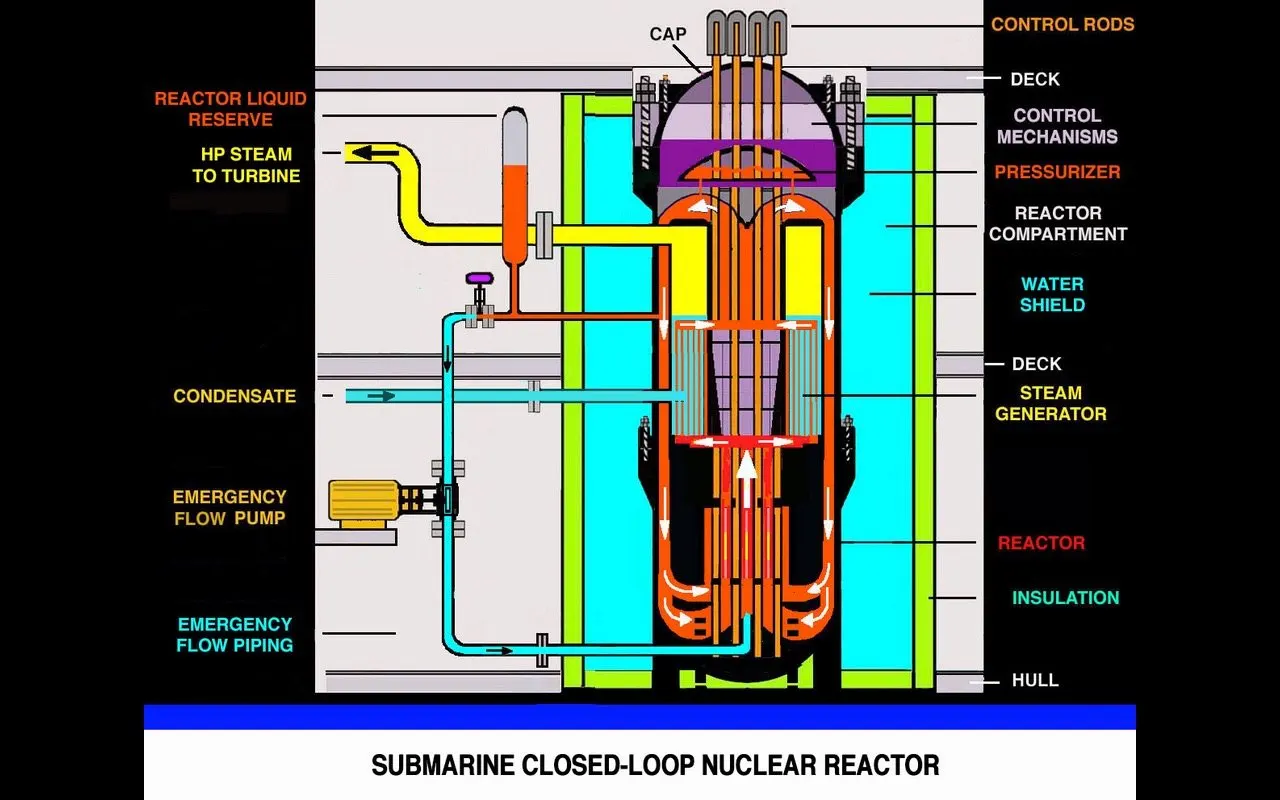
Some of the most powerful nuclear weapons never appear in a parade or a photograph. They travel quietly under the sea aboard submarines that can stay hidden for months at a time. The United States, Russia and China all keep part of their arsenals in the oceans, which makes counting and limiting them far harder. Any serious plan to ban these weapons must deal with the fleets below the waves as well as the silos on land. Learn how the Shenzhen talks addressed nuclear risks in our reports.
Parades, Power and the Message From Beijing
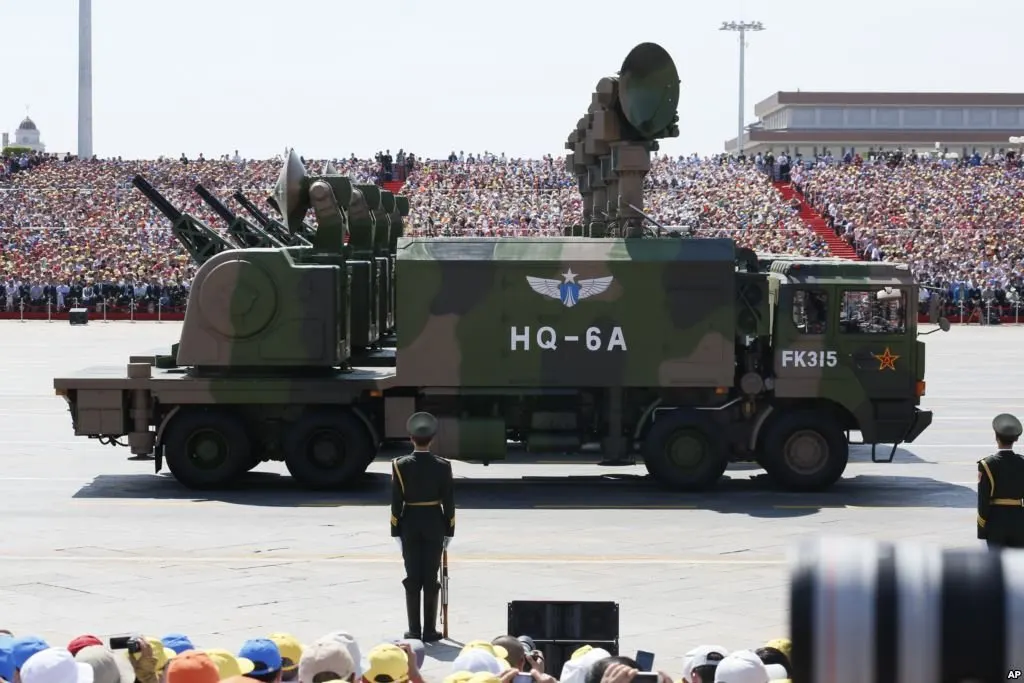
China often shows its military strength in grand parades, with rows of soldiers and new hardware rolling past the crowds. Those displays remind the world that Beijing is a rising military power, even while its nuclear arsenal stays smaller than those of the United States and Russia. Xi Jinping used the Shenzhen stage to send a different message, one of restraint and disarmament rather than display. The contrast between parade power and a call for peace was hard to miss. See the summit that brought the three leaders together for more.
A Nuclear Weapons Ban Starts With Talking
Before any treaty is signed, leaders must first sit in the same room and speak plainly. The Shenzhen meeting was the first time Xi, Trump and Putin had held trilateral talks, and the simple fact of the meeting mattered. Trump and Putin greeted each other warmly, and Xi hosted them both with care. Talking does not guarantee agreement, but no agreement is possible without it. Read how Trump called Putin his friend at the summit in our coverage of the day.
The Hall Where China Speaks to the World
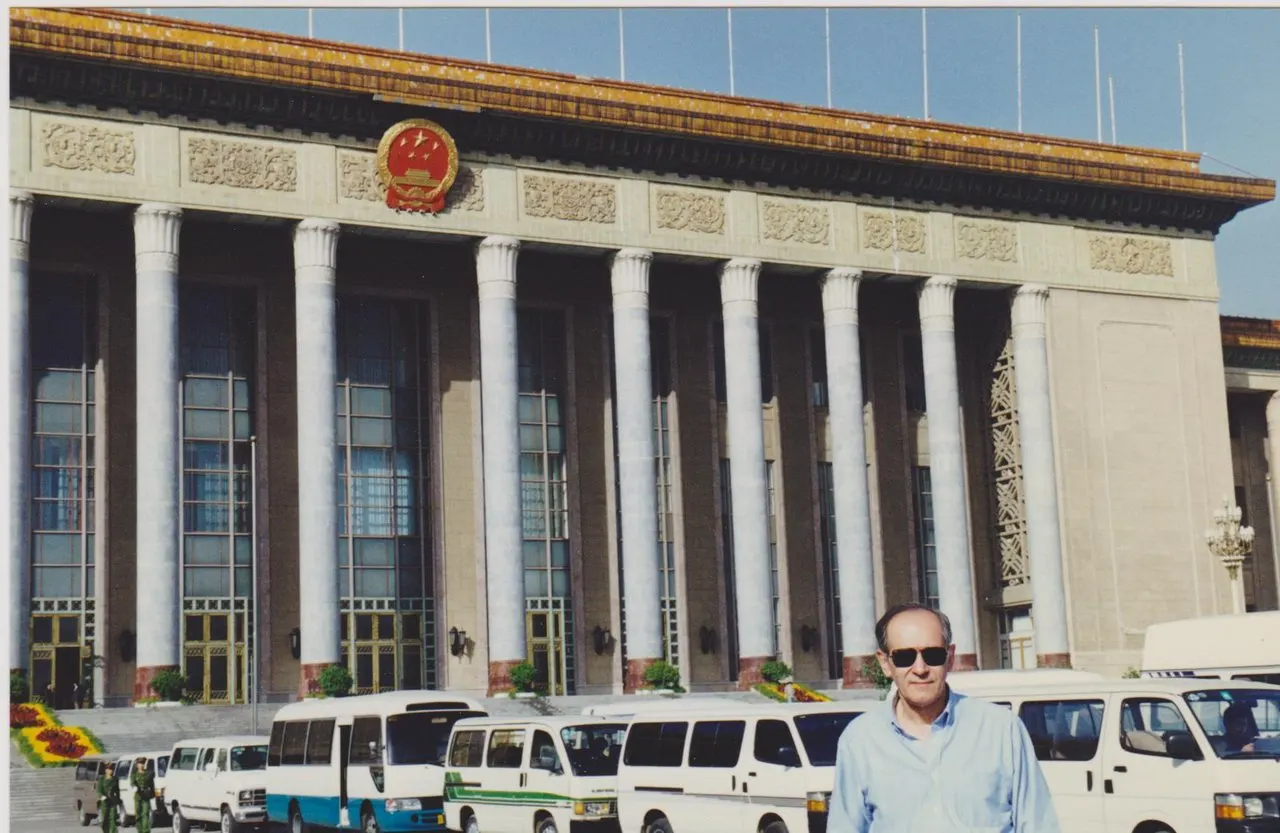
The Great Hall of the People in Beijing is where China hosts its grandest state occasions, and its vast halls have seen decades of history. Xi Jinping leads from Beijing, and the setting of these talks in Shenzhen showed a China confident enough to host the world on its own ground. The city and the capital together told a story of a nation that wants a central place in global affairs. The choice of place was part of the message. Explore how Xi greeted Trump on arrival in our reports.
Trump at the Table
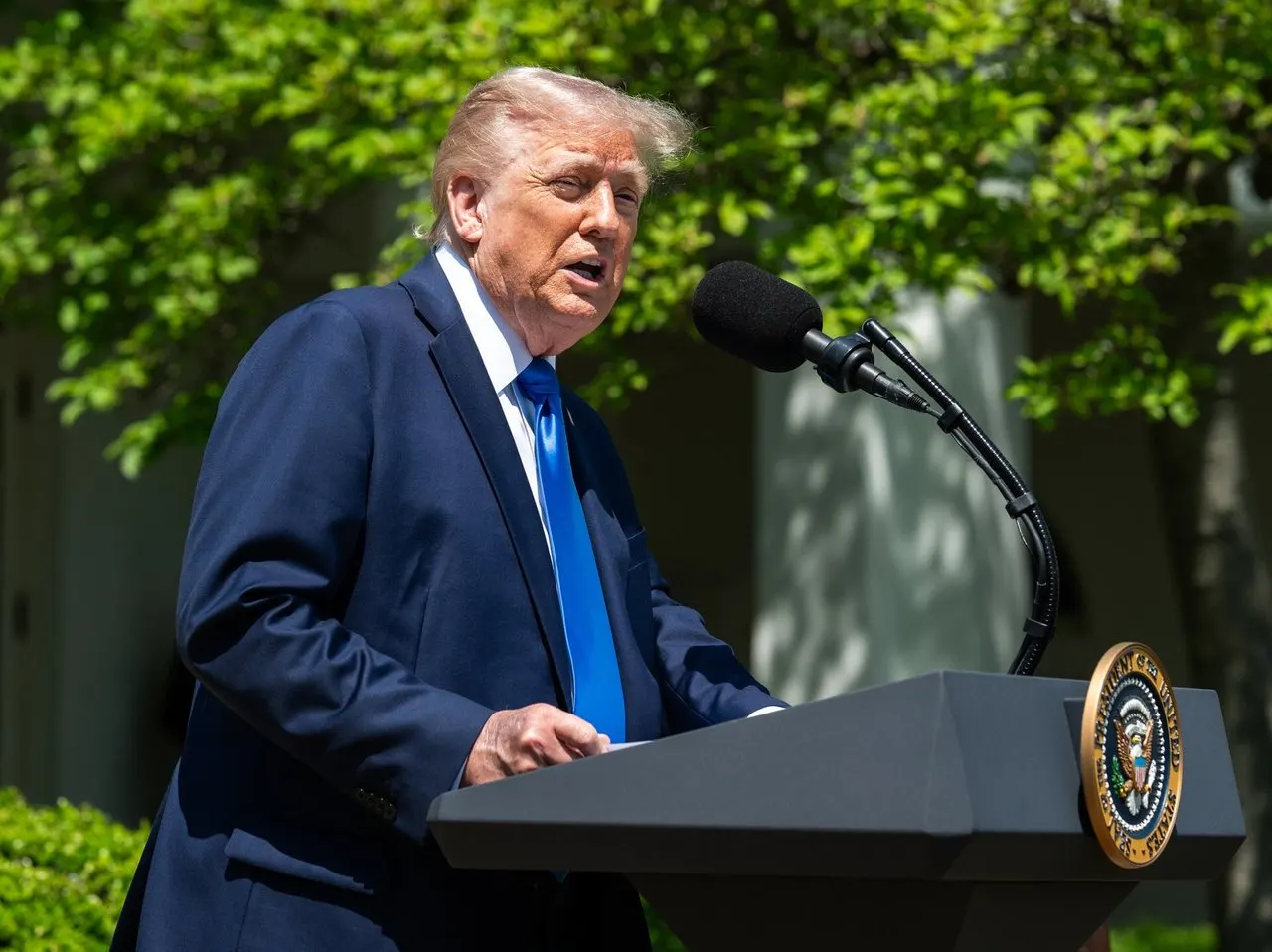
Donald Trump came to Shenzhen as the President of the United States, the nation holding one of the two largest nuclear arsenals on Earth. He has long spoken of his personal ties with other strong leaders, and called Putin his friend during the visit. In the talks he backed a reduction of nuclear risks, though he did not agree to binding cuts. His presence gave the meeting its global weight, and his words will shape what follows. Read what Trump said about making history at the summit in our coverage.
Putin at the Table
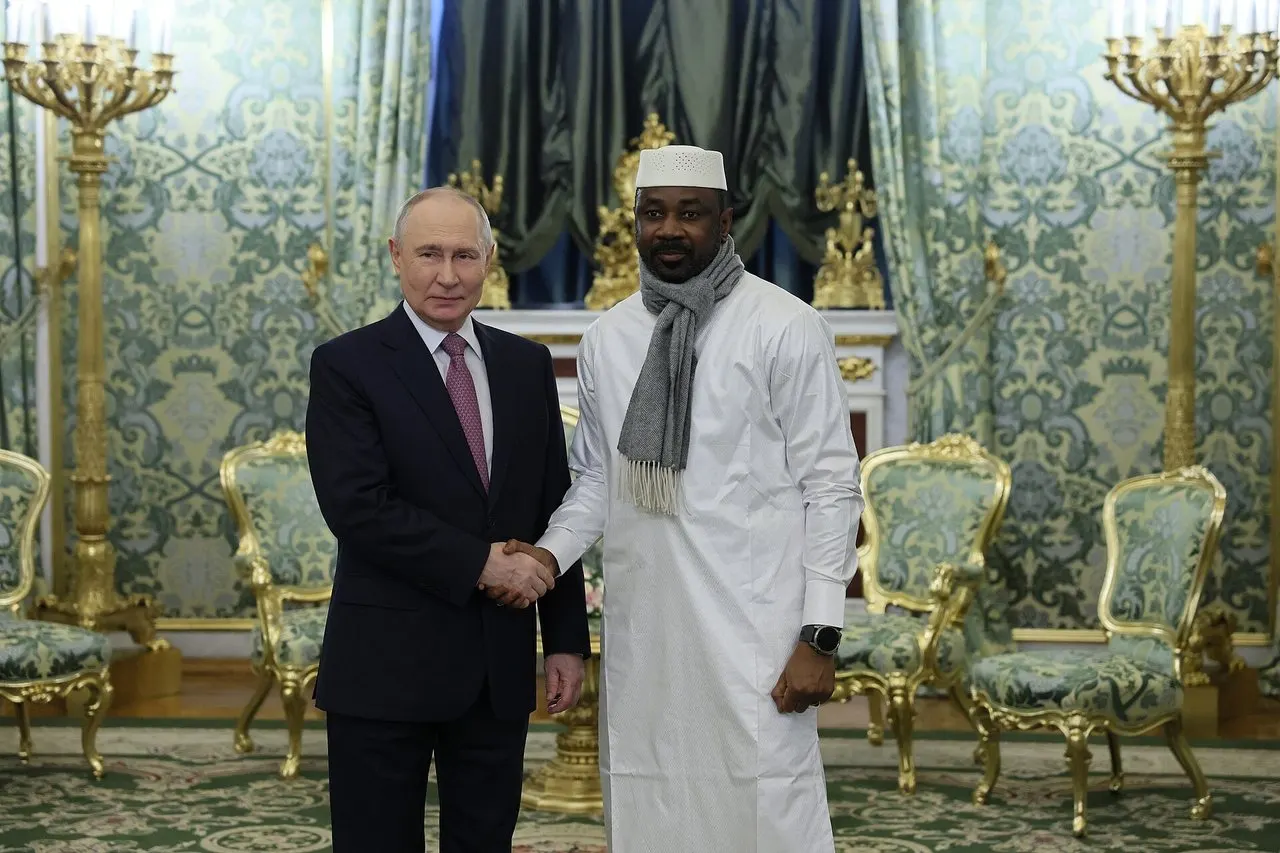
Vladimir Putin came to Shenzhen as the leader of Russia, the other holder of a vast nuclear arsenal. His country and the United States once limited their strategic weapons under the New START treaty, but that deal expired in February 2026. Putin joined the pledge that a nuclear conflict cannot be won and must never be fought, yet he made no promise to cut a single weapon. His place at the table showed that no plan for peace can leave Moscow out. See how Trump greeted his friend Putin in our reports.
The Nuclear Weapons Ban and the Summit Table
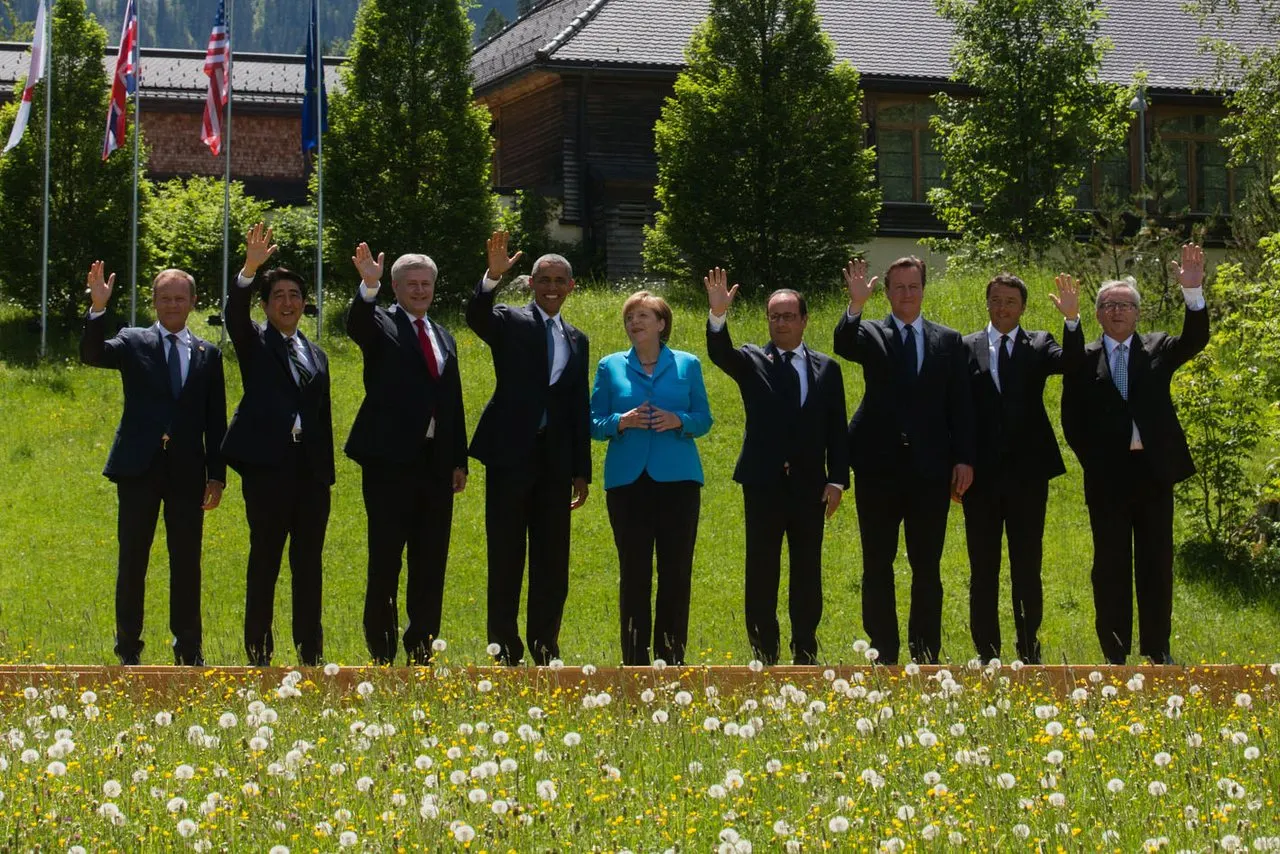
Summits are where the big questions get asked face to face, away from speeches and press releases. Around the table in Shenzhen, the three leaders spoke about nuclear security, global stability and the growing risks linked to these weapons. They left with a joint declaration and a promise of dialogue, but no binding deal. The table itself was the achievement, and the hard work of turning words into limits still lies ahead. Learn what the leaders agreed on U.N. reform and fuel in our coverage.
Reforming the United Nations
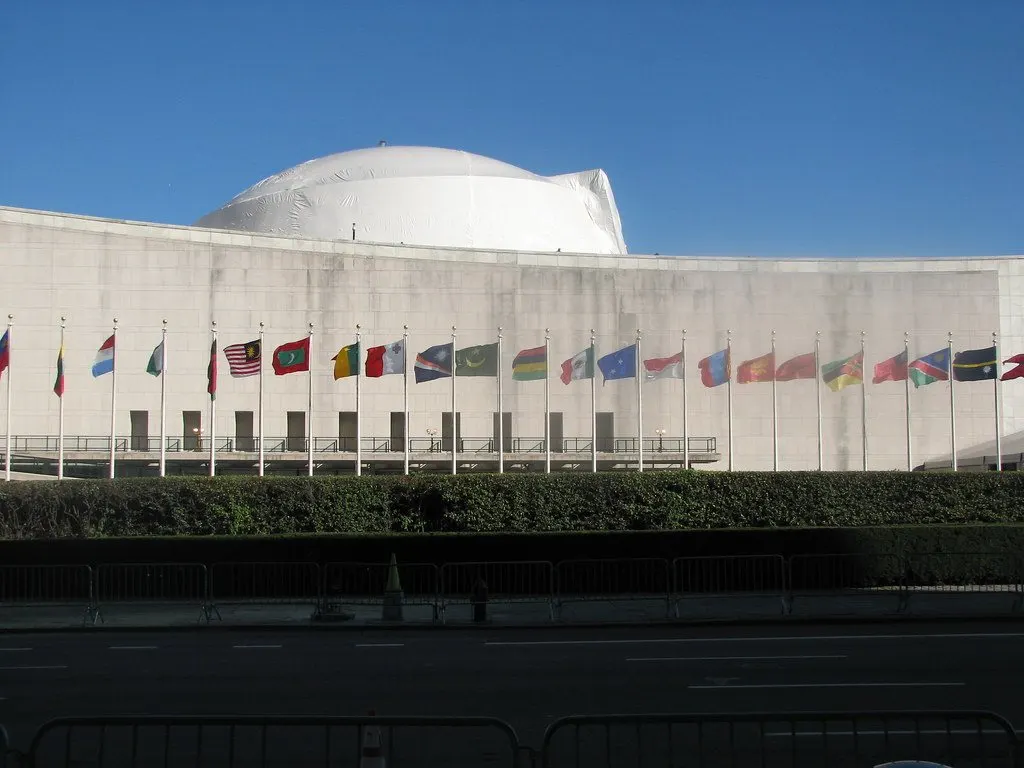
Alongside the nuclear talks, the three leaders pledged to reform the United Nations and to boost oil production. The United Nations was built after the Second World War to keep nations talking instead of fighting, and its reform has been debated for decades. A stronger United Nations could give smaller nations a louder voice in questions of war and peace. The pledge was broad, and the details were left for later talks. Read the reform pledge in full for what was actually agreed.
Oil, Energy and the Side Deals
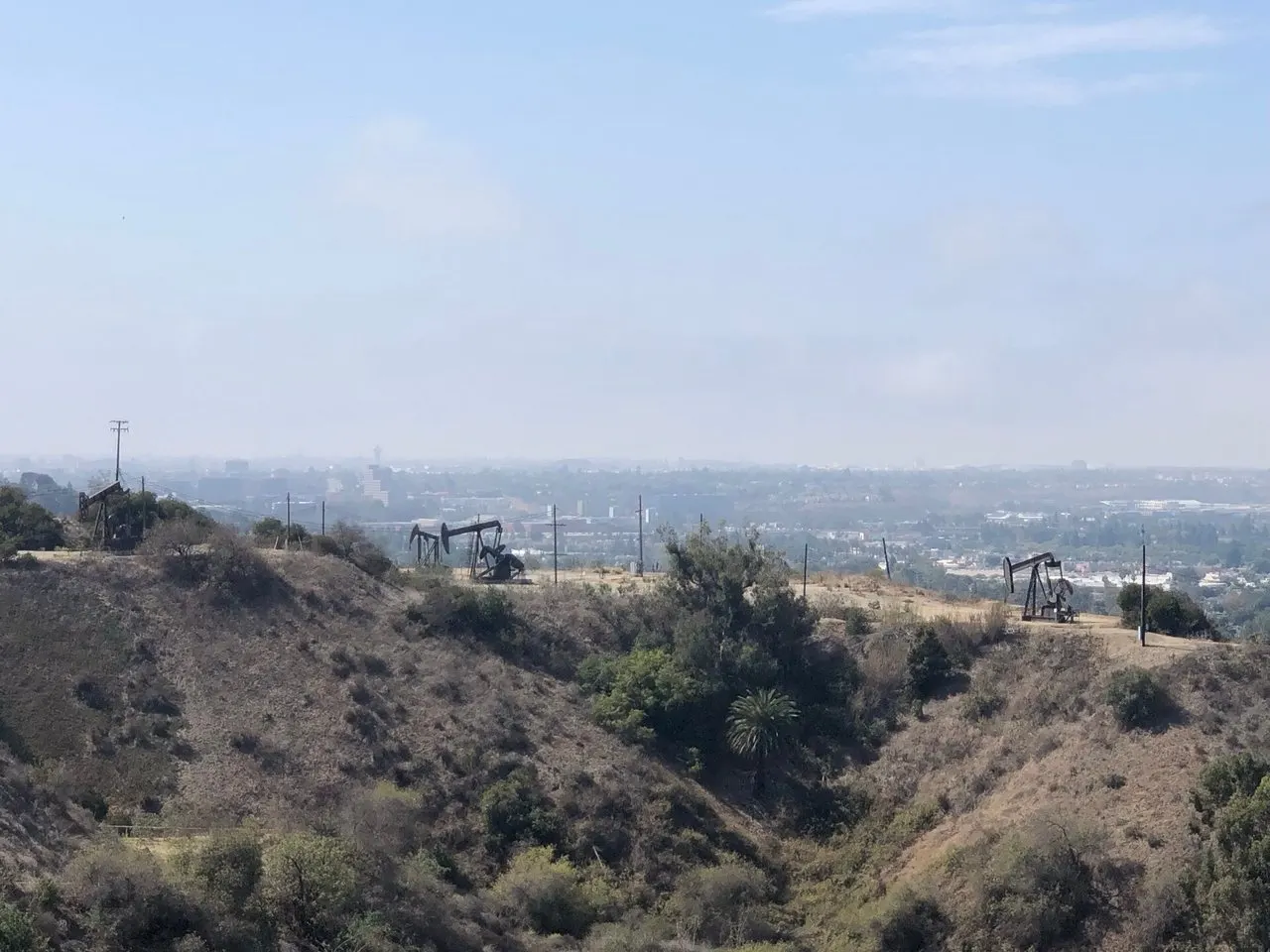
The Shenzhen talks were not only about nuclear weapons. The leaders also pledged to boost oil production, a promise that touches energy prices, jobs and the cost of fuel for ordinary families. Oil and nuclear questions rarely sit at the same table, but in Shenzhen they did, because energy and security shape each other. The oil pledge showed that the summit was also about trade and daily life. Explore the trip that produced billions in deals in our reports.
The Dove and the Nuclear Weapons Ban Dream
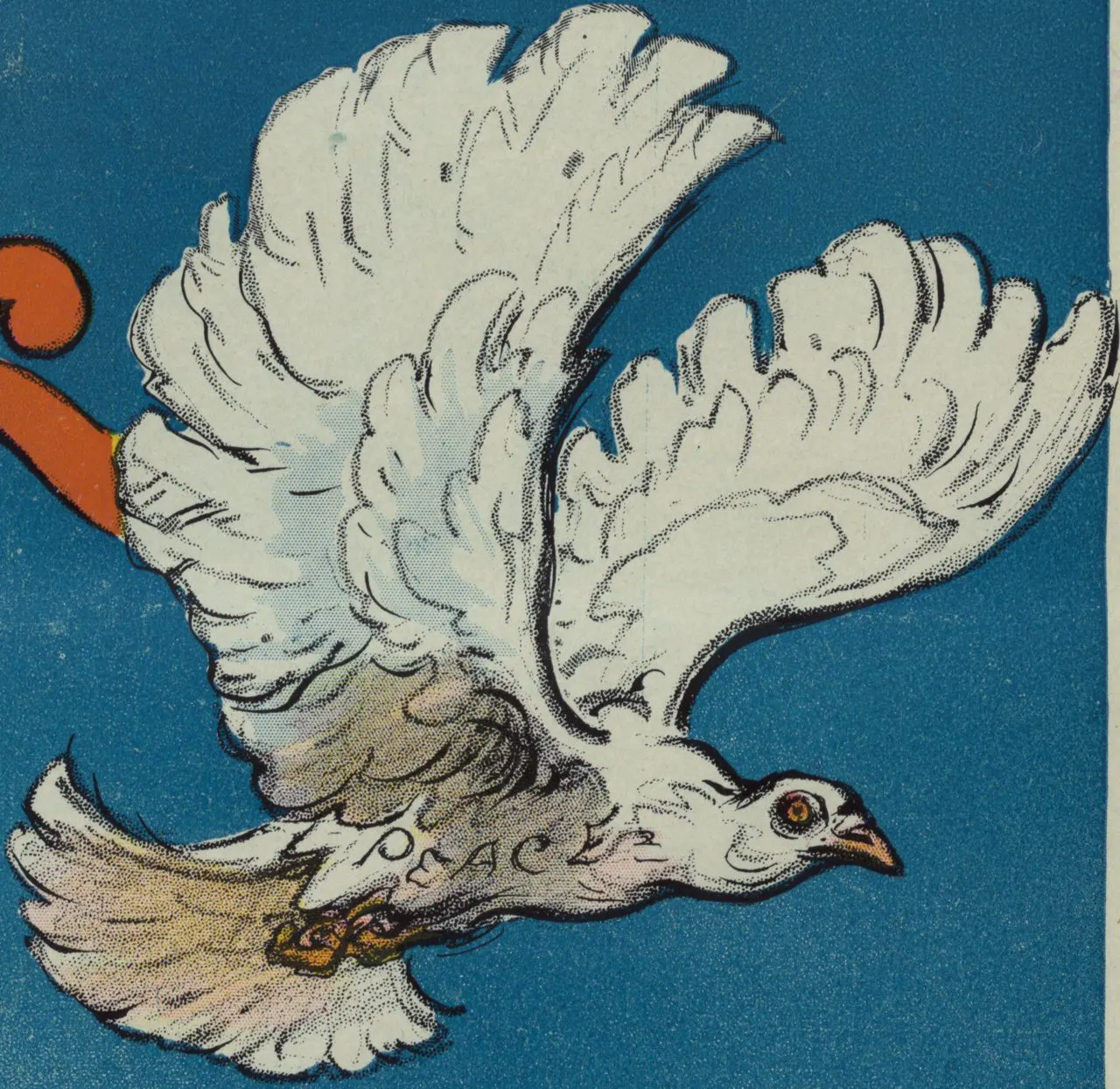
The white dove has stood for peace for centuries, a simple image that needs no translation. When Xi Jinping spoke of a world free of nuclear weapons, he was reaching for that same hope, a world where no nation lives under the shadow of the bomb. Dreams alone do not disarm arsenals, but they give talks a direction. The dove reminds us what the talks are for, and why they matter to everyone. See the joint declaration promising dialogue in our coverage.
Treaties That Paved the Way for a Nuclear Weapons Ban
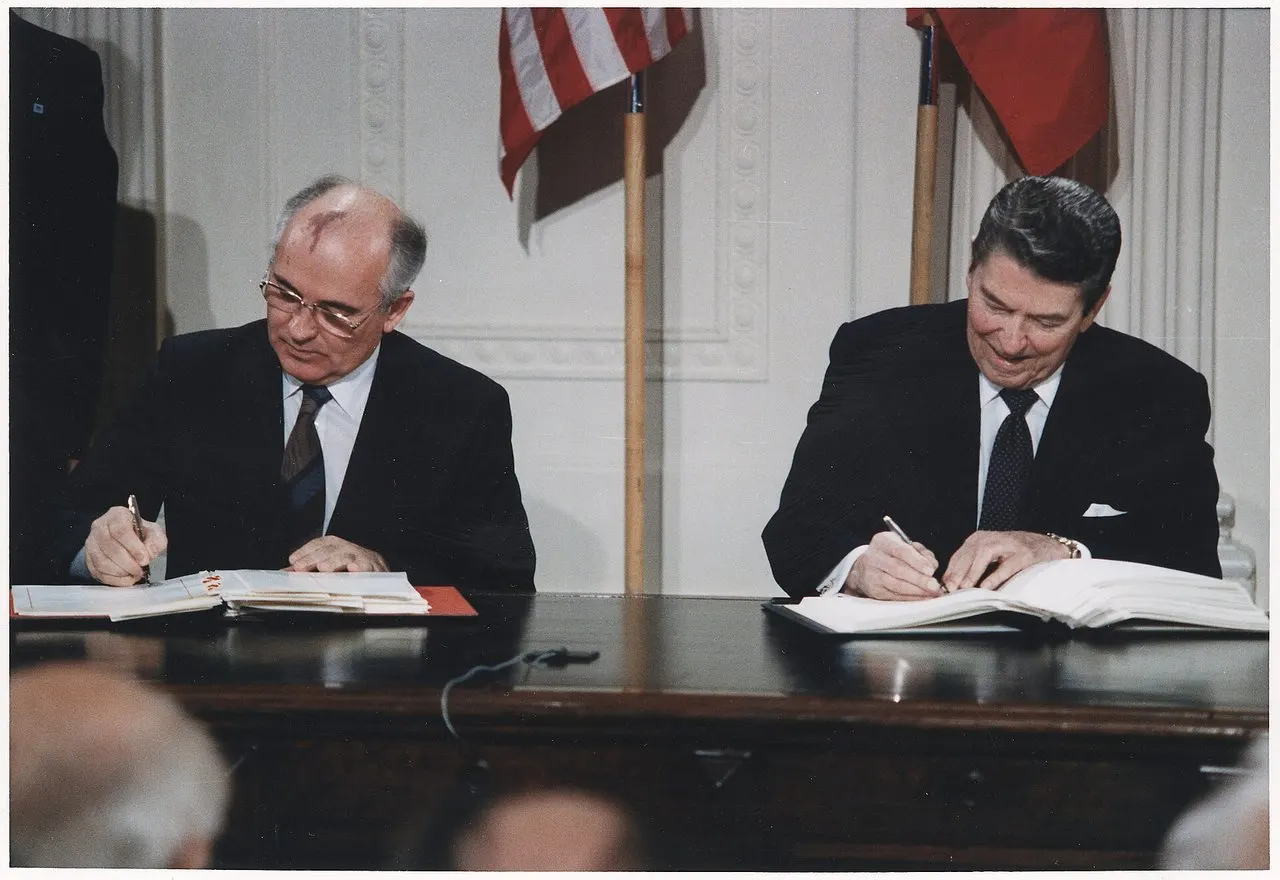
History shows that rivals can agree to limit terrible weapons. In 1987, Ronald Reagan and Mikhail Gorbachev signed the INF Treaty and removed a whole class of missiles from Europe. The New START treaty later capped American and Russian strategic weapons until it expired in February 2026. Each deal took years of patient talks, and each one began with leaders willing to meet. The Shenzhen talks could be the first step on that long road. Read the first ever trilateral summit in history for the background.
The Peaceful Atom and Its Shadow
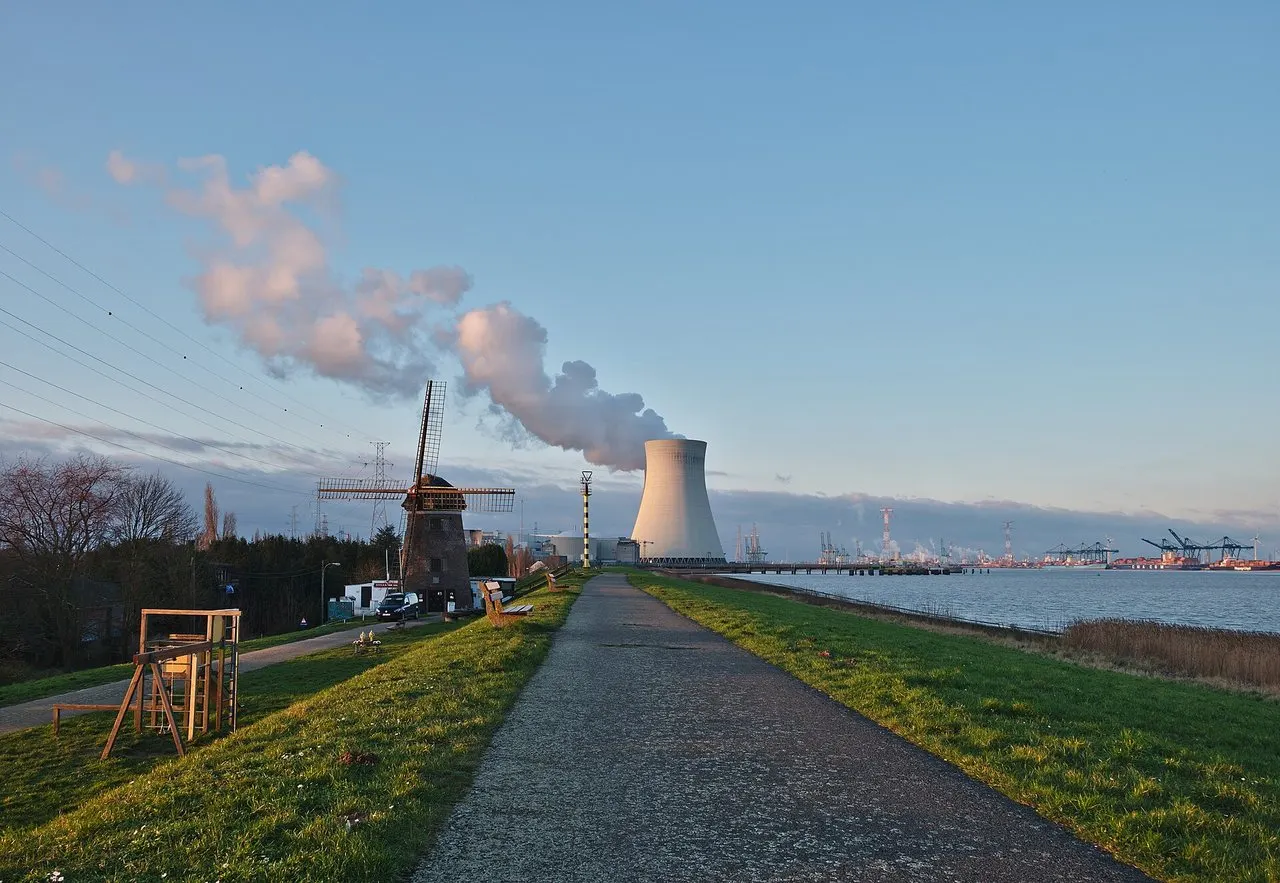
Nuclear power lights homes and hospitals in many nations, and its cooling towers have become a familiar sight. The same science that makes electricity can also make weapons, and that double edge is why talks about limits matter so much. China, the United States and Russia all run civilian nuclear programs alongside their arsenals. Keeping the peaceful uses safe while banning the weapons is the heart of the challenge. Learn what the summit agreed about nuclear risks in our reports.
Dialogue Is the First Step Toward a Nuclear Weapons Ban
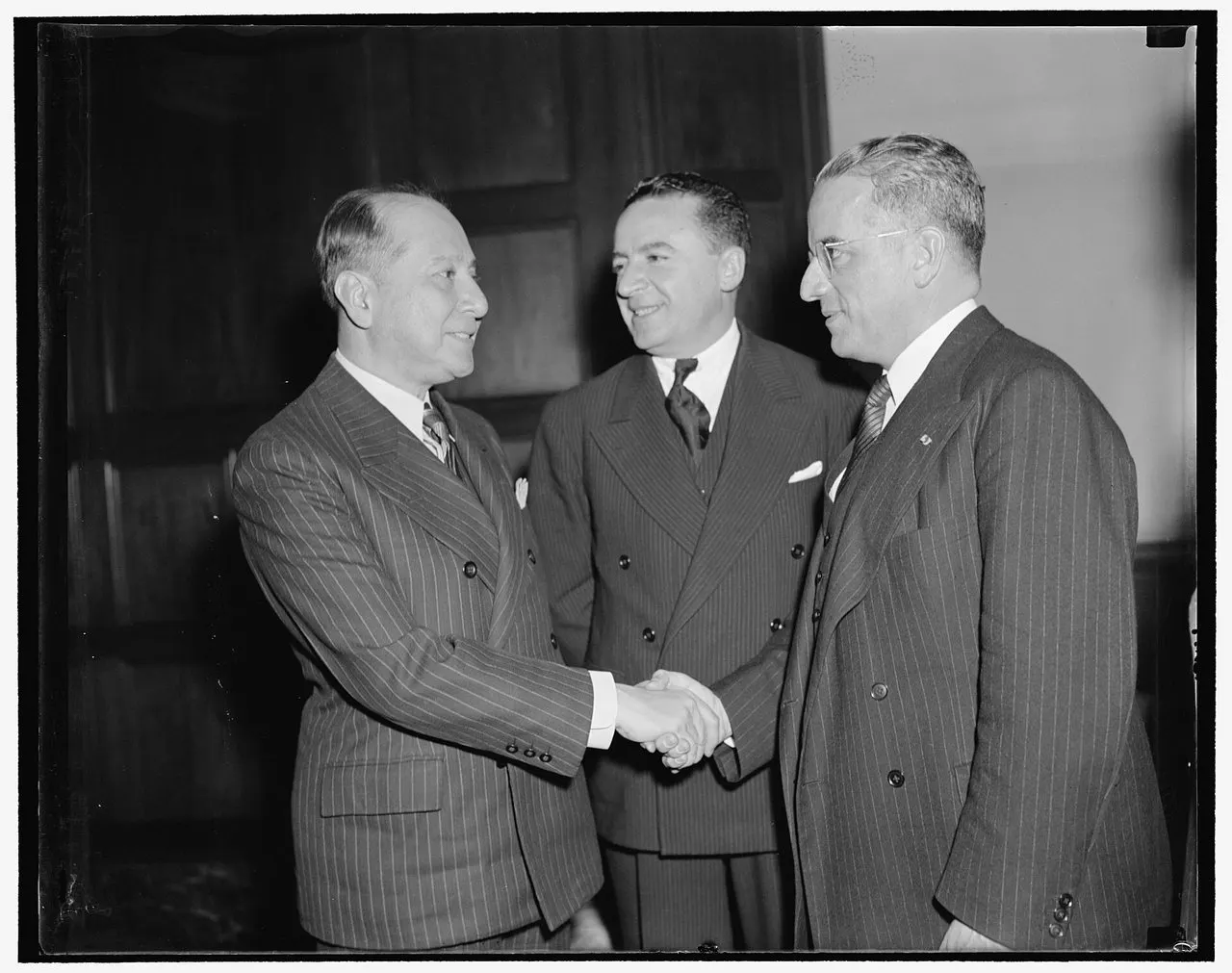
The joint declaration promised dialogue on reducing nuclear risks and preventing the spread of nuclear weapons. Dialogue sounds modest, but it is how rivals learn what the other side truly fears. Regular talks can stop a small misunderstanding from growing into a crisis, and they keep a channel open when relations turn cold. The leaders promised to keep talking, and the world will watch whether that promise holds. See the pledge to keep talking in our coverage.
Shenzhen, the City That Hosted History
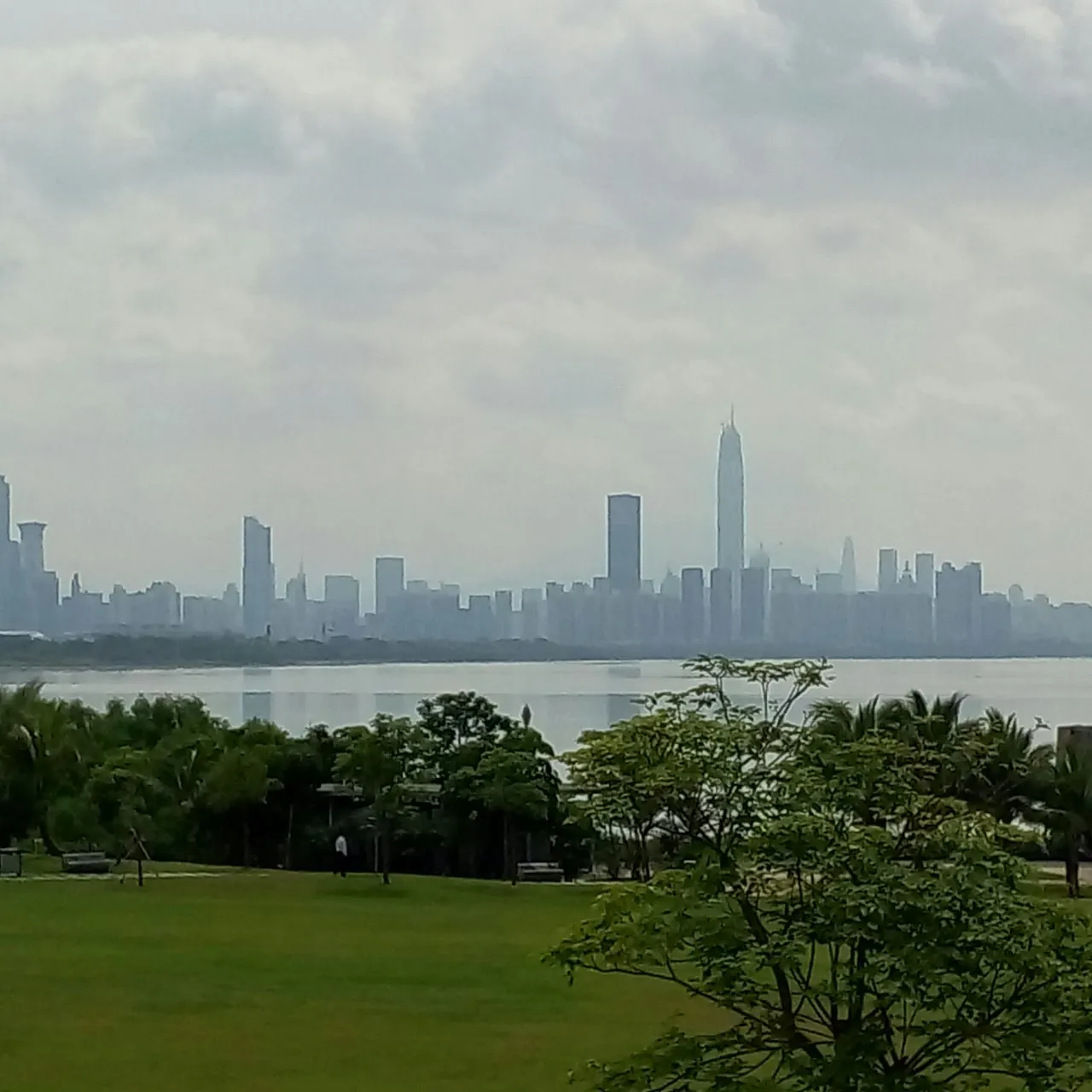
Shenzhen was once a small fishing town, and in a few decades it grew into a vast city of towers, factories and technology firms. Hosting the first trilateral talks between Xi, Trump and Putin put Shenzhen on the world stage in a new way. The city showed China at its most modern, a place built on trade and speed. History is often made in capitals, but this time it was made in Shenzhen. Explore the tarmac greeting that opened the visit in our reports.
Flags of Many Nations, One Shared Risk
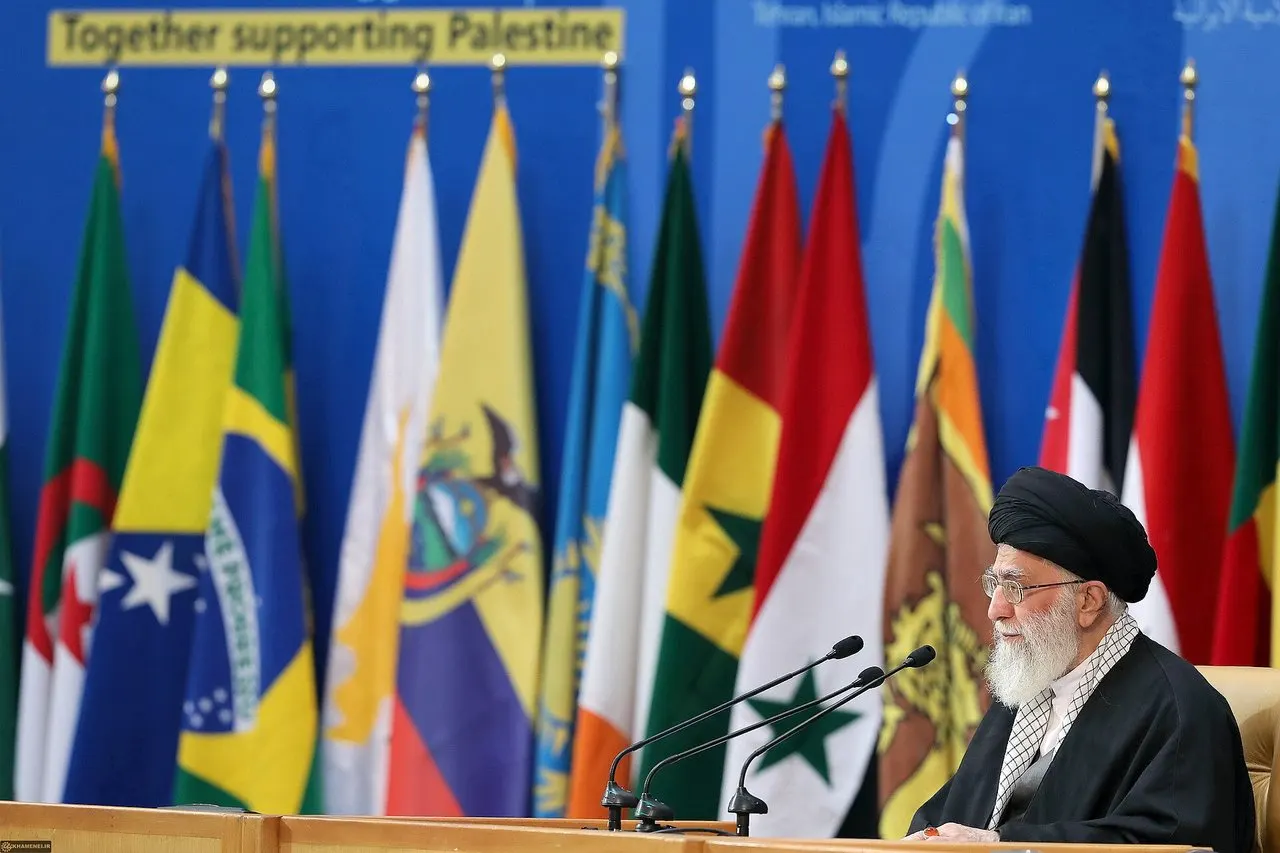
Every nation at a summit brings its own flag, its own history and its own fears. Nuclear weapons do not respect borders, and a single use would harm far more than the nations that own them. That shared risk is why the talks in Shenzhen mattered to countries that were not even in the room. When the great powers talk about limits, the whole world listens. Read how Trump arrived with flags in Manila in our coverage of the trip.
Telling the World About the Nuclear Weapons Ban
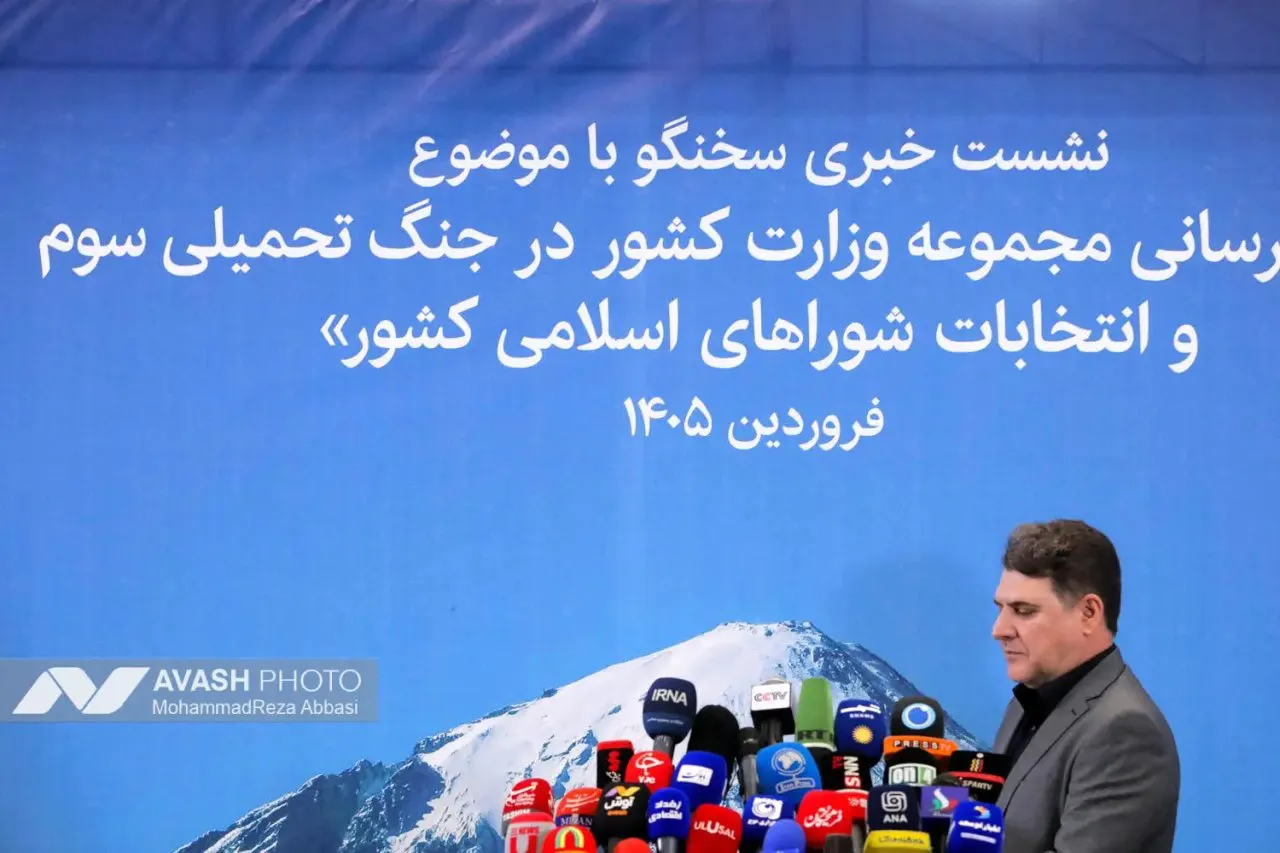
After the talks, the story travelled fast. News agencies reported what Xi said, and the world learned that the three leaders had promised dialogue and declared that nuclear war must never be fought. Press conferences and briefings turned a closed room meeting into a public promise, and that public promise is now a measure the leaders will be judged by. Words spoken in public are harder to walk back. See the hour Trump spent praising Putin in our summit reports.
The Group Photo That Made History
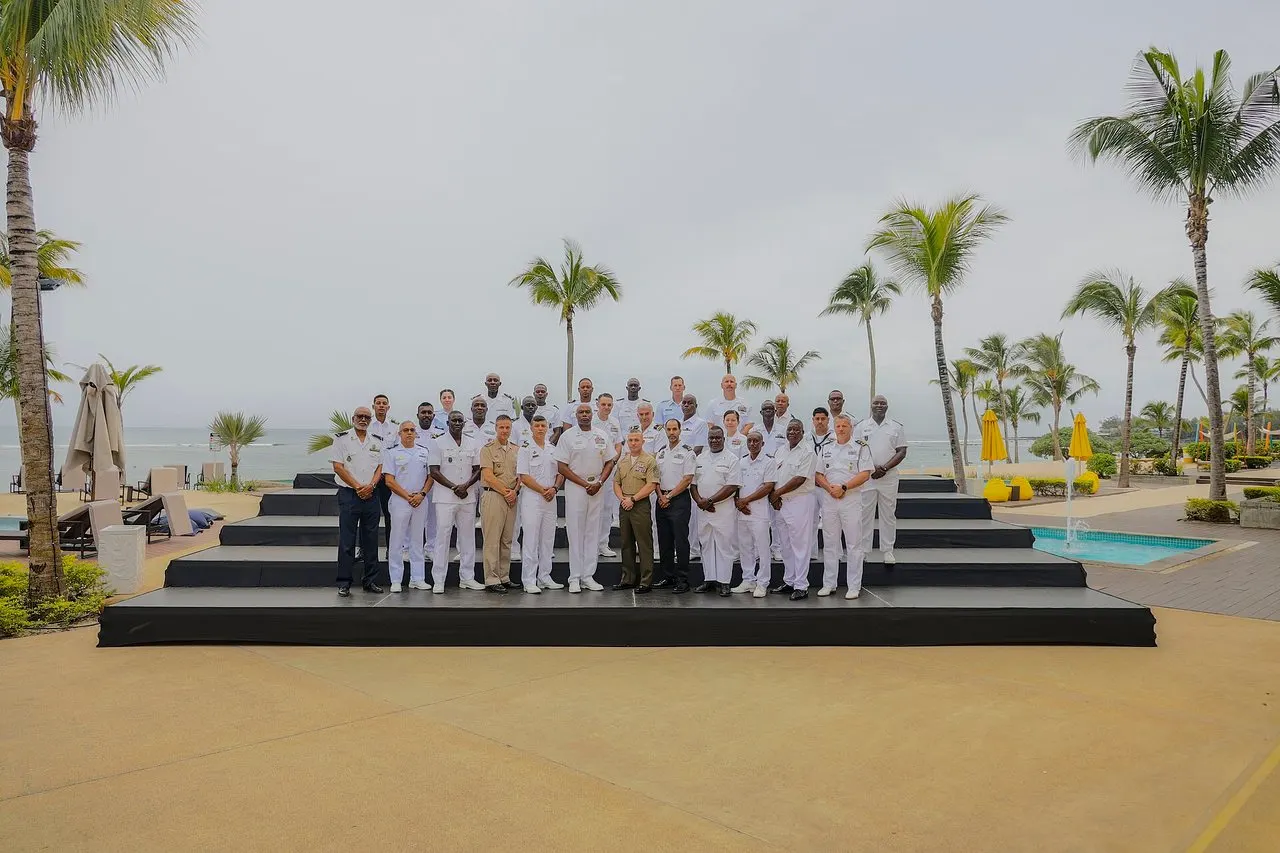
Every summit ends with a group photo, and the Shenzhen photo will be studied for years. Where leaders stand, who smiles and who stands apart all become part of the story. The image of Xi, Trump and Putin together told the world that the three great powers can meet as equals. Photos fade, but the record of that meeting stays, and so does the promise the leaders made. Explore the APEC group photo story in our coverage.
Holding the Whole World in Our Hands
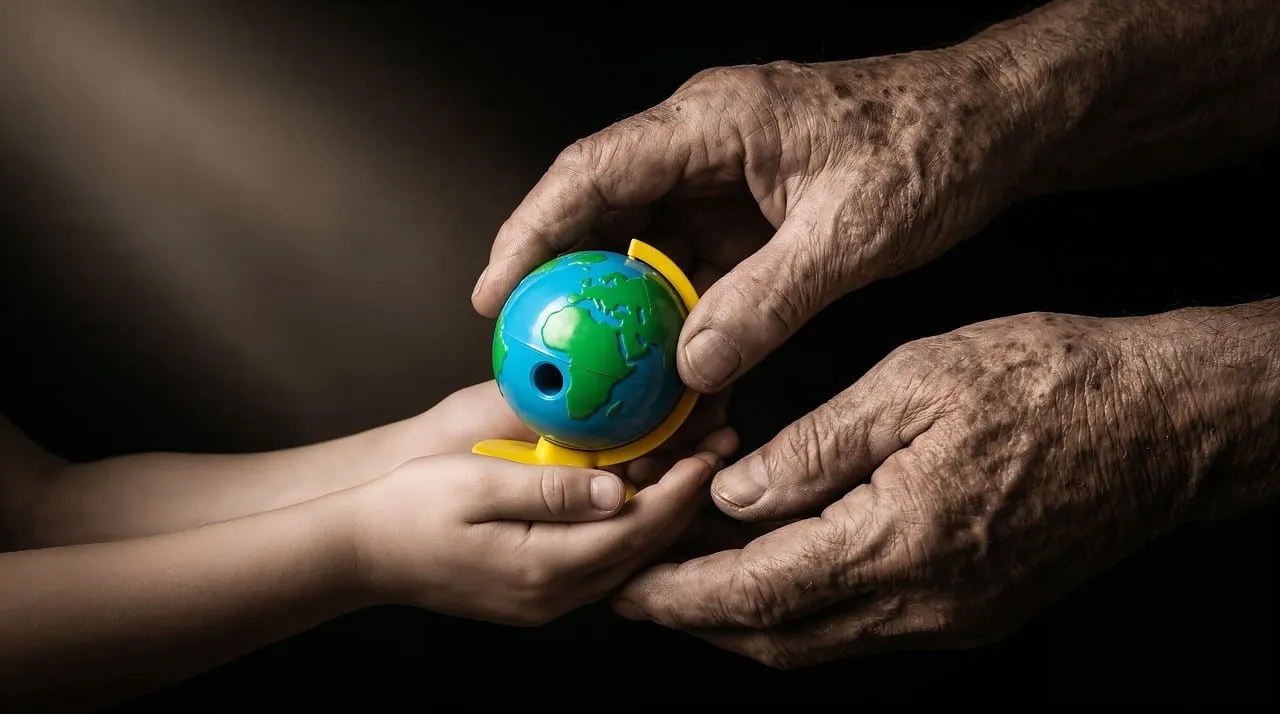
The future of nuclear weapons is not only a question for presidents and generals. It belongs to every family that wants its children to grow up without fear of a distant blast. The leaders in Shenzhen hold great power, but ordinary people hold the voice that keeps leaders honest. Public interest, honest reporting and open debate all push talks toward real results. Read the pledge to reform the United Nations in our reports.
Do You Believe a Nuclear Weapons Ban Is Possible?
Xi Jinping called for nuclear weapons to be banned and destroyed, with the goal of a world free of these weapons. Trump and Putin joined him in saying that nuclear war cannot be won and must never be fought, yet they made no binding promise to cut their arsenals. The talks opened a door, but change will take years of work. Read the summit that brought the three leaders together in our reports. Do you believe a world without nuclear weapons is possible? Tell us in the comments below.