Border Troops and the Question of Deadly Force
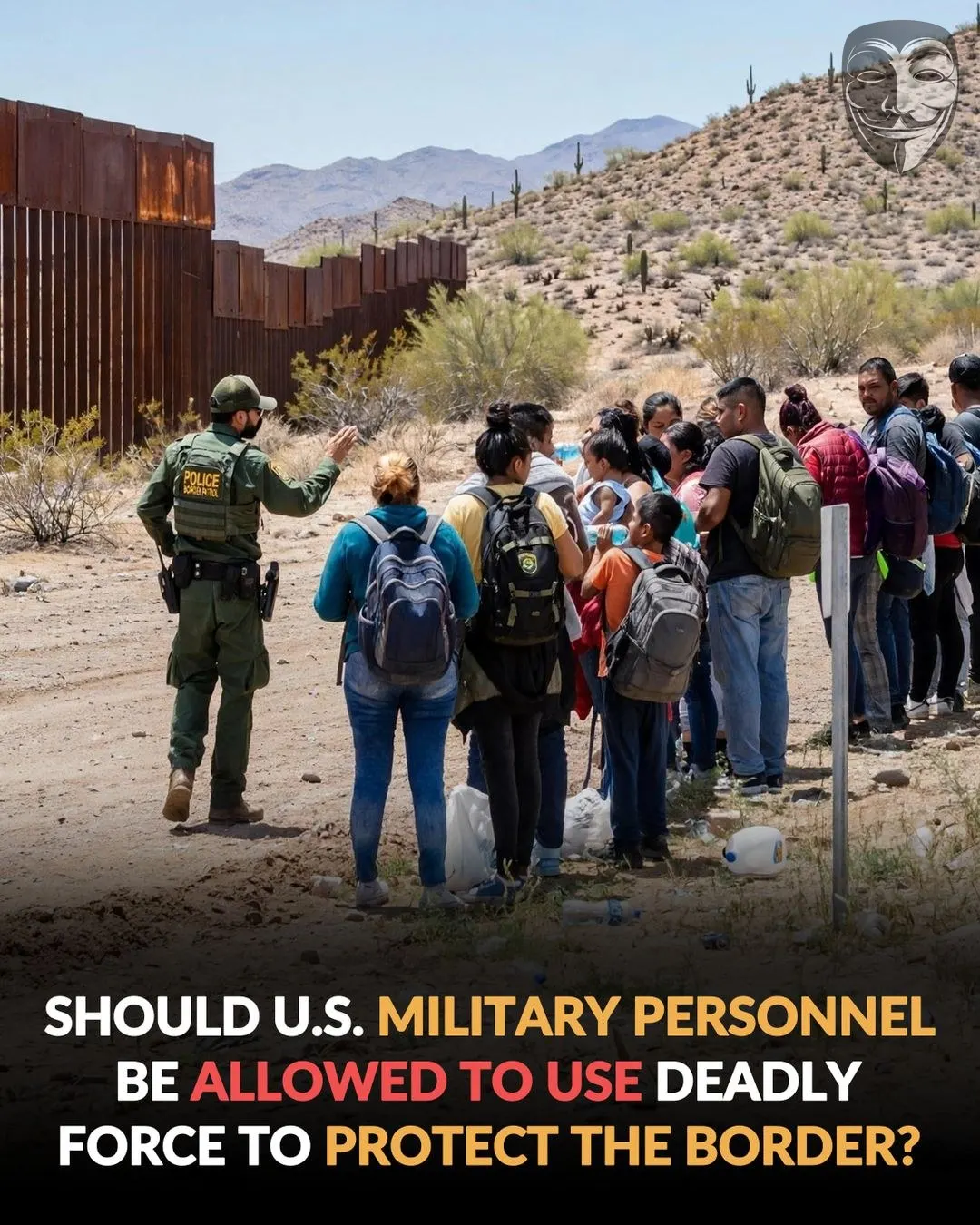
Border troops at the southern border work under rules that surprise many Americans. They may use deadly force only to defend themselves or others against an imminent threat of serious bodily harm. That rule comes from the military’s standing rules for the use of force on American soil, and it shapes every decision a soldier makes at the fence line. In the slides ahead we explain what the troops can do, what they cannot do, and why the law draws that line.
President Donald Trump has made securing the southern border a central priority, and he has expanded the military role in supporting Border Patrol operations. The question now is how far that role should go, and whether troops should ever be allowed to use deadly force to stop people from crossing. The answer matters for the soldiers on the ground, the agents beside them, and the people they meet at the border. Read our report on the plan to seal the border for every future president for how other leaders answered the same question.
References:
Air Force Times: Here Are The Rules Of Engagement For Troops Deploying To The Mexican Border
Military Times: Mattis Explains New Roles Authorities At Border
WAMC: Trump Expands Military Use At The Southern Border Are There Legal Limits
Just Security: Update The Military The Mexican Border And Posse Comitatus
The Question at the Heart of the Debate
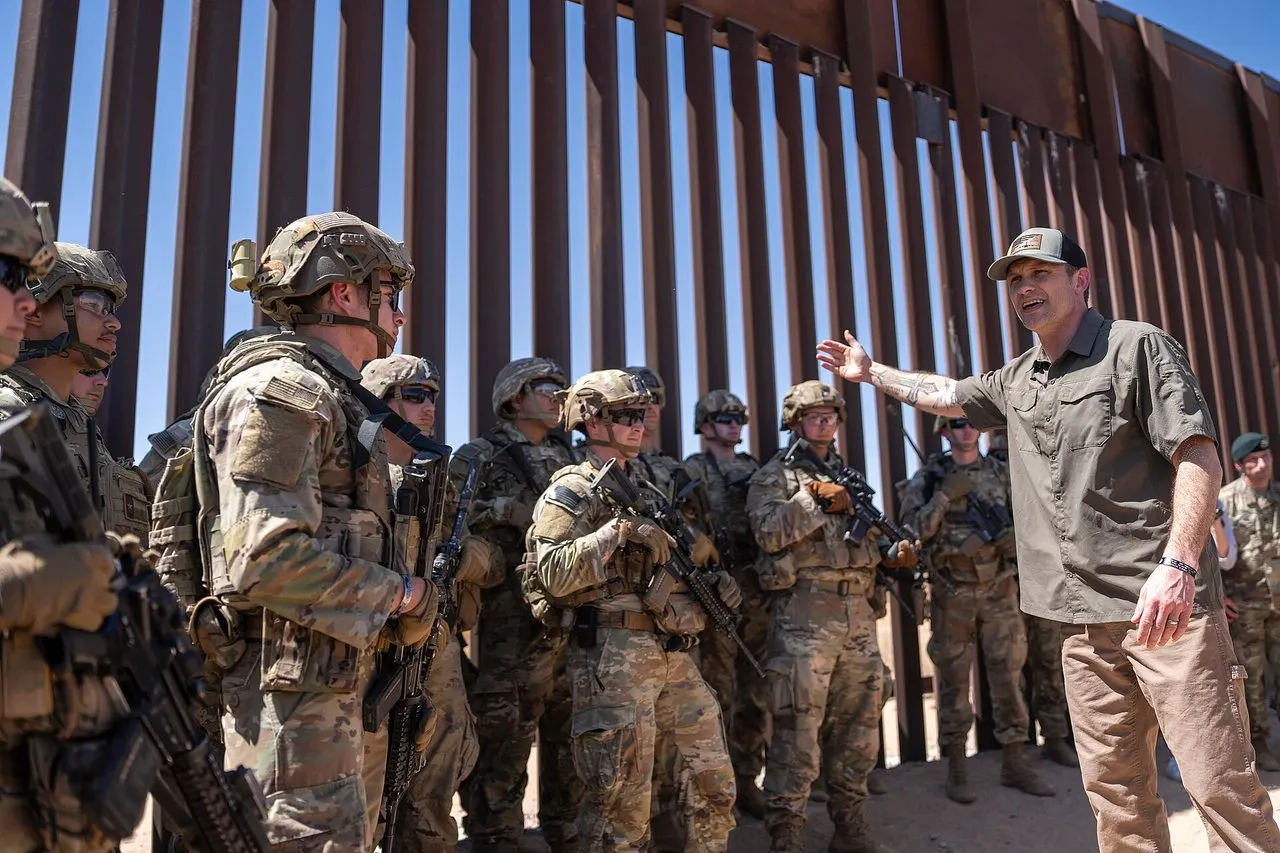
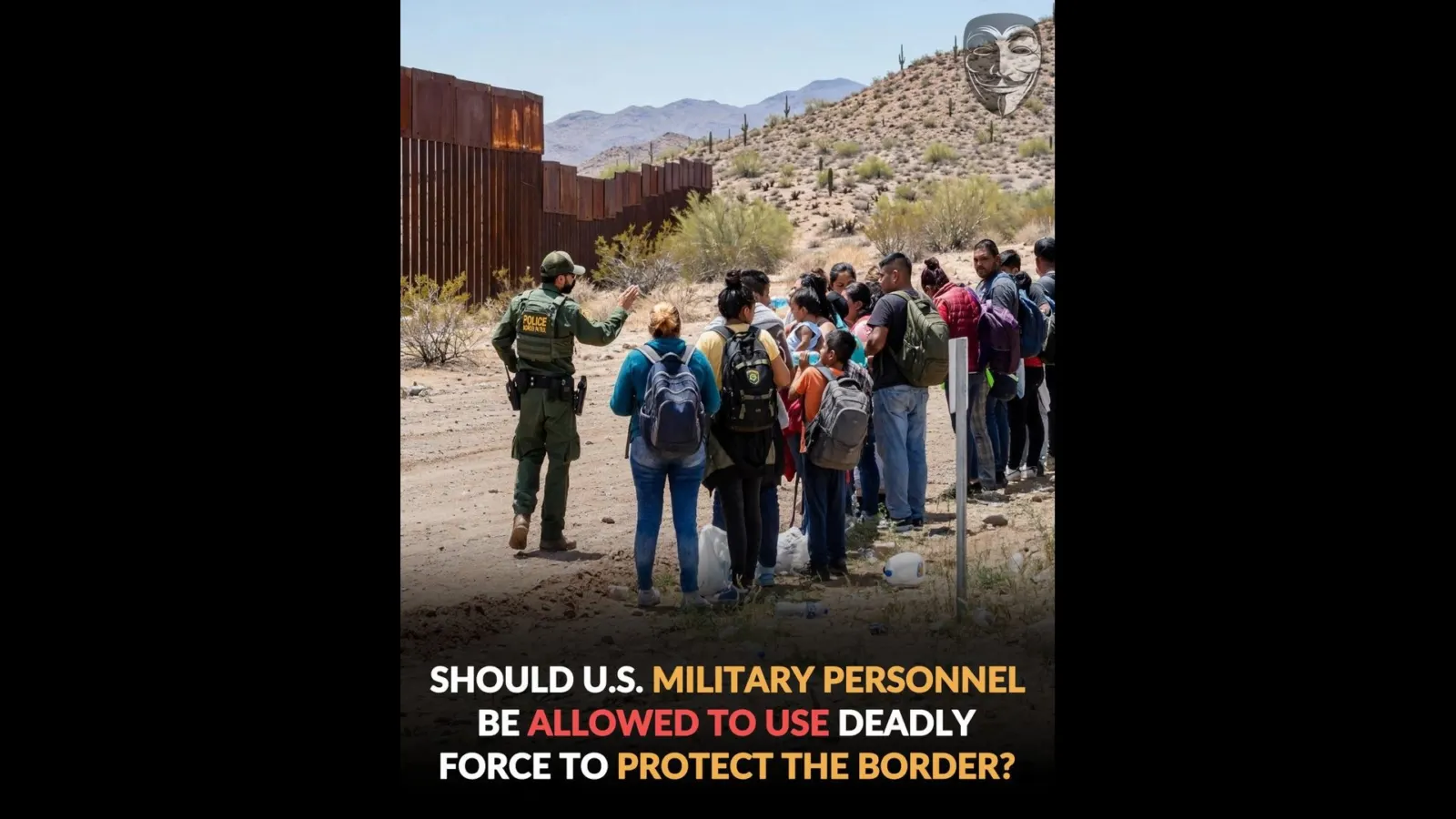
Should United States military personnel be allowed to use deadly force to protect the border? It is a simple question with a complicated answer, and it sits at the center of a national debate about security, the law and the role of the armed forces at home. Supporters of a tougher stance say troops need clear authority to defend the country. Critics say the military should never act as a police force. Our report on the president’s trip to Asia and 17 billion dollars in new deals shows how the same administration handles security abroad, while the trilateral summit in Shenzhen shows the leaders it deals with on the world stage.
What Border Troops May Do Today
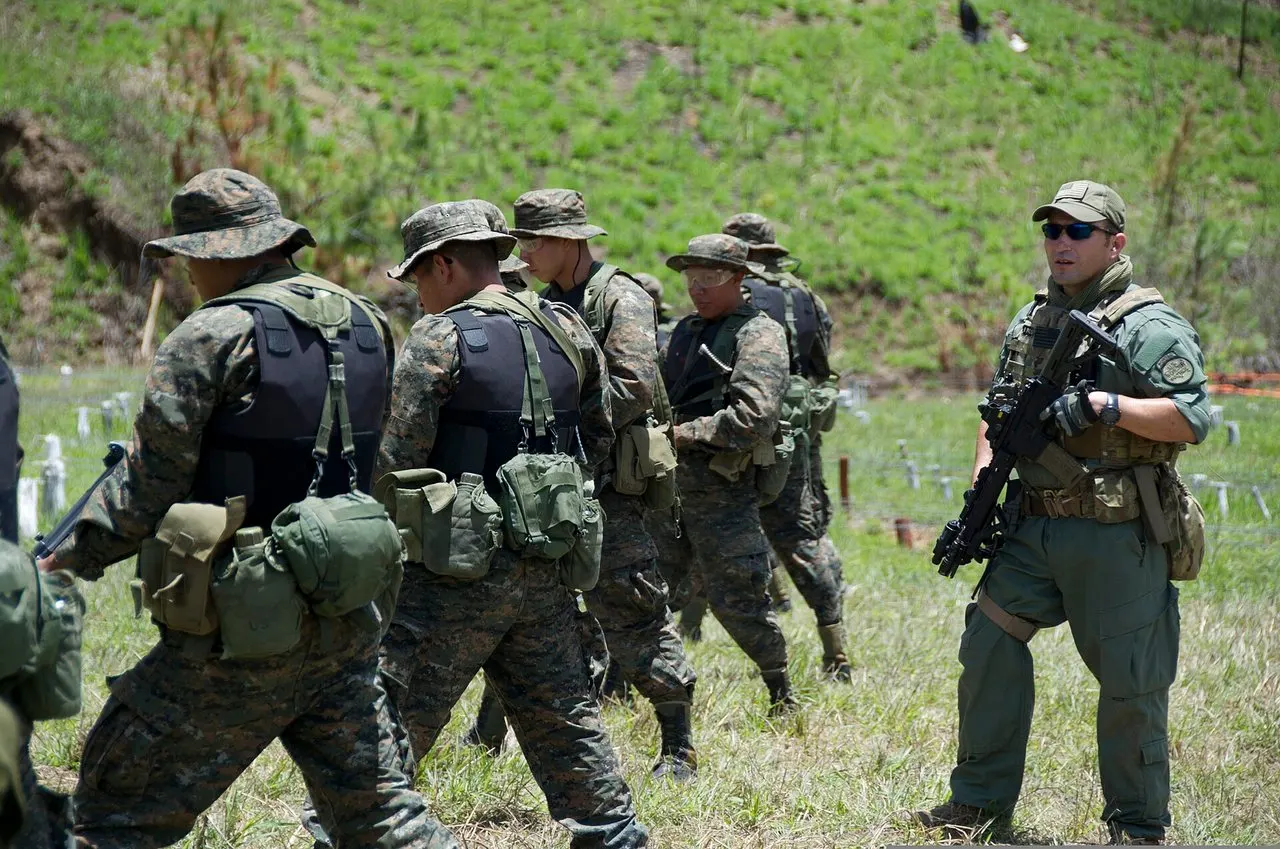
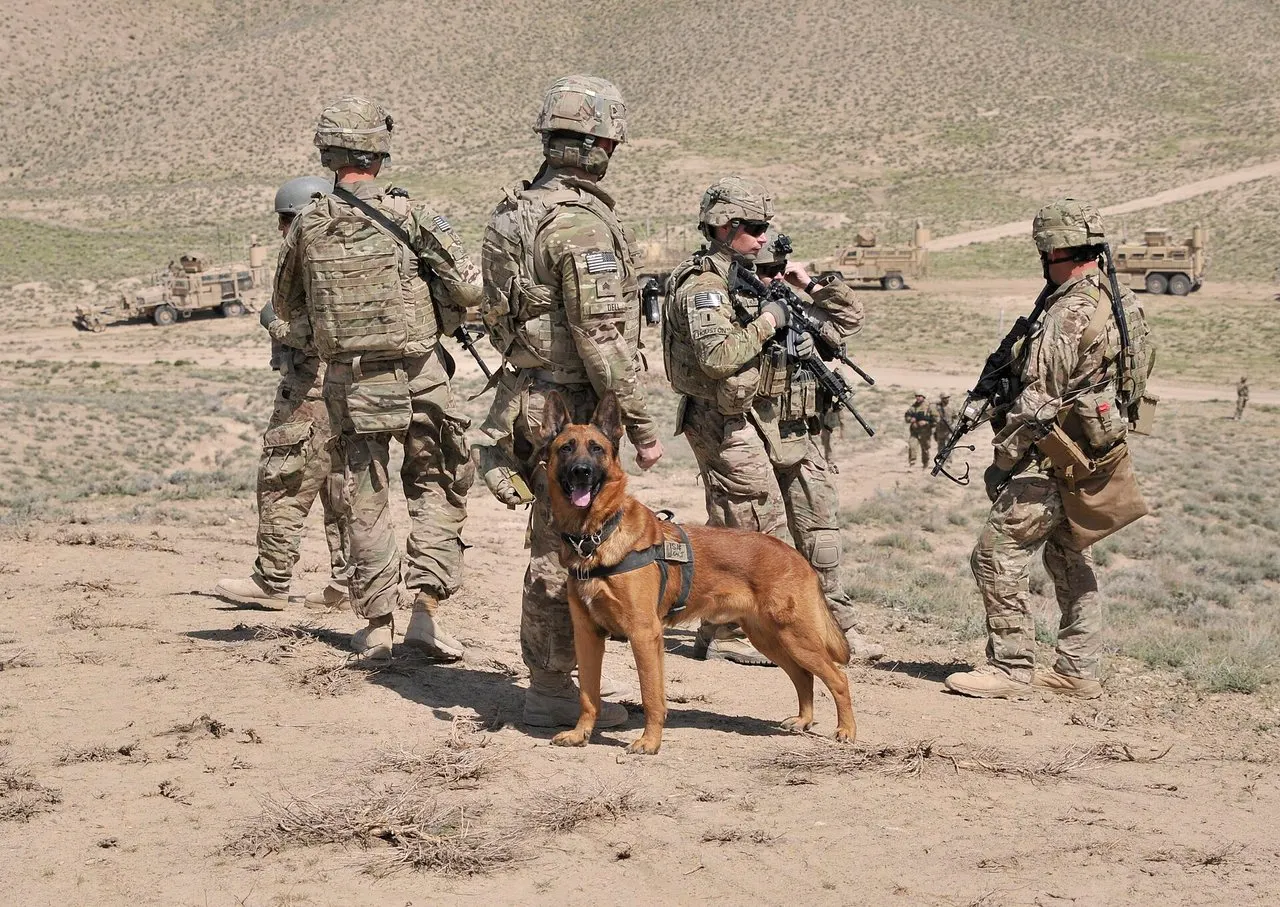
Today, border troops may use deadly force only when it is necessary to defend themselves or others against an imminent threat of death or serious bodily harm. That is the standing rule for active duty troops on American soil, and it applies at the border just as it applies at a base in Texas or California. A soldier who sees someone crossing the fence cannot simply open fire. The threat must be real, immediate and serious. Read about the day zero people crossed Poland’s guarded border to see how other missions protect soldiers without changing the rules.
How Border Troops Grew Under Trump
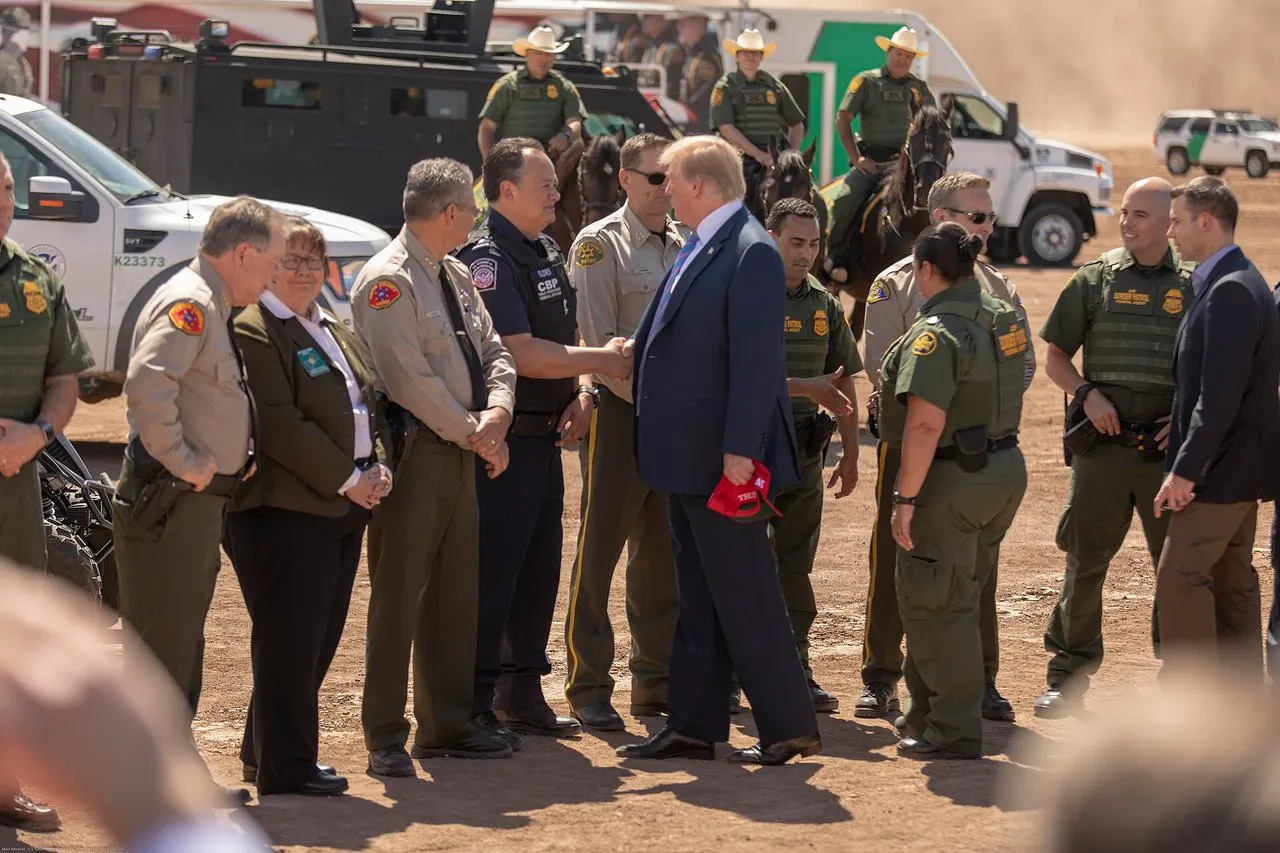
President Donald Trump has made border security a central priority since his first term, and in his second term he has expanded the military role in protecting United States territory. More troops, more aircraft and more surveillance now support Border Patrol operations along the southern border. The expansion raised a fair question from the public and from Congress. If the mission keeps growing, do the rules grow with it? Our report on the president’s arrival in the Philippines shows the same leader building a larger security footprint at home and abroad.
Border Troops as a Support Mission
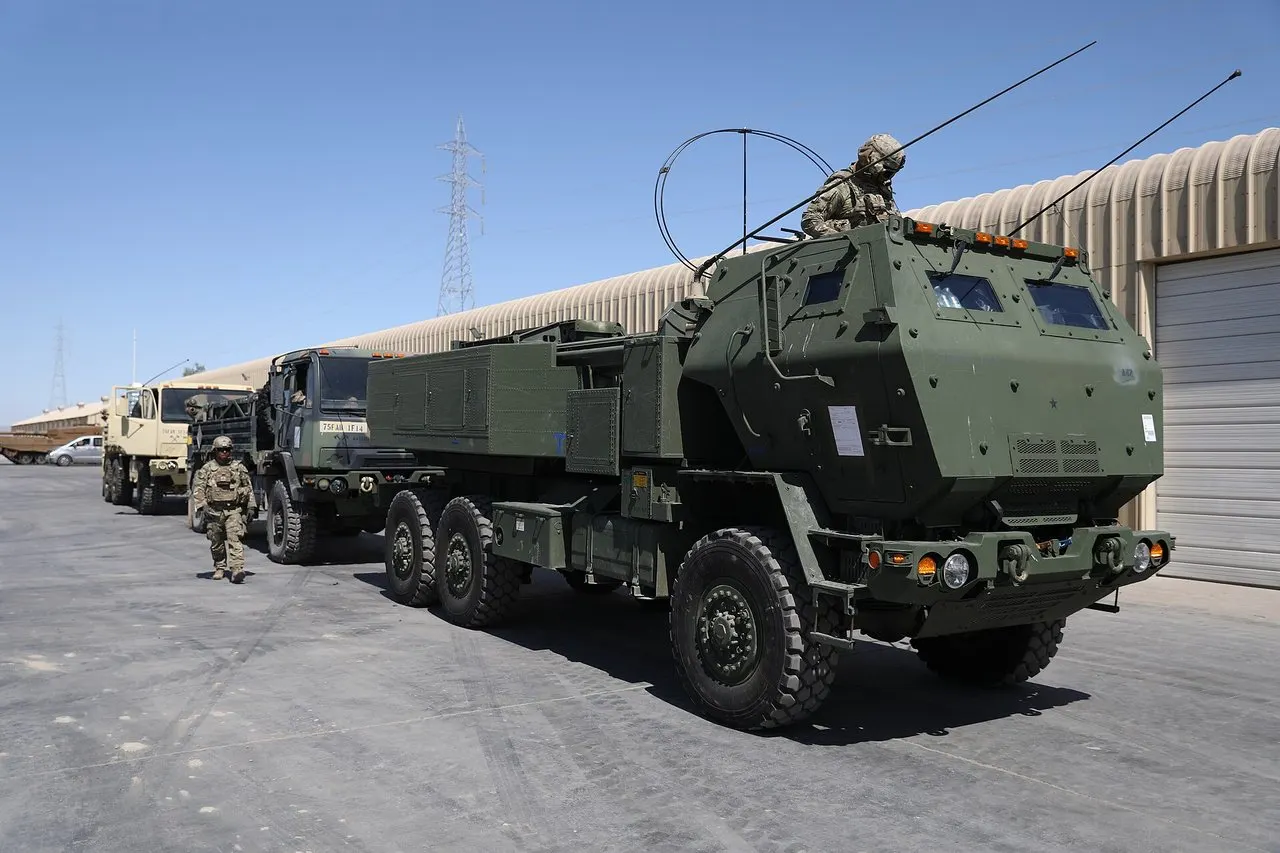
The mission at the border is a support mission, and that word matters. The troops provide surveillance, transport, logistics, engineering and administrative help so Border Patrol agents can do the law enforcement work. They build temporary barriers, fly detection aircraft and watch remote stretches of desert that agents cannot cover alone. They do not make arrests, and they do not chase people across the desert. Learn about historic economic deals with Southeast Asian nations for more on how the administration runs large operations with partners.
The Posse Comitatus Act of 1878

The Posse Comitatus Act of 1878 is the old law that shapes this debate. It bars the federal military from acting as domestic law enforcement, which means soldiers cannot arrest people, search homes or seize property on American soil. Congress passed the law after the Civil War, when federal troops enforced order in the South. The ban has exceptions, and Congress has added new ones over the years, but the core rule stands. That is why troops work beside agents instead of replacing them. Read about when the president called Putin his friend for how Washington argues over old laws.
Border Troops as Eyes, Ears and Logistics
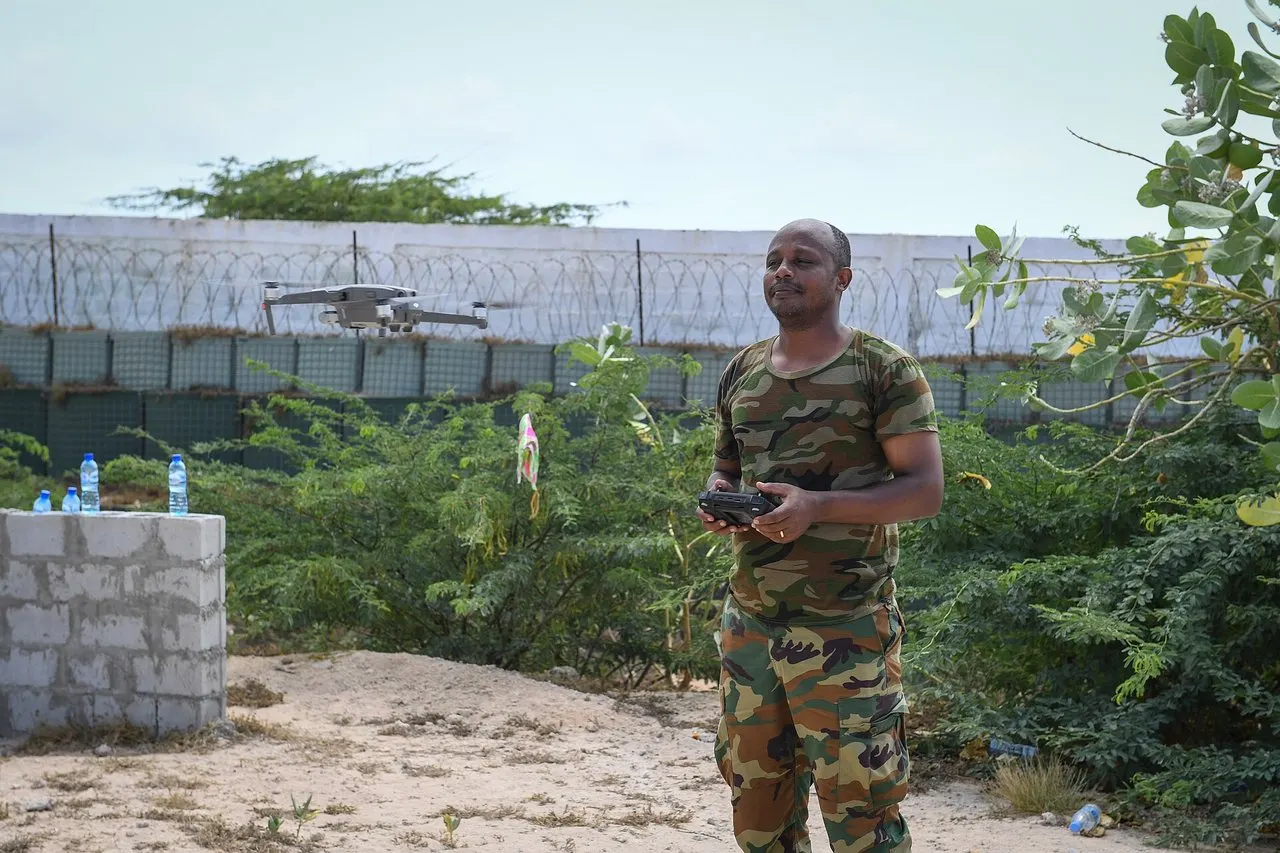
Modern border troops bring tools that agents on foot cannot match. Drones watch long stretches of desert day and night, sensors pick up movement in the dark, and aircraft spot groups long before they reach the fence. Engineers raise temporary barriers and repair roads, while medics and clerks free agents for patrol work. None of this involves pointing a weapon at a person crossing the border. The work is quiet, technical and mostly unseen. Our report on the FBI director skipping a Congress hearing shows how security debates reach every part of government.
What Troops Cannot Do at the Border
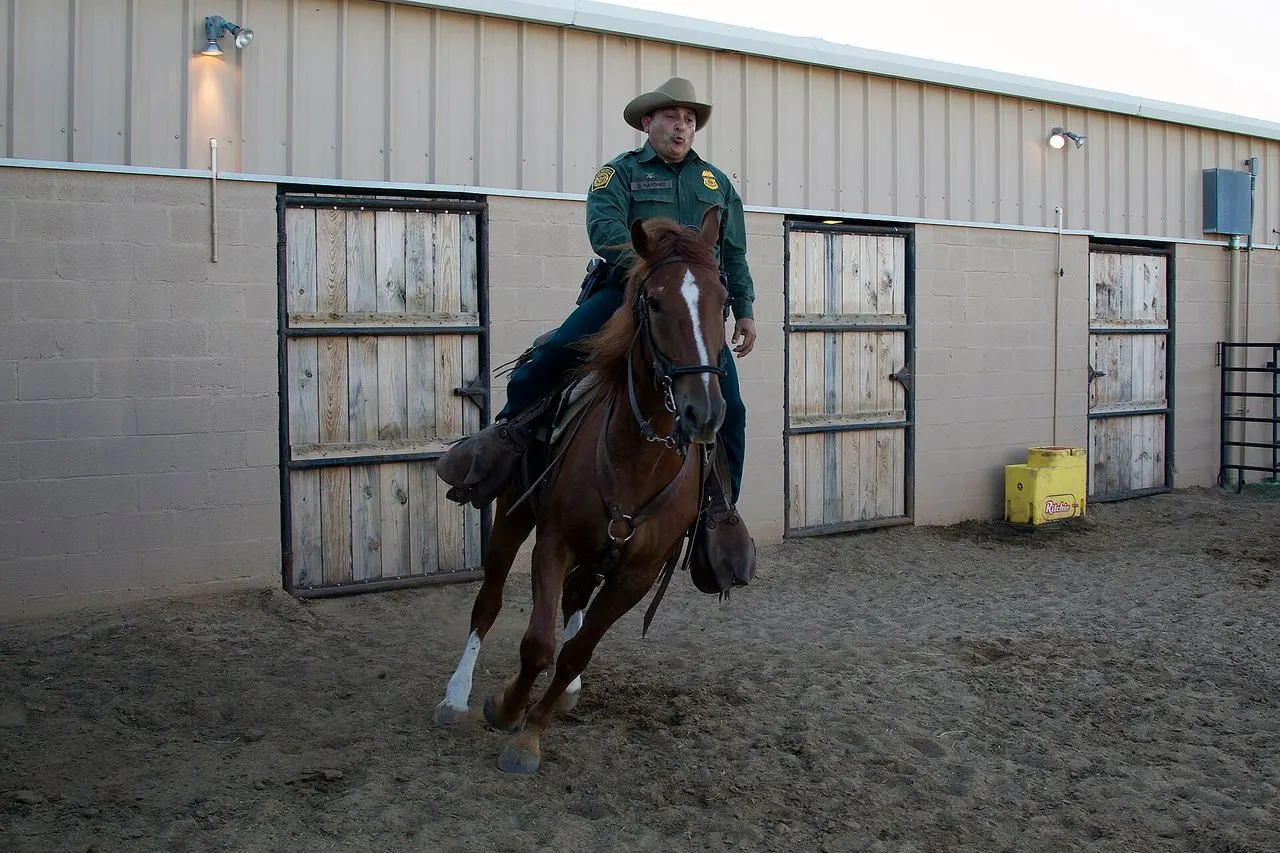
There is a clear list of things troops cannot do at the border. They cannot arrest anyone, conduct searches, seize drugs or detain a person who crosses the fence. Only Border Patrol agents and other civilian officers hold that power. A soldier who watches someone cross must call an agent, not take action alone. This line protects the public from military policing, and it protects soldiers from being asked to do a job they were not trained for. See the hand carved amber throne gift for lighter stories from the same administration.
Border Troops and the Rules of Engagement
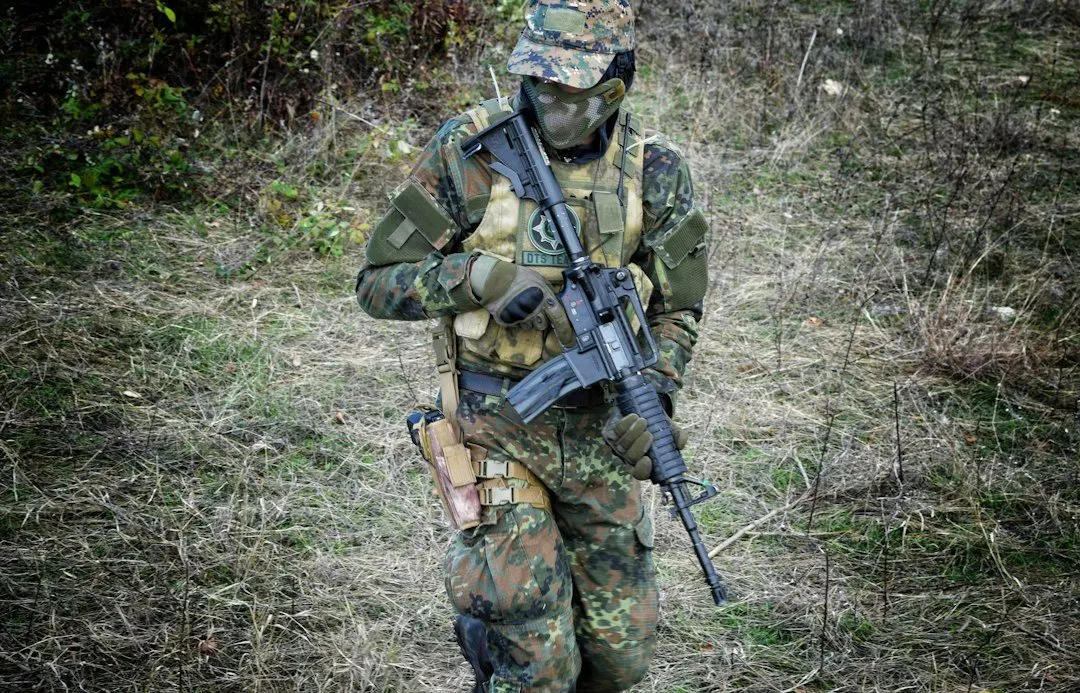
Rules of engagement are the written orders that tell a soldier when force is allowed. For the troops, the rules are built around self-defense. A soldier may fire only to stop an imminent threat of death or serious injury to himself, a fellow soldier or an agent nearby. The rules cover how to warn, how to retreat when possible, and how to report every use of force after the fact. They are drilled before deployment so that fear and confusion do not decide the outcome. Our report on the UN vote on ending harm against women and girls shows the same government answering hard questions in public.
Self-Defense and the Imminent Threat Test
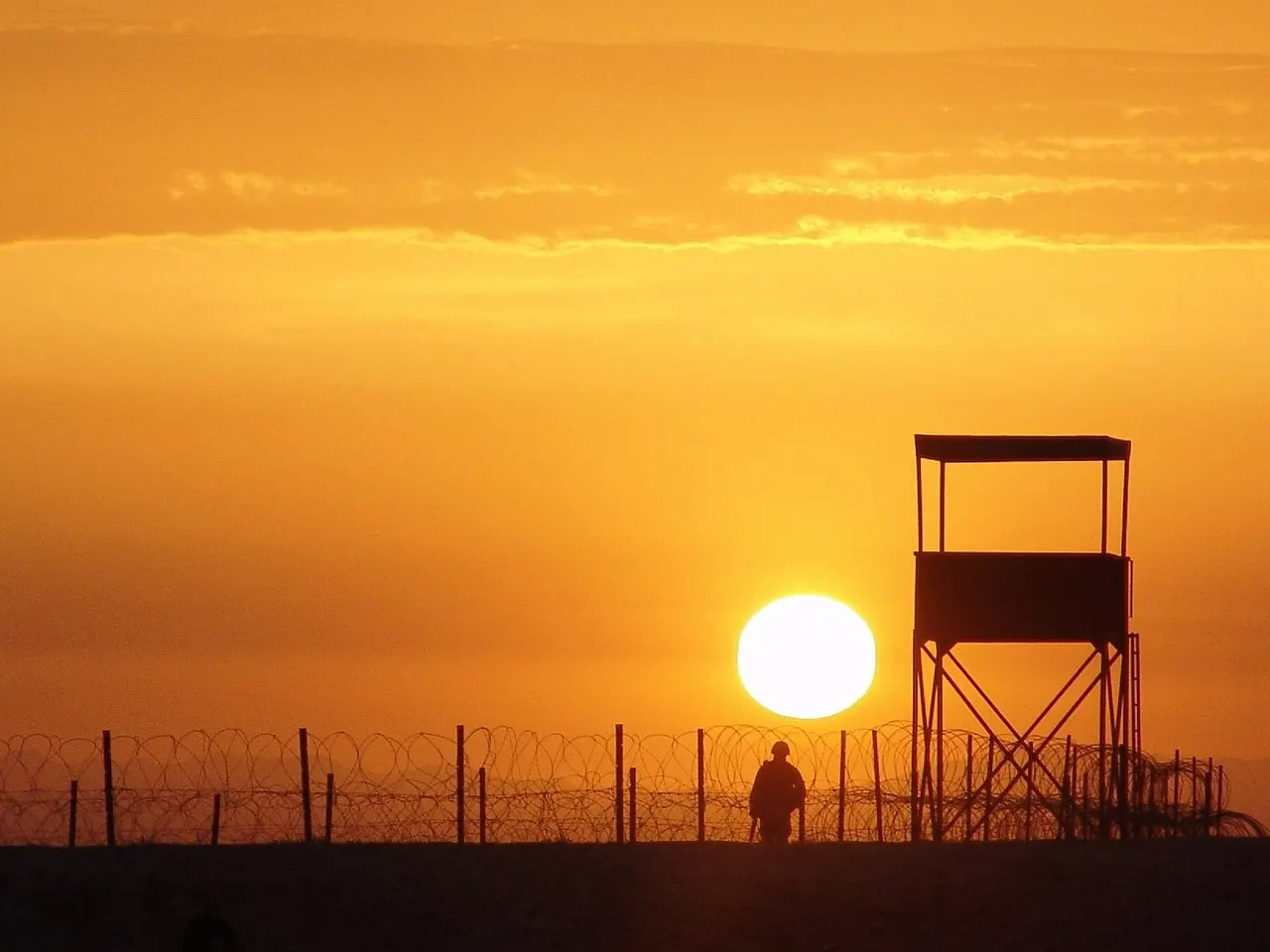
The key phrase in the rules is imminent threat, and it has a strict meaning. The danger must be happening now, not hours away, and it must threaten death or serious bodily harm. A person walking toward the fence is not an imminent threat. A person raising a weapon is. Soldiers are trained to judge that difference in seconds, in the dark, under stress. It is one of the hardest calls in military service, which is why the training repeats it again and again. Read about the debate over lawmakers in a vegetative state for more on how leaders handle hard calls.
Mattis and the 2018 Deployment
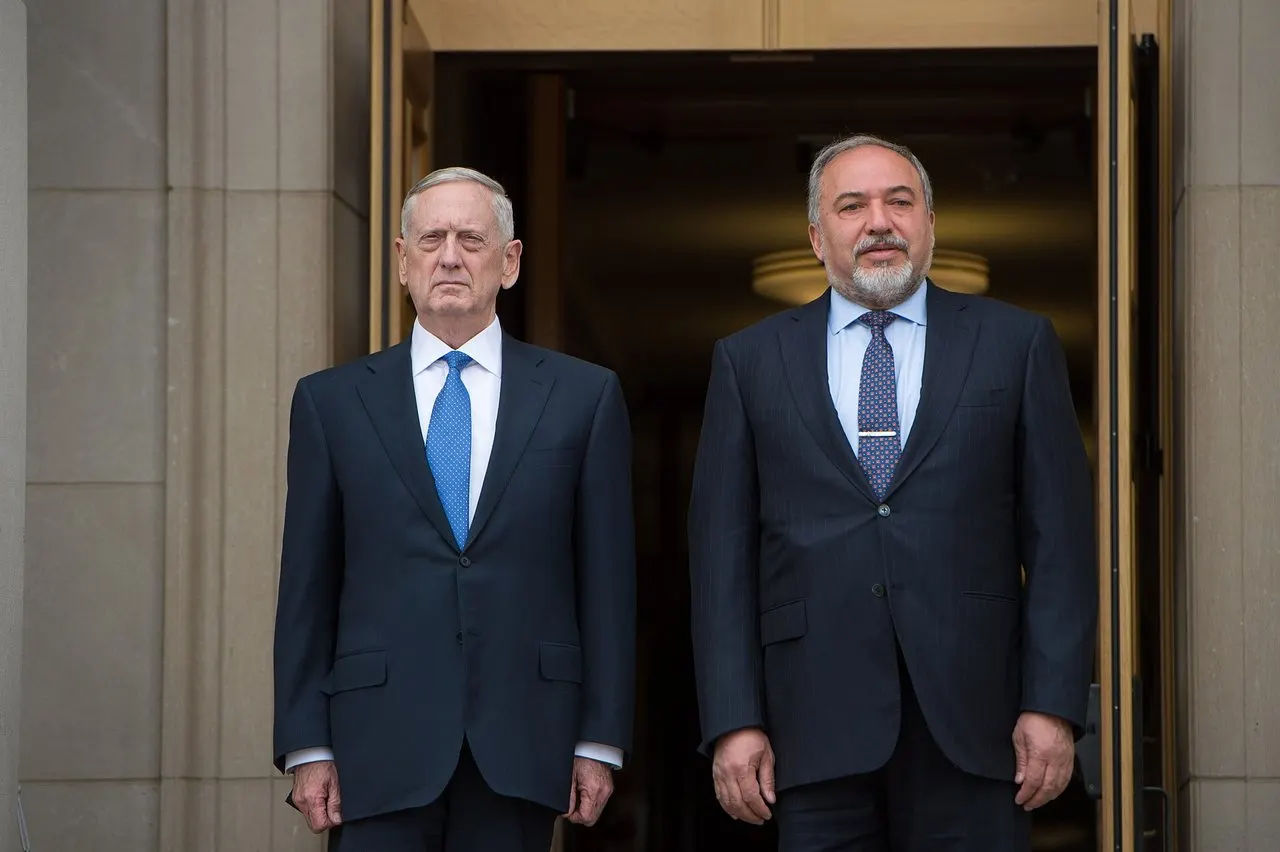
In 2018, Defense Secretary James Mattis explained the border mission in plain terms when thousands of troops were sent south. He said the troops would support civilian agencies, build barriers and provide surveillance, and he stressed that the military would not take on law enforcement duties. His message set the tone for every deployment since. The mission was about help, not control. It showed that even a large deployment can stay inside the law when the orders are clear. Read our report on a bill that would seal the border for how the border debate has grown since then.
What the Air Force Times Reported
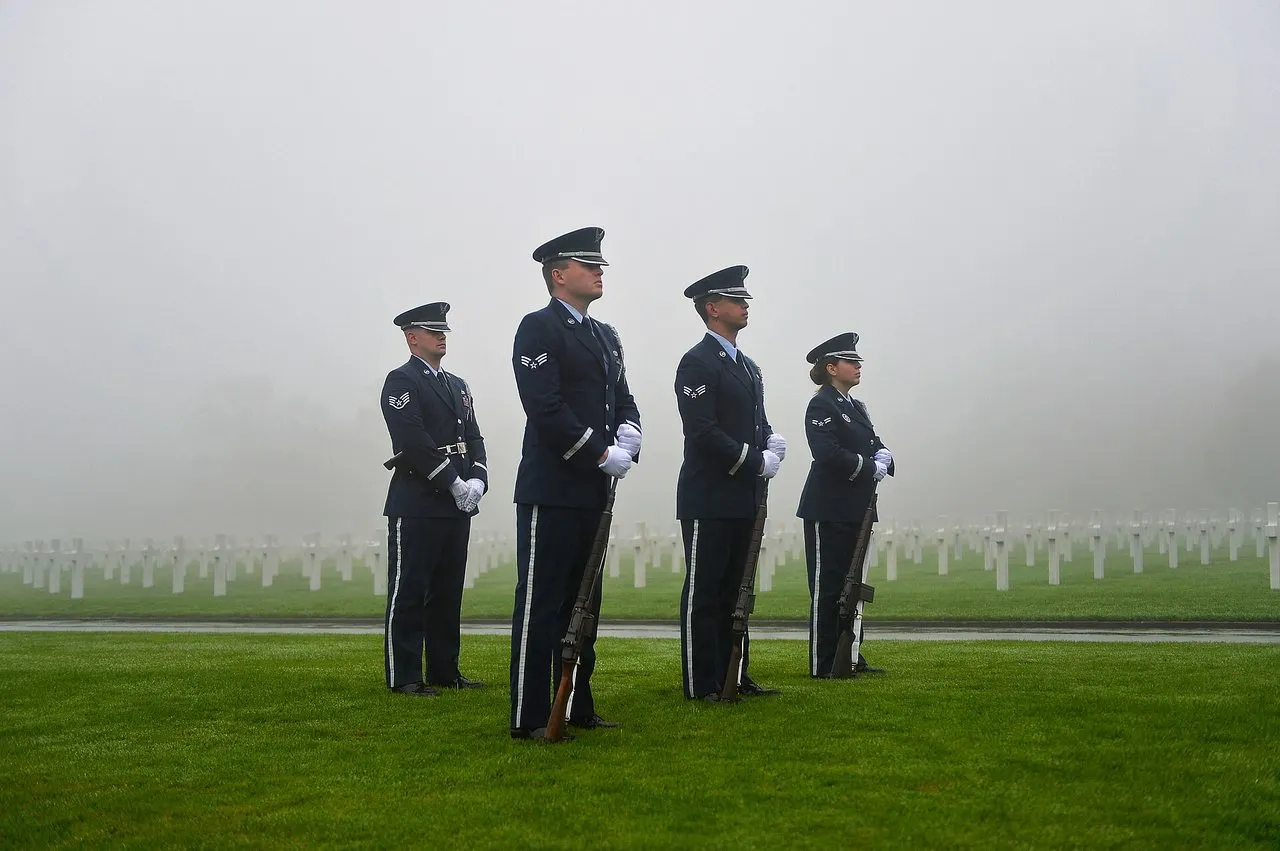
The Air Force Times laid out the rules of engagement for troops deploying to the Mexican border in clear detail. The report explained that troops could use force to defend themselves, that they worked under the same standing rules as troops anywhere in the United States, and that their mission was support, not enforcement. Reports like this matter because they reach the families of the troops. A soldier’s parents deserve to know what their son or daughter is allowed to do. Our report on the Asia trip covers the same administration on the world stage.
WAMC Asks Whether There Are Legal Limits
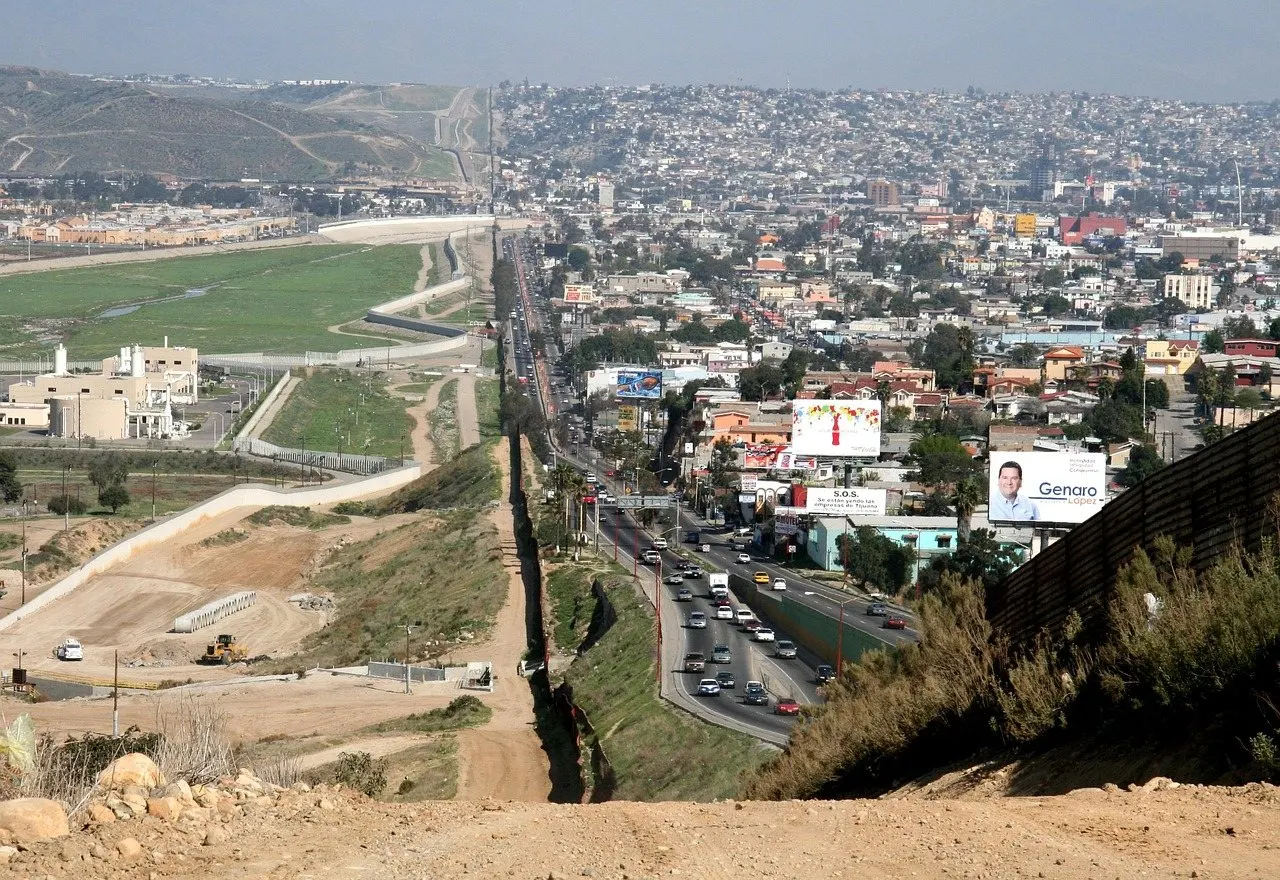
Public radio station WAMC asked a question many Americans share. As the president expands military use at the southern border, are there legal limits? The answer is yes, and the limits come from the Posse Comitatus Act, the Constitution and the military’s own rules. Courts, Congress and the press all watch the mission, and every expansion invites a new legal challenge. That scrutiny is healthy in a democracy. It keeps a security mission from quietly becoming something else. See how Poland guarded its border for how other countries and missions handle the same tension.
Just Security and the Law at the Border

The legal site Just Security has tracked the military, the Mexican border and Posse Comitatus for years, and its updates show how the law adapts to each new deployment. Lawyers there note that presidents have wide power to send troops to the border, but narrow power to use them as police. The gap between those two powers is where the debate lives. Every new order, memo and court filing adds a piece to the picture. Our report on the Manila visit shows the same presidency testing limits in other fields.
Border Troops Under Title 10 and Title 32
Not all border troops serve under the same law, and the difference matters. Title 10 troops are federal active duty forces under the president, and the Posse Comitatus Act applies to them in full. Title 32 troops are National Guard forces under a governor, and they have more room to support law enforcement. That is why many border missions use the Guard. The uniform looks the same, but the legal authority behind it is different. Read about the Asia deals for more on the administration’s use of federal power.
The National Guard at the Border
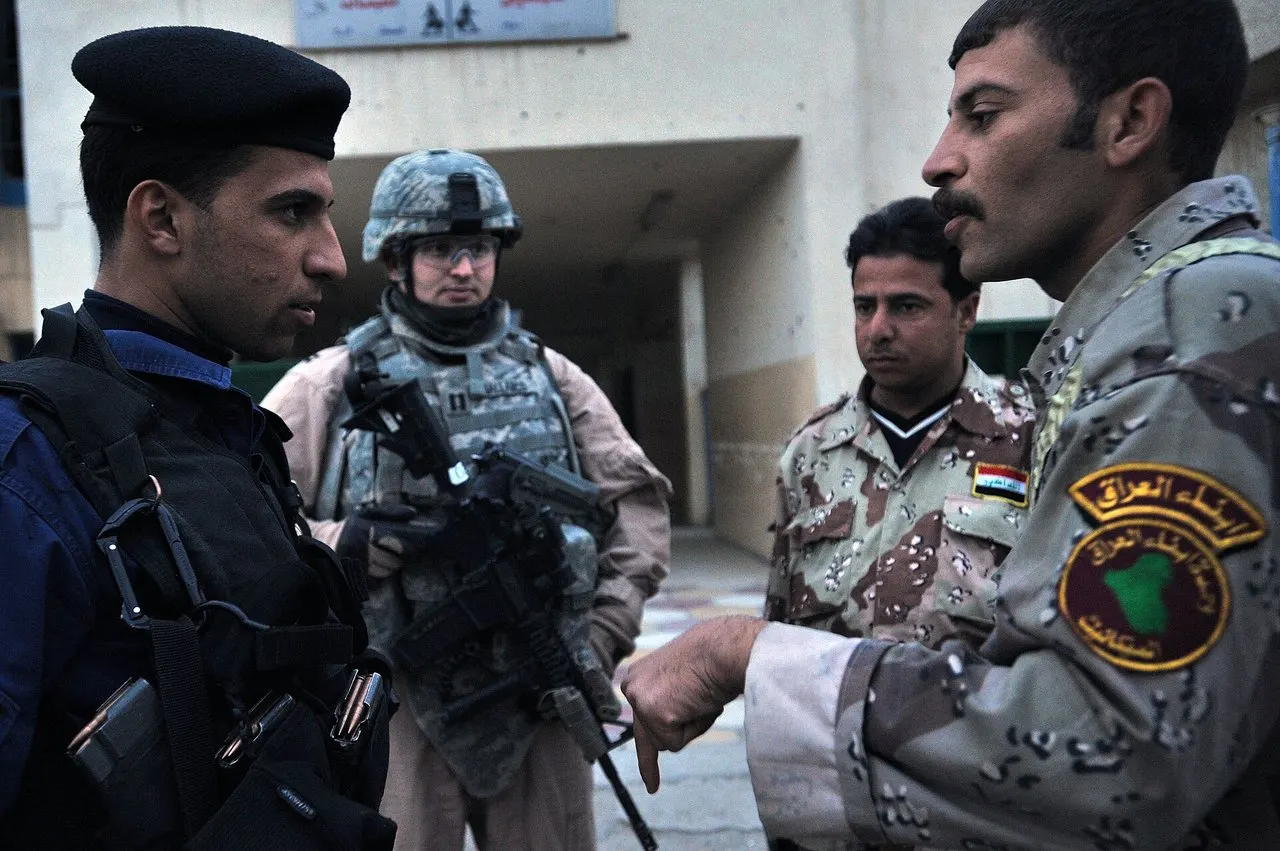
The National Guard has become the familiar face of the border mission. Guard soldiers from many states rotate through Texas, Arizona and California, watching sensors, flying helicopters and staffing observation posts. Because they serve under state authority in Title 32 status, they can work more closely with Border Patrol agents than federal troops can. Many Guard members say the mission feels close to home, because it is about protecting their own communities. Our report on Poland’s answer to the Putin remark covers the politics around the mission.
Border Troops: Defense, Not Enforcement
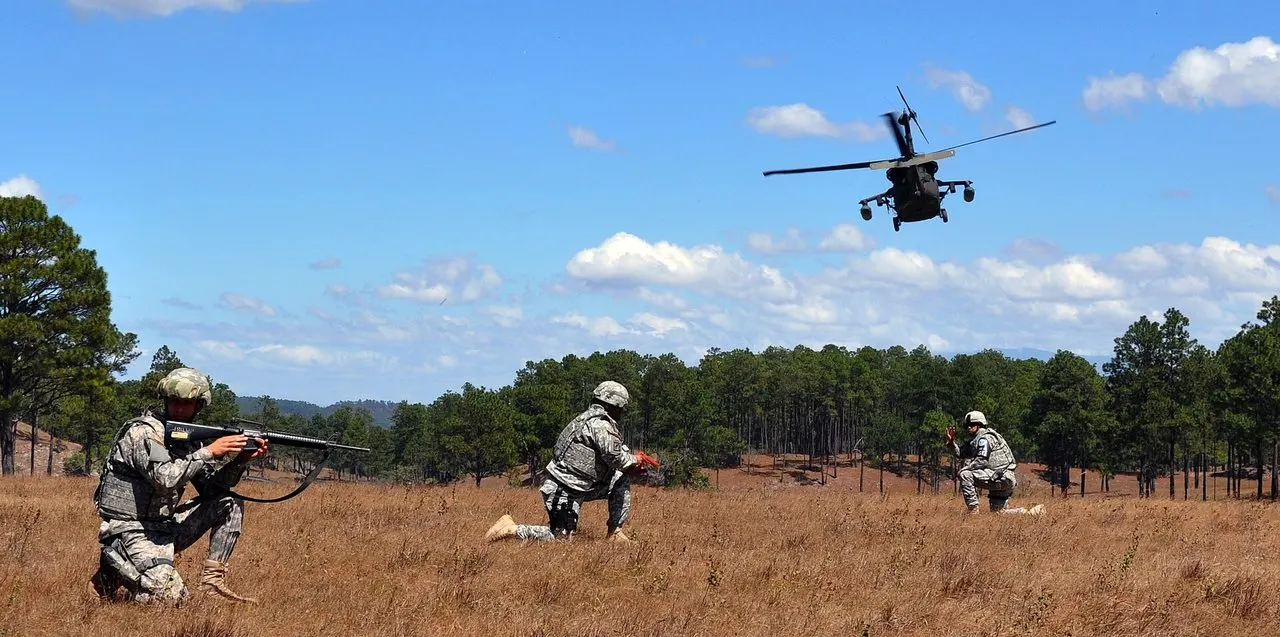
The line between defense and enforcement is the heart of this story. Defense means protecting yourself and others from harm. Enforcement means arresting people, seizing property and carrying out the law. Troops are allowed the first and barred from the second. That split confuses people, because a soldier with a rifle looks like law enforcement. But the uniform does not change the law. Training drills the difference until it becomes habit. Read about the Mar-a-Lago gala for how Washington draws lines in other fields.
The Ladder of Force
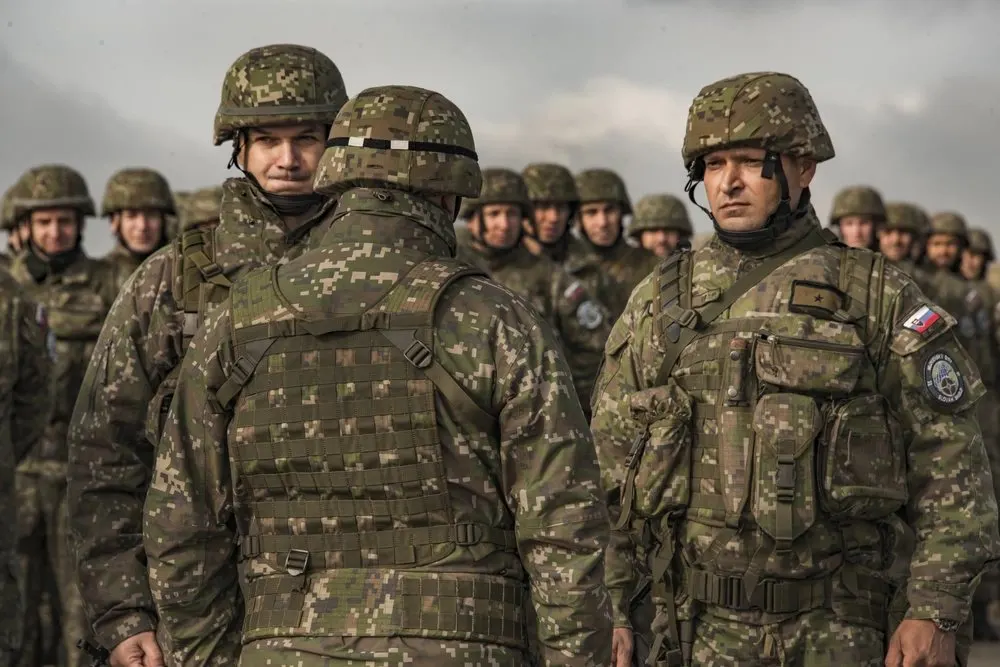
Soldiers learn force as a ladder, not a single choice. The bottom rung is presence itself, a uniformed soldier standing where people can see him. Higher rungs include verbal warnings, nonlethal tools and physical restraint. Deadly force sits at the top, and it is allowed only when nothing lower can stop an imminent threat of death or serious injury. Each step must be tried or ruled out first. That discipline is what separates a professional force from a crowd with guns. See the amber throne for stories from the same White House.
Border Troops Train Before They Deploy
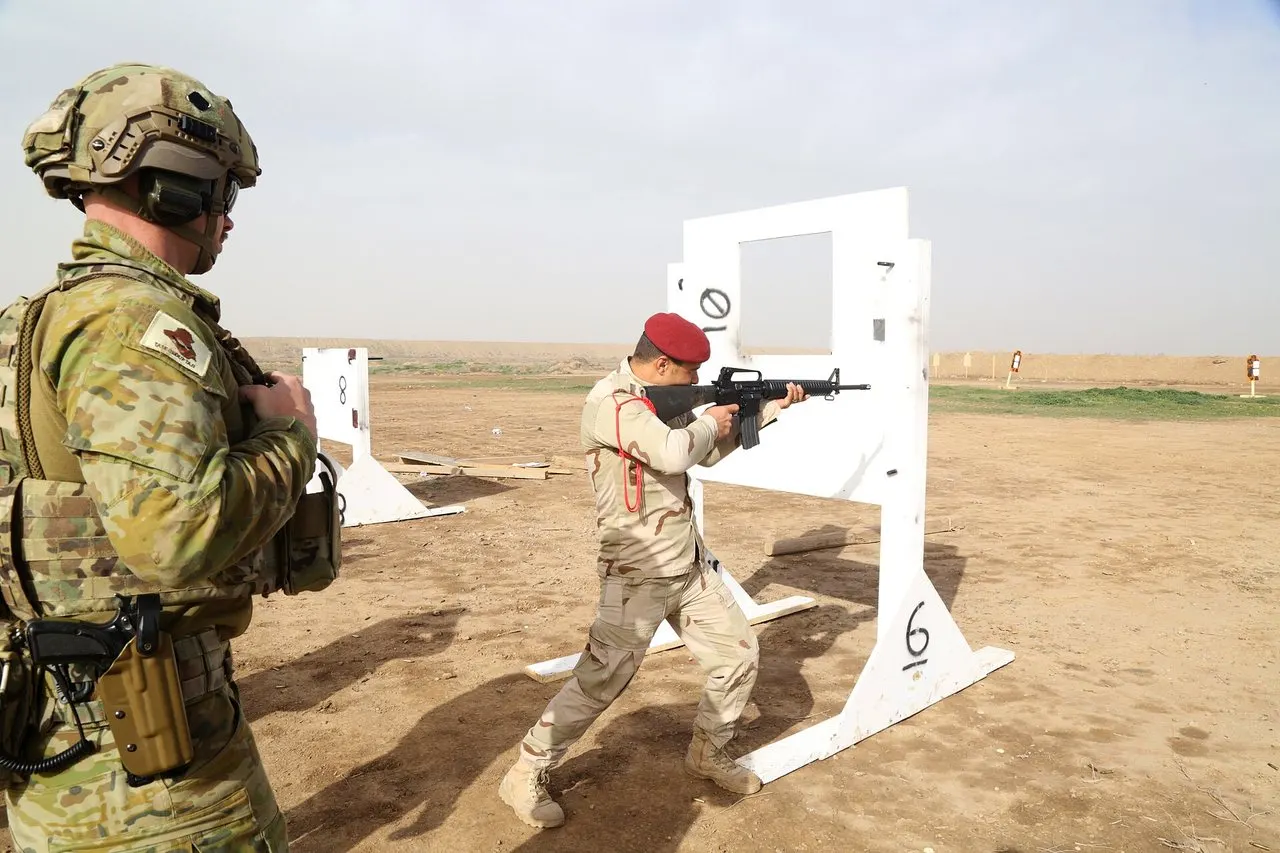
Before troops reach the fence, they train for the exact job they will do. They rehearse the rules of engagement, practice de-escalation, learn the limits of Posse Comitatus and drill the scenarios they are most likely to meet. Instructors stress that a soldier who understands the law is safer than one who only knows how to shoot. Training also covers first aid, radio procedure and how to work beside Border Patrol agents. The goal is a calm professional, not a nervous one. Our report on the resolution 175 countries backed shows the same government answering hard questions in public.
The Border Patrol Agents Beside Them
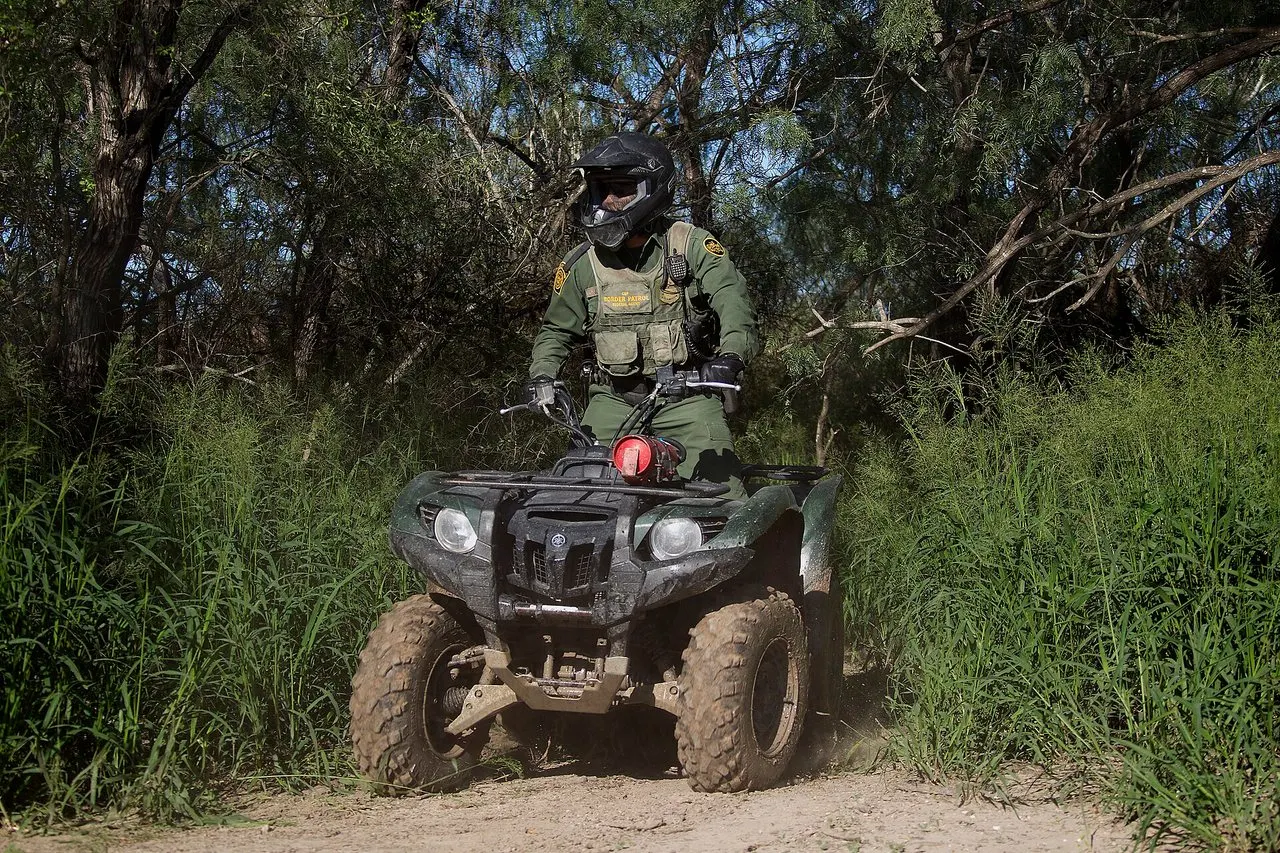
Border Patrol agents are the law enforcement half of this partnership, and they carry the authority troops do not have. Agents can arrest, detain and process people who cross the border, and they decide what happens next. Troops make that work possible by watching, reporting and handling the tasks that pull agents off patrol. The two groups train together, share radios and eat in the same mess halls. When the partnership works, each side does what it is best at. Read about whether ill lawmakers must resign for more on how Washington works.
Border Troops in Past Deployments
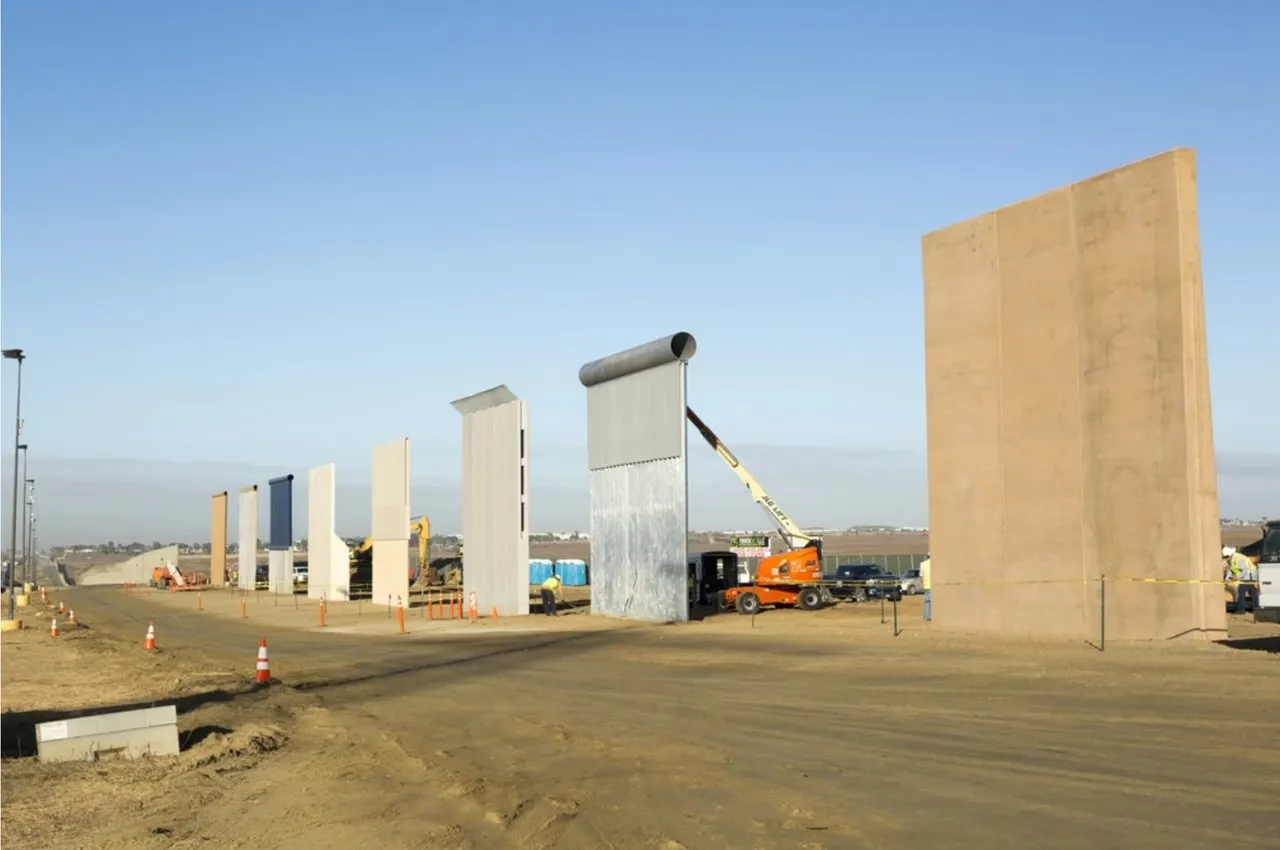
Troops at the border are not new. President George W. Bush sent the National Guard in 2006, President Barack Obama sent troops in 2010, and President Donald Trump sent thousands in 2018 and again in his second term. President Joe Biden also kept troops at the border. Each deployment looked a little different, but all of them stayed inside the same legal frame. The mission grew, the politics changed, and the core rule never moved. Our report on the No Invasion Act proposal shows how the debate keeps returning.
When the Rules Are Tested
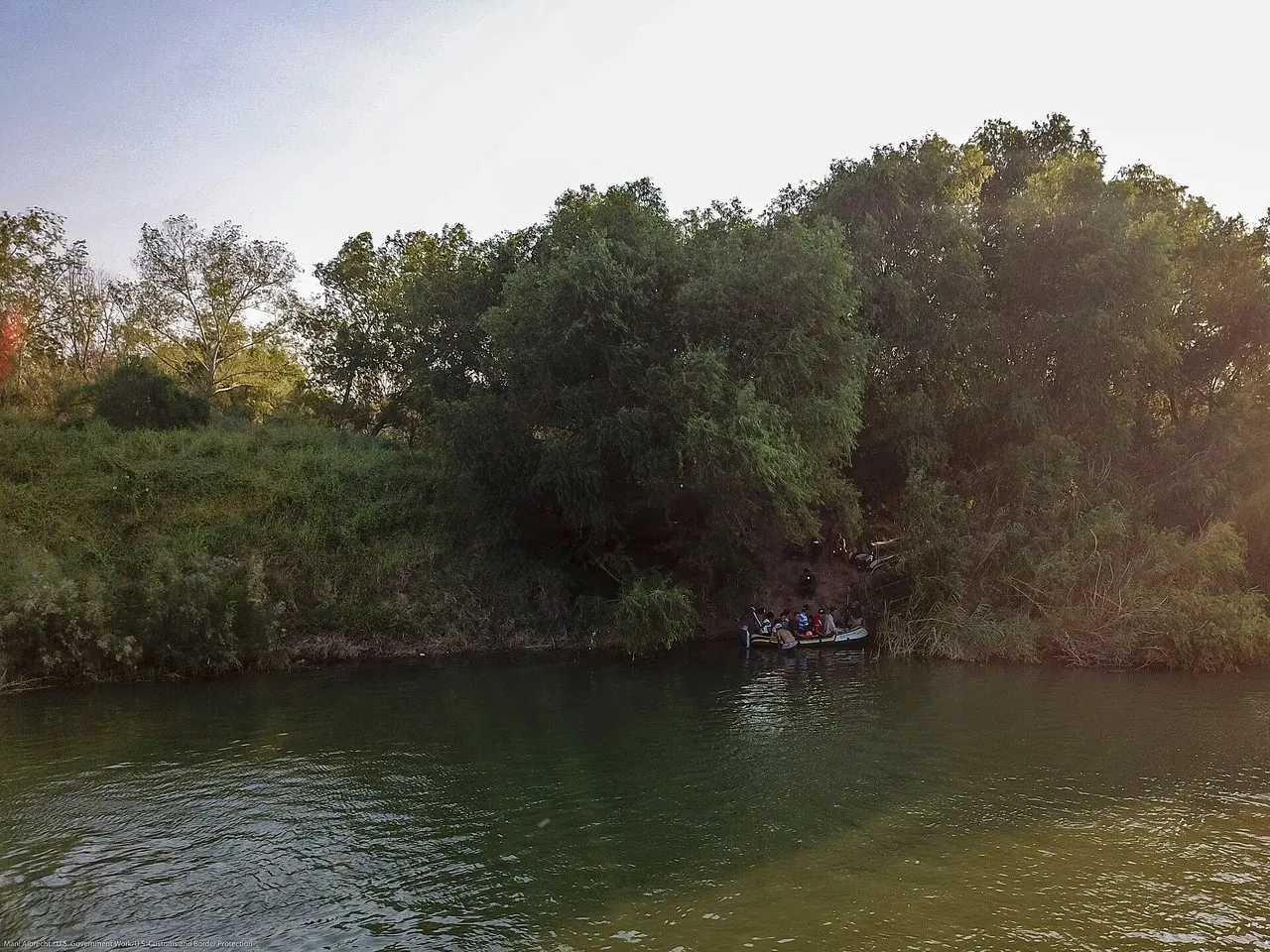
Rules are easy to state and hard to live by, and the border tests them every day. A soldier may face a crowd pressing against a fence, a vehicle driving at a checkpoint, or a person throwing rocks from across the line. Each moment demands a fast judgment about what counts as an imminent threat. After every incident, commanders review the decision, and the public asks whether the rules held. That review process is part of the rule itself. Read about historic meetings in Asia for how leaders handle pressure in public.
Border Troops and the Case for Wider Authority
Supporters of wider authority say the current rules tie the hands of border troops. They argue that cartels, smugglers and armed groups make the border a combat zone, and that soldiers should be allowed to use force to stop crossings, not only to defend themselves. They point to the scale of illegal crossings and drug smuggling, and they say the nation is at war with criminal networks. For them, the question is about will, not law. See Poland’s guarded border for how other missions protect their people.
The Case for Keeping the Limits

Critics of wider authority say the limits exist for a reason, and they point to American history. A military that polices its own people can lose the public trust it needs to defend the country. They note that Border Patrol agents already have the power to arrest and detain, so troops do not need it. They also warn that a wider use of force would put migrants, agents and soldiers in greater danger, not less. The law, they say, protects everyone at the border. Our report on flags in Manila shows the same presidency on the world stage.
Protecting the People Encountered
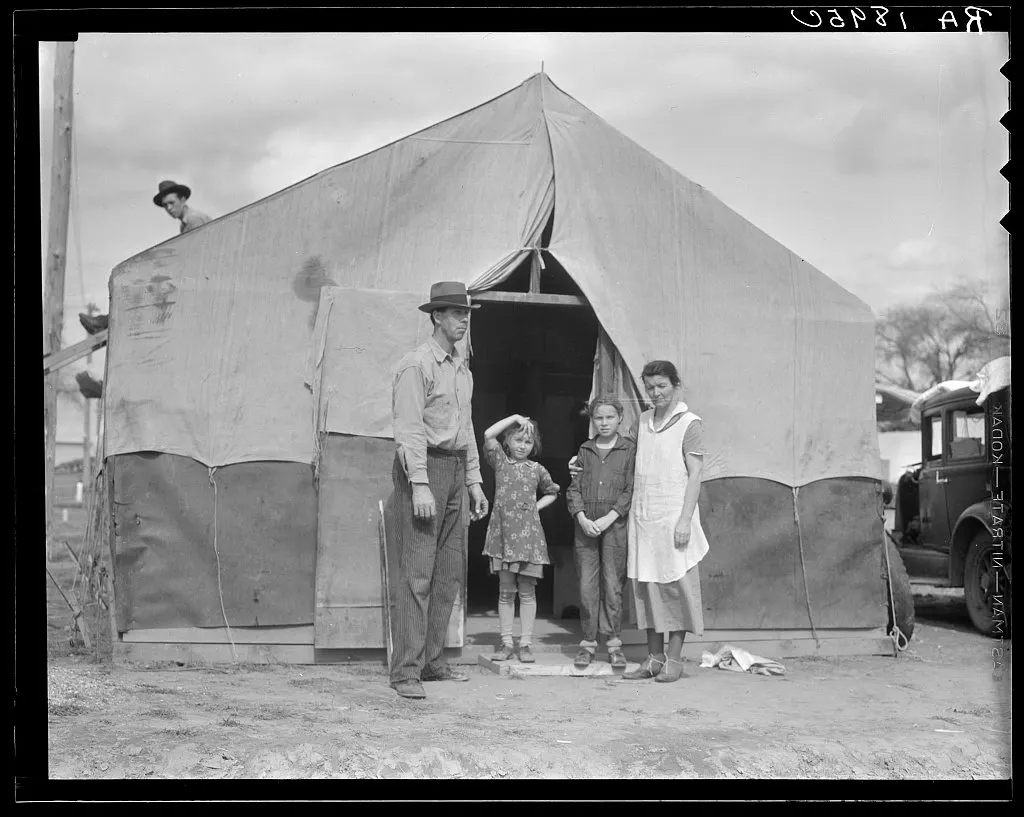
The people encountered at the border are not all the same. Some are families seeking asylum, some are workers looking for jobs, and some are members of criminal groups. The rules of engagement do not sort people by motive. They protect life first, and they require soldiers to treat every person as a human being until a real threat appears. That restraint is hard, and it is also the point. A professional force holds fire when it is not needed. Read about deals for American workers for more on the administration’s priorities.
The Scale and Cost of the Mission
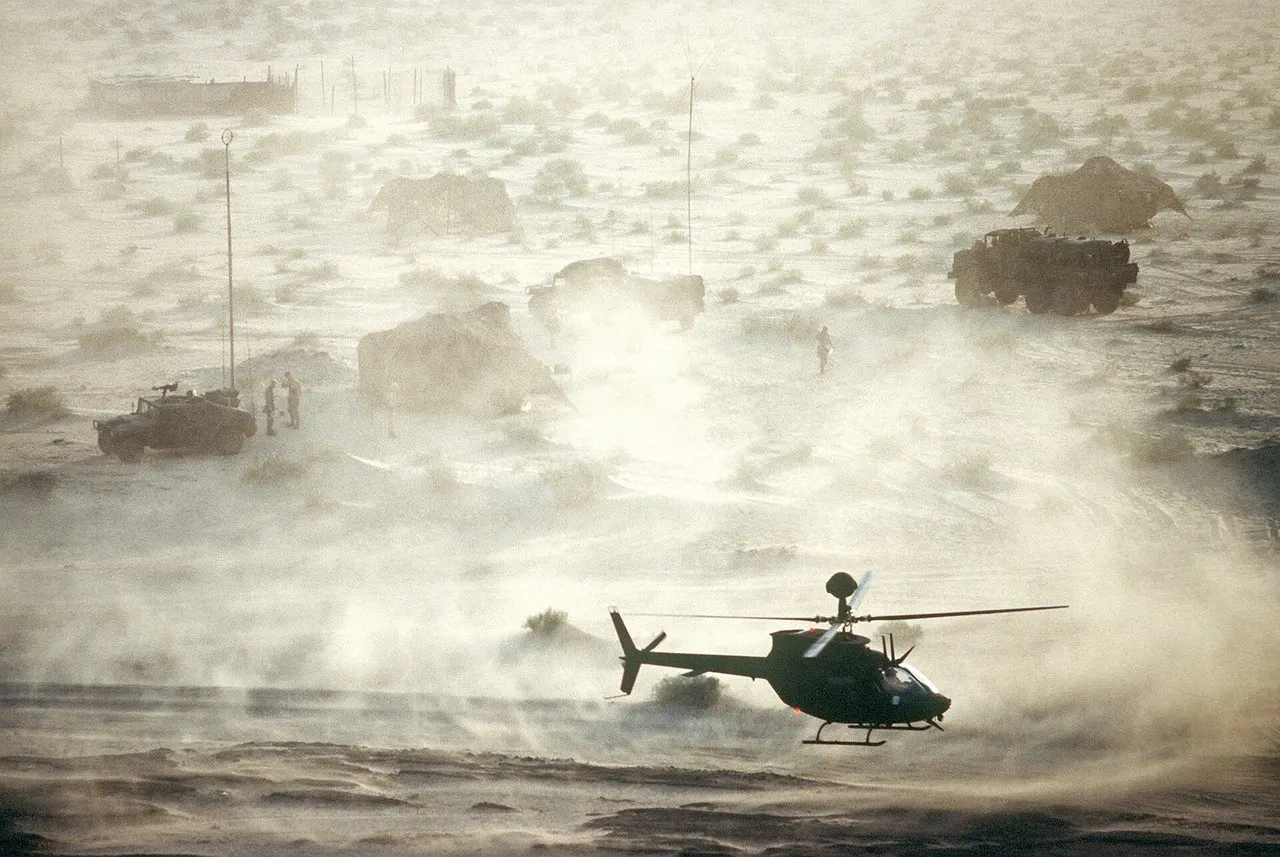
The border mission is large, and it is expensive. Thousands of troops, hundreds of vehicles and dozens of aircraft support Border Patrol along nearly 2,000 miles of southern border. The Pentagon pays for transport, housing, food and fuel, while states pay for Guard deployments under their own budgets. Supporters say the cost is worth it for a secure border. Critics ask whether the same money would work better in the hands of more agents. Our report on the public rebuke from Poland covers the politics behind the spending.
What the Courts Have Said
Courts have shaped the border mission for decades, and they keep shaping it. Judges have ruled on what counts as law enforcement, when troops may support civilian agencies, and how far a president’s power reaches. Some rulings expanded the mission, others narrowed it, and each one became a guide for the next deployment. Lawyers on both sides read the same cases and reach different conclusions, which is why the debate never ends. See Kash Patel’s absence for more court and Congress stories.
How Other Countries Guard Their Borders
Other countries guard their borders in very different ways, and their choices show the range of options. Poland used its army and border guard to stop thousands of people in a single day, and its leaders called the operation a success. Some European countries use police only, while others mix soldiers and police at checkpoints. Each country balances security, law and public trust in its own way. America is not alone in facing this question, and its answer is not the only one. Read about Poland’s birthday gift for more on Poland and the presidency.
Border Troops and What Comes Next

The border mission will not end soon, and the debate about deadly force will not end with it. Congress may write new laws, courts may set new limits, and each president will bring a new view of the mission. What stays constant is the soldier at the fence, making fast decisions under rules written far away. The country owes that soldier clear orders, honest training and a law that protects everyone involved. Our report on the UN resolution shows the same debates playing out around the world.
Should the Rules Change?
So should United States military personnel be allowed to use deadly force to protect the border? The rules today say no, except in self-defense, and the law behind those rules is more than a century old. Supporters of change say the border has changed, and the rules should change with it. Defenders of the limits say the rules protect soldiers, agents and civilians alike. Now it is your turn. What do you think the rules should be? Share your view in the comments, and tell us where you draw the line. Read the resignation debate for more debates worth joining.