The Sweden great apes ban protects great apes and gibbons
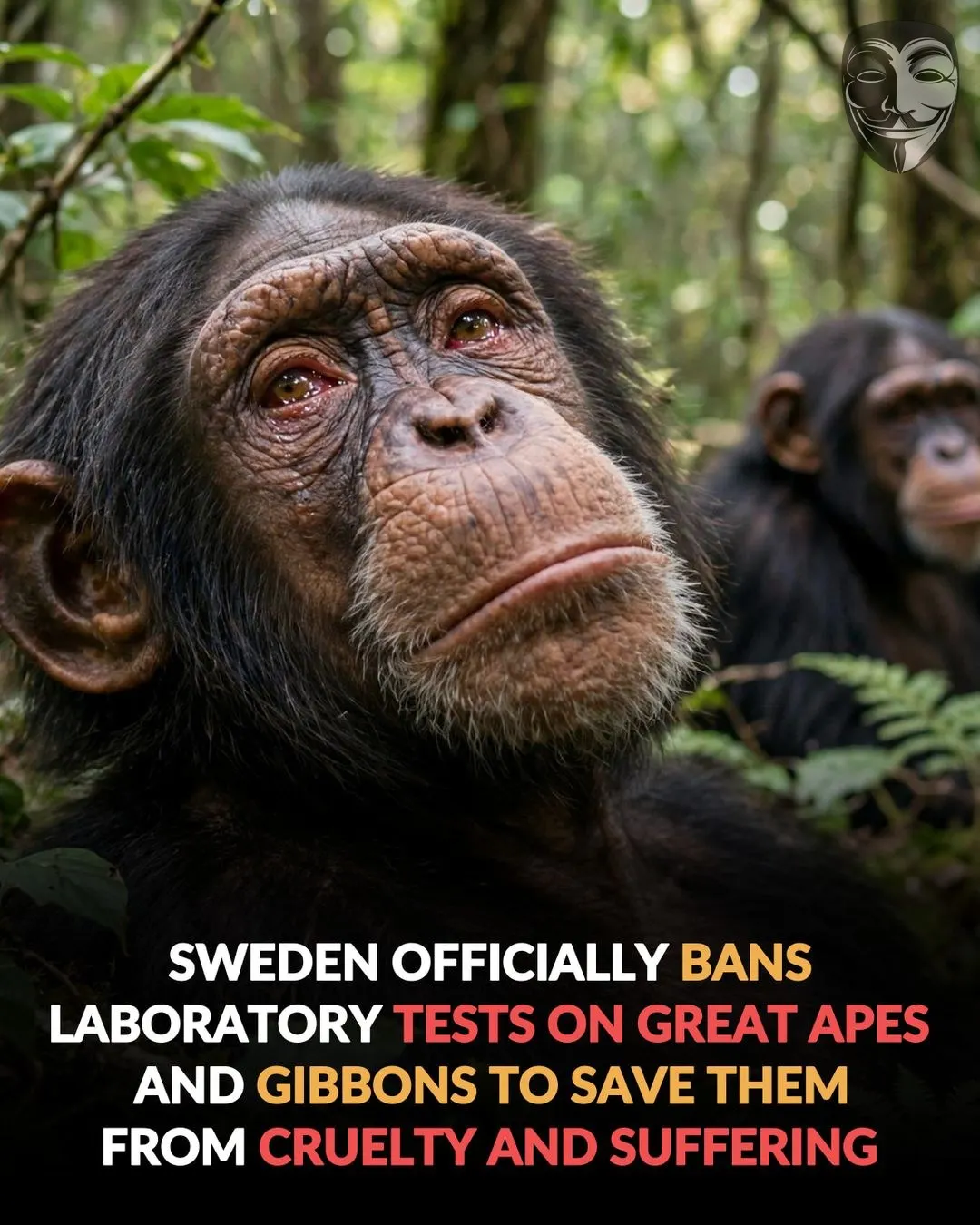
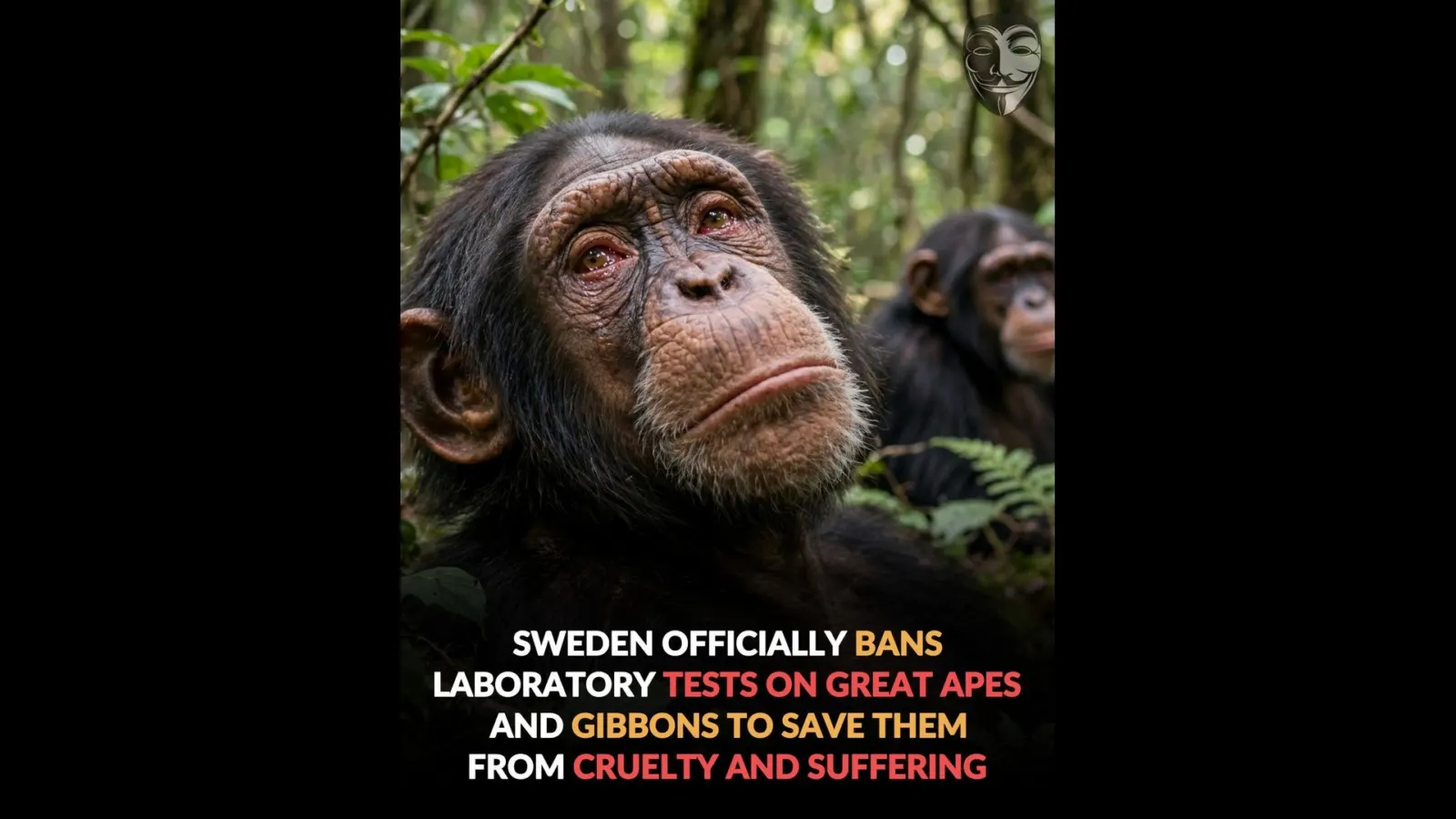
The Sweden great apes ban took effect as Sweden outlawed laboratory experiments on great apes and gibbons, giving protection to some of the smartest animals on the planet. The ban covers chimpanzees, gorillas, orangutans, bonobos and nine species of gibbons, and only gentle behavioral observation that causes no harm will still be allowed. Sweden now stands with Britain, Japan, New Zealand and the Netherlands in ending this research, a step campaigners call an important victory for animals who deserve a life free from laboratory cruelty. Readers who love animal stories also enjoyed learning about two seabirds in the same family.
Great apes and gibbons form close family bonds, solve problems and feel deep emotions, yet animals used in research have faced confinement, painful procedures and stress that stop them living naturally. These primates belong in places where they can climb, explore and live by their natural instincts, not inside laboratory cages. Protecting them from experiments is an important step toward a more compassionate approach to animals, and Sweden’s decision brings new hope for animals who deserve to live freely. Animal lovers also followed the story of dragonflies that spend winter under ice.
References:
Nature: Sweden Bans Experiments Using Great Apes Gibbons
BBC News: Sweden Bans Research On Great Apes
The Guardian: Sweden Outlaws Experiments On Great Apes And Gibbons
Reuters: Sweden Bans Experiments On Great Apes Campaigners Welcome Move
Chimpanzees: our closest cousins in the wild
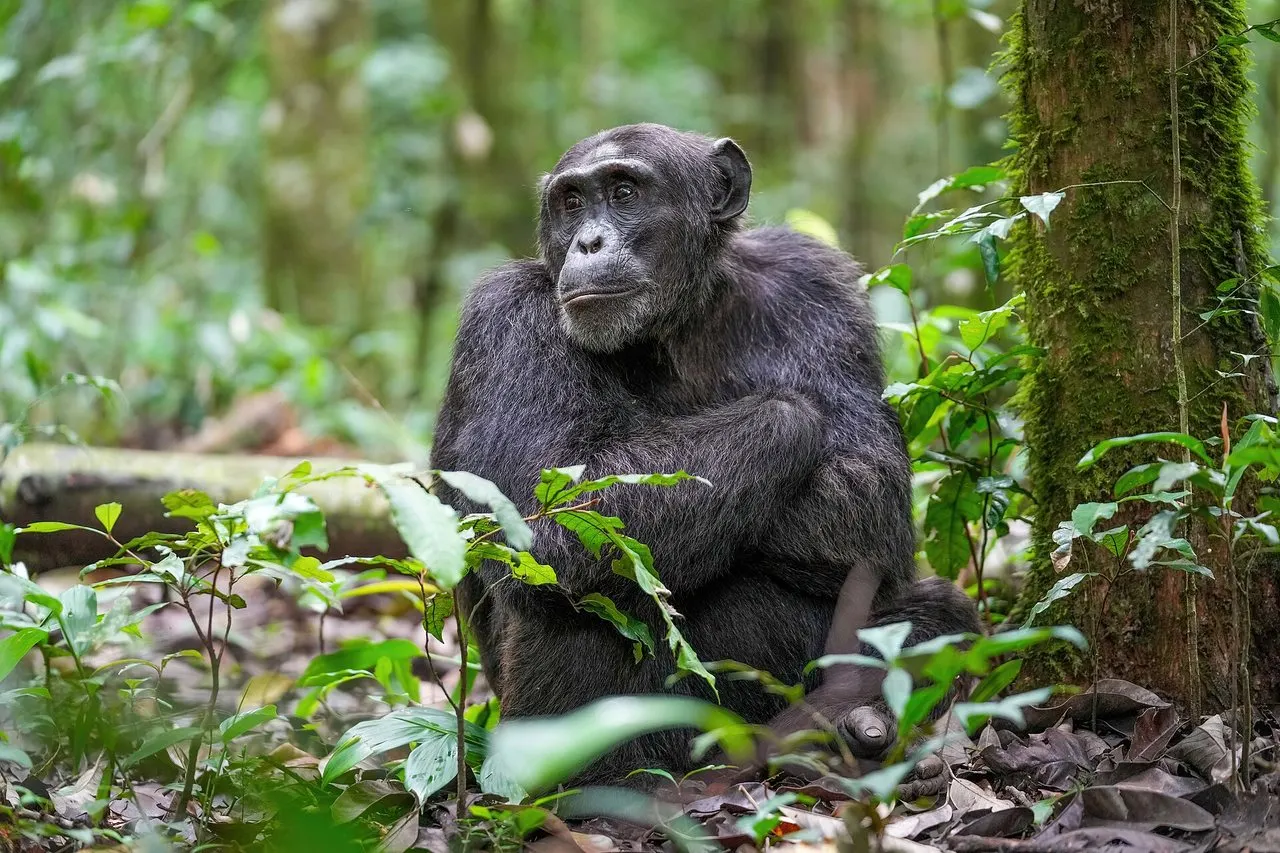
Chimpanzees live in the forests of central Africa, where they climb trees, search for fruit and build fresh nests to sleep in each night. They use sticks to fish for termites, crack nuts with stones and learn new skills by watching older members of their group. A chimpanzee troop is a noisy family, with grooming, play and calls that keep everyone close. Young chimps stay with their mothers for years, learning how to find food and stay safe. Animal lovers also smiled at a sad dog on a Sunday and a study on children and belief.
The Sweden great apes ban covers gorillas too
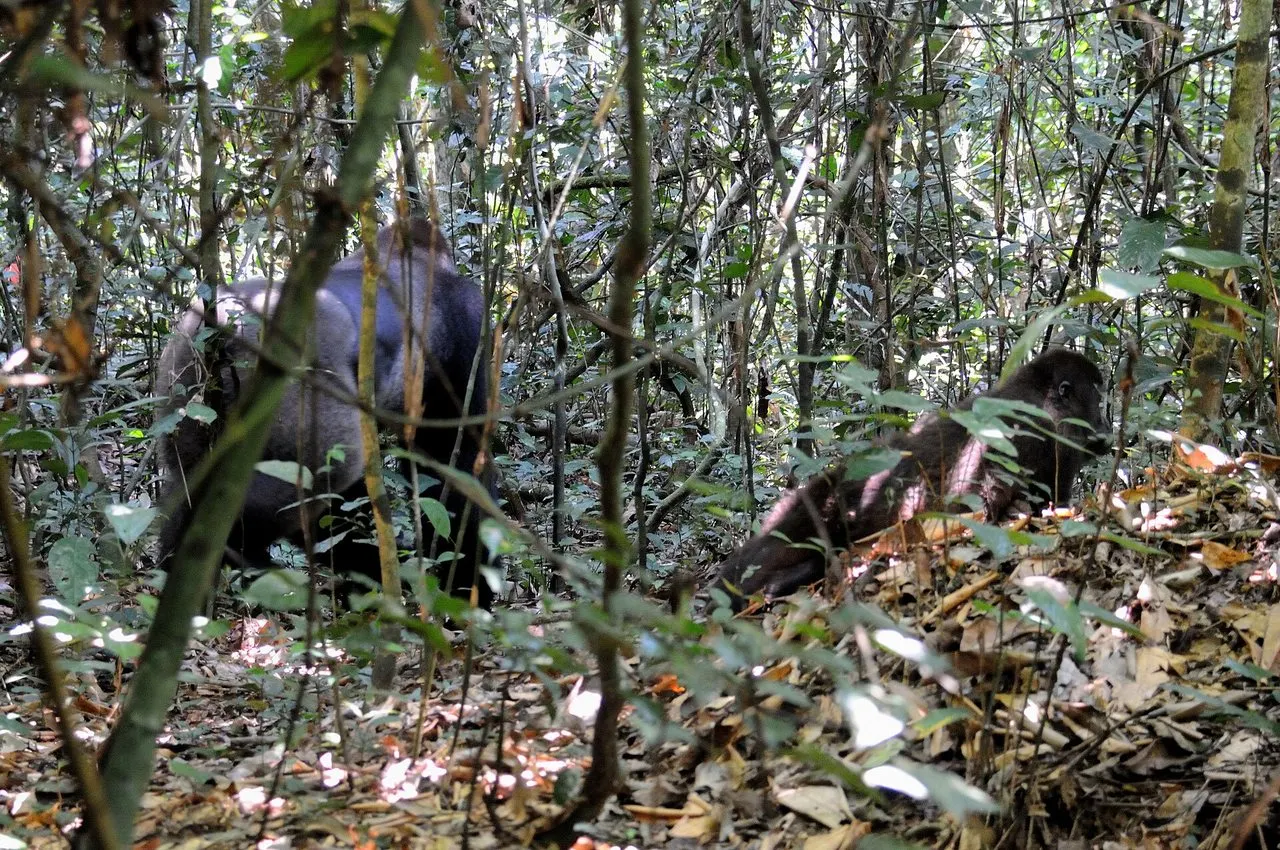
Gorillas are the largest of the great apes, and they live in close family groups led by a silverback male. A gorilla family eats leaves, stems and fruit, and it spends much of the day resting and grooming in the shade. Mothers carry their babies close, and the little ones ride on their backs as they grow stronger. Gorillas are gentle giants, and they usually avoid fights, preferring to show their strength with a loud chest beat. Readers also shared the story of twins born on a shared birthday and a little girl who lifted her head again.
Orangutans swing through the rainforest canopy
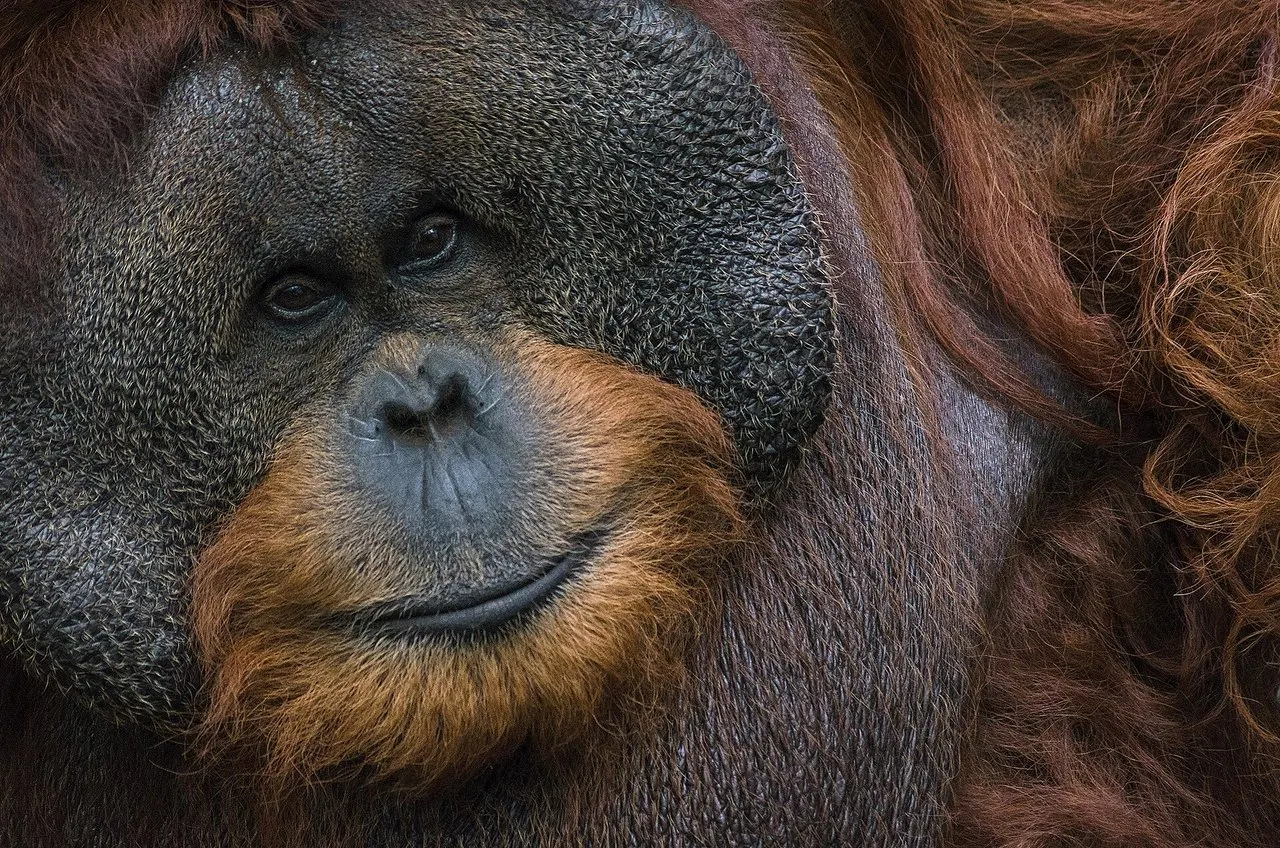
Orangutans spend almost their whole lives in the trees of Borneo and Sumatra, swinging slowly from branch to branch. They build a new nest of leaves every evening and sleep high above the forest floor. A mother orangutan stays with her baby for up to eight years, teaching it which fruits are safe to eat and how to move through the canopy. These red apes are calm and thoughtful, and they use tools to reach food hidden in hard places. Fans also read about a homecoming king who survived a fire and a sketch about sisters caring for parents.
Bonobos solve problems and share food
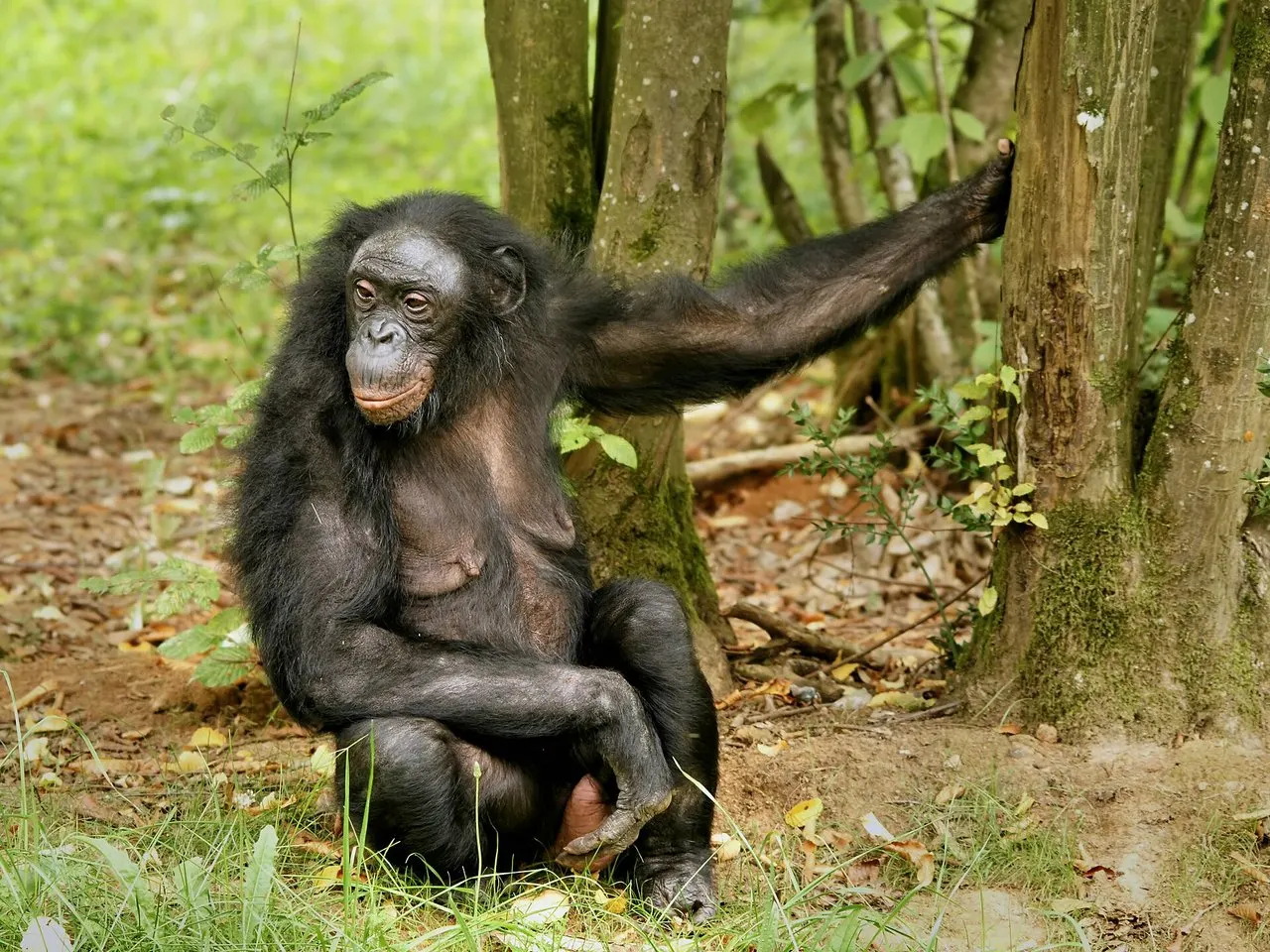
Bonobos live in the rainforests of the Congo, and they are famous for solving problems with kindness instead of fights. They share food, groom each other for hours and comfort friends who are upset. Bonobos are one of our closest animal relatives, sharing almost all of our DNA, and they can learn signs and symbols to communicate. Their peaceful way of life shows how much intelligence and feeling great apes carry. In other news, readers followed the debate on losing measles elimination status and a plan to expand Medicare step by step.
Gibbons sing across the forest
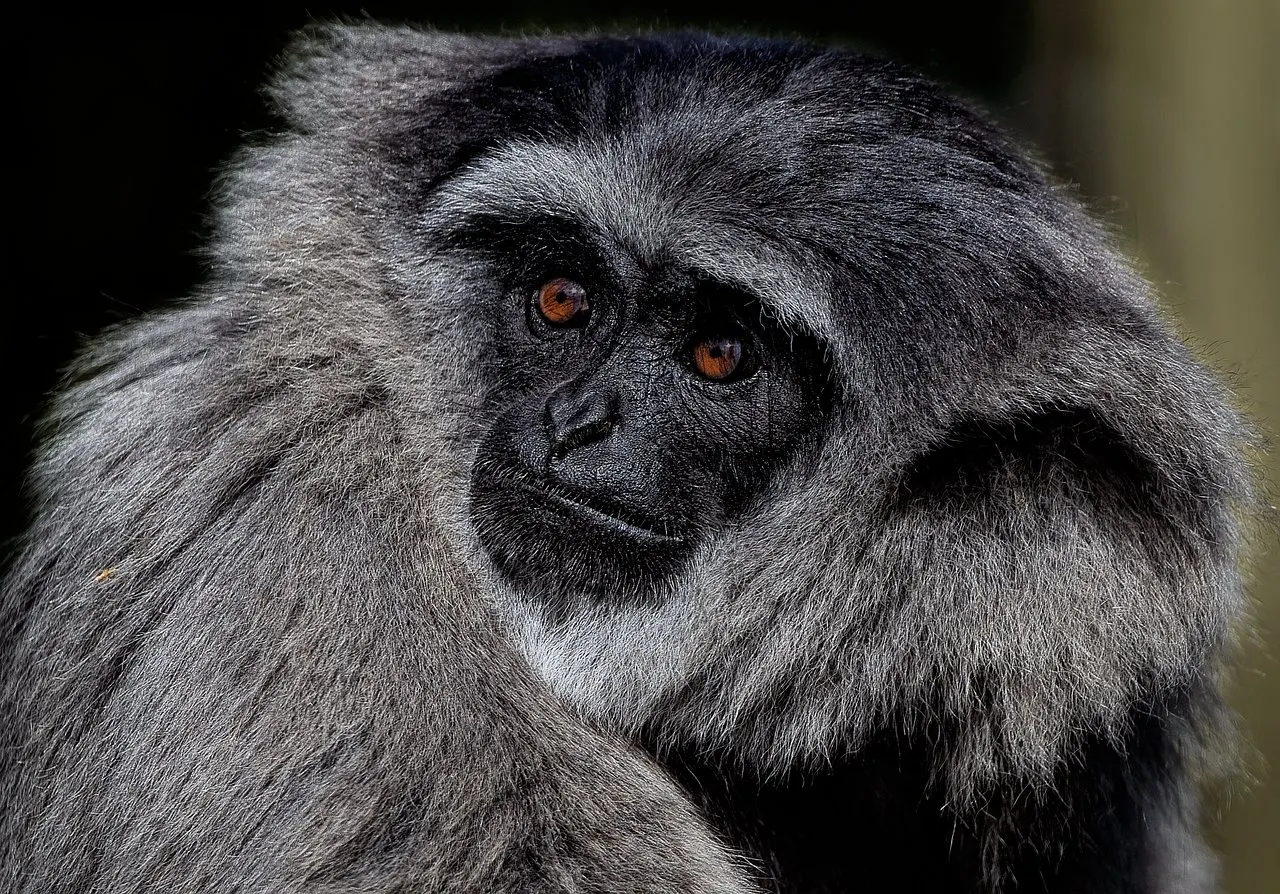
Gibbons are the smallest apes, and they are famous for their songs that ring through the forest at dawn. A gibbon pair sings together to mark its territory, and their calls can be heard from far away. They swing hand over hand through the trees faster than any other primate, and they rarely come down to the ground. Nine species of gibbons now share the protection of Sweden’s new law, a change that keeps them out of laboratories. People also shared the story of an influencer who shared her cancer fight and Gen Z wishing for physical cash.
How the Sweden great apes ban became law
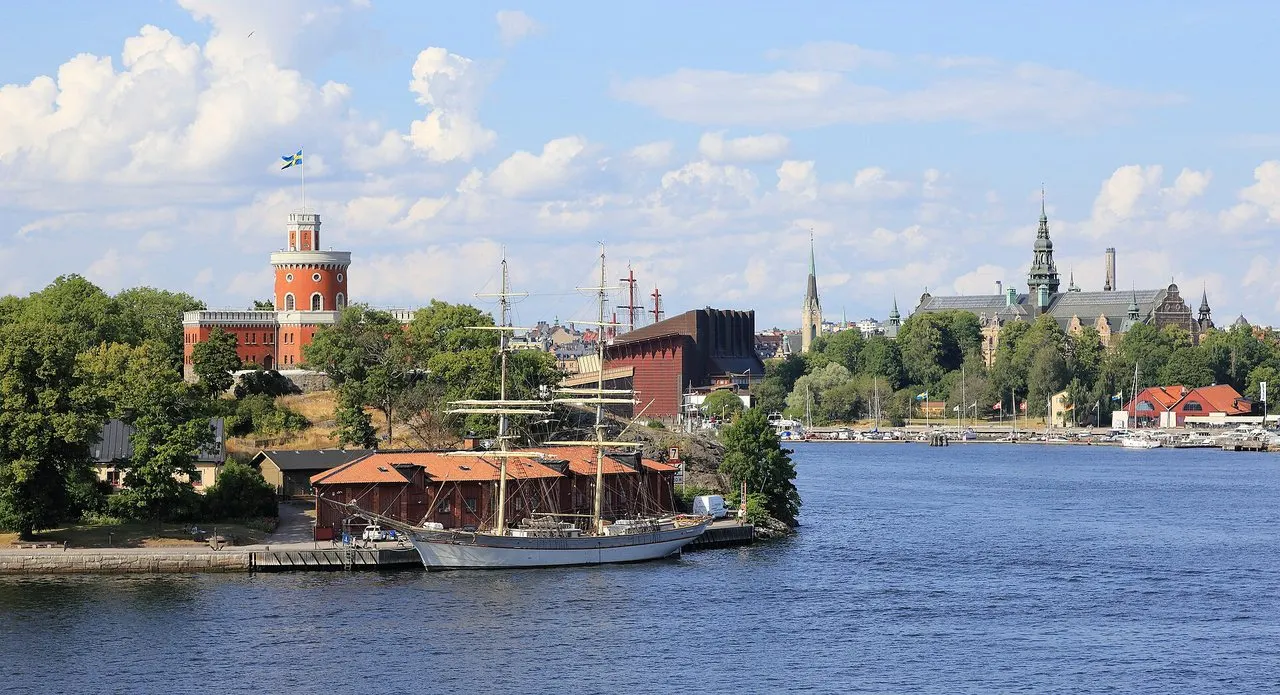
Sweden moved to end these experiments after years of pressure from scientists and animal welfare groups. The new rule is clear: great apes and gibbons may only be studied through gentle observation that causes no harm. Sweden joins Britain, Japan, New Zealand and the Netherlands, countries that already refuse this kind of research. The decision shows how a small country can lead the world on kindness to animals. Readers also enjoyed learning about two seabirds in the same family and a sad dog on a Sunday.
What laboratory tests meant for these animals
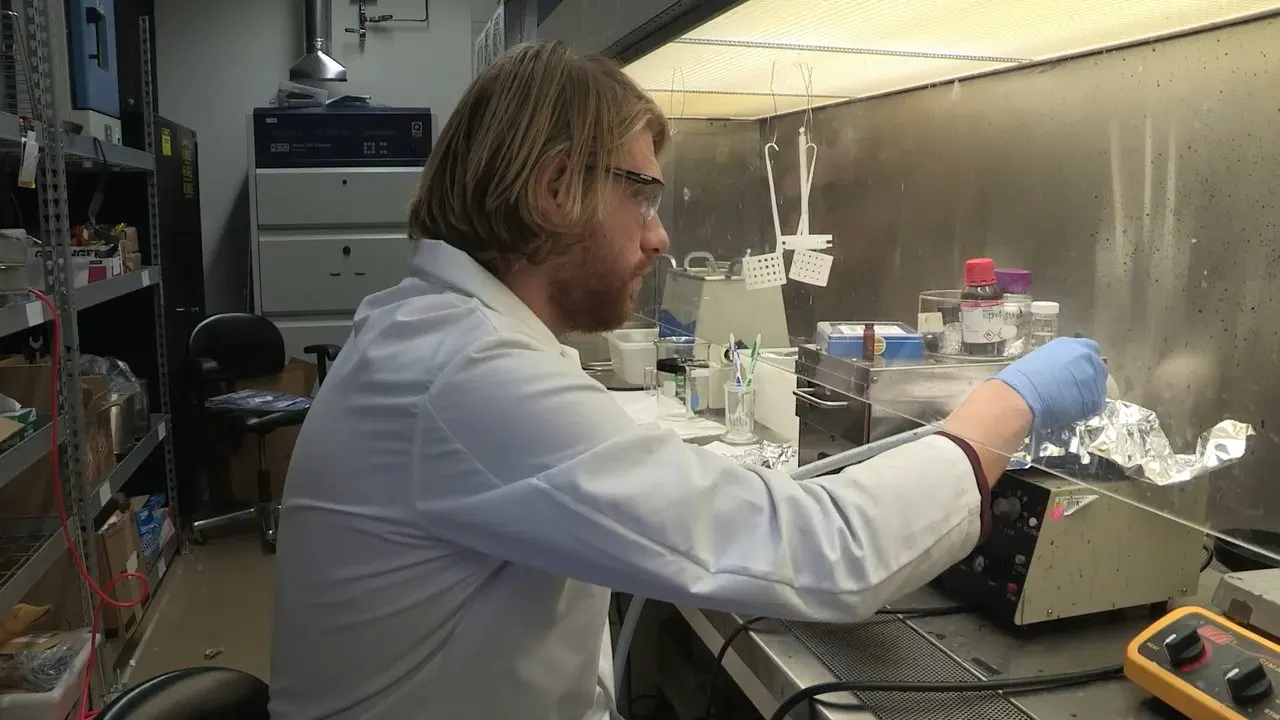
For many years, some laboratories used primates to test medicines and study disease, and the animals lived in small cages far from their natural homes. They faced needles, isolation and stress that no wild ape would ever know. Many scientists now say there are better ways to learn, using computer models, human cells and gentle observation of animals living freely. The old methods caused pain and fear, and they kept intelligent animals from living as nature intended. Animal lovers also read about dragonflies that spend winter under ice and a study on children and belief.
Campaigners fought for years for this day

Animal protection groups have campaigned for this ban for a long time, writing letters, holding marches and sharing stories of animals kept in laboratories. They argued that great apes and gibbons are too intelligent and too sensitive to be used in painful experiments. Their voices grew louder as more people learned how these animals think, feel and care for their families. The ban is a victory for every person who spoke up for animals that cannot speak for themselves. Readers also shared the story of twins born on a shared birthday and a homecoming king who survived a fire.
The Sweden great apes ban recognises deep intelligence
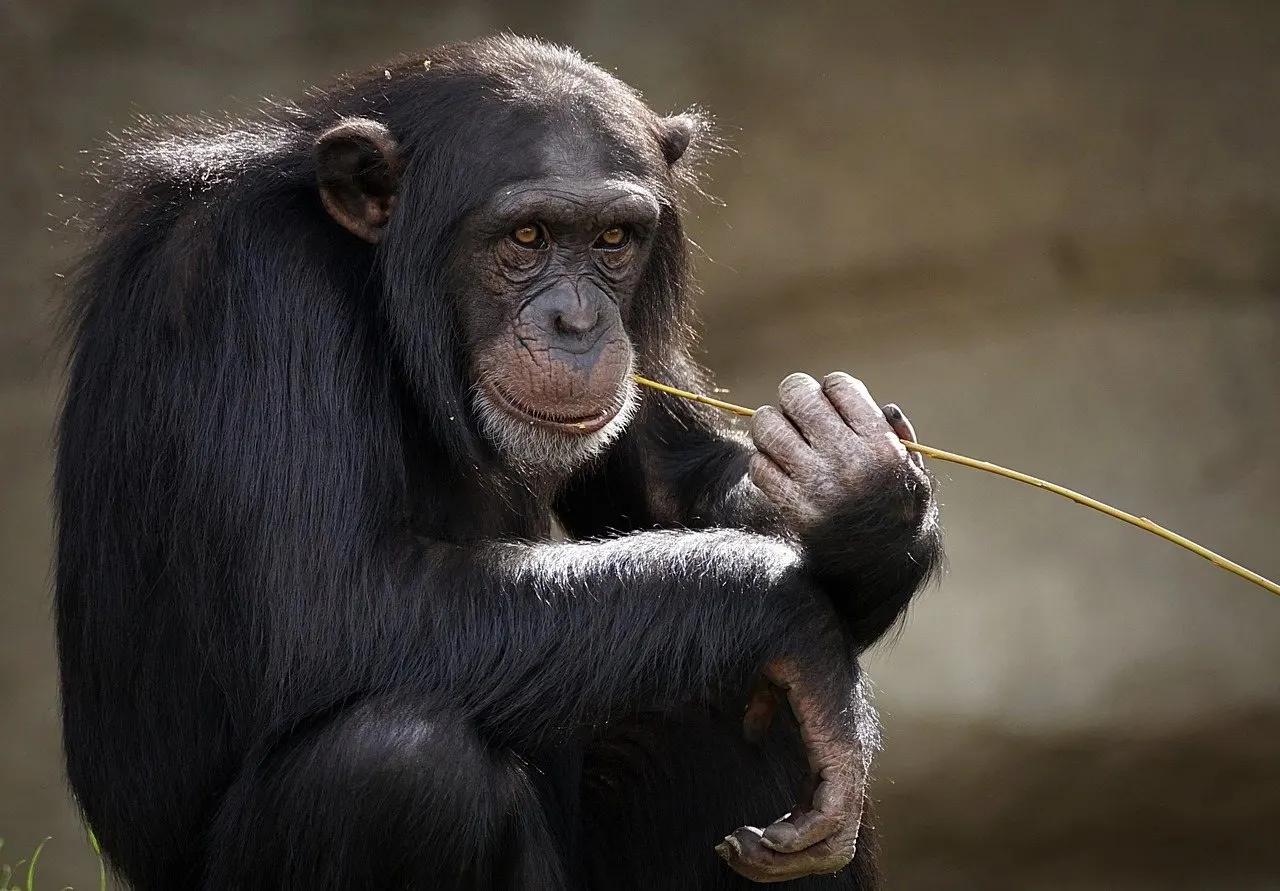
Great apes can solve puzzles, use tools and remember friends they have not seen for years. Chimpanzees have been seen making spears to hunt, using leaves as sponges and teaching their young to crack nuts. Gorillas have learned sign language, and orangutans can plan a route through the forest before they start moving. Their minds work in ways that remind us of ourselves, which is why so many people believe they deserve special protection. Fans also read about a little girl who lifted her head again and a sketch about sisters caring for parents.
Mothers and babies stay close for years
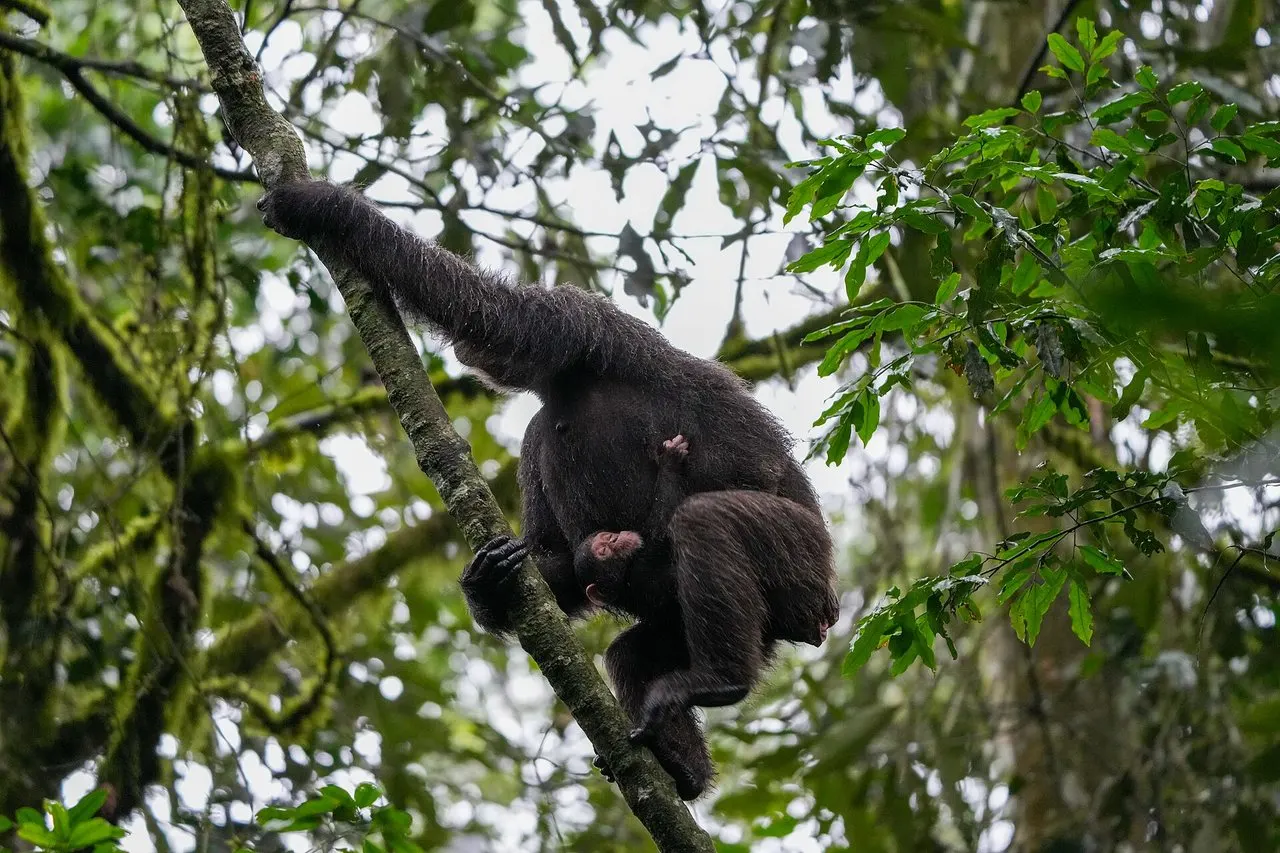
A chimpanzee mother holds her baby close for years, carrying it everywhere and teaching it everything it needs to know. The baby learns by watching, copying its mother as she finds food, builds a nest and greets friends. Family bonds run deep among great apes, and mothers, siblings and friends stay connected for life. Taking a young ape from its family for research breaks a bond that nature built over millions of years. In other news, readers followed the debate on losing measles elimination status and an influencer who shared her cancer fight.
The rainforest is their real home

The rainforest is the true home of great apes and gibbons, a green world of tall trees, vines and fruit. Apes spend their days moving through the canopy, feeding, resting and calling to each other across the branches. Their forest home is under threat from logging and farming, but protecting apes from laboratories is one step toward a kinder future. When apes live free in the wild, they can climb, explore and raise their young as nature intended. Readers also followed a plan to expand Medicare step by step and Gen Z wishing for physical cash.
Life after the Sweden great apes ban in sanctuaries
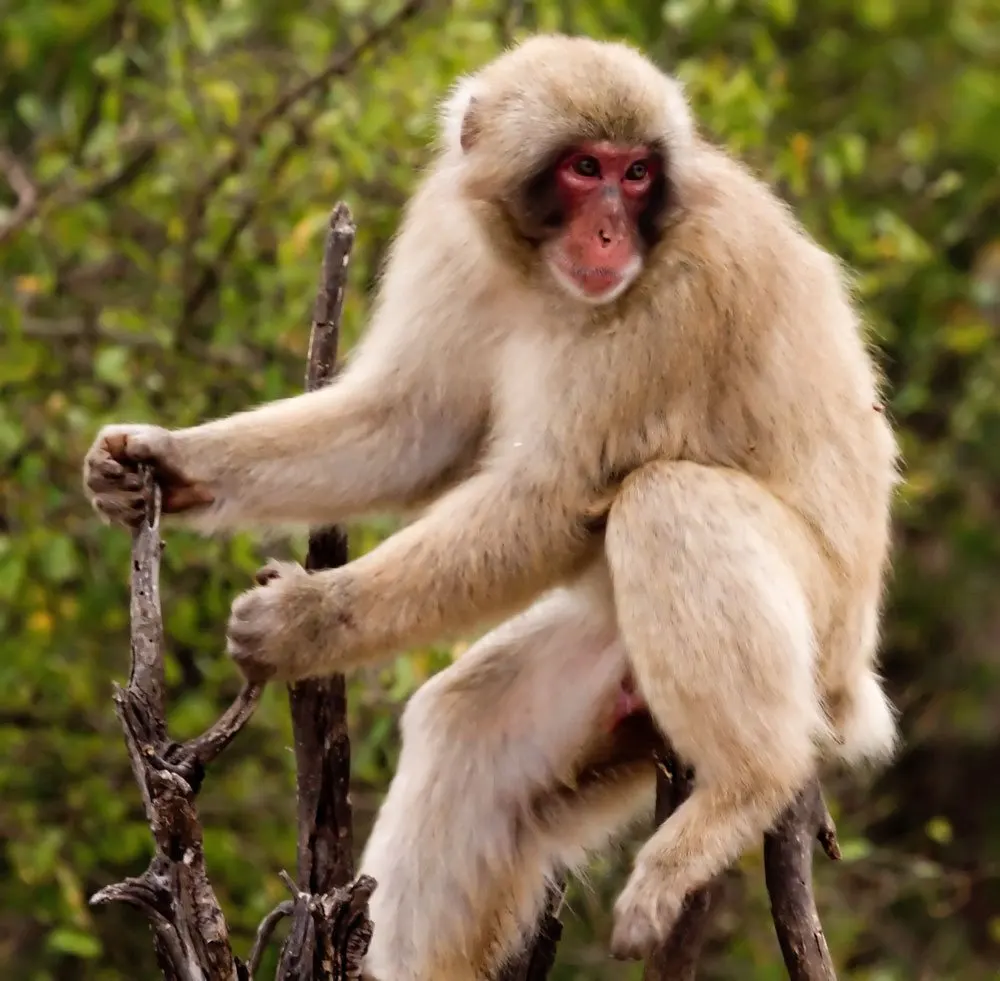
Sanctuaries around the world give rescued apes a second chance, with wide spaces, climbing frames and friends of their own kind. Some of these apes were once kept in laboratories or as pets, and they arrive frightened and unsure. Patient keepers help them learn to trust again, and many go on to live long and happy lives. Sweden’s new rule means fewer apes will ever need rescue from a laboratory in the first place. Readers also enjoyed learning about two seabirds in the same family and a study on children and belief.
A quiet cabin in the Welsh hills

In the green hills of Wales, a sanctuary gives rescued monkeys and apes a safe place to live out their days. The animals sleep in warm cabins, climb in large enclosures and enjoy food and care from keepers who know each one by name. Many of them came from places where they were kept in small cages, and the sanctuary is their first taste of freedom. It is a quiet reminder that every ape deserves space, company and kindness. Animal lovers also read about dragonflies that spend winter under ice and twins born on a shared birthday.
Gibbons swing hand over hand through trees
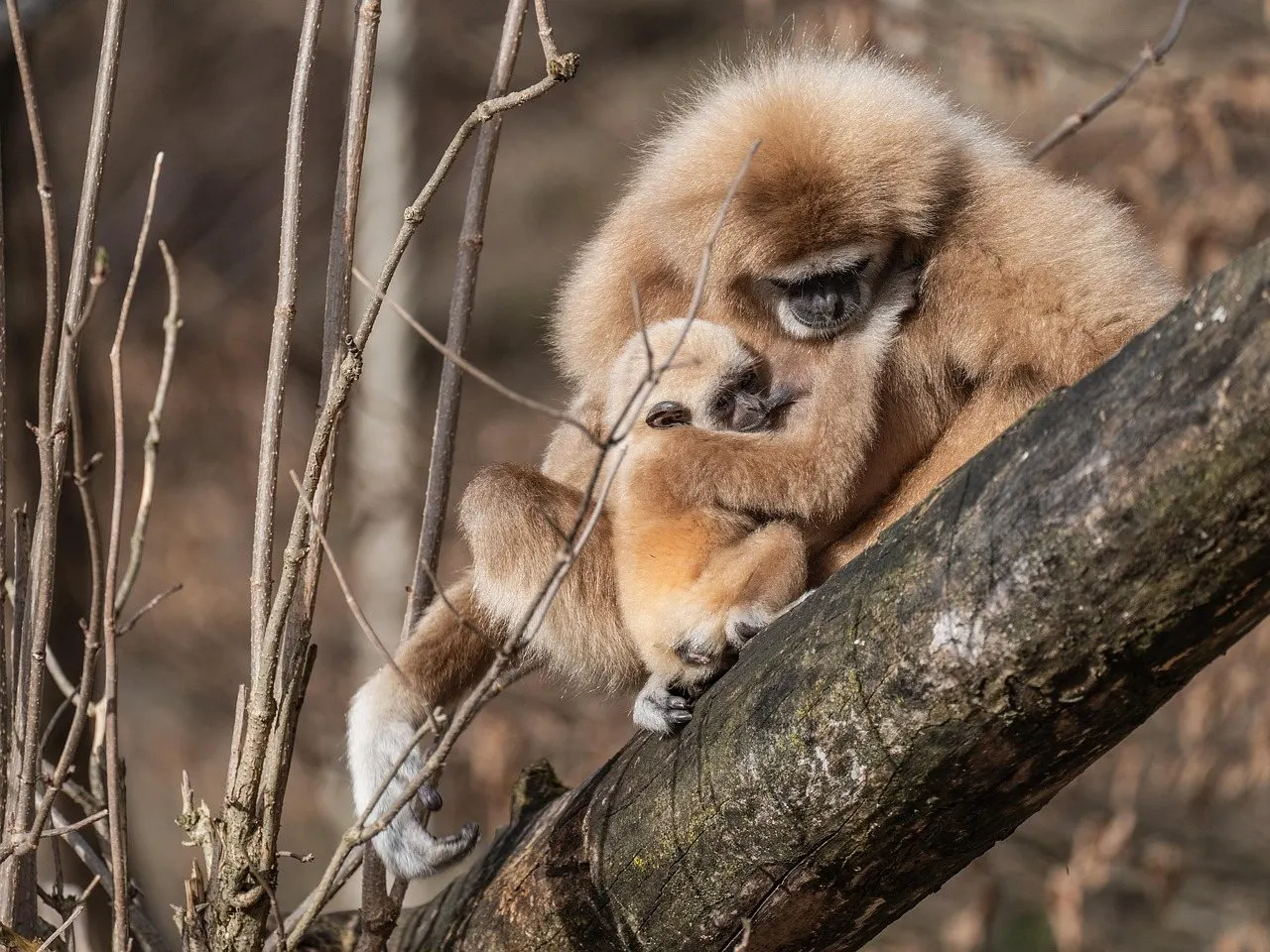
Gibbons move through the trees like no other animal, swinging hand over hand at great speed. They can leap across wide gaps between branches and land safely, using their long arms like hooks. Young gibbons learn to swing by playing with their parents, and they practice for years before they are truly skilled. Their life in the trees is a joy to watch, and it is a life that no laboratory cage could ever offer. People also smiled at a sad dog on a Sunday and a little girl who lifted her head again.
The Sweden great apes ban joins a growing movement

The ban in Sweden is part of a wider change, as more countries and more people question the use of animals in research. Britain, Japan, New Zealand and the Netherlands have already ended experiments on great apes, and Sweden now stands beside them. Campaigners hope other nations will follow, and they are asking their own governments to act. Each new law adds pressure on the countries that still allow this research. Fans also read about a homecoming king who survived a fire and the debate on losing measles elimination status.
Watching apes without harming them

Science does not have to hurt animals to learn about them. Researchers can watch apes in the wild, study their calls and follow their family lives without ever touching them. Computer models and lab-grown human cells can answer many questions that once needed animal tests. These gentle methods give good results, and they let intelligent animals live in peace. Fans also read about a sketch about sisters caring for parents and a plan to expand Medicare step by step.
What should other countries do next
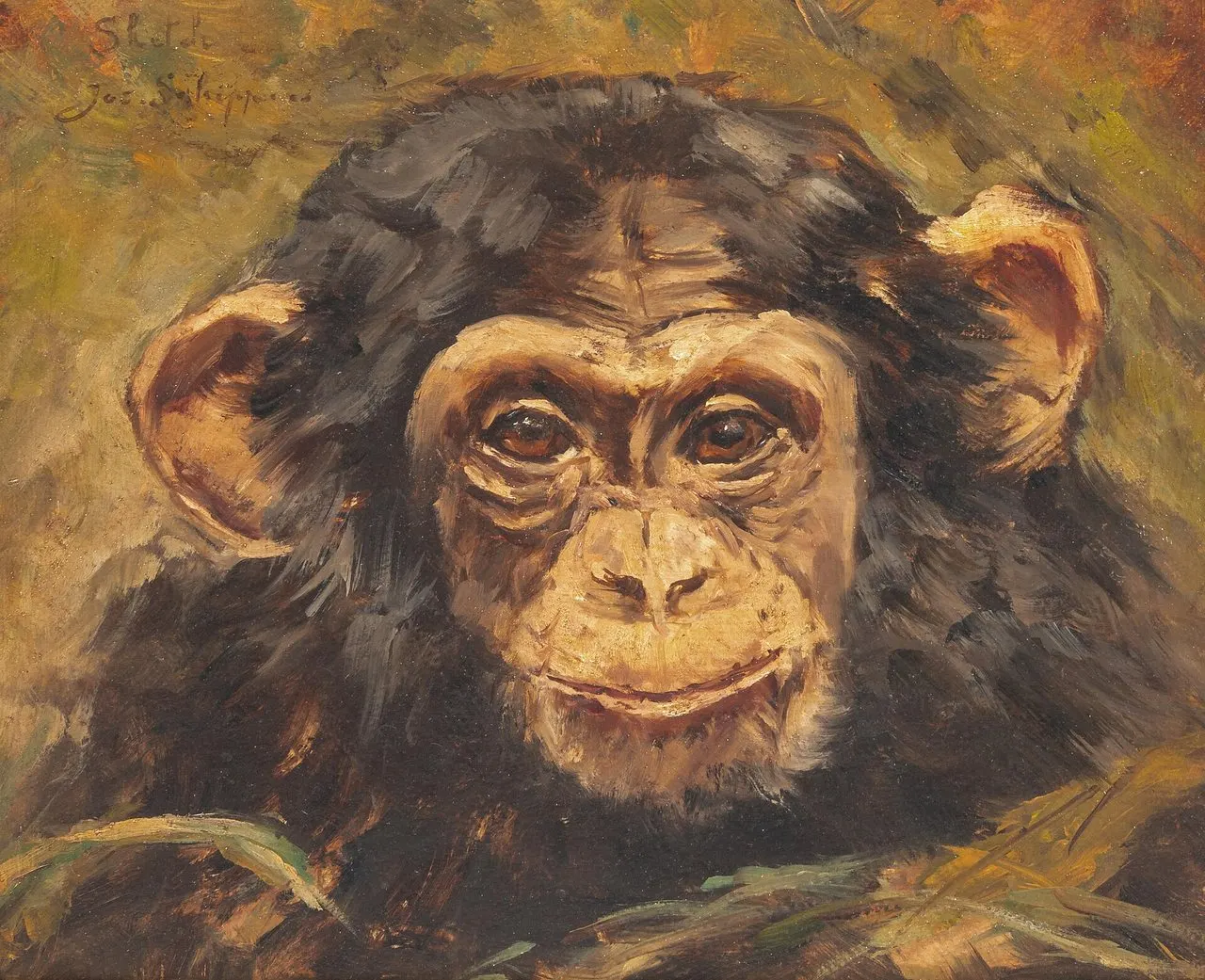
Sweden has shown the world that great apes and gibbons deserve a life free from laboratory tests, and now the question is who will follow. Should every country protect these intelligent animals, or should science still be allowed to use them in some cases? Tell us what you think in the comments, and share this story with someone who loves animals. Your voice can help the next country make the same choice Sweden made. People also shared the story of an influencer who shared her cancer fight and Gen Z wishing for physical cash.