Medicare for All in Four Years: Bernie Sanders Lays Out His Plan
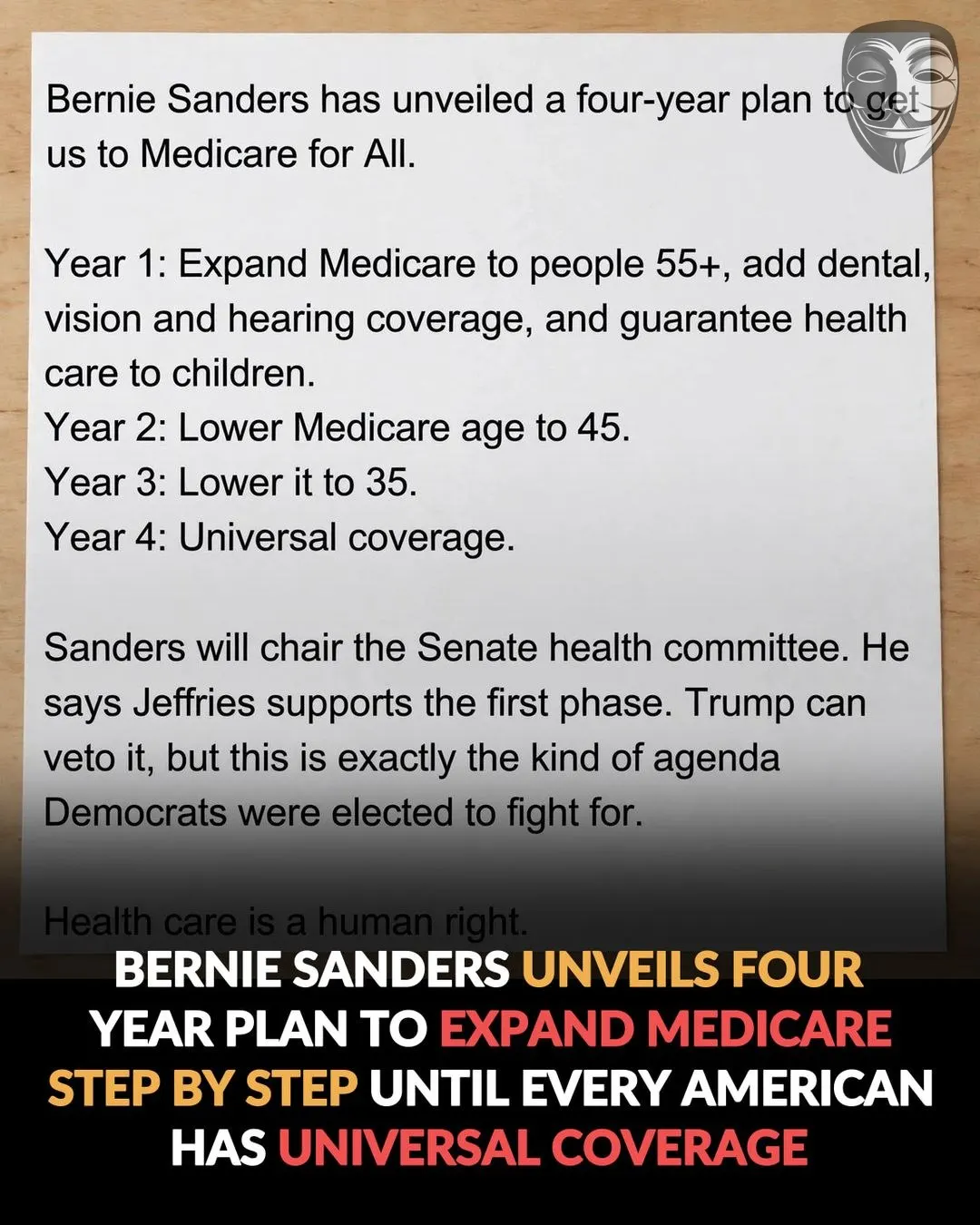
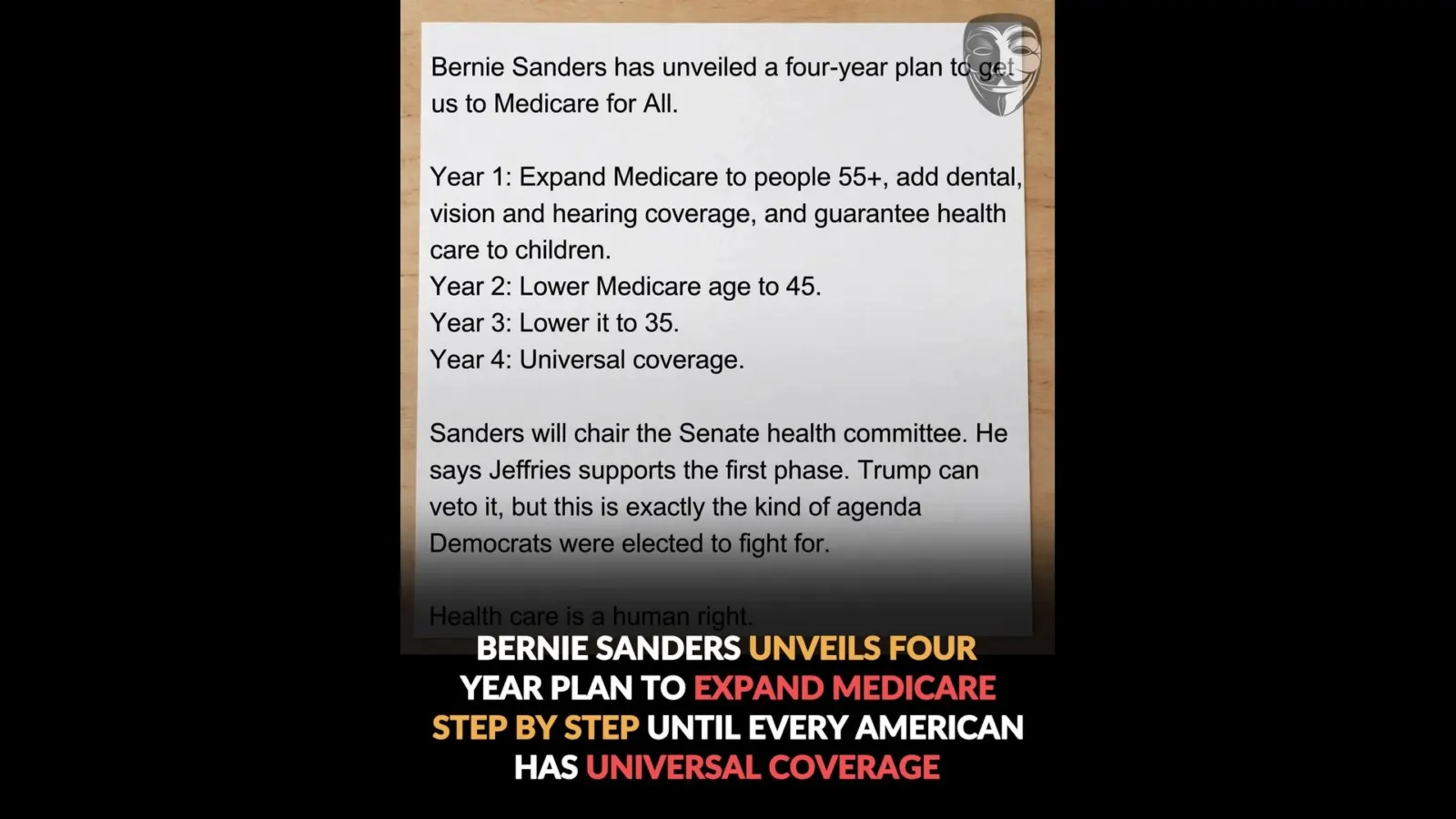
Medicare for All is the goal of a new four year plan from Senator Bernie Sanders, who says the country can reach universal coverage step by step. In the first year the Medicare age would fall from 65 to 55, and the plan would add dental, vision and hearing coverage while guaranteeing care for children through age 18. Sanders has pushed for universal coverage for years, and his sharp criticism of the president shows how central health care is to his politics. The plan gives voters a timetable to judge.
The timetable keeps moving after year one. In year two the age would fall to 45, then to 35 in year three, before universal coverage in year four, according to the Associated Press. Sanders, a Vermont independent, is expected to chair the Senate health committee when Democrats take control in January, and he says House leader Hakeem Jeffries backs the first phase. Anything Congress passes would still need the signature of President Donald Trump. Jeffries has his own message for Democrats, and you can read it in Jeffries and his call to fight extremism. The slides ahead explain each step.
References:
Associated Press: Bernie Sanders unveils how he’ll push for Medicare for All when Democrats take power
USA Today: Can Trump and progressive Dems reach a deal on Medicare for All?
The Center Square: Sanders Medicare plan has no price tag across five bills
LA Post: Bernie Sanders unveils his plan to push Medicare for All when Democrats take power
The Four Year Plan at a Glance
The plan is easy to explain, hard to pass. Sanders would lower the Medicare age step by step, add new benefits in the first year, and reach every American by the fourth year. Each step is a separate fight in Congress, which means each step needs its own votes, debate and deal. Supporters like the slow pace because it lets the system adjust, while critics say four years is too long to wait. The story also sits inside a much bigger clash in Washington, from the push to impeach Trump in January 2027 to McConnell and his Senate farewell.
Year One: Medicare for All Opens at Age 55

Year one is the biggest single step. The Medicare age would drop from 65 to 55, which would bring millions of older workers into the program a decade earlier than today. Many people in their late 50s struggle with high premiums or go without coverage, so it would reach them first. The plan would also add dental, vision and hearing coverage, three benefits many seniors pay for out of pocket today. Health care is now at the center of the Senate debate, from the heated Senate hearing on CDC firings to Sanders and his long running clash with Trump.
Dental, Vision and Hearing Join the Plan

Dental, vision and hearing care sound small next to hospital bills, but they matter in daily life. Many older Americans skip the dentist, put off new glasses or live with hearing loss because Medicare does not cover them. Sanders would add all three in the first year, which would change what a Medicare card actually buys. The change would help families plan, since one program would cover more of the care people need most. The health debate in Washington is loud right now, from Vance and his attack on Senate Democrats to the heated Senate hearing on CDC firings.
Health Care for Every Child Through Age 18

The first year would also guarantee health care to children through age 18. Parents know how fast a sick child can turn into a big bill, from a fever at midnight to a broken arm on the playground. A promise of coverage for every child would take that worry off the table for millions of families. It would also mean regular checkups and vaccines without a fight over cost. The idea fits a wider debate about what government should guarantee, from the National Guard plan for Democratic led cities to Trump and his summit with Xi in Shenzhen.
Year Two: The Age Falls to 45

In year two the Medicare age would fall again, this time from 55 to 45. That would bring in workers in mid career, people who often juggle a mortgage, children and a job without good insurance. Many Americans in their 40s put off care because of cost, and a lower age would give them another way in. The step would also test whether the program can grow without breaking down. The politics around it are fierce, as Sanders and his long running clash with Trump and the push to impeach Trump in January 2027 both show.
Year Three: Coverage Reaches Age 35

Year three would lower the age to 35, which would cover most working age adults. By this point the program would look very different from the Medicare of today, which was built for retirees. Younger workers would join a system that already covers their parents, and the line between public and private coverage would start to blur. Supporters say that is the point, since a bigger pool can share costs more fairly. The House will play a big role in this fight, from Jeffries and the Iran debate to Jeffries and his call to fight extremism.
Year Four: Medicare for All Reaches Every American

Year four is the finish line. Medicare for All would become real, with every American covered under one program. No one would need to check whether a job offers insurance or whether they can afford a plan. Sanders says the step by step path makes this possible, since each earlier year would prove the system can grow. Critics will ask how it is paid for, and supporters will point to the years of steady progress. The plan would still need Congress to act, from the bill to stop Trump pardoning himself to the House probe into the Trump family.
Sanders Will Chair the Senate Health Committee
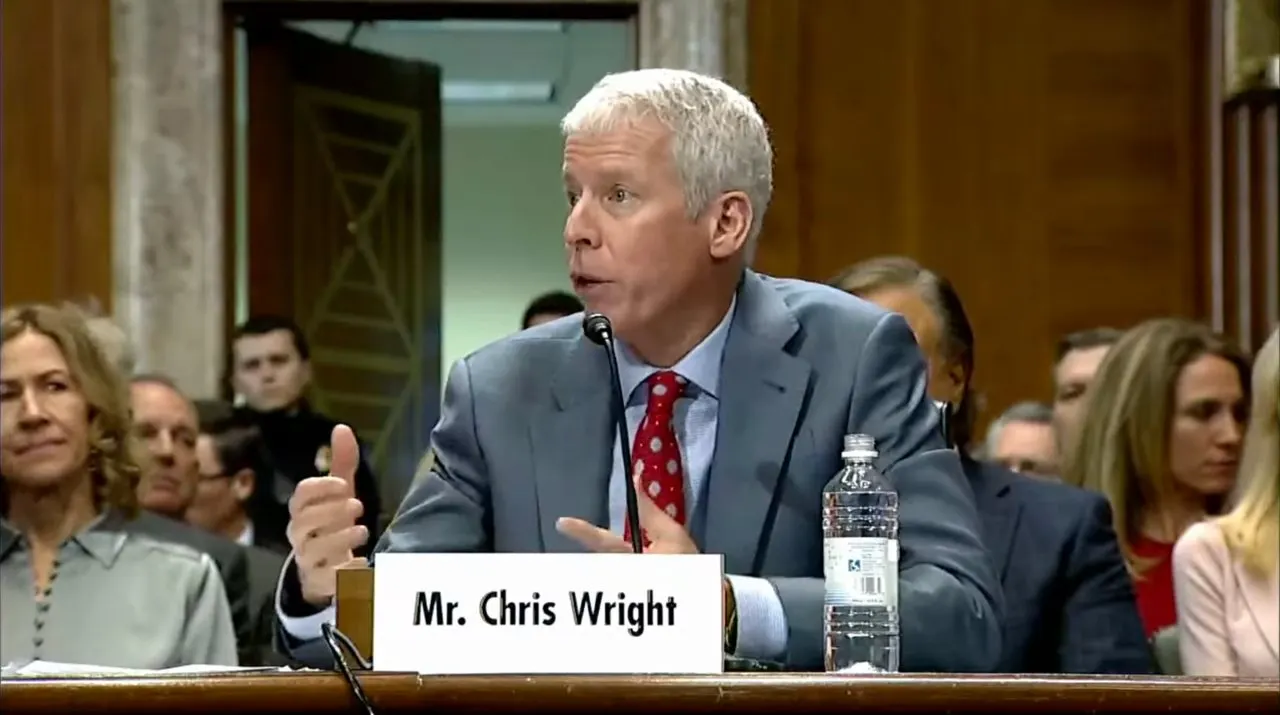
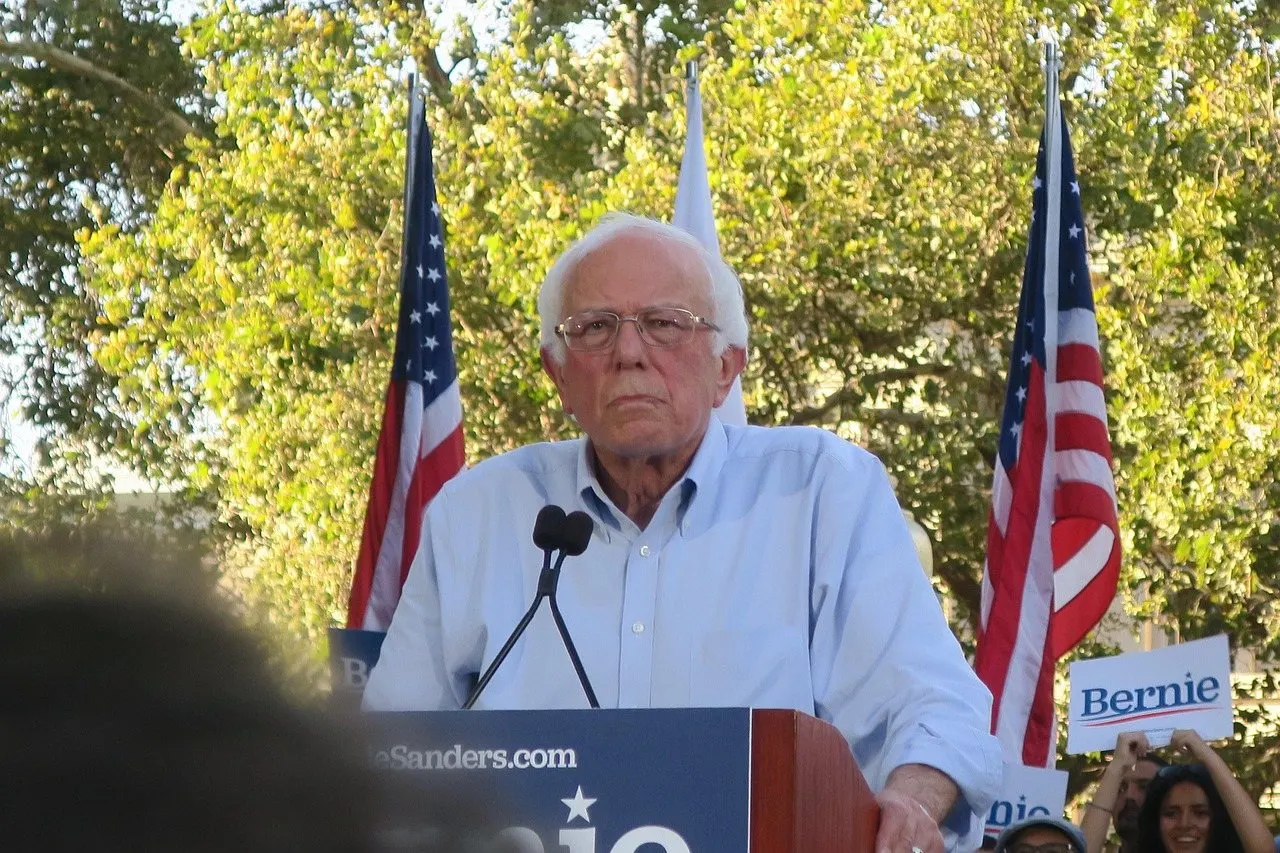
Sanders is expected to chair the Senate health committee when Democrats take control in January. That chair matters because the committee sets the agenda for health care in the Senate, holds the hearings and shapes the bills that reach the floor. A chair who believes in universal coverage would push the plan forward at every step. It also gives Sanders a platform to make the public case. The Senate is a noisy place these days, from Vance and his attack on Senate Democrats to McConnell and his Senate farewell.
Hakeem Jeffries Backs the First Phase
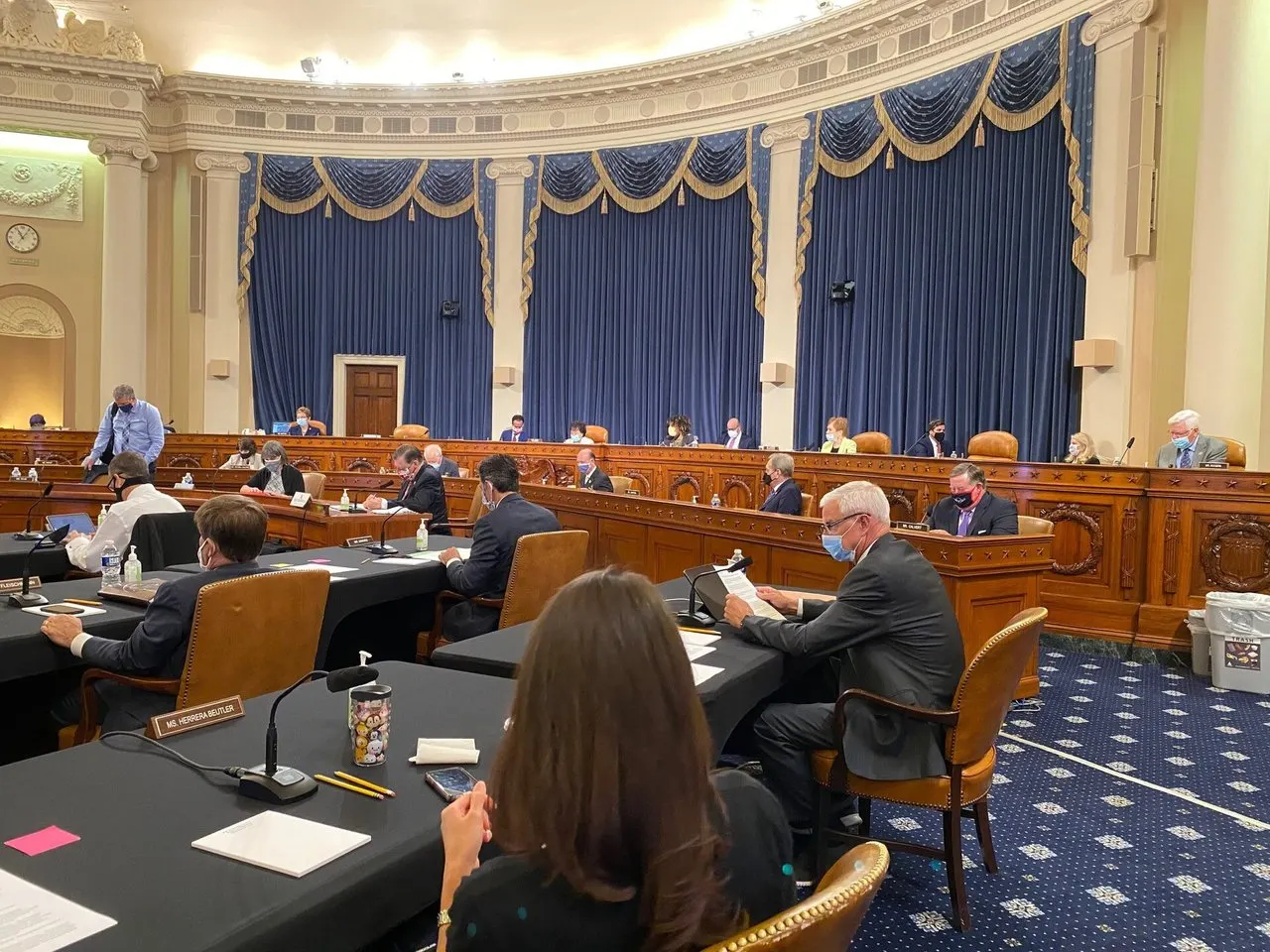
Sanders says House leader Hakeem Jeffries supports the first phase of the plan. That backing matters because no bill can become law without the House, and Jeffries leads the Democrats there. If the first phase has support in both chambers, it has a real chance to move. Jeffries has his own battles to fight as leader, and his choices shape what Democrats can pass. You can read more about his role in Jeffries and his call to fight extremism and the vote that made Jeffries speaker nominee.
What the Plan Still Needs: A Price Tag

The plan has no cost estimate yet, and that gap is what critics will point to first. Health care for every American would cost a great deal, and voters will want to know who pays. Sanders has put forward five bills on this topic without a full price tag, according to The Center Square, so the numbers debate is still ahead. Supporters say savings from a simpler system will help, but they have not shown the math yet. The fight over money in Washington never ends, from the bill to stop Trump pardoning himself to Democrats and their impeachment plans.
How Medicare for All Would Be Paid For

The debate over how to pay for the plan is just beginning. Congress could raise taxes, shift money from other programs or ask employers and families to pay in new ways, and each choice would create winners and losers. That is why the funding fight may matter more than the timetable itself. Sanders will need to convince voters that the trade is worth it, and his rivals will press him for exact numbers. The wider talks in Washington show how hard deals can be, from the House probe into the Trump family to Jeffries and the Iran debate.
How Medicare Works Today

Medicare today covers Americans aged 65 and older, plus some younger people with disabilities. It pays for hospital stays and doctor visits, but it leaves out dental, vision and hearing care, which is why Sanders wants to add them. Most seniors also buy extra coverage or pay out of pocket for drugs. The program is popular and trusted, which is why Sanders wants to build on it rather than start over. Health care fights in the Senate are nothing new, from the heated Senate hearing on CDC firings to the National Guard plan for Democratic led cities.
What Medicare for All Would Change for Families

For families, the biggest change would be peace of mind. A sick child, a parent who needs a hearing aid or a worker who loses a job would no longer mean losing health care too. Parents could change jobs without fear, and small business owners could offer coverage through the same public plan. That promise is why supporters call the plan a safety net for everyone, not just the poor or the old. The politics of the House will shape it, from the vote that made Jeffries speaker nominee to Trump and his summit with Xi in Shenzhen.
The Road Through Congress and the White House

Anything Congress passes would still need the signature of President Donald Trump. That is a high bar, since Trump and Sanders disagree on almost everything about health care. The president could veto the bill, sign it with changes or refuse to bring it up at all. Sanders would need to win over not just Democrats but the White House too, which is why some call the plan a starting point for talks. The Trump White House is no stranger to big fights, from the bill to stop Trump pardoning himself to the House probe into the Trump family.
What Happens Next in January

January is when the new Congress takes its seats and Sanders is expected to take the health committee chair. That is when the plan moves from a speech to a real bill with hearings, amendments and votes. The first phase will be the test, since it is the part Jeffries already supports. If it stalls, the four year timetable slips, and if it moves, the rest of the plan gains momentum. January will be busy in Washington, from McConnell and his Senate farewell to the National Guard plan for Democratic led cities.
Why Supporters Say Medicare for All Can Pass Step by Step

Supporters say the step by step path is the smart way to win. A single giant change would scare voters and unite opponents, but a series of smaller steps lets people see the benefits before the next step arrives. Each year would create new supporters, from 55 year olds who join first to parents whose children gain coverage. By year four the program would already cover most of the country. Building that support takes work in both parties, from Jeffries and the Iran debate to the vote that made Jeffries speaker nominee.
Do You Think Medicare for All Should Happen in Four Years?

Medicare for All in four years is a bold promise, and now it is your turn to weigh in. Do you think the step by step plan is the right way to reach universal coverage, or should Congress move faster or slower? Would the plan help your family, and what would you ask Sanders if you could? Share your thoughts in the comments below and tell us what you think the first year should cover. For more on the people shaping this debate, read Vance and his attack on Senate Democrats and Trump and his summit with Xi in Shenzhen.