Social Security Shutdown Remark Stuns Washington
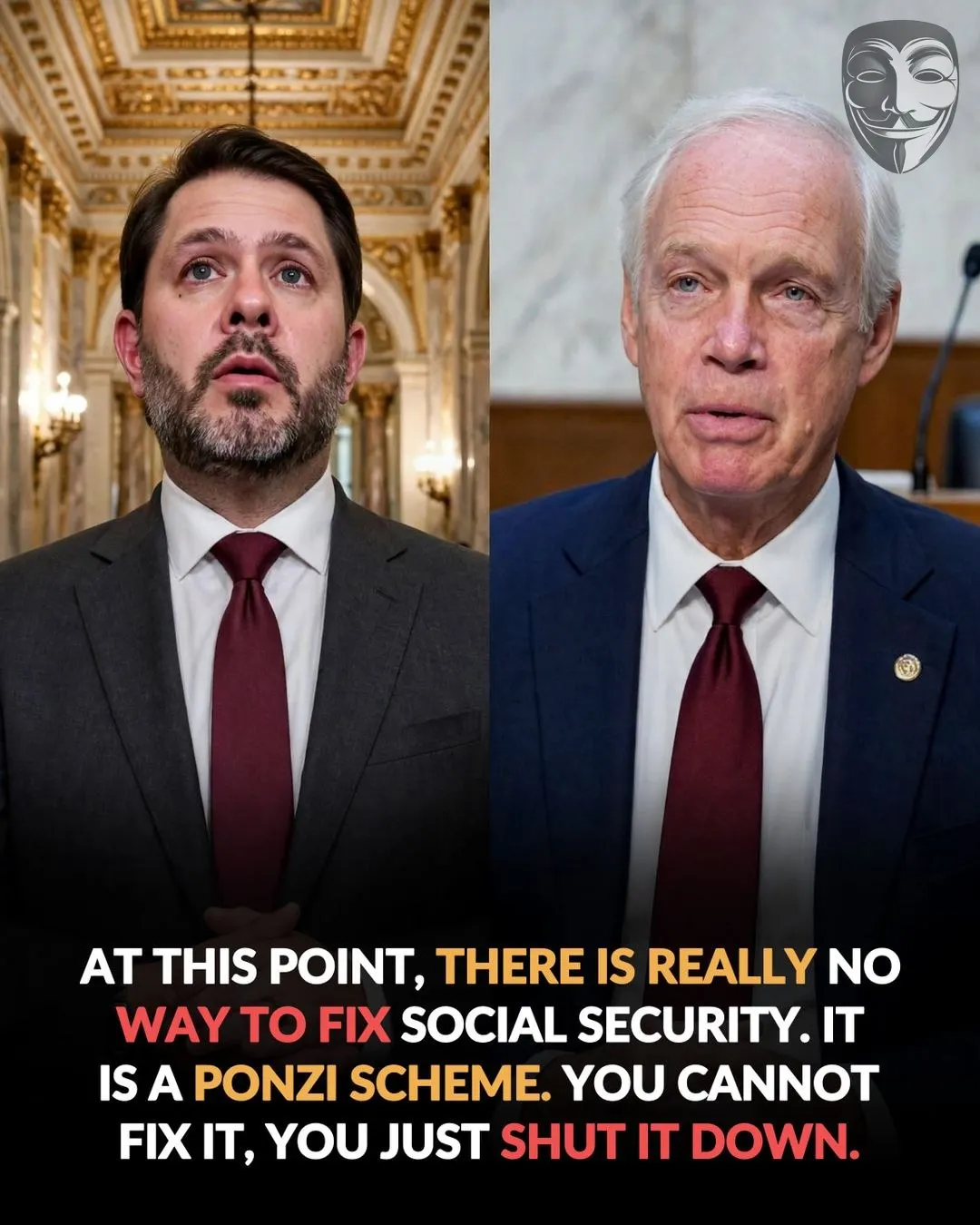
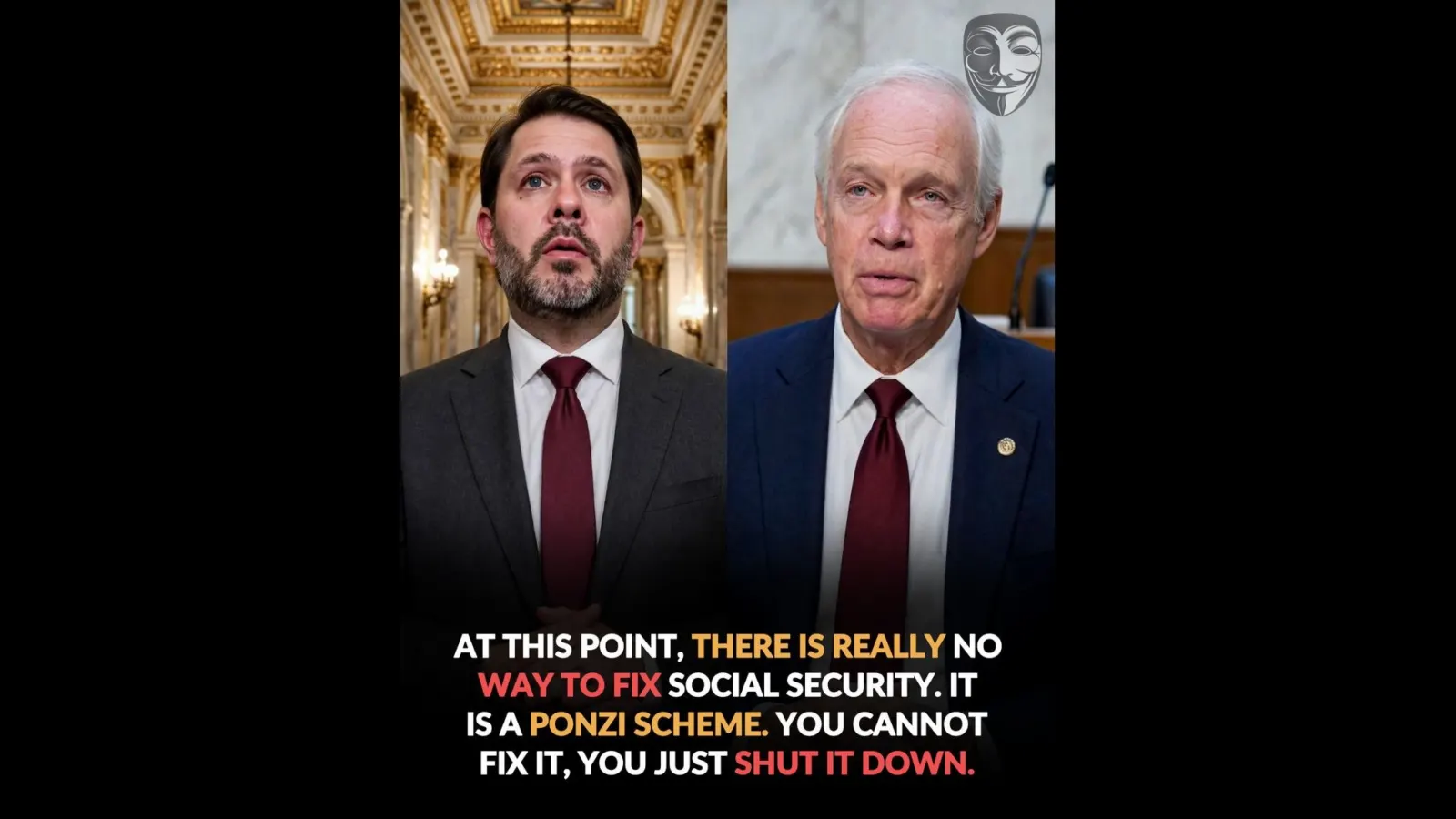
Social Security shutdown talk began when Sen. Ron Johnson said on Fox Business on November 18 that there is no way to fix Social Security, calling it a Ponzi scheme and saying it should be shut down. Johnson is a Wisconsin Republican who chairs the Senate Budget Committee, so his words carried weight far beyond one television interview. The remark quickly spread online and drew strong reactions from both parties. For more on heated Senate exchanges, read a Senate clash over a health hearing and our report on a fiery hearing over health officials.
Hours later, Johnson spoke at a Senate Budget Committee hearing called Social Security: The Reality, where he said his comments were imprecise and that Congress should prevent benefit cuts. That second message softened the first, but it did not end the debate. Supporters of the program said the change in tone showed how unpopular the idea of ending it is, while critics said the first remark revealed what some leaders really think. The story below follows the words, the pushback, and what may happen next for a program that more than 72 million Americans rely on every month.
References:
Morningstar: Social Security should be shut down, this Republican senator says
CPA Practice Advisor: Tempers Flare as Future of Social Security Debated
NCPSSM: A Republican Senator Zig-Zags Wildly on Social Security
ADA News: New bill seeks to permanently end federal taxes on Social Security benefits
What Ron Johnson Said on Fox Business
On November 18, Sen. Ron Johnson appeared on Fox Business and said there is really no way to fix Social Security. He called the program a Ponzi scheme and said it cannot be fixed, it should just be shut down. The words were plain and direct, and they left little doubt about what he meant. Television interviews can move fast, and a short answer can travel far. Read about Senate Republicans backing a plan for Guard deployments and why a president cannot close a department alone for more on how Senate debates play out in public.
The Senator Who Chairs the Budget Committee
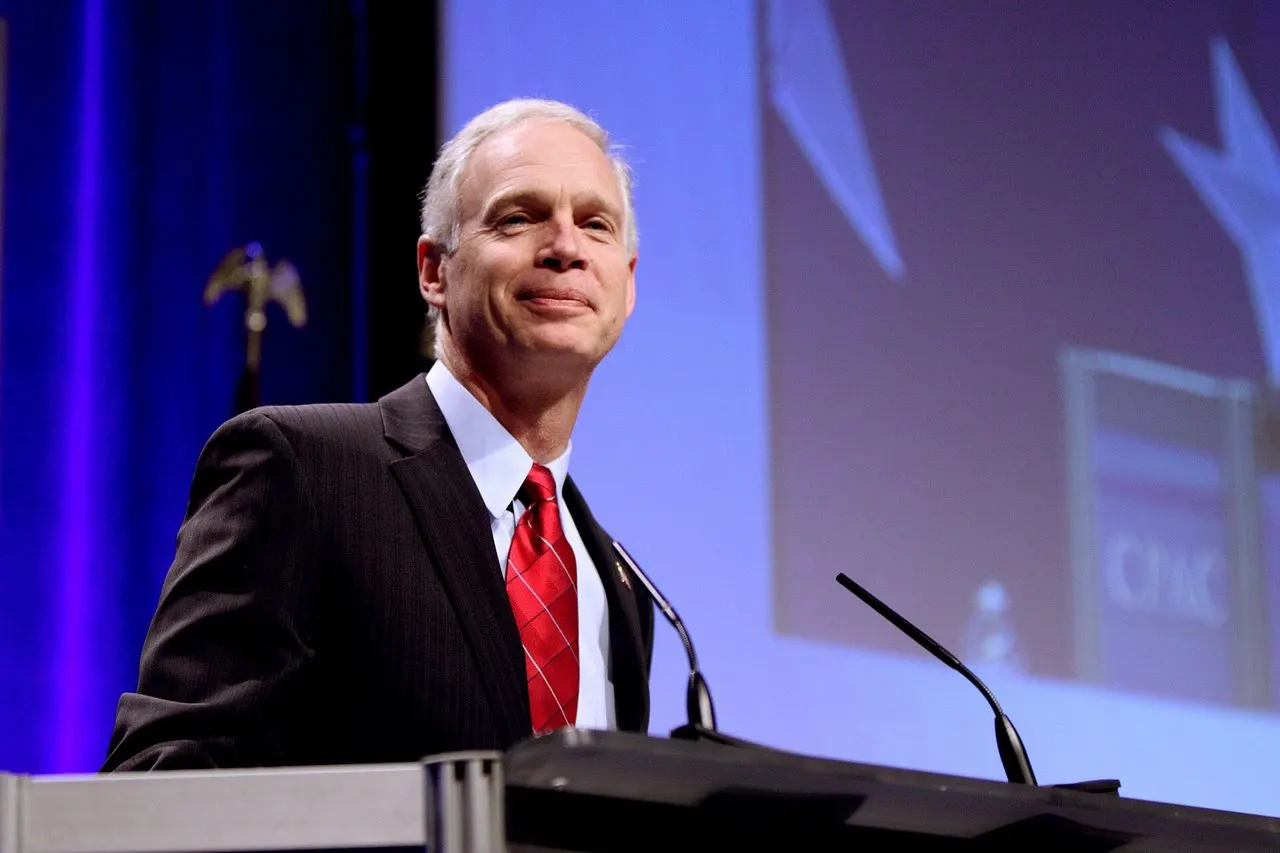
Ron Johnson is a Republican senator from Wisconsin, and he chairs the Senate Budget Committee. That role puts him at the center of talks about federal spending, taxes, and the future of large programs. When a committee chair speaks about Social Security, people in Washington listen closely, because the committee helps shape the budget debate. His title gave the remark extra force, and it helps explain why the response was so swift. See a president addressing Congress on early achievements and the blame game over the FAA meltdown for more on Washington debates.
A Hearing Called Social Security: The Reality
Hours after the television interview, Johnson sat in a Senate Budget Committee hearing called Social Security: The Reality. In that setting, he said his comments were imprecise and that Congress should prevent benefit cuts. The hearing gave him a chance to explain himself in front of colleagues and the public. The shift shows how fast a remark can be tested in the debate over Social Security. Read a warning about military use on domestic soil and a bill to stop a president pardoning himself for more on Senate hearings and big claims.
Johnson Says His Words Were Imprecise

Johnson later said his comments were imprecise, a word that suggests he felt the first version went too far. He added that Congress should prevent benefit cuts, which is a very different message from shutting the program down. The two statements now sit side by side, and readers must weigh them together. Supporters say the correction matters most, while critics say the first words revealed his view on ending the program. See Bernie Sanders calling Trump the most corrupt president and the defense of Education Department job cuts for more on how leaders explain their words.
Ruben Gallego Answers Back on X

Sen. Ruben Gallego of Arizona pushed back in a post on X, saying Social Security can be fixed. His reply was public, and it gave supporters an answer to Johnson. Gallego did not just disagree in general terms. He named a way to fix the program, and he said he has a bill to get it done. That move turned a short television remark into a real policy debate. Read a spending audit that canceled federal credit cards and a historic vote on a Greenland deal for more on political fights in Washington.
Social Security Shutdown Debate Turns to the Payroll Tax Cap

Gallego said Social Security can be fixed by lifting the payroll tax cap, which is one of the main ideas in the debate over Social Security. The payroll tax is the tax that workers and employers pay to fund the program, and the cap sets a limit on how much income is taxed. Lifting that cap would bring in more money from higher earners. It is a simple idea to describe, but it is hard to pass. See JD Vance criticizing Senate Democrats and the fight over sending the Guard into cities for more on Senate clashes.
Making Wealthy Americans Pay Their Fair Share

Gallego also said wealthy Americans should pay their fair share, a phrase that points to the same idea as lifting the cap. In his view, the fix is not to cut benefits or end the program. It is to ask people with higher incomes to contribute more, so the program can keep paying the benefits that retirees expect. That argument has strong support among many Democrats, and it is firmly opposed by many Republicans. Read the debate over CDC firings and the limits on closing a federal department for more on fairness debates.
Social Security Shutdown Debate Reaches a Bill to Fix It
Gallego said he has a bill to get it done, which moves the debate from words to law. A bill in the debate gives other lawmakers something concrete to support, change, or vote against. It also lets voters see exactly what a fix would look like, instead of guessing from a short post online. The bill may face a hard path in a divided Congress, but its existence keeps the idea alive. See the address to Congress and what followed and Obama warning about liberties at risk for more on bills and debates.
Social Security Shutdown Fears and the Early 2030s Shortfall

The program trust funds are projected to face a shortfall in the early 2030s, and that date shapes the whole debate over Social Security. A shortfall does not mean the program ends at once, but it does mean that money coming in would not cover all the benefits promised. Lawmakers have known about this problem for years, and they still disagree on the fix. The clock gives the debate urgency. Read Buttigieg firing back over the FAA and Democrats moving to block a self pardon for more on Washington fights.
72 Million Americans Count on the Program

More than 72 million Americans rely on Social Security, a number that shows how large the program is. For many retired workers, the monthly benefit helps pay for housing, food, and medicine. For families of disabled workers and survivors, it can be a lifeline too. When leaders talk about ending the program, those families hear a threat to their daily lives. That is why the debate feels personal. See a senator asking readers if they agree and DOGE and the canceled government cards for more on government programs.
How Social Security Works for Retired Workers

Social Security is a federal program that pays monthly benefits to retired workers who paid into the system during their working years. Workers and employers pay payroll taxes, and that money helps fund benefits for people who are retired today. The system was built on the idea that each generation helps support the one before it. That design is why some critics use harsh words, and why supporters defend it. Read a debate over who should run schools and Denmark approving a Trump deal by 109 to 0 for more on federal programs.
Social Security Shutdown Talk and the Tax Cap

The payroll tax cap is at the heart of the fix that Gallego supports. Right now, income above a set level is not taxed for Social Security, so higher earners stop paying the tax on part of their pay. Lifting the cap would mean more income is taxed, and more money flows into the program. Supporters call that fair, while opponents say it is a tax increase. The idea is simple, but the politics are hard. See another sharp Senate exchange and a major speech to Congress for more on Senate debates.
What Benefit Cuts Would Mean at Home

Johnson said Congress should prevent benefit cuts, and that promise matters to people who plan their budgets around a monthly check. A cut would mean less money for rent, groceries, and medicine, and many older Americans have little room to adjust. That is why even talk of cuts can cause worry, even before any law changes. Families want clear answers about what will stay the same. Read a heated hearing on health policy and a fight over billions spent on aviation for more on debates that affect daily life.
Two Parties, Two Very Different Answers
The exchange shows how sharply the two parties disagree over protecting retirement benefits. One side warns that the program cannot be fixed and talks about ending it, while the other side says it can be fixed by asking wealthy Americans to pay more. Voters hear two very different stories about the same program. That divide makes a deal hard, but it also makes the choice clear. See a Senate split over Guard deployments and concerns about Guard deployments at home for more on party divides.
Social Security Shutdown Claims and a Long History of Debate

Debate over Social Security is not new, and the program has been argued over since it began in the 1930s under President Franklin D. Roosevelt. Over the years, lawmakers have raised taxes, changed the retirement age, and argued about the trust funds. Each generation has faced the same question of how to keep the promise to retirees. The current fight is the latest chapter in that long story. Read a look at executive power and federal departments and the fight over presidential pardons for more on long running debates.
What Happens Next in Congress

The next step is in Congress, where lawmakers can hold more hearings, write bills, and vote on fixes. Gallego has a bill, and Johnson chairs a committee that can shape the debate. The trust fund shortfall in the early 2030s gives them a deadline, but deadlines do not always force a deal. Readers should watch for new hearings and new votes in the months ahead. See a blunt charge from Bernie Sanders and a deal reshaping Arctic security for more on Congress and big deals.
Social Security Shutdown or a Fix: What Do You Think

The question now is simple, even if the answer is not. Should leaders try to fix Social Security by lifting the payroll tax cap and asking wealthy Americans to pay more, or should they look for a very different path? The program touches more than 72 million Americans, so the choice matters to families in every state. What would you choose, and what would you ask your senator? Share your thoughts in the comments and keep the conversation respectful. Read job cuts at the Education Department and a federal spending audit for more on government debates.