Philippine Airports Privatization: Nine Gateways Go Private
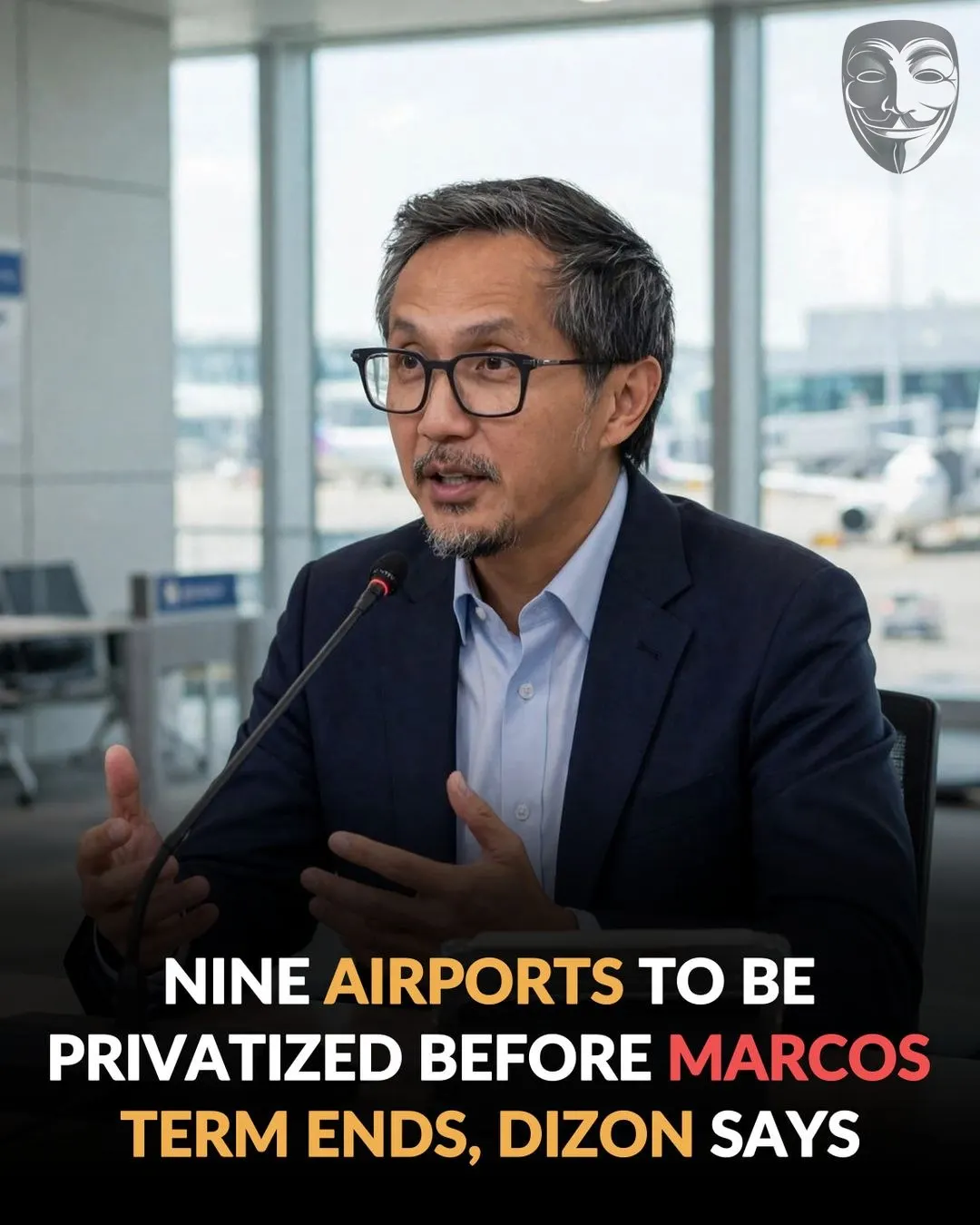
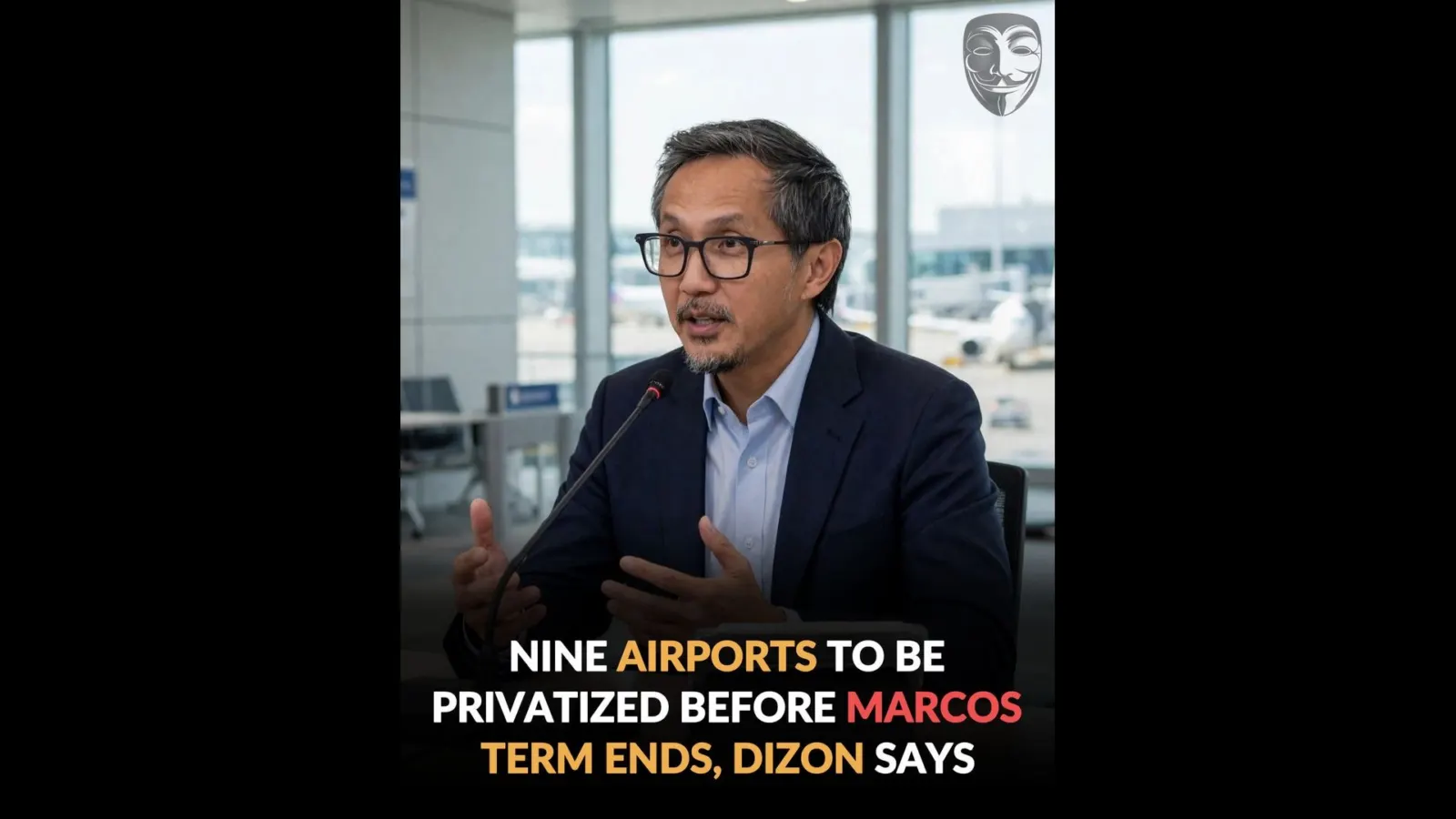
Philippine airports privatization is now the biggest transport story in the country, and it will change how nine regional airports are run before President Ferdinand Marcos Jr. steps down in June 2028. Transportation Secretary Vince Dizon announced the plan at the Stratbase Institute Pilipinas Conference 2026, and he said the Department of Transportation will place the airports under public-private partnerships. The first package bundles Davao, Siargao and Bicol, and the award is expected in the first quarter of 2027. Read about a courtesy visit in Davao City.
After that first package, the department will open solicited bidding for Iloilo airport in the first half of 2027, followed by Bacolod, Puerto Princesa, Busuanga, General Santos and Tacloban. Dizon said the shift will change how Philippine gateways are run, building on earlier partnerships at Ninoy Aquino International Airport and the Bohol and Bicol airports. In the slides ahead we look at each airport, the timeline and what the change could mean for travelers. See also a handmade model that shows how poor Filipino families live.
References:
GMA News: Dizon Nine Airports To Be Privatized Before Marcos Term Ends
Malaya Business Insight: DOTr Targets 2027 Project Awards For Regional Airports Metro Railways
Philippine Daily Inquirer: 9 Airports Major Railway Projects Eyed For PPPs Before Marcos Exits
Logistics News Philippines: Dizon Announces PPP Plans For Airports Major Railway Projects
The Announcement at the Stratbase Conference
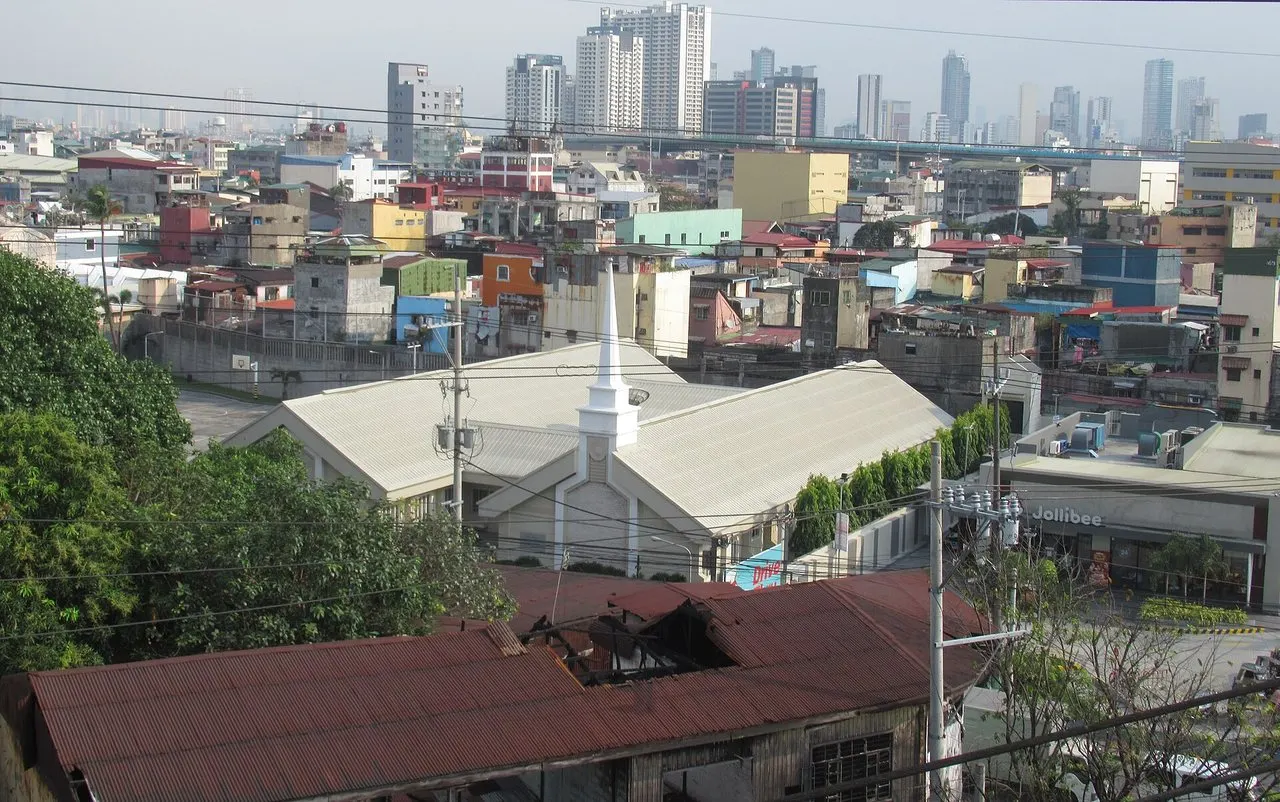
Transportation Secretary Vince Dizon shared the plan at the Stratbase Institute Pilipinas Conference 2026, a gathering where leaders talk about the future of the country. He told the audience that nine regional airports will move to private hands before President Ferdinand Marcos Jr. steps down in June 2028. The message was clear and direct, and it set the timeline for everything that follows. Big plans like this one often start with a single speech, and this one gave airports across the country a date to work toward. Read about a historic trip to China. See also a trip across Asia.
Philippine Airports Privatization Starts With Three Gateways
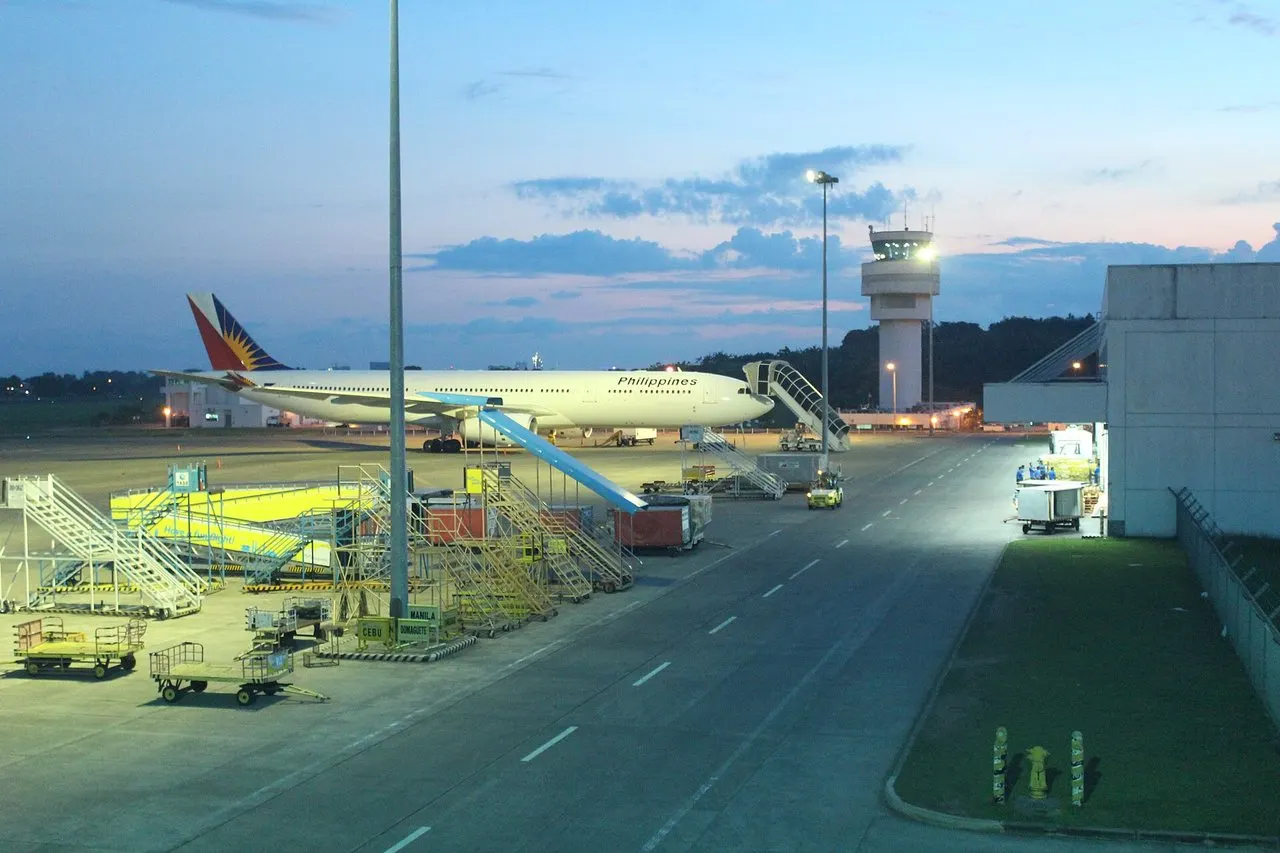
The first package in the Philippine airports privatization plan bundles three airports together, and they are Davao, Siargao and Bicol. The award for this group is expected in the first quarter of 2027, which gives the department only a short time to finish the process. The package came from an unsolicited offer by the group that runs Clark International Airport. Bundling airports together is a common way to make a deal more attractive, since a busy gateway can support a smaller one. Read about trade talks in China. See also a briefing after a long flight.
The Clark Group and Its Unsolicited Offer
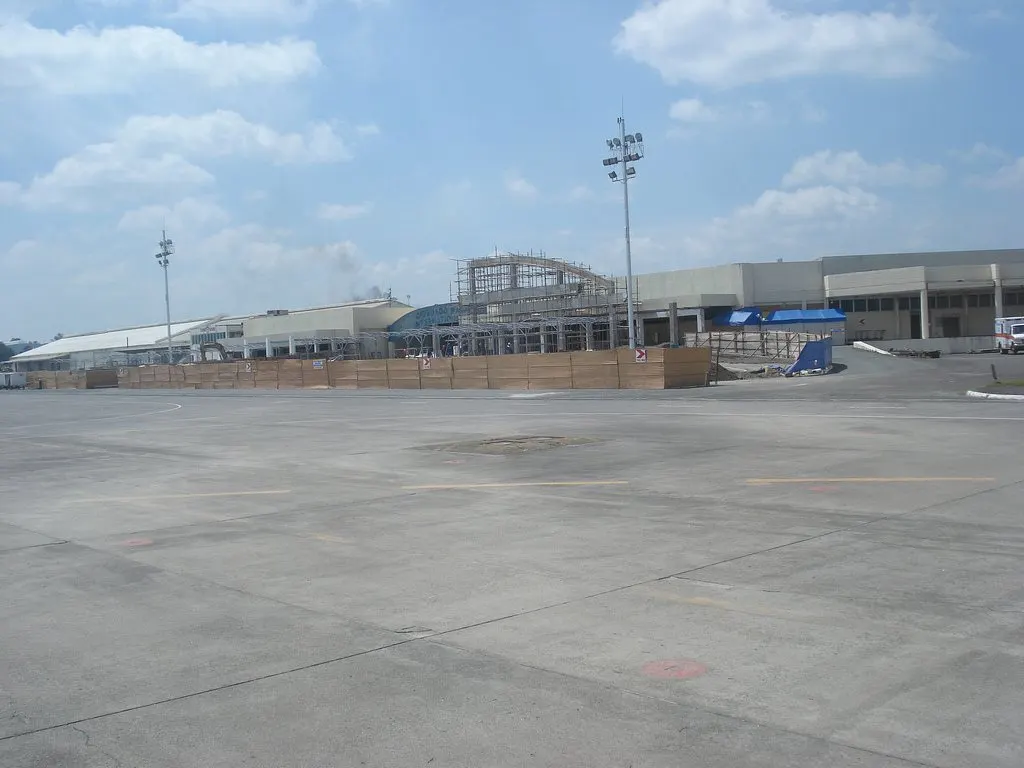
The first package began with an unsolicited offer from the group that runs Clark International Airport. An unsolicited offer means a private company came forward on its own with a plan, instead of waiting for the government to ask for bids. The Department of Transportation liked the idea enough to build a package around it, and now Davao, Siargao and Bicol are grouped together for the award. Clark is a major gateway north of Manila, and its group knows airports well. Read about the end of a trip to Asia. See also a quiet moment in Berlin.
Philippine Airports Privatization Moves to Iloilo Next
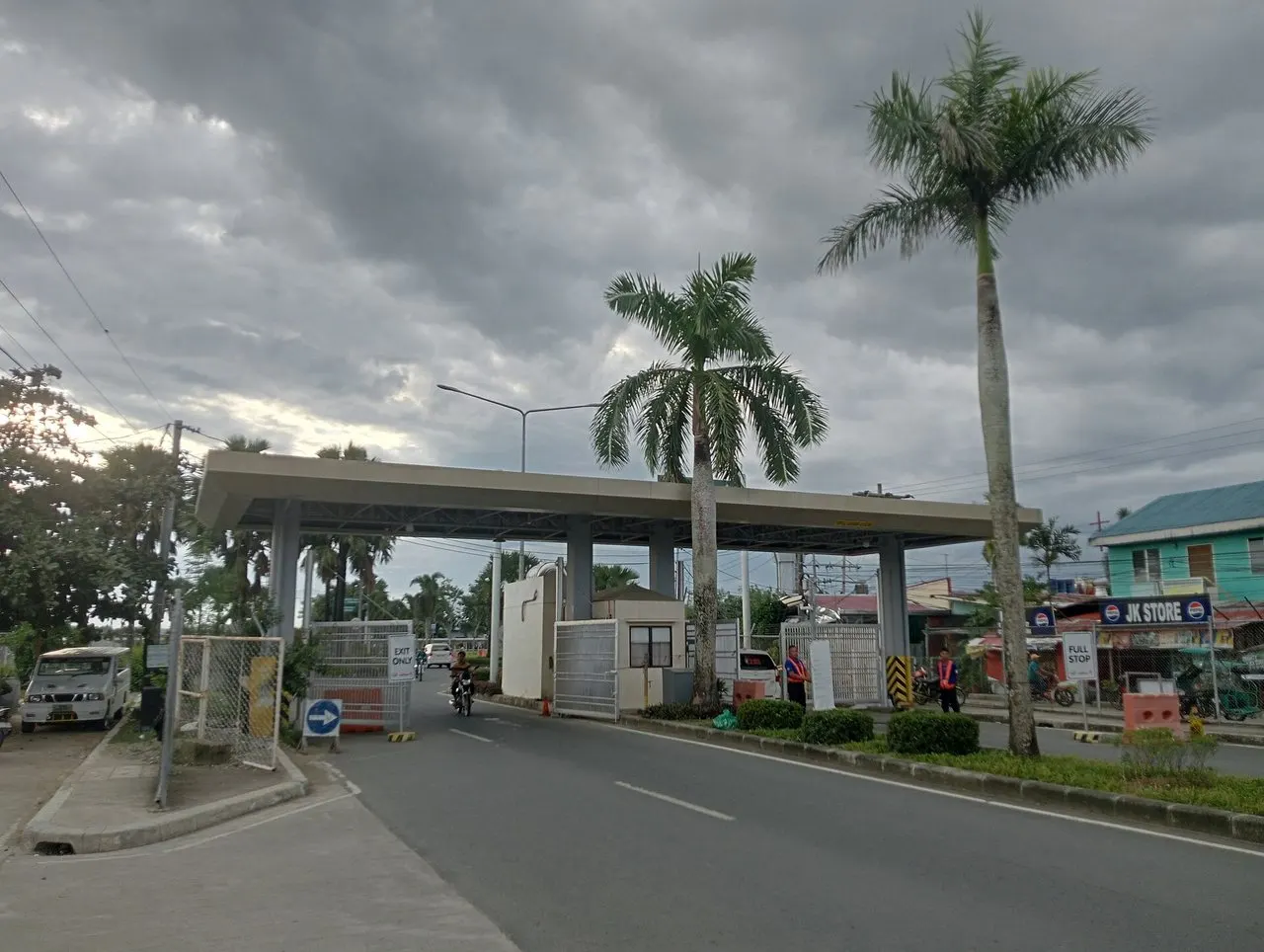
After the first package, the plan turns to Iloilo airport, where the department will open solicited bidding in the first half of 2027. Solicited bidding means the government invites companies to compete with their best offers, and the strongest proposal wins the right to run the airport. Iloilo is a busy gateway in the Western Visayas for travelers heading to the city and nearby islands. The bidding will show how much interest private firms have in running regional airports. Read about a plan to end horse drawn carriages. See also a plan to close Rikers Island.
Bacolod Joins the Second Wave
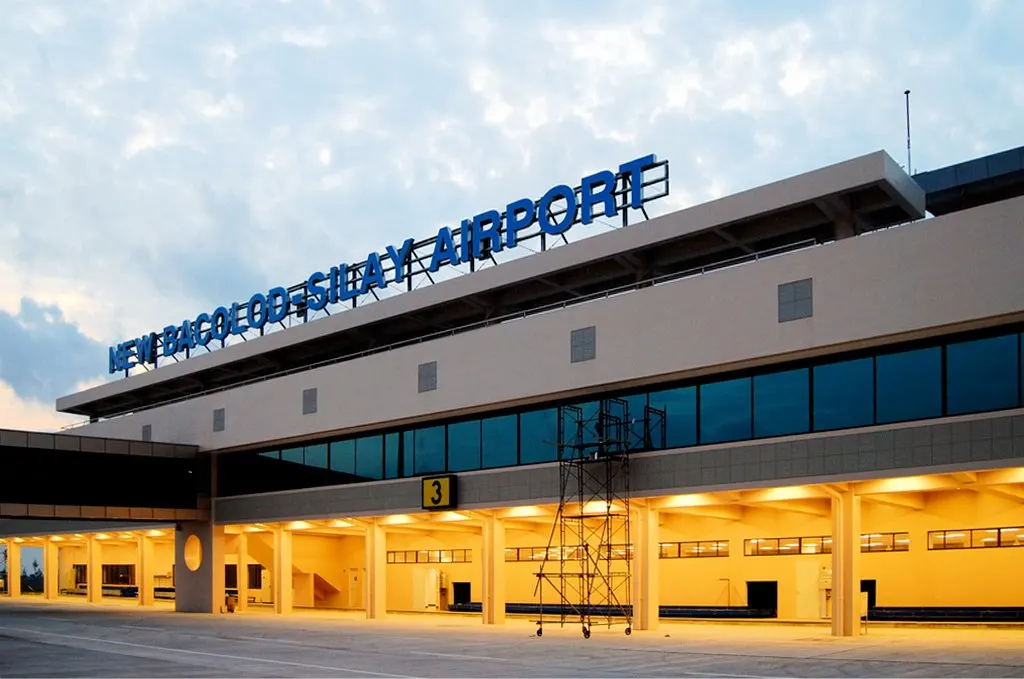
Bacolod airport comes after Iloilo in the bidding line, and it serves the city of Bacolod and the province of Negros Occidental. Travelers know the area for its food, its festivals and its friendly people, and the airport is the front door for visitors arriving by air. Under the plan, a private operator would take over running the airport and invest in making it work better. For local people, a smoother airport can mean easier trips to Manila and beyond, and more visitors coming in. Read about a historic win in Mississippi. See also a pub ban in Britain.
Puerto Princesa, Gateway to Palawan
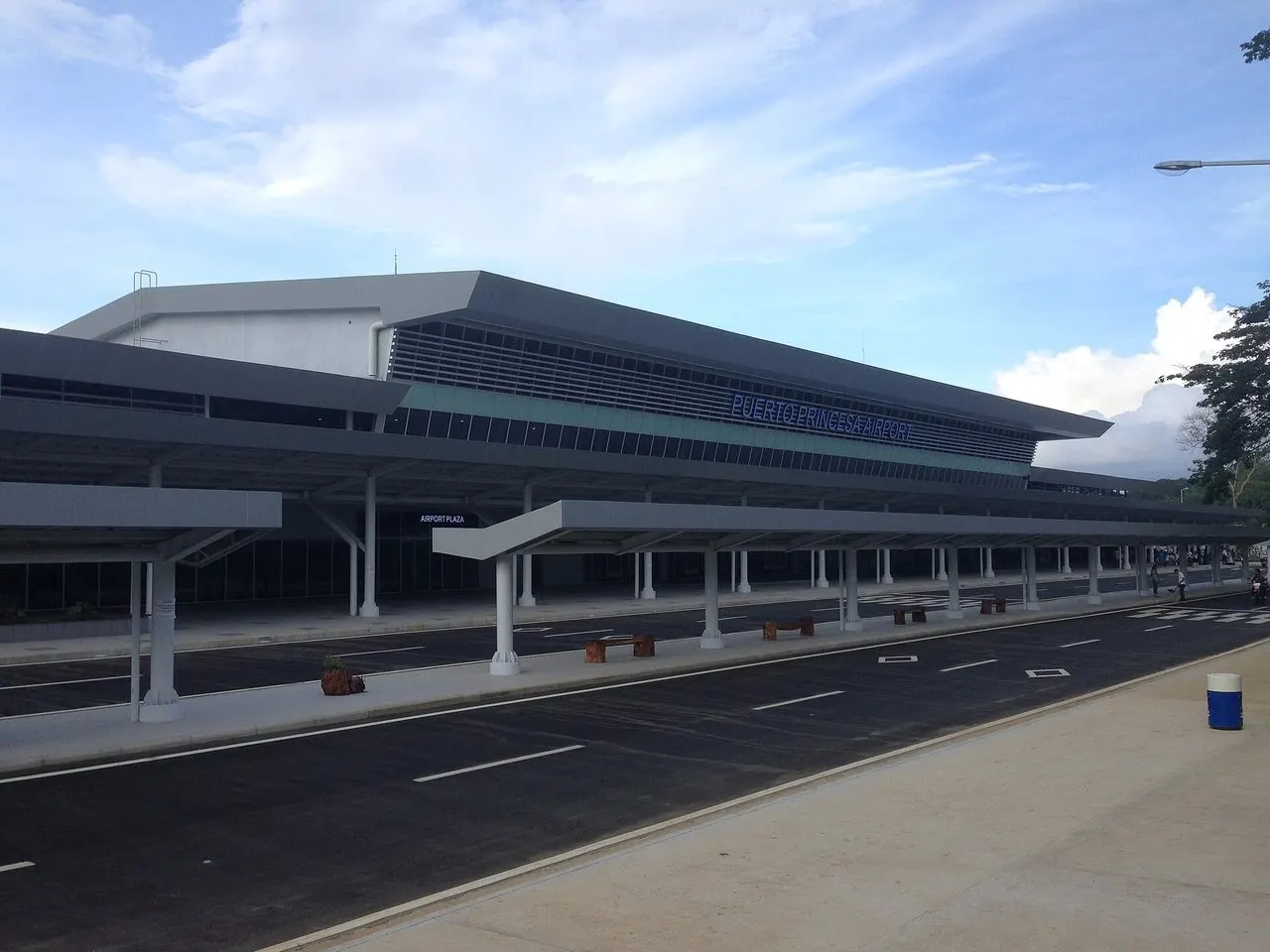
Puerto Princesa airport is the main gateway to Palawan, an island famous for its clear water, limestone cliffs and the underground river. Many travelers land here first before heading to El Nido, Coron or the rest of the island. The airport sits close to the city, so visitors reach their hotels fast after landing. Private management could bring new shops, better waiting areas and smoother flights for the thousands of tourists who pass through every year. Read about a study about American families. See also a sound wave treatment for tumors.
Busuanga and the Road to Coron
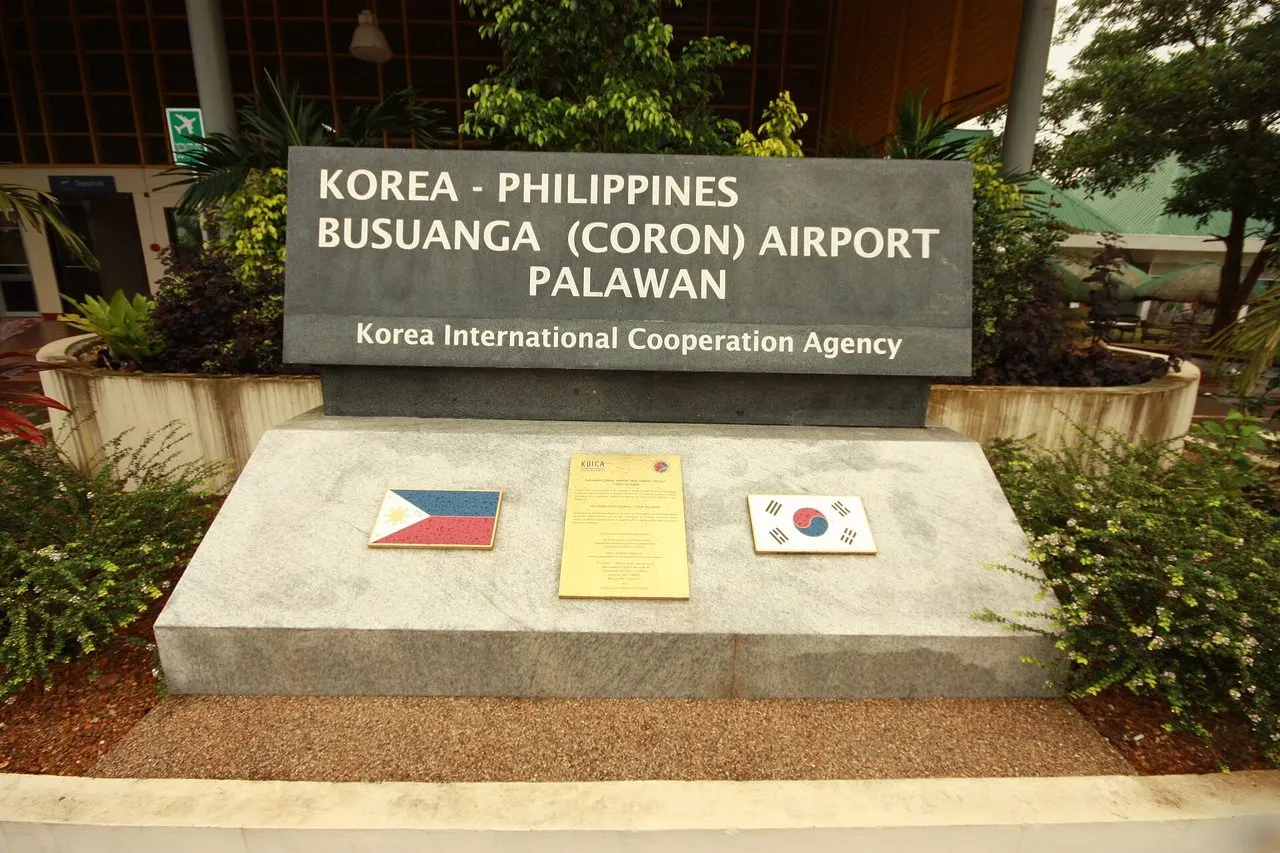
Busuanga airport serves Coron, a place loved by divers and island hoppers for its wrecks, lagoons and clear blue water. The airport is small, and planes land on a strip close to the hills, so every flight feels like an adventure. Under the privatization plan, Busuanga will be part of the second wave of bidding after Iloilo. A private operator could help the airport handle more visitors as Coron keeps growing in popularity with travelers from around the world. Read about a beloved zoo hippo. See also a father picking up his kids.
General Santos, Gateway to the South
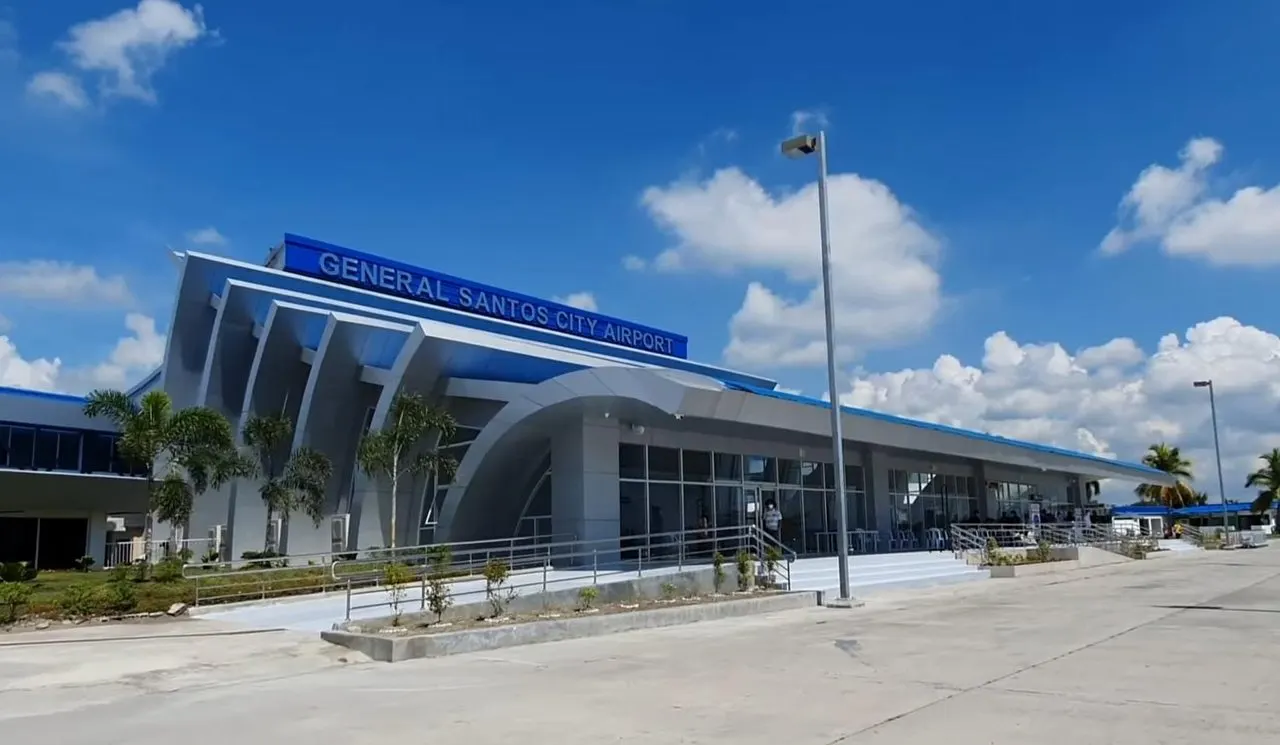
General Santos airport serves a busy city in the south of Mindanao, a region known for tuna, farming and trade. The airport connects the city to Manila and Cebu, and it matters a lot to local businesses that move goods and people by air. It follows Iloilo in the bidding order. Private management could mean better facilities for passengers and cargo alike, and that would help the whole region grow. The south has waited a long time for this attention. Read about a courtesy visit in Davao City. See also a handmade model that shows how poor Filipino families live.
Tacloban Rebuilds Its Role
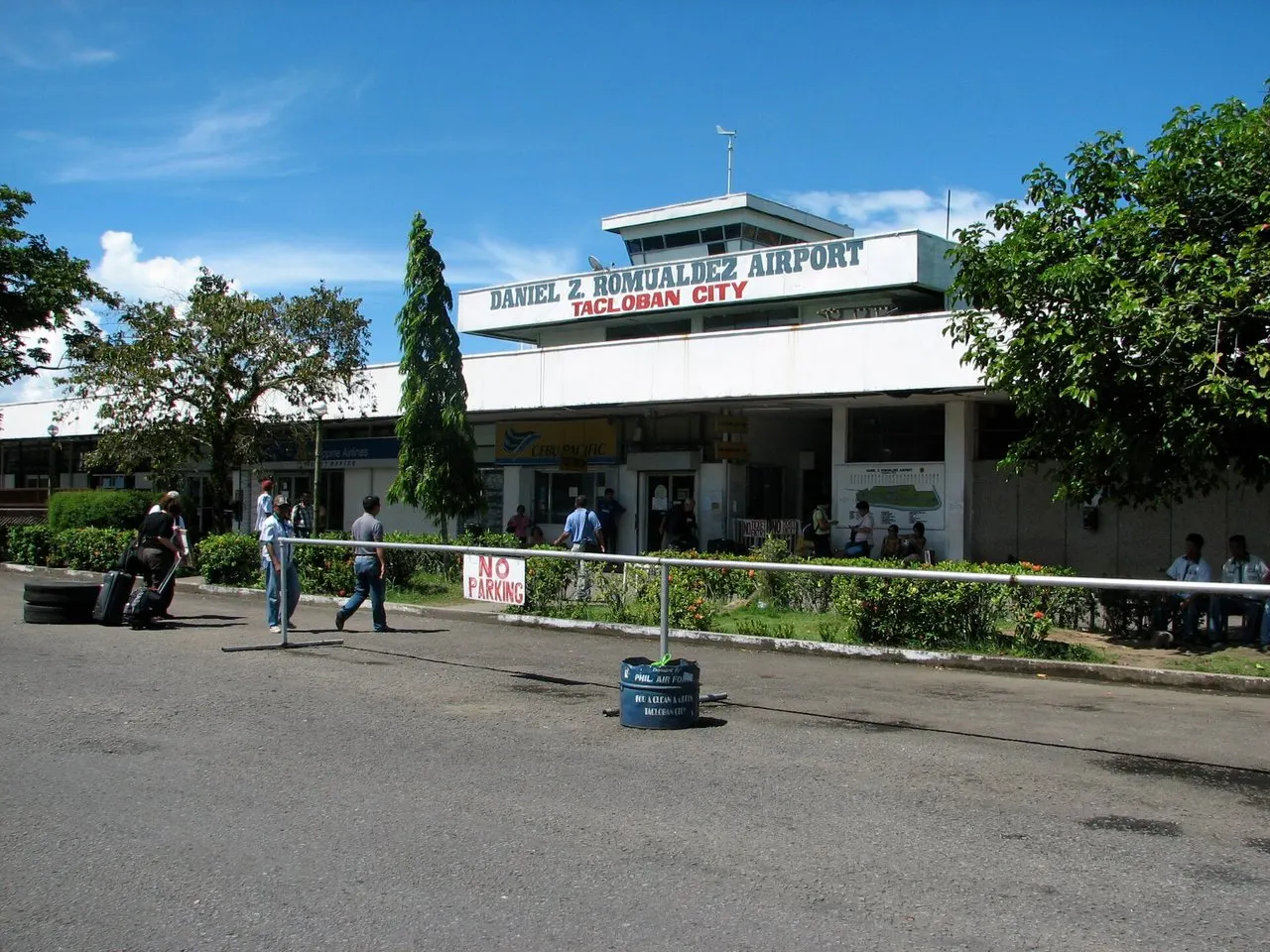
Tacloban airport serves the city of Tacloban and the island of Leyte in the Eastern Visayas. The city is known for its strength and its recovery after hard times, and its airport is a lifeline for people traveling in and out of the region. Tacloban is the last of the nine airports named in the plan, and it will go through solicited bidding after the earlier airports. A fresh start for the airport could bring new routes and better service for everyone who depends on it. Read about a historic trip to China. See also a trip across Asia.
Philippine Airports Privatization Runs on a Tight Timeline
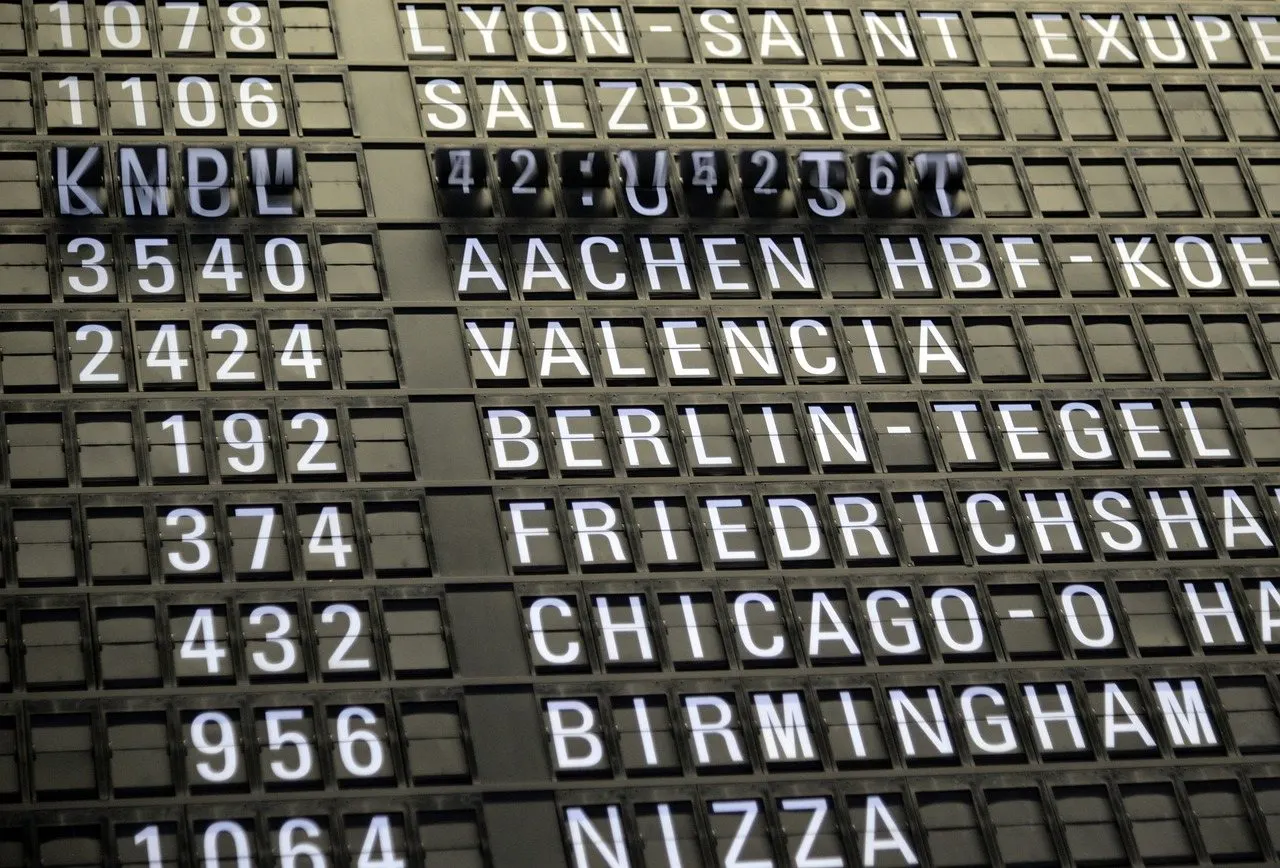
The Philippine airports privatization plan runs on a tight timeline, and every date matters. The first award is expected in the first quarter of 2027, and Iloilo bidding opens in the first half of that same year. All nine must change hands before President Ferdinand Marcos Jr. steps down in June 2028. That leaves about a year and a half to finish bidding, sign deals and hand over operations. Tight deadlines push everyone to move fast, and travelers will watch to see if the dates hold. Read about trade talks in China. See also a briefing after a long flight.
Philippine Airports Privatization and How Partnerships Work

A public-private partnership means the government keeps ownership of the airport while a private company runs it day to day. The company pays for upgrades, hires staff and earns money from fees and shops, while the government sets the rules and watches the deal. Many countries use this model because airports need large sums to grow, and private firms can often move faster than a government office. The Philippine airports privatization plan follows this same idea for all nine airports. Read about the end of a trip to Asia. See also a quiet moment in Berlin.
Philippine Airports Privatization Follows the NAIA Example
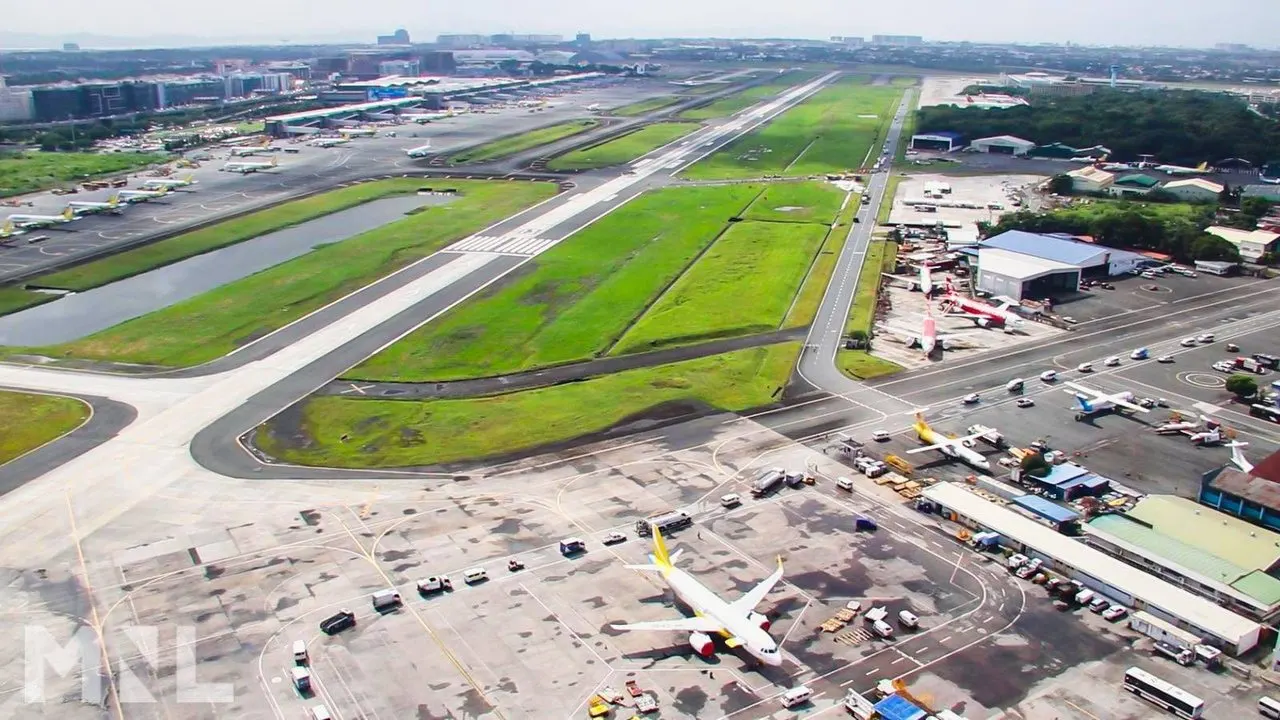
The plan builds on the earlier partnership at Ninoy Aquino International Airport, the main gateway to Manila. Dizon pointed to NAIA as proof that private firms can run a large and busy airport in the country. Travelers using NAIA have seen new shops, fresh paint and terminal changes since the partnership began. If the same approach works at nine smaller airports, the whole network could feel more modern and more comfortable for the millions of people who fly each year. Read about a plan to end horse drawn carriages. See also a plan to close Rikers Island.
Bohol Shows What a New Airport Can Do
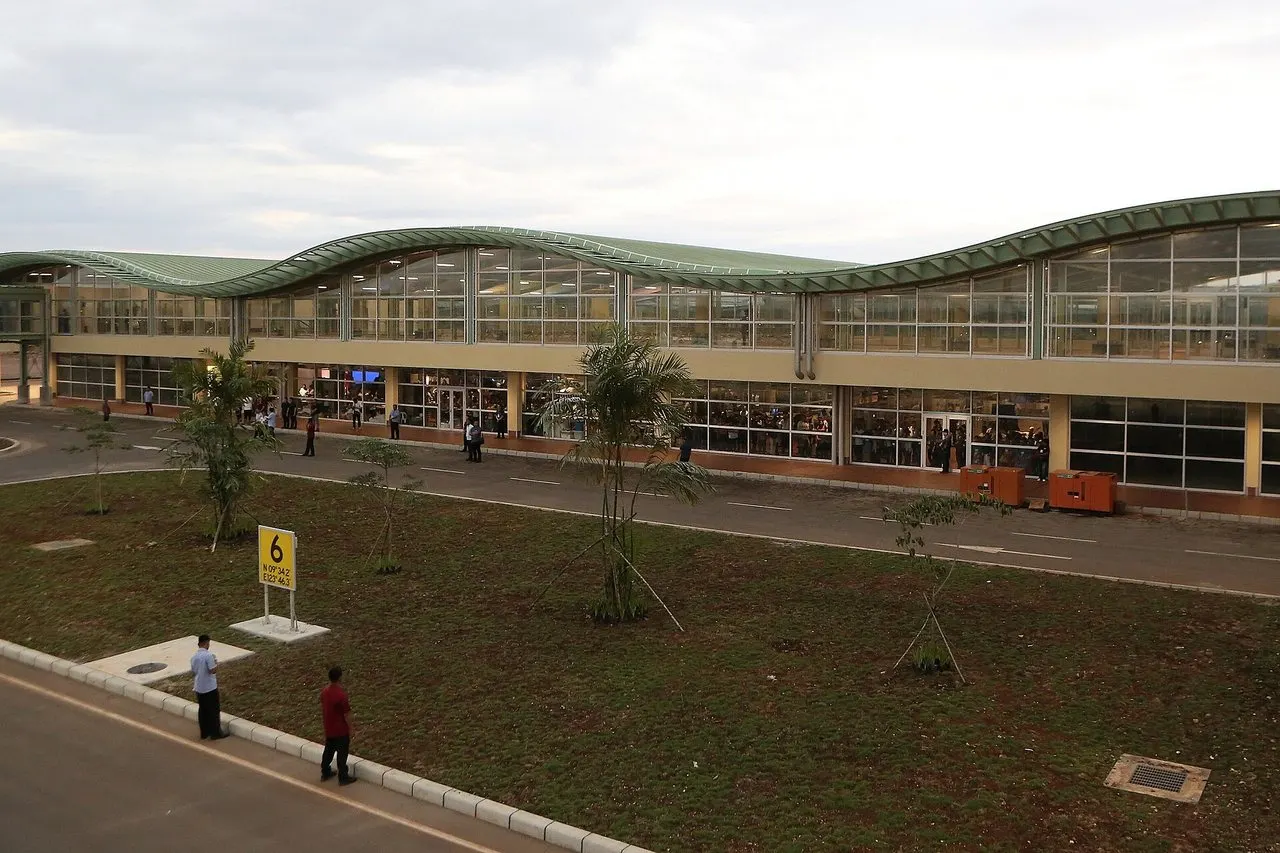
Bohol is one of the earlier partnerships Dizon named, and its airport on Panglao Island shows what fresh investment can do for a tourist destination. Bohol is famous for the Chocolate Hills and the tiny tarsier, and its airport welcomes visitors from Manila, Cebu and abroad. A modern terminal makes a good first impression, and it helps hotels, guides and small shops across the island. The nine new airports in the plan could follow the same path, with better buildings and smoother trips for travelers. Read about a historic win in Mississippi. See also a pub ban in Britain.
Philippine Airports Privatization Reaches Bicol
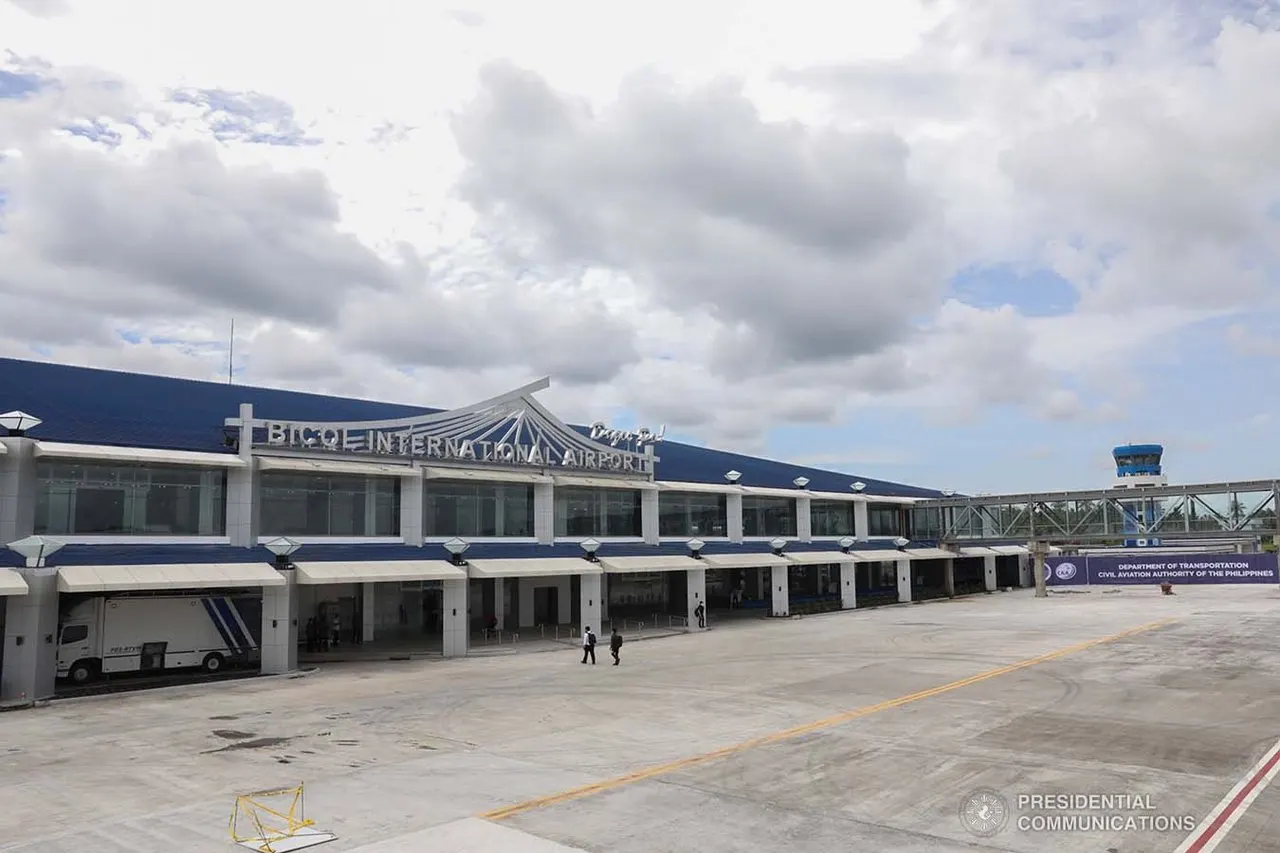
Bicol is part of the first package in the Philippine airports privatization plan, and it is also one of the earlier partnerships Dizon named when he talked about the change. The region is home to the Mayon Volcano, spicy food and warm, welcoming towns, and its airport is the door for visitors coming to see it all. In the first package, Bicol could see private management sooner than most of the other eight airports. Travelers to Legazpi and Albay may notice the difference first. Read about a study about American families. See also a sound wave treatment for tumors.
Siargao, the Island Airport With Big Dreams
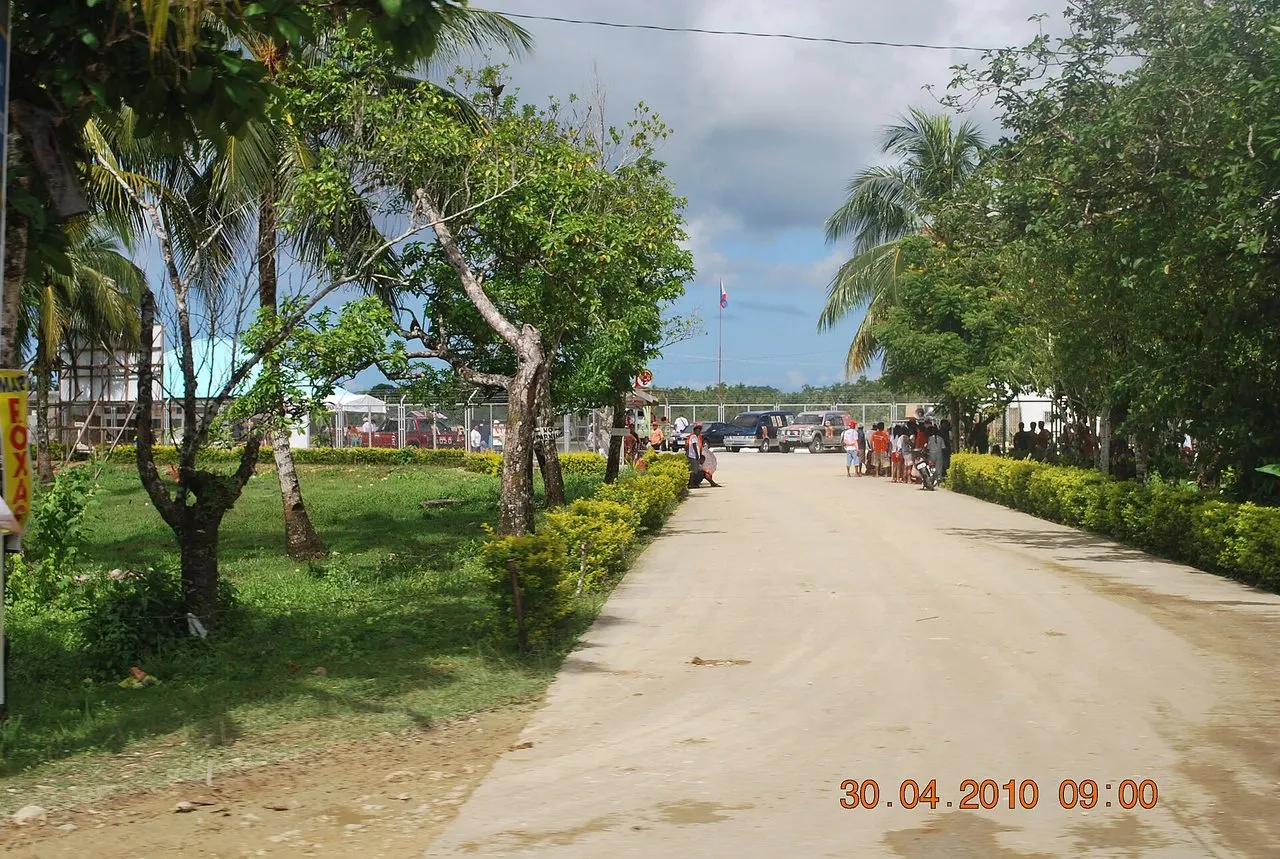
Siargao airport is small, but the island it serves is famous around the world for surfing. Every year, surfers and beach lovers fly in to ride the waves at Cloud 9 and relax on white sand beaches. The airport is part of the first package with Davao and Bicol, so it could be among the first to change hands. A better airport would help the island welcome more visitors while keeping the laid back feeling that makes Siargao special to everyone who goes there. Read about a beloved zoo hippo. See also a father picking up his kids.
Why Regional Airports Matter for Travelers
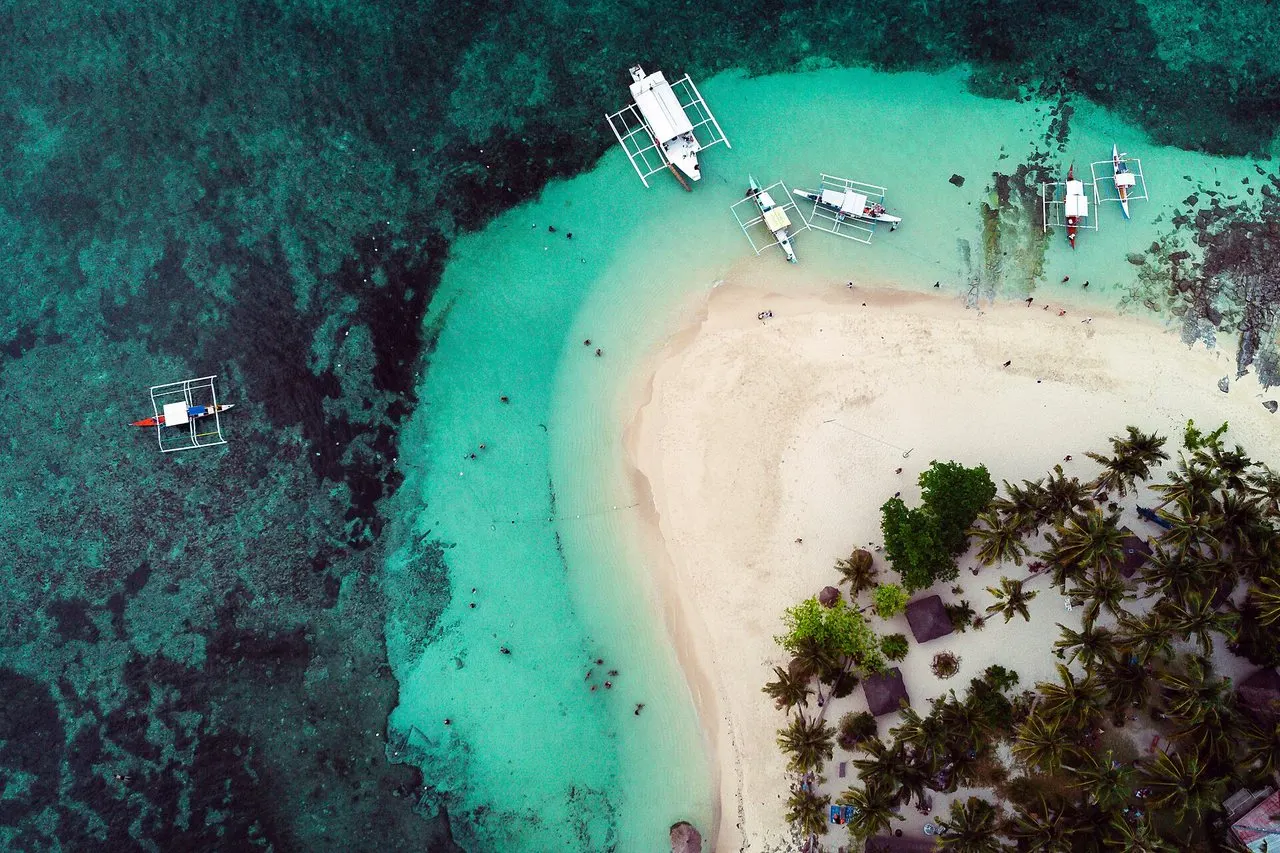
Regional airports matter because the Philippines is made of more than 7,000 islands, and flying is often the fastest way to move between them. For many families, a short flight beats a long boat ride home. Good airports also help farmers, fishers and small businesses send their goods to bigger markets. When nine airports get better runways, terminals and service, the whole country feels closer together, and trips that once felt hard start to feel easy. Read about a courtesy visit in Davao City. See also a handmade model that shows how poor Filipino families live.
What Passengers May Notice First
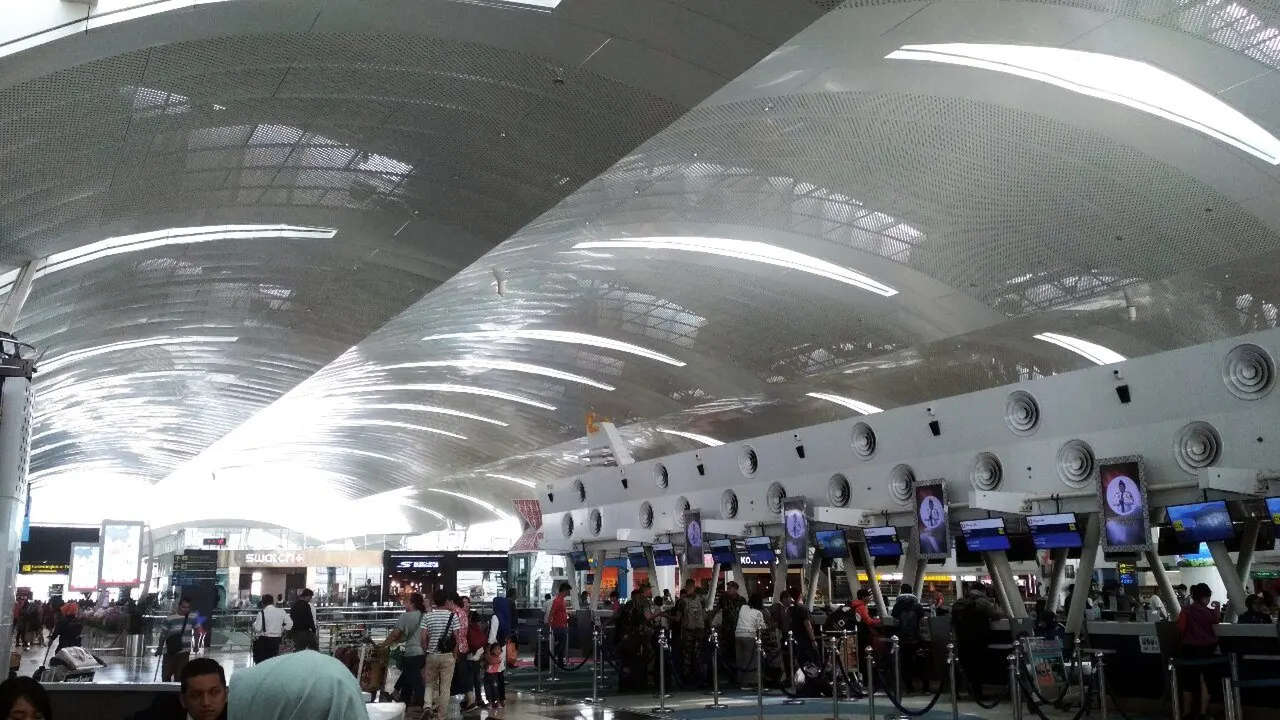
Passengers often notice the small things first when an airport changes hands. Check in lines may move faster, the waiting areas may feel cleaner, and the signs may be easier to follow. Food stalls and shops may offer more choices, and staff may have more help on busy days. These changes take time, but they are the signs travelers look for after a private operator takes over. The nine airports in this plan will each get their own chance to show what better management looks like. Read about a historic trip to China. See also a trip across Asia.
Philippine Airports Privatization and the Runways
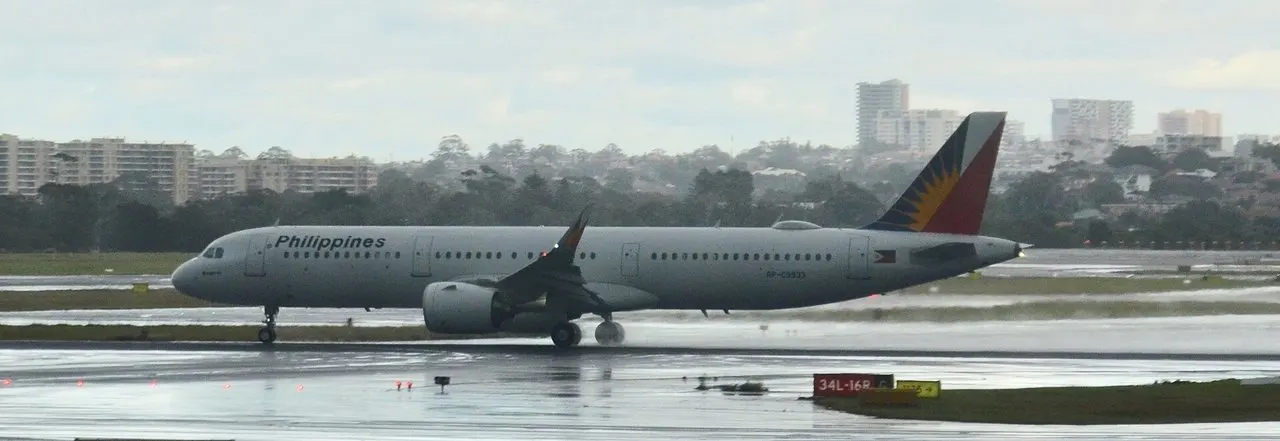
Runways are the heart of every airport, and the privatization plan puts them in private hands along with the terminals. A good runway needs smooth pavement, clear markings and strong lights so planes can land safely in rain or at night. Private operators often spend money on these basics first, because safe runways keep flights on time and keep travelers safe. For the nine airports in the plan, better runways could also mean bigger planes and more flights in the years ahead. Read about trade talks in China. See also a briefing after a long flight.
The People Who Keep Airports Running
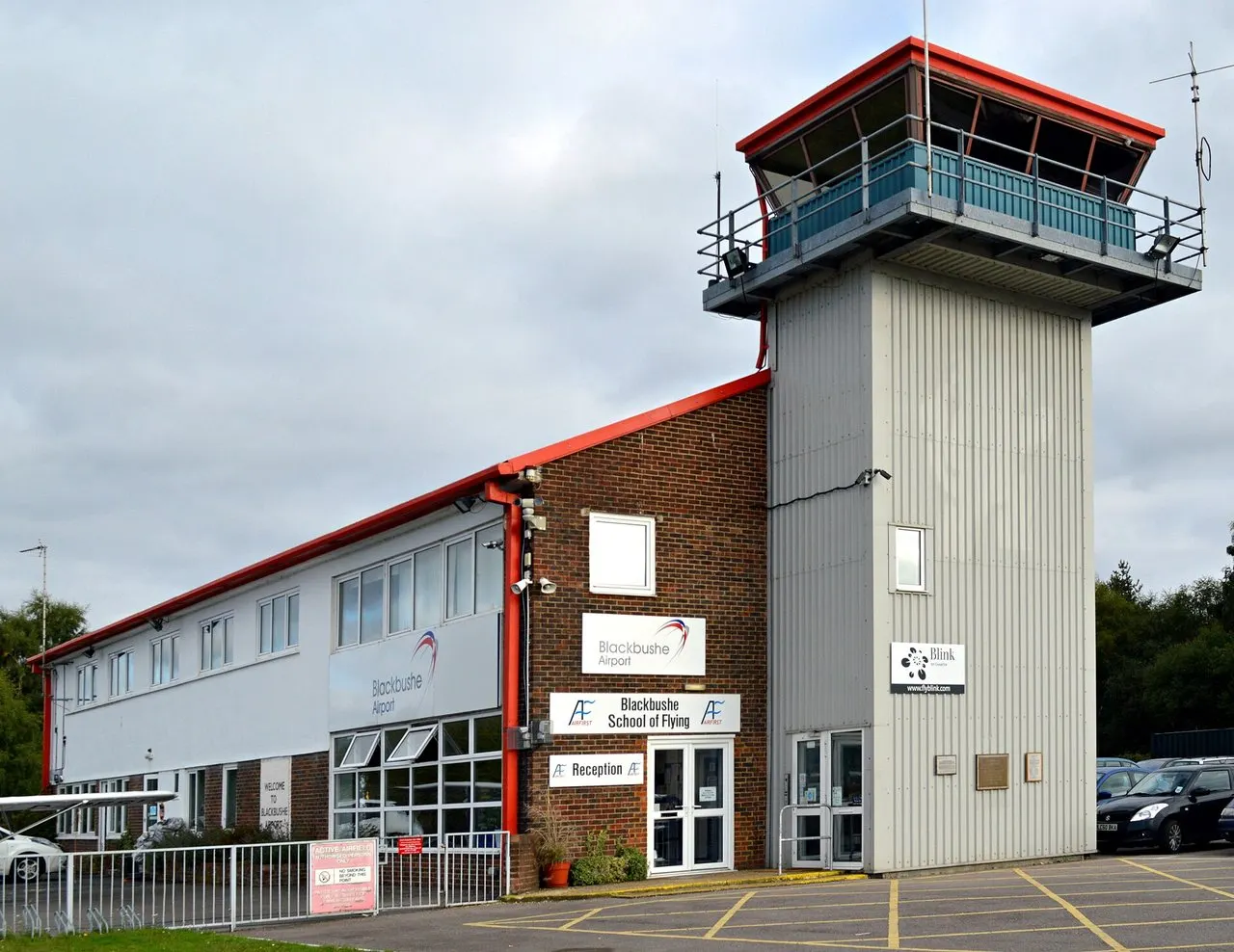
Behind every flight there are people who keep the airport running, from the air traffic controllers in the tower to the ground crew on the tarmac. They guide planes in, load bags, check tickets and keep the lights on through the night. When an airport changes management, these workers often stay on the job, and their skill keeps everything moving. A good private operator will listen to them, because they know the airport better than anyone else in the building. Read about the end of a trip to Asia. See also a quiet moment in Berlin.
Philippine Airports Privatization and Local Jobs
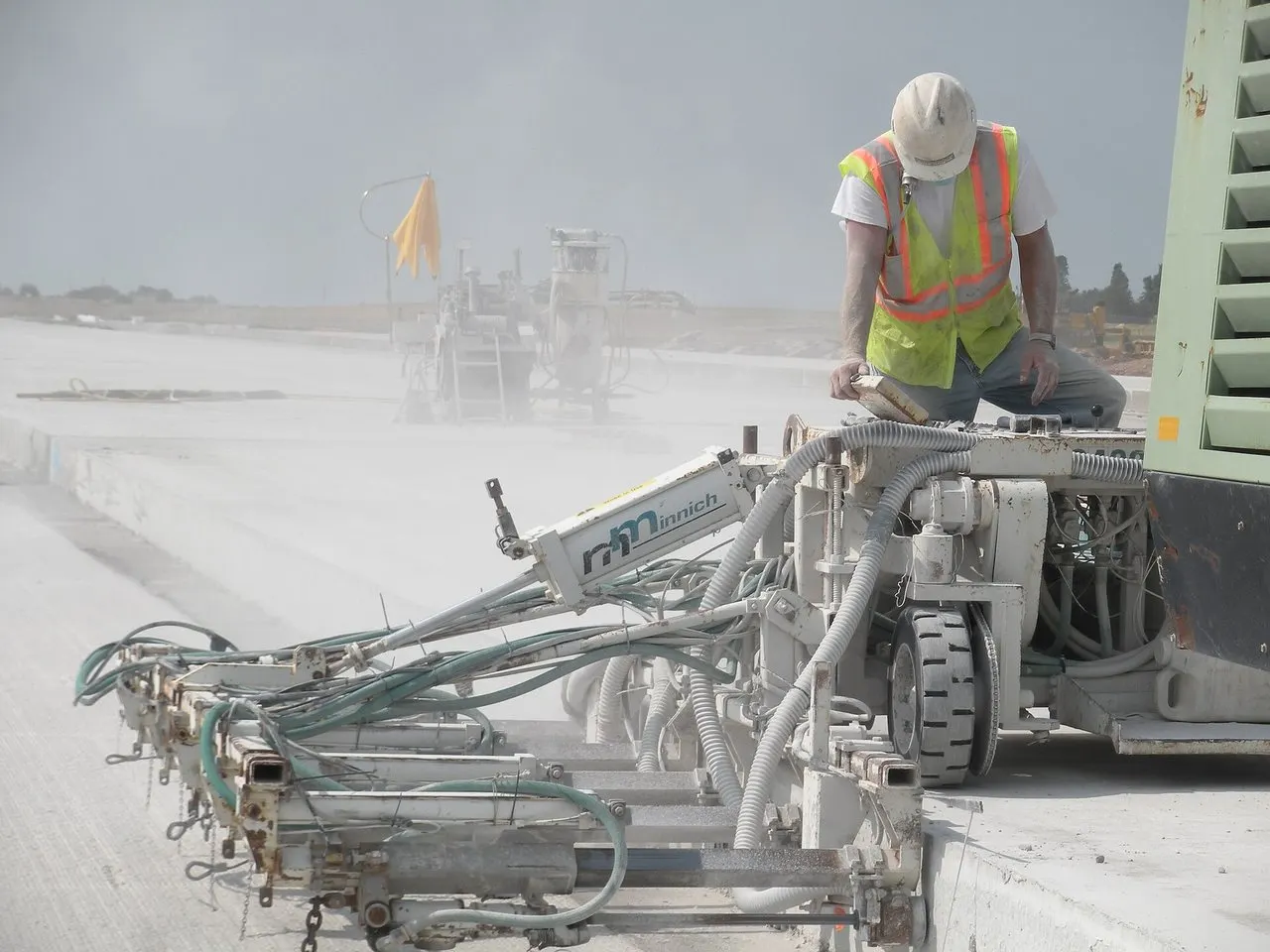
The Philippine airports privatization plan could bring new jobs to the nine cities and towns around the airports. New shops need workers, better terminals need cleaners and guards, and busier airports need more drivers, guides and hotel staff. Local people often get these jobs first, and the money they earn stays in the community. For places like Davao, Iloilo and General Santos, a stronger airport can mean a stronger local economy and more chances for young people to find work close to home. Read about a plan to end horse drawn carriages. See also a plan to close Rikers Island.
Railways Are Part of the Bigger Plan Too

The railway projects are part of the bigger transport picture as well, and the headlines about this story mention major railway projects eyed for partnerships alongside the nine airports. Trains and airports work together, since a good railway can carry travelers to the airport without traffic. The Philippines has long talked about building better rail lines, and private partnerships could help make those plans real. For now, the airports come first, but the railways show that the transport plan is much wider than one announcement. Read about a historic win in Mississippi. See also a pub ban in Britain.
Philippine Airports Privatization: What Happens Next
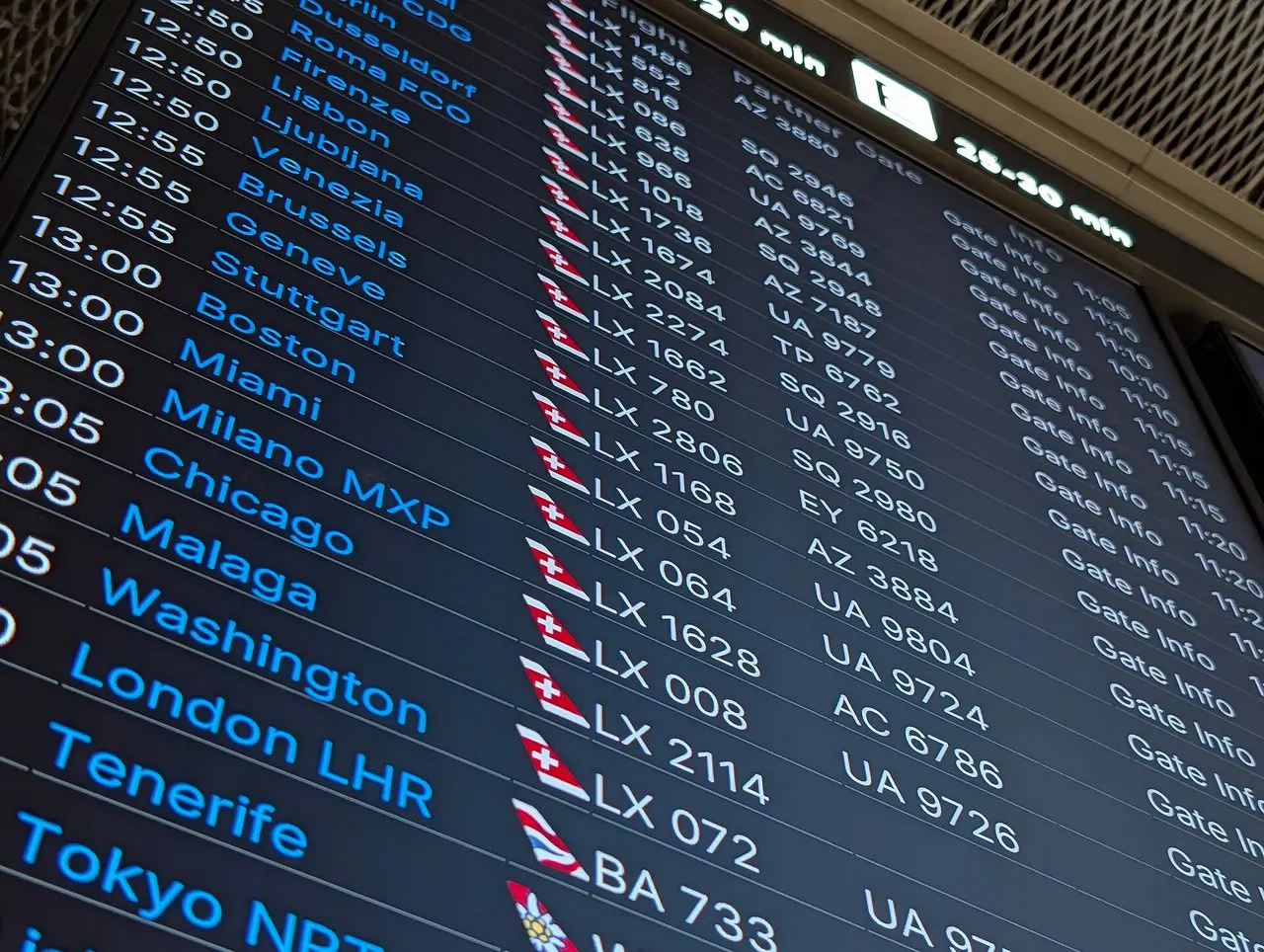
The next step in the Philippine airports privatization plan is the award for the first package, expected in the first quarter of 2027. After that, the bidding for Iloilo opens, and the other airports follow one by one. Each deal needs a signed agreement, a handover plan and time for the new operator to settle in. Travelers, workers and local leaders will watch the dates closely. If the plan stays on track, all nine airports will be in private hands before June 2028. Read about a study about American families. See also a sound wave treatment for tumors.
What Do You Think of the Plan?

Nine airports, one big plan and a June 2028 deadline: that is the story, and now we want to hear from you. Do you think private companies will run the airports better, or should the government keep them? Which of the nine airports do you use most, and what would you like to see change there first? Share your thoughts below, and tell us about your trips through Davao, Siargao, Iloilo or the other gateways in the plan. Read about a beloved zoo hippo. See also a father picking up his kids.