Triumphal Arch Ruling Halts Trump’s 250-Foot Project
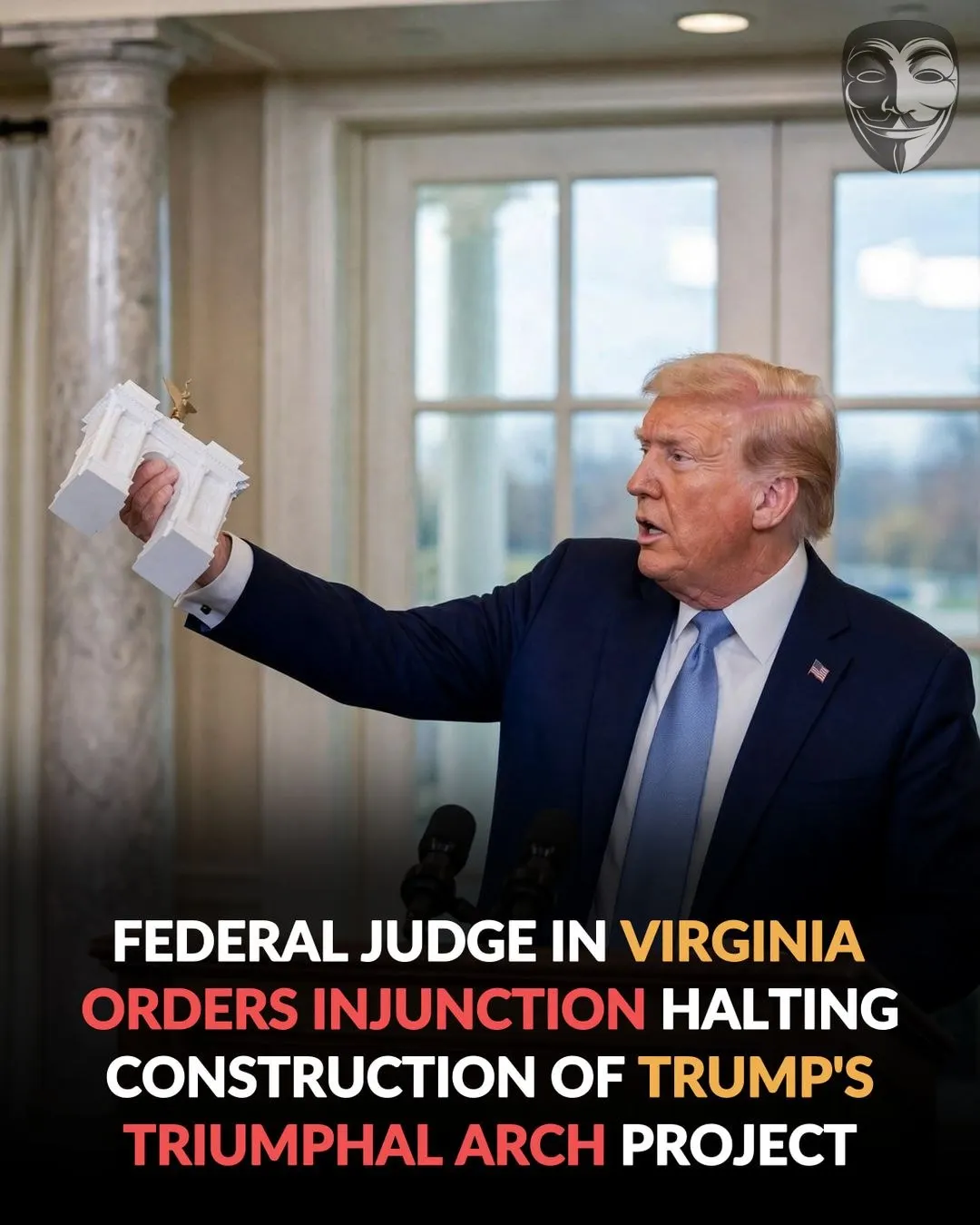
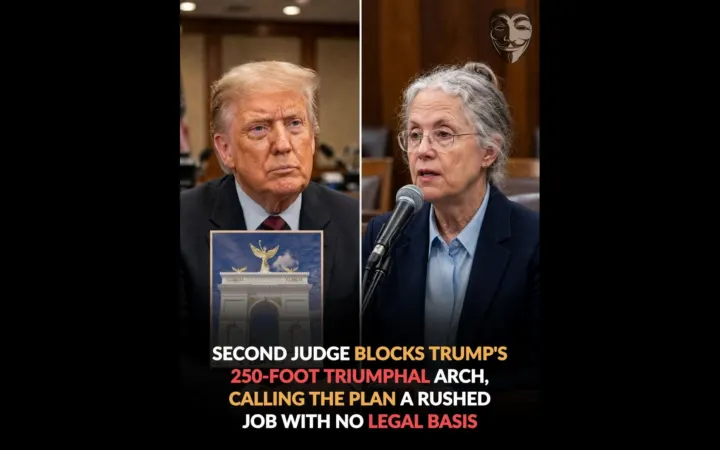
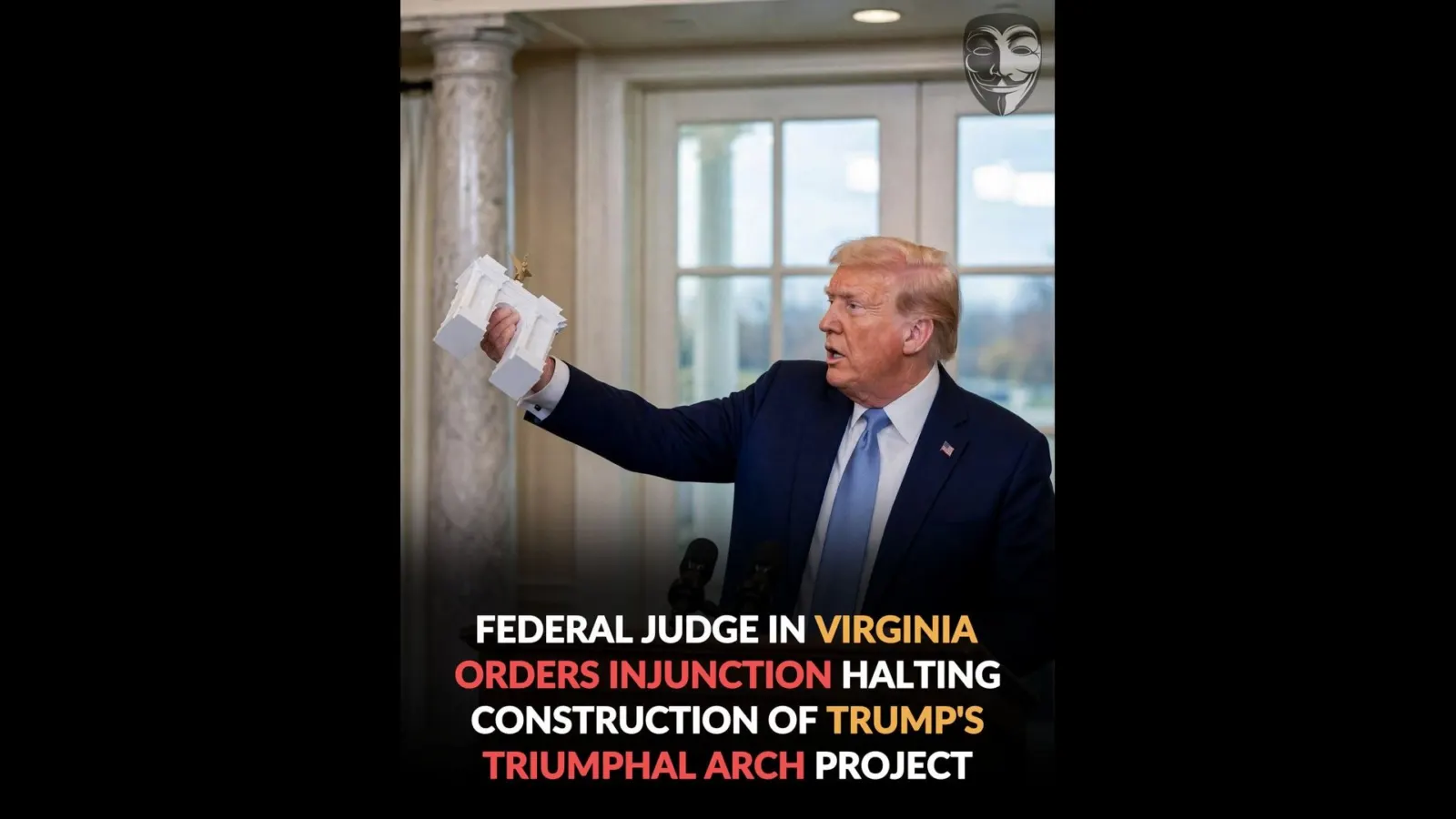
The triumphal arch ruling from a federal judge in Alexandria, Virginia, stopped construction of President Donald Trump’s planned 250-foot triumphal arch at Memorial Circle on November 20, 2026. Judge Leonie Brinkema issued an injunction that blocks the work near Arlington National Cemetery. She said the project had not received enough study of its effects on the environment and the local economy. The ruling came only three days after another federal judge had already paused the project in Washington. It was a fast and clear rebuke of a plan that moved ahead too quickly.
In the slides ahead, we look at what the judge decided, why Arlington County went to court, and what happens next for the arch. The case is a reminder that even a project backed by a president must follow the same review rules as any other large monument. Plans near a national cemetery and a busy airport need time, study, and public input before a stone is set. For more on Trump and the courts, read our story on Trump called seven European leaders about Ukraine and our report on Governor Josh Shapiro took on Trump over Ukraine.
References:
Reuters: Federal Judge In Virginia Issues Injunction Blocking Construction Of Trump’s Triumphal Arch Project
MS NOW: Judge Blocks Construction Of Trump’s Triumphal Arch
Politico: Second Federal Judge Blocks Trump’s Triumphal Arch
TMZ: President Trump’s Triumphal Arch Put On Temporary Hold By Federal Judge
A 250-Foot Arch Planned for Memorial Circle
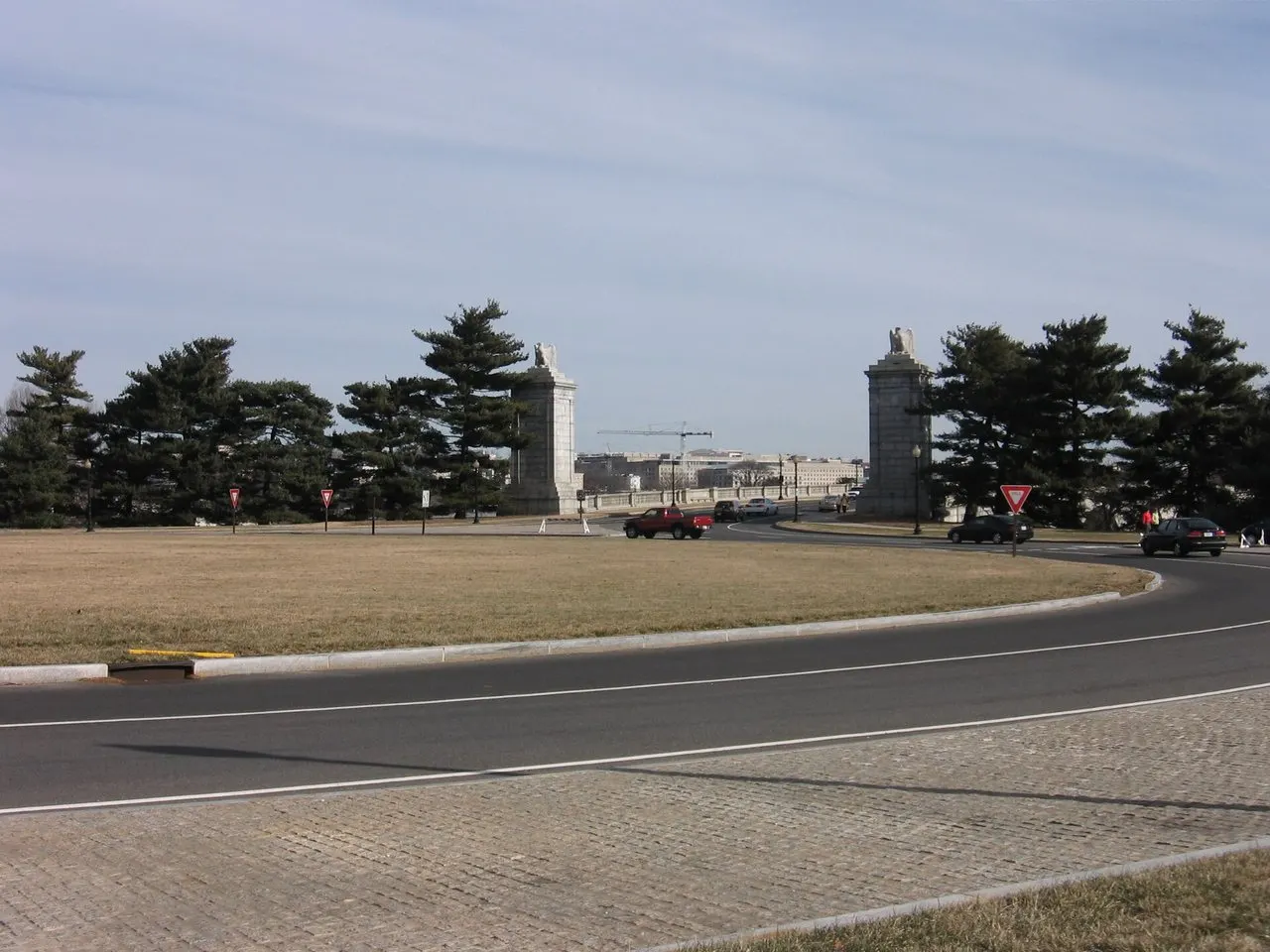
The plan called for a triumphal arch 250 feet tall at Memorial Circle, a traffic circle at the Virginia end of the Memorial Bridge near Arlington National Cemetery. A structure that tall would rise above the trees and roads and change the view across the Washington area. Supporters saw it as a bold new monument. Critics said a monument of that size needed far more study before building began. Read about Jamie Raskin pushed a plan to recover Trump family profits.
Judge Leonie Brinkema and the Triumphal Arch Ruling
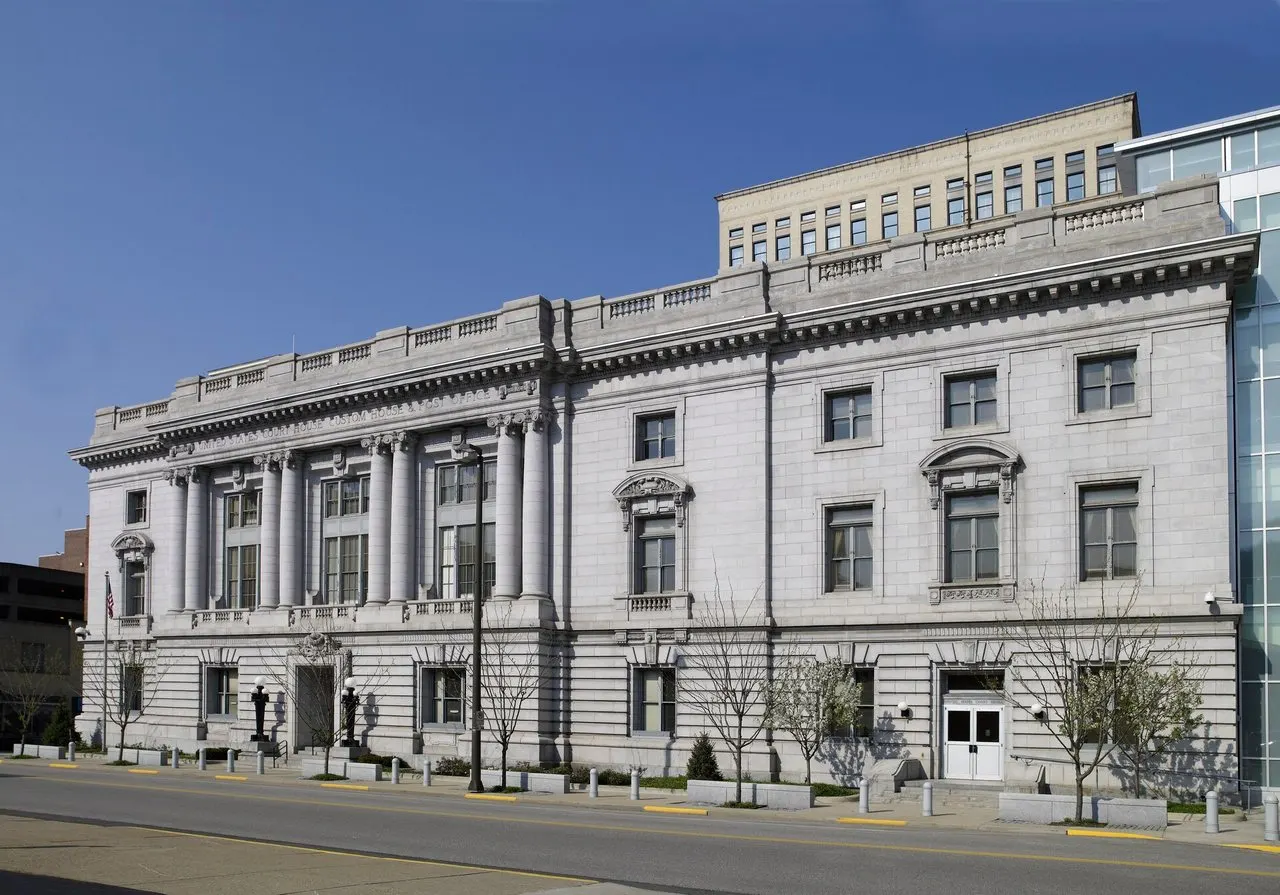
Judge Leonie Brinkema serves on the federal court in Alexandria, Virginia, and she heard the case that Arlington County brought against the arch project. On November 20, 2026, she issued an injunction that blocks construction while the court looks at whether the project followed the law. An injunction is a court order that tells one side to stop doing something until the case is decided. See how other judges have acted in our stories on Trump returned from Asia with new deals.
A Project the Judge Called a Rushed Job
The judge said the arch was rushed through without the careful review such a monument requires, and she called it a rushed job that lacked a legal basis. That is strong language from a federal judge, and it goes to the heart of the case. Big public works usually pass through months of study, public comment, and checks by several agencies before work starts. Read more in our reports on Trump headed back to Washington after his China trip.
Airspace Near Reagan National Airport and the Triumphal Arch Ruling
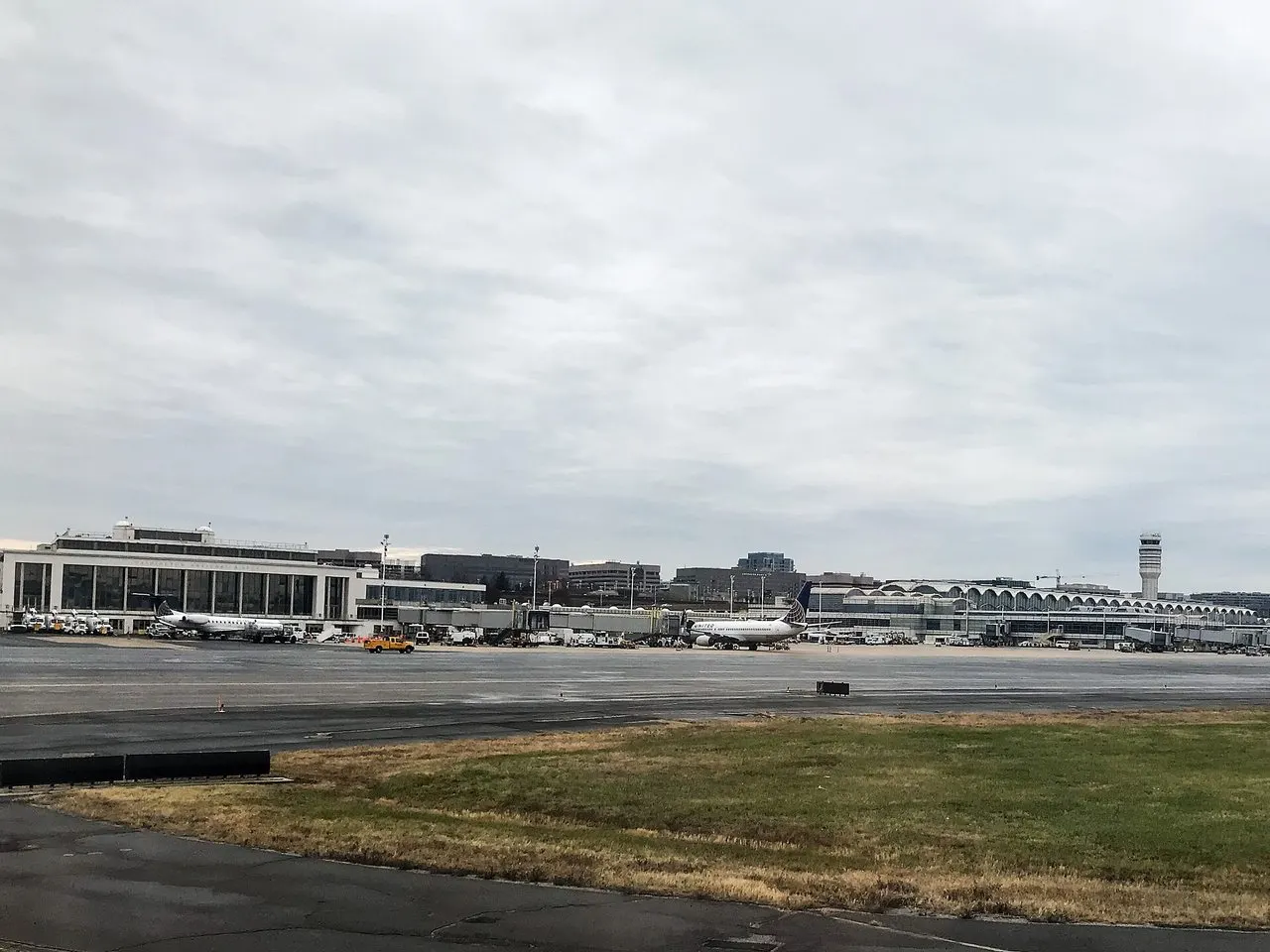
One of the judge’s worries was the airspace near Reagan National Airport, which sits close to Memorial Circle across the Potomac River. The airport handles a steady flow of planes landing and taking off near the heart of the capital. A 250-foot arch in that area raises plain questions about flight paths and safety zones near a busy airport. For more, read our story on Senator Thom Tillis blocked a Trump cyber nominee and our report on a judge overturned Trump HIV grant rules.
Traffic and Public Safety in the Triumphal Arch Ruling

Memorial Circle is a busy traffic circle where roads from Virginia meet the Memorial Bridge into Washington. Thousands of cars, buses, and tour groups pass through the area every day on their way to the Lincoln Memorial and Arlington National Cemetery. The judge pointed to traffic and public safety as effects that had not been studied enough before construction started. See our coverage of Trump walked into the briefing room after a long flight from China for more on Washington politics.
The Triumphal Arch Ruling Was the Second Loss in Three Days
The Virginia injunction was the project’s second loss in federal court in only three days, a fast run of bad news for the arch. The first loss came in Washington, where a federal judge extended an order pausing the work until December 3, 2026. Two judges in two cities looked at the same project and both decided it should not go ahead for now. Read our stories on a Princeton student detained by ICE at Reagan Airport for more court news.
A Washington Judge Extended the First Pause
Before the Virginia case was decided, a judge in Washington had already stepped in and extended an order pausing the arch work until December 3, 2026. That pause gave the courts time to hear the arguments without cranes and crews changing the site in the meantime. A short pause like that is common when a judge needs more time to weigh a case that could cause harm if building went ahead. More on the courts is in our stories about Trump called seven European leaders about Ukraine.
Arlington County and the Triumphal Arch Ruling
Arlington County, the Virginia county that brought the lawsuit, argued that the arch was rushed through without the careful review such a monument requires. Counties do not often sue over a presidential project, so the case drew wide attention from the start. The county said the review skipped the kind of study that protects the environment, the local economy, and the people who live and travel nearby. Read our reports on Jamie Raskin pushed a plan to recover Trump family profits for more local fights with national stakes.
Why Monuments Need Careful Review Before Building
The triumphal arch ruling rests on a simple idea that applies to monuments across the country. A new monument is not just a statue or a wall, and it changes the land, the roads, and the daily life around it for years to come. That is why the law asks for studies of the environment, the economy, traffic, and safety before a big project is approved. See our stories on Trump returned from Asia with new deals for more on how government decisions are checked.
Memorial Circle and Arlington National Cemetery

Memorial Circle sits beside Arlington National Cemetery, one of the most honored places in the United States. The cemetery holds the graves of service members and their families, and the Tomb of the Unknown Soldier draws visitors from around the world. A 250-foot arch next to that ground would stand over a place of quiet respect, and that is why the site drew such care from the court. Read our coverage of Trump headed back to Washington after his China trip for more on places that matter to the nation.
How a Federal Injunction Works
An injunction is one of the strongest tools a judge has before a trial ends. To win one, the side asking for it must show that it is likely to win the case and that it would suffer real harm if the work went ahead. The judge must also weigh the public interest and the balance of harm on both sides. If the order is granted, the project stops at once until the court decides the case. Learn more in our stories on Senator Thom Tillis blocked a Trump cyber nominee.
What Happens Next After the Triumphal Arch Ruling
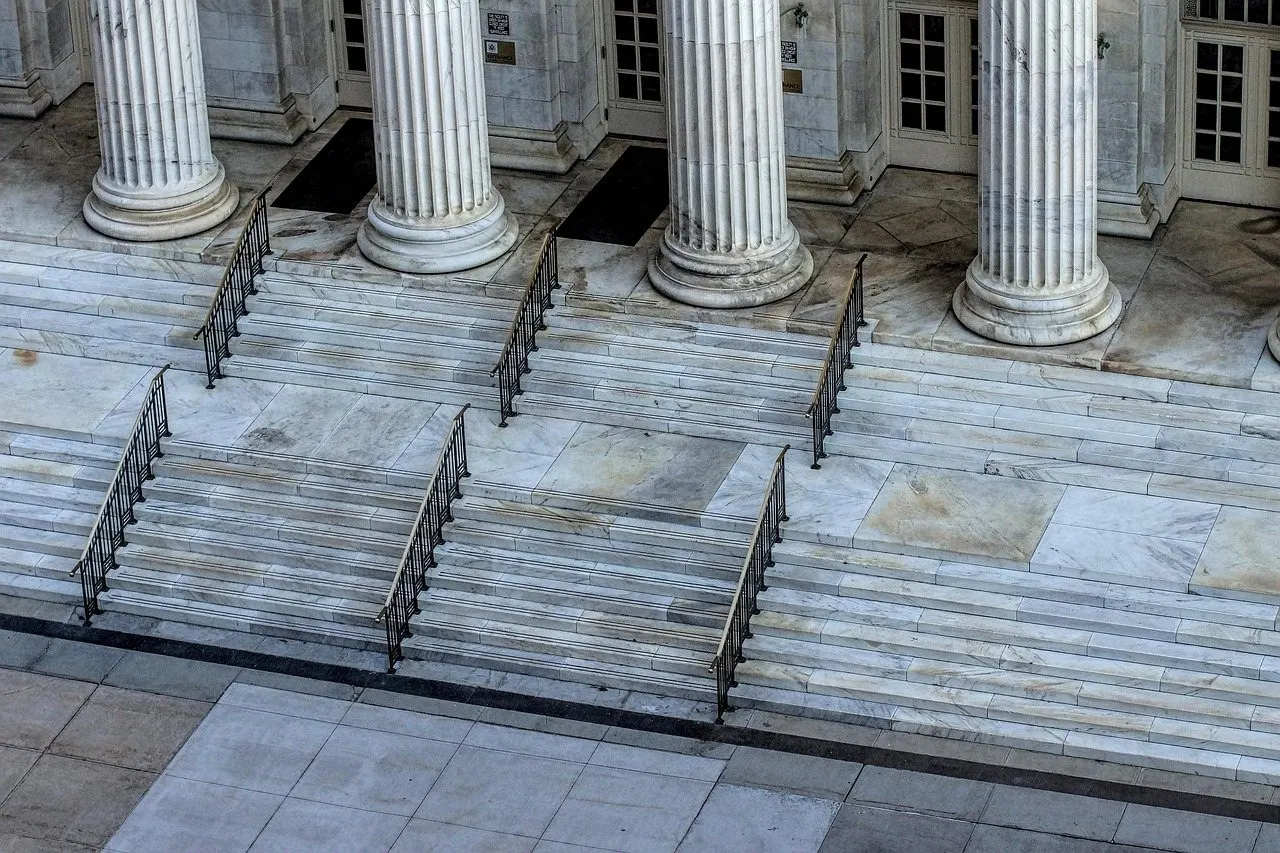
The triumphal arch ruling does not end the fight, and the next steps will play out in court over the coming weeks. The government can ask the judge to change her mind, or appeal to lift the injunction. Arlington County will keep arguing that the project lacked the review the law requires. Meanwhile, the Washington pause runs until December 3, 2026. Follow the story in our reports on Trump walked into the briefing room after a long flight from China.
Triumphal Arches Through History
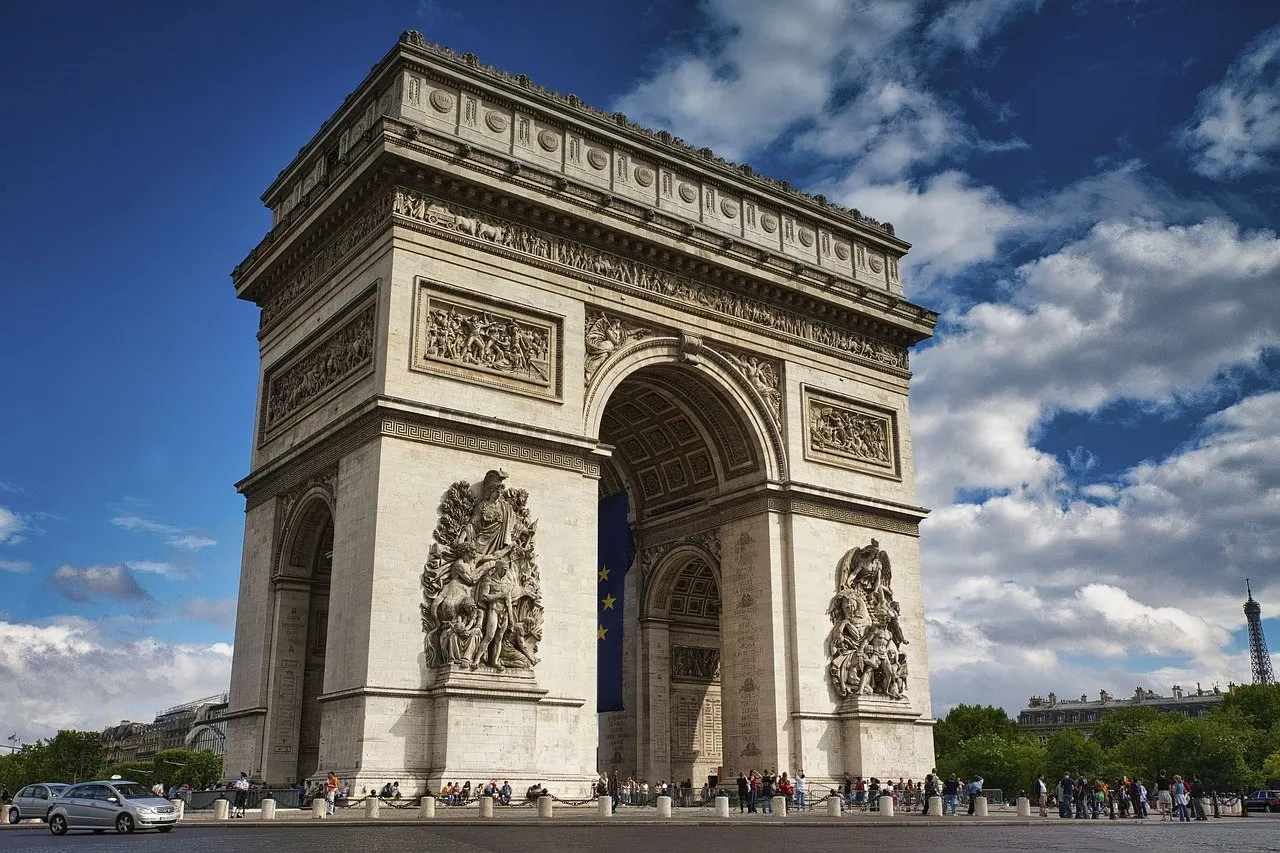
Triumphal arches have marked victories and honored armies for more than 2,000 years, from ancient Rome to the Arc de Triomphe in Paris. The arch in Paris was ordered by Napoleon and took 30 years to finish, and it still stands over one of the busiest squares in France. Cities build arches to celebrate a moment or a leader, and the shape has become a symbol of honor and pride. Read our stories on a Princeton student detained by ICE at Reagan Airport for more on history and power.
Why This Spot Matters in the Triumphal Arch Ruling
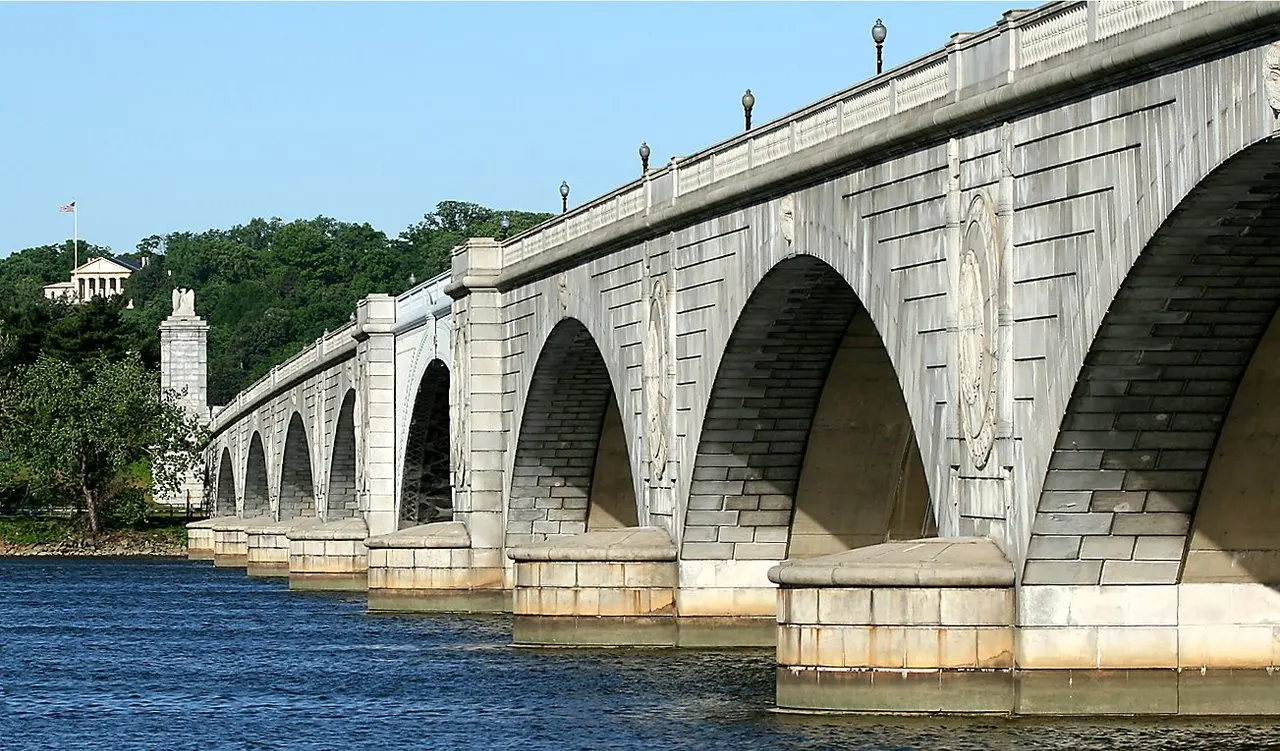
Memorial Circle stands at the Virginia end of the Memorial Bridge, which crosses the Potomac River toward the Lincoln Memorial in Washington. The bridge and the circle were built to link the capital with Arlington National Cemetery in one long line of memory and honor. Millions of visitors cross that bridge each year, and the view along it is one of the most photographed in the country. See our stories on Trump called seven European leaders about Ukraine for more on the capital.
The Scale of a 250-Foot Monument
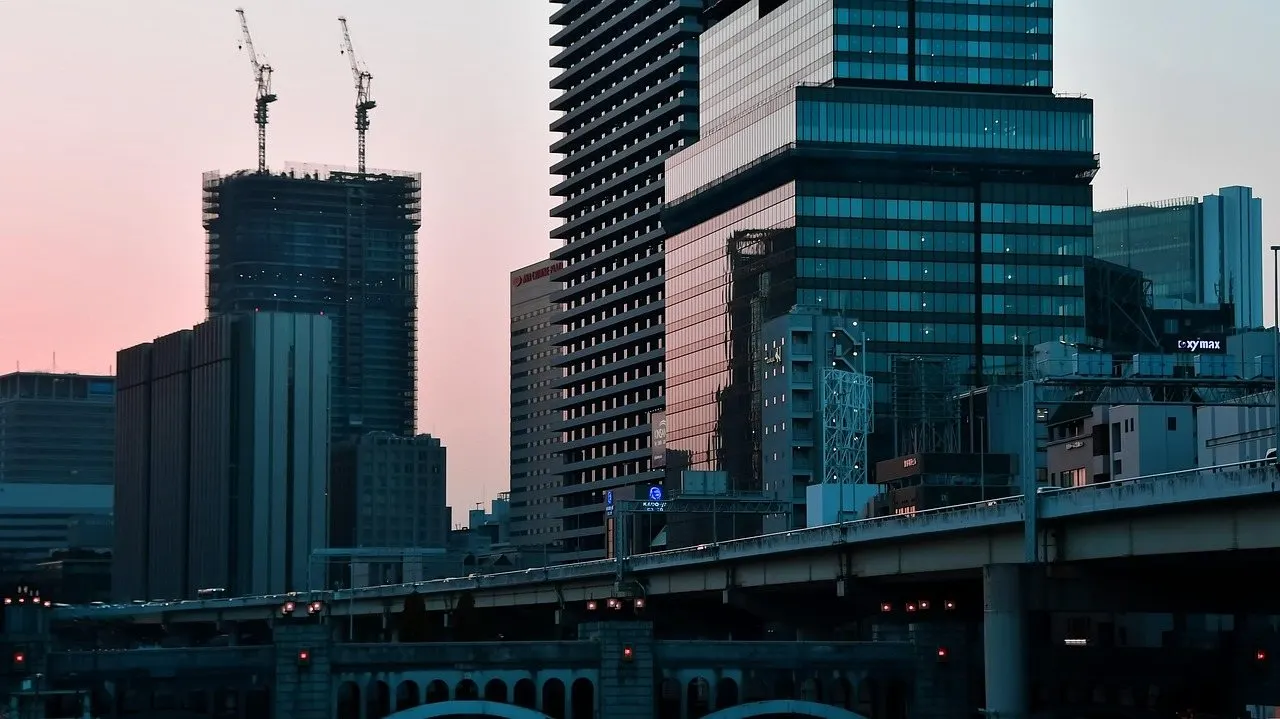
The triumphal arch ruling turned on the size of the plan as much as the law. At 250 feet tall, the arch would stand far above the trees and buildings around Memorial Circle. For scale, the Washington Monument rises 555 feet, and most nearby buildings are far shorter. A monument of that height can be seen for miles, and it shapes the skyline nearby. Read our reports on Jamie Raskin pushed a plan to recover Trump family profits for more on big plans in Washington.
How Court Rulings Like This One Draw Attention
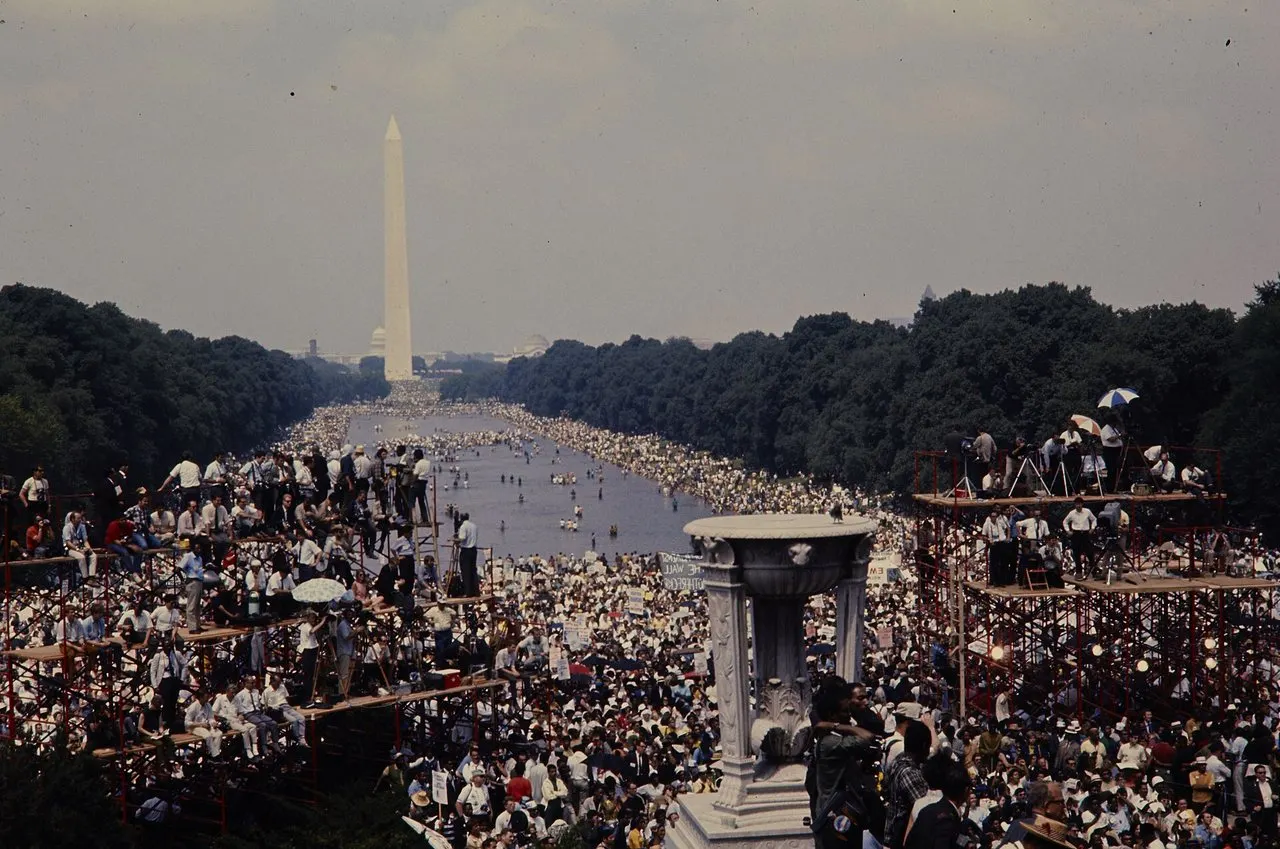
Court rulings about a president’s project always draw a crowd, and this one was no different. News of the Virginia injunction spread quickly, and the story was picked up by Reuters, MS NOW, Politico, and TMZ. Each outlet told the same core story in its own words, and each one noted that the arch had now lost twice in three days. Follow our coverage of Trump returned from Asia with new deals for more on the reaction.
The White House and the Triumphal Arch Ruling
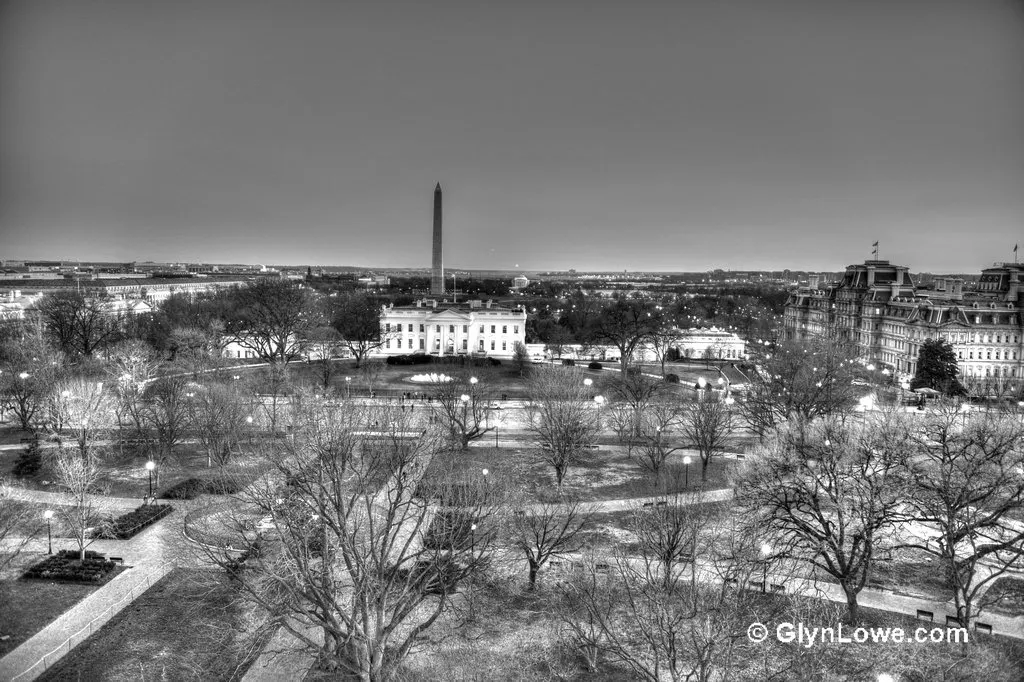
The triumphal arch ruling is a setback for a project that President Donald Trump wanted to build near one of the nation’s most honored places. The White House has not won in court so far, and the arch is now blocked in two federal courts at once. That does not mean the idea is gone for good, and the government can still appeal or restart the review with the missing studies. Read our stories on Trump headed back to Washington after his China trip for more on the White House.
What an Environmental Review Looks At
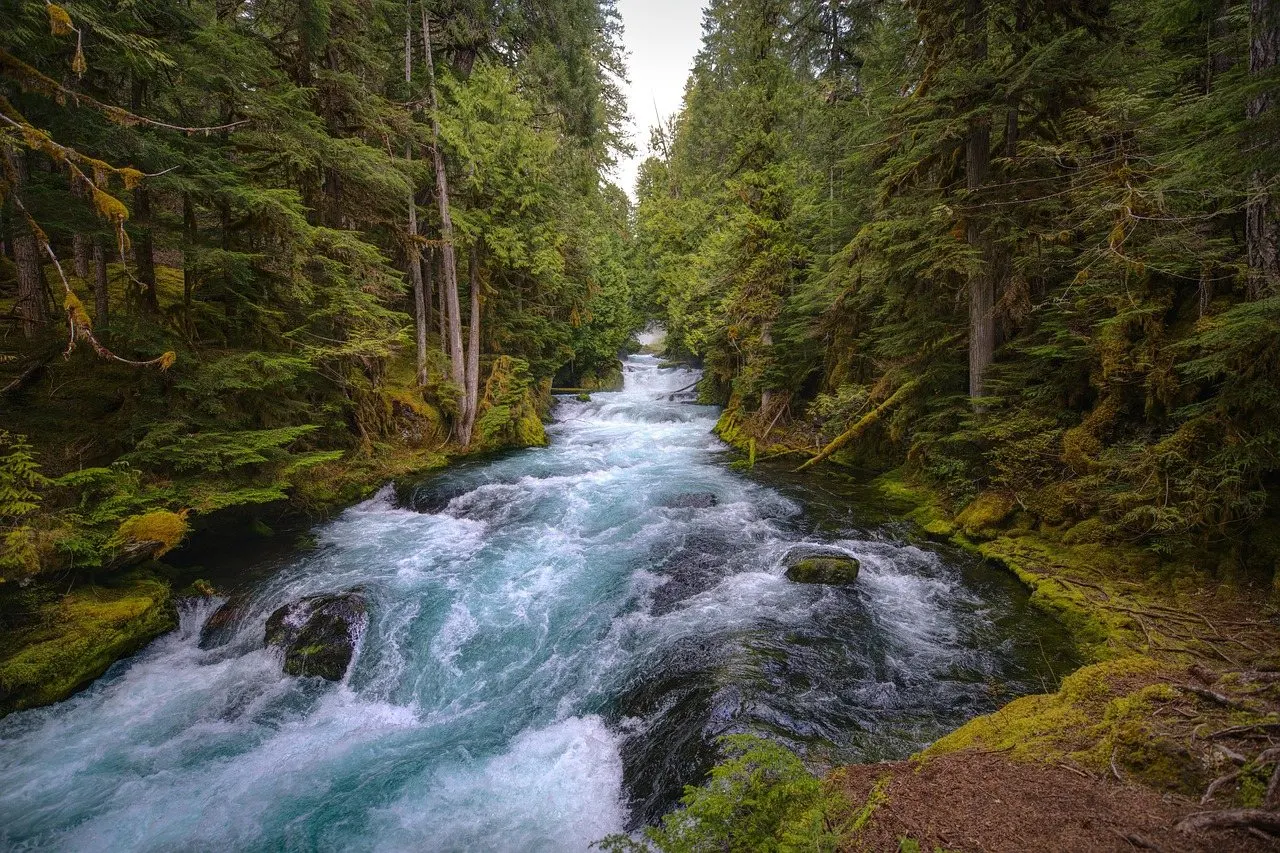
An environmental review asks how a project will change the land, the water, the air, and the life around it. Reviewers study noise, traffic, air quality, and the effect on parks and historic places, and they ask the public to weigh in. The review also looks at the economy, from jobs to the cost of roads and services. Judge Brinkema said the arch project lacked enough analysis of its environmental and economic effects. Learn more in our stories on Senator Thom Tillis blocked a Trump cyber nominee.
A Project on Hold After the Triumphal Arch Ruling
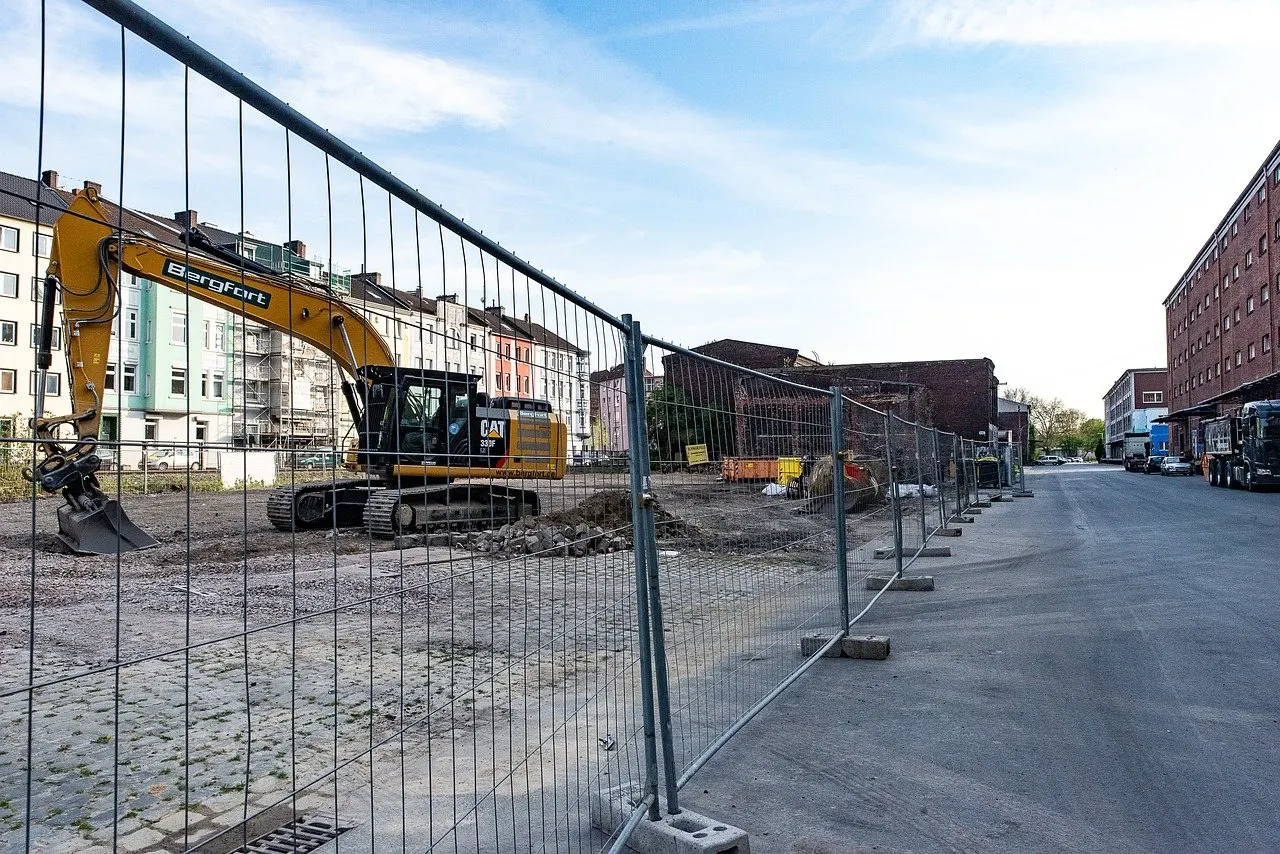
With the Virginia injunction in place and the Washington pause running until December 3, 2026, the arch project is fully on hold. No construction can move ahead while those orders stand, and the site at Memorial Circle will stay as it is. The coming weeks will show whether the government appeals, restarts the review, or changes the plan. Keep reading our reports on Trump walked into the briefing room after a long flight from China for the next chapter.
What Do You Think of the Triumphal Arch Ruling?
The triumphal arch ruling leaves a big question for readers, and we want to hear what you think. Should a 250-foot arch rise beside Arlington National Cemetery, or should the site stay as it is? Do you think the courts were right to stop a project that moved too fast, or should a president be able to build a monument without such a long review? While you are here, read our stories on a Princeton student detained by ICE at Reagan Airport.