Barracas Fire Sentence Brings Life In Prison
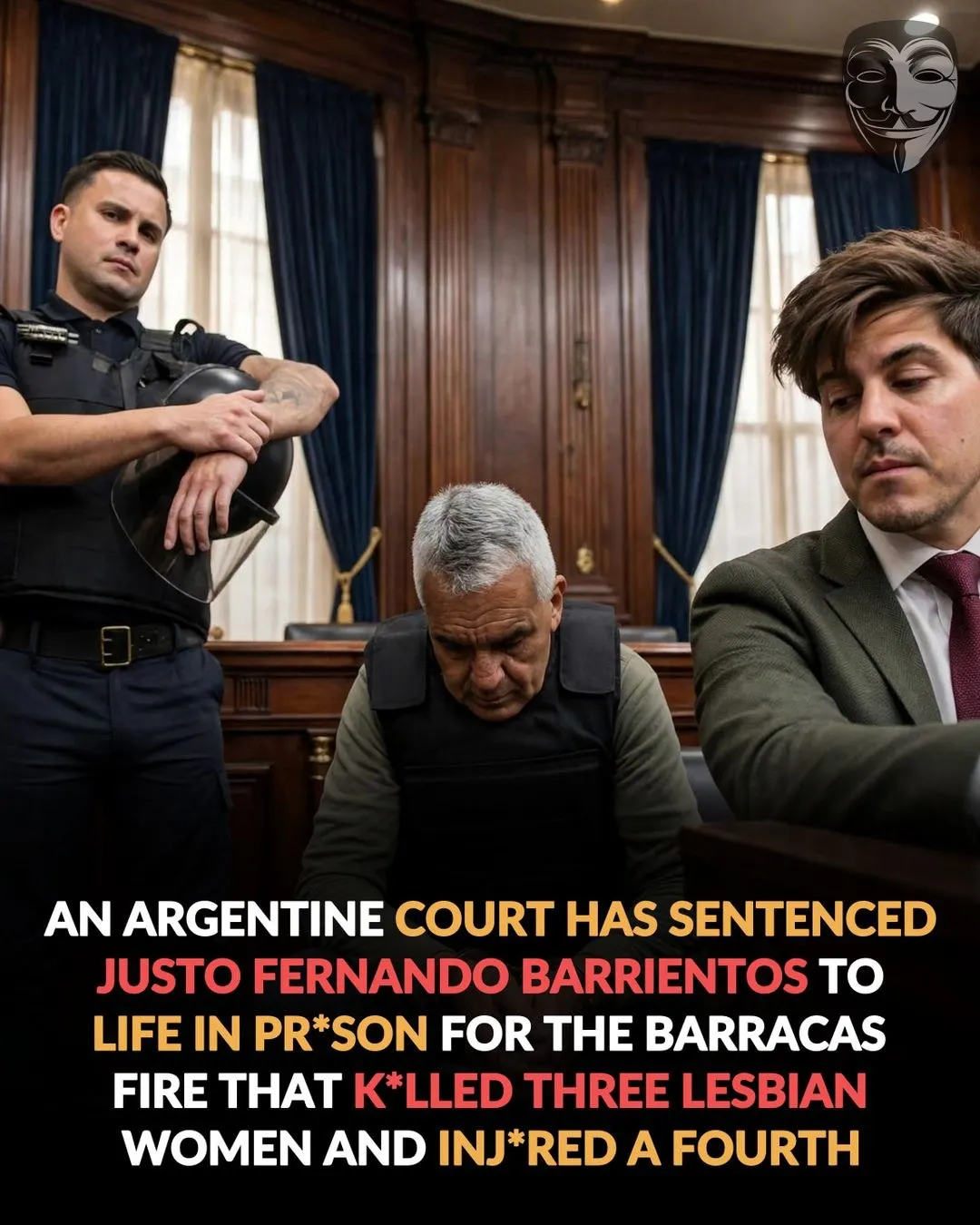
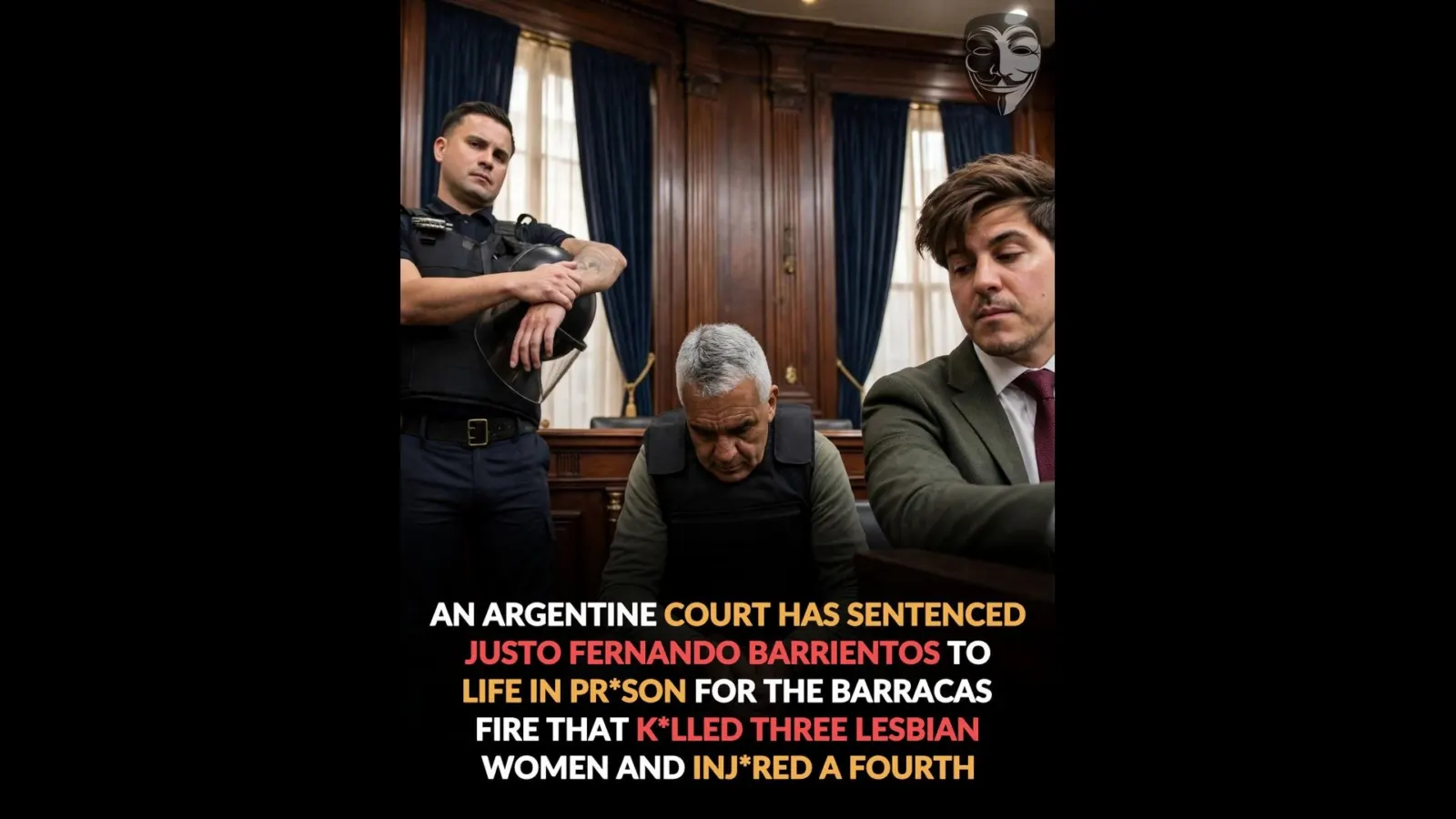
Barracas fire sentence became reality on November 18, 2026, when a Buenos Aires court gave Justo Fernando Barrientos life in prison for setting fire to a boarding house room in Barracas in the early hours of May 6, 2024. Pamela Cobbas, Mercedes Roxana Figueroa and Andrea Amarante died from their burns, and Sofia Castro Riglos survived after weeks in hospital. The judges found the fire was driven by hatred of the womens sexual orientation, the first time an Argentine court has named that hatred as an aggravating factor in a killing.
In the slides ahead we look at the night of the fire, the four women who were asleep in that room, the neighbors who tried to help, and the trial that ended with a life sentence. We also look at what the ruling means for Argentina and why advocates say it breaks new ground. For more on how courts handle hard cases, read our report on a federal judge ordering officials to justify an arrest and our story on a petition to force a vote on hidden files.
References:
Infobae: Barrientos Sentenced to Life in Prison for the Barracas Fire
Wikipedia: 2024 Buenos Aires Firebomb Attack
True Queer: Life Sentence in Argentinas Barracas Lesbicide Case and a Court Names the Hate
Bars Across: Buenos Aires Tribunal Convicts Over Deadly Anti Lesbian Attack
Four Women Asleep In A Barracas Boarding House
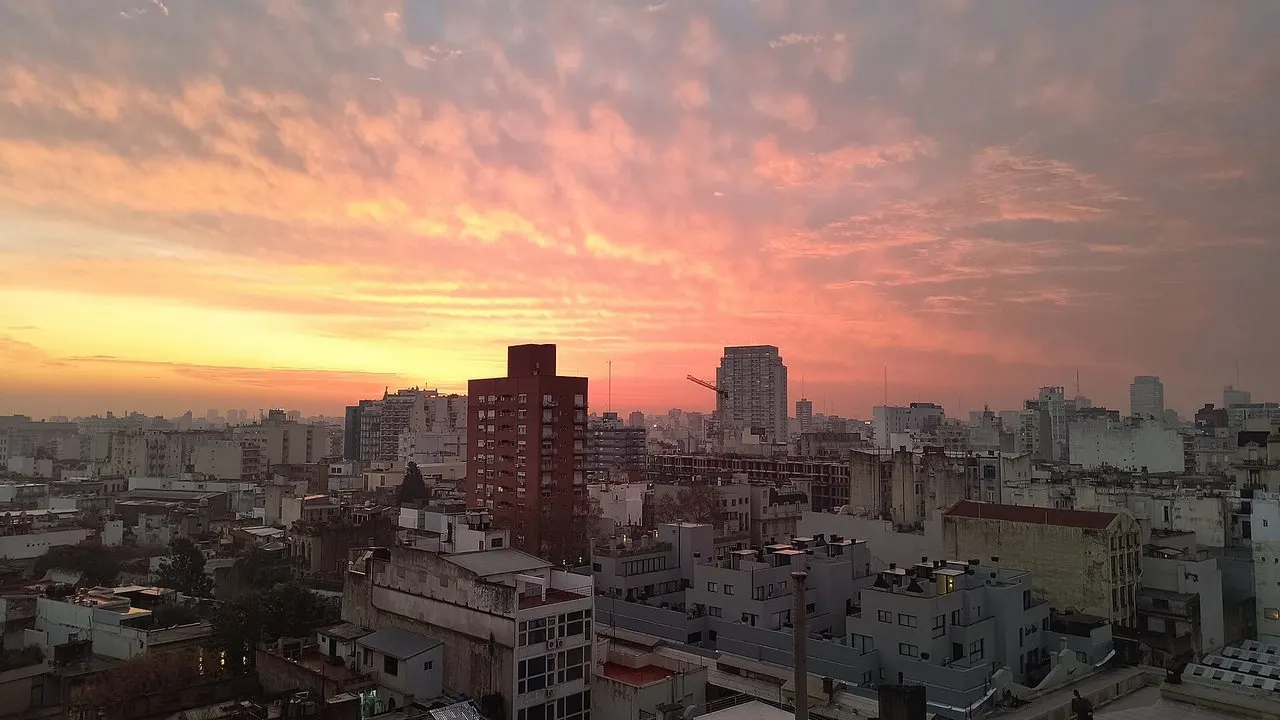
Pamela Cobbas, Mercedes Roxana Figueroa, Andrea Amarante and Sofia Castro Riglos were asleep in their room when the fire started in the early hours of May 6, 2024. The four women lived in a boarding house in Barracas, a neighborhood in the south of Buenos Aires, and the room was their home. They were neighbors of Justo Fernando Barrientos, who lived in the same building. The women had gone to sleep with no idea of what was about to happen. Read about a lawyer facing questions over her claims.
Pamela Cobbas Died Within Hours
Pamela Cobbas was one of the four women asleep in the room when Barrientos set it on fire. She suffered severe burns and died within hours of the fire, before her friends and family could hope for a recovery. Her death was the first of three. Pamela had shared the room with the other three women, and they had looked out for each other. Her story is told here with care. Read about a woman who fought back and escaped an attacker.
Mercedes Roxana Figueroa Died Two Days Later
Mercedes Roxana Figueroa, known to friends as Roxana, fought for her life for two days after the fire before she died from her burns. Doctors and nurses cared for her as her family waited for news, but her injuries were too severe. Roxana had burns over much of her body, like the other women in the room. Her death two days after the fire added to the grief of a community already in shock. She is remembered here by name. Read about a young man whose short life touched many.
The Barracas Fire Sentence Follows Andrea Amarante
Andrea Amarante lived until May 12, six days after the fire, before she died from her burns. Those who knew her hoped she might pull through. Her death on May 12 was the third loss from the same room, and it closed a week of fear and waiting for the families. All three women had burns over 75 percent to 90 percent of their bodies. Andrea is remembered here by name, as are Pamela and Roxana. Read about a son honoring his father with love.
Sofia Castro Riglos Survived After Weeks In Hospital
Sofia Castro Riglos was the fourth woman in the room, and she survived after weeks in hospital. Her recovery took a long time under the care of doctors and nurses. Sofia lived through the fire that took her three friends, and her survival meant the court also heard a case of attempted murder. Her strength mattered to the families and to the trial. The Barracas fire sentence also answers for what was done to her. Read about a marriage that began with a Canada wedding.
One Woman Tried To Crawl Out Of The Flames
One of the women tried to crawl out of the flames as the fire spread through the room. She reached the door and tried to get out, but Barrientos blocked the door and pushed her back into the fire. He hit and kicked her again and again as she tried to escape. Her effort showed how hard the women fought to live. The court heard this account in full, and it shaped the judges view of the cruelty involved. Read about a daughter building a life of her own.
Neighbors Carried The Women To The Showers
Neighbors in the boarding house heard the fire and came to help as fast as they could. They got the women to the shared showers to cool their burns, doing what they could before ambulances and doctors took over. The neighbors acted at once, without waiting to be asked. Their quick help was one of the few kind acts in a terrible night. The women owed their first care to the people who lived nearby. Read about a fight over the cost of health care.
Burns Covered 75 To 90 Percent Of Their Bodies
All three women who died had burns over 75 percent to 90 percent of their bodies. Burns on that scale damage the skin, the bodys ability to keep heat and fluid, and the organs beneath. Doctors face a hard fight to keep such patients alive, even with modern hospital care. Pamela died within hours, Roxana died two days later, and Andrea died on May 12. Those numbers tell how fierce the fire was and why the court called the attack cruel. Read about a judge ordering an arrest to be explained.
Barracas Fire Sentence Follows Years Of Harassment

Other residents testified that Barrientos had harassed the women for being lesbians. They said he used a slur for them and talked about wanting to kill them, long before the night of the fire. The women tried to go into the shared spaces together so they would not meet him alone. That fear shaped their daily life in the building. The testimony showed the fire was not a sudden quarrel but the end of a long pattern. Read about an investigation into claims about a lawyer.
The Women Went Into Shared Spaces Together
To stay safe, the four women tried to go into the shared spaces of the boarding house together, so none of them would meet Barrientos alone. Kitchens, halls and showers are shared daily, and the women planned around that risk. Their care for each other was a daily habit, not a single choice. Friends and neighbors noticed how they moved as a group. That detail stayed with the court, because it showed the women lived with fear in their own home. Read about a warning that dishonor would remain.
The Prosecutor Told The Court What Barrientos Intended
Prosecutor Juan Manuel Fernandez Buzzi told the court that Barrientos set the women on fire with the aim of burning them alive, making them suffer and die in agony. Those were strong words, and the prosecutor used them to explain why the charges were so serious. The court also heard that Barrientos blocked the door and pushed one woman back into the flames. The prosecution case joined the neighbors testimony to one clear account of that night. Read about an escape from a man posing as police.
Three Judges Heard The Barracas Fire Sentence Case
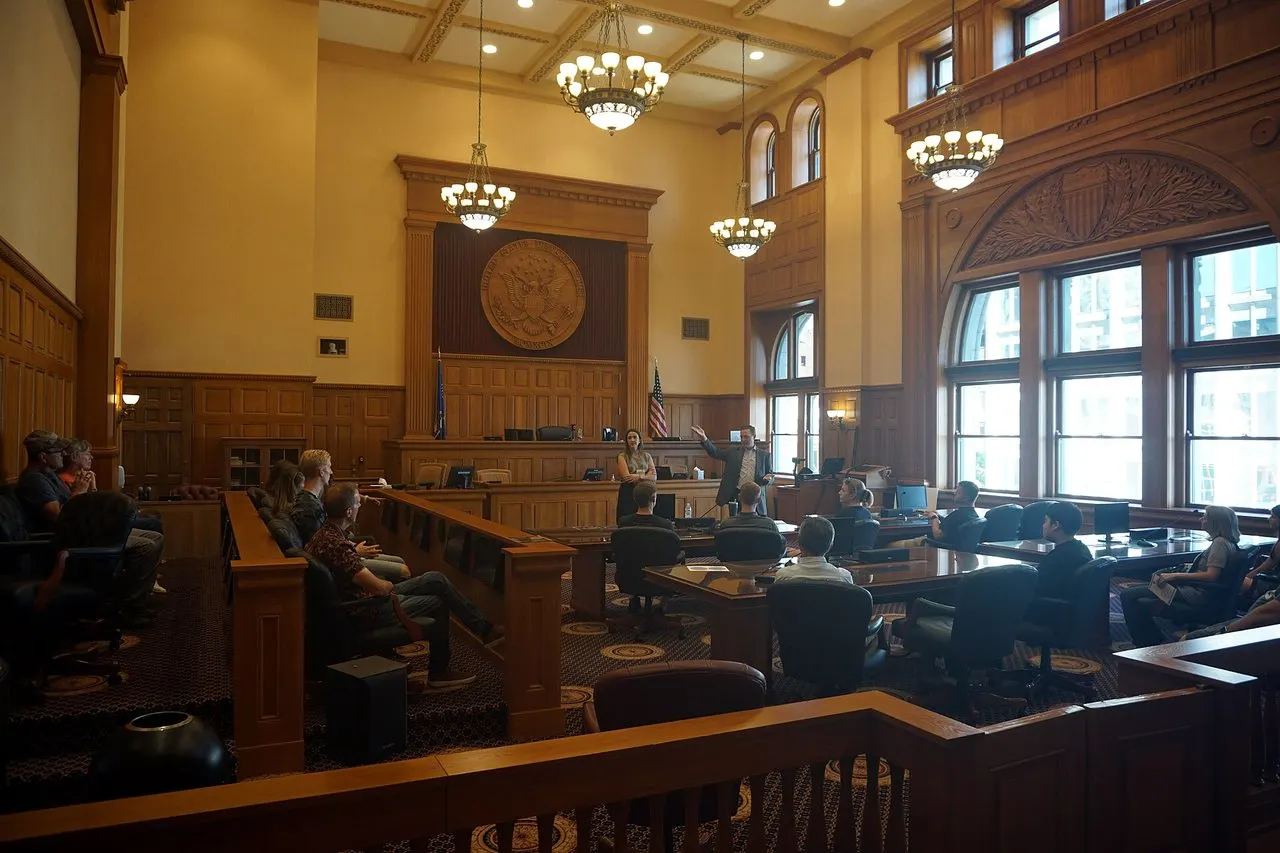
A three judge panel heard the case in Buenos Aires, weighing the testimony of neighbors, the medical evidence and the account of the surviving woman. Three judges, rather than one, bring more than one view to the hardest questions in a trial. The panel sat through the evidence about the night of May 6, 2024, and the months of harassment before it. Their work ended on a Wednesday with a unanimous decision. The panel system is used in Argentina for the most serious cases. Read about a life remembered at just 22.
The Verdict Was Unanimous
On Wednesday, the three judge panel unanimously convicted Barrientos of three aggravated murders and one attempted murder. A unanimous verdict means every judge on the panel agreed on each charge, which is a strong sign of how clear they found the evidence. The three murder charges covered Pamela, Roxana and Andrea, while the attempted murder charge covered Sofia, who survived. The panel also agreed on the reasons behind the verdict. That agreement gave the sentencing a firm base. Read about a tribute to the greatest dad in the world.
The Barracas Fire Sentence Names Hatred As An Aggravating Factor

The judges found the attack was driven by hatred of the womens sexual orientation, and named that hatred as an aggravating factor. Advocates say it is the first time an Argentine court has named that hatred in a killing. An aggravating factor makes a crime more serious in the eyes of the law and can lead to a heavier sentence. The ruling puts the motive at the center of the case, not at its edge. That is why advocates call it a landmark. Read about one month of marriage after a Canada wedding.
Extreme Cruelty Was Cited By The Judges
The judges also cited extreme cruelty in their verdict, pointing to the way the fire was set and the way escape was blocked. Setting fire to a room where four women slept, then blocking the door, showed a wish to cause long suffering, the court found. Cruelty matters in sentencing because it speaks to the mind of the person who acted. The panel weighed it with the hatred motive when it fixed the sentence. The Barracas fire sentence rests on both findings together. Read about splitting rent with three roommates.
I Feel Innocent, Barrientos Told The Judges
At his sentencing, Barrientos told the judges he felt innocent, even after the panel had convicted him of three aggravated murders and one attempted murder. His words were short, but they stayed with everyone who heard them. The families had waited more than two years for the verdict, and they heard a man deny what the court had found. The judges went on to hand down the life sentence the law allowed. His claim did not change the outcome. Read about a debate over lowering health costs.
November 18, 2026 Brought The Barracas Fire Sentence
On November 18, 2026, a Buenos Aires court sentenced the 70 year old Barrientos to life in prison. The sentence came more than two years after the fire, and it closed the trial that had heard neighbors, doctors and the prosecutor. Life in prison is the heaviest sentence the court could give for these crimes. The date now stands with May 6, 2024, as the two days that frame the case. Families, friends and advocates had waited a long time for this day. Read about a court ruling an arrest unlawful.
What The Barracas Fire Sentence Means For Life In Prison
A life sentence means the person found guilty spends the rest of their life in prison under the sentence handed down by the court. It is the most severe punishment a court can give, reserved for the gravest crimes. In this case the panel gave life after finding three aggravated murders, one attempted murder, a hate motive and extreme cruelty. The sentence sends a clear message about how the law views such crimes. For the families, it brings a form of closure. Read about a state bar launching an investigation.
Barracas, A Working Neighborhood Of Buenos Aires
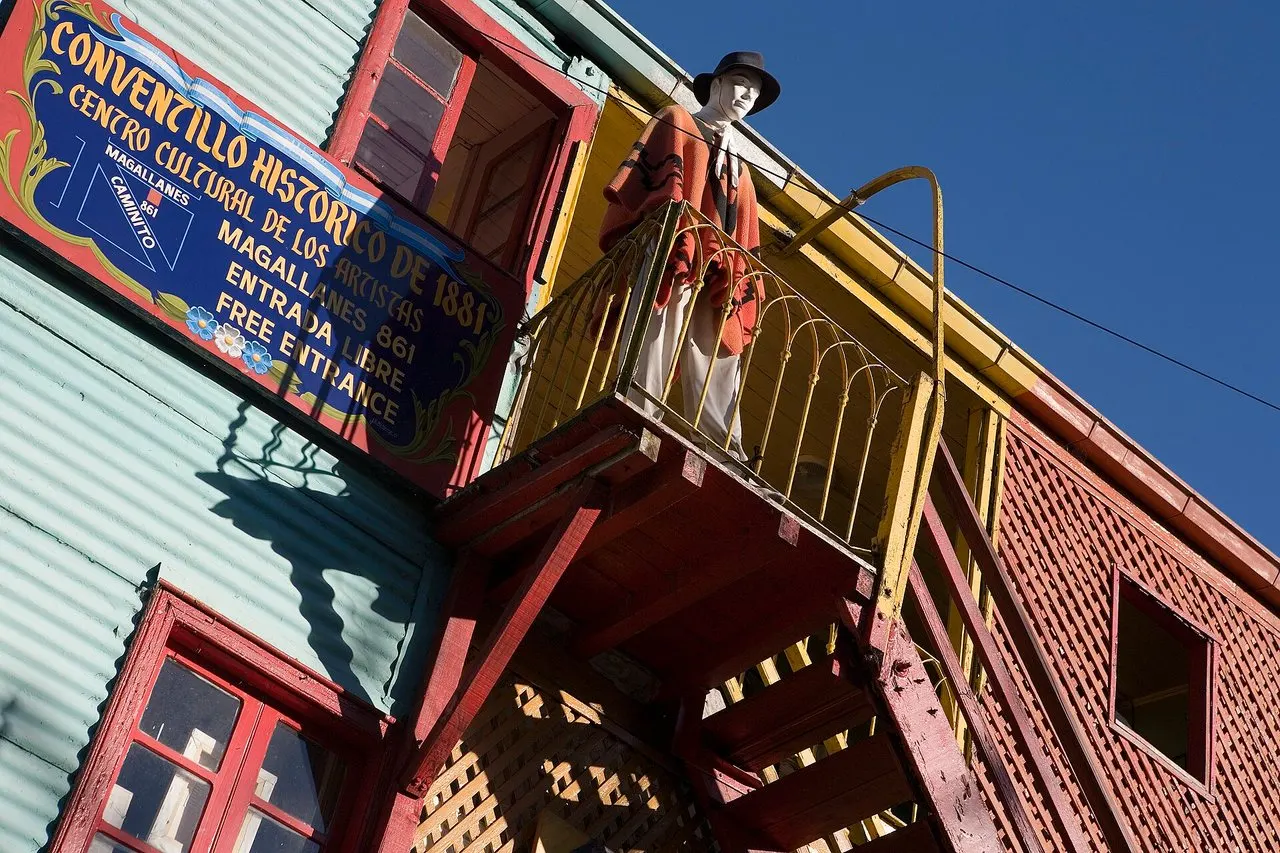
Barracas is a neighborhood in the south of Buenos Aires, the capital city of Argentina. It is a working neighborhood with old houses, small shops and boarding houses where many people live close together. Neighbors often know each other by sight, and shared spaces like kitchens and showers are part of daily life. The boarding house in this case was one of many such homes in the area. Knowing the place helps readers picture the night of the fire. Read about colleagues warned about dishonor.
Life In A Buenos Aires Boarding House
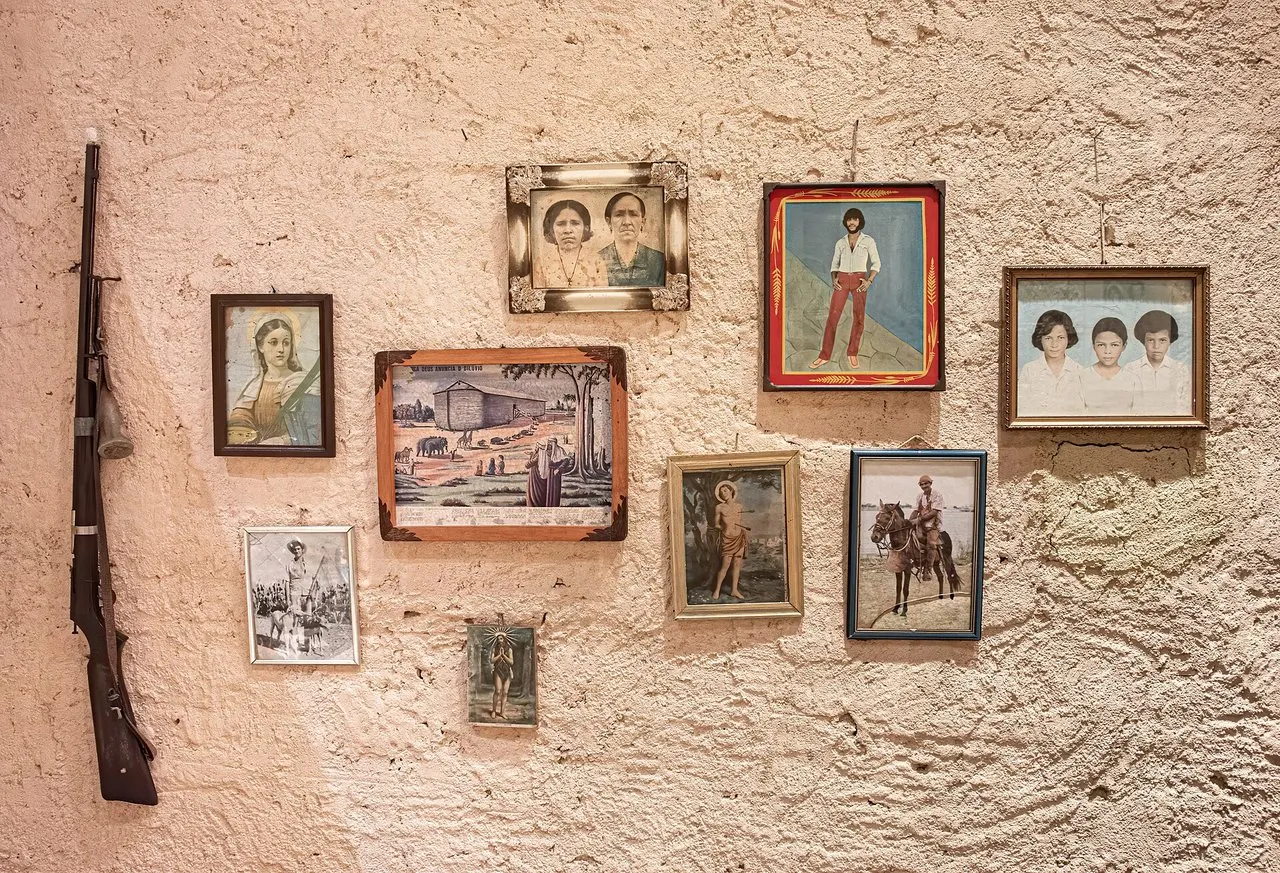
A boarding house is a home where many people rent single rooms and share kitchens, bathrooms and halls. In Buenos Aires, boarding houses have long offered cheap rooms to workers and newcomers to the city. Life there is close, and neighbors hear each other through thin walls. Shared showers, like the ones the neighbors used to cool the womens burns, are part of that life. The four women lived in that world, and so did Barrientos. Read about a 1974 escape from a dangerous man.
The Barracas Fire Sentence And Rights In Argentina
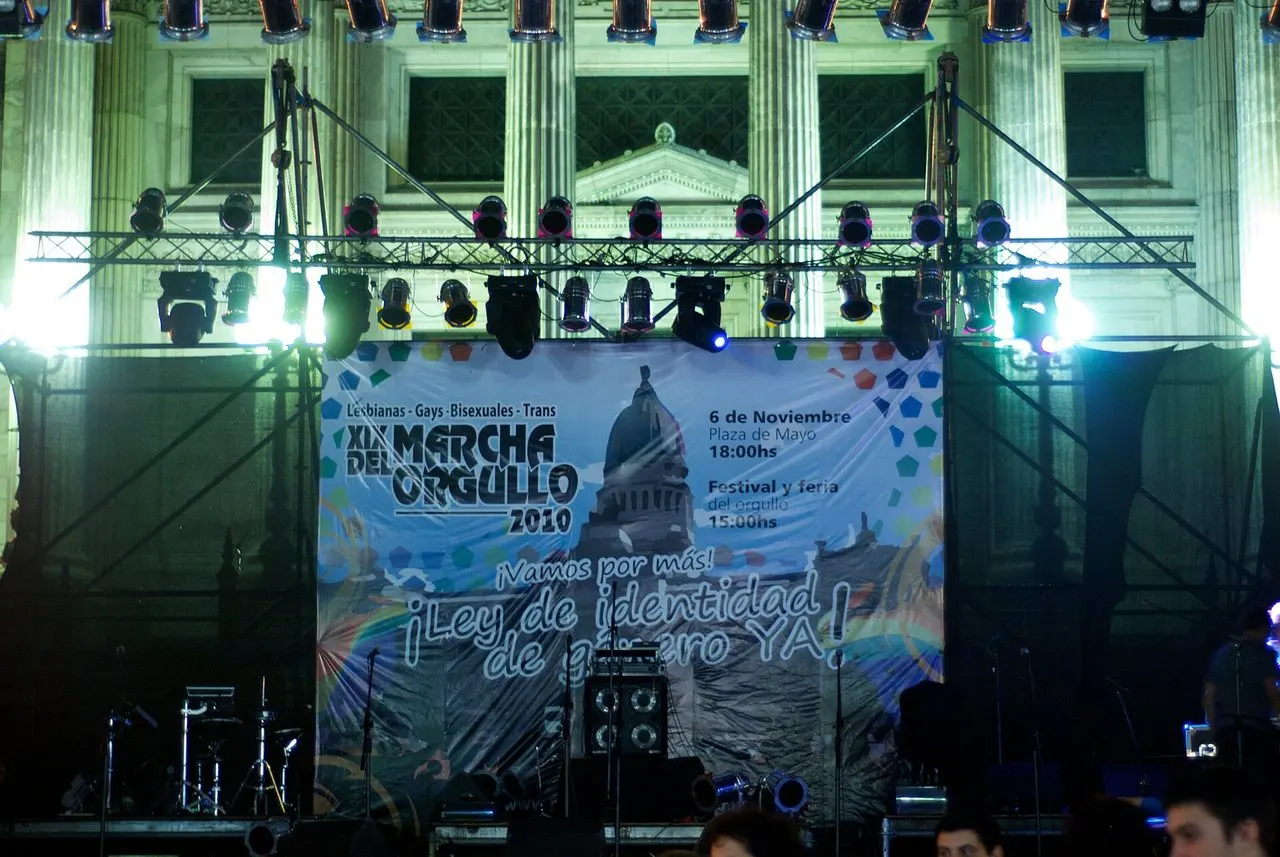
Argentina has been a leader in Latin America on the rights of gay and lesbian people, and it was among the first countries in the region to allow same sex marriage. Laws and courts there have moved toward equal treatment. This case adds a new step, because the court named hatred of sexual orientation as an aggravating factor for the first time. Advocates hope the ruling will guide later cases. The law can be slow, but this verdict moved it forward. Read about a young man who chose his own farewell.
Why Advocates Call It A Lesbicide Case
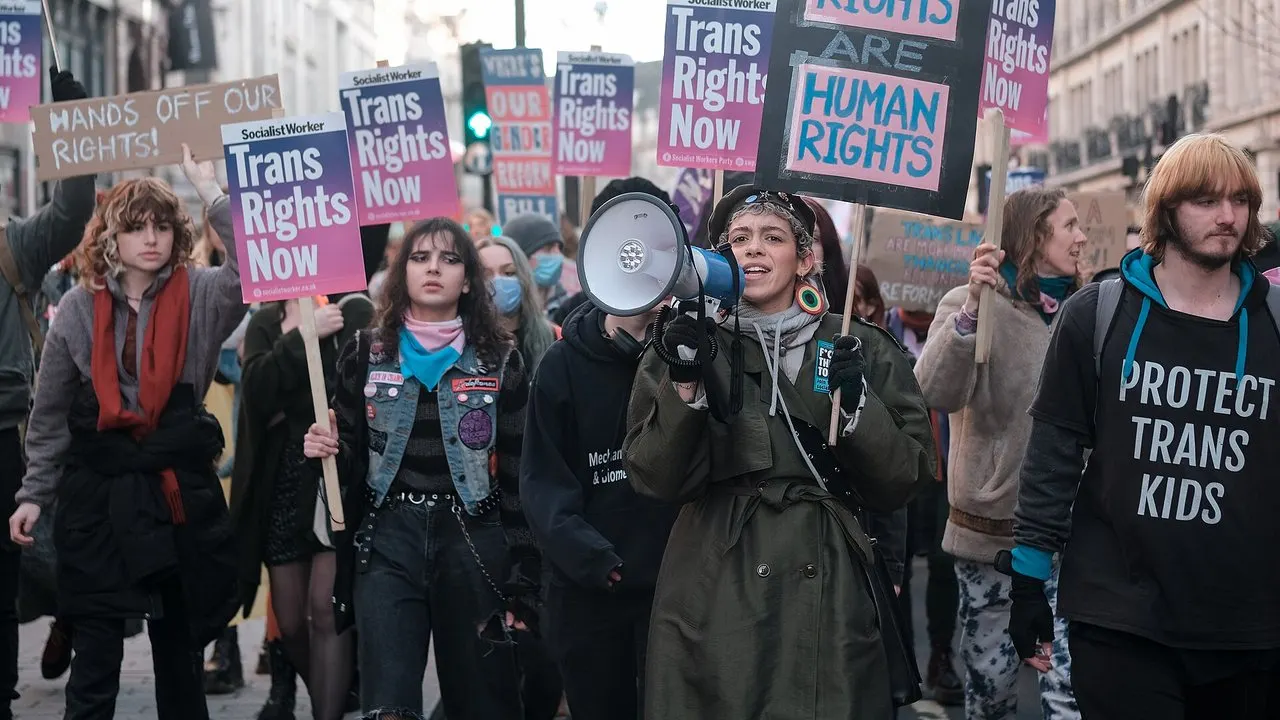
Advocates describe this case as a lesbicide case, a killing driven by hatred of lesbian women. The word joins lesbian and homicide to name a motive that older laws often left unnamed. The Barracas case fits that word because the court itself found the attack was driven by hatred of the womens sexual orientation. Naming the motive matters to families and to the wider community, because it says the law sees who the victims were. The name has now entered the public record. Read about a father called the greatest dad.
What The Ruling Could Mean Next

A ruling like this one can shape later cases, because other judges and lawyers read it when they face similar facts. Prosecutors may now point to Barracas when they argue that hatred of sexual orientation should count as an aggravating factor. Families in later cases may find the law more ready to hear them. Change in the law often comes one case at a time, and this case is one of those steps. Its full effect will show in the years ahead. Read about a wedding the couple never dreamed would happen.
Remembering Pamela, Roxana And Andrea
Pamela Cobbas, Mercedes Roxana Figueroa and Andrea Amarante are remembered here by name, not only as victims of a crime. Each had a life, friends and family before the night of May 6, 2024. Remembering them by name is a small act against the hatred that took them. Sofia Castro Riglos, who survived, carries their memory with her own story of recovery. Their names belong in the record of this case, and this article keeps them there. Read about a life built with three roommates.
Barracas Fire Sentence Ends A Long Wait
More than two years passed between the fire on May 6, 2024, and the sentence on November 18, 2026. For the families, that wait meant months of grief, hospital visits and court dates. Trials take time because evidence must be gathered, witnesses heard and the law applied with care. The wait does not undo the loss, but the verdict gave the families an answer they had sought since that night. The Barracas fire sentence closes the trial, though the grief remains. Read about costs cut from trillions to trillions.
What Does The Barracas Fire Sentence Mean To You
This case raises hard questions about hatred, safety at home and what justice can do after a terrible loss. If you lived in a boarding house, would you feel safe knowing a neighbor had threatened you? What should courts do when hatred drives a crime? We want to hear what you think about the verdict and what it means for Argentina and beyond. Share your thoughts in the comments below and keep the talk kind and fair. Read more in a warning that dishonor would remain.