The Goya Foods Buyout That Never Happened
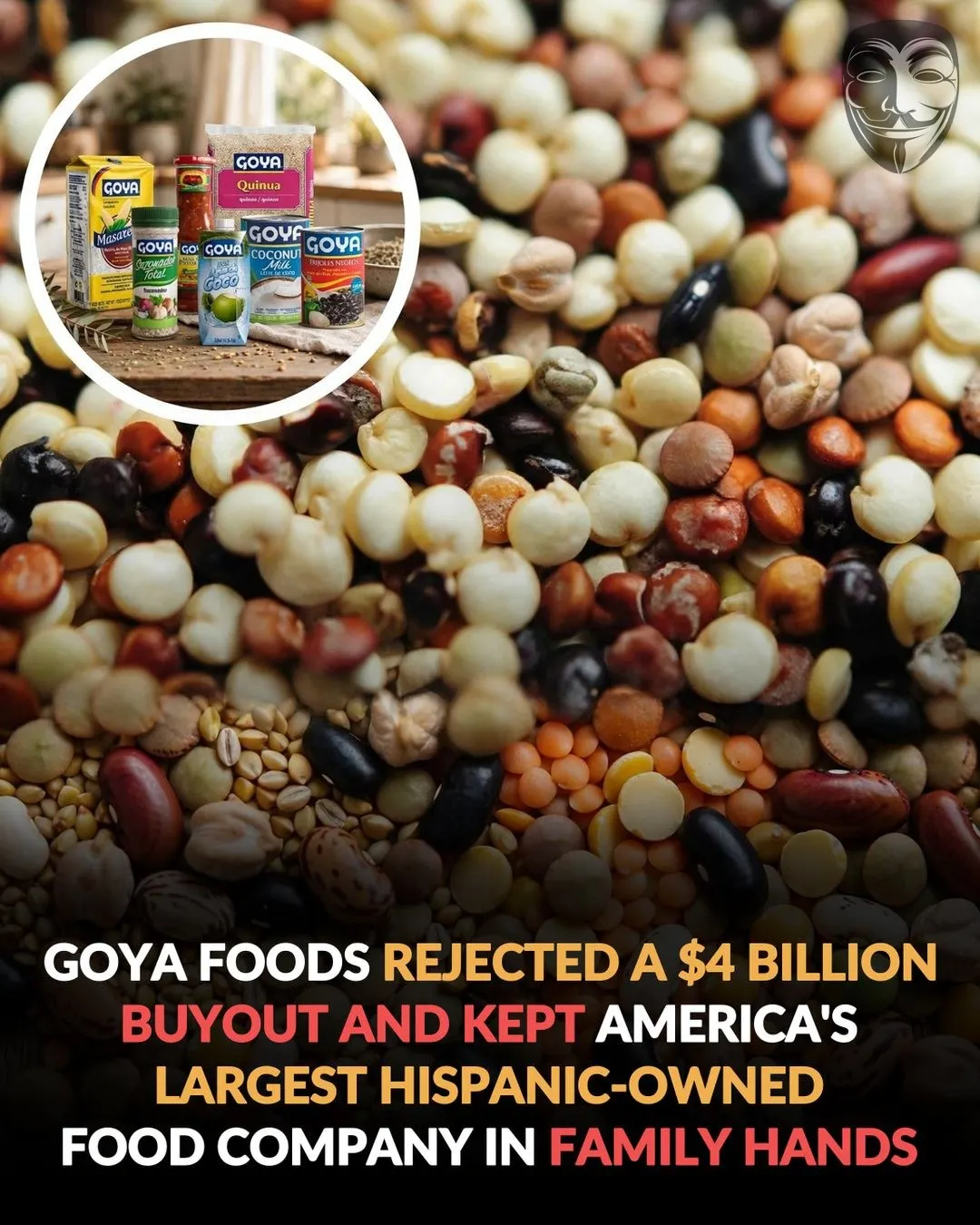
The Goya Foods buyout ended before it began, when the Unanue family turned down a four billion dollar offer and kept the company in family hands. The family started Goya in a small New York storefront in 1936, and it grew into Americas largest Hispanic owned food company. When the Carlyle Group came calling with plans to buy the company, take it public and restructure how it operates, the family said no. They chose their name and their cultural roots over a massive payout.
Reports from 2019 said Carlyle would pay between three billion and four billion dollars, but the family wanted to keep running the company, so the deal fell apart. Chief executive Robert Unanue said at the time that Goya is not for sale, and the family kept control of the business their grandparents built. In the slides ahead we look at the offer, the history and why this choice is rare. For more on big money choices, read our story on why Gen Z wishes cash would come back and our report on a chief executive who was asked to return.
References:
Food Dive: Report: Goya Foods rejects sale to retain family leadership
Food Processing: Report: Goya Rejects Buyout Offer
New York Post: Food giant Goya canning a sale to Carlyle Group
ROI NJ: Goya’s Unanue, responding to reports, again says company is not for sale
The Goya Foods Buyout Offer Was Four Billion Dollars

The Goya Foods buyout offer was worth four billion dollars, a sum that could have retired generations of the family. Private equity firms like the Carlyle Group buy companies, then try to grow them fast and sell them on. The offer showed how much outsiders valued the brand the family had built since 1936. Yet the family looked at the number and still said no. Read about other giant deals in our report on a trip that closed 17 billion dollars in deals and our story on a return home after 17 billion dollars in new deals.
A Small Storefront in New York in 1936
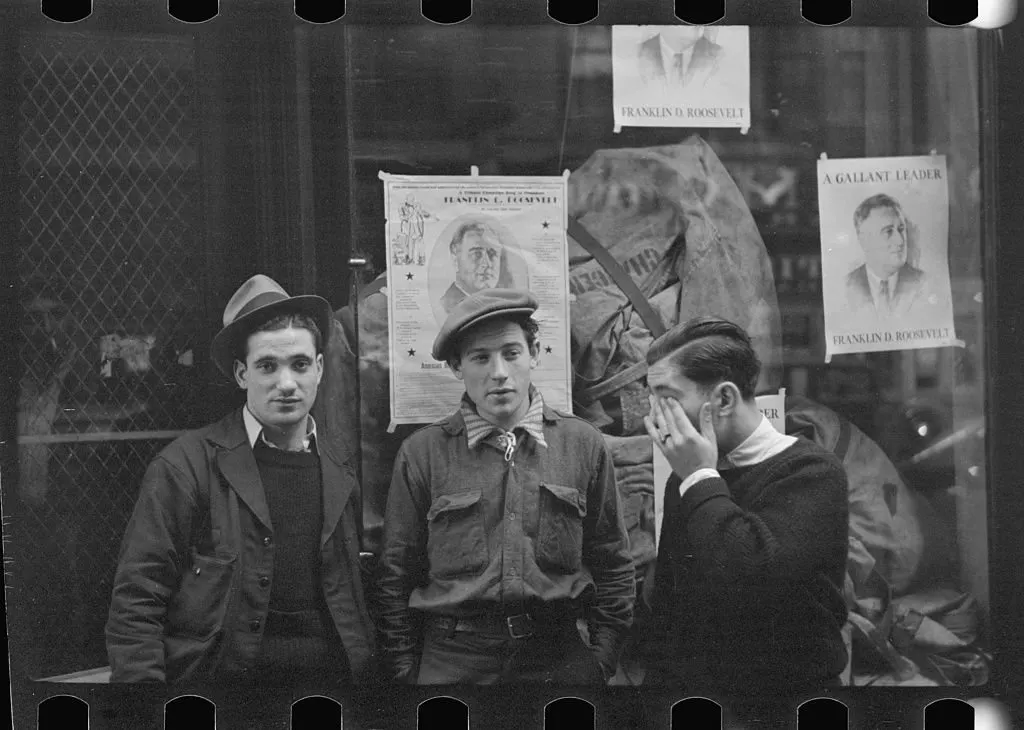
The story began in 1936, when the Unanue family opened a small storefront in New York. The city in the 1930s was a crowded place of pushcarts, corner shops and families starting over after hard years. A small shop could serve its own block first if the food was good and the owners worked hard. That little storefront was the seed of everything that followed. Big companies often start very small. See how food history is preserved in recipes that nourished this land centuries before the first Thanksgiving.
The Unanue Family Started With One Small Shop
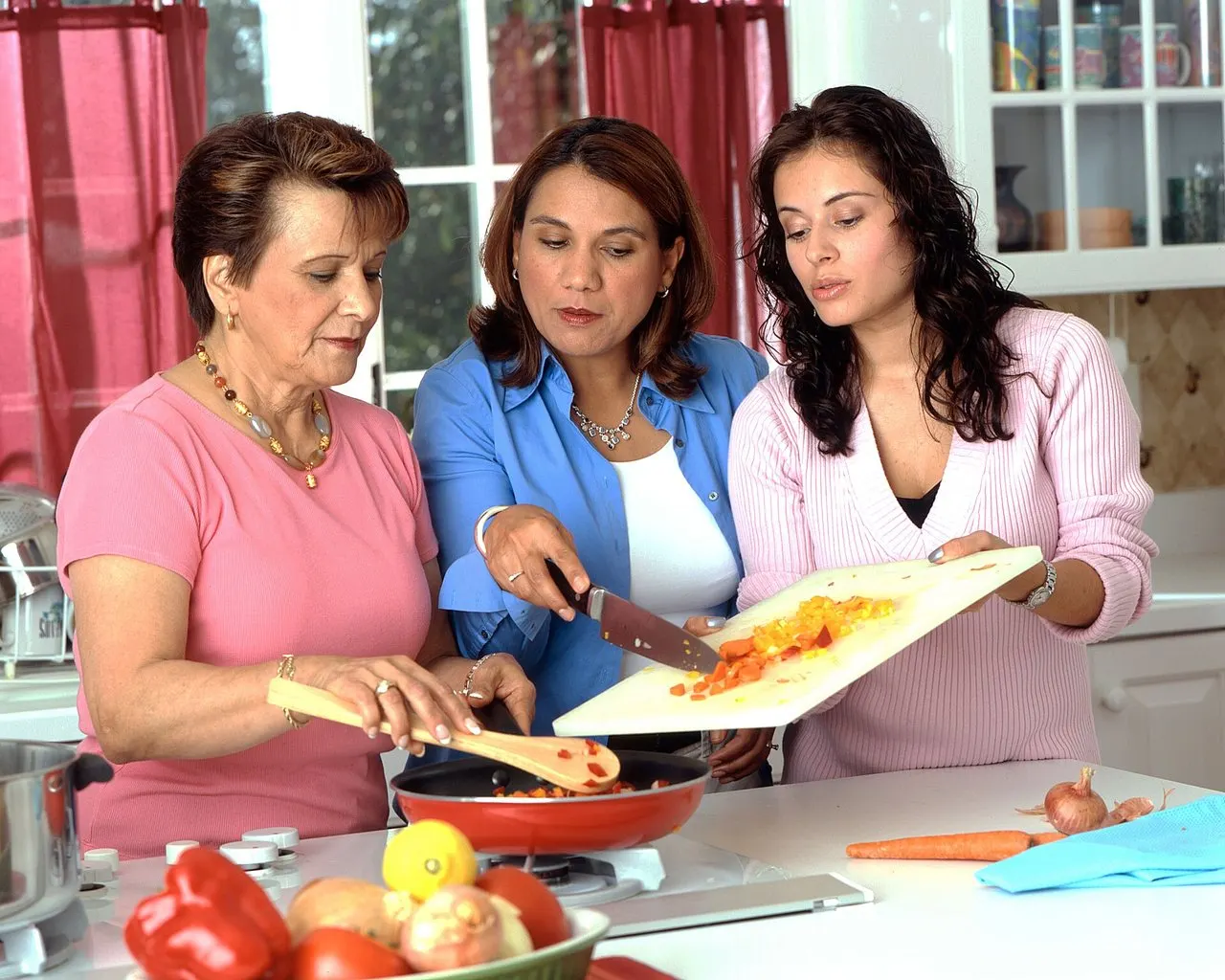
The Unanue family built Goya from a single small shop into a company that feeds millions of homes. Family businesses often grow this way, one loyal customer at a time, with recipes and habits passed down at the kitchen table. The founders knew their customers by name and knew which foods their neighbors missed from home. That closeness shaped the company as it grew, and it stayed part of how the family ran things. Read about lasting love and loyalty in 32 years of love between Zidane and Veronique.
The Goya Foods Buyout Ended With One Sentence

The Goya Foods buyout ended when chief executive Robert Unanue said the company is not for sale. A chief executive speaks for the whole company, so his words carried weight with buyers, workers and shoppers alike. Reports said he repeated the message when the rumors would not go away, which showed the family was united behind the choice. Saying no once is hard, and saying it again takes real resolve. See how other leaders stand firm in a deal that could give more time on a major conflict.
What the Goya Foods Buyout Would Have Changed
The plan was to buy the company, take it public and restructure how it operates. Taking a company public means selling shares on the stock market, where new owners and quarterly reports start to shape every choice. Restructuring can mean new managers, new rules and new ways of working. For a family that had run its own kitchen for decades, that was a lot to give up. Read a story with a twist in a viral post that was not about who you thought and our report on how the U.S. spends on health care administration.
A Name and Roots Worth More Than Money
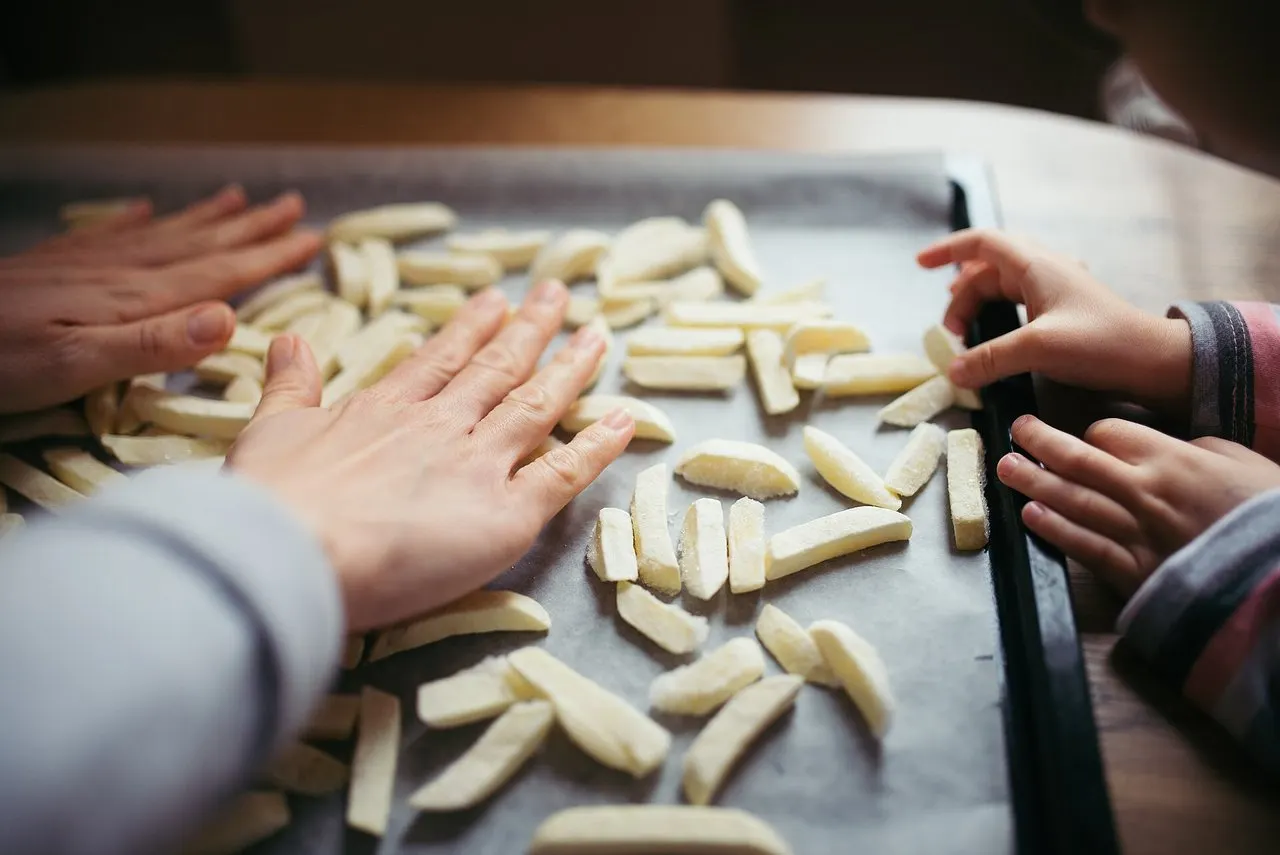
The family chose their name and their cultural roots over a massive payout, and that choice says a lot about what they value. A family name on a food label is a promise, and for the Unanue family that promise reaches back to the storefront their grandparents started. Cultural roots shape the recipes, the flavors and the pride in the food. Money can buy many things, but it cannot buy back a name once it is sold. See what family care looks like in a sketch that feels like real life for caregivers.
The Goya Foods Buyout Price Was Three to Four Billion

The Goya Foods buyout was reported in 2019, when Carlyle was said to be ready to pay between three billion and four billion dollars. The range shows the two sides were far apart on more than money. The family wanted to keep running the company, so the deal fell apart even though the price was huge. A sale needs a price and a willing seller, and here the seller was never willing. Read about other billion dollar sums in why Gen Z wishes there was cash to carry.
The Goya Foods Buyout Target Was Americas Largest Hispanic Owned Company

The Goya Foods buyout targeted Americas largest Hispanic owned food company, a title the family built over decades. Being the largest in its field means the brand reaches kitchens across the country and carries real weight on grocery shelves. It also means the company stands for a whole community of cooks, shoppers and families. Losing that independence would have changed more than one balance sheet. Find party food ideas in holiday snacks that feed a full house on a small budget.
Beans, Rice and the Foods on the Shelf
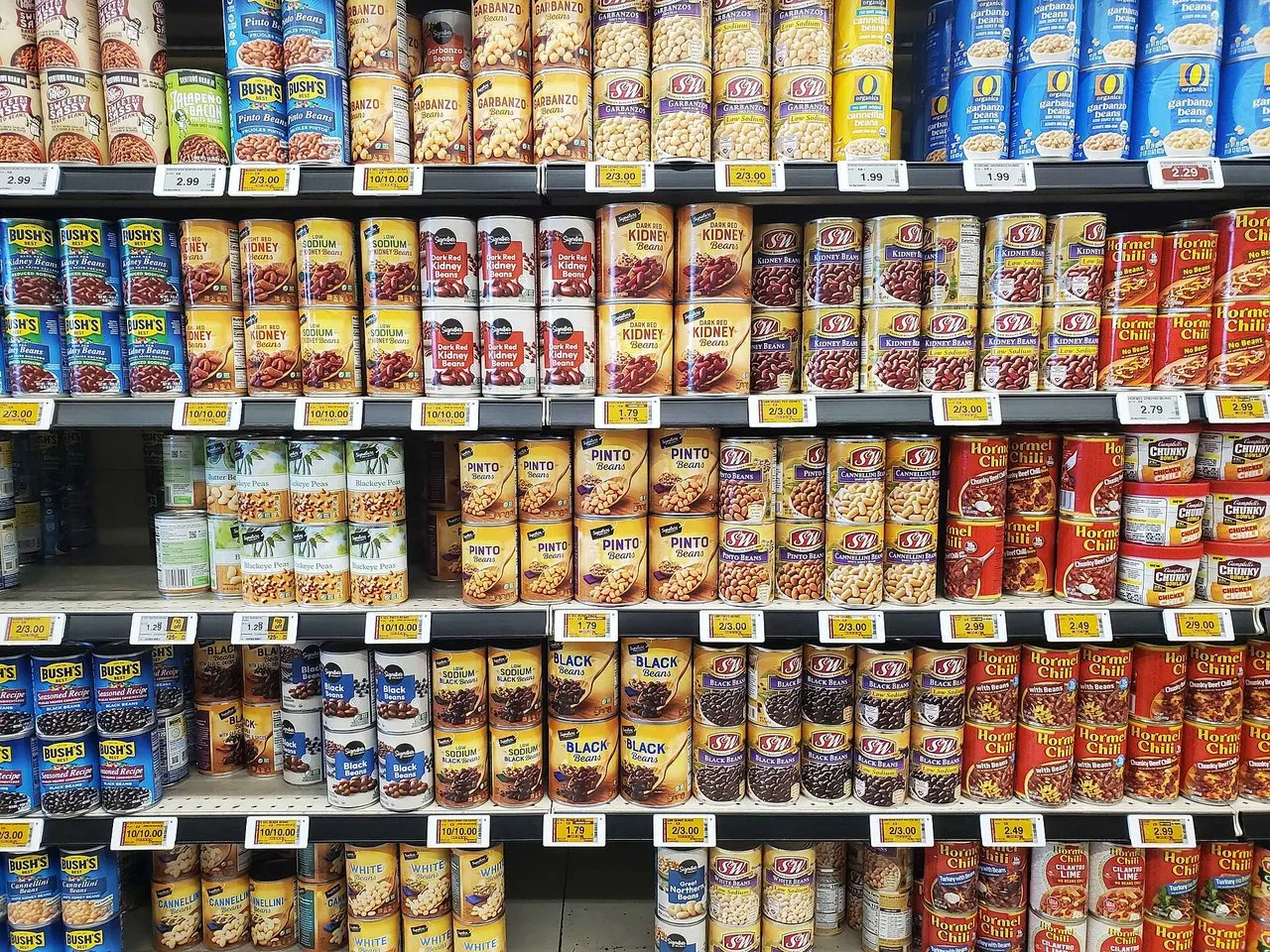
Goya is known for pantry staples like beans and rice, the foods that sit at the heart of so many family meals. A can of beans or a bag of rice may look simple, but it carries the flavors that people grew up with and pass on to their kids. Keeping those staples steady in taste and quality is part of why shoppers stay loyal for years. When a family owns the company, it can protect those recipes. Try hearty dishes in Kentucky dishes starting with chicken and dumplings.
Latin Food That Tastes Like Home
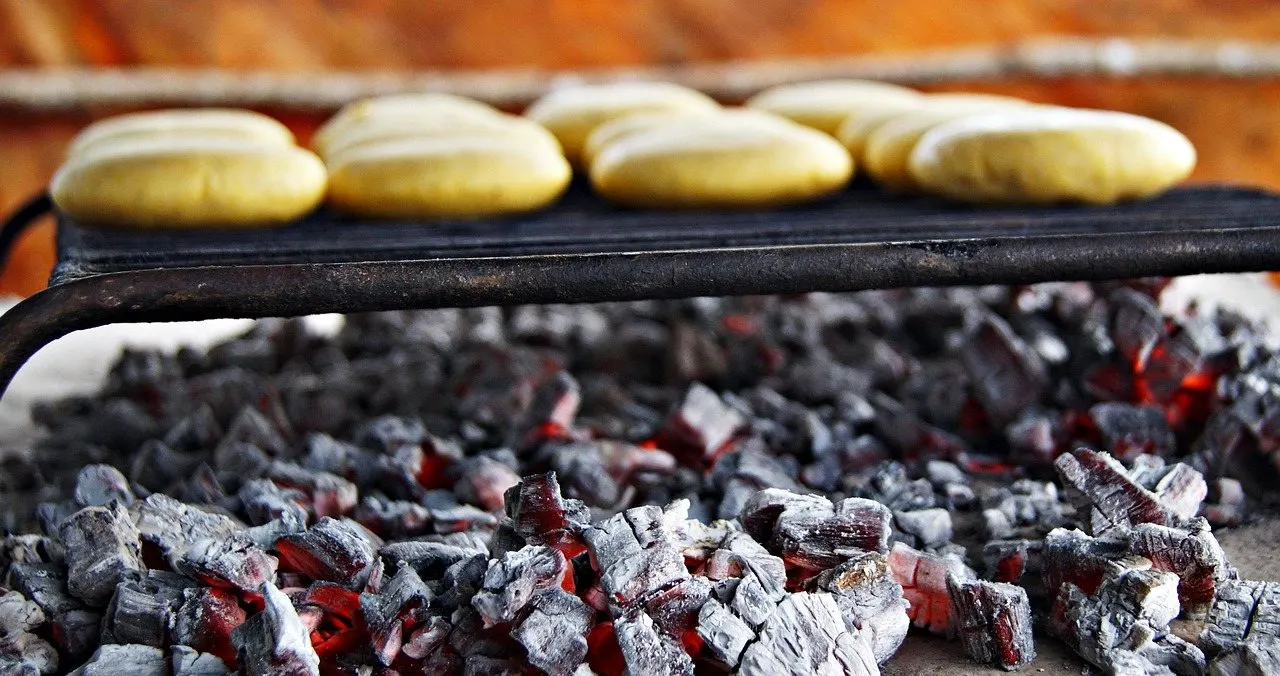
Latin American food is comfort food for millions of families, from arepas and tortillas to stews that simmer for hours. These dishes often come from grandmothers and mothers who cooked without written recipes, tasting as they went. A company that grows from that tradition has to respect it, or shoppers notice the change at once. That is one reason the family wanted to stay in charge of its own kitchen. Bake something warm with rich tender holiday breads worth saving every crumb for.
From One Shop to Shelves Across America
From one small shop, Goya grew until its products reached shelves across America. Growth like that takes steady work, fair prices and food that people trust enough to buy again. It also takes owners who reinvest in the business instead of cashing out at the first big offer. The family did that for decades, and the shelves show the result. See how towns stand up for themselves in residents who forced a recall of the mayor.
The Goya Foods Buyout and What Wall Street Does Next
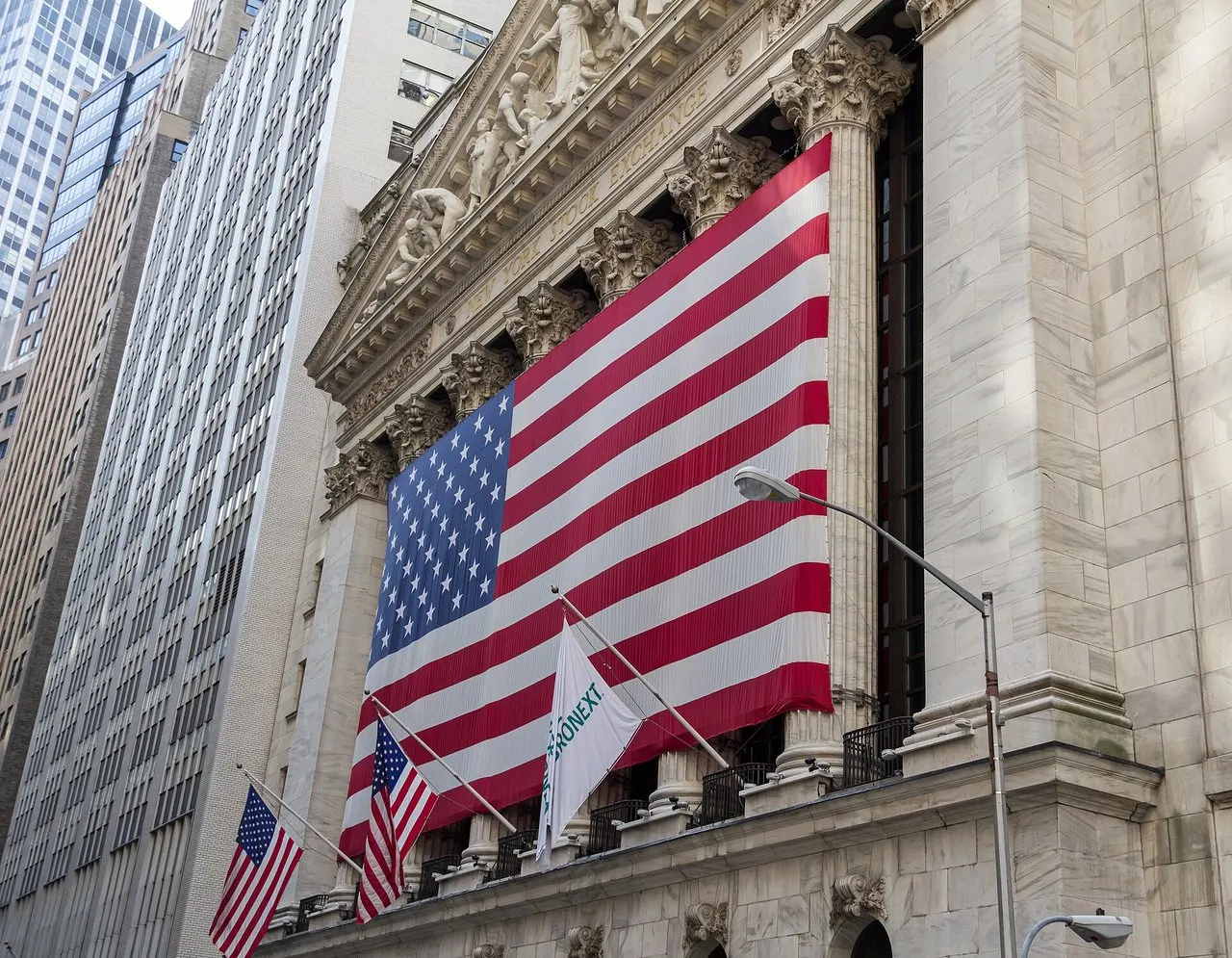
The Goya Foods buyout shows what Wall Street does when it wants a family company. Buyers often promise growth, then tweak recipes, switch to cheaper ingredients and chase quarterly profits. The original mission can fade fast once outsiders are in charge. The Unanue family saw that pattern and refused to let it happen to their food. Read about high stakes deals in a historic trip with 17 billion dollars in deals.
Keeping Control of Their Own Kitchen
By keeping Goya in family hands, the family kept control over their own kitchen. That matters because recipes are the heart of a food company, and small changes can ruin a dish that people love. A family owner can say no to a cheaper ingredient in a way that a hired manager often cannot. Control of the kitchen means control of the promise on the label. Cook along with family holiday recipes from Al Roker.
Why the Goya Foods Buyout Failed
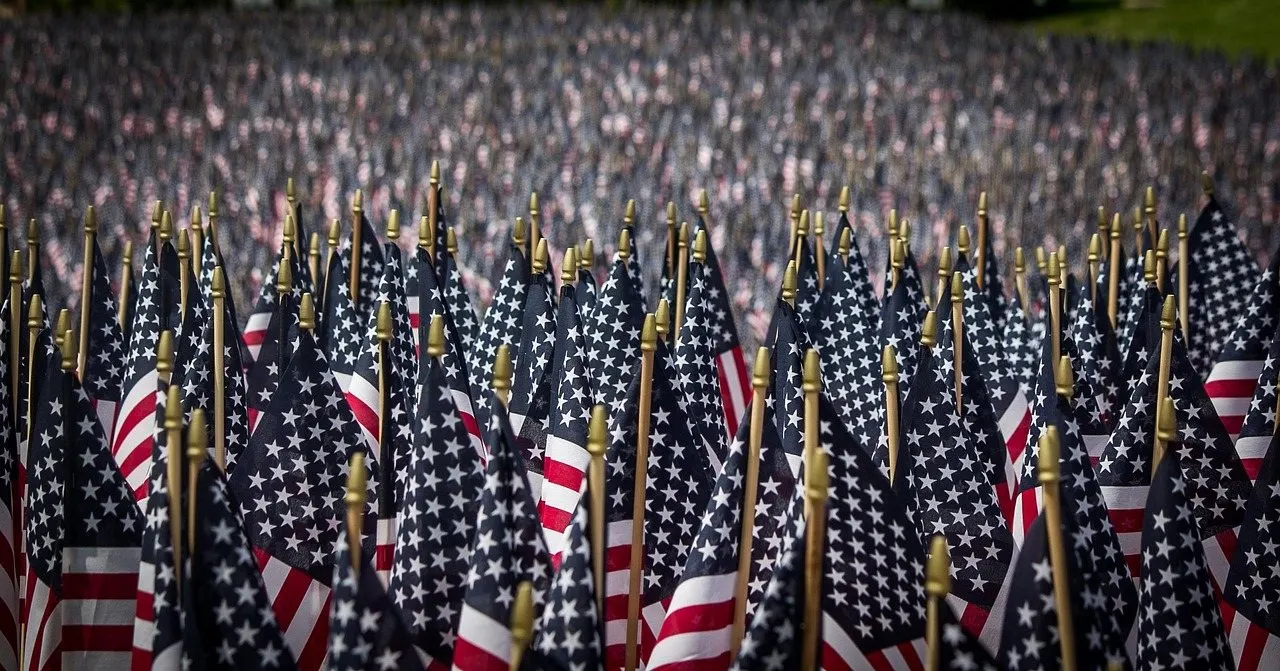
Why the deal failed is simple, since the family never wanted to sell. A buyout needs a seller who is ready, and the Unanue family was not ready at any price. Reports said the talks went on for a while, but the family held its ground and the deal fell apart. Some things are worth more than a check, and the family proved it. See other bold stands in a return home after historic meetings and new deals.
Walking Away From the Goya Foods Buyout Money

Walking away from four billion dollars takes a level of conviction that almost no one in the food industry has anymore. The family could have taken the massive payout and retired for generations, yet they looked at the storefront their grandparents started and decided their name was not for sale. That kind of choice is rare, and it is why readers keep sharing this story. Read about money and value in why Gen Z wishes there was cash to carry.
Goya on Grocery Shelves Across America
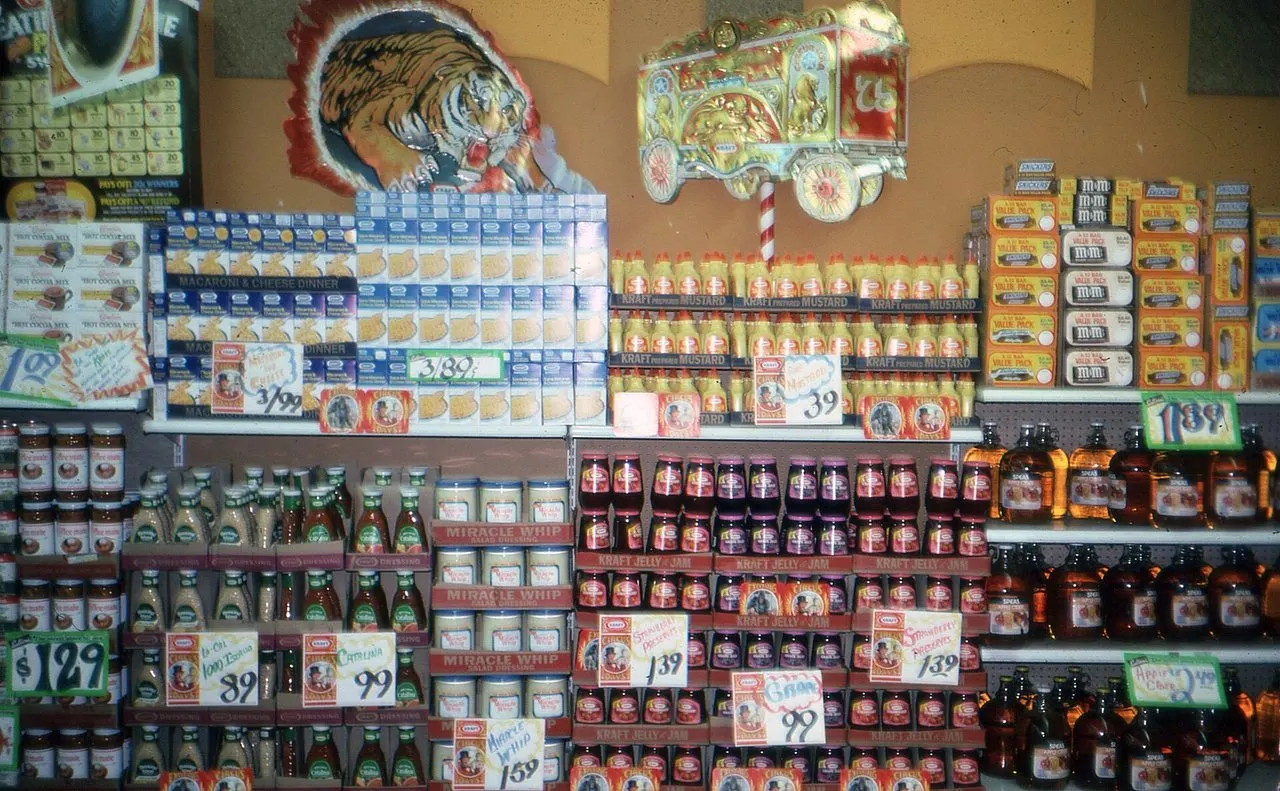
Walk down the grocery aisle in almost any American town and you will find Goya products lined up on the shelves. That reach is the result of decades of work, from the small New York storefront to a company that serves cooks everywhere. Shoppers reach for the cans and bags they know, and the brand has earned that trust one meal at a time. It is a quiet kind of success. Plan a gathering with holiday snacks that feed a full house on a small budget.
New York in the 1930s
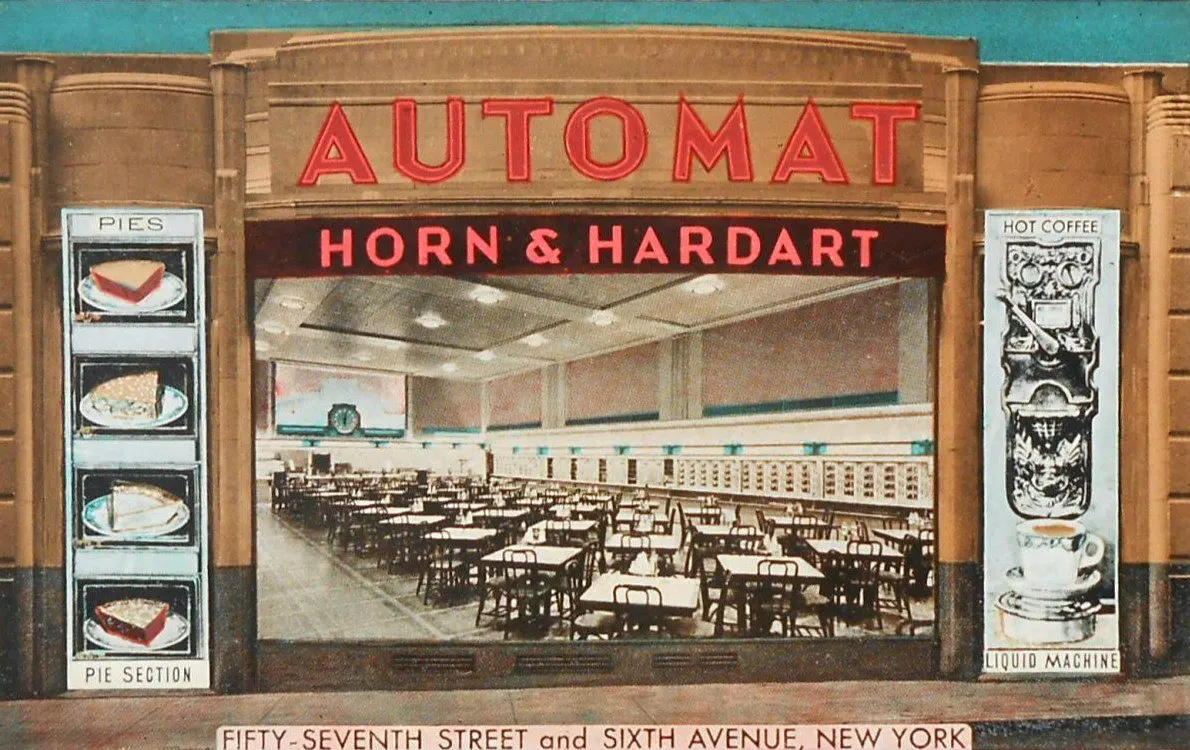
New York in the 1930s was a city of immigrants, corner shops and big dreams, even in hard times. Families from many countries opened small stores, sold food from home and built new lives street by street. The Unanue family was part of that story, starting small and working long hours. The city gave them a chance, and they made the most of it. Learn about deep roots in recipes that nourished this land centuries before the first Thanksgiving.
Markets Full of Color and Fresh Food
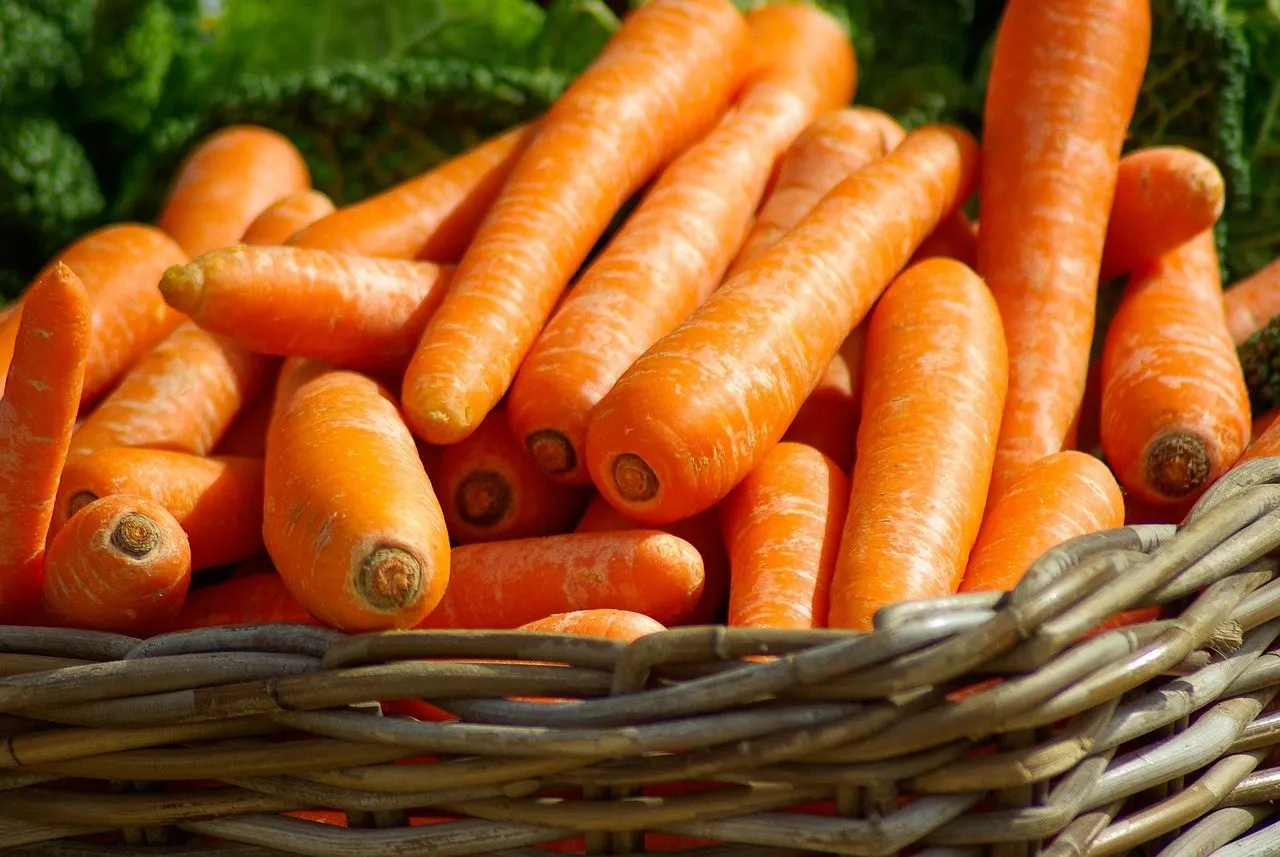
Hispanic food markets are full of color, with fresh vegetables, peppers and herbs piled high on the stalls. Shopping in a market is a social event as much as a chore, with vendors who know their regulars and share cooking tips. Those markets shaped the tastes that Goya grew up serving, and they still shape what families cook today. Fresh food is where every good meal begins. Find hearty dishes in Kentucky dishes starting with chicken and dumplings.
Private Equity and the Goya Foods Buyout Playbook

Private equity firms follow a familiar playbook when they buy a company, and the plan for Goya fit it well. They buy with borrowed money, push for fast growth, cut costs and then sell the company on for a profit. That can work for investors, but it often changes the product that shoppers loved in the first place. The Unanue family knew the playbook and chose not to play. Read about leaders and returns in a chief executive who was asked to return.
Small Shops That Refuse to Sell Out
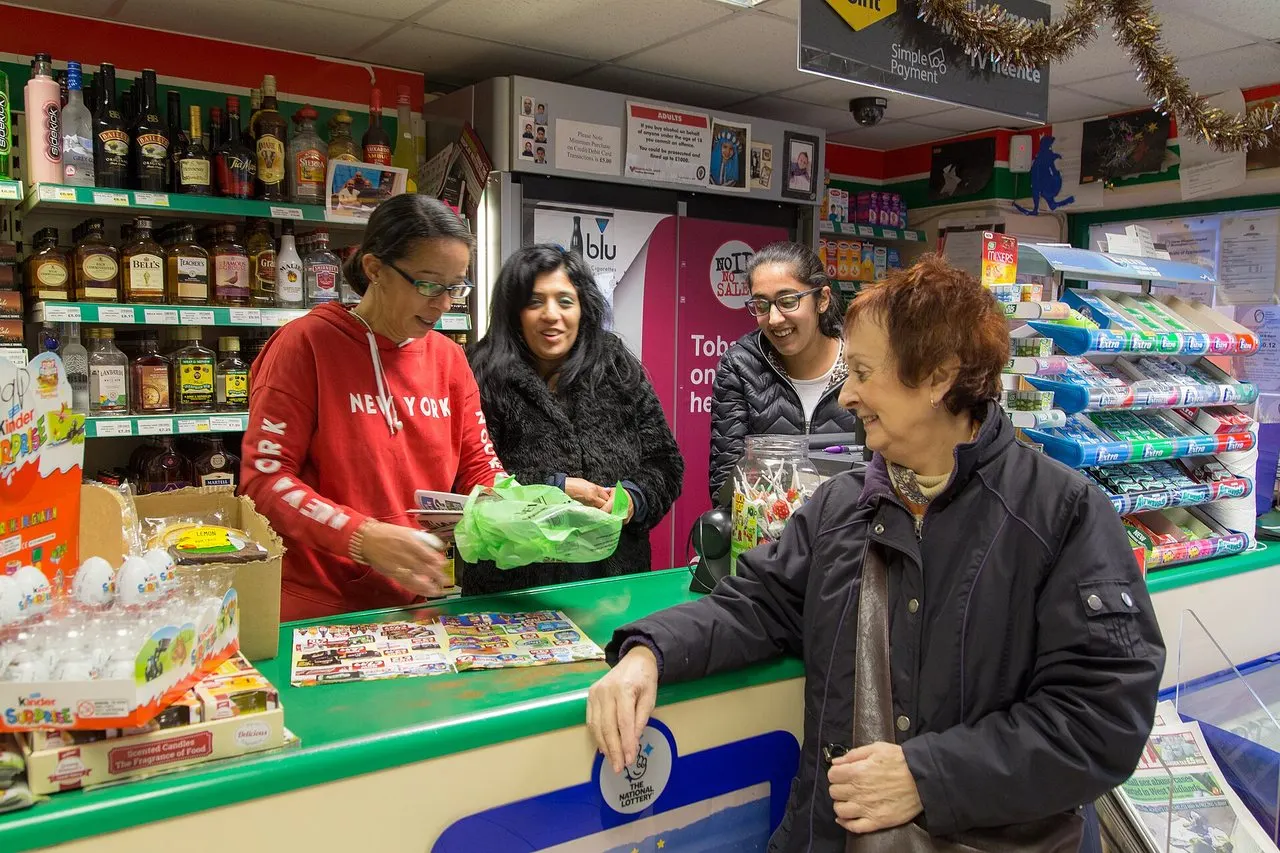
Small shops that refuse to sell out are becoming rare, and that is why this story struck a chord. Hundreds of family owned businesses have been absorbed in the last few years, quietly folded into giant conglomerates. Each sale may make sense on paper, but something is lost when a local name disappears from the shelf. Goya chose a different path, and readers noticed. See how communities push back in residents who forced a recall of the mayor.
Dinner Around the Family Table
Dinner around the family table is where food becomes memory, with beans and rice passed down the line and stories told between bites. The Unanue family built a company on those meals, and keeping the company meant keeping that table at the center of it all. Families who cook together stay close, and the food carries the love from one generation to the next. That is what the family protected. Read about family bonds in a sketch that feels like real life for caregivers.
The Grandparents Who Started It All

Behind this story are the grandparents who started a small storefront in New York back in 1936. They worked long days, served their neighbors and built something their children and grandchildren could carry on. Every family business begins with someone willing to take a chance on a small shop and a big dream. Their name still sits on the label today because the family refused to sell it. Celebrate lasting bonds in 32 years of love between Zidane and Veronique.
The Goya Foods Buyout Lesson for Family Recipes
The lesson here is that family recipes are worth protecting. When Wall Street steps in, recipes get tweaked and cheaper ingredients sneak onto the label, and the original mission disappears in favor of quarterly profits. The family kept control of its own kitchen, so the food stays true to what shoppers expect. That is a win for every cook who reaches for the can. Bake with care using rich tender holiday breads worth saving every crumb for.
What It Means for Your Shopping Cart
For shoppers, this story means the food in your cart stays the same, made by the same family that has run the company since 1936. You can keep buying the beans and rice you trust without wondering if a new owner changed the recipe to save money. That trust is hard to earn and easy to lose, and the family knows it. It is refreshing to see a company protect its independence. Stock up with ways to put a tree in every room.
Would You Turn Down Four Billion Dollars
If a buyer offered your family four billion dollars for the business your grandparents built, what would you do? Would you take the money and retire, or would you hold on to the name and the roots that made it yours? The Unanue family chose to keep Goya in family hands, proving some things are worth more than a check. Share your thoughts in the comments below. Read about other big money stories in a luxury box tied to a 2.2 billion dollar deal.