Senior Tax Deduction Brings $6,000 Relief to Americans 65 and Older

Senior tax deduction is the name of the new $6,000 tax break for Americans age 65 and older, and it arrived with the One Big Beautiful Bill Act signed in July 2025. The extra deduction is worth $6,000 for one senior and $12,000 for a qualifying couple, and it covers tax years 2025 through 2028. It applies whether a person itemizes or takes the standard deduction, which makes it simple to claim. We explain who qualifies and what the promise really means.
The White House calls the change no tax on Social Security for millions, and for some lower and middle income seniors the extra deduction can wipe out their federal tax bill. But the old rules that decide how much of a benefit is taxed have not changed, so many seniors will still owe tax on part of their benefits. The deduction also phases out above $75,000 for individuals and $150,000 for couples, and it ends after 2028 unless Congress acts. Read more about the fight over Social Security.
References:
Miller Canfield: One Big Beautiful Bill Locks in Tax Cuts, Tweaks SALT and Adds New Deductions
Charles Schwab: One Big Beautiful Bill Act Tax Cuts
Motley Fool: Not Only Did President Donald Trump Fail to Keep His Social Security Promise, but He May Have Accelerated the Program’s Path to Insolvency
Tikr: Democratic Senator: Social Security Recipients Under 65 "Will Not Benefit." If You’re Widowed at 63, You Could Owe $966 More in Tax
A $6,000 Senior Tax Deduction Signed Into Law

President Trump signed the One Big Beautiful Bill Act in July 2025, and the new senior tax deduction was part of that large tax package. The law gives Americans 65 and older an extra $6,000 deduction, or $12,000 for a qualifying couple, for tax years 2025 through 2028. The White House called it a win for retirees and described it as no tax on Social Security for millions. The signing marked the start of a benefit that millions of older Americans can now claim. See the deals from the Asia trip.
The One Big Beautiful Bill Act in Washington

The One Big Beautiful Bill Act is the large tax law that Congress passed and the president signed in July 2025. It locks in earlier tax cuts, changes the state and local tax rules, and adds several new deductions, including the extra break for seniors. Supporters in Congress said the package would help working families and retirees keep more of their money. Critics said it favors higher earners and adds to the national debt. The senior break is only one piece of a much bigger law. Read about the president’s trip to China.
Who Qualifies for the Senior Tax Deduction

The extra deduction is for taxpayers who are 65 or older by the end of the tax year. A single filer who meets the age test can claim $6,000, and a qualifying couple can claim $12,000 when both spouses are 65 or older. Younger retirees do not qualify, even if they already collect Social Security. That age line matters a lot, because many people retire before 65 and must wait for the break. Learn more from the debate over the Iran conflict.
$12,000 for a Qualifying Couple

A married couple can claim $12,000 when both spouses are 65 or older, which doubles the help for a household with two seniors. If only one spouse has reached 65, the couple claims $6,000 for that spouse alone. The rule rewards couples who have both reached retirement age, and it can make a real difference on a joint return. Couples near the age line should plan which tax year each spouse turns 65. A little timing can change the size of the deduction. See the warning about national security.
Tax Years 2025 Through 2028

The deduction covers tax years 2025, 2026, 2027 and 2028, which gives seniors four years to use it. A person who turns 65 in any of those years can claim it for that year, if the other rules are met. The break is temporary by design, and it disappears after 2028 unless Congress votes to extend it. That deadline matters for retirement planning, because a deduction that ends soon is worth less than one that lasts. Seniors should use the four years while they last. Read about why young savers want cash again.
The Senior Tax Deduction Works Either Way
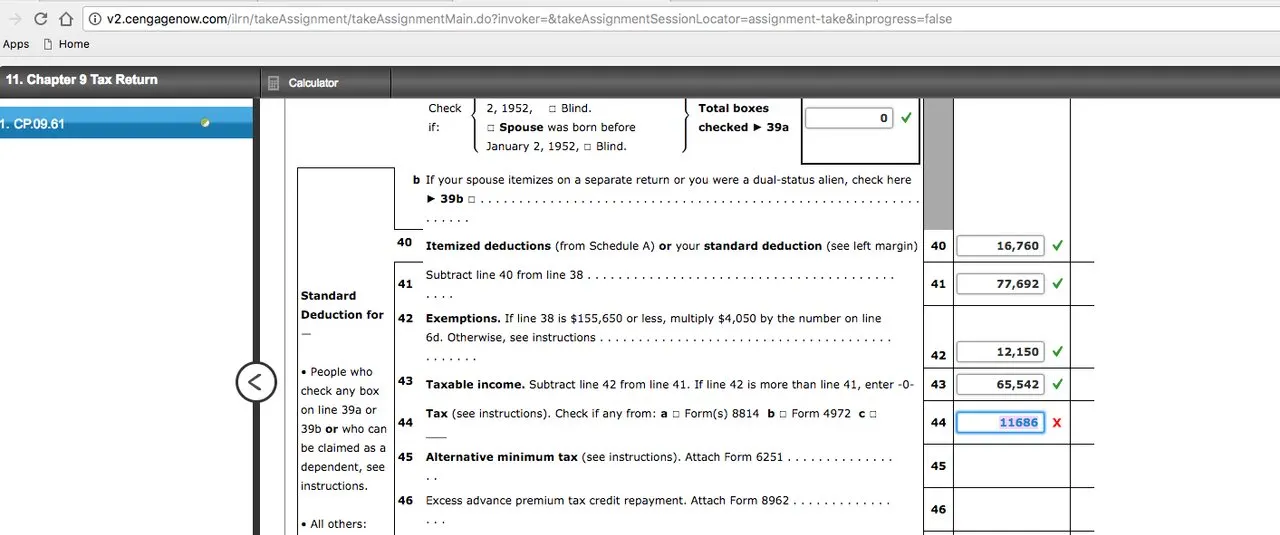
The extra deduction works whether a senior itemizes deductions or takes the standard deduction, which is rare and helpful. Many tax breaks only help people who itemize, and that leaves out retirees with simple returns. This one is added on top of the standard deduction, so a senior who files a short return can still claim the full $6,000. That design widens the benefit to millions of older Americans with modest incomes. It is one reason the White House says the break reaches so many people. See the handshake in China.
The $75,000 Phaseout for Individuals

The deduction starts to shrink once a single filer has modified adjusted gross income above $75,000. It phases out gradually as income rises, and it disappears entirely at higher income levels. That means the biggest help goes to seniors with lower and middle incomes, while wealthier retirees get less or nothing at all. A senior near the line should check total income carefully, because a small rise in income can trim the deduction. The phaseout keeps the benefit focused on those who need it most. Read about the legal fees fight in Georgia.
The $150,000 Phaseout for Couples

For a married couple filing jointly, the phaseout starts above $150,000 of modified adjusted gross income. The $12,000 deduction shrinks as income climbs past that line, and it vanishes at higher levels. Couples with two pensions, rental income or large withdrawals can cross the line without noticing. It pays to add up every source of income before tax time, because the phaseout can surprise a household that feels middle class. Planning ahead can protect part of the break. See how billionaires avoid paying taxes.
What the Senior Tax Deduction Promise Really Means
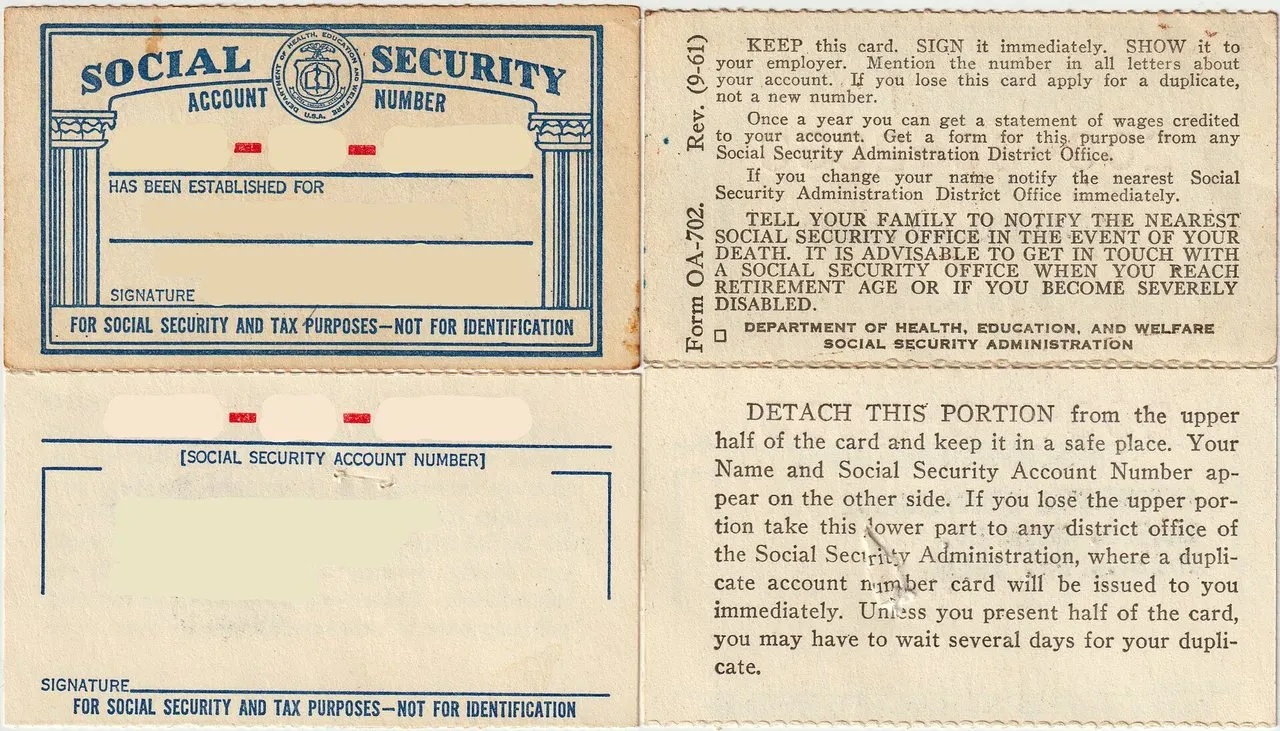
The White House says the new law delivers no tax on Social Security for millions. For some lower and middle income seniors, the extra deduction really can cut their federal tax bill to zero, including the tax on their benefits. But the promise is a shorthand, not a change in the law itself. The rules that decide how much of a Social Security check is taxed are still in place. That gap between the slogan and the statute is the heart of this story. Read the Democratic leadership fight.
Why Many Benefits Stay Taxable

Social Security benefits have been partly taxable since the 1980s, and the new law does not change those rules. Depending on total income, a senior can owe federal tax on up to 85 percent of benefits. The extra deduction can offset that tax for some people, but it does not erase the underlying rule. That is why experts say many seniors will still owe tax on part of their checks. The size of the remaining bill depends on pensions, withdrawals and other income. Read about the president’s visit to Manila.
Lower Income Seniors May Owe Nothing

For seniors with modest incomes, the extra $6,000 can be enough to wipe out their federal tax bill entirely. A retiree living mainly on Social Security and a small pension may find that the deduction covers the taxable part of their benefits. That is the group the White House has in mind. The relief is real for these households, and it can free up money for food, medicine and rent. It is the clearest win in the new law. See the odds on the 2028 race.
Middle Income Seniors and the Senior Tax Deduction

Middle income seniors sit in the middle of this story, and their result depends on the details. A couple with a pension, some savings income and Social Security may see their tax bill shrink by hundreds of dollars, or vanish for the year. Others with a little more income will see only a partial benefit as the phaseout begins. The best move is to run the numbers with last year’s return in hand. A small change in income can move the result. Read about the timeout for a cabinet secretary.
What Supporters Say About the Break

Supporters call the extra deduction meaningful relief for retirees who live on fixed incomes. They say $6,000, or $12,000 for a couple, is real money for people paying for medicine, groceries and housing. They also say the law keeps a campaign promise in spirit, even if the tax code still taxes some benefits. For many older voters, any cut in their tax bill feels like respect for a lifetime of work. That feeling is a big part of the politics here. See the president’s return from Asia.
What Critics Say Falls Short

Critics say the deduction falls short of the campaign promise to fully end taxation of Social Security benefits. They point out that the old tax rules on benefits are untouched, so millions of seniors will keep paying tax on part of every check. They also note the break is temporary and phases out, which limits who gains and for how long. Some critics warn that the wider tax law could strain the Social Security trust funds over time. The debate is far from settled. Read about the trade deals from the China trip.
The Senior Tax Deduction Promise Versus the Law

The gap between the promise and the law is easy to see. The campaign promise was to end taxes on Social Security entirely, and the White House still uses that language. The law itself adds a $6,000 deduction instead, which helps many seniors but leaves the benefit tax rules in place. A reference from the Motley Fool argues that the promise was not kept and warns about the program’s future. Readers should weigh the slogan against the statute. See the hearing skipped after a gala.
Seniors Under 65 Are Left Out

The age line leaves out a group that feels the pinch. A reference from Tikr notes that Social Security recipients under 65 will not benefit, and a widow at 63 could owe $966 more in tax. That example shows how a single age cutoff can hurt people who are already coping with loss and a tight budget. Younger retirees and widows must wait years for the break, if they live long enough to reach 65. The fairness of that line is now part of the debate. Read about how billionaires avoid paying taxes.
How the Deduction Works on a Return

Claiming the break should be simple for most seniors. The extra deduction is added when a return is filed, on top of the standard deduction or itemized deductions. A tax preparer or software program will ask for the filer’s age and income, then work out whether the full amount applies or the phaseout trims it. Seniors should keep records of income and birth dates, and check the return before filing. A careful review can catch a missed $6,000. See the economic deals from Asia.
Planning Before the Senior Tax Deduction Ends

Four years sounds long, but it passes fast in retirement planning. Seniors who qualify should claim the deduction every year it is open, and set aside any savings for the years after it ends. Couples should also watch the age of each spouse, because a partner who turns 65 later starts the clock later. If Congress extends the break, the planning changes, but no one should count on an extension that has not passed. Use the time well. Read about the president’s visit to Manila.
What to Ask a Tax Professional

A short meeting with a tax professional can save a senior real money. Good questions include whether both spouses qualify, how the phaseout treats pensions and withdrawals, and whether the deduction changes state taxes too. Bring last year’s return, a list of income sources, and birth dates for both spouses. A professional can also check whether other new deductions in the same law apply. The visit often pays for itself. See the odds on the 2028 race.
How the Senior Tax Deduction Helps a Retirement Budget

An extra $6,000 can mean a few hundred dollars back at tax time, and for a retiree that money has a job to do. It can cover a month of groceries, several prescriptions, or part of a utility bill. Couples who claim $12,000 may see a bigger refund, which can fund a small trip or a repair at home. The benefit is modest next to a full year of living costs, but it is welcome all the same. Every dollar counts on a fixed income. Read about the timeout for a cabinet secretary.
Seniors React With Relief and Questions

Across the country, seniors are greeting the news with a mix of relief and questions. Many are glad to see any tax cut aimed at retirees, and they plan to ask their tax preparers about it. Others want to know why the promise was not kept in full, and whether the break will last past 2028. Community centers and senior groups are already sharing tips on how to claim it. The conversation will keep going as the first returns are filed. See the president’s return from Asia.
Does the Senior Tax Deduction Go Far Enough

That is the question at the heart of this story, and it belongs to the seniors who live with the answer. Is $6,000, or $12,000 for a couple, enough relief for people on fixed incomes, or should the promise to end taxes on Social Security have been kept in full? Would you rather see the deduction extended past 2028, or the benefit tax rules changed instead? Share your view in the comments below. Read about the trade deals from the China trip.